Dr Daniel Serrano – Los Angeles – 2008

LOS ANGELES (28 March 2008)An Argentine doctor who served prison time for giving illegal anti-wrinkle injections to wealthy and celebrity clients has been arrested and could face deportation, immigration officials said Thursday.

Daniel Tomas Fuente Serrano, who was jailed after pleading guilty in 2006 to conspiracy, smuggling and use of unapproved drugs, could forfeit his permanent residency in the United States because of the crimes, Immigration and Customs Enforcement spokeswoman Virginia Kice said.

“If you’re here as a guest of this country, and you’re convicted of certain types of crime, you may lose that privilege,” she said.

Serrano finished his prison sentence earlier this month, but authorities could not arrest him until Wednesday because his conviction was under seal, Kice said.

He was taken into custody at his Beverly Hills home.

No phone listing was available for Serrano. It was unclear if he had retained an attorney.

Kice did now know when his first immigration hearing would be held.

Serrano previously received an 18-month prison sentence, which was later reduced by three months.

Prosecutors said he gave the illegal injections at various places, including parties where as many as 30 wealthy clients sipped cocktails and were injected with silicone smuggled into the U.S.

Lionel Richie, his ex-wife, Diane, and Shawn King, the wife of CNN talk-show host Larry King were other clients, according to court papers.

Serrano wasn’t licensed to practice in this country, prosecutors said.

He was accused of charging thousands of dollars for injections of substances consistent with industrial grade silicone used to lubricate auto parts, as well as medical grade silicone, which is used for some eye surgeries but is not approved as wrinkle filler, according to court papers.

Some of Serrano’s clients developed problems after the injections, court papers state.

Clients claimed they were unaware that Serrano was not licensed in California.

Serrano’s arrest by immigration officials was initially reported by TMZ.com.

Older Americans wealth and age grows, says new US report

image

Chicago: Older Americans are richer than ever before and are expected to live far longer than prior generations, a new US government report reveals.

They said the average net worth of older Americans, aged 65 or older, has increased almost 80 percent over the past 20 years.

And those who reach the age of 65 are now expected to live an average of 19 more years, or seven years longer than people who had reached age 65 in the year 1900.

The findings are part a report released on Thursday called Older Americans 2008: Key Indicators of Well-Being, which features data from 15 federal agencies on trends in population, economics and health issues.

“It gives you a status report of the older population,” said Richard Suzman of the National Institute on Aging, a part of the National Institutes of Health.

“We’ve seen significant improvements in poverty. The percent of those with low income has gone down, education has increased, life expectancy has increased,” Suzman said.

“But there are some notes of concern. Obesity has gone up quite significantly. And there are some large disparities. The life expectancy gap between whites and blacks has narrowed but is still large. There is a big wealth gap between whites and blacks,” he said in a telephone interview.

The report forecasts that by 2030, the number of Americans over the age of 65 will nearly double to 71.5 million, or 20 percent of the U.S. population, up from 12 percent, or 37 million people, in 2006.

It found that older adults in the United States are far better educated than prior generations. In 2007, 76 percent of those over 65 had high school diplomas, and at least 19 percent had a bachelor’s degree, up from 24 percent with high school diplomas in 1965 and just 5 percent with bachelor’s degrees.

But much of those gains in education were enjoyed by non-Hispanic whites over the age of 65. Eighty-one percent of non-Hispanic whites age 65 and older had finished high school in 2007, compared with 72 percent of Asians, 58 percent of blacks and only 42 percent of older Hispanics.

And while the proportion of people with incomes below the poverty line fell to 9 percent in 2006, down from 15 percent in 1974, median net worth for households headed by white people aged 65 and older in 2005 was six times that of households headed by blacks.

Not surprisingly, older Americans, like many other groups, are getting fatter, the researchers said. In the 2005-2006 study period, 37 percent of women aged 65 to 74 were obese, and 24 percent of women age 75 and over were obese. This is up from the 1988-1994 study period, when 27 percent of women age 65 to 74 and 19 percent of women age 75 and over were obese.

Despite many studies touting the benefits of exercise, the report found no significant change in the percentage of older people engaged in physical activity between 1997 and 2006.

While the report noted that Americans are living longer than ever before, life expectancy in the United States still lags many other industrialized countries, including Canada, France, Sweden and Japan.

For example, women in Japan who reached the age of 65 in 2003 could expect to live 3.2 years longer than women in the United States. Men in Japan who reached age 65 lived 1.2 years longer than men in the United States.

The full report can be viewed online at www.AgingStats.gov

Aussie Beauty Ellie Chosen as New Face of Revlon

image
image

Elle Macpherson has signed up as a global brand spokesperson for cosmetics giant Revlon and will feature in print and TV advertising campaigns.

The 44-year-old supermodel’s role will also involve her promoting women’s counselling services and breast cancer research.

“Revlon is an iconic brand, bringing high quality products to women around the world and is complementary to my values. I am proud to join Revlon in its celebration of women and in its long-term commitment and support for education and research to advance women’s health and particularly to fight women’s cancers,” she said.

The Australian beauty – who is nicknamed ‘The Body’ – will join Halle Berry and Jessica Alba in endorsing Revlon.

Revlon’s president David Kennedy added: “Elle’s special qualities as a businesswoman, beautiful and talented model, actress and mother represent the essence of the Revlon brand.”

Elle has experimented with several career paths, including acting roles in ‘Sirens’ alongside Hugh Grant and hit US TV show ‘Friends’.

She has also launched a successful lingerie line, ‘Elle Macpherson Intimates’, designed a range of beauty products for British high street store Boots and was appointed to the board of surfwear company Hot Tuna(International) in 2006.

image

Women confused by anti-ageing claims, says new research by Olay

image

London: It’s fair to say that UK women now have more choice than ever when it comes facial anti-ageing solutions. From innovative cosmetic surgery procedures to topical so called ‘cosmeceuticals’ and sophisticated skin-care, there’s never been a wider range of beauty solutions available on the market.

However, the latest anti-ageing consumer research, commissioned by Olay Regenerist with YouGov, shows that only 4% of UK women are actually opting to undertake more drastic cosmetic procedures and increasing numbers are confused about which so-called ‘wonder ingredients’ are really worth it. So what are their main concerns and what’s the solution to this most modern of beauty dilemmas?

The Pressure To Look Good

A recent YouGov survey of 1,152 adults commissioned by Olay Regenerist, leading experts in anti-ageing skincare, revealed the signs of ageing that concerned UK women most were a loss of elasticity or sagging (44%), wrinkles (43%) and fine lines (28%). “I hear from women every day about their concerns and complaints about the visible signs of ageing. In my experience, American women tend to be more worried about wrinkles, whereas women in the UK are more inclined to accept some fine lines as a natural part of the ageing process,” says beauty industry expert Wendy Lewis, celebrity image enhancement coach and author of Plastic Makes Perfect.

Perhaps this more tolerant attitude to Mother Nature is the reason why, rather reassuringly, only 4% of British women admit to having had a cosmetic procedure. Even with a seemingly endless supply of makeover shows on our screens, a whopping 60% of women said they had not only never had any augmentation, but that they wouldn’t consider having any in the future (64% even said they only saw it as a ‘last resort’). So why are we so reluctant to head for the Cosmetic surgeon’s office?

The fear of looking ‘unnatural’ often puts people off having something done. Cost (44%), potential side-effects (43%) and unknown end results (37%) were the three most popular reasons women cited for why they wouldn’t have cosmetic procedures in the futureSo with UK women mostly unwilling to submit themselves to a procedure, they are more likely to opt for a topical cream to help them keep wrinkles at bay. But even this can be a source of frustration and confusion for consumers.

‘Cosmeceuticals’ and Confusion

It seems that even though we’re more aware than ever of the latest developments in skincare, we Brits are still confused as to what an effective anti-ageing regime should actually consist of. According to the survey, 56% of women maintain a simple cleansing, toning and moisturising routine as part of their anti-ageing tactics, with 44% adding diet and exercise as an important part of their regime too.

But in a beauty market flooded with anti-ageing ‘buzzwords’ such as retinols, co-enzymes and peptides, UK women can find it hard to navigate through the hype to find what works for their skin. According to the YouGov survey, almost half of women (43%) are confused by claims as to which ingredients really work.

This concern was highest amongst 35-44 year olds, the very group that tend to be most concerned with preserving their looks and achieving a more youthful complexion. In fact, this confusion can lead to a deep mistrust of what consumers see as marketing – only 12% of women surveyed indicated that scientific claims made on packaging had any influence when they were looking to buy an anti-ageing product.

The Solution

When it comes to buying an anti-ageing cream, the YouGov survey reveals women really do vote with their wallets, opting for well-established, trusted brands (57%) over others and noting price as an important part of their choice (52%). It seems that amidst all the hype and hyperbole over the latest ‘miracle’ ingredients, women seek reassurance from brands they trust to deliver the goods.

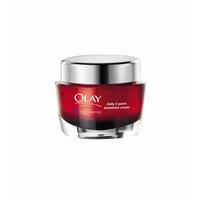
The Olay Regenerist range, one of the leading brands professionals and beauty experts recommend, is an ideal choice for those seeking effective and affordable anti-ageing skincare with proven efficacy. Its star ingredient, the peptide Pal KTTKS, has shown to be effective at improving visible skin texture and wrinkles, and acts as a signal to encourage the regeneration of skin’s appearance. Combining this important peptide in a unique Amino-Peptide Complex with Niacinamide (a hardworking B vitamin complex that has a key role in evening out skin tone and strengthening the skin’s barrier defences) Regenerist has been shown to have twice the regenerating effect of skin’s appearance versus untreated skin. It delivers dramatic anti-ageing results before considering more drastic anti-ageing measures.

And the results speak for themselves. One bottle of Regenerist is sold every two seconds worldwide(1). Regenerist delivers real results at a more affordable price than some ‘miracle’ creams. Which just goes to show that women really do know what they want -anti-ageing protection from a brand they trust to help them look younger.

Brits clean up!

image

London: British people spend almost as much on personal grooming products as they do on products to keep their house clean, according to new research from domestic cleaning company MOLLY MAID.

The survey found that 86 per cent spend up to £25 a month on cleaning products, with 85 per cent spending the same amount on beauty and grooming items.

But as far as putting those cleaning products to good use, it is the women who do most of the work around the house: only a quarter of men are responsible for all or most of the cleaning in their home compared to 69 per cent of all women. Over half (51 per cent) of women spend more than three hours a week on housework, compared to 60 per cent of men who spend less than three hours a week on house work. A quarter of men spend less than one hour a week on housework.

Both sexes may have different approaches to how much they clean, but they do agree that the kitchen is the most important room to clean, followed by the bathroom for women and the sitting room for men. But both also agree that bathrooms are the most annoying room in the home to clean and kitchens the hardest.

Although men spend almost as much on their house grooming as they do on their personal grooming, they won’t get a look in with a woman who has caught their eye if they don’t put those cleaning products to good use. The survey found that 91 per cent of women are put off by a man who doesn’t keep his house in order.

Pam Bader, Chief Executive of MOLLY MAID said: “We may spend the same amount on cleaning as personal grooming but while today’s women are putting those cleaning products to good use and keeping their home clean and tidy, men are letting theirs gather dust in the kitchen cupboard. In this time starved age when commuting takes long and we work longer hours, a MOLLY MAID clean can really help you keep on top of household chores.”

About the survey
All figures, unless otherwise stated, are from YouGov Plc. Total sample size was 1,997 adults. Fieldwork was undertaken between 9th – 11th January 2008. The survey was carried out online. The figures have been weighted and are representative of all GB adults (aged 18+).

MOLLY MAID is one of the world’s largest professional domestic cleaning services, carrying out 2 million home cleans every year worldwide. Initially founded in Canada in 1979, MOLLY MAID currently trades in Canada, USA, Japan, Portugal, Bermuda, Puerto Rico and the UK

MOLLY MAID offers a 100 per cent guaranteed, flexible and affordable domestic cleaning service. Staff are fully insured, work in teams of two and arrive in MOLLY MAID branded cars, bringing with them all the necessary cleaning equipment and supplies.

MOLLY MAID came to the UK in 1985 and has grown from a standing start to 69 Franchise Owners nationwide and a current annual turnover of over £12 million.

Pam Bader, OBE FRSA, has been with MOLLY MAID since the beginning in the UK, and has given many people who do not have any formal qualifications or business experience the opportunity to run their own businesses from home. The network of Franchise Owners is a mix of both men and women who wanted to take the step into running their own business but wanted the security and support of a national brand behind them.

www.mollymaid.co.uk

Get ready for summer with skin treats from Renew Medica

image

London: Renew Medica – the market leader in non-surgical cosmetic procedures, Laser Hair Removal and Advanced Skin Treatment in London and the South East – is offering three special deals this Spring all aimed at pampering your face in time to greet the first summer rays.

The exclusive Spring offers at Renew Medica include a FREE Skin Analysis using the VISIA Complexion Analysis System, 3 zones for the price of 2 Botox Wrinkle Treatments, or 2 for 1 treatments for Photo-Rejuvenation (IPL) and Micro-Dermabrasion. All of the treatments at Renew Medica, which is Healthcare Commission-registered, are non-invasive and individually tailored to each client’s need. The impeccable expertise of Renew Medica’s practitioners ensures that these procedures are carried out with the highest level of service, information and care.

Know the state of your skin with a FREE VISIA Complexion Analysis System

Let’s face it. Climate change and pollution are not just environmental hazards. These factors, along with intense tanning during the summer months, combine to adversely affect the health of your skin. Through the adoption of technological advancements, Renew Medica conducts state-of-the-art skin analyses with a UV scanner or the VISIA Complexion Analysis System. The results of the analysis will reveal common skin conditions, such sun damage, wrinkling, vascular lesions and hyperpigmentation, and help you plan for a summer of healthy-looking skin.

Ban those wrinkles with 3 zones of Botox treatment for the price of 2!

Good news! Renew Medica’s approach to Botox is unique in that it strives to create a natural look by tailoring its Wrinkle Treatment to each client’s facial anatomy. Nobody wants to trade fine lines for a frozen face so commonly seen in American Botox practices. Renew Medica’s unique treatment is effective for reducing facial lines and also serves as a remedy for inducing and augmenting eyebrows, eliminating tension headaches and excessive sweating.

Rejuvenate, correct and heal the skin with 2 signature treatments for the price of 1!

Now there is a way to look ten years younger without going under the knife. Renew Medica’s breakthrough Intense Pulsed Light (IPL) technology can correct a variety of skin conditions, such as facial imperfections, the signs of ageing and unsightly small veins. This treatment, also known as Photo-Rejuvenation, can drastically improve skin texture and other blemishes. Celebrate Spring by treating yourself to Renew Medica’s 2 for 1 offer on IPL or Micro-Dermabrasion, which resurfaces the skin to remove dead skin cells, eliminating those unsightly blackheads and unblocking congested skin.

Employing a team of 115 industry experts, Renew Medica encompasses 14 prime locations in London and is entering a stage of further expansion. The institute recently launched its flagship spa in Urban Retreat, Harrods, featuring new arrivals in its unparalleled portfolio, including the Soprano XL System, a revolutionary, painless laser hair removal system and Alma Accent, an advanced laser system for the treatment of cellulite, skin tightening and body contouring. Additional treatments available across all Renew Medica clinics include Hyperhidrosis Control, Dermal Fillers, Remedial Electrolysis, Micro-Pigmentation and Sclerotherapy. Renew Medica also carries Cosmedix, the cosmeceutical range of plant botanicals-based skin care products, which contain retinol, the Holy Grail in Anti-aging.

For further information on Renew Medica and for full list of clinics please visit Posted in Facial Elixirs, News | Tagged , , , , ,

1 in 5 has complications from holiday surgery

image

London: A survey by the UK consumer magazine Which? has found that one in five people who travel abroad for surgery are left to deal with unpleasant complications.

Nearly one in five (18%) of respondents had health problems following treatment, including infections, and 8% needed urgent NHS care on their return. An estimated 80,000 UK residents opted for cheaper surgery abroad in 2006.

Many UK cosmetic surgeons say they have ended up repairing the damage from botched surgery carried out overseas. The low prices of surgery and dentistry abroad together with many people not being able to get an NHS dentist are fuelling the dramatic rise in procedures carried out abroad.

Which? said that a tummy tuck which would cost £4,000 in the UK was 50% cheaper in Poland.

However, specialists say that flying into a foreign city for an operation means that patients are not properly assessed prior to surgery – and not given the right support afterwards.

The majority of the 299 people polled by Which? said they were very satisfied with their treatment, but more than a quarter said they had not received the right follow-up care after their procedure.

Among the 18% who reported problems were one patient who developed a severe infection after a tummy tuck operation, and another who said that she had been left leaking fluid following liposuction.

Which? is also concerned about the quality of advice offered to would-be patients – one firm called anonymously said a full knee replacement was not a risky procedure, and that the patient would not need to be followed up by a clinician on returning to the UK. However half of all knee replacement patients need physiotherapy and all are reviewed as part of standard practice.

Neil Fowler, the Editor of Which?, said: “Medical tourists should do their homework before jumping on the plane, and avoid rushing back too quickly if they want to avoid potential problems.

“Ask the right questions beforehand, speak to UK health professionals and don’t assume you’ll have a safety net if things don’t go according to plan.”

More than half the members of the British Association for Aesthetic Plastic Surgery who answered a survey last year said they had seen three or more dissatisfied patients following surgery abroad.

Its president Douglas McGeorge said: “My experience with patients is that counselling is inadequate – the individuals have no idea of the standards of care in the country they are visiting and no knowledge of the abilities or experience of the surgeon.

“Follow-up is difficult – complications do occur and are usually left to the British system to treat.”

Women fight depression with sex, says new report

image

Melbourne: Depressed women are likely to have more sex than those who are happier because it helps them to fight feelings of inadequacy, a new study has revealed.

Researchers in Australia have found that females who suffer from mild to moderate depression indulge in more sexual activity than those who are not, regardless of whether they are in a relationship or not.

Moreover, depressed women have more sexually liberated attitudes, a variety of sexual experiences and, if single, are more likely to go for casual sex, according to the study.

Lead researcher Dr Sabura Allen said: “When people are depressed they feel more insecure about their relationships and concerned that their partner may not care about them or find them valuable. Having sex helps them feel that closeness and security.

“It was more sex and more of everything from kissing to petting, foreplay and intercourse. We knew this anecdotally from clinical samples but this is the first time it’s been shown in research.”

Dr Allen and her colleagues at the Melbourne Monash University came to the conclusion after they analysed the sexual experiences of 107 depressed and non-depressed women who were in relationships.

Dr Allen said that Australian couples “tend to have sex between once and three times a week”, with “very much the majority in the once a week group”. “Single women have it significantly less, but the same is not necessarily true in the case of single men.”

However, the researchers are not sure whether sexual intercourse could be an effective balm for depression. “We really don’t know but we presume it helps as it gives these women opportunities to be close to their partner and loved.”

Control your insulin and live longer

image

New York: Scientists have found that reducing insulin prolongs life in a series of experiments with worms.

The discovery could lead to specific anti-ageing drugs and new treatments for age-related diseases such as heart problems and some cancers, helping people to live longer.

The new study found that reducing insulin levels helps fight off free radicals, the harmful chemicals that damage cells and are thought to have a role in triggering cancers and other diseases

Insulin, which is also used in the treatment of type 1 diabetes, is produced in the pancreas in response to eating, and allows sugar to be converted into energy and to transport it to cells.

Dr Keith Blackwell, associate professor of pathology at Harvard Medical School, genetically manipulated tiny worms so that the insulin in their bodies was less effective.

This, in turn, boosted the activity of a master gene, called SKN-1, which forms part of the body’s defences against free radicals. As a result, the worms lived for longer.

Dr Blackwell, whose work was published in the journal Cell, said: “This has implications for basic biology since under some circumstances insulin may reduce the defences against the damaging effects of oxidative stress more than we realise.

“If we as people have these same stress defences and if we could learn how to maximise their potential, this might be of significant benefit in various diseases such as diabetic and vascular complications. The major implication is that we have found something new that affects lifespan and ageing.”

The worms, called Caenorhabditis elegans, are frequently used by scientists because their genetic make-up has been found to be very similar to that of humans.

Dr Blackwell and colleagues will now repeat their experiments in mammals.

The hope is that developing drugs or other therapies that could fine-tune the activity of the SKN-1 master gene would lead to increased resistance to chronic diseases and boost longevity.

Experiments going back to the 1930s have shown that restricting food consumption in laboratory animals including worms, rats and monkeys can extend lifespans.

There has been little firm evidence this could be applied to humans.

However, this has not stopped more than 1,000 people from joining the Calorie Restriction Society, a California group which believes that eating less than half the recommended 2,000 calories a day can lead to physiological changes that slow the ageing process.

There are natural products, already available on the market, such as the Life Extension Metabolic Modulator, which contains beta-glucans and cytokinins, which help the body reduce insulin levels.

Countless studies show these natural food components play a vital role in maintaining already healthy blood sugar levels, body weight, and cardiovascular function.

The new Metabolic Modulator provides missing constituents naturally found in oats and barley. The result is a neutral-tasting, easy to mix soluble fiber that can help modulate after-meal blood sugar effects, along with the insulin response to a meal containing carbohydrates.1-3

The beta-glucan in Metabolic Modulator slows the absorption of carbohydrates into the bloodstream, thereby helping to maintain already healthy levels of after-meal blood glucose (sugar) and insulin that promote fat gain and contribute to a host of degenerative problems.

The natural cytokinins found in Metabolic Modulator help promote cardiovascular health by keeping cholesterol, low-density lipoprotein (LDL), and even harmful C-reactive protein within already healthy levels. Unlike store-bought barley, this patented powder is specially concentrated using a process that precisely controls the malting and sprouting of the barley to yield a product that is exceptionally rich in the bioactive cytokinin compounds.

Adding a serving of Metabolic Modulator once or twice daily to your food or beverage is a perfect way to help modulate blood glucose and optimize your health.

You can purchase this vital dietary supplement at www.thevitalityshopuk.com

Folic acid improves sperm quality, says new US report

image

Los Angeles: Prospective fathers should consider taking folic acid supplements to improve their chances of fathering a child, according to new US research.

A study by the University of California has found a link between high levels of the nutrient in men’s diets and the genetic quality of sperm. Those with the highest levels had the lowest proportion of sperm with genetic changes that can lead to Down’s syndrome and miscarriages.

It has already been proven that women who are trying for a baby should ensure they have adequate levels of folic acid. The B vitamin is essential for foetal development and a deficiency during the early stages of pregnancy can lead to neural tube defects in the baby, including spina bifida.

Professor Brenda Eskenazi at the University and her team looked at how micronutrients affect sperm quality. They took sperm samples from 89 healthy, non-smoking men and asked detailed questions about diet and supplement intake.

They report in the journal Human Reproduction that there was an association between levels of folate in the diet and the numbers of sperm displaying aneuploidy – chromosomal abnormalities that can lead to failure to conceive and Down’s syndrome. “There was increasing benefit with increasing intake.”

The team found no consistent association between dietary zinc, vitamin C, vitamin E and beta-carotene and sperm quality. Eskenazi suggested men trying to father a child should consider taking multivitamin supplements containing folate.

Plant sterols are mega cholesterol busters

image

Plant sterols, also called phytosterols, can reduce cholesterol levels, no matter how much fat is in your diet, says Canadian researchers in the journal, Metabolism.

So if you have a diet high in saturated fats including those in read meat, cheese and fried foods you can still fight bad cholesterol (LDL) by taking phytosterol supplements.

Although the new research has revealed that phytosterols continue to work evne if you eat bad dietary fats it makes sense to improve the foods you eat. As well as supplements there are also added phytosterols in some foods, particularly the fats and drinks in the Flora range of products.

Europe hit by snoring epidemic

image

Paris: Snoreeze has commissioned new Ipsos MORI research in France which confirms that millions across Europe could be suffering from the effects of snoring yet they are failing to do anything about it. Snoreeze has long understood the negative effects which snoring can have on daily life – half of all relationships in the UK are affected by snoring. Yet despite the consequences and the range of solutions available, tolerance rather than action seems to be the norm.

More is understood about the negative effects of a poor night’s sleep than ever before, but the study shows that nearly 50% of snorers believe their problem is merely a habit which partners must learn to cope with. With research estimating that there are 15 million snorers in the UK alone as many people again may be being forced to endure disrupted sleep.

It is a partner and others in the household who suffer the far-reaching negative effects of snoring on daily life, and the new research confirms this. Of those questioned one in three had experienced poor performance at work due to snoring, and 61% believe that snoring has resulted in a more irritable household. The news in the UK is similarly negative, with research indicating that snoring affects half of all relationships and that one in four couples has even resorted to sleeping in a separate room.

Dr Neil Stanley, a sleep expert from Norfolk and Norwich University Hospital, said:

“Britain seems to have fallen out of love with sleep. A good night’s sleep is very beneficial for our physical, mental and emotional health. No-one can fail to notice the difference a good night’s sleep can have on their daily life, yet people may be letting a snoring partner take this away from them. Couples need to start opening up the communication channels about sleep.”

Further insight from the Ipsos MORI research, carried out with snorers and those in their household, shows:

· The majority of snorers are male (64%) yet snoring is by no means an exclusively masculine problem.

· However, 91% believe that anyone can snore, regardless of age or gender.

· 88% stated that the negative effects of snoring can be wide-reaching, effecting everyone in the household.

· 41% believe that snoring can result in a lack of energy.

· A third actively sought advice from a pharmacist about snoring relief, no longer able to cope with the negative effects of snoring on their own.

Serial snorer Graham Newman and his wife have experienced first hand the impact that his snoring has had on their daily life. He said:

“I’ve always been oblivious to my snoring, probably like most men who snore and although I tend to get a good night’s sleep, my wife hasn’t been so fortunate over the years. At my worst, she would often wake up feeling tired and I’d feel a bit guilty that she was missing out on the sleep I was enjoying.”

Passion for Life Healthcare believes this tolerance need not be the case. The company manufactures and distributes Europe’s number one snoring relief brand Snoreeze, which for couples such as Graham and his wife is the practical solution towards a better night’s sleep and an improved life.

Graham’s wife found Snoreeze and encouraged him to try it after he had tried every other method he could think of, including going to the extremes of electric shock treatment. Speaking of the significant transformation which Snoreeze has had on his daily life, he said:

“My wife has found relief because of my using Snoreeze – it’s the only thing that I have tried that absolutely works for me. In fact, she makes sure I never run out of it and now we can both enjoy a good night’s sleep, the benefits of which we really appreciate.”

The Snoreeze range of products can provide immediate and long-lasting relief, with different formats for different individual preferences. For example, the Snoreeze Nasal Spray is recommended for snorers who suffer from a blocked nose, whereas the Throat Spray and Oral Strips are ideal for those who snore more when lying on their back.

For couples that suffer from the negative effects of snoring, relief through Snoreeze is at hand so they can both enjoy the beneficial sleep that they need.

More about Snoreeze
o Snoreeze is the market leader in snoring relief products, including Snoreeze Throat Spray, Snoreeze Nasal Spray and Snoreeze Oral Strips. It has a patented and innovative spherulite® formulation that works continuously through the night to provide up to eight hours of snoring relief.

Snoreeze Oral Strips cost £4.99 and contain 14 strips. Snoreeze Nasal Spray is £9.95 for 25 nights’ doses. Snoreeze Throat Spray is £12.95 for 50 nights’ doses.

o Snoreeze Oral Strips have won best Snore Relief Product in the Boots Vitamins Award 2008 as voted for by 23,000 consumers

Snoreeze products are available from Boots, Superdrug, Lloyds, Alliance and all good pharmacies, or can be purchased from shop.passionforlife.com or by calling 0800 096 1121 (in UK).

More information about Snoreeze and stockists is available at www.snoreeze.com

o Passion for Life Healthcare is a successful manufacturer and distributor of innovative products in the OTC (over-the-counter) healthcare sector

o The Passion for Life Healthcare range includes Snoreeze, Bio-Fem, Peditech and Audiclean

o The Bio-Fem range is based on Bio-Active Science, working with the body to provide rapid, safe and effective relief from feminine discomforts. The range includes Instant Active Gel, for vaginal discomforts and Instant Moisturiser, for vaginal dryness. It also includes Bio-Fem Moisturising Balm and Bio-Fem Relief Compress to prepare and sooth nursing mothers

o Audiclean is a safe and natural ear cleaning wash, which gently cleanses the external ear canal to prevent the build-up of excess wax

o Peditech is a unique antibacterial spray with a patented dynamic formulation to eliminate the bacteria, which causes foot odour, and prevents the odour from returning

o For more information about Passion for Life Healthcare or any of the brands, go to www.passionforlife.com


Why your daily cuppa is good for your heart

image

London: Women who drink tea may be protecting themselves from building up plaque in their arteries, so reducing their risk for heart disease and stroke, according to the results of a study conducted in Paris.

Commenting on the study, Dr Catherine Hood from the TEA ADVISORY PANEL (TAP) notes: “This research study found that older women who reported drinking at least three cups of tea a day were less likely to have plaque in the carotid arteries in their neck than those drinking less tea. The build up of plaque in the arteries contributes to atherosclerosis, which is a key risk factor for cardiovascular disease.

“This was a large study involving 2,613 men and 3,984 women, aged about 73 years old. Their carotid artery plaque was measured by ultrasound and assessed in relation to tea drinking and other dietary habits and medical and personal history, information about which was obtained during individual interviews with the study subjects.

“Carotid plaques were evident in 45% of non-tea drinking women, in 42.5% of women who reported drinking 1-2 cups of tea daily and in only 33.7% of those reporting drinking three or more cups a day. Findings in dietary studies are often confounded by other factors such as presence of disease in the subjects and other lifestyle behaviours. However, in this study, findings did not depend on whether the women were smoking or not, whether or not they took hormone replacement therapy (HRT) and whether or not they suffered from vascular disease.

“The same inverse association between drinking three or more cups of tea a day and carotid plaque was found in women aged more or less than 75 years, with a body mass index of less or more than 27, with or without hypertension. No significant interaction was found with level of education or fruit and vegetable intake. In short, the association between increased tea consumption and reduced carotid plaque was independent of dietary and lifestyle habits, age and major cardiovascular risk factors.”

Guest advisor to TAP, Dr Sanjay Prasad from the heart and stroke charity CORDA notes in conclusion: “Several studies suggest that increased tea consumption is associated with reduced cardiovascular disease, including atherosclerosis and vascular event.[3] However, according to the researchers of this study, it is the first to show that increased tea consumption is associated with reduced carotid plaque, so suggesting a protective effect of drinking three or more cups a day on carotid atherosclerosis. Further work is required to validate these findings.”

The Tea Advisory Panel: The Tea Advisory Panel is supported by an unrestricted educational grant from the UK TEA COUNCIL, the trade association for the UK tea industry. The Panel has been created to provide media with impartial information regarding the health benefits of tea. Panel members include nutritionists; dieticians and doctors. For further information please call + 44(0)207 8089756.

1. CORDA was founded in 1976 to support clinical research into the prevention of heart disease and stroke using non-surgical methods. They have provided vital funding for the development of ultrasound and other non-invasive techniques used by the researchers at the Institute of Child Health to evaluate cardiovascular disease in the young. In fact, CORDA funded the world’s first cardiovascular magnetic resonance scanner at the Royal Brompton Hospital in London. Cardiovascular magnetic resonance (CMR) does not involve harmful X-rays. It provides the most powerful pictures of the body without surgery. As a result CORDA has enabled major medical advances in the understanding of the causes and development of heart disease and stroke. To find out more about CORDA log on to www.corda.org.uk.

Top tips for buying healthy shades this summer

image

Eighties retro-style sunglasses may be the trendy choice this summer, with everyone from Amy Winehouse to Sienna Miller favouring them – but experts are warning fashion-conscious Brits to focus on looking after their eyes when it comes to buying a new pair of shades.

Research reveals that almost 80 per cent of under-25s put fashion and price BEFORE safety standards when choosing sunglasses.

And with some sunglasses on sale across the UK offering little or no protection from harmful UV rays, The College of Optometrists is warning of the dangers as people prepare for summer holidays.

Sunlight can damage the retina and lens of the eye, increasing the long-term risk of developing conditions such as cataracts and possibly AMD (Age-related Macular Degeneration).

Dr Susan Blakeney, optometric adviser at The College of Optometrists, says: “With increasing awareness of the risk of skin cancer, most of us wouldn’t dream of going outside on a sunny day without suncream protection. Yet many forget or are even unaware of just how delicate the eyes can be, and will be going on summer holidays with totally unprotected eyes, or with sunglasses that are not up to scratch.”

The research also reveals:

– The 66 and over age group is the only one to focus on protection over anything else when buying sunglasses…although they’re also the least likely group to have a pair

– Overall, the majority of Brits (62.6 per cent) are more influenced by how sunglasses look and how much they cost than whether they actually protect eyes

– Around one in seven of us (14 per cent) never wear sunglasses at all

Dr Blakeney adds: “It is particularly worrying that younger people have so little regard for their eyes when up to 80 per cent of exposure to UK over a person’s lifetime occurs before the age of 18. It’s therefore especially important to make sure that children wear sunglasses so that any long-term damage is minimised.

“Summer is just around the corner, so it’s time to protect your eyes by making sure that you’ve got a good quality pair of sunglasses to wear.”

The College of Optometrists offers the following advice on what to look for when making a purchase and how best to protect your eyes this summer:

Buy good quality, dark sunglasses – Sunlight can damage the retina and the lens of the eye, and we risk causing long term damage to our eyesight, developing conditions such as cataracts and possibly AMD (Age-related Macular Degeneration) by remaining unprotected.

Check they are up to standard – Good sunglasses don’t need to be expensive: you can purchase perfectly adequate protective sunglasses from high street stores. Look out for glasses carrying the “CE” Mark and British Standard BS EN 1836:1997, which ensures that the sunglasses offer a safe level of UV protection.

Don’t forget your kids – The World Health Organisation estimates that up to 80 per cent of a person’s lifetime exposure to UV is received before the age of 18.* What’s good for you is good for them, too.

They’re not just for summer though – The sun’s UV rays can be present in high enough levels to warrant protection throughout the year (so while some celebrities may be laughed at for wearing sunglasses in the winter, it actually may be good for eye health.) In fact, some people find the glare of the sun more noticeable in winter, particularly when they are driving, as the sun is lower in the sky. If you drive it is handy to keep a pair of (prescription if you need them) sunglasses in the car. And sunglasses should never be worn when driving at night.
Light coloured eyes are especially vulnerable – People with light coloured eyes are most at risk from sun damage. If you have blue eyes, take even more care to wear glasses in the sun.

People who wear glasses can wear sunglasses too – Sunglasses can be made up to any prescription: distance, reading, bifocals or varifocals.

The College of Optometrists, the professional, scientific and examining body for optometrists in the UK, has launched the appeal as part of its ongoing campaign to raise awareness of eye health.

About the research

The main research for this release was carried out in May and June 2006 by Canvasse Opinion.

About The College of Optometrists

The College of Optometrists is the Professional, Scientific and Examining Body for Optometry in the UK, working for the public benefit. Supporting its Members in all aspects of professional development, the College provides pre-registration training and assessment, continuous professional development opportunities, and advice and guidance on professional conduct and standards, enabling our Members to serve their patients well and contribute to the wellbeing of local communities.

Previously known as ophthalmic opticians, optometrists are trained professionals who examine eyes, test sight, give advice on visual problems, and prescribe and dispense spectacles or contact lenses. They also recommend other treatments or visual aids where appropriate. Optometrists are trained to recognise eye diseases, referring such cases as necessary, and can also use or supply various eye drugs.

Optometrists study at university for at least three years and participate in a full year of training and supervision, called the pre-registration year, before qualifying. Once qualified, they have the opportunity to develop their interests in specialist aspects of practice such as contact lenses, treating eye diseases, low vision, children’s vision and sports vision.

All optometrists practising in the UK must be registered with the General Optical Council, the profession’s regulatory body, and are listed in the Opticians Register. The letters FCOptom or MCOptom after an optometrist’s name means that he or she is a fellow or member of the College of Optometrists.
There are currently over 10,000 registered optometrists in the UK.

Reduce your risk of dementia

image

London: The Alzheimer’s Society today launched a national campaign to reduce people’s risk of dementia as the count down to Dementia Awareness Week begins.

Running from the 6 – 12 July 2008, Dementia Awareness Week will challenge people to reduce their risk of developing dementia, a condition that affects one in three people who live past the age of 65. Already over 700 000 people in the UK have dementia and millions more families are affected. This number is set to increase dramatically to over a million people by 2025.

Alzheimer’s Society Ambassadors, Fiona Phillips, Russell Grant, Lynda Bellingham and Ruth Langsford are among the high profile supporters of the campaign.

Alzheimer’s Society is launching a revised edition of ‘Be head strong’, a free advice booklet showing how people can reduce their risk of dementia. It contains nutritional information on what types of foods to eat, exercise activities and information to help dispel existing myths about dementia.

The booklet urges people to follow a healthy diet, get active and not smoke. People are also being encouraged to visit their GP and get their blood pressure and cholesterol checked.

A recent survey by Alzheimer’s Society found that dementia is the condition we fear most in old age yet many people do not realise there are things we can do to reduce our risk.

Background information
· Copies of the Alzheimer’s Awareness Week brochure ‘Be Headstrong. Challenge your risk of Dementia’ are available on request.

· www.challengedementia.org.ukwill be launched on 24 April 2008 containing information to reduce your risk and

· 1 in 3 older people will end their lives with a form of dementia

· 700,000 people in the UK have a form of dementia, more than half have Alzheimer’s disease. In less than 20 years nearly a million people will be living with dementia. This will soar to 1.7 million people by 2051. 1 in 6 people over 80 have dementia.

· Alzheimer’s Society champions the rights of people living with dementia and those who care for them. Alzheimer’s Society works in England, Wales and Northern Ireland

· As a charity, Alzheimer’s Society depends on the generosity of the public to help it care, research and campaign for people with dementia. You can donate now by calling 0845 306 0898 or visitingwww.alzheimers.org.uk

· Alzheimer’s Society Dementia Helpline number is 0845 300 0336 or visit www.alzheimers.org.uk

Varicose & spider veins – the second most popular US surgery

image

Varicose vein removal has moved ahead of eyelid surgery as the second most often performed cosmetic surgical procedure, according to a new survey.

The reason for this, the American Academy of Cosmetic Surgery (AACS) says in a news release, is cosmetic surgery preferences of men, not women, have changed dramatically. Sclerotherapy, the removal of spider veins and varicose veins, has increased about 226 percent among US men in the past five years, the AACS says, while it has only increased about 3.5 percent as a preference for US females.

By contrast, US men seem to be thinking twice about hair transplants, according to the survey. Price may be a factor, with hair transplant costs increasing by almost $1,300 in the past five years, while sclerotherapy costs have declined by slightly more than $100, according to AACS statistics.

Liposuction remains the top cosmetic surgical procedure, the AACS says, followed by sclerotherapy and blepharoplasty (eyelid surgery). The top non-surgical cosmetic procedure is Botox injection, the AACS reports.

Try these tasty diet recipes from Canderel

image
image

Sugar substitute recipes don’t have to be boring – Canderel shows you how.

Spiced Fruity Glazed Duck Breasts
Serves: 4
Preparation Time: 10 minutes
Cooking Time: 15-20 minutes

Ingredients:
For the meat:
4 duck breasts
2 teaspoons black peppercorns
1 teaspoon rock salt
1 teaspoon coriander seeds
½ teaspoon ground all spice
Pinch of ground cinnamon

For the sauce:
2 tablespoons granular Canderel
150ml red wine or port
1 orange
75g fresh or frozen cranberries
2 tablespoons cranberry jelly

Per portion with calculation based on recipe making 4 portions
Energy 875kJ /208kcal
Fat 8 g

Method:

Grind the spices (black peppercorns, rock salt, coriander seeds, ground all spice and ground cinnamon) in a pestle and mortar or small food mill.
Make 4 to 5 slits into the skin of the duck breasts and rub the spices all over.
Heat a large griddle or frying pan and cook the duck breasts skin side down for 4-5 minutes, then draining off any excess fat, turn the breasts and cook for a further 4-5 minutes according to thickness, allow a little longer if you like the meat well cooked. Allow to rest in a warm place for 2-3 minutes.

Meanwhile to make the sauce, add Canderel, wine, zest and juice of orange, cranberries and cranberry jelly to saucepan and simmer for 10 minutes until thickened and syrupy.

Slice the duck breasts diagonally and serve with red cabbage (see next recipe) on a bed of sweet potato mash drizzled with the sauce.

Teriyaki Salmon

Serves 4

Preparation time:
10 minutes + marinating & cooking

Ingredients
4 Salmon Fillets

For the Marinade:
160ml Japanese Soy Sauce
160ml Mirin
30ml Sake
2 tbsp Granular Canderel

Method
Place the salmon in the teriyaki marinade for 10 minutes. Turn occasionally. Drain salmon, reserve the marinade.
Cook the salmon in a heated oiled pan, brushing occasionally with the marinade, until cooked as desired.
Bring the reserved marinade to a boil in a small pan. Reduce heat & simmer until the sauce thickens slightly. Add Canderel once heated.

Serve salmon with pak choy, noodles & a drizzle of teriyaki sauce.

Alternatively substitute the salmon for chicken breast or strips of sirloin beef.

Teriyaki Style Salmon Fillet
(Canderel Recipe)

Nutrition
Analysis Unit Per 100g Per portion
(209g)
Energy Kcal 138 288
kJ 576 1203
Protein g 11.2 23.4
Fat g 6.9 14.4
Carbs g 2.6 5.4
Sugar g 2.4 5.0

Thai chicken and sweet potato curry

Serves: 4
Preparation: 15 minutes
Cooking: 25-30 minutes

Ingredients
2 Stalks lemongrass
50g Butter
6 Shallots, thinly sliced
3 Garlic cloves, crushed
4 Skinless chicken breasts, cut into thick strips
2.5cm Piece of ginger, grated
1 Large sweet potato, cut into chunks
400ml Can coconut milk
150ml Chicken stock
2 tbsp Granular Canderel
1-2 tbsp Thai red curry paste
1 tbsp Fish sauce
1 tbsp Light soy sauce
100g Mangetout, shredded
Fresh coriander, to serve

Method
Remove the tough outer leaves from the lemongrass and discard. Bash the
stalks with a rolling pin to flatten slightly, then very finely chop.

Melt the butter in a large frying pan or wok. Add the shallots, garlic
and chicken and stir-fry over a high heat for 3-4 minutes until the
chicken is browned. Add chopped lemongrass and the remaining ingredients (except the mangetout and coriander) and bring to the boil.
Reduce the heat to a simmer for 15 minutes.

Sprinkle over the mangetout and simmer for a further 5 minutes or until the sweet potatoes are tender.

Season to taste and serve with steamed jasmine rice and sprinkle with
fresh coriander leaves.

Nutritional values per 100g
Fat: 4.9g
Carbohydrate: 6.1g
Calories: 95kcal

image
image

Qualia – six star resort on Queensland Coast offers guests timeless luxury

image

Australia’s newest luxury resort sits perched on a hill top overlooking the calm blue waters surrounding Hamilton Island on the beautiful Queensland Whitsunday coast.

Owned by well known veteran yachtsman Bob Oakley of Wild Oats XI fame, the secluded 6 star resort is all about relaxation and stimulating the senses – and that’s exactly what you get here no matter if you’re laying by the beachside pool, soaking up the scenery or indulging in a range of tantalising spa treatments or serene meditation and yoga sessions.

Guests in relaxing mode are able to unwind and focus on the wellbeing of mind and body here. His and hers pampering includes anti-stress, anti-aging, detoxifying and cleansing treatments with the signature treatment ‘Bularri Yarrul’, a hot stone massage using 300 million year old stones and aromatherapy treatments using essential Australian oils.

Architecturally superb, the accommodation at qualia offers so much. Each of the 60 pavilions is freestanding and measures four times the size of an average hotel room. Equipped with floor to ceiling windows providing stunning 360 degree views, these one bedroom houses also feature sundecks and either private plunge pools or outdoor showers. Find out more at www.qualia.com.au

Each pavilion comes with a two-person electric cart which ensures easy access around the steep estate and down to Pebble Beach, where casual dining and an array of water sports abound.

Qualia’s heart is the brilliantly designed cliff top Long Pavilion — reception, dining room, bar, lounge and library — where the views are breathtaking and the feel is uniquely Australian luxury. It is elegant yet casual and relaxed- a place where fine textures and beautiful stone sit hand in hand with eucalyptus.

Mealtime in the Long Pavilion is a choice of indoor or al fresco dining and the clean, fresh, local produce prepared with a strong French influence, is simply delicious. Some of the world’s finest wines are also on offer here and the exotic list of cocktails is endless.

Surrounded by the wonders of the Great Barrier Reef, qualia puts a great many pursuits within easy reach. Adventure seekers can try sea kayaking and bush-walking; alternatively guests can charter a private yacht with their own chef for the day and explore deserted beaches and coves. Private helicopter tours are also available and range from 10-minute flights to full day excursions. Fishing and scuba diving charters are also available with sea plane transfers.

Qualia is Australia’s answer to world class luxury. Pavilions with plunge pools cost around 750 Great British pounds per night. This price includes all meals, non-alcoholic beverages, transfers and an electric golf buggy. The resort is gated and available only to guests over the age of 18.

Germ-proof your body with Ayurveda

image

Before Western medicine came along with its pills and injections, the ancient Indian healing science of Ayurveda advised a preventative approach to healthcare. By working out which ‘Ayurvedic body type’ you are and determining your dosha, a diet can be mapped out to suit your nutritional needs to prevent illness.

There are several alternative ways to help combat the symptoms of colds without having to reach for chemically packed pills in silver foil. One of these is Ayurveda, the oldest natural healing system originating from India, which offers preventative and curative measures in line with nature.

Ayush Wellness Spa in Jersey have crafted a cold prevention treatment that adheres strictly to the ancient Indian healing philosophy of Ayurveda mixing authentic therapies with luxurious treatments. While they have a number of treatments designed to offer relief from the discomfort associated with head and sinus problems, Nasya is a traditional treatment where the expertly trained therapists massage pressure points in the face, head and chest with medicated oils for instant relief and use steam to help clear nasal passages and aid in purification. Oils and powders are placed up the nose as a stimulant to release congestion.

Ayush Wellness Spa fosters a natural approach to health care that includes meditation, yoga, exercise, massage and daily and seasonal lifestyle routines. They seek to redress the chemical warfare that people wreak on their own bodies by using products that are 100 per cent natural. The spa boasts an apothecary kitchen where herbs and oils are mixed according to guests’ dosha. Once guests have had their imbalances addressed and dosha type determined with a treatment programme and complementary Ayurvedic meals, we can prescribe natural supplements and elixirs to take with you, so that you can continue on your path towards perfect health in the real world.

Yet for those who are susceptible to the common cold but may not be able to make it to Ayush Wellness Spa to rejuvenate themselves for the year ahead, Ayurvedic help is at hand online or at local herbal or health food outlets.

• Ashwagandha (Withania somnifera) is a shrub whose roots are widely used to boost immunity, reduce anxiety and increase longevity. A review of 58 articles, published in Alternative Medicine Review, concluded that ashwaganda has anti-inflammatory, anti-stress, antioxidant and immune-boosting properties. (600 to 1,000 milligrams a day, divided into two or three capsules) or guduchi (see below) throughout the cold and flu season.

• Guduchi (Tinospora cordifolia) is an herb that enhances immunity by boosting antibody production and the activity of powerful white blood cells called natural killer cells, says Simon. Studies conducted in India have shown that patients receiving guduchi before having abdominal surgery had fewer postoperative infections and significantly improved outcomes. Ayush advises taking 1 teaspoon twice daily or the recommended dose of ashwagandha if you catch colds and flu easily.

• Herbal jam, or Chavan Prash, which comes from the amalaki fruit (Indian gooseberry), is one of the richest natural sources of antioxidants and has immune-enhancing effects. Ayush advises taking it year-round for overall wellness. Spread 1 teaspoon on bread twice daily or take it in capsules.

For enquiries or to make a reservation contact Ayush Wellness Spa, Hotel de France, St Saviour’s Road, St Helier, Jersey, Channel Islands JE1 7XP on 01534 614171 or visit www.ayushspa.com

Shop until you drop…a dress size!

image

Cancel the gym membership, scrap the diet and forget about plastic surgery. Scientists have today announced what all women want to hear – that shopping is good for your health.

Chevrolet, a carmaker synonymous with value for money, studied the neurological and physiological reactions of female shoppers as they hunted for bargains and compared these to other experiences to chart the effect of retail therapy on the body and mind.

On spotting a ‘value for money’ item the average shopper experienced a surge in positive emotions, reflected by changes in the way their brain was working, together with an increase in heart rate and sweating, reflecting both their physical and mental excitement.

Neuropsychologist Dr David Lewis at Mind Laboratories who studied the shoppers explained: “When we’re excited, neurons in the brain go into overdrive and powerful chemicals – related to amphetamines – are released into the blood that produce the feeling of a giddy high. The “buzz” people receive from value for money purchases also creates a physiological reaction that is very similar to that experienced with physical exercise: heart rates increase and blood pressures raise, which all lead to the body functioning more efficiently and healthily.”

Over nine in ten women (93 per cent)** said they got more of a thrill from a thrifty shop, preferring bagging a bargain to kissing their partner (91 per cent), getting a promotion (85 per cent) or eating chocolate (73 per cent).

Additionally, over half of women (57 per cent) said they actually felt physically healthier after a successful shop – and a further 44 per cent thought that an hour on the high street burnt off just as many calories as an hour in the gym.

Les Turton of Chevrolet comments: “People have always said retail therapy is a natural anti-depressant, but now it’s actually official. Not only does spotting a value for money purchase leave you with a smile on your face, but it physically improves your health too, which means the more you shop the more weight you could potentially drop.”

Background
* Neuropsychological research was conducted on 8 participants over a period of one day in February 2008.

Whilst shopping, participants were linked to concealed EEG monitors (Electroencephalography), fitted with scalp sensors in a neurocap. EDR (Electrodermal Response) monitors also measured the electrical resistance of the skin through finger sensors fitted to the non-dominant hand, and heart rate monitors were worn continuously. Participants also wore glasses kitted with a video camera so that responses could be correlated to experiences during their shopping trip.

** Chevrolet used the independent online research company MyVoice who surveyed 1,000 women, from across the country aged 18 and over, on 31st February 2008.

Oral hygiene goes organic, according to OralClens

image

Last year alone saw nearly over a third of consumers buying naturally based cosmetic and toiletry products on a regular basis. With this in mind, Oraldent, the oral care specialists, have teamed up natural health expert, Sarah Wilson and has today revealed the nation’s favourite natural ingredients.

Sales of natural cosmetic ranges and other similar products have helped the organics personal care market grow, and it is expected to reach £12 million by 2011. A Datamonitor analyst says “organics lie at the intersection of the health and ethical trends and have therefore benefited hugely from changes in consumer lifestyles in both of these areas.”

With the increase in information available to the public about chemicals and the benefits of all natural products, it is unsurprising that people are looking for healthy alternatives that will be kinder to their bodies.

Some of the leading top ten natural ingredients, noted through repeated use and occurrence in the media were revealed as:

– Coco beans for protecting, moisturising and rejuvenating

– Sesame oil for protection from bright sunlight

– Virgin olive oil for anti-ageing

– Lavender for anti-bacterial, anti-fungal and anti-inflammatory purposes

One leading ingredient found within the top ten, was oranges. Citroxx, is an anti-microbial agent extracted from the pith of oranges and has been proven to be 99.998% effective in eradicating the micro-organisms that cause plaque, known to be associated with gum disease and bad breath.

OralClens Natural, the first ever range of mouthwash and toothpaste completely free from harsh, unnecessary chemicals, is based on Citroxx and does not contain sodium lauryl sulphate or sodium benzoate, which makes it attractive to consumers who wish to purchase natural products. It is widely accepted that inadequate oral hygiene leads to the build up of plaque, which unless removed, can destroy gum tissue and eventually lead to tooth loss.

Richard Thomas, Managing Director of Oraldent, says, “As seen by consumers’ recent spending patterns, there is a very real demand for ethically conscious products. Choosing products which omit harmful chemicals such as sodium benzoate and sodium lauryl sulphate and are linked with natural ingredients with proven efficacy, allows the consumer to purchase natural healthy products. Citroxx, the unique ingredient in our range has also been found in several studies to be effective for tackling well known hospital superbugs MRSA and C-difficile. OralClens Natural provides the consumer with a healthy, natural alternative”.

Says Sarah Wilson, Natural Health Expert, “With the booming interest in natural products, it’s no surprise that consumers are also starting to question what goes into their toothpaste. The supermarket shelves are lined with brands containing abrasives, sweeteners, dyes, preservatives and the foaming agent sodium lauryl sulphate, which has recently been linked with health scares. Whitening toothpastes contain peroxide, which can increase tooth sensitivity and irritate gums, and mouthwashes have harsh chemicals that can throw out the balance of the soft tissue in the mouth. So it makes sense to swap to a ‘green’ product when it comes to dental hygiene. OralClens Natural is a pleasant tasting, safe chemical-free alternative. It has been clinically proven to help maintain healthy teeth and gums, and contains plaque-zapping citroxx, one of nature’s wonder ingredients.”

For more information please call 01480 862080 or visit www.oraldent.co.uk

The OralClens Natural range is now available nationwide

o OralClens Natural Mouthwash, Mint – Size: 500ml; RSP: £3.99

o OralClens Natural Mouthwash, Citrus – Size: 500ml; RSP: £3.99

o OralClens Natural Toothpaste – Size: 100ml; RSP: £2.49

· Oralclens is available from Waitrose and Tesco

· Oralclens Natural Mouthwash comes in two flavours, Citrus and Mint.

· Sarah Wilson – Former Editor of Here’s Health Magazine and The Author of “Natural Health for Children”.

Why a healthy colon is key to good health

image

Many of us can’t even bring ourselves to say the word ‘colon’ in public, yet a healthy digestive tract could be the key to long life and, far from being a dirty word, if you are going to look after just one bit of your body, make sure its your colon, because that takes care of everything else.

Dao Earl, from the UK colonic and fasting retreat Sura Detox, explains: “The colon was designed to generate nutrients from food, and propel the wastes out of the body, but our modern lifestyle stresses, combined with increased toxins in food, are putting too much strain on our digestive system. As a result, the tract becomes clogged, which both inhibits digestion and results in these poisons being reabsorbed into your bloodstream. So, whether you are looking to get more wastes out (weight loss, allergies, cholesterol), or get more nutrition in (osteoporosis, deficiencies) clearing your bowel is the best place to start.”

“Why is it that despite the high intentions to eat more healthily, and find the perfect, stress-free work/life balance, more and more of us are struggling with the pressures of everyday life, under which we reach for food to relax us, alcohol to enjoy ourselves, and caffeine to wake us up? We are working hard and fast against our wants and needs. For many the time has come to step off the merry-go-round for a moment, get some perspective, and start asking some pretty loft questions about all this.”

Sura Detox offers week long retreats once a month at its beautiful retreat in the heart of rural Devon. Each retreat takes the form of a juice or water diet and twice daily colonics.

Fasting gives your body the chance to naturally purge itself of its toxins, as it redirects the energy normally required for digestion, and focuses upon purifying itself. The general program and frequent colonics ensure the thorough elimination of waste, so that yo! ur body has the utmost opportunity for restoration.

All Sura Detox programmes are supported by powerful nutritional talks to encourage visitors to adopt healthier eating patterns, as well as complementary therapies such as yoga, massage and homeopathy.

Results from Sura Detox speak for themselves. Many visitors find that lifetime ailments such as arthritis and asthma are substantially improved, and the effects of the retreat itself, actually result in a feeling of mental cleansing too.

Sura Detox retreats are held once a month in Devon. For more information on the retreats, visit www.suradetox.com or call 08456 343 895.

Life building blocks found in meteorites

image

Amino acids that are the building blocks of life have been found in their highest ever concentration in two ancient meteorites which crashed to Earth millions of years ago, scientists claim.

Scientists believe their research, published online in the journal Meteoritics and Planetary Science, provides fresh insights into the origins of life on Earth.

Amino acids form the basis of proteins and enzymes, which are the building blocks of all biological life. They have been found in ancient carbon rich meteorites, which are fragments of asteroids formed shortly after the birth of the solar system.

The research team believes that the presence of amino acids in these meteorites provides clear evidence that the early solar system was richer in life’s raw materials than previously thought and that these materials may have helped to kick-start life on this planet.

Lead researcher, Dr Zita Martins, from Imperial College London’s Department of Earth Science and Engineering, explains: “We know that approximately 3.8 to 4.5 billion years ago the Earth underwent heavy bombardment from meteorites which brought molecules to our planet, just before life emerged on Earth. However, there is a gap in knowledge about how life came into being. Our work has shown that it may have been meteoritic amino acids and other biologically useful compounds that spurred life into existence.”

The team found amino acids in two ancient meteorites called CR chondrites, which were found in Antarctica in the 1990s. By analysing the carbon content of these meteoritic amino acids, the scientists were able to determine that, unlike Earth based amino acids which prefer a lighter variety of carbon, their samples were made from a heavier carbon which could only have been formed in space.

Dr Martins says her work provides new insights into the chemistry of the early solar system and the resources available for early life.

“Our increasing understanding of the materials available for the first living systems in the solar system suggests that we are all products of cosmic chemistry,” said Dr Martins.

Dr Zita Martins conducted her research whilst based at the Leiden University, Netherlands, in association with the Carnegie Institution of Washington and NASA JPL in the US.

Explanatory notes
1. “Indigenous amino acids in primitive CR meteorites”
The full listing of authors and their affiliations for the “Meteoritics and Planetary Science” paper is as follows:

Zita Martins (1, 2), Conel Alexander (3), Marilyn Fogel (3), Grazyna Orzechowska (4), Pascale Ehrenfreund (1)

(1) Leiden University
(2) Now at Imperial College London
(3) Carnegie Institution of Washington
(4) NASA JPL

A full copy of the paper can be downloaded on astro-ph at:
http://arxiv.org/abs/0803.0743v2

2. About Imperial College London

Imperial College London – rated the world’s fifth best university in the
2007 Times Higher Education Supplement University Rankings – is a science-based institution with a reputation for excellence in teaching and research that attracts 12,000 students and 6,000 staff of the highest international quality.
Innovative research at the College explores the interface between science, medicine, engineering and business, delivering practical solutions that improve quality of life and the environment – underpinned by a dynamic enterprise culture. Website: www.imperial.ac.uk

Chinese herbs may help eczema sufferers

image

A traditional Chinese herbal medicine consisting of five herbs may benefit people with eczema, new research in the British Journal of Dermatology reveals.

Scientists at the Chinese University of Hong Kong evaluated the effects of the Pentaherbs brand formulation on patients aged between five and 21 with atopic eczema, the most common type of the disease which affects at least one in 10 children.

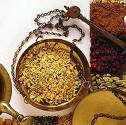
The Pentaherbs formulation capsules contain extracts of five raw herbs based on a widely used ancestral Chinese concoction – Flos lonicerae (Japanese honeysuckle), Herba menthae (peppermint), Cortex moutan (root bark of peony tree), Atractylodes Rhizome (underground stem of the atractylodes herb) and Cortex phellodendri (Amur cork-tree bark).

The first study was a clinical trial of 85 patients divided into a control group receiving a placebo, and a group taking the pentaherbs formulation. Using a questionnaire index that measures how much a skin problem affects a patient, the scientists found that the quality of life improved by a third in the group taking the herbs, compared to no improvement in the placebo-treated group.

The researchers also found that the herbal remedy reduced patients needs for the conventional treatment of topical steroids, with the duration of use reduced by an average of four days per month in the herbal group, compared to one day per month in the placebo group.

The team went on to explore the clinical effects of pentaherbs on the immune system. This is because people with eczema have been found to have higher blood levels of certain cytokines, a group of proteins and peptides that have a pivotal role in the immune system and which trigger inflammation in eczema.

The herbs reduced the expressions of four proteins and cytokines thought to have inflammatory effects linked with eczema.* This was confirmed in tests done both by adding an extract of the pentaherbs formulation to blood cells in a test tube (in vitro testing), and by testing the blood of 28 children taking the supplements (in vivo testing).

Study co author Dr Ting-fan Leung said: “Our recent clinical trial showed that Pentaherbs formulation reduced topical corticosteroid usage and improved quality of life in children with moderate to severe atopic eczema. Our latest study further clarifies this by showing that the herbs suppress the production of atopic eczema-related inflammatory mediators. Further studies are needed to explore this in more depth; however this is an interesting first step.

Caution needs to be exercised when using Chinese herbal medicines and patients should consult their GP before doing so. Like any supplement they can interact/interfere with prescribed drugs or a current medical condition.

Herba menthae (peppermint), one of the ingredients in the Pentaherbs formulationcan have a number of adverse effects, for example it can induce biliary colic in patients with existing bile stones, may worsen heartburn and cause a burning sensation in the mouth. The application of peppermint oil to the face of infants and children has caused narrowing of the tubes or airways of the lung (bronchospasm), swelling and spasm of the opening to the breathing tract (laryngeal oedema and spasm), both of which are potentially life-threatening complications.

These facts, other contra-indications and more are revealed in a new book raditional Herbal Medicines – A Guide To Their Safer Use

Co author Dr Lakshman Karalliedde MB BS DA FRCA, consultant, Chemical Hazards and Poisons Division (London), Health Protection Agency, says: 밢ne of the key reasons for the increased use of traditional herbal medicines in developed countries is the generally accepted perception that 몁atural?products are safe. They have stood the test of time and do not carry the risks inherent in newly developed conventional medicines.

There is not enough awareness that the ingredients that make traditional medicines effective could also be potentially capable of causing serious illness such as allergy, liver or kidney malfunction, blindness, cancer or even death.

Herbal medicines should therefore be used with the same degree of caution as conventional medicines, but this is difficult given the lack of information available about effectiveness, optimum dose or adverse effects.

The problem is that while the toxic profiles of conventional medicines have been extensively documented and publicised, the harmful effects of herbal medicines either taken on their own or in combination with conventional medicines are not well enough known. According to a National Institute of Medical Herbalists survey, 96% of qualified medical herbalists believed that conventional doctors do not know enough about herbs to give their patients advice. And if GPs are relatively in the dark, what hope is there for members of the general public.

It was with this in mind and the growing, urgent need for more information to be made available to the public ?that a group of toxicology experts got together to co-author Traditional Herbal Medicines namely Dr Lakshman Karalliedde, who spent 10 years at the MTU and is now a toxicologist with the Chemical Hazards and Poisons Division of the Health Protection Agency; Debbie Shaw, who heads the MTU Chinese Medicine Advisory Service; and Indika Gawarammana, former registrar at the MTU. They have combined their significant knowledge of traditional medicines to produce a comprehensive herbal compendium covering traditional herbal remedies from around the world, describing their sources, known effects and side effects, dosages, interactions and ?most importantly precautions. It’s a must for anyone involved in prescribing either conventional or traditional herbal medicines as well as the growing number of people who are taking them.

Traditional Herbal Medicines: A Guide To Their Safer Use is published by Hammersmith Press, price £9.99.

Study details: British Journal of Dermatology, publication date March 2008, in vitro and clinical immunomodulatory effects of a novel Pentaherbs concoction for atopic eczema T.F. Leung, K.Y. Wong, C.K. Wong*, K.P. Fung C.W.K. Lam*, T.F. Fok, P.C. Leung K.L.E. Hon; Departments of Paediatrics and Chemical Pathology*, and Institute of Chinese Medicine. The Chinese University of Hong Kong, Prince of Wales Hospital, Shatin, Hong Kong. DOI 10.1111/J.1365-2133.2008.08502.X

Smart technology to help dementia sufferers goes on trial

image

London: As part of a project looking into helping dementia sufferers remain in their own homes for as long as possible, a flat within a Sheltered Housing Scheme in the UK town of Bristol has been converted into a prototype ‘Smart Home’ by APH Limited using KNX technology.

APH is a member of the KNX UK Association and was asked to tailor an intelligent design to suit the requirements of the occupant of the flat. KNX smart technology is employed to monitor the occupant’s activity and sounds a warning when it thinks there may be a problem. Special sensors have been fitted into the flat that can tell, for example, if the front door is being opened at night. In this particular flat, wireless light switches, motion detectors, speakers and a voice messaging system have been installed. Coercive messages pre-recorded by the occupant’s family are then played when appropriate.

The smart technology in the flat provides a front door sensor to detect if the door is opened at an inappropriate time. A pre-recorded message is activated and will advise the occupant not to leave the flat and to go back inside. If the door does not close, a message will be issued to the on-call warden via an interface to his monitoring system.

Motion detectors are positioned throughout the flat to monitor movement. If the lights are left switched on and no movement is detected after a given time, the lights will automatically be turned off. For example, if the occupant goes to the bathroom and then forgets to turn the lights off when they return to bed, after a set period of time with no movement detected the lights will be turned off automatically.

A smoke/heat Detector is activated if the cooker or hob is left on and food is found to be burning. In such an event a pre-recorded message will advise the occupant to return to the kitchen and switch it off. If no response is received, a message will be issued to the on-call warden via an interface to his monitoring system and the cooker’s electrical supply terminated. Only the warden can re-instate the supply when they are sure the occupant is safe.

The housing scheme and wardens involved say that this was an exciting development for them, and reports show that everything is running smoothly. They are confident that the assistive smart technology installed in the flat will improve the quality of life for the residents.

Full details of KNX technology and the vast range of KNX products available, which fully comply with EN 50090 the European Standard for Home and Building Electronic Systems are available from KNX UK, PO Box 4082, Bracknell, Berkshire, RG42 9EQ,
Email: admin@konnexuk.co.uk Website: www.knxuk.org