Hypnox – the natural alternative to Botox?

image

Toronto: Hypnox is a 25-minute hypnotherapeutic audio recording which alleviates the signs of facial aging. The process was developed as an alternative to cosmetic botulinum toxin type A injectables (like those sold under the brand names Botox or Dysport).

Cosmetic injectable products work by paralyzing the facial muscles, making it difficult to frown. Wrinkles can then smooth away, temporarily. Hypnox targets and re-trains the five main groups of facial muscles. The process stops the frowning, and allows wrinkles to ease away, permanently.

Absentminded frowning or furrowing of the face (while working or concentrating) will cause the skin to begin to wrinkle. The more persistent and habitual the frown, the more aggressively the wrinkles will take hold.

Hypnotherapy is perfectly designed to fight habits – it has been used successfully by millions of people to quit smoking, and to curb over-eating. Think of persistent frowning as a habit. Now, prepare to break that habit.

Hypnox offers an alternative : your unique face; healthy, relaxed – and free of unnecessary lines and wrinkles.

That is true beauty!

Hypnox was developed at our studios in Dundas, Ontario by a fully trained, NGH Certified Hypnotherapist. It is the result of seven years of research, uniting the latest advances in skincare technology with state-of-the-art hypnotic technique. The process is enhanced with a proven psychological approach for promoting healthy self-esteem. The recording is available as a CD or MP3 download at www.hypnox.ca This ground-breaking product will be launched at the Holistic World Expo at the Metro Toronto Convention Centre in Toronto, Ontario on March 14th, 2008.

Exercise for 10 minutes a day improves health

image

New York: Just 10 minutes of exercise daily can improve the lives of overweight or obese older woman, new research has found.

In a study of 430 overweight, postmenopausal women who took part in various amounts of exercise each week- some as little as 70 minutes a week and others as much as 190 minutes a week, over a six month period.

Most of the exercise was done in three to four sessions per week. When the women were not enrolled in some kind of organized exercise, they were fitted with pedometers and told to simply go for walks to fill their exercise quotas.

Those who did the most exercise reaped the most benefits. But even those women who exercised just 10 minutes a day noticed improvements.

The women reported they felt better physically, emotionally and they could perform everyday tasks better, such as climbing stairs and carrying groceries. The women improved:

* almost 7 per cent in physical function and general health,
* 16.6 per cent in vitality,
* 11.5 per cent in performing work or other activities,
* 11.6 per cent in emotional health
* and more than 5 per cent in social functioning.

Some of the women did lose weight over the six months. But the researchers found that it didn’t matter even if they didn’t; just getting out and about exercising improved their overall quality of life.

Researcher and study co-author Angela Thompson of the Pennington Biomedical Research Center, Baton Rouge, La said: “The public health message is tremendous, because it provides further support for the notion that even if someone cannot exercise an hour or more daily, getting out and exercising 10 to 30 minutes per day is beneficial, too.”

The research was presented Thursday at the American Heart Association’s Conference on Nutrition, Physical Activity and Metabolism.

“This is the first large controlled study of postmenopausal women to look at the effect of exercise training on the quality of life,” added Dr. Timothy S. Church, principal investigator and research director at Pennington. “It shows that exercise gives you energy and makes you feel better.”

“Walking a little bit every day will help tremendously,” Thompson added. “Walk with your mother, a neighbor or friend. A little physical activity will improve your quality of life.”

Why steamy sex session before work is good for health

image

Belfast: A steamy sex session in the morning can keep you in good health, say British researchers.

According to a research from Queen’s University in Belfast, a good morning session at least three times a week, decreases the risk of heart attack or stroke by half and a regular session improves circulation, thereby reducing blood pressure.

According to a study in New Scientist, a steamy session twice a week enhances IgA, an antibody that provides protection against microbes that multiply in body secretions. Morning sex also helps in alleviating arthritis and migraine. It burns around 300 calories an hour that simultaneously diminishes the risk of developing diabetes.

Moreover, an American study involving 300 sexually active women whose partners did not use condoms revealed that they were less prone to depression.

Sex increases the production of testosterone that provides stronger bones and muscles thus helping to stave off osteoporosis.

A good morning session can make the hair shine and skin glow by raising the output of oestrogen and other hormones which are associated with it.

According to Yale School of Medicine researchers, having morning sex can aid in averting endometriosis, a condition where the tissue that normally lines the uterus, grows in other parts of the pelvis.

New generation diet pill which mimics hormone ready for human trials

image
image

London: A new generation of hormone diet drugs which could be as effective as weight-loss surgery could soon be on the market after the announcement that it was ready for human trials.

Scientists believe the drug, which creates a false feeling that a person is full, could offer a breakthrough in the treatment of obesity, which is predicted to reach epidemic levels in the coming decades.

One in four Britons is now classed as obese, one in three 10-year-olds is either overweight or obese and more than one million obesity drugs are prescribed every year.Experts estimate that by 2050 half of all adults will be classed as clinically obese.

The drug, which has been developed by Imperial College London, offers an alternative to gastroplasty, or stomach stapling, which uses surgery to reduce the size of the stomach.

It has been developed by Steve Bloom, a medical professor at the university, who has produced a synthetic version of a hormone called oxyntomodulin, which is known to help obese patients reduce their food intake.

image

Longevity genes hold key to ageing

image

Washington: A new discovery holds out the prospect of keeping old age at bay by targeting “longevity” genes.

Scientists have identified 25 genes that regulate lifespan in two organisms separated by 1.5 billion years of evolution.

They believe at least 15 are likely to have similar versions in humans. Affecting their activity could provide a way to slow down the ageing process and treat age-related conditions.

Dr Brian Kennedy, one of the researchers from the University of Washington in Seattle, US, said: “Now that we know what many of these genes actually are, we have potential targets to go after in humans.

“We hope that in the future we could affect those targets and improve not just lifespan, but also the ‘health span’ or the period of a person’s life when they can be healthy and not suffer from age-related illnesses.”

The two organisms studied by the scientists were yeast and the tiny roundworm Caenorhabditis elegans.

Both are commonly used laboratory tools. The researchers say finding genes that are conserved between them is important because they are so far apart on the evolutionary scale. Yeast and C. elegans are even more widely separated than C. elegans and humans.

Similar types of genes are known to exist in humans. Taken together, the evidence suggests that longevity genes are likely to influence human lifespan as well.

Several of the genes shown to be involved in ageing are also linked to a key nutrient pathway called the Target of Rapamycin, or TOR.

Calorie intake and nutrient response are believed to affect lifespan through TOR activity. Previous studies have shown that drastically restricting the diets of animals ranging from worms to monkeys can prolong lifespan and prevent age-related diseases.

Average person’s heart is five years older than their real age

image

London: The average person’s heart is five years older than their chronological age, according to a new study.

Based on an analysis of heart health checks conducted at branches of Lloydspharmacy, and using a protocol developed by Unilever and Boston University, the study shows that people’s hearts are aging faster than they should.

The research is based on a sample of more than 3000 tests conducted on adults less than 60 years old. The study should be a real wake up call for smokers in particular. The findings reveal that puffing away results in a heart age which is a full 14 years older than smokers’ actual age. The figure for non smoking men is 4 years. Women, however, fare better. The average Heart Age of non-smokers in this age group is the same as their chronological age.

Recently it emerged that while death rates from coronary heart disease are falling among the old they are levelling off or rising among people aged 35 to 54, suggesting that there is a middle aged heart disease bulge caused by over-indulgence and sedentary lifestyles.

The findings of the research coincide with the launch of a tie-up between Lloydspharmacy and Flora pro.activ. The initiative was launched by Gloria Hunniford who has been working with Flora pro.activ on a number of heart health campaigns.

Heart health is an issue that Gloria feels passionate about. She lost her first husband, Don Keating, as a result of an undetected heart condition and then her husband Stephen Way suffered a heart attack just after they got married.

Gloria herself had raised cholesterol (6.35mmol/l), and these experiences alerted her to what she describes as, “the silent killer cholesterol”, and made her realise that she needed to take serious steps to protect her own heart.

As part of the link between Lloydspharmacy and Flora pro.activ, people can get a free Cholesterol test and Heart Check worth £15 at more than 600 branches of Lloydspharmacy nationwide in return for two proofs of purchase of any Flora pro.activ products.

The Lloydspharmacy Cholesterol and Heart Check is a 10-15 minute consultation involving, amongst other things, cholesterol and blood pressure tests and a lifestyle assessment. Based on these results a percentage risk score of developing heart disease over the next ten years is estimated.

Heart Age

Heart age is calculated using a range of factors including blood pressure,
blood cholesterol, diet and lifestyle. The Heart Age Calculator was
developed through collaboration between Unilever (the parent company of
Flora) and the Boston University Statistics and Consulting Unit, the department that was involved in identifying the factors that increase people’s risk of heart disease in the world-famous Framingham Heart Study.

About Lloydspharmacy

Lloydspharmacy has 1,700 pharmacies across the country. These are based predominantly in community and health centre locations. The company employs over 16,000 staff, of which 80 per cent are women and dispenses 120 million prescription items annually. The pharmacies have over two million visits per week by customers who are also predominantly women.

Lloydspharmacy is the trading name of Lloydspharmacy Ltd, a wholly owned subsidiary of Celesio AG based in Stuttgart. Celesio is the leading pharmaceutical distribution company in Europe and is represented in 15 countries. With its three divisions, Celesio Wholesale, Celesio Pharmacies and Celesio Solutions, the group covers the entire scope of pharmaceutical trade and pharmaceutical-related services.

Lloydspharmacy which is a community pharmacy has primary care at the heart of its business. This is why has launched a range of products aimed at community health such as affordable blood pressure monitors, Solar Safe products and is a supporter of NHS initiatives such as NHS Choices by providing terminals in-store for patient information.

Wrinkle relaxer that activates a fresh look in just seven days

image

A skincare breakthrough is set to challenge Botox® and there’s not a needle, frozen look or health risk in sight. In a discovery that has challenged conventional thought on the wrinkling process, a cream containing a harmless mirror ingredient to snake venom, is being applied by women to penetrate the skin, change its wrinkle memory and rewrite their facial history in as little as seven days.

In a skincare first, SkinVenom™ combines four of today’s most powerful and technologically advanced anti-ageing ingredients to minimize muscle movement and contractions – the latest beauty-buzz, Synake1, based on a snake venom peptide, Gamma Amino Butyric Acid (GABA), Thalassine and Calmosensine™ which triggers feelings of well-being to relax skin tension.

Heralded as the hottest and most revolutionary anti-wrinkle cream of the decade, SkinVenom™ sold out in seconds when it went on sale in US department stores last year and will be available in the UK from the end of February.

Crucially, backed by scientific analysis, the unique complex has been proven to break the skin’s ‘memory’ – its inclination to wrinkle in the same places with each frown, smile or facial contraction. It works by controlling the nerve endings in the skin and slowing reflexive facial muscle movement to stop the skin contracting where wrinkles most commonly form – around the eyes, forehead and mouth. This process delays and reduces the onset of wrinkles as the skin is forced to use different muscles and effectively start the wrinkling process all over again. At the same time the cream instantly brightens skin, while improving the appearance and preventing further deepening of existing wrinkles.

The breakthrough SkinVenom™ compound penetrates the skin epidermis, dermis and hypodermis to reach muscle layer, delivering a reliable, no-needle alternative to Botox® injections. Unlike Botox® and facial peels whose effects can begin to wear off almost immediately, the cumulative effects of using SkinVenom™ are gradual and continual results that become more noticeable every day. The overall effect is calmer, smoother, tension-free skin.

Though it treats the face as a whole, SkinVenom™ is best applied to four particular areas – forehead, crow’s feet, smile lines and nasal folds. In clinical trials, the formula was documented to unlock skin tension and visibly reduce the depth, length, discoloration and roughness of existing lines. In user trials, areas where the product was applied showed a reduced tendency to wrinkle and fold in response to muscle movement in just seven days. Lines on the forehead, around the eyes and around the nasal folds were reduced and generally skin was visibly smoothed.

SkinVenom™ active ingredients are:

• Gamma amino butyric acid (GABA) which encourages nerve relaxation
• Thalassine which inhibits muscle contraction
• The award-winning Syn®-ake1 compound – a harmless botanical skin relaxant derived from yeast which mimics the effect of a peptide found in snake venom to minimize muscle movement.

Working in a similar way to Botox®, it blocks neuromuscular contractions which cause facial tension and lead to wrinkles
• Calmosensine™ based on a peptide in the body which promotes the natural release of messengers that trigger happiness and feelings of well being to relax skin tension
• Natural actives to help stimulate dermal matrix production and restore collagen, resulting in firmer, plumper looking skin
• Bio-moisturisers and skin brighteners to provide a near immediate smoothing effect with more long-term, noticeable wrinkle relief

Dr Roman Campbell, PhD MD says: “Your skin has memory. The face holds a lot of tension in the forehead and temples, even your smile and, over time, the features of the face can set in a certain way. Your face makes a particular response to something, for example where you crease your brow when you are worried. It then remembers this response and repeats it whenever you experience that emotion. Gradually your features begin to fix themselves permanently and that’s when wrinkles form and deepen. It makes sense that if you can stop the skin contracting in the normal places and force it to use new muscles, the facial pattern can be broken.”

With celebrity fans said to include Jo Lo, Gwyneth Paltrow, Ben Kingsley and Jade Pinkett Smith, SkinVenom™ caused queues at US beauty counters when it launched. With a growing waiting list here, the £180 50ml SkinVenom™ pump will be available in selected department stores and salons nationwide.

1 The ingredient won the 2006 Swiss Technology Awards for its innovation and technical capabilities

Skin Venom™ is part of the Syence skincare range, developed by Syence Skincare Limited and formulated to combat the skin’s natural degenerative processes with the most technologically advanced anti-ageing ingredients available. Each product is independently tested and clinically proven to target and minimize signs of ageing.

Live La Dolce Vita – visit the Viva Italia Festival London

image
image

Ahh Italy, they really do have the best of everything. Fabulous fashion, top designers, fast cars, beautiful weather and of course delicious cuisine The La Dolce Vita with Viva Italia festival, coming to London’s Olympic exhibition centre from the 13th-16th of March is a celebration of all things Italian and will give you an insight into just how inspirational Italy is.

So if you fancy adding some Italian chic to your wardrobe, learning the secrets to the mouth watering Mediterranean diet & how to add a touch of Italian flair to your lifestyle then why not come along to experience the true taste of Italy?

Check out this video featuring Italy’s very own Aldo Zilli to see what’s in store La Dolce Vita

The Diets that Time Forgot – new TV series challenges modern diets

image

A pioneering six-part Channel 4 series examines which plan works best; is it the Banting diet, first published in the 1863, the ‘chew chew’ diet of the early 1900s or the first calorie counting Lulu diet, one of the best selling non-fiction publications of the 1920s? The first programme airs at 9pm on 18 March.

Obesity is a major problem today, but if you think diets are a recent invention, think again. Nine 21st century slimmers spend 24 days taking part in a unique historic experiment testing the weight loss diets and fitness regimes that were popular in the Late Victorian and Edwardian periods and the ‘roaring’ Twenties.

Three teams of slimmers are confined to a turn of the 20th century health farm, ‘The Institute of Physical Culture’, presided over by ‘Institute Director’ Sir Roy Strong (historian, author and former director of the National Portrait Gallery and the V&A). At 72, Sir Roy works out and jogs five miles daily, and is in very much better shape than the younger people in his care. Sir Roy: “We live in the golden age of the slob. I don’t believe in going back, but I do believe there are serious and practical lessons to be learned from the past that could help us conquer the obesity epidemic of today.”

‘Matron’ is Jane DeVille-Almond, a SRN of the starched uniform and no nonsense variety and a Trustee and Director of the National Obesity Forum. She manages and monitors the slimmers’ health and general well-being as they are undertake exercises and treatments ranging from cold water plunges to native dancing, pony carting and callisthenics. “This experiment is not only proving beneficial in terms of weight loss, but we’re rediscovering lost wisdom about how to maintain a healthy body and a healthy mind.”

‘Professor of Physical Culture’, Peter Radford, currently Professor of Sports Sciences at Brunel University, takes them through their exercise regimes exactly as they were done at the time. “The idea of ‘no pain no gain’ is a very modern notion and one that’s not helpful to people who are trying to lose weight and find gyms intimidating. What’s more, the old exercises had the added benefit of training the mind as well the body. They involve no expense and can all be done in the home.’

The first popular diet, The Banting Diet, is in essence today’s Atkins diet by another name. People who subscribe to the latest fitness craze, ‘spinning’, may be astonished to learn that there was a ‘spinning’ machine in the gym on the Titanic. While enjoying these comparisons, the series also looks at the influences that have shaped our relationship to food: “Now we just eat anywhere, eat anyhow, eat anything – the consequences are that we’re all getting fatter”. This series demonstrates that when it comes to what we do to our bodies, we have a lot to learn from our grandparents. It offers practical solutions to a problem that’s across the front pages of all today’s newspapers, as well as taking us on a hitherto unexplored journey into the past.

THE DIETS THAT TIME FORGOT – DIET RULES

VICTORIA – Banting

Guidelines:
– This is a low-carb diet, cutting out starchy & saccharine foods.
– Avoid bread, butter, milk, sugar, beer.
– NO salmon, herring or eel
– NO pork or veal.
– NO Potatoes or root vegetables

On rising:
A tablespoon of a special alkaline corrective cordial in a wine-glass of water.

Breakfast:
5-6oz beef mutton, kidneys, broiled fish, bacon or cold meat NOT pork or veal
large cup of tea or coffee (without milk or sugar)
A little biscuit, or 1oz dry toast (generally taken with a table spoonful of spirit to soften it).
Total: 6oz solid, 9oz liquid

Lunch:
5-6oz any fish, NOT salmon, herrings or eels, any meat NOT pork or veal
Any vegetable except potatoes or root vegetables
1oz dry toast
Unsweetened fruit out of a pudding (i.e. cooked)
Any kind of poultry or game
2 or 3 glasses good claret, sherry or maderia.
Total: 10-12oz solid, 10oz liquid

Tea:
2-3oz cooked fruit,
A rusk or two
A cup of tea without milk or sugar
Total: 2-4oz solid, 9oz liquid

Dinner:
3-4oz meat or fish, as at lunch
A glass or two of claret, or sherry and water.
Total: 4oz, 7oz liquid

Nightcap if required a tumbler of grog – gin, whisky, or brandy without sugar, or a glass or two of claret or sherry.

EDWARDIAN – Fletcherism

Guidelines:
– All food to be chewed until liquid, anything not liquefied to be spat out.
– Meals will be varied and generally the same as a typical middle/upper-class Edwardian diet.
– Food will be served in smaller quantities, as dieters will find it impossible to eat as much as normal.
– Dieters will be unable to eat large quantities of meat, so there will be no huge platters of meat, or enormous roasts and Fletcher anyway warns of the dangers of consuming too much animal protein.
– In the Edwardian era meat would have been considerably less tender than it is today – making it harder to chew fully.
– Fibrous vegetables will also be hard to eat, requiring prolonged chewing.
– Fletcher had a very sweet tooth and enjoyed cakes, candy & sugar lumps. He drank very over-sweetened coffee. There should be a bowl of candy or sugar lumps in the middle of our Edwardian dining table.
– Fletcher drank substantial quantities of cream, which would be thinner than regular double cream.
– Fletcher does not consider breakfast that essential, dieters might go without or eat far less than the vast cooked breakfast normal in Edwardian times – perhaps just toast & fruit.
– Dieters can eat what they want, when they want, so if they feel like an apple pie in the middle of the night, they can have one so long as they chew it properly.
– Oysters are very popular in the Edwardian era and should feature on our menus, given their texture they will be particularly unpleasant to chew.
– Wine will be served, but because it must be swilled around the mouth it will taste very vinegary and so will be consumed only in very small sips.
– Generally Fletcher believed that one got the full value out of those foods which dissolved quickly & thoroughly.
– Fletcher cut out of his diet those foods which tasted unpleasant.
– Fletcher is a big fan of cereals, which could be consumed with full cream milk and probably lots of sugar.

MODERNIST – Lulu Hunt Peters

– Calorie counting is key, dieters consume 1200 calories a day.
– So long as you count the calories you can eat what you want.
– Include lots of leafy vegetables – cabbage, cauliflower, celery tops, lettuce, onion, Swiss chard, turnip tops etc, which contain vital minerals, are good for sluggish bowels and kidneys and low in calories.
– Recommends consuming some milk or its products.
– Advises against cutting out fats, sugars and starches – diet should be balanced.
– 200 – 300 of the daily calorie intake should be protein.
– Recommends 100 calories for breakfast, 350 for lunch, 100 for tea and 650 for dinner. The calorie amounts for lunch and dinner can be reversed.
– If you splurge and eat lots of chocolates (or other high calorie food) then this should be balanced by a dinner of a bowl of clear soup (25 C) and a cracker (25 C).
– Hunger pangs can be treated with dry lemon or orange peel, aromatic breath sweeteners or a cup of fat-free bouillon, half an apple, or other low calorie food.

Sample Menu

1.
On rising
2 cups hot water with a little lemon juice.

Breakfast
Coffee or postum with cream or sugar
Or 10 ozs. skim milk
Or 1 of the 100 C breakfast options
Total: 100 C

Lunch
1 medium sized head lettuce1/3 lb (25 C)
1 tbsp. mayonnaise (100 C)
1 med. sweet pickle chopped for mayonnaise (25 C)
1-1/8 inch cube cream cheese melted or 3 ozs. cottage cheese (100 C)
1 Toasted French roll (no butter) (100 C)
Total: 350 C

Tea
3 crackers with tea and 1 tsp. sugar and 1 slice lemon
Or 10 ozs. skim or buttermilk
Or 100 C. fruit
Total: 100 C

Dinner
Creamed dried beef on toast (245 C)
Dried beef 4 thin slices 4 x 5.(100 C), cut fine and crisped in frying pan with 1/2 tbsp. butter (50 C) and 1 tbsp. flour browned with above (25 C) add 1 cup (7oz) skim milk (70 C) cook gently.
2 slices crisp toast (pour above over) (200 C)
1 large serving raw celery or raw cabbage (15 C)
1 large baked apple with 1 tbsp syrup (120 C)
1 glass (7oz) skim milk (70 C)
Total: 650 C


Dermalogica launches powerful new anti-ageing skincare

image
image

Dermalogica has launched a new range of anti-ageing skincare with a powerful mix of ingredients to fight the biochemical causes of skin ageing.

AGE Smart™ which flew off the shelves after its recent US launch contains innovative technology and ingredients. Two of the star products the Antioxidant Hydramist which zaps the skin with antioxidants and the MAP-15 Regenerator in which a revolutionary powder that turns into a wrinkle-fighting cream on contact with the skin.

AGE Smart™ which has gone on sale in the US and UK via salon and selected online outlets works by impacting the main biochemical reactions which result in the signs of ageing. These are chemical reactions which occur within the skin and include: Generation of Reactive Oxygen Species (ROS) – also known as free radicals; the generation of Matrix Metalloproteinases (MMPs) and the development of Advanced Glycation End-products (AGEs)

ROS include oxygen ions, free radicals and peroxides and are generally very small molecules which are highly reactive due to the presence of unpaired electrons. During times of environmental stress, ROS levels can increase dramatically, causing considerable damage to cell structures. Studies have shown that UV-induced damage to the skin is in part caused by ROS.

Lipid peroxidation also results from ROS damage to cell membranes, leading to premature ageing, skin cancer and cell death. AGE Smart™ uses a combination of antioxidants (including white tea and vitamins C and E) to scavenge free radicals; glucosamine, lactic acid and magnesium ascorbyl phosphate to treat hyperpigmentation and bioflavonoids (white tea and liquorice) to treat broken capillaries.

MMPs are enzymes which, when activated, control tissue degradation in the dermis. MMPs include collagenase which specifically decomposes particular collagens or other proteins in the extracellular matrix of the dermis.

Collagenase is really a group of enzymes which are responsible for breaking down the different types of collagen and elastin. The formation of MMPs may be stimulated by internal growth factors and inflammatory modulators, as well as exposure to UV radiation. Within hours of UV exposure, the MMP genes are activated, resulting in the biosynthesis of collagenase and other MMPs. As skin ages, its ability to replenish collagen and elastin naturally slows and skin loses strength and tone. Dehydration also occurs as the ability to replenish hyaluronic acid also diminishes. AGE Smart™ slows the formation of MMPs and stimulates the production of hyaluronic acid with the inclusion of soy, peptides, polyphenols (from white tea), vitamin C and yeast extract.

AGEs occur as a result of sugar molecules in the body reacting with proteins such as collagen. AGEs cause collagen to cross-link leading to stiff proteins with a loss of elasticity. As the body is incapable of destroying AGEs, this cross-linking causes dramatic skin ageing. During the forming of AGEs, additional ROS (free radicals) are created which contributes to the ageing process. AGE Smart™ uses a unique and specific peptide (LYS/ARG polypeptide) combined with glucosamine and soy isoflavonoids to trap excess sugar molecules, preventing the formation of AGEs. In the process, the generation of ROS associated with AGE formation is also subdued.

The AGE Smart™ range includes five new products for home use and five existing products with updated formulations, complete the set. The new products are:

• Skin Resurfacing Cleanser (£27.20) – a dual-action cleanser which thoroughly cleanses and exfoliates skin in one easy step. Retexturises skin by accelerating cell turnover whilst fortifying skin’s natural moisture barrier. Contains AHA lactic acid to exfoliate surface cells, leaving a smoother, polished surface receptive to subsequent active ingredients whilst helping hydrate and brighten. Soothing rose flower oil calms skin and vitamin E (tocopheryl acetate) conditions and enhances skin softness

• Antioxidant Hydramist (£27.20) – a refreshing antioxidant shield with flash-firming properties. Supplements skin’s protective barrier by creating an active antioxidant shield to fight damaging ROS. Arginine/Lysine polypeptide helps prevent the signs of ageing caused by AGEs whilst magnesium ascorbyl phosphate (MAP) provides critical antioxidant protection and inhibits MMP enzymes contributing to collagen breakdown. White tea, liquorice and vitamin E shield against free radicals whilst aloe and sodium lactate provide moisture for the skin

• MAP-15 Regenerator™ (£60.00) – a revolutionary powder-to-emulsion treatment which delivers a high concentration of magnesium ascorbyl phosphate (MAP) directly into the skin, dramatically improving skin firmness and clarity. Hyaluronic acid provides intense skin hydration whilst yeast extract helps stimulate wound healing, collagen formation and increases oxygen utilisation in skin

• Dynamic Skin Recovery SPF30 (£47.00) – a medium-weight, emollient daily moisturisers enabling absolute hydration and defense against the contributing causes of skin ageing. Palmitoyl tripeptide-5 over-rides the inhibitory effects of MMPs on collagen synthesis whilst activating tissue growth factor (TGF), a peptide which is required in its active state for collagen production to occur. Oenothera biennis (evening primrose oil), a source of gamma linoleic acid, helps prevent skin sensitisation by reinforcing skin’s natural barrier lipid layer and helps retain hydration levels. Also contains colloidal oatmeal and chrysanthemum parthenium extract to calm irritated skin

• Renewal Lip Complex (£19.40) – a daily treatment which restores delicate tissue, minimises contour lines and helps prevent the signs of ageing. Superior conditioning lasts hours beyond application and is ideal for wearing alone or as a smoothing primer before lipstick application. Contains palmitoyl oligopeptides to condition skin and stimulate collagen formation, minimising fine lines. Theobroma cacao (cocoa) seed butter, persea gratissima (avocado) oil, oryza sativa (rice) bran oil, triticum vulgare (wheat) germ oil and butyrospermum parkii (shea butter) are emollient and vitamin-rich plant lipids which smooth and condition lip tissue whilst helping to prevent dehydration

The remainder of the range includes existing Dermalogica hero products which help with premature ageing:

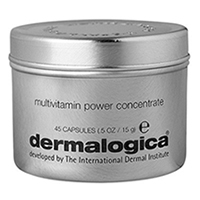
• MultiVitamin Power Concentrate – formulation of pure, concentrated vitamins A,C and E which enhances the skin’s natural repair process

• MultiVitamin Power Recovery Masque – a powerful calming masque of concentrated vitamins and botanicals to calm stressed skin, helping to reduce redness and restore suppleness

• MultiVitamin Power Firm For Eye & Lip Area – a powerful firming complex of skin-rebuilding antioxidant vitamins, protective organic silicones and seaweed extract to combat visible lines around the eye and lip areas

• Super Rich Repair – a super-concentrated, heavy-weight cream which combats chronically dry, dehydrated and prematurely-ageing skin conditions whilst it repairs and protects

• Power Rich™ – a potent moisturising treatment which stimulates collagen production, helping to increase firmness and elasticity

All Dermalogica products take into account an understanding of modern skin stress and active, busy lifestyles. The professionally recommended products do not involve complicated and outdated rituals. What distinguishes Dermalogica from other skin care ranges is the recognition that your skin is as individual as you are. Dermalogica products use highly active ingredients, are not animal tested – and they work.

For stockist details, please call 0800 591818 (UK number)

image
image

Quitting smoking advice to mark National No Smoking Day

image

London: While the smoking ban has caused many Brits to quit or at least cut down, almost half (42%) of British smokers admit their cigarette cravings are out of control and despite wanting to quit they regularly give in and reach for a ciggie, according to new research by Wrigley Extra sugarfree gum, to coincide with National No Smoking Day (tomorrow)

The survey of 1,100 smokers across the UK looked at the top methods being used by smokers to control their cravings and who has the most influence to change their habit. A strong willed quarter (24%) say going cold turkey is the most effective method, while 1 in 10 (9%) avoid friends and family who smoke or being near smoking areas.

One in ten (10%) say chewing sugarfree gum helps them to manage the stress of intense cigarette cravings. Research shows that chewing gum helps to release nervous energy in the mind. An act as simple as chewing gum can offer a quick fix for assuaging the build up of pressure on a day to day level.

Top 5 smoking avoidance techniques % of Smokers using technique

Going cold turkey 24%

Chewing sugarfree gum (without nicotine) 10%

Avoiding friends or family who smoke 9%

Acupuncture or Hypnotherapy 4%

Smoking patches 2%

Guilty Feelings

The research also shows that smokers suffer from stress caused by emotional guilt when they light up. Over a quarter (26%) admit the anti-smoking views of their children tug on their heart strings, with almost one in five (15%) stating disapproval from partners causes stress levels to spiral. Strangely 2% smokers confess to starting petty arguments with loved ones or colleagues just to take their mind off the stressful cravings!

Causing The Most Guilty Tension % of Nation

My children 26%

My partner/spouse 15%

Friends 10%

Parents 7%

Other family 7%

“Stress caused by craving cigarettes can get out of hand. Some smokers employ alternative therapies such as acupuncture or hypnotherapy to help them quit, however, simple solutions like taking a walk or chewing gum can also help manage stress,” says Dr David Lewis, stress psychologist.

David Lewis, stress expert, has the following top tips to help you manage the stress and tension of smoking cravings, to give you the upper hand:

Identify when you’re most susceptible to loosing control and take action! Go for a walk, drink a glass of water, or call a good friend as a distraction
Deal with the craving triggers and find ways to manage them. If you’re stressed a simple thing like chewing Wrigley Extra chewing gum can bring relief as it stimulates certain areas of the brain

Set a deadline to control or kick your craving and tell someone about it. Often once we’ve told another about a craving it seems instantly more manageable
Celebrate your successes along the way. National No Smoking Day being just the date!

Anne Robinson reveals how her skin cancer scare made her sun savvy

image

London: New statistics show that skin cancer is now the fastest growing cancer in the UK, and as early detection is crucial in its treatment, the British Association of Dermatologists (BAD) is launching a campaign to raise awareness of the importance of mole checking through its ABCD-Easy guide to mole checks.

Malignant melanoma kills around two thousand people a year, and the Association is keen to promote the use of its easy to use mole check guidelines. TV favourite Anne Robinson is supporting the campaign and turning her no-nonsense approach to the nation’s skin.

She said: “I doubt I would be here today if a dermatologist hadn’t spotted that the mole in the middle of my back looked dangerous. It wasn’t visible to me. It took two operations to clear my melanoma; the result of years of sunbathing when I was young without bothering too much about protection -or realizing the risk to someone as fair skinned as I am. I’m lucky to be alive.”

Anne’s case highlights the importance of checking you skin for signs of cancer, and the Association’s ABCD-Easy guide to mole checks focuses on the changes that may indicate a “melanoma” – the deadliest form of skin cancer:

Asymmetry – the two halves of the area may differ in shape

Border – the edges of the area may be irregular or blurred, and sometimes show notches

Colour – this may be uneven. Different shades of black, brown and pink may be seen

Diameter – most melanomas are at least 6mm in diameter. Report any change in size or shape to your doctor

Expert – if in doubt, check it out! If your GP is concerned about your skin, make sure you see a Consultant Dermatologist, the most expert person to diagnose a skin cancer. Your GP can refer you via the National Health Service.

Nina Goa d of the British Association of Dermatologists said: “Early detection of skin cancer can make all the difference to successful treatment and by promoting how easy skin checking can be, literally as easy as ABC, we want to encourage more people to make it part of their health routine.”

Dermatologists are the experts in diagnosing and treating skin cancer, and BAD recommends reporting any unusual changes in your skin (not only those in its ABCDE guide) to your doctor so that a referral can be made.

The vast majority of skin cancers are caused by excess exposure to the sun. In fact, more than four out of five cases of skin cancer are thought to be preventable. Simply being more aware of the general health of your skin and checking moles regularly – at least four times a year – could make all the difference.

World’s fastest and safest CT scanner launched by Toshiba

image
image

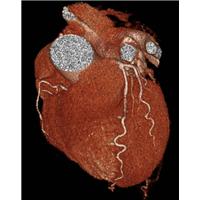
Vienna: The world’s first dynamic volume CT (computerised tomography) scanner, which can scan a heart in a single heartbeat while administering just a fifth of the radiation dose of conventional scanners*, is launched at the European Congress of Radiology in Vienna today.

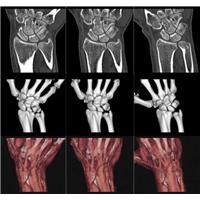
The picture right shows the fine detail of the wrist including detail of bones as well as blood vessels and ligaments’

Called the Aquilion ONE™, the new 320-slice CT machine is the first to allow radiologists to view continuous 4D (like video) real-time images of the heart and brain without the patient having to move up and down through the scanner.

With its 16cm detector – five times the size of traditional 64-slice CT scanners – and its dynamic volume CT imaging, clinicians will now be able to observe blood flow (perfusion), movement, and other functions of entire organs, and in precise detail. This coverage of the body will eliminate the need to stitch together separate scans of organs that fit within the detector area.

Using the Aquilion ONE, cardiac scanning administers approximately 20 per cent of the radiation dose of a 64-slice conventional CT scanner, and reduces radiation doses by 50 per cent in scans for acute stroke.

“Until now, concerns regarding radiation have prevented doctors using more CT to assess the heart and brain,” says Dr Russell Bull, Consultant Radiologist at the Royal Bournemouth Hospital. “However, this technology allows very fast and accurate scanning of these organs using much lower radiation doses.”

The new technology will also offer additional benefits for doctors, patients, and hospital managers alike. The Aquilion ONE’s high resolution, dynamic volume imaging may reduce the need for multiple scans and invasive procedures, which are frequently more costly, time-consuming and less comfortable for the patient.

The Aquilion ONE scans extremely quickly, taking just one revolution (0.35 seconds) to scan an entire organ, unlike conventional systems, which revolve many times. For patients presenting with chest pain, the entire heart can be scanned in a single heartbeat.

The Aquilion ONE can also scan one area continuously, providing extremely quick and more precise information on the functionality of an organ. For patients presenting with acute stroke symptoms, just one examination taking no more than 60 seconds can provide critical information on blood flow through the brain including vascular analysis measures. This information could to be key to mproving the rapid assessment and treatment of acute stroke.

Other organs can also be seen functioning, such as the lungs as the patient breathes in and out, and joints as the patient flexes them.

“With the volume scanning on the Aquilion ONE, I can see things that I never saw on any 64-slice scanner. This gives me unique diagnostic information,” says Dr. Patrik Rogalla, Chief Radiologist and Director of the CT Division the Charité University Hospital, Berlin (Germany), the first centre to install the new scanner in Europe.

The Aquilion ONE took 10 years to develop and at a cost of 500 million US dollars. The new system has recently been installed in an additional two European university hospital centres. Announcements of UK installations are expected to follow.

Commenting on the European launch of the new scanner, Mark Hitchman, UK General Manager of CT Systems at Toshiba Medical Systems, which manufactures the Aquilion ONE says: “The development of the Aquilion ONE is a major step-change in the field of CT scanning technology. Its speed of acquisition, coupled with its reduced radiation doses will have a significant impact on the way we use computerised tomography and how we diagnose serious health conditions. It may also open doors to new clinical applications which we never deemed possible.”

Toshiba Medical Systems Corporation, an independent group company of Toshiba Corporation, is a global leading manufacturer of diagnostic medical imaging systems and comprehensive medical solutions such as CT, Cath & EP
Labs, X-ray, Ultrasound, Nuclear Medicine, MRI and information systems.

Toshiba is a leader in information and communications systems, electronic components, consumer products and power systems, and has more than 190,000 employees worldwide and annual sales of over US$60 billion.

For more information visit http://www.toshiba-medical.co.uk

Aquilion ONE is a trademarks of Toshiba Medical Systems Corporation
References: Aquilion ONE Dynamic Volume Computed Tomography, Richard Mather PhD

*2-3 mSv (millisieverts) at the point in the cardiac cycle when the heart is at rest, identified with ECG monitoring (called prospective gating)

About CT scanners

The first CT scanner was developed by British scientist, Godfrey Hounsfield, who received a Nobel Prize for his work in 1979, seven years after patenting his first CT system. Called the EMI (Electric and Musical Industry) scanner, it was originally intended for examinations of the head and took hours to scan the first patient. Since then, CT has undergone continuous development with rows of detectors increasing both scanning speed and imaging quality. Currently, the most significant application of CT lies in its diagnosis of cardiological, neurological and oncological disorders.

image
image

Rejuvenate your life with La Dolce Vita

image
image

Ahh Italy, they really do have the best of everything. Fabulous fashion, top designers, fast cars, beautiful weather and of course delicious cuisine The La Dolce Vita with Viva Italia festival, coming to London’s Olympic exhibition centre from the 13th-16th of March is a celebration of all things Italian and will give you an insight into just how inspirational Italy is.

So if you fancy adding some Italian chic to your wardrobe, learning the secrets to the mouth watering Mediterranean diet & how to add a touch of Italian flair to your lifestyle then why not come along to experience the true taste of Italy?

Check out this video featuring Italy’s very own Aldo Zilli to see what’s in store
La Dolce Vita

High GI foods linked to lifestyle diseases

image

Sydney: Scientists in Australia have found conclusive evidence that a high GI diet, generally rich in food that is burnt by the body quickly, leads to a higher risk of common lifestyle diseases.

The Glycemic Index (GI) is a measure of how different foods affect your blood glucose levels, with those that are “low GI” released more slowly and deemed better for health. This slow release means that less insulin is released into the bloodstream and the body’s stores less fat.

A team of nutrition experts at the University of Sydney evaluated 37 diet studies involving nearly two million people worldwide to analyse the effect of eating high GI foods, which are usually highly processed.

The study, published in the American Journal of Clinical Nutrition, found a link between a high GI diet and a high risk of type 2 diabetes and heart disease.The diet was also linked to gall stones and some types of cancer.

Lead researcher, Alan Barclay said: “The key message from this study is that the GI of your diet is a powerful predictor of disease risk.Grandma was right, you are what you eat.”

He said the link with diabetes was “not surprising” because eating high GI foods inflates your blood glucose and insulin levels.

“You may literally ‘wear out’ your pancreas over time and eventually it may lead to type 2 diabetes in older age,” Mr Barclay said.

The researchers were more surprised by the “strong relationship” between GI and cancer.

High GI foods cause constant spikes in blood glucose which increase insulin and a related substance called ‘insulin-like growth factor one’, both of which have been shown to increase the risk of developing cancer.

“Other research shows that a high GI diet tends to reduce ‘good’ HDL cholesterol levels and raise triglycerides levels; bad news for cardiovascular diseases,” he said.

“And people with low HDL cholesterol and high triglyceride levels are more prone to gall stones.”

The researchers said their findings support eating a low GI diet to maintain healthy weight and help avoid disease.

Caryl Nowson, a professor of nutrition and ageing at Deakin University in Melbourne, said because high GI foods were typically high in fat and sugar and low in fibre, they were also ready known to be linked with disease.

“This review is just a new way of breaking down dietary information we already have,” Prof Nowson said.

She said while the benefits of eating according to GI rating had been proven, it was just one of many ways to structure a healthy diet.

“If you focus on having a classically balanced diet high in fibre and low in sugar, fat and refined foods you’ll find you’re eating relatively low GI anyway,” Prof Nowson said.

Diabetics face increasing risk of heart attack, says new research

image

London: As the number of people with diabetes continues to grow, the number of diabetics who have a heart attack has doubled over the last ten years, UK researchers say.

The number of people with type 2 diabetes, the form associated with being overweight, has grown in the UK from 1.4 million in 1996 to two million. Thousands more are believed to have the disease without realising.

And around 13,000 people with type 2 diabetes are now treated for a heart attack every year, compared with less than 6,000 in 1996.

Hospital admissions for other associated diseases such as strokes and angina has also doubled among diabetics, along with keyhole heart surgery, according to a new Imperial College in London and Leicester University.

They compared the records of cardiac treatments carried out in English hospitals between April 2005 and March 2006 with those from April 1995 to March 1996.

The analysis showed that diabetics accounted for 13.9 per cent of patients treated for a heart attack in the later period, up from 7.2 per cent a decade ago.

Angina admissions had more than doubled, from 6.7 per cent to 15.3 per cent, while the proportion of diabetics among those being treated for strokes had risen from 6.1 per cent to 11.3 per cent.

The researchers looked only at type 2 diabetes, the most common form. This is usually identified in middle age, although Britons’ expanding waistlines mean more children are being diagnosed with it.

Type 2 diabetes is often controlled initially with a stringent diet and exercise regime, but many sufferers will see their condition worsen over time and will eventually need tablets or insulin injections.

The high blood sugar levels among those with diabetes make them five times as likely to develop heart disease as the rest of the population.

Happiness – its mostly in your genes

image

Edinburgh: Happiness is in your genes, according to the latest research from the University of Edinburgh.

Fifty per cent of our disposition is genetic, with external factors such as money, career, health, relationships accounting for the rest, says the report in the journal Psychological Science.

Those who are lucky enough to inherit a happy disposition also have extra reserves for times of stress, the researchers who studied 900 sets of twins found.

Leader researcher Dr Alexander Weiss says: “Together with life and liberty, the pursuit of happiness is a core human desire. Although happiness is subject to a wide range of external influences we have found that there is a heritable component of happiness which can be entirely explained by genetic architecture of personality.”

Those who have inherited a poor set of genes have to work harder at being happy, they said.

Careers and Conception – the race against time

image
image

Careers and Conception – The race against time

David Alpert, founder of the International Institute for Anti-Ageing (iiaa) was recently invited to present a lecture for the Newborn and Maternity Forum at the Royal Society of Medicine in London.

The theme of the event was the trend by society to delay motherhood, balanced against the problem of biology that has not kept up with this trend. David Alpert presented iiaa evidence-based research to show that certain lifestyle changes and simple actions can maximise a woman’s fertility potential and help her to conceive at a later age.

The trend towards women putting career before family and choosing to have their children later in life may mean mothers are past the period of optimal fertility and into the period of reduced fertility by the time they decide ton start a family. This will inevitably find more and more women facing difficulties conceiving. The average age of motherhood has increased by 5 years since 1970 and over the last 10 years the number of women conceiving over the age of 40 has doubled.

THE BIOLOGICAL CLOCK

Women are born with a finite number of egg follicles in their ovaries and the iiaa anti-ageing fertility approach looks at reducing factors that decrease fertility and increasing factors that increase fertility and health of remaining eggs in the ovaries.

For example, fertility can be positively affected by exercise and nutrition (eating a low GI diet can increase fertility) whereas environmental factors can impede and reduce fertility (stress, the presence of chemicals and heavy metals as well as the huge rise in sexually transmitted diseases).

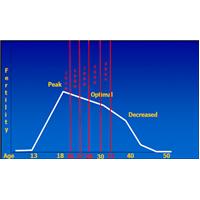
Unfortunately the biggest obstacle for women over 35 is their fertility age denoted by the quality and quantity of eggs remaining in her ovaries. On average, a woman hits her peak fertility between the age of 18-30 and after 35 fertility starts to decrease quite sharply.

Applying the iiaa anti-ageing pyramid to your lifestyle can make a difference when it comes to conception:

Environment/Social : factors that contribute to unhealthy environment

Smoking
Endocrine Disrupting Pollutants
Sexually Transmitted Diseases:
Increase in gonorrhoea by 46%
Increase in Chlamydia by 116%

Nutrition: a high GI intake, increase in trans fats and high animal proteins are more likely to cause fertility problems. Studies have also shown that those with the highest GI intake are 92% more likely to have ovulatory fertility problems.

Exercise: Excessive weight decreases fertility
Moderate exercise increases fertility
Nutritional Supplements: Supplements can increase fertility as food has significantly dropped in nutritional value over the last 50 years. Certain minerals such as Zinc and Selenium are essential for healthy reproductive systems.

Positive Mental Attitude: According to Professor Sarah Berga, Emory University Atlanta, many women suffer from sub-clinical forms of stress and fail to ovulate properly. A study showed that 80% on Cognitive Behavioural Therapy (CBT) started to ovulate again normally as opposed to only 25% on randomised control.

Many women can improve the health of their reproductive systems, and thereby their conception potential as they get older, by making key lifestyle and diet choices.

Schweppes – the latest cocktails with anti-ageing ingredients

image
image

Treat yourself to a cocktail – try the latest from Schweppes which are packed full of anti-ageing ingredients and antioxidants.

Schweppes Cocktails with Russhian and Schweppes Tonic water with a hint of Pomegranate

Fruity Fun

5ml Milk Thistle tincture, 15ml elderflower cordial, 50ml fresh (white) grapefruit juice, 75ml pomegranate tonic, Vanilla sugared rim

Edge a rocks glass with Vanilla sugar, add the milk thistle and the elderflower cordial and stir with a couple of ice cubes. Add the remaining ingredients. Garnish with a thin grapefruit zest.

The active ingredient in Milk Thistle, silymarin, protects the liver from toxin or disease-related damage by stimulating the regenerative ability of the liver to replenish and strengthen liver cells. It can even improve digestion by stimulating the gall bladder. As a powerful antioxidant, silymarin may also prevent highly reactive oxygen molecules called free radicals from damaging cells throughout the body, especially in the liver where it may reduce damage to liver cells caused by overuse of certain prescription drugs.

EnergyCocktail

50ml Vodka, 20ml limejuice, 10ml sugar syrup, 5ml ginseng tincture, thumbnail of ginger, dash of crme de casis, 150ml Russchian

Shake all but the Russchian in a shaker filled with ice, strain into a highball glass and top with Russchian. Garnish with a slice of ginger.

Sweet as Honey

50ml Myer’s Rum, 20ml honey, 20ml limejuice,1 00ml Schweppes Pomegranate Tonic, 4 cloves, Pinch of cinnamon,Grapefruit zest

Muddle the rum, lime and honey together until the honey has dissolved into the rum. Add the spices and the grapefruit zest, shake over ice and strain into a rocks glass filled with ice. Garnish with a zest of orange speared with cloves.

Fruit Flower

50ml Bombay Sapphire gin, 20ml fresh grapefruit juice, 15ml elderflower cordial, 6 mint leaves, pomegranate tonic

Muddle the mint with the elderflower cordial in a highball glass, fill with crushed ice and add remaining ingredients. Garnish with a mint sprig and serve with two straws. Long refreshing, elegant and very British cooler.

Sophisticated Cocktail
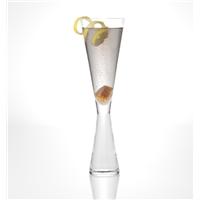
20ml parfait amour, 20ml Zubrowka vodka, 1 sugar cube doused in Angostura bitters, top with chilled Russchian

Build all ingredients into a frosted champagne flute. Garnish with a thin grapefruit zest. Beautiful, violet-coloured drink presented in a sophisticated tall champagne flute.

Digestif Cocktail

45ml Monkey shoulder, 30ml Butterscotch schnapps,2 dashes orange bitters, 15ml lemon juice,5 ml sugar syrup, 5ml egg white, Top with Russchian

Shake all ingredients over ice a shaker and strain into a highball glass with ice. Top with Russchian.

Never mind the Botox – try a face workout!

image

NEVER MIND THE BOTOX – try a face workout!
By Dean Hodgkin

‘Keep young and beautiful, if you want to be loved’, the old song goes, but that’s easier said than done when gravity and time take their toll. But you don’t have to resign yourself to the belief that there’s nothing that can be done about it.

Well, the good news is you can do something and the ideal time is right now. Don’t kid yourself into thinking your porcelain features will last, you’re simply in what the experts call the incubation period, whereby ultra-violet radiation, environmental pollutants and dietary toxins are beginning to silently take their toll but are yet to reveal the cumulative effects. However, before you rush off to buy expensive lotions, let your face become a pin-cushion or call Sharon Osbourne for a recommendation, sit tight, the answer is a lot closer to home. You could say it’s right under your nose (although all around it is a better description).

It’s somewhat ironic to think that some of us spend time conditioning our tums and bums yet do nothing for the risorious (actions a smile), the zygomaticus (opens/closes the eyes) or the procerus (effects a frown) even though these are the ones on show all the time!?!

So get ready to iron out your frown lines, tone up your turtle neck and lift the jowls with our selection of cheek tricks.

Guidelines:

– Sit in front of a mirror to check technique. Remember, these muscles are untrained so you will need to practice each technique.

– Shoulders and neck need to be relaxed so do a little mobility work and perhaps stretch these areas before your workout.

– Ease into each movement and hold for 6-8 seconds, then slowly release.

– Repeat each exercise 5 times.

– Take a deep breath in between each repetition.

Exercises:

1. Beat the Double Chin

Keep back teeth together, extend chin forwards.
Lift bottom lip over top lip.
Press tip of your tongue against roof of your mouth.

2. Lose the Lip Lines

Thumbs under top lip, thumb nails resting against your gums.
Contract upper lip muscles in small movements to press thumbs.

3. Rock Your Jawline

Head up, chin forward, upper lip gripped between lower teeth.
Feel stretch in front of neck.
Slowly smile without losing grip of top lip.

4. The Eyes Have It

Place index fingers under eyebrows, thumbs on side of head.
Push eyebrows up and hold by pressing against eye socket bone.
Gently close the eyes.

5. For your Eyes Only

Place palms on forehead to fix eyebrows in place.
Gradually open eyes as wide as possible.
Release and look down, as low as you can.

FACE FACTS

– Regular exercise, such as brisk walking, will help to maintain good circulation, which can be seen in your face.

– Sun sensibly by ensuring you always wear block during the summer months.

– Drink at least 8 glasses of water each day to keep your skin hydrated.

– Observe government guidelines for alcohol consumption and note that red wine contains antioxidants so should be preferred to other tipples

– According to market research company Zogby International only 6% of men would like a woman to use Botox rather than have natural wrinkles.

About Dean Hodgkin

A truly international fitness ambassador, having appeared at hundreds of events in 35 countries, Dean collected the Best International Fitness Presenter and Career Achievement awards at the glittering ‘One Body One World’ ceremony, in Times Square, New York. He is renowned for offering an incredibly wide range of themed masterclasses and workshops, from mind-body through to dance through to many forms of conditioning……….and even juggling! As an established writer, his articles have been published in The Times, Sunday Times, Daily Express, FHM, Men’s Health, GQ, Esquire, Zest, Health & Fitness, Slimming and Women’s Health. Dean has a number of broadcast credits to his name, including fitness expert on the Terry Wogan show, a regular slot on Saga Radio and presenting corporate dvds. He has acted as a consultant to Whitbread, Marks & Spencer, Reebok, RAC, David Lloyd Leisure, Norwich Union Healthcare and NIKE. Former 3-times world karate champion, he is now Senior Manager at leading spa, Ragdale Hall.

For information on weight loss visit Dean’s unique website
www.why-weight.co.uk
to download fun workouts, delicious recipes and motivational tips designed to fit around your lifestyle.

Get the Hip Hop Body – win the DVD

image

Currently one of the world’s leading fitness presenters, Troy’s expertise spans 14 years in the industry. He regularly performs master-classes to over 2000 people at conventions all over the world. Endorsed by leading brand names, Troy is one of the most sought after trainers in celebrity circles and is about to revolutionise fitness through Hip Hop Body.

He has a body to die for, and if you want to look good too, he’s your man.You will find out how to have fun exercising, burn calories, get the max definition in Troys new DVD, Hip Hop Body which has just gone on sale in UK shops.

There are five DVDs, each worth £17.99 for you to win. If you would like one of these DVDs please email us with your name and address and HIP HOP in the header to readeroffer@elixirnews.com by 7 April. The winners will be selected in a draw. No cash equivalent is beint offered and the Editor’s decision is final.

What is the Hip Hop Body workout – Troy answers your questions:

Hi – I’m Amy.
I’m 16 and there’s a really fit boy I wanna impress. My body’s not all that at the moment, and I wanna look buff. It’s not about school sports, the dance floor’s bangin.

Hi – I’m Lucy. I’m 22 and I work at Top Shop. I’m never in on the weekends – there’s always someone’s guest list to be on and somewhere to be seen. I wanna stay trim but spandex makes me wanna die!

Lucy: My mate says you’re The Man. Is it really true that you’ve trained stars like Colleen McLoughlin?

Troy: Yeah, and loads of others. But for me, it’s not about celebrity, it’s about

having the attitude. The girls you see working out with me in the DVD aren’t professional dancers but girls just like you.

Lucy: So what’s Hip Hop Body then?

Troy: HipHop Body is THE new way to get the body you want. Forget the press ups and star jumps. Hip Hop Body will change the way you think about hip hop and fitness.

Amy: But fitness DVDs are just for your mum, aren’t they?

Troy: That’s where you’re wrong. Hip Hop Body is all about expression, attitude, moves and the way you look.

Lucy: Sounds like hard work to me.

Troy: That’s where Hip Hop Body is different. You’ll get the body you want and have fun at the same time – dance is a fantastic way to burn calories and you can do it with your mates.

Amy: I’ve got a flabby tummy. How’s HipHop gonna help that?

Troy: Hip Hop Body is a complete body workout – there’s a special range of moves to tone your stomach and strengthen your core.

Lucy: I love dancing, but I’m not an expert…

Troy: Hip Hop Body is for everyone, from beginners to advanced.

Amy: But I’m really into dance – this isn’t gonna be boring, is it?

Troy: The DVD has a routine for more advanced dancers. It concentrates on performance and is great for anyone who’s really into dance. For the beginner, the work outs will give asense of direction and achievement.

Amy: Sounds cool. So where can we get this DVD then?

Troy: You can buy Hip Hop Body in all the shops now you can also see me in action
at www.myspace.com/troydureh

Graduate Fashion Week – Earls Court, London – 8-12 June

image
image

Graduate Fashion Week has become the world’s greatest showcase of young up and coming fashion and design talent and with a move to Earls Court 2 this year it promises not only to be bigger but even better.

Truly the best place in the world to spot undiscovered new talent Graduate Fashion Week is the industry’s looking glass into the future of fashion and all it’s related disciplines. It will celebrate the work of more than 1000 of the finest BA Degree fashion students from 49 member universities across the UK, for the biggest showcase of young talent in the world.

Sponsored for the fourth year by leading high street fashion brand River Island and attracting some of the industry’s biggest players and most influential international commentators, Graduate Fashion Week is now a firm fixture in the diaries of those in the know. Last year some of our fashionable guests included Victoria Beckham, Lanvin’s Alber Elbaz, Glenda Bailey of Harpers Bazaar USA, Mulberry’s Stuart Vevers, Zandra Rhodes, Jimmy Choo OBE, Liberty’s Design Director Tamara Salman, Hilary Alexander (Daily Telegraph), Sophia Neophitou (10 Magazine), Suzy Menkes (International Herald Tribune), Colin McDowell (Sunday Times Style) and Clare Waight Keller (Pringle).

Graduate Fashion Week is the ONLY major international fashion event open to the general public and is a chance for your readers to sit alongside international fashion editors, recruiters and talent scouts from all over the world, watching professional catwalk shows.

What’s new for 2008:

This year, Graduate Fashion Week moves to Earls Court 2 from Sunday, 8 June to Thursday, 12 June 2008. Already the home of the BRIT Awards, Earls Court 2 is the venue’s newest hall and is a very modern and clean structure, offering the event some much needed additional space.

What better way to decide whether fashion really is what you want to study or not! The new Graduate Fashion Week Education Day on Thursday, 12 June, will target 14-18 year old school children and those at FE Colleges. The day will be dedicated to the universities promoting their individual courses and will invite schools from all over the UK to bring groups of interested students for a packed day of research, catwalk shows and careers education.

To ensure that absolutely none of the event’s exceptional catwalk talent is missed, an extra step in the selection process for the River Island Gold Award will be added for 2008. An elite industry panel will be requested to join the audience at the university shows every day (changing each day) with the mission of highlighting what they consider to be the hottest collection from each show. This information will then be passed on to relevant course leaders to help in their final selection for nominees.

In addition the nominated collections from the Pringle Visionary Knitwear Award and Zandra Rhodes Catwalk Textile Awards will also join the selection process to be short listed for the final 10 collection for the River Island Gold Award. The final ten collections are then reviewed and the students put through a really gruelling interview process by the always expert and prestigious River Island Gold Award judges. Judges will again be asked to select a menswear and womenswear award winner, in addition to the River Island Gold Award Winner.

A brand new addition for 2008, the Fashion Innovation Award, will embrace every area of the GFW remit from catwalk to exhibition/product development to new techniques in thinking and manufacture. Colleges will be invited to submit one entry only and it has been designed to provide a symbolic bridge between the existing divisions in what we do.

Unprecedented demand for Gala Show Tickets led to the introduction of a second show being added to the GFW schedule at last year’s event. This was a massive success and the introduction is set to continue for 2008. The first show at 5.30pm will allow visitors to see all the student entries for the Gala Awards. No award winners will be announced at this performance. The second show at 8pm will feature the best 16 collections from the weeks shows in front of an “ invitation only’ audience made up of press, designers, head-hunters, recruiters, sponsors, key trade and industry figures and of course the nominated students, judges and presenters. This show will announce the award winners.

ADMISSION – GRADUATE FASHION WEEK DAYS JUNE 8TH – 11TH

EXHIBITION ONLY: £10.00 (No advance booking) UNIVERSITY SHOW: £10.00 + £2.50 handling charge (if purchased in advance) including admission to the exhibition. GALA SHOW ONE 5.30 pm: (June 11th only) £25.00 + £2.50 handling charge.

Tickets for all University shows and the 5.30pm Gala Show are now available on line. Go to www.gfw.org.uk

TICKETS FOR THE EDUCATION DAY, JUNE 12, CAN ONLY BE PURCHASED VIA THE TICKET HOTLINE 01903 885 748.

Shorter women may live longer

image

Tel Aviv: A gene found in women of shorter stature is also linked to living a very long life — to 90 and beyond, according to researchers at the Albert Einstein College of Medicine of Yeshiva University.

Mutations in genes governing an important cell-signaling pathway influence human longevity. The findings are part of on-going research for genetic clues to longevity through a study of more than 450 Ashkenazi (Eastern European) Jews between the ages of 95 and 110.

Descended from a small founder group, Ashkenazi Jews are more genetically uniform than other groups, making it easier to spot gene differences that are present. In 2003, this study resulted in the first two “longevity genes” ever identified–findings that have since been validated by other research.

The present study focused on genes involved in the action of insulin-like growth factor (IGF-I), a hormone that in humans is regulated by human growth hormone. Affecting virtually every cell type in the body, IGF-I is crucially important for children’s growth and continues contributing to tissue synthesis into adulthood. The IGF-I cell-signaling pathway is triggered when IGF-I molecules circulating in blood plasma latch onto receptors on the surface of cells, causing a signal to be sent to the cell’s nucleus that may, for example, tell that cell to divide.

Animal research had shown that mutations to genes involved in the IGF-I signaling pathway cause two effects: Affected animals have impaired growth but also longer life spans. So the Einstein scientists reasoned that altered signaling in this pathway might also influence human longevity. To find out, they analyzed IGF-I-related genetic variations in 384 Ashkenazi Jewish centenarians.

And since plasma levels of IGF-I do not reflect their levels at a younger age, the researchers also looked at two other groups: the children of these centenarians, and a control group consisting of Ashkenazi Jews the same age as the centenarians’ children but with no family history of longevity.

Remarkably, the female children of the centenarians had IGF-I plasma levels that were 35 percent higher than female controls–perhaps a sign that the body was compensating for a glitch in IGF-I signaling by secreting increased amounts of the hormone. That suspicion was strengthened by two other findings: the daughters of centenarians were 2.5 cm shorter than female controls; and when the researchers analyzed the gene coding for the IGF-I cell-surface receptor molecule to which the IGF-I hormone binds, the receptor genes of centenarians and their daughters were much more likely to have a variety of mutations than were the receptor genes of the controls.

“Our findings suggest that, by interfering with IGF-I signaling, these gene mutations somehow play a role in extending the human life span, as they do in many other organisms,” says Dr. Nir Barzilai, senior author of the study and director of the Institute for Aging Research at Einstein.

Dr. Barzilai notes that a drug that decreases IGF-I action is currently being tested as a cancer treatment and could be useful in delaying aging. “Since the subjects in our study have been exposed to their mutations since conception, it is not clear whether people would need such a therapy throughout life or if it could help people who received it at a later time.”

This research is described in the March 4 issue of the Proceedings of the National Academy of Sciences.

Besides Dr. Barzilai, other Einstein scientists involved in the study were lead author Yousin Suh, Gil Atzmon and Mi-Ook Cho. Other researchers were David Hwang, Bingrong Liu and Pinchas Cohen of UCLA’s David Geffen School of Medicine and Daniel J. Leahy of the Johns Hopkins University School of Medicine.

Win tickets to London’s Vitality Show

image

London: The Vitality Show which takes place at London’s Olympia in March is offering five pairs of free tickets to the show.

If you would like to win a pair of tickets please email us at readeroffer@elixirnews.com with your name and address and Vitality Show in the subject of the email. The five winners will be selected in a draw. The competition closes on 15 March 2008. The Editor’s decision is final and no cash equivalant is being offered.

Athe the Vitalty Show you will be able to experience the latest in health, beauty & well-being innovations all under one roof! It takes place at Olympia from March 27-30 2008.

The Vitality Show with Muller is the ultimate girls’ day out. Jam-packed with lots of great brands, experiential show features and experts all under one roof, The Vitality Show is the ‘must go’ event for women in the UK.

Brands such as Dermalogica, Benefit Cosmetics and Aveda will be showcasing the very latest innovations, products and ideas enabling women to get a sneak preview of what’s hot and what’s not for 2008. Not only a great shopping event, with loads of great brands all together the show’s new experiential features include: The Happiness Theatre where visitors can attend happiness and friendship workshops; The Fitness Arena complete with trampolines for visitors to try out, free hair consultations and styling courtesy of the award winning Hobs Salon and the Luxury Beauty Hall; as well as the ever popular fabulous Fashion Catwalk.

World class experts will also be on hand to offer advice and insights across the world of health, beauty and well-being ensuring visitors to the show can pick up hot tips to take home and share with their friends.

The Vitality Show with Muller®, is Europe’s largest health, beauty and well-being show is back bigger and better than ever.

For a day packed with the latest and best in beauty, health and well-being, as well as inspirational advice, secrets, hints and tips from the experts, make The Vitality Show 2008 top of yours and your best friend’s diary!

Tickets to the show cost £17 on the door or £14 in advance. For further information visit the website www.thevitalityshow.co.uk or book your tickets by calling 0844 415 4416 (within the UK).

Brits overtake Russians in binge drinking league

image

London: Alcohol consumption in Britain continues to grow with the Brits now drinking more than Russians, according to the latest figures from the World Health Organisation. In addition teenage drinkers in the UK are the drunks of Europe.

WHO figures show that the average Brit drinks 9.29 litres of alcohol each year, compared with 8.87 in Russia.

Luxembourg is in No1 place, followed by the Czech Republic, Estonia and Germany, with the UK 17 and Russia 18 in the league table of drinkers.

The data reveal that in 2003, the latest year for which figures are available, England came top of a European table for drunkenness among 11- and 13-year olds, with twice the levels in Russia.

The increase in drinking is linked the decrease in people setting down to traditional adult responsibilities, such as marriage, say the authors pf a report due to be published in May from the International Center for Alcohol Policies, a Washington-based group.

The study, Swimming with Crocodiles: The Culture of Extreme Drinking, also cites World Health Organisation figures showing that almost twice as many English 15-year-olds as Russians claim to have been drunk more than twice.

In the UK, for example, the number of adults still living with their parents has risen by a fifth among men and almost a third among women in 15 years. About 60% of men and 40% of women aged 20-24 live with their parents.