Sheraton Salobre Golf Resort & Spa, Gran Canaria

image
image

Sheraton Salobre Golf Resort & Spa
Aloe Spa
Urbanizacion Salobre Golf SN
Maspalomas, Gran Canaria
Canary Islands 35100, Spain
T:34 928 943 030
T:34 928 943 000 Spa
www.sheraton.com
15% off spa treatments

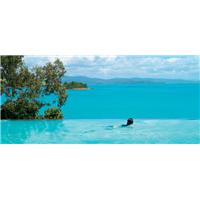
Find all the comforts of home and so much more at the Sheraton Salobre Golf Resort & Spa.

Overlooking the breathtaking greens of the 27-hole Salobre Golf Course, fairways, and splendid surrounding mountains, our resort is the perfect place to catch up with the people who matter.

Treat yourself to some well-deserved you-time and discover a new world of well-being in a relaxing oasis at our Aloe Spa. After a busy day of sightseeing or business, let us show you how to find your internal beauty and balance with our soothing treatments.

Spend the day at Maspalomas Beach. Our free shuttle service can drive you directly to our private beach house, offering a bar, changing room, showers, and swimming pool.

Enticing guest rooms, a wealth of recreational facilities, and a range of exceptional dining venues make the Sheraton Salobre Golf Resort & Spa an unforgettable resort experience.

Plus, all-day, everyday sun, with an average annual temperature of 23C (73F). So there’s none of that anxious staring-up-at-the-heavens and saying, “Surely in five minutes that cloud will have blown away, sod it, where’s the beer. . .?”

The spa treatments include Swedish massage and hot-stone therapy and cost from €20 to €120 (£14.40 to £86.50). The aloe vera wrap is the signature dish, but the spa’s age-defying treatment and lymphatic drainage is another productive way to spend your time.

This spa also uses the high quality Espa products and is the place for fashionable Spanish yummy mummies

image
image

Hotel Cordial Cordial Mogán Playa Spa, Gran Canaria

image
image

Hotel Cordial Cordial Mogán Playa
Avda. de los Marrero, 2 – 35138
Playa de Mogán – Gran Canaria – Spain
T: 00 34 928 724 100
F: 00 34 928 724 101
href=”http://www.cordialcanarias.com/en/cordial_mogan_playa.html”>www.cordialcanarias.com
Email: info@cordialcanarias.com

Discount: 15% off spa treatments

The hotel is located in the Puerto de Mogan, a beautiful fishing village also known as Little Venice to its visitors. It is just a few metres away from the beach and from the colourful fishing quay and the marina, all surrounded by the lush and vibrant Mogan Valley.

The hotel is set in a luxurious botanic garden with over 200 species of subtropical plants. There are two stunning adult pools which are heated during the winter months, withartificial beaches and whirlpools and a children’s pool and playground. There are extensive solarium areas with loungers and parasols

The Spa offers an array of treatments including Aromatherapy, Shiatsu, Lymphatic Drainage, Reflexology, and Facials. Body Wrapping (Sea Weeds; Chocolate; Wine; Mud…) Peeling (Exfoliates of Aloe Vera; Exfoliates of Sea Salts…

image
image

Eurocanarias Oftalmológica (eye health), Las Palmas Gran Canaria

image
image

Eurocanarias Oftalmológica
Calle León y Castillo 211
Las Palmas de Gran Canaria
T: + 34 928 49 10 90
www.eurocanariasoftalmologica.com

15% discount

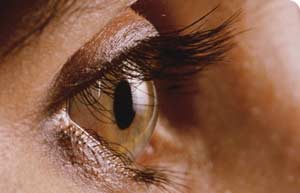
Eurocanarias Oftalmológica is a company devoted to eye surgery and ophthalmic treatments, and has been at the cutting edge of ophthalmology for almost 20 years. Facilities here are state-of-the-art.

Eurocanarias Oftalmológica provides a complete ophthalmology service that covers all of the areas of this speciality, thereby offering on Las Palmas de Gran Canaria a service that matches that of any other leading international ophthalmology centre.

Services

The company offers a full range of eye procedures and treatments makes use of the latest technology and equipment to diagnose and treat eye problems as well the services of ten prominent ophthalmologists

Eurocanarias Oftalmológica is a company devoted to Eye Medicine and Surgery. This clinic has been on the cutting edge of national ophthalmology for almost 20 years.

Eurocanarias Oftalmológica provides a complete ophthalmology service that covers all of the areas of this speciality, thereby offering on Las Palmas de Gran Canaria a service that matches that of any other leading international ophthalmology centre. To do so, the company makes use of the latest technology to diagnose and treat eye problems as well as a provider directory that includes ten prominent ophthalmologists.

Treatments offered include a range of the latest medical interventions for eye health including laser surgery from Myopia, Hyperopia, Astigmatism and other surgical interventions for cataracts and glaucoma as well as contact lenses.

Clínica San Roque, S.A. Gran Canaria

Clínica San Roque, S.A.
C/ Dolores de la Rocha, 5.
CP: 35001, Las Palmas de G. C.
CIF: A-35064658
www.clinicasanroque.com
T: +34 928 012 600 –
10% discount on aesthetic treatments

• Anti-ageing programme: Complete investigation and treatments to meet the needs of the patient including: diet, exercise training programmes, peeling,
autohemotherapy-ozonetherapy, facial anti-ageing technques (mesolifting, hyaluronic acid, vitamins, mesoplasty etc), body mesotherapy, lymphatic drainage etc.
• Chemical peels for acne, acne scars, brown spots (sun and hormonal), facial anti-ageing, psoriasis, warts, solar keratosis, seborrheic dermatitis and stretch marks
• Wrinkle treatments including Botox and fillers, gold threading etc.
• Volumising treatments – for lips, cheeks etc
• Vein treatments including sclerosis and laser
• Surgery for the removal of benign growths
• Hair treatments including mesotherapy and hair grafting
• Cellulite and firming treatments – endermology, vibration therapy, lymphatic drainage and mesotherapy
• Nutrition and diet for weightloss, fertilty
• Psoriasis treatments – peeling, light and ozone therapies
• Skin treatments – dermatitis, eczema, herpes, skin fungus, acne
•Face and body mesotherapy including use of growth factors (plasma rich in platelets)
• Radiofrequency, iontophoresis and ultrasound therapies and treatments

Five star luxury at the Qualia Spa – Sandy Kaye experiences the newest retreat on Hamilton Island

image
image

Hamilton Island: As I step off the flight on a warm sunny morning in late spring, I am greeted by a glass of champagne and an awaiting limousine. I am definitely in the mood for the days that lay ahead as they ought to be a deliciously re-energizing break from the monotony of my daily grind.

As the limo swings around a bend, two massive timber gates open simultaneously in welcome. Qualia lays stretched out before me. This is Australia’s newest luxury resort and the complex sits perched on a hill top overlooking the calm blue waters surrounding Hamilton Island on Queensland’s picturesque Whitsunday coast.

Owned by veteran Australian yachtie Bob Oakley of Wild Oats XI fame, the secluded 6 star resort is all about relaxation and stimulating the senses – and as I am guided to the reception area to take in the panoramic view below me, my senses almost explode. Qualia and its surrounds are simply breathtaking.
I’m handed keys to the little electric golf buggy that will become my mode of transport on the island and I’m given a quick rundown on the resort and all it offers. There’s a magnificent beachside pool at Pebble Beach where one can partake in a myriad of water sports and enjoy casual dining, a range of tantalising spa treatments to indulge in, and meditation and yoga sessions available in the purpose built atrium at the highest point and centre of the island.

Guests in relaxation mode are greatly encouraged to unwind and focus on the wellbeing of mind and body here. His and hers pampering includes anti-stress, anti-ageing, detoxifying and cleansing treatments with the signature treatment ‘Bularri Yarrul’, a hot stone massage using 300 million year old stones and aromatherapy treatments using unique essential Australian oils.

Surrounded by the wonders of the Great Barrier Reef, Qualia puts a great many pursuits within easy reach. Adventure seekers can try sea kayaking and bush-walking; alternatively guests can charter a private yacht with their own chef for the day and explore deserted beaches and coves. Private helicopter tours are also available and range from 10-minute flights to full day excursions.

As I unlock the door to my assigned room I am dumbstruck by the sheer luxury and stylishness confronting me. Architecturally superb, each of the 60 pavilions, as they’re called, is freestanding and measures four times the size of an average hotel room. Equipped with floor to ceiling windows providing stunning 360 degree views of the bays below, these one bedroom homes also feature sundecks and either private plunge pools or outdoor showers. If only one could live here forever!

Qualia’s heart is undoubtedly the award winning architect Chris Beckingham’s cliff top “Long Pavilion” – where the dining room, bar, lounge and library merge. The feel inside this huge space is uniquely Australian luxury and simply heavenly. It is elegant yet casual and relaxed- a place where fine textures and beautiful stone sit hand in hand with eucalyptus.

Mealtime here in the Long Pavilion is a choice of indoor or al fresco dining and consists of clean, fresh, local produce which is prepared with a strong French influence that is simply delicious. I find menu choices very difficult to make and vow to sample as many different items as time will permit. My head swims too with some of the world’s finest wines on offer and an endless list of exotic sounding cocktails promising readiness in an instant.

If you get the chance, you must come to Qualia. It is certainly Australia’s answer to world class luxury and definitely worth the visit. Try to arrange a pavilion with a plunge pool for which you can expect to pay around 800 pounds per night. That’s pretty much all you’ll spend daily, other than on alcohol, treatments and perhaps sight-seeing escapades, because the tariff includes all meals, non-alcoholic beverages, transfers and the electric golf buggy.

To avail yourself of the Qualia experience, you need to be over the age of 18 with a love of luxury and a passion for adventure. While your travel agent ought to be able to provide you with all the information you need to make the necessary arrangements, you’d be well advised to check out the website too: www.qualia.com.au You know you deserve it!

image
image

Facelift diva wanted for UK primetime TV

London: Cosmetic surgery is more popular than ever before and a positive experience for most when carried out by professional with a track record. Have you had facial cosmetic surgery? A TV company working on a documentary about anti-ageing products and cosmetic surgery would like to interview you about your experience.

You must be willing to talk about your surgery on camera. Please contact us with your details, including your phone contact at info@elixirnews.com

Join the mile-high yoga club with Qatar Airways

image

Doha: Lifestyle guru and author Deepak Chopra has devised a yoga fitness programme for flying exclusively for Qatar Airways aimed at rejuvenating passengers on long-haul flights.

The new four-page “Fly Healthy, Fly Fit” guide has been prepared with “The Chopra Center for Wellbeing” and its world-renowned co-founder Deepak Chopra.

The guide contains a simple and effective range of relaxation techniques, which have been specially created by Deepak Chopra for the airline’s passengers.

Deepak Chopra’s holistic approach fuses modern medical knowledge with the ancient science of Ayurveda and the art of yoga. It provides passengers with easy exercise routines, enabling them to feel more balanced and relaxed during long flights.

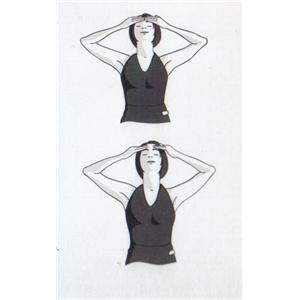
Gentle stretches to encourage blood circulation, with soothing self-massages of the neck, arms and hands, as well as step-by-step yoga postures to relieve tension can all be done from the comfort of their seat even with the seat belt fastened. The guide, printed in English and Arabic, allows passengers to easily navigate their way through a variety of techniques with clear illustrations of the exercises.

In an attempt to make the in-flight experience more enriching and less a means to pass time, the guide contains meditation practices to reduce stress, so travellers reach their destination relaxed and rejuvenated. In particular, being aware of one’s breathing – the conscious in- and exhale process – is a powerful tool to fight anxiety and jet lag.

While Qatar Airways’ “Fly Healthy, Fly Fit” guide has been tailored to enhance the quality of the in-flight experience, all of the techniques shown can be used pre- and post-flight for a more healthy and balanced life.

With the new wellbeing in-flight programme, Qatar Airways emphasises its most important goal of enhancing the customer experience onboard.

Speaking about the new programme, Qatar Airways Chief Executive Officer Akbar Al Baker said: “Qatar Airways is delighted to have teamed up with the world renowned Deepak Chopra and his Chopra Center for Wellbeing to offer our passengers the ultimate relaxation techniques during their flights.

“We recognise the importance of air travel for today’s travellers, particularly frequent fliers, and how essential it is for them to remain healthy during long journeys. The new programme administered in association with Deepak Chopra will help ensure passengers have a positive, stress-free and fully refreshing flying experience.”

The Indian-American medical doctor Deepak Chopra is regarded as one of the world’s greatest leaders in the field of mind-body medicine. He has written numerous best-selling books, is a popular keynote speaker at prestigious events and has lectured at renowned universities such as Harvard Medical School. Alongside Deepak Chopra’s travelling tips, the guide also provides passengers with useful health advice on motion sickness and travelling with medical conditions.

For more information on Deepak’s workshops and healing center, visit www.chopra.com

Top fitness tips from celebrity beauty guru Dr Neish Joshi

image

London: Celebrity health guru Neish Joshi has devised easy and simple New Year resolutions for great skin, which anyone can follow and you’ll also notice the benefits within a few weeks.

1. Easy food swaps

• Making healthy food choices doesn’t mean you have to exist on lettuce alone. Try these simple food swaps which will to give your health a boost, without compromising on taste:
– Swap potato for sweet potato when making wedges
– Snack on wasabi peas instead of dry roasted peanuts
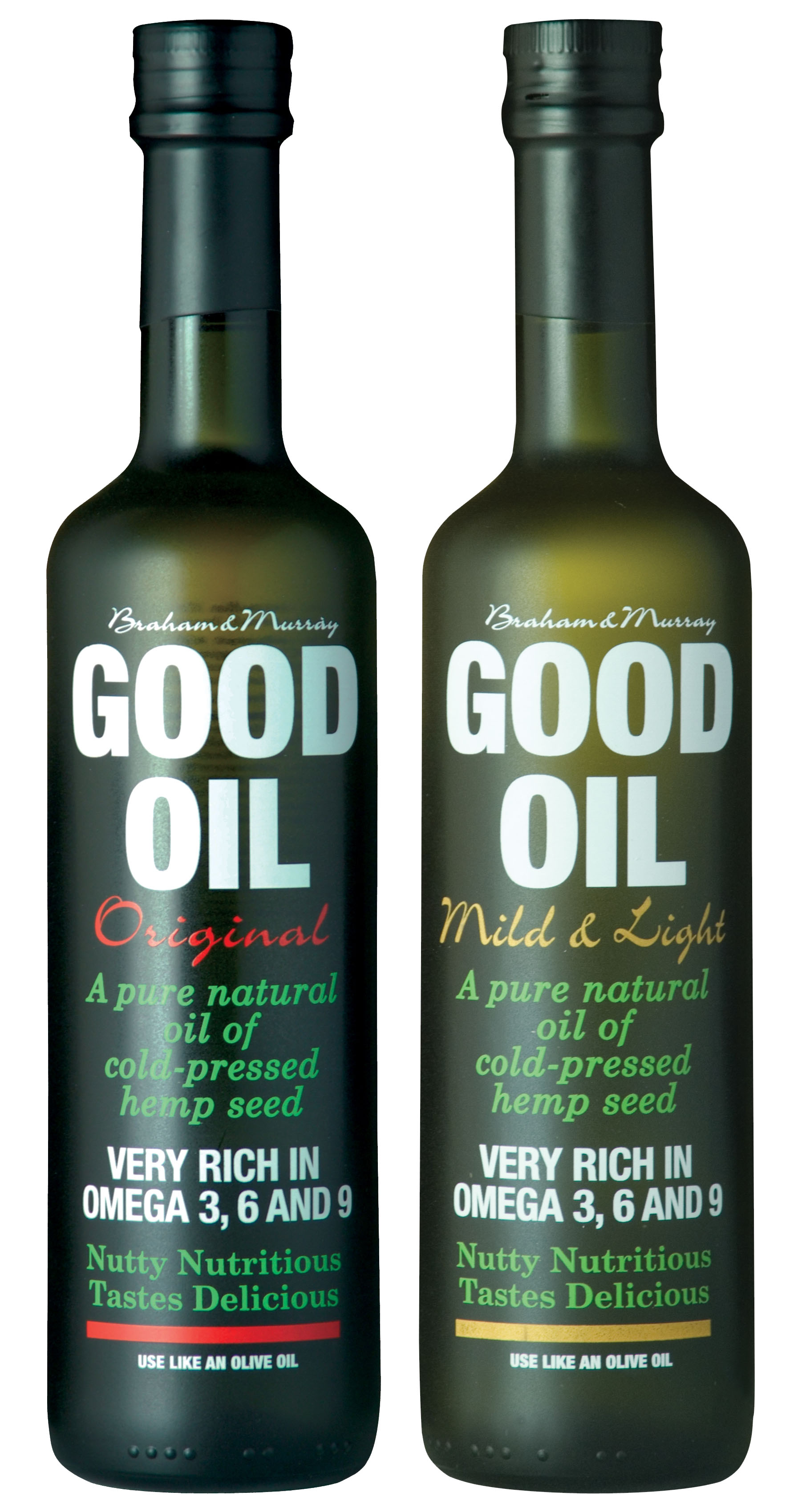
– Use GOOD OIL on your salad instead of heavy dressing
– On pasta, ditch cheese sauce and use fresh tomato instead
– Use spices instead of salt when seasoning food
– Swap sweets for dried fruit (dried mangoes are the sweetest)
– Ditch crisps for salted popcorn
– Desperate for dessert? Try chopping up a banana, dipping the chunks in melted 70% coca chocolate and pop in the freezer until the chocolate hardens. Delicious!
– Carry figs around with you for an emergency on-the-go sugar fix. A great substitute for chocolate bars
– Swap a drizzle of cream in tomato soup for a drizzle of GOOD OIL
– Swap regular milk for semi skimmed or skimmed. Or for the more adventurous, try soya milk
– Add extra vegetables whenever you can. A few sautéed pieces of celery to Bolognese sauce or try adding mushrooms and peas to your favourite curry
– Swap butter in chocolate cake for beetroot – yes really, this works! Beetroot also gives the sponge a rich red hue
– Swap bar snacks for your own roasted soya nuts

2. Aim for ‘as much as you can’ a day
• We all know we should aim for 5 portions of fruit and veg a day, but unfortunately this isn’t always possible. Instead aim for as much as you can and don’t throw in the towel if you have a bad day and give up altogether. Just remember tomorrow is another day and a fresh start.

3. Don’t avoid oil
• When people go on a health kick, they immediately think about foods they should eliminate from their diet, which often includes oils. In fact you should include oil in your diet on a daily basis, just make sure it’s the right kind. GOOD OIL is a good source of essential omega-3 and omega-6, which the body needs to maintain a healthy heart. Research shows that reducing saturated fat intake and swapping it for oils rich in EFAs contributes to an improvement in cholesterol.

4. Sip sip and sip again
• The thought of drinking the recommended 2 liters of water can be pretty daunting. Don’t panic and try to gulp it down in one go. Make sure you have a bottle to hand and sip throughout the day, you’ll reach your target before you know it.

5. Juice it up
• Not everyone is happy to eat through piles of vegetables and fruit every day, so make life simpler and start juicing. It’s easy to replace one portion of fruit and veg a day with a juice, here are some of our favourites:

– Carrot, ginger and celery for breakfast
– Mango, mint and lime for a lunch treat
– A tasty blackberry and cranberry smoothie with a drop of GOOD OIL for a healthy afternoon drink

6. Swap coffee for herbal tea
• We know you’ve heard it before and that despite previous attempts to switch to green tea your body still craves a caffeine-laden pick-me-up in the morning. However, consider this: herbal teas have a multitude of benefits and they don’t over-stimulate, as coffee tends to do, helping you to maintain a sharper concentration and have more energy.

Try swapping a least one cup of coffee a day for a herbal tea and gradually reduce your intake of coffee. Green tea also has the added benefits of antioxidents

7. Get green fingered – the new way to workout
• Grow your own is becoming more popular than ever. But what’s more, a gardening session burns an impressive 350 calories. So ditch that gym class and get digging in your back garden or join a local community gardening project.

8. Cheat exercise
• Don’t like the thought of spending hours in front of the latest WAG workout DVD. Neither do we. Incorporating exercise into your daily routine is easier than you think and we have a few suggestions to get you started. Start with taking the stairs, try getting off the bus a stop earlier and walking, carry your bags home from the supermarket and do a few squats or sit ups in front of TV when no one is looking.

9. Reward yourself the smart way
• You’ve had a promotion or it’s your birthday, no matter how big the celebration, don’t use it as an excuse to binge on unhealthy food and drink. Instead reward yourself with a holistic treat such as a massage or shopping trip for a new yoga outfit. The result? You’ll feel great inside and out.

10. Eat in the right environment
• With busier than ever lives, many of us don’t sit down for our three meals a day. Eating on the go or not eating at all has become common practice. Having ad hoc eating patterns can result in poor digestion and eating on the go makes it difficult to choose healthier foods. Make a conscious effort to eat at least one of your meals a day sat down at a table. You only need to set aside 30 minutes and you can invite work colleagues, friends or family to join you.

11. Have a ‘sin’ day
• Going on a New Year ‘health’ kick’ often involves cutting out the foods you love and when it comes to chocolate, cherish. Keep yourself motivated and sane by having a ‘sin day’ every week, where you can treat yourself to your craving of choice. A week long of deprivation would fail to inspire the most enthusiastic of us; by having a ‘sin day’ you’ll have something to look forward too, which will keep you motivated.

“And above all remember to take one step at a time. Each day at a time. If you fall of the track, start again! Don’t think of this new you as “What do I need to eliminate from my diet?” Think more as what can you increase in your diet and “What can you have instead of…”

About GOOD OIL

– Produced in Devon, GOOD OIL is a pure natural oil made from 100% cold pressed hemp seed
– GOOD OIL is a perfect blend of delicious taste, health benefits and stylish packaging
– The GOOD OIL founders, Glynis Murray & Henry Braham, spent ten years perfecting the processes to ensure the taste was just right and the nutritional value optimized. This involved finding the best varieties to grow for the right taste, developing growing and harvesting methods, and mastering the cold pressing technique
– GOOD OIL is a delicious, versatile culinary oil. Use it as you would an olive oil: drizzle it on salads and vegetables, pour on pasta or baked potatoes. Add to soup, smoothies, use to roast potatoes or just eat with crusty bread, on its own or with Balsamic
The GOOD Taste:
 GOOD OIL Original has a delicious fresh and nutty taste
 GOOD OIL Mild & Light has a milder flavour, but still contains the same level of hemp seed goodness
 Hugh Fearnley-Whittingstall is a fan; “GOOD OIL is the most interesting culinary oil to come my way for a long time. It has a unique nutty flavour, with a pleasing, lingering aftertaste. As a ‘gourmet’ oil, it stacks up with the best extra virgin olive oils, having plenty of character for trickling on toast, over soups and salads, and making all kinds of dressings. And – perhaps the ultimate test – it makes terrific roast potatoes.”

The Health Benefits of GOOD OIL:
 With zero trans fats and approximately half the Saturated Fat of olive oil, GOOD OIL is one of the healthiest (and tastiest) culinary oils on the market

Good Heart
GOOD OIL is rich in polyunsaturated fatty acids, including essential omega-3 and omega-6
o GOOD OIL is rich in omega-3 and 6, which the body needs to maintain a healthy heart. Research shows that reducing saturated fat intake and swapping it for oils rich in EFAs contributes to an improvement in cholesterol
o The ideal ratio for human’s to absorb omega-3 and 6 is between 2:1 – 4:1. GOOD OIL is at 3:1 so the ideal balance to complement the body’s needs
o GOOD OIL has a higher omega quantity than most other culinary oils and provides an easy, versatile and delicious way to ensure the body is supplied with EFAs everyday – just 10ml of GOOD OIL per day will make a substantial contribution to the intake of essential fatty acids required for good health (Source: The Kings Report – available upon request)
Good Skin
 GOOD OIL contains GLA (Gamma Linolenic Acid – a fat in the omega-6 family), the active ingredient in Evening Primrose Oil and considered to be a powerful key to vibrant health and radiant beauty
o Research shows GLA is good maintaining healthy skin, as well as having a beneficial impact on the effects of PMS
o 10ml of GOOD OIL contains as much GLA as 6 average Evening Primrose capsules

Keeping the Goodness in
 To maximize the health benefits, it is recommended to take 10ml of GOOD OIL per day in ‘cold’ format e.g. drizzled on salads and vegetables, added to smoothies and soups, as a dip, or used in cold recipes such as salsa or guacamole to name a few
 As a food oil, GOOD OIL can be used for roasting, baking and cooking and doesn’t need to be treated any differently to other oils. GOOD OIL can be used for a wide variety of every day uses for food preparation but is not suitable for deep-frying (deep-fried food is generally not a healthy way to prepare food). Heating above 150C reduces the beneficial properties of GOOD OIL.

The GOOD OIL Crop:
 Hemp is a very sustainable crop and beneficial to the environment
o Hemp crops require little water to grow
o When the remaining crop is left to rot on the ground following bailing, it imparts essential nutrients back into the ground, these nutrients are great for earth worms
o Hemp provides an excellent habitat for wildlife. The fields are left to fallow in winter, the birds are attracted to the earth worm rich ground
o Hemp is planted late in spring and requires no mechanical or chemical weed control during the growing period, thereby reducing fuel consumption on the farm
o Hemp’s long tap root is excellent for soil structure and conditioning
o The fast growing Hemp crop is a very efficient carbon sequester
 Every aspect of the plant is used – absolutely nothing is wasted

GOOD OIL Stockists:
 GOOD OIL is currently stocked at most branches of Tesco, Waitrose, Morrisons, Sainsbury’s and Co-Op, as well as leading department stores Harvey Nichols and Selfridges
 RRSP £5.99

The GOOD WEBSITE:
 For more info on the GOOD OIL farm in North Devon, delicious recipes, articles on nutrition and to sign up for the newsletter please visit www. Goodwebsite.co.uk

Scientists find sex gene risk for Alzheimer’s in certain females

image

New York: A gene found on the X chromosome harbours the first sex-specific genetic variant linked to a greater susceptibility to Alzheimer’s, according to a new study.

Researchers at the Mayo Clinic in Jacksonville, Florida and Rochester, Minnesota showed that women who inherited the same variant of the gene, known as PCDH11X, from both parents were far more likely to develop the disease.

Among Alzheimer’s patients evaluated for the study, “the odds a women had two copies of the PCDH11X variant as opposed to no copies was nearly twice as high as for the control group,” the lead researcher, Steven Younkin, told AFP by email.

Both men and women with only a single copy were also slightly more likely to have Alzheimer’s. But only women have two X chromosomes, making them uniquely vulnerable to the impact of the double variant.

Men have one Y chromosome, and one X chromosome.

Alzheimer’s is a degenerative disorder of the brain characterised by forgetfulness, agitation and dementia. There is no known cure.

While many gene variants, or alleles, have been implicated in the onset of the disease, only one other — APOE 4 — has been shown to be a higher risk factor.

The findings, published in the journal Nature Genetics, do not necessarily mean that women as a whole are more prone to getting Alzheimer’s.

“There may be male-specific risk factors — genetic or environmental — that balance the increased risk in women from PCDH11X variant,” Younkin explained.

The researchers discovered the wayward string of DNA by scanning the entire genome of 844 patients and 1,255 healthy persons, looking for telltale markers that might point to a genetic culprit.

After identifying PCDH11X, they confirmed the “highly significant association” by repeating the gene tests on an even larger group of 1,547 patients, and a slightly smaller number of controls.

Follow up studies will investigate the exact mechanism by which the variant affects the nervous system in order to help diagnose the disease early on and develop suitable drugs, Younkin said.

Alzheimer’s is caused by a massive loss of cells in several regions of the brain, driven by a buildup of plaques of amyloid protein. The disease occurs most frequently in old age.

An estimated 37 million people worldwide live with dementia, with Alzheimer’s disease causing the majority of cases, according to the World Health Organisation (WHO).

With the ageing of populations, this figure is projected to increase rapidly over the next 20 years.

First UK baby embryonically tested to prevent breast cancer born

image

London: The first baby in the UK to have undergone embryonic genetic screening to lessen the risk of breast cancer has been born.

Doctors at University College London said the girl and her mother were doing well following the birth earlier this week.

The embryo was screened for the altered BRCA1 gene, which would have meant the girl had a 80% chance of developing breast cancer. It was removed before conception – defined as when the embryo is implanted in the womb.

Women in three generations of her husband’s family have been diagnosed with the disease in their 20s.

This little girl will not face the spectre of developing this genetic form of breast cancer or ovarian cancer in her adult life

Paul Serhal, the fertility expert who treated the couple, said

“The parents will have been spared the risk of inflicting this disease on their daughter.

“The lasting legacy is the eradication of the transmission of this form of cancer that has blighted these families for generations.”

Pre-implantation genetic diagnosis (PGD) involves taking a cell from an embryo at the eight-cell stage of development, when it is around three-days old, and testing it.

Doctors then select an embryo free from rogue genes to continue the pregnancy, and discard any whose genetic profile points to future problems.

Using PGD to ensure a baby does not carry an altered gene which would guarantee a baby would inherit a disease such as cystic fibrosis, is well-established.

But in 2006, the Human Fertilisation and Embryology Authority said doctors could test for so-called susceptibility genes, such as BRCA1.

Everybody carries a version of these genes – in fact a properly functioning BRCA1 protein helps stop cancer before it starts – but some particular variations of the genes greatly increase the risk of cancer.

Carrying the key BRCA1 mutation in this family’s case would have given the increased chance of breast cancer and 50% chance of ovarian cancer later in life.

However, carrying the gene does not make cancer inevitable, and there is also a chance the disease could be cured, if caught early enough.

The couple, who wish to remain anonymous, wanted to eradicate the gene flaw from their family.

The husband’s grandmother, mother, sister and a cousin have been diagnosed with the disease.

If the 27-year-old woman and her husband had had a son, he could have been a carrier and passed it on to any daughters.

FACE THE FACTS: The Truth About Plastic Surgery Procedures

image
image

New York: New York cosmetic surgeon Andrew Jacono reveals all about the procedures that work and those that don’t in his latest book.

This is an easy to read and clear book designed to demystify and define the latest surgical and non-surgical cosmetic facial treatments for ageing. Filled with up to the minute information, helpful analogies, top notch before and after photos and descriptive illustrations, this crash course in facial plastic surgery, dermatology and skincare helps readers make educated decisions about the techniques they are considering.

The book helps readers avoid common pitfalls, like choosing the wrong procedure to achieve a desired effect and identifies procedures which have been popularised by the media, but don’t really work. Throughout the book the author, Dr Andrew Jacono shares “Pearls of Wisdom” – garnered from his extensive training and stellar expertise in the field including information on:

• THE SCARFREE™ FACE LIFT
• FACIAL COCKTAILS 101: What they are, what they treat, how they work and how long they last
• LASER TRUTHS: Fraxel works / Thermage does not…
• THE BOTOX LIFT: Non Surgical Lifting
• PROCEDURES FOR CELEBRITY FEATURES (Lip Augmentation Techniques for lips like Angelina, etc.)
• THE TRUTH ABOUT SKINCARE INGREDIENTS: What you need based on the scientific facts
• TREATING THE THREE DIFFERENT TYPES OF WRINKLES

FACE THE FACTS is available on Amazon.com and at Barnes & Noble. The book retails for $ 15.95 (£8, €12) and ten percent of the proceeds from each book will go to “FACE TO FACE,” a US project offering free consultation and reconstructive surgery to victims of domestic violence. Dr. Jacono has been highly recognized for his work with “FACE TO FACE” and other charitable organisations

Andrew Jacono M.D., F.A.C.S: is a Dual Board Certified, Facial Plastic and Reconstructive Surgeon and Assistant Clinical Professor, Division of Facial Plastic and Reconstructive Surgery at The New York Eye and Ear Infirmary, Dr. Jacono is also the Director of The New York Center for Facial Plastic and Laser Surgery in Great Neck, NY.

With surgical privileges at six New York area hospitals, an extensive background in Head and Neck Surgery with a subspecialty training in Facial Plastic Surgery, Dr. Jacono is recognized amongst his peers for his innovative surgical techniques and skills. His clinical research has been presented at several national meetings and symposiums and he has authored numerous manuscripts and published articles in leading medical journals on a variety of surgical techniques, including minimally invasive endoscopic facial plastic surgery, which has become one of the specialties at his thriving practice. Dr. Jacono is adored by his high profile patients (including television news personalities, models and actresses) who turn to him for his masterful cosmetic and corrective work, flawless results and soothing bedside manner.

To learn more about Dr Jacona and his practice, visit www.newyorkfacialplasticsurgery.com

Tattoo removal the natural way – watch the video

image

London: Developed in Germany during 20 years of research and development and supported by Swiss precision technology, Tattoo Erase will restore the skin to virtually its pre-tattoo condition. It is a completely natural procedure, less painful than lasers, that is effective removing all colours including reds, greens and yellows.

Tattoo Erase is the natural alternative solution.Find out more at www.tattooerase.com
Until now laser treatment or Dermabrasion, wearing away the skin with an abrasive tool, has been the only hope for tattoo removal. Both processes have their limitations. Some colours of ink will not absorb set laser wavelengths making the complete removal of varied colour tattoos impossible whilst the Dermabrasion method often requires a skin graft to level out the skin. Tattoo Erase is a natural process using natural products.

Tattoo Erase uses natural products to help your body reject the tattoo in the same way the body naturally expels a splinter. The Kataderm fluid used to encourage this process is a mixture of natural products, which are benign, are in the food chain and occur naturally in the human body. The Kataderm fluid is not mutagenic and there is no evidence that it is anything other than non-allergenic.

Watch the video to learn more:

Find out more at www.tattooerase.com

FREE Natural supplement for menopause relief

image
image

Women can spend up to fifteen years overwhelmed by menopausal symptoms which can affect work, sleep and quality of life. But help is now at hand in the form of a new slow-release isoflavone nutritional food supplement, which can offer natural 24-hour support to women at the time of the menopause.

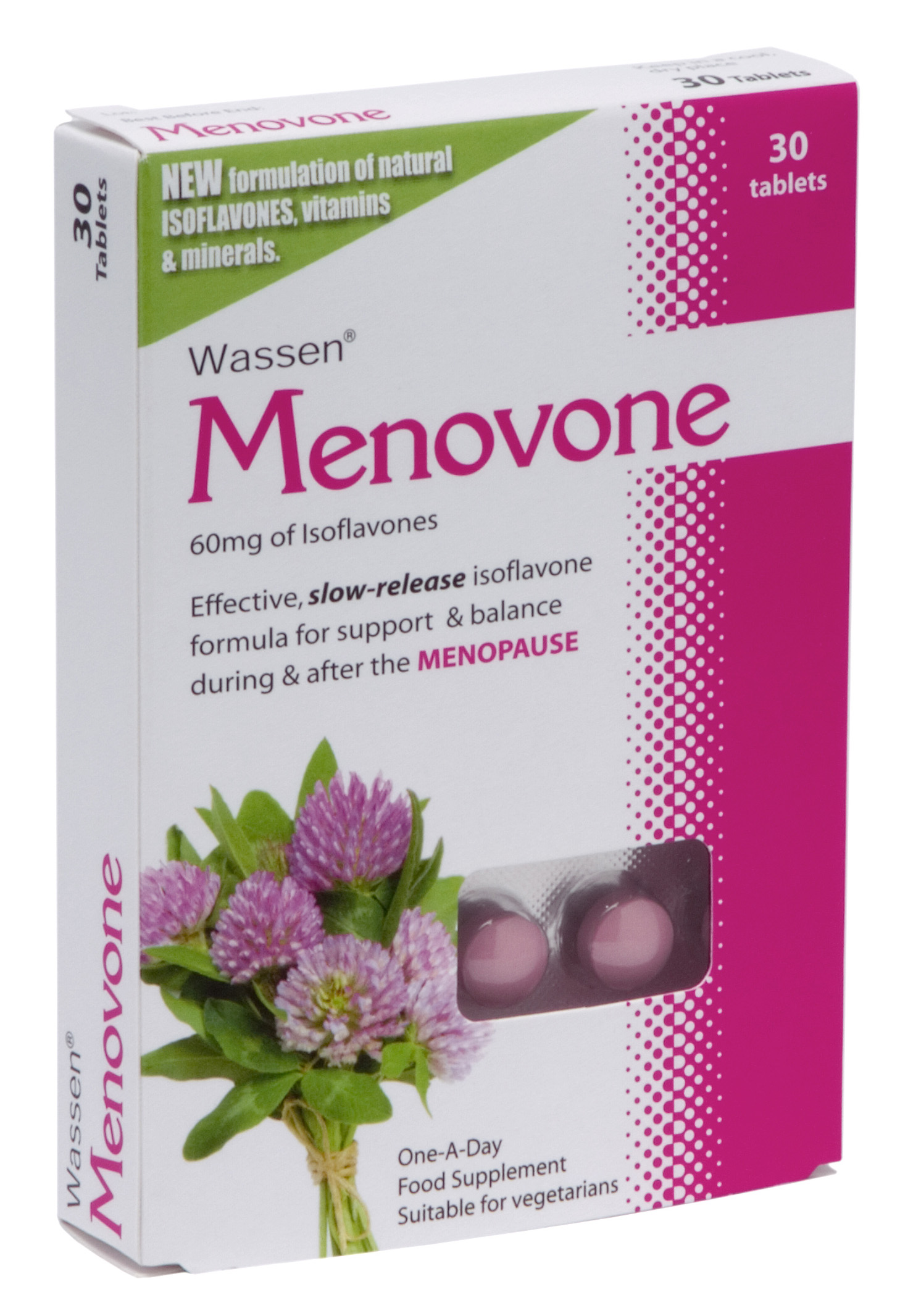
New Menovone is a ground-breaking nutritional food supplement, which utilises an effective and unique slow-release function to deliver isoflavones from soya beans around the clock.

Menopausal symptoms most commonly start between the ages of 47 and 52, which means they often strike at an extremely busy period of a woman’s life.

While 75% of Western women experience hot flushes, menopausal symptoms in Asian countries are virtually unknown and this has been attributed to the fact that Japanese diets include a high level of isoflavones from foods such as tofu and miso soup. Remarkably, there is no term for ‘hot flush’ in Japan,

Isoflavones are plant compounds, which occur naturally in foods such as soya, tofu and nuts. They have a similar chemical structure to oestrogen and therefore have similar (although weaker) physiological effects. Throughout the menopause, natural hormone levels of oestrogen gradually decline and research has shown that increased isoflavone consumption can be of benefit to women at this time.

Unfortunately in the UK, our diets are very low in isoflavones, with surveys showing that the average UK diet provides less than 3mg per day. In comparison, consumption in Asian cultures can be as high as 100mg per day.

Utilising this important nutrient, Wassen – makers of the popular nutritional food supplements Selenium-ACE and Magnesium-OK –has launched Menovone which provides 60mg of slow release isoflavones in each one-a-day tablet, helping women manage the menopause naturally.

The unique nutritional food supplement also contains the essential vitamins and minerals folic acid, vitamins D, E and B vitamins, to help maintain a woman’s well-being before, during and after the menopause. These nutrients can also enhance bone and heart health. Menovone does not contain any drugs or HRT, and is therefore a natural option which can help support women at the time of the menopause.

Priced at around £9.95 for one month’s supply, Menovone is available from Tesco, Waitrose, independent pharmacies, health food. For your nearest stockist call 01372 379828.

Manufacturer Wassen is giving away a one-month supply to 20 ELIXIR readers. If you would like to receive a free pack of Menovone please email us at readeroffer@elixirnews.com with Menovone Offer in the email header. Please note that this offer closes on 21 January 2009, no money equivlant is being offerd and the Editor’s decision is final.

Menovone has also got together with respected media doctor Dr Dawn Harper to create ‘I’m Not Mad, I’m Menopausal’ – an easy-to-follow leaflet full of natural and effective ways to help reduce and manage menopausal symptoms. For FREE copies of ‘I’m Not Mad, I’m Menopausal please contact Wassen on: + 44 (0) 1372 379828, download from www.wassen.com or email: menopauseadvice@wassen.co.uk

King Edward VII Hospital launches low-dose breast cancer scan

London: The King Edward VII hospital has become the first private medical centre to offer patient’s state-of-the-art low dose radiation digital mammography for the detection of breast cancer.

The Swedish-made Sectra scanner allowed the highest resolution breast scan at the lowest dose or radiation, compared to any other system currently in use.

The Sectra Microdose Digital X-ray system uses a digital capturing system which also means very high resolution images (24.96 megapixels) which can detect the smallest micro-calcifications in the breast. The radiation dose which the patient receives during the scan is 20% of that emmited by conventional machines.

The Sectra has already been subjected to a three-year clinical trial within the NHS, at the Coventry Breast Screening Unit at the Coventry and Warwick Hospital

According to doctors the benefits of even a conventional mammogramme outweigh the risks in detection of breast cancer. Women over the age of 50 are advised to have a scan every three years.

In the UK, experts estimate that 1 in every 14,000 women may suffer radiation induced breast cancer – that is approximately eight women each year.

But the low dose Sectra machine means that women can have more frequent scans so that any disease can be caught at an earlier stage.

The hospital’s Imaging Department is also able to give patients a copy of their scan on a CD after their mammogram.

For further information go to www.kingedwardvii and more detailed information on the Sectra at www.sectra.com/medical

Exercise wrinkles away with Method Putkisto and Vitabiotics

image
image

London: Marja Putkisto developed the Method Putkisto technique over 20 years ago while working as a dance/movement teacher.

She is the founder of the Method Putkisto Face School Programme and the Method Putkisto Institute which offers a natural alternative for retaining or regaining the beauty, health and youthfulness of your face.

The Face School Programme is the most complete exercise programme for the face, it is designed to release the tight muscles, strengthen the weak ones and lift the face.

You can buy the DVD at www.methodputkisto.com and here is one of their exercises here:

1. EXERCISE FOR LYMPH DRAINAGE

Target: Increases your lymph flow, helping to remove toxins from your body.

Touch: Very light (feather-light).

MASSAGE

• Slide your fingertips around your neck and PAUSE between your collarbones.

• Press firmly down toward your breastbone.

• Repeat 5-7 times.

Love Your Skin Inside Out with New Perfectil Plus

Vitabiotics Perfectil Plus combines Perfectil, Britain’s number one formula for skin, hair and nails together with a specialist ‘Nutri-dermal capsule’ for even greater care of your skin.

Perfectil Plus nourishes and protects from the inside and provides essential micronutrients to support the building blocks of your skin, hair and nails, thus maintaining their health and appearance.

The ‘Nutri-dermal capsule’ delivers extra specific nutrients targeted at skin including Omega-3 & Omega-6 fatty acids for a healthy looking complexion, lycopene and lutein to help protect from sun UV damage and Co-Q10 to help support healthy skin cell metabolism.

Each original Perfectil tablet contains 22 micronutrients specially formulated for utilisation by the skin’s lower dermal layer, hair follicles and nails. Minerals such as iron, zinc, selenium and magnesium are included to maintain the condition of skin, hair and nails as well as vitamins C, E and natural plant carotenoids to help protect the skin. Standardised grape seed extract is also included to help maintain a healthy looking complexion.

Perfectil Plus also doubles up as a multivitamin, eliminating the need for separate supplements.

Perfectil Plus is available in the UK from Boots, Superdrug, Tesco, Holland and Barrett and online at www.perfectil.com

RRP£16.95 for a month’s supply www.vitabiotics.com

Scientists reverse brain defects in animal models

image

Tel Aviv: Brain birth defects have been successfully reversed, using stem cells, in animal models by scientists at the Hebrew University of Jerusalem.

Neural and behavioral birth defects, such as learning disabilities, are particularly difficult to treat, compared to defects with known cause factors such as Parkinson’s or Alzheimer’s disease, because the prenatal teratogen – the substances that cause the abnormalities — act diffusely in the fetal brain, resulting in multiple defects.

Prof. Joseph Yanai and his team at the Hebrew university-Hadassah Medical School were able to overcome this obstacle in laboratory tests with mice by using mouse embryonic neural stem cells. These cells migrate in the brain, search for the deficiency that caused the defect, and then differentiate into becoming the cells needed to repair the damage.

The stem cells may develop into any type of cell in the body, however at a certain point they begin to commit to a general function, such as neural stem cells, destined to play a role in the brain/ nervous system. At more advanced developmental stages, the neural stem cells take on an even more specific role as neural or glial (supporting) cells within the brain/ nervous system.

In the researchers’ animal model, they were able to reverse learning deficits in the offspring of pregnant mice who were exposed to organophosphate (a pesticide) and heroin. This was done by direct neural stem cell transplantation into the brains of the offspring. The recovery was almost one hundred percent, as proved in behavioral tests in which the treated animals improved to normal behavior and learning scores after the transplantation. On the molecular level, brain chemistry of the treated animals was also restored to normal.

The researchers went one step further. Puzzled by the stem cells’ ability to work even in those cases where most of them died out in the host brain, the scientists went on to discover that the neural stem cells succeed before they die in inducing the host brain itself to produce large number of stem cells which repair the damage. This discovery, finally settling a major question in stem cell research, evoked great interest and was published earlier this year in one of the leading journals in the field, Molecular Psychiatry.

The scientists are now in the midst of developing procedures for the least invasive method for administering the neural stem cells, which is probably via blood vessels, thus making the therapy practical and clinically feasible.

Normally, stem cells are derived from individuals genetically different from the patient to be transplanted, and therefore the efficacy of the treatment suffers from immunological rejection. For this reason, another important avenue of the ongoing study, toward the same goals, will be to eliminate the immunological rejection of the transplant, which will become possible by taking cells from the patient’s own body — from a place where they are easily obtained — by manipulating them to return to their stem cell phase of development, and then transplanting them into the patient’s brain via the blood stream. One important advantage of this approach will be to eliminate the controversial ethical issues involved in the use of embryo stem cells.

The research on the project has been supported by the US National Institutes of Health, the US-Israel Binational Science Foundation and the Israel anti-drug authorities.

MRI scans can spot Alzheimer’s before symptoms

image

Miami: MRI scans can be used to diagnose Alzheimer’s disease, even before the onset of symptoms of dementia, say researchers.

Alzheimer’s disease is currently diagnosed by a process of elimination as many other diseases cause similar symptoms, furthermore a diagnosis of Alzheimer’s disease cannot be confirmed until after the patient has died by autopsy.

However, results of a study by Ranjan Duara and colleagues at the Florida Alzheimer’s Disease Research Center (ADRC) has added to a growing body of evidence which suggests that MRI scans of the brain can be used to diagnose the neurodegenerative disease.

The researchers used a visual rating system to evaluate the extent of atrophy, or shrinkage, present on MRI scans in three parts of the medial temporal lobe of the brain which are vital for conscious memory.

They then compared the MRI brain scans of 260 people, which included people with probable Alzheimer’s disease, people with varying degrees of mild cognitive impairment (MCI), and a control group of normal elderly with no symptoms of memory loss.

Results showed that by using the rating system they could accurately distinguish those with probable Alzheimer’s disease from those with MCI, and from those in the control group. Furthermore, the scans even enabled the researchers to identify brain atrophy in some participants who did not have symptoms of memory loss at the start of the study, but who went on to develop memory problems several years later.

Thus suggesting that MRI scans could enable doctors to identify those who will get Alzheimer’s long before they become symptomatic.

“This study demonstrates that MRI brain scans are accurate enough to be clinically useful, both in diagnosing Alzheimer’s disease itself at an early stage and in identifying people at risk of developing Alzheimer’s,” said Huntington Potter, PhD director of the Florida ADRC.

Scientists discover new weightloss properties in African nut

image
image

Scientists have discovered that an African seed can help weightloss in older adults even if they don’t diet.

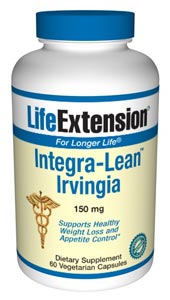
Irvingia gabonensis has demonstrated an average weight loss of 28 pounds in 10 weeks in human clinical trials. It also lowers bad (LDL) cholesterol and levels of blood fats.

The herb works on four causes of weightgain by reducing carbohydrate absorption, shrinks fat cells, reduces the amount of sugar in the blood and increases levels of the hormone leptin which helps the brain shut off appetite.

The herb has been made into a vegetarian supplement which encourages weightloss by taking just two tablets a day.

It works by:

1. Inhibiting amylase, the digestive enzyme that coverts starch to sugar in the body – thereby reducing the amount of carbohydrate absorbed.

2. It increases secretion of adiponection, which shrinks fat cells

3. It suppresses the fat-converting enzyme, glylcerol-3-phosphate dehydrogenase – this converts sugar to fat in the body.

4. It lowers levels of a substance called C-reactive protein (CRP) in fat cells which encourages levels of the appeite suppressant hormone Leptin.

Find out more about this breakthrough product at www.vitalityshopuk.com

image

Stem stell advance voted scientific discovery of 2008

image

London: A new advance in harvesting stem cells from adults which has the potential to cure many of the diseases of ageing, has been hailed as the scientific discovery of the year.

The advance, which involves turning back the clock on adult tissue and “reprogramming” it with the properties of stem cells, could lead to new treatments for diseases including Parkinson’s and diabetes.

The process allows for a potentially limitless numbers of “induced pluripotent stem” (IPS) cells to be made to order from a sick patient’s cells, meaning they do not risk rejection from the immune system when transplanted.

The technique does not require stem calls to be harvested from embryos, making it more acceptable to religious groups.

Dr Robert Coontz of the journal Science, which placed cellular reprogramming top of its list of the biggest scientific breakthroughs of 2008, said it “opened a new field of biology almost overnight and holds out hope of life-saving medical advances”.

Three teams working in Japan and the United States made major advances with the technique over the last 12 months.

“When Science’s writers and editors set out to pick this year’s biggest advances, we looked for research that answers major questions about how the universe works and that paves the way for future discoveries,” Dr Coontz said.

Runner-up was the first direct observation of planets in distant star systems, which required complex measures to blot out the light from their parent stars.

Other advances on the list included improved technology to map the genome – the human genetic code – and new calculations of the weight of the world.

Science’s Top 10 breakthroughs of 2008

1) Cellular reprogramming

2) Observation of planets around stars

3) Insights into “good” fat

4) Expanding the catalogue of cancer genes

5) Most detailed video of a developing embryo

6) Faster, cheaper genome sequencing

7) Watching proteins at work

8) Industrial-scale energy storage

9) High-temperature superconductors

10) Calculating the weight of the world

Vitabiotics and Method Putkisto work together to reduce lines and wrinkles

image
image

London: Marja Putkisto developed the Method Putkisto technique over 20 years ago while working as a dance/movement teacher.

She is the founder of the Method Putkisto Face School Programme and the Method Putkisto Institute which offers a natural alternative for retaining or regaining the beauty, health and youthfulness of your face.

The Face School Programme is the most complete exercise programme for the face, it is designed to release the tight muscles, strengthen the weak ones and lift the face.

You can buy the DVD at www.methodputkisto.com and here is one of their exercises here:

EXERCISE FOR THE FOREHEAD

Effect

Relaxing. Improves concentration. Balances. Smoothes wrinkles.

Position

Place your fingertips on the centre of the forehead.

Touch

Begin with a very light touch. Later, alternate with a firmer touch.

Focus

On your forehead

STEPS

* Begin to slide your fingertips along your forehead, towards the sides of your face
* Keep breathing
* Return the fingertips to the centre of your forehead and pause
* Now move your fingertrips against each other, crossing over each other between 5 and 10 times
* PAUSE
* Repeat the first movement – sliding the fingers towards the sides of your face
*

Why a daily coffee can keep cancer at bay

image

London: The UK’s leading mouth cancer campaigners have urged the population to wake up to a pot of coffee and boost chances of keeping clear of cancer.

The British Dental Health Foundation has welcomed news of coffee’s potential after Japanese scientists found a cup of coffee a day made drinkers half as likely to develop oral cancer.

Drinking habits could prove a real boost in the fight to curb deaths from mouth cancer – which kills one person every five hours in the UK.

Cutting down on alcohol is another positive lifestyle choice. Alcohol and tobacco are linked to 80 per cent of cases, while people both drinking and smoking are 30 times more likely to develop mouth cancer.

Foundation chief executive Dr Nigel Carter said: “Though quitting smoking and alcohol are the two most positive lifestyle resolutions this New Year, research has shown a coffee a day could help against mouth cancer.

“Our Mouth Cancer Action Week campaign each year also points out the need to visit the dentist regularly for oral cancer screenings, and if in doubt, get checked out.”

Around 5,000 people are diagnosed with mouth cancer reach year in the UK.
Regular dental visits are vital as symptoms often occur pain free, so expert check-ups are necessary.

Self-examination for warning signs – including non-healing ulcers, red and white patches in the mouth or unusual lumps or changes in the mouth – is also an effective way of staying safe.

The recent coffee research was carried out by a team at Japan’s Tohoku University School of Medicine, and tracked 40,000 people aged 40-64 over a 13 year period.

Studies showed people drinking at least a coffee a day were 49 per cent less likely to develop cancers of the mouth or oesophagus. In their report, published by the American Journal of Epidemiology, scientists noted an inverse association between drinking coffee and those at most risk of mouth cancer.

For nore information visit the website www.mouthcancer.org

Facts and Figures

* In the UK over 4,750 are diagnosed each year
* Around 1,700 people die of mouth cancer every year
* Mouth cancer is more common in men than women, but the gap is closing
* Mouth cancer is more likely to affect people over 40 years of age, though an increasing number of young people are developing the condition
* Tobacco and alcohol are thought to contribute to 80 per cent of mouth cancer cases
* Smoking is the number one cause for mouth cancer. Cigarette smoke converts saliva into a deadly cell-damaging cocktail
* Switching to low-tar cigarettes will not help, as smokers of ‘lights’ tend to inhale more smoke than smokers of ‘regular’ cigarettes
*Although some people believe that chewing tobacco is safer than smoking, the reality is that it is even more dangerous. Chewing tobacco, paan, areca nut and gutkha are habits favoured by some ethnic groups
* Alcohol aids absorption of smoke into the mouth – people who smoke and drink alcohol to excess are 30 times more likely to develop mouth cancer
* Poor diet is linked to a third of all cancer cases. Evidence shows an increase in fruit and vegetables lowers the risk, as can fish and eggs
* It is recommended that people enjoy a healthy, balanced diet, including food from each of the major food groups and including fruit and vegetables of all different colours as each colour contains different vitamins
* Research now suggests the human papilloma virus (HPV) – transmitted by oral sex – could soon rival smoking and drinking as a main cause of mouth cancer.
* Early detection and treatment considerably increases survival chances, allows for simpler treatment and results in a better quality of life for sufferers

About The Charity

The British Dental Health Foundation is the UK’s leading oral health charity, with a 30-year track record of providing public information and influencing government policy. It maintains a free consumer advice service, an impartial and objective product accreditation scheme, publishes and distributes a wide range of literature for the profession and consumers.
National Smile Month runs each May, to promote greater awareness of the benefits of better oral health, with Mouth Cancer Action Week each November.

The Dental Helpline, which offers free impartial dental advice to consumers, can be contacted on 0845 063 1188 between 9am and 5pm, Monday to Friday or by e- mailing helpline@dentalhealth.org.uk

Alzheimer’s drug helps patients live longer

London: A new study published in the The Lancet Neurology journal has revealed that the drug, Galantamine, improves the quality of life for sufferers of Alzheimer’s Disease.

The research showed that it improves the condition of patients and extends their life expectancy.

But in the UK, the £2.50 a day treatment, is not available to patients when symptoms become too severe.

Professor Alistair Burns of the University of Manchester, who led the study said: “The results from a very conservative viewpoint do not support withdrawal of such treatment.”

Life begins at 69!

image

Las Vegas: A 69-year-old doctor has become a pin-up after following a diet and exercise regime that has given him the body of a 30-year-old.

Dr Jeffrey Life, the chief medical officer of the Cenegentics Medical Institute, went from flab to fab on his regime which also included injections of the controversial anti-ageing injection, Human Growth Hormone (Hgh), which helps produce lean muscle.

Hgh, like most of our hormones begins to decrease from about the age of 30. It has been shown in experiments to turn-back-the-clock but may also be associated with an increased risk of cancer.

Dr Life said: “Within the next ten years, maybe less, this is going to be thought of as mainstream medicine prevening disease, slowing the ageing process, preventing people from loosing their ability of take care of themselves when they get older, and ending up in nursing homes.”

Antioxidants fail to slow ageing

London: Anti-oxidants don’t slow down the effects of ageing, according to a new study published this week in the journal Genes and Development.

The research, carried out by scientists at the Institute of Healthy Ageing at University College London (UCL), questions the theory that excess superoxide free radicals increase the effect and speed of the ageing process. Free radicals are unbalanced oxygen molecules produced naturally in the body and are believed to damage tissue.

For their study, the team modified key genes involved in removing excess superoxide free radicals in the worm Caenorhabditis elegans. They found that the gene changes didn’t affect the worms’ lifespan.

Caenorhabditis elegans is often used in genetic research into ageing because it has a similar genetic structure to more complex organisms, and is easy to control and change.

Bupa’s Assistant Medical Director, Dr Virginia Warren, told the health information team: “The results of this study challenge what has been regarded as obvious for half a century – that superoxides are a key factor in ageing and so mopping them up should be beneficial.”

In 1956, Denham Harman – widely known as the father of the free radical theory – suggested that damage done by too many free radicals in the body was responsible for ageing. Since then a number of papers have been published in support of this theory, so it has remained unchallenged for over 50 years. However, this new study has questioned the theory.

A recent Cochrane review, published in April 2008, looked at the results from 67 studies into anti-oxidant supplements and increased mortality. This independent review found no evidence to suggest that anti-oxidant supplements such as vitamin A, C and E, selenium and beta-carotene can decrease mortality. The review goes on to show that supplements of vitamin C, E and beta-carotene may actually reduce lifespan.

These recent results from UCL, combined with the Cochrane review, add weight to the argument that anti-oxidants in food and beauty products may not be the quick fix many people are looking for. Dr Warren commented: “Of course, we all still need to eat a healthy diet to reduce our chances of type 2 diabetes, heart disease and osteoporosis.”

Scientists identify “fat” gene

London: Scientists have identified an “obesity gene” which predisposes many people to desire fattening foods.

The obesity gene variant is present in 63% of the population, has been
shown to cause people to eat 100 extra calories, on average, at a single
meal.

A team at the University of Dundee conducted an eating test with 100
schoolchildren aged between 4 and 10 and found that the children with
the common variant on the `obesity gene’ FTO consumed the extra 100
calories. These children chose to eat food types that contained more
sugar and fats as opposed to more healthy options.

Results of the study are published in this week’s edition of the New England Journal of Medicine.

The research was led by Professor Colin Palmer at the University of Dundee, and included colleagues who are nowbased at the Universities of St Andrews, Brighton and Glasgow Caledonian.

The study measured the metabolism, adiposity (fat distribution),exercise and eating behaviours in the schoolchildren. They were given a test meal at school, which included a mix of options: ham, cheese, crackers, crisps, raisins, grapes, cucumber, carrot, chocolate buttons,water, orange juice and bread rolls. Investigators recorded the foodthat remained on each child’s tray. Importantly, each child wastested with this meal on three occasions to increase the reliability of the results.

Researchers found the gene had no impact on metabolic rates or measures
of physical activity. There was also no evidence that individuals carrying the obesity-related variant had any problem with satiety (knowing when to stop increased calorific intake from a greater consumption of the more fattening foods as opposed to the more healthy options.

“This work demonstrates that this gene does not lead to obesity without overeating and suggests that obesity linked to this gene could be modulated by careful dietary control,” said Professor Palmer, Chair of Pharmacogenomics in the Biomedical Research Institute at theUniversity of Dundee..

“What it effectively shows is that the people with the relevant variants on the gene have a trait which may lead them to eat more unhealthy, fattening foods. I would stress that this is a trait, and not an absolute occurrence.

“The findings do not change the dietary and lifestyle advice to people, which would be to eat relatively healthily and take regular exercise. Doing this will still have a positive effect whether you carry this gene variant or not.

“But these findings do also reinforce the hypothesis that the increase in obesity seen in children over recent years may be largely attributable to the widespread availability of inexpensive and highly energy dense foods, which may be more attractive to the large proportion of the population who carry this genetic variant,” said Professor Palmer.

The results in the newly-published study are also consistent with studies in animals that have shown that feeding or fasting turns the expression of this gene on and off in the regions of the brain that are known to control eating behaviours.

Professor Palmer was part of the large group of scientists from around the UK that discovered the obesity gene, FTO, in 2007. They found that individuals carrying one copy of the variant (49% of the population) have an approximately 30% increased risk of obesity and individuals carrying two copies of the variant (14% of the population) have almost 70% increased risk of obesity. This effect has since been confirmed in many populations around the world.

Work has been continuing to further explore how the gene works.

“What we are doing with this work is debunking the old myths which are still often repeated in relation to obesity: ‘I have big bones’,or ‘I have a slow metabolism’, or indeed ‘it is in my genes’.

While strong genetic effects have been found in extremely rare cases, most obesity is associated with rather weak genetic tendencies that are modifiable by diet and exercise,” said Professor Palmer.

“The genetics of obesity are complicated and it is likely that there are other genes which will have an effect. But we are now clearly seeing the effects of genetic variants like this one in FTO.”