Coroner investigates death of girl after liposuction

image

Sydney: The parents of a beautiful 26-year old girl called for more regulation for “vanity” surgery after her death following liposuction.

Lauren James died earlier this week, three days after the surgical procedure which removes unwanted fat. The local coroner is to investigate the death.

Lauren (pictured), was treated at a Caulfield North cosmetic surgery centre, died on Monday after complaining of bleeding and pain over the weekend.

Her family vowed yesterday to join any call for tougher regulation of the vanity surgery industry if the coroner found her death was linked to the liposuction.

A spokesperson for the Australian Society of Plastic Surgeons, Dr Norm Olbourne, said regulation was needed in vanity surgery.

Ms James had liposuction on both thighs and her buttocks at the Centre of Cosmetic and Plastic Surgery in Caulfield North on January 19 and was discharged that day.

It is understood she complained of bleeding and saw the centre’s medical director, Dr Mervyn Cass, on Monday morning. She died about 8pm.

Ms James’s death has sparked calls for regulation of the vanity surgery industry.

In Australia, general practitioners can perform cosmetic procedures without surgical qualifications. Although in Lauren’s case the procedure was carried out by a qualified surgeon.

Ms James’s brother said the family was waiting to find out the cause of death.

“If it turns out that it was the surgery that caused Lauren’s death, we would want to prevent it happening to someone else,” Mr James said.

“We would fully endorse an investigation into the dangers and complications that can arise from what is seen as routine cosmetic surgery.”

The national head of the Australian Medical Association, Dr Mukesh Haikerwal, said there were “no standards” in cosmetic surgery.

The Australasian College of Cosmetic Surgery is trying to introduce new rules to ensure cosmetic surgery is carried out by doctors with post-graduate training, Dr Haikerwal said.

Reflexology (UK) – Liz Walters MAR

Liz Walters MAR
18a Fillebrook Avenue, Enfield, Middlesex EN1 3BB
Mobile: 07970 134174
Qualified and Fully Insured Practitioner of Reflexology; ABC Diploma Level 3 in Reflexology; Member of the Association of Reflexologists (AoR); Central London (Central London School of Reflexology, Covent Garden, London WC1)
Travels to:
 Middlesex (including Enfield, Winchmore Hill)
 Haringay (Muswell Hill, Crouch End, Harringay)
 Hertfordshire (within the M25)
Prices:Start from £35.00

Treatment Sessions: The initial session lasts for approximately 1 hour 15 minutes; Follow up sessions last for approximately 1 hour. Includes Relaxational Reflexology

Relaxational Reflexology is ideal for relieving Stress and Fatigue and lifting Depression. It provides a chance to pamper yourself and indulge in some ‘YOU’ time and to relax both the Mind and the Body. Also great for Pre Wedding nerves – Pamper Parties – Hen Do’s!
Clinical Reflexology

Clinical Reflexology is used for more specific physical ailments and problems such as:-

 Headaches & Migraine
 Hormonal & Menstrual Problems
 Infertility
 Sleep Disorders
 Digestive Disorders
 Circulatory Imbalances
 Stress & Depression
 Asthma
 High Blood Pressure (Hypertension)

Men worry as much as women about body shape

London: Younger men in the UK are joining women in their dissastifaction over their body shop, says a new survey.

Just under half of blokes are embarrassed about the way they look, and six in 10 don’t believe they hold any sex appeal for women.

The biggest concern for men is the increasing size of their love handles, quickly followed by paranoia about having ‘man boobs’.

A quarter of men think they should be fitter, whilst 24 per cent of men in their thirties are already concerned about baldness and receding hair lines.

The poll of 3,500 men in their twenties and thirties, conducted by < ahref="http://www.holdbacktime.com">www.holdbacktime.com, revealed premature aging as another major worry.

One in five men are very concerned about looking old before their time – and the same percentage have already considered plastic surgery in a bid to maintain youthful good looks.

Having a bad diet concerns most men, although a quarter are happy to leave decisions about what they eat to their partner.

Getting a double chin, wrinkles or a sagging bottom are all common worries amongst young men in the UK.

And one in 10 think that losing their dress sense as they get older will further reduce their sex appeal – a fifth of men already rely on “the wife” to buy most of the clothes in their wardrobe.

Tina Richards, anti-aging expert for < ahref="http://www.holdbacktime.com"www.holdbacktime.com said: “The male respondents in our poll seem very concerned about aging before their time.

“Brad Pitt was recently quoted as worrying he would lose Angelina Jolie because he feels he is already losing his looks at 43 – it seems that many of our respondents are already feeling the same way.”

The poll revealed that a third of men are so shy about their wobbly bits, they won’t even get naked in front of their partners.

Men are most likely to hate their stomachs, followed by their legs, feet and face.

A staggering six in 10 men think it is perfectly acceptable for women or men to have plastic surgery if it makes them happier.

And astonishingly, despite being dissatisfied with their own bodies, a whopping 25 per cent of men say it is a woman’s responsibility to go under the knife if she loses her looks with age.

TOP 10 WORRIES FOR MEN:

Beer belly / love handles
Man boobs
Fitness
Baldness / receding hair line
Premature aging
A bad diet
Double chin
Wrinkles
Losing dress sense
A sagging bottom

New body fat buster alternative to surgery

London: Women who do not wish to go under the knife to remove stubborn areas from their body and endure a long recovery period can now use a brand new non-surgical treatment called SmartLipo.

Not only is it minimally invasive, but it is safer and far less extreme than traditional methods of getting rid of excess body fat, particularly in stubbon areas.

SmartLipo is ground breaking concept in laser-assisted liposculpture and does not involve any major procedures. A fine canula (1mm. diameter) is used to deliver a safe, power laser to heat fat cells, causing them to break down. The fat deposits are absorbed by the liver and disposed of naturally. At the same time, the laser seals-off minor blood vessels and stimulates collagen production to give a smooth, sculptured finish.

The treatment is perfect for eliminating the common ‘problem areas’ such as tummy, knees, under-arms (bingo wings), buttocks, back and chin etc. The overall results depend on the severity of the area to be treated but dramatic improvements are usually seen within six weeks after treatment – with final results in four months. Although new to the UK, SmartLipo has been in use in Italy for over two years with an impressive track record.

The Smartlipo treatment can take as little as 20 minutes, depending on how many areas of the body are treated. One, two or three areas can be treated in the same session.

London doctor Mike Comins has many years experience in non-surgical cosmetic procedures and is one of the first UK practitioners to be trained in SmartLipo and undertakes the procedure at his own practice in Hans Place, central London.

Although the procedure does not hurt, a local anaesthetic is applied to the area to be treated. Minor bruising or discomfort may occur following the treatment and antibiotics are given to help prevent post-treatment infection.

The cost of the treatment starts from $3,877 (£2,000,€2,982) and is available at The Hans Place Practice. To arrange a consultation, call +44 02(0) 7584 1642 or log onto the website www.hansplace.com for further details.

Botox maker launches new generation wrinkle eraser

IRVINE, Calif: Allergan, Inc. (NYSE:AGN), the maker of BOTOX(R) Cosmetic (Botulinum Toxin Type A), today announced the launch of a ‘next-generation’ hyaluronic acid dermal filler family of products, called JUVEDERM(TM) ULTRA and JUVEDERM(TM) ULTRA PLUS.

“We are pleased to now provide JUVEDERM(TM) dermal fillers to physicians and their patients across the country,” said Robert Grant, President of Allergan Medical, a division of Allergan, Inc. “We believe that the unique scientific benefits and technologically advanced, smooth formulation of JUVEDERM(TM) will establish the brand as a leader alongside BOTOX(R) Cosmetic in Allergan’s TOTAL FACIAL REJUVENATION(TM) offering.”

The JUVEDERM(TM) dermal filler family of products provides physicians with the flexibility to tailor each treatment to a patient’s particular needs. JUVEDERM(TM) ULTRA is a highly cross-linked formulation for more versatility in contouring and volumizing facial wrinkles and folds; and JUVEDERM(TM) ULTRA PLUS is a more highly cross-linked, robust formulation for volumizing and correction of deeper folds and wrinkles.

“In the clinical trials, I found JUVEDERM(TM) injectable gel to be a smooth-flowing product to inject, providing patients with a natural and smooth correction of facial wrinkles and folds,” said Dr. Mark Pinsky, clinical investigator in the JUVEDERM(TM) dermal filler study. “I have seen similar results with the patients I have currently enrolled in the JUVEDERM(TM) Experience Trial, and I look forward to providing both JUVEDERM(TM) ULTRA and JUVEDERM(TM) ULTRA PLUS dermal fillers to many more of my patients now that the product is widely available. The ease of the injection and its long-lasting smooth and natural results make JUVEDERM(TM) an important facial rejuvenation tool in my practice.”

JUVEDERM(TM) is the only hyaluronic acid dermal filler developed using the proprietary HYLACROSS(TM) technology, an advanced manufacturing process resulting in a malleable gel that flows easily into the skin and creates a smooth, natural look and feel. All other hyaluronic acid dermal fillers currently on the market, including Restylane(R) are granular consistency gels. An example of the granular consistency of Restylane(R) (under 2.4X magnification, 0.05 mL) can be seen in the accompanying photo and can be compared to JUVEDERM(TM) ULTRA and JUVEDERM(TM) ULTRA PLUS (under 2.4X magnification, 0.05 mL). The clinical significance of the differences has not been established.

Physicians and consumers are encouraged to visit www.Juvederm.com to receive additional information about JUVEDERM(TM) ULTRA and JUVEDERM(TM) ULTRA PLUS dermal fillers. The Web site also offers a physician locator to help consumers find a trained and qualified health care provider in their area.

Like BOTOX(R) Cosmetic treatment, JUVEDERM(TM) dermal fillers should only be administered by a trained and qualified health care provider. Further product and prescribing information is available by visiting www.Juvederm.com and www.BotoxCosmetic.com.

Important JUVEDERM(TM) Dermal Filler Safety Information

In clinical studies, adverse events were usually mild to moderate in nature, did not require intervention and lasted seven days or less. The most common side effects included temporary injection site reactions including redness, pain/tenderness, firmness, swelling, lumps and bumps and bruising. For complete patient safety information, please visit www.juvederm.com

Important BOTOX(R) Cosmetic Safety Information

BOTOX(R) Cosmetic is indicated for the temporary improvement in the appearance of moderate to severe frown lines between the brows in people 18 to 65 years of age. BOTOX(R) Cosmetic is the only product of its type approved by the U.S. Food and Drug Administration for the treatment of moderate to severe frown lines between the brows. BOTOX(R) Cosmetic should only be administered by a trained and qualified health care provider.

Serious heart problems and serious allergic reactions have been reported rarely. If you think you are having an allergic reaction or other unusual symptoms, such as difficulty swallowing, speaking or breathing, call your doctor immediately. The most common side effects following injection are temporary eyelid droop and nausea. Localized pain, infection, inflammation, tenderness, swelling, redness and/or bleeding/bruising may be associated with the injection. Patients with certain neuromuscular disorders such as ALS, myasthenia gravis or Lambert-Eaton syndrome may be at increased risk of serious side effects.

About Allergan Medical

Allergan Medical, a division of Allergan, Inc., offers the most comprehensive, science-based, aesthetic product offerings under its TOTAL FACIAL REJUVENATION(TM) portfolio, including BOTOX(R) Cosmetic; hyaluronic acid and collagen-based dermal fillers; and physician-dispensed skin care products. Allergan Medical also offers the industry’s widest range of silicone gel-filled and saline-filled breast implant options for reconstructive and aesthetic breast surgery, and leading minimally invasive devices for obesity intervention treatment.

About Allergan, Inc.

With more than 55 years of experience providing high-quality, science-based products, Allergan, Inc., with headquarters in Irvine, California, discovers, develops and commercializes products in the ophthalmology, neurosciences, medical dermatology, medical aesthetics, obesity intervention and other specialty markets that deliver value to its customers, satisfy unmet medical needs, and improve patients’ lives.


Cloudy apple juice is better for health

Wroclaw: Apple juice that contains the pulp is far better than the clear variety, says a new report from Poland.

Scientists at the Agriculture University of Wroclaw have found that cloudy juice – which also tastes better – has four times the amount of beneficial nutrients to fight cancer and heart disease.

Apples, like other fruits, contain polyphenols – antioxidants that help protect the cells of the body and lower the risk of disease and protect the immune system.

Cloudy juice contains the pulp and therefore a higher amount of the good substances in the fruit. Clear juice removes the beneficial-antioxidants called procyanidins. It is thought that an enzyme used to treat pressed apples to make the juice clear and removal of the pulp take away all the goodness.

In a report in the Science of Food and Agriculture, the scientists conclude: ‘Cloudy and clear apple juices differed markedly in their content of procyanidins, which is reflected in their anti-oxidant capacity.’

Although the study only looked at apples, it is likely that the same applies to other fruits where the juice is refined.

There is mounting evidence that fruits and vegetables offer first-line of defence protection against illness and disease. Last year a study found that drinking fruit and vegetable juices more than three times a week can dramatically cut the chances of developing Alzheimer’s disease.

Canadian researchers also recently recommended that drinking a glass of cranberry juice a day as a method of heart attack prevention as it raises levels of ‘good cholesterol’ in the blood by 8 per cent.

Less educated women binge drink when they are older

London: Well-educated young women are more likely to binge drink, says a new study from the UK’s Institute of Child Health.

It also found that women who have children early and have fewer qualifications tend to take up drinking heavily in their 40s.

They concluded that the difference in drinking habits was down to having children. Older women without qualifications were twice as likely to binge drink – that it consume ten or more units of alcohol at any one time – than their better educated counterparts.

The habits of 11,500 British men and women born during one week in March 1958 were monitored on how much they drank. They were monitored and surveyed about how much and how often they drank at the ages of 23, 33 and 42.

Raquel Welch becomes the face of MAC cosmetics

image

New York: M-A-C Cosmetics, the leading brand of professional cosmetics and makeup artist brand of choice, has named Raquel Welch, award-winning actress and screen siren, its fourth M-A-C Beauty Icon.

Ms. Welch, well-known for her own artistry skills, and M-A-C Cosmetics closely collaborated on a colour collection which will be available at M-A-C locations worldwide from February

To celebrate the launch of the Raquel Welch Beauty Icon Collection M-A-C Cosmetics hosted a dinner in her honour. The exclusive evening event, attended by many New York notables, at Gilt in The New York Palace Hotel celebrated the legendary, international sex symbol.

In October 2003, the innovative company launched the beauty Icon Series to pay tribute to the world’s most celebrated cultural icons. Ms. Welch — a natural choice for M-A-C, given her exquisite beauty and unique spirit — follows in the steps of Liza Minnelli, Diana Ross and Catherine Deneuve.

Each icon has been shot by photographer, Michael Thompson, in his New York Studios under the direction of James Gager, Senior Vice President/Creative Director, M-A-C Cosmetics.

“Raquel Welch, M-A-C’s fourth Beauty Icon, is the original, ultimate pin- up bombshell,” says Mr. Gager. “Raquel represents the va-va-voom that M-A-C has always been famous for. She’s a real tigress at heart, an international film star as well as a beauty who represents the diversity of ethnicity in terms of her heritage. She truly embodies the essence of M-A-C.”

Ms Welch said: “When M-A-C approached me to their Beauty Icon face for 2007, I was delighted! I’ve been a devotee of M-A-C products for over 20 years. Because of my profession, the art of makeup is a real passion of mine, both on and off screen, so it’s exciting to be designing a signature collection for M-A-C.

“When I started making movies, I was exposed to an entire arsenal of makeup techniques and discovered that in a world of beauty, cosmetics are an important fashion statement as well as a key element of personal style. What is ‘real’ style? I believe in the theory that a real style is being yourself, on purpose.”

Bright colours represent this iconic sex symbol and legendary screen siren. Specially created for women of all races and ages, the Raquel Welch Beauty Icon Collection conveys classic sex appeal and arresting beauty. The collection is packaged in a tiger-print pattern and “was created and designed around Raquel’s love for shading and her ability as a makeup artist,” says Jennifer Balbier, Senior Vice President, Product Development, M-A-C Cosmetics.

“M-A-C admires and respects everything about Raquel Welch,” says Peter Lichtenthal, Global General Manager, M-A-C Cosmetics. “Raquel is an iconic Hollywood sex symbol and cult siren and was a joy to collaborate with. As we worked with her on this collection, we were constantly impressed by her extensive beauty knowledge.

“M-A-C’s Beauty Icon for 2007, Raquel Welch, debuts her collection that celebrates her iconic image: strong and wild, yet sultry and exotic. Available February 2007 at all M-A-C locations, 1.800.387.6707 and www.maccosmetics.com

M-A-C (Make-up Art Cosmetics), the leading professional cosmetics brand, was created in Toronto, Canada in 1984 and is now sold in over 60 countries worldwide. M-A-C Cosmetics supports the special needs of professional makeup artists that meet the demanding lighting and studio conditions under which the pros work. The company’s popularity has grown through a tradition of word-of- mouth endorsement from makeup artists, models, photographers and journalists around the world. M-A-C is for All Races, All Sexes, All Ages, attitudinally hip, artfully irreverent, and dedicated fully to the art of self-decoration and the realization of the individual. The M-A-C attitude is best expressed by our artists, seen and felt in out stores.

British actor Clive Owen is the male face of Lancôme

image

Paris: Cosmetics house Lancôme has signed Clive Owen as its newest spokesperson. At 42, this extremely talented and seductive British man is one of Hollywood’s most courted actors.

Clive Owen has been passionate about acting since age 12. A graduate of the highly prestigious London Royal Academy of Dramatic Art, he has long divided his time between theatre and television. His role in Robert Altman’s Gosford Park was the starting point of his now acclaimed movie career. He then went from success to success with leading roles in major films such as The Bourne Identity, King Arthur, Closer and Children of Men. His subtle acting which is both precise and profound ensures that each character he plays is unforgettable.

“Mysteriously hypnotic and resolutely masculine, Clive Owen was the perfect choice to embody Lancôme’s new fragrance for men, Hypnôse Homme, and the new anti-ageing skin care range, Lancôme Men,” says Lancôme.

“Clive Owen is an incredibly talented, intelligent and appealing man,” added Odile Roujol, General Manager of Lancôme International.

“The way he has built his career so far, privileging the quality of the director rather than the high profile nature of a role, makes us feel very confident in the fact that if he chose to accept this collaboration with Lancôme, then it truly means our partnership was meant to be.”

A man of few words, this A-list celebrity knows how to grasp life with both hands. Mysterious and powerful, Lancôme has found in Clive Owen the ideal incarnation of its male face.

The new range of Lancôme Men skincare will be available on counter in May and Hypnôse Homme will be available in June.

Folic acid may protect against Alzheimer’s

New York: Folic acid may lower the risk of Alzheimer’s, say US doctors.

The finding follows a study of nearly 1,000 elderly people which discovered that those with higher levels of this B vitamin were less likely to suffer mental deterioration.

The research was carried out by Columbia Univesity Medical Center spent six years examinng the diet of 965 healthy adults with the average age of 75. The one in five who went on to develop Alzheimer’s had the lowest levels of folic acid.

Folic acid has also been found to be useful in improving the memory of people aged over 50.

Folic acid, a B vitamin is found mostly in dark green vegetables such as asparagus but is easily destroyed by cooking. Supplements provide a form of the vitamin more easily taken up by the body. And the researchers recommended that both natural and supplement forms of the vitamin were the best choice for older people.

French lips with Outline

London: Wave goodbye to the trout put, injections are no longer just about plumping up the lips, but using them to restore the border that you lose as you age, and to lift sagging corners.

OUTLINE original does exactly what its name suggests, outlines the lips for fuller definition. It is made from a man-made stable polyacrylamide that is broken down by the body. OUTLINE original can last up to 2 years.

The initial swelling will only last 3-4 hours and you won’t need to massage in the filler. Its tolerance and efficacy are being proven with the largest international trial involving 2,000 subjects over 2 years.

Most fillers absorb water giving the characteristic of a bee stung look. OUTLINE original adds volume without long term swelling and gives a sharp natural definition to the lips. The formula replaces lost tissue and provides the framework for new collagen assembly, building up your own natural pout.

OUTLINE original’s clear gel formula is not derived from animals or bacteria. Its natural solution means you will not need a sensitivity test allowing you to leave with enhanced lips after only one visit. What’s more, the longevity of the filler saves you money in the long term. Once you have achieved the desired volume, this will last up to 2 years.

OUTLINE ultra mainly used to treat deeper lines and skin folds and to reshape facial contours, also brings more visible results for lips; moreover, its effects lasts up to 5 years. So whatever OUTLINE treatment you choose it will deliver a natural and safe enhancement for all your needs. It is made by the French company Procytech.

Outline filler cost from $588 (£300,€447))

For stockists/practitioners: Contact Medical Aesthetic Supplies on 02380 676733, www.mas.uk.net

More women agree to cosmetic surgery, says new report

London: One in three women would be willing to have cosmetic surgery, a new report reveals.

The proportion of women who consider this kind of surgery has doubled in the past two years, according to research carried out by Key Note, the market analysts.

It predicted that the UK market for cosmetic surgery will grow to £1.8bn a year by 2011, which is 12 times more than in 1998 when the business was worth £144.1m.
continued…

It estimates that the value of cosmetic surgery to the British economy will grow by 131% over the next four years.

The analysis reveals that cosmetic surgery has become an increasingly acceptable lifestyle decision to a growing range of people in the UK despite concerns about the risks.

Advances in technology, increasing competition and the introduction of fixed-price and loan schemes have made it an accessible option, not just for celebrities but for people on average incomes.

Nip/Tuck, the hit television series which features two plastic surgeon partners, has also helped to heighten awareness.

Plastic surgery is only available on the NHS for those with a clear functional or psychological need, but even this can be subject to budget restrictions and funding cuts.

Nevertheless, around a third of adult women said they were “favourably disposed” to the idea of having work done to improve what nature gave them, according to Key Note.

The most popular operation was a breast lift: 12% of women would opt for that first, followed by 8% who would be happy to have breast implants.

The report said: “It was found that younger consumers were more open and positive about cosmetic surgery than the older groups.

“Easier access to borrowing has meant that consumers from (all) social grades can see cosmetic surgery as a realisable investment.”

Although the number of people happy to consider cosmetic surgery is growing, there is still a hard core against the whole idea, while the survey also showed that just 11% of men would go under the knife.

Doggie diet pill gets approval

New York: A diet pill for dogs has been given approval by the US regulator, the Food and Drug Administration.

This allows qualified US veterinarians to precribe it to pets who have a weight problem. It costs around £1 a day to administer.

Manufacturer Pfizer is also waiting for approval from the European Medicines Agency.

The new drug called Slentrol, which is given in liquid form, is said to reduce a dog’s appetite and fat absorption and was shown to reduce weight by 18% and 22% in a clinical trial. But it can have side effects including diarrhoea.And it must not be taken by humans as it can cause liver damage.

Veterinarians estimate that about 40% of dogs in Britain and America are overweight. A survey last year found 81% of British vets considered obesity to be the biggest health threat facing dogs. It is linked with similar problems to humans such as heart disease and obesity.

In the US trials dogs lost about 3% of their weight a month without changing their diets.

Cosmetic surgery lottery condemned by doctors

London: The UK body, the British Association of Aesthetic Plastic Surgeons today condemned a new ‘monthly cosmetic super draw’ in which contestants can win aesthetic surgery procedures which will take place in Prague.

Briton John Babbage, of the company, Europa International, said it was arrogant to assume that doctors in other countries were less competent than those in the UK. He also said there was no difference between somebody winning a competition for surgery and paying for it.

People are encouraged to enter the company’s draw through a section on their website entitled “win your surgery for just £1.50”. The monthly draw gives people in the UK the chance of winning £6,000 towards cosmetic surgery.

They are encouraged to call a number or send a text, costing £1.50 a time, with the words “Change your life for only £1.50.”

The website also has a header saying Europa International has been “Cosmetic surgery abroad specialists since 1996.”

Douglas McGeorge, consultant plastic surgeon and President of the BAAPS said:

“I am appalled at this new scheme but unfortunately not surprised. Companies are plumbing new depths to take advantage of a growing interest in plastic surgery by launching unscrupulous marketing gimmicks which violate not only an established code of ethics where financial and date-linked incentives are prohibited, but also common sense.”

The Association has also expressed deep concern at the hype-filled process involved in winning such a prize: the public is meant to phone in or text for the opportunity to win, with no medical history taken or suitability evaluated. Once the winner is announced, the prospective patient meets with ‘directors’ (not the surgeon) with only ‘photos sent to the experts in Prague’ before being flown there for the operation.

Douglas McGeorge says: “I find it atrocious that patients are filtered through sales advisors and marketers who obviously have a vested interest . I would question whether the public are really giving informed consent if they haven’t even met the practitioner in person.”

Adam Searle, former President of the BAAPS adds:

“The offer of a cosmetic surgery procedure as a prize is an awful manifestation of the trivialisation of medical care in general, and aesthetic surgery in particular. Any patient making irreversible decisions in circumstances of hype, excitement and emotion, are putting themselves at very great risk. Any normal patient – doctor relationship is completely abandoned in any such framework of medical care. This is a practice I unreservedly and utterly condemn.”

The BAAPS www.baaps.org.uk based at the Royal College of Surgeons, is a not-for-profit organisation, established for the advancement of education and practice of Aesthetic Plastic Surgery for public benefit. Members undergo thorough background screening before they can join. Information about specific procedures and surgeons’ contact details can be found on the web site, or by contacting their advice line at 020 7405 2234. Further materials can be posted to members of the public seeking specialised information.

Face Antiageing System – micro-injection rejuvenation

London: The skin says it all. As we age our oestrogen levels drop and our skin starts to droop! Simildiet FACE ANTIAGING System is a technique of micro injections that has been used in France for over 30 years resulting in a firming, rejuvenating lift and it is now available in the UK.

As we age our skin suffers from decreased nutrition and hydration causing our collagen making fibroblasts to get lazy. Simildiet FACE ANTIAGING System delivers vitamins, minerals and hydrating agents through the skin with a series of pricks that polka dot rather than break the skin. This micro-trauma wakes up the fibroblasts, stimulates collagen and releases a cascade of healing factors to the skin reversing the signs of sun damage, fine lines and wrinkles.

For even better results a treatment begins with a gentle Glycolic Peel mask to exfoliate the skin, clear away surface debris and improve receptiveness of the skin. This exfoliation allows the tiny droplets of FACE ANTIAGING solution to penetrate the skin more effectively. The treatment is boosted at home by the application of FACE ANTIAGING Cream that continues to feed, nourish and protect the skin.

FACE ANTIAGING is the essential twenty minute skin prick me up! The treatment is painless and relaxing and leaves no tell tale marks or bruises. Used on the face, hands or décolleté it will rejuvenate and restore the skin to its optimum condition.

For beautiful, luminous skin, 8-10 treatments per year are recommended.
Prices from $157(£80,€120) per treatment.

For stockists: Contact Medical Aesthetic Supplies on 02380 676733 or go www.mas.uk.net

Top surgery trends from UK’s leading cosmetic surgeon

London: The increasing trend for cosmetic procedures worldwide will continue in 2007 with approximately a 25-30% increase in surgical procedures over 2006 and a 30-40% increase in non-surgical procedures such as Botox and dermal filler injections, predicts Rajiv Grover, Consultant Plastic SurgeonKing Edward VII Hospital & 144 Harley Street, London. www.rajivgrover.co.uk

Facial rejuvenation
The largest area of growth is likely to be in anti-ageing procedures such as facelifting, necklifting, blepharoplasty (eyelid reduction) and browlifts. This is fuelled by the large numbers of “baby boomers” born after the Second World War who are reaching 50 and 60 like the iconic Bill Clinton and Mick Jagger. This is a generation who gave us the summer of love in 1967 and whose joie de vivre has kept them young at heart but who now want to look as good as they feel. Improvements in the safety and recovery time following cosmetic surgery such as the use of minimally invasive key hole techniques and shorter scars have fuelled the increased demand in facial rejuvenation. Attention will focus on Brow lifting as a “hot” cosmetic procedure for women in 2007, performed either surgically (with key hole surgery) or non-surgically with Botox.

Non-Surgical Facial Rejuvenation

Non surgical anti ageing treatments have seen the biggest growth of all in recent years. Botox remains the most popular cosmetic procedure in the world with dermal fillers such as Restylane and Hydrafill coming second. Research published in 2006 (Grover et al American Journal of Aesthetic Surgery) revealed that volume loss from the face was the first sign of ageing with gravity taking effect a few years later. Non-surgical volume replacement (such as Restylane sub-Q) for facial rejuvenation will therefore become an important trend in 2007. Changes in legislation will come into force during 2007 licensing practitioners and clinics for injectable treatments providing the public with added security.

Men and Mother in Laws!

Although cosmetic surgery has largely been a female preserve (90% plus over the last 5 years), the men are catching up. 2007 will see a continued trend for male plastic surgery with rhinoplasty, liposuction and anti ageing procedures topping the list. 2006 saw a number of reality tv shows following pre wedding cosmetic surgery for bride and groom. However, real life reality suggests that cosmetic surgery for the mother of the bride is the area of biggest growth in pre wedding surgery.

Breast Augmentation

Breast augmentation remains one of the most popular procedures in the UK and the wider use of cohesive silicone gel implants, which reduce the risk of leakage, will provide added safety for women undergoing this procedure in 2007 as will their impending approval in the USA. The trend for the larger sized augmentations is falling with implant manufacturers reporting a drop in sales of the larger Jordanesque prostheses. Women are definitely opting for more natural looking breast enhancement emphasizing the philosophy that less is more.

The Body

Body contouring (liposuction, abdominoplasty and body lifts) is another area of growth in cosmetic surgery. Women recovering form the effects of childbirth seek help to reshape their abdomen and breasts with uplifts, tummy tucks and liposuction for stubborn areas of fat. As many women are now having children in their thirties rather than their twenties we recognize that recovery from the metabolic drive to gain weight is more difficult. This, along with rumours of younger celebrities having surgery to recover from childbirth have fuelled this trend, although it is never sensible to consider surgery for at least 6-9 months after childbirth.

The second trend in body contouring (body lifts, arm and thigh lifts) reflects the prediction that obesity will affect 1 in 6 of the population by 2012. Operations such as gastric banding (performed by Gastrointestinal Surgeons and not Plastic Surgeons) which help recipients to lose weight are responsible for creating loose skin around the waist, thighs and upper arms. Procedures to remove this skin excess and contour the body will not only increase in 2007 but continue over the next few years.

Immune bank cell storage to fight cancer

London: A UK company has opened up a cell “bank” that stores an individual’s immune cells for use against any future illness such as cancer.

Lifeforce Immune System Bank, which is already operating after receiving the regulatory approval of the UK’s Medicines Healthcare Products Regulatory Agency (MHRA).

It already has 170 customers who have paid the initial £ 395 together with the £12 monthly storage charge.

Stem cells from their baby’s umbilical cord are already stored by some parents for use in case of future illness. But the idea behind the bank in Wales is that white blood cells which have been stored in liquid nitrogen at minus 200c can be reactivated and returned to the body via a drip.

White blood cell treatment is already a recognised way of treating cancer in America, where it is being used for melanoma, liver, kidney and lung cancers.

A recent US study on the therapy showed that two out of 15 patients with melanoma treated with adoptive immunotherapy remained diseasefree two years later — despite having been given just weeks to live.

Currently, white blood cells used in immunotherapy are collected from patients after they have fallen ill and are therefore of inferior quality.

But with the immune system bank, healthy people can have their cells collected and stored — the theory being that these cells will be even more effective fighting diseases such as cancer.

The bank is the brainchild of Dr Alison Davies, a respiratory physiologist from South Wales, who set it up with Professor Bradley Stringer, a specialist in bone cell therapy at Cardiff University.

The bank uses the same kind of collection procedure as the National Blood Service. Blood is taken from the donor and put in a centrifuge, where it is separated into three constituents — plasma, red cells and white cells.

Although immunotherapy is still a relatively new science, the American Cancer Society states that it is now recognised as the fourth way of treating cancer (the others are surgery, radiotherapy and chemotherapy).

For more information, visit < a href="http://www.immunesystembank.org">www.immunesystembank.org

UK is a fat pet nation

London: Britain’s pets are getting fatter and fatter, according to a survey from a pet insurer.

More than a third of cats and dogs are obese and vets are now running special clinics to address the problem.

Like their owners, pets put on most weight over the recent festive period, according to the survey by Halifax insurance.

Fat pets die earlier than those at a normal weight and also suffer similar diseases to humans such as heart disease, diabetes and arthritis, which can require prolonged treatment.

The research was carried out among 100 vets and 1,000 pet owners, commissioned by insurance giant Halifax, also showed that four in five dogs do not receive the recommended level of exercise.

Two drinks a day helps reduce blood pressure in men

Amsterdam: Two alcoholic drinks a day can help men reduce high blood pressure, according to scientists.

As well as the traditional methods of getting healthier body markets such as taking more exercise and cutting amounts of saturated fats and sat, a drink is also recommended following research carried out by Joline Beulens of Wageningen University in the Netherlands.

This latest discovery adds to the mounting evidence that moderate amounts of alcohol are good for health. Wine, for example, contents anti-oxidants, that may have protective qualities and lead to a longer life.

Miss Beulens examined data on 11,711 men with high blood pressure and their incidence of heart attacks, heart disease and stroke between 1986 and 2002. During this period there were 653 heart attacks of which 279 were fatal. Every four years participants filled out a questionnaire including details of how often they drank beer, red wine, white wine and spirits.

The scientists found that the chances of suffering a heart attack were lower among men who consumed one or two drinks a day – one drink was defined as a single glass of wine or a single shot of spirits.

Men, however, are urged not to drink more as this increases blood pressure and heart attack incidence.
However she urged men not to have three drinks a day, as this increases their blood pressure and risk of an attack. ‘Our findings are not a licence to overindulge.’

Use your brain or loose it

Chicago: Brain exercises can help elderly people stay mentally fit for longer, says a new study.

It concluded that older people must “use-it-or-lose-it” . For people say aged 73 years all that was needed was ten sessions of hour-long classes and included exercises done on a computer.

Research has already shown that intellectual tasks such as crossword puzzles and reading can help keep the brain sharp as people grow old.

The $15m study which was sponsored by the National Institute on Aging, was published appeared in the Journal of the American Medical Association this month. It was led by Sherry Willis, a human-development professor at Penn State University.

Age-related mental decline is expected to affect 84 million people worldwide by 2040, according to statistics in the report.

Nearly 3,000 men and women in six cities – Baltimore, Birmingham, Ala.; Boston; Detroit; Indianapolis; and State College, Pa. took part in the study.

They were randomly assigned to six-week training sessions in either memory, reasoning or speedy mental processing, and were tested before and after. A comparison group received no training but was also tested.

About 700 of the 1,877 people who completed all five years also got short refresher sessions one year and three years after their initial training.

The memory training included organizing a 15-item grocery list into categories like dairy, vegetables and meat to make it easier to remember and locate items.

The reasoning training taught participants how to see patterns in everyday tasks such as bus schedules and taking medicines at different doses and times.

The speed training had participants quickly identify flashing objects on a computer screen. Those are some of the same reaction skills used while driving.

Nearly 90 percent of the speed training group, 74 percent of the reasoning group and 26 percent of the memory group showed almost immediate improvements in scores on tests of the mental functions they were trained in. The improvements in most cases lasted throughout the five years of the study and were most notable in people who got refresher sessions.

The comparison group participants also showed some improvement – perhaps just from the stimulation of being tested – but it was not as great.

After five years, the participants assessed their ability to perform everyday tasks such as shopping, driving and managing their finances. And the researchers rated the participants in their everyday functioning.

Only the group that received reasoning training reported substantially less decline than the comparison group. And only one group actually performed better, in the researchers’ opinion – those who got refresher sessions in speed training.

See also: JAMA: www.jama.ama-assn.org

NIA: www.nia.nih.gov

Scientists discover longevity gene

New York: A gene variation that helps people live long lives also protects their memories and their ability to think and learn, say researchers from the US Institute of Aging Research.

The Albert Einstein College of Medicine in New York carried out a study of 282 older Ashkenazi Jews whose ancestors came from northern Europe found that those who had the gene variant were twice as likely to have good brain function as those who did not. The study looked at 158 people 95 and older and 124 people between the ages of 75 and 85.

The team discovered that the variant increases the size of cholesterol particles in the blood, making them much less likely to lodge in blood-vessel linings and cause heart attacks and strokes. They also thought the altered gene may protect against the development of Alzheimer’s disease, although they are not sure how it does so.

The report published in the Journal of Neurology says that scientists are currently trying to develop drugs to mimic the effect of the gene variation for people who don’t possess it.

Olive oil increases longevity, says Danish report

Copenhagen: Four teaspoons of olive oil a day can help protect against cancer, says a new report by researchers at Copenhagen University Hospital.

In a study of 182 European men, levels of 8-oxodG, which reflects cell damage, was measured in urine. Men whose diet included 25 militres (0.9 fluid oz) of olive oil, had 13 per cent less of the substance.

The Danish team said it could explain why many cancer rates are higher in northern Europe than in the south, where olive oil is a major part of the diet.

Dr Henrik E Poulsen, of Rigshospitalet, Denmark, who led the study, said: “Every piece of evidence so far points to olive oil being a healthy food. By the way, it also tastes great.”

Life expectancy and levels of obesity and other diseases of ageing are lower in Mediterranean countries. The diet which is rich in olive oil, fruits and vegetables is credited with promoting good health.

New diet drug works on metabolism

London: A new fatbusting drug that makes the body loose 12 percent of weight in a year – faster than any other drug on the market – could soon be available to UK patients.

The one-a-day tablet called Excalia which has been developed by US scientists works by tricking the metabolism into running faster.

The number of NHS prescriptions for obesity drugs has jumped almost 600 per cent since 1999. Already available in the UK are Xenical, which blocks absorption of fat, Reductil, which makes the stomach feel full, and Acomplia, which reduces cravings and stops the body storing abdominal fat.

Britain’s National Health Service spends around £1bn a year on obesity-related illness such as diabetes and the UK the worst problem with overweight adults.

The American scientists say the pill also helps weight to come off for longer. It works on the hypothalamus in the brain to boost the body’s metabolism and uses two drugs which are already widely used, against epilepsy and smoking. It also boost levels of a hormone that stops us getting hungry.

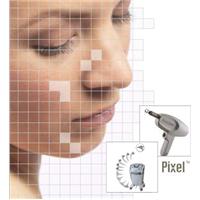
Harmony Pixel – new generation skin rejuvenation laser

image

London: A new skin rejuvenation laser that peppers the skin with little holes, stimulating new collagen, has been launched in the UK.

The Harmony Pixel is a new generation skin resurfacing laser that means long recovery times following treatment are a thing of the past. This exciting new fractional laser provides the dramatic effects of ablative skin resurfacing without the pain. Harmony Pixel offers safe and effective skin resurfacing for face, neck, chest, arms and hands with no side effects, no down time and no pain.

Harmony Pixel reduces fine lines and pigmentation in a non-aggressive way that targets about 20% of the skin surface at one session making it possible to re surface sensitive areas such as around the eyes, the neck and hands. Redness lasts 2-3 days rather than 1-2 weeks with traditional laser resurfacing.

The Pixel® Erbium laser is a pre-programmed laser beam that passes through the pixel micro optic lens, splitting the beam into tiny dots which penetrate into the skin. It creates an ablative effect at the pixel area – a micro injury – without disturbing any surrounding tissue. The micro injured areas then start the process of healing as collagen remodels, skin tightens and the skin texture improves.

The Pixel® used at the Court House Clinics has also proven effective in reducing acne scars and treating younger skin for superficial sun damage. The treatment itself is not painful and no local anaesthetic will be required. Following treatment you can expect to experience a mild ‘sunburn’ type sensation for 3 – 4 hours, then virtually no discomfort at all.

No pain medication is required and you can return to work within 1 – 2 days.
2-3 sessions 4-6 weeks apart may be required, but with less downtime and discomfort Pixel is a real break through for smoother, softer and tighter skin.

Prices: £1,200 per full face treatment, I hr per treatment.£500 per area. Time: 45 minutes for first treatment and 30 minutes for subsequent treatments.

Pixel Laser Skin Resurfacing available from Court House Clinics, London 0870- 850 3456 www.courthouseclinic.com

Han’s hangover prevention tips!

image

Chartered physiotherapist, acupuncturist and naturopath, Hans van de Braak, pictured right, gives his advice on how to beat the festive season hangover:

“As a physiotherapist, naturopath and acupuncturist, I am often asked by friends and family for medical advice. However, around Christmas and New Year I find people seeking my professional expertise on the best way of dealing with the after effects of a celebratory tipple or two. Of course, the best way to avoid a hangover is not to drink too much, but human nature being what it is, the best advice is rarely taken, ” says Han who practices at the Integrated Medicine Practice in Leicestershire.

“And unless you are one of those strong willed souls who manage to resist the lure of the grape or the grain, you may well find yourself in need of some advice during the festive season.

What’s your poison?

When you drink too much alcohol you are, in effect, poisoning your body. Your liver is working overtime to break down the ethanol whilst the dehydrating effect of alcohol forces your body to take water from wherever it can find it – including your brain. This causes the cells, now depleted of moisture, to shrink, inducing the pain commonly known as a headache. Drinking too much also drains the body of vital vitamins and minerals especially vitamins A, B and C. This means that any basic hangover treatment should include restoring as much lost moisture as possible whilst replacing the nutrients that your body has lost. So, before you reach for the aspirin, consider some alternative remedies that may be more effective, more natural and more easily available.

Han’s Top Five Hangover Treatments

1. Probably the most well known and effective advice, but still so often ignored – drink plenty of water before, during after and taking in alcohol. It’s got a lot going for it: in plentiful supply and absolutely free if drunk straight from the tap. The more water you can drink, the more quickly it flushes out the liver and rehydrates your poor, aching body. Be sure to avoid drinks containing caffeine as these will only dehydrate you more.
2. Also avoid aspirin and ibuprofen if possible as these tend to irritate the stomach. Instead, try a more natural remedy such as aloe vera. In a concentrated form, such as Aloeride®, aloe vera is the perfect ingredient for an upset stomach as it placates the stomach lining, and settles that horrible queasy feeling. Try taking a couple before you go out, and then a couple the morning after. See www.aloeride.eu for more information.
3. Fruit: another natural and easily available remedy. Bananas are good source of fructose and potassium – both of which are lost when you drink too much alcohol. They are also a natural antacid, rich in magnesium to help ease a throbbing head. Fruit juice is another effective treatment, although it can be a little acid on a delicate stomach. This works well because the fructose in the juice burns up the residual alcohol in the stomach speeding up recovery. If it is too acidic for a sensitive tum, try watering it down.
4. Sweat it out! Head to your nearest sauna or steam room if you can face it (and you’re not still over the limit). Alternatively, walk there as a blast of fresh air will certainly do you good. If that is simply too much exertion, run a hot bath and bask in the steam, sweating out all those nasty toxins.
5. Eat! Make sure that you eat properly before you go out: whilst food doesn’t actually absorb alcohol, it does increase your metabolism and speeds up the body’s processes enabling it to deal with the effects of overindulgence more quickly. The traditional fry up – even if you can face it – is best avoided. Choose foods that will release sugar slowly and provide you with a much needed shot of protein to build up those amino acids. Baked beans, scrambled eggs and porridge tick all the right boxes – porridge also works well to neutralise acid.

Whilst following these golden rules won’t necessarily prevent you having a hangover, they will certainly reduce its effects and speed up your recovery time. With any luck, within a matter of hours you’ll be up and about and in fine fettle – ready to go out and do it all over again – although I really wouldn’t recommend it!