Diet drinks linked to metabolic disorders

New York: Diet drinks (sodas) may be linked to a number of diseases including metabolic syndrome- high blood pressure, elevated blood sugar, a big waist, high triglycerides (a blood fat) and low HDL (good) cholesterol.

Metabolic syndrome is believed to be a risk factor for heart disease, according to the report published in the Journal of Circulation

Researchers collected food questionnaires from about 6,000 middle-aged people over several years. Those who drank less than one soda per day were about half as likely to develop metabolic syndrome as those who drank more than one.

Previous studies have suggested (but not proven) that drinking soda may be a marker for a number of factors this study didn’t fully account for:

* an unhealthy lifestyle generally (some of which was controlled for in this study)
* an increased taste for sweet foods triggered by sweet-tasting beverages, regardless of the source of the sweetness (this is only a hypthesis)
* lower economic status (Soda is cheaper than many healthier beverages, meaning people with less money–whom other studies have suggested are at higher risk for heart disease–are more likely to drink them.)

Other researchers have suggested that drinking diet soda is a marker for a desire to lose weight, which could explain why those who drink diet soda appear to be at elevated risk of metabolic syndrome.

Is Soya Safe? – new guide reveals all

London: The Safety of Soya Leading health charity the Vegetarian & Vegan Foundation (VVF) has created a new nutritional fact sheet “The Safety of Soya”.

The fact sheet reviews the latest science on soya and is essential reading for vegetarians, vegans and meat- eaters alike. VVF give you the facts on the wealth of health benefits and discuss the supposed risks of the humble soya bean.

VVF senior health campaigner and fact sheet author Dr Justine Butler says: “Soya is an excellent source of nutrients and can protect against heart disease, certain cancers and may reduce the risk of osteoporosis and menopausal symptoms; it might even help boost brain power. However, not all the reports on soya are favourable; the health benefits have been questioned by some while others have gone even further, launching a vigorous anti-soya crusade. The result is confusion – people don’t know who to believe. VVF has looked at the research in its entirety and sets the record straight in this timely fact sheet”.

“The Safety of Soya” Dr Butler says “explains how soya foods are a good source of protein, good fats including omega-3s, antioxidants, B vitamins, iron and are cholesterol-free. Calcium- and B12-fortified soya products provide a valuable source of these important nutrients. The new fact sheet explains how soya lowers cholesterol and so protects against heart disease. It describes how soya has been shown to improve bone health and reduce menopausal hot flushes”.

In answer to the soya detractors Dr Butler argues that “Millions of people have been safely consuming soya foods for thousands of years. In fact, millions of infants have been raised on soya-based infant formulas in the UK and US, many of whom are now well into their late 30s and early 40s. The absence of any reported ill effects on millions of babies would suggest there are no adverse effects, either biological or clinical.”

Dr Butler warns “Much of the concern is based on the presence of natural substances found in soya called phytoestrogens (plant hormones that act like oestrogen but are much weaker). VVF is far more concerned about the actual oestrogen content of cow’s milk and dairy products. Cow’s milk contains over 35 different hormones and 11 growth factors, several of which have been linked to cancer. Considering the main complaint about soya is that it contains phytoestrogens, many thousand times weaker than animal oestrogens, it begs the
question: what is the real motivation behind the anti-soya crusade?”

Decide for yourself by reading The Safety of Soya available for 40p including p&p from Vegetarian & Vegan Foundation, 8 York Court, Wilder Street, Bristol,
BS2 8QH. Tel: + 44(0)117 970 5190 9am- 6pm. Email info@vegetarian.org.uk or visit our website at < ahref="http://www.vegetarian.org.uk"www.vegetarian.org.uk

What is the VVF?

The Vegetarian & Vegan Foundation (VVF) is a charity established to monitor and interpret the increasing amount of scientific research linking diet to health.
VVF communicates this information to the public, health professionals, schools and food manufacturers and provides accurate information on which to make informed choices. It is a vital – and almost solitary – source of accurate and unbiased information and advice on diet and health and is free from any commercial or vested interests.

L’Oréal ad ban after using fake lashes

London: An make-up advertisement by L’Oréal which claimed “up to 60 percent longer lashes and definition lash-by-lash” has been banned by he Advertising Standards Agency (ASA) after it was discovered that star, Penelope Cruz was wearing false eyelashes.

The ASA has ruled that the advertisement for Telescopic mascara must be removed from both the TV and the press.

The secret to this apparently lies in the ‘high precision flexible brush that separates the lashes with precision for intensity lash by lash. The flexible brush lengthens your lashes for telescopic length.’

In addition to the lengthening claims, both adverts contain close up images of the actress’ eyes and eyelashes, apparently illustrating the effect of the product.

However, the ASA received complaints from consumers who believed that the actress’ eyelashes had been enhanced by the addition of fake eyelashes, arguing that the adverts were misleading as they exaggerated the effect that could be achieved by the use of the product alone.

In response L’Oreal told the ASA that the claim of ’60 per cent longer lashes’ was supported by both scientific and consumer data, explaining that the lengthening effect is due to the mascara making the tips more visible.

However, L’Oreal also admitted that Penelope Cruz had been wearing a few individual false lashes in order to fill in gaps in her natural lashes, although they asserted that the claimed lengthening effect could be achieved from the mascara irrespective of the presence or absence of false lashes.

Nevertheless, the ASA has ruled that L’Oreal should have made it more obvious that the claim for 60 per cent longer lashes referred to a ‘perceived effect’ and not an ‘actual increase’ in the lash length.

In addition the ASA has ruled that the images of Cruz wearing individual false lashes, even though she was not wearing a false set of full lashes, did nevertheless exaggerate the effect that could be achieved by using the mascara on natural lashes.

In conclusion the ASA ruled that the adverts are misleading, therefore breaking the industry codes of practice.

The agency has asked L’Oreal to remove both the TV and the press ads from the media, in addition stating that a disclaimer should be used in any future ads with models wearing false lashes.

In 2005 the ASA declared that L’Oreal’s advertising campaign for an anti-wrinkle and anti-cellulite product, that starred Claudia Schiffer, lacked evidence to back up its claims and it was similarly asked to remove it from the media.

Wilson further added that the ruling will have ramifications for the industry in general as it sets a precedent for other cosmetic companies to follow, concerning what is and is not acceptable in advertising campaigns of this sort.

Universal Contour launches new anti-flab body wrap

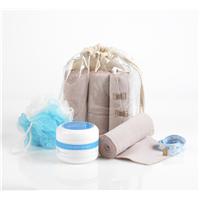
image

London: What’s a girl to do when she’s feeling flabby, time is short and she simply can’t get an appointment for a full professional body wrapping treatment at the salon?

If there’s just one area of bodily concern, then the new Universal Contour Wrap Mini Home Kit, from the UK’s leading salon body wrap company, could be just what’s needed to help you look fit and fabulous for an imminent special occasion or holiday.

Universal Contour Wrap has launched the new size kit to meet demands for a quick fix at the minimum cost for small areas. The mini kit contains an exfoliating hand mitt to remove dry skin flakes, a handy bath scrunchie for cleansing, four wide high quality wrapping bandages and one jar of SeaClay Body Masque: sufficient for 2-3 treatments on a localised area of your body.

Based on the popular figure-firming salon treatment, the home wrap kit uses the natural detoxifying effects of mineral–rich sea clay to boost circulation, smooth dry skin and firm up areas such as upper arms, thighs, tummy or bottom.

The new Universal Contour Wrap Mini Home Kit is priced just £25, or there’s the original kit for £49.95 which contains double the amount of sea clay and six bandages to give you optimum coverage of larger areas and everything you need for up to six treatments. Both kits come with easy to use step by step instructions.

Follow the seven easy steps in the instructions brochure, and within an hour and twenty minutes, your niggly flabby areas could be looking newly toned and ready to do justice to that new bikini or party dress.

To place an order visit: www.universalcontourwrap.comor call within the UK 0845 6000 203.

Youth hormone – miracle elixir or dangerous drug?

If you type the term “human growth hormone” into the search engine Google you will find more than 5 million entries including paid adverts from web sites around the world touting it as a miracle cure for all the ills of ageing.

This hormone is credited as an elixir of youth with the ability to turn fat into muscle, rejuvenate sagging skin, restoring libido and reversing memory loss.

The majority of these sites are promising eternal youth by selling bottles of water containing vitamins and amino acids and many are labelled “homeopathic” Hgh. But the truth is the real stuff is made synthetically by just a few pharmaceutical companies and the only way to take it is by injection and it is available only on prescription.

The use of Hgh as a rejuvenation treatment is the subject of much controversy amongst the medical profession since it’s only manufactured for the treatment of growth deficiencies in children and severe adult deficiency – not for ageing. There have been no long-term studies of it as a rejuvenation treatment and the possible side effects which might include carpal tunnel syndrome, diabetes, bone loss and even cancer.

But this hasn’t stopped its popularity as a rejuvenation treatment in the expensive clinics of Beverly Hills and New York and London. Doctors prescribe the treatment which costs about $40,000 (£20,000, €30,000) each year to their rich and celebrity clients in the form of a convenient injector pen.

According to the US magazine, the National Enquirer, devotees of Hgh, include Hollywood celebrities such as Nick Nolte, Pam Anderson, Janet Jackson, Madonna, Demi Moore, Brad Pitt, Marla Maples, Britney Spears and Jennifer Aniston.

The popularity of hgH followed an experiment in the US in 1990 in which a group of 12 men aged over 60 years saw dramatic changes in their bodies as signs of ageing melted away. In the Rudman Study, named after Dr Daniel Rudman, fat turned to lean muscle, bone density increased, skin became thicker and the men looked generally dramatically younger. Their sex drive also increased. They were monitored for adverse effects but there were none.

Produced by the pituitary gland, Hgh is responsible for growth in childhood and helps the metabolism of carbohydrate and fat. It peaks in adolescence but by the time a person hits 60 years the body’s production will have fallen by 50% or more. It is produced naturally at night and also stimulated by exercise.

In medical rejuvenation programmes the doctor will usually prescribe it alongside other anti-ageing hormones to restore levels to that of a younger person. These hormones include melatonin, testosterone, oestrogen and the so-called “performancing enhancing” steroid used by athletes, DHEA (dehydroepiandrosterone).

The Belgian endocrinologist Dr Thierry Hertoghe who promotes the benefits of Hgh at anti-ageing conferences and takes it himself says that without the hormone’s benefit, “we would all be tiny little dwarfs that are shy, anti-social, weak and tired,”

Hertoghe who is the author of “The Hormone Solution – Stay younger longer with natural hormone and nutrition therapies” believes that current hormone replacement therapy which consists of replacing only one or two hormones is outmoded and that the body’s 100 hormones must function in complex harmony.

Problems occur as we age because hormones inevitably diminish, disrupting the balance, which may trigger weight gain, fatigue, wrinkles, and hair loss. Fortunately, a regimen of natural hormones can protect us, according to Hertoghe, and his book offers anecdotal evidence of dramatic transformations. Although he includes self-scoring checklists so you can determine your own hormone profile, he wisely urges you to implement your own “hormone solution” by working closely with your doctor. .

“In less than six months, a woman of 60 can have legs of a 35- to 40-year-old,” he says.

Hertoghe has treated hundreds of elderly patients whom he has given human growth hormone injections. By restoring Hgh levels typical of a twenty-or thirty-year-old, Hertoghe claims to have thickened their thinning hair, erased their deep wrinkles, lifted their sagging eyelids, smoothed their puffy eyes, toned their sagging muscles, and tightened the loose skin on their cheeks and under their chins. “It’s like magic,” he says.

In the UK the debate was reignited recently when one doctor admitted that he and his wife had both rejuvenated themselves with Hgh, But in London’s Harley Street you will find very few doctors who will admit to prescribing this drug even though they are allowed to go what is called “off-label” if they feel it is justified in the interests of a patient.

One doctor who has used the treatment on herself is Dr Cecilia Tregear. She says that when she reached the age of 50, she was overweight with a BMI (Body Mass Index) of 29 to 30 and looked older than her years and tired. So she embarked on multiple hormone replacement therapy after testing her own blood for deficiencies.

After two years of treatment she says she was transformed by her treatment which included a course of bio-identical hormones.

‘My BMI was down to 23 and I was full of energy,’ she says. ‘The wrinkles had vanished from my skin. My brain worked much better and there was no sign of osteoporosis,’ says Dr Tregear

But the Hgh debate rumbles on. A review of 31 studies involving 200 patients, led by researchers at Stanford University in the US, recently concluded that the benefits of human growth hormone therapy are insignificant compared to the increased risk of many conditions including joint swelling and pain, carpal tunnel syndrome, diabetes and prediabetes.

They found that the only benefit associated with its use is slightly increased lean body mass. The therapy increased 2 kilograms of muscle mass and reduced 2kg of fat in the study subjects.

But says Dr Ronald Klatz, president of the American Academy of Anti-Aging Medicine (A4M) said “Thousand sof published studies on hundreds of thousands of patients have demonstrated the clear benefits of adult growth hormone replacement therapy, when utilized under proper clinical guidelines and at proper physiological dosages.

“To deny the benefit of HGH and other essential hormonal regulators of metabolism in deficient patients based on age may be considered a heinous act of malpractice which will prove to be erroneous and shortsighted in the years to come.”

ELIXIR’s own fitness expert, Jon Trevor, say: “Most people would be better off exercising more often and taking vitamin supplements. Injecting with Hgh is not only expensive but there appears to be no credible results to back it up. In the same way that the supplement creatine was all the range for body builders, the introduction of yet another stimulant should be treated with caution.

“Hollywood for the here and now is so image driven that I feel that the long term health effects are cast aside, no doubt the doctors that are prescribing Hgh have their clients sign some form of a disclaimer and so the era of the quick fix is upon us. But this may not turn out to be a quick fix years down the line.”

Scientists discover new wrinkle cream elixir

New York: A study of a recently patented ingredient based on naturally occurring skin lipids has shown that it reduces wrinkles and improves the texture of sun-damaged skin.

The study, published in the International Journal of Cosmetic Science, suggests that salicyloyl-phytosphingosine (SP), reduces wrinkle depth and improves the texture of photoaged skin.

The recent study on SP, funded by Germany-based fine chemicals group Degussa, manufacturer of the product.

Thirty women, aged between 41 and 69, with moderate photo damage to facial skin, were asked to apply the SP cream to half of the face whilst applying a placebo cream to the other half, twice daily for four weeks.

The three dimensional profile of the subjects’ skin was then measured; changes were quantified using skin smoothness and skin roughness parameters, and measuring the distribution of wrinkle depth.

Results showed both an improvement in skin smoothness and a reduction in wrinkle depth, suggesting positive applications for the ingredient in anti-ageing products. How the product works is still a bit of a mystery but scientists believe it is due to SP’s ability to stimulate the skin’s own production of ECM proteins.

Recipe of the Day from Clinique La Prairie – Chicken Breast with Fennel

CHICKEN BREAST WITH FENNEL Recipe serves 4 persons

One portion contains 218 calories (916Kj)

Ingredients
4 breasts of chicken with wings (120g or 6ozs each)
1 3/4 dl (1 3/4 cups) chicken bouillon without fat
3g (1 tsp) light margarine
20g (1 tsp) onion, chopped
5g (3/4 tsp) garlic, chopped
I egg yolk
40g (2fl. oz.) sour milk (buttermilk) (12% enriched fat)
10g (1 1/2tbsp) lemon juice
480g (1/2lb.) fennel cut lengthwise and washed with lemon juice
5g (1/2 tbsp) chives, chopped
salt & freshly ground pepper

PREPARATION
Arrange the chicken breasts, lightly seasoned, in a gratin dish. Cover with half the chicken boullion, warned and in the oven, covered for 20 minutes at 180°C (350°F). Meanwhile, sauté the garlic and onion with the margarine without letting in colour. Add the rest of the boullion and bring to a boil. Add the fennel and the lemon juice. Let simmer until it is tender and the liquid has evaporated. Put aside and keep warn.

When the chicken has been cooked, remove from the liquid and keep warm. Save the juices in the gratin dish and drain them through a sieve. Then reduce by cooking to 2/3 of original volume. Add the raw egg yolk and beat into the juice, heat very gently until it thickens to a consistency that coats the back of a wooden spoon. Add the sour milk and seasoning. Slice the chicken breast and arrange slices in the form of a fan on the plate. Add the vegetables on one side. Pour the sauce over and sprinkle with chopped chives.

This recipe is courtesy of Clinique La Prairie, Montreaux, Switzerland and comes from The Vitality Diet cookbook by Elfried Blaes, the clinique’s Executive Chief.

The bookbook is packed with recipes that combine the pleasure of eating with a sound diet – they are rich in tastes and colours. “Eating must always remain a pleasure,” says Elfried.

The Vitality Diet cookbook can be purchased online at wwwlaprairie.ch

Brain exposure to insulin may damage longevity, say US scientists

Los Angeles: Keeping a healthy weight may help people live longer by limiting brain exposure to insulin, say US scientists.

A study in mice found that reducing insulin signals inside brain cells increased lifespan.

In a report in the magazine Science, the researchers said a healthy lifestyle and weight reduce insulin levels in humans and may have the same effect.

Experts said, if proven, insulin would be just one of many factors, such as genes, that influence longevity.

Previous research in fruit flies and roundworms has suggested that reducing the activity of the hormone insulin, which regulates blood sugar levels, can increase lifespan.

The latest study looked at the effects of a protein, IRS2, which carries the insulin signal in the brain. Mice who had half the amount of the protein lived 18% longer than normal mice.

Despite being overweight and having high levels of insulin, the mice were more active as they aged, and their glucose metabolism resembled that of younger mice.

The researchers said the engineered mice were living longer because the diseases that kill them, such as cancer and cardiovascular disease, were being postponed due to reduced insulin signalling in the brain, even though circulating levels of insulin were high.

They said, in the future, it may be possible to design drugs to reduce IRS2 activity to reproduce the same effect, although they would have to be specific to the brain.

Study leader Dr Morris White, an investigator at the Howard Hughes Medical Institute, said the simplest way to encourage longevity was to limit insulin levels by exercising and eating a healthy diet.

He said: “Our findings put a mechanism behind what your mother told when you were growing up – eat a good diet and exercise, and it will keep you healthy.

“Diet, exercise and lower weight keep your peripheral tissues sensitive to insulin.

“That reduces the amount and duration of insulin secretion needed to keep your glucose under control when you eat.

“Therefore, the brain is exposed to less insulin.”

This is an interesting study as the work done on mice could suggest that insulin is playing a role in the ageing process

His team is now planning to look at possible links between IRS2 signalling and dementia, which research has shown is associated with obesity and high insulin levels.

Scientists prolong the life of mice

Madrid: Researchers in Spain discovered a way to make mice live up to 16% longer – equivalent to an extra 12 years on the average human lifespan.

Mice with elevated levels of a protein called p53 appeared younger, healthier and were more resistant to the development of cancers, according to a study by scientists at the Spanish National Cancer Research Centre.

Their discovery will accelerate the development of new drugs that fight cancer while extending healthy youth and lifespan. The protein p53 is known as “the guardian of the genome” because it makes sure that damaged cells destroy themselves and do not divide uncontrollably to cause tumours.

Scientists have long speculated that boosting our body’s levels of p53 could help us live longer, but early studies found it actually accelerated ageing.

But not according to the findings of Dr Manuel Serrano, of the Spanish National Cancer Research Centre. His team genetically engineered mice to have an extra copy of p53 and a related gene – ARF.

They showed that mice with an increased dose of the two proteins were more resistant to the development of cancers. It came as no surprise, therefore, that these animals had an extended lifespan compared with normal mice.

But remarkably, the animals outlived their normal counterparts even after the impact of having less cancer was removed from the equation, according to the study which is published in the magazine Nature.

Moreover, various biological and molecular markers of ageing indicated that these mice stay younger for longer. The researchers conclude that boosting the body’s ARF/p53 activity provides an anti-oxidant effect, which not only suppresses cancers, but also delays ageing.

Dr Serrano said: “The mice lived 16% longer in their average lifespan,” said Dr Serrano.

“Everyone agrees that ageing is produced by the accumulation of damaged cells. If p53 is the main quality control that eliminates such cells, then the expectation is that having more p53 mice will have a more strict quality control for cells, hence less cancer and less ageing.”

The study opens up possibilities for new drugs that delay ageing by boosting the body’s production of p53.

“There are a number of chemical compounds that have been developed by the big pharmaceutical companies and these compounds are able to boost p53 in the organism,” said Dr Serrano.

“These compounds are being tested now for their possible anti-cancer activity and hopefully in the light of our study also for their possible anti-ageing activity.”

Grapefruit increases risk of breast cancer in older women

Los Angeles: Grapefruit raises levels of oestrogen and could increae the risk of breast cancer by nearly a third, says a joint study from the universities of Southern California and Hawaii.

Raised levels of the mainly female hormone oestrogen have been implicated in an increased cancer risk for women.

According to the researchers, eating as little as a quarter of a grapefruit a day raises the danger by 30 per cent among older post-menopausal women.

This is the first report of a commonly consumed food that may increase the risk of breast cancer among post-menopausal women.

The report published in the British Journal of Cancer says: “Whole grapefruit intake was significantly associated with breast cancer in the present study generally a 30 per cent increase among women who consume the equivalent of one quarter of a grapefruit or more per day. There is evidence that grapefruit increases plasma oestrogen concentrations.

“Since it is well established that oestrogen is associated with breast cancer risk, it is plausible that regular intake of grapefruit would increase a woman’s risk of breast cancer.’ The study, carried out by the universities of Southern California and Hawaii, was based on more than 50,000 postmenopausal women from five ethnic groups, including 1,657 with breast cancer.”

A number of lifestyle factors are also linked to breast cancer risk. For example, alcohol. fat and junk food consumption are said to increase the risks.

Israeli scientists invent robot ‘sub’ that travels through human veins

Tel Aviv: Israeli scientists have created a robot ‘submarine’ which is so small it can swim through the veins to provide medical treatment.

Dr Nir Schwalb, of the Judea and Samaria College, and Oded Salomon, of the Israel Institute of Technology, say their machine has the unique ability to ‘crawl’ through tubes the width of blood vessels and is even able to travel against the flow of blood, using magnetic power, as it passes through veins and arteries.

Previous micro-robots have been too large to enter the smallest and most complex areas of the body but the latest is one millimetre in diameter and has tiny arms which allow it to ‘grip’ as it travels along. The robot is still in development but it is hoped that in future it may be used to treat a variety of diseases including cancer.

Mr Salomon said: ‘We believe we have created a robot that will be tiny enough to pass through the body and at the same time have navigational abilities for performing-complex medical tasks. We are discussing with doctors from many different fields which application will be most useful.

Micro-surgery is usually carried out with catheters and endoscopes which are far too large for most parts of the body.

UK poor eat as heathily as rich, says new report

London: A study of the UK’s eating habits has found that the poor eat just as well as the rich.

The £5 million ($11.7 million) study by Britain’s Food Standards Agency (FSA), examined the eating habits of 3,500 people and discovered thatthe nutritional value of the food eaten by the poorest 15 per cent in society was little different from the average. These findings go against previous reports which linked poverty to a bad diet.

The study also found the rate of obesity, which has often been linked to poverty, was at a similar level among the poor as it is in the general population. The poorest families were consuming similar amounts of saturated fat, but were eating slightly more sugar and slightly less fruit and vegetables.

The study group were eating above the recommended levels of saturated fat, but their consumption — about 13 of energy intake — was similar to the general population.

The children were also similar to their more affluent counterparts, eating the same amounts of snacks and fizzy drinks.

Average consumption of fruit and vegetables was half the recommended five portions a day. This was slightly lower than in the general population.

The report suggested supermarkets, which typically set out fruit and vegetable displays near the entrance of stores, might in some ways be helping to improve the UK diet.

Researchers found women who shopped at large supermarkets consumed significantly higher amounts of fruit and vegetables than other women.

The study also found increasing awareness among lower-income families about the need to eat healthier food, with more than 75 per cent of those surveyed saying they wanted to improve their diet.

British scientists develop Alzheimer’s blood test

London: British scientists believe they may have developed a blood test to detect the early signs of Alzheimer’s disease.

The scientists at King’s College in London have identified a series of proteins present in the blood of those at highest risk of developing the neurological condition. This offers those who test positive for the proteins to change their diet and reduce their risk of developing the didsease.

The blood test theory has yet to be put to the test and is unlikely to be available to the public for some time.

Studies of the diet link have shown those who eat plenty of food rich in omega-3 fish oils and green vegetables are less likely to get dementia.

In another study at King’s the protein levels in the blood of 500 Alzheimer’s sufferers were compared with those of healthy older people. They were able to identify which proteins were present in higher quantities in those with Alzheimer’s.

At the moment doctors identify victims with a memory test but this only detects the disease once it has taken hold.

Jab to halt Alzheimer’s on way

Zurich: An injection which halts the brain disease Alzheimer’s is being trialled by Swedish patients and could be available within a six years.

The drug works by breaking up amyloid playques – a sticky protein that attaches itself to the brain cells responsible for communication, causing memory loss and other distressing symptoms.

The drug has been developed by Zurich-based biotechnology company Cytos, which has already sold the patent for CAD106 to pharma giant Novartis.

Scientists believe that CAD106 will prevent the elderly reaching the final stages of the illness, in which patients become totally dependent.

Alzheimer’s is on the increase in developed countries as people live longer and the exact cause is unknown. It is estimated there are 25 million sufferers worldwide. Current drug therapies can delay symptoms but the new vaccine would hold the disease at bay, although it would not be able to restore damaged brain tissue.

Early tests on mice have shown that the vaccine is efficient at breaking up amyloid plaque.When the jab was given to mice suffering from a disease similar to Alzheimer’s, 80 per cent of the patches of amyloid protein were broken up.

The vaccine is now being tried out on 60 elderly Swedish patients in the early and middle stages of Alzheimer’s. Half of the men and women are being given the vaccine while half are being given dummy jabs.

Although the year-long trial is designed to show that the treatment is safe, the researchers will also look at its effect on the patients’ symptoms.

In the UK, the Alzheimer’s Society is challenging the National Institute for Health and Clinical Excellence – the medicines watchdog – over its ruling that three drugs, Aricept, Exelon and Reminyl will be available only to NHS patients with moderate symptoms, while a new drug called Ebixa is banned for all. The AS is taking NICE to the High Court on Monday to challenge the decision not to give the drugs which cost just £2.50 a day.

Premarin creates new low dose HRT pill

London: A new low-dose hormone replacement therapy for women who go through an early menopause after a hysterectomy may soon be available.

The oestrogen- only pill has been launched for women under 50 who face a premature menopause because of womb surgery. It contains half the hose of the oestrogen – the hormone responsible for most of the potential negative side-effects of earlier HRT including heart disease and cancer.

The new low-dose pill Premarin contains 0.3mg of oestrogen, less than half the standard HRT preparation of 0.625mg. The hormone combats symptoms such as hot flushes and night sweats. It also fights bone thinning which affects women after the menopause and can lead to osteoporosis and broken bones.

HRT is thought to offer a degree of protection to women from many of the diseases of ageing including heart disease, osteoporosis, hairloss and even Alzheimer’s Disease.

Phyto Soya shown to safely reduce hot flushes

image

London: A new clinical study of post-menopausal women who were put on a course of soya plant supplements for nearly one year has shown that it reduces hot flushes by 61%.

In another study, sponsored by manufacturer Arkopharma, the supplement called Phyto Soya was also shown to be safe and caused no growth of the endometrium – the womb lining. A total of 310 biopsies were taken at the end of a year long study of post-menopausal women and no cases of abnormal growth were detected.

The capsules also helped vaginal dryness which can also be another side effect of the menopause.

Phyto Soya which is sold in the UK in branches of Boots is a range of natural soya isoflavones, formulated for women who do not want to take Hormone Replacement Therapy (HRT), or have had to stop using HRT because of side effects or would like to complement the effects of their prescribed medication.

Over 70% of women are affected by menopausal systems some of which begin during the perimenopause when they are still experiencing menstruation. These symptoms can go on into the 60s and 70s. The hot flush is a classic symptom that affects 80% of women – for one in five it is severe.

Dr Catherine Hood a general practitioner who specialises in women’s health says that the supplement is an excellent alternative for women who do not want to take HRT but that women with a history of breast cancer should seek medical advice on taking the two a day capsules.

She said: “Alongside the clinically proven efficacyof Phyto Soya in reducing the frequency of hot flushes, this study indicates the safety of this supplement for post-menopausal women. The conclusion is that this specific soy extract may be recommended for women who prefer not to take HRT.”

For further information: Read the Menopause Fact File. Also the Phyto Medicines Fact Sheet and also information on the Phyto Soya range of products by Arkopharma

Cosmetic surgeons condemn mail order Botox

London, UK—9 July, 2007- The professional body, the British Association of Aesthetic Plastic Surgeons, today cautioned the public against buying non-surgical treatments, including Botox and dermal fillers, from well-known mail order catalogue Grattan.

Consultant plastic surgeon and BAAPS President Douglas McGeorge says:

“I’m surprised that any cosmetic surgery company claiming to provide quality of care would choose to market through a clothing catalogue. It is essential the public understand that aesthetic procedures, even if they are non-surgical, are not commodities to buy off-the-shelf and cannot later be exchanged for a different style or size. Side effects from injectables may be rare but they do happen, and the latest warnings from manufacturers serve to highlight the need for proper consultation and thorough informed consent by the patient.”

Douglas McGeorge is referring to a recent statement from Allergan, the makers of Botox, which reiterates the toxin should only be administered by physicians and warns of adverse events in patients with certain disorders.

Nigel Mercer, consultant plastic surgeon and BAAPS President-Elect, adds:

“By its own nature, the choice of a catalogue defines these treatments as easy to purchase, even frivolous, undermining the seriousness of what is still a medical procedure, even if it’s non-surgical.”

Adam Searle, consultant plastic surgeon and former President of the BAAPS;

“Aesthetic procedures seem to have been reduced to the status of socks and pants selection.”

Purchasing the autumn/winter catalogue also offers buyers the chance to win the chance to have a cosmetic makeover on ‘10 Years Younger’, generally involving treatments such as lip enhancement, teeth whitening and even laser eye surgery.

Adam Searle add:

“The offer of a cosmetic procedure as a prize is an awful manifestation of the trivialisation of medical care in general, and any patient making irreversible decisions in circumstances of hype, excitement and emotion, are putting themselves at very great risk.”

Asthma – discuss your concerns with leading expert

London: Do you or does someone you love suffer from asthma? Can stress or even a fit of laughter send you desperately hunting for your inhaler? Do you have to stop your child from even entering a house where there is a dog or a cat because just breathing in the animal hairs can trigger an attack? You are not alone. Nearly a quarter of children and a significant 6% of adults are affected by asthma.

Join Dr Martin Bell in an online web chat on Wednesday 11th July Chat time: GMT 12:30pm to 13:30pm

Suffers symptoms can vary from being very severe to fairly mild. Asthma can range from being life threatening or limiting a sufferer’ s ability to lead a normal life to just being a nuisance. Some victims cannot go outside if there is a high pollen count and others cannot do strenuous sports. But how do doctors diagnose asthma and what can sufferer do cut down its effect on their lives?

Treatment has improved dramatically in the last few years but the range of different medicines available can be bewildering. Each sufferer’s asthma is different and how can victims or the parents of children with asthma know which treatment is best for them or their little ones?

Dr Martin Bell will be clearing up the confusion surrounding this very common condition and giving advice on how sufferers can lead a completely normal life. He will be happy to answer any questions you might have about asthma and its treatment.

Dr Martin Bell joins us live online atwww.webchats.tv/webchat.php?ID=409″ on Wednesday 11th July at 12:30pm GMT to answer all your asthma questions.

Martin Bell qualified at the Royal London Hospital in 1982 and has been in General Practice in North Essex for 18 years, after doing a number of hospital-based jobs including gaining extra qualifications in obstetrics, gynaecology and anaesthetics. He is a full time partner in a busy practice which has about 12,000 patients and has an interest in communicating medicine in an understandable, but hopefully not patronising, way to non medical people; be they patients or a wider public.

For more information visit < a href="http://www.axaappphealthcare.co.uk">www.axappphealthcare.co.uk

Europe’s first breast cancer clinic opens

Manchester: Europe’s first breast-cancer centre opens in Manchester later this month.

The Nightingale Centre and Genesis Prevention Centre has been built with £12 million from the UK’s National Health Service (NHS)and £2 million from the Genesis Appeal, and will provide diagnostic and outpatients services for around 500 women every week.

The Genesis Appeal is the UK’s only charity entirely dedicated to preventing breast cancer. The Genesis Research team believes that research into prevention, screening and early diagnosis is the way forward to help the next generation to live free from the fear of breast cancer. Research at the new Centre will be headed by three world renowned, Manchester-based professors: Tony Howell, Gareth Evans and Nigel Bundred. The Centre will provide a base for one of the most ambitious breast cancer research programmes in Europe.

For more information about Genesis and The Genesis Prevention Centre see: www.genesisuk.org or call 08700 62 3000

Each year 50,000 women are invited for screening and the Nightingale Centre will diagnose around 650 cancers per year. The Nightingale Centre is one of six national mammography training centres and houses the largest family history clinic in the UK. Staff are delighted to move to the state-of-the art centre where patients will receive the highest quality care in a purpose built environment.

Thousands may go blind as UK government denies key drug to elderly

London: The UK government’s drug watchdog is refusing to allow doctors to precribe a drug which could save the sight of thousands of elderly people who live in England and Wales.

At the same time the drug – Macugen – is available on the public health service, the NHS, to those living in Scotland.

Macugen is used to treat the wet form of age-related macular degeneration, where veins leak causing blindness.

The watchdog, the National Institute for Health and Clinical Excellence. said another drug, Lucentis, could be used but only if patients have gone almost blind in one eye and the disease is far progressed in the other.

It also restricted the use of Lucentis to a specific type of the condition which affects only around 20 per cent of sufferers.

There are around 26,000 new cases of wet AMD, which affects the macular region at the back of the eye, in the UK every year.

Based on Nice’s recommendations, 80 per cent of these patients – more than 20,000 a year – will be left to go blind. Macugen and Lucentis, known as antiVEGF drugs, stop the deterioration of the sight.

On Monday the Scottish Medicines Consortium, the rationing body north of the border, approved Lucentis for all NHS patients after previously giving the green light to Macugen.

It is the latest example of post-devolution Scotland giving its patients access to many drugs denied those in England and Wales, which is covered by NICE.

The drugs are also available in many other countries including Germany, France, the Netherlands, Italy, the U.S. and Australia.

Nice’s draft guidance, which is up for consultation, was greeted with anger from charities, clinicians and opposition politicians. The Royal National Institute of Blind People said it was ‘outraged’.

Head of campaigns Steve Winyard said: ‘Anti-VEGF drugs have the potential to halve the number of people going blind each year and patients in the UK who can benefit from them must all have them – and quickly.

‘It is simply unacceptable that Nice is recommending that only a small minority of patients within England and Wales will benefit from these ground-breaking treatments. Nice must reconsider.

‘Anti-VEGF drugs are cost- effective. It is much more expensive to support someone once they have lost their sight than to provide sight-saving treatment.’

Tom Bremridge, chief executive of the Macular Disease Society, said: ‘Limiting the treatment options to 20 per cent of patients who would benefit is unjustifiable and allowing one eye to go blind before treating the second is cruel and totally unacceptable.’

Winifred Amoaku, consultant at the Royal College of Opthalmologists, said the two drugs worked differently. She attacked the fact that only Lucentis had been given the go-ahead because some patients would benefit more from Macugen.

‘Both treatments should be made available to opthalmologists,’ she said. ‘One treatment doesn’t fit all and opthalmologists should be able to prescribe the most suitable option for their patient.’

The Nice ruling comes despite a study published in the New England Journal of Medicine which found that the sight of nine out of ten patients given Lucentis improved or stabilised after two years of treatment.

Lucentis costs up to £2,000 per injection or £28,000 for a full course of treatment, which is 14 injections over two years. Macugen is around £1,800 per injection or £36,000 for a full course of 20 injections.

Dr David Gillen, medical director of Macugen manufacturer Pfizer, said: ‘Macugen has been shown to maintain vision in patients will all types of wet AMD and has a licence to reflect this.

‘From a cost perspective, it has been convincingly demonstrated that Macugen’s cost-effectiveness can be enhanced when treatment is started at an early stage before too much vision is lost.’

Scientists develop fat jab

Washington: Scientists have developed an chemical injection that blocks a substance in the human body responsible for laying down fat.

The injection has been developed by scientists at Georgetown University, as a result of studies of the effect of stress on weight gain. They discovered that mice put under stress put on more weight than those in a stress free environment. But when injected with a drug that blocked the production of the chemical, called neuropeptide Y2 receptor (Y2R), the mice lost 40 percent of the fat around the stomach. Y2R has long been linked to obesity.

It is thought that the discovery could assist inthe prevention of illnesses linked to obesity such as diabetes and heart disease.

Dr Zofia Zukowska, who led the study, published in the journal Nature Medicine, said stressful situations such as “disagreements with your boss, taking care of a chronically ill child, or repeated traffic road rages” could amplify weight gain.

Dr Zukowska said: “It had a profound effect on overall metabolism. We don’t think this is something that would be used for gross obesity but for reshaping the body . . . that would be all very good.

Image professions worst at looking after teeth, says new Orbit report

London: Marketing has been named as the ‘UK’s Most Plaque Prone Profession’ according to new research from Orbit Complete sugarfree gum, which compares the daily dental, chewing, drinking and smoking habits and working lifestyles of different professions to reveal the ‘Top Five Most Plaque Prone’. Others in the top five include agriculture, transport, manufacturing and public sector.

The survey* of 1,000 Britons, reveals (10%) farmers, admit they rarely brush their teeth, with less than half (49%) brushing twice a day and a quarter (25%) never flossing. Other sectors are no better with around half of those in transport (48%) and public sector (60%) brushing their teeth twice a day and over half never flossing (transport 59% and public sector 52%). However, marketing professionals are the worst dental offenders, ranking them as Britain’s most plaque prone professionals

Marketers’ Mouths ‘No Advert’ for Healthy Teeth

Marketing people appear to be spending too much time ‘thinking outside the box’ and not enough about their teeth. Over a third (38%) never floss and 22% never use mouthwash as part of their dental regime. Even worse, entertaining clients mean that over half (54%) regularly** drink alcohol and a quarter smoke (24%) which could be detrimental to the health of their mouth and teeth.

“As this research shows, the demands and pressures on Britain’s workforce means many people have less time in their day to think about their oral health and how their busy lifestyles can affect this,” says Professor Jimmy Steele, top dentist from the University of Newcastle upon Tyne.***

“It is important to remember to brush our teeth regularly to keep them clean and healthy, and chewing sugarfree gum with Xylitol, like Orbit Complete, after meals can help to reduce the build up of plaque during the day.”

Teachers and Healthcare Professionals Top of the Class

Healthcare professionals and teachers do practice what they preach when it comes to teeth, with 80% brushing their teeth twice a day. Over a third (37%) of teachers also regularly** drink a glass of milk, making them top of the class at break-time as milk is packed with calcium that helps to keep teeth strong and healthy.

Pen-Pushers Chew’se Success

Office workers are also remaining focused, brushing their teeth twice a day (79%), and taking care of themselves through a healthy diet (88%) and 27% make sure they chew sugarfree gum after meals in order to look after their teeth. Other top chewers, mindful of oral hygiene while at work include retailers (30%) and construction workers (21%).

North vs. South, Men vs. Women

The survey reveals that health habits are also influenced by geography and gender with employees in the South-East being the most regular brushers (74% brushing twice a day) and Scottish workers the least regular (59%). However, both regions recognise the benefits of sugarfree gum with 1 in 5 (20%) chewing it daily. On the other hand, women ‘get fresh’ more often than men with 72% brushing their teeth twice a day compared to 61% of men.

Dr Steele’s top 5 tips:

§ Choose your toothpaste wisely – Always make sure your toothpaste contains fluoride to help to strengthen and protect the teeth

§ Use a new toothbrush – Replace your toothbrush every three months or sooner if the tufts have become worn or splayed

§ Make a dentist appointment – If you do not visit your dentist regularly, make an appointment -the dentist can tell you how often you should have a check-up.

§ Chew sugarfree gum with Xylitol – Chewing sugarfree gum such as Orbit Complete

has been clinically proven to help prevent the build up of plaque on teeth and to help to keep your teeth healthy, clean and fresh after meals and snacks

§ Floss and use mouthwash – To clean the areas that your brush may not be able to reach, dental floss and special brushes clean in-between your teeth. Using mouthwash can also help to freshen breath and kill bacteria.

Italians create ‘pasta’ diet pill

Naples: Italian scientists has created a new diet pill that fills you up as if you have eaten a whole bowl of pasta.

The new 500mg pill which is drunk with two glasses of water is made of cellulose powder that expands 1,000 times its original size – it effectively becomes the size of a tennis ball in the stomach.

Professor Luigi Ambrosio, of the National Research Council in Naples, the lead researcher in the project says,”The sensation is like eating a nice plate of spaghetti.”

The pill has been tested on 20 people for a month last year, and is now being tested on a further 90 people at the Policlinico Gemelli hospital in Rome until October this year.

A new company known as Academic Life Science has been created to market the pill which . He hopes to be selling the pill by next May.

Professor Ambrosio, said the cellulose from which the pill is made comes from a natural substance found inside plants and has a beneficial action on the gut.

British company grows living skin

London: A British company claims it has grown the “first artificial living skin graft”.

The firm, Intercytex, says the development is a ‘clinical breakthrough in regenerative medicine’ following early-stage trial results, which were published yesterday.

The technology, known as ICX-SKN could offer new hope for burns and wound victims and could be one of the first cell-based therapies to be approved under a new European regulation.

Currently the only solution for serious burns is to take skin grafts taken from the patient’s own body, however, it is a painful and traumatic process that creates an additional wound.Various synthetic forms of skin have been developed, with variable success in long-term healing.

ICX-SKN is made up of human dermal fibroblasts (a skin cell precursor) in a matrix of collagen, produced by the cells themselves.

To create the matrix, Intercytex takes a product made by Baxter called Tisseel, which is a combination of fibrinogen and thrombin (extracted from human blood) and mixes it with living human fibroblasts taken from neonatal skin – discarded foreskins in fact.

This liquid formulation is then poured into a dish, where the thrombin reacts with the fibrinogen to make fibrin, and after 15 minutes forms a gel.

This gel is then left to incubate for six weeks and the living fibroblasts that are trapped within the gel slowly break down the fibrin. At the same time they systhesise the collagenous matrix.

“It is a physical structure, but it is changing slowly,” Dr Paul Kemp, Intercytex’ founder and chief scientific officer told BioPharma-Reporter.com.

At the end of the incubation period, the resulting matrix sheet (which is about 1mm thick) is removed from the dish, packaged and stored ready for use.

Intercytex’ scientists said they believe that the combination of living human fibroblasts in a human fibroblast-produced matrix “underpins the integration and acceptance of ICX-SKN by the host skin.”

In the Phase I trial, conducted in London by a third party organisation, a full-thickness skin sample (1.5cm x 1cm) was excised from the upper arm of six volunteers and replaced with ICX-SKN. After 28 days both visual and histological analysis showed that in all volunteers the grafts were rapidly vascularised and overgrown with the hosts’ own cells, resulting in a fully integrated skin graft that had closed and healed the wound site, the firm said.

Results of the trial were published yesterday in the July issue of Regenerative Medicine.

Phase II efficacy trials in larger wounds with a view to generating data that would enable progress to pivotal trials are now planned for the end of the year. The results of these tests will obviously give a better indication as to whether this new therapy is actually better than other synthetic products on the market, because it is more difficult to heal real burns and wounds in patients than it is to heal small, surgically-created wound in healthy volunteers.

Kemp said he was unsure whether they will be carried out in Europe or the US – the company is looking to eventually commercialise the product in both markets. The picture is hazy on the issue of its regulatory pathway though.

At the moment, the product is being treated in Europe as a regular medicine, although the European Medicines Agency (EMEA) is due to release a new guideline covering the regulation of cell- or gene-based therapies (advanced therapeutic medicinal products: ATMP) by the end of the year. After this point, the product will follow the new regulatory pathway.

“We don’t know yet exactly what this new regulation will involve, however, I think it will be pretty similar to the process for regular medicines with a few slight changes,” said Kemp.

This is because cell- or gene-based therapies have specific nuances, such as they can’t be terminally sterilised because they contain living cells, he said.

In the US, Kemp said he was unsure whether it would be classed as a biologic or a device because the firm has not yet asked the Food and Drug Administration (FDA) and there is no pathway that deals specifically with cell- or gene-based therapies.

The market for such products is fairly new, and although it has so far been limited by an inability to create tissues in the laboratory that are recognised as natural and can be fully integrated into the body, it is beginning to show promise.

A recent US Department of Health and Social Services (DHSS) report states that the worldwide market for regenerative medicine is conservatively estimated to be $500bn (€371bn) by 2010.

Scientists verify Vitamin A as wrinkle-buster

New York: A new scientific study has shown it may be possible to reverse skin wrinkling.

The research, published in the Archives of Dermatology, suggests that topical application of retinol, a form of vitamin A, could make older people less prone to skin ulcerations and poor healing of wounds.

Three dozen white people — average age, 87 — had a skin moisturizer laced with retinol applied to one of their inner arms a couple of times a week for six months; a placebo was applied to the other arm. Neither the researcher who rubbed on the lotions nor the participants knew what was being applied.

By the end of the testing period, fine wrinkling — which was assessed on a scale from zero, for none, to 9, for severe — declined considerably on the retinol-treated skin, from an average of 7.25 to 5.61.

The researchers speculated that the retinol increased the production of collagen, which helps make skin elastic, and of glycosaminoglycan, which retains water.

Most of the 36 participants experienced some redness or itchiness where the retinol had been applied, though only three found these reactions severe enough to withdraw from the study.

Retinoic acid, a different form of vitamin A, is used to treat acne and sunlight-damaged skin. Sold under Retin-A and other brands, it is unsuitable for geriatric patients, the researchers noted, because of the irritation it often causes.

Eleven of the seniors who received follow-up exams found the benefits of the drug to be transitory: Six months after the study, the researchers found no significant differences between the retinol-treated skin and the placebo-treated skin.

Four of the authors of the study,are working on patents for treating ageing skin. The National Institutes of Health partially funded the research.