Exercise is the

image

London: We are always keen to hear of the latest anti-ageing therapy, machine, pill or surgical intervention. Yet possibly the most effective ‘therapy’ for living longer and healthier and the closest thing we have to an ‘anti-ageing pill’ is regular exercise.

The International Institute for Anti-Ageing exercise expert, Professor Wayne Derman, tells us more.

“There is increasing research that suggests specific forms of exercise training, in appropriate doses (duration, frequency and intensity) can slow and in some cases even reverse the ageing changes in the body. This is particularly relevant to the chronic diseases associated with increasing age.

• In type 2 diabetes (when the body becomes resistant to the effects of insulin causing blood sugar levels to soar) strength training can improve the sufferer’s sensitivity to insulin, effectively helping to reverse the disease.
• Exercise enhances blood flow to the brain improving cognitive processing, reasoning and memory, as well as enhancing creativity. It is also profoundly antidepressant.
Exercise is such a good anti-ageing intervention because it is effective at various levels in the biological system. Even simple exercises such as walking can have a profound effect on one’s quality of life as the years add on. Because walking can strengthen the pelvic floor muscles that help to keep urine in the bladder, simply walking for 30 minutes a day can reduce a woman’s risk of urinary incontinence by up to 25%.

The key of course, is how much we should exercise for optimal effects and what exercises should we be doing? New guidelines recommend:
• moderately intense cardio-respiratory activity (eg. brisk walking) 30 minutes a day, five days a week. ‘Moderately intense’ means anything that creates a sweat and raises the heart rate.
Or
• vigorously intense cardio-respiratory activity (eg. jogging) 20 minutes a day, 3 days a week. ‘Vigorously intense’ means you can’t carry on a conversation while exercising.
Plus
• Do eight to 10 strength-training exercises, eight to 12 repetitions of each exercise twice a week. These can be done at home with an elasticised resistance band – an inexpensive and highly effective alternative to conventional weight and exercise equipment and ideal for strength training.

It is always important to remember that if you’ve been sedentary for a long time, are overweight, have a high risk of coronary heart disease or some other chronic health problem, see your doctor for a medical evaluation before beginning a physical activity programme.

New treatments for ageing hair

image

New treatments for aging hair
By Alan J. Bauman, M.D.

Facelifts, anti-wrinkle creams, tummy tucks and nutritional supplements – whether you’re 30 years old or pushing 80, women and men are doing all they can to look younger, healthier and more vibrant. But there’s one thing many people seem to overlook which is the look and condition of their hair.

After all, ask any hair stylist, cosmetologist or fashion expert, and they’ll be happy to tell you: whether we look old or young, hair has a lot to do with it. Hair has an enormous bearing on a person’s perceptual age. And it’s hard to stop aging in its tracks when your hairline shows recession, bald patches or general thinning. We may not consciously think about it, but hair provides a “visual frame” to the face. Hair shapes a person’s face – and, as such, it accentuates key physical features of the face and body, whether good or bad.

Body weight, bone structure, skin tone and age – all of these can be magnified or de-emphasized by the quality, quantity, shape and cut of a person’s hair. Because of the important visual impact hair has on a person’s overall appearance, making sure your hair is healthy, full and youthful is an important first step in battling the effects of aging.

Restoring the “Visual Frame”

Restoring the face to a healthy, youthful appearance requires a multi-therapy approach – of which hair restoration is a critical component. Both plastic surgery and hair restoration share the same fundamental goal: to restore a healthy, youthful look to the face. Plastic surgery achieves this objective quite directly by eliminating wrinkles and tightening the skin via face-lifts, brow-lifts and other procedures. Hair restoration, on the other hand, secures this goal more obliquely, by restoring the “visual frame” to the face.

By restoring a receded hairline, increasing hair fullness or density and reducing bald spots, a hair restoration physician can help a patient achieve a new look for the face that is more balanced and youthful. Ultimately, this restored “visual frame” will help a person to take years off of their physical appearance – and will greatly accentuate any other anti-aging treatments they may wish to pursue.

New Treatments for Hair Loss

In recent years, hair restoration has rapidly evolved to become a science all of its own. New technologies, medications and advanced surgical procedures have dramatically changed hair restoration from the inadequate procedures of the 1970s and 1980s to a fully legitimized medical science field with almost limitless potential.

Here are a few of the many new non-surgical treatment options for hair loss sufferers:

• Approved Medications – Clinically proven, clinically-approved topical medications (e.g., Propecia and Minoxidil) are well-known, tried-and-true therapies used to maintain and restore hair. For hair restoration physicians, these are the gold-standard.

• Lasers: Low Level Laser Therapy (LLLT) is a relatively new technology believed to stimulate hair follicles at the cellular level, improving cellular metabolism, protein synthesis and microcirculation – thus, helping to regrow hair. The treatment is pain-free and easy to do. Patients simply sit under a laser “hood” for about 15 minutes at a time (much like sitting under a hair dryer at the salon) to boost hair regrowth and healing after hair transplantation. LLLT is also available for private home use via small hand-held devices (see next section for more details).

• Nutritional Supplements: A few supplements have shown some evidence they can improve the quality of hair growth, including a European product called Viviscal, which is comprised of marine extracts and a silica compound.

• Microscopic Detection: By the time hair loss is visible to the naked eye, 50-percent of the hair has already been lost. New PC-based video microscopes, like the South Korean “Folliscope,” enable doctors to spot areas of thinning follicles before they become noticeable to the naked eye. These high-powered scopes can also track the early, subtle results of hair restoration treatments.

• Healing Accelerators: Getting better after a microsurgery just got easier. New therapies like copper-peptide soaks, hyperbaric oxygen therapy and LLLT promise to help patients return to their regular routine faster.

The Benefit of Lasers

Conclusive medical studies have yet to be done on hair and laser therapy (LLLT). While laser therapy is not considered a “miracle cure,” there is a good deal of supporting clinical and anecdotal evidence that it enhances hair growth.

More than 2,500 scientific studies on laser therapy have been documented in a text called “Laser Therapy: Clinical Practice and Scientific Background” by J. Tuner and L. Hode. European studies have also shown that LLLT stops hair loss in 85-percent of cases and stimulates new hair growth in 55-percent of cases.

Additionally, a recent study of the HairMax LaserComb found an average increase of 93.5 percent in the total hair count of patients tested over six months.

Patients can undergo laser therapy at the doctor’s office with the new laser “hoods,” or they can try it in the privacy of their own homes. Some units are found only in physicians’ offices, some are in non-medical clinics. Home use of LLLT is now available through new hand-held laser devices, also known as laser “combs” or “brushes.” A few examples of the latest products available include the HairMax LaserComb ($395, £207, Euros 309) and Erchonia THL-1 ($3,500, £1,838, Euros 2,741)). LLLT is not a miracle cure – but it can be a helpful non-chemical, non-invasive treatment option patients may want to discuss with a hair restoration physician.

The Microsurgery Option

In spite of the many new remarkable technologies now available for the consumer, hair restoration surgery still remains the best option for achieving dramatic results. Over the past few years, these surgical procedures have rapidly evolved into minimally invasive “microsurgeries” that offer the triple benefits of artistic hairline recreation, virtually scar-less incisions and extremely short recovery times. Whereas in the past, hair loss sufferers had to settle for obvious Barbie and Ken doll-like “hair plugs,” today’s hair transplant patient can choose a microsurgical option than can recreate a 100-percent natural-looking hairline.
Here are the latest advances in microsurgical hair restoration:

• FUE: Follicular-unit extraction (or FUE) is a minimally invasive procedure in which a doctor can extract single follicular units (that means groupings of 1, 2 or 3 hairs) individually from the donor area without a scalpel. The benefits? Patients don’t have to worry about stitches, linear scarring or long recovery times. Currently, only a few doctors are qualified to perform this advanced medical procedure – but more doctors are learning how, especially through new education programs provided by the International Society of Hair Restoration Surgery (ISHRS).

• Follicular-Unit Micrografting: Moving more hair follicles than ever before, follicular-unit micrografting enables physicians to transplant large areas of hair loss as well as artistically recreate natural hairlines. Like FUE, this microsurgical procedure allows for the careful, artistic angle orientation and position of each individual hair follicle to achieve a natural-looking hairline.

• Trichophytic Donor Closure: In order to restore hair to one part of the head, you have to take it from somewhere else. In the “old days” of hair restoration, that usually meant patients were left with a sizable scar. But today a new technique called trichophytic donor closure allows hair to grow right through the thin scar line, thus more effectively concealing any signs of surgery – even with short haircuts. This procedure should be used in conjunction with follicular-unit micrografting hair transplant surgery to achieve the best post-op results.

Seeing the Doctor

Turning back the clock isn’t always easy – but with the right doctor and multi-therapy program, it can be done. And hair loss is no exception. Whether you’ve noticed a few extra hairs in the shower drain and are worried about thinning, or you’re suffering more extensive baldness, treatments are available to restore hair, improve your look and keep it that way. To get the most accurate and up-to-date information on battling hair loss, it’s essential for patients to talk to a trained hair restoration physician who has extensive experience in the many new minimally invasive procedures and effective medical therapies. Such physicians can inform patients of all their options from a medical perspective and provide them with realistic expectations of what each treatment or combination of treatments can provide. After a careful evaluation, the patient and physician can decide together on the best course of action for achieving the patient’s hair restoration goals.

Contact Info: Alan J. Bauman, M.D. is founder and medical director of the Bauman Medical Group based in Boca Raton, Florida, and is a leading authority on hair restoration for men and women. Contact details: www.baumanmedical.com T: 877-BAUMAN-9 (toll free in US) or + 1 561-394-0024


How smoking ages the skin – the facts from the British Skin Foundation

image

London: Nina Goad of the British Skin Foundation gives you the facts on how smoking prematurely ages skin:

“Cigarette smoking has long been associated with increased risk of many health problems including lung disease and cancer, heart attacks and stroke, but strong evidence now exists linking cigarette smoke to premature ageing.

In addition to UV light from sun and sunbeds, cigarette smoke is a main environmental factor that causes changes in the skin often associated with “looking old” such as coarse wrinkling and a sallow, leathery texture.

The hypothesis that creases around the eyes and mouth and hollows in the cheeks are caused by the repetitive movement of drawing on a cigarette is a simplistic one, but there is strong evidence suggesting cigarette smoke has a negative effect on the appearance of skin.

Smoking enhances an enzyme in the skin, matrix metalloproteinase-1, resulting in increased collagen breakdown and diminished collagen production. The overall effect causes wrinkling and inelasticity. In addition the constriction of tiny blood vessels in the skin caused by smoking reduces the oxygen supply to the skin negatively affecting skin health and appearance in general. Long term nicotine exposure can also cause an unattractive yellowing of fingernails.

If the overwhelming health warnings are not enough to motivate smoking cessation, perhaps vanity and the threat of looking old prematurely will.”

For more advice on giving up smoking visit Click2Quit.co.uk

Dream of changing your life? Learn how to at One Life Live

image

London: Do you dream of achieving a more sustainable lifestyle?

One Life Live (29th Feb – 2nd March, Olympia, London), is the event for people who know we only have One Life and want to make it count.

Have you ever longed to achieve a more green and ethical lifestyle? According to the new ‘Life Change Survey’, commissioned by One Life Live, you’re certainly not alone. Over 72% of people in the UK now recognise that achieving a more sustainable lifestyle on personal, as well as a global, level is now essential to the future of the planet.

Findings from the research also show that 47% of people believe it is the responsibility of individuals to make changes to their lifestyles to help stop the effects of climate change, 77% currently buy products on the basis of environmental or ethical concerns and 32% believe sustainable products and services will become the norm for consumers within the next ten years.

Taking place from 29th Feb – 2nd March 2008, One Life Live is the UK’s only event dedicated to helping people achieve their dream of a more meaningful life. Supported by The Independent, the event brings together a host of options to help people achieve life changes – from helping them create a green and ethical lifestyle to ideas for people who want to put something back through volunteering or who want to retrain for a more rewarding career.

One Life Live is divided into a number of different zones, each providing inspiration and advice about a different aspect of our lives. Zones at One Life Live 2008 include:

– Green & Ethical Living: products, services and advice for those looking to achieve a more sustainable lifestyle

– New Careers: a chance to start again and retrain for a more rewarding career

– Volunteering & Fundraising: options for those keen to put something through volunteer work

– Relocate UK: for those who want to escape the rat race, downshift and live their dream of a life in the country or by the coast

– Be Your Own Boss: support to help visitors break free, start a business and become their own boss

– Travel & Career Breaks: for those looking to take a sabbatical and become a volunteer overseas – ideas for some rewarding time out

– Life Balance: from relaxation remedies and life coaches to new hobbies – its all about here and now ways to improve your life

One Life Live 2008 will also play host to over 150 seminars, a range of clinics offering free one-to-one consultations and over 300 inspirational exhibitors. ‘One Lifer’s’ – people who have already made a change to achieve a more rewarding life – will also be on hand to give first hand advice to those looking to follow suit.

One Life Live 2008 takes place in Grand Hall Olympia, London from 29th Feb – 2nd March. Tickets are priced £12 in advance from www.onelifelive.co.ukor £15 on the door.
Alternatively call booking line 0844 8483225.

Vitamin D may help against diseases of ageing

image

London: Vitamin D may help to slow down the ageing process and protect against degenerative diseases, according to new research from scientists at King’s College London.

Head researcher Brent Richards says: “These results are exciting because they demonstrate for the first time that people who have higher levels of vitamin D may age more slowly than people with lower levels of vitamin D.

“This could help explain how vitamin D has a protective effect on many age-related diseases, such as heart disease and cancer. What’s interesting is that there’s a huge body of evidence that shows sunshine ages your skin—but it also increases your vitamin D levels. So, like many times in medicine, we find there’s a trade-off”, Richards adds.

The study reported in the American Journal of Clinical Nutrition looked at vitamin D levels in 2,160 women ages 18-79. It examined their white blood cells for genetic signs of aging. The women then were placed into three groups according to their vitamin D levels.

Science has placed telomeres as the most reliable measures of a person’s age. These are the lengths of genetic material that cap the free ends of DNA in a cell. With age, the telomeres shorten and the DNA becomes increasingly unstable. Eventually the cell dies.

The study found that those with the highest vitamin D levels had significantly longer telomeres (equivalent to five years of normal aging) than those showing the lowest vitamin D scores.

During summer, much of the vitamin D needed by the body is created by a reaction in the skin, which is powered by sunlight. In winter months where there is less sunshine, vitamin D comes largely from fortified products such as milk, soy milk and cereal grains. It can also be found in cod liver oil, wild salmon, Atlantic mackerel, shrimp and sardines.

“Although it might sound absurd, it’s possible that the same sunshine which may increase our risk of skin cancer may also have a healthy effect on the aging process in general,” says co-author Tim Spector.

The team of scientists opine that though large-scale trials are needed to confirm the discovery, if proved correct the finding could have a dramatic impact on healthcare.

FDA seizes $2m of Jan Marini eyelash rejuvenator over eyesight threat

image

Washington: At the request of the U.S. Food and Drug Administration, U.S. Marshals seized today 12,682 applicator tubes of Age Intervention Eyelash, a product that may, in some users, lead to decreased vision. Authorities said the sales value of the seized tubes is approximately $2 million.

Age Intervention Eyelash is sold and distributed by Jan Marini Skin Research, Inc., of San Jose, Calif.

The FDA considers Age Intervention Eyelash to be an unapproved and misbranded drug because Jan Marini Skin Research has promoted the product to increase eyelash growth. Before a new drug product may be legally marketed, it must be shown to be safe and effective, and approved by FDA. The agency takes seriously its responsibility to protect Americans from unapproved drugs.

FDA also considers the seized Age Intervention Eyelash to be an adulterated cosmetic. The product contains a drug called bimatoprost, an active ingredient in an FDA-approved drug to treat elevated intraocular pressure (elevated pressure inside the eye).

For patients using the prescription drug, using the Age Intervention Eyelash in addition to the drug may increase the risk of optic nerve damage because the extra doses of bimatoprost may decrease the prescription drug’s effectiveness. Damage to the optic nerve may lead to decreased vision and possibly blindness.

In addition, use of Age Intervention Eyelash may cause other adverse effects in certain people due to the bimatoprost, including macular edema (swelling of the retina) and uveitis (inflammation in the eye), which may lead to decreased vision.

The U.S. Attorney’s Office for the Northern District of California filed the complaint requesting the seizure, and coordinated with the FDA. The California Department of Public Health‘s Food and Drug Branch had previously embargoed the seized products at the San Jose facility. Jan Marini Skin Research has notified FDA that the company ceased manufacturing and shipping any Age Intervention Eyelash product containing bimatoprost last year.

The FDA recommends that consumers, dermatologists, and estheticians who may still have Age Intervention Eyelash discontinue using it and discard any remaining product. FDA also recommends that consumers consult their health care provider if they have experienced any adverse events that they suspect are related to the product’s use.

Death of the English breakfast?

image

London: More than three-quarters of British families no longer have breakfast together, according to new research.

The traditional morning sit-down has virtually disappeared as increasing workloads which require longer hours in the office take their toll on family life.

Instead, one in five people now eat breakfast alone before leaving for work, one in three eat on the way to the office and three out of ten have breakfast at their desk.

Only 22 per cent regularly have breakfast together at the table, according to the poll of 3,000 people by cereal manufacturer Kellogg’s.

The weekend is now the only time when many families find time to sit down and enjoy the first meal of the day together.

However, nearly 60 per cent think they now eat cereal more often despite not eating it as much with the family.

Most common reasons for this include; health benefits, eating it as a snack or as part of a balanced diet.

Supernanny Jo Frost, who is supporting Kellogg’s ‘Wake up to Breakfast’ Campaign, commented on the results:

”As our lives have become busier many families don’t sit down and eat together in the morning and 27 million people in the UK even skip breakfast regularly.

”We should encourage the nation to Wake up To Breakfast by highlighting the importance of breakfast and cereal as fuel for physical activity, mental ability, and nutrition for general wellbeing.”

Half of those polled claimed they did not have time to eat breakfast at the table whilst 11 per cent said they didn’t even own a breakfast table.

More than 56 per cent say it is sometimes a matter of grabbing what they can for breakfast at the last minute and 39 per cent even have smaller portions of cereals and more milk so they can eat it quicker.

For 31 per cent, the weekend was the only time they got to sit down to breakfast but even then 69 per cent of Brits say they still struggle to have the first meal of the day as a family on a Saturday or Sunday.

Despite the lack of time more than half of people said they enjoyed nothing more than settling down to breakfast with a newspaper.

TV presenter Phillippa Forrester, who is also supporting the campaign added: ”Experts recommend that we get around 25 per cent of our daily vitamins and iron at breakfast time so if you skip breakfast you’re unlikely to make up some vital nutrients later on in the day.

”It seems for many people having a family breakfast is out of their control as eight out of ten of those surveyed reckon people miss out on the experience of being with children or loved ones.”

A massive 70 per cent of Brits polled think they ate breakfast with people much more when they were younger compared to now.

And of those who still do, the majority (a third) admit they only eat breakfast once or twice a week with their children, partner or family.

It was found on average Brits spend a measly eight minutes eating their brekkie with a worrying 12 per cent not knowing how long because they eat it too quickly.

Top 10 Regions who no longer eat breakfast together

1. North East

2. Midlands

3. South East

4. London

5. North West

6. South

7. Scotland

8. Wales

9. Ireland

10. South West

Top 10 regions which skip breakfast

1. South East

2. Midlands

3. London

4. North West

5. Wales

6. Scotland

7. North East

8. South

9. South West

10. Ireland

Top 10 reasons to why the family breakfast is in decline

1. Not enough time
2. Too early, children/partner still asleep/in bed
3. Have to get out the door
4. Some people don’t eat breakfast
5. Eat it as I walk around getting ready in the morning
6. No breakfast table
7. Different tastes
8. Eat breakfast at work
9. Munch it as I leave the front door
10. People are doing their own thing (waking/getting up at different times, being out and about)

Anti-obesity drugs fail to deliver long-term weightloss

image

London: Patients taking anti-obesity drugs will only see “modest” weight loss and many will remain significantly obese or overweight, according to a study published on www.bmj.com today.

In a new study from Canada, which looked at the long-term effectiveness of anti-obesity medications, it was found that three drugs recommended for long-term use – orlistat, sibutramine and rimonabant, reduced weight by less than 5kg (11 pounds). This equated to a loss of less than 5% of total body weight.

Whereas guidelines from the UK’s National Institute for Clinical Excellence recommend stopping the use of anti-obesity drugs if 5% of total body weight is not lost after three months.

While making changes to lifestyle and diet are recommended as the initial treatment for obesity, the use of anti-obesity drugs is common. It’s estimated that in 2005 global sales of anti-obesity drugs reached $1.2billion. Current UK guidelines recommend using drug therapy in addition to making lifestyle changes if a patient has a body mass index of greater than 30.

The Canadian researchers reviewed the evidence from thirty placebo-controlled trials where adults took anti-obesity drugs for a year or longer. The mean weight of the volunteers in all of the trials was 100kg (15.7 stone). The mean body mass index levels were 35 – 36.

Professor Raj Padwal and colleagues found orlistat reduced weight by 2.9kg, sibutramine by 4.2kg and rimonabant by 4.7kg. They also found that patients taking the weight loss pills were significantly more likely to achieve 5 – 10% weight loss, compared to those who took the placebo.

The health benefits associated with taking the drugs varied. For example, orlistat reduced the incidence of diabetes in one trial and all three drugs lowered patients’ levels of certain types of cholesterol. Adverse effects were recorded with all three drugs, in particular, rimonabant increased the risk of mood disorders such as depression or anxiety. The authors noted that no trials examined rates of death and disease as a result of taking anti-obesity pills. They recommend that trials looking at this should be carried out in the future.

The authors also noted that there were high drop-out levels in all the trials. On average 30 – 40% of patients failed to complete the trial. They say this suggests that a failure to properly adhere to the treatment could be a major factor limiting the effectiveness of anti-obesity drug therapy.

In an accompanying editorial, Professor Gareth Williams warns of the potential damage to society if anti-obesity drugs are licensed to be sold without prescription. This already happens in the United States, and as Glaxo Smith Kline (GSK) has applied to sell orlistat over the counter throughout Europe, it could happen here.

He warns: “Selling anti-obesity drugs over the counter will perpetuate the myth that obesity can be fixed simply by popping a pill and could further undermine the efforts to promote healthy living, which is the only long term escape from obesity.”

New over the counter test for coeliac disease

image

London: Four out of five people with coeliac disease remain undiagnosed in the UK – that’s almost 500,000 people.

Left undiagnosed, coeliac disease can increase the risk of serious health problems including osteoporosis, infertility and cancer. An even more shocking statistic is that members of the awareness organisation Coeliac UK state that waiting times between their initial visit to the doctor and correct diagnosis can be anything up to 13.1 years.

According to experts, coeliac disease affects neither one gender more than the other. However, membership of Coeliac UK comprises a just one third male to two thirds female ratio. A spokesperson for Coeliac UK says that this is due to the fact that not enough men are putting themselves forward for diagnosis.

Neil Dorman, a 44-year-old carpenter from Twickenham, Middlesex, has his step-daughter Charlotte to thank for saving his life.

“People thought I was dying, but were too polite to say so,” says Neil.

Up until five years ago, Neil had been relatively healthy. He had never been ill but suddenly found himself going through a deep, dark depression, and with falling energy levels he decided to take himself off to his GP where he had his blood levels checked and was found to be woefully lacking in iron.

“I felt tired all the time and people kept saying that I looked really ill, tired, and that I had lost a lot of weight – which I had. It was a gradual thing but by the end of the year I was gaunt-faced, and looked almost
ghostly with wide sunken eyes.

“A full six months went by from my osteopath finding low levels of iron in my blood before I was sent to a bowel specialist and being diagnosed as a coeliac at the end of July this year.”

Now following a completely gluten-free diet, Neil says he is feeling much better. However, because he lived so many years oblivious of his gluten-intolerant condition, the downside is he is left with a chronic
condition to manage and has to have regular endoscopies every six months. He therefore urges other people to get tested, if they think they are at risk.

Average age of diagnosis is between 40 -60 and it is a genetic disease – studies show that if a family member has coeliac disease there is an increased risk of one in 10 to other family members (Ref 1).

The Biocard Celiac Test, which is designed to be taken at home, analyses a drop of blood for the presence of substances called tissue transglutaminase antibodies. In an independent trial (Makki, 2006), the test proved 96% accurate compared with hospital-based tests. People who receive a positive result are advised to ask their GP for further tests to confirm the diagnosis.

Commenting on the new Biocard Celiac Test, Professor David Van Heel, consultant gastroenterologist, Barts & The London, says: “This test is one of the most accurate we currently have in UK medicine and by making it available to the general public in this easy to use format it will not only support earlier diagnosis but also increase the number of sufferers correctly identified.

“When you identify a sufferer you know their family is in a higher risk group – as immediate relatives are around ten times more likely to also have the condition. Close family members might also benefit from taking this simple test to rule out the condition.”

Coeliac disease is caused by an intolerance to gluten, a protein found in wheat, rye and barley. When a coeliac sufferer eats something containing gluten, their digestive system becomes inflamed and they are unable to absorb food properly, which means they can become deficient in essential nutrients such as calcium and iron. The only treatment for coeliac disease is to follow a gluten-free diet.

Priced £19.99, the Biocard Coeliac Test is distributed by Xtritica Medical and is now available from Boots pharmacies in the UK and online at www.xtritica.com or on +44 (0)870 777 9404.

SkinGenesis clients front new ad campaign

image

SkinGenesis, a leading UK non-surgical cosmetic clinic has created a new advertising campaign by using real clients to promote their treatment range.

In order to fit in with their ethos of natural, effective treatments programmes, SkinGenesis did not want to use models to promote their skin and body treatments, but instead chose to select from within the huge number of their satisfied clients!

And there were no shortage of happy clients willing to wear the treatment they had on the chest in order to promote the clinic that had, in many cases, changed their lives. With treatments ranging from the purely cosmetic, such as teeth-whitening, to more therapeutic programmes to treat acne or thread veins, SkinGenesis boasts a client base as diverse their treatment menu.

For SkinGenesis, using real life success stories was a natural way to help promote their services as they pride themselves on the long term relationships built up with clients over a number of years. This consultative approach to treatment means that all visitors to the SkinGenesis clinic receive the best advice available, enabling them to make an informed choice about the treatments they need.

William Haseldine, Director of SkinGenesis said “In the industry we work in, our clients really are our best advertisement. When they walk out of the clinic after finishing their treatment programme they become a great example of what SkinGenesis can do. Their readiness to talk openly about their treatments is a great testament to the impressive results we’ve gained for them.”

SkinGenesis is a non-surgical cosmetic clinic established in 2003 with branches in city centre locations in Leeds and Manchester, and a new branch at the 10 BRIDGE Health and Wellbeing Clinic just outside Chester. SkinGenesis was set up by Peter Beard, Emma Parrish and William Haseldine with 200 clients undergoing treatment at each clinic at any one time.

Clinics are staffed by trained nurses and practitioners and are registered with the Healthcare Commission.

SkinGenesis offer Intense Pulsed Light (IPL), Microdermabrasion (Mda), Mesotherapy, Ultrasound Skin Toning, Laser Teeth Whitening, and the latest range of medical and resurfacing peels and de-pigmentation technologies which are safe, proven and non-surgical.

SkinGenesis offers a unique Satisfaction Guarantee on most of its treatments

SkinGenesis is an accredited Investor in People

William Haseldine and Peter Beard have appeared on BBC Radio Leeds, BBC Radio Manchester and Channel M television.

For more information visit www.skingenesis

Eat your way to health with green cuisine

image

London In the beautiful, tranquil surroundings of Penrhos Court, a Herefordshire manor farm on the Welsh borders, award-winning author, chef and nutritionist, Daphne Lambert, has run Greencuisine organic food, vitality and health courses for over 15 years.

Greencuisine offers a range of practical nutrition-based cookery courses using locally grown organic foods. Run in small groups and led by qualified practitioners- all who have many years of experience of helping people to achieve optimum health – Greencuisine courses provide hands-on tuition in the kitchen and individual nutritional advice, as well as daily Yoga classes, massage and gentle walks in the local countryside.

Greencuisine cookery courses are designed to revive and rejuvenate while enabling participants to see the joy of food and ways in which our diet directly affects health. Owner and Leading Nutritionist, Daphne Lambert, believes that we are what we eat and that the foods we choose have a significant effect on our health and wellbeing.

Daphne Lambert says: “With over 25% of British adults now obese and cases of type 2 diabetes, stroke, heart disease and cancer on the increase¹, there is an immediate need to re-evaluate our diets and re-educate ourselves about the ways in which the food we eat affects our health.

“In Britain today, one in three adults dies of heart disease² and a quarter of us die from cancer related deaths caused by unhealthy diet³. As a nation we have lost a significant level of understanding and knowledge about how we think about and prepare food. Our courses are designed to provide practical health advice from qualified practitioners as well as hands-on sessions in the kitchen learning to prepare nutritious organic food that can be easily made at home.”

All Greencuisine cookery courses are residential, fully catered and all diets catered for and foods included. Take-home cookery and health food course notes are provided to enable attendees to integrate what they have learnt into their everyday lifestyle.

Greencuisine Cookery Courses:

Food and Health – £605 five day course

An essential course for everybody who wants to understand more about the food they eat and the impact it has on our health and on the body. Learn how to prepare a wide selection of organic, fresh, seasonal food with expert advice from Daphne Lambert on maximising nutritional value. Discover the importance of whole foods, the benefits of juicing, understand the digestive system and take part in daily Yoga classes. This course is booking now for corporate team building days.

Women’s Health – £350 two day course

A long-established, two day course developed exclusively for women and centred on foods that promote vitality and health. Includes daily yoga classes and time spent in the kitchen learning to create a range of delicious and nutritious dishes such as sushi, almond, date and banana torte, cranberry and banana smoothie and hemp cheese.

Women’s Health – £699 five day course

The 5 day version of the WHC offers a more in depth combination of hands on cooking, diet awareness, nutrition, yoga and massage with Daphne Lambert, Sue Pembrey and Belinda Jobst. Plenty of time is spent in the kitchen creating dishes to help give health and vitality.

Living Nutrition – £1,400 four weekends one in each season

Now in its fifth year, Living Nutrition is an annual course run by Daphne Lambert and Dragana Vilinac exploring the relationship between the food we eat and our health and vitality. Learn practical skills for optimising health through cooking, understand how to make informed decisions about the food you buy and the environmental impact food production can have, develop an insight into Traditional Chinese Medicine and gain an understanding of how your body works and your own individual nutritional needs.

A Feast for the Soul – £550 weekend course

A Feast for the Soul is a journey of self discovery through the preparation and sharing of food. This enlightening and popular course is run by Daphne Lambert and Jonathan Snell both whom use their vast experience to demonstrate how food choices in our diet should not be based purely only on the physical but should embrace philosophical, emotional and spiritual perspectives. Jonathan is an expert in the phsychology of belief and behaviour and the physiology of movement and psycho-physical integration. The course involves lots of time spent in the kitchen and is built around discussions about our beliefs and understandings of food including reference to food stories, tales and legends.

Greencuisine also offers gift tokens that can be used to purchase any Greencuisine course. For further information or to book a place on a course visit www.greencuisine.org or call 01544 230720.

FDA posts heart attack warning on anti-diabetes drug Avandia

image

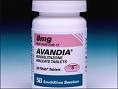
Washington: The US Food and Drug Administration has announced that the manufacturer of Avandia (rosiglitazone), a drug used to treat type 2 diabetes, has agreed to add new information to the existing boxed warning in the drug’s labeling about potential increased risk for heart attacks.

People with type 2 diabetes who have underlying heart disease or who are at high risk of heart attack should talk with their health care provider about the revised warning as they evaluate treatment options. FDA advises health care providers to closely monitor patients who take Avandia for cardiovascular risks.

Janet Woodcock, MD, the FDA’s deputy commissioner for scientific and medical programmes and acting director of the Center for Drug Evaluation and Research said: “The FDA has moved expeditiously to review the cardiovascular risks of this drug so that we could inform patients and doctors at the earliest possible time of our findings.

“The FDA remains committed to making sure that doctors and patients have the latest information about the risks and benefits of medicines.”

Avandia is manufactured by Philadelphia-based GlaxoSmithKline (GSK) and was approved in 1999 as an adjunct to diet and exercise to improve control of blood sugar levels. Avandia is approved to be used as a single therapy or used in combination with metformin and sulfonylureas, other oral anti-diabetes treatments.

During the past year, FDA has carefully weighed several complex sources of data, some which show conflicting results, related to the risk of chest pain, heart attacks and heart-related deaths, and deaths from any cause in patients treated with Avandia.

At this time, FDA has concluded that there isn’t enough evidence to indicate that the risks of heart attacks or death are different between Avandia and some other oral type 2 diabetes treatments. Therefore, FDA has requested that GSK conduct a new long-term study to evaluate the potential cardiovascular risk of Avandia, compared to an active control agent. GSK has agreed to conduct the study and FDA will ensure it is initiated promptly.

The revision of Avandia’s existing boxed warning – FDA’s strongest form of warning – includes the following statement:

“A meta-analysis of 42 clinical studies (mean duration 6 months; 14,237 total patients), most of which compared Avandia to placebo, showed Avandia to be associated with an increased risk of myocardial ischemic events such as angina or myocardial infarction. Three other studies (mean duration 41 months; 14,067 patients), comparing Avandia to some other approved oral antidiabetic agents or placebo, have not confirmed or excluded this risk. In their entirety, the available data on the risk of myocardial ischemia are inconclusive.”

The previous upgraded warning, added to certain diabetes drugs (in class of drugs related to Avandia) on Aug. 14, 2007, emphasized that these types of drugs may worsen heart failure, a condition in which the heart does not adequately pump blood, in some patients.

GSK is also developing a Medication Guide for patients to provide additional information about the benefits and risks and safe use of Avandia.

So far no oral anti-diabetes drug has been conclusively shown to reduce cardiovascular risk. Consequently, the agency also will be requesting that labeling of all approved oral anti-diabetes drugs contain language describing the lack of data showing this benefit.

Today’s action follows recommendations made at the July 2007 joint meeting of FDA’s Endocrine and Metabolic Drugs and Drug Safety and Risk Management Advisory Committees. At the meeting, members voted 22-1 to recommend that Avandia stay on the market, pending a review of additional data. The committee also advised that information warning of the potential for increased risk of heart attacks should be added to the drug labeling.

Low carbohydrate diet may slow prostate cancer

image

New York: A low-carbohydrate diet may help slow the growth of prostate tumours, according to researchers at Duke University.

They have discovered that a diet low in carbohydrates facilitates a reduction in insulin production which stalls prostate tumour growth, according to a report in Science Daily.

Lead researcher and urologist, Dr Stephen Freedland of the Duke University Medical Centre said: “This study showed that cutting carbohydrates may slow tumour growth.”

The research, on rodents, compared prostate tumour growth in 75 animals that were eating either a low-carbohydrate diet, a low-fat but high-carbohydrate diet, or a Western diet which is high in fat and carbohydrates.

They found that those ate a low-carbohydrate diet had the longest survival and smallest tumour size — the findings have been published in the ‘Prostate’ journal.

According to Dr Freedland, “Low-fat mice had shorter survival and larger tumours while mice on the Western diet had the worst survival and biggest tumours.

“In addition, though both the low-carb and low-fat mice had lower levels of insulin, only the low-carb mice had lower levels of the form of insulin-like growth factor capable of stimulating tumour growth.

“The low-carbohydrate diet definitely had the most significant effect on tumour growth and survival.”

Dr Freedland and his fellow researchers are now planning to test the findings of this study in humans. “If this is ultimately confirmed in human clinical trials, it has huge implications for prostate cancer therapy through something that all of us can control, our diets.”

US company offers storage of stem cells from menstral blood

image

US company Cryo-Cell has launched a bank designed for women who want to store their own stem cells, taken from the menstrual blood, as a future health insurance.

Stem cells can be obtained from numerous sources, including the blood, bone marrow and embryos. And a number of private companies, including Richard Branson’s Virgin Health Bank, already offer umbilical cord blood banking for about £1,500.

Cryo-Cell charges a sum of $499 (£238) for processing and a year’s storage of menstrual stem cells.

The woman is sent a collection kit in the post, comprising a cup, collection tubes and a prepaid return shipment to Cryo-Cell.

Menstrual stem cells – which form in the womb lining whichis then shed during a woman’s period – have the advantage of being easily harvested in a painless, non-invasive manner as compared to some other stem cell sources such as bone marrow.

And like other stem cells, early lab work suggests they too have the potential to turn into many other types of cell, including heart, nerve, bone, cartilage and fat, the company claims.

Spokesman for the company, stem cell expert Dr Stephen Noga, director of the Cellular Therapeutics Program, at Sinai Hospital of Baltimore, said: “Even one menstrual cycle has the potential to produce millions of stem cells.

“Current research is very preliminary, but given their properties, we believe these menstrual stem cells demonstrate compelling promise to transform regenerative medicine in the coming years.”

Cryo-Cell says on its website that “realistically, it may take several years for these menstrual stem cells to be developed into potential widely-available commercial therapies”.

Real food shock – at London festival

image
image

London: We’ve hand-picked the very best produce and ingredients that we could find to bring you the biggest Farmers Market in the country and you, being as passionate about produce as we are, should come and meet some of the best producers, taste their delectable produce, learn from them and challenge your tastebuds.

Over 500 producers will gather at Earls Court 24-7 April 2008 to celebrate food that is good, clean and fair. With all the talk about the integrity, quality, provenance & sustainability of food in the UK and around the world, we thought it would be a great idea to show you the choices that are out there.

The big difference with the Real Food Festival is that the producers that are hand picked to attend are also heavily subsidised to exhibit. This means that you will get the opportunity to meet some of the best and smallest producers in the world and eat some of the most fabulous food that will leave your mouth watering and your toes tingling!

As well as the amazing producers, you will also be able to learn how to bake bread with food guru Barny Haughton of Bristol’s renowned Bordeaux Quay, taste wines with the maker, challenge yourself in a food debate, tantalise your tastebuds in a taste workshops, meet some pigs, follow a produce trail or just chill on a hay bale and listen to a farmers story. Real Food is passionate not preachy, the integrity of the festival will challenge the way most of us think about food on a day to day basis and will inspire a wide audience to change their eating habits in favour of a more sustainable way of eating and enjoying produce.

The Festival’s Taste workshops will teach you all sorts of things from the differences between cows and goats milk to wheat and malt beers. The workshops provide the ultimate test for your taste buds, created by eco-gastronomes Clodagh McKenna and Sebastiano Sardo of Foodiscovery.

The Real Food Festival is not just a London event. We have just returned from a gastronomic road trip around the country where we have been meeting local producers, from Jersey to Orkney. You will be able to meet the people who reared the pigs, planted the carrots, milked the cows and crushed the grapes: you can taste their produce, learn about it and take it home.

Eco Icons such as Zac Goldsmith, fully support our festival, ‘The way we eat, what we eat, where our food comes from, these are central issues. The Real Food Festival will change the way we think about food and give producers and consumers an opportunity to meet and share their passion for authentic quality produce’.

We promise to celebrate the diversity of modern artisan food, from producer to plate. Visitors will be able to meet and speak to 500 hand-picked producers from Britain and the world.

Visit our website The Real Food Festival to get updates of our journey. Tickets which can be bought online cost £15.

Mouth cancer moves up the death league table

image

London: Cancer of the mouth is on the increase as a result of poor oral hygiene, according to the latest statistics issued during Mouth Cancer Awareness Week.

More than 1700 people die of mouth cancer in the UK each year – obviously the figure worldwide is far larger.

Dentyl pH®, the mouthwash experts, are providing an education grant to support this year’s British Dental Health Foundation’s – Mouth Cancer Awareness Week – 11-17th November 2007. On average mouth cancer now kills one sufferer every five hours, making it one of the fastest growing cancers.

Commenting on the need to raise awareness among the public and professionals of this little-known disease, mouth cancer, Professor Robin Seymour of Newcastle Dental School and spokesperson for Dentyl pH said: “In the UK, more than 4,750 new cases of oral cancer are diagnosed and 1,700 patients die of this cancer every year. Tobacco smoking and excessive alcohol consumption are the main risk factors for the development of oral cancer. Frequently these two risk factors act together.”

“Oral cancer often arises as an ulcer in any part of the mouth, with the tongue and floor of mouth being the common sites. The ulcer is often painless, although it can bleed, but most importantly it does not show signs of healing over two to three weeks. Some oral cancers also develop in white or red patches. Such patches are termed precancerous lesions, and if present they should be closely monitored for any change in size or colour.”

In summary Professor Seymour notes: “Regular dental checkups and good dental care are important factors in recognising and preventing oral cancer. Dentists, hygienists and therapists are used to examining the mouth and associated structures, and hence can recognise any abnormality. All suspicious lesions should be referred for further investigations. Patients at high risk from oral cancer, such as heavy smokers and drinkers, should always be carefully examined for, and questioned about, any lesion that may be recognised as precancerous or potentially malignant.”

This is the first year that Dentyl pH has sponsored the annual Mouth Cancer Awareness Week campaign. Dentyl pH was created as an alcohol-free mouthwash by people who care about mouths; that is, by dentists themselves. As a result, it’s very appropriate that Dentyl pH should be part of a campaign that encourages people to be more aware of their dental health. Mouth cancer is avoidable and early detection can massively increase the chances of survival.

The Dentyl pH is a clinically proven, alcohol free mouthwash. Using groundbreaking technology, Dentyl pH works like no other mouthwash. This is because it is a two-phase mouthwash, which has to be shaken before use. This action causes the essential oils and the antibacterial water phases to mix, creating a special solution, which makes the ‘bad’ bacteria and food debris adhere to the mouthwash solution. As a result, when the mouthwash is expelled from the mouth, bacteria, debris and other dental deposits are all visible in the sink, proving that Dentyl pH really works.

Details of the Mouth Cancer Awareness campaign can be found online at www.mouthcancer.org

Mouth hygiene horror facts:

In the UK we still fail to take good care of our teeth and mouths. A recent Adult Dental Health Survey found that:

* only three-quarters of adults (75%) claim to brush their teeth twice a day as recommended

* the average time spent brushing teeth is 46 seconds, far short of the recommended two minutes

* only 2-10% of people floss regularly

* around half of British adults have plaque-related periodontal disease (gum disease)

* more than half of all teenagers and three out of four adults over the age of 35 suffer from gum disease.

Bacterial plaque plays an essential causative role in gum disease, yet it can be removed easily from the teeth by brushing the teeth for two minutes, twice a day, followed by rinsing with a proven mouthwash such as Dentyl pH. Flossing is recommended once a day between brushing and rinsing.

Diabetes link to dementia

image

New York: There could be a link between an adult’s diet and their risk of developing dementia, according to a newly published article in the Annals of the New York Academy of Sciences.

Individuals with diabetes are believed to be particularly susceptible to reduced cognition in old age and an unhealthy diet is known as a significant risk factor for the increasingly common condition. Eating less fattening foods and maintaining a healthy weight can help people avoid diabetes and therefore should mean they are less at risk of losing cognitive capacity in later life, the authors of the recent study suggest.

Boosting our brainpower – how far should we go, ask doctors?

image

London: How many healthy people would take prescription drugs or go through an invasive medical procedure to improve their memory, concentration and other cognitive abilities?

In a thought-provoking discussion paper launched this week by the BMA, doctors discuss the ethics of healthy people seeking to improve their cognition and mental performance with pharmaceutical products or even ‘medical operations’ to help their brains perform better.

The paper ‘Boosting your brainpower: ethical aspects of cognitive enhancements1’ has been produced by the BMA’s Medical Ethics Committee (MEC) to stimulate public debate on this issue.

Chairman of the BMA’s MEC, Dr Tony Calland, said today:

“This is a fascinating area that has not been debated by the public. On the one hand, it may all seem very harmless – how many of us take omega 3 supplements to prevent memory loss? On the other hand, we need to consider where this search for optimum brain performance will lead. Should drugs or medical procedures that are designed to treat medical conditions be used by healthy people who simply want to be better than normal?

“We know that there is likely to be a demand by healthy individuals for this ‘treatment’. However given that no drug or invasive medical procedure is risk free, is it ethical to make them available to people who are not ill? Also, how much brain power is enough? There is a concern that there may be undue pressure, perhaps from employers, to ensure that workers are even more effective and productive. The BMA does not have the answers to these questions but we think it is very important that the issues are debated.”

The BMA paper examines the effectiveness of various methods that have been suggested as possible cognitive enhancers, including:

Nutrition and nutritional supplements – for example omega 3 supplements.
Pharmaceutical products – for example drugs that are used to treat attention deficit hyperactivity disorder or Alzheimer’s disease.
Brain stimulation and neurotechnology – involving techniques such as transcranial magnetic stimulation (which has been referred to as “botox for the brain”) where magnetic pulses are used to stimulate particular areas of the brain or deep brain stimulation (which has been referred to as ‘brain-lifts’) – an invasive procedure involving the insertion of electrodes into the brain that transmit tiny electrical currents. There is at the moment no evidence that these procedures can improve cognition in healthy people, but the possibility cannot be entirely ruled out. It should be remembered that people are willing to endure major surgery to enhance their visual appearance, so they may be willing to do so to improve their cognitive ability as well, if the techniques prove to be effective.

The paper discusses the balance of benefits and harms related to cognitive enhancements. There may be individual benefits, in that a person might feel better in themselves and also positional benefits, for example, the modern-day UK is highly competitive with children judged from a young age on the basis of success in tests and exams and so individuals with a competitive edge may do better than others.

Harms include the side effects of taking prescription drugs long-term. The effects on healthy people of taking these drugs may be very different from someone taking them who has a medical condition that requires treatment.

There could also be unintended consequences, for example, our brains selectively filter out some information and memories, particularly those that are trivial or traumatic, and we do not know whether drugs to enhance memory will impair this important function. There may be a risk of ‘over-enhancement’ and someone could be plagued by unwanted and traumatic memories that cause distress or even psychological harm.

We need to consider how, as a society, we should respond to the promises and challenges of cognitive enhancements, says the report. The BMA hopes that the publication of this paper will begin a public debate on this issue and, to start the process, the Royal Institution of Great Britain is holding a public meetingin London on this issue on Wednesday 14 November at 7pm.

The BMA paper ‘Boosting your brainpower: ethical aspects of cognitive enhancements’ can be accessed on the BMA website at : < ahref="http://www.bma.org.uk/ap.nsf/content/CognitiveEnhancement2007">BMA

UK’s first public debate on genetic screening to be held in London

image

London: Genetic screening for common diseases……..Fact or fiction?

The UK’s first public debate on genetic screening is being held at The Wellcome Institute, London, Thursday 8th November 6.30pm – 8.30pm. For more information go to www.geneticconference.com

There has been so much in the press this year about the use of genetic screening as a powerful new diagnostic tool for predicting risk in areas such as:

Heart disease, thrombosis, hypertension, metabolism and obesity, osteoporosis, drug metabolism, and cancer predisposition, especially prostate, breast and ovarian cancers.

But is it really what it is cracked up to be? Is there a proven link between some gene polymorphisms and the onset of age related diseases.

Here for the first time an eminent group of doctors and scientists discuss the facts, the scientific evidence, and the potential application in the physician’s surgery.

For two hours on Thursday evening you can have a unique opportunity to hear, not only from leading researchers and clinicians, but also from doctors who have been using this exciting new tool for over two years in the UK.

The excellent speakers: Prof Stephen Bustin (Barts and The London), Prof Mark McCarthy (Oxford), Dr Paul Jenkins (Barts), Dr Lobo (Barts), Dr Brull (The Whittington).

This is the first event of its kind in the UK and a unique opportunity to learn about this powerful new diagnostic tool.

Places will be limited as the lecture hall only holds 150. So please book your place online as soon as you can, to be assured of your place. There will be a small exhibition alongside the meeting, a good opportunity to network and enjoy a glass of wine afterwards.

To register please call + 44 (0)20 8742 3789 so we can register you. For more information to www.geneticconference.com or email a.misplan@geneticconference.com

This event is sponored by the UK’s Genetic Health, Roche and the magazine Body Language.

Diets high in fat encourage binge eating

image
image

Chicago: People who eat a high-fat diet are more likely to binge eat at night, according to scientists at the Northwestern University.

Their esearch reveals that over-eating will alter the body’s internal clock, which regulates when we sleep, wake and feel hungry.

The conclusion was made after studying the reactions of mice fed on only high-fat foods. After two weeks, they exhibited an interference with their internal clocks, causing them to eat extra food when they should have been either asleep or at rest.

Prof Joe Bass, who led the research, said: “We found that as an animal on a high-fat diet gains weight it eats at the inappropriate time for its sleep and wake cycle all of the excess calories are consumed when the animal should be resting.

“For a human, that would be like raiding the refrigerator in the middle of the night and bingeing on junk food.”

The study, published in the Cell Metabolism journal also reveals that starting a high-fat diet increases the propensity for obesity because the body’s metabolism is disrupted and eating patterns become irregular.

Older adults suffering increase in disabilities

image

Older adults are suffering from increasing levels of disability as a result of obesity, according to new research by the University of Pennsylvania School of Medicine.

The research, published in the Journal of the American Medical Association is the first to track effects of obesity on disability over time.

“Obesity is more hazardous to the health of the elderly than we previously suspected,” says Dawn Alley, PhD, lead author, and Robert Wood Johnson Health and Society Scholar at the University of Pennsylvania School of Medicine. “For an older person, suffering from obesity means they are much less likely to be able to walk to the front door or pick up a bag of groceries.”

The study reveals that obesity, which has become more common among older Americans, is having an increasingly profound impact on their day-to-day activities and overall health.

The researchers examined health data from 1988-1994 to data from 1999-2004, the researchers found that the odds of suffering from functional impairment have increased 43 percent among obese adults age 60 years and older. This means they are less able to do things like walk a quarter of a mile, climb 10 steps, pick up a 10-pound weight, and bend over.

“We believe that two factors are likely contributing to the rise in disability among older, obese people,” says Virginia Chang, MD, PhD, Assistant Professor of Medicine at Penn; Attending Physician, Philadelphia Veterans Affairs Medical Center; and senior study author.

“First, people are potentially living longer with their obesity due to improved medical care, and second, people are becoming obese at younger ages than in the past. In both instances, people are living with obesity for longer periods of time, which increases the potential for disability.”

The study evaluated health survey data from 9,928 Americans age 60 years and over from the National Heath and Nutrition Examination Surveys (NHANES) conducted from 1988 to 1994 and from 1999 to 2004. Researchers estimated the risk of functional and activities of daily living (ADL) impairment – the inability to move from a bed, dress, or eat – for normal weight, overweight, and obese populations for both time periods, and evaluated trends in the relationship between obesity and disability over time. Results revealed that obesity increased by 8.2% among the population over 60 during this time period, and that the disability gap between obese and non-obese groups widened.

Researchers also found that obese people are not benefiting from some of the health improvements that the rest of the population is experiencing. For example, although the odds of ADL impairment decreased by 34 percent among the general population, no such improvements were seen in the obese population.

Other recent studies have suggested that obese populations have actually become healthier since the 1960s. While other obesity-related risk factors — such as high blood pressure and elevated cholesterol — have declined, this new research suggests that quality of life for obese older people may be deteriorating.

“Preventing disability should be another motivation for health care providers, policymakers and the public to take obesity seriously in the elderly population. Spending time and resources to prevent obesity now may reduce the need to treat disabilities later,” says Dr Alley.

The study was supported by the Robert Wood Johnson Foundation Health and Society Scholars Program and by a grant from the National Institute of Child Health and Human Development.

Beer helps after exercise hydration

image

Granada: Beer is better at hydrating the body after exercise than just water, according to new research from Granada University in Spain.

The scientists believe that the sugars, salts and carbon dioxide may be responsible.

The study looked at 25 students over a period of several months. They were asked to run on a treadmill in temperatures of 40C (104F).

Once they were on the point of giving up, researchers measured their hydration levels, concentrationability and motor skills. Half were then given two half pints of Spanish lager to drink, while the rest were given water. Both groups were then allowed to drink as much water as they wanted. The rehydration effect in the students who were given beer was ‘slightly better’ than among those given only water.

Based on the studies, the researchers have recommended moderate consumption of beer – 500ml a day for men or 250ml for women – as part of an athlete’s diet.

The ingredients of beer – which include malted barley, hops and yeast – are rich sources of vitamins and minerals.

Find out how to manage your stress with expert help

image

London: From full inboxes and bleeping blackberries to lengthy commutes and automated messages, modern technology in the 21st Century doesn’t always make life easier. We’re working longer hours, sleeping less than ever and with global markets creating competition beyond our borders, pressure at work has never been so stark.

With so much on our plate, it’s hardly surprising that stress levels are rising. The number of working days lost due to stress in 2006-07 is estimated to be 13.7 million according to the latest statistics from the Health and Safety Executive. That’s a significant rise on last year so what are we getting so wrong?

Wednesday 7th November is National Stress Awareness Day and in a working world that never sleeps, it’s important to ensure we don’t neglect ourselves.

A recent study conducted by Philip Stein TESLAR, in association with the International Stress Management Association and Goldsmiths the jeweller, examined 25 stressed out entrepreneurs eager to reduce the stress in their lives. The participants took part in a Heart Rate Variability (HRV) test with Dr. Nyjon Eccles, BSc PhD MBBS MRCP, at his Harley Street practice. Each participant was given a Philip Stein TESLAR watch – a watch that contains a special de-stressing technology. After 5 weeks of wearing the watch, the participants received a second HRV test to discover the effects.

Benefits of wearing the watch include a more restful night time sleep, a reduction in stress and jet lag, improved concentration, increased levels of energy and an overall improvement of wellbeing.

Joining us online to discuss the findings is participant, Andy Henderson, a Derivatives Trainer, RFU Referee and Actor, Dermot Dennehy, UK MD of Philip Stein TESLAR and Jane Thomas, Chair of the International Stress Management Association, who will also be offering some top tips on how to manage our stress levels.

Dermot Dennehy, Andy Henderson and Jane Thomas join us online at web chat on Wednesday 7th November at 9am (GMT) to help us unwind with some top stress-busting tips.

Other useful links: www.philipsteinteslar.com

International Stress Management Association www.nationalstressawarenessday.co.uk

Free guide to identifying alcohol abuse

image

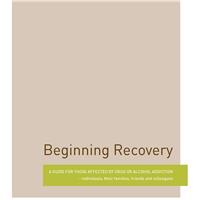
London: A valuable guide, designed to help identify substance abuse in loved ones, is now available. ‘Beginning Recovery’ is the title of the new guide, published by Winthrop Hall – the UK’s only purpose built drug and alcohol treatment centre.

Coping with the stresses and strains of modern living can be a test for the toughest of resolves. Some find themselves unable to cope with work pressures, financial problems or family difficulties, and find themselves pushed over the edge, forced to seek solace in alcohol and other substances. You can get the leaflet free from Winthrop Hall

Research carried out by the Greater London Alcohol and Drug Alliance* found that 21% of adult Londoners are harmful users of alcohol, and 1% of London’s 7.5 million population are problematic drug users. According to Alcohol Concern*, between 58-60% of 11-15 year olds drink alcohol, with the mean consumption for those who drink doubling from 5 units a week in the early 1990s to 10 units in 2004. By the age of 13, the proportion of those who drink exceeds the proportion of teenagers who do not drink.

This year’s Statistics on Drug Misuse* reports that men are more likely to take illicit drugs than women – 13.7% took drugs in the last year compared with 7.4% of women. Alarmingly, during 2005/06 181,390 people were in contact with structured drug treatment services. This is a 13% increase on figures during 2004/05, where the number was 160,453 and more than twice the number in 1998/99.

For many, the problem is not obvious. However, there may be a number of noticeable changes that are out-of-character.

Symptoms to look out for:
1. Changes in behaviour or routine – missing appointments, coming home late, going out at odd times
2. Evasiveness and vagueness
3. Mood swings – irritability, aggression, depression or euphoria
4. Taking less pride in appearance, poor skin or a weight loss problem
5. Hand tremors and regular sweats
6. Increased secretiveness or lack of openness, even lying
7. Changes in finances, running out of money or money going missing

All of these symptoms can point to a crisis. It’s not always easy for the user to admit they have a problem, and trying to help can often lead to confrontation. People sometimes think they can resolve the problem themselves without proper treatment, but if self-help with the support of friends and family has not worked, then professional help is the answer.

It’s important to remember that help is always at hand – but it’s getting the right help that counts. A copy of the ‘Beginning Recovery’ guide, offering practical advice on recognising symptoms plus information for getting treatment for substance abuse, is available by calling Winthrop Hall on + 44 (0)1580 894334.

Other support organisations include:
The National Alcohol Helpline: 0800 917 8282
Alcoholics Anonymous: 0845 769 7555
FRANK: The National Drug Helpline: 0800 776600

* source:
Greater London Alcohol and Drug Alliance – London: The Highs and the Lows 2 (January 2007)
Alcohol Concern – Young People’s Drinking, Factsheet
Statistics on Drug Misuse, England 2007 – The Information Centre www.ic.nhs.uk

For more details on Winthrop Hall, call 01580 894334.

Get one year’s supply of Arm & Hammer whitening toothpaste free

image

London: With New Year round the corner, you may be starting a new regime to look after yourself better in 2008. Why not start the easy way, by replacing your regular toothpaste with a super toothpaste that will not only whiten with the natural power of baking soda, but will care for your teeth. Check out the products below and care for your smile the easy way into next year!

**NEW** Arm & Hammer Enamel Care Sensitive® 75ml (RRP £3.49) – Great for those with sensitive teeth.

From the leading baking soda brand, Enamel Care Sensitive removes the cause of sensitivity by sealing the teeth and protecting exposed nerves to offer lasting relief from sensitive teeth, by fixing the cause. It is the only sensitive toothpaste to contain Liquid Calcium® which fills in the tiny crevices to restore the enamel surface. Liquid Calcium® technology repairs the teeth and seals them to form a protective shield in only three months. The baking soda offers deep cleaning and stain removal restoring teeth to their former whiteness.

Arm & Hammer Enamel Care® 75ml (RRP £3.49) – Great for teeth previously weakened by acids in food and drink.

Contains the innovative patented technology Liquid Calcium® to remineralise teeth and restore surface enamel. Containing 8 times the amount of mineral ions found in saliva naturally, it actively reverses the effects of acids in everyday food and drink. It thus increases the gloss of teeth as well as whitening gently and naturally. Containing fluoride to strengthen teeth and fight cavities more effectively.

If you would like to receive 12 months supply of Arm & Hammer please email us at readeroffer@elixirnews.com by 11 November 2007. Please state whether your preference is for either the Enamel Care or Enamel Sensitive.