UK government offers obese free dance classes

London: The UK Government’s Department of Health is to offer dancing lessons in a bid to cut obesity levels.

Adults will be prescribed lessons in the waltz and tango, while teenagers will be tutored in the latest street dance. Also on the exercise list will be trampolining and country walks.

The authorities are hoping that increased exercise levels will cut the UK’s obesity problem – the worst in Europe with a quarter of adults classed as obese.

British children spend almost nine and a half hours a week in front of a TV or playing computer games – and less than an hour a day exercising.

If the trend continues it is thought a third of adults and a fifth of children will be obese by

The Government says will try to motivate the obese by paying for them to take part in a range of activities.

DNA clue to disease

Houston: Scientists have discovered that there may be mutations of DNA in the human populations which make some individuals more like to suffer from disease.

This is because around 10 per cent of our genes vary. This discovery means that in future it will be be easier to control common conditions.

The discovery follows on from the Human Genome project, which mapped the entire blueprint for mankind in 2003.

The new discovery by an international team of scientists has revealed that there are variations in up to 10 per cent of our genes. Previously, it was assumed that the DNA of any two humans was 99.9 per cent the same in content and identity.

The study reported in the journal Nature examined 270 people and found that for 10 per cent of our genes, many of us have more than two copies, or even some missing.

The number of genes effects potency and therefore impact on disease. So a person with extra or missing copies may not be obviously ill yet there may be an adverse affect on health.

The secret of living longer

Honolulu: Keeping fit inmiddle age can add an extra ten years to your lifespan, say scientists.

In one of the largest studies ever carried out, they conclude that far from being down to luck, health and habits at middle age determine your chances of hitting 85.

Those who keep fit, avoid smoking, drinking too much and are free of common diseases in their 50s have three times the chance of reaching their 80s in good health than those with bad habits.

Experts in the US study, which is published in the Journal of the American Medical Association, say the key rules for living longer are: eating healthily; staying slim; monitoring blood pressure and cholesterol; exercise; keeping your brain active; and getting married.

The conclusions come from a study of 6,000 men aged 54 over 40 years, repeatedly testing them for six major diseases as well as mental and physical impairment.

Almost 2,500 lived to 85. And more than one in 10 was still free of disease, physically able to walk half a mile with ease and showed no sign of mental decline.

It also found that the biggest things these survivors had in common was their behaviour in middle age.

In fact, the research by the Pacific Health Research Institute and Kuakini Medical Center in Hawaii concluded that men in their 50s who were completely healthy and had no bad habits had a 55 per cent chance of reaching 85 with no major problems.

However, those who had at least six risk factors in their 50s such as smoking, eating an unhealthy diet, being overweight, drinking too much, high blood pressure or cholesterol only had a nine per cent chance of getting to that age in a healthy state.

Dr Bradley Willcox who led t he study said: “These men provide an important window for understanding what is realistically possible for healthy ageing in men.”

“Measures from this study, such as grip strength, suggest that it is important to be physically robust in midlife, ” he wrote. “This is consistent with theories of ageing that suggest that better-built organisms last longer and that physiological reserve is an important determinant of survival.

“In summary, we have identified several potentially important risk factors for healthy survival in a large group of middle-aged men. These risk factors can be easily measured in clinical settings and are, for the most part, modifiable.

“This study suggests that common approaches that target multiple risk factors simultaneously, such as avoidance of smoking or hypertension, and approaches that enhance insulin sensitivity, such as maintaining a lean body weight, may improve the probability of better health at older ages.” It had been thought that living longer was largely down to having “good genes” or simply being lucky.

But this latest study proves that although some diseases such as cancer cannot be avoided, most of the major risk factors, including heart disease, lung disorders and some blood glucose disorders, can be prevented simply by eating a good diet, avoiding cigarettes and taking exercise.

The study does not find that abstinence is a key to long life. Men who lived to 85 still enjoyed up to three alcoholic drinks a day.

Type ll diabetes – there is a cure for this lifestyle disease..

London: A respected and fully licensed private clinic that specialises in treating an array of illnesses by rebalancing the body at a cellular level has successfully cured more than 200 patients suffering from Type 11 diabetes.

Now the clinic is looking for three UK patients that it is offering to treat on a complementary basis in exchange for their story in a case study for the media – this would include interviews and photos. Patients who take part must be willing to have the story of their cure published exclusively in the first instance in ELIXIR, the new glossy magazine on healthy ageing.

The treatment which is bespoke and unique is not experimental and does not involve the use of any unlicensed or unproven drugs. This is not a patient trial or an experiment and it is not a drug therapy.

The clinic, which is outside of the UK, is planning to offer this treatment in Britain.

The treatment which the patients would receive focuses on rebalancing the whole body at a cellular level, including restoring the optimum function of all the vital organs. This allows the body to heal itself. The end result is that patients will usually loose weight, the pancreas starts to produce normal insulin flows and the body eventually reacts normally to insulin. As a side effect the treatment also turns the body clock back by five years.

This treatment is intense and requires the patient to be away from home for three weeks. It is carried out in three phases – detox, repair and renewal. The patient sees a doctor every day, spending three hours daily in the clinic. The rest of the time can be spent as a tourist providing no alcohol is consumed. The patient stays in a nearby hotel.

These advanced diagnostics are to discover what in addition to diabetes is influencing the body’s health. This clinic probably has more state of the art diagnostics than any other clinic in the world, including from the US and Europe. The doctors are the best in the country and have the highest medical qualifications and include endrocrinologists.

The tests they will take look at the health of every organ, its functional level, hormones, cardiovascular health and include a detailed analysis of the blood to determine whether the body has infections such as parasites, HIV or hepatitis.

Included are the following
• Ultra sound radio wave scan
• ECG heart scan
• Cellular energy scan of all the body’s vital organs
• Cardio vascular system scan

As a result of the findings the doctors create the bespoke three step programme which is administered via intravenous drip for between three to four hours a day. During this time the patient can read or listen to music on an IPOD for example. An intravenous drip is used because the therapy is more efficient and without side effects such as nausea since it bypasses the stomach.

The treatment starts to work with three days but some patients see an improvement within hours as insulin levels plummet. Patients are required to wear a monitor which tests their blood sugar every three minutes.

The treatment programme has an effect not only on the principle illness but on the metabolism. When the function of an organ is returned to normal the body rids itself of everything it doesn’t need, like plaque and toxins. The body starts to heal itself and the doctor just helps in the process

In the first phrase of treatment patients are detoxed and cleansed and particular attention is given to the ph (acid versus alkaline) composition of their blood. This cleansing of the body is energising and assists the next stage.

In the second phase therapeutic treatments are administered which may include antibiotics and other drugs. The issue of sugar and how the body deals with carbohydrate is also corrected and patients may be able to withdraw from insulin use if the pancreas is sufficiently stimulated.

In the third phase an array of pleasant treatments to stimulate well-being are used including massage. Patients may also be assisted with stress management techniques. This phase may include complementary therapies such as hydro-colonic therapy.

To receive this treatment is a unique opportunity and a privilege and would cost many thousands of pounds.

The clinic does treat Type 1 diabetes but on this occasion is looking for adults who have been diagnosed with Type 11. Patients suffering from cancer and cancer-related illnesses are also not suitable for this case study.

Patients will have to pay their own air fare (within Europe) and all their own expenses outside of the bespoke hospital programme. You must be willing to have your personal story told in the media together with photos.Three patients will be chosen and they will go to treatment as soon as is convenient.

If you would like to be selected for this bespoke treatment please contact us by email at communications@elixir-media.com.

Disclaimer: Elixir News is not endorsing any treatments and therapies offered but is independently reporting the story of what appears to be a remarkable step forward in the treatment of diabetes through painstaking diagnositics and treatments not available anywhere else.

Smoking ban in public places in England from next year

London: Smoking in all public places in England will be banned from July 1 next year, the UK’s Health Secretary Patricia Hewitt has announced.

She saidsaid: “This is a triumph for public health and a huge step forward for health protection. Thousands of people’s lives will be saved and the health of thousands more protected. Smokefree legislation will protect everyone from the harm of second hand smoke when working, socialising and relaxing and will provide a more supportive environment for smokers who wish to give up.

“The scientific and medical evidence is clear – secondhand smoke kills, causing a range of serious medical conditions including lung cancer, heart disease, and sudden infant death syndrome (SIDS). This legislation will help to prevent the unnecessary deaths caused every year from secondhand smoke, and recognises that there is absolutely no safe level of exposure.

“Never has a health issue created such debate in Parliament, across government, through the business and the voluntary sectors, and amongst the general public. And the more it has been debated, the more people have responded and pushed the limits to ensure that enclosed public places and workplaces in England will become wholly smokefree.

“Where countries have gone smokefree the impact on the health of staff has been immediate and positive. And the experience of going smokefree in Ireland, Scotland, New York and elsewhere has been good for business.

“I would like to thank business groups, the leisure and hospitality industries and the many health organisations that have been involved for their support, which has helped to make this legislation a reality.

“It has been an incredible journey, but we still have a lot of work to do to support businesses to be ready for the implementation of the new laws.”

The Health Secretary also launched a new Smokefree England campaign which will help the country’s 3.7 million businesses including nearly 200,000 pubs, bars, restaurants and other leisure outlets prepare for the implementation of the legislation.

Further information:

1. With the implementation of the smokefree elements of the Health Act 2006, from 6am on the 1st July 2006, virtually all enclosed public places and workplaces will become smokefree environments. This will include offices, factories, shops, pubs, bars, restaurants, membership clubs, public transport and work vehicles that are used by more than one person. The law will also mean that indoor smoking rooms, still common in workplaces, will no longer be allowed. So anyone wishing to smoke will have to go outside instead.

2. The regulations providing the detail of how the smokefree legislation will operate are being finalised and will be laid before Parliament shortly. A copy of the Government’s proposals for regulations are available on the Department of Health’s website at:
www.dh.gov.uk

3. Information and resources to support the introduction of smokefree legislation is available on the Smokefree England website at: www.smokefreeengland.co.uk including information on how businesses and employees can access free NHS smoking cessation advice.

4. All smokefree premises and vehicles will be required to display no-smoking signs.

60 is the new 40, according to new survey on ageing

London: Cosmetic surgery is altering not just how people look but how they feel by changing perceptions of middle age, says a new study by global research group AC Nielsen.

It surveyed people in 42 countries and found 60% of Americans, the world’s biggest consumers of cosmetic surgery and anti-ageing skincare, believe their sixties are the new middle age.

On a global scale, three out of five consumers believed forties was the new thirties.

“Our forties are being celebrated as the decade where we can be comfortable and confident in both personal and financial terms. The majority of global consumers really believe life starts at forty,” AC Nielsen Europe President and CEO Frank Martell said.But that doesn’t mean they want to look their age.

Healthier eating, longer lifespans and higher disposable incomes have helped to hold back the years. However, for many people the biggest boost is coming from the surgeon’s scalpel, the survey found.

Confirming Russians’ status among the world’s biggest consumers of luxury goods, 48% of them, the highest percentage globally, said they would consider cosmetic surgery to maintain their looks. One in three Irish consumers, 28% of Italians and Portuguese, and one in four US, French and British consumers felt the same.

“Cosmetic surgery has become more acceptable and financially it’s become affordable. Our mothers might have gone to Tupperware parties but this generation is more likely to be invited to Botox parties,” Martell said.

With wrinkle-buster botox now considered mainstream, Martell’s tip for the next beauty trend was fat-removing liposuction in your lunch break.

“Lunchtime ‘lipo’ is likely to become the next cosmetic “special” on the menu,” he said.

AC Nielsen’s findings underline how a quest for youth has created one of the world’s fastest growing businesses.

Cosmetic surgery surged 35% in Britain in 2005 compared with a year earlier, data showed from the British Association of Aesthetic Plastic Surgeons.

Top sellers in the United Kingdom are botox at £400, eye surgery at £5 000 and combined face and eyelift at £8 000.

“We’re seeing more and more facial procedures, particularly people having their eyes done, we are getting people of all ages, even people in their eighties are getting surgery to refresh them,” said Douglas McGeorge, president of the British Association of Aesthetic Plastic Surgeons.

Those who blanch at the idea of going under the knife are fuelling another boom with sales of anti-ageing skincare the fastest growing in the skincare business, AC Nielsen said.

And to tap that multibillion-dollar seam, companies are scrambling to discover ever more unusual products.

French beauty group Clarins will launch in January what it says is the world’s first spray to protect skin from the electromagnetic radiation created by cellphones and electronic devices like laptops.

It says the spray contains molecules derived from microorganisms living near undersea volcanoes and from plants which survive in extreme conditions such as alongside motorways and in Siberia

UK patients get into debt to fund cosmetic surgery ops

London: MORE than £5 million will be taken out in personal loans this year to fund cosmetic surgery, with men accounting for a fifth of all ops, according to a report by Sainsbury’s Bank.

People wanting operations are so desperate they take on an average £6,500 of debt topay for survery.

Loans manager Steven Bailie said: “As cosmetic surgery becomes less of a taboo, a growing number of men and women may be looking to improve their looks with loans.”

Analysts Mintel estimate a 240 per cent growth in cosmetic surgery over the past five years.

And they predict that by 2010 we will be making at least a million trips a year to cosmetic surgeons.

Costs start from £250 for treatments such as collagen lip enhancements to over £5,000 for more radical surgery such as facelifts or tummy tucks.

Researchers reveal why Cox-2 inhibators may be cause of heart attacks and stroke

London: New research from the reveals why COX-2 inhibitors such as Vioxx, used to treat pain in conditions such as arthritis, can cause heart attacks and strokes.

Researchers believe that their findings, published in the December issue of the Federation of American Societies for Experimental Biology (FASEB) journal, could enable the development of improved therapies which do not have these side-effects.

COX-2 inhibitors are primarily used to treat pain in conditions such as arthritis. They work by blocking the COX-2 enzyme, which is expressed at sites of inflammation and underlies the production of hormones called prostaglandins which swell the joints and cause the feeling of pain.

The new study, by researchers from Imperial College London and Queen Mary’s School of Medicine and Dentistry, reveals that although COX-2 inhibitors target only COX-2, they also inhibit the enzyme COX-1 within the endothelial cells that line all blood vessels.

COX-1 in these cells makes prostacyclin, which thins the blood. Where this is inhibited there is a greater chance of blood clotting, which, if the drugs are used regularly, may increase the risk of heart attacks and strokes.

Prior to the study, many in the scientific community believed that the side effects of COX-2 inhibitors were caused by inhibiting COX-2 in the endothelium and that this was reducing the production of blood-thinning agents.

The researchers found no evidence for the existence of COX-2 in the endothelium, meaning that scientists can now work on developing therapies which still target COX-2 but which do not have the adverse affect on COX-1 in endothelial cells.

The researchers found that the COX-2 inhibitors only had a significant adverse effect on COX-1 in the endothelium and not on COX-1 in other areas such as platelets in the blood. This leads them to believe that there is something about the cellular environment in the endothelium that makes COX-1 in that area vulnerable to the COX-2 inhibitors.

Professor Jane Mitchell, one of the authors of the study from the National Heart and Lung Institute at Imperial College London, said:
“COX-2 inhibitors can have great benefits for patients suffering from conditions such as arthritis. However, the problem is that their use appears associated with an increased risk of heart attacks. Our new research is exciting because it means we can work on developing better
COX-2 inhibitors that don’t pose the same risks in terms of heart attacks and strokes.”

Professor Tim Warner, from the William Harvey Research Institute at Queen Mary University of London, added: “Our research is crucially important as COX-2 inhibitors are part of the nonsteroid class of drugs that are taken worldwide by many hundreds of millions of patients. It is essential that we have a true understanding of their sites of action so that we can produce new safe and effective drugs for years to come.
This research will help us define such new drugs.”

The researchers reached their conclusions after analysing donated human blood vessels, blood and cells. This research was funded by the British Heart Foundation, the Spanish Government and a European Community FP6 grant.

Notes:

1. “Stronger inhibition by nonsteroid anti-inflammatory drugs of
cyclooxygenase-1 in endothelial cells than platelets offers an explanation for increased risk of thrombotic events” FASEB journal, 29 November 2006

1Jane A. Mitchell, 1Ruth Lucas, 2Ivana Vojnovic, 1Kamrul Hasan, 1John R.
Pepper and 2Timothy D. Warner*

1Cardiothoracic Pharmacology, Unit of Critical Care Medicine, Royal Brompton Hospital, Imperial College School of Medicine, Dovehouse Street, London, SW3 6LY,U.K.
2The William Harvey Research Institute, Barts and the London, Queen Mary’s School of Medicine and Dentistry, London, EC1M 6BQ, U.K.
*Corresponding author

2. Consistently rated in the top three UK university institutions,
Imperial College London is a world leading science-based university whose reputation for excellence in teaching and research attracts students (11,500) and staff (6,000) of the highest international quality. Innovative research at the College explores the interface between science, medicine, engineering and management and delivers practical solutions that enhance the quality of life and the environment
– underpinned by a dynamic enterprise culture.
Website: < ahref="Http://www.imperial.ac.uk">www.imperial.ac.uk

Imperial College London is celebrating 100 years of living science in 2007. For more information, visit www.imperial.ac.uk/centenary

Exercise more beneficial to older adults than cutting calories

New York: Older adults who want to loose weight get more benefit from exercise that a calorie restricted diet alone, according to new research published in the Journal of Applied Physiology.

A study of 34 adults in their 50s and 60s, found that both dieters and exercisers lost weight. But those who also exercised kept their muscle mass, strength and fitness levels.

The exercise taken by older adults fights the natural muscle decline that comes with ageing.

The researchers concluded that it was more beneficial to exercise than diet, provided extra calories are not consumed.

The study findings are based on a one-year follow-up of healthy older adults who were required to take either exercise or cut calories to lose weight.

The dieters had weekly meetings with a dietitian to discuss ways to alter their eating habits, while the exercise group met with a trainer each week.

The average weight loss in each group was nearly identical — about 17 pounds over one year. But while dieters lost muscle mass, strength and endurance, exercisers preserved theirs.

Folic acid does reduce heart disease risk, says new research

London: Folic acid is a cheap and simple way of reducing heart disease and strokes, say scientists in a report in the British Medical Journal.

Folic acid, found in vegetables such as asparagas and also in vitamin supplements, lowers levels of homocysteine in the blood (an amino acid implicated in the development of arterial disease). But experts are still undecided on the role that homocysteine plays.

So heart expert, Dr David Wald and colleagues set out to clarify the issue. They examined all the evidence from different studies to see whether raised homocysteine is a cause of cardiovascular disease.

Some studies looked at homocysteine and the occurrence of heart attacks and strokes in large numbers of people (cohort studies), some focused on people with a common genetic variant which increases homocysteine levels to a small extent (genetic studies), while others tested the effects of lowering homocysteine levels (randomised controlled trials).

The cohort studies and genetic studies yielded similar results, indicating a protective effect from lower homocysteine levels, even though they did not share the same sources of possible error. The randomised trials were too small to be conclusive although their results were consistent with the expected protective effects of folic acid.

The conclusion that homocysteine is a cause of cardiovascular disease explains the observations from all the different types of study, even if the results from one type of study are, on their own, insufficient to reach that conclusion, say the authors.

Since folic acid reduces homocysteine concentrations, it follows that increasing folic acid consumption will reduce the risk of heart attack and stroke.

They therefore take the view that the evidence is now sufficient to justify action on lowering homocysteine concentrations, although the position should be reviewed as evidence from ongoing clinical trials emerges.

The world’s most expensive dental braces convert to bling

London: The London Lingual Orthodontic Clinic is the first UK surgery to offer bespoke or ‘couture’ braces made of gold.

The process involves impressions of the mouth taken by a high-resolution 3D scanner to produce individually designed brackets that are then placed behind the teeth, instead of in front, to negate the train-track look.

The made-to-measure aspect ensures the wearer isn’t affected by lisping or tongue irritations, and, if so inclined, users can convert the brackets into jewellery once treatment is completed.

Lingual, or ‘invisible’ orthodontics resemble the traditional braces that usually adorn teenagers’ mouths, but the brackets are placed behind the teeth where they cannot be seen, instead of the front – remaining totally inconspicuous and therefore the ideal choice for the image-conscious. Past patients of the London Lingual Orthodontic Clinic have included celebrities Kelly Brook and Sadie Frost, and most recently Steve Jones from T4.

According to Dr. Asif Chatoo, dentist and co-Founder of the London Lingual Orthodontic Clinic www.londonlingualbraces.com

“More and more patients are requesting not only an excellent aesthetic result but also an individualised approach. These requirements first led to the development of ‘invisible’ or hidden braces, for people concerned about how their smiles would look. Now, the latest brackets are entirely bespoke – cast in gold and made for each tooth to ensure comfort as well as discretion. ”

For bespoke, or ‘couture’ braces, silicone impressions of the teeth are taken and plaster casts then made from them. The plaster teeth are cut and repositioned on a wax base so that they are perfectly aligned. This ideal ‘set up’ is then scanned by a high-resolution optical 3D scanner. Brackets are then designed individually for each tooth.

Using the latest technology, the virtual bracket created in wax version is then cast in a gold alloy, an easier, malleable metal for use in these highly personalised designs. The dentist is then able to bond all brackets onto the teeth with maximum precision with the guarantee that each is positioned correctly.

Dr. Chatoo says:

“The results are amazing and a look in the mirror during the very first weeks will reveal the early signs of success. As the teeth are not obscured with metal brackets, the patient is able to observe their teeth becoming straight. Previously, the assumption had been that lingual braces would result in oral pain or lisping, but the refinement in materials and application has meant the process can be virtually painless, with little or no noticeable effect in speech.”

The London Lingual Orthodontic Clinic is the first-ever dental clinic dedicated to lingual, or ‘invisible’ orthodontics and now one of the first in the UK to offer couture braces. Founded by Drs Didier Fillion and Asif Chatoo, the private practice is based on 57a Wimpole Street, London, W1G 8YP. They also offer traditional dentistry services as well as cosmetic procedures. T: 44(0)207486 2883 to make an appointment. This procedure costs £4,000 for a upper or lower and up to £8,500 for complex cases.

Galileo the vibrating dumb bell vanquishes arm flab

image

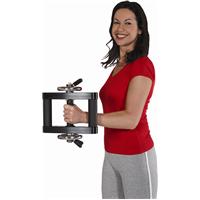
Bingo wings are the bane of many women’s lives, preventing ladies all over the country from wearing their favourite short sleeved tops and dresses. This, however, is set to change with the UK launch of the Galileo Up-X Dumbbell. Unlike ordinary dumbbells, the Galileo model vibrates.

The handheld device is specifically designed to improve muscle strength and tone in the upper body. It provides a highly intensive work out, yet requires fewer repetitions than traditional resistance equipment, and looks set to transform the way exercisers workout.

Galileo dumbbells are ideal for enhancing performance training in sports like tennis, hockey and basketball, as well as providing muscle tension relief in the trained body parts such as arms, shoulders, cervical and thoracic spine. The Up-X Dumbbell is defining a new revolution in training by mechanically stimulating the muscles at a specific frequency. Targeted muscles are given 25-30 impulses per second, causing them to contract and relax by the natural, involuntary, muscle stretch reflex. Compared to conventional exercise the equipment also causes little stress on joints, ligaments and tendons.

Sasha McCarthy, Financial Director at PipeDreems, the UK distributors of Galileo, comments: “The Up-X Dumbbell provides a really intensive workout on your upper body with minimum effort required. You can really feel multiple muscle movement within your arms as the dumbbell vibrates.

“We anticipate that the Up-X Dumbbell will be incredibly popular in the UK with both the general public and elite sports people alike. We have already received a large number of enquiries about the dumbbell simply from our website.”

With over 20 years of success in the global marketplace, Galileo enjoys a wealth of research to support the merits of its products. Developed in the Soviet Union to train Cosmonauts and improve the strength of Olympic athletes, this unique technology is widely used throughout mainland Europe and North America by hospitals, gyms and physiotherapy centres. The Galileo Up-X Dumbbell uses patented side-alternating (see-saw motion) vibration technology, offering the upper body the same training possibilities as the standing Galileo vibration equipment provides for the lower body and torso.

The cost of the single Up-X Dumbbell is £1,795 and the double is £3,395.

More information about the Up-X Dumbbell and other pieces in the Galileo range can be found at: www.galileouk.co.uk

Omega-3 boost mood, say Australian scientists

Sydney: Omega-3, an oil found in oily fish is now credited with improving mood and compating depression, according to Australian scientists.

Already credited with boosting brain power and healthy heart, it is also capable of boosting mood.

Australian dietician Dr Dianne Volker, of the University of Sydney, and Jade Ng, of food wholesaler Goodman Fielder, of New South Wales, found evidence that Omega-3 combats depression.

The results of their study will be published in Nutrition and Dietetics next month.

Earlier this month the UK government announced that millions of heart-attack survivors will be prescribed daily fish oil supplements for life on the National Health Service to reduce the risk of a second attack. The best source of omega 3 fatty acids is mackerel, herring, salmon, sardines or trout because the human body cannot produce omega-3 fatty acids.

Top cosmetic surgery trends

image

Rejuvenation not re-creation is the trend for cosmetic surgery procedures this year , according to the UK’s leading surgeons. And the demand for subtlety is being driven by patients who have had the reality of extreme procedures brought home to them by TV makeovers.

There is also a growing number of doctors who are refusing to carry out “ill-advised” procedures such as overly large breast enhancements and liposuction on women who should diet first.

The UK’s cosmetic surgeon’s foremost professional body, the British Association of Aesthetic Plastics Surgeons (BAAPS), has publicly denounced the “pornography” of television surgery. It described the Channel 5 programme Cosmetic Surgery Live, “voyeuristic” and added that its representation of the practice of plastic surgery was “inappropriate.”

The government has also expressed concern over the proliferation of clinics and what is calls confusing and unacceptable advertising and recently launched a web site to guide the public through this minefield www.dh.gov.uk/cosmeticsurgery

Nevertheless, cosmetic surgery and “lunchtime” cosmetic procedures such as Botox are now more popular than ever. According to BAAPS, the number of surgical procedures undertaken rose by 16% in 2004, when a total of 15,019 women underwent surgery in Britain. The most popular operations remain breast enlargement, face-lifts, eyebag removal, nose fixes and liposuction.
This year the industry is expecting more people than ever, particularly men, to undergo surgery. An even larger number are expected to have aesthetic procedures such as Botox, wrinkle fillers and skin resurfacing to avoid the knife. But the emphasis is on rejuvenation with a natural look, say the experts.

The “hot” cosmetic procedure of 2006, for women, will be brow shaping, using key hole surgery or non-surgically with Botox. The “Yummy Mummy” phenomenon with women returning to their pre-birth shapes weeks after giving birth will continue with mini tummy-tucks and liposculpture combinations.

Breast enlargement will again be the No 1 procedure but with smaller implants. Celebrities, are as usual, ahead of the game – Sharon Osbourne is just one who recently had her implants removed and replaced with smaller ones.

Mr Jag Chana, who works privately and for the NHS at Mount Vernon Hospital and is part of Santuary Cosmetic Surgeons, an independent network of top cosmestic pratitioners says: “In 2006 I expect to see more women in their 30s asking for surgery but wanting a more conservative approach. Many of these trends are media and celebrity-driven and as result many have make the wrong choice, based on the wrong advise, which they have later regretted.

“In the last year or so I have noticed an increase in the number of men asking for treatment and I expect this to continue. Men mostly want liposuction for problem areas such as the tummy, love handles and chest reduction. They are also opting for rhinoplasty and eyelid surgery. I have also seen an increasing number of women having surgery before weddings, even women in their 30s and this is something that will continue to grow.”

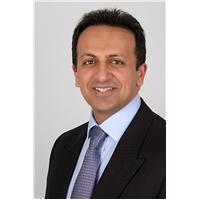
Mr Rajiv Grover (pictured) is consultant plastic surgeon at the King Edward Vll Hospital in London and has a private practice in Harley Street. He specialises in aesthetic surgery of the face, breasts and body contouring. He agrees that 2006 will see women opt for implants that give a more natural look.

“There was a lot of interest in the Baywatch look but there has been a backlash against breasts like those of Jordan. Women now want a more sensible approach.

“2006 will see more patients expressing a preference for classical facial features emphasizing a natural appearance and avoiding the operated or surgical look. Patients don’t want to look stretched like American women. They want to look rejuvenated not recreated.

“Body contouring such as liposuction and liposculpture will remain popular. The use of liposculpture together with procedures such as a mini tummy tuck will increase in popularity especially in women who have completed their family and want to return to their former physique.”

Jan Stanek, of Surgical Aesthetics in Wimpole Street, London predicts there will be a huge growth in those seeking to avoid surgery with the use of Botox and wrinkle fillers. He is also pioneering a new non-surgical treatment called fractional resurfacing, in which a laser is used to caused thousands of tiny holes in the skin surface, stimulating new collagen, tightening the skin so that it looks more youthful.

He says: “Everyone wants to look young and there are a lot of middle-aged people looking older than they should. Although the extreme makeover is there if you want that, most people don’t want to look different they just want to look younger, fresher and better. Botox is still the star as it works very well with no down time. It simply makes people look more relaxed.”
Harley Street cosmetic surgeon Yannis Alexandrides sees an increasing number of patients who want less invasive procedures and as a result a new procedure known as the “S” lift, in which the face if lifted from inside the ear, is becoming more popular.

Mr Alexandrides says: “The full facelift is the most popular procedure in my practice. But I believe that the “S” lift will become more popular because it is less invasive, it works and the recovery time is less. And it does not alter the person’s face in an unnatural way.”

Mr Alexandrides also supports the view that women are now wanting smaller sized breast implants.“I would never advise anyone having an implant bigger than a C cup” he adds.

He also expects to see a dramatic increase in aesthetic procedures such as light and laser skin rejuventation and also cheek and chin implants.

Cosmetic Surgery : Checklist – Useful questions to ask

In order to find out if cosmetic surgery is right for you will need to approach a numberof surgeons to see what they offer. You must insist on seeing your surgeon personally and check his or her qualifications with the professional body, the British Association of Aesthetic Plastic Surgeons (BAAPS) – www.baaps.co.uk

Questions for the surgeon
• Will you carry out the operation?
• What are your qualifications?
• How long have they carried out this procedure and how often?
• Do they have professional indemnity insurance – in case the procedure goes wrong?

Costs
• What is the cost of the consultation with the surgeon?
• What will be the cost of the operation and any further treatment afterwards?
• Should there be a complication who will pay for it to be corrected?

The operation

• How long does the operation take?
• Is the treatment painful and if so what form of anaesthesia is used?
• Is all equipment used sterile and used only for me?
• Are there any risks?
• What are the complications and success rate of the procedure in this clinic?
• Can I see ‘before and after’ photographs?
• Can I speak to anyone else that you have treated?
• Will you want to inform my GP about my treatment?

After treatment

• How long will I be required to say in hospital?
• What type of aftercare will I receive as part of the operation?
• Will I need pain relief afterwards?
• Will I have swelling or bruising and how long will this take to go down?
• How long will I have to be off work?
• When will I be able to see the full results?
• What will happen if I am unhappy with any aspect of the treatment?

MOST POPULAR COSMETIC PROCEDURES
FACE-LIFTS:

There are a variety of techniques in use today including the deep face-lit that tightens muscles under the skin. The most usual procedure is for the surgeon to remove the skin and lift it, tightening the muscle through tiny incisions near the ear. There is also a mini-lift. Recovery time varies. A full face-lift requires at least one night in hospital and usually two. Complications can includeinfection, blood clots, numbness, tightness, asymmetry, thickened or raised scars, and nerve injury. The results are permanent but since the ageing process continues you may need another operation in a few years.A basic face-lift costs from £6- 8,000

RHINOPLASTY (NOSE SURGERY)

In this operation the nose is reshaped. This may involve reducing the bridge, shaping the tip or altering the angle. It can take up to a month to heal and there will be bruising and swelling mostly around the eyes. Risks include breathing problems, infection and bleeding. Cost up to £6,000.

BREAST AUGMENTATION AND UPLIFTS:

An implant is placed under the breast tissue to provide volume and shape. Sagging breasts can be uplifted in an operation known as a mastopexy. Spare skin may be removed and an implant inserted. Healing takes up to one month. Complications may include infection, bleeding, poor positioning, silicone leakage and scarring. There can be a risk of nipple numbness. Costs vary but in the case of implants can be up to £7,000 depending on the quality of implant.

ABDOMINOPLASTY(TUMMY TUCK)

Also known as an abdominal reduction or abdominoplasty, the tummy tuck, is surgery that flattens the stomach by removing excess fat and skin, and tightening the muscles of the abdominal wall. Incisions are usually made near the bellybutton and across the pelvic area in a U or V shape. Healing can take nearly two months as the operation is major surgery and a general anesthetic is required. A short hospital stay is required. Risks include blood clots, infection, raised scars and prolonged numbness. There will be scarring.
Costs between £5,000-7,000.

LIPOSUCTION

Liposuction is a surgical method of reducing fatty bulges from thighs, hips, waist, buttocks, arms, chin, knees, ankles and elsewhere, through tiny incisions. Healing takes up to two weeks and there is usually a lot of bruising and pain. This is safe operation provided it is not carried out on small areas of the body. The complications include infection and contour irregularities. It costs between £4-6000.

BLEPHAROPLASTY(upper and lower eyelid surgery)

This surgery corrects sagging upper lids bags below the eyes and works by removing excess fat and skin, and tightening loosened muscle. The surgeon works through incisions in the crease of the upper eyelid and below the lash line which will not be visible after healing. It takes up to two weeks to heal. Complications could include tighteness and difficulties closing the eyes if too much skin is removed. Costs between £3,500-5,000.

Contacts:
Mr Rajiv Grover BSc MB MD FRCS (Plast)Consultant Plastic Surgeon King Edward Vll Hospital, W1 & at 144 Harley Street, W1. www.rajivgrover.co.uk T: 020 7486 4301
Jag Chana BSc, MBBS MD FRCS (Eng) FRCS (Plast), holds private clinics at the BMI Bishopswood Hospital, Northwood T: 0800 169 7606 and the BUPA Hospital, Bushey, Herts T: 020 8950 9090.
Yannis Alexandrides, MD, American Society of Plastic Surgeons, 111 Harley Street,W1. www.kosmeticos.com; 020 7486 8055
Jan Stanek FRCS, 60 Wimple Street, W1, www.surgicalaesthetics.com T: 020 7487 4454

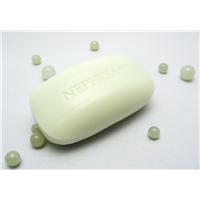
Nephria – the world’s most expensive beauty bar

image

London :Nephria is the world’s most expensive and extravagant beauty bar, because it is made with real Jade.

Its unique ingredients, including nephrite (jade powder), together with pure oils from the apricot, olive and jojoba cleanses, revitalises, rejuvenates and reinvigorates the complexion. The Nephria Jade Beauty Bar contains jade which is mined from a special seam in South Korea, which has unique healing properties.

This particular jade emits what is known as “far-infrared rays (FIR)” which are similar to the radiant and warming electromagnetic rays of the sun. The human body absorbs FIR as it penetrates deep into the tissue where it transforms from light energy into heat energy, assisting the skin in expelling harmful toxins and metabolic waste. This improves blood circulation and the regeneration of cellular tissue. The FIR rays in the jade have been captured by infrared scanning (as shown on www.NewbertRevolution.com). As well as outstanding moisturising properties, it also has the ability to remove toxins from the skin. Other benefits of daily cleansing with The

Nephria Jade Beauty Bar are: i. it revives the skin colour of the face giving a fresher complexion ii. it improves the skin’s moisture and lipid balance, maintaining skinelasticity and firmness iii. it improves skin health and has a calming effect on various skinproblems such as inflammation and acne. Jade is highly prized in many historic and regal cultures and the beauty bar has the soft, sophisticated lustre of “Imperial Jade.” It comes beautifully packaged in a jade and gold coloured box with the bar sealed inside a jade wrapper. The Nephria Jade Beauty Bar is the discovery of Charlotte Newbert, who found it on her travels in the Far East and brought it back to Hampshire.

She was so enthused by what she found that she created her own company,
Newbert Revolution, to bring the product to the market.

Charlotte said: “There is absolutely nothing like this on the market. It is expensive because it contains real jade and it lasts longer than most beauty bars and its rejuvenating properties are remarkable. The Nephria Jade Beauty Bar is totally unique and bespoke and only available to buy at www.newbertrevolution.comIt costs $34 (£17.63, Euro 27) for 120g.

During the run up to Christmas the company is offering free packing and postage within the U.K. For more information contact: Charlotte Newbert on 02392 504755 or 07791 249451 or at Charlotte@NewbertRevolution.com

About Charlotte Newbert and Newbert Revolution Ltd

Charlotte is a Director of Newbert Revolution Ltd. The Company was set up in December 2005 to bring innovative and bespoke products to the market.
The company has a unique range of other jade products including moisturisers, serums and body lotions, which will be widely available in spring 2007.

About Elixir

ELIXIR is the world’s first consumer glossy magazine focused on the muli-million dollar sector in everything anti-ageing including cosmetics, cosmeceuticals, nutraceuticals, nutrifoods, exercise, nutrition, diet, medical rejuvenation, and all the optimum lifestyle that this audience enjoys – whether its spa holidays, action and adventure, home, property and cars.

Our readers are discerning individuals aged over 30 who are interested in living longer without the debilitating diseases of ageing. This demographic includes the Baby Boomers who have the highest disposal income in history.

Elixir is a new, based in London but with big ambitions – not just for its business but for its employees. The philosophy of Elixir s focused around the personal development of anyone who works with us. And because we are new and growing, the potential within the company for ambitious and tenacious individuals is enormous.

ELIXIR is the first magazine to totally focus on this sector and competitors are looking over their shoulders. This is an exciting time to join us.

If you are interested in knowing more contact us at jobs@elixirnews.com

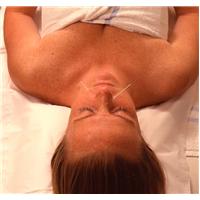
Traditional Chinese acupuncture relieves stress

image

London: Stress may be experienced as a result of exposure to a wide range of demands and if left unchecked it can have an enormous impact on your health.

According to the UK Government’s Health and Safety Executive (HSE), a total of 12.8 million working days were lost to stress, depression and anxiety in 2005. Work-related stress accounts for over a third of all new incidences of ill health.

Stress can be caused by any number of things, including family, relationships and financial concerns. This is sometimes exacerbated at this festive time of year, when the focus on parties and presents can bring problems sharply in to focus. Links between stress and poor health include high blood pressure, allergies, migraines and depression. In extreme cases it can cause psychological problems such as Post Traumatic Stress Disorder or Cumulative Stress Disorder.

How can acupuncture help?

Traditional Chinese philosophy states that our health is dependent on the body’s motivating energy, known as qi, moving in a smooth and balanced way through a series of channels beneath the skin. Stress, anger, or any intense emotion acts like a traffic jam, blocking the free flow of energy in the body. Many people who are very stressed experience upper back, shoulder and neck pain. This is because stress causes the ‘snarling up’ of the energy passing through channels in these areas causing pain, tension and stiffness – often resulting in headaches as well.

Through acupuncture, these energy blockages can be addressed. Acupuncture can help energy flow smoothly, and alleviate not only the symptoms of stress and anxiety, but the stress and anxiety itself. In addition, acupuncture improves circulation of blood throughout the body. The calming nature of acupuncture also helps decrease heart rate, lowers blood pressure and relaxes the muscles.

Acupuncture can help by:
• reducing risk of further health implications
• reducing the number of sick days taken
• offering an effective preventative treatment for stress
• making stress easier to handle

Research
• Research by JC Butler et al (2005) was conducted on 55 patients suffering from stress-related emotional disorders. All patients were treated with acupuncture for the condition and the total effective rate for the reduction of symptoms in all 55 patients was 95.4%

• In Scotland research was conducted among hospice staff who were measured for stress using a psychological profile and then tested again following four acupuncture treatments. A 44% reduction in stress was recorded (2002).

For more information and therapists go to www.acupuncture.org.uk

About the BAcC:

The British Acupuncture Council (BAcC) has a membership of over 2,500 professionally qualified acupuncturists. It is the UK’s largest professional body for the practice of acupuncture.

BAcC members practise a traditional, holistic style of acupuncture diagnosis and treatment based on a system developed and refined over 2,000 years. To achieve BAcC membership, practitioners must first undertake extensive training in traditional acupuncture (minimum three years full-time or part-time equivalent), which includes physiology, anatomy and other biomedical sciences appropriate to the practice of acupuncture.

Food Manufacturers tell fibs say British public

image

London Four out of five British people don’t trust food manufacturers to tell the truth, according to new research from Kettle® Chips.

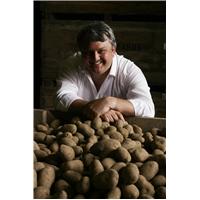
In response, KETTLE has teamed up with Essex farmer and star of the BBC’s Jimmy’s Farm – Jimmy Doherty, to call for more honesty and quality in the food industry.

Of the thousand people surveyed:

78% said they didn’t trust manufacturers to always tell the truth about how food was produced

70% say they now always check food labels before buying – the main areas for
concern being calorie/fat/sugar levels (55.2%), artificial additives (48.2%), and to make sure all ingredients are real (18.4%)

Half the population have now made a conscious decision to cut artificial ingredients from their diets

Two thirds are happy to pay extra for food made from real ingredients, showing a real reversal from the price-focused shopper of old 20% of British households buy food at Farmers’ Markets (this figure has doubled since the 1980’s)

People in their forties and fifties are 75% more likely to shop at Farmers Markets than people in their twenties

Farmer Jimmy Doherty, star of hit BBC show Jimmy’s Farm comments:

“It’s becoming clear that the British public has had enough and are not prepared to take their food at face value anymore. Clear labelling and honest communications are vital if food manufactures want to rebuild this trust. Producing high quality food, with a traceable, transparent chain is my passion and it’s great to see shoppers supporting companies who take quality ingredients seriously.”

The news that almost 80% of people don’t believe manufacturers are always honest about their food is shocking, but it may indicate why Kettle® Chips are still the UK’s favourite hand cooked chips. Since the company started in the UK in 1988, it has only ever used 100% natural ingredients in all of their products.

Jeremy Bradle, Managing Director at Kettle® Chips (pictured right) comments:
“Kettle Foods was started by a guy who believed there may be a group of people who would want snacks that were made with a greater degree of care, tasted better and contained absolutely no artificial ingredients. Although it was always going to be a tougher route to follow, he also wanted us to know where the ingredients came from and to be honest with people about what was in the food we sold. We’ve been working at that ambition for 27 years now. Looking at the results of the survey, it seems food manufactures need to try harder than ever to earn the right to consumers trust and that Cameron’s* original hunch is more relevant today than it’s ever been.”

*Cameron Healy, founder of Kettle Foods

Regional Statistics
· People from West Midlands are the most trusting. Only 26.9% say they don’t think food manufacturers are always honest about how their food is made. Compare this with the Northwest of the country, where the figure was 95%!
· People in the South We! st of th e country are much more likely to visit Farmer’s Markets for their food – 50%, compared to 20.8% for the country as a whole.
· Londoners shop organically more than people from any other area (34.4%). The further north you go, the less likely you are to find an organic shopper (Yorkshire 15.7%, North East 12.8%, Scotland 6.7%).

Kettle Survey: Key Statistics
· Forty two percent of household shoppers check where food has come from before they buy.
· Almost a quarter of households shop organically (only 3 percent say this was something they did in the 1980s).
· Twenty percent of British households buy food at Farmers Markets (only half of that number did in the 1980s)
· Around four out of five people say they sometimes feel food manufacturers aren’t entirely honest about how food is produced.
· Seventy two percent want to know if there are any additives or preservatives in their food.
· Almost two thirds are willing to pay a bit more for food that is made from real ingredients.
· Almost half of people have made a conscious decision to try to cut out anything artificial from their diet.
· Less than three out of ten people believe that if you want healthier food, you tend to have to compromise on taste.
· Seven out of ten people check the label on food products before buying. People check for a variety of things, including artificial additives (48.2%), calorie/fat/sugar content (55.2%), and to make sure ingredients are real (18.4%).
· Not surprisingly, women are more likely to check labels for fat, sugar and calorie content, but the gap isn’t as big as you might think – 45.2% of men will check for these, compared to 60.2% of women.
· People in their forties and fifties are 75% more likely to shop at a Farmer’s Market than people in their twenties and thirties.
· When asked to guess how many dif! ferent t ypes of potato are in the world, guesses ranged from one to one thousand. The average guess was 16 (there are over 4,000).

1. A total of 998 face-to-face interviews were carried out by research firm Kember Associates, with consumers who claimed to shop regularly for food for themselves and/or their families. The interviews were carried out in major high streets throughout the country during June 2006.
2. In the event exact figures aren’t quoted, these are available from the above contacts.

UK adults who reach 65 will live longer than ever

London: Adults who reach the age of 65 will live longer than ever before, according to statistics from the Office for National Statistics.

Men who pass the milestone should live to 81, while women should reach the age of 85.

But although women still live longer the gender gap is closing. Men who reach 65 can expect to live for another 16.6 years while women at the same age can hope for a further 19.4 years.

The gap is just 2.8 years. But in the mid-1980s, men of 65 could expect another 13.2 years while women expected at least 17.2. Life expectancy at birth throughout Britain is also rising. Men will on average live to almost 77 and women to 81. In 1983 life expectancy at birth for men was only 71 and for women 77.

The figures also highlight a geographical gap, with the top ten areas for life expectancy for newborn children all in England, and half of these in the south east.

In Glasgow, men on average die before they are 70 while the life expectancy for women is also the lowest, at just under 77.

In contrast, the London borough of Kensington and Chelsea has the highest life expectancy. Men there live on average to 82 and women to

The statistics also reveal the number of years men and women can expect to live healthily before disability begins to affect them. The men of Hart in Hampshire enjoy 68.8 years, compared with Easington in Durham at 50.5 years.

For women, those living in Elmbridge in Surrey enjoy 70.5 years com-86. 19.4 years. pared with those in Merthyr Tydfil, Wales, who had just 54.1 years.

There was a clear North-South divide in the time people could expect to live without a disability.

Highest expectations are in the East, South-East, and South-West of England and the lowest in the North-East, the North-West and Wales.

The disability figures may be skewed, however, because they are based on replies to the notoriously inaccurate 2001 national census.

This asked if people suffered from a long-term disability and may have encouraged false replies from those without a disability who are nevertheless claiming state benefits.

The statistics show Kensington and Chelsea is the area where both men and women can expect to live longest. Top ten areas for men also included Wokingham, Brentwood and Horsham.

The top ten areas for women included Rutland, Guildford and the New Forest.

Worst areas for men included Glasgow, Manchester and Blackpool, while Liverpool and Hartlepool were among those for women.

Liver damage and hangover protection

London: As the party season gets underway a new supplement is launched on the market that can help protect your from hangovers and liver damage caused by overconsumption of alcohol.

Called Dink, it works in harmony with your body to supply vital nutrients prior to drinking alcohol. Its scientific formula is the product of years of pharmacists’ research into maintaining good health whilst alcohol is consumed.

Dink aims to cut the harmful effects of binge drinking by introducing people that like to get merry to this simple damage limitation supplement.

The capsules contain 100 per cent natural ingredients: phospholipids, essential amino acids, vitamin C, dextrose and vegetable carbon. Dink contains antioxidants that mop up free radicals, which are generated by the liver processing alcohol.

The ingredients in Dink help to maintain the balance in energy-producing systems in the body, so they can swiftly eliminate toxins, which are a by-product of drinking alcohol.

It is expected that the product will be sold in soon-to-be-redundant cigarette vending machines in licensed venues across the UK.

Dink is available now in Asda stores nationwide and due to demand, will soon be available in most supermarket and pharmacy chains priced £3.49 (RRP).

There are no complicated timetables with taking Dink, simply swallow three green (for go) capsules before your first drink and three red (for stop) capsules after your last drink. Dink can also be taken during the evening when you realise one drink is turning into several.

Notes on ingredients: Phospholipids are essential to control flow of water-soluble substances through liver cell walls. They are a major component of all biological cell walls. Phospholipids are formed in the body to repair certain cell walls.
L-Glutamine is an amino acid used by the body. L-Glutamine converts to Glutathione, an antioxidant that mops up free radicals.
Ascorbic Acid – also known as vitamin C – acts as an antioxidant. The body uses more vitamin C during alcohol consumption than under normal circumstances.
For more information on Dink see www.dinkwhenyoudrink.co.uk

Brides-les-Bains Spa launches executive weight loss programme

Brides-les-Bains, a picturesque thermal resort in the picturesque Savoie region of the French Alpes launches an excutive fitness package in January 2007.

Combining skiing, rejuvenation and weight management, the “cure” programe is for busy and stressed executives and high flyers who can’t afford to take their eye off the business ball for weeks at a time.

The special six-day package includes a personal coaching program of thermal pampering, physical activity and private consultation and a bespoke post-cure nutrition plan.

There are several packages on offer:

Care package: 582 euros(US$738, UK£391)
• Care package + accommodations with full board in a 3-star hotel : 1127 euros(US$1,428, UK£758)
• Care package + accommodations with full board in a 2-star hotel: 999 euros(US$1,266, UK£672)
• Morning skiing option, Vallée de Méribel : 28 euros day. This ski pass is valid from 9 to 12:30. However skiers can lunch at Méribel
and return to Brides-les-Bains on the Olympe cable car until 3 PM.
Details
• Information/reservation
Thermes de Brides-les-Bains
Spa de Brides-les-Bains
BP 14 73573 Brides-les-Bains
Tel.: +33 (0)4 79 55 23 44
Fax: +33 (0)4 79 55 29 73
E-mail: contact@thermes-brideslesbains.com
Internet: www.thermes-brideslesbains.com
• Accommodation and tourist information
from the Brides-les-Bains Tourist Office
Tel: +33 (0)4 79 55 20 64

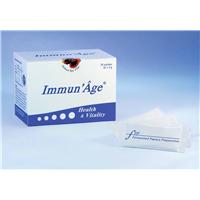
Fermented Papaya – a powerful new antioxidant from Japan

image

Tokyo: The Japanese have the longest average lifespan in the world. This longevity is thought to be associated with the Japanese diet which incorporates a large amount of food prepared by fruit and vegetable fermentation: the fermentation has positive effects on health and papaya has a long history in tropical countries for its health giving properties.

The Japanese eat a low fat diet with lots of fermented foods. The power of fermentation is now available in a new supplement containing 100% papaya, a fruit known for its potent combination of anti-oxidants.

Immun’Âge is made by naturally fermenting non-genetically papaya under international quality controls and is free of chemicals and preservatives. The fermentation process to make this health and vitality supplement takes 10 months to complete.

The success of Immun’Âge in supporting the body’s immune system has been published in 40 peer journals.

Its powder formulation is simply poured straight on to the tongue – so it works fast at a cellular level, restoring the body’s own physiological processes.

It is helpful is restoring the glow of a healthy complexion, protecting against wrinkles, loss of skin elasticity, sun damage, reducing morning eye puffiness, and restoring energy levels.

As well as having anti-ageing properties it also supports the body during times of stress and is particularly helpful in exercise as it can decrease the physical symptoms of fatigue and stiffness. In boosting the immune system it a useful defence against colds and flue.Immun’Age contains no chemicals or preservatives.

French actress Claudia Cardinale calls it her “secret tonic” and British actress Sienna Guillory lists it as her latest beauty find and states quite simply “its amazing”.

While Immun’Âge is potent in performance, it is completely safe, stable, and will not interfere with any other medication. It is available in packets that you can tear, and pour it directly into the mouth making it easier and more convenient than taking yet another pill. It tastes naturally sweet, and it is preservative free. Just let it dissolve in your mouth and then swallow. The recommended amounts range from 1-3 packets a day between meals.

Price is £39.95 for 30 sachets (one months supply) from Revital Stores – enquiries at 0800 252875 (in UK) or on line at www.revital.co.uk at the The Nutri Centre Mail Order 0800 5872290 (in UK) and on line www.nutricentre.com and at Natural way Health Mail order 0800 695 5295(UK) www.naturalwayhealth.co.uk

Newer breast cancer drugs more effective that standard NHS treatment

London: Studies of female patients in Europe show that new treatments are more effective in fighting breast cancer than the UK’s National Health Service standard drug.

In a report published in the Lancet Oncology medical journal the study demonstrated that taking Arimidex, rather than tamoxifen – which has been used for nearly 30 years – reduces the risk of dying by almost a third and halves the risk of the cancer returning.

Next week the Government is due to approve the use of the three aromatase inhibitors – Arimidex, Femara and Aromasin – alongside the ‘gold standard’ drug tamoxifen. Currently, tamoxifen is prescribed for five years after surgery to cut the risk of the cancer recurring.

The results of the study compared the outcomes for 4,000 postmenopausal breast cancer patients who either remained on tamoxifen for the full five years or switched to Arimidex after two to three.

The results showed fewer disease recurrences and fewer deaths in women who switched to the newer drug.

The study was led by Professor Walter Jonat, from the University of Kiel, Germany, who said: “A lot of people have been waiting to see whether aromatase inhibitors will show a survival advantage, and I think these data will assure them that five years of tamoxifen is no longer the standard of care.”

Doctors warning over cheap overseas dentists

London: The British Academy of Cosmetic Dentistry, the not-for-profit organisation and leading educational entity for the advancement today warned patients about the dangers of cheap overseas dental treatment.

Dentists warn they are seeing a surge in cases of botched treatment: patients coming back to the UK with badly fitted crowns and mismatched veneers, and worst of all, nerves removed for no apparent reason.

Dr. Oliver Harman, a dentist and BACD member, recently saw a 26-year-old female bartender who’d been lured to Bulgaria with the promise of a smile makeover for only £1,200.

Dr. Oliver Harman, who practices at Dentics www.dentics.co.uk in London says:

“I was shocked at the state of Naija’s teeth when she came to my practice. I can honestly say I’ve never seen anything like it: nerves were removed from six upper teeth, and two teeth were taken out entirely – which by Western standards in dentistry philosophy would amount to gross over treatment, if not utter negligence.”

When the nerves are removed, not only can the teeth go black but the teeth can be weakened – and in a case like Naija’s, who is in her twenties, she could lose the teeth entirely within a few years.

Dr. Harman says:

“The people who treated Naija wanted to fit implants immediately into the ugly gaps left at the side of her mouth, when at least a six-week healing period is recommended. She declined implants but was not offered an alternative. Uneven crowns were fitted poorly with the glue clearly visible. Instead of such aggressive treatment she would have been better off with a conservative approach, such as veneers. She had no say whatsoever in the outcome of her smile.”

On top of all this, one of her teeth repeatedly comes out and has to be
re-stuck. Attractive Naija is now so upset she refuses to smile entirely –
and was almost too embarrassed to even show her dentist what had happened.

James Goolnik also of the BACD adds:

“This case is not unusual. The public need to be very careful before taking these ‘holidays’. They may be cheap, but at the risk of permanently mutilating your mouth and smile. Currently any qualified dentist can offer cosmetic dentistry, finding an appropriately skilled cosmetic dentist is essential to ensure treatments are beautiful, natural looking and long term. The BACD helps the public to find local practitioners through their directory at www.bacd.com

About the BACD

The British Academy of Cosmetic Dentistry is a not-for-profit, inclusive organisation for the advancement and ethical delivery of cosmetic dentistry, open to all dental professionals including dental technicians and hygienists. Their aim is to create a dynamic, active group of members from all areas of the dental team.

The BACD, which has over 650 members, is affiliated with the American Academy of Cosmetic Dentistry, the world’s largest organisation for cosmetic dental professionals.

Colon op the most common for expats says BUPA

Striking differences in the type of healthcare needed by expats around the world were revealed for the first time today by BUPA International, the world’s largest expatriate health insurer.

Colonoscopies topped the league table of the most common procedures carried out on BUPA International’s eight million members worldwide, followed by Caesarean births. Caesareans are most popular in Africa where expats there are 30 percent more likely to have a Caesarean delivery than their counterparts in Europe.

Investigative procedures such as scans are the most common operation in Europe. Expats there have more colonoscopies than those in Africa, Asia and the Middle East combined. Gastroscopies (an examination of the gullet, stomach and small intestines) follow closely behind as the second most common procedure in Europe; however, they are rare elsewhere and do not feature at all in the most popular procedures in the Middle East.

BUPA’s associate medical director Dr Sneh Khemka said: “It’s clear that expats around the world have different health needs. The climate, culture and cuisine of the country they live in is likely to affect their health and well being over time, but these figures show that certain procedures are more common in some parts of the world than others. This could be because of trends in medical practice in the region or it could be down to local factors such as accessibility to specialist hospitals and treatment centres.”

The survey also shows that:

Expats in Africa have more operations to remove their appendix than those in any other region of the world.

Expats in the Middle East have more operations to remove their gall bladder than those in any other region of the world.

Operations to repair a hernia are common in the Middle East but rare everywhere else.

Operations to remove skin lesions and moles are common in most regions of the world.

Operations to remove cataracts feature in the top ten procedures in every region of the world.

Dr Sneh Khemka added: “When you’re living and working abroad having peace of mind about your health and care is a priority. BUPA International offers its members advice on specific health concerns related to the country they are living in, as well as access to multi-lingual health advisers who can provide advice about local healthcare facilities in every region of the world.”

For more information about BUPA International call +44 (0) 1273 323563 or visit < ahref="http://www.bupa-intl.com">www.bupa-intl.com