Loose weight, get fit – get on your bike

image
image

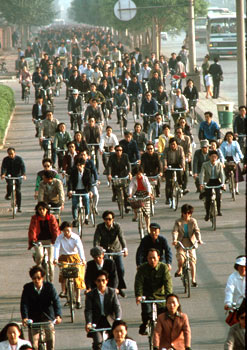
Fed up with overcrowded public transport or bored of sitting in traffic?Why not ride to work and reap the benefits?

Evans Cycles, the UK’s largest specialist cycle retailer, gives you a few reasons why cycling to work could be more beneficial to you than you think.

The list of why cycling is better is endless. It’s clear that by bike you’re more environmentally friendly, save time and money especially through the busy streets of the countries major cities. With the government announcing a £140 million cycling plan for the next three years, it is going to make travelling by bike so much easier.

Cycling is low intensity and as hard as you want it to be. You can choose a long or short route depending on how confident you feel and what you want to achieve. If you don’t like revealing all at the swimming pool, or find that running is too intense then cycling can beat all that. Steady pace cycling burns fat and has the added value of taking you from A to B.

“Cycling to work has many more health benefits than you think” says Claire Beaumont, Evans Cycles’ fitness expert. ”We all think of it as an alternative mode of transport but the workout you get from riding helps keep you fit without realising it and is so much better for your wellbeing especially this time of year when everyone is coughing and sneezing on public transport”.

Can help weight loss

When you cycle a simple bit of mathematics happens, you eat food to put energy in the body, you then burn energy from food to power your body to cycle. There is then a negative energy intake and you lose weight, or if you didn’t want to slim down then it means you can have an extra cream cake at the weekend!

Feel better

What is also great about cycling is that although your using energy and tire the body in the long term the feeling of well being will make you feel more energised because exercise takes you out of your daily routine, helps you focus on what your body is doing and take you away from things happening from day to day.

Defence against Coughs and Colds

A regular bit of cycling is a way to boost your immune system, after moderate exercise of about an hour your body will recognise this and release more bacteria fighting cells into the blood stream over time the levels of cells from the immune system will rise to a new baseline which means the body becomes more effective at fighting infection compared to someone who is sedentary.

How Much?

Government guidelines recommend that adults should to at least 30 minutes of activity everyday and cycling is an easy way to get this recommendation into your daily routine. Ideally 1 hour of cycling is great for your body it doesn’t have to be strenuous and not done all in one block, how about a cycle to the shops.

No gym fees

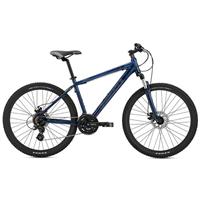
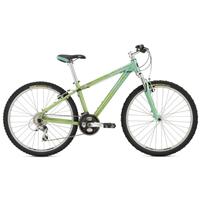
A decent bike, that won’t fall apart after a month of riding, will set you back about £300. Mountain bikes, road bikes, hybrid or folding bikes are now more affordable than ever. £30 gets you a comfortable, lightweight helmet that passes all relevant safety standards. Waterproof jackets with reflective strips that combine comfort, practicality and safety start from around £50. With winter gloves from around £20 you can have all the gear you need to get started for around £400, that’s usually less than a year’s gym membership!

Web: www.evanscycles.com

World’s population getting older

image

Vienna: The world’s population is growing older as people live longer, and fertility and birth rates fall.

A study, published online by Nature, carried out by the International Institute for Applied Systems Analysis at Laxenburg, Austria, examined population forecasts and fertility rates in 13 major regions of the planet.

The future paths of population ageing result from specific combinations of declining fertility and increasing life expectancies in different parts of the world, it says.

The “speed of ageing is likely to increase over the coming decades and to decelerate in most regions by mid century”.

The study found the overall average of the world’s population will increase from 26.6 years in 2000 to 31.1 in 2050 and then to just 32.9 in 2100, slightly less than what it was in China in 2005, owing to large differences in the regional patterns of ageing.

The researchers say the probability that world population growth will end in this century is 88 per cent, somewhat higher than previously believed. After mid century, lower rates of population growth are likely to coincide with slower rates of ageing.

By the middle of the century, the average Briton will be 48.4 years old, against 39.1 years old now.

But by 2100, the rate of increase will have slowed, with the average age rising to 53.5 years.By the middle of the century it is likely that a third of the population in Britain will be over 60 thanks to people living longer coupled with falling fertility rates

They found that by the middle of the century there is an 82 per cent chance that a third of the population in Britain will be over 60 thanks to people living longer coupled with falling fertility rates, compared with 98 per cent in Japan/Oceania and close to zero per cent for sub-Saharan Africa.

Spire offers new injection for age-related blindness

image

London: A new quick procedure not widely available on the NHS which treats age related blindness disease is now available at 13 Spire Healthcare hospitals around the UK.

Age-related macular degeneration (AMD) affects the central part of your vision and occurs mainly in older people. About one in 100 people aged 65-75 and one in eight people aged over 85 suffer from serious AMD that can result in complete loss of central vision.

There are two types of AMD known as the wet kind and the dry kind. Wet AMD is more destructive and is characterised by abnormal blood vessels growing at the back of the eye. These extra blood vessels leak and can cause rapid loss of sight.

Mr Timothy Dabbs, a specialist eye consultant at Spire Leeds Hospital said:
“Although Wet AMD progresses rapidly and is destructive it is treatable. We inject a special drug under a local anaesthetic to control the growth of abnormal blood vessels in the eye.

“On average a patient will need six injections, they are quick procedures
and patients can normally go home about an hour later. Although they may
not regain full sight, the treatment will often prevent further damage and in some instances can reverse some of the damage already caused.”

Erika Bennett, a patient recently treated at Spire Leeds Hospital, said:
“From not being able to read at all I can now read with my reading glasses.
There is a small improvement with every injection and the treatment itself isn’t painful.

“The staff at the hospital made me feel very comfortable. I had lots of confidence and trust in Mr Dabbs as he made sure he explained every detail of the procedure to me. I would recommend anyone suffering with this condition to try this treatment.”

How to tell if you have AMD
If you’re concerned that you or someone you know may be suffering from AMD, the best self test is to look directly at a straight line such as a door or window frame and using only one eye at a time to see if there is a noticeable kink in the frame which appears to move with your gaze. Your optician will be able to confirm if there is deterioration in your eyes.

The Hospitals currently offering this treatment include:

Spire Bushey Hospital

Spire Cambridge Lea Hospital

Spire Cardiff Hospital

Spire Edinburgh Hospital

Spire Gatwick Park Hospital

Spire Harpenden Hospital

Spire Leeds Hospital

Spire Leicester Hospital

Spire Manchester Hospital

Spire Norwich Hospital

Spire Southampton Hospital

Spire Sussex Hospital

Spire Wellesley Hospital

About Spire
Spire Healthcare is one of the leading independent hospital providers in the UK, with a 25 year heritage of customer service and clinical excellence. It was formed in 2007 from the sale of BUPA Hospitals to leading private equity company Cinven.

Spire Healthcare has 25 hospitals across the UK, providing services for private and insured patients as well as NHS funded patients under the government’s Choose and Book scheme. It also offers cosmetic and weight-loss surgery.

Its hospitals carry out more than 160,000 in-patient and day-case treatments a year and work with over 3,000 consultants. It is proud to be the first independent hospital group to publish clinical outcome data.

Safe salt levels for kids – ask the experts in live webchat

image

London: Do you worry about what goes into your kid’s food? Do you find it difficult to know which foods are high in additives? Children are very sensitive to what they eat, particularly when it comes to salt intake. Eating a high salt diet in childhood can significantly push blood pressure up meaning children who have an excess of salt in their diet have a higher blood pressure than those who eat the right amount.

To celebrate Salt Awareness Week which takes place from the 28th of January to the 4th of February we’ve got nutritionist Jo Butten coming into the studio. She’s popping in to give you some professional guidance on how to keep your child’s salt intake down. She will also be showing you which foods have a high salt content and which foods are okay to serve up on a regular basis.

Being an expert on the effects certain foods can have on the body Jo will also be able to answer any questions you have on the long-term impact of high salt impact on you and your children. If your child’s diet is an issue that concerns you why not come along and submit a question? Knowing that you are doing everything you can for your child’s health will not only give you peace of mind but will also get you and the rest of the family into better eating practices.

Jo Butten joins us live online at www.webchats.tv on Monday 28th January at 15:00 (GMT-1) to discuss salt intake for children

If you would like to post a question in advance you can do so online here: www.webchats.tv”

For more information visit www.actiononsalt.org.uk

Mobiles disrupt sleep, says new report

image

London: Mobile phones severely disrupt sleep patterns, according to scientific research into their impact on human rest, funded by the Mobile Manufacturers Association.

The research undertaken by the Electromagnetic Academy based at the Massachusetts Institute of Technology, in the United States, exposed 71 men and women, aged between 18 and 45, to mobile phone radiation as they prepared to sleep.

According to the study, monitoring under laboratory conditions showed the initial ‘light’ phases of sleep in the subjects were affected. In addition, “exposure to 884 MHz wireless signals, components of sleep, believed to be important for recovery from daily wear and tear, are adversely affected.”
The research also found that those exposed to mobile phones during their sleep appear to have more headaches, than those not exposed.

The findings coincide with calls from UK company Exradia, manufacturers of the first device proven to neutralize potentially dangerous mobile phone radiation, for more government research into the health issues being raised.

David Schick, Exradia chief executive, said, “This study is yet another example of how using mobile phones can have a detrimental effect on humans.
It is critical that the UK Government now undertakes a formal public inquiry into this issue.”

France recently became the latest country to advise against excessive use of mobile phones, particularly by children. Other countries who’ve issued similar advice include Sweden, the UK, Israel and India.

More information:

“The Effects of 884 MHz GSM Wireless Communication Signals on Self-reported Symptom and Sleep (EEG)” was sponsored by the Mobile Manufacturers Forum and published in the Progress in Electromagnetics Research Symposium (PIERS) from the US Electromagnetics Academy based at MIT in Cambridge USA. The research was undertaken by six scientists from the following Universities/bodies – Wayne State Univertisy & Uppsala University, USA; Karolinska Institutet, Sweden and Foundation IT’IS, USA.

More details of the research can be found here :
http://piers.mit.edu/piersonline/piers.php?volume=3&number=7&page=1148

The Exradia Angel™ www.exradia.comis a replacement battery containing a chip and coil that actively superimposes a random noise field over the radio waves emitted by the cellular antenna. The Angel costs £24.99 and is available for 80% of the popular mobile phones available today from Nokia, Motorola, Sony Ericsson, LG and Samsung.

Six leading American Universities, including Columbia University, New York, have independently tested the Angel technology in research between 1993 and 2005. All the studies confirmed that radiation emitted from mobile phones does cause biological changes in animals and that the Angel technology neutralized the changes in every case.

Digestive problems – ask an expert in a live webchat

image

London: Do you suffer from digestive health complaints? Have you ever eaten anything and felt bloated or sick? If so you may be intolerant to certain types of food. Thankfully such complaints can be tackled by making simple changes to your diet, so you may not need to spend time sitting in the waiting room at the doctors or put up with unnecessary discomfort.

To give you some helpful advice on food intolerances Dr Sarah Jarvis is holding a 30-minute digestion clinic online on Friday 18 January at 2pm. She will be talking about the difference between allergies and intolerances and answering all of your questions on digestive health. She’ll also be talking about the Lactofree Elimination Challenge Diet, which is a great starting point for testing your tolerance to lactose.

Digestive complaints are actually quite common in the UK, for example up to 1 in 7 people suffer from Lactose Intolerance alone. Common symptoms include bloating, stomach cramps, nausea and abdominal pains, which can prove difficult to live with. Sarah will be offering professional advice on how to rid yourself of these symptoms and will also explain how you can enjoy your food without fear of further digestive issues. So if you’ve been suffering on the food front, why not submit a question?

Dr Sarah Jarvis joins us live online at www.webchats.co.uk/webchat.php?ID=487 on Friday 18th January at 2pm to discuss digestive health.

Why women prefer face creams to fast cars, by Clarins

image

London: Women will spend £25,776 in their lifetime pampering themselves, according to new research.

Each year the average woman will spend £379-a-year – or £32-a-month – on skincare, treatments and beauty products.

The beauty conscious spend the biggest chunk of that looking after their skin, with the average woman splashing out £11,424 on moisturisers and cleansers, in their lifetime, or £168-each-year.

Feel good treatments such as massages, facials and tanning take up another £8,066 during a woman’s lifetime while hair cuts, creams and cosmetics costs a total of £6,286.

A spokesman for skincare and make-up specialists Clarins, which carried out the research, said: ”It’s reassuring that women today have the confidence to know that ‘me-time’ spent in the beauty salon and at the beauty counter is money well spent.”

Women in London spend more than other women in the UK on looking after themselves, splashing out on £801.12-a-year – or £54,476 in their lifetime, more than twice the national average.

But at the other end of the scale Bristol girls aren’t quite as self-conscious, as they only spend £276 a year – or a total of £18,776 in their lifetime.

It’s not surprising women spend so much money trying to improve their appearance – the poll, of 2,000 women,l found that almost 60 per cent say looking their best is the most important thing to them.

A huge 93 per cent of women even think that the way they look has a massive affect on how they feel.

Lynda Tarpey (corr), owner of Pretty Woman, an award-winning beauty salon in Leeds, said: ”A facial or body treatment can work wonders in just one hour to help you de-stress and feel more confident.

”One of our most popular at present is a Radiance Ritual Facial from Clarins which revives tired looking skin that’s lost its sparkle.”

However, more than half aren’t happy with the way they look and eight out of 10 women reckon they are constantly judged on what they look like.

A desperate 43 per cent would even consider turning to cosmetic surgery, with teeth-straightening the most popular procedure followed by a tummy tuck and liposuction.

The poll also found that a lazy 32 per cent of women don’t bother to take their make-up off before they go to bed, with girls in Exeter the worst culprits.

In Cardiff only 20 per cent of women polled wake-up wearing make-up from the night before.

Raj Aggarwal (corr), who runs Cardiff’s Clarins salon, said: ”You can’t put a price on looking good.

”For most people, if they look great on the outside, they feel good on the inside and tend to be happier.”

The survey also found that a quarter of Wigan women reckon their partners would find them UGLY if they didn’t use moisturiser.

A third of Brits admit to wearing fake tan in order to look good with London women most likely to go under a sun bed.

However, one in 10 of those polled think people who spend so much time on themselves are vain and should get a life.

UK BEAUTY CAPITALS – MONEY SPENT ON LOOKING GOOD A MONTH

1. London 66.76

2. Southampton 63.5

3. Liverpool 46

4. Leeds 40.51

5. Birmingham 33.7

6. Derby 31.09

7. Wigan 30.79

8. Belfast 30.43

9. Coventry 29.34

10. Cardiff 28.82

11. Cambridge 27.86

12. Sheffield 27.84

13. Brighton 27.35

14. Newcastle 26.04

15. Bradford 25.74

16. Swansea 25.48

17. Norwich 25.35

18. Reading 24.17

19. Nottingham 24.02

20. Bristol 23.01

FIVE THINGS YOU COULD BUY FOR £26,000

*1 Lotus Elise S

*306 tickets to watch the Spice Girls

*34 weeks at the Four Seasons Resort, Whistler Mountain, Canada

*29 return flights to Sydney, Australia

*314 tickets to Disneyland Paris

Moderate exercise increases stamina in older people

image
image

Japan: Home exercise programmes can improve fitness and well being, Japanese researchers report.

Adults who walked at an aerobic rate for at least 20 minutes at least twice a week and to increase the total number of steps they walked daily showed significant gains in stamina, vitality and mental health after 32 weeks.

While the health benefits of exercise are clear, most studies investigating these benefits have involved supervised workouts, which can be costly and inconvenient in real life, the researchers point out. In the current study, published in the International Journal of Sports Medicine, they tested whether an at-home, unsupervised 32-week program would also be beneficial.

The researchers, at the Nara Medical University School of Medicine in Kashihara, randomly assigned 200 adults 42 to 75 years old to the exercise group or to a control group. In addition to walking, the exercisers were asked to attend a two-hour exercise class every four weeks.

At the end of the program, people in the exercise group showed significant improvements in a test of walking stamina and another test that required them to sit on a chair, stand, and sit again as many times as possible for 30 seconds. Male exercisers showed a greater increase in general and mental health than their counterparts in the control group, while women reported better physical functioning, general health and vitality.

The benefits of the program were “comparable” to those that would be seen with a standard supervised exercise program, says the report.

“The present method can be recommended as feasible for application in the community because many opportunities to perform home-based walking exist in daily life,” it adds.

image
image

Are you getting enough Vitamin D?

image

As a lack of vitamin D is linked to various diseases including the return of rickets, cancer, heart disease, tuberculosis and diabetes.

Since it is produced in the skin on exposure to sunlight, those living in Scotland and the North of England are more likely to suffer deficiency.

Experts recommend between five and 25 micrograms per day, however, 90 per cent of adults in the UK make less than three.

The situation is worst for those north of Birmingham where the sun is too weak in winter for the vitamin to be produced.

A recent report in the US journal Proceedings of the National Academy of Sciences revealed that people with higher levels were more likely to survive colon, breast and lung cancer. This follows last year’s University of San Diego review of 40 years of research, which revealed that a daily dose could halve the risk of breast and bowel cancer.

Other claims are that it reduces the risk of heart disease (a study of 10,000 women in California found that those who took supplements had a 31 per cent lower risk of dying from it), diabetes (in a Finnish study of 12,000 children, it cut their chance of developing Type A diabetes by 80 per cent), even colds and flu (New Yorkers who took vitamin D had flu 70 per cent less often).

Yet despite this increasingly compelling evidence, too many of us are not getting enough. The result: a resurgence in rickets, which stunts growth and deforms the skeleton, causing bowed legs.

Vitamin D Fact File

• 90 per cent of the body’s supply of vitamin D is generated by reaction to sunlight on the skin.

• Vitamin D is found in oily fish like sardines, salmon, mackerel and tuna, cod liver oil, and in milk, cheese, eggs and liver.

• “Healthy Start” supplements for children up to the age of four are given free to those on benefits but can also be bought for £1.70 at pharmacies or health clinics.

• The first mention of rickets is credited to Daniel Whistler, an English doctor who wrote a paper in 1645 on the subject.

• Vitamin D was named in 1922 by the American biochemist Elmer McCollum, who performed experiments to find the nutrients within cod liver oil. It was so called because it was the fourth substance he identified.

• One in 100 children from ethnic minorities in this country is thought to be deficient in vitamin D; darker skin requires more sun to produce the vitamin.

• In 2003 a New York couple were convicted of endangering the life of their 15-month-old baby after subjecting her to a strict vegan diet which left her suffering from rickets. Silva and Joseph Swinton were sentenced to six and five years in jail.

• The classic signs of rickets are bow legs caused by softening of the bones; if not detected early surgery is needed to correct it.

• Most people can make enough vitamin D in the summer to last them through the winter

Men with low-testosterone suffer increase in bone fractures

image

Sydney: Elderly men with low levels of testosterone are more than twice as likely to suffer bone fractures as those with higher amounts of the sex hormone, researchers in Australia found.

A study of men at least 60 years old found a quarter had testosterone deficiency linked to a two-fold increase in the risk of bone fractures caused by osteoporosis, according to researchers at Sydney’s Garvan Institute of Medical Research. The finding may enable doctors to identify susceptible elderly men and devise strategies to prevent bone fractures.

Osteoporosis, when bones thin and break easily, affects 10 million Americans and is generally considered a women’s disease. While women’s bones become fragile after menopause when they stop producing estrogen, men’s weaken at a later age and can cause just as much damage. In Australia, 30 percent of the 110,000 osteoporosis-induced fractures that occur each year are in men.

John Eisman, Professor Medicine at the University of New South Wales and director of Garvan’s bone and mineral programme said: “Osteoporosis in men is basically ignored. This is something that gives us more insight into why they might have problems, why they might be likely to fracture.”

In the US, for example, two million men have the disease and another 12 million are at risk for it, the National Osteoporosis Foundation estimates. Treating patients with osteoporosis medicines including Eli Lilly & Co.’s Evista and Forteo, Merck & Co.’s Fosamax and Procter & Gamble Co.’s Actonel may prevent fragility fractures if the disease is diagnosed early, previous studies have shown.

Each year, about 329,000 hip fractures occur in the U.S. About 20 percent of the people die within six to 12 months after breaking hips, according to a study published in November in the Journal of the American Medical Association.

Men’s testosterone levels are usually about 300 to 1,000 nanograms per deciliter of blood, according to the U.S. National Institutes of Health. A quarter of men over 60 had levels of 294 nanograms or less in the Garvan study, which followed 609 men aged over 60 years between January 1989 and December 2005.

Even after adjusting for factors known to alter fracture risk, including age, weight, fracture history, smoking status and calcium intake, the risk of fracture was more than doubled in men with low testosterone compared with men with high levels of the hormone, according to the study. The results were published yesterday in the Archives of Internal Medicines.

“Men with lower testosterone might be getting a double whammy,” Eisman said. “Their bones are worse and their muscles are a bit weaker, both of which are likely then to contribute to their risk of fractures.”

While testosterone supplements may assist those deficient in the hormone, other treatments may also help, he said.

“Importantly, reducing alcohol consumption, avoiding smoking, maintaining an active lifestyle, getting sunlight exposure and eating a diet rich in calcium will also help to minimize risk,” Eisman said.

The research is part of the Dubbo Osteoporosis Epidemiology Study, which started in 1989 and recruited all men and women 60 years or older living in Dubbo, a regional city of 32,000 predominantly white people in Australia’s New South Wales state.

Exercise may help menopause symptoms

image

New York: A regular brisk walk may help women going through menopause improve their mental well-being, a new study suggests.

Researchers found that middle-aged women who exercised regularly had lower levels of stress, anxiety and depression around the time of menopause than those who did not exercise regularly.

The findings, published in the journal Medicine and Science in Sports and Medicine, add to evidence that physical activity can benefit mental, as well as physical, health.

“With the aging population, physical activity represents one way for women to stay mentally healthy,” Dr. Deborah B. Nelson, the lead researcher on the study, said in a statement. “Physical activity can help throughout the menopausal transition and afterwards,” added Nelson, a public health researcher at Temple University in Philadelphia.

The findings are based on data from 380 Philadelphia women who were 42 years old, on average, and premenopausal at the beginning of the study. Eight years later, 20 percent were menopausal and another 18 percent were in the late transitional phase.

The researchers found that women who got moderate to high levels of exercise reported lower stress levels than inactive women did. Among postmenopausal women, those who exercised regularly had lower stress levels and were less likely to have anxiety and depression symptoms.

Exercise did not, however, seem to protect women from the physical symptoms of menopause, including hot flashes.

“Physical symptoms like hot flashes will go away when you reach menopause,” Nelson said, “but mental health is something women still need to think about postmenopause.”

Importantly, Nelson pointed out, women need not work out intensely to get a mental and emotional lift.

“In the urban setting, these women walked outside on city blocks or in shopping malls,” she said. “Groups could organize to take walks after dinner. It didn’t require going to the gym.”

Get more folate to beat the winter blues

image

A study in Japan has found folate, a vitamin found in green leafy vegetables, reduced the symptoms of depression amongst men by 50 per cent in over 500 subjects studied.

This might be news to many of us, but it seems nature may have known all along.
Depressing winter is also the season for veggies packed full of smile-inducing folate.

Cabbage, purple sprouting brocolli, beetroot, parsnips, leeks, kale, Brussels sprouts, spring greens and endives are the veg you should be munching on.
Because they’re in season right now they’re at their tastiest and most nutritious – full of folate. Visit www.iminseason.com for some delicious seasonal recipes.

And don’t worry girls, although the study was conducted on males, other research has also found some links between low levels of folate with depression in both sexes. Chances are chowing down on your greens could leave you feeling a little sunnier too.

Doctors condemn FDA decision to ban estriol following pressure from drug lobby

image

A coalition of gynecologists, internists, allergists, ER physicians and general practitioners responsible for treating thousands of women today criticized the US’s Food and Drug Administration (FDA) for taking action that threatens to deny hundreds of thousands of women access to customized medications they take for symptoms of menopause.

The FDA last week announced that the hormone estriol can no longer be used in estrogen medications customized for women by compounding pharmacies. Estriol is a component of 90 percent or more of these customized preparations.

The FDA action is in response to a “citizen petition” filed by the giant drug maker Wyeth Pharmaceuticals. Wyeth is the maker of Premarin and Prempro, two hormone treatments for women that have been linked to cancer, heart disease and stroke by a 2002 Women’s Health Initiative, National Institute of Health (NIH) study. Millions of women have discontinued taking Wyeth’s hormone products as a result of the WHI study, which was halted because of the serious health risks that were discovered in 2002.

“The FDA has succumbed to pressure from Wyeth in its attempt to clear the market of safer alternatives to its unsafe products,” said Erika Schwartz, M.D., a co-founder of BHI, the Bioidentical Hormone Initiative (www.bioidenticalhormoneinitiative.org), a not-for-profit medical organization comprised of conventionally trained, practicing physicians who have successfully treated patients with bioidentical hormones for years. “The FDA should protect the interest of women, not the profits of Wyeth.”

Estriol has been used by women for decades as a component of customized estrogen hormone drugs, most commonly known as Biest and Triest. It occurs naturally in the human body and, according to the FDA, has never been associated with adverse events or other health and safety issues. Estriol is also in a phase II/III clinical trial pending FDA approval for treating women with Multiple Sclerosis (MS). It is approved for use and widely used in Europe and is a component of medications that have been commercially available in the U.S.

“There is no evidence that anyone has been harmed by estriol,” said Kent Holtorf, M.D., also a co-founder of BHI. “The FDA has even admitted that safety concerns are not the reason behind their decision to try to remove estriol from the market. Instead, they are responding to Wyeth’s blatant attempt to remove medicines that provide an alternative to their flawed horse hormones that are foreign to a woman’s body.”

“FDA’s actions are clearly misguided,” said David Brownstein, M.D., another founder of BHI. “They have no legitimate reason or even the legal authority to limit a licensed physician’s use of a safe and effective bioidentical hormone. There are numerous positive studies and countless successful outcomes with estrogen treatments containing estriol.”

The FDA claims that it is taking estriol off the market because it is not a component of any FDA approved drug, despite the fact that the hormone has been used for decades without problems. Estriol has a long standing United States Pharmacopoeia monograph, an accepted standard for drug ingredients absent significant health risks. Other common drugs that are not components of FDA approved drugs include aspirin.

“There are no legitimate medical, scientific or legal reasons for the FDA to take this action,” said Dr. Schwartz. “It would require countless women to return to their doctors and alter the medications they have used both safely and effectively for years. If the FDA has its way, since estriol is available in Europe, a woman will need a passport, not a prescription to get her medication.”

The citizen petition filed by Wyeth with the FDA requested that estriol be removed from the market, along with other requests to remove customized medications that compete with their flawed products. The petition created a tremendous backlash from women, doctors and pharmacists. Over 77,000 comments, a near record, were filed with the FDA in response to the petition, all but a handful opposing Wyeth’s request.

“The few comments in support of the Wyeth petition were filed mostly by organizations with substantial financial ties to Wyeth,” said Dr. Schwartz. “The FDA has chosen to protect Wyeth’s wealth rather than women’s health. This is a shameful act for this agency to take.”

For more information on the Bioidentical Hormone Initiative, visit www.bioidenticalhormoneinitiative.org

How traditional Ayurvedic medicine can help prevent colds and flu

image

This year, many Britons have reported cold and flu viruses after the Christmas and New Year peroid, so a significant proportion of us will start the year with a strict set of health resolutions to get themselves on the path to better health, once and for all.

Before Western medicine came along with its pills and injections, the ancient Indian healing science of Ayurveda advised a preventative approach to healthcare. By working out which ‘Ayurvedic body type’ you are and determining your dosha, a diet can be mapped out to suit your nutritional needs to prevent illness. There are several alternative ways to help combat the symptoms of colds without having to reach for chemically packed pills in silver foil. One of these is Ayurveda, the oldest natural healing system originating from India, which offers preventative and curative measures in line with nature.

Ayush Wellness Spa in Jersey have crafted a cold prevention treatment that adheres strictly to the ancient Indian healing philosophy of Ayurveda mixing authentic therapies with luxurious treatments. While they have a number of treatments designed to offer relief from the discomfort associated with head and sinus problems, Nasya is a traditional treatment where the expertly trained therapists massage pressure points in the face, head and chest with medicated oils for instant relief and use steam to help clear nasal passages and aid in purification. Oils and powders are placed up the nose as a stimulant to release congestion.

Ayush Wellness Spa fosters a natural approach to health care that includes meditation, yoga, exercise, massage and daily and seasonal lifestyle routines. They seek to redress the chemical warfare that people wreak on their own bodies by using products that are 100 per cent natural. The spa boasts an apothecary kitchen where herbs and oils are mixed according to guests’ dosha. Once guests have had their imbalances addressed and dosha type determined with a treatment programme and complementary Ayurvedic meals, we can prescribe natural supplements and elixirs to take with you, so that you can continue on your path towards perfect health in the real world.
Yet for those who are susceptible to the common cold but may not be able to make it to Ayush Wellness Spa to rejuvenate themselves for the year ahead, Ayurvedic help is at hand online or at local herbal or health food outlets.

• Ashwagandha (Withania somnifera) is a shrub whose roots are widely used to boost immunity, reduce anxiety and increase longevity. A review of 58 articles, published in Alternative Medicine Review, concluded that ashwaganda has anti-inflammatory, anti-stress, antioxidant and immune-boosting properties. (600 to 1,000 milligrams a day, divided into two or three capsules) or guduchi (see below) throughout the cold and flu season.

• Guduchi (Tinospora cordifolia) is an herb that enhances immunity by boosting antibody production and the activity of powerful white blood cells called natural killer cells, says Simon. Studies conducted in India have shown that patients receiving guduchi before having abdominal surgery had fewer postoperative infections and significantly improved outcomes. Ayush advises taking 1 teaspoon twice daily or the recommended dose of ashwagandha if you catch colds and flu easily.

• Herbal jam, or Chavan Prash, which comes from the amalaki fruit (Indian gooseberry), is one of the richest natural sources of antioxidants and has immune-enhancing effects. Ayush advises taking it year-round for overall wellness. Spread 1 teaspoon on bread twice daily or take it in capsules.

For enquiries or to make a reservation contact Ayush Wellness Spa, Hotel de France, St Saviour’s Road, St Helier, Jersey, Channel Islands JE1 7XP on 01534 614171 or visit www.ayushspa.com

Moderate exercise and alcohol may prolong life, says new Danish study

image
image

Copenhagen: Moderate exercise combined with a little alcohol may be the key to living a longer life, according to a new study published in the European Heart Journal.

The study found people who drink moderate amounts of alcohol and are physically active have a lower risk of death from heart disease and other causes compared to people who don’t drink at all.

Danish researchers found people who neither drink nor exercise have up to a 49 percent increased risk of heart disease than people who either drank, exercised or did both.

The research looks at the combined influence of leisure-time physical activity and weekly alcohol intake on the risk of fatal ischaemic heart disease (a form of heart disease characterized by a reduced blood supply to the heart) and deaths from all causes.

From 1981 to 1983 the researchers obtained information on various health-related issues (including exercise and alcohol intake) from nearly 12,000 Danish men and women.

During approximately 20 years of follow-up, there were more than 1,200 cases of fatal ischaemic heart disease (IHD) and nearly 6,000 deaths from all causes among the study participants.

Professor Morten Gronbaek, director of research at the National Institute of Public Health at the University of Southern Denmark said: “Our study shows that being both physically active and drinking a moderate amount of alcohol is important for lowering the risk of both fatal IHD and death from all causes.

“For both men and women, being physically active was associated with a significantly lower risk for both fatal IHD and all-cause mortality than being physically inactive; and drinking alcohol was associated with a lower risk of fatal IHD than abstaining. A weekly moderate alcohol intake reduced the risk of all-cause mortality among both men and women, whereas the risk among heavy drinkers was similar to non-drinkers.

“The lowest risk of death from all causes was observed among the physically active moderate drinkers and the highest risk among the physically inactive non-drinkers and heavy drinkers,” said Jane Ostergaard Pedersen, lead author of the study, in a news release.

“Neither physical activity alone nor alcohol intake can completely reverse the increased risk associated with alcohol abstention and lack of physical activity. Thus, both moderate to high levels of physical activity and a moderate alcohol intake are important for lowering the risk of fatal IHD and deaths from all causes,” she concluded.

image
image

Dementia suffers live four years after diagnosis, says new research

image

Cambridge: People with dementia survive an average of four and a half years after diagnosis, with age, sex, and existing disability all having an influence on life expectancy, finds a study published on www.bmj.com today.

The authors hope that these estimates will be of value to patients, carers, service providers, and policy-makers.

The number of people affected by dementia is estimated to double every 20 years to 81 million by 2040. Dementia is known to be associated with increased risk of death, but no estimate exists for actual survival with dementia in England and Wales. There is also considerable uncertainty about what influences survival.

So researchers set out to describe overall survival for people with dementia and to examine the association between factors which could affect survival.

The study involved over 13,000 individuals aged 65 years and above who were taking part in a population based study in England and Wales. Participants were assessed for dementia at regular intervals over a 14-year period 1991 to 2005.

Factors known to have an association with mortality, such as age, sex and marital status, accommodation type, education level, social class, self-reported health and disability were also recorded.

438 individuals developed dementia over the study period, of which 356 (81%) died.

Age, sex, and disability before onset all influenced survival independently.

There was nearly seven years difference in survival between the youngest and the oldest people with dementia (10.7 years for those aged 65-69 and 3.8 years for those aged 90 or over).

Average survival time from dementia onset to death was 4.1 years for men and 4.6 years for women.

There was around a three year reduction in survival between the most and least disabled at onset, suggesting that the frailer individuals are at higher risk, even after age is taken into account.

However, living in the community or residential home, marital status, and self-reported health were not associated with survival once other factors were taken into account.

Those with higher education had slightly shorter survival than those with lower education, but this did not reach statistical significance. Social class also showed no pattern

Knowing which factors influence the length of survival after onset of dementia is important, say the authors. These findings will be of value to patients, carers, service providers and policy-makers.

An accompanying editorial urges doctors to pay as much attention to strengths and retained abilities as they do deficits, dysfunction and disease when planning care and support for people with dementia.

Oriental beauty that works from the inside out

image

Beauty from the inside out in the buzz for 2008. Whilst it is the creams and lotions of major high street brands that tend to grab the headlines, there are some more traditional remedies that people have been using for centuries and which can have just as good, if not better results.

Bucking the trend – The Forgotton Omega

Whilst Omegas 3 and 6, the essential fatty acids, have been hailed as the ‘must have’ ingredients for healthy skin, there is another Omega that could play an even bigger role. The richest source of this Forgotton Omega is an oil from a prickly shrub known as Sea Buckthorn, which now it has reached the shores of the UK could quickly find itself as the must have of 2008

Sea Buckthorn (Hippophae Rhamnoides) is a well recognized source of traditional herbal medicine, vitamins and nutrients, and has been used in parts of Asia as an anti-aging and medicinal skin care product for many hundreds of years. Whilst the berries of the Sea Buckthorn plant have been hailed as ‘exotic’ superfoods, with numerous uses and being rich in many important nutrients, it is their effect on skin that has received the most attention.

The first person to think of extracting the oil from this prickly shrub and rub it on their skin must have been thought mad by their piers, but due to its high content of nutrients, essential for the metabolism of skin cells, Sea Buckthorn helps to combat wrinkles, dryness and other symptoms of malnourished or prematurely aging skin.

Scientists now believe our most delicate body tissues, especially the skin membranes, use Omega 7 fatty acids as vital building blocks and one of the most concentrated sources of Omega 7 is Sea Buckthorn. Environmental stressors, such as sunlight and pollution, poor diet, and even normal aging, can challenge these sensitive membranes, and Omega 7 fatty acids are now being hailed as important agents to nourish, protect, replenish, moisturise, and restore.

Whilst the body can make Omega 7 itself, unlike Omegas 3 and 6, it is nevertheless thought that supplementation with Omega 7 could have large health implications for the skin and other bodily membranes.

Studies now support the use of Sea Buckthorn Oil1 for problem skin, including conditions such as eczema and dermatitis, and confirm that it is largely the berries’ high content of Omega 7 that is behind the benefits. This effect of Sea Buckthorn on external membranes has led to further research into how supplementation can help with digestive and genital tract lining problems 2.

Sea Buckthorn also contains Omegas 3, 6 and 9 and has been linked to various other health benefits including boosting the immune system and further anti-aging properties.

So, to give your skin a new start in 2008 and help get it looking fresh and young you should remember the prickly Sea Buckthorn and the Forgotten Omega.

Sea Buckthorn is a new product in the UK, but a high quality Sea Buckthorn supplement is available from Superdragon at < ahref="http://www.superherb.co.uk">www.superherb.co.uk

Radiate With Reishi

Hailed as the Oriental secret of youth, health and beauty Reishi remains relatively unknown in the West, but this mystical mushroom could be the key to radiant skin, increased energy levels, lower stress, better sleep, and overall improved health.

There is no doubt that Reishi is big business with annual sales estimated at 3 billion dollars and it is one of the highest regarded remedies in Chinese medicine, but its rarity, until recently, has meant it has not been readily available in the UK. The launch of Mikei Red Reishi Essence may be about to change this though and we could soon be singing the praises of ‘God’s Herb’.

Whilst exotic culinary mushrooms have seen a huge surge of sales in the UK, as we have become more experimental in the kitchen, medicinal mushrooms remain largely undiscovered. With some serious research supporting their benefits however and hundreds of years of medicinal use behind them, we could be seriously missing out.

Reishi is a very rare mushroom and one of the highest regarded remedies in Chinese medicine, having been taken medicinally in extract form for at least 2,000 years. The mushroom plays a central role in Eastern medicine and is known as ‘God’s Herb’ and the ‘Mushroom of Immortality’, with a huge number of health benefits and studies to support its use.

Sceptics will no doubt claim Reishi to be another snake oil, but with literally hundreds of studies and thousands of astonishing testimonials supporting its use, it is hard to argue that there isn’t serious scope for the mushroom to play an important role in improving people’s health and lifestyles.

Outside of its medicinal use, Reishi could play an important role in improving people’s appearance and lifestyle. Reishi extracts are said to have powerful anti-aging effects3; studies showing the mushroom has strong anti-oxidant properties may be partly behind this, but it may also be related to improved blood flow4, and therefore delivery of important nutrients to the skin.

Extracts of the mushroom have also been seen to help balance blood sugar levels and regulate adrenal responses to create optimal and balanced energy levels throughout the day5. In addition, studies have shown that anxiety can be reduced when using the mushroom regularly, leading to lower stress levels and better sleep6.

Furthermore regular consumption of Reishi is seen to help cleanse the body of accumulated toxins and excess lipids (fats), lower stress and anxiety and help boost the immune system7, 8. It is easy to see then why Reishi was once reserved solely for the use of Emperors.

One of the many pluses of Reishi extracts is that their effects can be seen and felt so quickly and there are no side-effects from its use. Within just a matter of days you should start feeling and looking better in yourself from taking good quality extracts of Reishi.

The quality of Reishi mushrooms can vary dramatically however and it has taken until now for a superior product to reach the UK and be launched mainstream.

Mikei Red Reishi Essence is a Reishi extract that couldn’t be easier to use and comes in ready to swallow vegetable based capsules; for general health and well-being only one capsule needs to be taken daily. Extracted from mushrooms grown in Japan, Mikei Red Reishi Essence is the most concentrated and high quality Reishi extract on the market and is now available in the UK from Haeon Limited. Buy online at www.haeon.com or from leading health stores.

From Manchuria 221BC to Hollywood 2008AD

We tend think of the concept of detoxing, the process by which we rid the body of toxins to help us look and feel better, as a new one; but a detox trend that has recently hit Hollywood isn’t so much new as over two thousand years old.

Madonna, Lynsey Lohan, Kirsten Dunst, Meg Ryan and, most recently, Halle Berry are among stars to have been seen drinking a unique health drink called Kombucha.

Whilst modern research has shown that Kombucha may help combat the effects of toxins in the body9, increase life span10 and beat stress induced conditions11 Kombucha tea is in fact an ancient remedy that originates from China. With records of consumption dating back to the Chinese Tsin Dynasty of 221BC, Zen masters declared Kombucha to be a source of ‘Chi’ – life energy which aligns and harmonises the body with the soul.

Kombucha is a totally unique drink, produced in a natural and organic process from an infusion of green tea, black tea and sugar being metabolised by the Kombucha mushroom (a symbiotic colony of friendly bacteria and fission yeasts). As the yeasts breakdown the sugar and combine with the tea, a beautifying and energizing and potent brew of organic acids, enzymes, vitamins and minerals is created, which is thought to be behind a whole host of health benefits.

Kombucha is full of probiotic-rich acids12, which help to populate the large intestine with ‘friendly bacteria’ and dissolve harmful micro-organisms. The gut contains a natural level of these ‘friendly bacteria’ which keep levels of possible disease causing bacteria under control. By supporting and increasing the probiotic bacteria in the stomach this helps to re-establish the levels, that can become reduced through over-indulgence, and hence cleanse the body.

A further detox benefit of Kombucha is, because it is packed full of anti-oxidants 13, its action as an adaptogen – a natural substance that increases the body’s resistance to stresses such as trauma, anxiety and bodily fatigue. Adoptogens, and Kombucha in particular, are said to work on a wide array of conditions from wrinkles to diabetes and help to restore balance and support the immune system 13, leading to you feeling better on the inside and out.

Furthermore Kombucha is thought to help curb alcohol cravings; especially useful for those detoxing in the New Year!

The drink itself is a tangy, carbonated beverage. The UK’s leading brand is Gourmet Kombucha Probiotic, which has just been re-launched in January 2008 as Gaia’s Organic Kombucha. It will be available directly from Gaia Brands Ltd at < ahref="http://www.gokombucha.com">www.gokombucha.com and from leading independent health stores, in Peach, Blackcurrant and original Green Tea flavours.

References

1. Skin inflammation: A randomized controlled trial has demonstrated the benefit of supplementation with sea buckthorn on symptoms of patients with atopic dermatitis (Yang et al, 1999).

2. Healthy mucous membranes/vaginal dryness: The benefits of omega-7 PUFAs in maintaining healthy mucous membranes, and in reducing vaginal dryness in menopausal women have been reviewed by Yang & Kallio (2002).

3. Novel antioxidant peptides from the fermented mushroom Ganoderma lucidum (reishi). Sun J; He H; Xie B.

4. Cardiovascular Effects of Mycelium Extract of Ganoderma lucidum (Reishi): Inhibition of sympathetic outflow as a mechanism of its hypotensvie action. Lee S Y ; Rhee H M.

5. A randomised, double-blind and placebo-controlled study of a Ganoderma lucidum (reishi) polysaccharide extract in neurasthenia. Tang W; Gao Y; Chen G et al.

6. A preliminary study on the sleep-improvement function of the effective ingredients of Ganoderma lucidum (reishi) fruiting body. Jia, W; Wu M et al.

7. The protective effect of Mikei Red Reishi Essence on chemical induced liver injury. Jiang X.

8. Immunomodulating Activities of Gandomerma lucidum (reishi) and its possible mechanisms. Lin Z; Zhang E

9. Lead induced oxidative stress: beneficial effects of Kombucha tea. Dipti P, Yogesh B, Kain AK, Pauline T, Anju B, Sairam M, Singh B, Mongia SS, Kumar GI, Selvamurthy W. Biomed Environ Sci. 2003 Sep;16(3):276-82.

10. P.Studies on toxicity, anti-stress and hepato-protective properties of Kombucha tea. auline T, Dipti P, Anju B, Kavimani S, Sharma SK, Kain AK, Sarada SK, Sairam M, Ilavazhagan G, Devendra K, Selvamurthy W. Biomed Environ Sci. 2001 Sep;14(3):207-13.

11. Effects of chronic kombucha ingestion on open-field behaviors, longevity, appetitive behaviors, and organs in c57-bl/6 mice: a pilot study. Hartmann AM, Burleson LE, Holmes AK, Geist CR. Nutrition. 2000 Sep;16(9):755-61

12. Kombucha fermentation and its antimicrobial activity. Sreeramulu G, Zhu Y, Knol W.
J Agric Food Chem. 2000 Jun;48(6):2589-94.

13. Effect of Kombucha tea on chromate(VI)-induced oxidative stress in albino rats. Sai Ram M, Anju B, Pauline T, Dipti P, Kain AK, Mongia SS, Sharma SK, Singh B, Singh R, Ilavazhagan G, Kumar D, Selvamurthy W. J. Ethnopharmacol. 2000 Jul;71(1-2):235-40.

How to morph your body into a lean machine

image

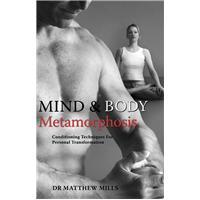
Whether you need to keep calm in the face of chaos or simply keep your waistline under control, this system is no nonsense and it works, says fitness expert Dr Matthew Mills

In his new book, Mind and Body Metamorphosis, he explains how a training syllabus based on Eastern martial Arts, is designed to establish and develop calm, mental focus and improved levels of fitness. The techniques in Matthew Mills’ easy-to-follow exercise regime provide a series of straight forward lessons that can be integrated into daily life.

Most diet or exercise systems completely neglect the everyday psychological issues many of us face, such as insecurity and lack of fitness. This is why they almost always fail to deliver real results. Mills addresses the most common reasons that people give up and offers practical advice to ensure that your ultimate goals can be attained and maintained. Mills’ approach offers a sustainable routine for body and mind, which will go far beyond the usual mid-January demise of those new year resolutions.

Including exercises to help avoid DVT and jet-lag on long-haul journeys, as well as techniques that have been adopted by management teams such as Honda Formula 1, this book will appeal to anyone who struggles to balance exercise with their hectic, modern lifestyle.

When January comes around, forget about that expensive gym membership, this book is the only equipment you will need.

About the author

Dr Mathew Mills has a Masters degree in Human and Applied Physiology and a PhD from the Department of Medicine, University College London. He is a regular speaker at conferences all over the world and has designed stress management and executive training packages for high profile companies aimed at enhancing fitness, health and mental focus. Mathew is also the model on the front of the book! Mathew Mills is based in London.

Mind and Body Metamorphosis is published by Summersdale (ISBN: 978 1 84024 549 3; PB; 160 pages; £9.99). It is available through all good bookshops and internet booksellers or by telephoning Mail Order at Summersdale on: +44 (0) 1243 771107.

Best wishes

Red wine pill may be cure for diabetes

image

San Francisco: Resveratrol, a substance found in red wine, may cure the symptoms of adult onset diabetes, according to the results of a new trial of a drug based on this ingredient.

The American company, Sirtris Pharmaceuticals, says the trial demonstrates the drug is safe and cuts blood glucose levels, which are not controlled in diabetics, in results presented today at the 26th Annual JPMorgan Healthcare Conference in San Francisco. The findings could lead to a new drug to control Type 2 Diabetes which now affects millions and the number continues to grow.

The 28-day study of pills to deliver a control, 2.5 gram or five grams of what it called SRT501 each to roughly 30 patients with Type 2 Diabetes in India.

The drug is also being tested on 130 patients in a Phase 2 study in combination with metformin, a drug therapy for Type 2 Diabetes, and results are expected later this year. Any anti-ageing effects have yet to be established.

The drug targets an enzyme called SIRT1, from the sirtuin family of enzymes which control the ageing process. The new drug, SRT501 acts by increasing the activity of the mitochondria, the energy powerhouse of our cells, and lowering levels of glucose in the blood and improving insulin sensitivity.

US life expectancy continues to rise

image

Washington: Life expectancy in the US has hit an all-time high of 77.6 years, according to the latest government statistics.

For men, life expectancy in 2003 was 74.8 years, for women 80.1 years. The report says deaths from heart disease, cancer and stroke continue to drop. But the research also includes some warnings about potential health problems.

Half of Americans in the 55-to-64 age group, including the oldest of the baby boomers, have high blood pressure, and two in five are obese. That means Americans in the same age group born a decade earlier were in better shape. The health of this large group is of major concern to American taxpayers, because they are now becoming eligible for Medicare and Social Security.

The report is from data collected by the National Center for Health Statistics and dozens of other health agencies and organizations. Among the new findings: Deaths from heart disease, cancer and stroke, the nation’s three leading killers, dropped in 2003. They were down between 2 percent and 5 percent.

Life expectancy in the US has been rising almost without interruption since 1900, thanks to several factors, including advances in medicine and sanitation and declines in some unhealthy behavior like smoking.

How to Master your inner critic and succeed in life

image

Do you know someone who?

* loses sleep worrying about what they haven’t done?
* finds it difficult to list their achievements?
* allows criticism to get them down?
* feels terrible when they make a mistake?

The inner critic is the little (or, sometimes, big) voice in our heads that says: ‘You’re not good enough’ or “Why did you do that?” or “Nobody wants to be friends with you!”

This negative voice can have a profound effect in personal relationships or professional situations. And yet, (if we’re honest) many of us have an “inner critic” that can hold us back, make us feel inadequate, make us feel unnecessarily guilty and can make us downright miserable if we don’t learn to control it.

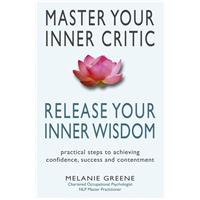
In a new book, Master Your Inner Critic, Release Your Inner Wisdom chartered occupational psychologist Melanie Greene shares her 20 years of experience to show you how, step-by-step, you can transform your thoughts, feelings and behaviour by learning to celebrate your strengths and to recognise the positive.

Master that inner critic and release your own inner wisdom to become more confident, successful and content in all aspects of your life.

Melanie Greene is a chartered occupational psychologist and NLP master practitioner. She has 20 years experience as a coach, trainer and consultant in private and public organisations, and runs her own consultancy, Grovelands Associates www.grovelands.org

Master Your Inner Critic, ISBN: 978-1-84024-630-8 Paperback January 2007 £8.99, is published by Summersdale. It is available through all good bookshops and internet booksellers or by telephoning Mail Order at Summersdale Publishers on: +44 (0) 1243 771107

Loose weight without diets

image

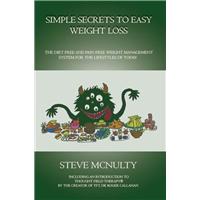
Simple Secrets to Easy Weight Loss is the new book by UK author and therapist Steve McNulty Steve makes a confident and sincere offer that if you do as he asks (and that what he asks costs nothing, is easy to do and doesn’t hurt) and if you do not lose weight, he will refund your money.

At 53, Steve decided that he needed to lose some serious weight if he was going to lead a long and healthy life. However, as he had a reputation for ‘eating for England’, he knew that he needed a plan that involved no diets or deprivation, no supplements or surgery, no pain and certainly no ongoing associated cost. He tried all the modern courses and plans and although he managed to lose some weight it quickly went back on.

Fed up of yo-yo dieting, he then set out to put together the perfect plan. Being a therapist and having trained in the most modern ‘mind sciences’, he knew roughly where to go to find everything ‘out there’ about losing weight. Having identified all the necessary ingredients he tried them out, keeping the ones that worked to and binning the rest.

The main ingredient Steve uses is Thought Field Therapy which enables him to collapse or eliminate any anxiety or food cravings, so allowing him to relax and eat heartily at the right time. Over the first eighteen months he lost two and a half stone (sixteen kilos) and has continued to lose another stone (six kilos) over the last year, making a total loss of three and a half stone.

“I haven’t been hungry once in the last 3 years”, says Steve “and my friends cannot believe how I still eat for England without increasing my weight”. Steve has identified that the real secret to managing our weight is to understand why we eat when we are not hungry. Once we understand this we can easily shift our eating patterns, eat plenty when we are hungry and manage our weight to a healthy level.

“There are three good reason to eat”, says Steve. Firstly, you must eat if you are hungry – that is the way we are built and we should never ever starve our bodies of food when we are hungry. Secondly, we should eat for our pure enjoyment. This means that eating a special meal, a really good dish or a rare treat is OK. Thirdly, eating to be sociable is OK as Steve says “I would never say no to a piece of the cake my Mum has just made especially for us when we pop round for afternoon tea.

However, he believes that all the other reasons for eating when we are not hungry are based in Anxiety. Reasons such as boredom, frustration, distraction, stress, anxiety, or habit should never force us to eat unnecessarily, and once the anxiety, or comfort element is eliminated the urge or compulsion to eat disappears. If you are not hungry and you have no compulsion you don’t need to eat. Eat when you are hungry and hey-presto the weight just drops off.

Steve uses his book as the text book for the weight management courses he regularly runs in Watford and London. The book includes everything which he has found to work for himself and his clients.

Steve believes that effective weight management requires a personalised plan and not a ‘one size fits all’ approach. Adopting the right plan will for each user become an unnoticeable part of everyday life. Steve’s courses last one day and the participants get all the tools they need to achieve their planned weight loss without ever having to return for more classes or having to spend more money. Steve says “2 weeks practice is all that is required to develop the right eating patterns and drop bad habits.”

Steve also offers one to one coaching and training in weight loss from his clinics in Harley Street, London and Watford. He also runs online support groups and forums to ensure everyone is supported while reaching their goals.

His book can be bought from his websitewww.stephenmcnulty.co.uk or on-line.

Gastromonic nirvana at the Real Food Festival

image

Learn about how Trappist monasteries produce beer, sample rare European cured meats, including prosciutto from the Lombardian Alps in the far north of Italy. Try speciality sausage from the province of Ragusa in Sicily. Explore honey-based beverages, such as traditional aged Polish mead made from honey and sweet Ethiopian honey beer and more at the Real Food Festival in London this April.

Challenge the senses with Scotland’s best cask aged whiskies under the guidance of whisky expert Peter Gibson and meet the Chedderman, Tom Calver of Westcombe Dairy in Somerset, to hear about how his farm is protecting its farming heritage and the traditional methods of cheese production. Come along to a delicious magazine Taste Workshop at the Real Food Festival at London’s Earls Court 24-27 April.

Real Food will showcase hundreds of the most passionate producers that have been handpicked by a careful Selection Committee and subsidised to be there. One of the major highlights of the festival will be delicious magazine Taste Workshops, created by eco-gastronomes Clodagh McKenna and Sebastiano Sardo from Foodiscovery, where you can meet producers personally and take part in tutored tastings which will leave your toes tingling! There will be over 85 different delicious magazine Taste Workshops at the festival which have been categorised into distinct groups including: Meet the Producer, Discover Europe, Undiscovered Food and Gastronomic Nirvana.

Meet the Producer:

Meet the Producer workshops will include British cheese makers speaking of the challenges of producing raw milk cheese in a pasteurized world, Italian winemakers speaking of the impact of the climate and geography of their territorio on their product’s flavours and British farmers presenting sustainably-produced meat from heritage breeds.

Highlights will include:

Patchwork PatésThe Incredible Success of Patchwork Patés featuring Margaret Carter: In 1982, Margaret Carter, divorced with three children to raise, began making paté in her kitchen. Her start up costs were £9.00. Today, Patchwork produces eight award winning patés and is one of the UK’s top paté producers. Despite the commercial success the patés are still hand made using Margaret’s original recipes with no additives or preservatives. Come and meet Margaret Carter and hear the story of how she made it happen.

The Cocoa Farm – Meet the Chocolate Lovers. The Cocoa Farm (the only one in Australia) is run by a group of people so passionate about truly great chocolate they grow their own cocoa beans and make it themselves. They are obsessed with sourcing only the finest ingredients and treat them gently, interfering in the process as little as possible.

Discover Europe:This gastronomic tour of farmers, growers and artisan producers will take us from the tip of Italy to the temperate South of Sweden, sampling and learning about the best of artisans’ regional produce. Discover Europe workshops include:

Portuguese Sheep-milk cheeses paired with aged Port: The Iberian peninsula is noted for producing some of the world’s greatest sheep’s milk cheeses and the Portuguese gourmet cheeses can certainly hold their own with their Spanish cousins. Come and try the salty, fruity Quieijo de Evora, matured for at least sixty days; the strong earthy Azeitao, or the semi hard Queijo de Nisa which uses thistle flower for coagulation. These Portuguese greats will be paired with aged Port wines from the Douro’s best vintners.

Undiscovered Foods: The aim of this workshop is to turn the spotlight on food, sourced from all over Europe which is rarely found outside the region it is produced in. Sampling and discussing products as diverse as Hebriddean cheeses, rare breed air dried beef, small independent wine producers, honey made from bees kept on London roof tops or smoked tuna from Connemara. Undiscovered Foods workshops will include:

California Charcuterie & Artisan Beers: The New World’s Mediterranean – the long Pacific coast stretching along California into Mexico – is home to a climate that favours fruit trees and vegetable crops originating in Southern Europe. Today, Northern California is also proving to be a favourable climate for some of the artisan foodways native to Europe.

Gastronomic NirvanaIn Gastronomic Nirvana workshops we’ll attempt to define how and why certain foods have earned the gourmand’s devotion and gold plated reputations: a teaspoon of the purest caviar followed by a mouthful of melting crème fraiche, aged Spanish Iberico ham made from acorn-fed pork, or a crumbling shard of 3-year old Grana Padano cheese with a chaser of 25 year aged Aceto Balsamico di Modena. Gastronomic Nirvana workshops include:

The Ultimate Cure: an opportunity to taste two of the finest cured meats in the world, Culatello and Iberico ham. You will hear the history of these two great cured meats and learn about the traditional methods of production. Iberico ham, from Northern Spain, has a nutty flavour from the acorns the black pigs are fed on and Culatello, from the Po valley in Italy, is a sweet, intense and clean tasting ham.

Oyster Haven: In this workshop we compare the flavours of the finest French oysters; flavourful Belon oysters from Brittany; Marennes from the Charentais coast and Fines De Claire so called for their incredible clarity. The oysters will be coupled with expertly chosen champagnes or chilled Muscadet. This will be a day of pure indulgence for any serious gastronome …or seducer.

To find out more information on the Real Food Festival or to purchase tickets please call our hotline 0870 912 0831 or visit www.realfoodfestival.co.uk

The Real Food Festival is unique because:

A Selection Committee chaired by Lyndon Gee, former director of Slow Food UK, will select producers to ensure a high degree of integrity and quality for the event.
Small producers are being subsidised to participate, offering them a real opportunity to grow and develop their business thanks to our generous sustainers which include Whole Foods Market, Tyrells, Grana Padano and Daylesford Organics.

The festival will showcase hundreds of producers that have never been seen before at any large scale food and drink event, offering an unprecedented variety of great quality produce that has made the grade in terms of taste, provenance and sustainability.
The Real Food Festival is both a trade and consumer event, giving stakeholders the chance to reach both audiences.
Many of the producers will have not been seen before making Real Food a festival of discovery celebrating provenance, sustainability, quality and integrity in food and food producers.

The visitor experience will include:

The Food Market – the biggest Farmers Market the UK’s ever seen. The Wine Fair – Over 100 small producers of quality wines will be selected to offer their wines for tasting and to buy. Delicious magazine Taste Workshops – created by Clodagh McKenna and Sebastiano Sardo from Food Discovery, you can meet the producer personally and have tutored tastings on the things you love or always wanted to try. Cookery School – Our sustainable food guru, Barny Haughton, from Bordeaux Quay, Bristol, will be running a Cookery School where you can learn to make the simplest things like a loaf of bread. Chefs’ Theatre – The Chefs’ Theatre will stimulate the taste buds with presentations from some of the UK’s top chefs using seasonal and fresh produce to prepare regional dishes. Restaurants – A small selection of the UK’s most exciting and forward-thinking restaurants will serve signature dishes. Gala Night – A high profile Gala launch night will be organised for Thursday evening, 24 April 2008. Dinner Dates – Why stop at the event? Head to one of London’s Dinner Date restaurants and eat from a menu specially prepared for the Real Food Festival.

Life expectancy in China continues to grow

image

Bejing: Chinese people are living healthier and longer lives as medical and sanitary conditions in the country have greatly improved, according to the latest report from the Ministry of Health.

Residents’ average life expectancy, a key measurement of economic development and health care levels, increased to 73 years in 2005 from 71.4 years in 2000.

In addition, the infant mortality rate decreased to 1.53 percent in 2007 from 2.55 percent in 2003. Last year, 36.6 people per 100,000 women died during pregnancy or childbirth, compared to 51.3 women per 100,000 in 2003.

According to the report, the improvement in Chinese people’s health conditions was attributed to increased spending on medical care and enhanced medical services provided across the country in the past five years.

In 2007, China was estimated to have spent 1.05 trillion yuan (US$144.43 billion) in healthcare, accounting for 4.82 percent of the gross domestic product, with the per capita medical expenditure standing at 781 yuan.

The government is shouldering more of the medical expenditure in the past five years. Government spending, as a proportion of the country’s total medical expenses, increased by one percent from 2003 to 2006, while residents’ spending dropped 6.5 percent in the same period.

As a result of increased investment in medical care, people are able to enjoy better medical services. By the end of last year, a total of 315,000 medical institutions were established, 24,000 more than that in 2003. The number of medical practitioners, including assistant practitioners, rose to 1.56 per 1,000 people in 2007 from 1.48 per 1,000 in 2003. The number of registered nurses per 1,000 people climbed to 1.12 from one nurse during the same period.

The report adds China has made much effort to improve the public health and medical system in the past five years, covering maternity and childcare, disease prevention and medical insurance in both urban and rural areas.

World’s first anti-wrinkle bedsheets go on sale

image

Greensboro: A US company has launched the world’s first anti-wrinkle bed sheets.

Cupron fibers in the bedsheets give consumers an alternative to the same old anti-wrinkle and skin beautifying creams and face washes. They are proven to reduce the appearance of wrinkles and improve the overall appearance of the skin. Besides all the cosmetic pluses Cupron bed sheets use the same antimicrobial fabrics as the rest of Cupron’s products–meaning they fight odor causing bacteria and fiber degrading fungi.

“We’ve had tremendous success with a variety of applications from cosmetic to odor control,” says Jamie Ben David the director of Cupron’s new e-commerce division.

Cupron’s technological breakthrough in the world of copper infused fabrics enables its antimicrobial qualities to be exploited in a cost effective manner in a wide variety of new products. With a number of their products currently being evaluated by the FDA and EPA for approval, Cupron looks towards a bright future in hopes of influencing the medical field as well as selling apparel.

“There’s been a lot of excitement involving all our products, especially with the Cupron bed sheet,” says Ben David. Cupron bed sheets are a great way to reduce the appearance of wrinkles as well as offering long lasting fabric that fights against both odor and degradation. From bed sheets to socks–Cupron continues to be a leader in the field of antimicrobial technology.

About Cupron, Inc
Cupron, Inc. integrates patented copper compound technology into products that span the healthcare, medical and apparel industries. Cupron’s antimicrobial technologies are sold and marketed in the United States by official permission of the EPA and protect against microbes that attack fibers and fabrics, promoting enhanced quality of life in the workplace and in the home. As a green technology, www.cupron.com Cupron products are safe for humans and the environment.