Low GI diet produces healthier babies

Sydney: Eating a diet with a “low glycemic index” during pregnancy may result in healthier babies, according to a new study from Australia.

The glycemic index (GI) of a food is the measure of how quickly blood sugar (glucose) rises after meals. For example, foods with a higher fibre content such as as whole wheat and vegetables have a hlower GI than those containing simple starches, such as biscuits and pastries.

Doctors at the Wollongong Hospital in New South Wales, according to a report in the American Journal of Clinical Nutrition concluded that the glycemic index of a pregnant woman’s diet could be expected to play a role in fetal health.

The team instructed 62 pregnant women to either eat plenty of low-glycemic index foods or high-fibre foods with a moderate-to-high glycemic index. Women said they had an easier time following the low-glycemic index diet.

Infants born to the 30 women on the high-glycemic index diet were heavier than the babies of the 32 women on the low- glycemic index diet. These infants also had a higher ponderal index, a measure of weight in relation to length. One third of the babies whose mothers were on the high-glycemic index diet were heavy for their gestational age, compared to 3.1 percent of the infants whose mothers ate a low-glycemic index diet.

Exercise may protect eyes from ageing

image

New York: Taking regular exercise may help reduce the risk of age-related eye diseases, scientists at the University of Wisconsin have discovered.

The researchers examined 4,000 men and women over a 15 years period, carrying out eye tests and recording levels of exercise, says their report in the British Journal of Ophthalmology.

Age-related macular degeneration (AMD) destroys the functionality of light sensitive cells behind the eye. The scientists found those with an active lifestyle were 70% less likely to develop the degenerative eye disease than those with a sedentary lifestyle.

AMD s the leading cause of severe vision loss in the over-50s in the developed world and affects central vision, needed for driving. The study of people aged between 43 and 86 began in 1988 and they were assessed every five years.

The research examined their exercise habits and eye health and found one in four had an active lifestyle and nearly one in four climbed more than six flights of stairs a day.

After taking into account other risk factors such as weight, blood fat levels and age, active participants were 70% less likely to develop AMD than those who did little exercise. It also showed regular walkers were 30% less likely to get the disease.

Authors of the report did warn however that diet may also explain the findings.

Impotency drug helps prostate cancer sufferers

Rotterdam: Rotterdam: The impotence drug Tadalafil is being studied by doctors in Holland to treat prostate cancer patients.

Prostate cancer which can be cured by surgery and radiotherapy often leaves sufferers with nerve damage leaving them impotent.

But the study, carried out at the Erasmus MC-Daniel den Hoed Cancer Center in Rotterdam, published in the International Journal Of Radiation Oncology Biology Physics says that successful sexual relationswere reported in 48 per cent of the survivors who took Tadalafil versus 9 per cent of the men who were given placebo. Sixty-seven per cent of patients reported their erectile function improved versus 20 per cent of the placebo group.

Scientists invent plaster for common skin cancers

British scientists have developed a plaster that treats skin cancer.

The patch emits a photodynamic ight, similar to that already in use to treat skin cancers, and is powered by a battery. The light is used to stimulate an anti-cancer cream on the skin.

The treatment allows a patient to be treated without spending hours in a hospital.

Professor Ifor Samuel of the Universityof St Andrews is one of the scientists who developed the patch.

The technology could also be used to deliver other treatments for conditions such as acne and also for cosmetic treatments.

Scientists develop plaster to treat common skin cancers

British scientists have developed a plaster that treats skin cancer.

The patch emits a photodynamic ight, similar to that already in use to treat skin cancers, and is powered by a battery. The light is used to stimulate an anti-cancer cream on the skin.

The treatment allows a patient to be treated without spending hours in a hospital.

Professor Ifor Samuel of the Universityof St Andrews is one of the scientists who developed the patch.

The technology could also be used to deliver other treatments for conditions such as acne and also for cosmetic treatments.

Heart defect on increase in UK

London: A heart condition, known as artrial fibrillation, which causes an irregular heart beat is on the increase in the UK.

It is estimated that as many as 2 per cent of the population is affected and many may be unaware of it.

As a result experts at the Royal College of Physicians have produced new doctor guidelines so that sufferers can be detected earlier and treated before complications set in.

The condition is one of the most common to affect the heart but is an indicator of a future stroke. The symptoms may include fainting, shortness of breath and dizziness.

A heart monitor can confirm the condition and patients are treated with a blood-thinning drug such as Warfarin.

Why spinach is the new broccoli

Sales of spinach in the UK have increased by up to 35 per cent in the past year – and celebrity chefs are the inspiration for this positive change in our diet.

As well as cooking the healthy vegetable, consumers are now using it in salads and in other dishes, according to leading supermarket chain Tesco.

The health benefits of spinach include vitamin E. It is also thought to be helpful to slimmers and with memory.

Staying fit – free guide

image

London: UK health experts recommend 30 minutes of exercise AT LEAST three times a week but research shows that more than one in five men and women do LESS than one 30 minute session of physical activity in a month! Staying active as you get older is the recipe for a healthy and fulfilled life – but it isn’t always as easy as it sounds. What exercise to do, where to do it and how to fit it within your busy lifestyle?

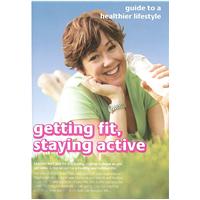
Written in association with Crampex, an over the counter cramp medicine, Getting fit, staying active – guide to a healthier lifestyle is a free leaflet that answers all of these questions. It gives tips and practical advice on how to build exercise into your life, on choosing the right activity for you, on how to avoid injury and ways to stay motivated. It also includes five top tips to become more active, including entering an event, discovering the delights of an exercise class and getting into gardening.

Personal trainer and fitness expert Kristoph Thompson says: “Studies show that exercise is one of the most effective methods of keeping the mind and the body young, as well as helping to prevent injuries and reducing the onset of illnesses. Yet many people become less active once they reach a certain age, sometimes without really realising. Even small periods of exercise can greatly improve your health and quality of life. This leaflet is an ideal reference point for people of all ages that want to start exercising again.”

The leaflet is available for free by calling Crampex on 01484 848264 or by e-mailing your name and postal address to stayingactive@thorntonross.com

Crampex is the only product available without prescription for the treatment and prevention of muscle cramp at night. More common than you may realise, cramp regularly affects over 13 million people in the UK.

Local massage, heat or movement of the affected limb may help to temporarily relieve the pain but Crampex tablets taken before going to bed at night may help to actually prevent nocturnal cramps in the first instance. Available over the counter at pharmacies, Crampex is available in a pack of 48 tablets (£6.49) or a pack of 24 tablets (£4.25). Always read the label.

Women grumpier than men first thing

London: Women are grumpier than men in the morning. They are not only grumpier more often than men but they are grumpier for longer, according to a new survey from the UK’s Sleep Council.

It reports that 24% of men say they never wake up in a bad mood as opposed to only 14% of women. The fairer sex is also more likely to stay grumpier for longer with 13% of them staying in a bad mood for two to four hours (men 10%). The survey, published ahead of National Sleep In Day on October 29 – the day the clocks go back and we all get an extra hour in bed – found 41% of us believe lack of sleep is the main reason for grumpiness in the morning.

“As men appear to sleep better than women (15% get a good seven nights’
sleep a week as opposed to only 9% of women), perhaps it’s not surprising that more women than men get out of bed on the wrong side,” says Jessica Alexander of The Sleep Council.

Overall nearly one in five of the population (18%) say they never really get a good night’s sleep: and techniques for doing so show a male/female split too. A worrying one in five men use a stiff drink (18%) and/ or sex (19%) to get off to sleep while women are more likely to read (57%), take a hot bath (28%) or have a sleeping pill (7%). A quarter (24%) of those questioned cited general stress and worry as a reason for early morning moodiness while 15% couldn’t face climbing out of a cosy, comfortable bed.

“The comfort of a bed was quite a significant factor in these results,” says Jessica Alexander. “Because while many people find it hard to tear themselves out of a comfortable bed in the morning, another 10% of participants cited a bad bed as a reason for poor sleep. Clearly these people either need to replace their bed more often or pay more for something in which they spend a third of their lives.”

The over 45 age-group fares worst of all in the sleep starvation stakes with a massive 44% saying they never get a good night’s sleep. Could this be connected to the fact they are the most likely people to have teenagers?And teenagers are the moodiest of all with 25% staying so for up to four hours.

There are clear regional differences too with London home to Great Britain’s Grumpiest: a whopping 19% maintain a bad mood for two to four hours while Northern Ireland leads the way in sheer numbers. More than a third (35%) of respondents here feel crabby for the first hour or so after waking. Worst areas for bad sleepers are Yorkshire and the North East where only 6.8% and 6.7% get seven nights of good sleep. In the South East and East, people get twice as much good sleep with 14% enjoying seven sound nights’
sleep.

“In London, 27% believe that when they wake up in a bad mood, stress is the most likely cause,” says Jessica. “This is interesting because Londoners, along with the rest of the South East, generally tend to be better sleepers. The fact that 18% of people in the North East never feel at their best compared to 7% in London represents a huge regional difference. We suspect the south’s better sleep patterns may be linked to greater wealth, better diet, more exercise – perhaps even higher spending on beds.”

Londoners also exercise most in the morning to get their day off to a good start while North Westerners are the swiftest at getting ready for work – more than a third (35%) do so in just 10 – 20 minutes. In Scotland they check their emails more than anywhere else and in the South West they ensure the house is spick and span before they leave.

“Which brings us right back round to why women are the grumpier sex in the morning,” says Jessica. “Our survey showed that 28% of them as opposed to only 5% of men do any housekeeping before going to work. It also tends to be them that prepares the breakfast, spends time with the children, check their emails and attend to their beauty regime. Women far outweigh men in having a busy and packed morning.”

So what do men do? Apparently just get up and go out: 17% of them spend only 10 minutes on their wake up and get out routine.

Said Jessica: “As a nation we are simply not taking time in the morning to exercise, chat to the kids, our partners or even our pets. This would suggest that people don’t have the time in the morning to do this because they are probably going to bed too late at night, sleeping in too late and not achieving the quality of sleep they need to feel and perform at their best. “One in 10 people told us they are never at their best in the morning but the cure to that isn’t rocket science. It’s about good diet, good exercise, and good sleep in a good bed.”

REGIONAL RESULTS: East 14% never get a really decent sleep in a typical week 52% blame stress/worry for the reason they have trouble sleeping 19% blame their partner’s snoring for the reason they have trouble sleeping

15% blame back pain for the reason they have trouble sleeping 14% blame having to climb out of a cosy, comfortable bed for feeling grumpy

42% find reading helps them to get to sleep 13% list sex as a technique to get to sleep 11% find having a stiff drink helps them to get to sleep London 13% never get a really decent sleep in a typical week 63% blame stress/worry for the reason they have trouble sleeping 26% blame their partner’s snoring for the reason they have trouble sleeping

13% blame back pain for the reason they have trouble sleeping 16% blame having to climb out of a cosy, comfortable bed for feeling grumpy

54% find reading helps them to get to sleep 19% list sex as a technique to get to sleep 13% find having a stiff drink helps them to get to sleep Midlands 20% never get a really decent sleep in a typical week 58% blame stress/worry for the reason they have trouble sleeping 21% blame their partner’s snoring for the reason they have trouble sleeping

14% blame back pain for the reason they have trouble sleeping 17% blame having to climb out of a cosy, comfortable bed for feeling grumpy

48% find reading helps them to get to sleep 15% list sex as a technique to get to sleep 14% find having a stiff drink helps them to get to sleep North East 21% never get a really decent sleep in a typical week 63% blame stress/worry for the reason they have trouble sleeping 30% blame their partner’s snoring for the reason they have trouble sleeping

25% blame back pain for the reason they have trouble sleeping 15% blame having to climb out of a cosy, comfortable bed for feeling grumpy

48% find reading helps them to get to sleep 15% list sex as a technique to get to sleep 8% find having a stiff drink helps them to get to sleep North West 17% never get a really decent sleep in a typical week 56% blame stress/worry for the reason they have trouble sleeping 21% blame their partner’s snoring for the reason they have trouble sleeping

18% blame back pain for the reason they have trouble sleeping 15% blame having to climb out of a cosy, comfortable bed for feeling grumpy

48% find reading helps them to get to sleep 11% list sex as a technique to get to sleep 13% find having a stiff drink helps them to get to sleep Northern Ireland 17% never get a really decent sleep in a typical week 69% blame stress/worry for the reason they have trouble sleeping 21% blame their partner’s snoring for the reason they have trouble sleeping

17% blame back pain for the reason they have trouble sleeping 14% blame having to climb out of a cosy, comfortable bed for feeling grumpy

59% find reading helps them to get to sleep 7% list sex as a technique to get to sleep 10% find having a stiff drink helps them to get to sleep Scotland 22% never get a really decent sleep in a typical week 48% blame stress/worry for the reason they have trouble sleeping 18% blame their partner’s snoring for the reason they have trouble sleeping

15% blame back pain for the reason they have trouble sleeping 14% blame having to climb out of a cosy, comfortable bed for feeling grumpy

51% find reading helps them to get to sleep 13% list sex as a technique to get to sleep 9% find having a stiff drink helps them to get to sleep South East 17% never get a really decent sleep in a typical week 55% blame stress/worry for the reason they have trouble sleeping 26% blame their partner’s snoring for the reason they have trouble sleeping

14% blame back pain for the reason they have trouble sleeping 15% blame having to climb out of a cosy, comfortable bed for feeling grumpy

53% find reading helps them to get to sleep 17% list sex as a technique to get to sleep 15% find having a stiff drink helps them to get to sleep South West 21% never get a really decent sleep in a typical week 59% blame stress/worry for the reason they have trouble sleeping 30% blame their partner’s snoring for the reason they have trouble sleeping

19% blame back pain for the reason they have trouble sleeping 12% blame having to climb out of a cosy, comfortable bed for feeling grumpy

43% find reading helps them to get to sleep 16% list sex as a technique to get to sleep 13% find having a stiff drink helps them to get to sleep Wales 24% never get a really decent sleep in a typical week 54% blame stress/worry for the reason they have trouble sleeping 16% blame their partner’s snoring for the reason they have trouble sleeping

13% blame back pain for the reason they have trouble sleeping 13% blame having to climb out of a cosy, comfortable bed for feeling grumpy

52% find reading helps them to get to sleep 11% list sex as a technique to get to sleep 17% find having a stiff drink helps them to get to sleep Yorkshire 22% never get a really decent sleep in a typical week 53% blame stress/worry for the reason they have trouble sleeping 25% blame their partner’s snoring for the reason they have trouble sleeping

15% blame back pain for the reason they have trouble sleeping 18% blame having to climb out of a cosy, comfortable bed for feeling grumpy

46% find reading helps them to get to sleep 13% list sex as a technique to get to sleep 19% find having a stiff drink helps them to get to sleep.

The Sleep Council’s ‘Grumpy Old Women’ survey was conducted online by Tickbox between October 2nd and 11th 2006 with a sample base of 2105. The Sleep Council is a generic body that aims to: • Raise awareness of the importance of a good night’s sleep to health
and wellbeing. • Provide helpful advice and tips on how to improve sleep quality. • Provide helpful advice on choosing the right bed for optimum
sleeping comfort.

The Sleep Council is funded by the National Bed Federation, the trade association for British bed manufacturers. The Sleep Council, High Corn Mill, Chapel Hill, Skipton, BD23 1NL UK Tel:
01756 791089. Web. www.sleepcouncil.com

Americans living longer than ever before

New York: Life expectancy in the US has almost doubled in the last century. When the US population reached 100 million in 1915, the average lifespan was 54 years. When the population hit 200 million in 1967, it was around 70.

Today, with a population of 300 million the average lifespan of someone living in the US is nearly 78.

Some experts on aging believe that within 50 years, the average person living in an industrialized nation with good access to health care will live to be at least 100.

During the first half of the 20th century revolutionary advances in medicine and public health were responsible for raising the average life expectancy in the U.S. by more than 20 years — from age 47 in 1900 to age 68 in 1950.

According to the CDC, the 10 greatest medical and public health achievements of the 20th century were:

* Vaccination against disease, resulting in the eradication or elimination of major diseases of the early 20th century, such as smallpox and polio
* Control of infectious disease through improved sanitation, clean water sources, and the introduction of antibiotics
* Improvements in motor-vehicle safety
* Improved workplace safety
* Improved food safety
* Decline in deaths from heart disease and strokestroke
* Smaller families with longer birth intervals due to family planning
* Better prenatal care
* Fluoridation of drinking water
* Public health efforts to reduce smoking

The biggest single factor in the increase in life expectancy during the latter half of the 20th century and beyond has been the improvement in the prevention, diagnosis, and treatment of cardiovascular disease, the experts agree.

In just the last 25 years, there has been an almost 50% reduction in deaths from strokestroke and heart attacks in the U.S.

Cancer deaths are also declining, driven largely by public health efforts to educate Americans about the dangers of smoking. Lung cancer deaths among men have been declining since the mid-1970s, and increases among women have begun to stabilize.

Dramatic reductions in infant mortality and easier access to emergency care have also helped increase life expectancies in the last three decades of the 20th century.

Americans are living longer but are they living better? Are the extra years worth it in quality-of-life terms? Or are they filled with avoidable suffering related to failing health?

Certainly, most people who make it to their eighth decade experience age-related health challenges. The average 75-year-old has three chronic health conditions, and the list of chronic diseases that are linked to aging seems endless. Heart disease, stroke, cancer, diabetesdiabetes, Alzheimer’s and Parkinson’s diseaseParkinson’s disease, and arthritisarthritis are just a few.

But there is some intriguing clinical evidence that in spite of their health problems, older people today really are happier, healthier, and are functioning better than their parents or grandparents.

89-year-old gets first novel published

image

London: Proving you are never too old to become published, SJ Morrison, from East
Yorkshire, will finally have his work published at the age of 89.

SJ Morrison (pictured right) won the Academic category of the Undiscovered Authors National Literary competition, winning a prize of £2,000, plus publication of his text Introduction to Statistical Engineering, which will be available from 30th October 2006.

SJ Morrison was originally commissioned to write his Engineering text by a top London publisher, but whilst Morrison was busy completing his book, the interested publisher sold their Engineering list on to another publisher who was not interested in Morrison’s text. After years of trying to get his work published, Morrison decided to enter it into the Undiscovered Authors competition and will at last get to see his work in print. Commenting on winning the prize, SJ Morrison said; “Winning this prize in the Undiscovered Authors competition has given me the great satisfaction of knowing my book will finally be published and could potentially influence engineering procedures of the future.”

The competition was launched for the first time last year to search out fresh British literary talent in the categories of General Fiction, Non Fiction and Academic, as each year the words of many talented authors go unpublished. Huw Thomas of Cornwall won first place in the General Fiction category, his novel The Tale of Findo Gask, tells the story of a thief, born in a ditch, raised in slums and educated by the underworld – a story of an unconventional life, of alienation and a desperate search for acceptance.

Jo Nisbet from Surrey, won the Non Fiction prize with her book Laughing Star – an autobiographical account of a mother dealing with children who suffer from Attention Deficit Hyperactive Disorder (ADHD). When Emily becomes so out of control, sending her to Brat Camp becomes her mother’s last and only resort.

The Undiscovered Authors competition, run by publishing house Discovered Authors aims to seek out new literary talent. The competition is now open for 2006. Please visit www.undiscoveredauthors.co.uk for more information.

UK surgeon gets go-ahead for first face transplant

London: Prof Peter Butler, a plastic and reconstructive surgeon, has been given the go-ahead to carry out four face transplants with injuries that conventional surgery has no more to offer.

A new charity, The Face Trust, was also launches yesterday to raise the £25,000 for each operation and the anti-rejection drugs.

Permission was granted by the ethics committee of London’s Royal Free Hospital, London, and will now select four patients for the first, ground-breaking operations.

Prof Butler said he would now begin “the more important task, the selection of the right patients”. It will be a year before the first operation takes place.

The first partial face transplant was conducted in France last year when Isabelle Dinoire, 38, who had been savaged by a dog, received the lips, nose and chin of a donor. Her surgery was successful and she began to regain sensation within weeks.

Prof Butler’s team has already been approached by potential patients and sought the help of the French team.

Prof Butler said he was looking at patients who had already lost all their facial tissue and for whom further plastic surgery had nothing to offer.

“In other words, surgeons cannot work on them any more. They may have problems with eyelid and mouth opening and closure, they may not have any hair, their ears may have gone, been destroyed or damaged.

“Most of them just want to be able to walk down the street without being stared at. The French say their patient says she can walk down the street and no one looks at her. It is actually what she wanted to do. You can’t say more than that,” he said.

Each operation will take 12 hours and involve six surgeons working with the donor and the recipient.

If an operation fails, their research has shown that the patient would be no worse off, Prof Butler said. The patient could be offered another transplant, treatment with artificial skin or more standard plastic surgery.

The team will wait for six months after the first operation before attempting a second. He said there had been no cases of acute rejection in 24 hand transplants.

Prof Butler said donors would be people on the national donor register. Recipients and donors would be matched for tissue type, as with organ transplants, but also for skin colour and tone and gender.

French surgeons have reported bereaved families offering faces to transplant co-ordinators since Ms Dinoire’s surgery.

Women should examine breasts monthly for cancer, say experts

London: With Breast Cancer increasing by 1% a year in the UK1 it’s becoming vital for all women to perform a Self Breast Examination each month.

A 2005 survey by BreastTalk.co.uk found out that only 8% of women examine their breasts on a regular basis and 75% of women are not sure what to look for BreastTalk.co.uk has put together simple, easy to follow instructions for performing a breast examination.

Carol Tromans, Owner of BreastTalk.co.uk says, “The examination we’ve put together should only take around 5 – 10 minutes, is quite thorough, and should be carried out each month.”

The examination is divided into 5 steps:
1. Looking at your breasts in front of a mirror.
2. Looking at your breasts and nipples with hands above your head.
3. Lying on a bed and examining each breast with your fingertips.
4. Checking your breasts with fingertips whilst standing with an arm
above your head.
5. A thorough inspection of your nipples.

Carol explains, “ The important thing to look for when performing a self
examination is any changes to the breasts. We provide a simple Examination Diary Sheet for download on our website so any changes can be noted.”

Important changes to look for include: Size – Changes in the size of one of the breasts or if one breast starts to hang lower than the other. Nipples – Look for changes in the nipples shape and size. Also look for any rashes or discharge. Skin Changes – Look for dimpling or puckering of the skin and also any changes in colour. Swelling – Look for any swelling under the armpits or around the collarbone. Pain – If you develop continuous pain in a breast consult your GP. Lumps – Look for any lumps or thickening of the breast tissue or any changes in the feel of your breast. If you want to read more about this examination then visit www.breasttalk.co.uk The instructions and an examination diary are also available as a download.

Veggies halt mental decline

Chicago: Vegetables help fight mental decline, says a new report that investigated the eating habits of 2,000 men and women in the Chicago area.

On measures of mental sharpness, older people who ate more than two servings of vegetables daily appeared about five years younger at the end of the six-year study than those who ate few or no vegetables.

The research adds to mounting evidence pointing in that direction. The findings also echo previous research in women only.
Leafy Greens

Green leafy vegetables including spinach, kale and collards appeared to be the most beneficial. The researchers said that may be because they contain healthy amounts of vitamin E, an antioxidant that is believed to help fight chemicals produced by the body that can damage cells.

Vegetables generally contain more vitamin E than fruits, which were not linked with slowed mental decline in the study. Vegetables also are often eaten with healthy fats such as salad oils, which help the body absorb vitamin E and other antioxidants, said lead author Martha Clare Morris, a researcher at the Rush Institute for Healthy Aging at Chicago’s Rush University Medical Center.

The fats from healthy oils can help keep cholesterol low and arteries clear, which both contribute to brain health.

The study was published in this week’s issue of the journal Neurology and funded with grants from the National Institute on Aging.

“This is a sound paper and contributes to our understanding of cognitive decline,” said Dr. Meir Stampfer of Harvard’s School of Public Health.

“The findings specific for vegetables and not fruit add further credibility that this is not simply a marker of a more healthful lifestyle,” said Stampfer, who was not involved in the research.
Mental Function

The research involved 1,946 people aged 65 and older who filled out questionnaires about their eating habits. A vegetable serving equaled about a half-cup chopped or one cup if the vegetable was a raw leafy green like spinach.

They also had mental function tests three times over about six years; about 60 percent of the study volunteers were black.

The tests included measures of short-term and delayed memory, which asked these older people to recall elements of a story that had just been read to them. The participants also were given a flashcard-like exercise using symbols and numbers.

Overall, people did gradually worse on these tests over time, but those who ate more than two vegetable servings a day had about 40 percent less mental decline than those who ate few or no vegetables. Their test results resembled what would be expected in people about five years younger, Morris said.
Physically Active

The study also found that people who ate lots of vegetables were more physically active, adding to evidence that “what’s good for your heart is good for your brain,” said neuroscientist Maria Carillo, director of medical and scientific relations for the Alzheimer’s Association.

The study examined mental decline but did not look at whether any of the study volunteers developed Alzheimer’s disease

Madonna’s eyebrows and Halle Berry’s lashes – the new cosmetic surgery must have

image

Eyelash and eyebrow transplant surgery are set to become the new must-have procedure for women — and the occasional man.

Using procedures pioneered by the hair loss industry for balding men, surgeons are using “plug and sew” techniques to give women long, sweeping lashes once achieved only by glued on extensions and thick lashings of mascara.

In the procedure for lashes, a small incision is made at the back of the scalp to remove 30 or 40 hair follicles which are carefully sewn one by one onto the patient’s eyelids. Only light sedation and local anesthetics are used and the cost is around £2,000 an eye. In the case of eyebrows the surgeon removes about 200 hairs and the cost is £2,500 for both eyebrows.

The technique was first confined to patients who had suffered burns or congenital malformations of the eye. But word spread and about 80 percent are now done for cosmetic reasons.

The most popular requests from women are for Madonna’s eyebrows and for men footballerDavid Beckham’s. And for eye lashes for women the most sought after are those like Penelope Cruz and Halle Berry.

Cosmetic surgery is becoming increasingly popular in the UK with more than 22,000 cosmetic surgery operations carried out last year – an increase of 35% on the previous year.

In the US more than 10 million cosmetic procedures — from tummy tucks to botox — were performed n 2005, according to the American Society of Plastic Surgeons. The figure represents a 38 percent increase over the year 2000.

The surgery is not for everyone. The transplanted eyelashes grow just like head hair and need to be trimmed regularly and sometimes curled. Very curly head hair makes for eyelashes with too much kink.

Dr Yannis Alexandrides, MD, a member of the American Academy of Plastic Surgeons who now practices in London’s Harley Street performs is already performing cosmetic eyebrow transplants said: “It is a solution for men and women who have naturally thin eyebrows or who may have overplucked them and weakened the hair follicle root. At the moment we take the hair from the scalp which means like head hair it keeps on growing and has to be trimmed but in future we will be able to clone actual brow and eyelash hairs and this is not far away.”

Heavy drinking shrinks the brain

Washington:US researchers have revealed that heavy, chronic drinking can cause significant damage to a part of the brain structure which is vital to learning and memory.

Their study reveals that the volume of hippocampal tissue in the brain reduces over the years in heavy drinkers.

The researchers examined the effect of alcohol on the hippocampus and found that heavy drinking can reduce total hippocampus volume, which likely reflects a loss of hippocampal tissue substance.

“The hippocampus actually refers to two structures, the right hippocampus and the left hippocampus that are located in the right and left temporal lobes of the brain. Most scientists think that the hippocampus helps the brain manage learning, especially learning and remembering new things or things that happened recently. Before this study, researchers had noticed that the volume of the hippocampus seemed to be smaller in people who frequently drank large amounts of alcohol for long periods of time.” explained Thomas P. Beresford, Department of Veterans Affairs physician, and professor of psychiatry at the University of Colorado Health Sciences Center.

The researchers used magnetic resonance imaging (MRI) scans to compare hippocampus volumes among non-alcoholics and heavy drinkers.

Study results indicated a reduction in total hippocampus volume among the alcoholics.

“When we took a picture of the alcoholic brains using MRI, and measured the hippocampus,” said Beresford, “it was much smaller than the hippocampus in the group of people who did not drink alcohol heavily. This means that alcohol appears to injure the hippocampus by itself. That is, it may harm the hippocampus in a way that other things do not.”

The findings of the study could explain some of the memory impairment and cognitive deficits described in chronic alcoholics, but it is not clear whether the effect is reversible.

“This study is only a first step. We are now studying what happens to the hippocampus in heavy drinkers when they stop drinking, whether the hippocampus heals itself or not, and what we might do to help healing along. Since the hippocampus is connected to many other parts of the brain, it is difficult to know all of the things that it does. Most scientists think that injury to the hippocampus makes it harder to learn things, especially to keep memories of new things or of new patterns. Understanding this, and how alcohol-dependent individuals may cope and even heal, is the point of our research,” he said.

The results of the study are published in the November issue of Alcoholism: Clinical & Experimental Research.

Brain size linked to food availability

Washington:Scientists from Duke University and the University of Zurich have come to the conclusion that there is an evolutionary connection between available food supplies and brain size.

In a study involving orang-utans living on the Indonesian islands of Borneo and Sumatra, Andrea Taylor and Carel van Schaik have suggested that temporary, unavoidable food scarcity may cause a decrease in brain size, perhaps accompanied by only a small or subtle decrease in body size.

The study, which appears in the online version of the Journal of Human Evolution, quoted both Taylor and van Schaik as saying that this was the first such study to demonstrate a relationship between relative brain size and resource quality in primates.

“Compared to other tissues, brain tissue is metabolically expensive to grow and maintain. If there has to be a trade-off, brain tissue may have to give,” Taylor said.

“The study suggests that animals facing periods of uncontrollable food scarcity may deal with that by reducing their energy requirement for one of the most expensive organs in their bodies: the brain,” van Schaik added.

“Such a theory is vital for understanding what happened during human evolution, where, relative to our ancestors, our lineage underwent a threefold expansion of brain size in a few million years,” both said.

Both found that nutritionally well-off Sumatran orang-utans differed most strikingly from Pongo pygmaeus morio, one of the three sub-species occupying Borneo, where soils are poorer, access to fruit is most iffy and the impact of El Niño is significant.

In previous studies, reported in the April 2006 issue of the Journal of Human Evolution, Taylor found evidence of northeast Borneo orang-utans having stronger jaws than orang-utans in other parts of Borneo or Sumatra.

Taylor is an assistant professor at Duke’s departments of Biological Anthropology and Anatomy and of Community and Family Medicine. Van Schaik directs the University of Zurich’s Anthropological Institute and Museum, and he also is an adjunct professor of biological anthropology and anatomy at Duke, where he had worked for 15 years.

UK women with family history of breast cancer to be offered free MRI scans

London: UK women with a family history of breast cancer are to be offered free MRI (magnetic resonance imaging) scans from the state health service, the NHS.

Currently, women who have lost close family members to the disease can undergo a genetic test to see if they carry genes that greatly increase their likelihood of developing the cancer.

If they test positive for the faulty versions of the BRCA1 and BRCA2 genes they are able at the age of 40 onwards, to have an annual mammograms, an X-ray scan to detect the disease.

Now carriers of the BRCA1 and BRCA2 genes – will be given scans from the age of 30. The tests, which use magnetic waves rather than X-rays, are twice as effective at detecting breast tumours in younger women.

Studies have yet to show if MRI scans are also better at picking up tumours in older women.

GPs will assess eligibility for MRI scanning, which will start within three months.

1 in 4 adults fail to get eye sight check, says new survey from Centrum

London: Our eyesight is our most precious sense1, according to a new survey commissioned by Centrum*2, the world’s number one selling multivitamin, which now contains FloraGLO lutein3, a natural form of lutein that can help maintain healthy eyes.

The research shows that we dread losing our sense of independence the most and not being able to see loved ones if our eyesight was to get worse, yet 1 in 4 of us have never had their eyes checked.

In the UK we value our eyes more than any other sense: 61 per cent say it is the sense that they would least like to lose. Compared to other parts of the body, eyes are also the ones that we are most squeamish about getting injured (63%).

The Centrum survey found that if our eyesight was to get worse, we would be most worried about losing our independence (46%) and not being able to see loved ones (27%), with other concerns being not being able to read (8%), drive safely (6%) or see in an emergency (4%).

However, our priorities appear to shift as we get older, with those over 65 years old being as worried about not being able to see their loved ones as not being able to read (17%). Those living in Wales and East Anglia are particularly loving groups, being the only regions where loved ones (38%/41%) feature higher than personal independence (36%/35%).

The strength of the love for our families is also evident when asked what the most amazing thing is that we have ever seen: nearly half of those surveyed (47%) said it was a family moment, such as the birth of their new baby or grandchild, a christening or a wedding. These overtook spectacular natural sights and landmarks as the most amazing sight. Again, those in Wales are more family-orientated than most, with 62 per cent choosing a family moment as their most amazing sight being pipped only by the 66 per cent in East Anglia.

Keeping our eyes healthy is the main reason that we get our eyes checked (29%), although reminders from opticians (23%) and difficulties with reading (14%) are also important factors. Despite all of this, most people do not appear to be taking the best care they can of their eyes.

One of the things we can do to help keep our eyes healthy is to eat foods that contain lutein, a natural pigment that helps protect our eyes. From research we know that only one in five people in the UK are aware of lutein. 4 Lutein cannot be made by the body, so we have to make sure we get it through the foods we eat. Lutein can be found in spinach, kale, peas, cos or romaine lettuce and broccoli. Although there is no recommended daily allowance of lutein set in the UK, some other countries suggest we need to have about 6mg a day (which equates to about one bowl of spinach a day).

Centrum research showed that less than half of those surveyed (42%) eat foods that contain lutein on a daily basis. Beside food, we can also get lutein through certain vitamin and mineral supplements. Centrum contains vitamins and minerals specifically designed to supplement the daily diet, with Centrum and Centrum Select 50+ now also containing lutein.
-ends-
Notes for editors:
1. The survey, carried out for Centrum by BMRB Omnibus, quizzed 1,000 adults over the age of 16 across England, Scotland and Wales in June 2006.

2. Centrum is a multivitamin that’s complete from A to Zinc. It is a comprehensive formula of vitamins and minerals specifically designed to supplement the daily diet. Three other variants are carefully tailored to the needs of children (Centrum Kidz), the over 50s (Centrum Select 50+) and people who lead an active or hectic lifestyle (Centrum Performance).

3. Lutein is a carotenoid that is found in fruit and vegetables. It has been shown in clinical trials to help protect against retinal damage. FloraGLO lutein is a natural form of lutein that is extracted from marigold plants. It is an ideal form for human health because it’s identical to the lutein found in dark green vegetables. It is easily absorbed by the body, and deposits itself in the eye to absorb potentially harmful blue light and protect the eye.

4. Lutein Brand and Health Awareness Study UK March 2006, produced by Frost & Sullivan on behalf of Kemin.

Cosmetic surgery patients more likely to be suffering from mental illness

London: People who seek cosmetic surgery for their face or body are more likely to be suffering from psychiatric problems than those don’t according to new research.

And women who have breast implants appear to have a higher than usual risk of suicide, says a report in the current issue of the New Scientist.

Evidence from the United States and Canada suggests that up to three times as many women who have had the cosemetic procedure kill themselves than those who have not.

The link has emerged from studies that were intended to assess whether breast implants had any effect on cancers and autoimmune diseases. No association was found but the studies, of 37,000 women, did find that an abnormal proportion of those who had enhanced their breasts by surgery subsequently killed themselves.

Joseph McLaughlin, of the International Epidemiology Centre in Rockville, Maryland, said: “The only consistent finding from all the studies has been the unexpected one of suicide.”

Many scientists think it likely that women who have breast surgery may have psychiatric problems that predispose them to suicide. In another study, led by David Sarwer, of the Centre of Human Appearance and the University of Pennsylvania Medical School, 18 per cent of patients having cosmetic surgery were found to be taking drugs to treat psychiatric conditions, compared with 5 per cent of those having other operations.

It is also possible that women whose surgery had a poor outcome commit suicide; more recent patients, who have newer implants, may not have the same reaction.

FDA approves new drug for bipolar patients

London: AstraZeneca today announced that the US Food and Drug Administration (FDA) has approved SEROQUEL® (quetiapine fumarate) for the treatment of patients with depressive episodes associated with bipolar disorder.

SEROQUEL already is approved for the treatment of acute manic episodes associated with bipolar I disorder and for the treatment of schizophrenia.

SEROQUEL is now the first and only single medication approved by the FDA to treat both depressive and manic episodes associated with bipolar disorder. The FDA approval was based primarily on results from the clinical trial programme known as BOLDER (BipOLar DEpRession), which comprises the BOLDER I and BOLDER II studies.

In these studies, patients taking SEROQUEL showed an improvement in depressive symptoms starting at week one compared to those taking placebo, and this improvement continued throughout the eight-week study. The recommended dose is 300 mg once-daily, to be achieved by day four of treatment. More than seven million American adults are affected by bipolar disorder, a serious psychiatric condition also known as manic depressive illness.

Patients with bipolar disorder are symptomatic almost half of their lives, and approximately two-thirds of that time is spent in the depressed phase of the illness. For many people with bipolar disorder, the depressive symptoms are significantly more debilitating than the manic symptoms associated with the illness.

“The new indication for SEROQUEL provides physicians and their patients with a single medication to treat both the depressive and manic episodes associated with bipolar disorder,” said John Patterson, Executive Director Development, AstraZeneca.

“Treating acute bipolar disorder with a single medication may help patients adhere to their medication regimen.” Both studies in the BOLDER programme were double-blind, placebo-controlled trials of outpatients (N=1,045) with bipolar I or II disorder.

Patients were randomized to receive eight weeks of treatment with fixed doses of SEROQUEL® (300 mg or 600 mg) or placebo administered once-daily. Efficacy in bipolar depression was demonstrated in the studies at both 300 mg a day and 600 mg a day. No additional benefit was seen in the 600 mg a day dose groups. Therefore, the recommended dose is 300 mg once-daily, to be achieved by day four of treatment. SEROQUEL was generally well tolerated, with adverse event types similar to those seen in other clinical trials of SEROQUEL in bipolar mania and
schizophrenia.

The most frequent adverse events seen in the bipolar depression trials were dry mouth, sedation, somnolence, dizziness and constipation. Because the depressive symptoms associated with bipolar disorder are also seen in major depressive disorder, a proper diagnosis can be difficult to achieve. In fact, studies show that as many as 69 percent of people with bipolar disorder were misdiagnosed, with the most frequent misdiagnosis being major depressive disorder. This misdiagnosis can lead to unfocused treatment that may exacerbate the disease.

Beyond schizophrenia, bipolar mania and bipolar depression, the ongoing clinical development programme includes investigations of the use of SEROQUEL in bipolar maintenance. Regulatory filings for the treatment of schizophrenia with a sustained release formulation of quetiapine fumarate, SEROQUEL SR™, were submitted this year to regulatory authorities in the US, EU and other markets. Ongoing SEROQUEL SR™ clinical studies also cover major depressive disorder and generalized anxiety disorder. SEROQUEL is the number 1 prescribed atypical antipsychotic in the United States. With a well-established safety and efficacy profile, SEROQUEL has had more than 19 million patient exposures worldwide since its launch in 1997.

In 2005, global sales for SEROQUEL reached $2.8 billion.

Ulcer and burns warning over DIY teeth whitening kits

London: A leading cosmetic dentistry body today warned that some DIY whitening kits may cause chemical burns and ulcers.

As a result the British Academy of Cosmetic Dentistry (BACD), the professional body that represents UK cosmetic dentistry practitioners has issued its Whitening Safety Guidelines, to ensure patient protection and satisfaction. Earlier this year, the BACD published a survey that revealed over a quarter of Britons have had cosmetic dentistry treatments, whitening being the most popular.

Leading dentist and BACD Board member James Goolnik says: “Time, smoking, tea and coffee are just a few of the things that cause your teeth to yellow and discolour. Whitening is a bit like a facial in that it helps to unlock pores in your tooth so that stains are gently removed leaving teeth cleaner and brighter. Whiter teeth can take years off your appearance, and the effects, depending on your lifestyle, can last up to ten years. But just like people’s mouths, all whitening techniques are not created equal.”

The length of time whitening can last will depend on whether or not the person smokes or how much tea, coffee and red wine they drink. Although the teeth themselves will whiten, any fillings or crowns will remain the same colour and may need replacing to match the new lighter colour of the rest of the teeth.

Dr Goolnik comments: “All whitening is based on a hydrogen peroxide solution; the only difference in the hundreds of systems out there is the concentration and the way the solution is applied to your teeth. Not all of them are safe and it is essential people consult their dentist, as some whitening kits bought over the counter or abroad can cause permanent damage.”

Dr. Goolnik recently saw a patient, Tamara Morris, 27, who suffered painful mouth ulcers resulting from a whitening kit bought at a high street pharmacy.

Tamara, who works in a beauty salon said: “Although it burned my mouth slightly when first I used the gel, I thought this was normal. Afterwards, it hurt when I brushed my teeth, or when I drank anything hot. When I went to the dentist he discovered I had sores on my gums resulting from the treatment.”

According to the BACD, there are two main ways of ‘properly’ carrying out tooth whitening:

1. Tray based. The gel is placed in a custom made night-guard which is worn from one hour to overnight for 7-10 nights depending on the gel, provided by your dentist.

2. Surgery based – otherwise known as laser or power bleaching. Here, more concentrated gels are applied directly to your teeth and accelerated with heat or light (laser/power). Usually a one-hour appointment is needed with maintenance provided with top-up trays.

TOP TIPS

No whitening is permanent. Maintenance is needed to keep that bright smile.
Only a dentist can get your teeth to the maximum whiteness.
See a dentist first to check teeth are healthy before starting. Teeth and gums can become permanently sensitive if they are not healthy first.
There is no evidence that whitening toothpastes can actually whiten your teeth.
Whitening kits can at best do nothing and at worse some of those bought abroad or over the internet can actually harm your teeth as they contain acids/abrasives that can cause permanent damage.

About the BACD – www.bacd.com

The British Academy of Cosmetic Dentistry is a not-for-profit, inclusive organisation for the advancement and ethical delivery of cosmetic dentistry, open to all dental professionals including dental technicians and hygienists. Their aim is to create a dynamic, active group of members from all areas of the dental team. The BACD, which has over 400 members, is affiliated with the American Academy of Cosmetic Dentistry, the world’s largest organisation for cosmetic dental professionals.

Clinic trials low-level lasers to curb appetite

image

Los Angeles: Trials are taking place to determine the effectiveness of low-level lasers in suppressing appetite and speeding up the metabolism.

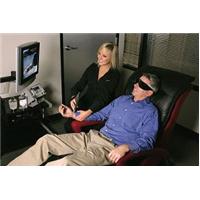
The research into this therapy is taking place at Freedom Laser Therapy in Los Angeles, where the lasers are used on the body’s acupuncture points.

Participants also get the expertise of international fitness expert Peter Nielsen, who creates a bespoke lifestyle changing weight loss program for clients.

During the low-level laser therapy session the client watches Peter’s 15-minute weight loss instructional video about his own principles of healthy living. The client receives guidance on nutrition and fitness to promote new healthy lifestyle habits. Inclusive in the program is a weight loss support kit, which consists of nutritional supplements, diet plans, exercise tips, and additional items that will assist the client with their weight loss goals.

For over a decade, Nielsen has worked toward motivating people to get moving and get fit by adopting the philosophy of keeping fitness simple and fun. Nielsen grew up in Brooklyn, New York. At age 15, Peter was diagnosed with Crohn’s Disease and dropped down to a mere 86 pounds.

Very little was known about Crohn’s Disease in 1977 and even doctors were at a loss to tell his family how to fend off the crippling attacks of abdominal pain and bleeding, not to mention malnutrition and all of the other ailments caused by poor nutrient absorption. Nielsen was physically weakened by surgery and mentally discouraged by the disease’s prognosis. The writing on the wall seemed to say that Nielsen’s life was going to be a limited one. Yet, Peter astonished his family, friends and doctors. A pivotal period of soul searching revealed truths to Peter that transformed his attitude toward his health, his body and especially his life. This is the foundation of Nielsen’s message of health and fitness.

For 25 years, Nielsen has lived a lifestyle of total fitness. In conjunction with his doctors, Nielsen created a new lifestyle that focused on health, nutrition and fitness. Peter Nielsen has earned 72 titles “Mr. International Universe,” “Mr. World Trainer of the Year,” “America’s Top Personal Trainer” and “Best Training Club in the Country.”

Peter Nielsen is providing exercise, nutritional, motivational and educational materials to help patients maintain a healthy lifestyle. Peter Nielsen is not directly affiliated with the laser therapy clinical research trials.

For more information: www.freedomlasertherapy.com

Lack of sleep may trigger childhood obesity

Bristol: Soaring levels of obesity might be linked to children sleeping fewer hours at night than they used to, claims a researcher in the medical magazine, the Archives of Disease in Childhood.

Dr Shahrad Taheri of the University of Bristol, blames the increasing availability of computers, mobile phones, TVs and other gadgets on the diminishing nightly quota of sleep, and suggests they should be banned from children’s bedrooms.
Dr Taheri cites the emerging body of research on the impacts on the body of a fall in the nightly quota of sleep, which reflects circumstances in real life, rather than sustained sleep deprivation, which tends to be more extreme.

This research shows that shorter sleep duration disturbs normal metabolism, which may contribute to obesity, insulin resistance, diabetes, and cardiovascular disease. Even two to three nights of shortened sleep can have profound effects, the laboratory data suggest.

One study indicated that insufficient sleep at the age of 30 months was associated with obesity at the age of 7, suggesting that this could programme the part of the brain regulating appetite and energy expenditure, says Dr Taheri.

But it is also a problem for teenagers in whom the need for sleep increases during this critical developmental period, he says.

Another piece of research shows that levels of leptin, a hormone produced by fat tissue when energy stores are low, were more than 15% lower in those sleeping five hours compared with those clocking up 8.

Similarly, ghrelin, a hormone released by the stomach to signal hunger was almost 15% higher in those with a five hour sleep quota.

Sleep loss also disturbs other hormones, including insulin, cortisol (stress hormone), and growth hormone, says Dr Taheri, who adds that hormonal changes could boost the desire for carlorie rich foods.

And poor sleep sets up a vicious cycle. It leads to fatigue, which leads to reduced levels of physical activity….which leads to lower energy expenditure…..which leads to obesity, which itself leads to poor sleep, he adds.

Dr Taheri acknowledges that the mechanisms behind obesity are likely to be complex. “Sleep is probably not the only answer to the obesity pandemic, but its effect should be taken seriously, as even small changes in energy balance are beneficial,” he says.

“Good sleep could be promoted by removal of gadget distractions from bedrooms and restricting their use,” he suggests.

Genome scientist supports DNA mapping for killer diseases

Washington: The American scientist who became the first to decode the human “Genome” – the DNA code for every cell in the human body – is to become the first person to map all of his own DNA.

Craig Ventor, aged 60, has already started to tailor his diet and lifestyle after discovering through DNA testing that he is susceptible to a number of hereditary illnesses such as cardiovascular disease and possible blindness and even mad cow disease.His father, for example, died at the age of 59 from cardiac arrest.

In a report in The Sunday Times he says that when people know their own genetic code they are no longer an average statistic. He also said that whilst knowing this information was helpful in making lifestyle changes there are a number of other factors that influence health outcome.

Ventor who heads the non-profit Craig Ventor Institute, a science centre in Rockville, Maryland in the US, wants DNA mapping to become available for all. He predicts that this will happen within the next decade.