UK obesity epidemic will bankrupt state health service

Glasgow: The growing obesity problem in the UK could bankrupt the state health system, warn doctors in the Britisih Medical Journal.

In the United Kingdom, well over half the population is overweight and more than one in five adults is obese, write Naveed Sattar and colleagues. Obese people are at high risk of multiple health problems, while the cost of obesity to a country’s health service is currently estimated at up to 9%, and the overall social cost of the condition is seen as a major hindrance to economic development.

So, can we reverse the rising trend in the prevalence of obesity, and if so, when?

People clearly have some responsibility for their health, but society and government also have a responsibility to make the preferred, easy choices healthier ones. It is increasingly apparent that most individuals are unable to make enough “proactive” changes to prevent excess weight gain but are simply “reactive” to their environment, say the authors.

What is provided is what is eaten so what is provided has to change, they add. Thus education alone will fail to halt this obesity epidemic, and environmental changes (physical, food, and fiscal policy) are urgently needed.

They believe that prevention is the only economic long term solution to the problem and recommend that:

The food industry needs to take more responsibility for preventing obesity. And governments, as custodians of public health, should create the conditions for this to happen.

The advertising of energy dense foods needs to be substantially curtailed
The basic principles of energy balance should be taught in primary schools, and education should be provided at all levels to change attitudes and behaviour towards diet and physical activity

Obesity health issuesshould be made a core part of all medical training
Public health consequences should be considered for all decisions made in public life

Medical practice must adapt to the current epidemic of obesity and nutrition related diseases, while society must also accept that many people now need drugs (and in some cases, surgery) to cut risks of and disability from obesity, and to limit its progression, they write.

As the prevalence and costs of obesity escalate, the economic argument for giving high priority to obesity and weight management through a dedicated coordinating agency will ultimately become overwhelming. The only question is, will action be taken before it’s too late?

Britons in denial about growing old

London: Britons are refusing to face the reality of old age and are leaving the UK at the mercy of a caring time bomb.

When it comes to thinking about their care needs, Britons are putting their heads in the sand, with a half (49 percent) of people claiming not to be worried about who will look after them when they are old. While four out of ten (42 percent) are prepared to sit back saying they are too young to care about what will happen to them in older life.

And according to BUPA’s annual Health of the Nation survey, almost one in ten (9 percent) of over-65s are still refusing to believe they should think about their care needs.

The nation’s failure to grasp the true impact of old age and the care required does not stop there. Nearly a third (30 percent) believe they will be able to look after themselves, one in four (27 percent) think their partners should shoulder the burden, while 26 percent expect it to be the responsibility of their children. Just 20 percent say they will look to the state.

A recent survey of 19,000 people living in BUPA Care Homes has shown that most residents, have problems with mobility, suffer from incontinence and are confused and forgetful. The survey also revealed that nine out of ten residents had a medical reason for seeking specialist nursing care and that the average age of a resident in a BUPA care home is 83 years old.

The Health of the Nation research underlines the need for greater awareness of the risks of ageing, only a third (33 percent) of the population have admitted to worrying about getting old and have considered whether they may need to go into a care home.

Money is a major concern of those growing old. Half said they worry about using all their savings for care in their old age. However, four out of ten (44 percent) of people say they would rather be cared for in a residential home than be a burden on their family

Dr Clive Bowman, medical director of BUPA Care Services said:

“It is deeply worrying to see people taking an attitude of ‘it won’t happen to me’ as it encourages a reluctance to face reality. Few people realise that one person in five over the age of 80 develops dementia.

“Ageing well is a success story. Planning for ageing badly is increasingly a necessity. If people think now about how they would wish to be cared for – should the need arise – they will be better prepared for later life.”

To receive BUPA’s free ‘Planning for your needs in later life’ guide or a copy of the ‘Choosing a care home’ checklist, please call 0800 00 10 10 (free from the UK).

Pets have more accidents at Xmas

image

Pets have more accidents in the home at Christmas, according to new research[2] commissioned by Butcher’s Pet Care, 50% of dogs are involved in a Christmas related accidents and one in ten (1/10) have had a trip to the vet as a result.

Knocking over Christmas trees (32%), eating decorations (19%), being electrocuted on the fairy lights and eating more turkey, trimmings and chocolate than is good for them (21%) are amongst some of the commonest mishaps. To help dog owners Butcher’s Dog Food has put together a guide on dog-proofing your house at Christmas to ensure this festive season you have a happy home and not a war zone.

So, to stop your dog barking up the wrong tree, here are Butcher’s Dog Food’s 12 top tips for dog –proofing your home this Christmas:

If you have a real tree, make sure the needles are cleaned up regularly to prevent them getting stuck in paws and throats.

Avoid having flashing lights on your tree, or your dog may go in for the attack or get frightened off!

Decorate with unbreakable baubles and keep any tinsel and ribbon high up on the tree. DON’T put white Angel hair on the tree – this is spun glass and can shred your dogs insides if digested.

When putting up decorative lights, make sure the electric cords are not dangling and if possible tack them down to stop them being chewed or tripped over by a curious dog.

Anchor the tree in place so no inquisitive pooches end up knocking it over when they are nosing around underneath it.

Alcohol may make you merry but if drunk your four legged friend will be as sick as a dog. After Xmas parties tip away dregs so your dog doesn’t help clear up and end up with a hangover himself

Make sure any burning candles are well out of the way – a wagging tail can knock things over or catch fire!

Festive blooms can be poisonous – don’t let your dog chew on any Poinsettias, Holly or Mistletoe or they could get a very uncomfortable stomach.

No-one expects Christmas to be a Silent Night, but all that festive cheer, balloons, poppers, crackers can drive your dog potty. Make sure they have a safe haven to escape to for an undisturbed relax.

Try not to over-indulge your dog with human food treats. Avoid giving them chocolate, which can potentially be poisonous or meat with bones as these can splinter and get lodged in small throats.

Instead your four legged friend will appreciate a naturally nutritious meal packed with tasty meat. This will insure he is as Fit As A Butcher’s Dog all Christmas long! So go on crack open a can of Butcher’s Dog Food!

Last but not least…just because you are outside it doesn’t mean your dog is out of Christmas danger! If you’re going for a Christmas drive but your car is frozen keep dogs away from the anti freeze. They love the sweet taste but it is lethal if swallowed. If your dog is affected then seek immediate veterinary advice.

And finally, kick back, relax and enjoy a dog disaster-free zone all Christmas long!

Botox tests for alopecia go ahead

New York: Scientists are investigating whether Botox, the brand name for botulinum toxin, can be used to treat the common cause of hair loss – alopecia areata.

The disease which can affect the scalp and parts of the body, affects adults and children and is the cause of sudden hair loss.

Patients suffering from the disease are to be given Botox injections in the scalp in a six-month trial at British Columbia University.

It is thought that Botox will work by blocking the action of neurotransmitters which will block the chemical reaction that attacks the hair follicles.

Fitness watch – the perfect present for a fat friend!

image

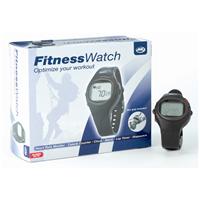
London:It’s time to burn off all those festive calories, and what better way to do it than with the new JML Fitness Watch!

It has all the fancy stuff that you expect from heart rate monitors and all that other nerdy exercise stuff and whittled it down into a very accessible timepiece. The Fitness Watch works in two ways: it takes accurate readings of your heart (by touching a sensor on the watch); it also has an Exercise Mode that can measure the amount of calories you burn.

The Fitness Watch closely monitors your heart to identify how to get the most from your exercise. Work too hard or below your target, and the alarm sounds. The LCD display will indicate if you are below or above your target. It also comes with a sturdy bar grip enabling you to attach it to your bike. It’s an excellent choice for a tubby friend, exercise fiends and those of you looking to stick to New Year’s resolutions. What time is it? Time to buy the JML Fitness Watch. Available at $40(£19.99 €30) from the UK stores Boots and Robert Dyas and online at www.jmldirect.com

Dieters cut calories rather than exercise

London: Dieters prefer to count calories rather than take the healthier exercise option, says a new poll from pharma giant, GlaxoSmithKline Nutritional Healthcare.

Twice as many dieters count calories to lose weight rather than exercise, a poll has found. And this diet loss method if more poplar with women than men.Calorie counting is most popular with women – half opt to count their food intake, compared with a third of men.

Surprisingly 59% of the 2,000 people surveyed by GlaxoSmithKline Nutritional Healthcare realised exercise makes the greater contribution to personal health.

More choice in low-calorie foods means people are giving up exercise in favour of consuming less, nutritionists say.

John Brewer, GSK Sports Scientist, said: “The trend of people swapping the gym for a low calorie meal is very worrying.

“Consuming fewer calories is no substitute for exercise. We cannot afford to become a nation of calorie-counting couch potatoes – the benefits of leading active lives are enormous.”

Graham Neale of GSK Nutritional Healthcare said diet food manufacturers had a responsibility to consumers.

He said: “With food and drink manufacturers broadening their ‘diet’ ranges, we need a concerted effort to encourage consumers to focus as much on ‘energy out’ as ‘energy in’.”

Rejuvenate with the Oxyjet anti-ageing facial

image

London: The Oxyjet Correction Facial is a new anti-ageing treatment that breathes life into stressed and ageing skin.

It is a special and intensive anti-ageing treatment for smoothing fine lines and wrinkles, especially under the eyes, as well as softening and plumping nasal fold lines.

The five phases of the treatment include cleansing, exfoliation, delivering the anti-ageing serum deep into the skin using pressurised oxygen and rehydrating leave the skin soft, smooth and vital.

A total of five treatments are recommended with top ups every other month to produce new skin, reduce wrinkles and fine lines. It also retexturises and is an intensive hydrator , diminishes scars and stretchmarks, acne, improves performance of the skin, increases collagen production and repairs sun damage

After cleansing and toning, exfoliation, the anti-ageing serum is pressure injected into the cells using oxygen and a moisture mask is applied for 15 minutes. This contains lipids and vitamin A & E to re-hydate the skin – while this is working you receive an oxygen inhalation to invigorate the whole body.

Costs $234 (£120, €178) and is available at Janet Ginnings, 45 Curzon Street Mayfair London W1 T: + 44 (0)20 7499 1904.

London’s leading private hospital group publishes patient success and failures

image

London’s leading private hospital company, HCA International, has taken the ground breaking step to become the first in the independent sector to publish outcome data, giving patients the opportunity to see how they perform relative to other hospitals.

The ‘HCA Quality Report’, published this autumn, shows how their hospitals, including The Portland, The Wellington and The Princess Grace, perform in key areas such as cardiac surgery survival, MRSA, surgical site infections, intensive care survival rates and unplanned readmissions. Much of the data confirms that HCA hospitals out-perform, or are on a par with, some of London’s most recognised acute hospitals.

The data is being made publicly available for the first time, in response to increased demand from private medical insurers, advisors and patients to have more information about quality of care. Some of the ‘performance indicators’ in the report can be directly checked against other hospitals, for example, cardiac surgery outcomes, whereas others are shown relative to a ‘predicted score’ based on factors such as patient history and surgical risk.

The report can be viewed on line at www.hcaqualityreport.hcainternational.com

HCA hospitals believe that publishing their data will help position them as a company of choice within the highly competitive private healthcare market. HCA has invested more than £100 million to become the hospital of choice for acute medical procedures in London, and believes this is now being reflected in the successful outcome data.

HCA’s Commercial Director, Raj Vasudevan, said, “Increasingly, hospitals are being required by the Healthcare Commission to provide evidence of standards of care. Until recently this didn’t include independent hospitals’ outcome data, but we have been routinely collecting this data for years as part of our internal quality programmes and are now proud to deliver the results.”

He added, “Patient satisfaction surveys just aren’t enough. Anyone who is paying for private treatment has done so because they want to access ‘the best’. Patients expect this information to be available and we are delighted they will be able to receive it from HCA.”

About HCA

HCA International is a leading private healthcare provider in London. Its six hospitals, and two outpatient centres, are some of the capital’s most respected and well-established private hospitals and hold national awards for achieving gold standard quality in healthcare*.

The HCA hospitals are:

· The Harley Street Clinic

· The Lister Hospital

· London Bridge Hospital

· The Portland Hospital

· The Princess Grace Hospital

· The Wellington Hospital

Each hospital has its own specialities, its own individual character and its own reputation. Each one offers high levels of expertise and a standard of clinical excellence which is unsurpassed in London and the private sector.

HCA hospitals undertake a wide range of private medical treatments in London including many acute procedures such as heart surgery, neurology and cancer care and are amongst some of the most prestigious establishments in the capital.

* Independent Healthcare Awards 2006 hosted by Laing & Buisson

Dog gets facelift!

London: A dog has been given a £1,000 facelift. Shankly the shar-pei – similar to a bulldog – had the wrinkles over his eyes removed when it became difficult for him to see.

Shankly was brought into Battersea Dogs and Cats Home in London after being picked up wandering the streets.

In an hour-long operation, head vet Shaun Opperman removed a large swathe of skin from across his forehead and between his eyes.

Mr Opperman said: “It is only the second time in my two-year career that I have carried out this operation. “Although Shankly’s wrinkles are very typical of the breed, the trouble was that he was completely blinded by the folds of skin that covered his eyes, so the way of giving him his sight back was to carry out a face-lift.”

Shankly, who is named after former Liverpool football manager Bill Shankly, now lives with a family in London. ananova

Home | Infotainment

Shankly was brought into Battersea Dogs and Cats Home after being picked up wandering the streets, reports the Daily Mail.

In an hour-long operation, head vet Shaun Opperman removed a large swathe of skin from across his forehead and between his eyes.

Mr Opperman said: “It is only the second time in my two-year career that I have carried out this operation. “Although Shankly’s wrinkles are very typical of the breed, the trouble was that he was completely blinded by the folds of skin that covered his eyes, so the way of giving him his sight back was to carry out a face-lift.”

Shankly, who is named after former Liverpool football manager Bill Shankly, now lives with a family in London. ananova

ROC celebrates 50 innovate years with new products for 2007

image

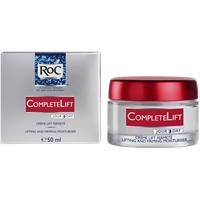
London: Next year marks the 50th anniversary of RoC, the anti-ageing skincare experts. It is launching a whole new range of products including the Complete Lift range pictured.

From its beginnings in a Parisian pharmacy to its present position as one of the leading anti-ageing skincare brands in the UK, RoC’s achievements have shaped the anti-ageing industry that we now know today. RoC’s strong scientific heritage and reputation as an industry pioneer has seen many innovations since 1957….

1950s
In 1957 the RoC Company was founded by pharmacist Jean-Charles Lissarrague, who developed the first non-perfumed formula at the request of dermatologists who wanted to recommend safe and non-irritating products.

The name RoC is an abbreviation of the name of the pharmacy where Lissarague first developed the range – The ‘Rogé Cavailles pharmacy. Here, Mr. Lissarrague created bespoke prescriptions for women who suffered specific skin complaints. It was here that RoC developed the very first total sun block to protect against UVA and UVB rays – RoC Ecran Total (RoC Total Shield) and started a revolution in sun protection.

RoC products were also used throughout Paris theatre land specifically for actors and actresses who were unable to tolerate the heavy creams and harsh stage make-up

1960s
The concept of perfume-free formulas designed to minimize the risk of allergies (hypoallergenic) was originated by Jean Charles Lissarague, the founder of RoC.

In the 60s, as the RoC brand became more established, the RoC “commandments” were created for developing cosmetics to ensure simple, pure formulas:
 strict selection of all ingredients
 manufacture and quality control in accordance with pharmaceutical industry standards
 rigorous lab and hospital testing to ensure optimal tolerance and maximal efficacy
 non comedogenic tests
 specially designed packaging for optimal product preservation

1970
In the 70s RoC introduced hypoallergenic make-up that helped strengthen the
skin’s natural defences whilst improving skin tone and radiance. RoC’s make up
included products such as pressed powder, moisturising tinted day cream, loose
face powder and moisturising cream foundation.

1980
In the 1980s RoC launched its Myosphere range, the very first skin-care range to include Liposomes and Peptides, a massive breakthrough in what skincare technology was available at that time.

RoC’s Myosphere range was the first time that Liposomes had been used in a pharmacy environment, easily accessible to consumers. The range included three exclusive ingredients:

 Myopeptides: patented nutrients which help cell regeneration
 Liposomes: microscopic ‘carriers’ to take the active ingredients where they are needed
 Hydrogel: combined with liposomes, it effectively fights dehydration

RoC’s patented peptide extract was proven to inhibit cell nutritional deficit and stimulate proteins synthesis.

1990
In 1995, RoC was the first brand to stabilise and patent Vitamin A in its pure and active form (retinol) and remains the only skin-care brand that produces cosmetic products that contain this concentration of retinol (0.1%).

The first RoC range to include Retinol was Retinol Actif Pur, in 1996. Then, in 1998, RoC launched Retinol Concentré Pur, which introduced twice as much Retinol, for deeper and better efficacy against wrinkles.

In 1999, RoC Finally stablised Retinol with pure vitamin C and vitamin E, this resulted in a triple action against signs of ageing: wrinkles, dull tone and uneven texture.

In 1994 RoC was bought by Johnson & Johnson, the world’s leading health products group.

2000
This decade was all about ‘Lifting’.

In 2005, RoC launched Protient® Fortify, a new range that contained DMAE. Licensed from Dr. Perricone, DMAE is proven to stimulate sagging tissues for a visible lifting effect.

RoC’s patented technology of DMAE and minerals (magnesium, zinc and copper) penetrated the skin quickly to stimulate the fibroblast’s renewal and to replenish the collagen synthesis.

In 2006, RoC Lifting offering was strengthened as they patented a key new ingredient THPE (Tetrahydroxypropyl Ethylenediamine). This is a high-performing agent that works to combat sagging skin by re-tightening and firming. This new patented anti-sagging technology is proven to be effective on twice as many people as DMAE, and to be 4 times as effective as DMAE on sagging skin. This ingredient contracts the skin’s surface by tightening the Keratynocytes (the epidermal skin cells) to lift and firm the skin. The new ingredient is found in RoC’s most recent efficacious skin care range CompleteLift.

2007 and Beyond
Options:
• After building 50 years worth of firsts within the anti-ageing industry, Roc will continue to push the boundaries of skincare technologies into the future

• Going into the future, RoC will continue to push the boundaries of skincare and make progressive breakthroughs in skin care technologies

• After 50 years of groundbreaking skincare technology breakthroughs, RoC will continue to push the boundaries and present its consumers with efficacious anti-ageing skincare products into the future.

Botox without bruises with new wrinkle freezer

image

Smiling, frowning and concentrating over the years can lead to changes that typify an older appearance. Express yourself without the worry of deepening frown lines and crows feet with Pro-Medic siax hepta $85 (£45.00 €67 ), a new muscle relaxant from the US that leads to a reduction in superficial lines and wrinkles caused by years of facial movements. With its active Heptapeptide ingredient expression lines are reduced for a fresher and smoother look.

With 12% Heptapeptides acting directly on the epidermis and the dermis of the skin, siax decreases muscular contractions. This activity ultimately leads to a reduction in expression lines. In fact clinical trials have shown a reduction in static wrinkle depth by 27% after 30-45 days of use, with a proven increase in fibroplast stimulation.

Without promising the full Botox™ effect, siax hepta offers a more gentle yet effective solution to reduce the appearance of expression lines and crows feet in a natural way. Express yourself with siax hepta and leave wrinkles expressionless!
Pro-Medic Health and Beauty is a line of dermal pharmaceutical products for the care and maintenance of supple, glowing skin suitable for home use.
For stockists: www.beautyisskindeep.com, or Medical Aesthetic Supplies on UK phone no 02380 676733

Get a Hollywood smile in Bulgaria

Varna, Bulgaria: The first three seconds decide what effect you have on another person. A naturally radiant smile is almost impossible to resist. On the other hand teeth get discoloured in the course of time, or even turn brown.

Coffee- and tea-drinkers and smokers are particularly affected. But help is at hand from professional tooth-whitening procedures, otherwise known as bleaching. The Dentaprime Dental Clinic at Varna in Bulgaria provides one of the safest and most efficient bleaching methods there is – with the most up-to-date equipment and at reasonable prices.

The idea of whitening teeth is not new. But the ultrasound bleaching system is! Analysis of a long-term study has shown that ultrasound bleaching, using the Dentaprime Clinic (QuickWhite ©) system, is the most efficient and safest professional tooth-whitening procedure to have a long-term effect. There is no change to the structure of the teeth and treatment is extremely gentle. One particular advantage is that the dentist can adjust the colour of fillings and crowns. This means that your smile is completely natural and white.

Worldwide patent
To start with, your teeth and the spaces between them get a completely professional clean. Then the dentist applies the patented QuickWhite© contact gel, depending on the condition of your teeth and the desired result. After this you relax comfortably for about 40 minutes in a specially designed chair, the KaVo Primus, manufactured in Germany. The whitening process uses ultra-sound and provides the best possible result.

DIY tooth whitening systems Adhesive whitening strips from the discount pharmacy or so-called DIY systems, are not an alternative to professional bleaching in a dental clinic. Users frequently report unsatisfactory results, even though they may have followed instructions to the letter, sometimes for weeks on end. ‘Not much white for rather a lot of money’ seems to be the general feeling.

In the Dentaprime Clinic the patented bleaching process costs about sixty per cent less than in the UK. As well as receiving treatment many patients use the opportunity to take a short holiday on the Bulgarian Black Sea coast.

You can obtain more information on the internet at: www.dentaprime.com

About Dentaprime

The Dentaprime Dental Clinic for implantology and cosmetic dentistry on the Bulgarian Black Sea coast is among the most modern in the whole of Europe. It combines highest quality standards with significantly lower treatment costs than in Great Britain. Its seven implantation rooms and five prosthetic rooms are equipped with the most modern medical apparatus, manufactured by world market leaders KaVo. The implant systems come from Switzerland, from well-known manufacturers, Nobel Biocare and Straumann. Patients are cared for and treated by experienced and English-speaking implantologists, dental technicians and medical assistants, who have all been trained to western European standards.

Stress professor reveals top 10 tips

image

London: Endless shopping queues, cold weather and the nightmare prospect of having the in-laws round for lunch are just some of the reasons why the UK is dreading Christmas 2006!

New research released today by The Wrigley Company reveals that nearly a quarter (23%) of Brits are stressed out and not looking forward to the Christmas break. *

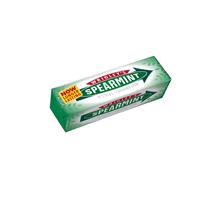
With just ten days until the last shopping weekend before Christmas – the most stressful period of all according to 26% of study respondents – Wrigley has teamed up with top ‘stress professor’ Cary Cooper to help tackle Britain’s Yuletide stress problem. Professor Cooper has developed a formula – based on the results of the survey of 2,400 people – comprising the UK’s key Christmas stress elements that will allow Brits to calculate their personal Christmas stress factor. The professor has come up with some top tips on how to reduce those stress levels as well!

Exhaustion from the Christmas build up, leaving for work and coming home in the dark, getting in the supplies at home, those family members you just don’t want to see, and the return to work all add up to –

Exhaustion Period + 2 (Preparation for Xmas + Weather) + (Family Time + Return to Work) / 2 = Christmas stress!

In fact, the study shows that two million Brits will choose to flee the country on holiday and escape the Christmas crush altogether! Of those who stay behind, nearly half of us (48%) will get stressed out by the experience of Christmas shopping and buying festive foods; 14% will even spend time worrying about the workload left on their desks whilst others will agonise over who gets a Christmas card – with 12% even wanting cards scrapped altogether! It seems that the UK population this Christmas is more likely to resemble Scrooge than Tiny Tim…

People are planning to try and take action this year to battle the Christmas stress factor with 16% intending to nurture healthy habits like taking exercise or chewing gum to help manage stress. A further 28% aim to avoid the high streets altogether by shopping online; and 27% will be hiding from people that they find most stressful to try lower their stress levels.

Alarmingly, 44% of those surveyed admit they have no idea how to manage their stress levels and it would appear that putting your feet up and watching the telly (a favourite stress buster) won’t help at Christmas time, with endless reruns of the Snowman and Mary Poppins leaving nearly half of the population (47%) ready to tear their hair out!

“Christmas should be a happy time of year, but the pressures of modern life mean it’s becoming a period of stress for some instead. Simple things like planning ahead, shopping online, reserving quiet time or actually looking at the positive aspects of spending time with family are all ways you can manage stress and get the most out of the festive season,” says Professor Cary Cooper.

“Managing life’s little stresses doesn’t have to be complex; scientific studies have shown that chewing sugar free gum can help you relieve the symptoms of stress. So this Christmas, whether you’re shopping for presents or preparing for the family to arrive, a piece of gum could help you stay calm,” says Alexandra MacHutchon, from Wrigley

*KRC Research, November 2006, sample of 2414 adults in the UK

Professor Cary Cooper’s top tips for managing Christmas stress

1) Do not leave everything to the last minute! Make sure you do start planning in the weeks leading up to Christmas – presents, provisions and what to do at New Year

2) Remember to have some fun along the way; do things you enjoy doing and include members of your family too

3) Make sure you don’t skip meals out of business, maintain a healthy diet and exercise regularly

4) Approach Christmas with a positive outlook – don’t let yourself think it will be a nightmare, focus on the best things about the festive period instead. That positivity will communicate itself to others around you

5) Take some ‘me’ time – take a bit of time just to relax, unwind and indulge yourself for a few minutes during the day

About the Wrigley Company

The Wrigley Company is the world’s leading manufacturer of chewing and bubblegum and a major player in the confectionery industry worldwide.

Some of Wrigley’s most famous brands include Wrigley’s Extra®, Airwaves®, Orbit®, Juicy Fruit®, Wrigley’s Spearmint®, Doublemint® and Hubba Bubba®. Wrigley is committed to diversifying close to home and recently launched its first non-gum products for over one hundred years – Extra™ Thin Ice™ and Extra™ Mints.

About Professor Cary Cooper

Cary L. Cooper is Professor of Organizational Psychology and Health at Lancaster University and the author of numerous scholarly articles and books on stress (e.g. Creating a Balance: Managing Stress, London: The British Library Press). He is also President of the International Stress Management Association and BACP.

Smoking makes osteo-arthritis worse

Rochester: Smokers risk more painful and progressive osteoarthritis, according to new research carried out by the Mayo Clinic in the US.

In a new study to be published in the Annals of the Rheumatic Diseases 159 men who had osteoarthritis of the knees were monitored for up to 30 months. The affected knees were scanned and the severity of pain scored. The men were monitored and again at 15 and 30 months.

Of the total, 12% (19) were active smokers at the start of the study. They smoked an average of 20 cigarettes a day and had done so for around 40 years.

Smokers tended to be younger and thinner, both factors that normally protect against osteoarthritis.

But the smokers were more than twice as likely to have a significant degree of cartilage loss compared with the non-smokers. Cartilage is the rubbery tissue that cushions bones at the joint.

Smokers were also significantly more likely to report greater pain severity.

Osteoarthritis is a degenerative joint condition, which commonly affects the knees and fingers. Knee osteoarthritis is one of the leading causes of disability among elderly people.

The authors suggest that smoking may alter the pain threshold. It also increases the levels of toxic substances in the blood and starves tissues of oxygen, which may hasten the loss of cartilage.

1 in 5 thinks their partner drinks too much

London: One in five of those in relationships in the UK (1) thinks their partner drinks too much, according to new research exploring whether alcohol has more of an impact on relationships than couples might think.

The ICM survey of 1000 people (2) was commissioned for the Government’s new Know Your Limits campaign, which launched in October to encourage responsible drinking.

Sadly alcohol and arguments do seem to mix, with one in four (25%) admitting to having rows when they drink. This is particularly the case with 18 to 24 year olds: half of them (49%) admitted that they row with their partner after drinking alcohol. This is also true for one third (37%) of 35 to 44 year olds.

What are the arguments about?

1. ‘Anything and everything’- 35%
2. The behaviour of either partner – 31%
3. Money – 14%
4. The children – 12%
5. Domestic chores – 11%
6. The fact that your partner is drinking – 10%
7. The in-laws – 5%

More than a third of 18 to 24 year olds (37%) say that their partners’ behaviour is the biggest cause for their arguments when drinking. This is also true for 35 to 44 year olds (29%). However, amongst the older age groups the likes of children and domestic chores rise up the agenda.

Making up

Most couples resolve arguments and move on – at least until another one brews the next time they start drinking. However, 10% said that they never resolve the arguments; and 11% let the argument escalate and just ignore each other – but eventually make up.

For those that did resolve them quickly, there were two popular options:

Take a step back, calm down and look for a compromise

Agree that alcohol is blurring the issue and drop it until the next day

Commenting on the results, Srabani Sen of Alcohol Concern said:

“Too much alcohol can affect people who might otherwise think things were fine, with either their or their partner’s drinking. We’re beginning to realise though that alcohol misuse not only causes physical harm, but can also blight relationships. People need to be able to recognise the negative impact alcohol might be having on their lives and try to cut down to safer levels.”

Relate counsellor Denise Knowles said:

“Couples should be able to openly discuss their feelings about their partners’ drinking habits if they feel it’s ever a cause for concern. Learning how to discuss issues effectively is a key element of a healthy relationship.”

Know Your Limits is a joint Department of Health and Home Office campaign which encourages people to drink responsibly and get to know their limits. Men should not regularly drink more than 3 to 4 units a day, and women should not regularly drink more than 2 to 3 units a day. Consistently drinking 4 or more units for men (and 3 or more for women) is not advised because of the progressive health risk it carries.

In addition, women who are trying to conceive, or who are at any stage of pregnancy, should not drink more than 1 to 2 units once or twice a week and should avoid getting drunk. Know Your Limits recognises that drinking can be enjoyable, but also emphasises the undesirable consequences of drinking too much, such as arguments with loved ones, getting into fights or being in a vulnerable situation on a night out.

The research backs up the popular perception that men drink more alcohol than women. More than half of the women (56%) drink less than their partner, and half of the men (51%) admitted they drink more than their partner. In fact, 28% of the men confessed that their partner tells them as much. However, 9% of couples feel their partner’s drinking is a subject they couldn’t easily talk about.

1 Taken from the survey base where people were both in a relationship, and their partner drinks alcohol

2 ICM interviewed a random sample of 1000 adults aged 18 plus by telephone across the UK between 17th–19th November 2006. ICM is a member of the British Polling Council and abides by its rules. Further information at www.icmresearch.co.uk

Alcohol facts

Alcohol is a major cause of disease and injury: it accounts for 9.2% of years of life lost/lived with disabilities.

Alcohol misuse costs the NHS around £1.6 billion every year, mainly in the acute sector.

The estimated annual NHS spend on specialist alcohol treatment is £217 million with 65,000 people receiving treatment.

17% of victims of sexual assault surveyed in the British Crime Survey Interpersonal Violence Module 2001 said that the offence took place when they were incapable of consent due to alcohol.

Regular visitors to pubs and bars are twice as likely to be victims of assault
Half of all violent crimes are linked to alcohol

An agreement was made in June 2006 between the Government, Drinks Industry and health stakeholders to set up the Drinkaware Trust. This new charitable Trust will be funded by the drinks industry and is aimed at positively changing the UK’s drinking culture and tackling alcohol-related harm.

For further information see www.knowyourlimits.gov.uk

About Relate

Relate is working to promote health, respect and justice in couple and family relationships

Relate’s services extend beyond couple counselling to family counselling, counselling for young people, online counselling, sex therapy and relationship skills workshops

Relate works in schools, primary care settings, prisons, and with local authorities on homelessness prevention services
Relate supports 150,000 people each year in over 600 locations in England, Wales and Northern Ireland

This year Couple Counselling Scotland changed its name to Relate Scotland which remains a separate charity yet operates with shared standards and in close partnership with Relate

For more information and advice visit: www.relate.org.uk

Janet Ginnings launches Indian Infusion

image

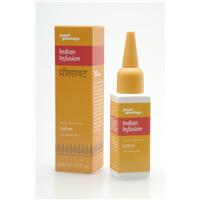
London: Health and beauty guru Janet Ginnings of London’s Curzon Street has created Indian Infusion, a collection of skincare products based on recipes her mother taught her as a child, at home in India.

Born in Bhopal, India, Janet learned about skincare and beauty from a very young age with regimes passed from generation to generation and was making her own products as a very young girl.

As a child, Janet had her head massaged by her ‘amma’ or nanny, and her skin cleansed with chickpea flour, yoghurt and creams made into a dough and moisturised with real cream.

This early introduction to beauty treatments and natural ingredients led Janet to a lifetime love affair with the beauty industry, culminating in her opening her own hugely successful hair and beauty salon in Mayfair, London. Now Janet brings the knowledge of these ancient Indian recipes and treatments to her own skincare collection – Indian Infusion… A range of unique skin care products based on the rich beauty heritage of India combined with Janet’s unsurpassed knowledge of a woman and her skin

This specialist luxury collection of 11 products with natural ingredients to nourish and feed skin is based on those ancient Indian recipes tried and tested for generations. The ingredients provide the nutrients required for cell renewal. Key to the range is the inclusion of Wheatgrass juice. Wheatgrass is the very young shoot of wheat with all its most health promoting ingredients and it’s possibly the closest thing to the fountain of youth man has ever harnessed in skincare.

Wheatgrass Juice is the secret ingredient that makes Janet Ginnings’ Indian Infusion range stand out from the crowd. It is the wonder component that contains 20 amino acids, which are the basis of DNA (and the creator of regular skin cell renewal) as well as 102 vitamins and minerals. The wheatgrass plant contains high concentrations of chlorophyll, active enzymes, amino acids, vitamins, and other nutrients and is one of the richest sources of vitamin A and vitamin C, calcium, iron, magnesium, potassium, phosphorus, sodium, sulphur, zinc, cobalt, and protein. But for the purposes of skincare Wheatgrass juice is extremely good for skin problems. It improves complexion, treats acne, and removes acne scars . Protein and amino acids are central to the action and results of Indian Infusion. Miracle ingredients like wheat grass is important in the anti-ageing process.

Indian Infusion is available mail order and on-line www.indianinfusion.com
for stockists call 020 7491 9685.

The product range includes:

Deliciously Soft Cleanser – gently cleanses the skin with tender loving care. Using coconut to moisturise and wheatgrass to rebuild, this creamy cleanser leaves the skin soft supple and, most importantly, deep down clean.
£18.80

Settle Petal Toner – designed to revitalise and reinvigorate the skin, this wake-up call in a bottle settles stressed-out skin and prepares it for nourishing.
£18.80

Fruit & Nut Scrub – gently exfoliates with purely natural ingredients. The Wheatgrass nourishes and feeds while the white clay gives the skin a boost, leaving it brighter and more radiant.
£27.00

Face Mask Smoothie – is a once weekly face mask with extra power-packed amino acids in the form of nature’s miracle: wheatgrass juice. The amino acids, vitamins and minerals rebuild the cellular structure of the skin on a deep level. Coconut moisturises down to the deepest levels, leaving the skin feeling luxurious, soft and looking fabulous.
£27.00

Feed, Nourish and Grow – is a super serum that nourishes, moisturises and regenerates. Amino acids within wheatgrass combine with carrot and rose hip to provide vitamins A & C for an anti-oxidant effect. Ideal for skin that’s suffered environmental or sun damage.
£41.15

A Dozen Red Roses – drenching the skin in moisture, this lotion is perfect for normal to dry skins. Packed full of the luxurious Rose Maroc oil, it smells like heaven and works like a dream, excellent for the neck and face area.
£38.80

Oil No More – is a daily moisturiser for oily skin that hydrates the skin whilst keeping excess oil at bay by regulating the skin naturally. Lemongrass and wheatgrass regenerate cells, whilst the lemongrass also closes pores, stimulates circulation and prevents perspiration.
£35.25

Eye Elixir – regenerates tired skin thanks to wheatgrass juice. This product fights wrinkles and restores the delicate skin around the eyes. The cool and soothing gel formulation is easily applied, light and readily absorbed.
£39.95

Feed Me Skin Lotion – for times when the skin needs more from a moisturiser, especially suited for dry to mature skins. Too much sun, winter exposure to the cold, hormonal changes and general stresses of life can take its toll. This lotion uses coconut for moisture, wheatgrass for anti-ageing and avocado for a skin boost, and can be used on the face and neck area.
£37.60

Body Feast Lotion – is an all over rich body lotion to moisturise your body from top-to-toe, filled with fabulous oils to nourish and enhance the skin. Packed with lemongrass to regenerates cells, firm slack tissues and stimulate circulation and wheat germ oil, which is rich in amino acids particularly methionine, to protect from radiation.
£23.50

Cellulite Guzzler – is a light lotion based on natural ingredients aimed at reducing unsightly and embarrassing pockets of cellulite. Cyprus balances blood circulation to facilitate detox, geranium stimulates circulation, eases water retention and is a hormonal adjuster, grapefruit eases congested skin and capsicum stimulates the blood to detox skin cells.
£32.90

FUSHI – irons out wrinkles without parabens

image

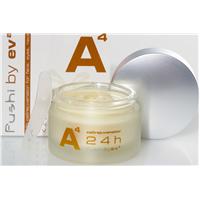
London: Already available in top stores in London such as Beyond Beauty at Harvey Nichols London, and Calmia at Selfridges as well as selling out internationally – with stocks running out in the first month at Garderobe, Moscow and high demand at Harvey Nichols, Dubai – Fushi’s A4 Age Reverse Series now launches throughout the United Kingdom and Ireland.

The A4 Age Reverse Cream offers an effective all-in-one solution – its a unique three-in-one face, neck and eye cream, but also a 24 hour solution to be used day and night. A single pot of this £95.00 miracle cream will address all 3 key areas and see you from morning to night

The A4 series presents a maximum luxury, minimum effort multipurpose anti-ageing cream.

The range is the only luxury anti-ageing cream on the market, free of all parabens, sulphates, petrochemicals, PEG, TEA, DEA and animal products while successfully combating signs of skin ageing.

Free of all problematic ingredients, the cream can be confidently applied to the sensitive eye area with dramatic results.

Proven scientific laboratory tests show improvements in skin thickness on the face and neck areas of 6.5% in only 2 months and 8.6% in 4 months.

The A4 series’ anti-wrinkle efficiency is greater and acts more rapidly than products on the market with retinol (without the irritation phenomena) and an amazing improvement of 31.11% of wrinkles on forehead in 4 months and 19.23% improvement in the perinasal area.

The groundbreaking ingredient in the A4 series is precious Moroccan argan oil which is prized for its cosmetic and healing qualities. Argan oil has an intensive moisturising effect, it boosts circulation and stimulates cell activity and renewal and strengthens the skin’s natural defenses and protection mechanisms.

The rejuvenating effect of argan oil in the A4 series is supported by state-of-the-art active ingredient complexes which show previously unknown effectiveness against wrinkles and fine lines, loss of elasticity and radiance.

A sound and safe alternative to conventional anti-ageing products, the A4 Age Reverse Series consists of three all-in one products working 24 hours a day to counter visible symptoms of premature skin ageing with a noticeably more radiant appearance: for face, eyes and neck:

• 24hour Cell Rejuvenator Cream (RRP £95.00)
• Age reverse Serum (RRP £85.00)
• Body Cream (RRP £60.00)

Fushi products are already much loved by celebrity following such as Patsy Palmer, Jerry Hall, Paris Hilton, Stella McCartney, Beyonce and Salma Hayek and Fushi by Eva range can also be purchased online at www.fushi.co.uk with deliveries throughout the UK and Ireland.

A fair trade beauty product in itself and its affiliation with leading ethical, holistic British lifestyle brand, FUSHI, this revolutionary all-in-one paraben free miracle cream delivers results, with a conscience.

Are toxic metals making you ill?

image

Alarmingly, we unwittingly ingest far more toxic metals daily than what our body’s can eliminate. In a recent study 278 heavy metals and other toxins were found in the blood of newborn babies, an indication of just how many there may be in a fully grown adults body.

These metals accumulate in our tissues and organs, building up to dangerous levels that kick open the doors of chronic, degenerative diseases such as cancer, MS and Chronic Fatigue Syndrome. The increased prevalence of heavy metal toxins in the human body is almost certainly a direct result of today’s modern society.

Astonishingly, it is no longer a case of whether an individual has been exposed to toxins but rather the level of exposure to heavy metals that the body has experienced. Dangerous toxins are present in the air we breathe, the water we drink and even the soil in which our food is grown. Most people are completely unaware of the common sources of heavy metals and more worryingly are oblivious to the real physiological and psychological dangers that these toxins posses.

Aluminum, Arsenic, Beryllium, Cadmium, Lead, Mercury, Nickel, Thallium and Uranium are some of the most commonly known heavy metals and there are a number of ways in which these can be absorbed into the body. Each toxin can attack specific organs and often the dangers of these heavy metals can go unnoticed until problems develop later in life. Ranging from headaches, hypertension and fatigue to more serious health and neuro-psychiatric disturbances for example, depression or even infertility, the effects of these are varied and pose serious risks to our health.

Undoubtedly one of the most common and most dangerous heavy metals released into our environment is mercury, this can be found in fish products (especially tuna, sea bass and Halibut), amalgam tooth fillings, certain vaccinations, fluorescent lights, manufacturing plants, hospitals, and clinical thermometers.

Mercury vapour is easily absorbed into the body, and once taken into the bloodstream can affect the kidneys and liver but have a natural affinity for the nervous system causing problems such as Multiple Sclerosis, Parkinsons, Altzheimers. Symptoms of Mercury poisoning include

– Impairment of peripheral version
– ‘Pins and Needles’ feelings
– Impairment of speech, hearing and walking
– Muscle Weakness
– Skin Rashes
– Mood Swings
– Memory loss

During pregnancy, women who also eat just a single highly contaminated portion of fish can expose their child to mercury toxins, which travel through the placenta to potentially harm the developing nervous system and the brain. Also, vaccinations can contain a mercury preservative called Thimerosol which are commonly given to young babies, even though this product has now been banned in a lot of vaccinations.

Extensive research has shown that many vegetables can also contain potentially high levels of lead, due to the absorption of petrochemicals when grown near roads. Lead competes with calcium in the body and can lead to serious neuropsychiatric symptoms such as insomnia, temper tantrums, lowered IQ and difficulty with reading and writing.

Disturbingly, the growth stimulator which is occasionally fed to chickens can contain high levels of arsenic. Subsequently, many families are as risk of toxic poisoning simply from consuming a traditional family favourite.

Says Dr George Georgiou “With today’s modern society taking its toll on our bodies, there seems to be a very real need to increase awareness surrounding the issues of heavy metals. It cannot be a mere coincidence that diseases such as cancer and other serious ailments are on the rise. It is imperative that ignorance be alleviated and people become aware of the dangers. Simple proactive steps such as eating organic food and taking a heavy metal chelator supplement can ensure that levels of exposure are minimized.”

Research has shown that the problems surrounding heavy metals will continue to grow especially with the development of technology in today’s society. The importance is to raise awareness and it is paramount to highlight the dangers of the hidden killers present in our food.

For more information on the issue surrounding Heavy Metals please log on to www.detoxmetals.com

Loss of taste may be indicator of depression

Bristol: A loss of taste may be a sign of depression, according to scientists at the UK’s Bristol University.

When levels of our good mood chemicals fall in the brain our taste is desensitised. On the other hand when levels of mood enhancing chemicals such as serotonin and noradrenaline increase, sense of taste improves.

The team from Bristol University say their findings, which examined the links between brain mood chemicals and taste, could explain why loss of appetite often goes hand-in-hand with depression.

Their discovery could lead to the development of a taste test allowing doctors to quickly and accurately choose the right drug to treat a patient’s depression. But this will not be available for several years.

In the study volunteers were asked to taste a range of foods and their ability to pick up different tastes was rated.

They were then given antidepressants which raise the levels of serotonin or noradrenaline.

The results showed that raising serotonin levels enhanced their ability to recognise bitter and sweet tastes.

Raising noradrenaline levels made them more sensitive to bitter and sour tastes.

Some anti-depressants such as Prozac raise serotonin levels. Edronax increases the amount of noradrenaline. Other drugs can improve levels of both chemicals.

Doctors currently have no way of knowing which medicine will work for which patient and often initially prescribe the wrong drug.

Being able to pinpoint the right drug early on would enhance recovery from the condition that affects one in five Britons at some point in their lifetime.

Harley Street body MOT centre opens

London: A brand new health check, designed to reveal which parts of your body are not working as well as they could, has launched in London by leading physiotherapy practice, ES Physical Health.

The first of its kind, the musculo-skeletal MoT will show where a little corrective maintenance is needed to prevent possibly un-noticed physical anomalies or abnormalities becoming critical.

Libby Sharp, founder of ES Physical Health, which has clinics in both Harley Street and Camberwell, South London, says “With most of us leading sedentary lives we use only approximately 60% of the available range of motion in most joints such as our hips, knees, shoulders and spine.

“Add the aging process to this lack of use, and one day you find you simply cannot look round over your shoulder to reverse your car as you once could. It’s important to identify bad postural habits and anomalies as early as possible to prevent irreversible degenerative changes.”

Who would benefit? Anyone who has ever had a back problem is an obvious candidate –even if it was several years ago and you feel you have made a full recovery. Also, if you’ve had an accident – a break or sprain or any kind of sporting injury – you’ll benefit from finding out if you’ve fully recovered a normal range of motion, strength and stability, and that there are no residual signs of neural tension and hypersensitivity.

If you don’t get your range of motion, strength and stability back up to as near normal as possible it is highly likely that you will suffer from degenerative change which will havea limiting effect on your lifestyle. What is there to gain? Through a series of top to toe tests we will note and record small, adverse anomalies in balance, gait pattern and range of motion which, if ignored, could present problems in the future.

By identifying problems and weaknesses we can advise simple interventions such as exercise, muscle stretches and postural alignment. If the MoT can pick up small problems which can be treated conservatively we can expect the person to be able to remain pain-free and able to function normally with both daily living and sporting activities for much longer than if problems or niggles are just ‘pushed under the carpet’.

As we live for much longer in the west than ever before, we need to remain
fit and healthy well into later life to enjoy ourselves to the full. We need to avoid aches and pains and especially surgery, such as hip and knee
replacements. What’s in the report? The written report highlights the important findings using an easy to understand ‘traffic lights’ system to emphasise severe, moderate and mild abnormalities, plus black to denote normal findings. As far as possible we use objective measuring tools and validated tests.

Based on your results we will suggest a range of possibilities – these might include physiotherapy if pain and loss of movement is present; Pilates to improve core stability, balance and co-ordination; a gym routine to improve strength and stamina; a consultation with our Podiatrist for corrective orthoses to improve lower limb biomechanics, and a consultation with our dietician / nutritionist for advice on weight loss or nutrition for competitive sports people.

We aim for a tailor-made programme to suit each individual to correct and overcome any problem which comes to light as a result of the MoT. Where, how long, and how much? It’s currently available at ES Physical Health’s clinic in Harley Street,and will soon also be available at their practice in Camberwell. It takes
just over an hour, and costs £150. ES Physical Health is at 22 Harley Street London. T: + 44(0)20 7907 1900.

Diabetes sufferers must ask questions

image

London: Over three quarters (78%) of two million people diagnosed with diabetes1 in the UK don’t receive any information on their medicines when they are given a new prescription and 36% don’t know what questions to ask about their treatment options.2

Partly as a result of missing information, nearly two thirds (65%) of people with diabetes are not taking their medications as prescribed, and one in three people don’t understand what their diabetesmedications are for or how to take them because they feel stupid asking

questions.2

Therefore, in order to empower people with diabetes to communicate with their healthcare professional and help improve their understanding of medicines, two new resources have been made available by a partnership of Ask About Medicines, the Association of the British Pharmaceutical Industryand Diabetes UK.

A booklet, Ask About Your Diabetes Medicines,contains questions that people might want to ask healthcare professionals involved in their treatment throughout their diagnosis and treatment. It also signposts people to further sources of information, including patient-friendly Medicine Guides for Diabetes www.medicines.org.uk.

The new Medicine Guides provide easy-to-understand information about every diabetes medicine to help people use them safely and effectively, and make better informed choices about treatment, with their health professional.

The Medicine Guides have been developed as part of the Medicines Information Project (MIP), which is creating a new comprehensive, structured source of information about medicines alongside information about the condition and all the treatment options. Medicine Guides are linked to information about the condition and the range of treatment options available, provided via NHS Direct Online.

These two resources aim to help people make better informed choices about treatment, with their health professional, and to understand and use their medicines safely and effectively.

Simon O’Neill, Director of Care and Policy at Diabetes UK, commented, “It is vital that people with diabetes are empowered and encouraged to ask questions. 95% of diabetes management is self care, so failing to understand or take medicines could be fatal. Our research suggests that many people don’t know what questions to ask which is why we have developed this simple but powerful tool. Alongside the new medicine guide resource, this should mean that people with diabetes are able to ask
for and receive the right I information about their condition and treatment.”

To obtain a copy of the Ask About Your Diabetes Medicines booklet please visit www.askaboutmedicines.org For more information about Diabetes please call the Diabetes UK Careline on 0845 120 2960 or visit www.diabetes.org.uk

References:
1. Boyle DIR et al. A record linking capture-recapture technique to create a diabetes disease register for epidemiological research, 1998 2. Research Now conducted the Diabetes Information Jigsaw Survey among 505 people with diabetes, June 2006.

Notes to editors:

www.medicines.org.uk or via the NHS
Direct Online website at Ask About Medicines www.askaboutmedicines.orgis the independent campaign to increase people’s involvement in decisions about their use
of medicines.

Diabetes UK www.diabetes.org.uk is the largest organisation in the UK working for people with diabetes, funding research, campaign and helping people live with the condition. It has over 170,000 members and is working for people with diabetes, their carers, family and friends. The organisation represents the interest of people with diabetes by lobbying the government for better standards of care and the best quality of life. Diabetes UK spends over £6 million on research every year to improve the treatment of diabetes and hope that their research will ultimately lead to finding a cure for diabetes. Diabetes UK’s mission is to improve the lives of people with diabetes and to work towards a future without diabetes.

The Association of the British Pharmaceutical Industry www.abpi.org.ukis the trade association for some 75 companies in the UK that produce prescription medicines. As part of their role they have encouraged Datapharm to develop medicines information for patients which is available online at www.medicines.org.uk

The beer drinkers diet

Columbia: The Beer Drinker’s Diet book, published by Amazon.com’s Booksurge, is gaining followers devoted to the author’s methods of losing weight while responsibly enjoying alcoholic beverages.

At first glance, the title “The Beer Drinker’s Diet” may appear to be a comedy book, but glancing through a few pages of Bradley Scott Cailor’s new book, you quickly realize that this is a very serious book for the thousands of people who want to lose weight, while enjoying life.

In an interview with Mr. Cailor, we asked why one should read the book and what makes it so different than others he replied:

“Most weight-loss books said that I could not drink beer while on a ‘diet.’ With this disparaging premise in mind, I have steadfastly tried to get around this issue by trying literally every ‘diet’ and ‘diet pill’ imaginable over the course of 25 years. Frustrated by gimmicky diets, dangerous pills, and senseless diet books, I was so tired of failure that I had to take matters into my own hands in a monumental quest to find what diet plan truly works.”

“In a common-sense manner, this book summarizes every proven principle from literally every diet plan and book into one complete and thoroughly tested guide that has been proven to work by real people. It is passionately written by an “actual writer” from the unique perspective of ‘one regular person to another,’ as I have been there, too!”

Cailor’s book is an interesting and motivating read. His techniques transformed his body, losing over 110 pounds of fat and flab.

New York Times best-selling author Ellen Tanner Marsh commented: “For anyone seeking a health program that really works, The Beer Drinker’s Diet is a motivating and significant book.”

The Columbus Dispatch stated: “The author also shows you step-by-step & pound-by-pound how he lost 114 pounds of fat while enjoying life…he even analyzes-in great detail-why each of his previous 25 years of diet attempts failed! We learn from his real-life trial & error why “miracle pills” and “fad diets” do NOT work …the author has tested all of these gimmicks, diets and pills for us. No Other Diet Book Does This! Beer is his symbol for any favorite food or drink that must be embraced to diet successfully.”

Mr. Cailor’s website www.TheBeerDrinkersDiet.com contains testimonials and reviews of his book, which is surely to gain a huge following as it’s notice and popularity rises.
The Beer Drinker’s Diet is on sale through Amazon.com and offers a 100% guarantee, something seldom seen with book publishers.

Bradley ended the interview with, “Enjoy beer, enjoy life, it all works on this diet, as you really won’t be using this dirty little four-letter word ever again.”

About the author:
Bradley Scott Cailor is a resident of Dublin, Ohio, has a degree in health education and has served many years as a personal trainer.

Get glamorous hands

Glamorous girls’ hands work hard – surely they deserve some extra special TLC…with Johnson’s Baby Soothing Naturals Intense Moisture Cream and according to to a survey this is what girls in the UK do to their hands in just one week:

· 2, 400 minutes typing away at keyboards

· 6 hours lugging around shopping bags with the latest Louboutins

· 60 minutes filing broken nails

· 35 minutes sloughing off dead skin cells in the shower

· 2 fake tan applications

· 14 make-up applications

· 30 minutes washing up glasses and spills from a girly wine session

Johnson’s Baby Soothing Naturals Intense Moisture Cream is a natural way to soothe and relieve dry skin from first use. Its non-greasy formulation moisturises for up to 24 hours, combining Johnson’s Baby mildness with the most pure form of Vitamin E and Olive Leaf Extract – both of which have skin beneficial antioxidant properties, to soothe and protect. A third component, Skin Essential Amino Acids and Minerals, strengthens the skin’s delicate barrier.

This is the first time this powerful combination of naturally sourced ingredients has been used together and is proven to be more effective than each ingredient alone in soothing, moisturising and relieving dry skin, even extra dry patches, from very first use.

Developed for the most delicate skin, you can be sure your hands will be left Johnson’s Baby soft…naturally! And it comes in a handy tube, ideal to pop in your latest Fendi handbag, so you can get a quick moisture fix, whenever and wherever you need to. With its mild, fresh scent and skin softening properties the Johnson’s Baby Soothing Naturals Intense Moisture Cream is a perfect skin solution.

Introducing NEW Johnson’s Baby Soothing Naturals – A natural way to soothe and relieve dry skin from first use. The soothing, non-greasy formulations moisturise skin for up to 24 hours.

Johnson’s Baby Soothing Naturals Intensive Moisture Cream costs 100ml, £1.99 Johnson’s Baby Soothing Naturals Nourishing Lotion: 250ml, £2.49

Xmas stress piles on the pounds

London: Christmas stress piles on the pounds, according to a new survey from Weight Watchers Online.

The survey reveals that:

· 57% name Christmas as the most sociable time of the year

· 82% name time off work as the most enjoyable part of the lead up to Christmas

· Over a third of people stress out thinking whether people will be happy with their Christmas present

· Over 1/3 of people find not tucking into all the left over food the hardest thing about the aftermath of Christmas


The stress of the festive period manifests itself in 12 Personas of Christmas the study concludes.

Shopping is undoubtedly one of the country’s favourite activities, this is voted the most stressful part of the festive season with 61% of participants claiming it is their number one headache.

82% of participants asked, said that they found Christmas, as a whole, the most stressful time of year.

With all the different ‘stresses’ that surround the festive holidays, Weight Watchers Online has discovered the “12 Personas of Christmas”.

Stressed Susan – Suffers from Christmas shopping overload

Top Tip: make lists for all the shopping, who you need to buy for and buy a few extra backup presents just in case. Make use of the shops’ websites and catalogues for ideas.

Picky Pam – Loves to snack when near food at Christmas

Top Tip: replace those nibbles with healthier options. Place bowls of pretzels, rice crackers or Weight Watchers Rice Sticks around the house.

Frivolous Fred – Overspending on presents can cause stress and worry in the aftermath of Christmas

Top Tip: set yourself a budget to avoid overspending. Sit down and work out exactly how much you want to spend and how much you can afford. Don’t forget to shop around for those presents; take advantage of gift offers that are in many shops.

Worrying Wendy – A Worrying Wendy stresses about people being disappointed with their presents

Top Tip: Ask around for advice on what people might want, but stop giving yourself a hard time, it’s the thought that counts. How about making a personal gift with photos or homemade cookies? Try to remember this time of year is not just about presents.

Negative Nelly– Stresses about losing weight to look good in time for Christmas Day.

Top Tip: Don’t panic, we’re only human. If you have over indulged or are concerned about weight loss then seek tips and strategies from Weight Watchers Online, and you will soon be back on track.

Fashion Fretter Fran – Ruins the run up by worrying what wear to the Christmas party

Top Tip: Remember you don’t have to go over the top. Wear something you’re comfortable and confident in and dress it up with wonderful accessories; perhaps some sparkly earrings or a glitzy handbag

Turkey Tim – Stresses about cooking the Christmas dinner

Top Tip: Make a timetable and try and get as much done the night before. Delegate even if it’s just laying the table – you’ll be surprised how these little jobs can ease the stress from the cooking

Conscientious Carol – Spending times with the in-laws and relatives for many is a huge worry

Top Tip: Remember it’s only for one day, why not take yourself out for a walk for 10 minutes to try to relax, Try and plan in advance activities that will keep everyone entertained, such as the classic charades!

Money worry Mary– Paying off the debts can worry many of us before, during and after Christmas

Top Tip: Christmas is not just about presents, you can be generous without being extravagant. Shop around for the best deals and don’t forget to set out a payment plan by giving yourself a budget to stick to for the 6 weeks after Christmas. You can always give time as a present, offer to do the gardening, or a voucher for a home-cooked meal.

Torn Tracy – A Torn Tracy worries about where to spend Christmas day; friends, family, partner?!

Top Tip: You don’t have to upset anyone, divide up Christmas between the houses. Spend Boxing Day with one, Christmas Eve with another and have everyone to yours for drinks on the Bank Holiday

11. Hurrying Holly – Always in a Hurry but never on time. Nothing seems to be done, everything is started, but left to the last minute.

Top Tip: Sit down, relax, and take a breath! Pick up a piece of paper and pen. Write a list of what you want to achieve and give yourself a time frame, do not be ambitious but be realistic.

And the persona we all strive for

12. Jolly Josephine – Whom everyone wants to be! Taking Christmas in your stride, looking forward to the big day and everything is under control and makes up the perfect timetable!

Top Tip: Share your knowledge and calmness with those around you!

Gina Schauffer, senior editor of WeightWatchers.co.uk says: “Christmas is undoubtedly a stressful time of the year, but it’s important to bear in mind that it’s only one day. WeightWatchers.co.uk offers a stress-free online weight loss service, available 24/7, with recipe ideas, fitness tips and interactive message boards where one can share Christmas tips and experiences with like-minded people. However, Christmas comes but once a year and everyone deserves to enjoy a treat every now and again.”

Other interesting statistics;

· 57% name Christmas as the most sociable time of the year

· 82% name time off work as the most enjoyable part of the lead up to Christmas

· Over a third of people stress out thinking whether people will be happy with their Christmas present

· Over 1/3 of people find not tucking into all the left over food the hardest thing about the aftermath of Christmas
Super anti-ageing berry arrives in UK

image

Acai is a small purple berry from the Amazon that has been heralded as the ultimate anti-ageing supplement: renowned dermatologist, Dr Nicholas Perricone believes it’s one of the most powerful anti-ageing superfoods in the world.

Acai (‘ass-i-ee’) berries are so rich in nutrients that they help to keep the body fit, young and beautiful from within – as opposed to ‘patching up’ the external signs of ageing and fatigue.

What is Acai? The Acai Palm is one of many species of palms native to tropical South America. Its dark purple berries are about the size of a grape. But they deteriorate quickly after harvesting, so they must be pulped and frozen to retain their benefits.

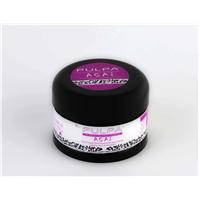
Pulpa Acai Powder from The Brazilian Fruit Company, is made from acai berries that are processed within an hour of being harvested while they are still at their best – giving them the greatest potency of all products on the market.

Measuring Antioxidants Acai contains more antioxidants – specifically anthocyanins – than otherrecently celebrated superfoods such as pomegranate, Goji Berries, blueberries and red wine grapes. Very simply, antioxidants are measured by Oxygen Radical Absorbance Capacity (ORAC) which is a unit value assigned to determine the antioxidant power of a given food.

Foods with a high ORAC value are beneficial to the body by increasing
antioxidant levels, therefore helping to protect cells from damage by free radicals. Antioxidants are renowned for their anti-ageing properties keeping organs fit and healthy and skin, hair and nails looking young and vibrant.

A 100g serving of an antioxidant rich fruit such as blueberries will typically yield 2400 ORAC units. Amazingly, Pulpa Acai Powder will provide the equivalent amount in a single 5g serving and is ideal for adding to juices, smoothies, yogurt and porridge. Acai Anti-Ageing Ingredients Acai berries are packed with vitamins and minerals. They are rich in potassium, other vital minerals and 16 amino acids.

The synergy of these many health-giving nutrients make Acai a true superfood. Many of its inherent vitamins and minerals have specific roles in keeping
the body young and beautiful:

· Vitamin E is essential for healthy skin, but is removed from the body by the contraceptive pill, environmental pollution and poor diet
·Vitamin B2 is vital for healthy skin, hair and nails

The berries also contain oleic acid (an Omega 9 fat), lineolic acid (an Omega 6 essential fat), palmitic acid and beta-sitosterol which is a plant sterol capable of lowering the body’s absorption of harmful cholesterol.

How do I take Pulpa Acai? Add 3g of the powder to a smoothie, juice or yogurt. It has a subtle, pleasant fruit flavour that complements fruit-based food and drinks. Where Can I Buy It? You can find Pulpa Acai Freeze Dried Powder at Revital Health Stores, www.revital.com or by calling this UK number 0870 366 5729. 90g (30 servings) costs £25.95; 60g (20 servings) costs £18.49.