Gorgeous George confesses to surgery

image

Hollywood:Actor George Clooney has confessed that he has gone under the knife.

The 45-year-old revealed to actress Julia Roberts in a TV interview that he has had plastic surgery around his eyes.

Asked what had been the last biggest change in his life, he told her: ‘I had my eyes done. Can you tell? I think it’s important to look awake.’

Julia, 39, was interviewing George, her co-star in Ocean’s Eleven, at his LA home for Oprah Winfrey’s Oscars special.

The actress said that she had not had any surgery ‘yet’.

Ayurvedic treats on beautiful Sri Lanka

image

London: Holiday on the beautiful island of Sri Lanka and sample the fantastic spas and Indian Ayurvedic medicicine.

The Barberyn Ayurveda resorts on the Island are family run and feature classical treatments such as synchronised full body massage, herbal baths and steams, rejuvenating scrubs and individually freshly prepared remdies.

The food is wholesome and delicious, the rooms spacious and beautifully furnished.

Overlooking stunning, secluded beaches the resort at Weligama, 140km south of the airport, nestles among palm trees and two verdant valleys, giving each balcony a view of lush greenery or the sea. It is ideally situated for exploring the sites of the South and the turtle sanctuary.

The Barberyn is open all year round but February is perhaps the best month to visit. Doubles are from $1,749 (£895,€1,375) per week including Ayurveda treatments. For the best sunsets and sea views request a room on the top floor.

The Barberyn Reef Ayurveda Resort is located on Sri Lanka’s south-west coast, right by the beach at Beruwala. The resort is sheltered by a long coral reef running the length of the resort, which forms a natural swimming lagoon. Sand stretches for miles on either side. This resort is 85km south of Colombo airport.

To book or obtain more details tel (from the UK) 0870 444 2704 or go to www.barberyn.com and more lovely holidays at www.nealsyardagency.com

Over 50’s taking too many risks abroad

London: Bungee jumping, skydiving, abseiling, and swimming with sharks are just some of the adventures that the over 50’s are enjoying on their holidays – but the Foreign and Commonwealth Office (FCO) warns at the same time of an upsurge in cases of over 50’s needing consular assistance abroad.

Over 50’s now represent 35% of all trips abroad and the new research from the FCO reveals that nearly 70% of over 50’s say they are more adventurous with their trips now then ten years ago. Over a third have visited more than 20 countries and almost a fifth have taken part in adventure activities like bungee jumping or abseiling on recent holidays. And with 25% looking to swim with sharks or 15% wanting to skydive in future on holiday the FCO is advising the over 50’s to start making better preparations for their adventurous travels.

In recent years cases of over 50’s approaching Foreign Office consuls have increased – from more lost passports to cases seeking help with hospital costs because of a lack of travel insurance. The FCO believe the majority of the problems are due to over 50’s not making proper preparations before they leave.

Steve Jewitt-Fleet from the Consular Communications Team at the Foreign & Commonwealth Office (FCO), said: “In our recent research we were surprised to discover that a massive 65% of over 50’s asked, didn’t take out travel insurance on their last trip and out of those, 47% felt they didn’t need it. In addition, nearly half didn’t research their destination and only 27% made a note of their credit card number. As we have noticed an increasing number of over 50’s swapping relaxing holidays in Marbella for treks in the Himalayas, we would like to see more over 50’s being better prepared for their trips to ensure they are fully covered for any eventuality.”

This trend has prompted the FCO to join forces with Lonely Planet to launch ‘World Wise’, an advice book aimed at older travellers which includes a host of simple advice to ensure that they are fully prepared to have the most exciting travels without any unpleasant experiences. ‘World Wise’ is available to download at the FCO website www.fco.gov.uk/travel or in all Hayes and Jarvis stores. The FCO has also produced a TV filler aimed at this audience advising them to be better prepared.

Tony Wheeler, founder of Lonely Planet, is sixty this year and says: “It is clear that not only are there more over 50’s than ever before, but that they are travelling more and being more adventurous with their travels. It is no longer all about two weeks in Spain or saving up for a cruise – we are the generation who thinks retirement is the chance to do all the things we ever wanted to, from safaris to sailing down the Mekong. It’s great to see the FCO thinking specifically about this audience and we were really pleased to work with them to launch World Wise.”

FCO advice to over 50’s travelling abroad

Take out fully comprehensive travel insurance that covers you for all activities you choose to do
Buy a guide book and read up on your destination so you have an idea of the geography – your hotel in relation to the main tourist area etc
Know the local laws and customs e.g. acceptable behaviour and alcohol laws
Check out the travel advice at the FCO website www.fco.gov.uk/travel, or by phone from the FCO’s Travel Advice Unit on (0870 6060 290)
Remember to check that your passport is valid, in good condition and that the ‘Next of Kin’ details are filled in. Take a photocopy and keep it with you
Ensure you take adequate back-up funds (credit or ATM cards, travellers’ cheques) for every eventuality and take copies of vital numbers
Keep the contact details of the nearest British Consulate with you; they could prove invaluable in times of trouble
In Europe apply for an European Health Insurance Card (EHIC) – online at www.dh.gov.uk/travellers, by phone on 0845 6062030 or at the Post Office. This entitles you to reduced cost, sometimes free, healthcare in most European countries* should you need it. EHIC is not a substitute for travel insurance

Brits – the fattest in Europe, says new survey

London: Brits are the fattest people in Europe, says a new survey by the European Union’s Statistical Office, Eurostat.

A quarter of women and a fifth of men in the UK are now so overweight that their health is at serious risk. Second and third place go to Germany and Malta.

British women head the EU league, with 23 per cent clinically obese, and men fare little better, with 22.3 per cent classified as obese behind only Malta.

The figures highlight the obesity timebomb of ageing diseases such as heart disease, cancer, diabetes and other diseases brought on by obesity.

German women have an obesity rate of 21.7 per cent and Maltese women 21.2 per cent. The thinnest women are in Italy, where fewer than 8 per cent are obese.

The highest rate of male obesity is in Malta, with 25.1 per cent obese. British men are second with a rate of 22.3 per cent, followed by Hungary and Germany. Romania has the best record on male obesity, with just 7.7 per cent obese.

Measured by calculating Body Mass Index – a mathematical formula relating height to weight – people are classified as obese if they weigh a fifth more than their ideal maximum weight.

The EU statisticians looked only at adult obesity, but previous studies have shown rates of child obesity are equally worrying. In Britain the figures have trebled in 20 years, with 10 per cent of six-year-olds and 17 per cent of 15-year-olds now obese.

Adult obesity rates have nearly quadrupled over the last 25 years, making Britain the second-fattest nation in the developed world, trailing behind only America.

Obesity causes 9,000 premature deaths a year and costs the NHS up to £1billion.

Being obese can take nine years of a person’s lifespan and raise the risk of a host of health problems including diabetes, heart disease, stroke, infertility and depression.

The risk of many cancers, including breast, colon, kidney and stomach cancer, are linked to weight.

Harley Street Medical Group launches bespoke non-surgical treatments

London: Ongoing scientific innovations, advancements and developments in the multi million pound non surgical treatments and procedures market means that women and men are offered an ever expanding range of ways to improve their appearance – without the need for cosmetic surgery.

Research conducted by The Harley Medical Group, responsible for introducing a significant number of FDA-approved procedures and treatments into the UK market since 1983, has shown that patients are increasingly confused about what the latest treatments do, which treatments combine well together to provide the best overall results and what results they can expect to see following treatment.

After 12 months of consultation amongst its medical and specialist non surgical solutions team of dermatologists, doctors and nurses, The Harley Medical Group is launching computerized photo-imaging skin analysis and personal treatment plans with treatments carried out by trained medical staff.

Using the most up to date computerised photo imaging skin analysis technology, the surface and subsurface of the skin is analysed as the face is photographed and then microscopically examined – a photographic report is then printed out with a reading of the skin’s characteristics such as pore size, age spotting, pigmentation, skin unevenness and lines & wrinkles. Taking into account the patient’s age and lifestyle, it gives a score for each of the key factors relating to the skin’s condition using a grading relative to the 3,500 women and 1,500 men whose details are stored in the system.

The Non Surgical Solutions Nurse Therapist will then conduct a careful assessment, where necessary in consultation with The Harley Medical Group’s team of dermatologists, to determine which of the extensive range of treatments will best suit the patient’s needs, providing a Personal Treatment Prescription Plan with a prescription of treatment recommendations. This will take into account the patient’s medical history, what they want to achieve and their preferences for treatment.

The Personal Treatment Prescription Plan may include, amongst other things:

◊ Wrinkle relaxing injections and or dermal fillers
◊ Medical microdermabrasion
◊ Glycolic and/or other Peels
◊ Aesthera PPx Laser (see news release enclosed)
◊ Laser Hair Removal
◊ Thread Vein Removal
◊ Hyperhydrosis
◊ Acne treatment

The Harley Medical Group’s Non Surgical Solutions Nurse Therapist will thoroughly explain each stage of the procedure to the patient from the preparation for the treatment through to what to expect at the treatment itself and detailed post-treatment care – she may also put the patient in touch with other patients who have undergone the same treatment procedure.

Prior to treatment, photographs will be taken so that they can be used as a future reference point and when planning future treatment programmes – patients often want copies of these for show and tell and share sessions with girlfriends over lunch!

Once the Personal Treatment Prescription Plan has been completed, the patient may want to book for a Non Surgical Solutions Skin Maintenance Programme, to provide an ongoing prescriptive treatment plan that’s both rejuvenating and preventive in the ageing process – keeping their skin looking the way they want it to.

All of The Harley Medical Group’s Non Surgical Solutions nurses, doctors and dermatologists are specially selected and trained experts in skin maintenance and improvement in the field of non surgical treatment application and have been specially trained to administer Non Surgical Treatments.

To book an appointment for Non Surgical Solutions – Computerised Photo-Imaging Skin Analysis or Personal Prescription Treatment Plan at any of The Harley Medical Group’s 12 clinics in the UK & Ireland, call 0800 0859 085. All clinics are centres of clinical excellence and each clinic being registered with the Healthcare Commission.

The Harley Medical Groupwhich has been established for 23 years and has 12 clinics across the country, is one of the most highly-regarded cosmetic surgery groups operating in the UK. Last year, The Harley Medical Group became one of the only commercial providers to work with the government to help oversee the regulation of the entire cosmetic surgery sector and Chairman Mel Braham was appointed to the Department of Health’s Steering Committee.

The Harley Medical Group is renowned for introducing pioneering new techniques to the UK market, such as Laser Hair Removal, Cool Touch Laser, Silk Touch Laser, Collagen for lines and wrinkles, Laser for snoring, Tumescent Liposuction, LPG for cellulite treatment.

To book an appointment, for a brochure or free consultation, please call The Harley Medical Group on 0800 085 9085 Posted in Facial Elixirs, News | Tagged , , ,

F.A.S.T. hair rejuvenation – 10% discount for ELIXIR readers

image

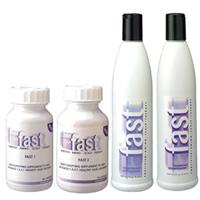
F.A.S.T. (Fortified Amino Scalp Therapy) Shampoo & Conditioner are two new products that encourage “faster” hair growth.

They contain an all-natural blend of herbs and essential amino acids, which can help growth up to 45%* faster and give the hair more body, shine and bounce. The results are seen in just one month.

The manufacturers say that if your hair grows at a rate of 1″ per month, using F.A.S.T. can increase it to as much as 1.5 inches per month.

F.A.S.T’s blend of essential vitamins, amino acids and herbs penetrate the scalp helping to accelerate growth rates and rejuvenating its condition.

F.A.S.T. can be used on all types of hair and with other hair treatments such as colouring, perm, relaxers and weaves.

To order and get your 10% discount on the shampoo and conditionerwww.body4real You will need to put the following code into the order form – ELIXIR1006
Tel: + 44(0)208 123 0321

ELIXIR has tried & tested this range and it really does leave your hair clean, shining and smells great too!

Other Aids To Grow Hair Faster

In addition to F.A.S.T. shampoo and conditioner, hair growth can be stimulated in several other ways including:

• Vitamins and supplements.
• Massaging of scalp.
• Regular exercise.
• Healthy diet.

F.A.S.T. shampoo and conditioner works exceptionally well when used in conjunction with F.A.S.T. vitamin supplements.

RRP:

• FAST Shampoo and Conditioner Set £19.99 ( 1 months supply)
• FAST Supplements £29.99 ( 1 months supply)
• FAST Combo Shampoo, Conditioner + Supplements £39.99 ( 1 months supply)

To order and get your 10% discount www.body4real You will need to put the following code into the order form – ELIXIR1006
Tel: + 44(0)208 123 0321

Laresse – the new generation of dermal fillers

image

London: Laresse – new dermal filler from the US and which says it is the most technologically advanced has launched in Europe.

It is synethetically made from absorbable medical polymers, “bio-polymer” which uses such small particles that it can be used for tiny wrinkles and is injected with the smallest of needles, reducing bruising.

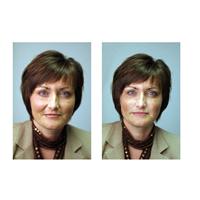
Before and after photo right

Laresse is the creation of Californian company Fzio Med which manufacturers medical polymers. The company has been given regulator approval in Europe, including the UK, has yet to receive permission from the FDA for use on patients in the US.

The company claims that is a superior “new generation” filler because it has none of the drawbacks of previous fillers. For example, collagen which was sourced for animal sources such as bovine or porcine, required an allergy test. Hyaluronic acid (HA), a newer filler, which is a precursor to collagen in the human body is made from bacteria and has to go through a process known as “cross-linking” which slows down body’s natural absorption of the material.

It also is nonimmunogentic and non-clumping, says FzioMed.

Made by the Californian company FzioMed it was rolled out to cosmetic surgeons and medical surgeons in the UK earlier this year.

Dr Richard Berg, PhD, FzioMed Vice President of Research and Chief Science Officer said: “Laresse is not made from HA so it has no bacterial or animal components, no cross-linking chemicals, and no gel particles. It’s a pure, ultra-smooth, gel that can be used to shape facial contours and reduce the appearance of lines and wrinkles.”

Laresse is a non-permanent filler which has been formulated from the company’s experience in spinal surgery. The effects are said to last for six months and costs from $488 (£250 €370).

For a practioner in the UK contact 07876 346 764 or visit www.laresse.com
The first positively flawless dermal filler
Non-animal, non-bacterial, non-permanent, non-crosslinked

Laresse – New Technology in dermal fillers – the facts

• 2006 Laresse: New technology with 3 new features: no animal contaminants, no crosslinkers, no particles, to provide less worry, less pain, thinner needles

• 1990’s Hyaluronic Acid : 2 new features over collagen:
• 6 months vs. 3 months) and no pretreatment skin test.
• Technology static for 10 years; NO NEW TECHNOLOGIES since HA (Many HA fillers, all the same)
• HA’s drawbacks not addressed: animal or bacterial source, crosslinkers and particles

• 1980’s Bovine Collagen, First temporary filler, 3 months

What is Laresse?

• Composed of 2 polymers mixed together in a dilute aqueous solution
• Carboxymethylecellulose (CMC) & Polyethylene Oxide (PEO
• Both CMC and PEO polymers have a high affinity for water producing a hydrogel, or water-containing gel.

Hyaluronic Acid Dermal Fillers

• Because natural HA degrades rapidly, it must be chemically modified to be useful as a dermal filler
• Chemicals such as BDDE (1,4-butane-diol diglycidyl ether, a known carcinogen) are used to “cross-link” HA molecules together to slow down degradation
• All HA fillers require chemical cross-linking to achieve longer residence time in the dermis
• Residues of cross-linking agents are toxic and may cause inflammation and hypersensitivity reactions
• Cross-linking creates a gel made up of HA particles
• Particle size limits delivery through a 30g needle (many fillers require 27g needle)
• Particles can cause a less desirable cosmetic result

Laresse vs. HA Fillers

Laresse & HA are structurally similar, however they have 3 key differences…..

• Animal or Bacteria Source
– All HA fillers are derived from animal sources (rooster combs) or by bacterial whereas Laresse is derived from pure, absorbable, medical polymers

• Cross-Linking
– Natural HA degrades rapidly, so all HA must be chemically cross-linked to be useful as a dermal filler
– Laresse needs no cross-linking to be an effective dermal filler

• Particles
– All HA fillers are made up of gel particles (due to cross-linking)
– Laresse is completely smooth, free of gel particles

Laresse key points

1. Ultra-Smooth, Clear Gel, 30g Needle
2. Non-Permanent, Non-HA
3. Non-Particulate, Non-Clumping
4. Easier to Inject
5. Non-Bacterial
6. Non-Animal
7. Non-Immunogenic
8. No Cross-Linking Chemicals
9. Biocompatible, Safe

Safety fears put women off non-surgical fillers, says Radiesse

San Mateo: Questions over safety of aesthetic facial fillers stop many women from undertaking this form of beauty treatment, according to a new survey from US company Radiesse.

In a recent “Face of Beauty” survey, it estimates that over 22 million women aged 35 and older who have not used a cosmetic filler would be more likely to use an injectable filler for facial wrinkles if it were proven safe, more affordable, longer-lasting and stimulated the body’s growth of collagen — the key attributes of next- generation Radiesse(1).

These findings are based on a Harris Interactive® poll of 807 women undertaken late last year and conducted on behalf of BioForm Medical, Inc., the makers of Radiesse(2).

Radiesse is the first cosmetic filler with advanced calcium-based microsphere technology that has a proven one year benefit and safety profile on par with collagen. It was recently approved by the U.S. Food and Drug Administration (FDA) for the correction of moderate to severe facial wrinkles and folds. Because of its unique calcium-based micropsheres, physicians report that longer-lasting, voluminous Radiesse is the better patient value because patients need fewer treatments per year with about half as much product per treatment compared to rival treatments.

Further, the ability of next- generation Radiesse to stimulate collagen and produce results that last about a year or more with utmost safety is setting a new standard for wrinkle correction and restoring the fullness and contours of a youthful, healthy appearance.

The survey also found that the average woman looks at her face in the mirror almost five times a day, or about once every three waking hours. This fact is bolstered by more than 45 million U.S. women (60%) who responded that they were more likely to worry about their face looking old and wrinkled than their body showing the signs of aging.

When asked who men would rather kiss, 60% of women think men would find a beautiful face more “kissable” than a beautiful body.

Survey results also indicated that women between the ages of 35 and 44 are more likely to feel less confident when they notice facial wrinkles (34%) compared to their older counterparts (17% of those aged 45 to 54; and 22% of those aged 55 and older).

“This finding is hardly a surprise,” said Susan H. Weinkle, M.D., a leading cosmetic dermatologist in Bradenton, Florida, and guest speaker at a kick-off luncheon in New York City where the “Face of Beauty” survey results were released. “We are seeing a real shift in women’s attitudes from 10 years ago.

Today’s woman is looking for the next generation, cost-effective solution to help fight the visible signs of aging. She is not content to wait for the appearance of tell-tale folds and wrinkles before investigating cosmetic fillers like Radiesse,” she added. “Women today know what they want and are going for it at an increasingly younger age.”

The Radiesse “Face of Beauty” survey was conducted to determine the practices, attitudes, and aspirations of women aged 35 and over with regard to the use of injectable wrinkle fillers including Radiesse.

About Radiesse

Radiesse is a longer-lasting injectable dermal filler used in many cosmetic, reconstructive and therapeutic applications to augment soft tissue, such as facial wrinkles, folds and contours. Composed of calcium hydroxylapatite (CaHA) microspheres suspended in an aqueous gel, FDA-approved Radiesse both fills and stimulates the body to produce new collagen for immediate results that last about one year or more. As such, next generation Radiesse is setting a new standard for the correction of nasolabial folds. Manufactured and distributed by BioForm Medical, Inc., Radiesse has been proven safe and effective in hundreds of thousands of procedures worldwide. For more information about Radiesse, please visit < ahref="http://www.radiesse.com">www.radiesse.com

About BioForm Medical, Inc.

BioForm Medical, Inc. is a privately-held medical aesthetics company headquartered in San Mateo, California. BioForm is dedicated to bringing doctors and their patients safe and effective products for use in the dermatology, ENT, and plastic surgery markets. BioForm’s products include Radiesse®, the first one-year filler for use in facial aesthetics and vocal fold insufficiency; Cutanix® for facial redness associated with conditions such as rosacea; a new surgical adhesive product for plastic surgery applications being developed in a partnership with CryoLife, Inc.; and Coaptite® for treating female stress urinary incontinence (“SUI”) which is marketed through a partnership with Boston Scientific Corporation. For more information about BioForm, please visit www.bioformmedical.com

(1) The results to individual survey questions were reported as percentages of the total number of survey respondents. The percentages have been converted to actual numbers based on data from the 2000 U.S. Census, which reported 75.5 million women ages 35 and older residing in the United States.

(2) This survey was conducted online by Harris Interactive on behalf of BioForm Medical, Inc. between November 27 and November 29, 2006 among 807 U.S. adult women 35 years of age or older and between December 15 and December 19, 2006 among 809 U.S. adult women 35 years of age or older. Figures for region, age within gender, education, household income and race/ethnicity were weighted where necessary to bring them into line with their actual proportions in the population. Propensity score weighting was also used to adjust for respondents’ propensity to be online.

With a pure probability sample of 807 or 809 one could say with a ninety- five percent probability that the overall results would have a sampling error of +/- 6 percentage points. Sampling error for sub-samples may be higher and may vary. However that does not take other sources of error into account. This online survey is not based on a probability sample and therefore no theoretical sampling error can be calculated.

Fat grafting becomes a popular anti-ageing option

New York: A growing number of people are opting for a new technique known as “fat grafting” to erase signs of ageing in the face without major surgery.

The American Society of Aesthetic Plastic Surgery says more than 90,000 fat grafts were performed in 2005 and it is becoming one of the most popular procedures since it uses a person’s own fat so there is no risk of rejection. And now techniques are getting more refined.

Recently a new procedure in which the surgeon combines the fat injection with platelet-rich plasma (PRP) help the treatment’s efficacy.

Doctors say there’s not usually much bruising or swelling. And for most patients, fat grafts last for years. Although some people could need a second procedure to get the final result they want.

New lips in minutes

Lip implants, made from the same materials as breasts, is a new treatment being offered by cosmetic surgeons.

The treatment takes oly ten minutes and is a permanent solution rather than series of injections of collagen and hyraulonic acid and takes only 15 minutes to perform.

In the past permanent implants caused problems, including allergies, swelling and lumps.

The new implant, called PermaLip, costs between £2,000 $4,000) and £2,500 ($3,000) is being offered to patients who want to boost their natural lips

Surgeons grow breasts from stem cells

A “natural” form of breast enhancement that uses stem cells and fat from a woman’s own body may soon be offered by cosmetic surgery clinics.

Women in Japan have already had breast enlargements using the technique in trials. The breasts which are smoother and more natural are made from a person’s own stem cells extracted from their fatty tissue – usually from the thighs. The stem cells grow to become part of the breast.

The process has already been given approval in Germany which means, according to European law, it is legal in the whole of Europe including the UK. As well as cosmetic surgery the procedure has the potential to be used for victims of breast cancer and other disfigurements.

Stem cells are already being used to repair hearts and other organs in experimental procedures. It also has the potential for degenerative diseases such as Parkinson’s Alzheimer’s, muscle wasting and motor neurone disease.

The new breast augmentation uses an extraction method developed by Californian company, Cytori, which is able to extract and concentrate cells in hours making it more available to more people. The process concentrates the number of stem cells.

This particular procedure has been pioneered by Tokyo surgeon, Kotaro Yoshimura, a surgeon at Tokyo University medical school.

It gets over current disadvantages of silicon and water implants which can leak. Another method which uses fat alone does not last as the cells die.

Ageless Secret – the beauty mask you can wear all day

image

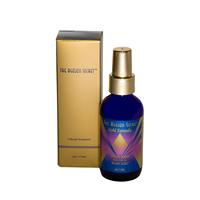
Would you wear a beauty mask in public? Here’s how you can get the benefits of wearing a beauty mask all day long, without anyone knowing it’s there!

Every day, women across America (and some men, we know you’re out there!) spend their hard-earned money on sticky or oily face masks to temporarily lift, tone and firm their skin. But whether they are green, blue, textured or peel-off, you probably don’t want to wear them out in public. Until now, there was no way to keep that ‘fresh from the spa’ look all day long, every day.

New developments in anti-aging technology have led to the creation of an ‘invisible beauty mask’ that leaves no residue so it can be worn by itself or beneath make-up. Called The Ageless Secret™, it is the only beauty mask on the market that can be worn all day, every day to constantly lift, firm, tone and hydrate your skin.

Because it is invisible, The Ageless Secret™ can be sprayed onto your skin throughout the day – even over makeup. It immediately improves skin elasticity whether you’re a tanning goddess or simply experiencing signs of aging.

“Instead of getting only the temporary results from a typical beauty mask, you can cheat ‘old age’ and get the results of a beauty mask all day every day. And because it is constantly lifting, firming and toning your skin it trains your skin to resist looking old,” says Jim Kaszyk, President and Chief Technologist of Kasz Enterprises Inc, who developed The Ageless Secret™ formula..

The Ageless Secret also dramatically reduces the need for a moisturizer, because it hydrates, softens and dramatically improves skin suppleness to fight wrinkles and the first signs of aging. “The Ageless Secret relies on harmless and time-tested, all natural ingredients combined into a gentle formulation using The Ageless Secret’s exclusive homeopathic-like manufacturing technology,” explains Kaszyk.

“This formula also is safe enough to drink,” he confirms. “This level of product safety separates us from others within the market. We believe what you put on your skin goes into your skin and eventually into your body. Because we have found ways to enhance the effectiveness of the ingredients, we can use them in tiny amounts. That also eliminates unpleasant odors, textures or side effects. The resulting invisible mask trains and tones the skin to keep it from looking old. The more it is used, the better results you get.”

The Ageless Secret™, available in Original and Gold Formulas, is currently sold online at www.agelesssecret.com and at a limited number of health food stores in the US. The price is $159.99 (£81.32, Euro 120.34)and will last two months, if you use it according to the directions. Longer if you don’t spritz quite so often during the day.

Biography – Curtis J. Perry, MD

Dr. Curtis Perry is a Board Certified facial plastic surgeon, in addition to being a board certified otolaryngologist. He is currently in private practice in East Greenwich, Rhode Island. He also serves as an assistant clinical professor at Tufts University School of Medicine. Dr. Perry earned his medical degree at Brown University Program in Medicine in Providence, Rhode Island. He is a member of numerous professional societies including the American Academy of Facial Plastic and Reconstructive Surgery and the American Academy of Cosmetic Surgery. He also is a co-author of several articles published in professional medical journals.

Biography – Dr Richard W. Parlee

Dr Richard W. Parlee is a pharmacist and chiropractor. He has been in clinical practice for more than 35 years in Orange County, California. His primary focus has been assisting the body with healing and enhancing itself through natural means, emphasizing clinical nutrition to supply the necessary raw materials that the human body so desperately needs. He continues to be a pioneer in natural healthcare, seeking the most innovative products and methodologies that improve the quality of people’s lives. His commitment to excellence in providing proven, practical and life enhancing results for his clients remains his mission.

Dr Parlee was certified as a registered pharmacist in 1963 by the Oregon Board of Pharmacy. He graduated from the Los Angeles Chiropractic College as a Doctor of Chiropractic in 1970.

Dr Parlee has been using The Ageless Secret in his practice for the past three years. Both he and his clients have noticed remarkable tangible results in the de-stressing and rejuvenating aspects of The Ageless Secret as well as the diminishment of wrinkles, general tightening of the skin, and the hydrating effect it has on the areas of application. He continues daily to see the improvements The Ageless Secret has had on his numerous clients.

Biography – Steven E. Nelson

Steven E. Nelson is a Doctor of Pharmacology at Synergy Wellness Clinics, Inc. in Palm Desert, California. Dr. Nelson has more than 43 years of experience in applied pharmacology and biochemistry, and more than 15 years experience as a clinic, naturopathic and homeopathic physician.

He has written articles for more than 30 medical, nutritional, trade and commercial publications. And he has 10 years experience as a clinical instructor at the University of Wisconsin, University of California, UCLA, University of Southern California and Stanford University.

Nelson earned his Doctor of Pharmacy from the University of Michigan, a Doctor of Philosophy (Clinical) in Pharmacology from the University of Wisconsin Schools of Pharmacy and Medicine, and Doctor of Philosophy (Clinical) in Biochemistry and Clinical Nutrition from Indiana University.


Reverse therapy treats ME and mystery illnesses

Illnesses such as Chronic Fatigue Syndrome (CFS) and Fibromyalgia have long brought problems for sufferers with no real cure or relief in sight. Generally perceived to be mystery illnesses with no known cause, this status, along with symptoms including pain, depression, anxiety and overwhelming fatigue, result in great distress and suffering. However, there is now a solution in the shape of a revolutionary new treatment – Reverse Therapy.

Reverse Therapy is an educational process which teaches people how to eliminate symptoms by understanding and acting on ‘the message of the symptom’. It is based on years of research carried out by Dr John Eaton on the relationship between the mind and the body, and between the emotions, the brain, the nervous system and the immune system. The results allowed Dr Eaton to develop a series of techniques that interpret what ‘Bodymind’ is trying say through the symptoms to warn, guide and protect the individual.

In basic terms, symptoms of both CFS (also commonly referred to as M.E.) and Fibromyalgia are caused by the hypothalamus in the brain overworking the Pituitary and Adrenal Glands due to a conflict between the ‘Bodymind’ and ‘Headmind’. It is basically a vicious circle whereby ‘Bodymind’ notes the individual is emotionally vulnerable and sends emotions to signal that action is required. ‘Headmind’ interferes by coming up with worries, predictions of disaster, etc and the individual becomes trapped. ‘Bodymind’ then notices that the person is in danger of emotional overload and uses the Hypothalamus to switch on an alarm response that produces the symptoms. Frequently the situation worsens as the ‘Headmind’ notices that symptoms are increasing and triggers an anxiety response, which in turn increases the symptoms, and so on.

Reverse Therapy works by reversing the symptoms; getting the person to see that ‘Headmind’ is keeping them trapped in anxiety and illness and raising their awareness of ‘Bodymind’ to reconnect to their emotional needs. Treatment also involves understanding and acting on ‘the message of the symptom’ and engaging in activities that boost confidence and happiness. It can also help to keep a record of situations in which symptoms increase so that further protective and preventative work can be carried out.

Dr John Eaton says, “Using Reverse Therapy takes practice and requires patients to perform their own self-healing. Once ‘Bodymind’ notices that the emotion in the system is being cleared the Hypothalamus is triggered to turn down or switch off the symptoms, often for good. We see huge improvement rates with our patients and most of them recover fully. Those who still experience the occasional symptom report that they now find it easy to identify and manage these symptoms early on to prevent any relapse.”

Following a diagnosis of ME, JH suffered for ten years before discovering Reverse Therapy, “I needed only three sessions and four months. I now have my life back. I am able to make plans to go out even on weeknights and I can now experience new things. I have also changed – for the better according to friends and family. I feel free. I can’t thank Dr Eaton and Reverse Therapy enough and I can’t believe there are so many people going through what I went through and think there is no cure.”

Further information can be found by visiting the company’s website www.reverse-therapy.com calling 0870 626 0100 (from UK) for appointments or emailing info@reverse-therapy.com

Bodymind

Bodymind is the intelligence of the body, working through the Brain, the Nervous System, the Glands, the Cells and the Immune system. Its primary function is to ensure the safety of the individual and to maximise health and happiness. In communicating to us, Bodymind uses a different language from Headmind. Where Headmind uses images, thoughts and rules; Bodymind uses feelings, emotions, intuitions, moods and (as a last resort) symptoms. For further details visit. www.reverse-therapy.co.uk

Pychnolgenol more powerful than drugs in lowering blood sugar, says new report

London: A new study to be published in the journal of Diabetes Research and Clinical Practice reveals that French maritime pine tree extract known as Pycnogenol® (pic-noj-en-all) delays the uptake of glucose from a meal 190 times more than prescription medications, preventing the typical high glucose peak in the blood stream after a meal.

The study revealed the pine bark is more potent for suppressing carbohydrate absorption in diabetes than synthetic prescription
alpha-glucosidase inhibitors such as Precose®. “Diabetes mellitus type II is a serious disease with rising prevalence,” said Dr. Petra Högger, a lead researcher of this study.

“This study is crucial for those suffering with the disease because it affirms that Pycnogenol® is more effective than prescription medication Precose® and supports the abundance of other research done on Pycnogenol® and diabetes.”

The study was conducted at the University of Wurzburg Germany. Dr. Högger investigated the interaction of Pycnogenol® with the enzyme alpha-glucosidase, which breaks down carbohydrates in a meal. Results revealed Pycnogenol® is 190 times more potent for inhibition of alpha-glucosidase than the synthetic inhibitor acarbose, a common prescription medication for treatment of type II diabetes (sold in Europe under the name Glucobay® and the United States under the name Precose™). Pycnogenol® was shown to inhibit the intestinal enzymes (alpha-glucosidase) involved in the digestion of complex carbohydrates such as starch and normal table sugar. The alpha-glucosidase breaks down carbohydrates into glucose molecules which are then absorbed into the blood stream. “The high concentration of procyanidins (flavonoids) found in Pycnogenol® is responsible for demonstrating these excellent results,” said Högger.

According to Högger, the large procyanidin molecules were found to be particularly active for inhibiting the activity of alpha-glucosidase, thus demonstrating such notable results. “The carbohydrates enter the blood stream steadily over prolonged periods of time, which makes meals last longer and prolong satiety.”

In two separate studies conducted in 2004, Pycnogenol® was found to significantly lower blood sugar levels in type II diabetes patients. A study published in the March 2004 edition of Diabetes Care revealed that patients who supplemented with Pycnogenol® experienced lower blood sugar after meals and lower fasting blood sugar.

Another study published in the October edition of Life Sciences revealed a significantly further lowered blood glucose level in patients who supplemented with Pycnogenol® while continuing their anti-diabetic medication with acarbose and metformin.

About Pycnogenol® Pycnogenol® is a natural plant extract originating from the bark of the maritime pine that grows along the coast of southwest France and is found to contain a unique combination of procyanidins, bioflavonoids and organic acids, which offer extensive natural health benefits. The extract has been widely studied for the past 35 years and has more than 220 published studies and review articles ensuring safety and efficacy as an ingredient.

Today, Pycnogenol® is available in more than 600 dietary supplements, multi-vitamins and health products worldwide. For more information, visit
www.pycnogenol.com

Half a million elderly abused in UK, says Help the Aged

London Half a million elderly people in the UK are suffering some form of abuse or neglect, according to Help the Aged.

A major survey by the charity claims they face physical, emotional, sexual or financial mistreatment.

But campaigners say that, despite the size of the problem, more than one-third of people have never heard of elder abuse.

And a quarter of those questioned admitted they would not know how to spot if an older person was suffering.

Help the Aged is launching a national campaign – Enough is Enough – to draw attention to the problem.

Supported by TV presenter Esther Rantzen, it aims to raise awareness of the warning signs and give advice on how to help.

Ms Rantzen told BBC News 24: “As a nation we’re not very good at valuing older people. They’re sort of detritus, they’re a bit of sort of rubbish.

“It’s all about younger people these days and when you start getting white hairs and wrinkles on your face you’ve had your time… why don’t you push off to a care home.

“If we treat older people with respect, if we value them and treat them as precious the way we regard children now, that would do a great deal to provide the comfort and protection that vulnerable old people need.”

Help the Aged says many people in Britain wrongly believe elder abuse is most likely to be carried out in care homes by professional staff.

In fact, it claims the largest proportion of abusers are related to their victim and that 64% of abuse occurs in the older person’s own home.

Paul Cann, director of policy at Help the Aged, said: “These figures signal a frightening ‘Not in my back yard’ public attitude, fuelling existing myths that abuse of older people is largely carried out in professional settings, or by primary carers and never close to home.

“We know this simply isn’t the case. Elder abuse can happen anywhere and by anyone, and is more likely to occur within the family home, by someone in a position of trust.

“If more people understood what elder abuse is and its impact on those affected, instead of treating it as a taboo, we’d be one step closer to tackling this national scandal.”

Elder abuse in the UK

46% of abusers are related to their victims
25% of abusers are sons and daughters
80-89 year olds are most at risk

A new booklet produced by Help the Aged lists tell-tale signs which concerned friends and relatives should look out for.

These include the person becoming withdrawn or depressed, changes to their appearance such as weight loss or an over-emphasis on insisting everything is fine.

Ms Rantzen added: “Elder abuse not only has a devastating effect on older people, it shocks and appals their loved ones and indeed the whole nation.

“What kind of country allows older people to suffer and looks away?”

Help the Aged is also calling for:

* a zero-tolerance approach to all forms of elder abuse

* compulsory training in the prevention and recognition of abuse for anyone working with the elderly

* elder abuse to be given the same priority as child abuse

* greater awareness among the legal profession to ensure abusers are brought to justice

To support the campaign, Help the Aged has also produced a moving documentary in which an actor tells the story of an abuse victim in her own words.

Story fromBBC News

British women say no to extreme diets, says Laughing Cow survey

London: According to a study conducted by The Laughing Cow®*, despite the past year being hailed as the year of the size 00 celebrity figure, over a third (34%) of sensible British women polled now cite Charlotte Church, rather than skinny Victoria Beckham, as having the perfect figure, with size 12 being the aspirational size of the majority of women.

However 40% of men considered the sporting physique of Victoria’s husband, David Beckham, as being their ideal goal, according to The Laughing Cow® Extra Light Diet Survey, an in-depth analysis of the British attitude, aspirations and approach to dieting.

The Report’s results show that the average diet lasts just five and half weeks. With 48% of people starting their summer holiday diets in March, in preparation for showing off their figures in June, July or August, mid April is the danger period for a weakening of resolve – perhaps due to the temptation of all those Easter eggs, as 50% give lack of will power as the main reason for failing to stick with a diet! The results are available for all to view on www.laughingcowdietreport.co.uk, which also offers tips, advice and recipes to help would be slimmers stay on track to achieve realistic weight loss goals via a healthily balanced diet.

We’re a Nation of Bridget Jones’s – Always on a Diet
The revealing results also show that 1 in 10 (or 6,658,630) Brits are currently on a weight loss diet – amazingly, if gathered together, this number equates the total population of Scotland and Northern Ireland combined. What’s more, like popular fictional character Bridget Jones, 21% of dieters consider themselves as always on a diet, with the average dieter spending around £150 per diet on special diet foods.

Sisters Are Dieting for Themselves
On motivation, three quarters (75%) of all dieters claim that they want to slim for themselves, with less than a fifth (18%) wishing to lose weight to please their partners. 70% of dieters also cited health as a reason for wanting to slim, although half of all women dieters are driven to diet in a quest to look good in fashionable clothes (58%) or simply boost their confidence (59%).

Dieting to Extremes?
Many are now taking a sensible approach to dieting, with 85% considering eating smaller portions to shift weight, 64% considering consuming only low fat foods and 44% pondering joining the gym. However some contemplate going to extreme lengths to shed excess weight, with 22% thinking about taking weight loss pills, 12% considering a liquid diet and nearly 1 in 10 (9%) pondering surgery.

Cheese and Chocolate Cravings
Craving comfort food, a fifth (20%) of those polled cited cheese as the food they most craved when dieting, beaten only by the ubiquitous chocolate (23%). Nearly half (48%) of dieters wished that cheese was less fattening, although over half (52%) considered cheese as a healthy food.

The survey was commissioned by the dieter’s friend, The Laughing Cow® Extra Light, the first truly low-fat cheese portions, packed with all the Laughing Cow cheese taste and goodness but with only 3% fat and just 20 k-calories per individual triangle.

To support wavering and would-be slimmers, The Laughing Cow® Extra Light has launched an exciting microsite – www.laughingcowextralight.co.uk and have teamed up with respected nutritionists and registered dieticians, Sian Porter and Azmina Govindji, to bring you a site packed with dieting tips, tasty recipes, tips from real life dieters, plus the opportunity to download a free podcast offering an inspirational practical guide to successful dieting.

Jo Wozniak, Group Brand Manager, The Laughing Cow® commented: “The Laughing Cow® Extra Light Diet Survey reveals many insights into the different attitudes, approaches and aspirations of slimmers and identified five distinct dieting types that each take a different approach to weight loss. As April is the month when the majority look likely to fall off the pre summer holiday diet bandwagon, we believe that the motivational tips, information and advice offered on our microsite will go some way towards helping slimmers lighten up and stay on track. Understanding different slimmers’ needs, motivations and difficulties is important as it enables us at The Laughing Cow® to devise ways to help slimmers achieve their dieting goals with a healthily balanced approach.”

Hair raising facts from top UK stylist

image

Women will spend more than 18 years of their lives suffering from bad hair days, according to a new survey.

The average woman will have 6689 bad hair days in her adult lifetime – almost three days every week.

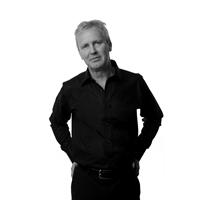
Three per cent have been so depressed by their unruly hair that they have even ended up going to the doctors, the survey by top UK stylist Andrew Collinge (pictured right) revealed.

More than half of the 3000 women surveyed say having bad hair can affect their whole mood.

One in five women have argued with their partner about something silly – just because they were having a bad hair day – and an unlucky one per cent have even been dumped because they spent so much time fretting about their mane.

Three quarters of those who suffer from a bad hair day just wash their hair and style it again but for five per cent of women, their messy hair stops them from leaving the house at all.

One in 20 have called in sick so they don’t have to face their workmates with their bad barnet and it’s probably for the best as a staggering 96 per cent of workers admit to arguing with a colleague or being rude to a client simply because of their dishevelled hair.

Eight per cent have cancelled a date to save scaring off the other person with their wild mop.

The most common cause of a bad hair day was that it is too frizzy while 15 per cent say they often suffer from lank and greasy hair.

Andrew Collinge said: “What these results show is that having a bad hair day really can have a serious effect on us – however I do believe that with a good haircut, the right products and practical advice, women can overcome these issues.”

It’s not all gloom though as two thirds of women say they felt more confident in their appearance when their hair is looking its best and one in five have even met their partner when they are having a good hair day.

ENDS

Source: www.onepoll.com
Sample size: 3000 women

Brewer’s yeast acne cure

image

London: Brewer’s yeast, which is used to make beer, is the active ingredient in a new spot buster that works on acne.

The skin benefits of beer sediment (brewer’s yeast) were discovered in ancient Egypt over 4,000 years ago. But more recently two studies have confirmed that brewer’s yeast (Saccharomyces cereviseae) can help maintain a balanced pH level in the skin, help ease sebum blockages and combat bacteria that causes acne.

Acne is caused by an over-production of sebum, which is often the result hormonal disruptions such as puberty, monthly menstruation, pregnancy or menopause, even stress can marginally alter hormonal balances in the body and lead to increased sebum production.

Acne is generally caused when the sebum reaches the surface of the skin and thickens as it comes into contact with oxygen, leading to pore blockages which, if left unblocked, can lead to bacterial infection and inflammation (spots).

Brewer’s yeast is made up of unicellular micro-organisms which are a type of fungus that cultivate on the skin’s surface, warding off bacteria and keeping a healthy pH balance. These tiny organisms multiply quickly, meaning when applied to the skin they soon ‘populate’ the skin’s surface leaving no opportunity bad bacteria to take hold.

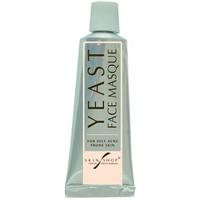
Skin Shop’s new Anti-Acne Yeast Masque contains active young brewer’s yeast cells, which multiply even faster than normal yeast cells, so the masque begins cultivating quickly on your skin as soon as it is applied.

Two German studies have found that topically applied young brewer’s yeast cells can help improve the appearance of acne.

The first, carried out in 1989 by Weber G, Adamczyk and A, Freytag S and published on PubMed was a randomized, controlled double-blind study involving 139 patients with various forms of acne. The effectiveness and tolerance of Saccharomyces cerevisiae) was studied in comparison with a placebo over a maximum period of five months. The results of therapy were assessed by the physician as very good/good in 74.3% of the patients receiving the preparation, as compared with 21.7% in the placebo group. In more than 80% of the former patients, the condition was considered to be healed or considerably improved, while the corresponding figure for the placebo group was only 26%.

The second study, carried out in May 2006 at Munich University as part of a trial on a commercial skin preparation containing young brewer’s yeast cells, found that after three weeks of applying a yeast-based cream to acne sufferer’s skin, that their skin improved significantly.

The Anti-Acne Yeast Masque should be applied to the skin once a day (preferably before bed) and left on for approximately 15 minutes, then washed off with clean warm water. For maximum effects no other skin care products should be applied for 6-8 hours use.

Skin Shop’s Anti-Acne Face Masque is made from all naturally active ingredients and free from SLS and parabens.

Skin Shop’s Anti-< ahref=http://www.skinshop.co.uk">www.skinshop.co.ukor call (from the UK) : 0871 871 9975

Allergies to hair dye increase among young people

London: There has been a huge increase in allergic reactions to hair dyes among younger people, according to a study published in the British Medical Journal.

And blame for the allergies is being blamed on a chemical dye called para-phenylenediamine (PPD) which is in two thirds of all hair dyes being sold. Although still on sale in some countries it has been banned in Germany, France and Sweden due to the problems.

A patch test survey recently showed an increase in contact dermatitis as a result of a hair dye allergy, rose by 7.1 per cent over a six-year period.

Allergic reactions in young people have ranged from severe outbreaks of dermatitis to patients being admitted to hospital due with significant facial swelling. But despite this there is currently no alternative or satisfactory agent on the market to replace it.

Despite current European legislation only allowing PPD to make up six per cent of constituents in hair dyes, there is still a significant increase in teenagers and adults reporting a reaction to the agent.

However, it is noticeable that the younger generation is becoming more affected by the agent as they continue to dye their hair despite the risks.

Top dentists warn over teeth whitening amateurs

London: Britain’s leading dental organisation, the British Academy of Cosmetic Dentistry (BACD) today warned about the dangers of going to beauty salons and spas for teeth whitening treatments.

The organisation says it is seeing an increasing number of patients who have had unsuitable treatments. One patient recently seen by a BACD dentist suffered damage to the surface of her teeth, after having a whitening treatment done at a City salon. The substance used on 23-year-old Stephanie is not regularly used for whitening, and according to the BACD, the chemicals can actually dissolve the enamel instead.

Dr. Christopher Orr, dentist and President of the BACD said: “We are seeing many cases of people who, driven by either convenience or cheap pricing, choose to have their teeth whitened at local beauty salons or ‘spas’. Not only are the treatments performed by non-dentists, but some of these chemicals aren’t accepted material for this cosmetic use and could cause considerable damage.”

On the first week of January, Stephanie Ramezan, a City-based 23-year-old who works in financial markets, decided to have her teeth whitened at a local spa. She was surprised to find there were no dentists performing the treatment, only beauty therapists, and that the procedure was so cheap. She explains;

“I had been led to believe that teeth whitening can be expensive, over £300, but this was less than £200 – I asked the therapist and she said it was a special ‘New Year’ offer. I had checked out their website beforehand and it all seemed reputable, so I went ahead and booked the session.”

However, as soon as two days after undergoing treatment, Stephanie noticed her teeth seemed darker, rather than lighter. She went back to the salon to enquire why this would be, but the beauticians there were unable to help. They informed her that the doctor, who runs the spa, was away. Stephanie went back again, twice, on different dates but the doctor was never available. She then tried calling her directly several times, but was rebuffed.

Stephanie says:“I was shocked at how unprofessional they were. Even the beauticians recognised that my teeth looked darker but no one seemed to know what to do about it.”

Oliver Harman, a BACD dentist who later saw Stephanie, noticed the surface of her teeth seemed damaged. Justifiably incensed, she shared with him all the details of what had happened. Oliver, who is based at City Dentics, then looked into the websites of the salon and the whitening franchise they are part of, which has outlets around the UK. He was puzzled about their use of a substance called chlorine dioxide, which although an oxidising agent is not generally used for whitening (the acid involved, in fact, is usually recommended only for industrial cleaning or water purification).

He says: “What immediately worried me is that they seem to be using strong chemicals which include orthophosphoric acid, which is what dentists use to dissolve enamel when bonding fillings. In addition, they hadn’t even bothered to scrape the plaque off Stephanie’s teeth before bleaching, which is common practice so there can be an even finish.”

Oliver says:

“These cases, which are becoming more common, illustrate perfectly why dental treatments should be performed by appropriately qualified practitioners – and that means dentists, not beauty therapists.”

A third of Britons have had some form of cosmetic dentistry, and whitening is the most popular treatment. This year, the BACD launched the ‘Smiling for the World’ project, which involves the fee for any whitening treatments being donated in their entirety to ‘Facing the World’ www.facingtheworld.net, a charity that benefits children with facial deformities. To find a reputable dentist, the public can access contact details for over 650 members at < ahref="http://www.bacd.com">www.bacd.com

About BACD

The British Academy of Cosmetic Dentistry is a not-for-profit, inclusive organisation for the advancement and ethical delivery of cosmetic dentistry, open to all dental professionals including dental technicians and hygienists. Their aim is to create a dynamic, active group of members from all areas of the dental team. The BACD, which has over 400 members, is affiliated with the American Academy of Cosmetic Dentistry, the world’s largest organisation for cosmetic dental professionals

Breast growth in boys down to essential oils

London: A US study has linked the incidence of abnormal breast growth in young boys to cosmetic products formulated with lavender and tea tree oil.

The research, conducted by scientists for the US National Institute of Environmental Health Sciences (NIEHS), suggests that a group of toiletry products, including gels, shampoos and lotions, appears to spark off a chemical reaction that causes a number of pre-pubescent boys to grow breasts.

Known as prepubertal Gynecomastia, it is a rare condition that affects the normal serum concentrations of endogenous steroids in other wise healthy boys. The study, centered on three boys aged seven to ten, found that Gynescomastia resolved in each patent following use of toiletry products known to contain the essential oils.

The research discovered that pure lavender and tea tree oils can mimic actions of estrogens and inhibit androgens, a combination that gives them unique endocrine disruption properties that increases estrogen levels, leading to an increase in breast size.

Speaking about the results, Kenneth Korach, from the NIEHS, recommended that parents of boys with the condition should check the ingredients in the cosmetic and toiletry products that they are using, just to rule out any link to these essential oils.

”Although we found an association between exposure to these essential oils and gynecomastia, further research is needed to determine the prevalence of prebutertal gynecomastia in boys using products containing lavender and tea tree oils,” Korach said.

”Results of such epidemiological studies are important to tell us how strong the association is between topical application of the oils and the condition.”

The researchers say they do not yet know which chemicals in the oils caused the changes. However, once identified, this evidence could lead to warning labels against children using such products.

However, the study also revealed t the researchers belief there will be no long term effects on the young boys’ hormonal levels.

Glucosamine kills pain, says new research

London: The natural supplement Glucosamine is just as effective as powerful as painkilling drugs in the treatment of osteoarthritis (OA) of the knee, according to new research[1] published today in a leading scientific journal.

Data from the European Guide [2] trial, published today in Arthritis and Rheumatism, reveals that Glucosamine, a naturally occurring amino sugar derived from shellfish, is as efficacious as paracetamol (acetaminophen) in the control of moderately severe OA symptoms and clearly superior when compared to placebo.

Significantly, Glucosamine also raises none of the safety concerns commonly associated with drugs such as Paracetamol, which has been linked to various side effects including liver disease.

The results from the 318 person GUIDE trial were based on multi-centre, randomised, placebo-controlled, double-blind trials and led by Prof. Gabriel Herrero-Beaumont, University of Madrid.

For the trial, patients received 1500 mg of Glucosamine, the equivalent to levels in commonly-available supplements such as Seven Seas JointCare Max, which also contains Chondroitin and Cod Liver Oil to relieve painful joints.

Dr Sarah Jarvis, GP, stated, “This study is extremely exciting and shows there is now powerful academic research demonstrating that the natural supplement Glucosamine is as effective as painkillers like paracetamol in managing OA. In addition, Glucosamine is very important when treating OA as it is one of the few products that can be used in association with other pain medications.”

Professor Olivier Bruyere, of the University of Liège in Belgium, and a world authority on the efficacy of Glucosamine stated, “The results of this study support existing research and highlight the importance of Glucosamine as a treatment for osteoarthritis. There is no doubt that Glucosamine has proved its worth in the treatment of this debilitating condition.”

This new evidence adds increasing weight to the argument for natural supplements to be used in the maintenance of healthy joints. In 2004, the results from the 1258 person GAIT trial[3], also a multi-centre, placebo-controlled double blind trial showed that 79% of patients who took the combination of Glucosamine and Chondroitin, experienced relief from the pain caused by osteoarthritis, compared to 69% of those who took the prescription drug, celecoxib (Celebrex).

Seven Seas JointCare is a range of natural, evidence-based Glucosamine health supplements, to help provide the essential elements that the body needs to maintain healthy joints and connective tissue. In particular, Seven Seas JointCare Max combines 1500mg of Glucosamine sulphate, the dose used in the GUIDE trial, with maximum strength Cod Liver Oil. In addition, the range also includes Seven Seas JointCare Projoint Formula, and JointCare Glucosamine plus Chondroitin, which combines Glucosamine with chondroitin as in the GAIT trial, along with Cod Liver Oil (Omega-3s).

Rosehips the new superfood for joints

London: Rosehips are the new superfood, according to a new study from Denmark.

The rosehip which is packed with vitamin C also contains another compound which reduces inflammation in joints.

The study was carried out by researchers at the Frederiksberg Hospital in Copenhagen, said they could have a ‘wide therapeutic effect’.

The reddish-orange fruit has more than ten times the vitamin C content of oranges and was used by Vikings to present scurvy on their long sea voyages.

It was also given to millions of children during and after World War ll to compensate for a lack of vitamins in the rationed diet.

The Danish research found than 80 per cent of the osteoarthritis sufferers who took part found rosehip extract helped ease their pain within three weeks.

After three months they noticed a significant decrease in the stiffness of their joints, making movement easier.

World’s oldest person dies at 114

Hartford: The world’s oldest person, Emma Faust Tillman, has died in the US aged 114.

Mrs Tillman, the daughter of former slaves, died “peacefully” on Sunday night, said an official at a nursing home in Hartford, Connecticut.

Mrs Tillman had lived independently until she was 110 and had never smoked or drank, her family and friends said.

She only became the world’s oldest person last week, after the death of a 115-year-old man in Puerto Rico, the Guinness Book of World Records said.

“She was a wonderful woman,” said Karen Chadderton, administrator of Riverside health and Rehabilitation Center in Hartford.

Mrs Tillman had been very religious and had always attributed her longevity to God’s will, according to her family and friends.

She was born on 22 November 1892 on a plantation near Gibsonville in North Carolina.

In an interview with a local historical society in 1994, Mrs Tillman said her parents had been slaves.

Longevity appears to be common in Mrs Tillman’s family – three of her sisters and a brother lived past 100.

Japan’s Yone Minagawa, who was born in 1893, is now believed to be the world’s oldest person.

Cosmetic surgery figures continue to rise

London: The number of cosmetic surgery procedures in the UK continues to increase, according to the British Association of Aesthetic Plastic Surgeons.

Highlights:

· 28,921 surgical procedures were carried out by BAAPS members, up 31.2% from 2005, when 22,041 were performed

· Liposuction has now gone up from being the 8th most popular procedure in 2005 (when 2,099 were carried out) to 3rd place at 3,986 in 2006, an increase of almost 90%

· Women had 26,469 procedures in 2006, up from 19,601 the previous year

· The majority of cosmetic surgery was carried out on women (92%) and men maintained a similar number of procedures compared to 2005: 2,452

The top procedure for women continues to be breast augmentation, with 6,156 carried out
Rhinoplasty continued to be the top procedure for men, with 525 undertaken by BAAPS

Anti-ageing procedures (facelifts, eyelid surgery and brow lifts) continued to show a steady rise in popularity, increasing by 44%, 48% and 50%, respectively.

Mr. Douglas McGeorge, consultant plastic surgeon and President of the BAAPS comments: “These figures reflect the growing acceptance of aesthetic surgery, particularly in the areas of body contouring and anti-ageing. I attribute at least some of this trend to the continued media coverage which provides the public with an idea of what surgical procedures can achieve, as well as technological advances that improve safety and reduce costs. At the BAAPS we are committed to continue educating people considering plastic surgery by providing independent and serious advice that promotes sensible decision-making.”

The figures in full:

A total of 28,921 procedures were carried out in 2006 by BAAPS members in their private practices, compared to 22,041 in 2005. The 2006 results indicate that surgical numbers continue to grow, with a 31.2% rise over the previous year.

The top surgical procedures for men & women in 2006 were, in order of popularity:

Breast augmentation: 6,156 – up 9% from last year
Blepharoplasty (eyelid surgery): 5,065 – up 48%
Liposuction: 3,986 – up 90%
Face/Neck Lift: 3,281 – up 44%
Breast Reduction: 3,219 – up 19%
Abdominoplasty: 2,743 – up 47%
Rhinoplasty: 2,678 – up 18%
Otoplasty (ear correction): 943 – down 20%
Brow lifts 868 – up 50%

Women had 92% of all cosmetic procedures in 2006 (26,469 up from 19,601in 2005). The top five surgical procedures for women in 2006 were: breast augmentation (6,133), blepharoplasty or eyelid surgery (4,559), liposuction (3,474), face/neck lift (3,091), and breast reduction (3,042).

Men had 2,452 cosmetic procedures in 2006. The top five surgical procedures for men in 2006 were: rhinoplasty (525), eyelid surgery or blepharoplasty (506), liposuction (494), ear correction or otoplasty (397), and face/neck lift (190).

Mr. Rajiv Grover, consultant plastic surgeon and BAAPS Council member responsible for the UK national audit of cosmetic surgery says: “Judging by the dramatic rise in certain procedures, it is clear we are becoming a more body-image conscious society. However, it is important to note that liposuction and tummy tucks are not a treatment for weight management or obesity: they are body contouring procedures for patients near or already at their ideal body weight.”
He adds:

“When considering cosmetic surgery it is essential to be selective in choosing the right surgeon as the results of good surgery may be long lasting but no procedure is without some risk. When performed under the right circumstances, aesthetic surgery can have a very positive psychological impact and improve quality of life.”

About BAAPS
BAAPS www.baaps.org.uk, based at the Royal College of Surgeons, is a not-for-profit organisation, established for the advancement of education and practice of Aesthetic Plastic Surgery for public benefit. Members undergo thorough background screening before they can join. Information about specific procedures and surgeons’ contact details can be found on the web site, or by contacting their advice line at 020 7405 2234. Further materials can be posted to members of the public seeking specialised information.