Exercise increases abdomen fat loss

New York: Exercise combined with a sensible diet will shift fat cells faster than diet alone.

A trial was carried out on two groups of obese women in which one was given a regime of calorie cutting and the other diet plus exercise. The women who exercised had a reduction in fat cells around the abdomen whilst the other group did not. This loss is important as abdomen obesity is linked to heart disease and diabetes.

The findings, published in the International Journal of Obesity, suggest that exercise provokes the body to choose to breakdown of fat cells in the abdomen, first. It also means that exercise is important to a person’s distribution of body fat.

The research was carried out at the Wake Forest University School of Medicine in Winston-Salem, North Carolina and included 45 obese middle-aged women who were randomly assigned to one of three groups: one that cut calorie intake alone; one that cut calories and walked at a moderate pace three days per week; and a third that dieted and walked at a more intense pace three days a week.

After 20 weeks, all three groups showed improvements in their weight and body fat percentage. But when the researchers took samples of body fat from just below the skin’s surface, the differences between exercisers and non-exercisers emerged.

Women in both exercise groups showed about an 18 percent reduction in the size of abdominal fat cells, whereas dieters showed no change.

Losing abdominal fat is more than a matter of fitting into a smaller dress. Research shows that people who are “apple-shaped” are more likely to develop diabetes and heart disease than “pear-shaped” individuals, who carry much of their fat below the waist.

So people who include exercise in their weight-loss plan may lower their risk of such diseases to a greater degree, You said. What’s more, he noted, even if people fail to lose a significant amount of weight with regular exercise, the changes in abdominal fat cells might still benefit their health.

Bright vegetables protect eyes from ageing

New York: Brightly coloured vegetables are good for the sight and may even help fight eyesight degeneration caused by ageing.

Scientists at the University of Winconsin have found that brightly-coloured yellow and green vegetables contain chemicals which can help protect the eyes against damage in later life.

Eating lots of vegetables such as peas, broccoli, squash and sweetcorn before the age of 75 meant lower rates of age-related macular degeneration (AMD) – the phrase used for the deteriation that occurs with ageing.

The study looked at 1,700 women between 50 and 79. It found that those under 75 were less likely to develop AMD if over the previous 15 years they consistently ate lots of the carotenoids lutein and zeaxanthin – found in leafy green vegetables, sweetcorn, squash, broccoli and peas.

Although the scientists said more research is needed they believe the substance in these vegetables act by protecting against blue light, which can damage the area around retina It might also help prevent the condition by making the eye healthier and more immune to stresses by strengthening eye membranes and mopping up harmful molecules.

There is currently no cure for AMD and but its progress can be slowed by a healthier lifestyle.

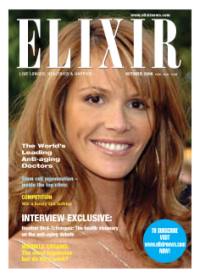
Elixir Magazine

image

NEW MAGAZINE “ELIXIR” – LAUNCHES – BRITAIN’S FIRST QUALITY CONSUMER GLOSSY DEVOTED TO THE GLOBAL BOOM IN ANTI-AGEING AND REJUVENATION

“The western world’s attitude to ageing has changed dramatically, and none of us has escaped the consequences. Even if you stand firm and let nature take its course, there will ’ll be plenty of friends and colleagues who have no intention of doing likewise, so the landscape of ageing has changed for ever – Sunday Times, 2 June 2006.

London, August 2006: Welcome to ELIXIR, the first quality consumer magazine that is dedicated to helping you live longer, healthier and happier – the first publication totally devoted to bringing you all the latest news, views and features from the booming and increasingly high-profile global market of anti-ageing and rejuvenation products and services.
If it’s hot, new and will improve your life or your lifespan and whether its happening in Beverly Hill, New York, London, Paris, Rome or anywhere else – you will find out about it first in ELIXIR.

ELIXIR’s medical advisory board is headed by the world’s most influential body in the field, the American Academy of Anti-Ageing Medicine (A4M), which has a membership of 18,500 physicians and scientists from 85 countries, and has pioneered the establishment of anti-ageing medicine as a recognized medical speciality. A4M will be a regular contributor to ELIXIR on the serious medical issues of the day.

Dr Robert Goldman, MD PhD, the Chairman of A4M commented: “Our medical society is dedicated to the advancement of technology to detect, prevent, and treat aging related disease and to promote research into methods to retard and optimize the human aging process. We believe that most of the disabilities associated with normal aging can be treated Anti-aging medicine is based on the scientific principles of responsible medical care consistent with those of other healthcare specialties. ELIXIR is about health literacy for the patient and getting this message across – that living longer doesn’t have to mean living with an increasing number of disabilities.”

ELIXIR is targeted at readers, both men and women, who are aged over 30. They all share one interest in common – an interest in living healthier for longer through the purchase of services and products produced by the anti-ageing and rejuvenation sector. This includes diet, nutraceuticals, cosmeceuticals, fitness, spas and medical anti- ageing and rejuvenation therapies. This sector is estimated to currently be worth more than US $50 billion worldwide (£26.5bn). And this figure is expected to rise to US$56 billion (£29.7bn) by 2007. (Source: FIND/SVP). “These individuals belong to one of the most affluent generations in history and are willing and able to pay for products that provide anti-aging benefits” (Freedonia market research).

Fast facts on the UK anti-ageing market:
• More than 22,000 cosmetic surgery operations were carried in the UK in 2005 – an increase of 35% on the previous year – British Association of Aesthetic Plastic Surgeons
• Over a quarter of the population has undergone cosmetic dentistry such as veneers or whitening – joint report from the British Academy of Cosmetic Dentistry BACD) and Mintel
• TV makeover shows have never been more popular with more than 50% of women admitting to watching claiming to watch these programmes as a way of judging the results of cosmetic treatments. One third of men similarly admitted to watching these programmes – BACD/Mintel Survey
• In the US $12.4m was spent in 2005 on surgical and non-surgical (Botox, fillers, laser and another wrinkle treatments) . Since 1997 there has been a 444% increase in these procedures – American Association of Aesthetic Plastic Surgeons (AAAPS). a similar trend is seen in the UK.
• The UK market in anti-ageing skin care is currently worth more than $7bn with future growth predicted at more than 3.5% annually fuelled by new product lines that promise to help fight the appearance of new signs of ageing – Kline & Company research

ELIXIR is the first consumer publication to tap into these concerns and these global trends and follows the successful launch 18 months ago of www.elxirnews.com.

The western world is currently suffering from an epidemic of lifestyle diseases caused by smoking, overeating, drinking alcohol to excess, the most serious of which is obesity – which leads to diabetes, cardiovascular disease and eventually premature death. Modern medicine is not geared up to tackling these diseases before they happen. ELIXIR will take a campaigning stance on health education to tackle this serious issue.

Subjects that will be covered on a regular basis in ELIXIR include:

• Latest medical interventions to treat the diseases of ageing (obesity, cardiovascular disease, diabetes, osteoporosis, Alzheimer’s, stroke etc): stem cells, hormones, pharmaceuticals, complementary therapies etc
• Practitioners interviews – who are the world’s and UK’s best specialists
• Mind and body medicine: conventional to complementary
• Aesthetics: Botox, to cosmetic surgery and dentistry
• Health Spas
• Cosmeceuticals
• Nutraceuticals/smart nutrition/nanotechnology
• Diet
• Exercise
• Lifestyle – gadgets
• The latest news on the science of life extension such as cryonics – developments in freezing technology to extend life
• Financial Services such as private healthcare and medical insurances
• Lifestyle features
• Celebrity interviews
• Pet health

ELIXIRis published in the UK, monthly, but aimed at the vast global audience interested in this subject. The launch cover price will be £3 ($5.60, Euro 4.40) with a discount for annual subscribers of £30 ($56.68 Euro 44.50). It will be distributed in through a combination of vendors including newsagents, five star hotels, spas and gyms, private charter jets and online subscription.

Editor and publisher, Avril O’Connor said: “We are positioning ourselves at the same high net worth market as Tatler, people who have a high disposable income and can fly anywhere in the world for the best treatments from the best doctors and can buy the best products on the market.

“We are launching ELIXIR at a very exciting time with developments like stem cells offering so many possibilities for those suffering from debilitating illnesses. So we will have lots of wonderful and inspiring stories for our readers. Our mission at Elixir is to bring this information in an exciting format along with the latest information in anti-ageing and rejuvenation. We want our readers to know about the latest anti ageing treatments and therapies before their own doctors.
“We are all living longer so it makes sense to take preventative measures so that we can live an active life for longer without dementia and some of the other diseases of ageing. Unfortunately there is an epidemic of lifestyle diseases such as obesity, diabetes and heart disease. ELIXIR is aiming at being inspirational by helping individuals take more responsibility for their health decisions from an informed point of view.”

The American Academy of Anti-Aging Medicine www.worldhealth.net

A4M is a non-profit organization with a membership of 185,000 physicians and scientists from 85 countries, the American Academy of Anti-Aging Medicine (A4M) is an organization that is the sole medical society dedicated to the advancement of therapeutics related to the science of longevity medicine.

Mission:
The American Academy of Anti-Aging Medicine, Inc. (“A4M”) is a not-for-profit medical society dedicated to the advancement of technology to detect, prevent, and treat aging related disease and to promote research into methods to retard and optimize the human aging process. A4M is also dedicated to educating physicians, scientists, and members of the public on anti-aging issues. A4M believes that the disabilities associated with normal aging are caused by physiological dysfunction which in many cases are ameliorable to medical treatment, such that the human life span can be increased, and the quality of one’s life improved as one grows chronologically older.

A4M seeks to disseminate information concerning innovative science and research as well as treatment modalities designed to prolong the human life span. Anti-aging medicine is based on the scientific principles of responsible medical care consistent with those of other healthcare specialties. Although A4M seeks to disseminate information on many types of medical treatments, it does not promote or endorse any specific treatment nor does it sell or endorse any commercial product.

Objectives:
Make available life-extending information about the multiple benefits of anti-aging therapeutics to practicing physicians.
Assist in developing therapeutic protocols and innovative diagnostic tools to aid physicians in the implementation of effective longevity treatment.
Act as an information center for valid and effective anti-aging medical protocols.
Assist in obtaining and disseminating funding for scientifically sound and innovative research in anti-aging medicine.
Assist in the funding and promotion of critical anti-aging, clinically based research.
Government outreach, education, and advocacy for anti-aging medicine.

Dr. Robert Goldman MD PhD FAASP DO FAOASM
Chairman, American Academy of Anti-Aging Medicine; Founding President, National Academy of Sports Medicine, USA

Dr. Robert M. Goldman has spearheaded the development of numerous international medical organizations and corporations. Dr. Goldman has served as a Senior Fellow at the Lincoln Filene Center, Tufts University, and as an Affiliate at the Philosophy of Education Research Center, Graduate School of Education, Harvard University. Dr. Goldman is Professor; Graduate School of Medicine, Swinburne University, Australia, and Clinical Consultant, Department of Obstetrics and Gynecology, Korea Medical University. He is also Professor, Department of Internal Medicine at the University of Central America Health Sciences, Department of Internal Medicine. Dr. Goldman is a Fellow of the American Academy of Sports Physicians and a Board Diplomat in Sports Medicine and Board Certified in Anti-Aging Medicine.

Dr. Goldman received his Bachelor of Science Degree (B.S.) from Brooklyn College in New York, then conducted three years of independent research in steroid biochemistry and attended the State University of New York. He received the Doctor of Medicine (M.D.) Degree from the Central America Health Sciences University, School of Medicine in Belize, a government-sanctioned, Ministry of Health-approved, and World Health Organization-listed medical university. He received his Doctor of Osteopathic Medicine and Surgery (D.O.) degree from Chicago College of Osteopathic Medicine at MidWestern University. His Ph.D. work was in the field of androgenic anabolic steroid biochemistry.

He co-founded and serves as Chairman of the Board of Life Science Holdings, a biomedical research company with over 150 medical patents under development in the areas of brain resuscitation, trauma and emergency medicine, organ transplant and blood preservation technologies. He has overseen cooperative research agreement development programs in conjunction with such prominent institutions as the American National Red Cross, the US National Aeronautics and Space Administration (NASA), the Department of Defense, and the FDA’s Center for Devices & Radiological Health.

Dr. Goldman is the recipient of the ‘Gold Medal for Science (1993), the Grand Prize for Medicine (1994), the Humanitarian Award (1995), and the Business Development Award (1996).

During the late l990s, Dr. Goldman received honors from Minister of Sports and government Health officials of numerous nations. In 2001, Excellency Juan Antonio Samaranch awarded Dr. Goldman the International Olympic Committee Tribute Diploma for contributions to the development of sport & Olympism.

In addition, Dr. Goldman is a black belt in karate, Chinese weapons expert, and world champion athlete with over 20 world strength records, he has been listed in the Guinness Book of World Records. Some of his past performance records include 13,500 consecutive situps and 321 consecutive handstand pushups.

Dr. Goldman was an All-College athlete in four sports, a three time winner of the John F. Kennedy (JFK) Physical Fitness Award, was voted Athlete of the Year, was the recipient of the Champions Award, and was inducted into the World Hall of Fame of Physical Fitness. In 1995, Dr. Goldman was awarded the Healthy American Fitness Leader Award from the President’s Council on Physical Fitness & Sports and U.S. Chamber of Commerce.

Dr. Goldman is Chairman of the International Medical Commission overseeing sports medicine committees in over 176 nations. He has served as a Special Advisor to the President’s Council on Physical Fitness & Sports. He is founder and international President of the National Academy of Sports Medicine and the cofounder and Chairman of the American Academy of Anti-Aging Medicine (A4M). Dr. Goldman visits an average of 20 countries annually to promote brain research and sports medicine programs.

Chocolate body booster

Los Angeles: Cocoa, the main ingredient in chocolate, is good for the circulation, according to scientists at the University of California.

So eating some chocolate may reduce the risk of blood clots by improving blood circulation through the heart and brain.

Cocoa, contains flavonols, naturally occurring antioxidants, which can help the body protect itself from the diseases of ageing, such as cancer and heart disease, by eradicating the free radicals that can damage arteries and blood vessels.

Cocoa has already been credited with health properties that can improve blood vessel function and may reduce clot formation. The new research shows flavonol-rich cocoa improves blood flow which, scientists say, also lowers the risks of clotting. The study is pubished in the Journal of Cardiovascular Pharmacology.

Carl Keen, professor of Nutrition at the University of California, said their findings contradicted popular views about chocolate.

‘This news catches people off guard as it contradicts popular views: chocolate can actually be good for you when it’s rich in flavonols.

Lasers helpful in pain relief

Sydney: Scientists have discovered that low level laser can help patients with chronic neck pain.

In a trial, published in the International Association for the Study of Pain, a low level laser was used on 90 patients with chronic neck pain. They were treated by reserachers at the University of Sydney, over a period of seven weeks with a course of 14 treatments or a placebo laser.

At the end of the trial the results revealed that pain had decreased in the treated group. Doctors are not sure how the laser lessened pain but have theorised that it may increase the release of the harmony hormone serotonin or stimulate the body’s own pain fighters.

New clot-busting drug offers hope to stroke victims

London: Trials of a new clot-busting drug for stroke victims are taking place in the US and Canada.

If successful, the drug, by UK company Vernalis and codenamed V10153, could go into the final phase of clinical trials next year.

The drug contains a protein that activates when it comes into contact with a clot and breaks it up. It is thought that the drug will be particularly helpful to those who have ischemic strokes, the most common form of stroke triggered by a blood clot in the brain. It can be given up to nine hours after a stroke and still be viable, unlike most current medications.

Vernalis medical director Dr John Hutchison said that clotbusting drugs should be administered as quickly as possible after a stroke, but that it was often difficult to get a patient scanned and treated within three hours.

World’s largest anti-ageing body condemns use of embryonic stem cells for rejuvenation

Embryonic stem cells should be used to treat life-threatening diseases not to cure wrinkles and turn back the hands of time, says the American Academy of Anti-Aging Medicine, world’s largest medical body, representing 300,000 doctors and other professionals.

In a position statement following recent negative publicity on the use of stem cells in aesthetics it comments:

“Science now stands on the threshold of a new age in cellular therapy and tissue regeneration which will directly and beneficially impact how long, and how well, we will live in the coming decades.

Stem cell therapeutics is the leading biomedical technology in the rapidly emerging field of regenerative medicine, a medical field in which science assists the human capacity to heal various tissues and organs. All of the most impressive demonstrations of regenerative medicine, since its inception in 2002, have used stem cells to trigger healing and rejuvenation in the patient.

In the anti-aging setting, the most important potential application of human stem cells is the generation of cells and tissues that could be used for cell-based therapies. Today, donated organs and tissues are often used to replace ailing or destroyed tissue, but the need for transplantable tissues and organs far outweighs the available supply.

Stem cells, directed to differentiate into specific cell types, offer the possibility of a renewable source of replacement cells and tissues to treat diseases including Parkinson’s and Alzheimer’s diseases, spinal cord injury, stroke, heart disease, diabetes, osteoarthritis, and rheumatoid arthritis. In addition, if scientists can harness the ability of stem cells to become specialized into any type of cell, they may be able to use them to treat any number of diseases and conditions.

The American Academy of Anti-Aging Medicine (A4M; www.worldhealth.net) and its 18,500 members from 86 countries worldwide support innovative research into new therapies to treat aging-related disorders and infirmities associated with aging metabolism. The A4M, however, does not support the use of embryonic stem cells that are derived from aborted fetuses. This is clearly an ethical dilemma with which we take exception, except under extreme life-and-death medical situations supported by IRB oversight. Instead, the A4M is particularly hopeful for the expansion of the utility of adult and non-embryonic (placental- and umbilical cord- derived) stem cells (which are harvested from healthy, full-term, live births). These types of stem cells hold much promise as safe, simple, and easily acquired sources of pluriopotent cells for the restoration, reseeding, and regeneration of multiple organ and tissue failure. They also clearly obviate the problems and ethical concerns regarding therapeutics utilizing embryonic stem cells.

Stem cell treatment has now become one of the newest trends in aesthetic medicine. Due to their vast healing and rejuvenating potential, stem cells have become big business for beauty doctors. Some are claiming that stem cells can diminish wrinkles or otherwise reverse the outward signs of aging. The A4M submits that this is a highly experimental application of stem cell therapeutics. A4M does not support the use of stem cells for anything other than life-saving procedures, conducted in strict adherence to IRB protocols.

With a solid history of more than 30 years of research and clinical application, stem cell therapeutics have been successfully utilized around the world to treat a wide range of aging-related disorders and other infirmities associated with aging metabolism. It is the position of the A4M that knowledge as to the life-saving potential of stem cell therapeutics in diseases such as heart disease, diabetes, stroke, cancer, obesity, arthritis, and Parkinson’s Disease should be embraced and expanded. The A4M considers adult and other non-embryonic stem cell sources as a safe and promising new therapeutic approach that is associated with less risk than blood transfusions, and is not associated with ethical issues because no live-births or fetuses are put at-risk.”

About the American Academy of Anti-Ageing Medicine

The American Academy of Anti-Aging Medicine, Inc. (“A4M”) is a non-profit medical society dedicated to the advancement of technology to detect, prevent, and treat aging related disease and to promote research into methods to retard and optimize the human aging process. A4M is also dedicated to educating physicians, scientists, and members of the public on biomedical sciences, breaking technologies, and anti-aging issues. A4M believes that the disabilities associated with normal aging are caused by physiological dysfunction which in many cases are ameliorable to medical treatment, such that the human lifespan can be increased, and the quality of one’s life enhanced as one grows chronologically older. A4M seeks to disseminate information concerning innovative science and research as well as treatment modalities designed to prolong the human lifespan. Anti-Aging Medicine is based on the scientific principles of responsible medical care consistent with those of other healthcare specialties. Although A4M seeks to disseminate information on many types of medical treatments, it does not promote or endorse any specific treatment nor does it sell or endorse any commercial product.

Britain – a nation that hates its feet

London: Britain is a nation that hates its feet, according to a survey by Bazuka.

The fascinating survey also reveals that next to our beer bellies, our feet are the body part we love to hate. The Scots hate their feet the most (27 per cent), with their tummy coming in second at 24 per cent. Reasons for our dislikes include that they are ugly, smelly, and hard or have verrucas or mis-shapen toes.

In fact, warts and verrucas are the new hidden health taboo, with over a third of us saying they carry a stigma for parent and child. And many of us would actually discourage our children from taking part in activities if the child had a wart or verruca.

While most people questioned recognised warts are caused by viruses, many believe that sharing socks or rubbing feet with someone who has a wart will cause us to catch it. One in 20 people in greater London believe they could be infected by travelling on public transport.

Verrucas and warts are caused by the same virus, the Human Papilloma Virus (HPV), but manifest in different places on the body. Verrucas are found on the feet, while warts are found on the hands. Left untreated, they can multiply and spread. The longer a verruca is untreated, the more difficult it can be to get rid of and the more painful it becomes.

Verrucas are often picked up in wet or moist areas such as the surrounds of swimming pools. Nail biting raises the odds of developing a wart as a break in the skin allows the virus to enter the top layer of the skin. They commonly develop on the back of the hands, especially around the nails and fingers.

Bazuka contains salicylic acid, reported as the safest and most effective treatment for the Human Papilloma Virus – the virus that causes verrucas. Salicylic acid safely removes infected skin and the unique formulation ensures that the risk of the virus spreading is significantly reduced, as one daily application dries to form a water resistant, protective barrier. The simple application procedure ensures ‘no mess, no fuss no need for plasters’, which makes the whole treatment process as painless and easy as possible.

Cranberries give mouth germs the slip

Los Angeles: Cranberry juice may help prevent tooth decay by creating a non-stick surface on teeth, researchers in the US have discovered.

The juice of the fruit has long been used for treating infections of the urinary tract, and researchers believe it may be the same compounds that prevent fillings.

Tooth decay usually begins with a build-up of dental plaque, a film of bacteria on the tooth surface. It is believed the active cranberry compound, thought to include antioxidants, prevents the bacteria getting a grip. Research at the universities of California and Rochester shows that cranberry is active against the damaging effects of the streptococcus mutans bacteria, which causes dental caries. Now scientists are looking at the idea of isolating cranberry’s key anti-decay compounds and adding these to toothpastes and mouthwashes.

Hormone link to child obesity

San Francisco: Children in developed countries are becoming fatter because their diets play havoc with their hormones, according to a new study by scientists.

Robert Lustig, a paediatrician at the Children’s Hospital of the University of California in San Francisco, said: “Our current western food environment has become highly insulinogenic, as demonstrated by its increased energy density, high-fat content, high glycaemic index, increased fructose composition, decreased fibre, and decreased dairy content.”

Overweight children are more likely to become overweight adults, putting people at greater risk of heart disease and stroke.

In the latest issue of Nature Clinical Practice Endocrinology and Metabolism, Dr Lustig says the obesity epidemic rests on effects of processed food, which has sugar added to a wide variety of products that used never to include it and has fibre removed. This upsets the balance of two hormones which regulate how much we eat – leptin and insulin.

Exercise cuts death risk in colorectal cancer

Boston: Exercise can substantially reduce the risk of death following a diagnosis of colorectal cancer, two new studies confirm, both published in this month’s Journal of Oncology.

In one study, Dr. Jeffrey A. Meyerhardt, from Dana Farber Cancer Institute in Boston, and his team identified 573 women diagnosed with stage I, II, or III colorectal cancer. During a median follow-up of 9.6 years, 132 women died; 80 of these deaths were due to the cancer.

The investigators documented the level of physical activity the participants reported following their diagnosis, and translated that to “metabolic equivalent tasks” (MET-hours per week). For example, walking at a rate of 2.9 mph was assigned a score of 3 MET-hours, aerobic exercise was given a 6, and running faster than 10 min/mile was counted as 12 MET-hours.

After adjusting for multiple confounders, the authors observed that compared with patients who reported less than 3 total MET-hours per week of activity, those reporting 18 or more MET-hours per week were significantly less likely to die of their cancer or of any cause.

In another study, Meyerhardt’s team studied 832 patients with advanced colon cancer who underwent surgery and chemotherapy with “curative intent.” The subjects reported their recreational physical activities approximately 6 months after their treatment had ended.

During median follow-up of 2.7 years, 159 patients had cancer recurrence and 84 died.

Compared with patients exercising less than 3 MET-hours, those who exercised 18 to 26.9 MET-hours per week were less likely to die in adjusted analyses, similar to the other study.

In a related editorial, Dr. Wendy Demark-Wahnefried, from Duke University Medical Center in Durham, North Carolina, notes that these two studies report outcomes similar to those of a previous study in which activity after a diagnosis of breast cancer was also associated with survival.

But all three trials were observational, she points out. So before physicians can be absolutely sure that exercise prevents progression or recurrence of cancer, randomized, controlled trials will be required.

Furthermore, important questions remain unanswered, she added, such as the safety of exercise for patients who have been given therapy toxic to the heart, what exercises are most beneficial, and which patients are most likely to benefit.

Croda reports rise on anti-ageingmarket – 24 July 2006

London: Rising demand for anti-wrinkling cream helped Croda, the speciality chemical company, to boost half-year profits by 11 per cent.

Mike Humphrey, chief executive, said demand continued to be underpinned by “the desire to be beautiful in today’s society” – the group produces ingredients for anti-ageing products of Estee Lauder and Unilever.

Croda said that sales in its core consumer care division had risen by 8.2 per cent in the six months to June 30.

Pre-tax profits for the half-year were Pounds 27.9m (Pounds 25.1m) as turnover rose by 6.5 per cent to Pounds 164.5m. Earnings per share were up 18 per cent to 15.4p. The interim dividend was 4.65p (4.35p).

Croda shares are still suspended following the Uniqema deal, which is technically a reverse takeover. Lisa Urquhart

Statins help stroke victims

Boston: Statins, the class of cholesterol-reducing drugs, has been shown to help stroke victims avoid further attacks.

According to a five year study, published in the New England Journal of Medicine, high doses of statins cut the risk of a second stroke by 16 per cent.

Patients taking part in the study were given the drug Lipitor (atorvastatin) or a placebo.

Dr Larry Goldstein, of the Duke Stroke Centre in North Carolina, said the study demonstrated that treatment with a statin can reduce the risk of strokes in patients who have had a recent stroke and who have no known history of coronary heart disease.

Statins are used to reduce the amount of cholesterol in the blood. This substance builds up inside arteries, damaging them and raising the risk of heart disease and strokes.

Studies suggest statins may also protect against blood clots, Alzheimer’s and eye disorders.

Marriage is good for health

Los Angeles: Marriage is good for your health, according to a new US study.

Researchers from the University of California say that men who never marry are more likely to die an early death than women who remain single. The findings are based on the national census and death certificates of neraly 67,000 adults in the US between 1989 and 1997.

Similarly those who are widowed, divorced or separated are also more prone to an early grave. The study is published in the British Medical Journal of Epidemiology and Community Health.

Bachelors aged between 19 and 44 are more than twice as likely to die than their married male peers.

Professor Robert Kaplan, who led the research, said that the evidence suggested that social isolation increases the risk of premature death.

After taking into account factors such as age, the researchers established that those who had been widowed in 1989 were almost 40 per cent more likely to die within the eight-year period than their married counterparts.

Those who had been divorced or separated were 27 per cent more likely to die.

However, those who had never been married were a staggering 58 per cent more likely to die during the period than their peers who were married and still living with their spouses in 1989.

At the start of the study period, almost one in two of the sample group were married, and almost one in ten were widowed.

About 12 per cent were divorced and 3 per cent separated.

The study found that for the younger age group, the main causes of death among those who had never married were infectious diseases such as HIV.

Among the middle aged and elderly, the main causes were heart disease and long-term illnesses.

Researchers say that those who marry have the advantage of being ‘socially connected’ which increases life expectancy.

Professor Kaplan said: ‘Our study raises a series of new questions.

‘Firstly, we found that having never been married is a better predictor of poor health outcomes than either divorce or widowhood.

‘And secondly, the impact of social isolation is not constrained to the elderly.’

Co-author Dr Richard Kronick added: ‘The study shows that marriage appears to help people live longer.

‘This could be because people who are married take better care of themselves, perhaps because they have something to live for.

‘And of course there is no denying that love is a good thing. It reduces stress and can help you deal with problems better.

‘When you are in a relationship there is also the element of social connectedness, where you have more social contact and more interaction with others.’

Cholesterol busting bread goes on sale

London: A cholesterol-cutting loaf has been launched by the supermarket chain Tesco in the UK.

The white loaf is fortified with oat bran, which is known to help reduce cholesterol and well as having a low GI.

The bread which costs 88p is being trialed at half of the supermarket’s stores around the country and will be available in all shops if a success. Tesco believes it will appeal to customers’ growing appetite for ‘healthy’ or ‘functional’ foods, enriched with vitamins, minerals and healthy fats such as omega 3.

Brown and multi-grain versions are likely to follow. The key ingredient is beta-glucan, a soluble fibre found in the oat husk, which capable of tricking the body into breaking down more cholesterol than usual.

Pesticides linked to Parkinson’s disease in new study

New York: A second scientific study has linked agricultural pesticides to a series of conditions that cause cause brain damage including epilepsy, multiple sclerosis and Parkinson’s disease, according to scientists.

The study carried out by the Energy & Environmental Research Center at the University of Dakota says that chemicals routinely used by farmers around the world can result in diseases of the neurological system.

The study which was funded by the US Department of Health, tested rats and revealed damage to the brain and to the gastrointestinal system. The research team is now evaluating how humans are exposed to pesticides in order to establish what measures are needed to minimise any adverse effects.

It is concentrating on the effect of pesticide spraying, rather than consumption of fruit and vegetables.

In a EERC statement said: “During the first year of research, laboratory testing on rats demonstrated that the areas of the brain showing change following pesticide exposure are the same areas involved in multiple sclerosis.

‘Results also show pesticide exposure damages the same brain areas linked to epilepsy, Parkinson’s disease and Alzheimer’s. Pesticides can also cause severe damage to the gastrointestprovideinal system and cause neurological dysfunction.’

Director Dr Gerald Groenewold said: ‘The results of this study are phenomenally relevant to our region and have global implications.’

He added: ‘One of the most efficient routes that people are exposed to pesticides is through airborne particles, including pesticides carried on tiny bits of pollen. Within the next few years, this EERC-led partnership will be able to objective answers to globally critical questions related to the potential relationship between pesticides and the incidence of neurological diseases.’

Research by a team from Harvard School of Public Health in June reached similar findings.

It found that respondents who were in contact with pesticides in 1992 were 70 per cent more likely to develop Parkinson’s within the next ten years.

‘We have been highlighting for years the significance of exposure to airborne pesticides.

‘There has never been an adequate exposure assessment in the UK or the EU for the long-term exposure of people who live near regularly sprayed fields.’

Sneezing link to Parkinson’s Disease discovered by scientists

Minnesota: Researchers have discovered that people who suffer common allergies that cause sniffing and sneezing are more likely to develop the brain disease Parkinson’s.

Scientists at the Mayo Clinic in the US examined 196 people with Parkinson’s over a 20 year period and compared them with another sample not suffering from the disease. They found that those with allergic rhinitis (sneezing, blocked and runny nose) were 2.9 times more likely to develop Parkinson’s.

The findings, published in the Journal of Neurology, unfortunately will not lead to a cure and sufferers of these allergie are advised to continue with medications recommended by their doctors.

Researchers concluded that the allergies were not the direct cause of the disease but that they may trigger an inflammatory reaction in the brain. Previous research has already established that anti-inflammatory drugs can cut the risk of Parkinson’s.

The findings could lead to new treatments to block inflammation, said the researchers.

UK cosmetic surgeons launch patient checklist

London, UK – 3 August, 2006 – The British Association of Aesthetic Plastic Surgeons, the not-for-profit organisation established for the advancement of education and practice of Aesthetic Plastic Surgery for public benefit, today published a concise checklist for those considering aesthetic plastic surgery, entitled ‘S.U.R.E’.

An innovative way of addressing safety concerns, the acronym was developed by the BAAPS to promote a sensible approach to what can be a life-altering decision. People may be still unaware of the risks associated with procedures performed by unqualified practitioners, and a reasonably basic check of the aspects involved should en-sure a positive outcome.

According to Adam Searle, consultant plastic surgeon and President of BAAPS:

“We need to promote public education with regards to safety. Patients can still be lured in by inexpensive prices and unrealistic claims, thinking that they are getting a bargain, but actually putting their health at risk. It can take just minutes to scroll through this checklist, to prevent a lifetime of regret.”

The SURE acronym stands for:

S: Check your Surgeon’s credentials and qualifications: your cosmetic practitioner should be a Fellow of the Royal College of Surgeons (FRCS), and have furthered specialised studies in plastic surgery. Check that they are on the GMC specialist register, and are a member of BAAPS, or a suitable professional organisation. The Department of Health website provides guidance about the ‘letters’ following surgeons’ names.

U: Make sure you Understand what’s involved, and that you are informed about the potential risks of each procedure, be it surgical or non-surgical. You should be advised of where this will take place. It should be in a supervised medical facility, not someone’s front room, hotel or at the hairdresser’s.

R: You should be clear about the process of Recovery, and what the long-term implications are of any cosmetic treatment. You need to understand the nature of the ‘downtime’ required and after-care options

E: Most important of all, make sure you thoroughly review your Expectations. It is essential that your hopes be compatible with what can actually be achieved. A patient who has a personal desire for, and is able to identify, specific, realistic goals for aesthetic enhancement is likely to be a suitable candidate – but someone who thinks the procedure will magically change their life may not be right for surgery.

Adam Searle adds:“We are often asked to see patients frustrated by disappointing outcomes. Surgery can be challenging, but many of these might have been avoided if a minimum of research had been done. We need to remind patients that they should do their homework—finding out more information about the procedure, location and practitioner before going for any kind of cosmetic treatments.”

The BAAPS www.baaps.org.uk based at the Royal College of Surgeons, is a not-for-profit organisation, established for the advancement of education and practice of Aesthetic Plastic Surgery for public benefit. Members undergo thorough background screening before they can join. Information about specific procedures and surgeons’ contact details can be found on the web site, or by contacting their advice line at 020 7405 2234. Further materials can be posted to members of the public seeking specialised information.

Divorce increases heart attack risk in women

Houston: Women who divorce are 50 per cent more likely to develop heart disease in later life than those who remain married, according to a new report from the University of Texas.

And its not good for those who remarry as they are still likely to suffer from illness.

In the same study men, which looked at 1,000 men and women over a two-year period, were found to be unaffected physically by divorce.

The researchers concluded that the emotional stress triggered a chain reaction of symptoms, including physical and mental problems which raised the risk of cardiovascular disease. Researchers believe the emotional stress of a marriage break-up, along with the

The results demonstrated that women with a marital loss have a higher risk of disease in late-midlife compared to continuously married women, whereas marital loss is not associated with men’s risk.

Women tend to value themselves more in terms of family relationships, whereas men value themselves primarily in terms of their occupation.’

The findings, published in the Journal of Marriage and the Family, showed that 11.6 per cent of divorced women and 10.7 per cent of remarried women had heart disease, compared to 8.7 per cent of those who were continuously married.

At the age of 51, 10.9 per cent of divorcees and 9.8 per cent of remarried women had heart disease, compared to 7.3 per cent of women who remained with their partner.

By the age of 60, 33 per cent of divorced women and 31 per cent of remarried women had cardiovascular problems, compared to just 22 per cent of those who were married and had not suffered a break-up.

Divorce rates have quadrupled since 1970 with around one in four marriages now breaking down.

About half of marriages of twentysomethings end in divorce with the highest rate being among 25 to 39-year-olds, according to the Office for National Statistics.

Allergan – Botox manufacturer – 4 August 2006

New York: USA-based Allergan says that its diluted earnings per share for the second quarter of 2006 reached $0.49, a massive 96% increase on the like, year-ago period, as its total net product sales jumped 32% to $787.0 million. This includes $128.3 million of revenue acquired from its $3.1 billion purchase of Inamed (Marketletter April 3).

Excluding special items, Allergan made $0.86 per share during the reporting period, beating the $0.85 average from a poll by Reuters Estimates. The firm’s sales also exceeded the consensus average of $763.0 million.

During the period, pharmaceutical sales increased 17.9%, or 17.4% at constant currency, as turnover of Allergan’s eye-care products and Botox anti-wrinkle therapy rose 17% to $379.0 million and $248.0 million, respectively.

As a result of its solid performance, Allergan is increasing its total product net sales guidance to fall within the range of $2.86 billion and $3.0 billion, and anticipates pharmaceutical product net sales to reach between $2.50 billion and $2.60 billion, excluding income from Inamed products.

UK has higher levels of bad fats in foods than rest of Europe

Copenhagen: Some convenience foods in the UK contain more unhealthy fats than the same foods bought in other parts of Europe, a study by Danish scientists has found.

An international survey of McDonald’s and Kentucky Fried Chicken (KFC) outlets, published in the New England Journal of Medicine, shows how customers are being unwittingly exposed to potentially harmful levels of the processed fats – trans fats. Two tip supermarkets Sainsbury’s and Tesco have already announced they are removing trans fats from own-brand products.

Trans fats are produced by heating vegetable oils to very high temperatures or by bubbling hydrogen into them. They are used for frying in fast-food outlets and to help prolong the shelf life of cakes and biscuits.

Eating 5 grams of trans fats daily can increase the risk of heart disease by 25%, according to research. Most consumers are unaware of the amount of trans fats they are eating because manufacturers and fast-food outlets are not legally obliged to declare the volumes.

The survey has shown the level of trans fats can vary widely between apparently identical products. Researchers bought a large serving of chicken nuggets and french fries from outlets of McDonald’s in America and Europe.

Sixteen per cent of the cooking oil used for the french fries was comprised of trans fats in the UK, compared with 10% in Germany, 5% in Spain and 1% in Denmark.

An outlet in New York had the highest levels of trans fats, with each meal containing more than 10 grams, compared with more than 6 grams in the UK, over 5 grams in France and less than 1 gram in Denmark.

The researchers also bought chicken nuggets with fries from KFC outlets. Hungary had the most trans fats, with 25 grams in one serving. The UK serving had about 3 grams of trans fats.

McDonald’s said trans fats levels varied between countries because of the use of different oils: British outlets use rapeseed oil, while palm oil is used in Denmark. The company is aiming to cut trans fats in British outlets to the levels in Denmark by 2008.

KFC said is striving to find alternative oils to cut trans fats. :

Dr Deepak Chopra, heralded by Time as one of the 100 heroes and icons of the century speaks at Anti-Ageing London

London: Dr Deepak Chopra MD, founder of The Chopra Center for Wellbeing in California, is acknowledged as one of the world’s greatest leaders in the field of mind body medicine.

Dr Chopra, the author of over 43 books, has transformed the understanding of the meaning of health, through his creation of The Chopra Center in 1995, which established a formal vehicle for the expansion of his healing approach using the integration of the best of western medicine with natural healing traditions.

Chopra’s work is changing the way the world views physical, mental, emotional, spiritual and social wellness. Formerly the Chief of Staff at Boston Regional Medical Center, Dr Chopra built a successful endocrinology practice in Boston in the 1980’s. Chopra realised in his medical practice that there was potential in western medicine for the establishment of a new life-giving paradigm, one which encompassed the fundamental principle that perfect health is more than just the absence of disease.

He began to envisage a medical system based upon the premise that health is a lively state of balance and integration of body, mind and spirit. He is widely credited with melding modern theories of quantum physics with the timeless wisdom of ancient cultures. In 1992, he served on the National Institutes of Health Ad Hoc Panel on Alternative Medicine.

Dr Chopra will be speaking at Anti-Ageing Conference London 2006 (AACL) on Sunday, 17 September, which this year has attracted the largest gathering of the world’s pre-eminent medical speakers on anti-ageing health and regenerative medicine ever to be assembled in London.

The growing interest in anti-ageing medicine means that this event has also generated more interest this year from both exhibitors and sponsors around the world. They include the UK’s most advanced anti-ageing clinic, HB Health; Anti-Ageing Systems, suppliers of innovative anti-ageing products; Promedis, a subdiary of Canada’s largest health products manufacturer, Jamieson; the largest anti-ageing member association, the World Academy of Anti-Aging Medicine; Receptura Pharmaproduktion GmbH; pharmaceutical supplier Wigmore Medical; online health products supplier, The Really Healthy Company; Bioform Medical Inc, manufacturers of Radiesse; Bio-Resonance and www.elixirnews.com, an independent news source on anti-ageing health.

According to Euromonitor International, the global market for products for age-related conditions is valued at more than $6.9 billion and is one of the fastest growing consumer sectors. This is why Anti-Ageing Conference London is of interest to both medical professionals and private individuals.

The 3rd AACL, which is being held at the Royal Society of Medicine in London from the 15-17 September 2006 is the only forum in the UK where both professionals and lay persons can learn about the latest advances in medicine and science.

Heather Bird-Tchenguiz, the founder of lead sponsor HB Health and chairperson of AACL says: “In most societies around the globe people are living longer so the importance of healthy ageing has never been greater so AACL is a unique forum for anyone interested in these important medical issues. It also offers the opportunity for businesses in this field to promote themselves and their products to a targeted global audience.”

At AACL delegates will hear from scientists and physicians on the latest medical advances, including what some may consider controversial, to the proven and new treatments for the diseases of ageing, as well as cosmetic and dental health, optimum nutrition, skin health, hormones, mind/body health and the latest developments in stem cell treatments.

Among our international panel of speakers are Dr Jennifer Krup MD ABAAM, a hormone specialist who is HB Health’s medical advisor; Dentist Brian Halvorsen BDS. LDS. RCS. FRSH, renowned for his work on toxicity problems in dentistry and holistic dental care; nutritionist and author Patrick Holford, who has examined the role diet plays in ageing; and Dr Bill Cham PhD, whose research into the use of plant extracts in skin cancer remission has produced new treatments for this disease.

Other speakers who have driven the global debate on anti-ageing medicine include Dr Robert Goldman, Chairman, American Academy of Anti-Aging Medicine and Dr Ronald Klatz, Founding President, American Academy of Anti-Aging Medicine; Professor Imre Zs-Nagy, Professor John Ionescu and Dr Michael Klentze.

Delegates receive the following:
• A high-quality bound conference manual including speaker presentations and biographical materials
• Buffet lunch on all three days
• Refreshments including cocktail reception
• The opportunity to see the latest anti-ageing products in the exhibition area

This prestigious scientific event will be introduced by Heather Bird-Tchenguiz MBA, Chairperson, AACL; Founder and President of HB Health; Director of the World Academy of Anti-Aging Medicine; Board Member, European Society of Anti-Aging Medicine and Director, British Society of Anti-Ageing Medicine.
The speaker programme for Anti-Ageing London 2006 is as follows:

Friday, 15 September – Regenerative and Preventative Medicine

Heather Bird-Tchenguiz MBA: Welcome
Prof Larry Benowitz: Prospectives on stem cell differentiation in neurosurgery
Prof Geoffrey Raisman: Clinical application of olfactory cells in spinal cord injury
Prof David Naor PhD: Involvement of CD 44 in stem cell differentiation
Prof Stephen Minger: Stem cells – Future Perspectives
Prof Stefan Krauss PhD: Forbrain development and neural cell damage
Dr Dasa Ciscova PhD: The efficacy of stem cell therapy in animal models of autoimmune diseases
Prof Tomas Ekstrom: Epigentics principles
Dr Tony Pellet: Umbilical cord stem cells
Dr Miomir Knecevic: Commercialisation of Stem Cell Research
Dr Ralf Tönjes PhD: Stem Cell signatures as a tool for quality control of Innovative medicinal products
Andreas Junge MBA: Knowledge Management
Dr Octavi Quintana Trias: EU politics
Dr Marco Traub: Symposium Overview

Saturday, 16 September

Heather Bird-Tchenguiz MBA: Welcome
Professor Dr Imre Zs-Nazy: The Theories of Ageing
Dr Ben Pfeifer MD PhD: Phytonutrient Therapy and Immune System Support for Patients with Hormone-Refractory Prostate Cancer
Dr Mark Babizhayev: Human Cataracts – the role of Lipid Peroxidation and the efficacy of N-acetyl carnosine as a treatment
Phil Micans PharmB: Biological Age Measurement – Practicalities and Issues
Dr Jennifer Krup MD ABAAM: HRT in Women – questions, answers and more questions
Dr Brian Halvorsen: Holistic Dentistry – Advances with an emphasis on chelation and preventative health care
Dr Robert Goldman MD PhD FAASP DO FAOASM: title TBC
Prof Alfred Wolf: Chronic stress,burn-out and CFS, a new insight and preventive options
Sarah Noble LicAc, MBAcC, MIMgt, MInstD: The Art & Science of Spa Success – How to open a holistic spa: integrating services into your clinic for profitability
Patrick Holford BSc DipION FBant- Nutrition and Ageing

Sunday, 17 September

Dr Deepak Chopra: title TBC
Dr Julian Kenyon: Photodynamic and Sonodynamic Therapy – an important adjunct to anti-ageing strategies
Professor John G Ionescu PhD: New Strategies to slow down the photo ageing of human skin
Dr Paul Clayton: Alzheimer’s Disease: Pharmaco-nutritional strategies to maintain the ageing brain
Dr Bill Cham PhD: Advances in the eradication of skin cancer
Dr Michael Klentze MD PhD ABAAM: New approaches for safe male Male Hormone Replacement therapy
Dr Eric Braverman, MD: Sub clinical Hyperparathyroidism: A precursor of Osteoporosis and Dementia?
Dr Ron Klatz: Closing remarks including, “New Horizons for the clinical specialty of Anti-Aging Medicine: the future with Biomedical Technologies.”

The programme may be subject to change

Full details of the speaker programme and speaker biographies can be viewed at www.antiageingconference.com

There are various categories of registration for this event:
Full registration £350;
Day 1 Only £200;
Day 2 only £200;
Day 3 £200.
Book on-line on the registration page at www.antiageingconference.com Membership of certain medical societies may qualify for a discount. Further information may also be requested from conference@antiageingconference.com”>
Telephone: +44 (0)20 75816962
The events sponsors and supporters include HB Health, the British Society of Anti-Ageing Medicine; the European Society of Anti-Aging Medicine; the World Academy of Anti-Aging Medicine and The Trans European Stem Cell Therapy Consortium.

Anti Ageing Conference London
PO Box 50622
London SW6 2YP
United Kingdom
Tel : +44 (0) 20 7581 6962
Fax : +44 (0) 20 7589 1273

Revlon hit by weak sales in grey market

Cosmetics giant Revlon has confirmed that its preliminary Q2 results have been hit by weaker than expected sales of its news Vital Radiance cosmetic range for older women.

The company had been banking on a big take-up for the range, aimed at the 50-plus category. But despite the huge increase in sales of cosmetic products aimed at the graying baby boomer generation, Revlon’s new range appears to have missed the mark.

The company said that it is expecting to incur losses of $95m for the most recent quarter, as opposed to losses of $35m in the corresponding quarter last year.

Most of this rise is attributable to a $20m bill for sales returns from the Vital Radiance cosmetics line in the US. The company said that half the returns related to space reductions by large format retail customers.

In defence of the line’s performance, Revlon CEO Jack Stahl said that it had acheived a market share of two to three per cent in some major retailer outlets and that it was still on track to become a $50m brand.

Overall the company said that net sales for the second quarter would probably be in line with those achieved during the second quarter in 2005. It added that gross sales had grown by 8 per cent, mainly as a result of a strong performance for its other ranges on the US market.

However, the company’s share prices, which have been hit by profit warnings earlier on the year, gained slightly as the company confirmed that it was still on course to reach its revised outlook for the full financial year.

”Our long-term strategy is focused on action to build all of our brands, reduce costs and creating sustainable value,” said Stahl, who added his belief that these strategies should help to pave the way for a stronger performance in 2007.

The company said that to maintain financial flexibility it was considering amending its current bank credit agreement, by adding $75m to its loan facility. The company also said it planned to issue a further $75m in equity towards the end of the year or beginning of 2007.

Looking ahead to the full year 2006, the company said that the adjusted EBITDA would be below the $167m it achieved in 2005, adding the negative impact to operating income relating to the Vital Radiance line had been further impacted by $10m restructuring charges that were announced earlier on in the year.

Avon growth falls – 1 August 2006

Avon Products has announced a significant drop in its profits as restructuring charges hit the bottom line and the company’s performance in most markets, including the US, came in below expectations.

The company said that during its second quarter, net income dropped 54 per cent to reach $150.9m on the back $2.1bn in sales, up 5 per cent on the same period last year.

The company said that it incurred a $49m charge, as part of its massive restructuring programme, introduced in the last quarter of 2005. These costs included organisational realignments and a reduction in the workforce, particularly in its middle management.

Avon CEO Andrea Jung said that the company has now eliminated more than 25 per cent of its management positions and lowered the number of management tiers from 15 to eight. This means that to date the company has eliminated 10 per cent of its 43,000 workforce worldwide.

Analysts had expected the drop in profits, but the performance was not as good as average forecasts had expected.

Morgan Stanley said that there could be a limited amount of negative reaction on the stock markets in response to weak top line growth in all markets except China.

The North American market remains flat, although that reverses the steady decline in sales experienced last year. The company said that sales volume were down by 5 per cent, in conjunction with a 7 per cent decline in sales representatives that the company said was exacerbated by rising fuel costs.

Although sales were up by 2 per cent in Europe as a whole, many of the established markets have proved to be tough in the face of stiff competition. The exception has been Turkey, which had proved to be a strong performer on the back of good retail conditions.

In the Central and Eastern European region sales were up 4 per cent, representing a decrease in volumes. The company said that this was due to a fall in colour cosmetic sales throughout the Central European market.

This performance was boosted by stronger results in Russia, which helped to offset a poorer performance in Poland.

Outside of Europe, Asia was particularly disappointing, with sales down 10 per cent, mainly caused by a down-turn in the Japanese market.

In Asia the one shining light proved to be the China market, where sales grew by 8 per cent, in line with expectations. The company said that this figure came about from the resumption of direct sales at the beginning of this year.

In Latin America sales were up 17 per cent, boosted by last year’s acquisition in the Colombia market and the continued growth of the Brazilian market. However, the company said that the Mexico market had proved to be ‘soft’ contributing to lower underlying growth.

Avon’s restructuring scheme aims to save the company around $100m a year, but will have to be fed by top line growth that, judging by the last quarter’s result, is not happening.

In the longer-term results will almost certainly be cushioned by significant savings, but top line growth will have to resume if the company is to sustain the estimated $500m total restructuring costs.

Johnson & Johnson about to buy into China – 3 August 2006

Johnson & Johnson is rumoured to be in advanced talks to buy up Beijing-based Dabao Cosmetics – a move that could give the company a valuable footing in what is currently a huge growth market.

According to reports in the Shanghai Oriental Morning Post, an industry insider said that the companies have made an agreement with regards the sale that is now undergoing regulatory approval.

Niether company has confirmed or denied the press reports, but with state regulatory approval of buy-outs involving foreign companies often proving to be a long and arduous process, it may be some time before the deal is officially acknowledged.

The newspaper report also said a senior executive at Dabao could not categorically deny the news report, although Johnson & Johnson officials have refused to make any comment.

Dabao a leading player on the China skin care market, with a number of brands that compete along with the largest players on the market. Currently Dabao is estimated to be the third largest skin care provider in China, behind Unilever and Proctor & Gamble respectively.

Dabao’s skin care products are marketed at the mid- to low-end market range in China, thus appealing to the growing number of women, and a hand full of men, who are beginning to invest increasing amounts of time and money on their skin care routines.

Its biggest selling ranges are its night creams, skin lightening products, anti-aging creams and under-eye creams.

For Johnson & Johnson, the move to buy up Dabao could represent rich pickings in a market segment that is already showing huge growth rates on the back of the growing consumer spending power.

It also follows a trend, whereby large multinational companies are moving in to buy up producers of mid- to low-range cosmetic and toiletries products in an attempt to expand their footing on a rapidly evolving segment of the market.

According to the Kline Group, growth of skin care products in China during the period 1999 to 2003 was modest at 9.8 per cent.

A lot of this market growth came from the premium end of the market, which was the first to really develop in China. However, as wealth is now starting to filter down to greater numbers of China’s estimated 1.3 billion population, it seems that even richer pickings could be in sight at the lower end of the market.

It is this impetus that has helped push cosmetics market growth well into double figures in the last couple of years and is likely to sustain growth at this kind of levels should current economic conditions continue to prevail.

China Investment Consulting says that currently market growth within the cosmetics segment is running at 13 per cent and is estimated to be valued at CNY68bn (€6.6bn).

Johnson & Johnson has already established itself in the medical, health care and general personal care market, but the purchase of Dabao would be its first big move into the mid- to low-end cosmetic market.

Currently it has eight registered businesses in China, including Johnson & Johnson China and Johnson & Johnson Medical.