20% discount on new cream for eyelid eczema

image
image

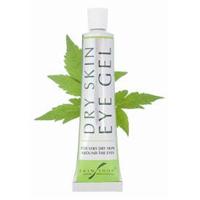
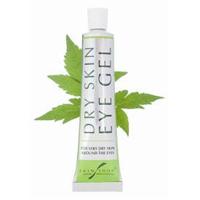
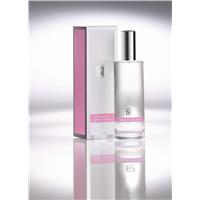
Cardiospermum Dry Skin Eye Gel is the first treatment developed specifically for eczema effecting skin around the eye.

This kind of eczema, known as blepharitis, is common in people who suffer from eczema or atopic dermatitis elswehere on their skin, which accounts for approximately 20% of all children, of which 60% continue to suffer symptoms into adulthood – although recent estimates show a rise in the incidence of adult-onset eczema and dermatitis due to harsh chemicals used in many personal care products as well as environmental pollution in inner city areas.

Cosmetics have also been identified by dermatologists as a contributing factor to the rise in particular of eye eczema, due to skin irritants present in many eyeshadows and eyeliners worn daily by millions of women.

Not only is eye eczema irritating and uncomfortable, it is laso very ageing as the skin around the eye looks more wrinkled and creased due to the excessive dryness.

Typical treatment for eczema and atopic dermatitis are corticosteroids creams. However due to the damaging side effects of corticosteroids creams to the skin, use of them on the face is largely discouraged. In particular use of corticosteroids around the eyes can cause other health problems including a high risk of Glaucoma, a serious eye disease as well as discolouration, thinning and spider veins in the delicate skin tissue around the eye, which is why it is mostly recommened not to use corticosteroids on skin near the eyes.

But a new treatment called Cardiospermum Dry Skin Eye Gel is a light natural gel that contains a plant extract of Cardiospermum, which comes from a vine grown mostly in South American regions and both it’s seeds and leaves have been used in traditional medicine for use on eczema and dermatitis. More recently two UK trials and more than 12 published research trials have been carried out on cardiospermum due to its medicinal effects on inflammatory conditions of the skin including eczema and dermatitis. In one recent double blind study carried out in Germany Cardiospermum was found to have a significant anti-inflammatory effect without any side effects.

Dry Skin Eye Gel has been tested on actual eczema sufferers and developed to be an extremely gentle and light formulation suitable for very sensitive, itchy dry skin around the eye. The new treatment delivers the anti-inflammtory anti-itching benefits of the cardiospermum extract without damaging or irritating the delicate skin around the eye and is the first treatment of it’s kind specifically for eczema, dermatitis and dry skin around the eye.

Skin Shop’s Dry Skin Eye Gel containing Cardiospermum is a natural, no-greasy, non-irritating light gel formulation that can be applied daily to dry, itchy inflammed skin around the eye. Dry Skin Eye Gel costs £8.99 for 30ml and is available from www.skinshop.co.uk or call: 0871 871 9975. To obtain your 20% discount quote ELX04. This offer ends 31 July 2008

image

UK MPs highlight abuse of elderly with dementia

image

London: An influential group of MPs is calling on the Government to stop the dangerous over-prescribing of antipsychotic drugs to people with dementia. Up to 105,000 people with dementia are given the drugs inappropriately, according to expert predictions in the new All-Party Parliamentary Group (APPG) on Dementia report, ‘A Last Resort’, published today.

Antipsychotics continue to be a first resort for dealing with challenging behaviour in people with dementia, such as aggression or agitation, despite causing devastating side effects, doubling risk of death and costing the UK over £60 million a year.

‘A Last Resort’ identifies 5 vital steps to reduce antipsychotic use and reveals there is currently no audit or regulation of the issue. It urges the Government to use its new National Dementia Strategy to address the problem and the National Institute for Health and Clinical Excellence to conduct a thorough review.

Jeremy Wright, Chairman of the APPG on Dementia, says:
‘A Last Resort shines a light on one of the darkest areas of dementia care. Antipsychotics can double risk of death and triple risk of stroke in people with dementia, heavily sedate them and accelerate cognitive decline.

‘The Government must end this needless abuse and make the 5 point plan a key element of the National Dementia Strategy. Best practice guidelines are not enough – safeguards must be put in place to ensure antipsychotics are always a last resort. We need to include families in decisions, give people with dementia regular reviews and equip care staff with specialist training.’

Neil Hunt, Chief Executive of the Alzheimer’s Society, says
‘It is absolutely disgraceful that widespread the abuse of people with dementia has been allowed to continue despite safety warnings on antipsychotics. Urgent action is needed.

‘Safe, effective alternatives to antipsychotics are available. New Alzheimer’s Society research shows specialist dementia training vastly increases quality of life and could save the UK £35 million a year if it was mandatory.’

‘Over 70% of people with dementia experience challenging behavior at some point during illness. More often than not this is an expression of unmet need, not a symptom of dementia, and there is no excuse for reaching for the medicine cabinet.

Lynn Ramsey, whose husband David was prescribed antipsychotics, says
‘My husband David was given antipsychotics without my knowledge. He was unable to make the decision himself because of his dementia. At first it was extremely painful for him and the drugs impacted on his ability to eat and dress. David’s chin became slumped onto his chest and he could only look at the floor for the rest of his life. He died aged 63. These drugs have a major adverse affect on people’s lives, both patients and families.’

The 5-point plan recommended in the report:

1. Specialist dementia training for all care staff
2. Families must be involved in all decisions around antipsychotics.
3. More pro-active support for care home staff from GPs, community psychiatric nurses and psychiatrists.
4. Compulsory medical reviews of people with dementia every 12 weeks
5. A cost effectiveness review by The National Institute of Health and Clinical Excellence and a national audit by the Care Quality Commission

References

• Up to 150,000 people with dementia in the UK in care facilities are prescribed antipsychotics according to best estimates.’ (Prof C Ballard, APPG inquiry oral evidence). Experts in Old Age Psychiatry predict 70% of prescriptions are inappropriate, therefore up to 105,000 people with dementia are inappropriately prescribed antipsychotic drugs (A Last Resort).
• Alzheimer’s Society funded research estimates antipsychotics cost the UK £60, 792, 263 per annum and specialist dementia training would save the UK £35 million a year if it was mandatory.
• Antipsychotics can treble risk of stroke in people with dementia (Committee on Standards for Medicine, 2004), and double a person’s risk of mortality (FDA 2005).
• Alzheimer’s Society research published in the BMJ found that specialist dementia training reduces disruptive behaviour and the use of antipsychotics by 50%.

More information
• ‘A Last Resort’ collates evidence from stakeholders, experts and people with personal experience, received as part of an All Party Parliamentary Group on Dementia investigation, including the Royal College of Nursing, Royal College of Psychiatrists, Alzheimer’s Society and the Commission for Social Care Inspection.
• 244,185 people (two thirds of care home residents) have a form of dementia.
• If we live to over 65, 1 in 3 of us will end ourlives with a form of dementia
• 700,000 people in the UK have a form of dementia. In less than 20 years nearly a million people will be living with dementia and by 2051 there will be 1.7 million
• For support or advice contact Alzheimer’s Society Dementia Helpline number is 0845 300 0336 or visit www.alzheimers.org.uk

Free book with tips to counter backpain from the experts at Tempur

image

Back pain is an increasingly common problem that affects almost 80% of the population at some time in their lives and costs the NHS around £480m a year, making it the number two reason for long-term absence from work in the UK.

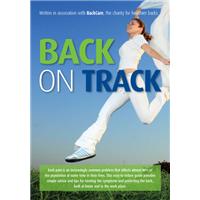
In response to the growing number of people now suffering from back pain, TEMPUR, the leading manufacturer of pressure relieving mattresses and pillows – in association with BackCare, the charity for healthier backs – have launched a self-help guide and a new website to provide back pain advice, and practical tips to provide sufferers with relief from back pain.

The new guide – ‘Back on Track’ – addresses the causes of back pain, from medical conditions to lifestyle habits, and the different types of pain. Did you know that stress, your mattress, obesity and even smoking can all trigger or aggravate back pain?

The guide includes details of both conventional and alternative back pain treatmentsand how they work, as well as highlighting preventative measures that can help to reduce the risks of a recurring problem – or even stop people suffering with a back complaint in the first place.

As well as identifying good practice in the work place, the guide includes some simple back exercises that sufferers can try at home, as well as providing practical advice to help individuals manage their condition on a day-to-day basis. Handy tips include how to protect the back in the home and workplace, including posture advice and information about choosing a suitable mattress.

The new website – www.backadvice.info – provides extended, in-depth information and expert back advice from osteopath Geoffrey Montgomery-Smith. It also allows visitors to air their opinions on current back pain topics through regular polls.

BackCare chief executive Nia Taylor commented: “Back pain is one of the most common health conditions in the UK, with 4 out of 5 of us experiencing it at some point in our lifetime. As well as inflicting misery on the lives of those it affects, it is also a key factor for workplace absence making it even more important that reliable help and advice is widely available.”

TEMPUR’s Jacqui Stefanov added: “Back pain really is a 21st Century epidemic, with back pain sufferers accounting for around 80 per cent of TEMPUR customers. TEMPUR is delighted to have joined forces with BackCare to develop this handy guide, which we are sure will help individuals identify and overcome symptoms, as well as helping to prevent problems in the future.”

For FREE copies of ‘Back on Track’, or for more information about TEMPUR Products, telephone 08000 111081,email backpainadvice@tempur.co.uk or visit www.backadvice.info

About TEMPUR

TEMPUR® Mattresses are made from unique TEMPUR Material, a proprietary, open celled, temperature sensitive material that conforms to and supports the individual user by evenly distributing body weight. The basis for the TEMPUR pressure relieving material was originally developed by NASA to protect astronauts against G Forces during lift off and re-entry to the earth’s atmosphere. Today TEMPUR is the only producer of mattresses and pillows worldwide to be endorsed by NASA and certified by the Space Foundation.

On conventional mattresses the body needs to adjust during the night. This is due to unrelieved pressure, which restricts blood flow and results in the build up of pressure, causing pain and forcing the body to reposition.
TEMPUR Mattresses, on the other hand, mould to the exact shape and position of the body giving the neck, back, shoulders and feet the comfort and support they need. Pressure is evenly distributed thus reducing pressure points and practically eliminating the need for tossing and turning.

TEMPUR Products are recommended by over 30,000 medical professionals worldwide, and their beneficial properties are supported by clinical research. A trial at the Institution for Clinical & Physiological Research at the Lillhagen Hospital, Gothenburg, Sweden tested 23,000 patients over an eight year period of home and clinical use of the TEMPUR Mattress and Pillow. Patients suffered less pain, experienced enhanced deep sleep, and an 83% reduction in tossing and turning when using TEMPUR Products.

A whole host of celebrities are now claiming they have found the perfect sleeping partner – their TEMPUR Mattress including George Michael, Jane Seymour, Paris Hilton, The England Rugby Team, Paul McCartney, David Blaine, The Ozbournes, Kyran Bracken, Claire Sweeney, Charlie Dimmock, Susan Hampshire and Noel Gallagher.

TEMPUR Mattress prices start from £675, and TEMPUR Pillows are priced from £69.95.

For more information about TEMPUR Products, call 08000 111081 or visit www.tempur.co.uk

About BackCare

BackCare is a national charity which works to ensure that people are well educated and informed about the issues surrounding back pain. BackCare has achieved significant successes in the key areas of research, information, education and the development of support services for people living with back pain and has HRH the Prince of Wales as patron. Tel in the UK 0845 130 2704.
www.backcare.org.uk

Get destressed – 10% off riding spa holidays with Elixir Makeover Miles

image

London: Get a 10% discount on wonderful holidays to refresh the body, mind and soul in awe-inspiring locations.

For beginners and experienced riders, and even those who don’t want to ride! You can chose to ride by the sea, in the mountains and combine this experience with other activities such as spas (including Auyverdic treatments), yoga, skiing, golf, paragliding and rafting – just to name but a few of the activities!

Why not experience the Spanish Riding School in Vienna or riding on a beach in Adalucia? Experience Bulgaria or ride beautiful white Lipizzanas or stay in a Medieval Castle…

Please note that flights must be booked separately.

Find out more: Elixir Makeover Miles

Aerobic fitness delays ageing by a decade

image

London: Maintaining aerobic fitness in middle age and beyond could delay the ageing pby more than a decade and assist independent living, says a new review of research on aerobic fitness and dependency in old age.

Twenty years ago, Dr. R. J. Shephard of the University of Toronto in Ontario and his colleagues proposed that adequate aerobic capacity was a key factor in helping very old people to maintain a high quality of life and live independently. In a review published in the British Journal of Sports Medicine, Shephard analyzes the latest data on the issue.

Regular aerobic exercise improves the body’s ability to take in oxygen and use it, but a person’s maximal aerobic power falls steady as people age.

According to Shephard, studies of aerobic training response in older people have shown that workouts, especially more intense physical activity maintained for a longer duration, can improve aerobic power. In fact, seven studies of this type of exercise found people’s aerobic power increased nearly 25 percent — equivalent to reversing 12 years’ worth of aging-related loss of fitness.

Based on his review, published in the British Journal of Sports Medicine, Shephard concludes that elderly people who engage in progressive aerobic training can maintain their independence longer, in effect by turning back the clock on the loss of aerobic fitness that occurs with aging.

Other positive spin-offs of aerobic fitness include reduced risks of serious illness, faster recovery after injury or illness, and reduced risks of falls due to maintenance of muscle power, balance and coordination.

“There remains a need to clarify the importance of deteriorations in fitness relative to other potential causes of dependency but, from the practical viewpoint, regular aerobic activity can address many of the issues of both functional loss and chronic disease,” he writes.

Get healthy – hire your own chef!

image
image

London: The stressful city life can make it difficult to find the time and cook a well prepared dinner in the evenings. To support your healthy diet, All in Hand, the supplier of high-calibre chefs and waiting staff for private and corporate clients in the UK and abroad introduces the “personal chef” service.

Here’s how it works: a prospective employer calls the bureau with their requirements – location, timescale, preferred dishes and budget – and an appropriate chef is recommended. References are provided if requested; many of the chefs have served in London’s best restaurants.

Despite these credentials, the experience is not overly expensive: for a flat fee of between £120 to £200 – plus the cost of ingredients – a chef will be allocated to create a tailored meal after consultation with the host.

Longer assignments for a range of domestic staff including maids, butlers, bodyguards, chauffeurs, gardeners, personal trainers, nannies, governesses, housekeepers and personal wine advisors can also be arranged through All in Hand’s parent company, SLM Recruitment.

Please call All in Hand on + 44(0)870 2000 273 or visit www.allinhand.co.uk
More information about All in Hand

All in Hand was founded in 2002 to provide the finest temporary and permanent chefs and waiting staff to private and corporate clients. It prides itself on flawless service, quality and affordability. Since 2007, All In Hand has been owned by SLM Recruitment.

SLM Recruitment is a specialist recruitment agency for private households and selected corporate clients. SLM Recruitment offers a wide selection of top level staff, all of whom have substantial experience in their chosen field and excellent references.

Founded in 1996, it has become a market leader and supplies staff ranging from butlers to PAs, housekeepers, nannies and chauffeurs to clients throughout the UK and internationally.

It prides itself on having the very best candidates on its books and employing consultants whose discretion and client service is impeccable.

More information can be found at www.slmrecruitment.co.uk and www.allinhand.co.uk

image
image

Win free tickets to the London Mind Body Spirit Festival

image

London:Give your body the holiday it deserves at the London Mind Body Spirit Festival. We’ve got 15 pairs of entry tickets to give away to this annual celebration of everything healthy and holistic.

Take a workshop with renowned facial exercising expert Eva Fraser, master the art of meditation, try out tai chi, tune into Tantra or delve into the array of exciting therapies, products and workouts all under one roof. The Festival runs from 21-26 May in central London www.mindbodyspirit.co.uk

To win your fee pair of tickets email us at readeroffer@elixirnews.com putting London MBS Festival in the header with your name and address by 10 May 2008. Your name will be put into a draw. Please note that no cash equivalent is being offered and the Editor’s decision is final.

Now in its 32nd year, the annual London Mind Body Spirit Festival is the longest running event of its kind worldwide. Bringing together a compelling blend of international presenters, performers and exhibitors, all focused on new ways of living in harmony with themselves, those around them and the world they live in, some 20,000 visitors flock to this inspirational spiritual and holistic delicatessen seeking physical, mental and spiritual enlightenment. www.mindbodyspirit.co.uk

Expert advice on rosacea in live webchat

image

Skincare expert Alison Bowser and Dermatologist Ed Seaton discuss the symptoms and treatments of Rosacea.

Chat date: Tuesday 22nd April 2008

Chat time: 6:30pm (UK time)

Do you suffer from patchy or blotchy skin? Is your poor complexion affecting your confidence or self-esteem? If so why not tune into our webchat where we’ll be holding a skin clinic about a little-known condition called rosacea (pronounced roh-ZAH-sha). Rosacea is a skin condition that causes flushing and redness in the central part of the face so needless to say these physical symptoms can cause a lot of emotional distress and embarrassment.

The condition affects several million people in the UK with 1 in 10 adults likely to develop rosacea. It mostly affects fair skinned people aged between 30 and 50 but teenagers and people in their early 20’s can also experience symptoms.

To help you identify whether or not you may be affected by rosacea and to show you how to live with and treat the condition, we’ve got skincare expert Alison Bowser and Dermatologist Ed Seaton joining us live in the studio. They will be providing useful skincare tips and as well as answering all your questions. So if you want to boost your confidence and regain control of your skin, why not log on and submit a query to our special guests.

Skincare expert Alison Bowser and Dermatologist Ed Seaton joins us live online at www.webchats.tv on Tuesday 22nd April at 6:30pm to discuss coping with Rosacea

For more information visit www.myrosacea.co.uk (coming soon)

Metabolic fingerprinting can reveal causes of disease

image

London: Causes of disease can be revealed by metabolic fingerprinting, according to first ever ‘metabolome-wide’ study.

Your metabolic ‘fingerprint’ can reveal much about the possible causes of major diseases, according to the first ‘metabolome-wide’ association study ever carried out, published today in the journal Nature.

The study provides new insights into the possible causes of high blood pressure, a leading cause of heart disease and stroke, by analysing the metabolic fingerprints of 4,630 adults in the UK, USA, China and Japan, from their urine samples.

Metabolic fingerprinting looks at the relative levels of many different metabolites, which are the products of metabolism, in a person’s blood or urine. Metabolites act as markers which can reveal a lot about how diet and lifestyle contribute to risks for certain diseases.

The research shows that adults in the UK and USA, which have similar incidences of high blood pressure and cardiovascular problems, have similar metabolic fingerprints, reflecting similar lifestyles in spite of their geographical distance from one another.

In contrast, although adults in Japan and China have similar genetic profiles, they have very different metabolic fingerprints from one another and from adults in the UK and USA, and also have major differences in the incidence of many diseases.

Japanese people living in the USA have metabolic fingerprints that resemble other people in the USA, and dissimilar fingerprints to their counterparts living in Japan. This shows that lifestyle is a dominant feature in determining metabolism.

Professor Jeremy Nicholson, one of the authors of the research from the Department of Biomolecular Medicine at Imperial College London, said:

“Our research illustrates how metabolome-wide association studies can give us important clues as to the causes of major health problems such as high blood pressure. Metabolic profiling can tell us how specific aspects of a person’s diet and how much they drink are contributing to their risks for certain diseases, and these are things which we can’t investigate by looking at a person’s DNA. What is really important is that we can test out our new hypotheses directly, in a way that is not
easy with genetic biomarkers”.

Professor Paul Elliott, a co-author of the research from the Department
of Epidemiology and Public Health at Imperial College, added:

“The flip-side of this is that whereas a person can’t alter their DNA, they can change their metabolic profile by changing their diet and lifestyle. This means that as we figure out where the problems lie, we should also be able to show people ways to reduce their risk of certain diseases.”

The new study reveals that people with increased levels of the amino acid alanine, which is found in many foods but which is particularly high in animal protein, have higher blood pressure and also increased energy intake, levels of dietary cholesterol, and body mass index.

People with increased levels of the metabolite formate have lower blood pressure and increased energy intake. Formate arises from the action of microbes in the gut or as a product of metabolism in the body.

Increased levels of hippurate, a by-product of metabolism by microbes in the gut, are found in people with lower blood pressure, lower levels of alcohol intake, and higher levels of dietary fibre.

For the study, researchers took urine samples from volunteers aged between 40 and 59 and analysed these for over several thousand metabolite signals, using NMR spectroscopy and advanced statistics. The volunteers were participating in the INTERMAP study, an epidemiological study investigating the links between diet and blood pressure.

The study was carried out by researchers from Imperial College London, UK; Northwestern University, Chicago, USA; Akademisch Ziekenhuis St Rafael, Belgium; Shiga University of Medical Science, Japan; and the Chinese Academy of Medical Sciences, China. It was funded by the US National Heart, Lung, and Blood Institute and local funders in the participating countries.

More information:

1. “Human metabolic phenotype diversity and its association with diet and blood pressure” Nature, 20 April 2008

Corresponding author: Jeremy Nicholson, Imperial College London (for full list of authors please see paper)

2. About high blood pressure (source: Blood Pressure Association, UK)

* 16 million people in the UK have high blood pressure

* High blood pressure is the major cause of stroke, dementia, heart attacks and heart failure and it is responsible for more than half of these. These are the major causes of death and disability in the UK.

3. About metabolism (source: Oxford Concise Medical Dictionary, fifth
edition). Metabolism is the sum of all the chemical and physical changes that
take place within the body and enable its continued growth and
functioning.

* Metabolism involves the breakdown of the complex organic constituents of the body with the liberation of energy, which is required for other processes and the building up of complex substances, which form the material of the tissues and organs, from simple ones.

4. About Imperial College London

Imperial College London – rated the world’s fifth best university in the 2007 Times Higher Education Supplement University Rankings – is a science-based institution with a reputation for excellence in teaching and research that attracts 12,000 students and 6,000 staff of the highest international quality. Innovative research at the College explores the interface between science, medicine, engineering and
business, delivering practical solutions that improve quality of life and the environment – underpinned by a dynamic enterprise culture. Website: www.imperial.ac.uk

World’s oldest person set to turn 115

image

Chicago: American Edna Parker, the world’s oldest known person, will celebrate her 115th birthday tomorrow (Sunday).

Her achievement was recognised by Guinness World Records last August after the death of a Japanese woman four months her senior.

There are only 75 people alive – 64 women and 11 men – that are 110 or older, according to the Gerontology Research Group, a California-based organisation that verifies reports of extreme ages.

Mrs Parker, pictured right, who was born April 20, 1893, has been a widow since her husband Earl died of a heart attack in 1938.

She has also outlived her two sons – Clifford and Earl Jr – but is far from lonely with five grandchildren, 13 great-grandchildren and 13 great-great grandchildren to keep her company.
Edna Parker

“We don’t know why she’s lived so long,” said Don Parker, her 59-year-old grandson.

“But she’s never been a worrier and she’s always been a thin person, so maybe that has something to do with it.”

Scientists who study longevity hope that Mrs Parker can help unlock the secrets to long life.
Edna Parker

Two years ago, researchers from the New England Centenarian Study at Boston University took a blood sample from Mrs Parker for the group’s DNA database of supercentenarians.

Her DNA is now preserved with samples of about 100 other people who reached the 110-year milestone, and whose genes are being analysed, said Dr Tom Perls, an aging specialist who directs the project.

“They’re really our best bet for finding the elusive Holy Grail of our field – which are these longevity-enabling genes,” he said.

On Friday, a birthday party for Mrs Parker was held at her nursing home in Shelbyville, Indiana.

A smiling Mrs Parker looked on as relatives and guests released 115 balloons into the sky to celebrate her milestone.

Vitamins do not extend life – experts dispute new report

image

Copenhagen: A group of international scientists is claiming that vitamins do not extend life and may even end it prematurely.

After analysing 67 studies of more than 230,000 men and women, they conclucded that there was little evidence that those taking supplements of the antioxidant vitamins A, C and E were healthier.

In the UK, for example, a third of the population take supplements – a total spend of £333million annually. This amounts to 40% of women and 30 per cent of men taking pills each day.

The analysis examined trials on beta-carotene, vitamin A, vitamin C, vitamin E and selenium. It says in-depth analysis of the different trials does not support the idea that vitamins extend lifespan.

‘Even more, beta-carotene, vitamin A, and vitamin E seem to increase mortality,’ says the review.

Vitamin A was linked to a 16 per cent increase in mortality, beta-carotene – the pigment found in carrots, tomatoes and broccoli which the body converts into vitamin A – to a 7 per cent increase and vitamin E to a 4 per cent increase. However, there was no significant detrimental effect caused by vitamin C.

‘There was no evidence to support either healthy people using antioxidants to prevent disease or for sick people to take them to get better,’ said the published by the Cochrane Library, a publication of the Cochrane Collaboration, an international organisation which evaluates healthcare research.

It said more research was needed on vitamin C and selenium. Antioxidants are used by the body as protection against free radicals, which are molecules produced during normal metabolism.

These can damage the body if they flourish in an uncontrolled way as a result of illness, overexposure to toxins or ageing.

It is thought antioxidants such as vitamin C confer health benefits by ‘grabbing’ or neutralising free radicals, and many people take them as health ‘insurance’.

The theory behind using antioxidants is to combat oxidation – the chemical reaction that causes metals to rust – which in cells can damage DNA, thus raising the risk of cancer, other diseases and the changes associated with ageing.

Previous human and animal laboratory research suggested that boosting antioxidant levels in the body might extend life, but other studies produced neutral or even harmful results.

Altogether 47 trials involving 180,938 people were classified as having a low risk of bias which showed ‘antioxidant supplements significantly increased mortality’.

Goran Bjelakovic, who led the review at the Copenhagen University Hospital in Denmark, said: ‘We could find no evidence to support taking antioxidant supplements to reduce the risk of dying earlier in healthy people or patients with various diseases.

‘The findings of our review show that if anything, people in trial groups given the antioxidants beta-carotene, vitamin A, and vitamin E showed increased rates of mortality.

‘There was no indication that vitamin C and selenium may have positive or negative effects. So, regarding these antioxidants, we need more data from randomised trials.

‘The bottom line is that current evidence does not support the use of antioxidant supplements in the general healthy population or in patients with certain diseases.’

The review does not offer any biological explanation as to why supplements can cause harm, although it has been suggested that betacarotene, for example, might interfere with the body’s use of fats.

There is no suggestion from the review that a healthy diet including plenty of vegetables and fruit – natural sources of antioxidants – is harmful.

Some of Britain’s most popular celebrities have spoken out against this week’s alarmist and grossly misleading vitamin story, which wrongly questioned the safety of the antioxidant supplements that benefit millions of consumers in this country.

Sir Cliff Richard, Gloria Hunniford, Jenny Seagrove and Carole Caplin have joined health industry experts in rejecting the widely publicised antioxidant review and reassuring consumers that concerns over these supplements are unfounded.

An extensive body of scientific research has proven that taking supplements, including vitamins C, E and beta-carotene, selenium and zinc can play a significant role in maintaining good health. The updated meta-analysis published in the ‘Cochrane Database of Systematic Reviews 2008’ should not cause consumers to question the efficacy or safety of antioxidant supplements.

“Provided they follow the intakes on the label consumers shouldn’t be concerned about the safety of antioxidant supplements available on the UK’s High Streets,” said Dr Michele Sadler on behalf of the Health Food Manufacturers’ Association (HFMA).

“The truth of the matter is that this meta-analysis is simply not applicable for vitamin users in this country. The analysis largely focused on extraordinarily and atypically high doses of antioxidant vitamins – in fact, the mean value of vitamin A used in the research was more than four times the upper level in typical formulations sold in the UK, and some of the studies tested up to 40 times the UK’s safe upper limit. Supplement users would have some trouble trying to replicate this kind of daily intake,” explained David Adams of the HFMA.

Celebrity Support…

Joining the growing body of health supplement supporters concerned at the effects such stories will have on the millions of consumers who use supplements to boost their health and wellbeing,

Sir Cliff Richard said: “I’ve always freely admitted to taking food supplements. I’ve done so for years and believe that they’ve been beneficial to me personally. For those of us prone to put on weight at the drop of a chocolate digestive, it’s only logical to compensate for some of the vitamins and nutrients that we deny ourselves at mealtimes. Certainly if a time came when we were denied the freedom of choice to take our dailypills and potions, I would be seriously concerned.”

Gloria Hunniford said: “Doctors and ‘experts’ are always saying that to get the nutrients we need, all we have to do is eat a proper diet. But show me the people who do on a regular basis. Most of us eat on the run, myself included, and sometimes we have no choice but to snack on whatever food is available at the time. Under professional guidance, I have used vitamin supplements for many years to augment what I eat – and will certainly continue to do so.”

Carole Caplin added: “It must be obvious to everyone who hasn’t got a vested interest in supplements that this review is absolute rubbish, it contains fundamental flaws.

“With nearly 750 studies to choose from, why did the researchers manage to focus on just 67? That’s less than nine per cent of the total number of clinical trials on antioxidants available. The research makes clear the team failed to determine the actual cause of death, so there is no proven link whatsoever between the antioxidants assessed and mortality.

“This isn’t even a new study – it’s simply a re-hash of old work which was widely criticised in 2007 for its inaccuracies. It is only common sense that our bodies need regular supplies of essential nutrients for growth and maintenance.

“Obtaining all we need from food is not always possible so high quality supplements often have a valuable role to play. When taken responsibly they act as a health insurance policy. I will certainly continue to both use and recommend them when necessary.”

Jenny Seagrove said: “To those of us who use vitamins in the UK, this research seems utterly pointless. I can’t help but wonder why they have chosen to report it again at this time, just when the EU is about to set dose levels for all vitamins and minerals. The antioxidant dose levels in our vitamin tablets are tiny compared to the levels tested in this research, and don’t forget that the high level antioxidant doses they used are not even available in UK supplements.

“I’m not going to be bullied by this dismal research paper – I am 100% confident that the vitamins and mineral supplements I use are safe and effective and I will continue to use them when I choose.”

Fundamentally and Systematically Flawed…

In an opinion shared by the majority of the health industry, David Adams continued: “This review is fundamentally flawed. Of the 67 clinical studies included in the review, over two thirds of the total were conducted on individuals already diagnosed with disease, resulting in a serious bias in the results. No matter how positive the effects of antioxidant vitamins on good health, they simply cannot be expected to overturn previously diagnosed, chronic illness.

“The authors’ decision to investigate ‘all cause’ mortality also created a multitude of problems. The study failed to examine the differences in causes of death, and the results were based on all types of causes, which could range from accidents to other illnesses. With 69 per cent of the trials involving individuals with diagnosed disease, mortality occurring throughout the study period could have been related to the pre-determined illness. Furthermore, the study omitted to identify the intervention of prescribed medication.The authors themselves point out that the doses in some trials were above the upper safe levels of intake and comment that
further investigation into the causes of mortality is necessary for accuracy in measurement of the results.”

David Adams concluded: “Antioxidant supplements cannot be expected to undo a lifetime of unhealthy living, but combined with good lifestyle choices, can play an important role in promoting overall health and wellbeing.”

Director of Consumers for Health Choice, Sue Croft said: “Twenty-one million people in the UK use dietary supplements every day. They can’t all be wrong! We have been using vitamins and minerals here for almost fifty years; they are not a fad, from time to time they play an important role in maintaining optimum health – they are part of our culture.

“The re-publishing of the research paper at this time is highly suspicious. Not only that, it will cause concern and anxiety to millions of consumers who regularly use such supplements.

“The EU is about to reveal their proposals for dose levels that could well mean that many thousands of really beneficial and safe products will be removed from the British market and many small retailers will be forced to close. We do need to preserve our existing specialist market; people wanting to take responsibility for their own health should be encouraged to keep themselves well through optimal supplementation.”

The HFMA

The Health Food Manufacturers’ Association (HFMA) is the voice of the UK’s natural health industry and represents more than 120 manufacturers and suppliers of natural health products.

Founded in 1965, the HFMA is a not-for-profit organisation which operates long-standing codes of practice to help ensure that member companies adhere to high standards and offer good quality, safe products supported by responsible, lawful information.

For further information about the HFMA, visit www.hfma.co.uk

Higher Strength Supplements

UK industry associations and the Food Standards Agency have agreed advisory
statements for use on the labels of supplements containing high levels of specific nutrients: see www.food.gov.uk”

Dr Michèle J Sadler, BSc PhD RPHNutr BSc Hons (1979)

Qualifications include BSc in Nutrition at Queen Elizabeth College, London University and Doctorate in Biochemistry, University of Surrey. Dr Sadler has edited several reference works most notably as Editor-in-Chief of Encyclopaedia of Human Nutrition, (3 volumes), Academic Press, 1998.


Consumers demand anti-ageing foods

image
image

Chicago: Foods that may provide a health benefit beyond basic nutrition, identified as functional foods, are becoming a key part of everyday life, according to a new article appearing in Food Technology, a publication of the Institute of Food Technologists.

Liz Sloan, Contributing Editor and President of Sloan Trends and Solutions, a trending and market predictions firm focusing on the food industry, has identified the top 10 trends in functional foods. The article noted that the majority of Americans, 69 percent are incorporating foods into a preventative lifestyle, while 27 percent are utilizing food as a treatment to manage a preexisting health condition. One-third of shoppers (36 percent) are trying to reduce the risk of developing a health condition, follow a doctor’s advice (30 percent) or manage/treat a specific condition on their own (25 percent), according to the Food Marketing Institute¹ data.

“Today’s consumers are extremely sophisticated, and they are attracted to functional foods’ ability to help manage health and wellness,” said IFT spokesperson Roger Clemens, PhD. Simply put, Americans are relying heavily on the foods they consume to improve their well-being.

Top 10 Food Trends

1. Healthy Household Halo – Americans are looking to create a healthy household. Approximately 57 percent of shoppers are making a lot of effort to eat healthier². With half (53 percent) of adults controlling their diet – 61 percent for weight, 36 percent cholesterol, 22 percent blood sugar, 18 percent high blood pressure, and 14 percent diabetes³. Babies and young children also drive healthier household eating. Popular trends include DHA for brain and eye development and probiotics for digestive health. In recent years, sales of healthful kids’ foods have outsold regular kids’ products 3:14. With 28 percent of parents admitting that they have an overweight child and one in eight kids having two or more risk factors for heart disease later in life, the No. 3 concern of moms, after immunity and growth/development, is now healthy kids foods.

2. Natural End Benefits – Recent scientific validation of the health benefits of superfoods have convinced consumers that key benefits are, in fact, naturally achievable, thus creating a new trend to whole food nutrition. New superfoods include:
• Blood Oranges
• Goji Berries
• Seabuckthorn
• Mangosteens
• Garbanzo Beans
• Specialty Mushrooms

3. Balancing The “Bul-get” – The U.S. weight loss market—projected to grow from $58 billion to $69 billion by 2010—is undergoing a sea change as consumers shift from dieting/weight loss programs to managing weight via smaller portions, specific food restrictions, and light/low-fat and super-satiating foods 5. Products providing, satiety, the state of feeling full or gratified, are now a hot commodity.

4. Contemporary Conditions – As 31 million Americans turn age 65 over the next 10 years, and the oldest of the 76 million baby boomers enter their 60s, the demand for condition-specific foods will skyrocket. Conditions such as high cholesterol, high blood pressure, osteoporosis and diabetes have created a need for functional foods to manage/treat these conditions. Boomers are looking to consume more omega-3s, polyphenols, flavanols, and plant sterols as part of a balanced lifestyle.

5. Proactive Lifestyles – With the majority of consumers trying to live a preventive lifestyle, fortified foods and beverages have quickly become a way of life. Consumers are making a strong effort to get more vitamin C, calcium, B vitamins, fiber, antioxidants, vitamin E, omega-3s/DHA/fish oil, vitamin A, potassium, iron, and folic acid from the food and beverages they consume6.

Proactive lifestyles have also created a need for functional foods that enhance skin, hair, and nails from the inside out. The U.S. “cosmeceutical” market is expected to grow from $14.9 billion to $17.2 billion by 20107.

6. Simpler, Greener, & Cleaner – Many consumers are taking a simpler, more-natural approach to the foods they eat, looking for foods with only a few ingredients and as fresh and close to the farm as time and budget will allow. Hormones topped the list of ingredients that consumers were least comfortable consuming.

Organic food and beverages sales grew 13 percent in 2007 and are expected to continue at double-digit growth through 20108. Consumers believe local products are fresher, have fewer pesticides, and in general are of higher quality9. Whole and heritage grains are among the ingredients that best symbolize the new natural direction.

7. Smart Treats – With two-thirds (66 percent) of consumers trying to eat snacks with more nutrition, 63 percent looking for lower-calorie favorites, and one-quarter looking for 100-calorie snack packs, healthier snack options is a “must have” for today’s consumer. Healthy snack sales outpaced traditional snacks nearly 3:1 over the last few years10.

8. Sensitivity Training – The number of adults who perceive that they, or their children, suffer from food allergies, intolerances, and sensitivities continues to grow, creating lucrative markets, disproportionate to their true medical base. The 70 million Americans suffering from a digestive ailment expect to see more products fortified with fiber and gluten-free. Foods carrying a digestive health/probiotic clam reached $712 million in 200711.

9. Vitality Treadmill – Energy was the top reason consumers made a dietary change last year. More than half of adults (55 percent) need something to give them an energy boost several times a week, 48 percent to increase their stamina/physical endurance, 46 percent to help them wake up, 43 percent to improve mental alertness, and 40 percent to keep them awake12.

Of all new functional food concepts, consumers are most interested in new products that improve mental performance13. Just over one-third of consumers drink energy beverages for a mental boost14. Ginseng, guarana, and taurine are among the key ingredients in emerging beverages. Candies, gums, and chocolates are also gaining popularity within this market.

10. New Venues – Without a doubt, the most important factor driving the healthy and functional foods market mainstream has been the increased accessibility of healthy products through additional channels. With today’s grab-and-go lifestyle and rising gas prices, convenience stores have become a powerhouse for sales of some healthy products. Convenience stores have instituted new programs designed to increase sales of these types of products.

To view or download this Food Technology article in its entirety please the visit http://www.ift.org

About Food Technology

Food Technology is IFT’s monthly flagship magazine addressing all facets of food science and technology. Its timely, in-depth coverage includes the latest research developments, industry news, and consumer product innovations.

About IFT
Founded in 1939, and with world headquarters in Chicago, Illinois, USA, the Institute of Food Technologist is a not-for-profit international scientific society with 22,000 members working in food science, technology and related professions in the industry, academia and government. As the society for food science and technology, IFT brings sound science to the public discussion of food issues. For more on IFT, visit http://www.ift.org

image
image

Five Star Columbia Beach – luxury spa discount with ELIXIR MAKEOVER MILES

image
image

Paphos: The five star Columbia Beach Resort, one of the most beautiful in the Mediterranean is offering Elixir Makeover Miles privilege card holders discounts on direct hotel and spa bookings.

The Columbia Beach Resort is surrounded by lush gardens and is an all-suite hotel. It has one of the best outdoor pools on the island of Cyprus and one of the best spas.

The Resort is offering a 10% discount on rooms and 15% on spa treatments – booked directly with the resort.

Cyprus is one of the sunniest and friendlest islands in the Mediterranean. As well as sun, sand and sea there is spectacular mountain scenary and archeological sites. The people of Cyprus are friendly and the cuisine centres around the freshes of home-grown ingredients.

The Resort
This exclusive all suite resort ambles gently upward from the sparkling waters of the bay following the natural incline of the landscape so that most suites have a spectacular sea view and many also look out over the 80m lagoon-style swimming pool, which is the central feature guarded by towering palm trees.

All that is best in Cypriot architecture and local materials has been used. Sloping roofs and graceful arches are predominant, as is the use of natural wood and stone, and the specially reclaimed terracotta roof tiles give the whole project a nicely aged and traditional look. All suites have shuttered windows, heavy wooden doors and large covered balconies.

Paved pathways, shaded by bougainvillaea and olive trees, meander throughout the resort around the traditional taverna and ouzeri, past the quaint little Chapel of All Saints and on down to the beach.

Spa & Well-being

The COLUMBIA SPA offers numerous therapies for relaxation and revitalising – various types of massage, body wraps, detoxification treatments, skin cleansing and toning – all performed by the highly qualified Spa staff with products from Molton Brown and Phytomer.

Treatment rooms surround a central area containing sauna & cold plunge pool, steam bath and Jacuzzi.

To find out more about this resort: www.columbia-hotels.com

Aerobic fitness can delay ageing by more than a decade

image

Toronto: Maintaining aerobic fitness could delay biological ageing by up to 12 years, concludes an analysis published in the British Journal of Sports Medicine.

Aerobic exercise, such as jogging, improves the body’s oxygen consumption and its use in generating energy (metabolism).

But maximal aerobic power starts to fall steadily from middle age, decreasing by around 5 ml/[kg.min] every decade.

When it falls below aound18 ml in men and 15 ml in women, it becomes difficult to do very much at all without severe fatigue.

In a typical sedentary man, the maximal aerobic power will have fallen to around 25 mil/[kg.min] by the age of 60, almost half of what it was at the age of 20.

But the evidence shows that regular aerobic exercise can slow or reverse the inexorable decline, even in later life.

Research shows that relatively high intensity aerobic exercise over a relatively long period boosted maximal aerobic power by 25%, equivalent to a gain of 6 ml/ [kg.min], or 10 to 12 biological years.

“There seems good evidence that the conservation of maximal oxygen intake increases the likelihood that the healthy elderly person will retain functional independence,” says the author, Dr Roy Shephard of the University of Toronto.

The other positive spin-offs of aerobic exercise are reduced risks of serious disease, faster recovery after injury or illness, and reduced risks of falls because of the maintenance of muscle power, balance, and coordination.

Fight ageing with FREE new power antioxidant for ELIXIR readers

image

Fight ageing naturally with PURE-XP’s groundbreaking product – GliSODin – a free one month’s supply, worth £34.99 for 20 Elixir readers.

Stop the clock with PURE-XP GliSODin®, the first all natural, daily supplement proven to fight the signs of ageing, support the immune system and boost energy levels – launched this month by health and wellbeing experts, PURE-XP.

Recently launched in the UK, PURE-XP GliSODin® is already making a name for itself as the best anti-ageing product on the market. This January the Complementary Medical Association (CMA) announced that PURE-XP has scooped the award for ‘The Best Anti-Ageing Supplement’ from one of the UK’s premier health stores, Victoria Health.

Fighting off fierce competition, newcomer PURE-XP GliSODin® was crowned winner due to its strength of performance compared to other anti-ageing supplements. PURE-XP GliSODin® is currently the only product in the world be recommended by the CMA and works by stimulating the body’s own production of antioxidants to protect cells against the ageing process. Combining the benefits of a natural, vegetarian oral supplement, the TrufilTM vegetarian capsules are not only proven to help combat the signs of ageing but also boost energy levels and support the immune system, whilst aiding the bodies own cell renewal process.

Research shows that PURE-XP GliSODin® ‘s active ingredient, superoxide dismutase, protects against oxidative stress as well as protecting the skin from UV stress [Free Radical Research]. Whereas other, weaker dietary antioxidants only attempt to compensate for any lack thereof, PURE-XP GliSODin® enables the consumer to make use of the unparalleled strength of their own antioxidants by helping maintain this internal defence system. Furthermore PURE-XP GliSODin® has an anti-inflammatory affect as well as neutralising the free radicals that lead to the signs of premature ageing and cell breakdown.

If you would like to receive one of the free samples please email us at readeroffer@elixirnews.com with your name and address, please put GliSODin in the email header. Your name will be put into a draw. This offer closes on 30 April 2008. No cash equivalent is being offered and the Editor’s decision is final.

Amar Malik, founder and CEO of PURE-XP, says, “We are delighted to win this award so soon after launching PURE-XP GliSODin® in the UK. Winning the award has already had an impact upon sales, meaning we’ve witnessed a sharp increase in the number of units sold, and we anticipate that this success is set to continue. It’s fantastic that the brand is being championed in such a way and getting such positive recognition.”

GliSODin® by PURE-XP is available via www.myhealthcentre.com and in noted health stores nationwide. Available in 30 Trufil vegetarian capsules for £24.99 and 60 Trufil vegetarian capsules formats for £34.99, PURE-XP GliSODin® is taken daily.

PURE-XP GliSODin® the daily defence to ageing

Luxury Country Club Stoke Park unveils new look Spa

image
image

SPA SPC is an award-winning day spa, in the heart of the countryside, at the luxurious Stoke Park Club in Buckinghamshire in the UK.

Now almost in its sixth year of operation, SPA SPC has recently launched its own range of treatment based products, SPC, which contain no parabens and the emphasis, is on using nature’s finest ingredients. SPC has been received with great vigour and its popularity shows no signs of waning. Now available at Fortnum & Mason London and Arnotts in Ireland, these products are sheer luxury.

But this is just one of the offerings at SPA SPC which is in an incredibly beautiful parkland setting but only 25 minutes from central London by train. Take for instance Salon SPC, designed by Caulder Moore, to give its clients an experience that will be totally unique. From start to finish, the emphasis is on pampering and this is not just for your hair and nails.

The aim was to give the entire area a facelift without losing any of the individual personality that SPA SPC possesses. And from the reactions received, this looks to be the case. The lines are clean, modern and elegant. Each piece has been hand crafted to the highest specification.

Salon SPC boasts a contemporary Nail Bar, makeup by professionals using Bare Escentuals as well as a leading beauty boutique, providing luxury brands. The creation of the Salon will create a fabulous ambience.

Salon SPC products include US organic range Bumble & Bumble along with the wildly popular brand new GHD SPA products.

GHD SPA has combined with SPA SPC to create the ultimate in hair care

GHD SPA treatments. Consult with one of our in-house experts to ascertain which program will be most beneficial for your needs. Once you have had a facial for the scalp and hair you won’t go back! Salon SPC is promised to be the hair experience of a lifetime.

But GHD is not the only top end product that will be featured at SPA SPC. Along with its brand, Bare Escentuals, Ytsara, Jessica and the latest to be a celebrity favourite – Crystal Clear.

Crystal Clear Microdermabrasion

The celebrities’ favourite treatment Crystal Clear Microdermabrasion has fast become the most talked about facial as it offers a safe and controlled method of skin resurfacing by gently exfoliating the outer layers of skin. An excellent and progressive treatment for ageing skin, lines and wrinkles, open pores, blackheads, pigmentation, blemish scars, acne scars, stretch marks and much, much more.

SPA SPC is the most comprehensive one stop beauty destination. Pampering from head to toe is available and if you’re meeting the girls for lunch, step out in confidence that you will look and feel your best.

Call the Pavilion Reception to make an appointment to experience something extraordinary on + 44 (0)1753 717173 or email pavilion@stokeparkclub.com Web: www.stokeparkclub.com

image

Czech longevity increases

image

Life expectancy for Czechs is 2.4 months longer than in 2006, being 73.7 years for men and 79.9 years for women, according to the data of the Czech Statistical Office (CSU).

Life expectancy is now 5.6 years and 4.5 years longer for men and women, respectively, than in November 1989.

Men and women who now celebrate their 60th birthday can, on average, live up to the age of 78 years and 82 years, respectively.

People live markedly longer than a century ago. In 1920, life expectancy was 47.1 and 49.6 for then male and female inhabitants of then Czechoslovakia.

International institutions call on individual countries to adjust their pension and health systems to longer life expectancy and ageing.

The Czech government has been preparing a pension reform and within its first stage it plans to increase retirement age to 65.

Recipes to watch the Baftas – from Rosemount

image

Oversized socks, comfy tracksuit bottoms and something good on the box – all that’s needed now for the ultimate night in is a quick, easy and delicious recipe which will transform TV dinners once and for all and a glass of wine to finish off in style.

As the official wine of this year’s star studded BAFTA TV Awards, leading Australian wine Rosemount has teamed up with food writer and TV cook Jo Pratt to offer just this – three deliciously mouth watering recipes to tempt you back onto the couch for a much needed night in. So get ready to warm up with some cosy food, snuggle down and watch the awards from the comfort of your own home.

Acclaimed chef Jo Pratt admits that sometimes some of the best food can be the simplest: “There is a great pressure these days for people to produce fussier and more complex dishes but often it is the easiest and most straight forward recipes that are still winners! Of course it is always fun to put your chef’s hat on once in a while but when it comes to a relaxing night in the majority of us prefer fresh ingredients, minimum effort and maximum taste!”

And if you are looking for a top tipple to complete the ultimate TV dinner night in package then Rosemount’s James Craig-Wood is on board to ensure there is something to suit everyone’s taste.

‘OH SO SIMPLE’ CHICKEN, LEEK AND HAM PIES

This is for those times when you rush through the supermarket on your way home and get a whiff of roasting chickens from the rotisserie counter.
Perhaps you usually don’t get one because you can’t be bothered to do all the trimmings – roast potatoes, gravy and veggies – or because you feel like something more substantial than a hot chicken sandwich or salad. So why not make use of one to fill a puff pastry-topped pie that will take no time at all to put together.

Takes about 35 minutes to make

makes one large or four individual pies

• 25g butter

• 2 small–medium leeks, thinly sliced

• 1 teaspoon thyme leaves

• 100ml sherry or white wine

• 200ml double cream

• 1 large ready-roasted chicken

• 150–200g piece of ham, cut into bite-sized chunks

• 2 teaspoons Dijon mustard

• 100ml chicken stock

• sea salt and freshly ground black pepper

• 1 egg yolk mixed with 1 tablespoon milk, to glaze

• 375g ready-rolled puff pastry

Preheat the oven to 200ºC/fan 180ºC/gas 6.

Melt the butter in a large saucepan and gently cook the leek and thyme leaves until the leek has softened. Increase the heat, pour in the sherry and cream and bubble for a couple of minutes to thicken a little.

Take the chicken meat off the bone and tear into chunks or strips. Add to the pan with the ham, mustard and chicken stock and season with salt and pepper. Bring to a simmer and cook for a few minutes until the sauce has thickened slightly.

Spoon into one large or four individual pie dishes. Brush the rim of each dish with the egg wash, cut the pastry into four (or leave whole if you are doing one large pie) and sit on top. Press the edges down well to seal and trim off any excess pastry. Cut a small slit in the top to let any steam escape and brush with the egg wash.

Bake for 15 minutes until the tops are golden and the sauce begins to ooze out of the dishes. Serve straight away.

PS…

If you can’t get a ready-roasted chicken, then you can cook chopped breast or leg meat in the pan before adding the leek.

Recommended wine: Diamond Label Chardonnay – The Chardonnay is a classic match for chicken dishes, the crisp acidity and ripe fruitiness will complement the creamy sauce.

CORNER SHOP CURRY

Just about everyone has a corner shop within walking distance. They’re great in an emergency because they stock all sorts of useful ingredients.
This curry is so lovely it’s hard to believe it’s made from such basic everyday ingredients. The vegetables I have suggested are just a guide, so if your corner shop doesn’t have some of them, just change the selection to suit whatever you can find.

takes about 50 minutes to make (most of which is cooking time)

serves four

• 2 tablespoons sunflower or vegetable oil

• 1 onion, chopped

• 2 cloves of garlic, crushed

• 2–3 potatoes, peeled and cut into chunks

• 2 carrots, cut into chunks

• 1 green or red pepper, deseeded and cut into chunks

• 3 tablespoons mild, medium or hot curry powder

• 400g tin of chopped tomatoes

• 200ml vegetable stock

• juice of 1/2 lemon

• 400g tin of chickpeas, drained

• 4 tablespoons natural yoghurt or cream

• sea salt

Heat the oil in a saucepan and gently fry the onion until it has softened.
Add the garlic, potato, carrot, pepper and curry powder. Cook for about 5 minutes until the vegetables are just starting to soften and become golden.
Stir in the tomatoes, stock and lemon juice, bring to a simmer and cook for 30 minutes.

Stir in the chickpeas and continue to cook for a further 5 minutes for the chickpeas to heat through.

By now the vegetables should be tender and the sauce thick. Stir in the yoghurt or cream and season with salt. Serve with rice, naan bread or whatever you fancy.

PS…

If your corner shop sells it, coconut milk or coconut cream can be used instead of the natural yoghurt or cream, while a small tin of drained pineapple chunks adds a delicious fruity flavour.

The curry also benefits from a few fresh herbs, so if you have any coriander or parsley, stir it into the curry at the end.

Recommended wine: Diamond Label Shiraz – The spiciness and intense dark fruit flavours of the Diamond Label Shiraz are a great match for curries

OVEN-BAKED SALMON AND PEA RISOTTO

Are you in the mood for a risotto, but quite frankly can’t be bothered to stand and stir it for twenty minutes? Well, this is a sort of cheat’s risotto that could be perfect for you. It also doubles up as a storecupboard saviour because it uses mostly storecupboard ingredients, making it perfect for an easy-to-prepare, last-minute dinner emergency.

takes about 40 minutes to make

serves four

• 2 tablespoons olive oil

• 1 onion, chopped

• 300g risotto rice

• 1 litre chicken or vegetable stock

• grated zest of 1 lemon

• sea salt and freshly ground black pepper

• 300g tin of mushy peas (yes, you did read that right!)

• 400g tin of pink or red salmon, drained and large bones removed

• 2 tablespoons chopped dill, mint, chives, basil or parsley (or a
mixture of a few)

• 50g butter

Preheat the oven to 200ºC/fan 180ºC/gas 6.

Heat the olive oil in an ovenproof dish or casserole and gently fry the onion until softened. Stir in the rice, stock and lemon zest. Season with salt and pepper and bring to a gentle simmer. Cover with a lid and bake in the oven for 20 minutes.

By now the rice should be tender. The risotto might seem quite runny, but that’s fine at this stage. Stir in the mushy peas and salmon and return to the oven for 5 minutes.

Take the risotto out of the oven and mix in the herbs and butter. Stir for about 2 minutes to thicken the risotto before serving.

PS…

For an extra creamy finish, stir in a couple of spoonfuls of mascarpone or cream cheese with the butter

Recommended wine: Diamond Cellars Semillon Chardonnay – The citrus fruit characters which Semillon is known for go well with salmon and will bring out the lemon zest and the body and richness which the Chardonnay adds will balance the richness of the creamy risotto

So rustle up one of these delicious dishes, grab a glass of Rosemount wine and prepare to indulge yourself in front of the TV. Rosemount wine has not only seen the introduction of screw caps across the entire range but the brand has gone back to its distinctive style of fresh bright wines and superior wine quality with a focus on intense fruit flavours.

Rosemount wines are available at your local supermarket. The Diamond Cellars range start from £6.49 and the Diamond Label range £7.99. For more information on the range visit www.rosemountestate.co.uk or call 020 8843 8411.

“Recipes from IN THE MOOD FOR FOOD by Jo Pratt published by Michael Joseph at £14.99. Recipes and text copyright © Jo Pratt 2006. Photographs copyright © Gus Filgate 2006. www.penguin.co.uk

New fitness campaign to tackle UK obesity epidemic

image

London: The UK government has thrown its weight behind a national activity campaign to encourage two million Britons to get fit for 2012 – and raise billions for charity in the process.

The Great Activity Revolution has signed up Government, local authorities, charities, and a host of celebrities and sports stars to back the campaign, which over the next four years will develop a huge network of nationally available sporting events.

The campaign is designed to encourage mass participation in a range of easily accessible activities including running, swimming, cycling, walking, gym and dance – in the process raising huge amounts for charity. Most importantly, the campaign will tackle the health issues caused by inactivity.

Former Olympian Brendan Foster was in London to launch the Great Activity Revolution at an event attended by the Minister for the Olympics, Tessa Jowell, and Gerry Sutcliffe, Minister for Sport.

Brendan said: “Inactivity is a ticking time bomb which puts the health of our entire nation under threat. The UK is less fit than it has ever been and when research shows our children have a shorter life expectancy than their parents, we simply have to do something.”

The Great Activity Revolution is based on the key motivator for changing behaviour towards activity and participation is the challenge of an event. The campaign website provides individuals with all the tools they need to find an event to enter and all the preparation aids and advice to help them through their training.

Brendan added: “By encouraging people to enter mass participation events they can have fun getting fit and also raise money for a number of our charity partners.”
Tessa Jowell said: “Lots of people want to get fitter but the hardest thing is often putting on your trainers and taking that first crucial step to turn a wish into a reality. That’s why Brendan’s imaginative campaign is so terrific, motivational and simple and will be so effective.”

The Great Activity Revolution has gained the support of Manchester as its lead partner city. Bosses have pledged to back the initiative and encourage people to take to “Take to the Streets” over the next four years, hosting an exciting series of launch events.

The launch coincides with the introduction of the new Great Activity website www.greatactivity.org

This makes it easy for people to “Join The Revolution”. It contains everything people of all abilities will need to know about training and preparation for free and offers a brand new digital ‘Training Room’ facility which features personalised interactive training plans, detailed advice, an extensive event search engine, a public forum and an individual blog.

Users can also gain free access to a unique software package called the Great Trainer. Downloadable to a mobile phone, it turns it into a personal trainer – tracking routes and giving the user audio feedback on the distance covered, pace, time taken and calories burnt. It then uploads the info to a personal page on the website.

World’s heaviest man now weights only 50 stone

image

New York: Manuel Uribe, a 42-year-old Mexican, who is officially the world’s heaviest man, has lost half of his body weight – 40 stone – on a high protein diet.

Ex- mechanic, Uribe, who weighed 89.8 stone after a 14-year junk food binge, has been bedridden for six years. As a result he suffered lesions and bed sores.

The dramatic loss in weight took place over two years and he is now determined to reach his target weight of 15.7 stone.

Originally he had planned to have gastric bypass surgery but instead went on the high protein Zone Diet with the help of US biochemist Dr Barry Sears.

Manuel, who lives in Moterrey, Mexico, with his fiancée Claudia Solis Miranda and his mother Orilia, started dieting after a tearful TV appeal two years ago where he begged viewers to save his life.

Although over-eating was a contributory factor in Manuel’s weight gain, doctors believe it is mainly down to hormone imbalance.

Can Botox damage the human brain?

image

Pisa: A new study has found that the popular anti-wrinkle treatment Botox may travel from its injection site to the brain.

The study in which botulinum toxin — the active ingredient in Botox — was injected into the whisker muscles of rats, may disrupt brain activity, is published today in the Journal of Neuroscience.

Following the injection the scientists looked at the connected brain areas for signs of the toxin. Within three days of the injection, they found remnants of a protein broken down by the toxin in an area of the brainstem.

The toxin also moved from one hippocampus, which controls long-term memory and spatial navigation, to the hippocampus on the opposite side of the brain, and from the superior colliculus, the part of the brain associated with eye-head coordination, back to the eye.

The study found that brain cell activity was disrupted both where botulinum neurotoxin was injected and in some of the distant-but-connected sites.

The study’s author, Matteo Caleo of the Italian National Research Council’s Institute of Neuroscience in Pisa, called the finding a concern and noted that the effects of the botulinum injection on the hippocampus were still present six months later.

He said more work is needed to better understand how the toxin spreads along nerves and how to prevent the spread or use it therapeutically.

In February, the Food and Drug Administration warned that Botox and a competitor had been linked to dangerous botulism symptoms in some users, including cases so bad that a few children given the drugs for muscle spasms had died.

Two weeks earlier, the nonprofit organization Public Citizen petitioned the FDA to strengthen warnings to users of Botox and competitor Myobloc, citing 180 reports of US patients suffering fluid in the lungs, difficulty swallowing or pneumonia, which resulted in 16 deaths.

The FDA is probing reports of illnesses in people of all ages who used the drugs for a variety of conditions, including at least one hospitalization of a woman given Botox for forehead wrinkles.

More Silver Sprinters than ever before in London Marathon

image

London: Thousands of ‘silver sprinters’ plan to join their younger counterparts in this year’s London Marathon.

A greater interest in fitness and wellbeing is thought to be driving the trend, with nearly 1 in 10 participants falling into the over 50 age bracket in this year’s marathon (1).

The new figures contradict the traditional image of the over 50’s leading a sedentary life as nearly 7,000 50-70 year olds gear up to run in this year’s competitive 26 mile race, on the 13th April.

However, while experts applaud an active ageing population, they’re also offering a word of warning, given that a recent survey from LitoZin Joint Health©, revealed 74% of runners over the age of 45 suffer from regular joint pain. Joint specialist Dr. Kaj Winther urges participants not to overdo final training sessions and to help keep their joints lubricated by dosing up on a natural supplement such as Litozin Joint Health, which can help reduce joint inflammation and keep niggling pains at bay.

‘Many people with arthritic problems fear that exercise will make their conditions worse, but it is in fact lack of exercise that can lead to joint deterioration and pain’, explains Dr Winther. ‘Rather than further damaging your arthritic joints, a regular program of moderate activity and stretching and strengthening exercises can reduce pain, improve mobility and increase the stability of arthritic joints by strengthening supporting muscles’.

To protect your joints when preparing for a marathon, remember the following:

Invest in properly fitted, well cushioned running shoes.

Don’t overdo training in the final days before the race to minimise muscular aches and pains.

Do not train if you have flu, a fever or stomach bug and only start gentle training, build up again gradually once you have fully recovered.

Make sure you include plenty of carbs in your training diet in the run up to the race
Drink plenty of fluids before and during the marathon.

Make sure you stretch and warm up your muscles before you begin.

Take a natural rosehip supplement to help keep joints mobile and pain free. LitoZin Joint Health® contains the anti-inflammatory active ingredient GOPO®, which is derived from Rosa canina, a type of rose-hip.

“The anti-oxidative and anti-inflammatory benefits of GOPO have been proven to offer long-term relief from joint pain and an increase in joint mobility. GOPO has an active benefit on all types of joint pain making it particularly suitable for sports related joint pain,” explains Dr Winther.

Studies also show that due to its anti-inflammatory properties, GOPO is more effective at reducing pain and improving mobility than other supplements for joint pain, such as glucosamine.

More about the survey
©The LitoZin Joint Health Sports Survey was undertaken with 500 men and women across the UK in August 2007 and looked at the impact on joint health of various sporting activities amongst groups of men and women in the under 45 and over 45 age groups, who all undertook 10 hours or more of light exercise a month. Any statistics taken from this release must be referenced to the LitoZin Joint Health Sports Survey.

LitoZinâ Joint Health is available in Boots, Superdrug, Holland & Barrett, independent pharmacies and health food stores, and is priced at £19.99 for 120 capsules. For more information on LitoZinâ Joint Health, please see www.litozin.co.uk

About Lanes

G R Lane is one of the major natural medicine companies in the UK and manufactures well-known products such as Olbas, Kalms, Quiet Life and Aquaban.

Established in the 1930’s by Gilbert Lane – an early supporter of the idea that we can improve our health through diet and the use of carefully selected plants and nutrients – Lanes remains a family owned business and is chaired by Gilbert’s grand-daughter, Janet Lane.

(1) www.london-marathon.co.uk

Win a hamper of Jordans breakfast cereals

image
image

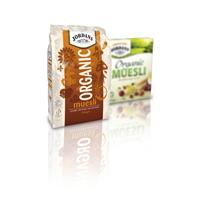
Elixir has teamed up with natural, British food company, Jordans Cereals to offer six readers the chance to win a hamper full of organic, eco-friendly breakfast cereals and a Jordans Cereals cotton tote bag worth around £15.

Jordans have recently re-launched their range of tasty and wholesome Organic breakfast cereals; they support British farmers by only using grain grown from UK farms and the packaging is environmentally friendly too.

The Organic Muesli and Granola products are now packaged in a unique, fully compostable bag which has taken three years to develop. So once you have finished with your bag, you can pop it in the compost and let it breakdown rather than just throwing it away. The cardboard used in the Organic Porridge, Fruit and Fibre and the brand new addition, Organic Flakes and Berries packs is both recycled and recyclable.

There are now five fabulously tasty organic products for you to try from Jordans; Organic Porridge, Muesli, Granola, Fruit & Fibre and a brand new addition Organic Flakes and Berries. So, shoppers looking for a delicious, wholesome, natural, environmentally friendly breakfast can choose Jordans Organic, ensuring they’re doing their bit to reduce packaging waste as well.

The Jordans new look Organic range is available from all leading UK supermarkets. Prices range from £1.55 – £2.99. Visit www.jordansorganic.co.uk for more information.

To win the hamper please email us your name and address at readeroffer@elixirnews.com and put Jordans hamper in the header. The closing date for this competition is 31 March 2008. Please note that no cash equivalent is being offered and the Editor’s decision is final.

Femfresh reader giveaway

image

Femfresh, the leading femine hygiene brand is giving away 10 sets of their wipes and talc-free powder to Elixir readers.

Handy to keep in your handbag whenever you need them during the day, or for the gym, on the way from work to party, or during your period, with a couple of Femfresh wipes in your bag you can feel assured you’re never far from feeling refreshed – handy!

So why a special wipe for intimate skin? Its simple really – you may not know but your intimate skin has a different pH level to the rest of your skin, so you need to make sure you’re using the right products. Skin pH is really important in helping to keep your skin healthy and protected. Femfresh wipes are specially formulated for intimate skin, unlike many other wipes.

Femfresh are experts in intimate skincare. Femfresh is the UK market leader and has been trusted by women for decades. Femfresh Wipes are not only dermatologically but also gynaecologically tested, pH-balanced and hypoallergenic, so that you can feel confident that they will look after your intimate skin.

If you would like one of the sets, please email us at readeroffer@elixirnews.com with your name and address and put Femfresh in the email header. This offer closes on April 14. Please note that no cash substitute is being offered and the Editor’s decision is final.

Femfresh is recommended by leading gynaecologist, Professor Janice Rymer:

Recommended by experts:

‘The key thing in avoiding irritation is maintaining a healthy intimate pH…Femfresh products are formulated to be pH-balanced so they promote a protective environment in that area.’ – Professor Janice Rymer, Fellow of King’s College, London, MD FRCOG FRANZCOG ILTM

Visit www.femfresh.co.uk for expert tips and advice.

Femfresh is available in the UK at Boots, Superdrug, supermarkets and chemists nationwide.

· Individually wrapped wipes – a handbag essential for freshness on demand, they will leave you feeling shower-fresh in a jiffy. Flushable, biodegradable and hypoallergenic – rrp £2.09 for pack of 16

The Femfresh range also includes:

· Intimate Wash (200ml) – rrp £2.29

· Body Wash (250ml) – rrp £2.99

· Deodorant Spray (125ml) – rrp £2.65

· Wipes – rrp £2.69 for 20 pack

· Talc-free Powder – rrp £2.39

About the makers of Femfresh

Church & Dwight produce and market a number of toiletry and personal care products including TROJAN® Condoms, Arrid deodorant, Arm & Hammer toothpaste, Nair hair removal, Pearl Drops, First Response home pregnancy and ovulation test.

A big waist is bad news for your brain

image

New York: A big waist by the time you reach your 40s, may triple the threat of dementia in old age, according to new US research.

Obesity is a known risk factor for Alzheimer’s, but scientists found even those of normal weight were more at risk if they had a large waist.

However, the study, by health provider Kaiser Permanente used evidence from 6,500 people, is published in the journal Neurology, found obesity and bulging stomach was still the most dangerous combination.

An obesity expert said waist size was a good guide to several future health problems.Research linking obesity to dementia does not reveal precisely why being overweight can affect your ageing brain, but many specialists believe that associated problems such as high blood pressure, diabetes and high cholesterol levels may contribute.

Thickness of fat around the waist is thought to correspond closely with its presence around the major organs of the body.

The latest study suggests that while the standard measure of obesity – body mass index – can help predict those at risk, the lifestyles which produce large bellies may have a closer relationship with the long-term causes of dementia.

Researchers working for Kaiser Permanente, one of the biggest healthcare providers in the US, looked at 6,583 people aged between 40 and 45, measuring their abdominal fat levels with calipers.

They then followed all of these people into their 70s to see who became ill, and who managed to maintain relatively good health.

They found the 20% of people with the largest waistlines had a 270% greater risk of dementia than those with the smallest waists.

Even those reckoned to be normal weight using body mass index calculations had approximately an 90% increased risk of dementia if they had a large rather than a small waist.

People who were measured as overweight or obese using body mass index, but who didn’t have a large belly, had an 80% increase in dementia risk but a combination of all these factors led to a bigger overall increase.

Being overweight and with a large waist raised the risk by 230%, but those who were large-waisted and were so overweight they could be officially classed as obese recorded a 360% rise in dementia risk compared to small-waisted people who met guidelines on normal weight.

Dr Rachel Whitmer, who led the research, said: “It is well known that being overweight in midlife and beyond increases risk factors for disease.

“However, where one carries the weight, especially in midlife, appears to be an important predictor for dementia risk.”

She said that autopsies suggested that the changes in the brain characteristic of Alzheimer’s disease started to appear decades before any symptoms became apparent.