Why diets fail most women – new research from Nintendo

image

All women diet but 57% of them say not one of the diets they’ve tried has worked, according to research by My Health Coach, the new weight game from Nintendo.

Slimmers are bombarded with information on dieting wherever they go, and as a result are trying every fat-busting fad there is. Every woman polled had tried some form of fad diet or eating regime but 57% said no diet had actually worked for them in the long term.

Only 5% of British women can say they never think about dieting or weight loss. 14% think about it on a weekly basis and 12% think about dieting or start a new diet every single day. This obsession appears to be caused by social pressures with 48% of women saying they feel they’re expected to live up to catwalk models.

Although we clearly do want to be slimmer, 51% of women said they lack the motivation to make it a reality. Over a third fail to facilitate themselves in weight loss by exercising alongside their diet. These findings beg the question: are we asking too much of ourselves in terms of body image or are we not pushing ourselves hard enough to achieve our goals?

For more information visit www.ubisoftgroup.com

Get lean and mean – eat turkey

image

London: With the Olympics coming up, Britain’s athletes could find they have a secret weapon for success – a plate of turkey meat.

Eating turkey could enhance an athlete’s performance by up to 20%, according to scientists. Turkey breast contains one of the highest concentrations of the muscle-building dipeptides, anserine & carnosine. When we eat a food containing these dipeptides it is broken down into beta-alanine and histidine. We all have plentiful supplies of histidine in the body, but it is beta-alanine we need to consume to counteract the effect of pH acidity that causes muscle fatigue, as the body is only able to manufacture small quantities from uracil in the liver.

Researchers at the University of Chichester’s School of Sport, Exercise & Health Sciences carried out tests on the effect of consuming carnosine and beta-alanine on volunteers who underwent muscle biopsies and performance tests. The 800mg beta-alanine supplements they used, the equivalent to 145g portions of turkey breast meat, increased muscle concentrations by 40% and improved cycling performance by 13%.

Research leader Glenys Jones said: “The exciting thing is, I believe we are nowhere near the top. In fact, I suspect if we raise the dietary intake of beta-alanine to 250-300g of turkey a day for 6-12 months we will see a progressive rise in the values of a possible 80% increase in muscle concentrations and further performance improvements, as seen in high-dose/short-term supplementation studies.”

Jones is looking to start a longitudinal investigation into the effect on muscle concentrations of introducing a regular dose of turkey into the diet and the subsequent effect on performance in the very near future.

Sharron Davies, former Olympic swimmer and mother of three, says: “New dietary research is something all athletes welcome – especially when the food recommended is as easy to obtain, cook and eat as turkey. When I was swimming competitively, I always included turkey in my diet because it’s low in fat and high in protein and even today, turkey remains an important part of my balanced diet. But even non-athletes should be interested in keeping their bodies as healthy as possible so this research could have positive benefits for very many people in all walks of life.”

Rowing, cycling, speed skating and certain distances in running are the other disciplines researchers say are most likely to benefit.

The research at Chichester University, overseen by Prof Roger Harris, discovered anserine and carnosine was high in certain muscle meats, including whale, prawns and turkey. The scientists chose to concentrate their research on turkey for practical reasons.

Prof Harris said: “Whale meat is not exactly available, or desirable in the UK, and you would have to eat an unpalatable amount of prawns, which are themselves high in cholesterol, to achieve the same results.”

The turkey is a relatively recent domesticated farm animal and closely related genetically to the wild turkey of North America, one of the heaviest flying birds. The flood of adrenaline that a wild turkey needs to lift its body weight off the ground to escape danger is the key. This involves rapid mobilisation of energy in the wing and breast muscles, and a concentration of histidine containing dipeptides called anserine and carnosine. Our digestive systems split these dipeptides into beta-alanine and histidine, which then reform as carnosine when transported into muscle.

Funding by the British Turkey Federation has allowed Prof Harris and PhD student Glenys Jones to continue their research. Jones is currently evaluating how putting beta-alanine into the drinking water of turkeys increases the concentration in their muscle.

She said: “Our aim is to get the highest concentration of the histidine dipeptides possible for inclusion in people’s regular diets. The implications of which could provide health benefits for the elderly, who suffer a reduced acid-based regulatory system as they get older, and indeed for all individuals who want to maintain an active life is tremendously exciting.”

Interest in the research at International Conferences has been extremely high and supportive. The potential uses of beta-alanine and the dipeptides as supplements led Prof Harris to stating “Literally, the sky’s the limit!”

The British turkey industry has welcomed the findings. Dr Cliff Nixey, a world authority on turkeys, said: “If we can help British athletes find Olympic success we would be delighted. But we are also pleased at the potential health benefits in all walks of life.”

Dr Nixey explains why turkey meat would contain high levels of substances involved in energy metabolism.

“The turkey is a relatively recent domesticated farm animal and as such is closely related genetically to the wild turkey in North America. The wild turkey is one of the heaviest flying birds, with males weighing around 16lbs (7.25kg) and females 10lbs (4.5kg). To avoid danger, they have explosive flight upwards to gain height rapidly and then they glide long distances. The take off of such heavy birds must involve very rapid mobilisation of energy in the wing and breast muscles. It follows that this species has evolved a system to cope with this which logically would involve high levels of substances involved in energy mobilisation.”

Supporting Research:

Influence of b-alanine supplementation on skeletal muscle Carnosine concentrations and high intensity cycling capacity
School of Sports, Exercise & Health Sciences, University of Chichester, Chichester, UK

Summary: Muscle carnosine synthesis is limited by the availability of b-alanine. Thirteen male subjects were supplemented with b-alanine (CarnoSyn tm) for 4wks, 8 of these for 10wks. A biopsy of the vastus lateralis was obtained from 6 of the 8 at 0, 4 and 10 wks. Subjects undertook a cycle capacity test to determine total work done (TWD) at 110% (CCT 110%) of their maximum power (Wmax). Twelve matched subjects received a placebo. Eleven of these completed the CCT 110% at 0 and 4 wks, and 8 and 10wks. Muscle biopsies were obtained from 5 of the 8 and one additional subject. Muscle carnosine was significantly increased by +58.8% ad +80.1% after 4 and 10 wks b-alanine supplementation. Carnosine, initially 1.71 times higher in type IIa fibres, increased equally in both type I and IIa fibres. No increase was seen in control subjects. Taurine was unchanged by 10 wks of supplementation. 4 wks beta-alanine supplementation resulted in a significant increase in TWD (+13.0%); with a further +3.2% increase at 10 wks. TWD was unchanged at 4 and 10 wks in the control subjects. The increase in TWD with supplementation followed the increase in muscle carnosine.

Coffee is good for women’s hearts

image

Coffee may protect women against heart disease, a study published in the Annals of Internal Medicine has revealed.

Researched studied 84,000 women from 1980 until 2004 and 42,000 men between 1986 and 2004 and questioned their coffee consumption every four years.

It found that women who drank two or three cups of full-strength coffee a day were 25 per cent less likely to die of heart disease than those who drank none. Those who drank decaffeinated coffe also had lower death rates.

The scientists were unsure why coffee did not confer any benefits on men. The study was also inconclusive on whether it was coffee or some other factor in the women’s lifestyle that was responsible for the positive effect on their health.

Coffee contains antioxidants and tannins which are good for the heart and arteries. It has also been shown to be good for liver and reduce asthma attacks.

Herb remedy fails Alzheimer’s victims

image

London: Research on the herbal remedy, ginkgo biloba, has concluded that it does not help treat Alzheimer’s disease.

The Chinese remedy is taken by one in ten sufferers of dementia, but new research by the Alzheimer’s Society, has found it has no real impact on symptoms.

A total of 176 adults with mild to moderate dementia took part in the six month study. Half were given a 120 milligram daily dose and the others a placebo.

The result was that the herb, made from the leaves of a tree, did not bring any significant improvement to their quality of life, says a report published in the International Journal of Geriatric Psychiatry.

US scientists on track of elixir of youth

image

Los Angeles: Scientists in California have used biochemical signals to rejuvenate elderly bodily tissues in mice.

Research by Dr Morgan Carlson, published in the journal Nature, was overseen by Irina Conboy, associate professor at UC Berkeley.

Professor Conboy said: “We don’t realize it, but as we grow our bodies are constantly being remodeled. We are constantly falling apart, but we don’t notice it much when we’re young because we’re always being restored. As we age, our stem cells are prevented, through chemical signals, from doing their jobs.”

“When old tissue is placed in an environment of young blood, the stem cells behave as if they are young again,” according to the Berkeley press release.

Essentially, the Californian researchers were able to persuade muscle tissues in some mice that they were young again.

“Interestingly, activated Notch competes with activated pSmad3 for binding to the regulatory regions of the same CDK inhibitors in the stem cell,” said Professor Conboy.

“We found that Notch is capable of physically kicking off pSmad3 from the promoters for the CDK inhibitors within the stem cell’s nucleus, which” – as any fool would realise – “tells us that a precise manipulation of the balance of these pathways would allow the ability to control stem cell responses.”

Altering the Notch and pSmad3 levels using “an established method of RNA interference” allowed Conboy and Carlson to manipulate TGF-beta proteins and fire up the dormant stem cells of a group of elderly mice.

“When we are young, there is an optimal balance between Notch and TGF-beta,” according to Conboy. “We need to find out what the levels of these chemicals are in the young so we can calibrate the system when we’re older. If we can do that, we could rejuvenate tissue repair for a very long time.”

Read more at Pathways to the Fountain of Youth

Get fuzz free summer legs – win the latest stubble-buster

image

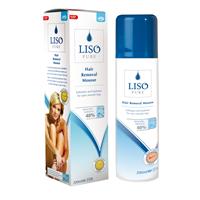
Stubble isn’t designer when it comes to your legs. JML’s Liso Pure means you can now enjoy soft smooth skin in your own bathroom in under five minutes.

Liso Pure uses a dermatolgically approved formula which means long lasting results. Just spray it on your legs, leave for four minutes and then rinse it off and pat dry with a towel. Its great for those with a low threshold for pain – you’ll never get nasty nicks or razor rash again!

This dispensing bottle offers great value, with its pump design enabling you to control how much cream you apply, avoiding waste and mess. Most importantly it makes your limbs look luscious.

It’s a relief to those who find the cycle of shaving and waxing painful and messy – it makes hair removal hassle free.

For fuzz-free pins get JML’s Liso Pure. On sale in the UK at £9.99 from Boots nationwide, online at www.JMLdirect.com, JML Direct TV (Sky Channel 631) and telephone number 0871 2222 631.

JML is giving away ten samples of Liso Pure. If you would like to win one, please email us at readeroffer@elixirnews.comwith your name and address, putting Hair in the email header. Your name will be put into a draw. Please note that this offer closes on May 31, no cash equivalent is being offered and the Editor’s decision is final.

To read more about Liso Pure go to www.jmldirecto.com

Reverse Ageing now – win a sample of Solgar DNA repair

image
image

London: Welllness experts Solgar are offering 20 fullsize samples of their latest anti-ageing product AC-11 to readers of ELIXIR.

Solgar AC-11 is a proprietary extract from the rainforest botanical plant, Uncaria tomentosa. It is perhaps the single most proactive means of promoting the body’s own natural DNA care mechanisms and in clinical studies has been shown to increase the body’s ability to repair DNA.

A two month’s supply of AC-11 costs £28.99 (€35.90) but you can win a free sample. Email us at readeroffer@elixirnews.com with your name and address, putting SOLGAR in the email header and you will be entered into a draw to win a free sample. This offer closes on 31 May 2008. Please note that no cash equivalent is being offered and the Editor’s decision is final.

More about Solgar AC-11

Uncaria tomentosa, a vine that grows among the teeming, exotic plethora of botanical species found in the Amazon. More commonly known to the locals as “Uña de Gato” or “Cat’s Claw,” its outer bark contains a powerful, natural activator of DNA repair, critical to cellular health and vital to longevity.

The benefits of Uncaria tomentosa almost make it sound like a cure all. It helps keep the immune system working properly. It helps prevent cellular damage, and damage to DNA. While much of the action of Uncaria tomentosa takes place deep inside the cells of the body, it also works to positively affect the outward, visible signs of aging such as wrinkles and sun spots – conditions linked to the ageing process in which the body produces imperfect DNA.

What is the connection between DNA and ageing?

Put simply, DNA is our genetic code or the “blueprint” that we inherit from our parents. When we are born, our genetic code, or DNA, is virtually pristine. Every cell in our body is formed based on our DNA, and each cell becomes a holder of our entire genetic blueprint. As we grow and age, our bodies and our DNA are constantly bombarded by things in the environment that can damage our DNA. A good example is the sun. Prolonged exposure to the sun ultimately damages our skin cells (and their DNA) and results in wrinkles or worse. In fact, any damage to our DNA ultimately becomes the cause of the negative effects we associate with aging. This damage can also manifest itself as the cause of various ailments we encounter throughout our lifetimes.

If the body can’t produce clean copies of our DNA, our health and longevity will be directly affected. The key to optimal health, therefore, is to keep our DNA clean and healthy and producing “clean” copies. We do this by helping our bodies neutralize excess free radicals, and at the same time, strengthen and nourish our cells and their DNA.

Solgar’s AC-11 can best be thought of as the catalyst that sets DNA repair in motion. It then continues its favorable age management action by helping to protect your DNA from future damage.

What will Solgar AC-11 do for me?

The major attribute of AC-11 relates to its effect on DNA repair, so it will be useful in many of the same situations as antioxidants. It is also anti-inflammatory and immune enhancing, so possible uses include:

• Anti-ageing/rejuvenation

• Supports cellular skin health, and regeneration

• Recovery from injury and enhancing healing

• Immune system support (e.g. frequent colds/infections)

• Inflammatory conditions

• Auto-immune conditions, which often involve the immune system and have an inflammatory element, such as arthritis

• Family history of age related disease

Find out more about Solgar’s AC-11 – receive your sample & exclusive book – REVERSE AGING, by internationally acclaimed author and consultant Marcia Zimmerman C.N

Solgar AC-11 vegetarian capsules RRP: £28.69 (€35.90) for two months supply is available from independent health foods stores and selected pharmacies nationwide. You can also buy online at www.solgar-vitamins.co.uk

Protein rich diets prevent weight gain – new research

image

Madrid: A diet rich in proteins can help to avoid regaining weight after weight loss, according to new reseach.

Increasing the consumption of proteins in one’s diet can help to avoid regaining weight after successfully losing weight through diet and exercise; on the other hand, the glycemic index does not play a significant role.

This was the preliminary conclusion of the Diogenes project (diet, obesity and genes, the largest European study into nutrition and obesity.

Adult participants from 400 families from eight countries (Denmark, the Netherlands, the United Kingdom, Bulgaria, Greece, Czech Republic, Germany and Spain), were tracked over the course of six months, during which they were required to lose at least 8% of their body weight.

At this stage the entire family was included in the weight-loss regimen. In total, 763 individuals lost an average of 11.2 kilograms per person, for a total of 8,500 kilograms, the equivalent of four adult elephants.

Five randomly-assigned diets

In the next phase of the experiment, 565 families (763 adults and 787 children) followed one of five randomly-assigned diets; four of these diets combined diverse proportions of protein and carbohydrate intakes, and the fifth was based on the previous eating habits of the family, with advice on healthy diet.

Those families which were assigned a high-protein diet did not recover the weight previously lost, whereas those assigned other diets recovered between 2 and 2.5 kg of the weight lost during the prior stage.

The definitive findings of the project will be known in May of 2009, when the project’s researchers will participate in the European Congress on Obesity in Amsterdam.

Red wine retards ageing, concludes new research

image

Red wine which contains an antioxidant called resveratrol can remove fat from the diet, new research into its affect on ageing has revealed.

This confirms the speculation over why the French can eat a fatty diet but still remain healthy.

Earlier studies have already shown that resveratrol, also found in grapes, pomegranates and other foods.

In the journal PLoS ONE, the new research explains that even low doses of the substance in the diet of older mice may protect the heart. It is thought that resveratrol behaves in the same way as caloric restriction, a diet containing a full range of nutrients but with half the calories of a typical diet, which extends lifespan and cuts the risk of obesity, diabetes and cancer.

The study was carried out by the University of Wisconsin-Madison compared the gene use of animals on a restricted diet with those fed small doses of resveratrol. The authors concluded that a glass of red wine or supplements containing even small amounts of the substance could cease the rate of heart ageing.

Millions put foot health at risk

image
image

London: Walking is Britain’s most popular activity with approximately 38 million people walking for pleasure at least once a month.

But as the summer weather allows more of us to take up this activity, the number of injuries also increases. They range from Achilles Tendonitis (inflammation of the Achilles tendon), Tibial Stress Syndrome (Shin Splints) and Plantar Fasciitis (Inflammation of the bottom of the foot), to corns and blisters.

There is no doubt that walking is good for you, it has many health benefits, increases your levels of fitness and as a result the number of people walking for a hobby is on the increase – and so is the number of injured feet!

Luke Barlow, founder of Fitness Footwear the number one online sports and activity shoe retailer said: “Walking may appear to be the lightest of outdoor hobbies however, with 23.6 Million people regularly talking walks of 3.2 km or more it is important that the correct footwear is worn. With the summer approaching, many individuals and families will be dusting off their (potentially foot unfriendly) walking boots in anticipation of hitting the hills.”

Fitness Footwear has partnered with the British Chiropody and Podiatry Association to provide walkers with the information needed to avoid unnecessary injury to feet in a variety of walking conditions.
With different days come different walking conditions, each requiring a diverse footwear type and alternative sock/shoe/insole combinations. Utilising the knowledge of the British Chiropody and Podiatry Association and its own shoe knowledge, Fitness Footwear has created the ideal combination to avoid unnecessary and painful injuries for five common walking conditions.

Hot Conditions – The British Chiropody and Podiatry Association suggests: “As with all types of clothing, it is important whilst walking in hot conditions to be well ventilated. A good quality sandal or sandal-type shoe is recommended to avoid any potential damage.”
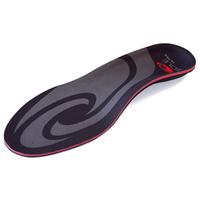
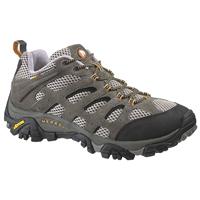
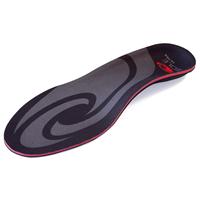
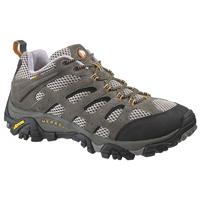
· Fitness Footwear recommends the Merrell Moab Ventilator shoes with a Smartwool Hiking Crew sock for its added protection. Finally it is recommended that a Sole Ultra SofTec Insole is used as inevitably the hot conditions will cause a hard ground – this particular insole is renowned for the support it provides to the knees and lower back.

Cold Conditions – The British Chiropody and Podiatry Association suggests: “In cold conditions it is suggested that a thick woollen sock, or a couple of pairs of thinner socks, is best to provide greater comfort, warmth and protection from associated injuries.”

· Fitness Footwear recommends the Merrell Chameleon Thermo 6 Waterproof Synthetic Shoe for its Thinsulate insulating lining ensuring that feet are kept warm, matched with a Brasher 3 Season sock – a good all round protector and insulator. For the sole it is recommended that a Superfeet WinterGreen Performance insole is used as it provides insulation but also aligns the feet.

Wet Conditions – The British Chiropody and Podiatry Association suggests: “Unless walking in streams or fords for extended periods, avoid the obvious choice of Wellington boots on long walks. Not renowned for their comfort, Wellingtons are prone to chaffing and the rubber soles tend to draw the feet. A good quality insole is necessary as that ventilates well.”

·For walking in wet conditions Fitness First recommends the Salomon Mega Trek 6 Light GTX/WP boot as it is waterproof and breathable, with SealSkinz long light socks for their waterproof, windproof yet breathable capabilities. For the insole, a Superfeet Green performance insole is recommended as it is one of the best off the shelf orthotics on the market, and helps to align the body whilst walking.

Mountain terrain – The British Chiropody and Podiatry Association suggests: “Essential for mountain walking is a thick trainer-type shoe or boot with plenty of grip. Cushioned insoles are recommended to avoid potential lesions or damage on rocks and uneven surfaces.”

· Fitness Footwear recommends the Merrell Chameleon Thermo 6 Waterproof
Synthetic Shoe for the protection offered against potentially sharp rocks, matched with the Smartwool Hiking Crew sock for added protection. A Superfeet WinterGreen Performance insole will provide insulation and will also keeps the feet in alignment to keep a better footing.

Road Walking – The British Chiropody and Podiatry Association suggests: “A leather sole with a shock absorbing rubber heel will help avoid injuries gained from continually walking on hard terrain. All rubber soles need to be avoided as they will draw the feet.”

· Fitness Footwear recommends that the light weight Merrell Moab Ventilator shoe is used with a Smartwool Hiking Crew sock for protection and the Sole Ultra SofTec Insole.

The British Chiropody and Podiatry Association suggests: Even with all these recommendations every walker should carry some Sorbothane Sorboskin Blister Plasters for any unforeseen injuries.

Mike Batt, Honourary President of The British Chiropody and Podiatry Association said “We frequently see and hear stories of individuals who have not prepared properly and worn inappropriate footwear. Consequently, walking can cause some horrendous blisters, chaffing and other related injuries that could be easily avoided.”

Luke Barlow added: “Through our partnership with the British Chiropody and Podiatry Society we aim to raise awareness of the importance of looking after your feet. We have an extensive range of walking shoes for all weather conditions and are more than happy to provide advice to ensure the perfect fit.”
Fitness Footwear (www.fitnessfootwear.com) offers a range of sport and leisure shoes to cater for every interest. From running to climbing, from parkour to fashion, Fitness Footwear has something for everyone, stocking top quality brands including Brasher, Ecco, Hi-Tec, Merrell, DC, Mizuno and Quicksilver.

The secure site enables you to browse by activity or brand and all orders despatched within the UK come with free delivery as standard.

For More information please visit www.fitnessfootwear.com or call 0870 080 1736 within the UK.

image

Britain’s first snoring bootcamp opens

image

London: The hunt is on to find the worst snorers in the UK, with the culprits being offered the chance to take part in an exclusive Snoring Boot Camp, which will kick-off in June.

Nominations are invited from browned-off loved-ones, families and friends even snorers themselves as part of the search launched by Helps Stop Snoring, makers of the first clinically proven remedy for the problem.

The most deserving cases from across the UK will then be selected to be amongst the first cadets to take their place at the army style boot ‘s very own Sergeant Major.

There they will undergo a rigorous three-day grunt-busting course which will include advice from a leading Ear, Nose and Throat specialist along with a crack team of dieticians, fitness experts and lifestyle gurus.

Graham Carr-Smith of Helps Stop Snoring said: “We already know that the UK is a hotbed of snoring activity, so we are expecting interest and competition for places to be extremely high.”

As part of any agreement to take part in the camp, our Sergeant Major will inspect each guest’s bags for contraband items such as alcohol and cigarettes, both of which can exacerbate snoring.

The aim is to provide as much advice and information as possible to the selected snorers and their families, helping them to reduce or stop the problem altogether. It’s going to be tough, but the results should be worth it.

If you know someone who disrupts your sleep with unhealthy night time noises, or you want to give your anti-social nocturnal noise the boot, the country’s first Snoring Boot Camp will open its doors on 20th June. This is your chance to cure the culprit, or at least banish them for a while.

Snoring can also be a sign of other underlying medical conditions which is why its important to get it investigated.

To apply, please visit www.stopsnoring.co.uk”> and follow the online application procedure. Alternatively, contact the Helps Stop Snoring Boot Camp Hotline on 0845 270 1660.

As part of the boot camp cadets will receive two-nights all expenses paid accommodation at the mystery location, along with a year’s supply of Helps Stop Snoring products to take away.

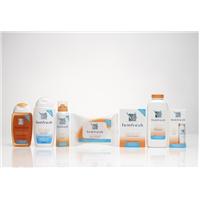
About Helps Stop Snoring products

Helps Stop Snoring new Oral Strips contain a blend of essential oils, which tone the tissues of the soft palette when the strip is dissolved into the throat. This reduces the ability of these areas to reverberate and create the noise we recognise as snoring.

Helps Stop Snoring is available as either an easy to use throat spray or oral strips and is available in the UK at Boots, Sainsbury’s and Tesco stores. The handy-sized 9ml throat spray offers three weeks of uninterrupted and peaceful sleep for only £6.99. Oral strips are also available in packets of 16 strips for £4.79.

More information can be found at www.stopsnoring.co.uk

Sex & the City – get the look with an Elixir discount

image

London: Top London hair salon Stuart Phillips www.stuartphillips.co.uk is hosting ‘Style in the Salon’, a week where you can pop into the salon in London’s Covent Garden and get the Sex in the City look of your favourite character.

Choose the look you want:

1. The Curly Carrie
2. The Seductive Samantha
3. The Slick Miranda
4. The Sophisticated Charlotte

The package includes:

– A cosmopolitan
– full consultation
– A shiatsu and acupressure head and scalp massage on the one of the famous Japanese shampoo beds (15 mins)
– A 15% discount

T:+ 44 (0)20 7379 5304 or visit www.stuartphillips.co.uk

Stuart Phillips Salon, 25 Monmouth Street, London, WC2H 9DD.

Mediterrean diet cuts diabetes risk

image
image

Madrid: A Mediterranean diet that includes fruit, vegetables, fibre and healthier fats may protect against type two diabetes, a new study suggests.

The study monitored the eating habits of 14,000 Spaniards over a four year period to see who developed the condition.

The results indicated a 83% lower risk for those who followed the diet, the British Medical Journal reported.

The traditional lifestyle of the Mediterrean includes regular exercise, but also plenty of fish, fruit and vegetables, usually cooked in olive oil, and red wine.

This diet has already been shown to be good for heart health. In addition olive oil helps control blood sugar and lower blood pressure.

image
image

Millions put feet at risk – are your shoes made for walking?

image
image

London: Walking is Britain’s most popular activity with approximately 38 million people walking for pleasure at least once a month. But are you sure your shoes are up to the job?

As the Summer months approach us, Achilles Tendonitis (inflammation of the Achilles tendon), Tibial Stress Syndrome (Shin Splints) and Plantar Fasciitis (Inflammation of the bottom of the foot), just some of the injuries sustained whilst walking, will be on the increase.

There is no doubt that walking is good for you, it has many health benefits, increases your levels of fitness and as a result the number of people walking for a hobby is on the increase – and so is the number of injured feet!

Luke Barlow, founder of Fitness Footwear the number one online sports and activity shoe retailer said: “Walking may appear to be the lightest of outdoor hobbies however, with 23.6 Million people regularly talking walks of 3.2 km or more it is important that the correct footwear is worn. With the summer approaching, many individuals and families will be dusting off their (potentially foot unfriendly) walking boots in anticipation of hitting the hills.”

Fitness Footwear has partnered with the British Chiropody and Podiatry Association to provide walkers with the information needed to avoid unnecessary injury to feet in a variety of walking conditions.

With different days come different walking conditions, each requiring a diverse footwear type and alternative sock/shoe/insole combinations. Utilising the knowledge of the British Chiropody and Podiatry Association and its own shoe knowledge, Fitness Footwear has created the ideal combination to avoid unnecessary and painful injuries for five common walking conditions.

Hot Conditions – The British Chiropody and Podiatry Association suggests: “As with all types of clothing, it is important whilst walking in hot conditions to be well ventilated. A good quality sandal or sandal-type shoe is recommended to avoid any potential damage.”

Fitness Footwear recommends the Merrell Moab Ventilator shoes with a Smartwool Hiking Crew sock for its added protection. Finally it is recommended that a Sole Ultra SofTec Insole is used as inevitably the hot conditions will cause a hard ground – this particular insole is renowned for the support it provides to the knees and lower back.

Cold Conditions – The British Chiropody and Podiatry Association suggests: “In cold conditions it is suggested that a thick woollen sock, or a couple of pairs of thinner socks, is best to provide greater comfort, warmth and protection from associated injuries.”

Fitness Footwear recommends the Merrell Chameleon Thermo 6 Waterproof Synthetic Shoe for its Thinsulate insulating lining ensuring that feet are kept warm, matched with a Brasher 3 Season sock – a good all round protector and insulator. For the sole it is recommended that a Superfeet WinterGreen Performance insole is used as it provides insulation but also aligns the feet.

Wet Conditions – The British Chiropody and Podiatry Association suggests: “Unless walking in streams or fords for extended periods, avoid the obvious choice of Wellington boots on long walks. Not renowned for their comfort, Wellingtons are prone to chaffing and the rubber soles tend to draw the feet. A good quality insole is necessary as that ventilates well.”

For walking in wet conditions Fitness First recommends the Salomon Mega Trek 6 Light GTX/WP boot as it is waterproof and breathable, with SealSkinz long light socks for their waterproof, windproof yet breathable capabilities. For the insole, a Superfeet Green performance insole is recommended as it is one of the best off the shelf orthotics on the market, and helps to align the body whilst walking.

Mountain terrain – The British Chiropody and Podiatry Association suggests: “Essential for mountain walking is a thick trainer-type shoe or boot with plenty of grip. Cushioned insoles are recommended to avoid potential lesions or damage on rocks and uneven surfaces.”

Fitness Footwear recommends the Merrell Chameleon Thermo 6 Waterproof Synthetic Shoe for the protection offered against potentially sharp rocks, matched with the Smartwool Hiking Crew sock for added protection. A Superfeet WinterGreen Performance insole will provide insulation and will also keeps the feet in alignment to keep a better footing.

Road Walking – The British Chiropody and Podiatry Association suggests: “A leather sole with a shock absorbing rubber heel will help avoid injuries gained from continually walking on hard terrain. All rubber soles need to be avoided as they will draw the feet.”

Fitness Footwear recommends that the light weight Merrell Moab Ventilator shoe is used with a Smartwool Hiking Crew sock for protection and the Sole Ultra SofTec Insole.

The British Chiropody and Podiatry Association suggests: Even with all these recommendations every walker should carry some Sorbothane Sorboskin Blister Plasters for any unforeseen injuries.

Mike Batt, Honourary President of The British Chiropody and Podiatry Association said “We frequently see and hear stories of individuals who have not prepared properly and worn inappropriate footwear. Consequently, walking can cause some horrendous blisters, chaffing and other related injuries that could be easily avoided.”

Luke Barlow added: “Through our partnership with the British Chiropody and Podiatry Society we aim to raise awareness of the importance of looking after your feet. We have an extensive range of walking shoes for all weather conditions and are more than happy to provide advice to ensure the perfect fit.”

Fitness Footwear (www.fitnessfootwear.com) offers a range of sport and leisure shoes to cater for every interest. From running to climbing, from parkour to fashion, Fitness Footwear has something for everyone, stocking top quality brands including Brasher, Ecco, Hi-Tec, Merrell, DC, Mizuno and Quicksilver.

The secure site enables you to browse by activity or brand and all orders despatched within the UK come with free delivery as standard.

For More information please visit www.fitnessfootwear.com or call 0870 080 1736 (UK number).
image

Drug-related deaths increase in UK

image

London: Prescription drugs kill nearly 20 people a week in the UK. And deaths linked to reactions to medication given by the country’s National Health Service have nearly doubled in the last five years to more than 1,000.

In total, around 20,000 patients suffered a range of side effects from prescription drugs. But experts believe the numbers reported by medical professionals may be far worse. This is because the reporting system, of flagging up suspisions in voluntary.

The latest statistics show the number of patient deaths linked to prescription medicines rose from 648 in 2001, to 1,013 last year – the first time it has exceeded 1,000.

The total number of adverse drug reactions reported by doctors fluctuated between 21,460 and 17,500 over the same five-year period. But the number of deaths rose consistently each year.

Wrinkle implants may cause arthritis

image

Permanent cosmetic implants could cause allergic reactions such as arthritis, according to a report published in the Archives of Dermatology journal.

Doctors have reported that some patients developed problems over a year after the fillers or implants were placed.

The report said that the safety of polyalkylimide implant gels is questionable.

Dr Jaume Alljotas-Reig of the Vall d’Hebron University Hospital and Autonomous University of Barcelona said that both doctors and patients needed to be aware of delayed reactions.

The team examined 25 patients who had adverse reactions a year or more after having filler implants.

Women ignore heart dangers

image

London: Three out of four women are ignorant of the risks to heart health as they age, according to new research by food manufacturer Benecol.

The risk of heart health problems increases after the menopause but 78% of women are unaware of the danger.

More than two thirds of the women, aged between 25 and 65 years, did not know that heart disease is the main cause of death in women or that it can be caused by high levels of bad (LDL) cholesterol.

Nearly 50% did not realise that cholesterol levels rise after the menopause because of the fall in levels of the hormone oestrogen.

The survey carried out by Consumer Analysis for Benecol concluded that the majority of women are confused about the symptoms of heart disease and the risk factors which include high blood pressure, obesity and smoking.

Low fat diet helps prevent prostate cancer in mice

image

Los Angeles: Us scientists have found that have demonstrated that lowering intake of the type of fat common in a Western diet helps prevent prostate cancer in mice.

UCLA’s Jonsson Cancer Center and the Department of Urology carried out the study, which is published in the April editon of the journal Cancer Research.

Scientists excamined the effects of fat from corn oil, which is made up primarily of omega-6 fatty acids, or the polyunsaturated fat commonly found in the Western diet. Omega-6 fats are found in high levels in baked and fried goods, said William Aronson, a Jonsson Cancer Center researcher and the study’s senior author.

Researchers fed one group of mice a diet with about 40 percent of calories coming from fat, a percentage typical in men eating a Western diet. The other group received 12 percent of their calories from fat, a figure considered to be a very low fat diet.

The low-fat group had a 27 percent reduced incidence of prostate cancer. They also studied cells in the prostate that were precancerous, or would soon become cancer, and found that the cells in the mice eating the low-fat diet were growing much more slowly than those in the high-fat group.

Previous studies in Mr Aronson’s lab showed that a low-fat diet slowed the growth of aggressive human prostate cancers in mice and helped the mice live longer. However, whether such a diet could prevent prostate cancer was unknown.

“We didn’t know what to expect in terms of the role of reducing dietary fat in preventing prostate cancer,” said Aronson, a professor of urology. “We think this is an important finding and we are presently performing further studies in animal models and conducting clinical trials in men.”

Using a novel mouse model that develops cancer within the prostate over a period of six to nine months, Mr Aronson and his team were able to study cancer incidence and cell growth. The mice were assigned to a dietary fat group at three weeks of age, when they first started ingesting food. The prostates and prostate cells were studied at seven months.

During the growth phase when the precancerous lesions develop, called PIN or prostate intraepithelial neoplasia, Aronson found that mice on the low-fat diet had higher levels of a protein in their bloodstreams that binds to insulin like growth factor, which spurs prostate cancer growth. Aronson believes that lowering dietary fat and increasing levels of the binding protein slows prostate cancer development by cutting off the growth factor that allows prostate cancer to thrive.

“A low-fat, high-fiber diet combined with weight loss and exercise is well known to be healthy in terms of heart disease and is known to reduce the risk of heart attacks and strokes, so that would be a healthy choice to make,” Aronson said. “Whether or not it will prevent prostate cancer in humans remains to be seen.”

Mr Aronson is now conducting a short term study in men who are randomly assigned to a Western diet higher in polyunsaturated fat or a low-fat diet with fish oil supplements. The next step is to see how these diets affect malignant and benign human prostate tissue, Aronson said.

“We’re looking at specific markers and growth factors in human tissue known to be important for development and progression of prostate cancer,” he said. “It’s this work we hope will lead to longer term prevention strategies incorporating dietary changes.”

Get healthy with two new soft drinks from Schweppes

image

Schweppes announces the launch of two new soft drink ranges, ‘Lightly Sparkling’ and ‘Classics’. ‘Lightly Sparkling’ is a new range of fruit blend drinks, aimed at adults and free from any artificial flavours or colourings.

‘Lightly Sparkling’ is available in three different flavours: Grapefruit & Mandarin, Pomegranate & Blueberry and Apple, Pear & Cinnamon.

‘Classics’ capitalises on ‘Schweppes’ rich heritage of experience and ‘know how’ to create classic drinks which inspire nostalgic memories of childhood. Cloudy Lemonade with a squeeze of lime and Ginger Beer contain ingredients including root ginger extract.

These new launches represent an exciting development for Schweppes. ‘Lightly Sparkling’ is designed to appeal to a sophisticated, adult palette and ‘Classics’ appeals to the inner child in all adults, bringing back a bit more punch and some real ingredients.

Both ‘Lightly Sparkling’ and ‘Classics’ are available in 1.25 litre bottles, with a recommended retail price of £1.49.

Sugary drinks put men at increased risk of gout

image

London: Recent research reported in the British Medical Journal found that consuming sugary drinks can increase the risk of men developing gout, a form of arthritis.

These findings support claims made over 50 years ago by arthritis pioneer Charles de Coti-Marsh, states the UK’s Arthritic Association.

A twelve year study of nearly 50,000 men found a strong association between sugar sweetened soft drinks, usually containing fructose, and gout. Consuming two servings a day of a sugary soft drink increased the risk of developing gout by 85%.

Some sufferers of gout already know to avoid sweetened drinks, thanks to a little-known publication of 1957, ‘Rheumatism and Arthritis – The Conquest’, in which author Charles de Coti-Marsh states that gout sufferers can alleviate the condition by drinking plenty of fresh fruit and vegetable juices every day.

Bruce Hester of The Arthritic Association comments: “Charles de Coti-Marsh advocated drinking water, herbal teas and natural fruit juices. This new research demonstrates that his theories were in many respects sound. Although progress in the field of arthritis and nutrition is slow, we fully expect to see further justification of his theories as medical science progresses.”

Further information is containced in the report: ‘Soft drinks, fructose consumption, and the risk of gout in men: prospective cohort study’ which can be read online at www.bmj.com

About The Arthritic Association:

Founded in 1942, The Arthritic Association is a registered charity dedicated to helping relieve people from the pain of arthritis through natural methods.

Publications by Charles de Coti-Marsh, including ‘Rheumatism and Arthritis, The Conquest’, can be viewed online at
www.arthriticassociation.org.uk

Arm & Hammer tooth whitener giveaway

image
image

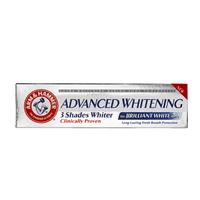
For brilliantly white teeth why not try NEW Advanced Whitening from the leading toothpaste innovator, Arm & Hammer® (rrp £2.49, 75ml). Clinically proven to whiten your teeth by an amazing 3 shades, it is a highly effective daily whitening toothpaste.

Advanced Whitening contains Baking Soda particles that dissolve to gently clean away both surface and deep stains. This advanced toothpaste also has the added benefit of micropolishers that safely polish your teeth leaving your smile dramatically improved. With long-lasting fresh breath protection Advanced Whitening also neutralises odour and gives you the dentist feeling of clean.

We have ten samples of this product to give away. If you would like to receive a sample, please email us at readeroffer@elixirnews.com with your name and address, stating Toothpaste, in the email header. Note this offer closes 31 May, the Editor’s decision is final and no cash equivalent is being offered.

Advanced Whitening is the latest addition to the groundbreaking Arm & Hammer Super Toothpaste Family. Like Advanced Whitening, each other product in the range contains super ingredients that do a particular job. The range also includes:
Enamel Care Whitening (rrp £3.49, 75 ml); with the patented ingredient Liquid Calcium® this is the ideal toothpaste for those who want to strengthen the surface enamel on their teeth. In only three months your teeth will be stronger, healthier and whiter.

Enamel Care Sensitive (rrp £3.49, 75ml); great for those with sensitive teeth, this is the only toothpaste that will actually fix the cause of sensitivity using patented Liquid Calcium®.

Recommended by dentists, Advanced Whitening is simply great value toothpaste for those that want visible results:
“Advanced Whitening is great for deep stain removal, leaving you with cleaner and healthier teeth. I recommend it to patients who want gentle and effective whitening from their every day toothpaste, for a great price.” – Dr Graham Barnby, Professional Dentist

All Arm & Hammer toothpastes also contain fluoride to strengthen your teeth.
They are avaible in the UK from Tesco, Sainsbury’s, ASDA, Morrison’s, Boots and Superdrug.

Win a case of Kendermanns summer wine and a Sony music player

image
image

London: A delicious summer wine cellar and a Sony NWZ-A818 MP3 player up for grabs in our new competition.

Summer is fantastic for entertaining, whether you’re having a romantic alfresco dinner or a full on bbq party there’s nothing quite like enjoying the summer evenings with those nearest and dearest to you. Of course an essential ingredient of any enjoyable and relaxing evening is a fine wine that all your guests can enjoy.

Elixir has teamed up with award winning winemaker Kendermanns to offer you the chance to win a delicious summer wine cellar, which includes six bottles of each of their full flavoured Pinot Grigio, refreshing Dry Riesling and smooth red Dornfelder. And, as for the wine, it doesn’t have to cost you a fortune. You can save over a pound by picking up a bottle for Kendermanns Pinot Grigio at UK store Sainsburys for less than £4.00 until 20 May. A consistent international competition medal winner- this is a superb opportunity to stock up for summer with this easy drinking and versatile wine at an unbeatable price.

Kendermanns wants you have a summer you’ll never forget, so they are offering you a state of the art Sony NWZ-A818 MP3 player, Windows media compatible 8GB Walkman as well as a fantastic case of wine. That way you can test out your summer party play lists on the move.

This prize is a case of Kendermann’s summer wine containing six bottles of each of Pinot Grigio, Kendermanns Dry Riesling and Kendermanns Dornfelder and one state of the art Sony NWZ-A818 MP3 player, which is a Windows media compatible 8GB Walkman, which can easily drag and drop most popular music formats, video downloads and photos, and worth more than £130.00 each.

If you would like to take part please email us at readeroffer@elixirnews.com putting wine offer in the email header, plus your name and address. Please alaos answer the following question: Has Kendermanns Pinot Grigio won international awards?

Your name will be put into a draw for the prize. Please note that this competition closes on May 31, 2008. No cash eqivalent is being offered and the Editor’s decision is final.

For more information on Kendermann’s wines visit www.reh-kendermann.de

Do incontinence drugs accelerate mental decline?

image

New York: Elderly people treated with drugs for dementia and bladder incontinence at the same time declined faster than those treated only for demenia, according to new research from the Wake Forest University School of Medicine in North Carolina.

Lead researcher Kaycee M Sink MD, MAS, Assistant Professor of Internal Medicine at the school commented: “It is likely that the oppositional effects of the drugs contributed to the accelerated decline.

“Over a year’s time, the decline we observed would represent a resident going from requiring only limited assistance in an activity to being completely dependent or from requiring only supervision to requiring extensive assistance in an activity.”

The combination of drugs affected older adults who started out with higher levels of function in activities of daily living such as dressing, personal hygiene, toileting, transferring, bed mobility, eating, and being able to get around the unit. The results which reveal a 50% greater decline are pubished in the Journal of the American Geriatrics Society.

The study looked at 395 nursing home residents in Indiana who were taking medications for both conditions and 3,141 who were taking only a dementia medication.

Residents included in the analysis were aged 65 years and older and had had at least two consecutive prescriptions for cholinesterase inhibitors, for example, donepezil (Aricept), galantamine (Razadyne), rivastigmine (Exelon), and tacrine (Cognex). These drugs are designed to increase levels of acetylcholine, a chemical that enhances communication between nerve cells in the brain.

About 10% of the residents were also taking either oxybutynin or tolterodine, the two most commonly prescribed drugs for urinary incontinence. These drugs are known as anticholinergic agents and are designed to block acetylcholine, a substance required by the brain for optimum function.

“The two drugs are pharmacological opposites, which led us to hypothesise that the simultaneous treatment of dementia and incontinence could lead to reduced effectiveness of one or both drugs,” said Dr. Sink.

She said the finding of the more rapid decline among residents taking both types of drugs represents a significant public health problem because an estimated 33% of people with dementia also take a drug for incontinence.

“Until now, the clinical dilemma for managing incontinence and dementia has been largely theoretical. This research suggests it may lead to worse outcomes, which is the opposite intention of therapy for dementia.”

The researchers also measured whether the residents taking both drugs experienced a decline in mental function as well, but there was no difference between the two groups, possibly because the test was not sensitive enough. Dr. Sink said that similar research should be extended to community-dwelling older adults with dementia and that more sensitive measures for cognition should be used. Previous studies have shown that the bladder medications are associated with cognitive decline and that people with dementia are especially sensitive to this side effect.

“The results suggest that clinicians should continue to try nondrug management strategies for incontinence before beginning therapy with one of these common drugs,” said Dr. Sink.

She noted that the study was conducted in 2003 and 2004, before newer incontinence medications were introduced that may have less effect on acetylcholine in the brain.

Exercise grows your brain

image

London: Physical exercise helps to keep your brain healthy by boosting oxygen which is turn increases the number of blood vessels.

And experts say that exercise is the single most important measure you can take to help keep your cognitive abilities as you age.

The reason exercise is so vital is that that the body’s circulatory system begins to shrink as we age – reducing the amount of oxygen and glucose available to brain cells.

But to achieve real results exercise needs to last for at least 30 minutes at each session and to elevate heart rate. Walking is recommended if you don’t want to visit the gym.

Scientists discover fat genes

image
image

London: A gene sequence linked to an expanding waist line, weight gain and a tendency to develop type 2 diabetes has been discovered as part of a study published today in the journal Nature Genetics.

The study also shows that the gene sequence is significantly more common in those with Indian Asian than European ancestry. The research, which was funded by the British Heart Foundation, could lead to better ways of treating obesity.

Scientists from Imperial College London and other international institutions have discovered that the sequence is associated with a 2cm expansion in waist circumference, a 2kg gain in weight, and a tendency to become resistant to insulin, which can lead to type 2 diabetes. The sequence is found in 50% of the UK population.

“Until now, we have understood remarkably little about the genetic component of common problems linked with obesity, such as cardiovascular disease and diabetes,” said Professor Jaspal Kooner, the paper’s senior author from the National Heart and Lung Institute at Imperial College London. “Finding such a close association between a genetic sequence and significant physical effects is very important, especially when the sequence is found in half the population.”

The study shows that the sequence is a third more common in those with Indian Asian than in those with European ancestry. This could provide a possible genetic explanation for the particularly high levels of obesity and insulin resistance in Indian Asians, who make up 25% of the world’s population, but who are expected to account for 40% of global cardiovascular disease by 2020.

The new gene sequence sits close to a gene called MC4R, which regulates energy levels in the body by influencing how much we eat and how much energy we expend or conserve. The researchers believe the sequence is involved in controlling the MC4R gene, which has also been implicated in rare forms of extreme childhood obesity.

Previous research on finding the genetic causes of obesity has identified other energy-conserving genes. Combining knowledge about the effects of all these genes could pave the way for transforming how obesity is managed.

“A better understanding of the genes behind problems such as diabetes and cardiovascular disease means that we will be in a good position to identify people whose genetic inheritance makes them most susceptible,”
added Professor Kooner. “We can’t change their genetic inheritance. But we can focus on preventative measures, including life-style factors such as diet and exercise, and identifying new drug targets to help reduce the burden of disease.”

The research was carried out as part of the London Life Sciences Population (LOLIPOP) study of environmental and genetic causes of cardiovascular disease, diabetes and obesity in approximately 30,000 UK citizens of Indian Asian and European ancestry. The scientists looked at the association between unique genetic markers, called single nuclear polymorphisms, and physical traits linked with obesity, such as waist circumference and insulin resistance.

“The studies we carry out through LOLIPOP are providing unique and important data,” explained lead author Dr John Chambers from the Department of Epidemiology and Public Health at Imperial College London.
“The number of people involved, the comparisons between two ancestries, and the detail with which we can explore genetic and environmental effects are helping us identify crucial linkages.”

This research was carried out by scientists at Imperial College London, University of Michigan, USA, and the Pasteur Institute, France.

Background:
1. “Common genetic variation near MC4R is associated with waist
circumference and insulin resistance” Nature Genetics, Sunday 4 May 2008, doi 10.1038/ng.156

Download an embargoed copy of the paper here:
FileExchange
(available until 16 May)

2. Imperial College London – rated the world’s fifth best
university in the 2007 Times Higher Education Supplement University Rankings – is a science-based institution with a reputation for excellence in teaching and research that attracts 12,000 students and 6,000 staff of the highest international quality. Innovative research at the College explores the interface between science, medicine, engineering and business, delivering practical solutions that improve quality of life and the environment – underpinned by a dynamic enterprise culture. Website: www.imperial.ac.uk

3. The British Heart Foundation (BHF) is the UK’s heart
charity, dedicated to saving lives through pioneering research, patient care, campaigning for change and by providing vital information. But we urgently need help. We rely on donations of time and money to continue our life-saving work. Because together we can beat heart disease. For more information visit bhf.org.uk