Demand for herbal remedies grows in UK

London: Following a surge of consumer interest in herbal remedies, leading high street pharmacy Boots has sold out of their own-label peppermint oil in over 1,000 of their 1,400 stores nationwide and have had to put in emergency orders to keep up with consumer demand.

This is the second time Boots have witnessed record sales of herbal products this week, with traditional remedy Echinacea already flying off the shelf at a rate of nearly one pack per minute – that’s nearly 7,000 packs per week.

Although the evidence supporting many herbal remedies is currently under debate, with some scientists claiming that many herbs provide little or no benefit to users, consumers are continuing to purchase herbal remedies for their safe and natural action.

Scientists have dismissed Echinacea’s efficacy as an immune booster for those people suffering from respiratory ailments like coughs and colds. But herbal experts claim that the evidence is irrefutable and continue to defend use of the healing herb, citing the hundreds of studies that have demonstrated its efficacy and sales have risen as a result. Peppermint oil has also received media attention due to its use as an alternative remedy for helping relieve digestive discomfort, a common occurrence for many people during the winter season’s over-indulgence.

Herbalist and nutritional consultant Dr Ann Walker says: ‘There is a huge amount of evidence to suggest that herbal medicines are a natural and safe way to self-treat many health conditions, so it is no surprise that sales are rising as people cotton on to the fact that they don’t always have to choose the pharmaceutical route’.

Boots pharmacist Angela Chalmers says: “People are increasingly embracing a more natural lifestyle and using herbal remedies is part of that way of life. Always talk to your Boots pharmacist if you need advice on which herbal remedy to take.”

A cholesterol busting breakfast…

image

London: The British Heart Foundation reports that 2,350 women will die of heart disease as a result of high cholesterol every week; around 123,000 deaths a year. But now a new tasty breakfast cereal, Kellogg’s Optiva, offers a simple and enjoyable step towards cholesterol reduction.

Addressing cholesterol may be on most people’s “to do” list for tomorrow, but taking active steps today could mean less to worry about in the future. Starting the day with a bowl of Kellogg’s Optivita can be your first step.

Kellogg’s Optivita is made with oat bran, the naturally active fibre found in oats, which acts like a sponge, soaking up and subsequently removing ‘bad’ cholesterol from the body.

Made with crispy wholegrain oat bran flakes and delicious clusters, Kellogg’s Optivita is available in two varieties; Raisin Oat Crisp with sweet juicy raisins and Berry Oat Crisp containing freeze-dried strawberries, blueberries and blackcurrants.

Cholesterol & Heart Disease Facts:

1. High cholesterol is the biggest factor in coronary heart disease

2. Heart disease is the biggest cause of death in the UK

3. Heart disease in women is 10 times more common than breast cancer

4. 70% of people over 45 have raised cholesterol

5. 10% of deaths from heart disease in the UK could be avoided if everyone lowered their cholesterol level, and this can be done through simply making some fundamental changes to their daily diet- visit www.choose-to-beat-cholesterol.com for useful ideas.

Michael Livingston, Director H·E·A·R·T UK suggests, “a healthy heart is one of the keys to enjoying a long and fulfilling life, and H·E·A·R·T UK would encourage everyone to better manage his or her cholesterol. Choosing to eat a breakfast cereal such as Kellogg’s Optivita which, as part of a healthy diet, could help to reduce your cholesterol levels and ensure a healthier heart for future.”

Research shows that people who eat breakfast tend to have lower cholesterol levels and are less likely to be overweight than those who skip breakfast.

According to Registered Nutritionist Cath MacDonald, “Eating fatty foods,

being overweight and a lack of regular physical activity can lead to raised blood cholesterol.”

“We all know that eating healthily and finding time to exercise can be difficult when a busy schedule gets in the way. But by making Kellogg’s Optivita a part of your daily breakfast routine, you’ll be taking a simple and easy step in the right direction to actively reduce your blood cholesterol levels.“

Kellogg’s Optivita contains all the cholesterol reducing benefits of oat bran, plus it has no added salt and is low in saturated fat. It is widely available in most major UK supermarkets. Optivita Raisin Oat Crisp is priced at £2.59 and Optivita Berry Oat Crisp at £2.89 for 375g.

For further information on managing cholesterol, general ways to ensure heart health and for access to inspiring success stories, visit the Kellogg’s Optivita website at: www.choose-to-beat-cholesterol.comThe website also invites people to share ideas on how to make a positive change in their lives through participating in online forums and receiving regular medical updates.

· H·E·A·R·T UK is a UK registered charity primarily concerned with the prevention and risk management of cardiovascular diseases with particular attention to inherited high cholesterol. For further information contact 01628 628 638 or email ask@heartuk.org.uk

· One 40g serving of Kellogg’s Optivita provides at least 1g of beta glucan soluble fibre found in oat bran, which is one quarter of 3g, the suggested daily intake, 30% more than any other cereal

· Cholesterol is a type of fat (lipid) found in your blood. High levels of cholesterol in the blood can lead to narrowing and blockage of arteries, increasing the risk of developing coronary heart disease

90-year-old launches aerobics video

image

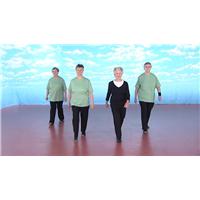
London: The UK seniors’ welfare charity Help the Aged has launched a new exercise video/DVD, called Step to the Future, with the support of Masterfoods. All the exercises are carried out by an energetic team of older people led by presenter Seona Ross (pictured), who has over 65 years of exercise experience and celebrated her 90th Birthday in October.

According to the 2003 Health Survey for England, 81 % of men and 87% of women aged 55 years and over do not reach the recommended levels of physical activity
to benefit health. The aerobic endurance and strength exercises were devisedspecifically for older people to keep strong and active in later life.

While rest and relaxation are important as a person ages, regular exercise is necessary to stay active and healthy. Exercise makes the heart stronger, increases energy levels, muscle strength and bone density and reduces the risk of falls. Preventing falls is a critical issue for older people – one person dies every five hours as the result of a fall.

Viewers can progress through the standing, chair-based and floor exercises all set to an uplifting musical soundtrack. There are clear instructions on how to perform each exercise, with safety messages and tips on how individual exercises can help with every day tasks. The DVD also contains options for English subtitles and a voiceover in Hindi.

Pamela Holmes, Healthy Ageing Programme Manager for Help the Aged, said: “Exercise is a must for all ages, but we found many older people are put off by the array of celebrity and youth-orientated exercise DVDs and videos that are on offer. Step to the Future is presented by older people for older people so it provides a fun exercise experience that is much more inclusive. It is an ideal purchase for older people interested in becoming more active or as a present for older relatives”.

For older people with mobility difficulties who would prefer an easier range of exercises, an existing Help the Aged video, called Be Strong, Be Steady, is still available in a range of languages.

Step to the Future video (N-27-01), Step to the Future DVD (N-27-02) and Be Strong, Be Steady video (N-26-01), can be purchased through Help the Aged Home Shopping by phone, 0870 770 0441, or online www.helptheaged.org.uk/homeshopping Copies are £12 each.

1. Help the Aged provides three service packages that enable older people to remain living independently in their own homes for as long as possible; Home Support; Advice and Information; and Community Living. Falls Prevention Advice is part of Advice and Information, a range of services that empower older people, their families and carers through the provision of advice and information on topics such as finances, health, housing and care through help lines, face-to-face projects and written materials.

2. Help the Aged is the charity fighting to free disadvantaged older people in the UK and overseas from poverty, isolation and neglect. It campaigns to raise public awareness of the issues affecting older people and to bring about policy change. The Charity delivers a range of services including information and advice, home support and community living services that are supported by its fundraising activities and paid for services. Help the Aged also funds vital research into the health issues and experiences of older people to improve the quality of later life.

3. Masterfoods is one of the largest confectionery makers in the UK. It makes six of the UK’s top ten selling single chocolate bars, including the Mars® bar which has been the No 1 best seller since records began. Masterfoods also has leading petfood and main meal businesses, making some of the UK’s most popular and familiar products including Pedigree®, Whiskas®, Dolmio® and Uncle Bens®.

Masterfoods is committed to helping to create vibrant and positive communities. For over 70 years in the UK it has translated that belief into action – forging relationships with local schools and colleges, donating to charities, and helping to build communities that we can all be proud of. Masterfoods’ support for projects and organisations is primarily focused on four core themes that reflect and complement its areas of business. These are Education, Pet Welfare, Health and Wellbeing and the Environment.

New York skincare DCL on sale in Selfridges London

London: Dermatologic Cosmetic Laboratories (DCL), a bespoke range of skincare products from the US for men and women goes on sale at the London store Selfridges this Friday.

DCL is high tech, innovative range formulated from the latest research to produce high-tech ‘cosmeceuticals’ which in the US can only be found in dermatologists’ clinics, are designed to tackle skincare issues head on.

There are products and regimes for every skincare concern from anti-ageing
to acne-healing, but you won’t need a degree in science to work out which to choose.

All DCL’s staff have been intensively trained by dermatologists to recognise specific skin complaints and know exactly how each should be treated. That means they know their squalene from their salicylic acid, and, more pertinently whether or not you need it. Using the latest skin-imaging technology, DCL staff can help identify your skin’s particularneeds, and then pinpoint the specific products required to treat it.

THE EXPERT: The man advising the brand is leading Manhattan dermatologist Dr Neal Schultz, who is DCL’s medical director. Over the past 25 years, Schultz has seen every skin-concern under the sun presented by his demanding clients.
If you ask him, we have become so obsessed by lines and wrinkles that we ignore the real problems that make us unhappy with our skin. Besides, Botox, fillers and even face-lifts can’t improve the quality and texture of the skin itself. The issues that really matter: colour, texture, dryness, sensitivity – are all ones that can be tackled if you simply use the appropriate products – which don’t have to cost the earth.
And once the skin issues are resolved, and skin restored to its optimum, glowing state, it is easier to make a decision about whether further work is actually,
after all, necessary. “It’s a no-brainer,” says Dr Schultz. “When we look better, we feel better. The bottom-line result has always been a meaningful enhancement of my patients’ self-esteem and overall sense of well-being.” Taking the complexity out of skincare is DCL’s mission – along with listening to the customer’s needs. The result is trade secrets of the world’s most discerning dermatologists made available and accessible to every consumer.

THE KEY PRODUCTS: five key products in the DCL range work synergistically to diminish wrinkles, fine lines and blotchiness • Balancing Cleanser (£27 for 117ml) – a formulation to prepare the skin with thorough cleansing, gentle exfoliation and dual-action moisturising (it contains humectants to draw moisture into the skin from the deeper layers of the epidermis, and also improves the barrier function
of the skin, which helps retain moisture). • Eye Refining Matrix (£40 for 15ml) Treats fine lines, puffiness and dark circles (with arnica extract) around the eyes while moisturising (with hyaluronic acid), and protecting the skin with antioxidants (derived from Green Tea Extract). • Skin Renewal Complex (£65 for 30ml) – a daytime treatment that provides all the skin-refining benefits of AHAs without the irritation, plus • Vitamin Infusion (£65 for 30ml) a complete night-time antioxidant
complex designed to increase collagen synthesis and help repair the signs
of ageing • Hydrating Serum – (£55 for 30ml) which delivers a powerful dose of
moisture to restore ageing skin to its ideal state and can be layered on
over one of the treatment products.

The DCL Centre at Selfridges is designed to provide a welcoming, clinic-of-the-future type space where customers can have their skin assessed by a trained professional and have the benefits of the DCL range explained.

If deemed necessary a further consultation can be arranged with a medical and/or cosmetic doctor making the DCL Centre the first of its kind to offer comprehensive skin health to the retail customer.
Visia/DCL Medical Imaging is the latest complexion analysis system and is popular among skincare professionals. Both normal and ultraviolet images are captured in high resolution and the system measure the extent of wrinkles, pores and spots and gives scores for the level of porphyrins (evidence of bacteria lodged in pores, which can lead to acne), UV spots (which are indicative of skin damage) and evenness (by judging colour variations in the skin tone). The first consultation provides a baseline; at subsequent visits, customers can see in detail the improvement to their
skin..

All of DCL’s products are supported by extensive and detailed clinical trials. In a clinical trial of DCL’s Acne Treatment System, 90 per cent of the patients observed overall improvement of acne after 30 days and 100 per cent of them would recommend the Acne Healing System to others.

Coenzyme claims not supported by medical evidence, says Mayo Clinic

New York: A new study by the Mayo Clinic says that most of the health claims for Coenzyme Q10, a supplement that may be helpful in many of the diseases of ageing, are not suported by scientific evidence.

Coenzyme Q10 is a vitamin-like compound found in the energy-producing centre of each cell in the body and helps energise cells. It is thought to protect from disease but declines with age.

But according to the November issue of Mayo Clinic Health Letter, scientific evidence doesn’t support most of the health claims. So far, it’s not known if low coenzyme Q10 levels cause disease or if taking supplements can prevent or treat disease. Of the many coenzyme Q10 studies, most have been small. Many have not been “controlled,” where some participants take a placebo.

However, some coenzyme Q10 studies appear to have scientific merit. There has been some evidence of benefit for people with Parkinson’s disease, migraine and high blood pressure, but more studies are needed. So far, there’s not enough evidence to make medical recommendations.

Cool mice live longer!

La Jolla: Mice cooled by half a degree below normal had a life expectancy 20% longer, or the equivalent of 7-8 additional human years.

The result implies that chilling human blood could also stretch out our lifespan, if a safe way can be found to do it. “Maybe from the point of view of survival, 37 is not exactly optimal,” says lead researcher Bruno Conti of the Scripps Research Institute in La Jolla, California.

It has long been held that the ideal human body temperature is 37 degrees Celsius. But this new study suggests that 36.5 °C might be even better.

Researchers have known for decades that a diet containing a third less calories than usual extends the lifetime of mice and other mammals by up to 40% and drops their body temperature by half a degree or more.

It was not known whether the cooler temperature helps stave off ageing or is simply a by-product of the low-calorie diet. And this is virtually impossible to test, because mammals maintain the same temperature regardless of the surrounding clime.

Conti’s team managed to cool down mice using genetic engineering. They used a gene called uncoupling protein 2, which diverts the cells’ mitochondria from their usual task of making chemical energy, and instead prompts them to release energy as heat.

They inserted this gene into a group of brain cells in the animals’ hypothalamus and near to the region that senses and controls body temperature, much like a thermostat. The gene effectively heated up the thermostat and, as a result, tricked the rest of the body into cooling down by 0.3 to 0.5 °C.

Cooled female mice had a life expectancy 20% longer and males 12% longer. The mice appeared to live typically healthy lives up to the point that they died; they were not simply stretching out their frail, elderly days. The results are published in Science1.

The study suggests that the lower body temperature accounts for some of the age-fighting effects of calorie restriction. It may be that the cooler temperature slows down metabolism and the manufacture of by-products such as free radicals that damage and age cells.

“You don’t necessarily have to eat less to have the beneficial effects,” Conti says.

“Not many people are willing to spend their lives starving themselves,” says Cliff Saper who studies sleep and feeding at Harvard Medical School in Boston, Massachusetts. If, on the other hand, researchers can find a way to carry out the same brain-warming gene therapy in people, “You could get people to sign up for that.”

Nobody knows why 37 °C is, on average, the temperature that evolution favoured for humans and most other mammals, but it is generally assumed to be optimal for biochemical reactions.

So if 36.5 °C helps animals to live longer, why wasn’t it selected for through evolution? The cooler temperature probably has no selective advantage because it stretches out life after reproduction, and does not affect the ability of animals to have children and pass on their genes. And although Conti’s mice appeared normal, it’s possible that the lower body temperature actually causes subtle health problems.

“If there is a selective advantage to being cooler, evolution would have pushed us in that direction,” Saper says.

Conti suspects that some people may have small differences in their core body temperature that might alter their rate of aging, perhaps making some longer-living than others. This would only be possible to test using small, swallowed or implanted thermometers such as those carried by the experimental mice.
Read Full Story

Stress may lead to mouth cancer

London: More than one in three Brits admit to alleviating stress by drinking and one in five by smoking, but nearly two out of three were unable to identify both of these as leading causes of mouth cancer.

The new research, conducted for Mouth Cancer Awareness Week (12-18 November) by dental payment plan company Denplan found that while most Brits could identify smoking as a cause of mouth cancer, nearly two-thirds could not identify drinking as a leading risk factor of the disease.

Moreover, respondents in the most at-risk age group for contracting the disease (those aged 45 and older) were the least able to identify smoking and drinking as a major cause of mouth cancer.

Almost half of those questioned admitted to feeling stressed at least oncea day and, given the high percentage of those who turn to cigarettes and alcohol to cope, this indicates that the prevalence of mouth cancer in the UK may be linked to the way we relieve the pressures of modern life. 4,400 new cases of mouth cancer are diagnosed each year in the UK, and the disease kills more than 1,700 annually.

Although Brits regularly drink and smoke as an escape from the stresses of jobs, family life and other commitments, more than 20 per cent did not recognise one of the early warning signs of the disease, an ulcer that does not heal, and a quarter of people would not go to the dentist if they had a mouth ulcer that persisted for weeks.

The results suggest a worrying lack of awareness, and a danger that today’s over-stressed population may be in for a big health scare later in life. The chances of surviving mouth cancer can increase from 50 per cent to nearly 90 per cent if they are detected and treated early.

Dr. Henry Clover, Dental Advisor for dental payment plan company Denplan, said: “While alcohol and cigarettes may help alleviate feelings of stress in the short-term, over time this lifestyle can pose a serious health risk and significantly increase the likelihood of developing mouth cancer.

“As people are increasingly resorting to these methods of relieving stress, it is becoming more and more important that they are able to identify early symptoms of the disease. The most common of these are long lasting sores or ulcers, white or red patches on the gums, tongue or the lining of the mouth
and difficulty swallowing.”

The research also found that: * 44% of 25 – 34 year olds regularly have a drink if they have had a stressful day compared to the 35% who relieve stress through exercise * Seven out of ten respondents over 55 could not name drinking as a majorcause of mouth cancer * When asked to identify common symptoms of the disease, 21% of respondents could not identify an ulcer lasting longer than 2 weeks; and 44% were not able to identify the appearance of white or red patches on the inside of the mouth * Nearly half of us admit to feeling stressed once a day

About the research:- The research was carried out for Denplan by Tickbox.net from the 22nd September to the 5th October 2006 using a survey sample base of 1783.

About AXA AXA is a world leader in financial protection. AXA’s operations are diverse with major operations in Western Europe, North America and the Asia/Pacific area. AXA employs 120,000 staff and tied agents and, as of 31 December 2005, had €1,064 billion in assets under management. AXA reported total IFRS revenues of €72 billion and IFRS underlying earnings of €3,258 million for the full year 2005. Our previous company performance is not a guide to how we may perform in the future.

AXA ordinary shares are listed on the Paris Stock Exchange; AXA American Depositary Shares (ADSs) are listed on the NYSE under the ticker symbol AXA. About Denplan Denplan Ltd., part of the AXA Group, is the UK’s leading dental plan provider with an approximately 80% market share. Denplan has more than 6,000 member dentists nationwide (around a third of General Dental Practitioners) and over 1.6 million registered patients. The company was established in 1986 by two dentists who pioneered the concept of dental payment plans.

Today Denplan provides a range of plans for adults and children, enabling patients to spread the cost of their dental care through a fixed monthly fee. Denplan supports regular attendance and preventive care, reducing the need for clinical intervention and helping patients to maintain healthy teeth and gums for life. Denplan Care: all routine and restorative care + worldwide dental A & E cover Denplan Essentials: routine care only + worldwide dental A & E cover Plans for Children: routine and other agreed care + worldwide dental A & E
cover

Denplan Emergency: worldwide dental A & E cover only Denplan Enhance: interest-free patient loans of £250 – £25,000 for dental treatment Company Dental Plans: company funded, voluntary and flexible benefit
schemes Denplan also provides a range of professional services for its member dentists, including the Denplan Quality Programme, Denplan Excel
accreditation programme and Denplan Training. Patient enquiries telephone: 0800 401 402 Dentist enquiries telephone: 0800 328 3223 www.denplan.co.uk

Stem cell hope for diabetes

New Orleans: Scientists have used stem cells from human bone marrow to repair defective insulin-producing pancreatic cells responsible for diabetes in mice.

The treatment also halted damage to the kidneys caused by the condition.

Researchers from New Orleans’ Tulane University are hopeful it can be adapted to treat diabetes in humans.

Stem cells are immature cells which have the capacity to turn into any kind of tissue in the body.

The US team treated diabetic mice who had high blood sugar and damaged kidneys.

One group of mice were injected with stem cells. After three weeks they were shown to be producing higher levels of mouse insulin than untreated mice and had lower blood sugar levels.

The injections also appeared to halt damaging changes taking place in the glomeruli, the bulb-like structures in the kidneys that filter the blood.

Researcher Dr Darwin Prockop said: “We are not certain whether the kidneys improved because the blood sugar was lower or because the human cells were helping to repair the kidneys.

“But we suspect the human cells were repairing the kidneys in much the same way they were repairing the insulin-producing cells in the pancreas.”

Dr Prockop said his team were planning to carry out trials in patients with diabetes.

“The physicians will be selecting patients with diabetes whose kidneys are beginning to fail.

“They will determine whether giving the patients large numbers of their own adult stem cells will lower blood sugar, increase secretion of insulin from the pancreas and improve the function of the kidney.”

Theoretically, pancreatic beta cells produced from a patient’s own bone marrow could be used to treat diabetes, overcoming the requirement for immunosuppression following islet transplantation.

However, a way to prevent transplanted cells from being destroyed by the body is needed as this is why Type 1 diabetes develops in the first place.

British doctors restore eyesight with stem cells

London: British doctors have restored eyesight by using stem cells to replace damaged cells.

Although the results have delighted experts, the charity the Royal National Institute for the Blind warned that sufferers of blindness should not raise their hopes until further trials are carried out.

The treatment could also help sufferers of macular degeneration – the most common cause of blindness in the elderly – and those who have lost their sight as a complication of diabetes.

The researchers, from University College London and London’s Moorfields Eye Hospital, used stem cells – basic cells with the ability to turn into different types of tissue – to restore the vision in blind mice.

The cells were injected into the back of the eye where they replaced damaged photoreceptors – the tiny light-sensitive cells on the retina.

Until now, there was no way of reversing the damage – and previous stem cell transplants had failed.

Central to the success of the technique was the selection of cells which were slightly more mature than those tried by other scientists.

These cells turned into photoreceptors and successfully connected with the nerves leading to the brain. By shining light into the animals’ eyes, the researchers were able to show that vision had been restored to around a quarter of normal levels. Increasing the number and type of cells transplanted could improve sight even further.

The scientists caution that the technique is still in its infancy. But Dr MacLaren, of Moorfields Eye Hospital, said: ‘This research is the first to show photoreceptor transplantation is feasible. We are now confident that this is the avenue to pursue to uncover ways of restoring vision to thousands.’

Fatties may damage British economy, experts warn

London: As the British take the title of the fatest in Europe, experts warn that the obesity epidemic could damage the economy.

But this could all be changed if talented professionals die early or retire because of sickness.

Professor Martin McKee said that the British Treasury has identified the cost of obesity to the NHS as a major problem but research shows how much healthy people contribute to the health of the economy.

He said: “They remain in the workforce longer and are more productive while they are at work. This is vital as the overall age of the population rises and people are encouraged to retire later.

‘”t is a waste of money investing in training people if they die at 35 or retire in their 50s because of ill health.”

The team at the London School of Hygiene and Tropical Medicine, examined the link between health and wealth in rich countries, and found healthier people have higher earnings.

The study, published in the British Medical Journal, said the current economic wealth of rich countries ‘owes much to previous health gains’.

About 30 per cent of financial growth in the United Kingdom between 1790 and 1980 can be attributed to better health and dietary intake.

Professor McKee said: ‘The overwhelming conclusion is that good health has benefits beyond the individual.

‘The true purpose of economic activity is to maximise social welfare and not simply to produce more goods and services.

‘Since better health is an important component of social welfare, its value ought to be included in measures of economic progress.

‘This has been done successfully in the United States. Similar moves in Europe could provide a new perspective on the investments made through their welfare states.’

UK government warns vulnerable with winter warming advice

image

London: As the winter months approach, we all need to plan ahead and take steps to help protect ourselves from the elements. Around 20,000 people die each year in England and Wales as a result of the cold weather and in especially cold winters, deaths in the UK could rise as high as 40,000.

The British government’s Department of Health’s Keep Warm Keep Well campaign offers older people, the disabled and those on low incomes advice on keeping warm and staying healthy during the colder months. A free winter guide gives plenty of practical tips as well as information on financial support that might be available, such as grants for home improvements to help make houses warmer or help to meet the cost of heating bills.

Britain’s longest serving TV weather forecaster, Michael Fish MBE (seen in our picture right) and who is championing this year’s campaign, said:

“There is a direct link between cold weather and serious illness – as the temperature drops, the mortality rate rises. A couple of changes to your lifestyle or home can make all the difference to your wellbeing during the winter.”

You can keep warm and well by taking a few precautionary steps:
• Make sure your home is warm this winter:
o Check your heating system works
o Ensure your home is energy efficient so heating bills are kept to a minimum
• Make sure you’re healthy this winter:
o Check with your GP to see if you qualify for a free flu and/or pneumo jab
o Eat well, dress sensibly and take exercise
Keep Warm Keep Well is a partnership between the Department of Health, Department for Environment, Food and Rural Affairs (DEFRA), The Department for Work and Pensions, Help the Aged, Age Concern, National Energy Action, Energywatch and WRVS.

For more information about the Keep Warm Keep Well policy, please contact Erica McAlpine in the Department of Health Press Office on 020 7210 5239 or erica.macalpine@dh.gsi.gov.uk

NOTES TO EDITORS

1. Source of number of cold weather deaths http://www.statistics.gov.uk./cci/nugget.asp?id=574

2. A copy of the Keep Warm Keep Well booklet can be obtained by writing to DH Publications, PO Box 777, London SE1 6XH. The book is published in a range of languages and in an easy read format. For the hard of hearing, an audio version of the leaflet is also available

3. Campaign materials can be downloaded from the Department of Health website www.dh.gov.uk/socialcare

4. To find out about getting a flu or pneumo jab, people should approach their GP, practice nurse or pharmacist, visit www.nhsdirect.nhs.uk, NHS Direct Interactive on digital satellite TV, or call NHS Direct on 0845 4647

5. For advice on any aspect of Winter Fuel Payments (including eligibility), call the helpline on 08459 15 15 15 (8.30am to 4.30am, Monday-Friday). Please use textphone 0845 601 5613 if you have speech or hearing difficulties. Please have your National Insurance number ready when you call. You can also go to www.thepensionservice.gov.uk/winterfuel

6. Call a helpline for advice on keeping warm and well this winter:
• Warm Front Scheme 0800 072 0151
• Home Heat Helpline 0800 33 66 99
• NHS Direct (health advice and information) 0845 4647
Calls to NHS Direct cost a maximum of 5 pence per minute from a BT landline. The cost of calls from mobiles and other networks may vary. Your service provider may charge a minimum cost per call. For patients’ safety all calls are recorded

7. Help and advice is also available from:
• Home Improvement Agencies 0145 789 1909
• The Energy Saving Trust’s Energy Efficiency Advice Centres 0800 512 012
• Energywatch 0191 239 3291
• National Energy Action (NEA) www.nea.org.uk

TOP TIPS

1) Get a flu jab
This is available free from your GP if you are 65 or over, or any age over 6 months with a serious respiratory condition, heart, kidney or liver disease, diabetes or lowered immunity.

2) Dress well
You are at risk if you get cold. Wearing the right amount of clothes in layers and putting on a hat when you go outside, can help keep you much warmer.

3) Eat well
Food is a vital source of warmth. Eat a mixed diet each day and have regular hot meals and drinks throughout the day.

4) Keep moving
Moving around is good for your health and generates extra body heat, so any exercise or activity will help keep you warm.

5) Heat well
Try to keep a temperature of 21 degrees in all rooms you use during the day. Or, at the very least heat your living room during the day and your bedroom at night. Use a hot water bottle or an electric blanket (but never at the same time).

6) Plan ahead
Check your heating system and gas safety. Fitting draught proofing or insulation and getting your chimney swept are just a few things you can do now to make a difference.

7) Get financial support
Initiatives such as the Warm Front Scheme, Winter Fuel Payments and the Home Heat Helpline offer advice and grants for energy-efficiency, fuel bills and insulation for those most vulnerable to the winter. Call to find out your eligibility.

8) Stop smoking
Giving up smoking will boost your health for the winter, reduce your chances of a heart attack and improve your body’s circulation.

9) Look out for your neighbours
If you have an elderly neighbour or relative, make routine visits to their home and keep an eye out for them in the winter months.

10) Look after yourself if you get ill
Keep a well-stocked medicine chest to help you prepare for potential illness. If you go down with flu you should stay at home and take plenty of rest.

British business guide to drink and drugs in workplace

London: In England 17 million working days are lost every year through alcohol-related sickness while 35 percent of people of working age have used an illicit drug.

Now the most comprehensive guide ever compiled to tackle the booze and drugs culture in the British workplace has been published to help ease the pressure on both employers and employees.

Issued by the Faculty of Occupational Medicine in London, the ‘Guidance on alcohol and drug misuse in the workplace’ report has been written by the country’s leading experts and draws on all the most up-to-date information and advice.

In fact the guide has been considered such an important aid in dealing with the problem, that it has also been recognised by the medical research charity, the BUPA Foundation, by winning its annual Health at Work award.

One of the author’s of the report, Dr Steve Deacon, said: “Managing the misuse of drugs and alcohol in the workplace, is a real minefield for business. We found that what they needed was a clear, simple breakdown of the best, most up-to-date and relevant advice.

“This guide not only assists in prevention but also offers support to those seeking treatment and rehabilitation. It is a one-stop shop for handling all issues relating to alcohol and drug misuse.”

The vice-chairman of the BUPA Foundation, Dr Andrew Vallance-Owen said: “All the evidence shows that the misuse of drugs and alcohol in the workplace is on the increase. The price to pay is high – absenteeism, accidents at work, poor performance, errors, lost productivity and long-term ill health.

“The guidance will be a vital tool to occupational physicians as well as those people who work in human resources and safety management, in tackling these issues.”

Dr Steve Deacon and his team received their BUPA Foundation award at a ceremony at Lincoln’s Inn in London yesterday.

· The BUPA Foundation is an independent charitable organisation that funds medical research into the prevention, relief and cure of sickness and ill health. Since 1979 The BUPA Foundation has awarded grants in excess of £19 million to medical research and healthcare initiatives across a range of disciplines from surgery to occupational health. Further information on the BUPA Foundation is available at < a href="http://www.bupafoundation.co.uk">www.bupafoundation.co.uk

· The vast majority of grants go to medical research teams in NHS hospitals.

· The BUPA Foundation Awards are made annually to recognise excellence in medical research and healthcare. The six categories are – care of the elderly, clinical excellence, communication, epidemiology, medical research and health at work.

· Award winners receive a cheque for £10,000.

· This year BUPA donated £2.5 million to the BUPA Foundation.

· Dr Steve Deacon works at the Faculty of Occupational Medicine at the Royal College of Physicians in London.

Israeli scientists grow adult stem cells to cure heart disease

Israeli scientists have successfully grown powerful adult stem cells from those circulating in the blood and returned them to revitalise the hearts of ailing patients.

The details of the clinical trial will be announced at the American Heart Association Scientific Meeting in Chicago later this week. The results give new hope to seriously ill heart patients.

Members of the AHA will be given an abstract of clinical trial results that conclusively demonstrate the efficacy of adult stem cell treatment for end stage cardiac patients.

TheraVitae, the acknowledged leader in stem cell research and development is to present recently concluded trial results that provide dramatic data revealing the improvement in the lives of seriously ill patients.

The founder of Theravitae, Don Margolis, said that a mere half pint of each patient’s blood was extracted in Bangkok and flown to their laboratory in Israel. There, the few adult stem cells were harvested into millions of such cells. A week later those infinitely more powerful cells were injected non-surgically into the patient’s cardio-vascular system.

Standard cardiac measurements and the patients’ own words give eloquent testimony to the positive outcomes of harvesting stem cells from these seriously ill cardiac patients.

Margolis is upbeat that patients can receive the best hospital care available anywhere in the world and a significant number can then return to a new, more normal and healthy life. These findings give new hope to sufferers via clinically proven mainstream medical methods.

About VesCell – A Natural Treatment for Heart Disease

The body has natural ways of healing itself and the cardiovascular system is no exception. Angiogenic Cell Precursors (ACPs) originate in bone marrow and then circulate in the blood vessels. To manufacture VesCell, TheraVitae expands a small number of ACPs harvested from about 250cc of blood into a therapeutic quantity. VesCell is injected either through a coronary artery via catheter, or during surgery, directly into the heart muscle.

A key aspect of VesCell therapy is the advanced cell isolation and expansion technique that allows for the ACPs to be harvested from blood collected in a procedure similar to a common blood donation. VesCell uses a patient’s own adult stem cells to treat Heart Disease and is a viable therapeutic possibility for heart patients without any other treatment option.

Additional Information on Stem Cell Therapy:

VesCell Website: www.vescell.com
Stem Cell Therapy Blog:
About TheraVitae

TheraVitae is a private, multinational company focused on using stem cells from the patient’s own blood in order to treat a variety of disorders, especially cardiovascular diseases. The company has already developed a proprietary stem cell technology ‘VesCell’ that is currently being used by hospitals in Thailand to treat patients with Heart Disease. TheraVitae is based in Bangkok, Thailand, Kiryat Weizmann, Israel, Toronto, Canada, Singapore, Taipei, Taiwan and Hong Kong.

TheraVitae Corporate Website: www.theravitae.com
TheraVitae Thailand
36/72 PS Tower, 21/Fl., Sukhumvit 21
Klongtoey Nua, Bangkok 10110
Phone: +662-664-4290/3
Fax: +662-664-42-89

TheraVitae Israel
7 Pinhas Sapir Street
P.O. Box 4049, Ness Ziona
74140, Israel
Phone: +972-8-9409170
Fax: +972-8-9409167

LISTING & MARKETING OPPORTUNITIES TO GROW YOUR BUSINESS

Elixir News is unique. It is the the only independent EZINE totally focused on the booming market of anti-ageing services and products. Our “readers” are also unique – they are high net worths aged 30+ and include the “Babyboomers” – the wealthiest demographic in the history of the world – and they want to spend on anti-ageing products and services because they do not want to suffer from the same debilitating diseases as their parents.

If you are a hospital, doctor, dentist, surgeon, cosmetic surgeon, dietician, nutritionist, psychotherapist or offer other health services such as aesthetics or beauty therapy we can give you a listing on this site that will bring our unique demographic to your business.

Elixir News receives 30,000 plus individual visitors each month and our audience is growing – and they want to know about you.

Elixir News and Elixir magazine can offer you a unque package of marketing, advertising and promotional opportunities – particularly targeted to deliver results in the current challenging market conditions. These include our newsletter which is requested by 12,000 individuals, sponsored Podcasts and Videos, information sheets and audience research.

If you want to grow your anti-ageing business, then ELIXIR has the right audience for you. We can tailor a package to meet your needs. To find our more email us at info@elixirnews.com

Kick start the black dress party season with a slimming wrap

You may have slimmed down last summer, but during the dark winter months you’re seeking solace in your favourite TV armchair and warm comfort food. You’re feeling lethargic and out of shape but the thought of thrice weekly at the gym has become ‘must I really?’

Surely there’s something that can help kick-start this year’s slimming plan? The answer is Universal Contour Wrap, the nation’s leading fast inch loss and figure firming body treatment, available in more than 900 beauty salons nationwide.

One Wrap typically reduces a combination of your vital statistics by 10-12 inches, with a guarantee that if you don’t lose at least six after your first full body wrap, there’s nothing to pay. And the minimum loss is guaranteed to last for at least 30 days or you’ll be wrapped again free, provided you haven’t put on weight. A course of three body wraps could help you lose up to a dress size in just three weeks.

“The slimming effect of the Universal Contour Wrap is evident immediately and spurs people on to start or maintain effective exercise and dieting regimes,” says Universal Contour Wrap’s Gill Hardy. “Salons tend to be quieter in the early part of the year and so there are often good discounts if you book a package or course of slimming beauty therapies.”

What is involved? After recording key body measurements at 18 points, clients are ‘wrapped’ firmly in elasticated bandages soaked in a warm, sea clay and mineral solution. The wrap acts like a giant poultice, drawing out toxins and stimulating the body’s natural waste disposal processes. The wrapping process compacts the fatty areas of the body, while special sculpting techniques smooth hips, thighs and stomach, define the waist and lift the bust and bottom. The clay formula tightens flabby skin, reduces the appearance of cellulite and stretch marks, improves skin tone and leaves the skin feeling luxuriously soft. The total inch loss is calculated by re-measuring at the points marked on the body at the start.

Universal Contour Wrap costs from around £50, and a course of three from £125 (UK regional variations). Call 01784 259988 for salon locations or visit www.universalcontourwrap.com

Red wine may act to control diabetes

New York: The longevity ingredient, resveratrol, which is found in red wine and grapes can offset some of the symptoms of overeating.

According to researchers at the National Institute on Ageing at Harvard Medical School resveratrol lowers blood sugar (glucose) and assists both liver and heart function.

Previous studies have already shown that resveratrol slows down the ageing process in various non-mammals.

In this new study published in the journal Nature , the scientists wanted to see what the effects of resveratrol might be on mammals.

They had lab rats which were fed 60% calories coming from fat. The rats were obese, had insulin resistance and cardiovascular diseases. The rats were split into two test groups. One group continued to eat 60% of calories from fat, while the other group had the same diet, but with resveratrol added to it.

The rats receiving resveratrol had lower glucose levels, their hearts became healthier, as did their liver tissue. The scientists also noticed that the rats that consumed resveratrol were more nimble on their feet, compared to the other group.

Even though the resveratrol-fed mice did not lose any weight, their health became as good as that of a mouse on a normal diet. Although the non-resveratrol fed mice continued to have a short lifespan, the resveratrol-fed mice lived as long as mice on a normal diet. It is thought that resveratrol activates SIRT1, a gene associated with longevity.

If this outcome was repeated in humans resveratrol could help prevent obese people from developing Type 2 Diabetes, heart disease, cancer and some other illnesses, say the researchers.

Get a Hollywood smile in Bulgaria

image

Varna, Bulgaria:A radiant smile is hard to resist but the cost of whitening and veneers can be prohibitive. Now a new clinic, the Dentaprime, is offering the latest cosmetic dental treatments at a fraction of the price elsewhere.

The first three seconds decide what effect you have on another person. A naturally radiant smile is almost impossible to resist. On the other hand teeth get discoloured in the course of time, or even turn brown.

Coffee- and tea-drinkers and smokers are particularly affected. But help is at hand from professional tooth-whitening procedures, otherwise known as bleaching. The Dentaprime Dental Clinic at Varna in Bulgaria provides one of the safest and most efficient bleaching methods there is – with the most up-to-date equipment and at reasonable prices.

The idea of whitening teeth is not new. But the ultrasound bleaching system is! Analysis of a long-term study has shown that ultrasound bleaching, using the Dentaprime Clinic (QuickWhite ©) system, is the most efficient and safest professional tooth-whitening procedure to have a long-term effect. There is no change to the structure of the teeth and treatment is extremely gentle. One particular advantage is that the dentist can adjust the colour of fillings and crowns. This means that your smile is completely natural and white.

Worldwide patent
To start with, your teeth and the spaces between them get a completely professional clean. Then the dentist applies the patented QuickWhite© contact gel, depending on the condition of your teeth and the desired result. After this you relax comfortably for about 40 minutes in a specially designed chair, the KaVo Primus, manufactured in Germany. The whitening process uses ultra-sound and provides the best possible result.

DIY tooth whitening systems Adhesive whitening strips from the discount pharmacy or so-called DIY systems, are not an alternative to professional bleaching in a dental clinic. Users frequently report unsatisfactory results, even though they may have followed instructions to the letter, sometimes for weeks on end. ‘Not much white for rather a lot of money’ seems to be the general feeling.

In the Dentaprime Clinic the patented bleaching process costs about sixty per cent less than in the UK. As well as receiving treatment many patients use the opportunity to take a short holiday on the Bulgarian Black Sea coast.

You can obtain more information on the internet at: www.dentaprime.com

About Dentaprime

The Dentaprime Dental Clinic for implantology and cosmetic dentistry on the Bulgarian Black Sea coast is among the most modern in the whole of Europe. It combines highest quality standards with significantly lower treatment costs than in Great Britain. Its seven implantation rooms and five prosthetic rooms are equipped with the most modern medical apparatus, manufactured by world market leaders KaVo. The implant systems come from Switzerland, from well-known manufacturers, Nobel Biocare and Straumann. Patients are cared for and treated by experienced and English-speaking implantologists, dental technicians and medical assistants, who have all been trained to western European standards.

DHEA – anti-ageing experts criticise flawed report

Fort Lauderdale: The war between those who advocate natural approaches to disease prevention as opposed to proponents of synthetic drugs continues unabated. At stake are the lives of millions of aging humans who are confronted with institutional propaganda aimed at discrediting therapies that are not FDA approved.

As health-conscious Americans are well aware, a large volume of published research documents significant benefits when aging humans restore DHEA and testosterone hormones to youthful levels.

On October 19, 2006, however, the media reported on a very small study that showed only miniscule results in aging humans who received either DHEA or low-dose testosterone. In response to this one study, the media declared that these hormones are “no fountain of youth”.1

This one study showing only small benefits to DHEA or testosterone supplementation had serious design flaws that invalidate its conclusions. The newscasters failed to consider these flaws when proclaiming there is “no reason for older people to continue taking DHEA.”

In today’s media frenzied world, scientific journalism is practiced by ambush. The very day a medical study is published, it can become the headline news story of the day. This denies an opportunity for those who might disagree with the study’s design and methodologies to rebut what might be junk science. In the case of this recent study questioning the use of DHEA and testosterone, the flaws are so significant as to cause its findings to have little or no meaning.

This article represents Life Extension’s initial rebuttal to the recent attack on DHEA and testosterone.

Flaw Number One: Factors Affecting Bone Mass Ignored

One of the anti-aging parameters tested in this study was the effects of DHEA or testosterone on bone mineral density.

Compared to placebo, the study found that in women supplemented with DHEA, there was a small, but significant increase in bone mineral density of the ultradistal radius (a wrist bone). Men who supplemented with DHEA had a small, but significant increase in the bone mineral density of the femoral neck. (The “femoral neck” connects the shaft of the femur bone to the ball part of the femur in the hip.)

Men who supplemented with testosterone had a significant increase in the bone mineral density of the femoral neck. No increase in bone mineral density was found in the spine or total femur in those who supplemented with DHEA or testosterone.

Based on these findings, the media declared DHEA and testosterone worthless, despite the fact that there was improvement in several measurements of bone mineral density. When viewed in the context of data from previous studies showing significant bone benefit in response to DHEA-testosterone, the findings from this recent study help confirm the effects that these two hormones confer on bone health.

The biggest problem with this study parameter, however, is that it only looked at DHEA or testosterone compared to placebo. It did not monitor the study subjects to ascertain what else they might be doing that would affect their bone density.

As any health-conscious consumer knows, there are many more factors involved in maintaining bone density than just DHEA and testosterone. The study failed to assess diet or the intake of nutrients involved in bone density such as calcium, vitamin D, magnesium, and vitamin K when comparing those who took DHEA or testosterone to the placebo group.

Due to the small size of this study (87 men and 57 women), there is a very real chance that there were differences in terms of bone-protecting nutrient intake between the two groups. This means that it is possible that subjects in the placebo arm may have taken more calcium, vitamin D, vitamin K, magnesium, etc. than those in the DHEA and/or testosterone group. The failure to specifically control for bone-building nutrient intake points to one of several flaws in the study design.

Flaw Number Two: Factors Affecting Body Composition Ignored

Another anti-aging parameter this study looked at was the effects of DHEA or testosterone on body fat and muscle mass.

Compared to placebo, elderly men supplemented with DHEA had a decrease in the proportion of body fat (as measured by fat-free mass). When the male and female groups were combined, the DHEA group had a small but significant decrease in the proportion of body fat. Men in the testosterone group had a significant reduction in body fat (as measured by fat-free mass).

These findings confirm previous studies showing reductions in body fat in those supplementing with DHEA or testosterone. For example, a recent 2004 study showed that DHEA supplementation in aging men and women was associated with significant reductions in abdominal fat as well as improvements in insulin sensitivity.2

When measuring another area of body composition, women receiving DHEA showed a 9.2 cm2 increase of lean thigh muscle area compared to a 3.5 cm2 decrease in the placebo group. However, because women in the placebo group already had higher thigh-muscle area than in the DHEA group at baseline, the study authors concluded that DHEA had no effect on thigh-muscle area. This conclusion is particularly biased when one considers that lean muscle mass in the thigh of women treated with DHEA was higher than the placebo group at the end of the study, even though the DHEA group had a less lean muscle mass at the beginning of the study compared to placebo.

Despite these favorable body composition findings, the media stated that consumers who bought DHEA supplements were receiving no value. Not only is this another false conclusion, but the failure of the study design to assess calorie intake, types of calories consumed, and other factors involved in body fat composition renders even these modest reductions in body fat highly suspect. In other words, since this was such a small study, if just a few participants in either the DHEA or testosterone group increased calorie intake, or altered their diet to cause increases in body fat, this could have skewed the results significantly. If on the other hand, just a few participants in the placebo group reduced their calorie intake, this would have distorted the final results even more.

Further twisting the findings related to body composition was the criteria that excluded anyone from participating in the study who engaged in exercise lasting more than 20 minutes more than two times a week. Exercise is an important component of an anti-aging program, and excluding those who regularly engage in exercise helped ensure that neither the active or placebo group would demonstrate significant changes.

We know that DHEA works to enhance the benefits of exercise. For example, a recent study showed that DHEA potentiated the effect of 4 months of weight-lifting training on muscle strength and on thigh muscle mass.3

The failure of the study design to incorporate both DHEA and exercise to build bone and muscle mass is embarrassing from a scientific standpoint, and highlights another defect in the trial design.

Flaw Number Three: No Individualized Program

In this recent study, all participants received the exact same dose of DHEA or testosterone for two straight years. It did not matter if individual blood levels skyrocketed too high or failed to even reach minimum levels needed to achieve efficacy. As far as the designers of this study were concerned, one size (i.e., the same dose) fits all.

Hormone requirements vary considerably between individuals. Some people, for instance, only need 15 mg/day of DHEA, while others require over 100 mg/day to attain similar blood levels. In this study, all male participants in the active group were given 75 mg/day of DHEA or 5 mg/day of transdermal testosterone. All women participants in the active group were given 50 mg/day of DHEA.

Based on reviewing thousands of blood test results of people taking DHEA and/or testosterone, Life Extension researchers have observed huge variations in individual responses to DHEA and testosterone supplemental intake. This has also been confirmed by the hundreds of practicing physicians who prescribe these hormones and then do follow-up blood tests to make sure their patients achieve optimal hormone balance.

There was no attempt to achieve optimal blood levels of DHEA or testosterone in these study participants. The sole objective of this study was to give each participant in the active group the exact same dose of hormone(s) and then monitor some of the effects compared to placebo. We at Life Extension view the failure to use blood test results to adjust individual hormone dosing as the equivalent of target shooting while blindfolded and then saying it is impossible to consistently hit the target.

The fact that the conventional doctors who designed this study failed to factor in the need for individualized dosing is not surprising. For decades, physicians have prescribed the same dose of estrogen and other drugs to patients regardless of individual need. Despite the existence of millions of copies of books that specify how DHEA-testosterone should be properly dosed, the doctors who designed this flawed study failed to adjust the amount of DHEA-testosterone given to study subjects based on individual blood readings. Nor was there even a mention of the fact that doctors who prescribe these hormones do indeed adjust doses based on blood or saliva test results.

The flawed methodology applied to dosing DHEA and testosterone from this trial is another defect in trial design. Yet, this egregious error did not stop the headline hungry media from vilifying DHEA and testosterone.
Flaw Number Four: Failure to Suppress Excess Estrogen
As men mature past age 50, an enzyme called aromatase increases in their bodies.

The aromatase enzyme converts testosterone to estrogen. When testosterone drugs are given to aging men, the aromatase enzyme can convert the testosterone into excess estrogen, which causes undesirable effects.
One problem with excess estrogen in aging men is that the balance of testosterone to estrogen is disrupted, with the excess estrogen contributing to feminizing effects in aging men.

In the study the media used to attack DHEA-testosterone, levels of estrogen increased dramatically in both men and women in the active group as opposed to the placebo group. Instead of carefully assessing individual response and taking steps such as reducing the dose of DHEA or prescribing aromatase-inhibitors (such the drug Arimidex® or nutrients like zinc, nettle, and chrysin) in response to high estrogen levels, many study participants were allowed to continue with undesirably high estrogen levels.

Interestingly, some beneficial effects were shown in the active (DHEA or testosterone) groups, despite the high levels of estrogen that manifested. Had aromatase inhibitors been used in the male group where appropriate, and DHEA dosing reduced in the female group when estrogen levels increased too much, the beneficial effects of DHEA or testosterone could have been exponentially enhanced.
The failure to protect against excess estrogen production in response to DHEA or testosterone therapy invalidates this study’s findings. The media, however, never gave the experts on anti-aging medicine an opportunity to point out this significant flaw.

The media’s biased assassination of DHEA-testosterone will result in most aging Americans remembering their newscaster proclaiming that hormone restoration is a waste of money. There was no scientific debate…just a public relations coup by today’s prescription drug-financed medical establishment.

Flaw Number Five: Testosterone Not Restored to Youthful Levels

In studies showing dramatic anti-aging effects in response to testosterone therapy, levels of testosterone were restored to youthful ranges (500-1200 ng/dL). Subjects receiving testosterone in this recent flawed study only increased their total blood testosterone levels from 357 ng/dL to 461 ng/dL… well below optimal youthful ranges.

Median levels of biologically active free testosterone remained below normal youthful ranges throughout the study and did not reach the higher levels recommended by anti-aging experts.

The authors of the study acknowledged that they gave these men low doses of testosterone when stating in their conclusion: “Additional long-term studies of testosterone are warranted to determine the risk-benefit ratio of higher doses.”

Despite the obvious failure to adequately increase testosterone blood levels, the media participated in this hoax to deceive American men into believing that they should not replenish the testosterone lost to aging. This is great news for pharmaceutical companies who stand to sell a lot more prescription drugs that treat associated problems related to suboptimal hormone levels such as sexual health, depression, cardiovascular health, neurological disorders, and the many chronic inflammatory conditions that can all be effectively prevented by correcting the underlying hormonal deficiency in the first place.

Flaw Number Six: Inadequate Numbers of Study Subjects to Assess Quality of Life.

Another anti-aging parameter of this study looked at quality of life scores and found no improvement.
Previous studies, however, tested these hormones on people suffering from depression and other quality of life problems. These previous studies showed that DHEA or testosterone was effective in people who suffered from these disorders. For example, a 2005 study showed that in middle-aged men and women suffering from minor and major depression, DHEA significantly reduced depression scores and improved sexual function scores as against the placebo group.4

The fact that individuals not suffering from these disorders did not report improvements in their quality of life scores could have been due to faulty data collection or the very small study size.

In fact, the editorial that accompanied this study stated that there were too few subjects enrolled to detect clinically meaningful differences in this quality of life parameter. This same editorial, however, also called for DHEA to be regulated as a prescription drug.

Flaw Number Seven: Inadequate numbers of study subjects to assess effects on glucose control

Type II diabetes is characterized by systemic insulin resistance that results in chronic hyperglycemia (excess blood sugar). Previous studies indicate that DHEA and testosterone protect against insulin resistance. For example, a 2003 trial showed that 25 mg of DHEA improved insulin sensitivity as well as endothelial function in hypercholesterolemic men.5

In this study on healthy people, DHEA or testosterone did not improve markers related to insulin resistance. The fact that the study size was very small may explain why the finding of this study parameter was neutral.

Flaw Number Eight: Increases in Physical Strength Downplayed
Compared to baselines, men and women taking DHEA could chest press 4.99 pounds more weight than the placebo group after two years. Men receiving low-dose testosterone were able to chest press 9.99 more pounds compared to the placebo group after two years.

The study’s authors downplayed these improvements by stating three months of resistance exercise training increased chest press strength by an average of 33 pounds in older people.

The contradiction is that the study subjects were not allowed to participate in more than 20 minutes of exercise more than two times a week. This restriction would have severely limited an improvement in physical strength, yet even with this exercise restriction, there was still a measurable improvement in physical strength in those receiving DHEA or testosterone compared to placebo…a fact the media choose to ignore when attacking the use of these hormones for anti-aging purposes.

Flaw Number Nine: It Takes More Than Hormones to Slow Aging Parameters

There are 14 independent causes of aging that have been identified. The good news is that there are ways of at least partially protecting against each one of these 14 different causes of age-related degeneration.

As has been the case with previous flawed studies, conventional doctors restrict test subjects to a single approach that might beneficially affect some aging parameters. When that single approach fails to produce significant results, the medical establishment (and the media) proclaims the nutrient or hormone to be worthless.

Patients that visit anti-aging doctors for hormone replacement therapy are prescribed a lot more than just DHEA or testosterone. They are often put on comprehensive programs that involve dietary changes, exercise, synergistic hormone modulating drugs-nutrients, replacement of other hormones lost to aging (like progesterone, pregnenolone, thyroid), and dietary supplements (like CoQ10, carnitine, lipoic acid, carnosine, fish oil) that address specific age-accelerating mechanisms.

The design of this study virtually guaranteed failure since it only provided subjects with DHEA or low-dose testosterone. An absolute consensus amongst those in the anti-aging community is that a lot more than sub-optimal hormone therapy is required to slow and partially reverse aging, though proper hormone balancing is a critical component of an overall program.

The appendix at the end of this article articulates the 14 independent causes of aging and what can be done to partially counteract them. When reviewing these pathological mechanisms involved in normal aging, it would be absurd to assume that miraculous results could be obtained by correcting only one of them (i.e. hormone imbalance), as was done in this flawed study.

Flaw Number Ten: Study Did Not Evaluate All of DHEA’s Effects

Conventional doctors and the media took the mediocre findings from this flawed study and concluded that DHEA or testosterone replacement is of no value to elderly humans. Yet the parameters used in the study to assess aging were limited to:
1. Bone mineral density
2. Body fat-muscle composition
3. Quality of life scores
4. Insulin resistance and glucose tolerance
5. Physical performance

Despite the failure to customize the dose of DHEA or testosterone based on individual need, the failure to protect against excess estrogen, the failure to assess for other independent factors (such as the effect of food intake on body fat mass), the failure to achieve optimized blood levels of these hormones, and the failure to account for nutrients needed to maintain or restore these narrow parameters of aging (such as whether test subjects were taking calcium/vitamin D to build bone), there was still some benefit shown in the DHEA and testosterone groups.

What was blatantly omitted from the attack on DHEA-testosterone was the fact that aging individuals take these hormones for purposes that go beyond the narrow parameters evaluated in this study. For instance, DHEA has long been used to help maintain neurological, sexual, and immune function in those going through normal aging processes and those afflicted with certain disorders. The most striking benefit associated with DHEA (and testosterone), however, may have to do with protecting against endothelial dysfunction that can lead to heart attack, stroke, and other vascular diseases.

How many lives might be lost?

The two-year study used to vilify DHEA only had 87 male participants, with one-third of the subjects receiving placebo. Based on this one study, conventional doctors are calling for DHEA to be removed from the marketplace and turned into a prescription drug. There were no adverse effects reported during this study.

Overlooked by the media are the hundreds of studies showing significant benefits to those who maintain higher DHEA or testosterone blood levels. For example, in a larger study involving 1,700 aging males carried out over nine-years, those with the lowest levels of DHEA were 60% more likely to develop coronary artery disease.6

About one million people die from a vascular-related disease each year

Compelling evidence indicates that many of these deaths could be prevented if aging men maintained their DHEA and testosterone in more youthful ranges. If DHEA-testosterone reduced these deaths by only 20%, then about 200,000 American lives could be saved each year.

Don’t Be a Victim of Drug Company Propaganda

In response to this flawed study, conventional doctors are calling for the FDA to regulate DHEA as a prescription drug. Despite this study showing no adverse effects from DHEA or testosterone, the rationale is that people are being “ripped off” when they are sold these hormones for anti-aging purposes. This drastic conclusion flies in the face of hundreds of published studies validating the anti-aging benefits in response to DHEA and testosterone restoration.

There is little subtlety in what these mainstream doctors are really trying to accomplish. They make it clear that based on this one study, prescription “bisphosphonate” drugs would re-build bone better than natural hormone replacement. While bisphosphonate drugs have a role in preventing cancer metastasis to the bone, they are very expensive and cause serious side effects in some people. DHEA, on the other hand, is so cheap it is difficult to credibly claim that anyone is being “ripped off” when buying it, as one doctor was quoted as stating.

It is in the economic interest of the pharmaceutical industry to see restrictions placed on DHEA and testosterone as there would be a surge of age-related diseases if free access to these hormones were to be denied. This increase in age-related disease would directly correlate with the widespread deficiencies of DHEA and testosterone that would occur if consumer access to these hormones was impeded by governmental edict.

Financial Conflicts of Interest

Some of the authors of the flawed study on DHEA and testosterone have connections to the pharmaceutical industry, and drug money lobbyists can heavily influence how these studies are designed.

The doctor who most viciously attacked DHEA, stating that consumers were being “ripped-off” when buying it, admitted to receiving consulting fees and/or grants from drug companies that include Pfizer, Novo Nordisk, Novartis, and Duocort.7

While all these companies sell drugs whose sales would be adversely affected if more people used DHEA, the Duocort pharmaceutical company’s website specifically states that it is developing drugs aimed at “chronic adrenal hormone replacement therapy.” DHEA is synthesized primarily in the adrenal glands. DHEA is used by aging people because after age 30, there is a chronic deficiency in adrenal DHEA production.

While Duocort’s public focus is on developing long-acting glucocorticoid drugs to treat adrenal insufficiency, it seems more than a coincidence that the most vocal critic of DHEA supplements has received consulting fees from a company whose website states:

“Treatment of adrenal insufficiency involves replacing, or substituting, the hormones that the adrenal glands are not making.”
Based on conventional medicine’s logic, it is alright to replace hormones (like DHEA) the adrenal glands are not making as long as the replacement is a patented prescription drug. The news media totally overlooked these financial conflicts of interest when regurgitating the anti-DHEA propaganda of doctors on the payroll of the pharmaceutical industry.

Conclusion

In response to a plethora of positive studies linking higher DHEA levels to lower degenerative disease risk,8-33 DHEA has become an enormously popular low cost dietary supplement. The use of testosterone enhancing products by aging men has aalso grown exponentially over the past decade.

An evaluation of the recent study that questions the anti-aging efficacy of DHEA and testosterone reveals serious flaws that invalidate the study’s findings. Despite these flaws, the actual findings show a small but significant benefit to DHEA-testosterone when measuring certain parameters related to aging.

The media choose to downplay the benefits demonstrated in this study and instead launched an attack against the use of DHEA-testosterone for anti-aging purposes.
Proponents of natural hormone restoration have been very clear about the need to achieve optimal levels of testosterone and DHEA. The subjects in this recent study were not individually dosed and therefore did not come anywhere close to achieving optimal blood levels. It is thus no surprise that the results of this flawed study are inconsistent with the known health benefits of DHEA.

The financial existence of drug companies is dependent on substantial numbers of aging Americans contracting degenerative diseases. Drug companies therefore have an economic interest in finding ways to discourage and even criminalize the use of youth hormones that protect against age-related disease. For instance, if DHEA and testosterone supplementation only lowered cardiovascular disease rates by 20%, the drug industry would face billions of dollars in lost profits, as sales of drugs used to treat vascular diseases would be correspondingly reduced.

In an attempt to discredit the benefits of natural hormone restoration, conventional doctors, some with direct financial links to the pharmaceutical industry, sought to mischaracterize the findings from this very small and flawed study on elderly men and women.

The downplaying of the beneficial findings found in this study, along with ten specific flaws that invalidate its results, represents a biased attempt to discourage aging Americans from maintaining or restoring youthful hormone balance.


UK heart attack victims to get free fish oil supplements

London:UK heart attack survivors are to receive free fish oil supplements from the Government’s National Health Serice (NHS).

The patients will be prescribed the supplements which contain omega-fatty acids by their doctors in an attempt to prevent further illness.

The decision will bring the UK into line with other foreign countries such as Italy where heart attack patients are routinely given fish oil supplements on leaving hospital.

The National Institute for Health and Clinical Excellence (NICE), the body which approves drugs for use within the state system, currently advises that patients who have suffered a heart attack should eat a Mediterranean- style diet and increase their consumption of oily fish to between two and four portions a week.

The benefits of eating oily fish are undisputed. Omega-3s are classed as a ‘super food’ because they are critical to maintaining a wide range of body functions.
They are found in oily fish such as mackerel, herring, salmon, sardines and trout, as well as soya bean, rape seed oil, flaxseed, pumpkin seeds and walnuts.
They help reduce heart attack risk by cutting blood fats, reducing the chances of a blood clot and blocking dangerous heart rhythms that might otherwise prove fatal.
Research shows regular fish eaters are 30-40 per cent more likely to survive a heart attack.

Joan has had surgery says top doctor

London: Joan Collins who claims never to have had cosmetic surgery has gone under the knife, according to a top UK surgeon.

The 72-year-old actress says her secret age-defying weapon is make-up. She recently told US TV: “The most glamorous thing you can do is use lipstick.”

However, Alex Karidis, a London based plastic surgeon, claims he saw evidence of cosmetic surgery when he met Joan 18 months ago.

He said: “I clearly saw the scars behind her ears indicating a facelift. I saw that she had also had her eyes lifted. I would say she has had this done in the last five years.”

The glamorous actress – who has revealed her top tips for staying young in her new book ‘The Art Of Living Well’ – has previously made her position on surgery abundantly clear, and recently described Botox as “poison”.

She said: “Everyone should do what they want. If they want lips like a trout let them. Plastic surgery is the plain women’s revenge

Human body becomes more gas-guzzling with age

Manchester: Scientists at Manchester Metropolitan University have concluded that active pensioners may not be getting enough calories to cope with increased “fuel loss” as they age.

The exercise scientists compared the walking abilities of a group of septuagenarians (average age 74) with those of people in their late 20s and found the former using more than 30% more energy to walk 100 yards at a set speed.

The increased ‘cost’ in calorific consumption is due to muscles overworking to support unstable joints and tendons and is, the researchers found, irreversible.

They also said tendons in the elderly were like an “old elastic band” – overstretching and not springing back into shape – and this too was causing over-usage of muscles.

Professor Marco Narici, Coordinator of the European-funded Better Ageing research project, said: “The elderly participants had too many muscles switched on at the same time and were seeping energy like a old car whose engine is out of tune.”

“They were quite inefficient and this is due in the main to muscles overcompensating for weak joints.”

He said the result was that the elderly tended to take smaller, more frequent steps, and tend to drag their feet; a walking pattern makes them more vulnerable to trips and falls.

The scientists, from MMU’s Institute for Biophysical and Clinical Research into Human Movement, also examined whether a 12-month programme of exercise could offset the effects of walking efficiency loss. But they found that after the training programme, the older volunteers were just as uneconomical.

Added Professor Narici: “Exercise can help build muscle mass and strength but the fitter people still consumed the same amount of energy. This, we believe, is because the main key is the way the muscles are controlled by the nervous system and not the size or bulk of the muscles per se.”

They found no difference between the walking efficiency loss between men and women.

The findings have been published in Acta Physiologica and the European Journal of Applied Physiology.

The authors are Professor Marco Narici, Dr Omar Mian and Professor Alberto Minetti at the Institute for Biophysical and Clinical Research into Human Movement, Manchester Metropolitan University.

Stress of London life ages skin

London: Living in London prematurely ages your skin by three-and-a-half years, according to new research.

Pollution, smoking, stress and poor sun-care are the principal contributing factors, said the study by a skin treatments firm.

It suggested people in north-east London were likely to have the oldest skin in the country, appearing nearly four years older than they should.

Lack of sleep, bad diet and poor sun-care were to blame, the study said.

Dermatologist Dr Sean Lanigan said: “The skin is a barometer for our general well-being so those not feeling comfortable in theirs should address various lifestyle factors.”

Researchers devised the “skin age” formula based on factors such as stress, sleep levels, diet, social habits, and pollution levels that all can contribute to premature skin ageing.

Red wine the elixir of youth?

Boston: A substance in wine could prove to be an elixir of youth that holds back many of the effects of ageing, new research suggests.

Obese mice on high-calorie diets lived longer and had healthier hearts and livers when given the compound, resveratrol.

The molecule reversed gene activity patterns associated with diabetes, heart disease, and other obesity-related conditions.

Dr David Sinclair, one of the US researchers from Harvard Medical School in Boston, Massachusetts, said: “The ‘healthspan’ benefits we saw in the obese mice treated with resveratrol, such as increased insulin sensitivity, decreased glucose levels, healthier heart and liver tissues, are positive clinical indicators and may mean we can stave off in humans age-related diseases such as type 2 diabetes, heart disease, and cancer, but only time and more research will tell.”

Resveratrol is a powerful antioxidant produced by certain plants as a defence against the effects of injury and fungal infection.

It is commonly found in grape skins, peanuts and mulberries, and is especially plentiful in red wine.

Drinking red wine has been suggested as one explanation for the French Paradox – the fact that heart disease death rates are lower in France than in other industrialised countries with similar risk factors.

In 2003, researchers found that yeast treated with resveratrol lived 60 per cent longer than normal. Later experiments showed that the compound also extends the lifespans of worms and flies by almost 30 per cent, and fish by nearly 60 per cent.

The new findings, published in the journal Nature, are the first to show increased survival in mammals.

“Mice are much closer evolutionarily to humans than any previous model organism treated by this molecule, which offers hope that similar impacts might be seen in humans without negative side-effects,” said Dr Sinclair.

The scientists found that at 60 weeks of age, overfed mice given resveratrol began to survive three to four months longer than those not receiving the compound.

This trend continued, and at 114 weeks, which represents old age in mice, more than half the animals not treated with resveratrol died.

In contrast, at least two thirds of those in the resveratrol group continued to survive.

Overweight treated mice were generally healthier than overweight mice that were not treated.

Untreated mice had higher blood plasma levels of insulin, glucose and insulin-like growth factor (IGF-1), all markers that in humans predict the onset of diabetes.

At 18 months of age, the livers of high calorie, untreated mice were twice the size and weight of those given resveratrol. The treated mice had livers similar to those of animals on standard diets, and their livers were more normal at the cellular level.

Tests also showed that mice fed resveratrol were physically more co-ordinated and had better motor skills.

Dr Richard Hodes, director of the US National Institute on Ageing (NIA), which took part in the research, said: “There is currently intense interest in identifying interventions that can be applied to improve health and survival, especially as our society ages.

“Today’s basic science findings are a notable step in this effort.”

Dr Sinclair is a co-founder of Sirtris, a company which has developed a formulation of resveratrol now being used in an early clinical trial involving diabetes patients.

Music therapy improves schizophrenia

London: Music therapy for psychiatric in-patients with schizophrenia can improve some of the symptoms of the disorder, according to a new study by researchers at Imperial College London and therapists at the Central and North West London Mental Health Trust.

The preliminary research, published today in the British Journal of Psychiatry, is the first time music therapy for people with acute schizophrenia has been evaluated.

For this small study, 81 in-patients at four hospitals in central and inner London were randomised to receive music therapy or standard care alone. Those people receiving music therapy had between 8 and 12 sessions, once a week, for up to 45 minutes.

During the sessions patients were given access to a range of musical instruments and encouraged to use them to express themselves. Initially the therapist listened carefully to the patient’s music and accompanied them closely, seeking to follow their emotional state in musical terms. The therapist then offered opportunities to extend or vary the nature of the musical interaction.

The researchers measured symptoms of schizophrenia and found that improvements were greater among those people receiving music therapy than among those receiving standard care alone. Referral for music therapy was associated with reductions in general symptoms, such as depression and anxiety, and the negative symptoms of schizophrenia, such as emotional withdrawal. However, the authors caution that because this was a small study, it is possible that other factors, such as severity of illness, may have influenced the study’s findings.

Dr Mike Crawford, from the Department of Psychological Medicine at Imperial College London and lead author of the study, said: “We have known for some time that psychological treatments can help people with schizophrenia, but these have only been used when people are fairly stable. This study shows that music therapy provides a way of working with people when they are acutely unwell.

“At such times patients may find it difficult to express themselves using words, but through the skill of the therapist it may be possible to help people interact through music in a way that is constructive, creative and enjoyable,” he added.

The researchers believe that the study provides sufficient evidence to justify a larger explanatory randomised trial of music therapy for people with schizophrenia, designed to explore the effects and cost-effectiveness of this kind of therapy.

Dr Crawford explained: “In-patient treatment is the form of care that people with schizophrenia are least satisfied with. Music therapy may provide a means of enhancing the effectiveness of in-patient treatment by reducing some of the symptoms of schizophrenia that respond least well to drug treatment.”

-ends-

1. “An exploratory randomised controlled trial of music therapy
for inpatients with schizophrenia” British Journal of Psychiatry, 1 November 2006

Nakul Talwar(1), Mike J Crawford* (2), Anna Maratos (1), Ula Nur, Orri McDermott (1), Simon Proctor (3)
(1) Central and North West London Mental Health NHS Trust
(2) Department of Psychological Medicine, Imperial College London
(3) East London and the City NHS Mental Health Trust
* Corresponding author

2. Consistently rated in the top three UK university
institutions, Imperial College London is a world leading science-based university whose reputation for excellence in teaching and research attracts students (11,000) and staff (6,000) of the highest international quality. Innovative research at the College explores the interface between science, medicine, engineering and management and delivers practical solutions that enhance the quality of life and the environment – underpinned by a dynamic enterprise culture. Website:
www.imperial.ac.uk

British scientists grow liver from stem cells

Newcastle: British scientists have produced a minature liver using stem cells from umbilical cord blood.

The technique could be used to create whole organs for use in transplant surgery or for repair of damaged livers, although this is some years away.

Scientists at Newcastle University expect that pieces of artificial tissue could be available within five yers to repair livers damaged by injury, disease, alcohol abuse and paracetamol overdose.

The liver tissue is created from stem cells, the master cells capable of developing into different types of tissue, found in blood from the umbilical cord.

The cells are cultivated in a ‘ bioreactor’ – a machine developed by NASA to mimic the effects of weightlessnes, allowing the cells to multiply more quickly than usual.

Various hormones and chemicals are then added to coax the stem cells into turning into liver tissue. Other researchers have grown heart tissue from stem cells, and injections of stem cells have successfully been used to strengthen damaged heart muscle.

Currently, experiments on new drugs are carried out in the test tube, before being tried out first on animals then on humans. The effects can be catastrophic, as in the Northwick Park scandal this year in which six healthy young volunteers were left fighting for their lives.

But lab-grown human tissue could iron out any difficulties before drugs are given to humans.

The researchers envisage sections of artificial liver being used to keep patients needing transplants alive – in much the same way as a dialysis machine is used to treat kidney failure. This technique would take advantage of the liver’s remarkable ability to regenerate itself.

Patients would be hooked up to an artificial liver which would take over all the functions usually carried out by their own liver.

With several ‘dialysis’ sessions a day over a period of several months, the patient’s own liver would be given enough resting time to regenanderate and repair any damage. Alternatively, vital months could be bought in search for a suitable donor for transplant.

While other researchers have created liver cells using stem cells taken from embryos, the Newcastle team are the first to create sizeable sections of tissue from stem cells from the umbilical cord. They believe their technique is better suited to growing larger sections of tissue.

Use of cord stem cells is also more ethically acceptable than the use of embryonic stem cells – a process which leads to the death of the embryo.

The Newcastle researchers foresee a time when cord blood from millions of babies born each year is banked, creating a worldwide donor register for liver dialysis and transplant.

Computerised registers could then be created to match the cord blood with tissue type or immune system of patients with liver problems.