Lifestyle changes are better than drugs in preventing diabetes, say US researchers

Rochester: Taking prescription drugs to prevent diabetes cannot be justified, say US researchers in this week’s British Medical Journal.

They argue that lifestyle changes, such as modest weight loss and physical activity, are equally effective much safer, and cheaper.

Diabetes affects about 4% of the world population and is associated with high financial and human costs. This makes preventing diabetes a public health priority.

A recent trial showed that the drug rosiglitazone reduced the risk of diabetes in people at risk. The results have prompted aggressive promotion of rosiglitazone as a preventive therapy. But Professor Victor Montori and colleagues warn that this strategy will bring harms and additional costs while the benefits for patients remain questionable.

Several trials have assessed the ability of drugs to prevent diabetes, but none have shown that prevention with drugs improves outcomes important to patients. Evidence is also emerging of serious side effects of glitazones.

If clinicians offer patients glitazones to prevent diabetes, they are offering certain inconvenience, cost, and risk for largely speculative benefit, say the authors. Lifestyle changes are at least as effective as glitazones and can be implemented considerably more cheaply.

They conclude: “Clinical use of glitazones to prevent diabetes is, at present, impossible to justify because of unproved benefit on patient important outcomes or lasting effect on blood glucose levels, increased burden of disease labelling, serious adverse effects, increased economic burden, and availability of effective, less costly lifestyle measures.”

Pacifica – London’s new pampering haven

image

London: The Pacifica Day Spa has recently opened its doors in London’s Nottinghill with the ultimate in pampering and rejuvenation treatments.

Pacifica recognises the stress of modern living and has developed a full range of services to fit in with and complement a busy lifestyle. From the minute you enter the Pacifica Day Spa you will be taken on a unique journey that has been created specifically for you.

Designed to stimulate all your senses and transport you to a world of tranquillity, you will enter an exotic world that combines the colours, textures and sounds of the Pacific. Listen to the waterfall, smell the aroma of tantalising essential oils, and pamper yourself in stylish and comfortable surroundings.

Pacifica combines the latest developments in skincare with the expertise of the most highly trained beauty therapists. All the therapists are CIDESCO trained (the highest level of education in the field of aesthetics and the only degree recognised worldwide) and are specialists in detox, anti ageing, pigmentation, and acne, as well as being able to recognise other skincare conditions and disorders that clients might have.

“My vision for Pacifica Day Spa was to create a sensuous, state-of-the-art space that provides the highest level of customer service, excellent hygiene standards and top notch therapists who are well educated and can be seen as trusted advisors. I wanted to create an escape from the pressures of city living and believe that Pacifica Day Spa is the perfect place to rejuvenate and unwind,” says Kathleen Granados, Director of Pacifica Day Spa.

Pacifica Day Spa offers an extensive menu of Dermalogica, Elemis, O.P.I and Lycon treatments, delivering the very best services to meet individual needs. The spa therapy menu has been created to respect the body’s complex physiology and work in synergy with the skin, body and mind. In addition to booked treatments, clients are offered a complimentary aroma steam treatment that is customised with a personal blend of essential oils to balance, relax or invigorate. The spa also invites clients to enjoy a complimentary tea, coffee or juice in the cosy relaxation area, as well as learn more about their skin and sample products at the skin bar.
pacifica SPA-THERAPY MENU

The spa boasts an extensive menu of Elemis and Dermalogica treatments as well as Pacifica’s own bespoke therapies based on Swedish and Thai techniques, designed to indulge, detox and de-stress.

Treatments include a wide selection of facials such as the revolutionary Elemis tri-enzyme facial which involves safe resurfacing of the upper layers of the skin, Elemis Skin IQ Facial, an anti-ageing facial for male skin that adapts to super boost the skin and protect against the effects of shaving and environmental damage, through to the Dermalogica Facial which includes their signature Face Mapping technique which analyzes the 14 zones of the face in order to provide a thorough skin analysis.

Body treatments include for example Thai Herbal Ball Massage, which is a combination of deep tissue and Thai massage designed to release tension, strengthen your metabolism, and rejuvenate the skin and release toxins, Elemis Exotic Coconut and Milk Ritual Wrap excellent for skin smoothing and softening, combining an exotic wrap with a facial pressure point massage and de-stress scalp treatment to stimulate the senses and Aromatherapy Body Massage a gentle, relaxing massage using a variety of essential oils to relax, re-energize, soothe aching muscles or stimulate your circulation.

In addition to individual body and facial treatments, Pacifica Day Spa offers waxing, self tanning, manicures and pedicures, as well as courses of treatments to prepare the holidaymaker, the mother or bride-to-be.

Whatever the excuse for pampering, enjoy the ultimate relaxing and sensory experience at Pacifica Day Spa.

LOCATION AND OPENING DETAILS

1 Courtnell Street, Notting Hill, London W2 5BU
T. 020 7243 1718
E. info@pacificadayspa.co.uk
W. www.pacificadayspa.co.uk

OPENING HOURS

10-9pm Monday to Friday
10-7pm Saturday & Sunday

THE DESIGN

Developed and influenced from therapies around the world, the spa reflects a blend of Asian cultures including Pacific Islands, Thailand, Bali and Polynesia. The aim was to create a spa environment that transports clients away from their London lives to an enticing destination exciting the senses with the colours, aromas and materials of the Orient.

On entering the reception area, you will be immediately transported to a foreign destination with Asian inspired furnishings and water gently trickling down a wall feature. Drift away in the relaxation area which is decorated in a calming shade of green, where flames flicker in the fireplace and the air is filled with a gentle fragrance to soothe the soul.

As you descend to the downstairs treatment rooms, you enter a rich, warm and earthy environment, with walls decorated in rich chocolate, cushions and throws fabricated from hand woven silks, and basins of marble – the gentle floor lighting adds to an environment that offers an exotic, yet secure and homely feel.

THE FOUR SENSORY SUITES
Earth, Air, Fire, Water

• Earth suite is for mother and baby massages
• Fire suite forms part of the couple’s treatment area and is primarily used for body treatments
• Water is an adjoining suite to Fire and caters for wet treatments such as seaweed wraps.
• Air is a corner treatment room that is primarily used for facial treatments

AromaSteam capsule: clients are offered a complimentary 15 minute aroma steam treatment that can be booked at time of appointment. The AromaSteam is your own private steam sauna that is customised with a personal blend of essential oils to balance, relax or invigorate.

THE COMPANY PHILOSOPHY – POINTS OF DIFFERENCE

1. Pacifica Day Spa is an intimate, sensuous, state-of-the art sanctuary in the heart of London.
2. Pacifica Day Spa combines the latest developments in skincare with the expertise of the most highly trained beauty therapists.
3. Every therapist at Pacifica Day Spa is CIDESCO trained, this is the highest level of education in the field of aesthetics and the only degree recognised worldwide. This ensures clients receive the very best treatment possible as well as truly expert advice in matters of skin and body health.
4. Because all of Pacifica’s therapists are CIDESCO trained, treatments will be consistently excellent. Clients will never be disappointed to find they can’t book a favourite therapist for a particular treatment – all treatments will be performed in the same way and to the same standard by every therapist, every time.
5. Pacifica Day Spa offers an excellent choice of treatments for men and women, that relax, rejuvenate, repair and revive both body and mind. Indulge in luxury pampering but don’t forget weekly grooming essentials.
6. Pacifica Day Spa practices the highest standards of hygiene at all times, extra steps, such as personal manicure tools for clients, help make the spa a place your can trust.
7. Pacifica Day Spa provides a relaxing haven in the heart of London. With the scents, sights and sounds of the Pacific, you can give yourself a luxury holiday without packing a suitcase.
8. Pacifica Day Spa can be booked exclusively for parties or business functions. Catering can be organised and the spa even has WiFi to ensure clients can stay in touch with the office.
9. Pacifica Day Spa is full of extra touches to make it a special place, from a session in the complimentary AromaSteam Capsule, to free skincare sampling and a generous loyalty programme, Pacifica offers a little bit more than most.

THE COMPANY PHILOSOPHY – THE PEOPLE BEHIND THE DREAM

Kathleen Granados/Director
Pacifica Day Spa is the vision of Kathleen Granados. Prior to coming to the UK, Kathleen graduated in business from Berkeley and worked in both consulting and entertainment marketing industries.

Kathleen says: “I wanted to create an environment where customers could go and feel safe, receiving value for the money they spent. Over the years, I have been a frequent customer of spa treatments and felt that I could bring some of the customer service standards and benefits that we would expect in a US spa to London.”

Kathleen feels that it is particularly important to know a business inside out so she trained as a beauty therapist herself and did the CIDESCO training degree. This not only gave her greater admiration for the therapists with whom she works but they in turn have respect for her as someone who really understands the beauty therapy world. Kathleen strives to make Pacifica a place of employment where therapists are satisfied, challenged and encouraged to be the very best in their field. What’s more she is now in a much better position to advise her friends and clients about treatments that would be most beneficial for them.

Anita Patel/Operations Manager

To strengthen Pacifica, Kathleen joined forces with Anita Patel who has worked in the beauty industry for over 12 years and trained with Noella Gabriel from Elemis. “Anita is a great asset to the team and was a former CIDESCO instructor, which ensures that all our therapists are knowledgeable, experienced and will carry out treatments to the level I expect,” says Kathleen. Anita has worked with many brands including Elemis, Dermalogica, Thalgo, Decleor, Clarins, St. Tropez, Jessica among others.

CIDESCO TRAINING

• CIDESCO is the only qualification recognised worldwide.

• Unlike other beauty therapy qualifications where the student is assessed immediately by their instructor, CIDESCO therapists are given an exam at the end of the program and they are examined by appointed examiners from around the world. They are expected at this point to have carried out the needed hours of practical work plus theory and deliver a thesis focused on any topic related to health and beauty.

• CIDESCO students are passionate about the industry and spend a significant amount of time on their exam preparations and thesis. This alone means that they are interested in health and beauty and care about being knowledgeable for themselves and their clients.

• This qualification goes into an in depth level of anatomy and physiology coupled with the practical hours. The training is intense and ensures that the therapists undergo educational training coupled with over 1200 hours of practical training. (This means that each therapist must do at least 500 hours of manicure, 500 hours of waxing, 500 hours of massage, 500 hours of facials, etc before they are even tested)

• www.cidesco.com

HRT blamed for 1,000 ovarian cancer deaths

London: Women taking hormone replacement therapy are 20% more likely to suffer from ovarian cancer, claims a new report. More more than 1,000 women died in the last 15 years after contracting ovarian cancer following hormone replacement therapy it says.

The study published in the latest issue of The Lancet medical journal etimates that 70 deaths a yar are connected to taking the therapy which is dogged with controversy and confusion.

US researchers recently produced evidence to suggest that women int heir 50s on HRT are protected from heart attachs and premature death. This contradicted earlier claims that it put women at risk of heart disease.

This latest study, sponsored by Million Women Study, was started in 1996 suggests that more than 1,300 extra cases of ovarian cancer occured between 1991 and 2005. Of these women, 1,000 died of the disease. It reveals a 20 per cent increase in risk of the disease in women who have taken HRT for at least five years, but says it does not persist if women give up. The study, largely funded by Cancer Research UK, looked at responses from 948,576 postmenopausal women over seven years. It has previously linked HRT with breast cancer.

Overall the statistics mean that over a five-year period there is likely to be one extra case of ovarian cancer among every 2,500 women receiving hormone replacement therapy. For every 3,300 women on HRT, there is estimated to be one additional death from ovarian cancer.

HRT prescribed by the UK’s National Health Service is artificially made hormone replacement usually made from mare’s urine. It is used to combat symptoms of the menopause, including hot flushes, vaginal dryness and night sweats, with a range of drugs including tablets, implants and patches.

Safety concerns led to drug regulatory authorities in the UK and other countries issuing restrictions, including the advice to use it for the shortest time possible, which have continued to deter women from getting treatment. It has been blamed for both womb and breast cancer.GP data shows the number of British women on HRT halved from two to one million between 2002 and 2005.

Wrinkles see the light – and disappear – new light rejuvenation from Ellipse

image

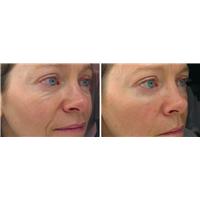
London:Wrinkles see the light and disappear with Ellipse’s new rejuvenation treatment

A new wrinkle busting treatment using light rejuvenation to increase collagen making skin look young and supple has been launched by the experts at Ellipse.

This new intense pulsed light (IPL) treatment has been shown to improve lines and wrinkles in less than a month. It is a non-invasive two step procedure that consists of applying a spray which contains an advanced liposome, which converts the active ingredient into a pigment called (protoporphyrin IX 2) helping to absorb the light and aiding deeper penetration. This triggers a chemical reaction that is in effect a miniature explosion that damages the skin cell, triggering a cellular repair response. This process improves the skins elasticity resulting in a noticeable 300% collagen production.

Michael Dodd, Managing Director at Ellipse explains: “What is exciting about this new extension of the product in to anti-aging is that it will add another exciting chapter to Ellipse’s comprehensive menu of treatments with the likes of ‘Skin texture’ and Photo Rejuvnenation already under its belt. With Wrinkle Reduction we can now provide customers with a one-stop-shop, non-invasive solution to better skin management.”

With the Ellipse IPL Wrinkle Reduction application, people will see lasting results for up to 12 months depending on the individual. In clinical studies it has been found that collagen production peaks at three months. A course of three treatments with three week intervals is recommended by the scientists behind the Ellipse technology but visible results can be seen after just one treatment.

Wrinkle Reduction gradually takes place from one up to twelve months when collagen stimulation is triggered offering the building blocks to smoother, youthful skin. Clinically proven by leading dermatologists Ellipse’s Wrinkle Reduction treatment will offer people either a non-invasive preventative measure or a solution to anti-ageing. Dubbed as the new “lunchtime beauty-fix” it shows significant improvement in wrinkles minus the pain or visible redness associated with comparable alternatives. Find our more at www.wrinkle-reduction.org

More Britons seek health treatment abroad

London: Despite huge investment in the UK’s public health service over the last 17 years, patients from the UK are voting with their feet and travelling abroad for treatment, says a survey by Treatment Abroad.

More than 50,000 people travelled abroad for treatment last year, and spent £161 million on medical tourism. The number of medical tourists increased by 25% over the 12 months and, predicts the survey, will continue to grow over the next 6-12 months. With NHS budget shortfalls and continued lengthening waiting lists it appears that medical tourism is a trend set to continue.

“There has always been speculation about the true number of medical tourists travelling from the UK for treatment.” says Keith Pollard director at Treatment Abroad we have seen visits to the www.treatmentabroad.net site grow from 3,000 a month to over 60,000 in March 2007, so it was obvious that people were researching treatment overseas. We instigated the Medical Tourism 2007 Survey to see just how many people where going abroad, where they we going, what for and just how much they were spending.”

The Medical Tourism Survey 2007 reveals that India, Hungary and Turkey are amongst the most popular medical tourism destinations for UK patients.

Dentistry is the most popular service with dental treatments such as crowns, dental implants, bridges and veneers leading the way. Over 20,000 Brits travel abroad for their teeth, spending around £2,500 each, with an estimated market value of over £50 million per annum.

Cosmetic surgery is a close second with around 14,500 patients travelling outside the UK. Breast augmentation, tummy tuck, liposuction and facelift are popular choices; patients spend around £3,500 each, creating an estimated market size of £50 million.

The most common types of elective surgery for patients travelling abroad are hip replacement, knee replacement, laser eye surgery and cataract removal, with some 10,000 patients spending £37 million in 2007.

With medical tourism gaining in popularity it is not surprising that there are over 500 clinics, medical tourism companies, hospitals, doctors, dentists and healthcare providers overseas, who are actively promoting their services to the UK market and wooing the British public to travel abroad for treatment.

To request a copy of Treatment Abroad’s Medical Tourism 2007 Survey and for further press information please contact
Keith Pollard email: keithpollard@privatehealth.co.ukT: + 44(0)870 777 0401

www.treatmentabroad.net is full of sound practical advice on going overseas for elective surgery, cosmetic surgery and dentistry. The site will help every potential medical tourist decide on the best destination and healthcare provider to suit their needs

Stress free sleep with advice on buying the right bed from the experts at the Sleep Council

Despite the fact that we spend around eight hours a day in bed, most of us are surprisingly complacent about our place of rest.

In fact a poor bed can lead to worse things than a lumpy night. Tiredness, back problems, bad moods and a strained relationship with your partner are just some of the consequences, so it really is important for our health and wellbeing that every now and then we give our beds an MOT of sorts.

The Sleep Council has re-launched its web site at www.sleepcouncil.com with a fresh, easier to navigate new look and some fresh new features – including a brand new interactive bed selector, which aims to point you in the right direction for buying the right new bed.

But even armed with these tips, buyers should beware the seven deadly sins of bed buying, says The Sleep Council!

1. Not doing any homework before buying a bed. There’s as many different beds as there are sandwich fillings so work out what kind of bed you want first (divan or bedstead; springs or foam; adjustable or static; with or without storage etc

2. Buying a bed without first testing it out – you wouldn’t buy a car without a test drive – and you spend as much if not more time in your bed!

3. Spending as little as you can get away with instead of as much as you can afford. You get what you pay for (think of it like this: over seven years a £700 bed costs less than 4p a night. What can you buy these days for 4p!)

4. Buying a standard 4’6″ (135cm) double bed instead of a roomy five footer that ensures less partner-disrupted sleep.

5. Forgetting a BEDroom is exactly that. A place to rest, relax and sleep and not a room packed with sleep distracting gadgets and TVs.

6. Not taking care of your bed – it’s hardly high maintenance so follow the manufacturer’s care instructions to make the most of it.

7. Ignoring the seven year itch – even the best of beds will not retain the same levels of comfort as the years go by – it deteriorates gradually and you and your support and comfort needs change, too. So don’t ignore the warning signs (dips, roll-together and neck or back ache etc) – invest in a new bed before your sleep quality starts to suffer.

Make sure you have the perfect place to relax for comfort for your body and mind. Then you can tackle the day in the best health available to you!

Join Jessica Alexander from the Sleep Council and Pauline Rawlings at SleepCouncilwebchat to choose the right bed for you

Get summer style advice from TV’s Trinny & Susannah in live web chat

image

London: Summer is almost upon us and women across the land will be contemplating one of the most important issues of their lives, their summer wardrobe!

With this in mind we have grabbed two women respected by all, the style duo that is Trinny and Susannah. The two who are best known for their no nonsense approach when it comes to clothing will be live in our studio to tell you what’s hot and what’s not this Summer.

The fab duo, who recently appeared in a Littlewoods spy spoof advert, have created a style guide based on body shapes called “the Rules” and will be giving advice to women of all sizes, whether you’ve got big boobs or no boobs, short legs or saddle bags. It’s time to throw out those frumpy jumpers, kick off those crusty crocs and burn those skintight jeans!

Join the golden girls of fashion as they swap balaclavas and wetsuits for cutting edge style… all in the name of fashion!

Trinny and Susannah will be live online at www.webchats.tv/webchat on Tuesday 17th April at 15.10 (GMT-1) as they discuss this season’s hottest looks

To view Trinny and Susannah’s online style guide visit www.littlewoods.com

Sylvester Stallone arrest promotes interest in growth hormone

Sydney: Cosmetic interest in the controversial anti-ageing growth hormone has swelled by 20 per cent since Rocky star Sylvester Stallone was allegedly caught with the chemical at Sydney airport.

The Cosmetic Physicians Society of Australasia says its members have fielded an unprecedented number of inquiries about human growth hormone, particularly from men in their 50s and 60s, in the past month.

The specialists say demand was fuelled by publicity arising from Stallone’s February visit to promote his latest film, Rocky Balboa, when he was charged with trying to import 48 vials of the hormone – a so-called “anti-ageing” elixir – into Australia.

The hormone is produced naturally by the pituitary gland to promote healthy growth, but many claim it enhances movement, sight, hair and general wellbeing when taken in its synthetic form.

It is also claimed to turn fat into muscle and is most well-known for its popularity among body-builders and Chinese swimmers, but scientific studies have yet to firmly establish any of these benefits.

Australian cosmetic surgeons who gathered in Melbourne for their national conference this week say there has been a 15 to 20 per cent increase in inquiries about hormone products in the past month.

Society president Glenn Murray said more people had been taking up the products, primarily to “boost up” levels of the hormone that had dropped off with age.

Both men and women, typically aged in their 50s and 60s, were signing up for the hormone despite there being few long-term studies showing benefits or side-effects, Dr Murray said.

“They’re feeling tired and like they’re looking their age and just want to slow things down,” he said.

“When they’re older and wanting to get a great last 20 years then they’re willing to try it and take some risks for the chance of a better quality of life.”

Dr Michael Zacharia, president of the Australasian Academy of Anti-Ageing Medicine, said a regular, low dose could “extend youthfulness”.

“It’s not that you’re going to live longer as such but you can prevent a lot of diseases, like cardiovascular disease, from coming along,” Dr Zacharia said.

“An 80-year-old who’s on an anti-ageing regime will look better, feel better and be just as active as he was when he was 60.”

But this is disputed by most in the academic scientific field who say there is a lack of hard science to prove the $500-a-month treatment actually works.

Australian laws prohibit the import of natural and manufactured growth hormones without a permit.

Stallone is required to enter a plea on his case’s next scheduled court date, April 24, but he is excused from attending court if legally represented.

Cosmetic Dermatology – Dr Ross Perry London

ross_portrait_006_Small_copy_2.jpg

Dr Ross Perry is a leading cosmetic doctor specialising in advanced non surgical treatments including botox, restylane and skin peels. He also has a large dermatology surgical practice for mole screening and mole removal. He founded Cosmedics UK in 2002 which now has five clinics throughout London and the South east. He is a member of General Medical Council as well as the British Association of Cosmetic Doctors. www.cosmedics.co.uk

Cosmedics (Harley Street)
14 Queen Anne Street
London
W1G 9LG

T: + 44(0) 20 7386 0464
Cosmedics clinics also in the City, Putney, Wimbledon, Canary Wharf and Esher (Surrey).

Ask Dr Perry a question

Dr Ross Perry – Cosmetic Dermatology London

image

Dr Ross Perry is a leading cosmetic doctor specialising in advanced non surgical treatments including botox, restylane and skin peels. He also has a large dermatology surgical practice for mole screening and mole removal. He founded Cosmedics UK in 2002 which now has 5 clinics throughout London and the South east. He is a member of General Medical Council as well as the British Association of Cosmetic Doctors. < ahref="http://www.cosmedics.co.uk">www.cosmedics.co.uk

Calorie restriction extents the life of dogs, reveals new Nestlé study

London: Changes caused to bugs in the gut by restricting calorie intake may partly explain why dietary restriction can extend lifespan, according to new analysis from a life-long project looking at the effects of dietary restriction on Labrador Retriever dogs.

Bugs in the gut are known as gut microbes and they live symbiotically in human and animal bodies, playing an important role in metabolism. Abnormalities in some types of gut microbes have recently been linked to diseases such as diabetes and obesity.

Calorie restriction is so far believed to be the only way to extend lifespan. Similar experiments have been carried out on mice and fruit flies.

Today’s research, published in the Journal of Proteome Research, was based on a study in which 24 dogs were paired, with one dog in each pair given 25% less food than the other. Those with a restricted intake of calories lived, on average, about 1.8 years longer than those with a greater intake and they had fewer problems with diseases such as diabetes and osteoarthritis, plus an older median age for onset of late-life diseases.

The researchers, from Imperial College London, Nestlé Research Center (NRC) and Nestlé-Purina, found long-term differences in the metabolism of the dietary-restricted and non-dietary-restricted dogs. Metabolic profile plays a key role in determining animals’ response to illness and their susceptibility to disease.

The scientists believe that differences in the makeup of gut microbes between the two sets of dogs could partly explain their metabolic differences. The dogs that were not on a restricted diet had increased levels of potentially unhealthy aliphatic amines in their urine. These reflect reduced levels of a nutrient that is essential for metabolising fat, known as choline, indicating the presence of a certain makeup of gut microbe in the dogs. This makeup of gut microbes has been associated in recent studies with the development of insulin resistance and obesity.

Professor Jeremy Nicholson from Imperial College London said: “This fascinating study was primarily focused on trying to find optimised nutritional regimes to keep pet animals such as dogs healthy and as long-lived as possible. However these types of life-long studies can help us understand human diseases and ageing as well, and that is the added bonus of being able to do long-term non-invasive metabolic monitoring.”

The researchers suggest that part of the healthier metabolic profiles of dogs on a restricted diet is related to their changed gut microbial activity, which in turn contributes to their generally improved health and longer lifespan. However, they also found that the overall effects of ageing on restricted and non-restricted animals exerted a greater effect on the metabolic profile than dietary restriction. This in itself is interesting as the lifelong metabolic trajectories of large animals had never been studied in this detail before and such information might be of relevance to ageing humans and their diseases. The team believes that one important outcome of this work will be the ability to improve the design of products’ nutritional properties that mimic the health benefits of dietary restriction in pet dogs.

Boots wrinkle cream sells out, after scientists prove it banishes wrinkles

image

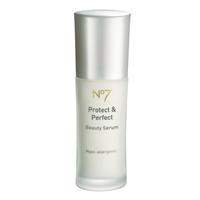
London: No 7 Protect & Perfect, a modestly priced product $34 (£17, €25) has been flying off the shelf of UK pharmacy Boots after an independent study carried out by experts at the University Manchester revealed that it was just as effective at reducing sun damage, a major cause of skin ageing, as products only available on prescription from a doctor.

The study compared Protect & Perfect with the performance of a retinoic-acid or Tretinoin, a vitamin A derivative available on prescription to treat acne and severe damage of the skin. Professor Chris Griffiths an eminent dermatologist said the study showed that the formulation repaired photo-aged skin and improve the fine lines and wrinkles associated with sun damage. Boots is now keeping a waiting list for this product after supplies ran out.

The company says that it delivers a younger looking skin after only four weeks of use. It contains silicone which it says enables skin firming and brightening. It also contains an A-list of ingredients including vitamin C, mulberry and gingseng which health experts says mops up free radicals which damage the cells. It also contains lipo-pentapeptide, created from amino-acids grown in laboratories. These are essential to the functioning of cells. It also contains a serum extracted from the white lupin which slows down production of collagenase, a substance which is linked to sun damage.

Delicious new recipes to mark National Vegetarian Week

London: Everyone’s talking about climate change so The Vegetarian Society is urging vegetarians to go even greener by eating seasonal UK-grown produce for the fifteenth National Vegetarian Week which runs from 21st May – 27th May 2007.

A new recipe booklet focusing on seasonal, UK produce, will be launched during National Vegetarian Week. Packed with scrumptious seasonal delights that cut down on ‘food miles’, the twelve monthly recipes prove that you can look after your taste buds as well as the planet!

May’s offering – Warm New Potato and Asparagus Salad – features English Asparagus (uniquely both grown and eaten exclusively in the UK), walnuts and goat’s cheese.

Free copies of the booklet, along with a wide range of other information and resources, are available by T: + 44 (0)161 925 2000, or visit www.vegsoc.org to find out more.

Another new booklet published by The Vegetarian Society in May explains why vegetarians’ meat and fish-free lifestyle reduces their impact on the environment through reduced greenhouse gases, water pollution and land use.

National Vegetarian Week is co-ordinated by The Vegetarian Society but includes events and activities organised independently by local vegetarian groups, eateries, schools and businesses across the nation.

The Vegetarian Society defines a vegetarian as a person who eats no meat, poultry, game, fish, shellfish or crustacea. Vegetarians also avoid the by-products of slaughter such as gelatine or animal rennet in cheese. The Society only approves products containing eggs when they are free-range.

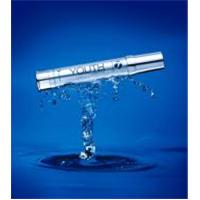
New wrinkle buster claims to diminish lines in one hour

image

Los Angeles: Dermatologists in the US say they are preparing for huge demand for a new wrinkle cream that reduces wrinkles in one hour.

Preliminary results from an ongoing independent clinical study assessing the effects of new iS CLINICAL(R) Youth Complex indicate that 97% of the subjects noted significant overall improvements in wrinkle reduction, texture, and firmness after one hour.

Wrinkles are created when key structures, like collagen and elastin, that support and strengthen the skin, breakdown mainly because of free-radical damage, causing damaged skin to crease. The only way to repair wrinkling is to rebuild these support structures, which are located in the deeper layers of the skin.

“The dramatic effects of Youth Complex can be attributed to our new ingredient iNNOVASE(TM)”, reports Bryan Johns, CEO of Innovative Skincare, creators of the new iS CLINICAL(R) Youth Complex. “This unique, clinically advanced bio-complex combines innovative natural hydrators, potent botanical antioxidants, and bio-identical growth factors that are clinically proven to help rebuild the skin’s support structures, prevent further DNA damage and optimize cellular metabolism.”

Consumer response to pre-launch advertising and pre-market sampling has been so strong that pre-orders and waiting lists were required to manage the thousands of requests.

“I have found that Youth Complex’s formulation allows you to see instant improvement of wrinkled skin while also accomplishing significant long-term improvements that my patients could clearly see,” said Dr. William Heimer II of Surfside Dermatology in San Diego, Calif. “Solid science with solid results in an easy single step application keeps my patients asking me for more.”

“I have never before seen a product that literally rejuvenates the skin within hours, days and weeks. My patients come to me because they expect results. I’ve found that Youth Complex provides the things my patients ask for most — prevention and correction — all in one bottle,” said Roberta F. Palestine, M.D., who completed her residency at the Mayo Clinic and is the founder and director of the Dermatology & Clinical Skin Care Center in Bethesda, Md.

Youth Complex’s simultaneous, triple-action formula contains a matrix of dehydrated hyaluronic acid molecules that penetrate the skin nestling into fine lines and wrinkles. Acting like mini sponges, these natural hydrators expand by absorbing the skin’s natural moisture loss and plump the wrinkle from within. The bio-nutrients then work to support the newly raised wrinkle by strengthening the barrier between the epidermis and dermis, creating a type of scaffolding under the skin. Finally, the bio-identical growth factors and reparative botanicals help rebuild the collagen and elastin in the skin’s deepest layers resulting in long-term, more permanent improvements.

iS Clinical Youth Complex will retail for $135 (£65, €100) and is exclusively sold through dermatologists, plastic surgeons, medi-spas, cosmetic physicians and medical estheticians. To find a retailer near you, log on to www.innovativeskincare.com

iS CLINICAL is the exclusive clinical skincare brand by INNOVATIVE SKINCARE, which features optimal “results-oriented” skincare formulations. INNOVATIVE SKINCARE is committed to improving skin health by developing the highest quality of products, supporting the research of new treatments, raising the bar on corporate integrity, and serving the needs of its skincare customers globally.

Your Skin, Our Science … Pure Chemistry

Get younger eyes – listen to Ten Years Younger expert

image

London: Join Nicky Hambleton-Jones from the UK’s Channel 4’s Ten Years Younger and Rosie Gavzey from the Eyecare Trust for advice on looking after our eyes.
Chat date: Friday 30th March 2007 – Chat time: 13.00(-1GMT) at www.webchats.tv

Nicky Hambleton-Jones is the face of hit Channel 4 show Ten Years Younger. Every week the South African style guru chooses a lucky candidate in need of a makeover and helps them to look, hopefully, ten years younger!

But Nicky doesn’t just advise people on where to get this season’s hottest clothes or the best chemical peel, she is also a firm believer in prevention being better than cure especially when it comes to protecting our gorgeous eyes against harmful UV rays.

Rosie Gavzey (BA BSc MCOptom), former Chairman of the Association of Optometrists and Trustee of the Eyecare Trust will reveal the mysteries of the eyes and give advice on promoting healthy sight.

With the start of British Summer Time just around the corner many of us will be hitting the high street to get the sexiest eyewear on the market. New research from IPSOS, sponsored by Transitions Optical reveals that nearly a third of people rarely or never wear UV protective eyewear, despite the fact that it is the best way protect our eyes from the sun. Approximately 83% of Brits think about skin cancer as one of the most harmful effects of extended sun exposure but only 5% think about their eyes. This is especially alarming since the damaging effects of UV light to the eye are most often irreversible.

Our sight is something that most of us take for granted – we visit the dentist more frequently than the optometrist! Brits presume that as long as we can see, our eyes are perfectly healthy. Less than half of us go to the optometrist as regularly as they should, which contrasts starkly with the fact that nine out of ten of us believe that sight is our most important sense and especially since 70% of us thinks its important to go to the optometrist regularly.

Join Nicky Hambleton-Jones and Rosie Gavzey as they tell us more about how to protect our eyes and give advice on getting ‘specs appeal’….

Nicky Hambleton-Jones from Channel 4’s Ten Years Younger and Rosie Gavzey from the Eyecare Trust, join us live online at www.webchats.tv on Friday 30 March 2007 at 13.00 (-1 GMT)

For more information on healthy sight visit www.transitions.com
and www.eyecare-trust.org.uk

Scientist agrees to become living experiment in anti-ageing chemicals

London: A scientist who has suggested that adding anti-ageing chemicals known as isotopes to food would give most people an extra ten years of life as agreed to be a living experiment.

Dr Mikhail Shchepirov, a visiting professor at Oxford University claims that adding these would defy the ageing process. Experiments on nematode works with these chemicals have increased lifespan by ten per cent. Pets are the first animals likely to be given these, he forecasts.

Dr Shchepinov suggests, in a report in Chemical & Industry magazine, that a longer life and protection against diseases such as cancer could be obtained by eating steaks, pork or chicken fillets high in the anti-ageing chemicals.

The 41-year-old plans to start eating the compounds within a few months. The treatment makes use of isotopes of carbon and hydrogen – atoms which have a different number of neutrons in their nucleus to other varieties of the element.

The isotopes used are chiefly deuterium – also known as ‘heavy hydrogen’ – which can be harvested from water, and carbon 13, which can be collected from CO2. Both occur naturally.

The theories might seem like science fiction, but the Russian academic has founded a company called Retrotrope to commercialise them and is seeking financial backers.

His research has also won support from respected academics on both sides of the Atlantic.

He said: ‘The isotopes are readily available in the water or the atmosphere. The processing is expensive at the moment, however given increased scale it could be done much more cheaply.’

Asked about the effect of feeding these elements to the nematode worms, Dr Shchepinov added: ‘We found life extension.’

He said the treatment is based on the idea that while the body can create key amino acids – which combine to form proteins in the body – it needs to absorb others from food.

It is believed the building blocks of these amino acids can be strengthened through the addition of an isotope such as deuterium. This protects cells against the damage from free radicals which is associated with ageing.

Dr Shchepinov said: ‘We don’t have to be consuming the isotopes as white powder. If you take a pig and feed those things to a pig, all you need to do is consume the pig in the normal fashion.’

He suggested the technology could first be tried in the pet food market. ‘There are several issues to be addressed, but I would say it would be possible within three years,’ he said.

‘As soon as we have the first compounds chemically made I am going to start having them myself. Hopefully within a few months.’

Charles Cantor, professor of biomechanical engineering at Boston University, said: ‘The idea of selectively using heavy natural isotopes to suppress oxidative damage is fundamentally and extremely clever.

‘If this is borne out by further experiments, the implications are profound.’

Exclusive – the rich get richer and now they get younger too – the world’s first anti-ageing island

image

Singapore: We all dream about the perfect island idyll – white sand beaches, tropical vegetation, palm trees, pristine blue sea and uninhabited. A place where time stands still and where the stresses and strains of modern life are forgotten.

Now one property developer is capitalising on our obsession for perfect tropical islands by creating the ultimate “fantasy” island for the mega rich. It is not simply an island where time stands still but where you will physically be transported back in time – an anti-ageing island where your body is restored to an earlier time with the latest science, medicine and cosmetic surgery.

Even though the cost of being rejuvenated is many thousands of dollars, the developers say there is already a waiting list with the names of well-known celebrities and politicians on it.

In Indonesian waters, the island is part of the Bintans, a tranquil paradise less than 30 minutes from bustling Singapore, which can only be reached by helicopter or private yacht, securing the privacy that the mega rich and celebrities demand.

There is also a two-mile security radius surrounding “Anti-Ageing Island in the Sun,” so patients can rejuvenate and recover from radical facial surgery or stem cell treatments without the prying eyes of the paparazzi who stalk the surgeries of the high-profile cosmetic surgeons in Beverly Hills, New York and London.

Reminiscent of the James Bond films guests will be able to while away the hours recovering by playing with the latest gadgetry including one-man helicopters, two-man submarines, underwater jet bikes and luxury yachts. The nearby coral reefs provide some of the world’s best fishing and diving. They will also have touch of the button access to high speed internet, satellite TV and cellular phones, doctors and staff.

And if boredom sets in there is always island hopping and even shopping – the mega luxury brands will have boutiques on the island including Armani, Versace, Ferragamo and the extravagant creations of Italian society jeweller Bulgari. Staff will be on hand to cater for almost every whim.

The largest collection of state of the art diagnostic equipment anywhere in the world will be utilised in the bespoke anti-ageing programmes to detect the diseases of ageing such as cancer and heart disease. And patients will be treated with the latest discoveries of medical sciences including live tissue and organ transplantation and stem cell therapies.

Youth hormones such as testosterone, DHEA (deyhdroepiandrosterone), pregnenolone, melatonin and human growth hormone- all of which decline with age will be used to invigorate 60, 70 and 80 year olds back to the levels they had at the age of 27. Not only will the rich look younger and act younger but their sex drives will also be restored on “anti-ageing island.”

Patients can relax on the beach but may prefer being rejuvenated by deep cell oxygen bathing in “suspended animation” in hyperbaric chambers where their bodies are fed at the deepest cellular level. Also on demand will be the all the cosmetic surgery treatments and non-surgical treatments such as Botox, laser, dermal fillers and Isolagen, where a person’s cells are extracted, cultured and then reinjected into wrinkles.

Just like the film, The Island, starring Ewan McGregor and Scarlet Johannesen, in which the biotech companies clone people for spare parts, the developers plan to make “bionic replacement” parts available in the future when they become available.

As well as the “anti-ageing island” club resort, the developer PT Hanno Bali is also building luxury homes nearby in the Maldive-style surrounded by sea water.

Hanno Soth, the Chairman of PT. Hanno Bali, a specialist in luxury development, says: “The company started looking at private islands as the ultimate vacation concept. We concluded that not only were private tropical islands everyone’s fantasy vacation, but the only way to really get away from it all. We looked everywhere for the perfect islands. Our criteria was to find uninhabited, naturally beautiful islands, that were easy to get to. We heard about the Bintan International resort area, which has long been a favorite play ground for Singaporeans situated 45 minutes by ferry from Singapore.

“Our company chartered a helicopter to survey the area and found paradise beyond the Bintan resort area. The most perfect tropical islands. We were surprised, but elated to find them uninhabited. The coral reef is a natural barrier that has kept these islands pristine and untouched.

“We know our company is on the right track investing in private island developments. People are looking for the ultimate escape to find sanctuary and to recharge, no matter the price. If I think of my childhood, the things that I remember with great fondness are books like Treasure Island, television shows like “Gilligan’s Island” and “Fantasy Island”. Walk into any computer store or office, and the screen saver of choice these days seems to be tropical islands. Look at any travel magazine and it’s the island escape that sells. The rich and famous have been buying private islands and renting them out, as in the case of Richard Branson’s Necker island, for a cool $151,000/week. Islands are not just a fantasy, they are big business”.

Anti-Ageing Island is a collaboration between medical specialists from the world’s largest anti-ageing movement, the Chicago-based American Academy of Anti-Aging Medicine (A4M) and Pt Hanno Bali.

The chairman of A4M is Dr Robert Goldman who is a former world champion strength athlete, listed in the Guinness Book of Records and who oversees sports medicine committees in over 170 countries.

He says: “We are already living longer. Two hundred years ago the average life expectancy was below 25 years. One hundred years ago it was 48. Today it is 74-80 depending on where you live. As technology advances our generation is expected to live to 100-150 and some scientists and futurists suggest that we may be the last generation to die.

“Here is what we can do today. Blood, urine and saliva collection allows us to take your fluid samples in a simple transportable fashion, send it to our laboratory and the results are emailed back to the clinic where doctors can optimise your hormone levels and physiologic parameters.

“The evaluation, analysis and compilation of all this data allows our team to develop optimal protocols for advanced individualized treatment and use the collective data to develop future interventions.

“This is what we can do tomorrow – nanotechnology – the miniaturization of molecules, machines and pharmaceuticals, gene therapy, stem cell implantations, bionic replacement parts, human genome reprogramming, topical trans-dermal pads or miniature computerized disks placed on the surface of the skin that would deliver nano pharmaceutical agents by micro needles controlled by miniaturized computer chips to deliver hormones and other drugs, re-grow skin and collagen etc. In the future abnormal cells will simply be zapped by a laser, nanotech molecule or tracking device.

According to Dr. Goldman, there are some very expensive break-through technologies out there that are having a profound effect on the way we look, feel and age. The reality is that those people who can afford it will be the ones that will benefit from the technologies, until they become mainstream. “

“However as unfair as this appears, the research benefits everyone in the long term because as the Anti-Aging industry grows into this multi-billion dollar colossus (presently estimated at over USD $50 Billion/year worldwide), funding for research also starts to grow. So yes, the rich will look and feel better then everyone else initially, but it is their consumption that drives the research and advances for the rest of us.

“We chose to work with Pt. Hanno Bali after having read an article about their plans for exclusive resorts and private Islands developments expressly for the Rich, Famous and Powerful. We can only provide our advanced treatments to a small group of people and a private Island would be a fantastic environment to implement our rejuvenation protocols.”

Dr Goldman says that members of the island’s Anti-Ageing Club will schedule certain times a year for their treatments depending on their specific needs, health status and availability of facilities

Dr Goldman said he was unable to identify any of the club’s members: “This is completely confidential and restricted information but they of international calibre and status, of all ages. Anti-Ageing Island is a state of the art high tech luxury mixed with tropical charm without peer. It is far too expensive for the ordinary.”

He said plans were also underway to market a series of franchised luxury resorts and anti-ageing clubs worldwide.

Contact info: www.onelifeplus.com

Body Dysmorphic Disorder by Dr Henri Gaboriau

image

A beautiful 28-year-old Eurasian woman, who we will call “Lisa”, recently came to me to have eyelid surgery. This is not at all an uncommon request by Asian women.

In the last ten years, there has been an increase of 58% of cosmetic surgeries performed on Asians. Lisa was half Asian and she was still wanted more Caucasian looking eyes. I performed the eyelid surgery for Lisa and she was very happy with the results. Only it didn’t stop there…I later discovered she had already had five nose surgeries and four breast enhancements…next she demanded a facelift…

As a plastic surgeon I must distinguish between a patient who is experiencing a normal dislike of some aspect of her appearance and the patient who is actually suffering from a psychiatric disorder called Body Dysmorphic Disorder (BDD). Is it not uncommon for many of us to occasionally experience a mild dissatisfaction with our appearance. As many as one third of the population may not be happy with the way they look.

However, the way people feel about their appearance might have very little to do with how they actually look as even exceptionally attractive people experience a moderate dislike of their appearance. You only have to look at the number of procedures undertaken by some celebrities such as Cher and Michael Jackson who might be examples of BDD sufferers. The dislike of one’s own appearance is also enough to cause some occasional anxiety or depression. And it is all entirely normal and a very human feeling which does not last.

In BDD which often begins in adolescence, this feeling becomes chronic and has similarities with Obsessive-Compulsive Disorder. BDD is not a common occurrence. In the general population, the rate is around 2%. In those who opt for cosmetic surgery and aesthetics the figures would of course be higher. The results of various studies estimate this from 7% to 33%.

Whatever the statistics the patients share a common characteristic which is that they are constantly preoccupied with an imagined physical defect in appearance or a grossly exaggerated worry about a minimal defect.

Technically BDD is characterized by an excessive preoccupation with imagined defects in physical appearance. People with BDD are obsessed by the idea that some part of their body — their hair, nose, skin, hips, whatever — is ugly or deformed, when in truth it looks normal. BDD may focus on moles, freckles, acne, minor scars, facial or body hair, or the size and shape of their breasts or genitalia. People with BDD may spend an excess of time looking in the mirror, be forever fixing their hair, or wear heavy makeup or sunglasses inside as a form of camouflage. They may make multiple medical visits or have surgical procedures to correct the imagined defect.

Are you suffering from BDD – questions you should answer..honestly?
• Do you camouflage some aspect of your appearance with hands, clothing, a hat, or makeup?
• Do you fear ridicule in social situations, have a limited social life, and experience social anxiety?
• Do you make multiple visits to dermatologists or plastic surgeons?
• Do you undergo repeated surgical procedures to change perceived defects?
• Do you undergo surgery and aesthetic procedure that fail to make you feel better about yourself?
• Do you go from one extreme to another – constantly looking at yourself in shop windows or avoiding mirrors and your reflection altogether?
• Do you incessantly groom your hair and re-apply make up?
• Do you repeatedly examine parts of your body that you perceive to be ugly or defective?
• Do you constantly think about your perceived ugliness or defects?
• Does your obsession with your appearance cause problems with your personal relationships and/or your career?

The saddest aspect of BDD is that the preoccupation with the purported defect causes significant damage to relationships with friends and family. The syndrome tends to be chronic and can lead to complete social withdrawal. Students drop out of school and professionals quit jobs. The patient may undergo major depression, and even commit suicide. The BDD patient is not in need of surgery at all but requires psychological medical treatment, which might involve cognitive behavioral therapy and even medication, similar to that used in obsessive-compulsive disorder.

Typically, most of the patients with BDD are requesting some sort of facial plastic surgery (more than any other part of the body). Also their desire for surgery is absolutely obsessive. Before the diagnostic term of BDD was coined in the 1980s, these patients were labeled “insatiable”. But BDD patients are very good are trying to hide the fact that their preoccupation is abnormal. Such “insatiable” patients are not always easy to spot. Although the symptoms are unmistakable, it may take time to discover them. So how can a good surgeon know for sure?

Returning to the case of “Lisa”: She didn’t speak much of her personal circumstances so it was not possible to discover if she had problems there. However, during the course of my treatment, I found she had already had undergone five nose surgeries and four breast surgeries that were performed by other physicians. She came to see me because she wanted Caucasian eyes. Westernized eyelid surgery is a very common request for Asian women, so I did the surgery.

At first she seemed pleased with the results. Then she came back for another screening and wanted to have her nose done again—a sixth surgery and I refused. The big question is when to say “no more”. One year later she came back to have a facelift, which of course was not needed at all, so again I said no. She became upset and went to see another surgeon. Sadly, I do not know what became of her.

My rule of thumb is that if there is a huge gap between perceived defect and the degree of emotional distress it is causing the patient, then I don’t’ operate. BDD patients are preoccupied with small or no existing defects. But this is not what constitutes the problem. Appraising a defect is very subjective.

For one surgeon it could be nothing and for another one the defect could be dramatic. So what counts is the intensity of the patient’s emotional distress due to the defect. The emotional intensity is measured by just how much the patent’s life patient is being interrupted by thinking about the defect, and how many times the patient is willing to repeat surgery to correct a defect that really isn’t apparent at all.

Most importantly it must be remembered that cosmetic surgery will not change your life.

Dr Henri P Gaboriau is Director of Sammamish Center for Facial Plastic and Reconstructive Surgery Seattle T: +1 425-898-1228 Email: practicemanager@sammamishfacial.com

The Brazilian Buttock explained by Dr Luiz Toledo

image
image

Singer and actress J-Lo has the most talked about derriere on the planet. And the term “J-Lo Bum” is used to describe a large but pert rear. The “Jo-Lo” which is more commonly known as the Brazilian Buttock Lift is a cosmetic surgery procedure that is becoming increasingly popular as the focus has recently shifted from boobs to bums for celebrities.

The emphasis on the bum and not the boob is highlighted by the increasing number of actresses competing for the best bum in the business by being photographed showing off their gluts on the red carpet at premieres.

The most recent best bum revealers – Goldie Hawn’s daughter, actress Kate Hudson, Kill Bill beauty Uma Thurman, Victoria Beckham , Kate Moss, Cameron Diaz, Denise Van Outen, Welch diva Charlotte Church, hotel heiress Paris Hilton, Mariah Carey and Beyonce Knowles. Further proof that fulsome derrieres are on the way up was Kylie Minogue’s bustle outfit.

So what exactly is the “J-Lo?” Leading cosmetic surgeon, Dr. Luiz S. Toledo, who is a member of the British Association of Aesthetic Plastic Surgeons says the procedure which is also performed on men, is desirable for those who have little definition or who want a more pert look.

In the procedure the surgeon uses a mixture of liposuction and fat grafting to get the ideal look.

Dr Toledo explains: “There are two main body types: “gynoid”, with a concentration of fat below the waistline and “android”, which concentrates fat above the waistline. Both types can benefit from this type of surgery. The gynoid type usually needs liposuction of the hips, thighs, legs, tummy and fat injection in the buttocks. The android type will usually need liposuction of the arms, back, hips, tummy and breasts. Fat is injected into the buttocks and often the inner thighs as well.”

To lift the buttock the surgeon makes an incision in the hip area and the buttock for the liposuction or liposculpture procedure. The fat is then reinjected increasing the volume of the buttock.

“In many cases simply the removal of the excess fat will bring about a major improvement in the area,” says Dr Toledo.

This operation takes from one to three hours and is carried out under local anesthetic together with a sedative. Usually patients are not required to stay in hospital unless the procedure is extensive.

After the operation an elastic girdle is worn which helps stablise the new shape and minimize swelling. This is usually worn for a few weeks. Lymphatic drainage using a light massage is encouraged in the liposuction areas about 24 hours after the operation. Mobility is essential so walking is encouraged from day two increasing the distance each day.

Walking is essential from day two, increasing the distance covered each day. This assists with swelling, water retention and the circulation. Strenuous exercise such as running and weight lifting are allowed one month after surgery.

Some postoperative procedures such as low frequency ultrasound to correct any hardened areas may be recommended and carried out under the supervision of the surgeon.

Stitches are removed between the 5th and 7th day and you can return to work after two to three weeks. Fading and flattening of the little scars can take three months and up to two years.

Risk of this surgery

Significant complications from liposculpture and fat injection are infrequent, says Dr Toledo.

Potential complications are asymmetry, rippling, and pigmentation of the skin, bleeding, infection and problems with the anesthetic. Temporary numbness of the skin and hematomas (blood accumulations) are possible mild complications. Irregularities of the skin can happen in some patients, but can be treated if necessary. More serious complications are very rare.

The results may take a few months to show because of fluid retention following surgery swelling. Sometimes the fat injection procedure has to be repeated because there is a limit to the amount of fat that can be injected in one stage. Occasionally, a secondary procedure, or “touchup” may be required to improve certain areas

Duration of the Results:
After sixth months there should be no more reabsorption of the injected fat and the result should remain stable. If the weight remains the same results should be permanent, especially when combined with diet and exercise. Cost $10-20,000 (£5-10,000, €8-16,000) Dr. Luiz S. Toledo practices in Dubai and London. Tel: +9714 2699717 www.luiztoledo.com Email Posted in Cosmetic Surgery, Story | Tagged

Intercytex to bring potent facial rejuvenator to market this year

image

London: The British biotech company Intercytex (ICX.L) with a market capitalisation of $98m (£50m, €76m) which floated on the UK’s Alternative Investment Market earlier this year, has an attractive pipeline of products within the anti-ageing and rejuvenation sector – all based on cell culture.

Last year it secured a UK government investment of $3.72m (£1.9m, €2.87m) to develop a baldness cure by growing hair follicles for transplant. But it will be a while before this product comes to market, particularly since it needs the approval of the government’s Medicines & Healthcare Regulatory Agency (MHRA). It is also growing human skin for the treatment of burns and other serious medical conditions such as ulcers.

But the most interesting product which the company is already talking to cosmetic surgeons about is the world’s first anti-ageing skin rejuvenation injection made from human baby foreskins. These are the most potent skin cells it is so far possible to “harvest” – promising that the treatment will be far more effective than any other to date. And don’t be deceived into believing that the “yuk” factor will put women (and even men) off trying it. A skin cream containing cells from a similar source has become a best seller in the US.

What is different about this treatment is that the cells are “immune silent” which means they can be injected into anyone without allergic or immune reactions. They do not need the expensive individual storage conditions required for own cells.

This makes the cost of bringing the treatment to market cheaper and it will cost only a few hundred pounds compared to the only similar product Isolagen, which used a person’s own cells and was charging £4,500 in the UK because of expensive storage and was forced to close its operation last year.

In addition the raw material is free from the US where hospitals are forbidden to sell body parts and the process requires only one foreskin each year – grow millions of cells to treat many thousands of patients

After positive results from efficacy tests on arms, the company now undertaking facial trials before treating its first consumers.

The global market for anti-ageing products and services is estimated at US $56 billion worldwide (£29.7bn, €43bn) so the potential for this product is enormous.

At the moment Intercytex’ share price its languishing below its float price at around £1.08 p so it would seem sensible to get in early like the institutions Framlington (5%) Foreign & Colonial (3%) Avlar (25%). BUY

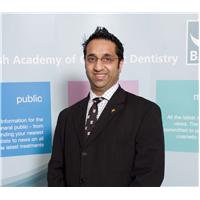
Fatal Fangs – the low down on gum disease by top dentist, Dr Nik Sisodia

image

Top dental expert Nik Sisodia examines the mounting evidence to link poor oral hygiene with heart disease, stroke and premature births

Gum disease affects 70% of the population in varying degrees. In its mildest form, gingivitis, the tissues of the gum surrounding the teeth become inflamed and bleed.

Left untreated this may progress to more advanced forms of the disease known as peridonitis where the gums shrink and teeth may fall out. But increasingly gum health is now seen as a marker for more serious health problems including cardiovascular disease and diabetes. It is also increasingly implicated in problems in pregnancy such as premature births and underweight babies.

So the extent of gum disease in the general population is a real and growing health concern. US statistics reveal that by the age of 17 60% of the population have early signs of the disease and by the age of 50 this translates to periodontal disease for 70-80% of the population, with half suffering the severest form.

In the past research attempted to investigate the cause of gum disease but more recently the emphasis has switched its affect general health and its links to several serious illnesses. The evidence points to an assault on the body’s immune system from the bacterial infection in the mouth as a result of gum disease which leads to a degeneration in general health.

If we look at the total surface area of the roots of a full complement of adult teeth, the area is approximately equivalent to the size the forearm. If you then imagine this whole area is teaming with a cocktail of millions of bacteria which the body is fighting off on a 24-hour basis, you can imagine how this might undermine the immune system.

Cardiovascular Disease.

In the US research indicates that gum disease is a risk factor for atherosclerosis (furring of the arteries) and thromboembolic (blood clotting) incidences. In other words gum disease increases the risk of stroke and coronary heart disease.

Again the theory is that the bacterial load placed on the body together with the fact that some individuals have a greater predisposition to a heightened inflammatory response leads to both gum and cardiovascular problems.

So it is prudent for all of us to take preventative oral hygiene measures, as well as sophisticated diagnostic tests that screen for levels of certain substances associated with heightened health risk, such as that for the protein homeocysteine, which is implicated in both cardiovascular disease and Alzheimer’s. Bacterial analyses can also be carried out.

It is now accepted that treatment of gum disease can lead to an improvement in cardiovascular health and that the health of a patient’s gums is now seen as a risk marker for heart disease. Smoking is another modifiable risk factor for both gum and cardiovascular diseases. Scientists at the University of Helskinki recently concluded that gum disease can no longer be considered just a local problem but one for the health of the whole body.

Premature births and foetal development
Gum disease is increasingly implicated in adverse pregnancy outcomes such as premature births. The University of North Carolina identified it as a significant risk factor for preterm labour, premature rupture of membranes, small-for-gestational-age (babies who are smaller than expected even for premature babies) and low birth weight babies. Additional research at Tulane University in New Orleans in three clinical trial studies determined that the treatment of the gum condition led to a 57% reduction of preterm low birth weight and more significantly a 50% reduction in preterm births.

Diabetes

Evidence now suggests that severe untreated gum disease increases the risk of diabetic complications, and that these symptoms can be alleviated by treatment. It is thought that uncontrolled severe periodontal disease has an adverse effect on sugar levels and that anyone with a family history of diabetes is advised to take a blood test.

General medical physicians do not usually examine or screen their patients for signs of gum disease, but given the mounting evidence implicating it in many of the diseases of ageing they should.
Dr Sisodia is in private practice in London and serves as Congress Director for the British Academy of Cosmetic Dentistry. Contact info: nik@tendental.com or alternatively visit the practice website www.tendental.com

Self-Empowerment and Life Success – Pete Siegel

Ed_Small_copy_1.jpg

Pete Siegel is one of the world’s most renowned peak performance hypnotherapists and personal development authors. His clients include professional athletes, business powerhouses, and others who he helps to maintain and build maximum confidence and motivation to achieve personal bests.

To find out more visit www.incrediblechange.com
Email your questions to him at Pete Siegel

Diet and Nutrition – Martha Roberts

martha.jpg

Martha Roberts DIP ION is a qualified nutrional therapist and an award-winning health journalist.

To find out more visit www.martharoberts.co.uk or to ask about your diet and nutrition concerns email her at Martha Roberts

Holistic Health & Beauty – Emma Hardie

Emma Hardie is a leading exponent in holistic anti-ageing and natural skin rejuvenation. She is particularly known for her pioneering Sculpting Facial and Natural Face Lift workshops. She specialises in treating skins that prefer a more gentle and healing approach. Her unique method has led to TV and radio appearances treating the faces of A-list celebrities. Emma practices from her Knightsbridge and Oxford clinics.

Find out more at www.emmahardie.com Email her at Emma Hardie

Drugs , Nutraceuticals & Cosmeceuticals – Nargis Ara

nargis.jpg

Nargis Ara MRPharmS is a UK registered Consultant Medical Information Pharmacist who regularly contributes to expert panels for healthcare publications and radio advising on the safe and rational use of medicines including pharmaceuticals, cosmeceuticals and naturaceuticals. She is an experienced pharmacist and research scientist in the field of liposomes which are now widely used in the cosmetic industry.

Read more about Nargis Ara at www.nargisara.com Email your concerns/questions about drugs/pharmaceuticals etc at Nargis Ara