Hollywood’s top motivator reveals how you can..

image

EVERY TIME YOU THINK YOU “CAN’T – YOU MUST!
By Peter C Siegel, RH, Executive Director PowerMind

You’ve thought about running a marathon. But as you begin your pre-race training, you soon realize it’s way tougher than you thought. Watching other experienced runners, you find yourself thinking, “Well, I guess they can do it, but I can’t.”
Or, you look in the mirror and realize 15 fewer pounds would do you and your waistline a world of good. But you’ve tried to diet and exercise before. “Well, I guess I just ‘can’t’ stay on track,” you lament.

But think for a moment. In both preceding examples, just why “can’t” you?

Really think about it! Is there any logical reason you’d embrace as to why others can accomplish something, but you “can’t”? Let me tell you, in a majority of cases, “I can’t” is just unquestioned, erroneous thinking…an unchallenged mental habit! And I’m about to give you a strategy to override this tendency in a way which incites decided success actions and behaviors.

As you think, you become. If you say and believe that you “can’t” do something, you won’t. But if you firmly embrace the idea that you Can – and you Must do it – things you may once have thought impossible for you will start becoming eye opening, esteem building, personal triumphs!

And so from this time forward, whenever or wherever you find yourself entertaining thoughts suggesting “I can’t”, give yourself the deliberate mental command, “I MUST !” Say it boldly to yourself: And f-e-e-l the idea pulsing vigorously though you, allowing the nourishing power it engenders to flood every muscle, nerve and fiber within you.

By this exclamation “I MUST !”, thought or spoken with conviction, you access the instinctive competence part of you…that automatically knows what to do, how to do it, and then just does it — directly, and decisively! You just perform spontaneously, exactly as you need to achieve a specific result.

Overriding “Can’t”/Initiating Success Action – The Strategy

To support “I Must !” becoming ingrained in your thinking. engage the following process every time you project an “I can’t” notion. [*Do Not Use This Process While Driving Or While Performing Any Activity Requiring Your Comprehensive Alertness!]

Immediately, upon becoming aware you’re thinking “I can’t” in relation to something:

1) Close your eyelids down and breathe deeply.

2) Think, or if appropriate, verbalize emphatically: “Every Time I Think I ‘Cant’…I MUST !”

3) Then, In your imagination, project a scenario depicting yourself the embodiment of boldness, deliberately taking the initiative to do, achieve, and succeed with the aspect where your “I can’t” notion emerged.

4) Envisioning this,, deeply sense the realness, and impact, of your action specificity. Imaginatively experience yourself generating the degree of power and competence reflecting you are confidently taking charge (while experiencing yourself acting in that specific way which conclusively accomplishes the task)!

6) Experience yourself producing or accomplishing the outcome you recognize will occur from your straightforward, success directed “I MUST !” actions.

7) Savoring the strength and esteem accompanying what you just envisioned, open your eyes and immediately start do-ing — in exact accord with your “I MUST !” visualization!

Use this strategy as outlined, and steadily you’ll find “I MUST !” becoming your rule of thumb, and “I CAN” becoming the predominant fact of your life!

Pete Siegel is an internationally acclaimed peak performance hypnotherapist, and high-profile personal development author. To review his best selling life and success building programs, visit www.incrediblechange.com

Hormone replacement Beverly Hills style

Beverly Hills:It’s becoming a common complaint. ‘I’m tired all the time,’ ‘My sex drive is gone,’ ‘I exercise and still gain weight.” These are just some of the things patients are privately telling Andre Berger, MD of Beverly Hills’ posh Rejuvalife
Vitality Institute.

While each of these patients may have a different reason for being there, most of them are in need of the same treatment… a program that eliminates the maze of misinformation that is aimed at them, while giving them back the life and vitality that age and society are stripping them of daily.

“Many of my patients are struggling with what I believe is fast becoming a national epidemic,” stated Dr. Berger. “Call it age, call it the environment, call it the rat race. Whatever it is, these men and women are struggling with a constant lack of energy, low libido, weight gain and an overall loss of vitality and zest for life.”

According to Dr. Berger, over the counter pills, changes in diet and exercise may help for a short period, but in reality not much has provided these patients with the long term remedy they need. While Hormone Replacement Therapy and Bioidentical Hormones may be considered controversial, Dr. Berger has a plethora of patients (women and men) who will attest that his unique hormone rebalance and anti-aging program has given them back their energy, their lust for life and love, and an optimism for their future health they have never encountered.

The Rejuvalife Vitality Program is an annual, doctor supervised program that is tailored to each patient’s specific needs. It begins with an in depth patient interview and history, physical exam and metabolic testing, and in-depth state-of-the art comprehensive diagnostic testing of blood, saliva, and urine to determine the exact hormone levels and functional status of each patient.

This first level of testing helps Dr. Berger determine hormonal insufficiencies including areas such as the adrenals (that result in fatigue), melatonin (for sleep), food allergies and more so he can precisely pin-point the problem and determine an accurate diagnosis before administering any hormone replacement treatment. As a result, Dr. Berger is then able to increase or decrease the patient’s hormonal levels in each specific area and simultaneously optimize lifestyle areas to create the optimal balance. After balancing, patients are monitored for several months and tested regularly so that Dr. Berger can adjust to maintain balance as necessary. This process is repeated and monitored closely on an ongoing basis which for most includes 4 visits during the first 9 months and visits every 6 months thereafter, depending on the patient’s needs.

Dr. Berger sites various examples: A woman in her mid-40’s who is experiencing fatigue, depression, and weight gain typically blames “menopause” for her symptoms when in reality she may need to balance her adrenal glands and estrogen levels. Once corrected and properly balanced, most women begin feeling like “themselves” again. Dr. Berger notes that his hormone replacement program is not just for middle aged women (or middle-aged anybody for that matter, some of his patients are in their 20’s). Many men are suffering from “Andropause” where they feel a lack of libido, loss of muscle, weight gain, etc. Again, by putting a man’s hormone levels back to where they once were when he was younger, he will feel more rejuvenated and vital.

Lastly, Dr. Berger adds that although balancing hormones is an internal process, there is a very important external result. Not only do Dr. Berger’s patients feel better, but they also LOOK better. “Because everything in the body is connected, when you treat the inside, it automatically affects the outside,” says Dr. Berger. “My goal is to treat the complete person not just the symptom, resulting in overall better health…from the inside, out!”

About Dr Andre Berger: A visionary in the emerging field of holistic and anti-aging medicine, Dr. Andre Berger is the founder and medical director or Rejuvalife Vitality Institute, an anti-aging and cosmetic medicine practice that is considered Beverly Hills’ best kept secret. Dr. Berger incorporates a holistic approach to anti-aging therapies with a special emphasis on customized patient care, education and lifestyle changes. Dr. Berger received his MD from the University of Ottawa and completed his residency at McGill University in Internal Medicine and Clinical Pharmacology and also is Board Certified in Emergency Medicine, Holistic Medicine and Anti-Aging Medicine. He is an active member of the American Academy of Anti-Aging Medicine, the American Holistic Medical Association and the American Association of Clinical Endocrinologists. Visit www.rejuvalife.md

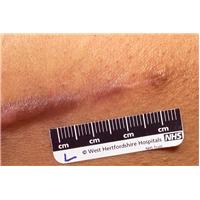
Insulin improves scar trauma

image

London: The unsightly effects of scarring following surgery, trauma and burns could be reduced significantly by a new technique involving a single, precisely-timed insulin injection.

In a research breakthrough which potentially could benefit millions of people1 annually, the use of insulin2 to reduce levels of scar tissue is being developed by Dr Claire Linge, Group Leader in Cell Biology at the RAFT3 Research Institute, Northwood, Middlesex.

Preliminary clinical trials have produced very promising results and the technique, for which a patent is pending, will be progressing into full scale clinical trials during the coming year.

Dr Linge is taking forward her pioneering research in partnership with NHS Innovations East 4, the regional hub of the NHS National Innovation Centre. Currently, the hub is assisting Dr Linge with the patent application and negotiating with pharmaceutical companies to progress the research into large-scale trials. The patent process is being funded by RAFT.

Inspiration for this pioneering technique came from previous research conducted by Dr Linge into the effects of insulin on different cell types.

Dr Linge says: “In the past, I researched insulin’s ability to change the way certain types of cell behave. Following my move to RAFT, I developed an interest in the scarring process and recognised similarities between the cells of scar tissue and others that I had researched.

“I was struck by the possibility that insulin may possess properties which beneficially affect the development of scar tissue.”

Detailed investigation of this theory was successful and, with the support of RAFT, Dr Linge developed a treatment technique that was taken into preliminary clinical trials5 at Mount Vernon Hospital, Middlesex.

Dr Linge explains: “For an open wound to heal, the skin cells (fibroblasts) that are normally responsible for day-to-day maintenance become activated, producing proteins that fill in the tissue deficit. The function of these activated fibroblasts is absolutely essential for successful healing.

“Wounds, such as those caused by surgery or trauma, can often lead to unnecessarily severe scars, with a raised and red appearance. This excess scar tissue is formed by the prolonged presence (for more than a few days) of activated fibroblasts at the wound site.

“I have found that a single subcutaneous injection of a low dose of insulin along the margin of a wound restricts the presence of activated fibroblasts to the first few days. This prevents the build up of scar tissue in the first place and thereby results in paler, flatter scars.”

At present, there is no acknowledged treatment for scars. Techniques such as pressure bandages are used but their efficacy is not clinically proven.

The pioneering work of Dr Linge was recognised in December 2006 by a panel of eminent biotechnology experts and investment industrialists which awarded her the London Biotechnology Network 2006 BIO-Innovation Award6.

Dr Paul Seabright, Head of Business Development, NHS Innovations East, says: “We are delighted to support the work of Dr Linge, which potentially could benefit millions of people and make a major contribution to global healthcare.

“Dr Linge’s work is an inspirational example of the many hundreds of ideas that NHS staff come up with each year to further benefit patient care. As an NHS innovation hub, our role is to help staff develop and implement their innovative technologies and practices in order to improve the quality of service to NHS patients.”

Background
1 In the UK alone, during 2004/05, the number of patients who underwent surgical procedures was over six million; 10,000 patients were treated for burns and 56,000 for open wounds caused by trauma.

2 Insulin has been used since the mid-20th century to treat diabetes. More recently, its other properties, including promoting the kind of cell growth that could increase the speed of wound healing, have become more apparent. Dr Linge has shown that a naturally occurring protein will inhibit the development of skin cells responsible for producing scar tissue. Following laboratory and clinical trials, insulin (and its pharmacological mimics) promises to provide a cost-effective, easy-to-use treatment that will reduce the severity of skin trauma, whether caused by accident or surgery, for millions of patients each year.

3 RAFT, The Restoration of Appearance and Function Trust. Registered Research Charity No. 299811. www.raft.ac.uk

4 NHS Innovations East is run by Health Enterprise East Ltd. and is the innovation hub for healthcare in the East of England, part of a national network of NHS innovation hubs and a regional network of innovations hubs, supporting public and private sector healthcare providers. It provides a broad range of professional intellectual property management services to the 40 NHS Trusts across the East of England (Bedfordshire, Cambridgeshire, Essex, Hertfordshire, Norfolk and Suffolk) to enable their employees from all disciplines to identify, evaluate and take forward innovations that can benefit their patients. Health Enterprise East Ltd. is funded by the Department of Health, Department of Trade and Industry and East of England Development Agency.

5 Preliminary clinical trials involved women attending Mount Vernon Hospital’s plastic surgery service (at the time run by West Hertfordshire Hospitals NHS Trust, but now managed by the Royal Free Hampstead NHS Trust), for bilateral breast reductions. The operation requires two incisions below each breast. The women who volunteered to participate in the trials were given injections of insulin around the site of one incision while the other incision was not treated, thereby acting as a control. Researchers were able to measure and compare the development of scar tissue on both incisions.

6 Dr Linge received the prestigious London Biotechnology Network’s 2006 BIO-Innovation Award for her pioneering work in using insulin to reduce skin scarring after surgery, trauma or burns. The award was presented by Malcolm Wicks, Minister for Science and Innovation, at the Genesis VI Biotechnology Conference in London. The judges, a panel of eminent biotech and investment industrialists, chose Dr Linge’s entry for its clarity and the progress made by an academic group in getting the technology into a phase 2 clinical trial.

World’s oldest person celebrates 114th birthday

Sharpeville: The world’s oldest person – 114-year-old Edna Parker – celebrated her feat of longevity on Thursday(August 16,2007)by munching on a slice of her favorite cake after telling reporters she’s amazed that she’s lived for so long.

Parker, who has outlived her husband, children and siblings, became the world’s oldest known person with Monday’s death of Yone Minagawa, a Japanese woman four months her senior.

Her life spanning three centuries began April 20, 1893, in a year that witnessed Lizzie Borden’s acquittal in the ax murders of her father and stepmother and a financial crisis called the Panic of 1893 that led to a stock market crash.

Dressed in a pink polka-dot dress and costume pearl jewelry, Parker was wheeled before television cameras and reporters Thursday in a dining room at the central Indiana nursing home where she lives.

“You’re the oldest person in the world still living, Grandma. That’s remarkable, isn’t it?” Parker’s granddaughter-in-law, Charlene Parker, asked in a loud voice.

Parker shook her head in amazement, clutching two old photographs, one an early 1900s image of her posing with one of her sisters, both of them wearing large frilly hats.

“It’s hard to believe,” she said.

Although she never drank alcohol or tried tobacco and led an active life, Parker offered no tips Thursday for living a long life. Her only advice to those gathered was: “More education.”

Parker, who attended nearby Franklin College, graduated with a teaching certificate in 1911, the same year she wed her childhood sweetheart, Earl Parker.

She taught for a few years in a two-room schoolhouse, but as was the custom of that era, her teaching career ended with her marriage. Parker traded the schoolhouse for life as a farmer’s wife, preparing meals for as many as a dozen men who worked on her husband’s farm.

Parker recalled her chores helping maintain the family’s barn, how she butchered chickens for Sunday post-church supper and noted with pride that she and her husband were one of the first owners of an automobile in their rural area.

Her ranking as the world’s oldest living person was confirmed by the Gerontology Research Group, an Inglewood, Calif.-based organization that tracks and verifies the ages of supercentenarians – people 110 or older.

L. Stephen Coles, a professor of computer science at UCLA who co-founded the group, said its researchers typically require three independent, dated pieces of documentation, such as a birth certificate or baptismal papers, to verify their ages.

The group, which is a consultant for the Guinness Book of World Records, needs a rigorous validation process, he said, because some families have exaggerated a relative’s age or faked documents, hoping for financial gain.

As of Thursday, its Web site listed 76 living supercentenarians, with Parker at the top.

“We find that these people have one thing in common, which is the longevity of their families – their parents and their siblings all were long-lived,” Coles said. “So its in the genes. They have all inherited a very lucky roll of the dice.”

That’s the case for Parker. Her sister, Georgia, was 99 when she died last year, while her sister, Opal, lived to be 88.

Parker and her husband, who died in 1938 when she was 45, had two sons, Clifford and Earl Junior. After her husband’s death, she never remarried, busying herself helping Earl Junior run the farm. He lived in the farmhouse with his wife and their two children for several years.

When they moved out, Parker lived there alone for decades until she was 100.

Twelve years ago, she moved into the Heritage House Convalescent Center in Shelbyville about 25 miles southeast of Indianapolis that’s also the home of 7-foot-7 Sandy Allen, the second-tallest woman in the world. Allen did not attend Thursday’s ceremony for Parker.

Parker currently has 5 grandchildren, 14 great-grandchildren and 13 great-great grandchildren. The youngest of them, 7-month-old Kole Scott, sat on her lap Thursday as she and her visitors ate white cake, her favorite, decorated with sugar flowers and icing declaring her “the oldest person in the world.”

Before she sampled the cake, Parker thanked her departing visitors, some of whom had attended her 114th birthday party last April.

“I want to thank you people for giving up your time and coming back. I enjoyed being with you,” she said.

Grandson Don Parker, 58, said he’s proud of his grandmother, even if she herself isn’t overwhelmed by her achievement.

“We think it’s amazing, a little lady from the country who really doesn’t care much about being acknowledged or anything like that,” he said. “She’s never really done anything special, but this comes up and she’s getting worldwide notoriety.”

Pollution blamed for one-third of world deaths

New York: More than 40 percent of world deaths are caused by pollution, according to new research from Cornell University.

In an article published online on July 31, 2007 in the journal Human Ecology, the researchers blame pollution of the air, water and soil, which, combined with population growth, increase the susceptibility of 3.7 billion people to disease and malnourishment.

Professor of ecology and agricultural sciences David Pimentel, and his team reviewed data from over 120 published reports concerning the effects of population growth, malnutrition and environmental degradation on human diseases.

They found that the percentage of the world’s population experiencing malnutrition has increased from 20 percent in 1950 to 57 percent of the current population of 6.5 billion. Malnutrition not only is directly responsible for deaths, but renders humans susceptible to respiratory infections, malaria, and many other potentially fatal diseases.

Lack of clean water is responsible for the death of 1.2 to 2.7 million people per year due to waterborne infections. Air pollution is estimated to take approximately 3 million lives per year, due to cancer, birth defects, immune system defects, and other diseases caused by exposure to smoke and various chemicals. Urban crowding, combined with a lack of sanitation, increases exposure to epidemics such as influenza and measles, over 5 million annually.

Contamination of the soil and erosion spreads microbes and toxins, resulting in additional disease and death. Global warming and changes in biological diversity increase the ability of exotic species to invade new areas, resulting in the re-emergence of some diseases as major threats, and the creation of new ones.

“A growing number of people lack basic needs, like pure water and ample food,” Dr Pimental concluded. “They become more susceptible to diseases driven by malnourishment, and air, water and soil pollutants.”

Probiotics boost bowel health, says new Netherlands report

London: A new pilot study from The Netherlands suggests that friendly bacteria, which have known benefits for intestinal health, may boost the number of bowel movements and relieve constipation.

The study investigated the potential of a probiotic mixture to alleviate the symptoms associated with childhood constipation, a condition that can affect up to 30 per cent of children in the Western world according to researchers.

The pilot reported that the frequency of bowel movements doubled following probiotic supplementation, increasing from two per week to 4.2 after two weeks, to 3.8 after four weeks. In addition a decrease in abdominal pain reported by the children showed a drop from 45 per cent at the start of the study to only 20 per cent after four weeks of supplementation.

Researchers from the Academic Medical Centre in Amsterdam report state that previous studies with single strains showed conflicting results, and that a mixture of Lactobacillus and Bifidobacteria strains may hold the key. “Given their safety profile, probiotics could be an attractive compound to manipulate gastrointestinal motility in constipated children,” wrote lead author Noor Bekkali.

Available from The Nutri Centre, the UK’s leading resource for nutritional supplements, complementary medicine and advice, Biocare Bio-Acidophilus contains 8 billion viable cells in an exclusive LAB4 complex, consisting of two strains of Lactobacillus Acidophilus and two strains of Bifidobacterium Bifidum. These strains have been specially selected for their robustness and ability to survive in the human digestive environment. The fructooligosaccharide (FOS) base is a highly effective growth medium for these probiotic bacteria.

Bio-Acidophilus costs £17.95 for 60 veg capsules. Adults should take 2 capsules per day. The dosage for children is lower at half a capsule per day from 12 months onwards, and 1 capsule from 2 years onwards. Children between 6 and 12 months can take half a teaspoon (2g) per day of Biocare’s strawberry or banana flavoured Acidophilus Powder (60g for £13.75), which contains the same beneficial strains of bacteria in a base of naturally flavoured FOS. Bifidobacterium Infantis (60g for £24.60) is suitable for children from birth onwards, as it only contains the one strain of bacteria, also in a base of FOS. The powder can mixed withwater, milk, juice or unheated food. Follow these dosage guidelines or as professionally directed.

All the products are available from The Nutri Centre. Call 020 7436 5122 to order or to speak to a qualified nutritionist, or order online at www.nutricentre.com

Nagging health questions answered on new UK government site

London: Got a nagging question about your health? Are you planning a new fitness regime or are you interested in finding out more about a particular condition and relevant treatment options? If you are looking for reliable, personalised information about your health and lifestyle you can now find it at the new website, NHS Choices www.nhs.uk

Health advice is now the second most searched for subject online so it is no surprise that there is a lot of information of variable quality out there.
NHS Choices is a one-stop shop for all your health information that you can trust and that puts you in charge of decisions about your own health, lifestyle and even treatment options.

See how fit and healthy you are with a quick and easy personal health check and watch short movies from the experts and real people about their experiences of common conditions and treatments. Read honest accounts of how celebrities such as Steve Redgrave, Tricia Goddard, Rosemary Conley and Nik Powell, Richard Branson’s co-founder of Virgin Records have overcome their own health problems. You can even become an expert with access to information only previously available to the medical profession.

Get motivated and take inspiration for a healthy life from Live Well, a series of online magazines featuring up to date articles, short movies and celebrity contributions to appeal to different groups such as women, teenagers, men and families.

Get great ideas for healthy eating with recipes from Emma Bunton, Nadine Coyle, Dannii Minogue and Myleene Klass and watch celebrity chefs cook up simple, healthy meals for the whole family and romantic nights in.

Find inspiration for a fitness regime that works for your age and lifestyle. Get active and take the Chelsea FC challenge, try walking your way to fitness and a great pair of legs or read how Olympic sprinter, Linford Christie has managed to stay fit and lean post retirement and post forty.

Learn our how to stay happy and healthy at work and see what the experts have to say about a mid life crisis. Is your urge for a newer model – car or woman – due to brain or hormone changes or just bad behaviour.

Should you need to go to hospital NHS Choices gives you the information to make an informed decision about where and when you want to be treated. View ratings on hospital waiting times, cleanliness and readmission figures and for the first time what previous patients have to say about their treatment and experiences via immediate online feedback.

It is even possible for you to make your choice of hospital based upon personal preferences such as travelling times, MRSA incidences and availability of single sex wards.

Background:
1. The NHS Choices website draws on the combined experience and expertise of NHS.uk, NHS Direct, the National Electronic Library for Health, and the Healthcare Commission.

2. NHS Choices can be found at www.nhs.uk The site will continue to evolve and significant extensions are scheduled for later in 2007 and 2008.

3. The site will allow patients to access NHS approved information using a number of features under distinct headings:

Live Well
• Information that will help the well to stay fit and assist those who are unwell to manage their condition

• ‘Magazine’ content will reflect the interests and needs of different groups such as teenagers, families and those over 70

Health A-Z
• Access to a vast library of approved medical literature, previously only available to clinicians to enable a deeper understanding of conditions & treatment options
• Easy to understand multi-media guides on the most common procedures e.g. hip replacement
• Detailed guides to living with 20 long-term conditions such as diabetes to help patients manage their condition. Expert opinions from professionals and patients will provide advice and support

Choose Services
• Authoritative, comparative data on the standards and availability of services
• Searchable comprehensive directories e.g. on hospitals, GPs and care homes
• A quality scorecard that will help patients and GPs together to identify the most appropriate clinicians and locations for their treatment

Your Thoughts
• Patients will be able to directly comment and feedback on their hospital experience
• All comments will be pre-moderated and references to named individuals will be removed
• Hospitals will have the opportunity to respond to comments about their services.

The eyes have it – 10 secrets you should know!

London: The UK’s leading body for eye health professionals, the College of Optometrists, reveals ten eye secrets.

1. Wearing someone else’s glasses may damage your eyes.

False: Although you may not be able to see very well with them and may get a headache or double vision, you won’t come to any harm from wearing glasses that are not your prescription (unless you’re driving a motor vehicle).

2. Watching TV too much or too closely will damage your eyes.

False: Watching too much TV or sitting very close to it may make your eyes tired or give you a headache – particularly if you are watching TV in the dark when you are effectively looking at a moving light, like a torch – but won’t cause any serious permanent damage.

3. Masturbation makes you go blind.

False: The only correlation between the two is that semen contains a large amount of zinc and a deficiency in zinc (although nearly impossible to achieve solely by masturbating) will cause a decline in a person’s vision.

4. Cutting your eyelashes off or putting Vaseline on them makes them grow back or appear fuller.

False: Cutting your eyelashes off makes you look like an idiot and your eyelashes do not grow back fuller. Putting Vaseline on them only gives you a greasy pillowcase.

5. Exercising the eye muscles can allow you to ‘throw away your glasses’.

False: People (normally) need specs because of the shape and size of their eye (i.e. their eyes are too big or too small). Exercises won’t help this.

6. Not wearing your glasses will make you depend upon them less.

False: If you don’t wear your glasses you may become more accustomed to the blur and won’t remember how bad it is, and thereby think that your eyes have got better (when they haven’t).

7. By looking at the patterns, colours and other characteristics of the iris you can tell what health problems a person has.

False: There is no scientific proof for this. However, when an optometrist carries out an eye examination they will not only test your sight, but will also check the health of your eyes and look for signs of some general health problems.

8. Eating carrots will improve your eyesight.

Some truth: Carrots are a source of vitamin A, which is important for the eyes. However, before you embark on an all-carrot diet to improve your vision, note that it is more important for eye health to have a good balanced diet that supports your all-round health. Poor nutrition has been implicated in diseases such as age-related macular degeneration (AMD).

9. Using your eyes too much can wear them out.

False: They will last for your whole life if they are healthy (or have conditions that are treatable). The health of your eyes has nothing to do with the number of hours you use them.

10. Holding books up close will damage a child’s eyes.
False: Where or how your child holds a book has no effect on the health of the eyes or the need for glasses. Sometimes children find it more comfortable to read close-up and their very good focusing ability makes it easy for them to do so.

About the College of Optometrists

1. The College of Optometrists is the Professional, Scientific and Examining Body for Optometry in the UK, working for the public benefit. Supporting its Members in all aspects of professional development, the College provides pre-registration training and assessment, continuous professional development opportunities, and advice and guidance on professional conduct and standards, enabling our Members to serve their patients well and contribute to the wellbeing of local communities.
2. Previously known as ophthalmic opticians, optometrists are trained professionals who examine eyes, test sight, give advice on visual problems, and prescribe and dispense spectacles or contact lenses. They also recommend other treatments or visual aids where appropriate. Optometrists are trained to recognise eye diseases, referring such cases as necessary, and can also use or supply various eye drugs.
3. Optometrists study at university for at least three years and participate in a full year of training and supervision, called the pre-registration year, before qualifying. Once qualified, they have the opportunity to develop their interests in specialist aspects of practice such as contact lenses, treating eye diseases, low vision, children’s vision and sports vision.
4. All optometrists practising in the UK must be registered with the General Optical Council, the profession’s regulatory body, and are listed in the Opticians Register. The letters FCOptom or MCOptom after an optometrist’s name means that he or she is a fellow or member of the College of Optometrists.
5. There are currently over 10,000 registered optometrists in the UK.

How to get the Brazilian Buttock

image

Singer and actress J-Lo has the most talked about derriere on the planet. And the term “J-Lo Bum” is used to describe a large but pert rear. The “Jo-Lo” which is more commonly known as the Brazilian Buttock Lift is a cosmetic surgery procedure that is becoming increasingly popular as the focus has recently shifted from boobs to bums for celebrities.

The emphasis on the bum and not the boob is highlighted by the increasing number of actresses competing for the best bum in the business by being photographed showing off their gluts on the red carpet at premieres.

The most recent best bum revealers – Goldie Hawn’s daughter, actress Kate Hudson, Kill Bill beauty Uma Thurman, Victoria Beckham , Kate Moss, Cameron Diaz, Denise Van Outen, Welch diva Charlotte Church, hotel heiress Paris Hilton, Mariah Carey and Beyonce Knowles. Further proof that fulsome derrieres are on the way up was Kylie Minogue’s bustle outfit.

So what exactly is the “J-Lo?” Leading cosmetic surgeon, Dr. Luiz S. Toledo, who is a member of the British Association of Aesthetic Plastic Surgeons says the procedure which is also performed on men, is desirable for those who have little definition or who want a more pert look.

In the procedure the surgeon uses a mixture of liposuction and fat grafting to get the ideal look.

Dr Toledo explains: “There are two main body types: “gynoid”, with a concentration of fat below the waistline and “android”, which concentrates fat above the waistline. Both types can benefit from this type of surgery. The gynoid type usually needs liposuction of the hips, thighs, legs, tummy and fat injection in the buttocks. The android type will usually need liposuction of the arms, back, hips, tummy and breasts. Fat is injected into the buttocks and often the inner thighs as well.”

To lift the buttock the surgeon makes an incision in the hip area and the buttock for the liposuction or liposculpture procedure. The fat is then reinjected increasing the volume of the buttock.

“In many cases simply the removal of the excess fat will bring about a major improvement in the area,” says Dr Toledo.

This operation takes from one to three hours and is carried out under local anesthetic together with a sedative. Usually patients are not required to stay in hospital unless the procedure is extensive.

After the operation an elastic girdle is worn which helps stablise the new shape and minimize swelling. This is usually worn for a few weeks. Lymphatic drainage using a light massage is encouraged in the liposuction areas about 24 hours after the operation. Mobility is essential so walking is encouraged from day two increasing the distance each day.

Walking is essential from day two, increasing the distance covered each day. This assists with swelling, water retention and the circulation. Strenuous exercise such as running and weight lifting are allowed one month after surgery.

Some postoperative procedures such as low frequency ultrasound to correct any hardened areas may be recommended and carried out under the supervision of the surgeon.

Stitches are removed between the 5th and 7th day and you can return to work after two to three weeks. Fading and flattening of the little scars can take three months and up to two years.

Risk of this surgery
Significant complications from liposculpture and fat injection are infrequent, says Dr Toledo.

Potential complications are asymmetry, rippling, and pigmentation of the skin, bleeding, infection and problems with the anesthetic. Temporary numbness of the skin and hematomas (blood accumulations) are possible mild complications. Irregularities of the skin can happen in some patients, but can be treated if necessary. More serious complications are very rare.

The results may take a few months to show because of fluid retention following surgery swelling. Sometimes the fat injection procedure has to be repeated because there is a limit to the amount of fat that can be injected in one stage. Occasionally, a secondary procedure, or “touchup” may be required to improve certain areas

Duration of the Results:
After sixth months there should be no more reabsorption of the injected fat and the result should remain stable. If the weight remains the same results should be permanent, especially when combined with diet and exercise. Cost £5-10,000. Dr. Luiz S. Toledo practices in Dubai and London. Tel: +9714 2699717 www.luiztoledo.com Email Posted in Cosmetic Surgery, News | Tagged , , ,

Is your make-up ageing you – tips from the Jennifer Lopez film El Cantante

image

NEW YORK: In the film El Cantante, Jennifer Lopez’ character first appears at age 17 and continues on screen till her 53rd birthday. Unlike many other actresses, the 30-something Lopez (pictured right) actually plays every version of herself. How?

Makeup artist Scott Barnes wielded a magic brush to make the always radiant J-Lo take on the even more youthful looking glow of a teenager and then again to transform her into an older woman. Here, his secrets to turning back the clock and the makeup mistakes that unwittingly advance it.

Say I Dew: “Ever notice how children have that sort of pretty sheen about their skin all the time?” Barnes asks. “That’s because their skin has optimal amounts of water, fat, and oil-all of which keep their faces looking plump and radiant.” As we age, our production of these things declines and skin gets drier and more drawn looking. In addition, when skin is dry, lines, wrinkles, and other imperfections appear more prominent. To create a vibrant looking complexion:

— Keep skin well hydrated
— Choose moisturizing foundation and lipstick formulations over matte ones, which can “suck the life right our skin.”
— Skimp on powder. “In addition to settling into lines wrinkles, too much powder creates an overly dry and pasty complexion,” he says.

Get Even: Redness, brown spots, and an uneven skin tone are just as aging as lines and wrinkles, so a good foundation is essential. But there is a fine line between makeup that creates an immaculate complexion versus an unnatural looking mask.

— Choose a dewy formulation that’s not too heavy. “Your skin should look and feel like it’s breathing,” he says. “If it doesn’t and it’s not, you’re adding years to your face,” he says.
— Use a light hand, “Over doing foundation in the hopes of looking younger only makes you look older,” he says. “When I had to age Jennifer, I literally spackled on ultra-heavy foundation.”
— Think gold. “The majority of us have yellow undertones in our skin and so should your foundation,” he says. “Anything too pink will look chalky and mask-like and definitely not youthful.”

Be cheeky: There’s nothing like blush to create a youthful looking glow. But shade and placement are crucial. “Young skin isn’t just tighter skin, it’s plumper and rosier skin, especially on the tops of the cheeks,” Barnes says. “As we age our face tends to get longer and more sallow.” If you haven’t actually blushed since the time your high-school crush finally spoke to you, here’s how you can fake that fresh, youthful looking flush:

— Apply blush directly onto the apples of the cheeks to help round them out and create a more youthful looking “fleshy” effect.
— Avoid sweeping it directly underneath cheeks (“contouring”) or you’ll make your face look drawn and hollow.
— Choose a healthy-looking, natural shade. “Too bright or too dark blush not only looks fake but can also wash you out,” Barnes says, “There’s a reason people speak about the beauty of a peaches and cream complexion,” he continues. “A peach radiates good health and vibrancy. It’s firm, plump, round, and its skin is that perfect combination of pink, gold, and peach.”
— Get your cheekbones gleaming. “I love to use a shimmery highlighter on the tops of Jennifer’s cheekbones” he says. “It makes the face look more lifted and adds a fresh radiance. When she had to look older, we skipped that step.”

Eyes

Lash out: “I always tell my older clients to use less eyeshadow and more mascara,” Barnes says. “Too much eye makeup can make the eye look heavier. And as we age our lashes get sparser and don’t grow as long as they used to. When Jennifer had to look older, I didn’t give her lashes any extra attention.”

To up your batting average:

— Try using individual false lashes to add length and thickness
— Break out your eyelash curler. “Curling your lashes raises them up and away from the eyelids and so makes your eyes look bigger and more lifted,” he says.
— Apply two-three light layers of mascara, versus one heavier one to create naturally longer and thicker looking lashes without clumping.

Brow in: “A well-shaped brow can make the face look more lifted and defined,” Barnes notes. “Pencil thin eyebrows look harsh and severe. Overly bushy ones can make the eyes look heavier.”

Lips

Plump them up: “As we age our lips get drier and thinner so keeping them moist by using creamy lipstick formulas is essential,” Barnes says. “Topping lipstick with gloss will also make your lips appear fuller because of gloss’ light-reflecting properties.”

Think natural: But that doesn’t mean neutral. “Beigey nude lip colors can literally “eliminate your mouth, while too dark or bright colors can not only wash out the complexion but make lips look thinner,” Barnes says. “When Jennifer’s character was older we gave her an extra matte, drying purple lipstick and it definitely did the trick.” The best lip tints, Barnes notes, are the ones that closely match your lip’s natural color pumped up a notch or too.

Celebrity makeup artist Scott Barnes has worked on numerous films and covers for magazines, such as Marie Clare, Rolling Stone, Vanity Fair and Harper’s Bazaar. He is the creator of the Scott Barnes Cosmetics Line, which is sold on QVC, at select Saks Fifth Avenues, and Holt Renfrew. The first specially created Scott Barnes beauty boutique in the U.S. was recently installed at Equinox Fitness Clubs’ West Hollywood location. His first book is due out in early 2008.

Nine in 10 risk high blood pressure

London: About ninety per cent of Britons are at risk from high blood pressure increasing their risk of heart disease, strokes and kidney failure if current rates continue, according to a new report in the medical magazine The Lancet.

The report claims that poor lifestyle choices such as alcohol abuse, smoking, a salt rich diet and lack of exercise have seen the incidence of high blood pressure soar.

High blood pressure also known as hypertension is also being diagnosed in adolescents and children and a global epidemic is being predicted.

Obesity, high cholesterol, diabetes, a poor diet and a lack of exercise all contribute to the condition.

The report says: “Lifestyle factors, such as physical inactivity, a salt-rich diet with high processed and fatty foods, and alcohol and tobacco use, are at the heart of this increased disease burden, which is spreading at an alarming rate from developed countries to emerging economies such as India and China.

“Many patients still believe that hypertension is a disease that can be cured, and stop or reduce medication when blood pressure levels fall. Physicians need to convey the message that hypertension is the first, and easily measurable, irreversible sign that many organs in the body are under attack.

“Perhaps this message will make people think more carefully about the consequences of an unhealthy lifestyle and give preventative measures a real chance.”

High blood pressure is defined as a reading that exceeds 140/90 compared to a normal reading of about 120/80.

The first figure corresponds to the ‘surge’ of blood which occurs with each heart beat whilst the second is the ‘resting’ pressure between beats.

The medical experts also give advice on how best to treat high blood pressure.

They say that patients should take a combination of two or more drugs to control the hypertension plus statin drugs which will reduce cholesterol.

World’s oldest person dies

Tokyo – The world’s oldest person, a Japanese woman who counted eating well and getting plenty of sleep as the secret of her longevity, died Monday at age 114, a news report said.

Yone Minagawa, who lived in a nursing home but was still sprightly late in life, died “of old age” Monday evening, Kyodo News reported.

There was no immediate answer to a telephone call placed late on Monday to city hall in her mountainous hometown of Fukuchi in southern Fukuoka prefecture.

Born on January 4, 1893, Minagawa blew out the candles on her own birthday cake earlier this year.

She was already in her 50s when Japan surrendered in World War II, starting a new era for her country.

Widowed at an early age, she reportedly raised her five children by selling flowers and vegetables in a coal mining town.

Despite her advanced age, Minagawa was said to enjoy eating sweets and counted eating well and getting a good night’s sleep as the secrets of her longevity.

Her reign as the world’s oldest person lasted just over six months. The Guinness Book of World Records certified her as the world’s oldest person after Emma Faust Tillman, the daughter of freed American slaves, died in January.

The next person to become the world’s oldest person is set to be another American woman, according to the International Committee on Supercentenarians, a US-based group which documents longevity records.

Edna Parker, who lives in the midwestern state of Indiana, is also 114, having been born on April 20, 1893, according to the group.

Minagawa’s nursing home said she had celebrated becoming the world’s oldest person earlier this year with a Western-style lunch of bread, stew, salad and a dessert – a sign of Japan’s changing dietary habits.

Izumi Mori, who took care of Minagawa at her nursing home, said that the 114-year-old spoke coherently and ate three meals a day even late in her life.

Her favourite sweet was manju, a Japanese confection made of red bean paste.

“Mrs Minagawa loves sweets, especially manju. When I asked what the secret of her long life is, she said that it’s eating well and sleeping well. In fact, she said her hobby is sleeping,” Mori told AFP earlier this year.

Minagawa also loved music. She used to play the shamisen, a three-stringed Japanese instrument similar to a guitar, and even while in a wheelchair she would move her body when her friends played music.

Japanese women are the world’s oldest living people, in what experts attribute to a traditionally healthy diet and high standard of medical care.

Their life expectancy was a record 85.81 years in 2006, according to the government.

Japanese men are the world’s second oldest with a life expectancy of 78.8 second only to men in Iceland who on average live to be 79.4

The Anti-Wrinkle Pizza that is all the rage

Rome: A so-called “anti-wrinkle” pizza created by a nutritionist in southern Italy has caused a stir, with pizza purists protesting against the desecration of the national dish, La Stampa newspaper reported on Monday.

The “primula” pizza is made up of three times the amount of fibre found in a classic pizza and boasts that it contains more magnesium and iron, thanks to its ingredients, including wholemeal flour.

At least eight vegetables or sauces in the pizza allegedly create the anti-oxidant effects against ageing: tomatoes, rocket, garlic, courgettes, basil, mushrooms, carrots and spinach.

The formula was devised by Eugenio Luigi Iorio, a nutritionist and biochemist at the University of Naples, in collaboration with Cosimo Mogavero, owner of a restaurant called La Fabbrica dei Sapori (The Taste Factory) restaurant.

Pope Benedict XVI apparently loves the “anti-age” pizza, according to the newspaper. He ate one of the pies during a party for the Vatican guards catered by Mogavero.

But the new invention has its detractors, including the True Neapolitan Pizza Association, which says the wholemeal flour in particular prevents the characteristic crust from forming.

The association has complained in the past about the sale of pizza-by-the-slice, popular in Italy.

Acupuncture and fertility

London: Can acupuncture really increase a woman’s chances of conceiving? Research has found that acupuncture treatment can have a positive effect on those trying for a baby and can actually aid the conception process.

Over the past twenty years, fertility problems have increased dramatically. At least 25* percent of couples in the UK planning a baby will have trouble conceiving, and more and more couples are turning to fertility treatments to help them start a family.

Fertility focused acupuncture treatment can help to increase blood flow to the reproductive organs, balance hormone levels, regulate the menstrual cycle and help improve the lining of the uterus and quality of eggs released. Additionally, conditions such as polycystic ovaries and endometriosis have also been shown to improve with acupuncture

Men today also face fertility problems. Benefits to male fertility have been helped by acupuncture with positive effects on sperm count, morphology and mobility.

Some of the positive effects of acupuncture in fertility treatment are thought to include:

· regulate the menstrual cycle and promote regular ovulation

· regulate the hormones to produce a larger number of follicles

· improve the functions of ovaries to produce better quality eggs

· enhance the vitality of sperm

· relieve the side effects of drugs used in IVF

· increase the thickness of the uterine lining so to encourage successful implantation

· reduce the chance of miscarriage

It is known that stress has an adverse effect on the fertility hormones. Acupuncture can be used to strengthen the constitution, thus enabling couples to cope with any stress and anxieties they may experience during the process of trying to start a family. The acupuncture treatment can help promote a calm, positive, relaxed frame of mind which can bring a more successful outcome for conception.

Gerad Kite, acupuncturist and British Acupuncture Council member explains how it can help: “Unexplained infertility is becoming endemic as more and more couples decide to wait to start a family until their 30’s. Acupuncture has now been recognised as a viable treatment to help this patient group increase their chances of conception. The treatment supports the person by finding the key that will unlock the natural healing mechanism that not only brings balance to their system but can dramatically increase fertility”.

Research

Previous studies have proved the effectiveness of acupuncture for infertility.

A 2004 study conducted by the Reproductive Medicine and Fertility Center in Colorado found that 51% of women who underwent both IVF and acupuncture treatment at the same time became pregnant, while only 36% of those who only underwent IVF did. The latter group also had higher rates of miscarriage and stillbirth (20%) compared to those women who had received acupuncture (8%).

A 2005 study conducted by Shanghai University in China found that acupuncture also helped treat male infertility. Of the men who participated, those who had acupuncture had an increased percentage of sperm in their semen; their sperm structure and morphology was also healthier than their counterparts who did not undergo acupuncture infertility treatment.

A report published in the journal Fertility and Sterility (2002) found the pregnancy rate in the group receiving acupuncture group was 42.5%, compared to the group which did not receive the therapy, where the rate was 26.3%.

To find your nearest qualified British Acupuncture Council practitioner please visit www.acupuncture.org.uk or call + 44 (0)20 8735 0400

About the BAcC:

The British Acupuncture Council (BAcC) has a membership of over 2,800 professionally qualified acupuncturists. It is the UK’s largest professional body for the practice of acupuncture.

BAcC members practice a traditional, holistic style of acupuncture diagnosis and treatment based on a system developed and refined over 2,000 years. To achieve BAcC membership, practitioners must first undertake extensive training in traditional acupuncture (minimum three years full-time or part-time equivalent), which includes physiology, anatomy and other biomedical sciences appropriate to the practice of acupuncture.

Acupuncturists would always conduct a full consultation prior to treatment, as they need to fully understand the problem, in order to take a holistic approach and assess a patient individually.

What is acupuncture?

Acupuncture is an Oriental therapy that aims to improve the overall wellbeing of the patient, rather than treating specific symptoms in isolation.

Traditional Chinese philosophy states that our health is dependent on the body’s motivating energy – known as Qi – moving in a smooth and balanced way through a series of meridians (channels) beneath the skin.

For any number of reasons, Qi may become unbalanced and lead to illness. By inserting fine needles into the channels of energy or Qi, an acupuncturist can stimulate the body’s own healing response and help restore its natural balance.

Facial ageing is not uniform, say plastic surgery scientists

New York: The longstanding belief that the human face ages at the same rate is in need of a facelift, say researchers at UT Southwestern Medical Center who have found that multiple, distinct compartments of fat in the face age differently.

The findings, published in a recent issue of Plastic and Reconstructive Surgery, challenge previously held theories regarding aging and may offer new ways to help turn back the clock, UT Southwestern plastic surgeons say.

Dr Joel Pessa, assistant professor of plastic surgery and the study’s lead author said: “For hundreds of years, everyone has believed that the fat on the face is one confluent mass, which eventually gets weighed down by gravity, creating sagging skin.

“In our studies, however, we were surprised to find that this is not the case; the face is made up of individual fat compartments that gain and lose fat at different times and different rates as we age.”

The study involved injecting different types of dye into facial cavities of 30 cadavers. Despite at least 24 hours of settling time, the dye, rather than permeating the entire face, stayed in separate areas – showing that individual facial compartments have boundaries between them that act like fences. These fences, which seem to be composed of fibrous tissue, allow the face to maintain its blood supply should it become injured.

Dr Pessa said the face resembles a three-dimensional puzzle, with fat divided into distinct units around the forehead, eyes, cheeks and mouth. Facial aging is, in part, characterized by how these separate compartments change as we grow older.

A youthful face is characterized by a smooth transition between these compartments. As people age, contour changes occur between these regions due to volume losses and gains as well as repositioning of the compartments. Eventually, this can result in sagging or hollowed skin and wrinkles.

Dr Rod Rohrich, chairman of plastic surgery and senior author of the study said: “This is a revolutionary way of viewing facial anatomy. It not only tells us how we age, it shows us why we age the way we do, and why every part of the face, from the eyelids to the cheeks, ages differently. This will help plastic surgeons around the world not only understand how we can better rejuvenate the face, but how people age as a physiological process.”

This breakthrough could have tremendous implications in helping plastic surgeons target facial “trouble” areas and use injectible fillers to add volume to individual sections of the face. It could also aid in developing new and improved cosmetic and reconstructive surgery techniques, commented Dr Rohrich.

“Understanding how fat is compartmentalized will allow us to be very accurate and precise in how we approach facial rejuvenation,” Dr Pessa added. “This gives us an algorithm, or scientific approach, to help ascertain what areas of the face may need extra fat to combat the aging process. It also is a major breakthrough in facial anatomy that will have major implications for future studies on aging and possibly hold clues to the study of other diseases such as obesity, diabetes and cancer.”

Dr. Joel Pessa – www.utsouthwestern.edu

Dr. Rod Rohrich – www.utsouthwestern.edu

Breast implant patients three times more likely to commit suicide

London:Women who have cosmetic breast implants are nearly three times more likely to commit suicide as other women, according to a study published in the Annals of Plastic Surgery.

Deaths related to mental disorders, including alcohol or drug dependence, were also three times higher among women who had the cosmetic surgery.

Loren Lipworth of the Vanderbilt University Medical Center in Tennessee and colleagues studied 3,527 Swedish women who had cosmetic breast implant surgery between 1965 and 1993. They also looked at death certificates to analyze causes of death among women with breast implants.

After an average of 19 years, 24 of the women had committed suicide. While the number of suicides was small, it worked out to triple the risk compared to the average population.

In all, 38 deaths (22 per cent of all deaths) were associated with suicide, psychological disorders and/or drug and alcohol abuse, the researchers wrote.

Although no reasons were given for the higher suicide rate, study author Lipworth says she believes that some women who get implants may have psychiatric problems to start with, perhaps linked with lower self-esteem or body image disorders.

Doctors who perform cosmetic breast surgery may want to monitor patients closely or screen them for suicide risk, Lipworth added.

Last year, Canadian scientists also found a higher risk of suicide among women who got breast implants.

The study, carried out by the Public Health Agency of Canada, the University of Toronto, Cancer Care Ontario and the University of Laval, looked at 24,558 women in Ontario and Quebec who underwent breast implant surgery from 1974 to 1989. They identified 58 suicides among the 480 breast-implant recipients who died. In a comparable general female population without implants, they would have expected 33 suicide deaths.

The authors of that study, published in the American Journal of Epidemiology, said:

“Serious consideration should be given to providing consultation for patients who are considered by the plastic surgeon to be at high risk of psychiatric disorder or suicide.”

Lulu Appleton – registered psychotherapist & hypnotherapist – Harley Street London & Cobham, Surrey

LULU APPLETON (Assoc II) CHP (NC), registered Psychotherapist & Hypnotherapist, qualified in 1997 with the National College of Hypnotherapy and Psychotherapy and is a Registered Member on the National Register www.nrhp.co.uk and practices at Number One Harley Street, in London.

The clinic is open from Monday through to Saturday for those who find it difficult to take time off during the working week. time. She also sees clients in Cobham, Surrey.

Hypno-Pyschotherapy can help people lose weight, stop smoking, deal with panic attacks, anxiety, nervous tension and burnout – any problem in fact, which involves free-floating fear and which prevents people from being in control of their own thoughts and behaviours.

Her approach encourages people to move on with their lives as speedily as possible, rather than continue to identify themselves with their problems. Identifying the source of problems and understanding its effect on their lives releases many to change their old thought patterns and behaviours which are no longer relevant to their present life. Living with a minimum of ‘shoulds’ and ‘oughts’, trusting their intelligence rather than blindly obeying rules which never suited them, frees people to choose the kind of life they really want to live.

Rules of membership ensure registered therapists maintain the highest professional standards as set out in the NRHP’s code of ethics and practice, which includes undertaking a minimum of 20 hours supervision per year and 150 hours over a five-year cycle of Continuing Professional Development (CPD). Lulu Appleton’s supervisor is John Butler, MNRHP, Clinical Pyschologist and Tutor

The co-author of MIND MEDICINE, published in October 1999 and re-published October 2001, Lulu Appleton has also written a great many articles across a range of subjects including psychology, health, environmental issues and lifestyle for the Guardian, the Daily Telegraph, the Times, the Daily Mail and Daily Express as well as magazines such as BBC Wildlife Magazine. She is also an Accredited NHS Editor and Writer through the Centre for Health Information (CHiQ).

Contact details:
Wentworth Lodge
Home Farm
Cobham
Surrey KT11 1EF

T: + 44 (0)1932 868841
M: + 44 (0)7836 334556
Email: lulu.appleton@virgin.net

Total Health Concepts, Vienna, Virginia USA – fitness counselling

image

Company: Total Health Concepts Featuring Virginia Inglese (pictured right) 2720 Bellforest Ct #203 Vienna, VA 22180
T: +703-560-6737

Services Provided:

We offer personalized programs for individuals and groups on-site, in our clients’ homes and at corporate locations.

Comprehensive programs combine strength training, flexibility, cardiovascular conditioning, balance and posture.

Our customized programs feature creative strategies for home, work and travel.

Stress reduction techniques, which may include yoga, breathing and visualization, promote relaxation in your personal and professional environment.

Rates for Fitness Counseling range from: $75-$150 per session. Please contact us to develop a customized program based on your needs.

For more information email Virginia at virginiaij@hotmail.com

Oasis Dead Sea Spa

image

En Boqeq
Ein Bokek 86930
Israel
T: + 03-527 5660 or email sales@prima.co.il
www.prima.co.il

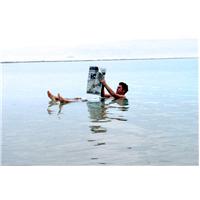
Rejuvenate at the lowest spot on earth at the Oasis Resort, nestled between the Judean hills and the shore of the Dead Sea.

The brand new Oasis spa decorated in a Moroccan style, beautiful spacious grounds and all of this at the value that you expect from Prima Hotels. The spa has a unique position by the Dead Sea which is the lowest place on earth. The Dead Sea’s unique mineral content is world renowned for its unique health and healing properties.

The hotel is just across the street from the famous salt beaches and near the Masada ancient fortress, which has remarkable, world-renowned sunsets.

The hotel has a wonderful pool, state-of-the-art gym, jacuzzi and the spa offers a wonderful array of treatments from massage to anti-ageing and rejuvenation.

Top New York stylist Philip Pelusi shows you how to get beautiful celebrity hair

Celebrity hair designer Philip Pelusi is much in demand with international celebrities such as Queen Noor of Jordan, Barbara Walters and Benjamin Brat, for his Volumetic Technique of styling and his bespoke anti-ageing hair products

Here Philip reveals how you can achieve celebrity hair …

When is hair at its peak and most beautiful?

Healthy well-maintained hair is always the most beautiful no matter what the person’s age. Ageing hair tends to be slightly more fragile and therefore needs extra special attention. Hair needs to be maintained at the proper level of strength and moisture by using the right combination of products on the hair. This can be easily achieved with a daily hair care regime as well with the right cut for the individual hair.

When does it start to decline?

Whenever hair is neglected or abused hair will start to decline no matter what the person’s age. Ageing hair fabric is more delicate and therefore needs a little extra tender loving care. Hair is neglected when it is not being treated with the right amounts of protein and moisture. Hair is abused when it has been over processed with chemicals and heat styling tools without protecting the hair fabric.

What are signs of ageing hair and why does it decline?

Hair actually starts to age after the age of 25. Each strand shrinks 10% diameter and may become duller due to loss of melanin. However, just like prematurely aged skin, hair can also be prematurely aged by abuse and misuse of chemicals and heat styling tools. Signs of aging hair include weak or brittle hair, dryness, flaking scalp, split ends and an extra fine and frizzy texture.

What are your top 10 anti-ageing diet tips for hair?

1. Use special products specifically designed to rejuvenate ageing hair. Follow the regime consistently for best results.
2. Get anti-ageing hair and scalp treatments in the salon for a deeper, more intense effect.
3. Get you nutrients thru your food and supplements. Hair is definitely a reflection of our health.
4. Drink plenty of water to keep skin and hair hydrated.
5. Exercise helps maintain a healthy blood flow to the scalp. This will help encourage healthy hair growth.
6. Maintain a relaxation program to keep stress at bay. Stress can take its’ toll on the healthy of your hair and skin.
7. Get plenty of rest. Proper sleep is so important to maintain the health of the entire body and of course the hair.
8. Keep the scalp in it’s optimum healthy state. A healthy scalp means healthy hair.
9. Treat wet hair fabric with tender loving care. Apply a detangling product before combing it and use a wide toothed comb only. Do not brush wet hair as it will break.
10. Sleep on a satin pillowcase to reduce friction on the hair and breakage.

Philip’s Top Anti-Ageing Hair Tips for women

1. Softer, loose curls or waves make anyone appear younger. Steer away from sharp angles and severe shapes.
2. Slightly longer hair is also more youthful. Each person’s facial and body shape is different as is the texture of their hair. Therefore it is important to customise the longer length that would be appropriate for you.
3. Softer, slightly lighter hair color with varying tones also helps produce a younger appearance. Steer clear of too dark, too solid shades. Just like hair, skin tone and color slightly changes as we age. Therefore our hair color must change with it.
4. Hair color should always compliment the client’s skin and eye color no matter what their age. For an older clients, we always recommend that they lean towards the lighter of any shades selected.
5. The best way for a person to look younger is to keep their hair in a perfect state of health with the proper at-home and in-salon regime. Healthy, shiny hair is younger looking hair.

Philip’s top anti-ageing hair tips for men

1. Keep both the hair and the scalp in healthy condition. Maintain a product regime that keeps the scalp exfoliated and the hair healthy.
2. Use styling products that don’t glue hair stiff. Heavily gelled, slicked back hair only makes someone look older. A soft but neatly groomed effect looks younger and more sophisticated.
3. Color should be subtle and not solid. Tiny, pinstriped lowlights look best. Select a shade and tone that matches the non-grey natural hair and weave tiny stands throughout the hair. A few lighter pieces can be added for a more youthful look but keep it looking natural.
4. Grey is ok as long as it is healthy and shiny. Use a violet based color conditioner once a week to keep grey hair brilliant and shiny.

The big “No nos” for older women…

1. Too severe or too short of a hairstyle.
2. Too dark or too monochromatic hair color.
3. Dry, brittle and breaking hair makes anyone look older.
4. Too long or too short extremes don’t really compliment.
5. Hair that is teased, hair sprayed and fixed perfectly and also can be ageing. Hair should be neat but slightly disheveled looks modern and carefree. No helmet hair.

The big “No nos” for older men…

1. Solid, monochromatic hair color
2. Dry, flaking scalp and hair
3. Too much gel or styling product.
4. Unnatural part lines – no comb-overs.
5. Hair that is too long and looks unkempt.

How do you treat grey hair?

Grey is great as long as it is maintained at a healthy state. Some people prefer to embrace their grey hair and that’s terrific as long as it looks shiny and healthy.

His chic Italian sanctuary salon with soothing green marble and art deco design is the have your hair transformed into a more youthful you. Philip charges $450, £240, EUR 354 for a personal makeover.

Contact info: Philip Pelusi products are available online at www.philippelusi.com To find a salon ++888 263 470

Life-saving heart podcast is a hit for British Heart Foundation

image

London: A podcast that could save lives is proving a huge success, sailing into the iTunes health chart top ten within 24 hours of being released.

The podcast has been produced by the British Heart Foundation (BHF) as part of today’s Chest Pain Awareness Day.

It is the first of its kind by the charity and it hopes it will save lives by helping people recognise heart attack symptoms and explaining why it’s important to call 999 promptly.

The podcast, which was created by Daisy Media, is available to download from the charity’s website – www.bhf.org.uk/doubtkills– It includes a nail biting mini-drama about a man suffering a heart attack, together with interviews from real life heart attack victims, that including:

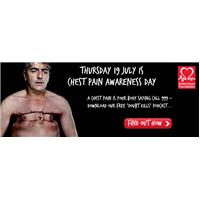
Alec Keep, who was experiencing chest pain while driving home when he saw the BHF poster showing an image of a man with a tightened belt of skin around his chest and the words ‘a chest pain is your body saying call 999’. The advert prompted Alec to call 999 when he got home and had he not done so he would have died at home alone. Also interviewed is Lola Arch, one of the paramedics who attended Alec’s call out. She explains how they brought Alec back to life, and how glad they were that he called 999 so soon after suffering symptoms.

Kay McCaw, who dismissed her chest pain and was determined to get on with her day. It was a friend who encouraged her to get urgent medical help. She couldn’t believe it when doctors told her she had suffered a heart attack.

The podcast also includes advice from Professor Peter Weissberg, Medical Director of the BHF, on how to recognise symptoms and why it is so important to call 999 immediately.

Professor Weissberg says: “Calling 999 immediately is the only option when you have a heart attack because the second the artery blocks, which is the cause of the heart attack, heart muscle cells start to die. The longer it takes to get that artery open again, the more heart muscle will die, and therefore the more damage will be done permanently to the heart.

“Another reason why you should call 999 immediately is there is a high risk of having a cardiac arrest. If you have an ambulance crew standing by with a defibrillator they can put you back into a normal rhythm, and then you can go on to hospital and be treated as normal. If there’s nobody there with that expertise, then your heart will stop beating and you will die.

“By far the most common symptom for a heart attack is chest pain, but sometimes it doesn’t always occur in the middle of the chest. It can be in the back between the shoulder blades, sometimes it can just be in the arms, other people experience a bad pain in the jaw or the neck. The real message is that if something unpleasant is happening to you somewhere near the chest and you can’t explain it then you’d be wise to call 999.”

Visit www.bhf.org.uk/doubtkills to download the podcast, and for more information about the campaign.

The British Heart Foundation has launched This is the podcast that really could save your life…

To find out why calling 999 immediately if you feel chest pain is so important, please download our free podcast.

Central chest pain is the most common warning sign of a heart attack – but it does not have to be excruciating to be a serious problem.

Your heart is a powerful muscular pump that drives blood around your body.

To keep your heart healthy, the heart muscle needs to get a constant supply of oxygen-containing blood from the coronary arteries.

A heart attack happens when a blood clot blocks one of the arteries around the heart and a part of the heart muscle does not get an adequate supply of blood.

This sudden lack of blood supply can cause permanent damage to the heart muscle. It can also cause an irregular heart beat and sudden death.

A heart attack can happen at any time of the day or night. It can be brought on by intense physical or emotional stress, but equally can happen out of the blue when you are resting.

Read our FAQ section for more on chest pain and heart attacks

Further information on the causes of heart attacks, diagnosis and treatment can also be found at bhf.org.uk

Can vitamin B1 help diabetics?

London: The vitamin B1 is excreted faster in diabetics than in healthy people, according to a new study by the Warwick Medical School.

Vitamin B1, also called thiamine, is important in keeping the body’s circulatory system healthy but is dispelled by diabetics 15 times more quickly than in healthy people.

This deficiency could increase the chance of heart attacks and strokes, which account for around 80 per cent of diabetes deaths.

The discovery may mean that high-dose vitamin B1 supplements could therefore reduce the risk of patients developing heart problems. Another option would be to develop drugs to stop the kidneys getting rid of so much of the vitamin. The study, published in the journal Diabetologia, involved 74 diabetics and 20 healthy volunteers.

Thiamine concentration in the blood was 76 per cent lower in Type 1 diabetics and 75 per cent lower in Type 2 diabetics.

Lack of thiamine is believed to increase the risk of heart problems because it affects the working of special cells which line the body’s circulatory system.

Professor Paul Thornalley, who led the study, is now running a trial to test whether patients given extra doses of the vitamin have healthier hearts.

He is giving patients a tablet containing 300milligrams of vitamin B1 a day. The average daily nutritional intake of vitamin-By Daniel Martin

Health Reporter B1 is 1mg – meaning changes to diet would not be enough to have an effect.

Matt Hunt, science information manager at the charity Diabetes UK, which funded the study, said it could lead to ‘very exciting outcomes’.

He added: ‘Researchers are already looking into the effect of giving people the vitamin in tablet form to see if early kidney damage can be reversed.

‘From there, work could be done to see what effect supplementing vitamin B1 levels could have on other complications of diabetes such as nerve and eye damage.’

More than 1.9million Britons are Type 2 diabetic and up to 750,000 more are undiagnosed. Type 2 is linked to obesity and up to half of cases could be prevented through changes to diet and exercise.

Around 300,000 Britons are Type 1 diabetic, which is present from childhood.

Full-time workers take more exercise, reveals new survey

London: New research has shown that people who work full time are fitting in more exercise and sport than those who work 25 hours or less each week.

Fitness First’s ten-point ‘Health Tracker’ has questioned more than 8,000 people over the past 18 month on a range of health aspects such as stress, alcohol consumption, water intake and fitness levels and found that those who work part time are significantly less likely to take any exercise or participate in any sport.

In a society that is well documented for being short on time the research found that those working more than 30 hours a week are almost 50% more likely to exercise or play sport than those who work part time. According to the research 44% of the population are working over 30 hours a week, this means that nearly 12,500,000 of the population are participating in over 16 hours a week of exercise.

The retired age group, a population of roughly 11,500,000, are the second highest group to take part in some form of exercise, with 18% putting on those sweat bands to do 16 hours or more exercise in a week, putting students and part time workers to shame with only 3% working out for this length of time.

Though those who spend over 16 hours a week doing exercise don’t see themselves as the fittest, in fact those who spend between 11 to 15 hours per week working out rated themselves 12% healthier than those who are exercising more and for longer.

Nick Smith of Fitness First believes, “in a time poor society sport and fitness is a great way to escape from the day to day stresses of work. These findings are very encouraging as it shows that fitness is not being ignored when time is precious.”

The Index provides an overall health score out of 100: the higher the score the better the overall health of the person surveyed. Full time workers gave themselves an average score of 42 out of 100, whereas part time workers, working less than 8 hours a week gave themselves the poor score of 2/100 and students, fairing not much better, gave themselves 5/100, while those who are retired rate themselves at a medioca 24 out of 100.

Blood pressure drug increases longevity in elderly

London: An international trial looking at the benefits of giving blood-pressure lowering medication to elderly patients has stopped early, after researchers observed significant reductions in overall mortality in those receiving treatment.

The 3,845 patient Hypertension in the Very Elderly Trial (HYVET) is the largest ever clinical trial to look at the effects of lowering blood pressure solely in those aged 80 and over. Preliminary results of the trial, which is coordinated by scientists from Imperial College London, suggest that lowering blood pressure significantly reduces both stroke and mortality in the over-80s.

A number of earlier trials had demonstrated that reducing blood pressure in the under-80s reduces stroke and cardiovascular events. However, previous smaller and inconclusive studies also suggested that whilst lowering blood pressure in those aged 80 or over reduced the number of strokes, it did not reduce, and even increased, total mortality.

Patients with high blood pressure from across the world were randomised for the double-blind, placebo-controlled trial, which began in 2001. Patients were given either the placebo or a low dose diuretic (indapamide 1.5mg SR), and an additional ACE inhibitor (perindopril), in tablet form once a day.

Emeritus Professor Chris Bulpitt, HYVET Principal Investigator from the Care of the Elderly Department at Imperial College London, said: “It was not clear prior to our study whether the over-80s would benefit from blood pressure lowering medication in the same way as younger people.

Our results are great news for people in this age group because they suggest that where they have high blood pressure, such treatment can cut their chances of dying as well as stroke.”

The Steering Committee of HYVET accepted on 12th July 2007 the recommendation of its Data Safety Monitoring Board that the trial should be stopped.

Definitive figures will not be available until all the data has been collected. Results will then be published in the peer reviewed scientific press.

Over the next few months all HYVET patients will be seen for a final visit, where all patients on trial medication will be offered the option of switching to active indapamide 1.5 mg SR based antihypertensive treatment. Prior to their final visit, all patients are advised to stay on their existing drugs until they see their trial physician.

HYVET was co-ordinated by scientists from Imperial College London, working with colleagues around the world. The main trial was funded by both the British Heart Foundation and by the Institut de Recherches Internationales Servier.

1. About stroke and high blood pressure

* Stroke is the third most common cause of death in the England and Wales. In 2004, 11% of deaths amongst those aged 75-84, and 14% of deaths amongst those aged over 85 were due to stroke, according to the Office of National Statistics.

* In the UK about 150,000 people suffer a stroke each year, the equivalent of 1 every 4 minutes.

* About one third of stroke patients die within 6 months of the event, the majority occurring in the first month.

* Disability after stroke is the most important single cause of severe disability of people living in their own homes.

* There are 2 types of stroke:

a. Haemorrhagic – caused by blood leaking into brain tissue from a
blood vessel within the brain
b. Ischeamic – caused by a clot occluding a blood vessel, resulting in
loss of blood supply to a part of the brain and subsequent damage to brain tissue.

High blood pressure increases the chance of both a blood vessel leaking or rupturing, and of a clot forming within a blood vessel. High blood pressure increases the likelihood of damage to the lining of the blood vessel, which in turn leads to an increased chance of spontaneous clot formation within the blood vessel.

* The over 80s are the fastest growing group in the population worldwide – in the UK currently they account for 4% of the total population and this is expected to rise to over 11% by 2050.

* The risk of stroke increases with age, with some estimates suggesting that the risk doubles every decade after a person reaches 55 years of age

* In the UK approximately 4% of the total National Health Service budget is spent on stroke services each year.

Folate shown to slow dementia, says new US report

New York: A folate study has revealed that the vitamin can slow the cognitive decline of ageing.

The research, presented at the recent US Alzheimer’s Association’s first conference on prevention of dementia, demonstrated that otherwise healthy people could slow the decline in their brain function by taking double the recommended daily dose of folate.

Scientists found that men and women 50-75 years old who took 800mcg of folate a day over three years scored significantly better in cognitive tests than peers taking a placebo. On memory tests, the supplement users had scores comparable to people 5.5 years younger, said the researchers from Wageningen University in the Netherlands.

“It’s the first study to convincingly show that [folate] can slow cognitive decline,” said lead author Jane Durga. The study involved healthy older people, not those with Alzheimer’s symptoms, so it doesn’t show if folate might ward off that disease. “That’s the key question,” Durga said.

Previous research has suggested that folate along with other B vitamins can reduce levels of homocysteine, an amino acid thought to play a role in the onset of Alzheimer’s disease.

The current study involved 818 middle-age adults who had elevated levels of homocysteine at baseline. They were randomized to receive either folate or a placebo for three years. Blood folate levels for those in the supplement group increased five-fold and plasma total homocysteine concentrations decreased by around 25 per cent by the end of the study.

“I think I would take [folate], assuming my doctor said it was OK,” said Johns Hopkins University neuroscientist Marilyn Albert, who chairs the Alzheimer’s Association’s science advisory council.

“We know Alzheimer’s disease, the pathology, begins many, many years before the symptoms. We ought to be thinking about the health of our brain the same way we think about the health of our heart,” she added.

Folate is found in such foods as oranges and strawberries, dark green leafy vegetables and beans. In the United States, it also is added to cereal and flour products.

Durga said it’s not clear how folate might work to protect the brain. Some studies suggest folate lowers inflammation; others suggest it may play a role in expression of dementia-related genes.

There is research now suggesting ways to protect the brain against age-related memory loss and Alzheimer’s. The Alzheimer’s Association has begun offering classes to teach people the techniques. Topping the list:

* Exercise your brain. Using it in unusual ways increases blood flow and helps the brain wire new connections. That’s important to build up what’s called cognitive reserve, an ability to adapt to or withstand the damage of Alzheimer’s a little longer.
* In youth, that means good education. Later in life, do puzzles, learn to play chess, take classes.
* Stay socially stimulated. Declining social interaction with age predicts declining cognitive function.
* Exercise your body. Bad memory is linked to heart disease and diabetes because clogged arteries slow blood flow in the brain.
* Experts recommend going for the triple-whammy of something mentally, physically and socially stimulating all at once: Coach your child’s ball team. Take a dance class. Strategize a round of golf.
* Diet’s also important. While Alzheimer’s researchers have long recommended a heart-healthy diet as good for the brain, the folate study is the first to test the advice directly.

The recommended daily dose of folate in the USA is 400 micrograms; doctors advise women of childbearing age to take a supplement to ensure they get that much.

The research findings add to mounting evidence that a diet higher in folate is important for a variety of diseases. Scientists have long thought that folate might play a role in dementia, and previous studies have shown people with low folate levels are more at risk for both heart disease and diminished cognitive function.

For more information: www.hsfolate.com