Scientists create cells that disolve Alzheimer’s plaque

Genetically engineered cells, that produce an enzyme that disolves the toxic plaques associated with Alzheimer’s disease, have been produced by scientists.

The researchers used mice which they infected with a human gene that caused them to develop, at an accelerated rate, the disease that robs millions of elderly people of their memories. After receiving the doctored cells, the brain-muddling plaques melted away. If this works in humans, old age could be a much happier time of life.

Alzheimer’s involves a protein called amyloid-beta, which makes up gooey clots or plaques that form in the brain. These toxic clumps, along with accessory tangled fibers, kill brain cells and interfere with memory and thinking. The situation has been compared to a build-up of cholesterol in coronary arteries.

“Delivery of genes that led to production of an enzyme that breaks up amyloid showed robust clearance of plaques in the brains of the mice,” notes Dennis Selkoe, Vincent and Stella Coates Professor of Neurologic Diseases at Harvard Medical School. “These results support and encourage further investigation of gene therapy for treatment of this common and devastating disease in humans.”

The first published report of the experiments, done by Selkoe and other researchers from Harvard-affiliated Brigham and Women’s and McLean hospitals, appeared Aug. 27 on the Web site of the Public Library of Science.

The gene delivery technique employed by the research team has been used in several other trials with animals that model human diseases, including cancers. The procedure involves removing cells from patients, making genetic changes, and then putting back the modified cells, which should treat a disease or disability. So far, this approach has produced encouraging results for cancers, blood, muscle, and eye diseases, spinal cord injuries, stroke, Parkinson’s and Huntington diseases, and amyotrophic lateral sclerosis (Lou Gehrig’s disease). “Several of these potential treatments have advanced to human trials, with encouraging outcomes for patients,” says Matthew Hemming, lead author of the report and a graduate student in Selkoe’s lab.

Another way to do gene therapy involves using a virus to carry the curative gene to target cells. However, two people have died and three contracted leukemia in experiments using this method. The drawback of using viruses this way is that the added gene often mixes with the patient’s genome in ways that can lead to unwanted side effects, including cancer and, possibly, death.

The Harvard team used skin cells from the animal’s own body to introduce a gene for an amyloid-busting enzyme known as neprilysin. The skin cells, also known as fibroblasts, “do not form tumors or move from the implantation site,” Hemming notes. “They cause no detectable adverse side effects and can easily be taken from a patient’s skin.” In addition, other genes can be added to the fibroblast-neprilysin combo, which will eliminate the implants if something starts to go wrong.
Will it work in humans?

This method worked well in the Alzheimer’s experiments. “The gene that removed the amyloid-beta may not only prevent brain cells from dying, but will also remove the toxic protein that drives the disease progression,” Hemming comments.

The experiments proved that the technique works, but will it work in humans? One major obstacle, Selkoe says, is the larger size of a human brain compared to that of a mouse. That difference will require an increase of amyloid-busting activity throughout a much larger space.

One solution might involve implanting the genes and fibroblasts where they have the best access to amyloid-beta, in the spinal fluid for example, instead of trying to inject them into a small target. The amyloid-killing combo might be put into capsules that would secrete neprilysin into the blood circulating in the brain, eliminating the need to hit an exact spot.

This or some other clever maneuver that does not require surgery might eliminate the gooey plaques, but will that improve a person’s memory? And will the change be long-lasting? “Further work is needed to determine if reducing the plaque burden has cognitive benefits over a long period,” notes Hemming, “but there’s a wealth of evidence arguing that it will.”

More information at www.news.harvard.edu

Get a strong pelvic floor – your questions answered

image

London: Learn how to strengthen your pelvic muscles in seven simple steps – live web chat with expert Kari Bo: date: Tuesday 11th September 2007 Chat time: 16:30 (GMT-1)

Whether you have just had a baby or are just looking to increase sexual comfort and pleasure, help is at hand. Kari Bo, a world expert in exercise science and physiotherapy has spent 20 years researching and treating women with pelvic floor problems. She has found that the failure to exercise these muscles is due to a lack of knowledge and guidance of how. In a rare opportunity, she joins us today to demonstrate some simple steps to strengthen your inner core, from her brand new DVD- PELVICORE Technique. So clear a space in your living room, grab a yoga mat and learn from the expert.

There are seven main exercises that Kari has pioneered and developed that will help women of all ages restore balance and regain control of their body. By following her brilliantly simple exercise programme you can improve your tummy tone, posture and even your sex life.

The pelvic floor specifically helps control posture, movement, control and tummy tone. Childbirth, age and loss of tone can all contribute to a loss of control, which can be unexpected and unnerving for any woman. The great thing is that by regularly doing these very simple exercises, you can strengthen the muscles to their former glory. Whether you have back pain, bladder weaknesses, stress incontinence, or are merely looking to enhance your sex life, Kari Bo is here to help you regain control and demonstrate her simple exercises.

Kari Bo joins us live online at Kari Bo web chat on 11th September at 16:30 to demonstrate how by following some simple exercises we can improve the tone and control of our pelvic floor muscles.

Her DVD is available FREE to anyone who joins the Core Wellness programme- a unique Europe-wide project to help women regain balance and improve their health and wellbeing in an increasingly hectic life.

If you enjoy the routine, please visit www.corewellness.co.uk to receive your FREE copy

Click here to submit questions before the chat
www.webchats.tv

How to get a healthy back – tips from the osteopath experts

The way you walk, sit or sleep effects posture and can constitute to a number of serious, long-term health issues. Leading London-based osteopaths, Posture Dynamics explain the rules to consider for good posture.

Slouching is both unattractive and unhealthy and can result in a number of common complaints such as neck and shoulder pain and lower back pain. Advising on the features for maintaining good posture, Osteopathic professional of Posture Dynamics, Darren Fletcher states, “some of the most common complaints occur as a result of bad posture. It is fundamental to be aware of this fact whether you are walking, running, sitting or sleeping.- insert quote.”

Posture Dynamics advice on a healthy back posture:

The “S” Shape: Strengthen your spine into its natural balanced “S” shape position by adjusting your chair: The hip joint should be slightly higher than the knee joint.
Desk duties: Forearms should be parallel to the floor.
When seated at a computer, ensure that the screen is positioned at arms length and the top of the screen is 2-3 inches above eye-level.

The mouse should fit comfortably in your hand. To avoid quick repetitive movements, try to cut down on mouse usage by using keyboard shortcuts.
Space: Arrange the desk layout to allow ease of movement – if space is limited, tidy your desk!

Telephone: Place in an easy to reach zone by the keyboard. Consider a “headset” if you are on the phone for 40% of the time or more.
Take regular breaks: One of the most frequent pieces of advice you will hear, and also one of the most difficult pieces of advice to follow. Try to take a 5-minute break every 20-30 minutes.
Eat well and exercise: Lack of cardiovascular exercise not only affects our general wellbeing/health, but also affects our posture.

Health management issues and prevention of future ailments is a dominant feature of the service offered by Posture Dynamics. Understanding your body and the effects of posture is one of the most important elements to a long-term healthy future. For further details and tips on how to stay healthy and prevent future osteopathic complaints, please visit: www.posturedynamics.co.uk

Britons eating more bad fats than ever

London: Research released by Flora today reveals that the UK’s saturated fat consumption is a third (33.5%) higher than the average Guideline Daily Amount (GDA) for a typical UK adult*

· Fat forecast: Based on the current rates of decline, it will take until the year 2048, another 41 years, for average saturated fat intake to fall to the recommended level in the UK. In the meantime, these fats can raise cholesterol levels, which can increase the risk of developing heart disease – the UK’s biggest killer.

· Better in the eighties: The rate at which levels of saturated fat intake are falling has slowed to almost a standstill in the 2000s (-0.7%): our diets are now only improving at just over half the rate at which they did in the 1990s (-1.3%), and only a quarter of the rate of improvement seen in the 1980s (-2.7%).

· Fooling ourselves: Although 79 per cent of the population claim to be concerned about staying fit and healthy, the proportion of those concerned about saturated fat has in fact fallen between 2003 and 2006 (from 53 to 46 per cent).

· Saturated society: The total annual saturated fat consumption of UK adults stands at a colossal 489,000 tonnes, which is enough fat to fill the Big Ben clock tower 157 times, or 1,220 Boeing 747s. The average UK adult eats 9.86 kilograms of saturated fat a year – that’s the same amount as in 146 packs of butter!

· Fat facts: When asked to identify the best and worst fats, 72 per cent of UK adults were either wildly wrong or simply did not know that it is important to eat good polyunsaturated and monounsaturated fats, while cutting down on bad saturated and trans fat to help maintain a healthy heart.

· Good vs. bad: The South West eats more saturated fat than any other region, with an average daily consumption of 28.3g, 3g more than people living in London who consume the least. The report also found that cheese and chocolate top Britain’s ‘guilty foods’ league with (36%) and (34%) respectively of UK adults saying they definitely eat too much of both. Surprisingly, the fourth biggest contributor to sat fat in the UK diet is butter and this wasn’t even listed.

· Ethical living: A quarter of UK adults (25%) have recently been more concerned with making sure they buy organic and fair trade food than checking the nutritional value of food. Additionally, 49% of adults stated that eating more locally grown and fair trade food was a motivation for recent dietary change.

· Sugar rush: People are three times more likely to be aware of the levels of sugar in their diet than the levels of saturated fat.

Dr Chris Steele says: “This report goes some way to highlighting the high levels of saturated fat in the diets of the UK population, which needs a prompt response if any reversal of the situation is to be expected. We need to make the necessary dietary changes to bring down the incidences of problems including high cholesterol and heart disease.”
The increasing frequency and complexity of nutritional messages, along with ethical and environmental concerns, appears to have created a ‘fatigue’ with health messages during the 2000s. Although 68 per cent of UK adults believe they should be eating less fatty foods, disappointingly few appear to be making the necessary changes to their diet.

It is important to replace ‘bad’ saturated fat (found in fatty meats, butter, cheese and whole milk) and trans fats (found in processed foods, such as cakes, pastries and also present in butter) with ‘good’ fats, which include monounsaturates and polyunsaturates, (such as Omega 3 and 6) found in vegetable seed oils and spreads, nuts and oily fish. A good way to do this is to make a small change like switching from butter to a healthier alternative like Flora spreads, which can help lower cholesterol and maintain a healthy heart.

Know your good and bad fats – listen to Flora nutritonist Jacqui Morell Elixir Podcasts

Knee arthritis may be sign of lung cancer in smokers

Rome: Arthritis of the knee may be the first sign of a type of lung cancer that is hard to treat in heavy smokers, suggests research published ahead of print in the Annals of the Rheumatic Diseases.

The Italian researchers reviewed the case notes of all patients with rheumatic disorders, diagnosed at one tertiary referral centre over six years.

Between 2000 and 2005, more than 6500 new patients attended the clinic. Of these, 296 (4.4%) were cases of monoarthritis—inflammation in just one joint—of the knee.

Among this group of patients, the knee arthritis, which was very mild, was the first sign of as yet undiagnosed non-small cell lung cancer in just under 2%.

All the patients were middle aged men, who had been heavy smokers for most of their lives.

But in every case, the lung cancer was operable, and once the cancerous tissue had been removed, the knee symptoms subsided.

Non-small cell lung cancer is linked to other conditions, which feature abnormal growths, in up to 20 per cent of cases, say the authors. And spread to the bones occurs in around one in five cases.

But the authors note that it has not so far been linked to arthritis.

Non-small cell lung cancer is particularly difficult to treat unless caught early, and in over half the cases diagnosed, the disease is already advanced.

Features that could act as early warning signs are therefore especially important, say the authors.

Pop stars twice as likely to die early than ordinary mortals

Rock and pop stars are more than twice as likely as the rest of the population to die an early death, and within a few years of becoming famous, reveals research published ahead of print in the Journal of Epidemiology and Community Health.

The findings are based on more than 1050 North American and European musicians and singers who shot to fame between 1956 and 1999.

All the musicians featured in the All Time Top 1000 albums, selected in 2000, and covering rock, punk, rap, R&B, electronica and new age genres.

How long the pop stars survived once they had achieved chart success and become famous was compared with the expected longevity of the general population, matched for age, sex, ethnicity and nationality, up to the end of 2005.

In all, 100 stars died between 1956 and 2005. The average age of death was 42 for North American stars and 35 for European stars.

Long term drug or alcohol problems accounted for more than one in four of the deaths.

When compared with the rest of the population in the UK and the US, rock and pop stars were around twice as likely to die early and even more likely to do so within five years of becoming famous.

Some 25 years after achieving fame, European pop stars returned to the same levels of life expectancy as the rest of the population.

But North American stars continued to experience higher death rates.

The music business would do well to take the health risks of substance abuse and risk taking behaviours more seriously, say the authors.

This is not only because of the long term effects on the stars themselves, but also because of the influence these stars exert on others.

One in 10 children in the UK aspires to become a pop star, say the authors, and the droves of eager hopefuls applying to take part in series such as the “X Factor,” confirm the attractiveness of this career option.

“Public health consideration needs to be given to preventing music icons promoting health-damaging behaviour amongst their emulators and fans,” say the authors.

Stars could do more to actively promote positive health messages, but these need to be backed up by example, they add.

“Where pop star behaviour remains typified by risk taking and substance use, it is unlikely that young people will see any positive health messages they champion as credible,” they warn.

Stylish tester for use by diabetics goes on sale

image

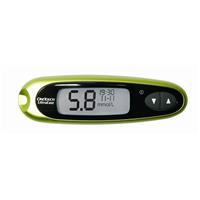
LifeScan is tackling the social stigma of blood testing for people with diabetes. Recent research* by the company found that a third of all British people with diabetes fail to regularly test themselves, particularly when out and about in public. This is in part because of the embarrassment at using existing monitoring devices, which are conspicuously clinical in appearance.

Many patients refer to the chore of daily blood testing and the embarrassment of devices that draw attention to the fact that they have a health problem as reasons for skipping regular testing, the consequences of which will inevitably be an increase in serious diabetes-related health problems.

To counter this worrying trend, Johnson & Johnson’s LifeScan has created a monitoring device more suited to modern life. OneTouch UltraEasy Colours is much smaller in size and comes in a selection of colours, just like iPods and MP3 players, to help overcome the stigma associated with diabetes and ensure patients feel more comfortable when testing. In colour creative tests conducted in June 2007 for LifeScan with 151 diabetics in the UK by Decision Analyst, more than one in five patients said they would be more inclined to use the OneTouch UltraEasy Colours product as its compact size and sleek non-clinical design offer a more discreet blood testing system that makes regular monitoring feel less daunting.

From today, OneTouch UltraEasy Colours will be available exclusively in over 1,300 Lloyds pharmacies across the UK for one month before becoming available in other retailers.The devices will also soon be available online at www.ultraeasy.eu

To find a pharmacy go to www.lloydspharmacy.co.uk

Olivier Lechanoine, Marketing Director for LifeScan UK & Ireland , says, “With the OneTouch UltraEasy Colours product, we want to help take the anxiety out of diabetes testing. Not only does the discreet OneTouch LifeScan meter give a simple and accurate reading in just five seconds, but its size and design make it look nothing like the clinical devices you would normally associate with blood glucose testing.”

Diabetes in the UK

The UK has one of the fastest growing rates of diabetes in the developed world, with 3.93% of the population (almost 2.4 million Britons) suffering from diabetes.

At present there are 1.78 million meter users in the UK who collectively have to perform an estimated 810 million vital blood tests per year. However, research by LifeScan reveals that diabetes patients are becoming more and more complacent when it comes to proactive engagement in managing their diabetes.

Worryingly, over a third of diabetes patients do not test as often as recommended by their doctor or health care advisor, largely because of the lifestyles they lead. Whether it is forgetfulness (60%), frustration and inconvenience at having to test (28% respectively), or simply being too busy (22%); hundreds of thousands of patients are putting their lives at risk by neglecting to test at the recommended times.

New OneTouch UltraEasy Colours are available in pink, green and red/black. They are priced at £12.99 excl VAT.

Food additives do make children behave badly – new study

London: The UK Government’s Food Standards Agency (FSA) has confirmed fears that artificial colours in children’s foods can make them behave badly.

The FSA tested a range of E-numbers on two groups of children and discovered that youngsters found it more difficult to sit still and concentrate, had problems reading and became loud and impulsive. The additives tested are commonly used in the sweets, biscuits, soft drinks and ice cream consumed by millions of British children. But the FSA will not order a ban on them.

The research was carried out by scientists from the UK’s Southampton University and involved almost 300 children published in the medical journal The Lancet.

The children in the six-week Southampton trial were split into two groups – one of 153 three-year-olds and the other of 144 eight and nine-year-olds.

The additives tested were tartrazine (E102), ponceau 4R (E124), sunset yellow (E110), carmoisine (E122), quinoline yellow (E104) and allura red AC (E129). and the preservative sodium benzoate, commonly found in soft drinks.

Initially, all the children were changed to diets that did not include artificial additives to set a benchmark.

They were then given daily fruit juice drinks, In some weeks, these contained a mixture of additives, in others they were pure.

The children’s behaviour was monitored by parents, teachers and independent observers.

None of the participants in the study knew what drinks the children were receiving, to ensure the results were not skewed.

In both groups, children were more hyperactive in the weeks they consumed a cocktail of additives.

One of the additive mixes, designed to mimic what a child might be expected to consume in one day, produced what the scientists believe was a ‘significant’ change in behaviour in the older children.

The other mix produced a more profound response in the younger group.

Professor Jim Stevenson, who led the research, said: “We now have clear evidence that mixtures of certain food colours and benzoate preservative can adversely influence the behaviour of children.”

Heart attack screening for siblings could save lives

Glasgow: Premature heart attacks could be prevented if close relatives of victims were screened and treated, say experts at Glasgow University.

Siblings of those with premature heart disease – which occurs in men under 55 and women under 65 – have at least double the risk of developing problems. The siblings’ children also have an increased risk.

Specialists believe routine screening for those at higher risk should be looked at.

the UK’s Glasgow University, said: ‘Family history of coronary heart disease significantly increases risk of the disease in all firstdegree relatives.’

Common genetic factors are behind the extra risk. But doctors also blame a ‘shared lifestyle’ within families, such as eating similar unhealthy foods and smoking.

Using a series of calculations, doctors worked out that 88 per cent of premature heart attacks in those with a family history that were treated in England Wales and Scotland in 2004, could have been prevented through family screening.

Salt blamed for high blood pressure in 4-year-olds

London: Toddlers as young ad four years, are suffering from raised blood pressure because they are eating too many salty processed foods, UK researchers say.

Campaigners claim this puts youngsters at an increased risk of hypertension in later life – potentially leading to heart disease, strokes and an early death.

The study, published in the Journal of Human Hypertension, was conducted by St George’s University Hospital in London, drew a direct correlation between the level of salt in the diet of children aged between four and 18 and higher blood pressure.

The findings will heap pressure on heart attacks and strokes could be prevented if Britons cut salt intake the manufacturers of children’s snacks and ready meals to reduce the salt levels in their recipes.

A single packet of instant noodles can contain more than the recommended daily maximum salt intake for a child aged four to six.

Just one pack of salt and vinegar crisps is likely to have more than a quarter of a child’s salt quota.

The study looked at the salt intake for more than 1,600 children and teenagers over seven days and then measured their blood pressure.

The study found that for each extra gram of salt eaten by the participants, there was a related 0.4mmHg increase in systolic blood pressure.

Children’s increasingly salty diets are also a source of concern because our food tastes are largely set in childhood. Consequently, those who develop a love of salty food when young tend to keep it in adulthood.

The UK Government experts recommend that children aged four to six should not be eating more than 3g of salt a day, while the figure for youngsters aged seven to ten is 5g.

However, many children are thought to be regularly consuming 9-10g of salt a day, which is up to three times the recommended maximum.

This pattern continues into adult life, when the recommended maximum is 6g of salt a day, but the average for men is 10.2g and 7.2g for women.

One of the study’s authors, Professor Graham MacGregor, said: ‘We know that salt acts as a chronic long-term toxin, slowly putting up blood pressure as we grow older.

“The rise in blood pressure is the major cause of death and disability in the UK.”

More cervical cancer suffers are saved

Many cases of cervical cancer will soon be prevented because scientists now know what causes the disease.

In a report in The Lancet, a US specialist, Professor Mark Schiffman comments: “We hope to see a major decrease in the numbers of women affected with this cancer within our lifetimes.

“However, any large prevention effort should take into account further improvements such as inexpensive HPV testing, which will be available within a few years.”

Professor Schiffman, of the National Cancer Institute, National Institutes of Health, in Maryland, advises that women should be armed with the facts. He said almost all infections of the human papiloma virus, the trigger for cervical cancer, go away within a year or two; many within six months.

Cervical cancer is the second most common form of cancer in women worldwide with thousands dying from the disease. Smear tests, can pick up pre-cancerous cells so they can be treated before they become dangerous.

Smokers more likely to get dementia

New York: A new study in Neurology, the medical journal of the American Academy of Neurology, found that people who smoke are more likely to develop dementia than nonsmokers or those who smoked in the past.

The study followed nearly 7,000 people age 55 and older for an average of seven years. Over that time, 706 of the participants developed dementia. People who were current smokers at the time of the study were 50 percent more likely to develop dementia than people who had never smoked or past smokers.

Male cosmetic surgery grows in popularity

London: A survey conducted on behalf of UK newspaper, the Sunday Telegraph, has found that 23 percent of men or one in four would have cosmetic surgery to improve their looks.

The survey of 1,000 British men was done by Opinion Health. Of those questioned, 46 percent admitted to poor eating habits, with most of their meals made up of junk food and pre-packaged meals. Forty percent has virtually no form of physical activity as part of a healthy lifestyle.

Over the last two years men in the UK have gone in increasing numbers for liposuction, and procedures for younger-looking features such as nose jobs and eyelid surgeries.

Smoking ban promotes whiter teeth

London: he number of people having their teeth whitened has increased since the smoking ban came into force.

The British Academy of Cosmetic Dentistry (BACD) said there had been a “marked increase” in demand for whitening treatments since the UK ban was introduced on July 1.

BACD board members reported the rise, with some practices seeing the number of people opting for treatments shoot up 40%.

On average, respondents noted an increase of 12%. Teeth whitening is the most popular cosmetic dentistry treatment, followed by white fillings, veneers, crowns and bridges.

Christopher Orr, a dentist and BACD president, said: “It appears people are smoking less now due to the ban, so it is not a surprise that many would like an improved smile to go with their better health.

“Once they reduce or even stop their consumption of cigarettes altogether, people notice the visible damage done to their teeth and for the first time feel confident enough to do something about it.

“Patients also realise that the cost savings of quitting smoking mean they can treat themselves to a cosmetic procedure, which even offers an anti-ageing effect.”

A previous BACD survey found that four out of five people were unhappy with their smiles and up to a fifth concealed their teeth in photos.

Doctors warn over vagina cosmetic surgery

New York: Cosmetic procedures billed as “vaginal rejuvenation,” “designer vaginoplasty” or even “revirgination” are not medically necessary and are not guaranteed to be safe, the American College of Obstetricians and Gynecologists has warned.

The group, which educates and accredits doctors who treat women and deliver babies, said it is deceptive to give the impression that any of these procedures are accepted or routine.

In guidance published in the September issue of its journal, Obstetrics & Gynecology, the group, known as ACOG, said the procedures can cause complications such as infection, altered sensation, pain and scarring.

The procedures include changing the shape or size of the labia, “restoring” the hymen, and tightening the vagina.

Dr Abbey Berenson, who helped write the guidelines, said some women may be fooled by deceptive marketing practices into thinking they need the surgery because they are somehow abnormal.

“Many women don’t realize that the appearance of external genitals varies significantly from woman to woman,” Berenson said in a statement.

ACOG noted that a growing number of doctors are offering the procedures.

“Some of these procedures, such as ‘vaginal rejuvenation,’ appear to be modifications of traditional vaginal surgical procedures for genuine medical conditions,” ACOG said in a statement.

True medical conditions that merit the surgery include pelvic prolapse, the reversal or repair of female genital cutting, sometimes known as female circumcision, and the reversal of abnormalities caused by hormone imbalances.

“There are always risks associated with a surgical procedure,” Berenson said. “It’s important that women understand the potential risks of these procedures and that there is no scientific evidence regarding their benefits.”

The Truth about Fats – by Flora

image

MYTHS AND TRUTHS – FLORA FAT FACTS – UNCOVERED

Did you know that FLORA spread was launched in 1964 when the bright minds in the government and medical profession came together and asked us to create a heart healthy alternative to butter, lard and hard margarines?

Since then we’ve kept working hard to create some of the heart healthiest yet tastiest spreads possible, which means we’ve learned a thing or two about good and bad fats. That’s why we thought we’d share what we’ve learned with you, so that you can unravel the myths surrounding fats and make the best choices to help keep your heart healthy.

MYTH
ALL FAT IS BAD FOR YOU
TRUTH
SOME FATS ARE GOOD FOR YOU
Take polyunsaturated fats for example, which are important for maintaining a healthy heart as part of a balanced diet and are found in foods like seeds ,nuts & oily fish. The great news is that Flora spreads contain essential polyunsaturates, are low in saturates and are virtually trans fat free, so you can feel good about what you spread on your bread!

MYTH
‘LIGHTER’ PRODUCTS ARE ALWAYS BETTER FOR YOU
TRUTH
‘LIGHTER’ SPREADABLE BUTTERS ARE HIGH IN SATURATES

Even ‘lighter’ spreadable butters have at least 60% more saturated fat than Flora Light spread, which is low in saturated fat and is still a rich source of essential fatty acids. As a general rule of thumb, the harder the fat is at room temperature, the more saturated fat it contains, e.g. lard, butter & cheese, so try to ensure you don’t eat too much.

MYTH
ALL SPREADS ARE FULL OF TRANS FATS
TRUTH
FLORA SPREADS ARE VIRTUALLY TRANS FAT FREE

On the other hand, butter naturally contains trans fats, as well as saturated fats. As part of our commitment to improving the nation’s heart health, we’re committed to ensuring that the trans fat content of our products remains as low as possible. Both trans fats and saturated fats increase your levels of ‘bad’ (LDL) cholesterol, but trans fats are the superbaddies as they decrease your levels of ‘good’ (HDL) cholesterol too.

MYTH
USING BUTTER WON’T DO ME ANY HARM
TRUTH
BUTTER IS HIGH IN SATURATED FAT

And in the UK we eat more saturated fat than is good for us. The amount of butter normally spread on 2-3 slices of bread (20g) contains approximately 10g of saturated fat – that’s the same amount you’d find in 5 rashers of streaky
bacon! Whereas the same amount (20g) of Flora Original only contains 2.4g of saturated fat, that’s over 75% less than butter. Eating too much saturated fat can lead to increased cholesterol levels in the body, which has an adverse effect on heart health. All Flora spreads are low in saturated fat, virtually trans fat free and contain essential polyunsaturates so, as part of a balanced diet, they can help to keep your heart healthy.

MYTH
ONLY OLDER PEOPLE NEED TO THINK ABOUT HEART HEALTH
TRUTH
WE ALL NEED TO THINK ABOUT HEART HEALTH

Cholesterol deposits can start to build up in the arteries in early childhood, so it’s vital that children enjoy a healthy, balanced diet and an active lifestyle right from the word go. The ‘good’ fats found in Flora spreads are not only essential for healthy growth and development now they can also help to maintain good heart health from childhood through to adulthood as part of a healthy balanced diet. So it’s never too early to start looking after your family’s heart health – visit nevertooearly.co.uk for more information.

DID YOU KNOW?

THERE IS A FLORA PRODUCT TO SUIT EVERYONE.
There’s a whole range of Flora products for you and your family, created to suit your requirements and appeal to your taste. Flora Original and Light are firm family favourites. Flora Extra Light is perfect for people looking to cut back on their fat intake, Flora No Salt is for those cutting salt from their diet, while Flora Omega 3 Plus contains more of the most effective form of Omega 3 (EPA/DHA from fish) than any other spread, which is good for your family’s hearts as part of a healthy balanced diet. And if you just can’t do without the taste of butter, there’s even Flora Buttery Taste!

DID YOU KNOW?
IT’S NOW EVEN EASIER TO MAKE THE RIGHT CHOICES.
At Flora, we’re committed to helping you make the right choices, which is why we’ve introduced a simple panel of information across the Flora range. We want you to know exactly what you’re eating when you choose Flora, which is why we provide you with Guideline Daily Amount (GDA) information for certain nutrients. Take a look at the comparison between Flora Original and butter below, and you’ll see why it’s essential to have all of the facts in front of you when you’re choosing what to eat. For more information about GDAs, click on florahearts.co.uk

Win a case of summer rosé from Threshers

image

Every year needs a sexy signature cocktail to clutch at all the best parties – for this year’s Indian summer it’s the Reverse Martini. The core ingredient of this delectable tongue tantaliser, is the limited edition Couture rosé wine, exclusive to Threshers. Set to be the drink-on-ice tipple of choice for 2007.

To make the Reverse just pour some Stormhoek Couture over some ice. Add some raspberry vodka. Add some fresh raspberries or strawberries and lemon. Maybe add a sprig of mint. Voila! You now have the Reverse Martini, the perfect drink for summer.

As it is made specifically to be drunk over ice (in order not to dilute – like regular wine would), this new wine offers many new ways to drink rosé. If you like the sound of mixing up a few cocktails with an amazing rosé as the base, then try serving the finished article in a martini glass with a pink sugar frosting – it looks delicious as well as tasting great! For the less adventurous, try the simple but thirst-quenchingly delightful tumbler with big blocks of ice and a slice of lemon! Whether it’s served with pureed fruit, or a hint of mint, make sure that you don’t forget that ice.

Wine purists may balk at the idea of Rosé being drunk in any way other than a normal wine glass and without ice. But for the real world that most of us have to live in, their opinion is increasingly irrelevant. Whatever. This “mash-up” way of enjoying wine has long been the norm in South Africa; we simply thought it would be a good idea to export the idea to the rest of the planet.

To celebrate the launch of the new rosé, we have teamed up with Stormhoek Couture to offer you the perfect pink party set. All you have to do to grab this swag, is answer this simple question. To celebrate the launch of the new rosé, we have teamed up with Stormhoek Couture to offer you the perfect pink party set. All you have to do to grab this swag is answer this simple question.

What colour is rosé wine?
a) red
b) pink
c) white

Prize: A case of 12 bottles of Stormhoek Couture rosé wine and 2 delux ice buckets

To enter the competition send your answer by email to readeroffer@elixirnews.com and put in the title Wine Offer. Competition closes 21 September 2007. It is only open to adults age 18 and over.

No cash equivalent is being offered and the Editor’s decision is final.

To find out more about wines at Thresher’swww.threshergroup.com

Beauty spend continues to grow

London: UK women will spend nearly £40million this year on ‘beauty pills’ to enhance their appearance – twice as much as five years ago.

They are splashing out on a range of ‘magic’ potions, which claim to make hair glossier, nails stronger and even reverse the signs of ageing.

But experts claim few of the products actually work and women would stand a better chance of improving their looks by eating better, keeping out of the sun and not smoking.

Exotic ingredients in pills – such as extract of bark or protein from sea creatures – are used as little more than a marketing tool to encourage shoppers to buy, they added.

A study by market researchers Mintel revealed that spending on beauty pills is expected to top £37million this year – up 130 per cent since 2002 – and rise to £ 63million by 2012.

Almost a third of Britons, mostly women and young girls, said they use beauty supplements or would consider using them to help safeguard their looks.

Top- selling pills include supermodel Naomi Campbell’s favourite brand Imedeen, which claims to improve skin, and retails at £81.50 for three months’ supply of 180 tablets.

Perfectil Platinum, which costs £39.49 for 60 tablets, contains bark extract, blackcurrant seed oil and marine collagen and is marketed as renewing skin cells.

Other products examined contained vitamins, antioxidants and omega-3 fatty acids, which are said to keep skin clear and hair glossy.

But scientists have been quick to pour scorn on the claims. Dr Richard Weller, a dermatologist at Edinburgh University, said: ‘I’ve not heard of any evidence that supplements such as bark extract will improve your hair or your skin.

‘These pills are very lucrative for the companies that make them, but they should be coming up with proof.

‘It shows people just want a quick fix, and they like spending money on themselves. Instead, they should be thinking about prevention.

‘The things that cause ageing are excessive sunlight and smoking – and avoiding them is free and known to be effective.’

Pine bark may help menopause symptoms

Stockholm: A study to be published in a forthcoming edition of the Scandinavian Journal of Obstetrics and Gynaecology reveals that Pycnogenol® (pic-noj-en-all), pine bark extract from the French maritime pine tree, reduces “climacteric symptoms” such as hot flashes, depression, panic attacks, cholesterol and other common symptoms associated with women entering the perimenopause.

The results suggest Pycnogenol® may serve as an alternative treatment to estrogen replacement therapy, which is the most common remedy of pre-menopause (“perimenopausal”) symptoms.

According to the U.S. Department of Health and Human Services, perimenopause is the natural part of aging that signals the ending of a woman’s reproductive years. It marks the time when a woman’s body begins its move into menopause and can last anywhere from two to eight years.

“Pycnogenol® was chosen for this study due to previous research revealing health benefits associated with cognitive function, skin elasticity, nitric oxide stimulation, free radical scavenging and the broadening of antioxidant activity,” said Dr. Peter Rohdewald, Institute of Pharmaceutical Chemistry at Germany’s University of Munster and a lead researcher of this study. “Achieving these health benefits is key to treating perimenopausal symptoms naturally.”

The randomized, double-blind, placebo controlled study was conducted at Ham-Ming Hospital in Taiwan with 155 perimenopausal women. Each day, patients either received 200 mg Pycnogenol® or placebo, and recorded their symptoms using the Women’s Health Questionnaire (WHQ). The WHQ consisted of the following: somatic symptoms, depressed mood, vasomotoric symptoms, memory/concentration, attractiveness, anxiety, sexual behavior, sleep problems and menstrual symptoms.

Additionally, patients visited the clinic at one, three and six months following start of treatment. At each visit, BMI, blood pressure, lipid profile and total antioxidant status were recorded. After six months, LDL (bad) cholesterol dropped by 10 percent with Pycnogenol® treatment compared to placebo. Patients who supplemented with Pycnogenol® also had increased antioxidant levels compared to the placebo group.

During treatment, rapid improvement of symptoms was reported from the Pycnogenol® group after one month. All symptoms of the WHQ improved significantly compared to the start of treatment, and patients did not report unwanted side effects. In the placebo group, no significant changes of symptoms were recorded.

“There is a shift away from the use of hormone replacement therapy due to side effects and in its absence women are searching for safe and natural options to help manage their symptoms. This study investigating Pycnogenol® as a potential natural alternative is very encouraging in view of the safety of Pycnogenol® as it does not bear any hormone-like activities at all,” said Dr. Rohdewald.

Numerous other published studies reveal Pycnogenol’s® effectiveness for women’s health, such as relieving menstrual pain and endometriosis, and it is patent-protected for this application. Additional studies reveal Pycnogenol® is a natural anti-inflammatory, which provides the basis for the rationale to use Pycnogenol® to naturally moderate inflammatory pain sensation involved in menstruation.

Pycnogenol® is available from pharmacies and health food stores nationwide priced from £9.99 for 30 capsules. For further information please visit www.pycnogenol.com

Notes to editors:
About Pycnogenol®:
Pycnogenol® is a natural plant extract originating from the bark of the Maritime pine that grows along the coast of southwest France and is found to contain a unique combination of procyanidins, bioflavonoids and organic acids, which offer extensive natural health benefits. The extract has been widely studied for the past 35 years and has more than 220 published studies and review articles ensuring safety and efficacy as an ingredient. Today, Pycnogenol® is available in more than 600 dietary supplements, multi-vitamins and health products worldwide. For more information or a copy of this study, visit www.pychnogenol.com

Statins may be new weapon against Alzheimer’s

Seattle: The family of anti-cholesterol drugs called statins and taken by millions around the world, can protect against Alzheimer’s disease, according to new research.

An examination of brain tissue has provided the first direct evidence that statins – taken to prevent heart disease and strokes – can also ward off dementia and memory loss. The study is published in the American Journal of Neurology.

The new findings s come from a study of 110 brains – donated for medical research – at the University of Washington School of Medicine in Seattle. The researchers led by Dr Gail Li examined the brains for changes linked to Alzheimer’s -including the creation of ‘plaques’ and ‘tangles’ made from the protein called beta amyloid.

These changes appear in the brain long before any symptoms of dementia develop. Eventually, they damage enough brain cells to trigger confusion, memory loss and eventually death. The researchers found far fewer tangles in the brains of people who had taken statins, compared to those who had not.

The findings were true even after age, sex and the history of strokes were taken into account. This is the first study to compare the brains of people who took statins with those who did not.

Dr Eric Larson, study co-author said: “These results are exciting, novel and have important implications for prevention strategies.”

Statins work by blocking the action of a chemical in the liver which is needed to make the ‘bad’ form of cholesterol, LDL. Reducing levels of bad cholesterol keeps blood vessels unclogged.

The researchers are not sure how statins also prevent the buildup of protein tangles in the brain. They suspect that a healthy flow of blood is a key factor.

Another study, five year’s ago at Boston University found that statins may cut the risk of Alzheimer’s by as much as 79 per cent, even in people with a family history of the disease. Some small- scale studies have found an apparent link between statins and cancer and Parkinson’s disease. Other studies, however, suggest that the drugs can ease the pain of rheumatoid arthritis.

MRI scans shed new light on multiple sclerosis

Using magnetic resonance (MR) images of the brain, researchers have identified a new abnormality related to disease progression and disability in patients with multiple sclerosis (MS), according to a study published in the September issue of Radiology, published by the Radiological Society of North America (RSNA).

“Based on these findings, physicians may be able to diagnose multiple sclerosis more accurately and identify patients at risk for developing progressive disease,” said the study’s lead author, Rohit Bakshi, M.D., associate professor of neurology and radiology at Harvard Medical School and director of clinical MS-MRI at Brigham and Women’s Hospital and Partners MS Center in Boston.

MS is a chronic, autoimmune disease characterized by the destruction of myelin, the protective layers that surround nerve cells. It can affect numerous body functions, and symptoms may include visual and speech impairment, memory loss, depression, muscle weakness, loss of coordination, numbness, pain, bowel and bladder problems and sexual dysfunction.

MS affects approximately 400,000 people in the United States and as many as 2.5 million worldwide, mostly women between the ages of 20 and 50, according to the National Multiple Sclerosis Society.

There are four classifications of MS, but the two most common types are relapsing-remitting and secondary-progressive. Patients with relapsing-remitting MS will experience symptom flare-ups followed by periods of no disease progression. Patients with secondary- progressive MS exhibit an initial period of relapsing-remitting MS, followed by steady disease progression.

Dr. Bakshi and colleagues retrospectively reviewed the T1 MRI data of 145 MS patients, including 112 women and 33 men. Ninety-two patients had relapsing-remitting MS, and 49 patients had secondary-progressive MS. The disease classification was unknown in four patients.

The researchers found that T1-weighted MR images of the brains of MS patients often depict bright areas called hyperintense lesions, also known as areas of “T1 shortening,” and set out to determine if there was a relationship between the frequency and location of these lesions and disease progression, brain atrophy and disability in patients with MS.

The analysis uncovered 340 T1 hyperintense lesions in 123 patients. Lesions were more likely to be present in patients with secondary-progressive MS. In addition, 71 percent of patients with secondary-progressive MS had multiple T1 hyperintense lesions, compared with 46 percent of relapsing-remitting MS patients.

The total number of T1 hyperintense lesions was closely correlated with physical disability, disease progression and brain atrophy.

“The findings suggest that T1 hyperintense lesions commonly occur in patients with MS and that the presence of multiple lesions indicates a risk for an advancing disease course,” Dr. Bakshi said. “These results further emphasize the importance of MR neuroimaging in the diagnosis and management of neurologic disorders such as MS.”

Radiology is a monthly scientific journal devoted to clinical radiology and allied sciences. The journal is edited by Anthony V. Proto, M.D., School of Medicine, Virginia Commonwealth University, Richmond, Va. Radiology is owned and published by the Radiological Society of North America, Inc. (RSNA.org/radiologyjnl).

The Radiological Society of North America (RSNA) is an association of more than 40,000 radiologists, radiation oncologists, medical physicists and related scientists committed to excellence in patient care through education and research. The Society is based in Oak Brook, Ill. (RSNA.org).

“Multiple Sclerosis: Hyperintense Lesions in the Brain on Nonenhanced T1-weighted MR Images Evidenced as Areas of T1 Shortening.” Collaborating on this paper with Dr. Bakshi were Vallabh Janardhan, M.D., and Sonu Suri, M.D.

Bones act as an organ – new research reveals

Even though bones seem to be metabolically inactive structures, nothing could be further from the truth. In fact, bones are rebuilt constantly through the action of cells known as osteoblasts while old bone is destroyed by other cells known as osteoclasts. Bones also produce red and white blood cells, help maintain blood pH and store calcium.

However, exciting new research published in this month’s edition of the magazine Cell, has shown that bones also act as an endocrine organ. Not only do bones produce a protein hormone, osteocalcin that regulates bone formation, but this hormone also protects against obesity and glucose intolerance by increasing proliferation of pancreatic beta cells and their subsequent secretion of insulin. Osteocalcin was also found to increase the body’s sensitivity to insulin and as well as reducing its fat stores.

Hormones function as chemical messengers that allow the body to precisely coordinate metabolism, reproduction and other essential biological processes that involve multiple organs.

“The skeleton used to be thought of as just a structural support system. This opens the door to a new way of seeing the bones,” said Dr. Gerard Karsenty, chairman of the department of genetics and development at Columbia University Medical Center in NYC, who headed the team that made the discovery.

Osteocalcin is not new to science: Its existence has been known for 50 years, “but its function was never understood,” observed Karsenty. However, researchers have long known that people with diabetes tend to have low levels of osteocalcin, but until now no one understood the significance.

Based on their knowledge of skeletal biology and endocrinology, the research team hypothesized that there might be a relationship between skeletal biology and endocrine regulation because of the long-known observation that obesity protects against osteoporosis in mammals. Additionally, it was known that people with untreated type 2 diabetes have low osteocalcin levels, which made this hormone an appealing target for their research efforts.

To do this research, the scientists designed an elegant series of experiments using several groups of mice. The first group of experimental mice had their osteoblast gene, called Esp, genetically deactivated, or “knocked out”. Esp encodes a receptor-like protein tyrosine phosphatase called OST-PTP that increases beta-cell proliferation and insulin secretion in the pancreas, which results in hypoglycemia. But these so called “knock-out mice” lacked all functional Esp genes, so their insulin secretion and sensitivity decreased causing them to become obese and then to develop Type 2 diabetes when fed a normal diet. Type 2 diabetes occurs when the body becomes resistant to insulin, the hormone that regulates sugar metabolism.

A second group of experimental mice were genetically engineered to over-produce osteocalcin. These mice showed lower-than-normal blood glucose levels and higher insulin levels than did normal mice that were fed a normal diet. Additionally, these “overproducer mice” also showed increased insulin sensitivity. This is probably the most exciting result because typically, excess blood insulin decreases tissues’ sensitivity to the hormone, which makes insulin treatment difficult for diabetics. Further, the team found that treating the “knock-out mice” with osteocalcin helped regulate their blood sugar and insulin.

Additionally, the investigators reported that mice with one functional copy of Esp showed a significant reversal of their metabolic abnormalities, which provides “genetic evidence that Esp and osteocalcin lie in the same regulatory pathway and that [the] Esp-/- mice metabolic phenotype is caused by a gain-of-activity of this hormone.”

Interestingly, mice that are genetically programmed to overeat and mice that were fed fatty diets were prevented from suffering both obesity and diabetes when given high levels of osteocalcin. Karsenty is now determining whether giving osteocalcin to his diabetic “knock-out mice” will reverse the disease. This research shows promise for treating human diabetics as well.

Finding a substance that increases beta cell proliferation, says Karsenty, “is a holy grail for diabetes research.” Thus, if what’s true for mice also proves true for humans, “then we have inside us a hormone that does precisely this.”

“The findings could have important implications for the treatment of diabetes. Osteocalcin has a triple-punch effect, in that it raises both insulin levels and insulin uptake while keeping fat at bay. That makes it a promising therapy for middle-aged people who want to fight type 2 diabetes,” Karsenty said.

Additionally, this study also reveals that the skeleton is an important part of the endocrine system.

“To our knowledge this study provides the first in vivo evidence that [the] skeleton exerts an endocrine regulation of energy metabolism and thereby may contribute to the onset and severity of metabolic disorders,” the authors wrote in their paper.

Rooibos antioxidant tea – a healthy way to cut calories

London: The British are renowned worldwide for their love of tea, which has established a place in the country’s culture and heritage. However consumers are increasingly looking for a wider range of tastes and flavours, particularly healthy options to enhance hectic 24-hour lifestyles.

Consumers nowadays want more from the perfect cuppa. They want it to be reviving and thirst quenching but also stuffed full of healthy benefits. South Africans claim their national drink, Rooibos Tea, ticks all the right boxes. Naturally caffeine-free and low in harmful tannins, redbush tea, as it is also known, is incredibly hydrating and it’s high level of antioxidants, nine trace minerals and low levels of oxalic acid make it a fantastic choice of drink to complement a healthy diet and lifestyle.

Consultant Nutritionist Jane Griffin comments: “Rooibos tea offers another way to keep you well hydrated with the added bonus that it can be also help increase your intake of a range of antioxidants and trace minerals. It is naturally caffeine free too so if variety is the spice of life then Rooibos tea certainly deserves a place in the UK tea drinker’s repertoire.”

The leaf can only be grown in the remote Cederberg mountain region of the country, known for its wild craggy peaks, clean air and pure mountain streams. South Africans have been enjoying the drink for centuries and us Brits will be happy to know many of the traditional ways in which the leaf is harvested and dried have remained the same for hundreds of years. The tea is considered so soothing it is even given to babies with feeding problems and is known locally in South Africa as the South African lullaby due to it’s beneficial properties when fighting colic.

Countless tea companies, including Dragonfly Teas, Eleven O’Clock, Redbush, Tick Tock, Tetley and Twinings stock Rooibos tea in the British market which means we can enjoy all the health benefits of this amazing South Africa cuppa in our own front room.

For more information: www.rooibosltd.co.za

Sculptra – restoring facial volume with the new deep tissue filler

image

One of the main indicators of facial ageing is the loss of youthful volume. This is why people carrying a little extra weight often have a younger looking face.

Until recently there was nothing to be done to restore youthful volume. Now cosmetic surgeons are able to volumise using a person’s own fat – extracted from the stomach or thighs. But this is a quick fix as the fat breaks down fast and is reabsorbed into the body.

A new treatment originally developed to restore facial volume in HIV patients is now available for cosmetic treatments: Sculptra is a non-invasive injectable treatment which smoothes deeper wrinkles and lines, restores facial volume and contours the face. It works gradually over time by stimulating the build up of the body’s own collagen to get rid of lines and wrinkles and restore a youthful appearance with natural looking results. The patient pictured right after Sculptra treatment.

Sculptra’s main ingredient is a natural substance called poly-L-lactic acid, a biodegradable polymer, which is injected deep into the skin and works from within the skin’s layers, stimulating the body’s own production of collagen to sculpt a smoother more youthful look. After injection the area needs to be massaged regularly to ensure even distribution under the skin. A series of injections is usually needed to achieve a gradual change.

Once collagen production has been stimulated, Sculptra’s natural looking results should become noticeable after approximately six weeks and can last as long as two years. This subtle enhancement allows you to gradually restore youthful skin as there is no dramatic, instant change, but rather a gradual enhancement as the skin’s appearance is volumised gradually from within, continuing a fresher and younger look.

Poly-L-lactic acid has been used in medical devices for over twenty years and is suitable for most skin types. It has been shown to have a good safety profile and be effective without the possible reactions associated with animal derived products. Depending on the area to be treated, Sculptra takes around 30 minute treatment time and two or three treatments are usually required. There is minimal discomfort with the procedure and Sculptra carries no risk of muscle paralysis which can lead to an unnatural looking facial expression or even drooping features.

As with all filler treatments u you can expect some minor bleeding and bruising and swelling. If you take a natural remedy such as arnica beforehand this can help minimize any bruising.

Questions and Answers on Sculptra

Who performs treatment with Sculptra?

A cosmetic doctor who has been trained to use the correct procedure for Sculptra performs the treatment in his practice.

Does the treatment hurt?

As with all injections you will feel some discomfort. It may be that you notice a brief burning sensation at the injection site. An ice pack applied after the treatment will help to calm your skin. If necessary, your healthcare professional can also give you a local anaesthetic.

What must I keep in mind after the treatment?

Your cosmetic doctor will give you special aftercare instructions. These include massaging the treated areas of your face in the first few days after the treatment. All you need is a few minutes twice a day. Inform your practitioner if any side effects occur, such as inflammation or small bumps in the treated area.

Are there any side effects?

The most common side effects with the use of Sculptra include injection-related side effects at the site of injection such as bleeding, tenderness or pain, redness, bruising, or swelling. These effects generally resolve in 2-6 days. It should not be injected if there is a skin infection or inflammation. It is also not suitable for pregnant or breast feeding women.

Are the results from Sculptra immediate?

No. At your first treatment visit, it may appear that Sculptra worked immediately because of the swelling from the injections and the water used to dilute Sculptra. In a few days, when the swelling goes down and the water is absorbed by your body you may look as you did before your treatment. Sculptra takes time to work; results should be noticeable after approximately 6 weeks. Your practitioner will see you again in a few weeks to decide if you need more Sculptra injections.
Sculptra cost is based on the number of phials needed. Cost per phial is

For more information and practitioners visit www.sculptra.com and www.sculptra.co.uk or T(within UK): 0800 0852 046. Angelica Kavouni MD, FRCS of T: + 44 (0)20 7486 9040 129 Harley Street, London W1. www.cosmetic-solutions.co.uk

Listen to the ELIXIR interview with Harley Street London cosmetic surgeon Angelica Kavouni on Sculptra or download onto your iPod to listen Angelica Kavouni

Astigmatism

image

Astigmatism is one of the most common eye conditions – most people have it to degree. It is often mistakenly referred to as ‘stigmatism’.

Astigmatism occurs when the cornea or lens are shaped more like a rugby ball – more curved in one direction than the other. And light is not focused on one point on the back of the eye. For instance, vertical lines may be clearer than two horizontal or vice versa.

This means that the image at the back of your eye is not as sharply focused and vision may be blurred. Corneal astigmatism is when the cornea is a distorted shape and lenticular astigmatism occurs when the lens is distorted.

To focus images, the eye has two parts – the cornea and the lens. The cornea is the curved ‘window’ at the front of the eye. When the cornea and the lens inside the eye area are a regular symmetrical shape all incoming light is sent the same way to make a sharply focused image onto one single point on the retina at the back of the eye. The retina is the light-sensitive area at the back of the eye, like the film in a camera. If light is only focused on one part of the eye, vision will be clear.

Most people with astigmatism are born with the condition, although it can develop throughout life. A condition called keratoconus can also change the shape of the cornea with age and this can cause astigmatism. Rarely, astigmatism can be as a result of an injury or eye disease. Usually a person with astigmatism will have other visual problems, such as long or short sightedness.

Those people with a small degree of astigmatism may not experience any problems. Those whose astigmatism is more significant may experience any or all of the following:

* Blurring and distortion of near or far-away objects
* Headaches when trying to focus
* Senstivity to light
* Tired and dry eyes

In some cases, astigmatism is present at birth as the size and shape of the eye is developed in the womb. It may be due to environmental and genetic factors, but the exact cause is not always known. Sometimes an astigmatism can develop after an eye injury, surgery or eye disease. Astigmatism is not caused by factors such as reading in poor light, squinting or watching too much television.

Although astigmatism is extremely common and afffects most people to some degree, many may not need any corrective action. Most people who wear glasses or contact lenses may have some degree of astigmatism. Treatments include corrective spectacle lenses, special contact lenses or surgery.

People with astigmatism cannot see horizontal or vertical lines clearly at the same time. This is what makes objects appear blurry or out of focus.

For those who have astigmatism, an optometrist, ophthalmic surgeon or eye specialist should carry out a full eye examination to assess the full scale of the problem. Options for correction can be discussed in full. Corrective glasses, special contact lenses or surgery are all options. A regular eye test is vital to maintaining healthy eyes. We should each aim to have our eyes tested every two years at least.