Natural alternatives to fight depression

image

Scientific study and clinical experience demonstrate that several natural remedies can help alleviate depression. These include the herb St John’s Wort, 5-HTP and SAMe(S-adenosylmethionine) which work by enhancing the brain’s production of the well-being hormone serotonin.

SAMe is a natural substance that the body can produce itself from the essential acid methionine and the cell fuel ATP. Found in all our cells SAMe plays an important role in critical biochemical processes, assisting other body’s chemicals to convert into serotonin.

Researchers from the University of Alabama in the US in the late 1980s found that depressed patients were not making enough of their own SAMe in their brains. After checking red cells from patients suffering from depression and schizophrenia, they discovered a decreased amount of a chemical called methionine adenosyl transferase (MAT), an enzyme necessary for the formation of SAMe.

People who have lower levels of SAMe tend to have high levels of the protein homocysteine in their blood. Homocysteine is implicated in a number of serious illnesses such as heart attack, stroke, liver damage, eye problems and is thought may contribute to the sticky plaques in the brain in dementia and Alzheimer’s disease.

Since a deficiency in the B vitamin, folic acid, is associated with high homocysteine levels, high levels of SAMe may be assisted by eating foods containing folic acid such as asparagus and other green vegetables.

Depression is helped by a balanced diet which should include essential fatty acids from fish and nut which feed the brain; avoiding alcohol and sugar which cause sugar spikes in the blood, taking a multi-vitamin and minerals, incuding potassium. Vitamin D is helpful for the winter blues.

Exercise including medication and yoga are destressers, as it listening to music.

SAMe can be purchased online as a supplement at www.thevitalityshopuk.com. It also supports joint and bone health. This supplement should not be taken by anyone with bipolar disorder or pregnant woman.

People who are experiencing profound feelings of sadness and hopelessness should seek professional help. Natural herbs and supplements should not be taken in conjunction with other drugs and advice should always be sought from a medical professional before taking natural herbs and medicines for depression.

Broccoli may protect heart from damage

image

New research shows this cruciferous veggie may give you lifesaving advantages if you suffer a heart attack.

Animals given broccoli extract in addition to their regular diet had three advantages over animals that didn’t get the extract:

• They sustained less heart muscle damage when their hearts were deprived of oxygen.
• They had higher levels of heart-protecting biochemicals during oxygen deprivation.
• Their hearts pumped better.

Since oxygen deprivation occurs during a heart attack, together, these things could help you survive one.

Longevity affect of selenium limited

image

New York: The health protection of the mineral selenium are associated only with moderate levels of the supplement, a new report has found.

While moderate levels of the mineral are associated with longevity, once selenium levels climb past a certain mark, the odds of dying from any cause, or from cancer specifically, begin to tip upward, a new study suggests.

The study, of nearly 14,000 US adults, found that higher blood levels of selenium were linked to a lower risk of death over 12 years, at which point the risk appears to increase.

The findings, published in the Archives of Internal Medicine, support earlier studies linking selenium to lower risks of prostate, lung and colon cancers. But the study also “raises the concern that high-normal levels of selenium may be associated with an increased risk of mortality,” write the researchers, led by Dr. Joachim Bleys of Johns Hopkins University School of Public Health in Baltimore.

Selenium is a mineral that people require in small amounts; food sources include grains, certain nuts and some meats and seafood, such as beef and tuna.

The body incorporates selenium into proteins called selenoproteins, which act as antioxidant enzymes; antioxidants, in turn, help neutralize cell-damaging substances called free radicals. Some studies have linked higher selenium levels to lower risks of certain cancers and heart disease.

However, much of the research has been done in countries where people’s selenium levels are often fairly low.

Most Americans do get more than the recommended amount of selenium. While the recommended dietary allowance (RDA) is only 55 micrograms per day, the typical intake in the from 60 to 220 micrograms daily. They found that as the participants in the study whose blood levels of selenium increased, their odds of dying during the 12-year study period declined.

But once blood levels of selenium surpassed 130 ng/mL, the benefits stopped accruing; and once they passed 150 ng/mL, the odds of dying from any cause, or from cancer in particular, began to creep back up.

The findings caution against consuming too much selenium, according to the researchers.
It is not clear why high-normal selenium levels were tied to an increased death risk. But in theory, Bleys explained, excess selenium that is not incorporated into selenoproteins may actually generate free radicals rather than fight them.

Can fizzy drinks cause obesity?

image

St Pauls: Drinking carbonated diet drinks is linked with metabolic disorders, researchers at the University of Minnesota have concluded.

Metabolic syndrome is an increase in risk factors toward cardiovascular disease and diabetes. This includes a larger waistline, high blood pressure and higher levels of fats found in the blood.

The research which took over nine years and examined data on 10,000 individuals.

The study showed that people who drank one can of diet soda every day were 34 percent more likely to develop metabolic syndrome, but those who drank one can of regular soda were only 10 percent more likely to develop it.

Does this new information cause people to want to steer clear of carbonated diet drink?

The researchers say more research is required to establish the link with diet drinks.

Younger skin restored with collagen, reveals patient trial

image

London: A new range of collagen based supplements, proven in tests to thicken the skin, has been launched in the UK.

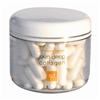
The new range, ‘Skin Deep’ includes ‘Skin Deep 100% Pure Collagen Capsules’ which were originally developed to alleviate joint and arthritic conditions, but patients also reported remarkable improvements in their skin at the same time. It appeared healthier and firmer, while fine lines diminished. Other benefits also included healthier looking hair and stronger nails. The results were visible in as little as three weeks.

The principal ingredient of is Collagen — a word derived from the Greek meaning to produce glue — its function within our body is similar, holding and supporting tissues. As we age collagen production diminishes.

The Skin Deep range differs from other collagen products available as it uses a superior patented brand of hydrolysed collagen produced to make it purer than other collagen supplements. It has a lower molecular weight which enables the collagen to be absorbed more quickly into the system. Skin Deep Collagen is 95% absorbed in the body within the first 12 hours of being taken. Once in the body it seems to perform the same function as our own collagen and the body’s natural collagen base is restored to that of a younger person. Skin Deep Collagen has received FDA approval and has been confirmed as GRAS (Generally Regarded as Safe).

Skin Deep Collagen capsules are available in pots containing 90 capsules (1 month supply – 3 to be taken per night) and contains 100% pure collagen. These are ideal for anyone looking to maintain a healthy skin and reduce the signs of ageing.

Skin Deep Collagen capsules cost £24.95 on-line at www.thevitalityshopuk.com

Anti-depressants don’t work, says new research

image

London: People suffering from depression are getting few benefits from drugs to treat their symptoms, researchers at a UK university have concluded.

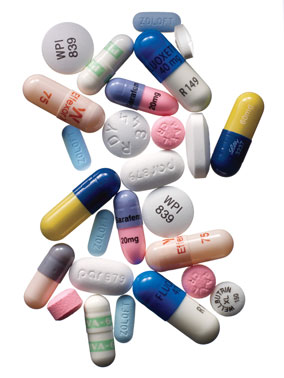
Researchers at the University of Hull analysed studies of thousands of patients on some of the most widely-prescribed drugs such as Prozac, Seroxat and Efexor – to discover that they may as well take “placebos”.

They said the drugs were only effective in improving the mental health in extreme cases.

The study, which has been published in the journal PLoS Medicine, suggests hundreds of thousands of Britons are needlessly taking powerful – and potentially dangerous drugs.

Their report has also been handed to the US’s Food & Drug Administration.

A number of serious side-effects have been associated with these drugs including suicide and suicidal thoughts, side-effects which are known as SSRI (Selective Serotonin Reuptake Inhibitor) anti-depressants. Other side effects have included self harm to anxiety, insomnia, nausea, headaches and vomiting.

Seroxat alone has been linked to at least 50 suicides – both adult and child – in the UK since 1990.

The research comes as prescriptionsfor anti- depressants are at record levels, with 31million written in 2006 at a cost to the NHS of almost £300million. Around half of these were for Prozac, Seroxat, Efexor and other SSRIs.

Researcher Professor Irving Kirsch said: ‘Given these data, there seems little evidence to support the prescription of anti-depressant medication to any but the most severely depressed patients, unless alternative treatments have failed to provide benefit.’

Professor Kirsch, a psychologist, reached his conclusion after combining the results of 35 clinical trials involving more than 5,000 patients with depression.

Two-thirds of those taking part in the studies were prescribed the SSRIs, while the remainder took placebo tablets.

Comparison of the two groups showed that in the majority of cases the mental health of those taking anti- depressants improved little more than those on dummy pills.

Only those who were extremely depressed – a very small proportion of those studied – fared substantially better when on medication.

The results suggest that those taking the tablets mainly benefit from the ‘placebo effect’ – in which symptoms are eased not by medication but by relief in diagnosis and the simple expectation a treatment will work.

Americans spend $13 billion on cosmetic surgery

image

Los Angeles: Cosmetic surgery is gaining increasing popularity amongst American men, although women are still in the majority having nine out of ten procedures, according to the latest figures from the American Society of Aesthetic Plastic Surgery (ASAPS).

US men who mostly chose Botox and liposuction, underwent 17 percent more cosmetic procedures in 2007 – more than1 million treatments.

ASAPS said that 10.6 million procedures had been carried out on women in 2007, the most popular of which were Botox and breast implants.

The biggest increase during the year was in buttock implants, called the “Brazilian butt” which originated in the South American country.

The five most common surgical procedures for men were liposuction, eyelid surgery, nose jobs, male breast reduction and hair transplants. Among women, the most popular were breast augmentation, liposuction, eyelid surgery, stomach surgery and breast reduction. Among non-surgical procedures, Botox, soft tissue fillers, laser hair removal and skin treatments were the most common in both groups.

Botox injections cost an average of $380, while breast implants were $4,000, buttock lifts were $5,000, liposuction was about $3,000 and nose jobs were $4,400. In all, Americans spent more than $13 billion on cosmetic surgery and less-invasive procedures last year, according to the report.

BioForm Medical Inc.’s Radiesse, a soft-tissue filler, increased more than 50 percent during 2007. The use of rival substances, including collagen and hyaluronic acid products such as Medicis Pharmaceutical Corp.’s Restylane, fell.

The number of cheek implants also dropped, by more than 50 percent, as doctors and treatment providers used fillers instead, said Pozner, who serves on the advisory board for San Mateo, California-based BioForm Medical.

The American Society for Aesthetic Plastic Surgery has as members some 2,400 certified plastic surgeons who work to educate the public and advance medical research. The group’s annual report surveyed 12,000 plastic surgeons, dermatologists and ear, nose and throat specialists. The society is based in Los Alamitos, California

New surgical techniques minimise trauma scarring, explains Beverly Hills surgeon Raj Chopra

image

BEVERLY HILLS COSMETIC SURGEON Raj Chopra (pictured right) explains how the latest stitching technique can literally save your face following injury….

Cosmetic surgery is not just for the vain. Many of the techniques learned by surgeons are also used to repair serious injuries caused by car crashes and other accidents that would otherwise leave victims horribly disfigured. In Hollywood Raj Chopra is renowned for his expertise in facial surgery techniques and since stars earn their living from their looks he is the man they call to the Accident & Emergency.

Scars are generally considered unattractive and whilst it is possible to camouflage them with makeup plastic surgeons have become adept at hiding them following cosmetic surgery.

The scalp, for example, is used to hide brow lift incisions and intranasal incisions are used for rhinoplasty. To hide facelift incisions, most incisions are in or around the ear and hairline. For eyelid lifts (blepharoplasty), incisions are hidden in natural creases on the lid or near the eyelashes, or even inside the eyelids. If none of these options are available, the scar or incision should be aligned parallel with relaxed skin tension lines, which for example, run horizontally on the forehead.

So what can be done with a scar that has resulted from an injury? Not all scars need scar revision, especially those hidden in areas not easily visible (scalp, natural creases, etc.) However, for unpleasant scars including there are several surgical remedies.

The technique that might be used is individually based on the size, orientation, and body site involved. However, all techniques have certain fundamental principles in common to ensure a good result. These include meticulous handling of soft tissue, creating a tension free closure, placement of deep sutures to ensure a tension free epidermal closure, and symmetric closure of the skin edges after surgery. In many cosmetic cases, sutures placed under the skin edges are used to avoid the possibility of seeing stitching marks on the skin.

Finally, laser resurfacing can be used to blend the revised scar in with surrounding soft tissues to create not only a more even color match, but also create a smoother surface.

Contact information:
Raj Chopra, M.D.
Facial Plastic & Reconstructive Surgery
9400 Brighton Way, Suite # 410
Beverly Hills, CA 90210. USA.
Tel :(310) 858-1787. FAX: (310) 858-3787
E-mail: md@rajchopramd.com
Website: www.rajchopramd.com

Get a sleek & slinky body with Tenpilates

image

Pilates has always been famous for its power to sculpt the body, create lean, toned muscles and boost core strength. Which is essential not just for a flat tummy but also to help prevent back and neck problems, by supporting the spine.

Now, TenPilates takes the original system of Pilates – which is almost 100 years old – to create a more dynamic style of workout, offering all of the celebrated benefits of Pilates but giving it a high-energy, cardiovascular dimension that catapults your endorphins to new love yourself levels. Traditional Pilates moves are combined with techniques from circuit and weight-training to isolate and work specific muscle groups with extra intensity. The result? An innovative, results-driven programme that burns fat, strengthens core muscle groups and slims the body faster than you ever thought possible, burning up to 650 calories per hour. You will leave class feeling taller, sexier and energised.

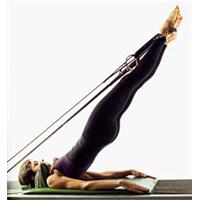
TenPilates students work on state-of-the-art Body Balance reformers, not on the mat – with the Reformer springs offering muscular resistance while helping to maintain stability.

TenPilates is suitable for ‘Pilates virgins’ – with specific beginners’ classes each week. It’s great for men (who benefit hugely from improvements in their flexibility). And it maintains the Pilates tradition as the perfect exercise option for rehabilitation, after injury or illness. (Joseph Pilates originally developed the system of exercise while interned during World War I, later using it for the rehabilitation of injured soldiers.) Today, TenPilates instructors – with their in-depth understanding of anatomy and physiology – can help tailor a regime specifically for a client’s rehabilitation, helping to engage, retrain and ‘re-programme’ muscles. Bad postural habits can be banished, in the same way. In fact, TenPilates can be utilised as a solution for everything from depression to chronic back pain to a post-pregnancy, less-than-pancake-flat tummy, (or to simply add variety to your training routine).

One of the great advantages of TenPilates’ approach is that it is constantly evolving much like the individual. No two classes are alike – unlike most reformer work, which can be highly repetitive. With so many forms of exercise, in fact, it can be hard to stay motivated. But as many of TenPilates devoted clients can attest, with this dynamic form of Pilates the opposite is true – with TenPilates’ instructors offering any help they need to stay focussed. (In fact, there are some TenPilates ‘addicts’ who come to class every single day. And definitely have the bodies-to-die-for, to prove it…)

Reformer Pilates has become extremely popular with professional footballers, cricketers and rugby players who are turning to this form of exercise to add flexibility and core strengthening to their existing fitness regimes. And it’s no surprise that ‘dynamic’ Pilates has become the workout of choice of many Hollywood A-listers, where your body – as well as your face – is your fortune.

So isn’t it time you discovered the power of TenPilates…?

Beat the Battle of the Bulge with Batchelors Soupfulls

image

London: Batchelors has launched a new range of delicious and wholesome soups, appropriately named Soupfulls. Filling and satisfying, each soup is loaded with quality, chunky meat and vegetables, making it hard to decide whether to use a fork or a spoon!

Soupfulls are healthy and convenient meals, that do not compromise on taste or quality. Perfect either for lunch when you want to eat something filling to keep you going throughout the day, or for when you have been rushed off your feet and want an easy to prepare, quick and light dinner. Or for when you just want to eat a piping hot, sumptuous bowl of soup!

Soupfulls are available in five delicious flavours; Classic Beef & Vegetable, Tuscan Tomato & Pasta, Chicken & Country Vegetable, Creamy Chicken Potato & Mushroom and Mediterranean Vegetable and all come in easy to open, foil pouches for added freshness. Batchelors have selected only the finest ingredients and used the greatest of care to prepare Soupfulls so that the natural taste and goodness of all ingredients are retained.

These satisfying, tasty soups are packed full of nutritious ingredients and provide a balanced meal, full of vitamins ideal for the health conscious choice. The Tuscan Tomato and Pasta soup, for example, contains only 208 calories and 1.6g of saturated fat per 400g pouch.

The range includes no MSGs, artificial colours or preservatives and are low in fat, plus they can also be easily cooked in either a microwave or hob for just a few minutes, making Soupfulls a healthy and convenient tummy filler.

Just empty the contents, heat, serve and enjoy and decide between the fork or the spoon!

Batchelors Soupfulls are available nationwide in the UK now.

They are available in five flavours, Classic Beef & Vegetable, Tuscan Tomato & Pasta, Chicken & Country Vegetable, Creamy Chicken Potato & Mushroom and Mediterranean Vegetable.

RRP is £1.39.

Nearly 50% of adults don’t know their fats

image

London: Nearly half the population (45%) do not realise that too much saturated fat (SAFA) is bad for their health.

This latest research from independent UK body, The Fat Panel, also reveals that whilst one in seven fail to link coronary heart disease with excessive SAFA intake, nearly one in four believe that reining in saturated fat consumption will improve their love lives.

These findings re-enforce the panel’s claims that Brits do not understand fats – unaware of which are good and which are bad for their health. As a result, on average the UK eats 17% too much saturated fat; raising the risk of developing cardiovascular disease. In view of this, the Food Standards Agency’s (FSA) has commissioned a consultation on how to reduce the nation’s intake of saturated fat and energy.

“Most of us should be worrying less about the amount of fat we are consuming, and more about what types of fat we’re including in our diets. The research is worrying, as it shows that many of us are still unaware of the risks of eating too much saturated fat, despite health professionals and academics long-term concerns backed by a wealth of clinical evidence,” said Dr Sarah Berry of The Fat Panel.

“It’s good to see the Government shining a spotlight on this harmful fat. If it hopes to see a reduction in the amount of saturated fat that people are eating, we need to help people to understand SAFA and why it’s so bad for your health”.

There is a lot of public confusion over which foods are high in saturated fat, making it difficult for the public to know which fats and foods they should avoid or cut down on. More than one third of those questioned (35%) believes that sunflower oil is high in saturated fat (it contains just 12%), whilst more than one quarter think that rapeseed oil is high in this bad fat (it contains just 8% saturated fat).

Nearly one in 10 of those questioned do not realise that butter is high in saturated fat. A further one in eight does not think cakes and biscuits have a high SAFA content. In addition, one in 10 are unaware of meat products, such as meat pies and sausages, containing high levels.

Sian Porter of The Fat Panel says “By understanding that saturated fat is bad for the body, the next step is for people to recognise which foods contain these. Snacks such as cakes, biscuits and pastries contain high levels – but this can easily be rectified by simply swapping these for healthier options like fruit or even toast with spread – which on average contains 25% less saturated fat. It’s all about education, and having the knowledge to make informed – and as a result – healthier choices”.

Recent moves on food labelling should help people make these choices; however just half of us even look at the on-pack information when buying butter or spreads for instance, and only one in six look at how much saturated fat is in the pack. When thinking about saturated fat content, all spreads are at least 25% lower in saturated fat than butter and some contain much less with certain spreads offering up to 83% less saturated fat. More and more people are opting for low-fat products, whether on health or diet grounds, but it seems like few consider what type of fat a product contains.

The Fat Panel
Dr Sarah Berry BSc Msc PhD RNutr
Dr Berry is a registered nutritionist, working at kings College, and her specialist area of knowledge and research is lipid metabolism and coronary heart disease risk.

Sian Porter MScBsc(HONS) RD
Sian is a state registered dietician and holds an MSc in Health Economics.

Dr Paul Stillman MB ChB DRCOG PGCHE
Dr Stillman is in general practice in Crawley, Sussex and is a general practice trainer with the British Postgraduate Medical Federation.

Dr Pamela Mason, PhD, MSc, MRPharmS
Dr Mason is a nutritionist and pharmacist.

Dr Chris Steele MB, ChB
Dr Steele is a general practitioner and is the regular ‘doc’ on ITV’s ‘This Morning’ show. He is Health Journalist of the Year.

Dr Amanda Kirby MBBS MRCGP MFFP
Dr Kirby is a GP in Cardiff, with specific experience in community paediatrics.

Research was undertaken by Kember Associates with adults across the UK.

www.TheFatPanel.org.uk

Brits spend more time cleaning their cars than teeth

image

New research shows that millions of UK adults are seriously unaware of effective preventive tooth care. The survey, commissioned by Denplan, backs up recent research from Citizen’s Advice which shows millions of adults cannot access an NHS dentist – indicating a ticking time bomb for the already over-stretched British healthcare system.

Denplan’s survey of the nation’s tooth care habits showed a worrying lackadaisical attitude, with only 61 per cent of respondents bothering to brush their teeth twice a day, preferring to get the toothbrush out only once (31 per cent). Men were also the worst offenders, with 36 per cent of them brushing just once a day, and 70 per cent of women brushing twice a day or after every meal.

Dentists unable to educate

The reasons for this blasé attitude was largely down to ignorance of what a positive impact brushing twice a day has on tooth and gum health. Of those respondents who don’t brush their teeth twice a day, 32 per cent thought it wasn’t necessary or had the opinion that brushing once was better than not brushing at all (22 per cent). A worrying 19 per cent stated that they simply couldn’t be bothered to brush twice.

Steve Gates, Managing Director at Denplan, comments: “We do believe that much of this unawareness of oral hygiene is symptomatic of the fact that people increasingly have less access to dentists. Dentists provide vital after-care advice and help to educate patients on how to avoid serious problems.

“Some of our other recent research shows that 34 per cent of private dental patients visit a private dentist because they can’t find an NHS one. The current situation has a particular impact on low income households where going private may not be considered an option. As a result, for many the health of their teeth is not a priority which is stacking-up health issues for the NHS purse strings when emergency dental care is required.”

More time spent washing the car

Almost three-quarters (72 per cent) of all respondents who brush their teeth don’t spend enough time on each brush, brushing for less than two minutes – the minimum recommended time to spend brushing your teeth.

“Our respondents said that they don’t have the time to brush their teeth twice or more times a day. But, only four minutes a day is needed to help you avoid any nasty dental problems that could mean pain, anti-social smelly breath or even losing some teeth. As adults, these are the only teeth we are ever going to get so, its frustrating to see people dedicate more time cleaning the car or putting their make-up on,” continues Gates.

Tooth rot

The research also indicated that there is still a huge gap in understanding what foods cause tooth decay. More than a third of respondents don’t know what the primary cause of tooth decay is with 37 per cent citing reasons such as ‘plaque’ and ‘lack of calcium’, rather than the number one tooth rotter – sugar.

From the research results, it was no surprise that 60 per cent of respondents had suffered dental-related problems in the last twelve months.

Of these, nearly twice as many men (21 per cent) than women (12 per cent) did nothing about it, whereas 87 per cent of women proactively consulted a dental professional or enhanced their oral health regime.

The research also showed that women (36 per cent) were better at flossing than men (21 per cent). With, 32 per cent of men also saying that they didn’t use any other types of dental product such as mouthwash, floss, mints or chewing gum, that means there are a lot of frogs to kiss.

Find out more about Denplan www.denplan.co.uk

Denplan Ltd., part of the AXA Group, is the UK’s leading dental plan provider with an approximately 80% market share. Denplan has more than 6,500 member dentists nationwide (around a third of General Dental
Practitioners) and over 1.8 million registered patients. The company was established in 1986 by two dentists who pioneered the concept of dental payment plans. Today Denplan provides a range of plans for adults and children, enabling patients to spread the cost of their dental care through a fixed monthly fee. Denplan supports regular attendance and preventive care, reducing the need for clinical intervention and helping patients to maintain healthy teeth and gums for life.

Denplan Care: all routine and restorative care + worldwide dental A & E cover

Denplan Essentials: routine care only + worldwide dental A & E cover

Plans for Children: routine and other agreed care + worldwide dental A & E cover

Denplan Emergency: worldwide dental A & E cover only

Denplan Enhance: interest-free patient loans of £250 – £25,000 for dental treatment

Company Dental Plans: company funded, voluntary and flexible benefit schemes

Denplan also provides a range of professional services for its member dentists, including the Denplan Quality Programme, Denplan Excel accreditation programme and Denplan Training.

Patient enquiries telephone: 0800 401 402

Dentist enquiries telephone: 0800 328 3223

About the survey
All figures, unless otherwise stated, are from YouGov Plc. Total sample size was 1,974 adults. Fieldwork was undertaken between 11th – 14th January 2008. The survey was carried out online. The figures have been weighted and are representative of all GB adults (aged 18+).

Lumineers – the new way to transform your smile

image
image

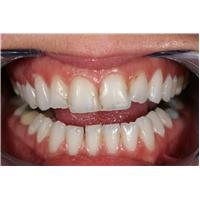
LUMINEERS® by Cerinate® porcelain veneers is the pain free, non-invasive cosmetic dental treatment which will transform any smile into a whiter, brighter, full-on beam and enhance your appearance.

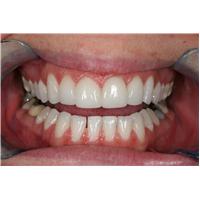
LUMINEERS was developed by the California-based corporation Den-Mat and is now available for the first time in the UK. LUMINEERS are as thin as a contact lens and are bonded to the front of the teeth – so a stunning new look can be created – with only two visits to the dentist. This treatment is ideal for misaligned, misshapen, stained, discoloured or widely spaced teeth without the need to grind down healthy tooth structure. It can even cover existing crowns or bridgework.

A patient pictured before is shown on the right and after treatment below.

Lumineers are available from approved cosmetic dentists who assess your suitability. LUMINEERS do not require the removal of sensitive tooth structure and no temporaries are needed. A unique set of LUMINEERS are then created and fitted to the front of the teeth without the need for injections. Once they approve their look and feel.

LUMINEERS are permanently bonded, and will look natural and feel comfortable right from the start.

LUMINEERS are made from Cerinate porcelain and will be made to match existing teeth. They can be cared for and treated as normal using a regular brush and non-abrasive toothpaste.

These permanent porcelain veneers are clinically proven to last up to 20 years with no need for drilling; LUMINEERS can disguise and strengthen unattractive teeth. A LUMINEERS smile also offers instant teeth straightening and looks completely genuine.

Appearances are always improved with an enhanced smile and having a bright and confident beam is the key to feeling and looking great. With LUMINEERS anyone can be confident that their smile is one to be proud of – change smiles and see how it can change lives!

For more information, please visit: www.lumineers.com or contact DKAP International on 0800 028 0155.

Is salt fuelling child obesity?

image

London: Salt-rich diets could be the reason why many children are getting fatter, University of London researchers say.

In a study of data on 1,600 children, they found that children eating a salty diet tended to drink more, including more fattening, sugary soft drinks.

They reported in journal Hypertension that halving the average daily salt intake of six grams a day could cut 250 calories a week from a child’s diet. They said the the food industry should reduce salt content in products.

One in five children in the UK is overweight and there are fears that this will contribute to a rising trend in adult obesity, heart disease and stroke in years to come.

Eating products high in salt tends to make people thirsty and it is known that in adults, a salt-laden diet tends to increase the amount of sugary soft drinks consumed.

This is the first study to see if the same effect was found in children.

The team from St George’s, University of London, looked at data from the National Diet and Nutrition Survey, conducted in 1997.

They used a sample of 1,600 four to 18-year-olds who had all had their salt and fluid intake measured precisely.

They found that children eating a lower-salt diet drank less fluid and estimated that one gram of salt cut from a daily diet would reduce fluid intake by 100 grams per day.

Approximately a quarter of those 100 grams would be sugary soft drinks, they predicted.

The researchers estimated that if children cut their salt intake by half – an average reduction of three grams a day – there would be a decrease of approximately two sugar-sweetened soft drinks per week per child.

That, in turn, would decrease each child’s calorie intake by almost 250 calories per week.

They urged parents to check the salt content of their children’s meals and manufacturers to find ways to reduce this content.

They said reductions in the salt content of 10% or 20% cannot be detected by human salt taste receptors and do not cause any “technological or safety problems”.

Professor Graham McGregor, one of the paper’s authors and the chairman of Consensus Action on Salt and Health, said that while some manufacturers had acted to reduce salt levels in bread and cereals – the main sources of salt for children – there was still plenty left for the industry to do.

“Unfortunately some food specifically targeted at children has to be laced with salt otherwise it would be inedible, because it is made from mechanically-recovered meat,” he said.

“The salt levels in some of these products have been brought virtually up to the level of sea water.

“This is evidence of another, hidden way in which eating too much salt may harm the health of children and the industry needs to do a lot more.”

Dr Myron Weinberger, from the Indiana University Medical Center, wrote that reductions in salt and soft drink consumption in children, coupled with an increase in physical activity, could help reduce the “scourge of cardiovascular disease” in western society.

A spokesman for the British Heart Foundation said that better food labelling would help parents to choose healthier foods for their families.

“When children regularly swill down salty foods with sugary, calorie-laden soft drinks, it can mean double trouble for their future heart health.

“This report is yet more proof that children must be supported to make healthier food choices to avoid becoming obese or increasing their blood pressure.”

Fertility increased by acupuncture

image

London: The British Acupuncture Council (BAcC) has welcomed the preliminary results of a recent international study published today in the British Medical Journal which found that acupuncture given with embryo transfer can improve rates of pregnancy by 65% in women undergoing in vitro fertilisation (IVF).

Head of the British Acupuncture Council Research Committee, Professor Nicky Robinson said: The recent systematic review and meta-analysis of 7 trials, involved 1,336 women undergoing IVF.

“This study suggests that when acupuncture given in conjunction with embryo transfer increases the chance of women becoming pregnant by 65%, in comparison to sham acupuncture or no additional treatment. What this means is that 10 women would need to be treated with acupuncture to bring about one additional pregnancy.”

“It confirms what many of our practitioners and their patients have found, namely that acupuncture can be helpful in this area.”

”At the BAcC, we recognise that our practitioners are treating more and more women for a wide range of fertility issues, including menstrual irregularities and the inability to conceive and our research committee has a comprehensive research study underway, analysing the member’s practice of fertility related conditions.”

The researchers at the University of Maryland School of Medicine and VU University Amsterdam set out to determine whether acupuncture given with embryo transfer improves the rates of pregnancy and live birth among women undergoing IVF.

Acupuncture is a form of oriental therapy and fertility focused acupuncture treatment can help to increase blood flow to the reproductive organs, balance hormone levels, regulate the menstrual cycle and help improve the lining of the uterus and quality of eggs released.

Acupuncture is thought to aid fertility treatments by being able to:

* regulate the menstrual cycle and promote regular ovulation
* regulate the hormones to produce a larger number of follicles
* improve the functions of ovaries to produce better quality eggs
* enhance the vitality of sperm
* relieve the side effects of drugs used in IVF
* increase the thickness of the uterine lining so to encourage successful implantation.

As with all health care treatments, it’s important to find a registered and qualified practitioner. To find a practitioner in your area call the British Acupuncture Council on T: + 44 (0) 20 8735 0400 or visit www.acupuncture.org.uk

About the BAcC:

The British Acupuncture Council (BAcC) has a membership of over 2,800 professionally qualified acupuncturists. It is the UK’s largest professional body for the practice of acupuncture.

BAcC members practise a traditional, holistic style of acupuncture diagnosis and treatment based on a system developed and refined over 2,000 years. To achieve BAcC membership, practitioners must first undertake extensive training in traditional acupuncture (minimum three years full-time or part-time equivalent), which includes physiology, anatomy and other biomedical sciences appropriate to the practice of acupuncture.

Cosmetic surgery more popular in UK than anywhere in Europe

image

London: 1,500 cosmetic treatments are carried out in Britain every day by women and men aspiring to a new notion of beauty

577,000 cosmetic operations and treatments were carried out in Britain in 2007. Cosmetic fillers and other non-invasive treatments have had the biggest increases, accounting for 472,000 of the total -that’s nearly 1,300 a day.

As non-invasive procedures like cosmetic fillers start to make injections a gentler experience, many women are simply thinking ‘why not?’ The UK launch of Juvéderm® ULTRA range, the first cosmetic filler with anaesthetic, heralds things to come as for many people, the idea of being injected was the one thing holding them back.

Yet it is not just medical progress that is the catalyst for the increase in cosmetic treatments. An international study confirms that women are attempting to capture a new notion of beauty. The global survey, commissioned by Allergan, revealed that women do not want to remove all traces of aging and look ‘perfect’, choosing instead to reduce some specific wrinkles, like frown lines. It also found that UK women are literally under the most pressure in the world to look good. 59% felt there is increasingly more pressure on them to look more attractive compared to 48% of US women and 30% of traditionally glamorous Italians.

The ever-growing pressure on women to meet all expectations while looking effortlessly, naturally beautiful means the beauty ideal is no longer defined by the need to look perfect. That’s why stars with ‘natural’ beauty like Gwyneth Paltrow and Nicole Kidman have topped the ‘natural look’ list for both men and women. In fact anti-aging creams are now something that 1 in 10 men in the UK would consider as part of their grooming routine.

For more information on Juvéderm® visit www.allerganbeauty.co.uk

Stem cell cure for stroke in five years?

image

Boston: Stem cell injections have potential to repair the human brain following a stroke, according to US doctors.

Gary Steinberg at Stanford University has led the team of researchers who experimented with the brain cells of rats. They used embryonic stem cells and mixed them with natural chemicals, including growth factors.They then placed them into brain cells in hopes of helping stroke patients.

They tested the injections of stem cells on rats that had strokes to come up with their results.

They found that within two months they saw significant improvement on the part of the rats. It is expected that within five years the stroke victims’ brain damage would be fully recovered.

The authors wrote “This is the first report demonstrating that the transplantation of human neural stem cells derived from human embryonic stem cells can improve neurologic behavior after experimental use.”

Steinberg stated that they hope to test this out in human clinical trials within five years. “Human embryonic stem cell-based therapies have the potential to treat this complex disease.”

Exercise therapy treats depression

image

London:The last three years have seen a significant rise in the number of GPs prescribing exercise to people with mild to moderate depression, according to new research* from the Mental Health Foundation.

The charity says that 22% of GPs now prescribe exercise therapy as one of their three most common treatments for depression compared with only 5% three years ago.

The new figures also show a change in GPs’ beliefs about exercise therapy. Almost two-thirds of GPs (61%) now believe a supervised programme of exercise to be ‘very effective’ or ‘quite effective’ in treating mild to moderate depression, in comparison to 41% three years ago. And two thirds of GPs (66%) who currently do not have access to an exercise referral scheme say they would use one if it were available.

1 in 6 GPs (16%) have noticed an increase in the number of people asking whether exercise would be a suitable treatment for their depression.

The Mental Health Foundation has been campaigning for the last three years to increase the use of exercise referral for mild to moderate depression. The charity warns that despite growing interest among patients and changes to GP attitudes, exercise on prescription is still not widely available – with less than half of GPs (49%) able to access an exercise therapy referral scheme for people with depression.

Andrew McCulloch, Chief Executive of the Mental Health Foundation, said:

“It is excellent news that GPs are now turning to exercise therapy to help people with depression. There is a real need for increased availability of exercise on prescription so that it is accessible alongside antidepressant medication and psychological therapies. Depression is a complex illness – it is important that GPs have a range of treatments to offer and that people with depression have a choice.”

The Mental Health Foundation is now working to expose the barriers that prevent exercise therapy from being offered universally. The research programme, partly funded by the Department of Health, involves the charity working with six sites across England that run exercise referral schemes**.

The research findings will be published in early 2009, in addition to a toolkit that will include practical advice on setting up and delivering an exercise referral scheme, as well as training packages for referrers in primary care and industry staff involved in exercise therapy delivery.

Two information booklets about exercise and depression are available from the Mental Health Foundation – ‘How exercise can help beat depression’ for patients and ‘Exercise referral and the treatment of mild or moderate depression’ for GPs and healthcare practitioners. Download from www.mentalhealth.org.uk or telephone 020 7803 1100.

* Total sample size was 200 GPs – the survey was carried out by GfK HealthCare. The Up and Running? report published by the Mental Health Foundation in 2005 includes the results of 200 GPs polled three years ago – www.mentalhealth.org.uk

** The participating six sites are located in Bedfordshire, Cambridgeshire, London, Northamptonshire, Redcar and Cleveland, and the Wirral.

About the Mental Health Foundation:

The Mental Health Foundation uses research and practical projects to help people survive, recover from and prevent mental health problems. We work to influence policy, including government at the highest levels. And we use our knowledge to raise awareness and to help tackle the stigma attached to mental illness. We reach millions of people every year through our media work, information booklets and online services.

Mental decline is No1 fear of ageing

image

London: Research conducted by Help the Aged has revealed that the UK public rank mental decline higher than any other worry about ageing, including big issues like the pensions crisis and the fear of isolation (1).

In response to this concern, the Charity has launched a new website www.disconnectedmind.org.uk to help mobilise public support for one of the world’s most promising scientific projects to combat the condition.

Help the Aged has committed to fund this historic project, called The Disconnected Mind, through to its conclusion in 2015. Donations are needed now to maximise the possibility of a breakthrough in the fight against early mental decline that usually leads to dementia (2).

The project is unique because the scientists leading the study at the University of Edinburgh will revisit 1,000 volunteers, who are now aged 71, who took part in the Scottish Mental Survey in 1947 – a survey that has not been repeated since. The project will compare the participants’ childhood mental ability, current ability, biological health and 60 years of life experience.

www.disconnectedmind.org.uk uniquely divides the project into tangible pieces so that the public can see how any donation from them, however small, can make a big difference. For example, just £45 would fund the in-depth examination of one participant’s test results, which could hold the secret to the prevention or treatment of mental decline.

Early mental decline often leads to dementia that affects 700,000 people in the UK. Tragically, this is expected to rise to over a million by 2025 unless new ways are found to combat it.

More details on the survey:

(1) Survey by GfK NOP for Help the Aged. A sample of 1000 adults aged 16+ in the UK were interviewed during the weekend of 4th – 6th May 2007. This survey was designed to be nationally representative of the telephone owning population of the UK. It revealed that mental decline ranks higher (41% of responses) than any other concern about ageing, including big issues like the pensions crisis/lack of savings and fear of isolation. Initial mental decline often leads to full dementia which the survey revealed is the age-related health condition of greatest concern, with 53% of respondents ranking it above strokes, incontinence and osteoporosis.

(2) Four out of five people who experience mild mental impairment go on to develop dementia within six years.

The team of experts at the University of Edinburgh performing The Disconnected Mind project are Professor Ian Deary, Doctor John Starr, Professor Jim McCulloch, Professor Joanna Wardlaw, Professor Richard Morris and Doctor Karen Horsburgh.
Help the Aged is the charity fighting to free disadvantaged older people in the UK and overseas from poverty, isolation, neglect and ageism. It campaigns to raise public awareness of the issues affecting older people and to bring about policy change. The Charity delivers a range of services: information and advice, home support and community living, including international development work. These are supported by its paid-for services and fundraising activities – which aim to increase funding in the future to respond to the growing unmet needs of disadvantaged older people. Help the Aged also funds vital research into the health issues and experiences of older people to improve the quality of later life.

Fast food harms the liver

image

Too much fast food and too little exercise can harm the liver in just one month, research suggests.

A small study found that people who ate junk food twice a day experienced varying degrees of damage to their liver.

They also put on large amounts of weight in a relatively short amount of time.

Twelve men and six women – 17 of whom were students – were recruited for the study, published online in the journal Gut.

They were all healthy and slim, but for the study they ate at least two fast food meals a day, preferably from well-known fast food restaurants.

Exercise was also restricted to under 5,000 steps per day each.

Blood samples were taken at the start of the study, two weeks into the study and after four weeks.

Participants were urged to greatly increase their daily calorie intake, and only stopped the trial early if they gained 15% in weight.

Another group ate a normal healthy diet and acted as controls.

Parents tell porkies so kids can skip exercise, reveals new survey

image

London: The average child spends over 3½ hours a day watching TV but less than 3½ hours a week exercising according to research out today. The findings show that activities taken outside of school have declined by 41% in a single generation with virtual activities replacing real life activity for many kids. This issue isn’t helped by the fact that almost a quarter of the parents polled admitted to having written a ‘false sick note’ to allow their child to skip PE in school.

Dame Kelly Holmes Comments: “I’m deeply alarmed but not surprised at the news that today’s children are doing a lot less exercise than their parents did. There’s no doubt modern life is limiting the amount they do – whether it’s because of lifts to school or use of technology. Our kids need to learn the importance of exercise in leading fulfilling and healthy lives. They need to get up off the sofa.”

The national activity audit has been released to mark the launch of this year’s Sainsbury’s Active Kids initiative which is being led by double Olympic gold medallist Dame Kelly Holmes. Launched three years ago, the Sainsbury’s Active Kids voucher programme has already generated £50 million in investment in sporting equipment for UK schools.

One in 20 children do no exercise at all outside school, which rises to nearly one in 10 in girls. London children are the worst when it comes to skipping exercise with 17% claiming to be completely inactive outside school. Urban children are more likely to blame a lack of local resources for their sofa habit with kids from Birmingham, Manchester, and Newcastle stating they had “nowhere to go.”

Dame Kelly Holmes further comments: “Schools are doing a great job in promoting sports, but it is essential that children do activity after school and at home as well. What troubles me about these findings is that so many are spending too much time lying around rather than getting out and about learning new skills and having fun.”

For more information visit www.sainsburys.co.uk/activekids

Healthy diet, including moderate alcohol intake cuts prostate disease risk

image

Seattle: A heart-healthy diet, and even moderate alcohol intake, may help decrease the risk of prostate problems, new US research has found.

The study, published in the American Journal of Epidemiology, found a high-fat diet increased the risk of benign enlargement of the prostate or symptomatic benign prostatic hyperplasia, known as BPH, by 31 percent and daily consumption of red meat increased the risk of BPH by 38 percent.

Study author Alan Kristal of the Fred Hutchinson Cancer Research Center in Seattle said: “We don’t really know how it’s working but it’s pretty clear that eating a high amount of fat and it doesn’t appear to matter what kind fat, increases the risk of BPH.”

As well as consuming low-fat foods, risk was also reduced 32 percent by eating four or more servings of vegetables daily and 15 percent by making 20 percent of the daily calorie intake lean protein.

The study assessed diets, supplement use and alcohol consumption of 4,770 BPH symptom-free men for seven years during which time 876 developed BPH symptoms. The study also found moderate alcohol intake reduced the risk of BPH by 38 percent.

Fitness not genes is the key to longevity

image

Boston: Regular exercise is more important than genes if you want to live a longer life, according to new US research.

Risk factors such as smoking, diet and health account for three quarters of the variations in lifespan. Only one quarter is down to genes.

The research published in the Archives of the Internal Medicine Journal, studied a group of men aged 72 over a period of four years. A figure of 40 per cent lived to the age of 90 or more.

It was found that those who were overweight, with diabetes, hypertension and who smoked had a reduced life expectancy while those who reached 90 were in better physical shape.

A 70-year-old who does not smoke, has normal blood pressure and weight, without diabetes and who exercises two to four times a week has a 54% chance of living to 90.

The following all reduce life expectancy:

* Not taking exercise – cuts the chance of a man reaching his 90s to 44%
* Obesity – cuts the chances of reaching 90 to 36%
* Smoking to 22%
* High blood pressure to 26%
* A combination of factors such as no exercise, obesity and diabetes cuts it to 14%

New transplant hope for diabetes patients launched in UK

image

London: A revolutionary new treatment will offer new hope for a group of people with Type 1 diabetes, the UK’s Health Minister Ann Keen announced today.

From 1 April 2008, a specialised service at six centres across the UK will allow selected people with Type 1 diabetes to live free from the risk of blackouts and hospital admissions associated with hypoglycaemia.

The Department of Health will invest up to £2.34 million in islet transplant services in the first year, increasing to a maximum of
£7.32 million to meet the predicted annual need in the longer term.

People receiving the treatment will be injected with insulin producing islets, taken from a donated pancreas. Each of them will have suffered from recurrent hypoglycaemia or have had a kidney transplant.

Health Minister Ann Keen said: “In developing islet transplants for people who suffer from hypoglycaemia, the NHS is at the forefront of worldwide clinical innovation. This programme will ensure that people who have been unable to treat hypoglycaemia with conventional therapies will benefit from significant improvements to their quality of life”.

“These patients are dependent on organ donors for pancreases from which islet cells are transplanted. To ensure that as many people as possible can benefit from this groundbreaking therapy, I am committed to improving donor coordination services as recommended in the recent ‘Organs for Transplants’ report.”

Islet transplants have previously been offered to twelve patients in England under funding from charities, principally Diabetes UK.

Douglas Smallwood, chief executive of Diabetes UK, said:

“We are delighted that Diabetes UK-funded research has proved to the Government what huge immediate and long-term potential islet cell transplantation has. The Department of Health’s decision to fund this programme will be life changing for some people with Type 1 diabetes who suffer from the most serious effects of hypoglycaemia. Resolving the worst cases could save the NHS a significant amount of money, as hypoglycaemic attacks cost #15m a year in hospitalisations and ambulances alone.”

In the first year, it is expected that around 20 transplants will take place at the Oxford Radcliffe Hospitals NHS Trust, the Royal Free Hampstead NHS Trust, London, Kings College Hospital NHS Foundation Trust, London, Newcastle-upon-Tyne Hospitals NHS Trust, North Bristol NHS Trust and Central Manchester and Manchester Children’s NHS Trust. The service will then expand to meet the predicted annual need of approximately 80 transplants in subsequent years.

Islet transplantation is a suitable alternative to whole organ pancreas transplant as it is less invasive and can be considered for patients with cardiac disease who would be unfit for open surgery.

More about diabetes:

1. Hypoglycaemia is the medical term for low blood glucose.

2. Diabetes is a long-term condition where the body is unable to control the amount of glucose in the blood. Type 1 diabetes develops when the body cannot produce the natural hormone insulin.

3. The National Commissioning Group (NCG) considers applications from providers of very highly specialised services for national designation and central funding and where appropriate make recommendations to the Secretary of State. Currently NCG nationally designates 38 very highly specialised service at over 50 NHS Trusts and funds 37 of these services. In 2007/08 the NCG programme budget is #346m per annum.

4. The six centres in England receiving national designation and funding from NCG are: Kings College Hospital NHS Foundation Trust; Royal Free Hampstead NHS Trust; Oxford Radcliffe Hospitals NHS Trust; Newcastle-upon-Tyne Hospitals NHS Trust; North Bristol NHS Trust andCentral Manchester and Manchester Children’s NHS Trust.

An integrated hub-and-spoke programme will be established whereby islets will be prepared in the specialised central clinical laboratories in London and Oxford for distribution to the six regional transplant centres.

5. The diabetes National Service Framework (NSF) was launched on January 9th 2003. The NSF is a ten year plan for provision of services nationally to help people to manage their own diabetes and help to prevent them from developing the complications of the disease. Following the diabetes NSF people with diabetes will receive better care, more support and services. The diabetes NSF is available on the Department of Health website:www.doh.gov.uk/nsf/diabetes and can be ordered from:
Department of Health Publications, PO Box 777, London, SE1 6XH, fax
01623 724 524 email doh@prologistics.co.uk

6. A guide for people with diabetes, ‘Diabetes Care – Your future health and wellbeing’ is available from Department of Health Publications, PO Box 777, London SE1 6XH, tel: 08701 555 455, fax:
01623 724 524, email: doh@prologistics.co.uk
– quote 29335 and the title.

7. Residents of Wales, Scotland and Northern Ireland will be treated in English centres. The National Services Division in Scotland (equivalent of the English NCG) will be considering a transplant centre in Edinburgh to start in April 2009.

8. Current and Future Research on Diabetes: a Review for the Department of Health and the Medical Research Council is available on the Department of Health website :www.doh.gov.uk/nsf/diabetes

Alcohol abuse higher in intelligent people

image

London: Intelligent men and women are far more likely to drink heavily, a new study by the UK’s Medical Research Council has discovered.

The stress of working in a pressurised environment is a factor, particularly for businesswomen in male-dominated professions, says the report which is published in the American Journal of Public Health.

They now suspect, however, that the stressful jobs of high- flying professionals drive them to drink. Intelligent women may be particularly susceptible if they are struggling to do well in male-dominated professions.

The research, led by David Batty of the MRC’s social and public health sciences unit at Glasgow University, says: “An explanation might be that success in the workplace requires, in some circumstances, a willingness to drink frequently and to excess in social situations.”

A group of 8,170 men and women born in Britain during one week in 1970 were studied. Their mental ability at age 10 was compared with information about their alcohol consumption and drink problems at age 30.

The academics found that men and women with higher childhood mental ability scores had higher rates of problem drinking in adulthood. The increased risk of drink problems was higher for intelligent women than men.

The study found that men and women who confessed to drinking most days had the highest childhood mental ability scores, whereas those who reported that they never had alcohol had the lowest mental ability scores.

The proportion of women with a history of alcohol problems was highest among women with professional and managerial jobs. The study found that 47% of men and 22% of women were drinking in excess of the recommended limits of 21 units a week for men and 14 units a week for women.

The government is investigating how to deal with Britain’s heavy drinking culture, including the possibility of restricting shops’ cut-price promotions of alcohol. Another problem is middle-class adults drinking at home.

Alcohol-related deaths continue to rise in Britain. In 2006, the figure increased to 12.9 deaths per 100,000 in 2005 to 13.4 in 2006 (Office for National Statistics) with a doubling in the period from 1991 and 2006.