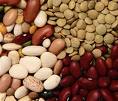
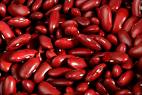
Fibre absorbs water, making food expand so that it is easier to pass through the body – Eating fibre rich food protects against bowel cancer – found in vegetables, fruits, whole gains, nuts, seeds, lentils and beans.


Fibre absorbs water, making food expand so that it is easier to pass through the body – Eating fibre rich food protects against bowel cancer – found in vegetables, fruits, whole gains, nuts, seeds, lentils and beans.
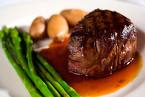
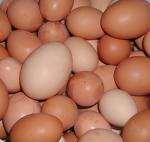
This contains the 25 amino acids which are the building blocks of the body and is found in fish, meat, beans, peas, lentils, eggs, cheese and soya.

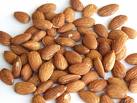
Even though low-fat foods have never been more popular, fat or lipids are essential to our bodies and skin. In fact a lack of them can cause fast ageing of the skin. It should also be noted that heating oils destroys essential fatty acids (EFAs) and if it is smoking hot it becomes carcinogenic (cancer causing).
Bad fats – saturated (hard) fat is found in dairy products and meats. These cause obesity, heart disease, strokes and other illnesses and not necessary for the body. The fat deposits itself in arteries as well as causing weight problems.
Hydrogenated (hardened) fats are liquid fats that have been converted into solids, producing trans fatty acids, which increase blood cholestrol. Many margarines have been hydrogenated and the fat is also found in processed foods. TFAs are linked to heart disease and some cancers
Good fats – unsaturated – contain Essential Fatty Acids and oil the skin from the inside out protecting it against fine lines and wrinkles and lowering cholestrol. They also transport vitamins A, D, E and K around the body. EFAs are found in cold pressed oils, nuts and seeds and oily fish.
The EFA Omega-3 contains three different fatty acids EPA, DHA and ALA and is found in oily fish such as sardines, herrings, mackerel, tuna and salmon, linseeds, walnuts, walnut oil, flax seeds and oil; Omega-6 sunflower and seasame seeds, safflower, soya and linseed.
Studies suggest that an increased consumption of Omega 3, for example, may have positive health benefits, including a healthy heart, supple joints and enhanced learning and concentration in children. It also helps build the brain and eyes.
Souces of Omega 3 include:
Oily Fish
Oily fish is the best source of this vital nutrient. A 150g portion of mackerel or kippers provides 3g of EPA/DHA and you should eat two to four portions of oily fish per week. Girls and women of reproductive age are advised to eat slightly less because of potential pollutants in the fish.. Other good oily fish include salmon and trout, tuna and herring.
Eggs
Eggs contain small amounts of longchain fatty acids (mainly DHA) but not enough to be a good source. Omega 3-enriched eggs are excellent for boosting intake.
Fruit juice
You will not get any from normal fruit juice but some now have added oils.–
Tinned fish
Choose fish with the whole of the body such as sardines, salmon, mackeral and pilchards. Tuna is not so good because most of the oil has been removed.
Milk
Organic milk can be up to two-thirds higher in Omega 3 ALA due to the cows’ clover-rich diet.
Cereal Bars
Many are now enriched with Omega 3 are a great idea for people who do not like oily fish.
Walnuts
Although nuts may be high calorie they contain some good fats, particularly ALA.
Flax seeds
Flax seeds and oil contain a high proportion of ALA. Eaten with thefibre they helo to maintain bowel regularity as well as good blood sugar and lower cholesterol levels.



This is main energy food needed by the body and it is found in sugars (honey, sweets, fruits) and starches (pasta, potatoes, flour, corn). But carbohyrate comes in two types – fast and slow release. Fast includes sweets, sugars, and honey which give a burst of energy via the blood sugars and slow release which includes fruits, vegetables, whole grains provide sustained energy – this is because they contain complex carbohydrates. Most people should aim to eat mostly slow-release as this stabalises blood sugar levels and helps maintain a health weight and assists in the prevention of diabetes.




TEENAGERS
ANAEMIA (IRON): Teenage girls, particularly vegetarians are prone to anaemia. Partly because they loose iron in menstruation
at the same time as not getting it in the diet. Leafy green vegetables and apricots are good iron sources, but unless you eat
red meat twice a week, he recommends that teenage girls take an iron supplement containing vitamin C to aid absorption.
ACNE (ZINC): Zinc is vital for growth and repair of tissues and it regulates hormones.Low levels can lead to hormone
sensitivity and imbalances, a common trigger for teenage acne. Found in green leafy vegetables and seafood, Nigel recommends
an intake of 15 to 30mg of zinc a day – the equivalent of two servings of green vegetables or one serving of seafood.
MOODS(B-VITAMINS): Teenage blues are exacerbated by low levels of B-vitamins as well as zinc, magnesium and selenium. Vitamin
B6 (50mg daily) in particular has been shown to reduce PMS related mood swings. To ensure sufficient B-vitamins and
magnesium, teenagers should be eating three to five helpings of vegetables a day. Brazil nuts are a good source of selenium.
BONES (CALCIUM): Calcium is contained in cheese but it is far better to get it from grains and leafy green vegetables. Also
regular weight-bearing exercise which encourages calcium deposition in the
bones.
EARLY TO MID 20s
ALCOHOL (DEHYDRATION):
For every unit of alcohol consumed drink at least half a glass of water on top of the daily water requirement of two litres
per day. Eat fresh fruit and vegetables and take a good multivitamin and mineral supplement, which includes vitamins B and C as these are destroyed by alcohol.
ENERGY & STRESS (B-VITAMINS): Vitamin B helps the body release energy and promotes skin and hair health. The Bs are also
stress busters supporting the adrenal glands and nervous system. In addition to eating plenty of fresh vegetables, take a B
complex supplement to boost energy levels and reduce stress.
LATE 20s TO MID 30s
FERTILITY (MULTI VITAMINS/ZINC): Zinc plays a key role in fertility so a diet rich in leafy green vegetables and seafood for
good for women, and men, attempting to conceive. Vitamins C and E found in fruit and vegetables are also implicated in health reproductive function.
PREGNANCY (FOLIC ACID/OILY FISH): Women of childbearing age should consider a folic acid supplement (400mg daily) as this
reduces the risk of key birth defects. Pregnant women should also eat lots of oily fish containing essential fatty acids as these help with brain development in unborn babies.
AGEING AND WRINKLES (ANTIOXIDANTS): To slow the formation of wrinkles, drink plenty of water to prevent dehydrated skin and
eat lots of fruit and vegetables containing antioxidant nutrients which fight the effects of ageing. A daily antioxidant
supplement should be taken to protect against ageing diseases such as those of the heart or cancer.
STRESS (GINSENG/B-VITAMINS): Career and personal life stress can be assisted with B-vitamins and
Siberian Ginseng, a herbal supplement that protects the adrenal glands,
MID 30s TO 40s
SLOWING METABOLISM (HEALTHY SNACKS): Metabolism slows with age resulting in weight gain but a major study recently found that snacking – eating little and often – could prevent this. Blood sugar is also better controlled, preventing hunger pangs. To boost your metabolic rate, he also recommends Kelp supplements which contain iodine, a substance needed by the thyroid gland which regulates food breakdown.
WATER RETENTION (OILY FISH/SEEDS): Water retention, dry skin and mood swings at this age may be caused by low-fat diets
replacing them with so called slimmers’ foods. The body needs good fats for
skin health, hormone production and water regulation, so always remember to eat oily fish or seeds which contain essential fats. Eat slow release carbohydrates in fresh fruits and vegetables rather than slimming foods.
SKIN (EVENING PRIMROSE OIL): As well as antioxidant vitamins, eat plenty of oily fish or supplements of Evening Primrose Oil to prevent dry skin and fat soluble vitamins which fight wrinkles.’
50s AND 60s
MENOPAUSE (SOYA BEANS): Soyabeans and their derivatives Tofu and Tempeh – are rich in plant oestrogens, which replace falling oestrogen levels at the menopause. Eating two servings daily, or a 30mg supplement of soya isoflavones can offset the menopausal symptoms such as osteoporosis and mood swings. Tofu is also known to lower breast cancer risk.
HOT FLUSHES (BLACK COHOSH): A herbal remedy, available from most health
food shops, has been found in scientific studies to relieve hot flushes.
70 PLUS
IMMUNITY (THYME): Thyme picked from the garden and used in food is an excellent antioxidant and immune boosterUsed as an infusion in hot water, or rubbed onto the skin in oil, it can also break up mucus to relieve congestion. Eat little and often as large meals strain the digestive system, especially in the elderly, lowering immune function.
MEMORY (GINKGO BILOBA): This herbal supplement boosts circulation and oxygen supply helping prevent cold hands and feet. Studies have also found it effective in preventing memory loss and dementia.’
JOINTS (GLUCOSAMINE): Glucosamine is produced naturally in the body to repair cartilage, but with age, we produce less and less. Supplementation with glucosamine sulphate has been found to promote joint repair and supplements of 500mg daily can even reverse mild arthritis.’
To keep bones healthy, you should also eat lots of calciumrich grains and leafy green vegetables.



See also Super anti-ageing foods and Elixirs and Ageing Diseases
Alzheimers
B vitamins (mainly folic acid, vitamins B6 and B12) have a protective effect on the brain in the same way as they do against heart disease and stroke, cancer and multiple sclerosis, – helps lower high blood levels of omocysteine, a damaging amino acid. Bs containedin fresh fruit and vegetables which are rich in antioxidents. Also beneficial are folic acid and B12.
Boost oestrogen levels by eating soya-based products such as milk and tofu as well as other phytoestrogens which are rich in folic acid – this is because HRT may protect against Alzheimer’s, heart disease and osteoporosis
Herbs such as ginkgo biloba and sage helps blood supply to brain. Also ensure DHEA and melatonin levels are sufficient.
Patients with mild Alzheimer’s disease or mild cognitive impairment benefit from
treatment with acetyl-L-carnitine, according to a meta analysis of 21 placebo-controlled, randomized, double-blind trials.
Angina
See heart disease diet.
Arthritis
Consume a minimum of six servings of fruit and vegetables daily – at least three vegetables and three fruits. In doing so, you are likely to reach the recommended daily recommended 152 milligrams of vitamin C and 9,000 IU’s of beta- carotene. More than 200 mg of vitamin C is an even better target for those with rheumatoid arthritis.
Eat more fish, and some nuts and beans as your protein source rather than chicken or meat, which, for the most part, do not have omega- 3’s. Fatty meats with a considerable amount of saturated fat pose an added problem: the saturated fat competes with the beneficial omega- 3’s for uptake by joint cells. At least one serving of fish, nuts or legumes is recommended daily and no more than 6 ounces of beef or poultry. Over the course of a week aim to have four servings of fish or the equivalent of 3 ounces every other day. On the off days, add in one or two tablespoons of nuts or half of a cup of beans. Limit omega-6 fatty acids to decrease inflammation. Also less omega-6’s in the diet will allow more beneficial omega-3’s to get to your joints. Check the ingredient list on the label of processed goods for those that contain corn, safflower or cottonseed oil and limit them. Canola, olive and soybean oil are good because they have more omega-3’s.
Consider taking a Vitamin D supplement. Milk contains 100 IU of vitamin D per cup but many people do not drink 4 cups daily. If you do not drink any milk, take a multivitamin or calcium supplement with 100 percent of the daily value for vitamin D (400 IU). After age 71, aim for 600 IUs daily. Spend some time in the sun.
Tropical juice that stops the pain of arthritis
Noni juice, an exotic juice from the South Sea Islands of the Pacific – it contains anti-inflammatory chemicals and antibacterial compounds that work to block the causes of joint pain, it is claimed. The fruit – which is found in places such as Tahiti and Hawaii – has been taken by inhabitants of the islands for centuries.
Noni has been found to contain a number of chemicals and enzymes that act against the inflammatory response that causes joints to become arthritic. Bromelain, an enzyme that is known to be anti-inflammatory, is also found in the stalks of the pineapple family. A licensed pharmaceutical drug is being developed from pineapple bromelain for treating victims of severe burns in hospitals. Noni contains complex sugars, known as mucopolysaccharides. It is known that people with arthritis have high levels of certain bacteria in their bowel which get into the bloodstream and are thought to play a key role in causing the inflammation in joint arthritis. ‘Mucopolysaccharides help promote the production of “good” bacteria in the bowel that drive out the “bad” bacteria which is thought to be responsible for the inflammatory response. It is also believed that the bacteria and bromelain work together to prevent the release of tumour necrosing factor [TNF], which is part of the body’s over-response to an attack on the immune system.’ NONI JUICE is not available in shops.
To find out where to buy it tel: 0870 458 3112.
Cancer
Fresh vegetables and fruit, particularly raw, fresh juices – 40 per cent vegetables in diet, 40 per cent pulses (peas, beans or lentils) and grains (brown rice, quinoa, couscous, millet, buckwheat) and 10-20% proteins. Reduce animals fats and meat.
Replace cows milk with soya, Cut down on excess sugar and alcohol. Drink fruit juices and green tea which contains antioxidants called polyphenols that help block the growth of cancer cells, lowers blood pressure, protects against diabetes, arthritis, Alzheimer’s disease and allergies. See Super Anti-ageing foods.
Avoid foods that contain acrylamide a substance formed when carbohydrate is baked or fried. It may be present in foods such as crisps, chips, bread, biscuits, crackers and breakfast cereals.
Hetrocyclic amines – these are formed on the surface of meat when it is grilled or barbecued, especially when it is burned or charred. Although there is no direct evidence linking it to human cancer, studies in animals suggest it can promote cancer.
Salt – high salt intake is linked to stomach cancer. Its presence in foods such as bacon and other smoked, pickled and processed foods.
Calcium – high intakes of dairy food has been linked to prostate cancer. It is thought that the calcium may lower blood levels of D3, a cancer-protecting hormone.
Alcohol – High intakes are linked to cancer of the mouth, oesophagus, bowel, liver and breast.
Diabetes
There are two main types of diabetes mellitus: type 1, known as insulin dependent diabetes, and type 2, adult onset, non-insulin dependent diabetes. Type 1, which usually affects people under 40, develops if the body can’t produce any insulin. It is treated by insulin injections and diet, plus regular exercise. Type 2, the most common, usually affects over-40s, and is treated by diet and exercise, and sometimes with tablets or injections.
The main risk factors for type 2 diabetes are being overweight or obese, having a diet high in saturated fat and low in fruit and vegetables, consuming excessive alcohol, smoking and being inactive. Diabetics need to avoid animal fat, refined and particularly sugary foods. Eat small meals every three hours, with plenty of fibre-rich fresh fruit and vegetables, beans, lentils and whole grains (eg, oats); these contain slow- release carbohydrates to give your body glucose without sending your blood sugar levels rocketing. You can even eat a little sweet food afterwards, because the fibre slows down the sugar absorption into the blood, giving the body time to process it. Lots of water is vital (try for ten glasses daily between meals), partly to help swell the fibre. New research suggests that eating oily fish (eg, salmon, sardines, mackerel and tuna) improves blood sugar control. If you don’t like oily fish, try a 500mg omega-3 oil supplement three times a
day. The minerals chromium and magnesium also seem to help. I suggest taking a 200 microgram chromium sulphate supplement and a 50mg magnesium supplement once a day. Chromium-rich foods include apples, eggs, nuts, mushrooms, tomatoes and broccoli; magnesium is found in sunflower and pumpkin seeds, peanut butter and milk.
For more information, contact the Diabetes UK careline on 0845 120 2960;
< ahref="http://www.diabetes.org.uk">www.diabetes.org.uk
Heart Disease
A diet based on what the islanders of Crete eat can dramatically reduce the risk of dying from heart disease. French scientists had to stop their research ahead of schedule because the diet was proving so successful they felt it would be wrong to deprive the other patients of its benefits.
Coronary heart disease is not very common on Crete where the diet includes a high intake of alpha-linolenic acid (in olive oil) and plenty of fruit and vegetables, which are rich in antioxidants. The study, carried out in France, involved over 600
patients who had suffered a heart attack. Half were encouraged to eat more bread, more fish, less beef, lamb and pork, and to eat fruit every day. Butter and cream were off the menu and replaced by a specially developed margarine which had a high content of alpha-linolenic acid. Meals could be washed down with ‘moderate’ amounts of wine.
There are a number of ways to reduce blood pressure: avoiding salt (which can increase the pressure in the muscles around the heart), increasing intakes of calcium, magnesium and potassium, and thinning the blood by taking vitamin E, found in fish oils.
High levels of total cholesterol are bad for the heart because too much of the low-density variety, which carries fat from the liver to other parts of the body via the arteries, can lead to fatty deposits in the arteries. But it is beneficial to have high levels of high-density lipoprotein cholesterol, or HDL, becasue it takes fat away from the body tissues, including the arteries. A healthy balance between “good” (high density) and “bad” (low density) cholesterol can be maintained by taking
antioxidants.
Antioxidants are plant-based foods that protect our systems from free radicals – scavengers that come from pollution, radiation, fried and burned foods, and sunlight. Free radicals damage cells by oxidising them and causing arterial damage, among other conditions. So, it’s important to take antioxidant vitamins A, C and E (ACE) plus fish oils, found naturally in certain foods and in supplements.
The fats we eat are also classified as “good” or “bad”. The good ones are unsaturated and contain omega-3 fatty acids, found in oily fish such as salmon and sardines, and omega-6 fats found in olives, nuts, seeds and seed oils. The bad ones, of course, are saturated and are found mainly in animal products such as red meat, butter and hard cheese.
This is the reason many experts say vegetarians are less likely to develop heart disease, so long as they don’t overdo the saturated fat. A meat-free diet contains less saturated fat, but more fibre and other nutrients such as magnesium, potassium folate, and antioxidants. A report by US scientists said that vegetarians tend to have a healthier body weight, and are less likely to develop heart disease, high blood pressure, type 2 diabetes, and prostate and colon cancers.
This is supported by research done by the Oxford Vegetarian Society, which found that vegetarians are 30% less likely to develop heart disease and 39% less likely to develop cancer than meat-eaters. Eating more fruit and veg is recommended by doctors and nutritionists this is because the chemicals that give them colours are called carotenes and flavonoids, which are also antioxidants, as is the selenium found in nuts, bread, cereal, poultry and fish. Bioflavonoids are found in tea, red
wine, apple skin and oranges.
Read: Stop that Heart Attack! by Dr Derrick Cutting (Class, (pounds) 14.99)
Contact: British Heart Foundation: 0207 935 0185 ( www.bhf.org.uk)
Chest, Heart and Stroke Scotland: 013-1225 6963 ( www.chss.org.uk)
Food for the heart:
GARLIC
Studies have found that garlic and onions can protect the arteries by lowering blood pressure and levels of “bad” LDL cholesterol while raising levels of “good” HDL cholesterol.
RED WINE
A maximum of two units of alcohol a day can help lift droopy HDL cholesterol levels, according to Dr Derek Cutting, author of Stop that Heart Attack. Red wine contains flavenoid antioxidants, which reduce “bad” LDH cholesterol, so in theory red wine could help stop fat being deposited on the arteries.
EGGS
Eggs are now welcomed as part of a healthy heart diet. The yolk contains vitamins A and E – both protective antioxidants.
WALNUTS
Walnuts are the nuts with the highest overall antioxidant activity as well as being rich in cholesterol-lowering plant serums and omega-3 oils. Walnuts have a 7:1 ratio of polyunsaturated to saturated fat, offering one of the highest proportions of
good fat which can reduce cholesterol. They are also a rich source of protein, dietary fibre – a known cholesterol cutter – and provide Vitamin E, a potent antioxidant and aggressive heart defender. Walnuts have been shown to contain high levels of alpha-linolenic acid which makes arteries more elastic, allowing them to expand and increase blood flow in response to demands on the body. A study in the British Medical Journal found that women who ate nuts at least five times a week had a 35% lower risk of coronary heart disease than those who didn’t. Nuts also supply the antioxidant vitamin E.
SEEDS
Pumpkin seeds are highly nutritious and a valuable aid in the prevention and treatment of cardiovascular disorders. They are rich in vitamin E, and are a great source of omega-6 and omega-3 essential fatty acids, crucial for protecting against heart disease. Flax seeds contain alpha-linolenic acid, omega-3 and omega-6 EFAs, which reduce cholesterol, blood pressure, plaque formation and cardiac arrhythmia.
LEMON JUICE
Not only does it contain lots of vitamin C, but it can also be a tasty substitute for salt: too much salt in our food can cause hypertension, or high blood pressure, due to fluid retention.
TEA
Because it contains bioflavonoid antioxidants, tea can help protect against heart disease. Research also indicates that drinking green tea lowers total cholesterol levels, as well as improving the ratio of good (HDL) cholesterol to bad (LDL)
cholesterol. Green tea also inhibits the abnormal formation of blood clots, so is useful in combating thrombosis, heart attacks and strokes.
TOMATOES
Tomatoes contain large amounts of vitamin C. They also contain Lycopene in their red pigment. This acts as an antioxidant, neutralising free radicals that can damage cells in the body. Only recently, studies have revealed that lycopene may have twice the punch of another well-known antioxidant betacarotene. Tomatoes also contain alpha and beta-carotene, vitamin C, potassium, chromium, and fibre. In a recently published study, men who had the highest amount of lycopene in their body fat were half as likely to suffer a heart attack as those with the least amount of lycopene in their body fat.
BLUEBERRIES
A SMALL but mighty nutritional force, the blueberry was ranked number one in antioxidant activity in a recent study when compared to 40 other fresh fruits and vegetables. Just one serving of blueberries (a large handful) provides as many
antioxidants as five servings of carrots, apples, broccoli or squash. The extraordinary health and anti-ageing benefits of the blueberry include their role in lowering your risk of cardiovascular disease and, most likely, cancer.
HYPERTENSION
If your blood pressure is between 140/90 and 160/100 mmHg, you’ll probably be advised to make lifestyle changes, such as cutting down on alcohol, salt and saturated fats in your diet, eating five portions of fruit and vegetables a day, exercising more and losing weight if you are too heavy. Some people with a blood pressure in this range may be prescribed medication if they are older or have increased risk of heart disease and stroke because they have high cholesterol, smoke, or have already had a stroke or heart attack. If your blood pressure is consistently over 160/100mmHg, you’ll most likely be given tablets and be advised to change your lifestyle. Some people may find their blood pressure difficult to control even with medication.
Can diet and lifestyle help?
The two main lifestyle risk factors for high blood pressure are smoking and eating a diet high in saturated fats. Smoking causes arteries to narrow. If you smoke and have high blood pressure, your arteries will narrow much more quickly. Saturated animal fats and some vegetable oils, such as palm and coconut oil, increase the amount of cholesterol in the blood, which can clog arteries. Coupled with hypertension, this puts you at a greater risk of heart disease and stroke. Cut down on red meat, avoid processed meat products such as sausages, pate and bacon, and eat low-fat dairy products.
For information and a free booklet on hypertension call the Blood Pressure
Association (BPA) on 020 8772 4994.
Obesity
As recommended by nutrionists avoid diets and think of making improving your lifestyle and health as people on diets tend to revert to their bad habits. Avoid carbohydrates that provide little nutrition such as fast carbs – white breads, noodles, rice, sugars and deserts. Eat a piece of fruit, 20 minutes prior to main meals – this boosts blood sugar and means that you are not so hungry when you eat your main meal. Increase exercise and cut back on alcohol as it stimulates appetite.
THE ANTI-HUNGER HERB
Research shows that those taking Zotrim – a combination of three South American herbs – shed around five pounds in a month.
Zotrim promotes a physical feeling of fullness caused by a delay in the emptying of contents from the stomach which means the brain is getting signals that the stomach is fuller for longer which leads to less food being eaten at main meals and a cut in snacking.Taking the herbal tablets delays the rate at which the stomach empties by an average of 20 minutes. Zotrim contains active ingredients including caffeine from the herbs Yerbe Mate, Guarana and Damiana and can be bought over the counter.
Osteoporosis
Fizzy drinks, dairy food and dieting …are you at risk of brittle bones?
Fizzy drinks, dieting and even eating dairy products can increase the risk of developing osteoporosis. Excessive dieting can not only weaken the bones because there is no “load” for the bones to bear and also because anorexia and bulimia can result in lowered levels of the hormone oestrogen and calcium if lost from the bones.
High protein diets – some doctors believe that diets rich in egg, meats and fish may be a primary cause of osteoporosis.
Consuming lots of protein makes the body acid and to neutralise it, the body takes sodium and then calcium from the bones.
Other contributors to the disease:
Lack of exercise/too much exercise
Bones need weight-bearing exercise to stay strong.
Drinking too much alcohol
Alcohol reduces calcium absorption from the gut and stimulates cells which break down bone. It also increases the excretion of magnesium – another key mineral which keeps bones strong.
SMOKING has a toxic effect on bone – it blocks the activity of bone-building
cells, reducing the amount of calcium and other minerals which can be laid down.
AVOIDING CAFFEINE
CAFFEINE in coffee, cola-drinks, tea and chocolate contributes to bone loss
because it encourages calcium to be lost from bones to the blood and increases the amount excreted through urine. Studies have found that people drinking three or more strong coffees a day have a significantly lower bone density than those who don’t drink caffeine at all.
NON-DAIRY CALCIUM
Rather than diary foods which make the body acidic you should obtain calcium from fresh fruit, dried fruit, grains, nuts and seeds, as well as vegetables including baked beans, is more easily absorbed.
SUNLIGHT
VITAMIN D – a vitamin made on exposure to sunlight – is needed for the body to
absorb dietary calcium and lay it down in bones. The vitamin can be obtained from fortified dairy products, egg yolks, saltwater fish and liver as well as sunlight.
FIVE SERVINGS OF FRUIT AND VEG
NEW research indicates that the value of nutrients found in fruit and vegetables in keeping bones strong is underestimated. Most studies on bone health have focused on calcium. However, potassium appears to slow the excretion of calcium from the body while increasing rates of bone formation. Also magnesium may be as important as calcium for keeping bones strong. The mineral zinc – found in wholegrains, oysters and leafy green veg – helps make new bone cells, while vitamin C makes collagen, a vital component of bone.
Stroke
Endocrine (hormonal)disorders
General advice
Vitamins are either water or fat soluable. Vitamins A, D, E and K are fat soluable and stored in the liver by the body. Since they are used slowly overdosing on them can be more toxic. The B vitamins and vitamin C are water soluable and excess amounts are flushed out of the body.
Since many processed foods are deficient in essential vitamins they can be taken by way of supplements. New research has shown that Vitamin B3 in the diet can help prevent Alzheimer’s, and Vitamins D and C are being investigated for their potential role in the prevention of cancer.
Antioxidants are the elixir vitamins and supplements that help the body defend itself against free radical attack – these are unstable molecular structures that damage cells and which scientists believe are responsible for mutations that cause cancer and other diseases and illnesses. Although we identify several vitamins, minerals and supplements that have particular antioxident properties, they deliver the optimum benefits when taken with other essential nutrients and a balanced diet.
The most important antioxidents are alpha lipoic acid, acetyl L-carnitine, DMAE, vitamin A and betacarotene, vitamin C, Vitamin E, selenium, followed by vitamin B2 (riboflavin), and the minerals, copper, manganese and zinc. Other important antioxidents are co-enzyme Q10, carotenoids such as lutein and lycopene, alpha lipoic acid, green tea and grapeseed extracts.
Care should be taken not to exceed guidelines and a qualified medical doctor should be consulted for accurate information that takes into account your age, weight, health and any medical conditions for which you are taking drugs that might cause contra-indications.
VITAMIN A (and beta-carotene)
Found in Liver, cheese, eggs, oily fish, also cod, halibut, milk., brocolli, cantaloupe melon, kale, red bell peppers, watercress and spinach. Essential for growth, bones, vision, skin, growth, immune system and reproduction. It also helps protect against a range of cancers, helps acen, colds and infections Deficiencies cause mouth ulcers, poor night vision, acne, frequent colds, flaky skin and dandruff. A lack of this vitamin is common in those with Crohn’s Disease. High doses can increase the risk of bone fracture and damage unborn babies – but you’d need to take more than 5g a day.
Since it is fat-soluable it is best taken with some dietary fat and the mineral zinc. As far as the skin is concerned it penetrates into cells protecting them from free radicals and oxidative stress. Acne and ageing skin are often treated with topical Retin-A (tretinoin), an acid form of vitamin A.
The B VITAMINS
These vitamins work together to aid a large number of biological processes that affect the skin, brain and nerves. Thy aid the health of hair, skin and nails, strengthen bones and muscles, fight fatigue, aid liver health, brain function and skin disorders. A deficiency can cause a range of problems ranging from skin problems to insomnia and depression.
VITAMIN B1 (thiamin)
It is found in pork, vegetables, milk, cheese, peas and beans, dried fruit and nuts, salmon and soyabeans. . Contains Vitamin B1, or thiamine, is essential for energy production, brain function and digestion. A lack of leads to tender and weak muscles, irritability, poor concentration, poor memory, depression and tingling hands.
VITAMIN B2 (riboflavin)
Found in cereals, meat, kidneys, mushrooms, eggs, milk, watercress, cauliflower, almonds, walnuts, low-fat cottage cheese and plain yogurt. This vitamin helps turn fat, sugar and protein into energy. It is essentialfor healthy skin, hair and nails and to regulate body acidity. Deficiencies can cause sore tongue, sensitivity to bright lights, cataracts, dull hair and skin problems. In levels found in supplements, there’s no evidence this can cause harm. Vitamin B2 is useful in treating migraine and helps reduce dependence on painkillers used to treat them.
VITAMIN B3 (niacin)
Found in oily fish, liver, poultry, eggs, nuts and seeds, mushrooms, wholegrains, vegetables. It is essential for energy production, brain function, hormones and healthy skin. Helps balance blood sugar. A lack can result in appetite loss, dementia, diarrhea, lack of energy, headaches, anxiety, skin problems. High doses can cause skin flushing so high amounts should not be taken without medical supervision.
The Institute For Healthy Ageing in Chicago recently discovered that people who eat a diet low in Vitamin B3 (12mg or less per day) are 80 per cent more likely to suffer from Alzheimer’s. Wheras those to take the vitamin were mentally fitter in general. Other studies have found that vitamin B3 is beneficial in preventing cataracts. In cases of mild depression, the vitamin is given with the amino acid tryptophan which together help to stimulate serotonin, the body’s feel good chemical.
VITAMIN B5 (pantothenic acid)
Found in almost all meat and veg. Red meat, mushrooms, rye bread, kidney, eggs, broccoli, almonds, chickpeas and lentils. Assists in the body’s energy production and endurance, controls fat metabolism and is essential for the brain and nerves. Lack causes muscle tremors or cramps, apathy, anxiety or tension and tiredness.
VITAMIN B6 (pyridoxine)
Found in liver, pork, chicken, salmon, whole cereals, oats, wheatgerm, eggs, avocado, bananas, lentils and vegetables. It is necessary for protein utilisation and brain function. A natural antidepressant. A lack of can cause depression, irritability, muscle tremors, lack of energy and skin problems. Taking high levels such as 1,000mg/day have been associated with nerve damage. Carpal tunnel syndrome which causes pain and numbness in the fingers and associated with arthritis is reduced with by increasing intake of vitamin B6.
VITAMIN B8 (Biotin)
Found in kidney, liver, eggs, dried fruit, almonds, wheatbran, and oats. Helps the body use essential fats, promoting healthy skin, hair and nerves. Assists in metabolising food and utilising other B vitamins. Promotes healthy hair. A deficiency can result in anorexia, nausea, vomiting, depression, hair loss, dry skin, eczema.
VITAMIN B9 (flate, folacin, folic acid)
Found in green vegetables, asparagas, beetroot, peas, chickpeas, sprouts, almonds, brown rice and avocados, chicken, kale, melon, oranges, parsnips and spinach.. Needed for cell division and growth. Critical in the womb for brain development and nerves. Insufficient can led to anaemia, eczema, anxiety, poor memory, stomach pains, sore tongues and mouths and diarrhea.
VITAMIN B12 (cyanocobalamin)
Found in all meat products, seafood, seaweed, eggs, halibut, salmon and yogurt. Helps blood carry oxygen, so is essential for energy. Needed to make DNA, for cell division and nerve function. A lack of causes poor hair condition, irritability, lack of energy, weakness, anemia, constipation, flatulence and weight loss. Helps to lower hormocysteine levels (used with folic acid and B6). There are no known risks
VITAMIN C (Absorbic Acid)
Found in broccoli, peppers, tomatoes, watercress, cauliflower, citrus fruit, kiwi fruit, berries. There are two types of vitamin C, both of which are important antioxidents. The usual form is known as L-ascorbic acid, which is water soluable and protects the water element of skin cells. The other vitamin c, known as C ester, which is fat soluable and protects the fatty part of the cell. This is made of absorbic acid with an added fatty acid from palm oil and is retained by the skin far better than L-ascorbic acid.
Vitamin C strengthens the immune system, makes collagen and keeps bones, skin and joints healthy and strong. Detoxifies pollutants and protects against cancer. A lack can lead to infections, bleeding gums, easy bruising, slow wound healing, wrinkles and the disease scurvy. It is also thought to be a contributor to Parkinson’s Disease. High doses can cause diarrhea.
Vitamin C is best taken with bioflavinoids, the antioxident compounds found in vegetables and fruits.
Vitamin C combined with Vitamin E helps slow the progress of the age-related eye disease, macular degeneration, the leading cause of blindness in the over-65s, caused by a deterioration in the retina. It is thought that Vitamin C helps in the absorption of lutein and lypocene, bioflavinoids found in fruit and vegetables that are needed to maintain the health of the retina.
Since Vitamin C is needed for the production of collagen — the basis of healthy cartilage, ligaments and tendons, it also stimulates the bone-building cells and boosts calcium absorption. Research has found that people who suffered back pain because of damaged discs found this reduced (and, in some cases, the need for surgery was overcome) after taking Vitamin C daily.
Low levels of Vitamin C are associated with rheumatoid arthritis, which leads to swelling and stiffness in the joints of the knees, wrists and ankles. Studies at Manchester and Cambridge Universities found that people who ate plenty of dietary sources of Vitamin C, such as fruit and vegetables, substantially reduced their risk of developing the disease.
Vitamin C can also help reduce the risk of heart disease and stroke, according to recent studies. It can also help overcome fertility problems associated with a low sperm count. Studies have found that 500mg of Vitamin C twice a day can boost sperm count by a third while also reducing the numbers of abnormal sperm — which can’t fertilise an egg — by the same amount.
VITAMIN D (Calciferol)
Found in oily fish, liver, eggs and fortified cereals. Formed in the skin on exposure to the sun. Regulates calcium levels, helps maintain heart action and the nervous system. A lack of can cause joint pain or stiffness, backache, tooth decay and muscle cramps. High doses over long periods can weaken bones. Doses of 1,250mcg are potentially toxic.
Vitamin D may reduce the risk of developing Type 1 diabetes, the most serious form of the disorder, which can be controlled only with insulin injections. Finnish studies found that babies given Vitamin D supplements have an 80 per cent reduced risk of developing the condition in later life, although as yet scientists are not sure why.
Vitamin D helps those with the bone-thinning disease osteoporosis, as it plays a key part in the absorption of calcium, which is vital for bone strength. Studies have found that a Vitamin D supplement, taken with calcium, can help reduce the rate of fractures (a common side effect of the condition) by 45 per cent. Most people get enough Vitamin D through diet and exposure to the sun, but elderly people may benefit from a supplement.
American studies have found that low levels of Vitamin D increase the amount of wear and tear in the joints of the hip and knee, which can lead to osteoarthritis — a bone condition that affects half of those over the age of 60. The Arthritis Research Campaign is funding further research to see if Vitamin D could be used to combat osteoarthritis of the knee in future.
VITAMIN E (Tochopherol)
Found in unrefined plant oils, tuna, soya, olive oil, nuts and seeds, spinach. Necessary to protect fats in cell membranes from damage. May protect against cancer. Helps the body use oxygen. Improves wound healing and fertility. A lack of leads to easy bruising, slow wound healing, loss of muscle tone and infertility. No toxic effects of found at less than 2,000mg per day.
Studies have found that people with sufficient Vitamin E in their diet have a reduced risk of heart attacks. It can also reduce the risk of further attacks in people who have already suffered one. Vitamin E reduces cholesterol and inflammation, and so helps prevent blood vessels becoming furred or inflamed. However, the studies found that the benefits are gained only from dietary sources of Vitamin E, not supplements.
Vitamin E may also help a number of menopausal symptoms including hot flushes, and mood swings caused by hormonal imbalances.
Researchers at St Thomas’s Hospital in London found that pregnant women could reduce the risk of pre-Eclampsia — which causes a huge surge in blood pressure and kidney damage, and can prove fatal to mother and baby — by taking Vitamins E and C. The study found that taking 400mg of Vitamin E and 1,000mg of Vitamin C reduced the risk by almost ten per cent. It is thought the two vitamins help ‘mop up’ the toxins released into the body through the kidney damage.
VITAMIN K (Phylloquinone)
Found in green, leafy vegetables, broccoli, vegetable oils, potatoes, milk. Vitamin K is essential for the normal coagulation of blood. A lack of causes easy bleeding. Supplements aren’t needed. Our diet provides around half of our needs, and bacteria in the intestine produce the rest.
MINERALS
CALCIUM
Found in milk, cheese, green leafy vegetables, soya milk, nuts and eggs. Promotes healthy heart and nerves, clots blood, improves skin, bone and teeth, contracts muscles. Insufficient can lead to muscle cramps, insomnia, joint pain or arthritis, osteoporosis, bleeding gums, high blood pressure and even rickets.. Too much can cause diarrhoea. Found in broccoli, low fat yogurt, nuts and seeds, sardines and salmon, sea vegetables, tofu.
CHROMIUM
Found in Brewer’s yeast, calves liver, wholemeal bread, rye bread, oysters, potatoes, chicken and apples. Needed for heart function . Assists in regulating blood sugar levels, regulates insulin, lowers cholesterol and is also attributed with assisting weight loss. A deficiency may cause glucose tolerance and impaired growth, dizziness and cravings for frequent meals and sweets. It should be taken with vitamin C for maximum absorbtion levels andto reduce cravings. Although the FSA recommends no more than 10mg, many pre-diabetic people take this amount to improve blood- sugar control. The FSA have issued a caution on a form of chromium called chromium picolinate, which may increase cancer risk.
MAGNESIUM
Found in leafy vegetables, nuts, yeast, red pepper, wholemeal bread, avocado, oatmeal, tofu. Necessary to strengthen bones and teeth, promotes healthy muscles by helping them relax; important for the nervous system and energy production. A lack can cause muscle tremors, insomnia, high blood pressure, depression, kidney stones.
IRON
Found in black pudding, liver, red meat, beans, nuts, dried fruit, wholegrains, green, leafy vegetables. Necessary for blood to carry oxygen to tissues. It’s also needed in enzymes vital for energy production. Deficiency can led to anaemia, pale skin, fatigue, nausea and sensitivity to cold. Too much can cause diarrhoea – though anaemics may take more than 17mg under medical supervision.
SELENIUM
Found in tuna, oysters, wholegrains, mushrooms, cottage cheese, courgettes, chicken. Antioxidant which helps fight infection, promotes a healthy heart, reduces inflammation, helps fight cancer. A deficiency of this mineral causes premature aging, high blood pressure, frequent infections. No signs of toxicity have been found below 0.7mg.
SODIUM CHLORIDE
Found in celery and processed foods. Sodium chloride, or salt, maintains body’s water balance, prevents dehydration. Needed for nerve and muscle function. Moves nutrients into cells. Insufficient can cause dizziness, rapid pulse, apathy, muscle cramps, headache. Excess salt may contribute to high blood pressure and heart disease.
ZINC
Found in brazil nuts, chicken, halibut, oatmeal, salmon, sunflower seeds and turkey. Zinc is responsible for helping wounds to heal, collagen prod uction, cell division. A deficiency causes a worsening of skin conditions such as psoriasis.
Chelation (pronounced key-lay-shun) is a chemical reaction that results in a bond being formed between a metal ion and an organic (i.e., carbon-based made mostly of carbon) molecule. The resulting complex, metal bound to molecule, is called a “chelate” and contains one or more rings of atoms in which the metal ion is so firmly bound it cannot escape. This allows the metal ion to be transported in the same manner as a prisoner, first handcuffed, then moved from one location to another.
In the presence of aging and disease, the cells’ ability to move metal ions through the system and eliminate them when they are in excess becomes progressively impaired. This is especially true for calcium.
Calcium has vital functions in the human body. Without calcium, teeth and bones could not exist. Nevertheless, as the body ages, lipid peroxidation damages the walls of the arterial tree which is repaired leaving a scar. Then calcium and oxidized cholesterol are incorporated into the resulting scar tissue.
“Hardening of the arteries,” or arteriosclerosis, on the other hand, is apparently an inevitable change of aging. The walls of blood vessels become stiffer as time passes, as does all connective tissue of the body. This is caused by cross-linkage of collagen, the protein which makes up the connective tissue of artery walls. This cross-linkage results in loss of elasticity and flexibility. We believe the process can be slowed, but not entirely prevented, by the liberal intake of antioxidants, especially vitamin C.
With atherosclerosis, as the years pass, calcium deposits b uild up, and calcified atherosclerotic plaques form, lining the walls of the arterial vessels. This plaque is composed of various lipids, so-called foam cells, scar tissue, and overgrown smooth muscles cells from the artery wall. In many people, this process begins in early childhood.
With arteriosclerosis, calcium also builds up and becomes many times more concentrated in the wall of the normal artery than it was in childhood. Calcium content is what atherosclerosis and arteriosclerosis have in common. Aging can be thought of as a progressive dysfunction of calcium metabolism.
In distinction to the oral agents that serve to prevent atherosclerosis, intravenous chelation has been shown to actually reverse the effects of the disease. The agent used is ethylene-diamine-tetra-acetic acid, also known as “EDTA,” sold commercially as Sodium Edetate.
EDTA is a synthetic amino acid. The usual dose is 2000-3000 mg (adjusted to body weight, age, and kidney function) added to 500 ml of “carrier solution” sterile water with a mixture of vitamins and minerals. Most chelation doctors add vitamin C along with B vitamins, bicarbonate and magnesium.
The solution is infused slowly, one drop per second, and one treatment requires about three hours. The prisoner (calcium) is moved out of the body using handcuffs (EDTA). The half life of EDTA in the body is one hour; i.e., one-half is removed (filtered into the urine) after one hour, another half of what is left is removed after one more hour, etc. Within 24 hours 99% of the EDTA is gone from the body, and you are left with only the therapeutic benefit.
1.EDTA lowers blood calcium and thus stimulates the production of parathormone from the parathyroid glands. This mild pulse of parathormone is responsible for the removal of calcium from abnormal locations (such as arteries) and the deposition of calcium in locations (such as bones) where it should be. This accounts for the mild recalcification of osteoporotic bones seen with EDTA.
2.EDTA stimulates the enlargement of small vessels, so that they serve the purpose of collateral circulation around a blockage, rendering the blockage irrelevant.
3.EDTA controls free radical damage due to lipid peroxidation by serving as a powerful antioxidant.
4.EDTA removes abnormally located metal ions, such as copper and iron, that accumulate with age.
5.EDTA removes lead, cadmium, aluminum, and other metals, restoring enzyme systems to their proper functions.
6.EDTA enhances the integrity of cellular and mitochondrial membranes.
7.EDTA helps reestablish prostaglandin hormone balance.Prostaglandins, among other things, are responsible for the balancing act between contraction and relaxation of arterial walls and between clotting and the free flow of blood. Prostaglandins are produced from fatty acids, therefore lipid peroxidation upsets the balance of these vital hormones. EDTA chelates out the catalyzing metallic co-enzymes and thus inhibits lipid peroxidation, also serving the same function as an antioxidant.
8.EDTA reduces the tendency of platelets to cause coagulation too readily. This tends to prevent inappropriate thrombosis, which blocks coronary arteries during a heart attack.
9.EDTA increases tissue flexibility by uncoupling age-related cross-linkages that are responsible for loss of skin tone and for wrinkling.
——————————————————————————–
Harley Street Dental Studio, London, W1
Renowned cosmetic dental surgeon, Dr Mark Hughes has recently launched the new Harley Street Dental Studio in London.
The studio has state of the art equipment and the latest techniques are performed in a stylish and fashionably holistic spa environment.
The range of treatments available at the Harley Street Dental Studio is vast and covers all aspects of reconstructive and cosmetic dental work. Mark and his team use the latest practices to give you the smile you want.
As one of the only dental surgeons in the UK using Di Vinci Veneers, Mark and his experienced team can ensure teeth are corrected and aligned to give the most beautiful smile. These ultra-thin shells of ceramic material are bonded to the front of teeth with little or no anaesthetic to mask discolorations, brighten teeth, and to improve your smile.
When fitting veneers, the Studio offers a bespoke service; patients can choose the shade and size of teeth that suits them and their face the best.
Mark personally works with a patient to ensure that they get the most attractive and natural smile.
Facial rejuvenation is also offered at the Studio and is the dental equivalent of a facelift. The procedure replaces worn or missing teeth, improving bone structure and having a dramatic anti-ageing effect on facial appearance.
In addition to using the latest dental techniques, the Studio also offers the ultimate lifestyle experience: a plasma screen showing a DVD of your choice, complete with Bang and Olufsen surround sound, ensures your time in the Studio is as comfortable and soothing as possible. For those who areshort of time, or simply want the ultimate pampering experience, a manicure or pedicure can be carried out whilst you have your teeth whitened all within your lunch hour. The Harley Street Dental Studio uses Zoom 2 whitening products from California, which achieve results in just 40 minutes.
Dr Hughes is dedicated to clinical excellence and has built a reputation as one of the finest aesthetic dentists in London. He is well known in the industry for his impeccable standards and for working closely with patients to provide outstanding quality in dental and aesthetic treatments to create the most natural looking teeth and the best results.
Escaping the busy street and stepping into a Zen-like zone with crisp, sleek interiors and exotic flowers gracing every table, the Harley Street Dental Studio removes any fears you may have about visiting a dentist. All of the finer details have been carefully thought out – from the carefully positioned Buddhas that provide serenity, to the many bowls of crisp green apples that remind you of where you are.
About Harley Street Dental Studio:
www.harleystreetdentalstudio.com
London Centre For Cosmetic Dentistry T: +44(0)20 7722 1235.
Consultations for cosmetic surgery are free of charge.
The London Breath Centre
93 Haverstock Hill, London, NW3 4RL
T: +44(0)20 7722 1235 or +44(0)20 7586 7237
Email:mervken@aol.com
Other useful commercial websites:
www.whiterteeth.co.uk
www.teethwhitening.co.uk
www.fresherbreath.com
www.smilelift.co.uk
These are professional bodies who can give you unbiased advice about practitioners:
UK
British Academy of Aesthetic Dentistry
Suite 152
84 Marylebone High Street
London W1M 3DE
British Dental Association
64 Wimpole Street
London W1M 8AL UK
T: 44 (0)20 7935 396
US
www.aacd.com
American Academy of Cosmetic Dentistry
www.ada.org
American Dental Association
Bleeding and painful gums
The most likely cause is gingivitis, which is caused by a build-up of plaque as a result of poor oral hygiene.
When plaque isn’t removed, it hardens into tartar and a build-up can lead to gingivitis and periondontal disease, a more serious disease which can cause the teeth to fall out. Causes include poor diet and also too much alcohol.
Frequent sore throats are also indicators of gum infection There is also evidence that certain types of bacteria found in dental plaque spread via the bloodstream to arteries can contribute to heart attacks.
If you have these symptoms you shoud brush and floss at least twice daily together with a mouthwash. Buy new tooth brushes frequently and always buy a new one after any throat infections of tonsillitis.
Do not smoke, drink alcohol, fatty or sugary foods which may aggravate the digestive system. Avoid cigarettes, alcohol and fatty, sugary or sticky foods, which may aggravate your digestive system. Eat more fruit and vegetables and take a daily vitamin C supplement.
Bruxism (grinding of teeth)
Teeth grinding usually occurs at night – and a person may be totally unaware that they are doing it. Some people grind their teeth when stressed; others do so because their ‘bite’ is naturally poor and their jaw is unable to relax into a comfortable position. This can be cured by selective grinding by a dentist or by orthodontics. Otherwise over time, this can lead to other health problems, such as muscle tension, headaches and jaw pain.
Dentists may recommend a mouthguard. Cut stress before bedtime by finding
ways to relax, such as listening to music.
Diasterna
Overly large spaces between teeth which can be rectified with porcelain veneers or bonding. Should the gaps get larger an orth-dental surgeon should be consulted.
Dry mouth (Xerostomia)
A seemingly permenant dry mouth can be one of the earliest symptoms of diabetes. The condition causes blood vessels in the salivary glands to thicken, slowing down the removal of harmful toxins and the natural flow of saliva, drying the mouth and making the gums more prone to infections. Smoking and some medications such as painkillers can also be a contributory factor. Other symptoms of diabetes include blurred vision, recurring thrush and a frequent need to urinate. You should see a doctor for a blood test.
Erosion, chipping and sensitive teeth
Acidic drinks are causing a dramatic increase in loss of tooth enamel as a result of acid attack.
This exposes the underlying dentine, which can result in pain. As dentine is darker in colour than enamel, the teeth can also look stained and discoloured. Occasionally it is a symptom of bulimia – the excess acid in the mouth caused by regular vomiting can lead to loss of tooth enamel. Other causes include antibiotics such as tetracycline and discolouration caused by tea and coffee. Drink less fizzy drinks and improve oral hygiene.
Dentists recommend brushing your teeth for two minutes at least twice a day –
but wait at least an hour after having a fizzy drink as the drink will have
softened your enamel and brushing will only make the problem worse. Tea and coffee stains can be removed by a hygienist, but for more severe staining, tooth whitening is an effective remedy. The quickest way to lighten teeth is with laser treatment during which teeth are
coated with a gel which contains hydrogen peroxide.
Halitosis (bad breath)
Usually caused by bacteria but can occasionally be caused by diseases such as cancer, or of the liver or kidney or diabetes so if it persists a doctor should be consulted. As well as bacteria, bleeding gums and infections can add to the problem. Other causes include sinusitis and rhinitis which can drip mucus into the mouth, smoking, broken fillings etc. Also poor digestion not drinking enough water, too much coffee and medications – such as diuretics, tranquilisers can be responsible. A tongue scraper which can be bought from the chemist can also help in removing plaque and bacteria from the tongue. Also use a non-alcohol mouth freshener.
Breath fresheners, such as Breath Assure capsules ( £5.99) which contain parsley oil, or simply chewing parsley can minimise bad breath from certain foods. Brush and floss teeth regularly, especially after meals. If your bad breath hasn’t cleared up after two weeks, it’s best to consult your doctor.
Other useful solutions: Green drinks such as Wheatgrass, alfalfa added to water or fruit juice/chewing on cinnamon or licorice root, cloves, parsley/infusions made of peppermint/homeopathic remedies such as Kali.phos to cure bitter taste on rising andMerc.sol in 6X potency twice daily for two weeks.
Inflamation of the gum
Often a sign of pregnancy. Sometimes large and often overlap a tooth slightly, are called an epulis and are common during pregnancy. They result from hormonal changes – oestrogen makes the gums more sensitive and prone to inflammation – and will disappear after giving birth. Very rarely it may indicate some form of blood disorder or leukaemia.
See a doctor for a pregnancy check and visit the dentist reguCheck if you are pregnant. If you are, visit the dentist regularly to ensure your gums are kept free rom infection.
Knocked out teeth
A surgeon can reimplant if the patient gets treatment within two hours of an accident.
Plaque
Made of bacteria it sticks to the teeth and is the main reason for gum disease. It can be removed by regular visits to a dental hygenist and regular flossing.
Receding gums
Usually caused by periodontal disease and plaque build-up. Gum tissue is destroyed and in advanced cases the root becomes exposed and abscesses form and bone is destroyed.
Ulcers
Mouth ulcers appear when you’re run down, usually because your immune system is suppressed.
In rare cases, mouth ulcers can be the earliest warning sign of throat, tongue
or mouth cancer. They usually clear up of their own accord in a week to ten days.
Any lumps and ulcers in the mouth, gum, tongue or throat area which
hasn’t disappeared within two weeks, see your GP immediately.
Veneers
Usually made of porcelain they are attached to the surface of the teeth and can improve shape, contour and colour.
Yellow teeth
Usually caused by tetracycline staining when given to children and also when the nerve of a tooth dies. Can be corrected with veneers, crowns or whitening.
No surgical procedure is entirely risk free. Nor are there any guarantees. No matter how experienced the surgeon may be, there is always a small risk that the procedure will not be entirely successful, of that a compication, such as post-operative infection might occur. In such cases further surgical or medical intervention may be necessary, but this should be at no cost to the patient. Make sure the surgeon has comprehensiveinsurance, and will agree to cover the cost of any necessary follow-up surgery, before going ahead. Pain: It should be remembered that pain is very subjective and patients give differing reports after the same operation.
Like the face, hands are constantly exposed to ultra violet light and the elements, and are one of the first parts of the body to show signs of aging. Before fat transfer very little could be done.
Small amounts of fat are extracted from the buttocks or stomach and reinjected into the back of the hand using a local anaesthetic. The fat is trapped among the tissues and plumps up the back of the hand, making it look less fragile and crepy. The patient may need several treatments and have the procedure repeated annually.
In this operation known as “abdominoplasty” a “mini-tuck” is used to remove tissue. A “full tuck” for larger amounts. It is a solution for a protruding or sagging stomach, sometimes following pregnancy and which is difficult to get rid of through exercise. The operation is performed under general anaesthetic. The best results are achieved if the excess local fat is removed at the same time using liposuction, and the weak abdominal muscles can be tightened too. The operation takes about two hours. The stiches along the bikini line are removed first after a week and the scar takes around six weeks to heal. A support girdle needs to be worn for about three weeks and no strenuous exercise should be taken for six weeks. There will be permenant scarring, though most of it hidden below the bikini line. There will be some numbness at first but this should disappear. If the patient watches their diet and takes regular exercise the effect is permenant. Discomfort is slight to moderate, but controllable with painkillers and a hospital stay of one to four nights is required.
This surgery is mainly used by those who would like larger or fuller lips or those born with abnormalities or injuries. There are a number of different procedures ranging from temporary to permanent. In temporary procedures different substances are injected – to give a Paris (pouting) lip. The commonest material for this iscollagen for which an allergy test is required. Other substances include Hylaform and Restylane. Another alternative is using the patients own fat collected from the abdomen or buttocks.
Permanent sustances are firmer but can sometimes result in a lumpy appearance. One of the newer substances is Artecoll which can be injected without anaesthetic and gives a softer result. The treated areas are supported by dressings to keep the fat in place and removed after two or three days. Bruising and swelling disappear after a few weeks. Results are good, but not all the transplanted fat cells survive, so surgeons usually transplant more than is necessary. The final results will not be seen for some time and a second operation may be needed.
Used to treat worry lines, frown lines, hollow cheeks or collar bones, ageing hands.
Fat is removed from parts of the body where it can be spared, such as the buttocks and stomach, and injected into parts where it is needed. The procedure is done under a local anaesthetic, takes about two hours and leaves no scars.
The treated areas are supported by dressings to keep the fat in place and removed after two or three days. Bruising and swelling disappear after a few weeks.Results are good, but not all the transplanted fat cells survive, so surgeons usually transplant more than is necessary. The final results will not be seen for some timeand a second operation may be needed. There is very little discomfort and a stay in hospital is not required.
The surgeon uses an ultrasound probe set at a special frequency to dissolve the fat.
Liposculpture is a variation on liposuction, but is done with smaller, hand-operated syringes rather than vacuum pumps. The technique is generally used to treat smaller reas of the body, such as ankles, removing double chins or fat around the knees. The procedure is slower than liposuction but is said to be more precise, although is probably depends on the skills of the surgeon. There is no scarring.
This treatment is used to remove excess fatty tissue in specific areas of the body, such as the thighs, stomach or buttocks, resistent to exercise and diet. Fat is removed by suction from selected sites of the body. An incision is made in the skin over the area, the fat cells are broken down using enzymes or ultra-sound, and the liquified fat is then sucked out through a cannula. This is done under local or general anaesthetic, depending on size of the area being treated. Common areas include, the hips, inner and outer thighs, abdomen and buttocks, as well as double chins. Pressure bandages or a corset are applied after the operation, and worn for about a month. Bruising and swelling take three weeks to disappear. Fat removal is permanent, but you can still put on weight in untreated areas. The operation is more successful in under 45s as older skin is less elastic and may not shrink so successfully and the patient may be left with folds. If too much fat is removed the skinsurface may be uneven. .
A facelift is the name given to a range of cosmetic surgery techniques which aim to give a total lift to the sagging and ageing face.
Facelifts are carried out to counter the effects of ageing where gravity and the effects of exposure to elements have weakened the facial skin and the undelying tissue. The result of this ageing can be a combination of drooping eyebrows, a downward slant to the eyes, a heavier and lined forehead, less prominent cheekbones and loose skin at the jawline.
The age at which this happens depends on a number of factors including heriditary make-up anda stressful lifestyle which can accelerate the ageing process resulting in a look of fatigue.Today there are several different operations which can be carried out in combination and also using keyhole surgery.
The traditional face-lift is aimed at older patients while a deep face-lift repositions fat and muscles on the cheeks and lifts the neck. There are also brow-lifts and a combination of the two. Anyone considering this operation who is overweight and intends to loose it should do so before the operation. Facelifts are best carried out on those who still have some elasticity in their skin but whose face and neck have begun to sag – in the 40s to 60s age group, though treatment can successfully be carried out on older people.
The operation is called a “Rhytidectomy” and removes the excess facial skin which leads to folds and droops. The lower face-lift deals mainly with the neck and jaw line, by pulling the skin back and trimming it behind the ears. The upper face-lift removes surplus skin in the forehead and eye area, by pulling the skin up and trimming and suturing it behind the hairline. The operation will take one to two hours, and both patients and surgeons prefer to do this under a general anaesthetic.
The procedure can be combined with other surgical treatments such as an endoscopic (keyhole) browlift and an eyelid reduction, malar (cheek bone) and chin augmentation and lip enhancement.The face is bandaged for 24 hours and will feel numb for a few weeks. Stiches are removed after about one week and the swelling and bruising will have gone down after about 14 days. Make-up can be worn afer the stiches have been removed. The scarring is concealed as well as possible in the hairline and/or behind the ears. The original positioning of the hairline in front of and behind the ears, changes as a result of the operation. Sometimes the scarsbehind the ears can take longer to heal because of skin tension.
Face-lift surgery carries some risk, including the complication of bleeding under the skin(haematoma), infection, nerve injury, lumps and poor healing, particularly with smokers. Scars depend on the how much has been done and also on your skin as some people’s scar more than others . Usually, though they will be hidden behind the ears, in the hairline, inside the mouth and under the chin.
The immediate effects of this operation can be quite dramatic. But, although the skin has been lifted, the underlying tissues have not and will cotinue to pull downwards throughout the ageing process. Sooner or later the signs of ageing will return and repeat or further surgery may be required – if so desired – in 10 years or so.
The improvement is often best when the operation is combined with blepharoplasty (removal of eye bags). Smokers should stop at least two weeks before the operation as this is themain cause of poor healing and also impairs blood circulation. Patients should also avoid aspirin, non steroidal anti-inflammatory drugs (Voltarol and Indocid) for two weeks prior to surgery to cut the risk of bleeding. Disconfort can be mild to moderate, but is controllable with painkillers. Over the following two weeks the face will be bruised and swollen. The stiches will itch and you will need to sleep with your head raised and keep in as still as possible the rest of the time. All exercise such as jogging and going to the gym is not advised for the following three months.A hospital stay of one to two nights may be required. But you will probably need two to three weeks off work for the worst of the bruising to go.
THE ‘DEEP’ FACELIF
With the standard face-lift, the underlying tissues remain unaltered and pull down on the newly tightened skin, so repeat surgery is often necessary afer about 10 years. The ‘deep’ face-lift uses techniques borrowed from reconstructive surgery, and resites the facial skin, together with the underlying muscles and supportive facial tissues. An incision is made behind the hairline, and the skin is pulled down so the surgeon can work, and then replaced. This should produce a more natural look. This lift should last for 15 to 20 years, and the scar is hidden within the hairline.The deep lift is particularly suitable for treating signs of ageing in the mid-face as the brow is lifted, the area round the eyes is brightened and the eyes augmented, producing a more youthful shape. Cheekbones are restored, lines between the nose and the corners of the mouth are softened, and the jawline is lifted. It is usually carried out at a younger age than the traditional face-lift.There may be slightly more post-operative swelling after a ‘deep’ lift, and the recovery time for puffiness to reduce may be about 20-30 days. Some surgeons feel there may be a risk of facial nerve damage, but the complications risk seems no greater than with the standard facelift, and no facial incisions means no visible scars.
In ageing some people’s cheeks begin to hollow , giving them
a gaunter look which can be ageing. It is not common, but it is possibloe to have the cheeks plumped out with silicone to give more definition. This is made possible by building the cheekbone up, using either hard silicone or hydroxyapitite.
Prices and possible complications are similar to those of mentoplasty. Cheeks that have hollowed as a result of aging can also be plumped out with fat transplants.
Double chins can be smoothed away quite effectively using liposuction or liposculpture. Lloose skin round the jaw and upper neck can be tightened with the classic face-lift. However, at the moment there are no widely available techniques for improving prematurely aged and lined necks, though Botox is sometimes used. A few surgeons are experimenting with fat transplants to plump out lined areas, and this could eventually become more popular.
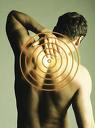
10 OF THE BEST BACK PAIN BUSTERS.
Stott Pilates Simple Stretches £16.75
STRETCHING is paramount for good posture. Yoga and pilates are both good for improving flexibility and teaching good posture and alignment. This video shows a sequence of stretching based on these disciplines and is well worth practising every day until the techniques are learned. Mail order: 0870 8484842
www.stottpilates.co.uk
Back Block £30
THIS simple wooden block can do wonders for correcting the effects of poor posture. You lie over it at the end of the day to stretch out muscles that have been improve posture, prevent back pain and increase flexibility of the spine. Mail order: 01993 811666
The Active BackCare school bag £23.50
This backpack has been ergonomically designed with a padded back panel and lumbar curve to ease the strain on the spine. Available in different sizes, according to the age and height of child.
Mail order: 020 8977 5474
www.backcare.org.uk
Mirage Boots £120
FOOTWEAR can have a big impact on posture. Wearing high heels automatically
throws you out of alignment by pushing you forward. These suede and faux fur
wrap-around boots feature Negative Heel Technology, adapted from the principles
of yoga, helping to lengthen calf and thigh muscles and placing the spine in the
correct position. Stockists: 0161 975 5380
www.lovethoseshoes.com
Perfect Posture Bra £23.99
THE problem with many bras is that they put pressure on the shoulders, causing
the wearer to slump forward. But this bra incorporates a posture-enhancing design to take pressure away from the shoulders and so help to prevent posture-related health problems. Stockists: 0871 871 8192
Gaiam On The Ball Kit £17.99
This is a fitness ball aimed at small children (3 to 6-year-olds), helping build good posture from an early age. Stockists: 01926 816177 or mail order 0870 241 5471
www.4mywayoflife.com
Bambach Saddle Seat £468.83
SHAPED like a horse’s saddle, this stool encourages good posture, allowing your
hip joints to rest in a relaxed, open position and preventing you from crossing your legs. Also has a version with a detachable back (£562.83). Stockists:
0800 581 108
www.bambach.co.uk
Ab Slider £29.99
STRONG abdominals play a key part in good posture. This product will help strengthen this area — you slide it forwards and then use your abdominals to pull it back. It comes with a one-way locking mechanism so you do not pull your back muscles and a mat to protect your knees.
Stockists: 020 7935 5291
www.bio-synergy.co.uk
Plantronics CS60 Headset £199
MANY postural problems are caused by sitting for prolonged periods with a phone
crooked under your neck. This wireless headset is ideal for office workers, as it frees up the body to maintain good posture. It also allows you to walk 100 metres away from your desk while on the phone.
Stockists: 0800 410014
www.plantronics.co.uk
All content within Elixir News is provided for general information only, and should not be treated as a substitute for the medical advice of your own doctor or any other health care professional. Elixir News is not responsible or liable for any diagnosis made by a user based on the content of this website. Elixir News is not liable for the contents of any external internet sites listed, nor does it endorse any commercial product or service mentioned or advised on any of the sites. Always consult your own GP if you’re in any way concerned about your health.
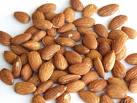
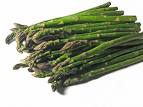
RED/ORANGE: Tomatoes, strawberries, oranges, carrots, sweet potato, pumpkin, red and orange peppers, and salmon are rich in vitamins A, C and E.
GREEN: Cabbage, spinach, avocado, kiwi fruit and peas are rich in vitamin A.
YELLOW: Lemons, melons, mangoes, yellow peppers and grapefruit are all rich sources of Vitamins A and C.
PURPLE :Blueberries, blackcurrants, red cabbage and beetroot are excellent sources of vitamins A, C and E.
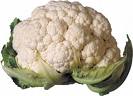
WHITE: Garlic, onions, cauliflower and walnuts are rich in vitamins A, C and E.
An improved diet can rid the body of toxins which cause cellulite and improve the texture and tone of skin as well as protecting against a range of diseases responsible for ageing and death such as heart disease, cancer, osteoporosis and
Alzheimer’s Disease. Most nutrionists do not believe in diets as the majority of people put the weight back on within two years. Eating good food and taking exercise is the best way to maintain normal body weight. There are diet pills such as Sibutramine and Orlistat but these should only be taken by those who are morbidly obese as a last resort. Similarly with surgery such as stomach stapling.


LIFE EXPECTANCY AT BIRTH BY COUNTRY
Source World Health Organisation 2002
For more detailed information and statistics go to www.un.org/esa/population/publications/worldageing19502050/index.htm
As you will see there are huge differences between life expectancy in the developed countries of the world and those living in the poorer countries such as Africa.
In March of this year it has been reported that life expectancy in Zimbabwe has almost halved under dictator Robert Mugabe’s rule. The average Zimbabwean is lucky to reach his or her 33rd birthday. Just 20 years ago life expectancy in this country was 63 – the highest in sub-Saharan Africa. This is less than half than of a Briton. In neighbouring South Africa it is 44, in Kenya 45 and in Nigeria 50.
An interesting book by economist Richard Tren and Roger Bate, Despotism and Disease, examines the policies of Mugabe and the terrible effect on the people of Zimbabwe.
The country’s health service is unable to cope as preventable diseases such as malaria and tuberculosis increase along with an increasing number of AIDs victims.
In the West we have our own preventable diseases caused conversely by the excesses of our lifestyles such as obesity, smoking, alcohol and too little exercise.
COUNTRY MALE FEMALE
Afghanistan 41.9 43.4
Albania 67.3 74.1
Algeria 67.5 71.2
Andorra 76.8 83.7
Angola 37.9 42
Antiga 69 73.9
Argentina 70.8 78.1
Armenia 67 73
Australia 77.9 83
Austria 76.4 82.2
Azebaijan 63 68.6
Bahamas 69 75.2
Bahrain 72.1 74.5
Bangladesh 62.6 62.6
Barbados 70.5 77.9
Belarus 62.6 74.3
Belgium 75.2 81.5
Belize 67.4 72.4
Benin 50.1 52.4
Bhutan 60.2 62.4
Bolivia 61.8 64.7
Bosnia &Herzagovinia 69.3 76.4
Botswana 40.2 40.6
Brazil 65.7 72.3
Brunei 74.8 77.4
Bulgaria 68.7 75.3
Burkina Faso 40.6 42.6
Burundi 38.7 43
Cambodia 51.9 57.1
Cameroon 47.2 49
Canada 77.2 82.3
Cape Verde 66.6 72.9
Central African Republic 42.1 43.7
Chad 46.1 49.3
Chile 73.4 80
China 69.6 72.7
Colombia 67.5 76.3
Comoros 61.6 64.9
Congo 51.6 54.5
Cook Islands 69.2 74.2
Costa Rica 74.8 79.5
Côte dIvoire 43.1 48
Croatia 71 78.6
Cuba 75 79.3
Cyprus 75.5 79.1
Czech Republic 72.4 79
Democratic Republic of Korea 64.4 67.1
Democratic Republic of the Congo 41 46.1
Denmark 74.8 79.5
Djibouti 48.6 50.7
Dominica 71 75.8
Dominican Repubic 64.9 71.5
Ecuador 67.9 71.5
Egypt 65.3 69
El Salvador 66.5 72.8
Equatorial Guinea 51.9 54.8
Eritrea 55.8 59.3
Estonia 65.1 77.1
Ethiopia
Fiji 64.6 70.3
Finland 74.8 81.5
France 75.9 83.5
Gabon 57.3 61.4
Gambia 55.4 58.9
Georgia 68.4 75
Germany 75.6 81.6
Ghana 56.3 58.8
Greece 75.8 81.1
Grenada 65.9 68.8
Guatamala 63.1 69
Guinea 50.9 53.7
Guinea-Bissau 45.7 48.7
Guyana 61.5 66.9
Haiti 49.1 51.1
Honduras 64.2 70.4
Hungary 68.4 76.8
Iceland 78.4 81.8
India 60.1 62
Indonesia 64.9 67.9
Iran 66.5 71.7
Iraq 59.1 63.1
Ireland 74.4 79.8
Israel 77.3 81.4
Italy 76.8 82.5
Jamaica 71.1 74.6
Japan 78.4 85.3
Jordan 68.6 73.3
Kazakhstan 58.7 68.9
Kenya 49.8 51.9
Kiribati 61.8 66.7
Kuwait 75.8 76.9
Kyrgyzstan 60.4 68.9
Lao Peoples Democratic Republic 54.1 56.2
Latvia 64.6 75.8
Lebanon 67.6 72
Lesotho 32.9 38.2
Liberia 40.1 43.7
Libya 70.4 75.5
Lithuania 66.2 77.6
Luxembourg 75.7 81.7
Madagascar 54.4 58.4
Malawi 39.8 40.6
Malaysia 69.6 74.7
Maldives 66.5 65.6
Mali 43.9 45.7
Malta 75.9 80.3
Marshall Islands 61.1 64.6
Mauritania 49.8 54.5
Mauritius 68.4 75.6
Mexico 71.7 77
Micronesia 64.9 68.1
Monaco 77.8 84.5
Mongolia 60.1 65.9
Morocco 68.8 72.8
Mozambique 41.2 43.9
Myanmar 56.2 61.8
Namibia 48.1 50.5
Nauru 59.7 66.5
Nepal 59.9 60.2
Netherlands 76 81.1
New Zealand 76.6 81.2
Nicaragua 67.9 72.4
Niger 42.6 42.7
Nigeria 48 49.6
Niue 67.6 73.3
Norway 76.4 81.7
Oman 71 76.3
Pakistan 61.1 61.6
Palau 66.4 70.9
Panama 72.8 78.2
Papua New Guinea 58.4 61.5
Paraguay 68.7 74.7
Peru 67.5 72
Philippines 65.1 71.7
Poland 70.6 78.7
Portugal 73.6 80.5
Qatar 74.5 73.8
Republic of Korea 71.8 79.4
Republic of Moldova 64 71.6
Romania 68 75
Russian Federation 58.4 72.1
Rwanda 41.9 46.8
Saint Kitts & Nevis 68.7 72.2
St Lucia 69.8 74.4`
St Vincent and the Grenadines 67.8 71.9
Samoa 66.8 69.7
San Marino 77.2 84
Sao Tom & Principe 61.7 63.6
Saudi Arabia 68.4 73.9
Senegal 54.3 57.3
Serbia & Montenegro 62.7 64.9
Seychelles 67 77.2
Sierra Leone 32.4 35.7
Singapore 77.4 81.7
Slovakia 69.8 78.3
Slovenia 72.8 80.5
Solomon Islands 63.6 67.4
Somalia 43 45.2
South Africa 48.7 52.6
Spain 76.1 83
Sri Lanka 667.2 74.3
Sudan 54.9 59.3
Surinam 64.4 70.8
Swaziland 36.9 40.4
Sweden 78 82.6
Switzerland 77.7 83.3
Syria 68.8 73.6
Tajukistan 61 66.5
Thailand 66 72.7
Macedonia 69 75.1
Timor-Leste 54.8 60.5
Togo 50 53.3
Tonga 70 71.4
Trinidad & Tobago 67.1 72.8
Tunisia 69.5 73.9
Turkey 67.9 72.2
Turkmenistan 58.8 66.9
Tuvalu 60 61.4
Uganda 48.9 50.8
Ukraine 61.7 72.9
United Arab Emirates 71.31 75.1
UK 75.8 80.5
Tanzania 45.5 47.5
US 74.6 79.8
Uraguay 71 79.3
Uzbekistan 65.6 70.8
Vanuatu 66.4 69.1
Venezuela 71 76.8
Vietnam 67.1 72.2
Yemen 58.7 62.2
Zambia 39.1 40.2
Zimbabwe 37.7 38