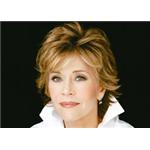
Age no barrier to cosmetic surgery

London: More people aged 60 and over are opting for cosmetic surgery, according to a new report from the UK private health provider BUPA.

There has been a large increase in operations among pensioners prompted, it is thought, by the growing popularity of cosmetic surgery reality TV.

BUPA says it has seen a 40 per cent increase in the number of men and women in their sixties having cosmetic surgery in the past 12 months. And eight percent of those having surgery are aged over 61.

The most popular procedure was eyelid rejuvenation, accounting for 38 per cent of operations in the age group, followed by facelifts at 28 per cent.

For women, eight per cent of operations were breast reductions, followed by tummy tucks and liposuction, which make up six per cent and five per cent respectively.

Overall, across all age groups, BUPA said the number of cosmetic surgery operations undertaken in its hospitals grew by over 22 per cent last year.
The most popular procedure overall was breast enlargement which accounted for almost a third of all the cosmetic proceduresperformed in its 25 hospitals.

The next most popular surgery was eyelid reduction, tummy tucks, nose reshaping and breast reduction.

Men typically favoured nose reshaping, eyelid reduction and correction of prominent ears.

Liposuction also became more popular among men, accounting for 13 per cent of operations, up on 2004 and compared with just six per cent in 2003.

BUPA research released last year revealed that more than 80 per cent of women think it is perfectly acceptable to have cosmetic surgery and more men than ever are considering operations to improve their looks.

Largest gathering of anti-ageing experts in London later this year

London: The world’s top anti-ageing experts are to gather in London later this year.

Anti-Ageing Conference London’s speaker programme is the largest gathering of the world’s pre-eminent medical speakers on the subject of anti-ageing health and regenerative medicine ever to be assembled in London.

The 3rd Anti-Ageing Conference (AACL), will be held at the Royal Society of Medicine in London from the 15-17 September 2006. This event offers a unique opportunity to learn from scientists and physicians about the latest medical advances from what some may consider controversial, to the proven and new treatments for the diseases of ageing.

This event is of importance to all medical professionals who wish to be cognisant on the latest medical and scientific developments in anti-ageing and rejuvenatory medicine from around globe. It is of particular importance to scientists, nutritionists, gerontologists, chiropractors, pharmacists, pharmaceutical chemists and research specialists, nursing practitioners, naturopathic doctors, dentists, bariatricians and weight management specialists.

Among the speakers are world-renowned experts who have driven the global debate on anti-ageing medicine including Dr Robert Goldman, Chairman, American Academy of Anti-Aging Medicine and Dr Ronald Klatz, Founding President, American Academy of Anti-Aging Medicine; Professor Imre Zs-Nagy, Professor John Ionescu, Dr Michael Klentze, Mr Robert Klein and Professor Irving Weissman. The keynote speaker on Sunday is Deepak Chopra, one of the world’s leaders in the field of mind body medicine and Auvyredic medicine.

As well as the opportunity to hear from these world experts and put questions to our speaker panel, this event provides a unique networking opportunity for healthcare professionals. All delegates receive a high-quality bound conference manual including speaker presentations and biographical materials. The fee also includes a buffet lunch, on all three days, refreshments and an invitation to the conference cocktail reception. In addition the latest anti-ageing products from around the world will be on show in the exhibition hall.

This prestigious scientific event will be introduced by Heather Bird-Tchenguiz MBA, Chairperson, AACL; Founder and President of HB Health; Director of the World Academy of Anti-Aging Medicine; Board Member, European Society of Anti-Aging Medicine and Director, British Society of Anti-Ageing Medicine.

Heather Bird-Tchenguiz comments: “In most societies around the globe people are living longer so the importance of healthy ageing has never been greater. It is possible for older people to live full and healthy lives well into the latter part of their years but in most cases this does not happen because they and the medical professional are not always aware of the new opportunities that are available to them through anti-ageing medicine. That is what this conference is all about and why this knowledge is so vital.”

The speaker programme for Anti-Ageing London 2006 is as follows:
Friday, 15 September – Regenerative and Preventative Medicine
Prof Larry Benowitz – (TBA)
Prof Geoffrey Raisman: Spinal cord injury
Prof David Naor PhD: Involvement of CD 44 in stem cell differentiation
Prof Stephen Minger – (TBA)
Prof Stefan Krauss PhD: Neural Cell Damage
Dr Dasa Ciscova PhD: The efficacy of stem cell therapy in animal models of autoimmune diseases
Prof Tomas Ekstrom: Karolinska Institutet Sweden: Epigentics principles
Dr Tony Pellet: Umbilical Cord stem cells
Dr Miomir Knecevic – (TBA)
Dr Ralf Toenjes PhD: Paul-Ehrlich –Institut: Stem Cell signatures as a tool for quality control of
Innovative medicinal products
Andreas Junge MBA: Knowledge Management
Dr Octavi Quintana Trias: EU politics
Dr Marco Traub: Symposium Overview
Saturday, 16 September
Professor Dr Imre Zs-Nazy: The Theories of Ageing
Dr Ben Pfeifer MD Ph.D: Prostate Cancer – Unique Protocols featuring Photonutrients and the Immounomodulator
Dr Mark Babizayev: Human Cataracts – the role of Lipid Peroxidation and the efficacy of N-acetylcarnosine as a treatment
Phil Micans PharmB: Biological Age Measurement – Practicalities and Issues
Dr Jennifer Krup MD ABAAM:HRT in Women : Questions. answers and more questions
Dr Brian Halvosen: Dentistry – Advances with an emphasis on chelation and preventative health care
Dr Robert Goldman MD PhD FAASP DO FAOASM:
Prof Alfred Wolf: Chronic stress,burn-out and CFS, A new insight and preventive options
Patrick Holford BSc DipION FBant- Nutrition and Ageing
Sunday, 17 September
Dr Deepak Chopra
Dr Julian Kenyon: Photodynamic and Sonodynamic Therapy
Professor John Ionescu PhD: New Strategies to slow skin photoageing
Sarah Noble: Advances in Spa Medicine
Dr Eric Braverman, MD: Subclinical Hyperparathyroidism: A precursor of Osteoporosis and Dementia?
Dr Michael Klentze MD PhD ABAAM: Male Hormone Replacement
Dr Paul Clayton: Alzheimer’s Disease: Pharmaco-nutritional strategies to maintain the ageing brain
Dr Ron Klatz The Conference Overview
The programme may be subject to change
Full details of the speaker programme and speaker biographies can be viewed at www.antiageingconference.com
There are various categories of registration for this event:
Full registration £350;
Day 1 Only £200;
Day 2 only £200;
Day 3 £200.
Book on-line on the registration page at www.antiageingconference.com Membership of certain medical societies may qualify for a discount. Further information may also be requested from conference@antiageingconference.com
Telephone: +44 (0) 2075816962

The events sponsors and supporters include HB Health, the British Society of Anti-Ageing Medicine; the European Society of Anti-Aging Medicine; the World Academy of Anti-Aging Medicine and The Trans European Stem Cell Therapy Consortium.

Anti Ageing Conference London
PO Box 50622
London SW6 2YP
United Kingdom
Tel : +44 (0) 20 7581 6962
Fax : +44 (0) 20 7589 1273

Sleep deprivation may cause weight gain

New York: Women who sleep less than five hours put on more weight than those who sleep for longer, says a new study comparing sleeping patterns with obesity.

The study. which took place over a 16-year period, was presented at the recent American Thoracic Society International Conference. It found that women who slept for five hours per night were 32% more likely to experience major weight gain, such as an increase of 33 pounds or more, and 15% more likely to become obese, compared with women who slept seven hours. Women who slept for six hours were 12% more likely to have major weight gain and 6% more likely to become obese compared with women who slept seven hours a night.

The study included 68,183 middle-aged women who were enrolled in the Nurses Health Study. They were asked in 1986 about their typical night’s sleep, and were then asked to report their weight every two years for 16 years.

On average, women who slept five hours or less per night weighed 5.4 pounds more at the beginning of the study than those sleeping seven hours and gained an additional 1.6 pounds more over the next 10 years.

“That may not sound like much, but it is an average amount–some women gained much more than that, and even a small difference in weight can increase a person’s risk of health problems such as diabetes and hypertension,” said lead researcher Sanjay Patel, MD, Assistant Professor of Medicine at Case Western Reserve University in Cleveland, OH.

Dr. Patel noted that this is by far the largest study to track the effect of sleep habits on weight gain over time. “There have been a number of studies that have shown that at one point in time, people who sleep less weigh more, but this is one of the first studies to show reduced sleep increases the risk of gaining weight over time.”

The researchers looked at the women’s diets and exercise habits to see if they could account for part of the findings. “Prior studies have shown that after just a few days of sleep restriction, the hormones that control appetite cause people to become hungrier, so we thought that women who slept less might eat more. But in fact they ate less,” Dr. Patel said. “That suggests that appetite and diet are not accounting for the weight gain in women who sleep less.”

The researchers also asked women about how much they participated in exercise activities such as running, jogging or playing tennis. But they didn’t find any differences in physical activity that could explain why women who slept less weighed more.

“We don’t have an answer from this study about why reduced sleep causes weight gain, but there are some possibilities that deserve further study,” Dr. Patel said. “Sleeping less may affect changes in a person’s basal metabolic rate (the number of calories you burn when you rest). Another contributor to weight regulation that has recently been discovered is called non-exercise associated thermogenesis, or NEAT, which refers to involuntary activity, such as fidgeting or standing instead of sitting. It may be that if you sleep less, you move around less, too, and therefore burn up fewer calories.”

Botox found to help depression

A new US study has found that Botox can help ease clinical depression.

In a trial, carried out by Drs Eric Finzi and Erika Wasserman, patients who had been treated for frown lines with Botox, also discoverd that it got rid of depression.

The discovery is reported in the magazine, Dermatologic Surgery, the researchers evaluated how effective Botulinim Toxin A in treating depression. They treated patients who had failed to respond to drug therapy.

Two months after the botox treatment, all ten patients were re-evaluated clinically and found that nine out of the 10 patients treated were no longer depressed two months after the treatment on their frown lines.

The researchers concluded that Botox treatment on frown lines may be an effective treatment for patients with major depression who have not responded to routine pharmacologic and psychotherapeutic treatment approaches.

British men living longer than ever

London: The average British man can now expect to live for another 16.4 years after retiring at 65, two years more than he did a decade earlier, according to life assurance company Paternoster.

In comparison, the rise in male life expectancy in the United States and France was 1.2 years, with no increase at all in Russia, and 1.8 years in Germany.

Britain was also closing in on the United States, where the average man can expect to live for a further 16.7 years after retiring at the age of 65.

In addition, the difference between Britain and Mediterranean countries such as Italy and Spain had halved during the past decade.

But in terms of average male life expectancy, Japanese top the table with 83 years, followed by Canada, France and Italy at just over 82, while Britain lags behind with just over 81 years.

Meanwhile, British women can expect to live until they are just over 84 years old, an increase in life expectancy of only 1.2 years during the last 10 years.

Researchers attributed this trend to a massive reduction in cigarette smoking since the 1970s and the fall in deaths from heart disease.

The research was based on figures from the British government’s Actuary’s Department and the Human Mortality Database.

It covered people from the Group of Eight industrialised counties — Canada, France, Germany, Italy, Japan, Britain, the United States and Russia.

Stop patronising the public over complementary therapy

London: Professor Michael Baum, Emeritus Professor of Surgery, University College London, and 12 other doctors and scientists published an open letter in The Times newspaper on 23 May which was circulated to all 476 NHS Trusts.

This letter was basically an attack upon “Alternative Medicine” and it’s use in the NHS. Baum and colleagues letter to The Times was full of inaccuracies and was poorly researched.

First of all, Baum and colleagues make the mistake of using the term “Alternative Medicine”. This is misleading as this implies that one form of medicine is used instead of another in an NHS setting. In fact, this doesn’t happen and it would be more accurate to describe the adjunct treatments offered as “Complementary Medicine” which works with conventional medicine – not instead of it.

In order to understand what is really going on and then portray an accurate picture of the situation, Baum and colleagues need to first of all get their terminology right. There are many instances where “Complementary Medicine” is used in the NHS – alongside conventional medicine. This includes the use of acupuncture in pain clinics, as just one example. Physiotherapy and massage are examples of treatment modalities that were once considered to be complementary and are now provided as a matter of course within NHS settings.

In addition, there are several NHS homeopathic hospitals that provide an extremely
valuable service to patients. Baum and colleagues imply that these “Alternatives” are “unproven or is proven”.

Again, sadly they are mistaken and really need to look at the research before they undertake a smear campaign such as this. The vast majority of the Complementary Medical treatments available on the NHS are in fact proven to work – however one of the most controversial disciplines on offer is homeopathy and this is the main area that seems to be causing Baum and colleagues some difficulty.

Homeopathic medicine is indeed controversial, as in order for a homeopath
to treat a patient, the person’s individual symptoms have to be taken into account in order to make an individualised prescription. This means that homeopathy does not perform exceptionally well in Random Controlled Trials – where one group of people are all given the same medicine and another group of people are given placebo – or inactive medicine.

This is quite logical and expected – since well all know that no two people are alike and furthermore, no two people ever experience an illness in quite the same way. So, when homeopathic trials are based upon individualised prescriptions we see a very different picture. At the end of 2005 the results of a large six year study of 6,500 patients at Bristol Homeopathic Hospital reported 75% improvement in their health.

There are many trials that support the efficacy of homeopathic medicine
when it is prescribed in the correct manner. One interesting trial in particular was undertaken on people who had had conventional medicine and had found that it had not worked or was unsatisfactory.

Out of the 829 patients questioned – 61% had a substantial improvement in their condition. Baum and Colleagues question the need for provision of complementary
medicine within the NHS – but they seem to have missed some rather important data that illustrates the fact that 70% of GPs feel complementary medicine should be freely available on the NHS . Furthermore research has demonstrated that substantial savings could be made by introducing homeopathy into general practice.

As for the small matter of whether the public feel that complementary medicine should be available on the NHS – one only has to look at the BBC website to see that they have been running a poll in which at time of writing shows that over 12,500 people have made their position clear – over 50% are in favour of Complementary Medicine being provided on the NHS.

So, Baum and colleagues really need to stop patronising the public and
realise that people want these disciplines – because they know that they work. Perhaps Baum and colleagues might like to get on with the job of researching complementary medicine to find out why these helpful disciplines work – and while they are at it perhaps they could look into the reasons why over 40,000 people are killed and over 850,000 injured in the UK each year as a result of conventional medical blunders.

Top doctors urge UK government to stop wasting money on alternative therapies

London: The UK Government has been urged not to waste money on complementary medicine.

A body of top doctors say that spending on these “unproven or disproved treatments” should stop and the money spent on life-saving drugs instead.

Their campaign is launched to coincide with a speech being made by the Prince of Wales in support of such therapies in Geneva today.

The 13 scientists, who include some of the most eminent names in British medicine, have written to the chief executives of all 476 acute and primary care trusts to demand that only evidence-based therapies are provided free to patients.

Their letter, which was sent to The Times newspaper, has been sent as the Prince today steps up his efforts for increased provision of alternative treatments with a controversial speech to the World Health Organisation assembly in Geneva.

The letter criticises two of his flagship initiatives on complementary medicine: a government-funded patient guide prepared by his Foundation for Integrated Medicine, and the Smallwood report last year, which he commissioned to make a financial case for increasing NHS provision.

Both documents, it is claimed, give misleading information about scientific support for therapies such as homoeo-pathy, described as “an implausible treatment for which over a dozen systematic reviews have failed to produce convincing evidence of effectiveness”.

The letter’s signatories include Sir James Black, who won the Nobel Prize for Medicine in 1988, and Sir Keith Peters, president of the Academy of Medical Science, which represents Britain’s leading clinical researchers.

It was organised by Michael Baum, Emeritus Professor of Surgery at University College London, and other supporters include six Fellows of the Royal Society, Britain’s national academy of science, and Professor Edzard Ernst, of the Peninsula Medical School in Exeter, who holds the UK’s first chair in complementary medicine.

The doctors ask trust chief executives to review their policies so that patients are given accurate information, and not to waste scarce resources on therapies that have not been shown to work by rigorous clinical trials.

They conclude: “At a time when the NHS is under intense pressure, patients, the public and the NHS are best served by using the available funds for treatments that are based on solid evidence.”

Professor Baum, a cancer specialist, said that he had organised the letter because of his “utter despair” at growing NHS acceptance of alternative treatments while drugs of proven effectiveness are being withheld. “At a time when we are struggling to gain access for our patients to Herceptin, which is absolutely proven to extend survival in breast cancer, I find it appalling that the NHS should be funding a therapy like homoeopathy that is utterly bogus,” he said.

He said that he was happy for the NHS to offer the treatments once research has proven them effective, such as acupuncture for pain relief, but that very few had reached the required standards.

“If people want to spend their own money on it, fine, but it shouldn’t be NHS money.”

The Department of Health does not keep figures on the total NHS spending on alternative medicine, but Britain’s total market is estimated at Pounds 1.6 billion.

Metabolic syndrome is indicator of heart failure in middleage

Upsalla: Metabolic syndrome significantly boosts the chances of heart failure in middle age, suggests new research published the magazine Heart.

Metabolic syndrome refers to a cluster of conditions, including obesity, high blood pressure, unfavourable blood fat levels, and diabetes.

The researchers at the University of Uppsala, Sweden, base their findings on regular monitoring of more than 2,300 men who were aged 50 between 1970 and 1974 and who were tracked until the age of 70.

The presence of metabolic syndrome at the start of the study was strongly associated with the subsequent development of heart failure. Men with the syndrome were almost twice as likely to develop heart failure as those without.

This was independent of any other established risk factors for heart failure, such as coronary artery disease, a heart attack, smoking, and poorly working heart valves.

The authors suggest that metabolic syndrome may directly affect the heart itself as well as boosting the build up of fatty deposits in the arteries.

The likely mechanism is insulin resistance and the subsequent excess insulin circulating in the blood, say the authors. Insulin may excessively enlarge the heart muscle (myocardium), thereby impairing its capacity.

High circulating levels of insulin also stimulate the sympathetic nervous system, thought to be a risk factor in heart failure, and cause heart muscle cells to wither and/or stiffen.

Live-longer Secrets from around the world

These are the countries in which women have the longest lifespan, according to the Organisation for Economic Co-operation and Development Health Data 2005:

Japan 85.3
Spain 83.7
France 82.9
Australia 82.9
Iceland 82.5
Canada 82.1
Finland 81.8
New Zealand 81.1
UK 80.7
USA 79.9

Finland

Finland had the highest rate of deaths from heart disease in the world in the 1970s. It has now reversed that trend by combining a healthier diet and outdoor exercise. Half of women walk or cycle to work and the populace defy sub-zero temperatures to hike and ski.

France

Although the French diet is higher in dairy fat, they have less heart disease, are slimmer and live longer than most Europeans. Garlic and red wine are thought to be responsible for some of the lower levels of cardiovascular disease.

Japan

A combination of beneficial foods including fish, rice, soya and vegetables mean the Japanese have lower rates of heart disease than Europeans. Soya improves bone health and prevents hot flushes and is thought to fight cancer. Antioxidant vegetables such as broccoli and cauliflower, are also popular. The Japanese also drink green tea which is full of antioxidants

India

There is less Alzheimer’s amongst elderly people in India than in most Western countries.

Circumin, the active ingredient in tumeric a speice used in curry, has been linked to these lower levels of disease. Scientists at the University of California believe it may slow down the progression of the disease. They discovered that there were half the number of amayloid plaques – the protein thought to be implicated in Alzheimer’s – in people who consumed circumin. It has also been shown to stop the spread of some cancers.

Ibuprofen – May 05

Ibuprofen belongs to a class of drugs known as “nonsteroidal anti-inflammatory drugs” (NSAIDs) that are used to treat arthritis, fever and pain and also to reduce the risk of heart attacks and stroke.

They work by reducing hormones that cause inflammation and pain.

There has been some concern over their use following a study by the University of California which found that daily use of ibuprofen over a five year period was associated with a 51% increase in the risk of breast cancer. While another study found the opposite that two or more of the tablets over a week for ten years reduced the risk by 28%.

The manufacturers, Crookes Healthcare, has said that the use of low-dose ibuprofen is associated with a reduced risk of breast cancer.

In the UK the Royal College of General Practitioners has advised patients that although the evidence should not be ignored that the use of such drugs had helped patients with the prevention of heart disease and a reduction in other symptoms.

Sex and the City – get the makeup from Paula Dorf

New York: Fresh-faced and all-American, or natural-toned vamp; the spring look from the catwalks is all about using subtle colour to highlight your natural assets.

Fresh-Faced takes inspiration from the catwalks and is the epitome of natural, carefree style. Perfect make-up starts with perfect skin so prepare the face with Perfect Primer which helps keep skin nourished, make-up fresh and lines minimized.

For skin that looks naturally flawless and dewy, choose Paula Dorf Perfect Glo, a weightless, translucent foundation that provides just the right amount of cover. Complete the base with Total Camouflage to disguise blemishes and dark circles.

Eyes are natural, but looking effortlessly perfect takes some work! Eye Primer helps eye colour go on evenly and last longer. Apply Tumbleweed to the entire lid, up to the brow and Island to the crease of the eye and along the top and bottom lash lines.

This season, models down the catwalk looking rosy – Fresh-Faced includes two powder blushers to add radiant and vibrancy. Blondes can choose the pale-coral toned Baby Face while brunettes will love the strawberry milkshake hue of Ballet. Finish with lashings of mascara for wide-open eyes.

Lips are subtle and sexy – apply Flamingo for a natural, luscious look. Want gloss? Apply Lip Slide in Happy over the top. For maximum impact try Lip Slide in Delight – a bold candy pink for super-kissable lips. For more information go to www.pauladorf.co.uk

Healthcare for UK elderly still patchy, says new report

London: Good, respectful care for older people is still too patchy in Briton’s National Health Service, argue senior members of the British Geriatrics Society in this week’s British Medical Journal.

Last month’s government report A New Ambition for Old Age examined how the national service framework (NSF) for older people is being implemented and announced new aims and targets under three themes: dignity in care, joined up care, and healthy ageing.

So what has improved since the framework was launched five years ago, ask the authors?

A third of older people needing intensive daily help in England now receive this in their own homes rather than in residential care; delayed discharge from acute hospitals has been reduced by more than two thirds; and specialist services for people with stroke and for those prone to falls continue to improve.

But such health gains now need to be built on, say the authors. Despite older people being the prime users of health care and social services, investments have not been made in more specific services, such as general hospital care for older people.

Care for older people is still not sufficiently integrated, they add. The increasing emphasis in the NHS on moving patients rapidly through the emergency system towards discharge may benefit younger people at the expense of effective planning and specialist assessment of the frail and old.

The separation in the NHS of medical specialties from psychiatry is also hampering the provision of effective, humane, and responsive services for older people with mental health problems, such as dementia and depression.

They suggest that better coordination of care for people with complex needs will be achieved by strengthening commissioning arrangements between the NHS and local authorities, to ensure that social care is not provided without medical problems being treated.

The dignity of older frail patients is also infringed every day in many different ways, they warn. The establishment of a seven point plan to improve dignity in care is to be welcomed.

“This report contains much that is praiseworthy,” they conclude. “We hope that the levers set out in this report really convince providers of health and social care to reorganise their priorities.”

Millions duped with fake black cohosh

New York: Women who use the herbal supplement black cohosh may be using a fake supplement, according to an investigation by the American Chemical Society.

The herb, which is a native American plant, is used by millions of women to prevent some of the nasty symptoms of the menopause such as hot flushes. But in many cases it does not work.

But a new study, publication in the Journal of Agricultural & Food Chemistry, says that many black cohosh supplements do not contain black cohosh and may contain an Asian species of the plant which does not work as well.

The researched analysed 11 products marketed as black cohosh and found that three contained the Asian herb, one contained both herbs and others contained different amounts.

Researcher Edward Kennelly, PhD, who headed the study with Fredi Kronenberg, PhD said their finding revealed that many manufacturers are not following good best practice and was a warning to consumers..

Glo Minerals

image

The latests advance in colour cosmetics utilises natural minerals to protect and enchance skin.

Glo Minerals is a make-up system that combines pharmaceutical-grade ingredients with natural high-pigment minerals and anti-oxidants. Offering broad-spectrum UVA and UVB sun protection, glo Minerals also helps combat free radical damage.

This product has been tried and tested by ElixirNews and rates a 9/10 for its anti-ageing properties. Flattering colours, subtle and modern – takes off years. The creams and powders contain a range of anti-oxidants including green tea. For more information on the range go to www.glominerals.com

Essential oils of life – Udo’s Choice

Essential fatty acids are vital to human health and can help regulate weight and mood. Udo’s Choice Ultimate Oil Blend is a certified organic blend of essential fatty acids boasting the perfect ratio of Omega 3, 6 and 9.

Produced from plant and seed extracts, this oil blend can simply be added to food on a daily basis as a salad dressing, on vegetables, in smoothies or fruit juice, in cereal or even porridge. Just this simple step can help you to change your life in a variety of positive ways.

Essential fatty acids are vital to humans for many essential bodily functions including brain function, hormone production, energy production, healthy digestion, weight loss/maintenance and detoxification. However, these EFAs are not possible for the human body to produce and so must be gained from food sources. Most people are in fact deficient in EFAs and in particular Omega 3. Although it is true that Western diets are rich in Omega 6, they are derived from oils such as sunflower and corn oil, which are produced in vast quantities and have also undergone highly damaging processes such as hydrogenation, frying, refining and deodorizing. This results in a change to the chemical structure of Omega 6, changing it from a health-benefiting to a highly health-damaging essential fatty acid through the creation of trans fat.

As Udo’s Choice Ultimate Oil Blend is made from plants, it is a healthier option than the more widely used Fish Oils, and is also ideal for vegetarians, vegans and individuals concerned with the ethical issues surrounding fish farming and pollution in the sea. Udo’s Choice is recommended by two of the UK’s most recognised nutritionists, Gillian McKeith and Patrick Holford.

So what can a simple serving of 3 dessertspoons of Udo’s Choice do for you? There are a great number of ways that this oil blend can improve both yours and your family’s health and appearance:

The Slimmer’s Choice – The EFAs in Udo’s Choice will increase energy production by helping the body to obtain more oxygen, increasing your oxidation rate, metabolic rate and stamina. It will also lower the glycaemic index of food and suppress your appetite, a little trick fitness guru Sting himself uses to keep his trim figure.

The Edible Cosmetic Choice – Udo’s Choice encourages the absorption of vitamins A, D, E and K by stimulating the production of hormones and promoting the transport of oxygen throughout the body. It will also protect against eczema, dandruff, psoriasis, dryness, fragile nails and hair loss, ensuring you remain beautiful inside and out. Beautiful celebs such as Elle McPherson, Sophie Dahl and Caprice are advocates of its positive effects.

The Parent’s Choice – Essential Fatty Acids, such as Omega 3 and 6, are critical for both female and male fertility as they help regulate the fluidity of cell membranes, allowing cells to function efficiently and effectively. Modern day phenomena, such as the increase in STD infections, binge drinking and excessive smoking have all had a negative impact on fertility. EFA’s are also vital for brain development in infants and children and can help with serious learning disorders such as dyslexia and attention deficit hyperactivity disorder. The unique blend of EFA’s in Udo’s Choice make this, the perfect companion for both parents and parents-to- be.

Brain Food Choice – The brain is over 60% fat and avoiding all types of fat – in a low fat diet for example – can lead to anxiety and depression and other mental health problems. Omega 3 fats are particularly important to boost a positive state of mind and Udo’s Choice is packed full of good mood fats. Essential fats can also help promote a greater sense of calmness and enhance the ability to deal with stress better. Udo’s Choice can also help to increase brain-power and maintain concentration and certainly help brainy Carol Vorderman who is a fan.

Udo’s Choice = The Oil Of Life!

Udo’s Choice (£16.43, 500ml/£8.95, 250ml) must be refrigerated all at times and lasts for 6-8 weeks. Available from independent health food stores including Planet Organic, Nutricentre and Fresh & Wild. For stockist queries, call 08452 609 996 or visit www.savant-health.com for more technical information

Women who work are less likely to be obese

London: Holding down a job and being a mum in a steady relationship helps keep women healthy and in good shape over the long term, suggests research in the Journal of Epidemiology and Community Health.

A career as a homemaker seems to increase the chances of becoming obese, indicates the research.

The authors base their findings on data from women participants in the Medical Research Council National Study of Health and Development. This tracks the long term health of British men and women born in 1946 throughout their life.

Health at the age of 26 and in mid life at the age of 54 was assessed using a validated questionnaire.

Information about the women’s employment history, marital status, and whether they had had children was also collected for every decade from the age of 26. Their weight and height were also measured at regular intervals.

Analysis of the information showed that by the age of 54 women who had been partners, parents, and employees were significantly less likely to report ill health than women who did not fulfil all three roles.

Women who had been home-makers for all or most of their lives, and had not held down a job, were most likely to say their health was poor, followed by lone mothers and childless women.

Women who had worked during several periods of their lives were less likely to be obese than women who had rarely worked. Weight gain tended to occur at a faster rate among the homemakers.

Obesity was most common among the long term homemakers (38%) and least common among women who had fulfilled all three roles (23%).

These findings were not explained by the women’s earlier health nor did health status in early life influence whether the women became employees, wives, or mothers.

The authors conclude that good health among women is more likely to be the result, rather than the cause, of adopting several roles.

Cardiovascular disease costs UK economy £29 billion annually

Oxford, Cardiovascular disease costs the UK economy £29 billion a year in healthcare expenditure and lost productivity, reveals research to be published in the medical magazine Heart.

The UK spends more of its healthcare budget on cardiovascular disease than any other country in the European Union, the figures show.

The research team from the Health Economics Research Centre at the University of Oxford base their calculations on all UK residents with diagnosed cardiovascular disease in 2004 and associated costs.

These included community health and social services, emergency care, hospital stays, informal care, and the impact on productivity from illness and premature death.

When all these factors were added up, the total costs to the UK economy of cardiovascular disease in 2004 came to £29 billion.

The largest component was healthcare, which accounted for 60% of the total. Lost productivity accounted for 23% and informal care cost 17%.

Cardiovascular disease and cost the NHS almost £16 billion in 2004, representing 21% of all healthcare expenditure. Private healthcare costs add almost £1.5 billion to the tally, representing 18% of overall UK healthcare costs.

These figures represent the highest proportion of healthcare expenditure on cardiovascular disease of any country in the European Union.

Hospital inpatient care was the most expensive component at almost £10 billion or nearly two thirds of the NHS bill for cardiovascular disease.. Drug costs amounted to almost £3 billion.

More than 69 million work days were lost to the disease in 2004, at a cost to the UK economy of almost £3 billion.

An accompanying editorial suggests that despite the falling rates of illness and death from cardiovascular disease, cost savings are likely to be cancelled out by the rising costs of treatment, the ageing of the population, and the threat to heart health posed by obesity and diabetes

Tatu Cutillas – lifestyle therapist UK

Tatu Cutillas www.tatucutillas.com is one of the UK’s leading therapists. She is a specialist in personal change and has been trained by experts around the world in a variety of disciplines. Tatu is a trainer in Neuro Linguistic Programming, Time Line Therapy. She is also a Master Hypnotist and a Qualified Addictions Psychotherapist. Tatu has worked in therapy for over twenty years and runs her own private practice in Chelsea. She treats a range of individuals from across Europe, from home makers to business people to those in the creative arts. She has also worked at the renowned Priory Clinic in Roehampton, where she has also treated some celebrities.

Tatu has a degree in International Law and practised International Private Law prior to following her passion for therapy. She is a member of The American Board of Neuro Linguistic Programming (NLP), The American Board of Hypnotherapy, NAADAC, the Eating Disorder Association, and The Time Line Therapy Association.

Tatu works resolving a wide variety of issues, such as addictions, traumas and behavioural problems. She specialises in Personal Breakthroughs. She deletes negative emotions such as anger, sadness, fear and guilt that people often harbour unnecessarily.

Tatu has a unique approach. She has an extraordinary degree of success with clients, many resolving life long issues such as limiting thinking, limiting decisions and beliefs, and phobias, within a matter of hours.

She also empowers patients to deal with addictions and other behaviours that are unsupportive to themselves, through using an array of highly effective techniques including Hypnosis, Eye Movement Trauma Therapy, Time Line Therapy™ and Neuro Linguistic Programming.* These sorts of therapies sometimes require weekly treatment:

“Few practitioners nowadays seem to treat people as a full package. Life coaches, for example, will tell their client to forget the past and to simply focus on securing future goals. Some therapists become so engrossed in their client’s past that they are then unable to free themselves for a healthy future. What is important is for an individual to become balanced and healthy, on spiritual, mental, emotional and physical levels. I assume the roles of both the mother and the father when working with clients. This realistic approach uses the role of the mother to address the emotional and often wounded side of the client. The role of the father then focuses on success, drive, motivation, performance and goals. In exercising these roles, a balance is reached that results in outstanding achievements and success.

In order to work most effectively as an individual and achieve your maximum potential it is important you clean out all the rubbish that is holding you back and create space to let the real you emerge and be empowered. Physical health is not enough. Although diet and exercise creates a healthy lifestyle, an individual’s emotional health is just as important if not more so. A balance in a person’s being on all four levels, emotional, spiritual, mental and physical, has to be established in order for the individual to be complete and whole. I eliminate the blocks and limiting beliefs to create more energy within a person’

Tatu Cutillas, Master Practitioner and Therapist

Examples of conditions that can be treated are; Personal Breakthroughs (enhancing both performances and results in specific areas like sports, career, relationships, couples communication etc), Phobias, Anxiety & Panic Attacks, Depression (including Post Natal), Lack of Motivation & Chronic Fatigue Syndrome, Career Blocks, Smoking Addiction, Bipolar Affective Disorders (manic and depressive states), Eating disorders, Change of Life Issues, Marital & Family Therapy, Adolescent & Parenting Issues, Alternative Lifestyle Issues, Obsessive Compulsive Disorders and Psychosomatic Disorders. Tatu is also a professional Life Coach.

As well as traditional therapy and counselling Tatu Cutillas offers the following therapies:

Hypnosis. Unlike conventional therapy that can be lengthy and only allows people to vent their anger by talking their problems through, Tatu uses hypnosis to address issues and process emotions. Hypnosis opens the mind, so that perceptions can be altered. By motivating the person and stimulating change, the process of using hypnosis as a form of therapy means the treatment is very fast.

Eye Movement Trauma Therapy (EMTT). This is particularly effective to help Post Traumatic Stress Disorder. The brain naturally processes thoughts and feelings when a person sleeps (REM Rapid Eye Movement) The eyes track that movement until a thought or feeling comes to mind. When the brain fails to successfully process a trauma however, it gets stuck in the Central Nervous system. This results in the body thinking the individual in still constantly in danger and so that individual becomes unbalanced on many levels. EMTT facilitates the processing of information, reframing memories in a more useful and effective way, re-training the brain to use the eyes to track thoughts and emotions.

Neuro Linguistic Programming (NLP). This technique uses pragmatic models to quantify how we process information, how we structure our thoughts and how these thoughts affect our behaviour. NLP allows individuals to tap into this, transforming, adapting or releasing negative beliefs into strong positive behaviours. NLP is particularly useful for business men and women, creating positive mental states. This is particularly useful for business people creating positive mental states conducive to outstandingly successful behaviours.

Time Line Therapy™ is a sub branch of NLP. An individual’s Time Line is the location in which all memories are stored unconsciously. Time line Therapy™ allows the client to work at the unconscious level enabling the to organise and differentiate between past memories and future projection. This technique allows individuals to have true choice (as opposed to being driven by compulsions and emotions) in their life and delete the barriers and limiting decisions in order to achieve what they want and what they need.

Personal Breakthroughs. A breakthrough session combines the techniques of Hypnosis, EMTT, NLP and Time Line Therapy™. Using Detailed Personal History (DPH) NLP language patterns are integrated to help the client discover the true unconscious root cause of the problem or situation. From here Hypnosis, EMTT and Time Line Therapy™ are used to release negative emotions and behaviours unearthed in the client’s unconscious. With the past cleared and the client’s motivation geared 100% to the future, Time Line Therapy™ is used to create simple, realistic, achievable goals and place these in the client’s future memories. The length of Breakthrough sessions depends very much on the individual and their situation. This can be achieved within a few hours.


Americans risking early death through smoking or obesity

Washington: Over 80 million American adults are putting themselves at serious risk of long-term illness and early death through smoking, obesity, or both, finds a study published on bmj.com.

Smoking and obesity are two of the leading causes of death and illness in the United States, but the overlap between the two conditions has never been measured.

Using data from the 2002 national health interview survey, researchers estimated the proportion of adults in the US who smoke and are obese. The results were stratified for various factors, such as income and education levels.

They found that 23.5% of adults were obese and 22.7% smoked (a total of 81 million).

About 4.7% (9 million) smoked and were obese. This proportion was particularly high in African Americans (7%) and in people with lower income and education levels.

Although this overlap is relatively low, the presence of these two conditions together may carry an increased risk to health, say the authors.

Treatments for people who smoke and who are obese need to be investigated, they add. Clinical trials should monitor the effects of programmes aimed at simultaneously stopping smoking and weight control. These results could be used to develop policies for prevention and treatment.

Eating less may reverse age-related cell damage

Miami: Eating a few less calories may help you live longer, according to a new study from the University of Florida’s Institute on Aging.

Scientists found eating less and exercising more reduced and even reversed age-related cell damage in rats.

In an article in the magazine, Antioxidants and Redox Signaling, the study found that even small reductions in calories could have big effects on health.

Christiaan Leeuwenbrugh, PhD, an associate professor of aging and geriatric research at the University of Florida’s College of Medicine said that calorie restriction benefited key organs such as the liver.

UF scientists found that feeding rats just 8 percent fewer calories a day and moderately increasing the animals’ activity extended their average lifespan and significantly overturned the negative effects of cellular aging on liver function and overall health.

The research team was surprised to find one of the biomarkers, RNA, which is important for coding DNA and for protein synthesis, is more quickly damaged by aging than the more frequently studied DNA. RNA damage, therefore, could be an excellent early signal to indicate the onset of aging, researchers say.

In the study, which followed the rats over their lifespan, one group of animals ate as much food as they wanted and did not exercise, another group of animals exercised lightly and were fed slightly less than they would have eaten if allowed to have their fill. Liver samples from these groups were compared with samples taken from young rats.

The old sedentary rats that ate until they were full had increased levels of harmful oxidizing and inflammatory molecules in the liver that were associated with cell damage caused by aging. Meanwhile, aging rats that exercised and consumed a calorie-restricted diet, had the reverse outcome – they showed a decrease in these molecules in the liver.

Leeuwenburgh said the study results support the theory that cell death and aging-related organ damage are caused by unstable molecules known as free radicals and by cellular oxidation and inflammation.

Exercise may help fight cancer

New Jersey:A study of mice has shown that exercise helps fight cancer.

Researchers at Rutgers University found that female mice exposed to a form of ultraviolet light took longer to develop skin tumours if they had access to a running wheel.

However, experts warned the study, published in the journal Carcinogenesis, was not an excuse to go out in the sun unprotected.

In the first part of the study mice were exposed to ultraviolet B (UVB) three times a week for 16 weeks. Then for the next 14 weeks, in the absence of further UVB treatment, half the mice had access to running wheels in their cages, while the other half did not.

In the second part mice were exposed to UVB light twice a week for 33 weeks, and, from the beginning, half had access to a running wheel and half did not.

All the mice in the high risk part of the study developed skin tumours. But exercising mice took an average of seven weeks to show signs of cancer, compared to an average of just 3.5 weeks in the mice which took no exercise.

The tumours in the exercising mice were also less numerous and smaller.

Non-malignant tumour size per mouse was decreased by 54% and malignant tumour size per mouse by 73%.

The second part of the study produced similar results. Again the exercising mice were slower to develop tumours, developed fewer tumours and those that they did develop were smaller.

This time non-malignant tumour size per mouse was decreased by 75% and malignant tumour size per mouse by 69%.

Analysis of samples found that exercise appeared to enhance programmed cell death (apoptosis) – a process that removes sun-damaged cells – both in the skin, and in tumours.

Lead researcher Dr Allan Conney said: “While UVB is triggering the development of tumours, exercise is counteracting the effect by stimulating the death of the developing cancer cells.”

Dr Conney said the results also showed that animals with less fat developed less tumours. He said this might be a significant factor – particularly as obesity rates were rising throughout the Western world.

Coffee not linked to heart disease in most people

Madrid: Filtered coffee does not raise the risk of heart disease, a new study by scientists at the universidad Autonoma de Madrid has found.

The research project, which followed 128,000 men and women for as long as 20 years, showed drinking filtered coffee – not percolated or French-style brews – did not raise the risk of heart disease.

Heavy coffee drinkers did tend to smoke and drink alcohol more often and those two factors clearly do raise heart risk, the researchers report in the journal Circulation.

But another recent study from the Harvard School of Public Health in Boston has said that the association between coffee consumption and the risk of heart disease in small groups of people cannot be excluded. The study published last month in the Journal of the American Medical Association showed that those men and women with a ‘slow’ version of a particular liver enzyme gene had a higher risk of heart disease if they drank more coffee, compared to those with a fast-metabolising version. Liver enzymes metabolise coffee and many other compounds.

Other studies have shown a link with heart disease and copious drinking of French press coffee, made using a mesh filter instead of a paper drip filter, or percolated coffee.

Volunteers in both studies fill out periodic questionnaires about their diet, exercise and other health habits and undergo regular physical exams.

The researchers found more than half the women and 30 percent of men who drank six or more cups of coffee a day were also more likely to smoke cigarettes, drink alcohol and use aspirin. They were also less likely to drink tea, exercise or take vitamin supplements.

But once these factors were accounted for, there was no difference in heart attack risks between the very light and heavy coffee drinkers.

A study published last November found no link between coffee drinking and high blood pressure, but there was an apparent association with drinking caffeinated fizzy drinks.

Low oestrogen linked to hip fractures in men

New York: Low levels of the hormone oestrogen have been linked to an increased risk of hip fractures in older men, a new study in the US reveals.

The new study which is published in the May issue of the American Journal of Medicine, also states that those with low levels of oestrogen and testosterone are at the greatest risk. This study is the first to report the link between low estrogen and hip fracture in a study group of men from the general population followed over time.

It also found that men with low estrogen levels have an increased risk for future hip fracture, and those with both low estrogen and low testosterone levels have the greatest risk.

The study, of 793 men who had their hormone levels measured nbetween 1981 and 1983 and had no history of hip fracture, was conducted by Shreyasee Amin, MD at the National Heart, Lung and Blood Institute’s Framingham Heart Study www.framingham.com/heart. The men were monitored until 1999.

Thirty-nine men in the study experienced a low trauma hip fracture, such as that sustained by a fall. Those with low estrogen levels had 3.1 times the risk of hip fracture compared to men with high estrogen levels. There was no significant increase in hip fracture risk for men with low testosterone levels alone. But those both low estrogen and low testosterone levels had the greatest risk, with 6.5 times the risk of hip fracture compared to the men who had both estrogen and testosterone levels in the high range or midrange.

Though many people associate testosterone with men and estrogen with women, men possess both hormones, according to Dr Amin, who now works at the Mayo Clinic.

The researchers who undertook this study knew that low estrogen levels had been associated with low bone mineral density in elderly men, but any link to hip fracture, an important health risk in the elderly, was unknown. Hip fractures are worrisome in the elderly, especially in men, explains Dr. Amin. Up to 50 percent of men require institutionalized care after the fracture. Hip fracture also is linked to higher levels of mortality: up to 37 percent of men die within one year of fracture.

Routine tests on hormones are not performed in most countries and this study indicates the importance of such testing.

Vegetarians more likely to suffer dental decay

Dundee: Cooking methods may increase the acidity of foods, therby increasing dental erosion, researchers at the University of Dundee have found. The research was prompted by the premise that vegetarians may be more at risk from dental decay because the vegetables and fruits they eat are higher in acids than foods in a usual diet.

They looked at the classic French dish Ratatouille, a vegetable stew which has a high tomato, garlic and olive oil content, and discovered that roasting the vegetables first made it almost as acidic as some carbonated drinks.

The research team was led by Dr Graham Chadwick in the School of Dentistry, which found that although the dish was acidic, roasting it made it more so.

Dental erosion is caused by the direct contact of acid with the teeth. The acid destroys tooth tissues and can result in severe destruction, leading to the need for expensive and time-consuming dental treatment.

The Dundee team also investigated whether the cooking method had an impact on the acidities of individual vegetables and fruits. They found the cooking method had no impact on the acidity of tomatoes or onions, but roasting resulted in more acidic aubergines, green peppers and courgettes. Red peppers were more acidic when stewed.

The research is published in the current edition of the European Journal of Prosthodontics and Restorative Dentistry. It is one in a series of research projects being carried out at the University looking into the causes of dental erosion.

Is 60 the new 40 – as Jane Fonda becomes the new face of L’Oreal?

image

London: Actress Jane Fonda, now aged 68, has been chosen as the new face for anti-ageing treatments by global cosmetics house, L’Oreal.

Although she now warns against cosmetic surgery she had admitted to going under the knife to get rid of wrinkles and eye bags.

The veteran star has signed a $700,000 deal with the company whichconsiders herself to be perfect for endorsing the product.

Fonda said: “Somebody’s got to give a face to getting old. I’m going to try and organise other women in my profession and my friends to say no to the duck lips and getting rid of the wrinkles.”

Fonda, who recently posed for a magazine cover without make-up, wants to encourage more natural beauty in Hollywood.