Body cells younger than our years, say Swedish researchers

Parts of the body regenerate in days and others in years. This means that our bodies are younger than our birth certificate, according to Swedish scientists who have used carbon dating to make their findings.

Our bodies are weeks, years and even decades younger than our chronological age because cells and tissue regenerate, they say in a report in the New Scientist magazine.

The technique uses levels of a radioactive form of carbon called carbon-14 to gauge the age of objects.

Usually accurate only to between 30 and 100 years, carbon-14 dating has been refined by researchers at Sweden’s prestigious Karolinska Institute to be able to pinpoint the age of parts of the human body.

The team compared levels of the element in the human body with those in the atmosphere when nuclear weapons testing was at its height 50 years ago.

Factoring the length of time it takes carbon-14 to decay allowed them to accurately date various body parts.

They found the hardest-working cells had the shortest life, with some wearing out and being replaced within days.

Eyelashes and eyebrows are renewed in eight weeks, tastebuds every 10 days.

The lining of the gut has a lifespan of just five days, but muscles are much older – those of someone in their late 30s have an average of 15.1 years.

Professor Jonas Fisen has also been able to age some brain cells, revealing that those in the cerebellum, which co-ordinates movement, are about three years younger than we are.

Anti-ageing specialist Joe Kosterich said as we got older, our ability to regenerate became less efficient.

Dr Kosterich said: “It’s like taking a copy of a copy. Enzymes that work on our DNA become less effective as we age so you start to replace pristine healthy cells with ones not quite as good. The whole ageing process is very likely linked to the breakdown of restorative and repairing mechanisms in the body.”

The Swedish research suggests – if averaged out, someone in their late 30s would have a body just 15 1/2 years old.

They hope the research will help shed light on degenerative conditions linked to cell death, including Parkinson’s and Alzheimer’s.

Dr Kosterich said in the meantime, the best defence against ageing and to promote healthy cell regeneration was exercise and anti-oxidants.

“Although exercise actually causes the body to regenerate and repair more, it keeps our regenerative system ticking over so you are making a better copy of yourself, so to speak,” he said.

Dr Kosterich said the enzymes which assisted the regeneration of tissue and cells were adversely affected by toxins and anti-oxidants could help promote healthy tissue repair.

“In this case, it’s exercise first, anti-oxidants second, but you also have to live a healthy lifestyle with a good diet and weight maintenance,” he said.

Different body parts age at varying rates.These figures show the average age of the body parts of someone in their late 30s

Cerebellum 2.9 years

Eyelashes 2 months

Tastebuds 10 days

Bones 10 years

Surface of skin 2 weeks

Rib muscles 15.1 years

Gut 15.9 years

Gut lining 5 days

Red blood cells 4 months

Pesticides and weedkillers risk factor in Parkinson’s

New York: Plant pesticides and weedkillers more than doubles the risk increase the risk of Parkinson’s disease in later life, new research has revealed.

In the US study, partly founded by the Michael J Fox Foundation, scientists examined statistics on more than 140,000 men and women, Of the total, exposure to pesticides was reported by 7,864 participants, while there were 413 cases of Parkinson’s.

Taking into account age, sex and other factors such as diet and exercise, the researchers concluded that individuals who reported exposure to pesticides had a 70 per cent higher incidence of the disease than those who did not. The research is published in the Annals of Neurology.

While farmers were more likely to have been exposed, the development of Parkinson’s was equally prevalent among other workers.

Potential sources include crop spraying, weedkillers, pesticides and insecticides used in the garden and fly sprays and ant powders used in the home.

The researchers said they did not find any link between the amount of time the men and women had been exposed to the chemicals and the risk of Parkinson’s. Nor was there any increased risk from exposure to other occupational hazards, including asbestos, coal or stone dust, chemicals, acids or solvents.

They concluded that the hypothosis that exposure to pesticides is a risk factor for Parkinson’s disease.

Actor Fox was diagnosed with the disease in 1991 at the peak of his Hollywood success. He established the foundation to fund research into the disease

No specific chemicals or pesticides were named in the study and the researchers said more work was needed to examine which are likely to cause the condition.

Scientists experiment with human growth hormone stimulant

Washington: Scientists at the Univesity of Washington are working on an anti-ageing drug using a compound said to stimulate human growth hormone (Hgh) to give people more energy and cut their body fat.

Scientists at the University of Washington said the experimental growth hormone secretagogue forced the body to secrete growth hormone as it did in youth.

Almost 400 men and women aged 65-84 have taken part in a study in which they were given different amounts of the hormone. Their body lean muscle mass and strength were then measured. Lean body mass of about 1.5kg increased and physical function improved over the year.

Head researcher and professor of medicine George Merriam said the hormone was vital in childhood and its production peaked during puberty but declined with age. Hgh is only prescribable for children with a deficiency and adults with an abnormal defiency.

A secretagogue, such as that being reserached by the scientists, stimulates the body
into producing its own Hgh.

Chinese medicine warning

London: Traces of deadly poisons may be contained in some traditional Chinese medicines, the most popular alternative treatment, the UK’s Trading Standards Institute has warned.

Traces of deadly arsenic and mercury which if taken in large quanities can kill have been found as well as asbetos and poisonous plant extracts. In addition many of these compounds are taken from endangered animal species such as tigers and rhinos.

Gall bladders from bears and musk from deer are other ingredients which may break conservation laws.

Tradional Chinese medicine treats conditions ranging from obesity, infertility to hairloss and asthma andcreated from a mixture of herbs, minerals, animal and plant ingredients. They are taken orally or rubbed on the skin.

Cherry juice can improve exercise outcome

London: Cherry juice can increase strength and reduce muscle pain brought about by exercise, according to a new study to be published in the British Journal of Sports Medicine.

Fourteen volunteers were asked to either drink fresh cherry juice blended with apple juice twice a day for three days before exercise and for four days afterwards, or to drink a dummy mixture containing no cherry juice. The blend comprised 12 oz of liquid, equivalent to the juice from 50 to 60 cherries.

The volunteers were asked to hill walk or weight lift – two of the most strenuous exercises for muscles. Tenderness, motion, and strength were assessed on each of the days before and after exercise.

The research revealed that there was a significant difference in the degree of muscle strength between those drinking the cherry juice blend and those taking the dummy mixture.

Muscle strength improved almost after 96 hours in those drinking cherry juice, and the average pain score was significantly less in those drinking cherry juice.

The research also showed that the pain a person experiences after rigorous exercise can also be reduced significantly among people who drink the cherry juice.

Anti-Ageing Conference London – Speaker Spotlight

London: The latest advances in preventative dental health and chelation are the subject of of speaker Brian Halvorsen’s presentation to the Anti-Ageing Conference London 2006.

Mr Halvorsen BDS LDS, RCS. FRSH founded the Prestwood Dental Health Centre. Founder Member British Nutrition Society. Founder Member IAOMT (International Academy of Oral Medicine & Toxicology). Founder Member Mercury Free Society. Founder of CDP Dental TV. Section chairman BDA.

When his practice was first founded in 1977 Brian pioneered the principles of prevention, with an emphasis on dental hygiene and education and has always employed professional advisors in this areas.

In the early 80’s Brian’s concern turned to holistic dentistry and the effects of materials that were currently being used and became amalgam free in 1985. With the advancement of cosmetic dentistry as well as adhesive dentistry Brian saw the opportunity to combine non-toxic materials with less tooth destruction (non-reduction veneers) etc.

In 1986 Brian wrote and published ‘The Natural Dentist’ A Holistic Approach to Dental Disease ISBN 0-09-946720-8
Brian keeps pace with the latest dental practices through his involvement in courses and conferences on cosmetic dentistry and has acted as editor on programs for Dental TV which involved most of the worlds leading Cosmetic Dentists.

Brian lectures nationally on the subject of holistic dentistry and the safety precautions that can be taken to protect the dentist, staff and of course the patients.

Brian’s patients are often referred by doctors, naturopaths, homeopaths, nutritionists and other dentists to help diagnose potential toxicity problems. He also enjoys cosmetic dentistry including whitening as this a major part of holistic dentistry by making patient’s feel better about themselves and the huge boost in their self esteem.
*************************************
This year Anti-Ageing Conference London has the largest gathering of the world’s pre-eminent medical speakers on the subject of anti-ageing health and regenerative medicine ever to be assembled in London.

The 3rd Anti-Ageing Conference (AACL), will be held at the Royal Society of Medicine in London from the 15-17 September 2006. This event offers a unique opportunity to learn from scientists and physicians about the latest medical advances from what some may consider controversial, to the proven and new treatments for the diseases of ageing.

This event is of importance to all medical professionals who wish to be cognisant on the latest medical and scientific developments in anti-ageing and rejuvenatory medicine from around globe. It is of particular importance to scientists, nutritionists, gerontologists, chiropractors, pharmacists, pharmaceutical chemists and research specialists, nursing practitioners, naturopathic doctors, dentists, bariatricians and weight management specialists.

Among the speakers are world-renowned experts who have driven the global debate on anti-ageing medicine including Dr Robert Goldman, Chairman, American Academy of Anti-Aging Medicine and Dr Ronald Klatz, Founding President, American Academy of Anti-Aging Medicine; Professor Imre Zs-Nagy, Professor John Ionescu, Dr Michael Klentze. Our keynote speaker on Sunday is Dr. Deepak Chopra, one of the world’s leaders in the field of mind body medicine and Auvyredic medicine.

As well as the opportunity to hear from these world experts and put questions to our speaker panel, this event provides a unique networking opportunity for healthcare professionals. All delegates receive a high-quality bound conference manual including speaker presentations and biographical materials. The fee also includes a buffet lunch, on all three days, refreshments and an invitation to the conference cocktail reception. In addition the latest anti-ageing products from around the world will be on show in the exhibition hall.

This prestigious scientific event will be introduced by Heather Bird-Tchenguiz MBA, Chairperson, AACL; Founder and President of HB Health; Director of the World Academy of Anti-Aging Medicine; Board Member, European Society of Anti-Aging Medicine and Director, British Society of Anti-Ageing Medicine.

Heather Bird-Tchenguiz comments: “In most societies around the globe people are living longer so the importance of healthy ageing has never been greater. It is possible for older people to live full and healthy lives well into the latter part of their years but in most cases this does not happen because they and the medical professional are not always aware of the new opportunities that are available to them through anti-ageing medicine. That is what this conference is all about and why this knowledge is so vital.”

The speaker programme for Anti-Ageing London 2006 is as follows:
Friday, 15 September – Regenerative and Preventative Medicine
Prof Larry Benowitz – (TBA)
Prof Geoffrey Raisman: Spinal cord injury
Prof David Naor PhD: Involvement of CD 44 in stem cell differentiation
Prof Stephen Minger – (TBA)
Prof Stefan Krauss PhD: Neural Cell Damage
Dr Dasa Ciscova PhD: The efficacy of stem cell therapy in animal models of autoimmune diseases
Prof Tomas Ekstrom: Karolinska Institutet Sweden: Epigentics principles
Dr Tony Pellet: Umbilical Cord stem cells
Dr Miomir Knecevic – (TBA)
Dr Ralf Tonjes PhD: Paul-Ehrlich –Institut: Stem Cell signatures as a tool for quality control of
Innovative medicinal products
Andreas Junge MBA: Knowledge Management
Dr Octavi Quintana Trias: EU politics
Dr Marco Traub: Symposium Overview
Saturday, 16 September
Professor Dr Imre Zs-Nazy: The Theories of Ageing
Dr Ben Pfeifer MD Ph.D: Prostate Cancer – Unique Protocols featuring Photonutrients and the Immounomodulator
Dr Mark Babizayev: Human Cataracts – the role of Lipid Peroxidation and the efficacy of N-acetylcarnosine as a treatment
Phil Micans PharmB: Biological Age Measurement – Practicalities and Issues
Dr Jennifer Krup MD ABAAM:HRT in Women : Questions. answers and more questions
Dr Brian Halvosen BDS LDS RCS FRSH: Dentistry – Advances with an emphasis on chelation and preventative health care
Dr Robert Goldman MD PhD FAASP DO FAOASM:
Prof Alfred Wolf: Chronic stress,burn-out and CFS, A new insight and preventive options
Patrick Holford BSc DipION FBant- Nutrition and Ageing
Sunday, 17 September
Dr Deepak Chopra
Dr Julian Kenyon: Photodynamic and Sonodynamic Therapy
Professor John Ionescu PhD: New Strategies to slow skin photoageing
Sarah Noble: Advances in Spa Medicine
Dr Eric Braverman, MD: Subclinical Hyperparathyroidism: A precursor of Osteoporosis and Dementia?
Dr Michael Klentze MD PhD ABAAM: Male Hormone Replacement
Dr Paul Clayton: Alzheimer’s Disease: Pharmaco-nutritional strategies to maintain the ageing brain
Dr Ron Klatz MD: Closing remarks including ‘New horizons for the clinical specialty of Anti-Aging Medicine: The Future with Biomedical Technologies.
The programme may be subject to change
Full details of the speaker programme and speaker biographies can be viewed at www.antiageingconference.com
There are various categories of registration for this event:
Full registration £350;
Day 1 Only £200;
Day 2 only £200;
Day 3 £200.
Book on-line on the registration page at www.antiageingconference.comMembership of certain medical societies may qualify for a discount. Further information may also be requested from conference@antiageingconference.com
Telephone: +44 (0) 2075816962
The events sponsors and supporters include HB Health, the British Society of Anti-Ageing Medicine; the European Society of Anti-Aging Medicine; the World Academy of Anti-Aging Medicine and The Trans European Stem Cell Therapy Consortium.

Anti Ageing Conference London
PO Box 50622
London SW6 2YP
United Kingdom
Tel : +44 (0) 20 7581 6962
Fax : +44 (0) 20 7589 1273

Diet rich in soy cuts prostate cancer risk

Honolulu: Research carried out by the Cancer Center of Hawaii has found that just two daily servings of soy reduced levels of the prostate cancer marker PSA in men by 14 percent.

Doctors test PSA (prostate-specific antigen) levels in men to screen for prostate cancer. The Hawaii indings support previous studies which suggest that soy may reduce the risk of prostate cancer development and progression.They also show that levels of the male hormone testosterone were unaffected. The results of the new randomized, crossover clinical trial, are published on-line in the European Journal of Clinical Nutrition

The isoflavones of soy are phytoestrogens and exert mild estrogen-like action.

The researchers at the Cancer Research Center of Hawaii, recruited 23 men with an average age of 58.7 and randomized them to receive either a high soy diet of two servings of soy per day or a low soy diet normal diet for three months. The the first test period, was followed by a one-month break and then the men crossed over to eat the other diet for a further three months.

The research adds to a growing number of studies linking soy-containing diets to lower incidences of prostate cancer. But longer and larger trials are needed to confirm or challenge these findings.

There are over half a million news cases of prostate cancer that are diagnosed every year world wide, and the cancer is the direct cause of over 200,000 deaths. The incidence of the disease is also increasing with a rise of 1.7 per cent over 15 years.

The lowest incidences of the cancer are found in China, Japan and India, with experts linking this to a high dietary intake of soy products. A recent meta-analysis from the International Journal of Cancer reported that men who regularly consumed soy-containing products had a 30 per cent lower risk of the cancer.

Nanoparticles in suncreams harm rat brains

Nanoparticles used in some sun tan lotions have been found to affect mice brains by upsetting the chemical balance and possibly causing brain damage, says new US research.

The US Environmental Protection Agency study, published on the website Nature.com, looked at the affects of nano-sized Titania, now commonly used in sun cream formulations and often labelled titantium oxide, on cultures of microglia mice cells.

Researcher Bellina Veronesi says the findings do not mean that the Titania grains are harmful to the human body, it does add to a growing body of research that suggests potential risks might exists when certain compounds are reduced to nano size.

Only last month eight lobby groups combined to petition the FDA in a campaign that questions the development of nano particles in cosmetic personal care products in the US.

Groups that included Friends of the Earth and The International Center for Technology Assessment highlighted a lack of safety and assessment work behind the launches of some 116 personal care products that are currently on the US market.

Veronesi’s study showed that the nano-sized Titania provoke the mice brain cells to manufacture chemicals that are protective in the short term, but can cause longer-term damage.

Günter Oberdörster, a specialist in nanoparticle toxicity at the University of Rochester in New York, told Nature.com. “These are valuable results, but you have to be very careful about extrapolating them to live organisms.” The experiment was carried out on cultured mice brain cells, stressing the fact that it is difficult to conclude that human brain cells will behave in the same way.

Although nano technology has been heralded as a major boon for a variety of industries – having applications as widespread as paint, chemicals, clothing and food – the technology is still in its infancy and many experts believe that it will still take years of research to fully establish its safety in various applications.

Many scientists have pointed to the fact that nano particles might well have different chemical compositions to their larger-sized derivatives. For personal care products nano formulations have specific implications because topical applications are more easily absorbed by skin cells. posing a host of as yet unknown risks.

Titania has been used in a variety of applications, from white pigments in paints to coatings for the protection of fabrics. In personal care products it has most commonly been used in sun screens, but has also appeared in toothpaste as well as make-up products.

In sunscreen formulations it is said to enhance the balance of both UVA and UVB protection. It is also said to specifically improve UVA protection because it forms a physical barrier for the skin.

Industry has countered claims that nanoparticles in cosmetic products are not safe by stating that their larger-sized derivatives are safe and by also saying that nanoparticles have always occured in formulations, naturally.

However, with a growing body of scientific evidence questioning these theories, it seems that more testing will have to be carried out if personal companies are going to prove that nano-based formulations are categorically saf

Job loss in 50s doubles risk of heart attack

Yale: A new study from the US reveals that people who lose their jobs in their 50s double the risk of heart attack or stroke.

Researchers at Yale University looked at more than 4,000 US workers aged between 51 and 61, who were still in employment in 1992. They later reviewed the statistics for those who had heart attacks and strokes over the next ten years and how many had lost their jobs.

The authors said their findings held true even after adjusting for risk factors such as smoking, obesity, high blood pressure and diabetes.

Dr William Gallo, from the Department of Epidemiology and Public Health, said: ‘We found that workers over 50 years of age who experience involuntary job loss are at increased risk for both subsequent heart attack and stroke relative to individuals who continue to work.

‘The magnitudes of association are substantial, with job-losers having over twice the risk compared with workers who remain employed.

‘For many individuals, late career job-loss is an exceptionally stressful experience with the potential for provoking numerous undesirable outcomes.’ The authors conclude that doctors should be aware of physical effects where the ‘true costs of unemployment exceed the obvious economic costs’.

Writing in Occupational and Environmental Medicine from the British Medical Journal, they said: ‘ Physicians who treat individuals who lose jobs as they approach retirement should therefore consider the loss of employment, with its associated anxiety.’

Light device more accurate in diabetes diagnosis

A new device called the Scout is being used by doctors to more accurately detect early signs of diabetes. It uses light to detect the early signs of diabetes in 60 seconds by spotting chemical markers in the skin.

It has been shown to be more accurate than the existing technique, which involves the patient fasting for 12 hours and having blood taken to test glucose levels. The samples are sent to a lab and results can take several days.

The new test is able to detect 20 per cent more patients with type two diabetes — the kind mostly linked with obesity — than the fasting test, which often has to be repeated. Diabetes is a condition where the pancreas has stopped producing the hormone insulin or its output has dropped sharply. Unless it is diagnosed early, it can cause irreversible damage to the kidneys, eyes, nerves, heart and arteries.

Eggs the new superfood

London: Eggs blamed for raising levels of bad fats in the blood are now being labelled a “superfood” following new research.

According to a new report published in the British Nutrition Foundation’s Bulletin they have no “significant impact” on heart disease or cholesterol levels and could actually protect against these health problems.

Dr Bruce Griffin of the University of Surrey’s school of biomedical and molecular science analysed 30 egg studies, among them one from Harvard University which showed people who consumed one or more eggs a day were at no more risk of suffering from cardiovascular disease than non-egg eaters.

Egg yolks contain cholesterol, but nutritionists now know it is the saturated fats in food, not dietary cholesterol, that raises blood cholesterol levels, a risk factor for heart attacks.

Dr Griffin said that it was erroneous to view eggs soley in terms of their dietary cholesterol content and to ignore the potential benefits.

The British Nutrition Foundation says that one egg provides 13 essential nutrients, all in the yolk (egg whites contain albumen, an important source of protein, and no fat). They are also an excellent source of B vitamins, which are needed for vital functions in the body, and also provide good quantities of vitamin A, essential for normal growth and development.

An egg’s vitamin E content protects against heart disease and some cancers; there’s also vitamin D, which promotes mineral absorption and good bone health. Eggs are rich in iodine, for making thyroid hormones, and phosphorus, essential for healthy bones and teeth.

Teenage girls who eat an egg a day may give themselves additional protection against breast cancer in later life, according to a study in the journal Breast Cancer Research. It is the essential nutrients in eggs, such as amino acids, vitamins and minerals, that may be responsible for this protection.

Egg yolks contain the nutrients lutein and zeaxanthin, which could help to prevent or even reverse the age-related eye problem macular degeneration (MD). This is one of the leading causes of blindness and occurs as a consequence of getting older — however, low lutein intake is implicated as a risk factor.

Eggs are also low in calories — a large egg contains only 75 calories and 5 grams of fat — and other research suggests they can help you lose weight.

A study published last year in the Journal of the American College of Nutrition looked at the breakfast habits of obese women. Scientists from the Wayne State University in Detroit found that when the women were given either an egg or bagel breakfast, each providing the same number of calories, the women eating the eggs felt fuller and consumed fewer calories overall in the following 24 hours.

Health experts used to recommend a maximum egg consumption of three a week to avoid a rise in blood cholesterol levels. But since evidence has shown that it is saturated fat intake that affects cholesterol, advice has changed.

According to the British Egg Information Service, storing eggs correctly is vital to maintaining their freshness and nutrient content. They advise buying eggs only from a reputable retailer, keeping them in the fridge in their box and eating by the use-by date.

Mineral water protects teeth from acids

Dundee: Mineral water has been found to protect teeth from erosion, says a study at the University of Dundee.

Just two glasses a day offer protection to children from acids even if they continue to drink damaging fizzy drinks.

Erosion caused by carbonated drinks, fruit juices and other foods wear down enamel making teeth sensitive.

The study looked at the lifestyles of 200 youngsters aged 11-13 and the effect on tooth erosion and concluded that the best prevention was fluroid toothpaste.

Dr Graham Chadwick, of Dundee University’s School of Dentistry said that results revealed that minerals in the water offer some protection from acids.

.

Joint healthcare campaign launches in UK

image

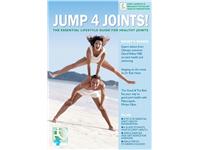
London: Health Perception, the UK’s leading glucosamine specialists, have initiated a new consumer awareness campaign called JUMP 4 JOINTS! This has been developed specifically to draw attention to the importance of looking after one’s joints from an early age in order to enjoy overall health and mobility later on in life.

Many people are totally unaware of just how vulnerable their joints are. Inevitably, they don’t worry about the health of their joints until problems occur. These could be anything from the complaining elbow of an amateur tennis player to the more extreme pain caused by repetitive use of certain joints over time, and the onset of osteoarthritis.

According to the Arthritis Research Campaign, more than 7 million adults in the UK have long-term health problems due to arthritis and related conditions. The cost to the nation is estimated in the region of £6.5 billion when absence due to illness, consultations, prescription drugs and secondary care rheumatology costs, disability allowances and community and social services are taken into account.

The first step of the campaign is a free 24-page booklet that is packed with expert advice and valuable information on nutrition and exercise, as well as interesting facts on joints and how they work.

Whether suffering discomfort now, or seeking to avoid it in the future, JUMP 4 JOINTS! could help. One of the contributors, GP Dr Rob Hicks, clearly lists various ways to improve joint health and recommends keeping active. “It saddens me when I hear people say that having Osteoarthritis means they “can’t do” the things they want to do anymore, or that they “just have to live with it” because this doesn’t have to be the case.”

David Wilkie, founder and managing director of Health Perception is keen to draw attention to the benefits that supplements such as glucosamine can bring to joint husbandry. “As a former Olympic swimmer, I have personally felt the pressure of sport at the highest level and the associated stresses and strains on the body and its joints. It was for this reason that I originally decided to introduce glucosamine into the U.K. I had seen many of the world’s top athletes using glucosamine, a naturally occurring product in the body commonly referred to today as the ‘building blocks of the connective tissues’, to help their joints with excellent results, but it was a relatively unknown product here at home.”

In the guide, Naturopath Miriam Elkan has compiled a list of ‘The Good and the Bad’ foods for joint health and explains that: “Caring for your joints means taking care of everything else and everything else taking care of your joints. If you care for your joints you are also looking after your heart, your lungs and your weight.”

A special four-page easy-to-follow Jump 4 Joints! Workout has been devised by Pilates Consultant and Chartered Physiotherapist, Beverley Skull, to help improve overall joint mobility. She also focuses on four main areas of fitness, namely strength, aerobic capacity, flexibility, and agility & balance, along with an explanation on the overall benefits of exercise to promote a healthy active life. This is reinforced by David Wilkie’s swimming feature and Karl Frew’s introduction to ‘Rebounding’, which, according to NASA is ‘the most efficient and effective exercise yet devised by man’.

This publication has something for everyone, including a handy index to guide the consumer through the myriad of information available, with a who’s who and what’s what in the world of joint health and culminates with the chance to win a break for two in Iceland.

The Jump 4 Joints! booklet is available free by calling 0845 330 5518 or by visiting the dedicated website www.jump4joints.co.uk

Calorie restriction may promote brain longevity

New York: Restricting calorie intake may prevent Alzheimer’s Disease by triggering activity in the brain associated with longevity, a study by the Mount Sinai School of Medicine suggests.

The study, published in the July 2006 issue of the Journal of Biological Chemistry, is the first to show that restricting caloric intake, specifically carbohydrates, may prevent Alzheimer’s.

Giulio Maria Pasinetti MD, PhD, Professor of Psychiatry and Nuroscience, Director of the Neuroinflammation Research Center at the school says that lifestyle factors such as diet may be crucial to managing the diease.

She said: “This research, however, is the first to show a connection between nutrition and Alzheimer’s Disease neuropathy by defining mechanistic pathways in the brain and scrutinizing biochemical functions. We hope these findings further unlock the mystery of Alzheimer’s and bring hope to the millions of Americans suffering from this disease.”

Alzheimer’s is one of the most feared diseases of ageing and there are currently no cures. Although genetics are thought to be responsible for early onset, this is not the case in the most common form in later life.

People with Alzheimer’s have high levels of beta-amyloid peptides that cause plaque buildup in the brain – though this cannot be seen until after death. Beta-amyloid peptides activate SIRT1, a member of a broad family of proteins known as sirtuins which influence a variety of functions including metabolism and aging.

In the Mount Sinai study it was found that mice were subjected to dietary calorie restriction, based on low carbohydrates food, had reduced beta-amyloid peptides in the brain. Whilst a high caloric intake based on saturated fat was shown to increase levels of beta-amyloid peptides.

It is the first study to show that calorie restriction can promote SIRTI, a molecule associated with brain longevity, and may activate alpha-secretase which can prevent plaque build-up in the brain. study finds that a high caloric intake based on saturated fat promotes AD type beta-amyloidosis, while caloric restriction based on reduced carbohydrate intake is able to prevent it.

Among lifestyle factors influencing AD, recent studies strongly support the evidence that caloric intake may play a role in the relative risk for AD clinical dementia. Most importantly, as mechanistic pathways are defined and their biochemical functions scrutinized, the evidence supporting a direct link between nutrition and AD neuropathology continues to grow.

London hospital about to carry out world’s first full face transplant

London: A British hospital is about to carry out he world’s first full-face transplant.

The hospital’s ethical committee is expected to announce this week that it will approve the first operations.

Royal Free Hospital plastic surgeon Peter Butler has been contacted by 29 disfigured volunteers willing to undergo the procedure.

“My aim is not to be first, but to do it on the right patient,” Dr Butler said.

“It would be very dangerous to look at it as a race because it could harm the patient and (the reputation of) the procedure,” Dr Butler told the Sunday Times. He said one potential candidate was a 22-year-old badly burned as a child.

Last year, surgeons in France carried out the world’s first partial face transplant. Mother of two Isabelle Dinoire, 38, had her nose, lips and chin replaced after being savaged by her dog in May 2005.

In April, a hospital in China conducted what is believed to be the second partial face transplant on Li Guoxing, 30.

Dr Butler’s 30-strong team has spent 10 years studying face transplants.

“We don’t know how people will react. Does the Government want us to go ahead with this? We just don’t know. But a huge amount of work has been done with the group of patients who might benefit.

“Many of them have very disfiguring injuries and spend their lives indoors so for them this is not just life-enhancing surgery, it is life-saving because it gives them back the chance to join society.

“You can do more and more research but at some point the leap has to be made, and people have to say, `OK, we’ve done our preparation, let’s get behind this’.”

Unhealthy fats lead to pot belly syndrome

North Carolina: Unhealthy fats, such as those used in processed foods, can alter body shape giving you a fat middle, a new study has found.

Scientists at the Wake Forest University school of medicine in North Carolina carried out research over a six-year period, in which two sets of monkeys were fed either hydrogenated fat and the others given monosaturated fats.

At the end of the study the animals fed the hydrogenated fat diet had a 7.2% incease in body weight, compared with 1.8% for those that consumed monosaturated fats.

The study concluded that people who eat lots of pastries, cakes and ready meals containing hydrogenated fat are likely to put on weight around the stomach and suffer subsequent ill health.

Earlier studies have shown that unhealthy fats contribute to cardiovascular diseases, furring up of the arteries and diabetes.

Supernutrients – the first line of defence against infections – and they help you look younger and live longer

By Avril O’Connor

Superfoods and food supplments can help the body fight infections and the diseases of ageing.

For example, by eating superfoods and taking supplements that contain powerful antioxidants, substances that can protect our body from infections. These supernutrients not only have the potential to help you be healthier and look younger for longer but will give you the best possible chance of fighting off viral infections such as colds and flu this winter.

In Japan, for example, doctors are combating heart disease by prescribing CoEnzyme Q10 (CoQ10), a fat-soluble vitamin-like substance produced by our own bodies. This substance is an essential component of the mitochondria, the energy producing unit of our cells, where it helps produce the body’s fuel. The role of CoQ10 is similar to that of the sparkplug in a car engine.

Low levels of CoQ10 have been linked to several diseases, in particular congestive heart failure. Ageing humans have been found to have 57% less on average compared to young adults. But there is increasing evidence that it can help prevent and even reverse several diseases of ageing – heart failure, gum disease, muscular dystrophy, diabetes and chronic fatigue. In healthy individuals its effectiveness can be experienced in the gym where it can assist in cardio-vascular endurance.

Antioxidants help the body defend itself against attack from free radicals, the unstable molecular structures, caused by pollution, stress, smoking and drinking to excess, that damage cells and which scientists believe are the trigger for cell mutations that cause cancer and other ageing diseases.

Nutritionist Sally Beare, author of The Live-Longer Diet (www.piatkus.co.uk) says: “In order to stave off degenerative diseases and enjoy optimum health, we have to get the full range of nutrients. These include at lest seven to twenty minerals, thirteen vitamins, eleven essential amino acids and two essential fatty acids (essential meaning that they are essential for health and cannot be made by the body). At the absolute minimum, we should eat at least five portions of fresh fruits and vegetables every day, and preferably ten. Yet most Western diets include far less than this, and the UK Food Standards Agency found that only 36 per cent of people in the UK are even aware of the recommendation.”

Ideally, antioxidants should be consumed as part of a well-balanced diet, but since many processed foods are deficient, dietary supplements should be considered. Anyone who is pregnant or taking pharmaceutical drugs for a serious illness should consult their doctor before taking supplements as some can interact with medication.

Included in the list of supernutrients are foods that release energy slowly into the blood stream, those with a low Glycemic Index, that keep energy levels constant and prevent tiredness and the onset of diabetes. Oats are one of the best sources and it also lowers cholesterol and blood pressure. Other superfoods to include in your diet are eggs, one of the best sources of protein; green tea to protect against heart disease and cancer; nuts such as brazils that contain selenium which protects against cancer and improves thyroid function and walnuts for a healthy heart and olive oil and soya to reduce cholesterol.

Eating oily fish regularly helps protect the brain and has the added bonus of giving us beautiful skin. Mackerel, herrings, tuna, salmon, sardines and anchovies all contain omega-3 essential fatty acids (EFAs) as do flax seeds (linseed) and flaxseed oil.

New York dermatologist, Dr Nicholas Perricone (www.www.nvperriconemd.co.uk) describes DMAE, a substance found in abundance in wild Alaskan salmon, as “the magic bullet” for skin. In his book, The Perricone Promise, he explains how you can look 10 years younger in 28 days by eating supernutrients, including salmon and DMAE and have a healthier brain and slimmer body at the same time. DMAE is also a building-block of the brain neuro-transmitter acetylcholine which declines with age and causes a deterioration in muscle-tone as well as brain function leading to Alzheimer’s.

He says: “Looking good and having a positive body image is not vanity; it’s your road to a long, healthy and happy life.”

The most important dietary antioxidants are found in the more colourful varieties of fruits and vegetables such as:

Red/Orange: Tomatoes, strawberries, oranges, carrots, sweet potato, pumpkin, red and orange peppers, and salmon are rich in vitamins A, C and E.

Green: Cabbage, spinach, avocado, kiwi fruit and peas are rich in vitamin A.

Yelow: Lemons, melons, mangoes, yellow peppers and grapefruit are all rich sources of Vitamins A and C.

Purple: Blueberries, blackcurrants, red cabbage and beetroot are excellent sources of vitamins A, C and E.

White: Garlic, onions, cauliflower and walnuts are rich in vitamins A, C and E.

A guide to the latest skin elixirs and practitioners

These are the latest non-surgical procedures: fillers made of natural substances, lasers and intensive vitamin therapies that improve the appearance of the skin and are a viable alternative to cosmetic surgery or with surgery to obtain the best possible results.

These procedures, whilst not invasive, should be carried out by a qualified medical doctor or by a nurse under the supervision of a doctor.

BIOSKIN JETTING

BioSkinJetting is a new alternative to injecting solutions into the skin. BioSkinJetting uses a microprobe, to seperate the skin where the wrinkle is from the skin below. This action stimulates the skin to form new collagen fibres, plumping and firming the skin to create a smoother and, for many, wrinkle free complexion. Each treatment lasts between 15 to 40 minutes and is offered as part of a course of 5-7 treatments costing between $60and $150 each, making it very comparable to current injectable prices, without the potential risks. A further bonus is that, unlike other treatments, the facial muscles can move freely and are not ‘frozen’, making the overall impression much more natural, yet younger looking.

Details of practitioners from www.skinbysterex.com
www.bioskinjetting.com

BOTOX

Botox was first used to treat neurological conditions, such as facial spasms. It come into use as a cosmetic treatment more than years ago and is used for crow’s feet, forehead and frown lines. Botox and Dysport are the trade names for Botulinum toxin, which is produced by the bacterium Clostridium botulinum. Botulinum type A, which is used commercially, is the most potent. Botox acts by blocking acetylcholine, a chemical that is responsible for transmitting the electrical impulses that cause muscle contraction. This results in muscle paralysis, but only temporarily, as the new growth of nerves re-innervates the muscles.

Botox is injected in highly diluted doses into the belly of the muscle using a small needle. This causes it to relax, which softens lines and contours. The most popular areas to have treated are crow’s-feet, forehead lines, neck muscles, the corners of the mouth and upper lip lines. Several injections are usually needed at specific sites, depending on the area treated. It takes a few days to take effect and lasts for about three months. It should only be administered by doctors or a nurse supervised by a doctor. It costs about $440 for each area treated.

Although its use is approved by most health authorities no study of the long-term effects has been made. It should not therefore be used by pregnant or breast-feeding women, anyone with neuromuscular disorders or people taking certain muscle relaxants.

In the UK, Botox is not licensed for cosmetic procedures . It is only licensed to treat squinting, facial and neck muscle spasms, cerebral palsy and excessive sweating.

Practitioners:
LONDON
Patrick Bowler, 30b Wimpole Street,London W1 T: 0870 850 3456 www.courthouseclinic.com

BUCKINGHAMSHIRE (UK)

Tracy Mountford, Cosmetic Skin Clinic, The Lanes Medical Practice, Plough Lane, Stoke Poges, Buckinghamshire T: +44(0)1753 65206.

EVOLENCE

Evolence is a new collagen-based injectable filler which lasts for 12 months or more. Evolence uses organically sourced collagen, which is purified and transformed to accurately mimic human collagen. Evolence is injected into wrinkles, where it binds naturally with the skin.

For information and details of practitioners www.evolence.com

FAT-GRAFTING

Fat is taken from different parts of the body – bottom, hips or thighs, processed in a centrifuge and reinserted into creases, lips and dents that need plumping. The effects are variable; overcorrection is usually needed, causing additional swelling, and more than one treatment is recommended for long-lasting results and there will be some bruising. There is no allergic reaction but it can cause swelling, particularly in the lips. The results last between a few months and several years. It costs between $1400 and $2,800.

Practitioners:

LONDON

The London Clinic of Dermatology, 60 Grove End Road,London. NW8 T: +44 (0)20 7266 8200.
Dr Andrew Markey, The Lister Hospital, Chelsea Bridge Road,London SW1 T: 44 (0)20 7730 1219.

LASERS AND LIGHT SOURCES

Lasers are used in a variety of ways. An ablative laser will give you a peel and burn off surface layers of skin. A non-ablative laser is used to give a form of face-lift, minimising wrinkles, increasing collagen production and tightening skin. Intense pulsed light (IPL) is used for hair removal and to treat pigmentation, thread veins, rosacea, acne and wrinkles. IPL and non-ablative laser treatment usually require no downtime, although there may be some redness. Ablative laser treatments can leave darkened areas for 7-10 days.

Practitioners

LONDON

The Private Skin Laser Clinic, Dermatology Department, Royal Free Hospital, Pond Street,London NW3; T: +44 (0)20 7435 7521.

John Scurr, The Lister Hospital, Chelsea Bridge Road, SW1; T: 44 (0)20 7730 9563.

LIPOSTABIL

Works by dissolving fat from places which are hard to remove with diet such as knees, chin, inner thighs and tummy. It was originally used to disperse fatty deposits in the blood. It is not approved in the UK for cosmetic procedures. Costs from $528 per treatment.

MESOTHERAPY/MESOLIFT

The skin is injected with a vitamin infuction to rejuvenate, reduce cellulite and sculpt the body. The treatment can involve up to 200 tiny injections but takes less than 20 minute, usually in three sessions a couple of weeks apart.

Maintenance sessions are required three times a year. In the Mesolift the same treatment is used on the face. It can be used in confjuction with other skin treatments such as Botox

MESOLIFT INTENSE

In this treatment the ageing skin on the décolleté, neck and face are treated. Specialist Dr Georges Roman, a Paris-based surgeon diagnoses the skin and uses the unique mesotherapy technique in which a special “gun” injects a blend of nutrients and vitamins into the dermis. This is followed by a collagen stimulating Intense Pulsed Light treatment. After, he selects the best appropriate action for your skin by heating and stimulating it with an IPL light and specialist skin aftercare. About four treatments are required to return the skin to optimum rejuvenation.

Dr Georges Roman Private Patient Services London and Paris
Devonshire Medical Chambers T: +44(0)20 7323 2123

PEELS

A chemical solution is applied to the cleaned skin and left on for a specified period of time. A deep peel will remove some wrinkles. Light peels require no downtime and can be done in a lunch hour. Deeper peels, including Obagi (based on trichloroacetic acid), will result in flaking or peeling and will require a week to heal. A change in skin pigment (lighter) is the biggest potential problem; others include skin-darkening, blotches, scabbing, irritation, redness and increased sensitivity. The new skin will be pink and sensitive, and will stay that way for a few months.

Superficial peels with glycolic acid require 4-8 sessions; medium and deeper peels, using trichloroacetic acid, may be a one-off event. For sensitive skin, glycolic-acid treatments may be milder and spaced further apart.

Practitioners:
London – Dr Penelope Tympanidis, 19 Wimpole Street, W1; 020 7462 0030, www.renascence.co.uk . From $170-400 depending on the type of peel and amount of treatment needed.

Manchester Dr Tamara Griffiths, Alan Drive, Altrincham, Greater Manchester
T: +44 (0)1625 536488.

RADIESSE

Radiesse is a new long-lasting injectable filler, made from calcium hydroxylapatite (CaHA) a component of bone, suspended in a carrier gel. It is used for wrinkles and lines These microspheres degrade very slowly and are therefore longer lasting
– over two years. The patient’s skin uses the microspheres as a scaffolding to grow around. Since it is a natural protect no pre-testing is required but there may be some minor irritation.
www.radiesse.com

SCULPTRA(Newfill)

Sculptra is made from crystalised poly l-lactic acid and is used to treat sunken cheeks and deeper. It is injected under the skin, where it stimulates new collagen production, plumping out nearby areas which may have sagged because of ageing.

It is used as an alternative to implants on the cheek bone area but it being tested for use in scarring and depressed eye sockets. There can be some swelling following treatment but this usually goes after two days. Three treatments up to six weeks apart are recommended and the result lasts for two years. It costs from $700 to $2,500 a treatment.

Practitioners:
Buckinghamshire – Dr Tracey Mountford, Cosmetic Dermotologist, Cosmetic Skin Clinic, The Lanes Medical Practice, Plough Lane, Stoke Poges, Buckinghamshire. T: + 44(0)1753 556206. From $700 to $2,600 a treatment.

London -Jules-Jacques Nabet, Royal Garden Soma Centre, 2-24 Kensington High Street, W8; 07765 850924.

Manchester – Peter Davenport, Bupa Hospital Manchester, Russell Road, Whalley Range, Manchester; T: +44 (0)161 862 9563.

THERMAGE

THERMAGE:

Thermage® uses radio frequency energy to heat the collagen and elastin below the dermis causing a tightening effect and stimulating new collagen growth. It is used for full face treatments as well as arms, tummy, eyes and legs. Results will vary from patient to patient. Some patients see an immediate response whilst most others may take up to 6 months, after just one treatment. It can be used to tighten tissue anywhere on the body. Prices will vary according to what you are having treated and generally start at approx. $3,000 (£1500)

Practitoners:

LONDON

Dr Nicholas Lowe MD, FRCP, FACP, Clinical Prof. Of Dermatology Cranley Clinic T: + 44(0)20 7499 3223
Email dranleyuk@aol

Dr Mario Luca Russo MD, cosmetic physician The Rejuvenation Clinic T: + 44(0)20 7970 0912 www.therejuvenationclinic.co.uk

Dr. Rita Rakus M.B.B.S Cosmetic Medical Advice Ltd T: +44 (0)20 7460 7324 Email:dr.rakus@network-lipolysis.com

Dr Mike Comins MBBS, MBACD Hans Place Practice T: = 44(0)20 7584 1642. www.hansplace.com

Christopher Inglefield, Hospital of St John & St Elizabeth, 60 Grove End Road, NW8; 0845 009 2775, www.cjinglefield-plasticsurg.com

BRISTOL

Mr Antonio Orlando MD, FRCS, Dip.EBOPRAS and Bristol Plastic Surgery at the Bristol Nuffield Hospital T:+ 44(0)117 980 9623
Email: info@bristolplasticsurgery.com www.bristolplasticsurgery.com

Mr Nigel Mercer MB ChB ChM FRCS FRCPCH Bristol Plastic Surgery at the Bristol Nuffield Hospital (same as above)T:+44(0)117 980 9623 Email: info@bristolplasticsurgery.com website www.bristolplasticsurgery.com

SWINDON

Dr Peter Crouch The Burghley Park Clinic T: +44 (0)1793 709580 enquiries Website: www.burghleyparkclinic.com

NEWCASTLE

Dr Ash Dutta MBBS, LRCP, MRCS, LMSSA, DFFP, MRCGP Aesthetic Beauty Centre T:+44(0)191 567 2900 Email: info@aestheticbeautycentre.co.ukWebsite: www.aestheticbeautycentre.co.uk
IRELAND

Mr Patrick F Leahy MCH, FRCSI Consultant Surgeon at The Laser Centre T: + 353 (01) 6763251 / 6763252
Email: info@lasercentre.ie Website: www.lasercentre.ie

STRATFORD

Dr Hugo J Kitchen M.B.,Ch.B., M.B.A.C.D.Dermatherapy Clinic T:+44(0)1789 414289
www.skincareclinic.co.uk

STOKE POGES

Dr Tracy Mountford MBBS The Cosmetic Skin Clinic T: +44(0)1753 665206
E-mail:info@cosmeticskinclinic.com Website: www.cosmeticskinclinic.com

GUERNSEY

Dr John Curran MB, BCH, BAO, MRCGP, DGM, DRCOG, Dip. Derm.Aesthetic Skin Clinic T:+44(0)1481 736699
Email: jc@2docs.com

For further information regarding Thermage, log onto www.thermage-treatment.co.uk

THREADLIFT

Threadlift is used to treat mildly sagging facial skin and uses a barbed medical thread which is inserted under the skin. The barbs lie flat in insertion and are then pulled in the opposite direction, hooking themselve into the facial tissue, lifting the skin. The threads are left in place and there may be some swelling but after a few months the skin will have lifted. Patients, it is claimed achieve between 30 and 70% of the result of a surgical face lift. It costs between $2 to $7,000

Practitioners

ESSEX (UK)

Specialist: Dr Lucy Glancey, Constable Country Medical Practice, Heath Road, East Bergholt, Essex. T: +44 (0)8704 585 483.

RESTYLANE

Restylane is a synthetic filler containing hyaluronic acid, a naturally occuring substance in the body and is free of animal proteins. There are several different types of Restylane – in different thicknesses for treating different problems – fine lines and wrinkles, creases and folds and adding definition. It lasts about two years during which time it gradually breaks down. It costs about $500 a session and several are required in the first two months followed by top up sessions.

Practitioners:

LONDON

Dr Rita Rakus, 34 Hans Road, SW3; 020 7460 7324; www.drritarakus.com
Birmingham: Dr Yelena Watkins, The Mill, Radford Road, Birmingham; 0121 445 6644; www.drwatkinslipo.co.uk

To find doctors in the US www.restylaneusa.com

Tomatoes help fight blood clots, say scientists

Aberdeen: Tomatoes can help fight deep vein thrombosis, according to an investigation by scientists at the Rowett Institute in the UK.

They have discovered that a yellow fluid around the seeds contains an anti-clotting substance which could help sufferers of the potentially fatal condition.

DVT usually occurs when people are inactive such as sitting for ours on planes and it is thought that as many as 12 per cent of long haul passengers may suffer from clots.

Although aspirin can be helpful some people are allergic to it and others may suffer bleeding in the stomach.

Professor Asim Duttaroy who led the research which has been published in the American Journal of Clinical Nutrition said that tomotoes were entirely safe and the fruit can be used to prevent rather than cure clots.

The anti-clotting substances in the tomato include flavonoids, which are known to help prevent heart attacks and cancer. The substances have already been patented under the name Fruitflow and added to the Sirco brand of fruit drinks. Drinking a quarter of a pint of the juice a day – the equvalent of six tomatoes – will give protection against clots, say the scientists. The benefits last for 18 hours.

The research also revealed that blood ‘stickiness’ was reduced by an average of 70 per cent in 220 volunteers who drank juice containing the tomato extract. Tests showed that in 97 per cent of people the substance changed the thickness of the blood so that it was less likely to clump together as a clot.

Anti-Ageing Conference London 2006 – Speaker Spotlight

London: Discover how medicine and science are pushing back the boundaries of the diseases of ageing at the 3rd Annual Anti-Ageing Confrence London from September 15-17.

SPEAKER SPOTLIGHT – Mark Babizhayev, Ph.D

Mark Babizhayev, Ph.D. is a bio-physicist and holds a Ph.D. in Biophysics and Pathophysiology. He has dedicated many years to scientific research, principally at the Helmholtz Research Institute of Eye Disease, in Moscow. During that time, he has accumulated over 86 published articles and also has 15 patents to his name. He is also a principle involved in the development of a breakthrough for the treatment and prevention of senile cataract. At the Monte Carlo Anti-Ageing Conference Dr. Babizhayev presented for the first time to a western audience, the remarkable results of using n-acetylcarnosine eye-drops to cure senile cataract within a three to five month period. Dr. Babizhayev’s lecture was one of the keynotes of the conference.

This year Anti-Ageing Conference London has the largest gathering of the world’s pre-eminent medical speakers on the subject of anti-ageing health and regenerative medicine ever to be assembled in London.

The 3rd Anti-Ageing Conference (AACL), will be held at the Royal Society of Medicine in London from the 15-17 September 2006. This event offers a unique opportunity to learn from scientists and physicians about the latest medical advances from what some may consider controversial, to the proven and new treatments for the diseases of ageing.

This event is of importance to all medical professionals who wish to be cognisant on the latest medical and scientific developments in anti-ageing and rejuvenatory medicine from around globe. It is of particular importance to scientists, nutritionists, gerontologists, chiropractors, pharmacists, pharmaceutical chemists and research specialists, nursing practitioners, naturopathic doctors, dentists, bariatricians and weight management specialists.

Among the speakers are world-renowned experts who have driven the global debate on anti-ageing medicine including Dr Robert Goldman, Chairman, American Academy of Anti-Aging Medicine and Dr Ronald Klatz, Founding President, American Academy of Anti-Aging Medicine; Professor Imre Zs-Nagy, Professor John Ionescu, Dr Michael Klentze, Prof David Naor, Prof Geoffrey Raisman and Prof Larry Benowitz. Our keynote speaker on Sunday is Dr. Deepak Chopra, one of the world’s leaders in the field of mind body medicine and Auvyredic medicine.

As well as the opportunity to hear from these world experts and put questions to our speaker panel, this event provides a unique networking opportunity for healthcare professionals. All delegates receive a high-quality bound conference manual including speaker presentations and biographical materials. The fee also includes a buffet lunch, on all three days, refreshments and an invitation to the conference cocktail reception. In addition the latest anti-ageing products from around the world will be on show in the exhibition hall.

This prestigious scientific event will be introduced by Heather Bird-Tchenguiz MBA, Chairperson, AACL; Founder and President of HB Health; Director of the World Academy of Anti-Aging Medicine; Board Member, European Society of Anti-Aging Medicine and Director, British Society of Anti-Ageing Medicine.

Heather Bird-Tchenguiz comments: “In most societies around the globe people are living longer so the importance of healthy ageing has never been greater. It is possible for older people to live full and healthy lives well into the latter part of their years but in most cases this does not happen because they and the medical professional are not always aware of the new opportunities that are available to them through anti-ageing medicine. That is what this conference is all about and why this knowledge is so vital.”

The speaker programme for Anti-Ageing London 2006 is as follows:

Friday, 15 September – Regenerative and Preventative Medicine
Prof Larry Benowitz – (TBA)
Prof Geoffrey Raisman: Spinal cord injury
Prof David Naor PhD: Involvement of CD 44 in stem cell differentiation
Prof Stephen Minger – (TBA)
Prof Stefan Krauss PhD: Neural Cell Damage
Dr Dasa Ciscova PhD: The efficacy of stem cell therapy in animal models of autoimmune diseases
Prof Tomas Ekstrom: Karolinska Institutet Sweden: Epigentics principles
Dr Tony Pellet: Umbilical Cord stem cells
Dr Miomir Knecevic – (TBA)
Dr Ralf Tonjes PhD: Paul-Ehrlich –Institut: Stem Cell signatures as a tool for quality control of
Innovative medicinal products
Andreas Junge MBA: Knowledge Management
Dr Octavi Quintana Trias: EU politics
Dr Marco Traub: Symposium Overview

Saturday, 16 September
Professor Dr Imre Zs-Nazy: The Theories of Ageing
Dr Ben Pfeifer MD Ph.D: Prostate Cancer – Unique Protocols featuring Photonutrients and the Immounomodulator
Dr Mark Babizayev: Human Cataracts – the role of Lipid Peroxidation and the efficacy of N-acetylcarnosine as a treatment
Phil Micans PharmB: Biological Age Measurement – Practicalities and Issues
Dr Jennifer Krup MD ABAAM:HRT in Women : Questions. answers and more questions
Dr Brian Halvosen: Dentistry – Advances with an emphasis on chelation and preventative health care
Dr Robert Goldman MD PhD FAASP DO FAOASM:
Prof Alfred Wolf: Chronic stress,burn-out and CFS, A new insight and preventive options
Patrick Holford BSc DipION FBant- Nutrition and Ageing

Sunday, 17 September
Dr Deepak Chopra
Dr Julian Kenyon: Photodynamic and Sonodynamic Therapy
Professor John Ionescu PhD: New Strategies to slow skin photoageing
Sarah Noble: Advances in Spa Medicine
Dr Eric Braverman, MD: Subclinical Hyperparathyroidism: A precursor of Osteoporosis and Dementia?
Dr Michael Klentze MD PhD ABAAM: Male Hormone Replacement
Dr Paul Clayton: Alzheimer’s Disease: Pharmaco-nutritional strategies to maintain the ageing brain
Dr Ron Klatz MD The Conference Overview

The programme may be subject to change

Full details of the speaker programme and speaker biographies can be viewed at www.antiageingconference.com
There are various categories of registration for this event:
Full registration £350;
Day 1 Only £200;
Day 2 only £200;
Day 3 £200.
Book on-line on the registration page at www.antiageingconference.com. Membership of certain medical societies may qualify for a discount. Further information may also be requested from conference@antiageingconference.com Web site www.antiageingconference.com
Telephone: +44 (0) 2075816962

The events sponsors and supporters include HB Health, the British Society of Anti-Ageing Medicine; the European Society of Anti-Aging Medicine; the World Academy of Anti-Aging Medicine and The Trans European Stem Cell Therapy Consortium.

Anti Ageing Conference London
PO Box 50622
London SW6 2YP
United Kingdom
Tel : +44 (0) 20 7581 6962
Fax : +44 (0) 20 7589 1273

Blood fat profile is a predictor of rheumatism, says new report

Amsterdam: An unfavourable ratio of blood fats could herald the development of the inflammatory joint disease rheumatoid arthritis up to 10 years later, suggests research published ahead of print in the Annals of Rheumatic Diseases.

The authors base their findings on analysis of more than 2000 blood samples donated to a blood bank in The Netherlands.

They analysed the fat content of 1078 deep frozen blood samples from 79 people who had given blood between 1984 and 1999 and subsequently went on to develop rheumatoid arthritis 10 or more years later.

In particular, they looked at levels of total cholesterol, high density lipoprotein (‘good’ cholesterol), triglycerides, apolipoproteins A and B, and lipoprotein (a).

The samples were then compared with those taken from 1071 randomly selected blood donors, matched for age, sex, and storage time.

They found that the samples of people who subsequently developed rheumatoid arthritis had a more unfavourable balance of circulating blood fats than the samples of those who did not develop the disease.

On average, total cholesterol was 4% higher, while high density lipoprotein levels were 9% lower. Triglycerides were 17% higher and apolipoprotein B was 6% higher.

Taken together, these figures also indicate an increased risk of ischaemic heart disease, in which the artery walls are thickened and hardened by fat deposits.

This might help to explain the link between an increased risk of cardiovascular disease among patients with rheumatoid arthritis, say the authors.

And they speculate that a poorer blood fat ratio might make a person more susceptible to inflammation or inflammatory diseases, such as rheumatoid arthritis.

Contact:
Dr Michael Nurmohamed, VU University Medical Centre, Department of Internal Medicine and Rheumatology, Amsterdam, The Netherlands.
Tel: +31 (0) 6 53 843 873 (mobile)
Emails: mt.nurmohamed@vumc.nl
Click here to view full paper: press.psprings.co.uk

Should the fat be taxed?

London: UK TV food critic, Giles Coren, is campaigning for a tax on the fat. In a TV programme – Tax the Fat – being broadcast on More4 today, he argues that Britain is dying of fat.

He says: “And the bill is not just a few pounds here and there to repair a broken park bench or the odd public loo seat. Last year, treatment of obesityrelated illnesses, including Type 2 diabetes and knee and hip operations, cost the National Health Service — wait for it — £1 billion. Another £2.5 billion was lost to the economy on account of premature death, sick pay and incapacity benefits related to obesity.

“Extra transport costs incurred as a result of our increasing weight ran to £250 million because the fatter we grow, the fewer people can fit on any given bus or train. (By 2020, when a third of Britons will be clinically obese, 2,500 extra buses will have to be built, at a cost of £100,000 per bus, to cart our bulkier frames around.)

There are 900 people in Britain so fat that they can do, almost literally, nothing at all. These super-whoppers cost the country £8million just on their own. “

He says the total cost of supporting the obese, some £4 billion comes from the taxes paid by the thin and like smokers and people who consume alcohol, they should also be taxed. They are fat, he says, because they lack willpower.

“Smokers are expected to pay vast amounts in tax to fund their habit. Boozers are taxed in the same way; gamblers, too. And I think it’s high time the obese were made to stump up as well. The time has come to tax the fat.”

In the TV documentary he reveals some obesity facts: two thirds of the adult population of Britain is overweight with a Body Mass Index of more than 25 or obese with a BMI of more than 30; 10% of premature deaths are obesity related and that by 2012 obesity will overtake smoking as the biggest preventable killer.

The only solution is to tax fat, he argues – that is everyone with a BMI over 36, for example. This is the size of the UK’s Deputy Prime Minister John Prescott. This would mean paying and extra £300 a year in tax if you already paid £5,000.

A fat tax would raise money to pay for the UK’s economic fat burden and act as a deterrent.

Coren has taken his fat tax proposal to the heart of Government and even put it to John Prescott himself who reponded, as one would expect, less than enthusiastically.

Moderate drinking may help brain function, says new US study

New York: A study of more than 7,000 older women has revealed that those who regularly drink a moderate amount of alcohol have better brain function that abstainers.

The study, carried out by researchers at Wake Forest University Baptist Medical Center in North Carolina in the US was published in the journal of Neuroepidemiology found that women who had two to three drinks a day had better cognitive function, including memory, concentration, verbal skills and reasoning.

Lead researcher, Mkike Espeland, PhD said the research confimed other studies that moderate consumption of alcohol may provide some medical benefits.

Espeland, a professor of public health sciences and chairman of the Department of Biostatistical Sciences, said understanding whether alcohol affects specific areas of cognition may shed light on the mechanisms that make it protective.

He conjectures that alcohol increases levels of “good” cholesterol and lowers the risk of stroke, that it may decrease the formation of plaque that is associated with Alzheimer’s disease and that it may increase the release of brain chemicals that affect learning and memory. He added that the findings were not a reason for women to change their current drinking habits.

The researchers used information from the 7,460 women in the Women’s Health Initiative Memory Study (WHIMS), a large national study to assess the effects of hormone therapy on dementia and cognitive function. They also used statistics from 2,299 of these women who were also enrolled in the Women’s Health Initiative Study of Cognitive Aging (WHISCA), which involved annual standardized testing of specific areas of cognitive performance. All women in the studies were 65 and older.

The information from this large group of women confirmed earlier findings from the researchers (based on a subset of 4,461 WHIMS participants,) that those who drank moderate amounts of alcohol (up to two or three drinks a day) performed better on tests for cognitive function. Using data from the WHISCA participants, they were able to pinpoint specific areas of cognition that were affected.

Previous studies have also indicated that moderate levels of alcohol intake reduce the risk of dementia and decline in cognitive function. Espeland said, however, that the results must be interpreted with caution.

The researchers adjusted for other factors that might affect the results, such as education level and family income, and still found the same pattern of moderate alcohol intake associated with better cognitive function and less risk of dementia.

The study received support from the National Institute on Aging, a part of the National Institutes of Health at the U.S. Department of Health and Human Services.

Espeland’s co-researchers were Laura Coker, Ph.D., and Stephen R. Rapp, Ph.D., also from Wake Forest Baptist, Robert Wallace, M.D., from the University of Iowa College of Medicine, Susan Resnick, Ph.D., from the National Institute on Aging, Marian Limacher, M.D., from the University of Florida, Lynda Powell, M.D., from Rush University Medical Center, and Catherine Messina, Ph.D., from State University of New York at Stony Brook.

www.wfubmc.edu

New cellulite buster launched by Vichy

London: A new cellulite buster that claims to reduce cellulite in only 14 days has been launched by Vichy Laboratories. The produce also claims to be inspired by Lipostabil, a lecithin-based fat dissolver.

The new product contains Manganese and Adrenalyse™ and uses what it describes as “dermo-smoothing technology” to reduce the appearance of unsightly orange peel skin in just 14 days. In the UK it costs £19.99 in pharmacies.

Vichy’s Lipocure is an anti-dimpling resurfacing serum, and is the first massage-free shock treatment for cellulite. It provides a complete liposculpture, treating the symptoms of lipid disorders of the skin, thereby boosting the
bodily beauty of every woman at every stage of her life.

The female body naturally tends to form fat reserves in certain areas, particularly the thighs, buttocks and hips. The fat cells themselves are arranged in clusters, enveloped by collagen and anchored to the skin by fibrous bonds. Fat storage causes the cells to swell up and push upwards to the skin surface, but the fibrous anchors stiffen and pull downwards. These opposing forces are the basis for the characteristic dimpled appearance of cellulite.

Lipocure was inspired from surgical techniques, used previously to reduce acne scarring or deep wrinkles. These scars have a similar formation process to cellulite, but may be treated surgically using a fine needle penetrating under the skin to cut the anchoring bonds. The result is an immediate visibly smoother skin.

Vichy says that Lipocure mimics this effect non-surgically using the active ingredients Manganese and Adrenalyse™, which are effective on application without requiring massage.

Manganese works to soften the fibrous mesh by mimicking surgical
techniques, releasing dimples upwards. Adrenalyse™ is a cellular stimulant that encourages the evacuation of fat cells to deflate bumps and reduces stubborn volume. Combining these ingredients, Lipocure targets slackened skin and saggy curves by reducing the swollen appearance of dimpled areas by 20% in 14 days . Application: Instant massage-free application with rapid drying and absorption. To find your nearest Vichy skin expert visit www.vichy.co.uk.Vichy Stockist Number: 0800 169 6193

Clinical Trials: Extensive testing has been carried out by Vichy scientists on LIPOCURE: Concept use test: Self-evaluation for 80 women using LIPOCURE for 1 month % of respondents reporting improvement after using LIPOCURE Reduction in orange-peel skin: ‘appearance of orange-peel skin faded’ 47% Smoothing, toning effect: smoother skin 92% firmer skin 80% tauter skin 75%

Clinical scoring of orange-peel skin: Medical supervision of 50 women using LIPOCURE for 4 weeks. Results clinically assessed by medical professionals. Measurement of average improvement in number of skin dimples. (treated vs control) Top of thigh visual- After 1 week -7.37%/After 4 weeks -18.3% pinching- After 1 week- -11.38%/ After 4 weeks-25% * Mid thigh visual- after 1 week -6.4%/ after 4 weeks -19.55% Pinching- after 1 week -8.33% / after 4 weeks -18.6%

The world’s top cosmetic surgeons revealed

London:The world’s top surgeons are the experts who count celebrities, royalty and the rich among their clientele. These doctors carry out subtle surgery rather than radical procedures and is the reason they are most in demand.

SWEDEN

Breasts:

Dr Carl Troilius, Director of the International Society of Aesthetic Plastic Surgery, in Malmo has a celebrity following because of the privacy afforded in Sweden. He uses state-of-the-art, cohesive gel implants which are made to last and not leak. The operation is carried out through an incision high in the armpit, leaving a small 3cm scar. The operation costs from around £4,000.
Contact details:
Plastikkirurgicentrum, Regementsgatan 35, S-21753 Malmo. Tel: 00 46 40 263000.

LOS ANGELES

Liposuction

Dr Leslie Stevens of Beverly Hills, California is known as the ‘King of Nip and Tuck’ and specialises in liposuction, treating all areas of the body – knees, chin, cheeks and neck, hips, thighs and buttocks. He uses a process known as ‘tumescent
technique’, in which a solution of saline and painkillers is injected into the area to loosen the fat, making removal both easier and less painful. Liposuction costs from £1,900 plus £1,000 for anaesthesia.

Contact details:
Lasky Clinic, 201 South Lasky Drive, Beverly Hills, California 90212. Tel: 001 (310) 556 1003.

FRANCE

Botox

Dr Nelly Gauthier is a Paris surgeon who works with fillers and injectibles including Botox. She believes that clients should not undertake extreme procedures and uses long-lasting formulas. A consultation costs about £70 with a Botox injection costing from £200.

Contact details:

9 Rue de Marignan, 75008 Paris. Tel: 00 33 1 53 75 04 60.

NEW YORK

Facelift

Dr Alan Matarasso of Manhattan is renowned for his subtle, face rejuvenating surgery. He performs short scar facelifts, which use less incisions that are usually carried out in this type of treatment. He also carries out a . He also uses a preand post-treatment regime using vitamins and homeopathic remedies to reduce inflammation and bruising. The cost of a face lift by Dr Matarass is from £6,500.

Contact details:

1009 Park Avenue, New York. Tel: 001 212 249-7500.

SPAIN

Reconstructive Surgery

Dr Javier de Benito. Barcelona who specialises in reconstructive surgery including reversing ageing and rebuilding the face as a result of disease or injury. In particular he has a reputation for designing implants to add volume to the face, putting fullness back into sunken cheeks and redefining the chin. He has recently developed a neck and face lift, using Gore-Tex (flexible stitches) to create a ‘supportive bra’, pulling slack muscles back into shape for a firmer, more defined profile. An face and neck lift cost about £4,050 and £6,080 respectively.

Contact details:

Instituto Dr Javier de Benito, Marquesa de Vilallonga, Barcelona. Tel: 00 34
932 530 282 or www.institutodebenito.com

GREECE

Eyelid surgery

Dr Nick Metaxatos of Athens who was trainined in the UK offers up-to-the-minute
‘procedures’ at a fraction of the price charged by U.S. and British surgeons.
His main specialism is blepharoplasty (eyelid surgery to remove sagging skin) which extracts less fat that usual and gives a more flattering finish. He also offers healthcare packages including surgery, five-star accommodation and aftercare,
with lymph drainage massage to speed recovery. A blepharoplasty operation costs from £700.

Contact details:

5-7 Skoufa Street, 10673 Athens.

BRAZIL

Bottom lift

Dr Ivo Pitanguy, known as the ‘The king of plastic surgery’ is based in Rio De Janeiro. He is credited with inventing the ‘bottom lift’, which he calls the Pitanguy
Lift. Since multiple procedures are ususally performed prices are available direct from the clinic.

Contact details:

Ivo Pitanguy Clinic, Rua Dona Mariana, 65, Botafogo, Rio de JaneiroTel: 0055 212266 9500, or www.pitanguy.com.br