
Win an olive tree and take the Med diet challenge with free recipes

image
image

London: As the autumn days get shorter and darker, the prospect of living in sunnier pastures becomes all the more enticing. Whilst the majority of Brits go on holiday more than their parents did in their day, this is not enough for nearly two thirds of the population who dream of settling abroad.

Increasing numbers of Brits are opting for sunnier pastures with the majority tempted by a more relaxed and healthy lifestyle, according to a new survey by Italian food specialist Bertolli.

In the non-stop world of the 21st century, we are bombarded with new ways to stay healthy but sometimes they just seem to make life more complicated. It is unsurprising then that the most popular destination for those wishing to relocate was Italy. Why worry, when you could just sit back, relax and be inspired by the common sense of the traditional Mediterranean diet – a huge 95% of those asked agree that it’s healthier than the British diet after all.

We may not all be culinary experts yet 62% of us try to incorporate ingredients from foreign holidays into our everyday diet. However, 81% also agree that they’re never quite able to replicate the food we’ve had on holiday! Italian dishes such as risotto and pasta were the most popular for those trying their hand at foreign cuisine.

As well as fruit, vegetables, grains, and fresh fish, olive oil is an essential component of Italian cuisine – the olive tree is so full of goodness, its oil has been part of the traditional Mediterranean diet for thousands of years. Even though us Brits might not be able to enjoy every aspect of the Mediterranean lifestyle, you can enjoy a touch of olive oil in your diet with ease.

To win a beautiful olive tree for your own home, (UK residents only) simply email your answer the following question to readeroffer@elixirnews.com

Q What is Bertolli spread made from?
A. sunflower oil
B. olive oil
C. sesame seed oil

Rules: The prize: 1 beautiful olive tree (worth £50) – there is no cash equivalent available. The Editor’s decision is final. Competition closes 30 September 2007. The emails will be entered into a draw.

For more information visit www.bertolli.com

Healthy Mediterranean Recipes by Diane Seed
­Scallops Adriatic style­ (Capesante alla Adriatica)

Along the Adriatic coast that are small, tasty scallops cooked very simply so that their good flavour is not masked by other ingredients.

18 scallops 3 T freshly chopped parsley

2 cloves garlic 3 T extra virgin olive oil

2 T bread crumbs salt & black pepper

1 lemon

Heat the oven to 180 C. Heat the oil and gently fry the finely chopped garlic. When it begins to turn colour remove from the heat and stir in the parsley. If the scallops are large cut in half, if not leave whole and allow 3 per serving. Arrange on a shell, season and spoon on a little garlic mixture, a squeeze of lemon and a sprinkling of breadcrumbs. Put them in the hot oven until they are golden brown. Remove and serve immediately.

Ricotta fritters (Frittelle di ricotta)

A very delicious, easy sweet dish from Basilicata

500 g ricotta cheese

4 eggs 1 T grated lemon and orange rind

4 T sugar 2 T brandy or fruit liqueur

4 T flour olive oil for deep frying

sugar for dusting

Leave the ricotta to drain for at least an hour. Then stir in the eggs, sugar, and other ingredients. Beat well to make sure you have a smooth, creamy mixture. Heat the oil and drop in a few tablespoons of mixture to form fritters, flattening them with a slotted spoon as they start to rise. Fry in batches, putting to drain on kitchen paper when they are golden brown. Dust with sugar and serve at once.

Linguine with tuna, lemon and rocket (Linguine al tonno,limone e rughetta)

Over the years this has gradually become one of my favourite pasta dishes, and we eat it all through the year. In Rome we can buy small bunches of wild rocket that has a pungent flavour, much stronger than cultivated rocket. Although the “ventresca” is usually considered the “best” cut of tuna, I find it easier to stir in the smaller flakes to get a more even distribution through the pasta. Therfore I use a cheaper cut, but for the flavour it is important to use tuna preserved in olive oil.

400 g linguine

200 g can tuna in olive oil

1 cup fresh rocket leaves, roughly chopped

juice of 2 lemons

2 garlic cloves, finely chopped

1 dry red chilli, crushed

3 T extra virgin olive oil

salt

Heat the oil and gently cook the garlic and chilli pepper. As the garlic begins to change colour add the drained, flaked tuna and stir around the pan. Keep warm. Cook the pasta in boiling salted water, drain when still slightly hard and stir into the tuna mixture. Squeeze over the lemon juice and stir in the rocket. Using a wooden spoon lift up the pasta and really keep turning it over so that the rocket wilts and the tuna is evenly distributed and not left at the bottom of the pan. Serve at once.


UK smoking ban promotes healthier skin

image

Leeds: The recent smoking ban will have a major impact on our health, saving an estimated 500,000 lives a year, but a specialist non-surgical cosmetic clinic has noticed another drastic impact of the ban. Over the past two months, SkinGenesis have noticed a startling difference in the skin of both smokers and non-smokers.

SkinGenesis’s expert therapists have noticed that a large number of people are exhibiting fresher and more youthful looking skin, something which is often cited as a benefit of giving up smoking. Amongst those who spent a lot of time in a smoky environment but chose not to smoke themselves, the effect is almost as significant as amongst those who have recently given up cigarettes.

SkinGenesis’s observations are backed up by research conducted by Clinique Laboratories to suggest that passive smoke could have far more of an impact on the skin than previously imagined. Exhaled smoke, which has always been linked to cancer and other smoking-associated diseases, is now also thought to be to blame for grey, aged skin amongst both smokers and non-smokers.

William Haseldine, Director of SkinGenesis said “Smoking diminishes the blood supply to the skin, making it grey and dull. And it doesn’t just affect smokers – breathing in just a small amount of smoke will set off millions of free radicals which triggers an inflammatory response in the skin. The amount of oxygen going to the skin plummets immediately, leaving the skin looking dry and lifeless.”

“We’ve noticed an immediate difference in the skin of many of our clients. Although they may not have realised it, spending evenings in the pub or even being friends with smokers can ruin your complexion.”

“The ageing effects of smoking have been well documented, with smoking increasing wrinkles by up to 75%. However, the effects of “hangover” skin from spending a night in a smoky environment have often been overlooked. With non-smokers now being able to avoid smoky places, they are really reaping the benefits of avoiding nicotine.”

About SkinGenesis

SkinGenesis is a non-surgical cosmetic clinic established in 2003 with branches in city centre locations in Leeds and Manchester, and a new branch at the 10 BRIDGE Health and Wellbeing Clinic just outside Chester. SkinGenesis was set up by Peter Beard, Emma Parrish and William Haseldine with 200 clients undergoing treatment at each clinic at any one time.

Clinics are staffed by trained nurses and practitioners and are registered with the Healthcare Commission.

SkinGenesis offer Intense Pulsed Light (IPL), Microdermabrasion (Mda), Mesotherapy, Ultrasound Skin Toning, Laser Teeth Whitening, and the latest range of medical and resurfacing peels and de-pigmentation technologies which are safe, proven and non-surgical.

SkinGenesis offers a unique Satisfaction Guarantee on most of its treatments

SkinGenesis is an accredited Investor in People

For more information visit www.skingenesis.co.uk

Volumetrics named best overall diet

New York: The Volmetrics diet method has been named the best overall diet plan in America, nudging out Weight Watchers and Jenny Craig.

A panel of experts from Consumer Reports magazine rated diets on nutritional analysis, amount of weight lost, dropout rate and weight-loss maintenance at one year. Diets won extra points for recipes that are appetizing and easy to prepare.

“The Volumetrics Eating Plan: Techniques and Recipes for Feeling Fuller on Fewer Calories” (Harper, $15.95) became available in paperback in May. A companion to 2000’s “The Volumetrics Weight-Control Plan,” the book helps consumers cut calories, control hunger, lose weight and eat healthy.

The basics of the plan: Volumetrics involves feeling full on fewer calories, according to Dr. Barbara Rolls, the nutrition professor at Penn State who developed the plan. It aims at maximizing the amount of food available per calorie so you can cut calories without feeling too deprived, Rolls said.

“A lot of foods are reasonably low in calorie density. Broth-based soups, just about all of your fruits and vegetables and salads have a lot of water, and water has the biggest impact of any component. Most fruits and vegetables are 80 [percent] to 95 percent water, so they are always a good choice,” Rolls said. She recommends 14 servings of fruits and vegetables a day and said she usually finishes dinner with the very best chocolate she can get — one small piece — to signal that she’s done.

Why it’s comparatively easy to stick with this diet: “It focuses on what you can eat, not what you must give up,” Rolls said. “Giving up certain foods is a bad idea, no matter what they are. Whatever you deprive yourself of becomes very desirable. This plan teaches you to make food choices that help control hunger and enhance satiety. It’s all about portion control: the higher the calorie density, the smaller the portion.”

Researcher discovers anti-wrinkle plant

image

Jerusalem: A plant-based antioxidant that fights wrinkles in your skin has been isolated by a researcher at The Hebrew University of Jerusalem.

Antioxidants help to fight free radicals, which can break down many body tissues when present in excessive amounts. In the skin, free radicals from aging or exposure to ultraviolet light cause a breakdown of collagen and elastin fibres, leading to a loss of skin elasticity and wrinkles.

The antioxidant developed at The Hebrew University delays skin aging by inhibiting the breakdown of collagen fibres in the skin.

“The newly isolated antioxidant differs from other anti-aging antioxidants on the market in that it is able to withstand high temperatures and does not oxidize easily. This means it will remain effective longer than other antioxidants that oxidize quickly,” documents Dr. Joseph Mercola.

The plant source of the antioxidant has not been revealed because the research is still being patented for commercial profit interests

Alcohol and exercise don’t mix – UK government warning

image

London: Many people enjoy drinking alcohol and then exercise the following day quite comfortably. While this fact sheet outlines the impact that alcohol can have on the body’s performance during exercise, it is not designed to persuade people to change their exercising habits. It is intended to help you understand why you may not perform at your best after drinking.

Key facts from the UK Government’s Know Your Own Limits Campaign

Alcohol can affect your sport and exercise performance in two main ways, due to the effect of alcohol or its breakdown products in your body after drinking, or indirectly because of the effects of alcohol on your sleep, diet, level of dehydration etc, which can also affect your performance and efficient recovery from exercise. Below we have collected key facts from a range of authorities on the subject*:

If you have alcohol 24 hours before exercising you are more likely to develop muscle cramps.

Alcohol affects the body’s ability to create energy therefore it slows down reaction times, increases body heat loss and reduces endurance.

After exercising the body needs to be rehydrated. It’s not helpful to drink only alcohol as it will continue to dehydrate the body further.

If you sustain injury while exercising, and you have had alcohol the night before, or drink any alcohol afterwards [while injured], you are likely to increase your recovery time.

People often reach for vitamin B on the morning after night out. But even small amounts of alcohol reduce the body’s ability to absorb vitamins and minerals that are essential for converting food to energy, and helping repair body tissue after injury.

Alcohol and injuries

If you sustain an injury while alcohol is still in the bloodstream, even from the night before, the recovery time from the injury will increase.

· If you drink alcohol after sustaining a soft tissue injury, it may take longer to repair. This relates to two key factors:

· increased muscle swelling – alcohol dilates and relaxes blood vessels which increases muscle blood flow, hence the swelling

1 alcohol can mask the pain and severity of an injury, encouraging over-use

If you have been injured, avoid alcohol and seek medical treatment. RICE (Rest, Ice, Compression and Elevation) is the best way to reduce swelling and speed recovery.

How alcohol affects you and sport

Speed: alcohol affects you even after you’ve finished drinking. Alcohol affects the central nervous system and slows down the information processing ability of the brain. This in turn slows down your reaction time, hand-eye coordination, accuracy and balance. Even a couple of drinks can affect your performance and perception.

Energy and stamina: the blood sugar that your body needs for energy is produced by your liver when it releases glucose into the blood stream. Alcohol keeps the liver too busy to produce this sugar efficiently. All of this means you have less energy and lower stamina.

No matter how much training and conditioning you’ve put in, a few drinks the night before can really take the edge off your fitness. When it is time to really ‘dig deep’, there might not be anything there.

Cramps: while exercising, your muscles burn up glucose, producing lactic acid as a waste product. Too much lactic acid leads to muscle fatigue and cramps. Alcohol that remains in your system contributes to greater build up of lactic acid. Therefore your risk of ‘cramping up’ increases dramatically.

Dehydration: the ‘dry horrors’ is the term used to describe an extreme symptom of alcohol’s diuretic (increased urination) effect. This extra fluid loss added to what you sweat out, means the risk of dehydration increases.

Performance: when you combine the effects of lactic acid build up, dehydration, and the body converting food to energy less efficiently, your aerobic performance is greatly reduced.

Alcohol and your muscles

Few people realise that consuming alcohol after a workout, practice, or competition can cancel out any physiological gains you might have received from such activities because:

short-term alcohol use can impede muscle growth; long-term alcohol use diminishes ‘protein synthesis’ resulting in a decrease in muscle build-up.

In order to build bigger and stronger muscles, your body needs sleep to repair itself after workouts, and alcohol is widely known to upset sleeping patterns.

* The authorities’ information hasn’t been factually verified by Department of Health, but we acknowledge that it represents sensible advice

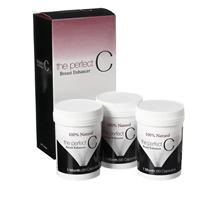
Perfect C – bust enhancer – win three months’ supply

image

If you’ve always wanted a more voluptuous bust to but wouldn’t consider invasive surgery, Perfect C is the ideal solution. A completely natural herbal supplement, Perfect C is specially formulated to enhance the size and shape of your breasts by up to three cup sizes safely and quickly without the pain and health risks of surgical implant. Among celebrity users is UK celebrity Tara Palmer-Tomkinson who has publicly reported its great results. Coming in capsule form, Perfect C is completely safe with no negative side effects.

How does it work? A woman’s breast contains oestrogen receptor sites that stimulate the development of the mammary gland. Perfect C combines an exotic mix of rare botanicals that naturally contain oestrogenic properties. When consumed, these properties stimulate the oestrogen receptor sites which in turn encourage the growth of new breast tissue while firming and tightening the entire breast. The product contains no synthetic compounds, artificial additives or fillers.

It is important to mention that the Perfect C capsules do not themselves contain oestrogens or hormones but promote the natural activity of hormonal production. Because they replace excess oestrogen in the system, they also calm hormonal swings and dramatically reduce monthly pre-menstrual discomfort – another huge benefit of this product. In addition, many women report accelerated hair and nail growth as well as increased libido.

Long lasting results – The greatest thing about Perfect C is that the new tissue will not diminish even when you have stopped taking the capsules, meaning the results will last! The benefits of Perfect C include:
• An increase of up to three cup sizes without invasive surgery
• Healthy, permanent results
• No negative side effects
• Increased self-confidence

Perfect C costs $397 (£199, €293) for three months’ supply. For stockist details or to order T+44(0)191 291 3385 or visit www.collagen4u.co.uk

To win three months’ supply please send an email to readeroffer@elixirnews.com stating “Pure C offer” with your contact details by 31 September 2007. Your name will be put into a draw. Please note that the Editor’s decision is final and no cash equivalent is being offered.

Starchy foods may damage liver

image

Boston: A diet rich in potatoes, white bread and white rice may be contributing to a “silent epidemic” of a dangerous liver condition.

“High-glycaemic” foods – rapidly digested by the body – could be causing “fatty liver”, increasing the risk of serious illness.

Boston-based researchers, writing in the journal Obesity, found mice fed starchy foods developed the disease. Those fed a similar quantity of other foods did not.

One obesity expert said fatty liver in today’s children was “a tragedy of the future”.

High GI foods: include Mashed potato, White bread, Chips, Some breakfast cereals (eg Cornflakes, Rice Krispies, Coco Pops), Steamed white rice

Moderate GI foods:Muesli (non-toasted), Boiled potatoes, Pitta bread, Basmati rice, Honey, Wholemeal bread

Low GI foods:Roasted salted peanuts, Rye and granary bread, Whole and skimmed milk, Spaghetti, Boiled carrots, Baked beans

Fatty liver is exactly as it sounds – a build-up over time of fat deposits around the organ.

At the time, no ill-effects are felt, but it has been linked with a higher risk of potentially fatal liver failure later in life.

The study, carried out at Boston Children’s Hospital, looked at the effect of diets with precisely the same calorific content, but very different ingredients when measured using the glycaemic index (GI).

This is a measure of how quickly the energy in the food is absorbed by the body, producing a rise in blood sugar levels – high GI foods lead to sharper rises in blood sugar, and similar rises in insulin levels, as the body releases the chemical in response.

High GI foods include many breakfast cereals and processed foods such as white bread and white rice.

Low GI foods include unprocessed fruit, nuts, pulses and grains, including rye or granary bread, spaghetti, apples and oranges.

After six months on the diet, the mice weighed the same, but those on the high GI diet had twice the normal amount of fat in their bodies, blood and livers.

The researchers say that because the processed carbohydrates are absorbed so quickly, they trigger the release of more of the chemical insulin, which tells the body to lay down more fat.

Dr David Ludwig, who led the research, said that the results would also apply to humans, and even children, in whom fatty liver is becoming far more common.

Between a quarter and half of all overweight American children are thought to have the condition, he said.

“This is a silent but dangerous epidemic,” he said.

“Just as type 2 diabetes exploded into our consciousness in the 1990s, so we think fatty liver will in the coming decade.”

Stem cells found in male testicles

New York: United States researchers have come up with a novel use for men’s testicles, which they say are a rich source of stem cells and so could be transformed into a wide range of tissue types to help fight disease.

The scientists say they have managed to isolate stem cells from the testes of male
mice, extract them and reprogram them into blood vessels, heart cells and tissue.

If the results are reproduced in humans, the technology could help get around the ethical concerns associated with the use of embryonic stem cells and could be used to help treat Parkinson’s, heart disease, strokes and cancer.

Shahin Rafii from Weill Cornell Medical College in New York whose research has been pubished in the journal Nature said: “Testes are designed to generate a lot of sperm and they have these germ cells.

“So germ cells are designed also in a way to give us two different tissues as well so we were able to get a germ cell from testes and instruct them to become other tissues.”

So it is a possible breakthrough, albeit somewhere down the track, for men. But Dr Rafii says women need not give up hope.

“In women also this stem cell exists but the number is very, very low and we hope that eventually we can be able to get these stem cells from their ovaries as well,” he said.

“Also another point – some men can give stem cells to compatible, genetically compatible females so it still can be applied for women as well.”

Why calorie restriction prolongs life

Chicago: Scientists have already proven that calorie restriction – but not nutrients – can prolong the lives of everything from yeast to mice and monkeys, but they didn’t know why, until now.

In a new study published in Cell magazine, US researchers suggest that the link between food restriction and longevity may be a molecular response to the stress from cutting back calories.

That reaction preserves critical cellular functions, helping the body to fight off age-related diseases.

In laboratory experiments on human cells, investigators found that cutting calories, while preserving the nutrients they need, starts a chain reaction in the mitochondria – or power houses of the cell – that results in the build-up of a coenzyme called NAD (Nicotinamide adenine dinucleotide).

This in turn amps up the activity of enzymes created by two genes called SIRT3 and SIRT4. The effect of all this is to strengthen the mitochondria, increase energy output and slow down the cell’s ageing process.

David Sinclair, a molecular biologist at Harvard Medical School who worked on the study commented: “We’re not sure yet what particular mechanism is activated by these increased levels of NAD, and as a result SIRT3 and SIRT4.

“But we do see that normal cell-suicide programs are noticeably attenuated,” he said, referring to the way cells are programmed to die as part of the aging and regeneration process.

“This is the first time that SIRT3 and SIRT4 have been linked to cell survival,” he said.

The fortification of the mitochondria in response to the stress of a much lower-calorie diet can help ward off diseases associated with ageing.

Damaged or dysfunctional mitochondria have been implicated in Alzheimer’s, stroke, heart disease and diabetes. It is thought that the common link is oxidative stress which damages the mitochondrial DNA leading to cell death.

Even given the growing recognition about the importance of the mitochondria in sustaining health, the researchers were surprised to find just how critical the so-called “battery packs” are to the life of the cell.

Specifically, they found that even when all the other energy sources in the cell, including the nucleus, are wiped out, the cell remains alive if the mitochondria are kept intact and functional.

“Mitochondria are guardians of cell survival,” said Sinclair. “If we can keep boosting levels of NAD in the mitochondria, which in turn stimulates buckets of SIRT3 and SIRT4, then for a period of time the cell really needs nothing else.”

Sinclair said the genes could be promising drug targets for diseases associated with ageing.

Cancer cure jab two years away

Cambridge: Some humans have cancer fighting cells which may be used to fight the disease in others.

Dr Zheng Cui, of the Wake Forest University School of Medicine, whose work has been published in the latest issue of the New Scientist magazine, has shown in laboratory experiments that immune cells from some people can be almost 50 times more effective in fighting cancer than in others.

Dr Cui has previously shown cells from mice found to be immune to cancer can be used to cure ordinary mice with tumours.

These cancer-killing immune system cells are called granulocytes which could be made available from donors to significantly boost a cancer patient’s ability to fight their disease, and potentially cure them.

In the US, the Food and Drug Administration (FDA) last week gave Dr Cui permission to inject super-strength granulocytes into 22 patients.

He said: “Our hope is that this could be a cure. Our pre-clinical tests have been exceptionally successful.If this is half as effective in humans as it is in mice it could be that half of patients could be cured or at least given one to two years extra of high quality life.The technology needed to do this already exists, so if it works in humans we could save a lot of lives, and we could be doing so within two years.”

Dr Cui believes patients could benefit from the technique quickly because the technology used to extract granulocytes is the same as that already used by hospitals to obtain other blood components such as plasma or platelets.

Prof Gribben, a cancer immunologist at Cancer Research UK’s experimental centre at St Bartholomew’s Hospital, London, said: “The concept of using immune system cells to kill off someone else’s cancer is very, very exciting.”

Dr Cui, who presented his latest findings at an anti-ageing conference in Cambridge last week, extracted granulocytes from 100 people, including some with cancer.

When the immune cells were mixed with cervical cancer cells, those from different individuals demonstrated vastly varying abilities to fight the cancer.

Those of the strongest participants killed close to 97 per cent of the cancer cells in 24 hours, while those of the weakest killed only two per cent.

The abilities of the cells of participants aged over 50 were lower than average, and those of cancer patients even lower.

Dr Cui noticed that the strength of a person’s immune system to combat cancer can also vary according to how stressed they are and the time of year.

Initial experiments suggest it may be possible to transfer granulocytes which have demonstrated strong cancer-fighting powers into cancer sufferers.

In 1999 Prof Cui and colleagues discovered a male mouse that appeared to be completely resistant to virulent cancer cells of several different types.

Since then more than 2000 mice in 15 generations have been bred from the original cancer-free mouse and 40 per cent of the offspring have inherited the immunity.

With the immune system, some types of cells which provide “innate immunity” are constantly on patrol for foreign invaders, while others have to firstly learn to identify a specific threat before going on the attack.

Scientists developing cancer vaccines have generally attempted to stimulate responses in the immune system cells that require prior exposure.

Last year Dr Cui caused shockwaves in the cancer research community when he identified granulocytes as the cells responsible for the mouse cancer immunity – because they are among those which act automatically.

Prof Gribben said: “This is surprising because it goes against how we thought immune system works against cancer. It makes us think again about our preconceived notions.”

Prof Cui injected granulocytes from immune mice into ordinary mice, and found it was possible to give them protection from cancer.

Even more excitingly he found the transfusions caused existing cancers to go into remission and to clear them completely within weeks.

A single dose of the cells appeared to give many of the mice resistance to cancer for the rest of their lives.

Granulocyte transfusion has previously been used to try to prevent infections in cancer patients whose immune systems have been weakened by chemotherapy.

However their effectiveness has been unclear because they have mainly been given to patients in an advanced stage of disease.

Prof Gribben warned the US researchers would have to be careful to avoid other immune system cells from the donor proliferating in the patient’s body.

He added: “If they’re using live cells there is a theoretical risk of graft-versus-host disease, which can prove fatal.”

But Dr Cui said he is working on ways to minimise this risk.

Company fined $10.5m over fountain of youth drug

Boston: A company that distributed human growth hormone to “well known athletes and entertainers” has agreed to pay a $10.5 million penalty and cooperate with ongoing law enforcement investigations, federal prosecutors said on Tuesday.

Under the terms of the agreement, Specialty Distribution Services Inc., a subsidiary of Express Scripts Inc., will not face prosecution for three years if it fully complies with terms of the agreement.

Steve Littlejohn, a spokesman for St. Louis-based Express Scripts, said the company fully cooperated in the federal investigation and has already implemented procedures to prevent the illegal distribution of human growth hormone.

“Express Scripts does not condone the use of human growth hormone for anti-aging, cosmetic or performance enhancement purposes,” the company said in a news release.

Specialty Distribution Services “knowingly distributed human growth hormone to certain well known athletes and entertainers, including a well known athlete in Massachusetts, knowing that their intended use was athletic performance enhancement, cosmetic or anti-aging,” in violation of federal law, the U.S. attorney’s office said in a news release.

Prosecutors did not mention any names of those believed to have bought HGH from the firm.

The drug in question was approved by the Food and Drug Administration only for specific purposes, including treatment of children with growth failure due to inadequate growth hormones, prosecutors said.

“The public should also realize that human growth hormone has not been shown to be safe and effective for athletic, cosmetic or anti-aging uses, and it must not be promoted or distributed for such uses,” U.S. Attorney Michael Sullivan said in a statement.

The company illegally shipped the drugs five times between October 2000 and December 2005, according to court documents prosecutors filed with the agreement.

Human growth hormone was sent to a “well known professional athlete in Massachusetts” in January 2002 and again in October 2003 following a doctor’s request, the documents said.

Drugs were sent to an entertainer in March 2002 at the request of a doctor who said he was filling the prescription at the patient’s request and that the drugs were “not medically necessary,” according to the documents. The doctor identified his practice as an “anti-aging clinic.”

The company shipped the drugs to a 6-foot-5, 276-pound “entertainer/athlete” in January 2003 after a doctor said it was “medically necessary,” even though the dosage was typically used for performance enhancement, the documents said.

Specialty Distribution Services had pharmacists and other employees who should have recognized the prescriptions as illegitimate, prosecutors said. Under the agreement, it will better train employees to recognize fake prescriptions.

Human growth hormone is produced naturally by the body throughout life, but can cause complications when taken in excessive amounts, said Dr. Linn Goldberg, professor of medicine at Oregon Health and Science University in Portland.

“When you are a fully grown adult who takes HGH in excess, it thickens your bones and skin, puts you at risk for diabetes and other conditions, and causes fluid retention, joint pain and nerve damage,” he said.

Goldberg said he is not surprised that entertainers and athletes are using it, because it can cost $100 per day. Prosecutors said HGH treatment can cost up to $20,000 per year.

“Athletes are looking for the fountain of youth, and the fountain of youth is not to be found in a bottle,” he said.

Stem cell experiment may help lung disease sufferers

Stockholm: Lung cells grown from mouse embryo stem cells have been successfully implanted into the lungs of mice, a breakthrough that could one day help humans with sick lungs, say researchers.

The experiment was conducted by a team of scientists from London’s Imperial College and is a “global breakthrough” that “opens up exciting new horizons for the treatment of lung disease,” a statement from the European Respiratory Society’s (ERS) annual congress in Stockholm said.

In the experiment, the researchers injected lung cells cultivated from embryonic stem cells into the mice’s lungs.

Two days later, they killed the rodents and found that the lung cells had lodged themselves in the animals’ lungs, demonstrating the “high degree of specialisation of these cells, which attach only to their target organ, ie. the lungs,” the statement said.

Embryonic stem cell therapy has given rise to hopes for the treatment of many conditions and could one day help repair organs, such as a heart damaged by a heart attack.

Experiments suggest stem cells could also yield effective treatments for Parkinson’s and Alzheimer’s disease, spinal cord injury, diabetes, osteoarthritis, and numerous other illnesses.

But lung diseases have not yet benefited from stem cell research.

One of the great challenges of cell biology is figuring out how stem cells remain unspecialised or “pluripotent,” maintaining the capacity to become virtually any type of cell found in blood, nerves and individual organs.

“The lung is a very difficult target for tissue engineering researchers … especially since it is an extremely complex organ and contains a large variety of cells, some of which have a very slow renewal rate,” researcher Sile Lane of Imperial College said in the statement.

The ERS said the capacity to “regenerate lungs damaged by disease or accident would help tens of millions of patients.”

While the study sparked “great hopes”, the British researchers noted that human medical applications were “still a long way off.”

According to the ERS, respiratory diseases are the main cause of death in the world. In Europe, respiratory diseases cost society more than 100 billion euros (140 billion dollars) a year.

A total of 15,000 clinical doctors, researchers, physiotherapists and medical and pharmaceutical industry workers from more than 100 countries are attending the congress in Stockholm, which concludes on Wednesday.

World’s oldest man reaches 112

Tokyo: Tomoji Tanabe, has celebrated being the oldest man in the world at the age of 112.

Born on 18 September 1895, he celebrated his record birthday at home in Miyakonojo, on the island of Kyushu, 900 kilometres south-west of the capital.

The town’s Mayor paid his respects with a bunch of flowers and a cheque for 850 yen, equal to around 650 euro. And of course, the question about the secret of a long life. Drink milk, steer clear of alcohol and eat healthily: lots of greens and a breakfast of rice soup, miso (fermented soya) and algae.

Tanabe claims that he has never stopped keeping his diary, reading every daily paper of the day and going for a walk alone. “He is in really good health”, doctors assure us.

“I want to live for ever, I do not want to die”, he told journalists. It is a target that more and more Japanese are attaining: according to statistics, there are over 32,000 hundred-year-olds.

Japanese women have held the world record in longevity for the past twenty-two years, with the men second only to Icelanders.

Free gym and treadclimber trial

London: Nautilus are offering free trials to all those who visit the website www.nautilustreadclimber.co.uk giving the opportunity to try before you buy.

Nautilus have teamed up with a number of health clubs around the country to offer the free trial which lasts a whole day, meaning you can experience all the facilities the health club has to offer, and get the most out of your free day trial.

Nautilus has not only developed the TreadClimber, they have also developed the Selectech dumbbells which are used by celebrities including (?) and numerous top quality treadmills, cross trainers and other fantastic fitness equipment.

The Nautilus TreadClimber is a truly outstanding piece of equipment; it burns calories twice as fast as a treadmill working at the same speed and has minimum impact and stress on the body’s joints.

Combining the actions of a treadmill and a stair climber, the TreadClimber is able to produce an extremely intense workout with a smooth, low-impact motion that adapts to your natural stride instead of forcing your feet into an awkward pattern. Expert Dr Beim has worked with the TreadClimber and has discovered that it is so effective at burning calories and working the core muscles that anyone can get an incredible workout in just 30 minutes simply by walking.

All you have to do to take up this fantastic offer is go to www.nautilustreadclimber.co.uk and search for a health club near you, using the club finder facility on the website, and then click on the link to fill out your details. Your FREE DAY voucher will then be posted out to you in the post.

Reproduce and live longer

Los Angeles: Evolutionary theory says that individuals should die of old age when their reproductive lives are complete, generally by age 55 in humans, according to demographer Cedric Puleston, a doctoral candidate in biological sciences at Stanford. But the fatherhood of a small number of older men is enough to postpone the date with death because natural selection fights life-shortening mutations until the species is finished reproducing.

“Rod Stewart and David Letterman having babies in their 50s and 60s provide no benefit for their personal survival, but the pattern [of reproducing at a later age] has an effect on the population as a whole,” Puleston said. “It’s advantageous to the species if these people stick around. By increasing the survival of men you have a spillover effect on women because men pass their genes to children of both sexes.”

“Why Men Matter: Mating Patterns Drive Evolution of Human Lifespan,” was published Aug. 29 in the online journal Public Library of Science ONE. Shripad Tuljapurkar, the Morrison Professor of Population Studies at Stanford; Puleston; and Michael Gurven, an assistant professor of anthropology at UCSB, co-authored the study in an effort to understand why humans don’t die when female reproduction ends.

Human ability to scale the so-called “wall of death”—surviving beyond the reproductive years—has been a center of scientific controversy for more than 50 years, Puleston said. “The central question is: Why should a species that stops reproducing by some age stick around afterward?” he said.

“Evolutionary theory predicts that, over time, harmful mutations that decrease survival will arise in the population and will remain invisible to natural selection after reproduction ends.” However, in hunter-gatherer societies, which likely represent early human demographic conditions and mating patterns, one-third of people live beyond 55 years, past the reproductive lifespan for women. Furthermore, life expectancy in today’s industrialized countries is 75 to 85 years, with mortality increasing gradually, not abruptly, following female menopause.

In 1966, William Hamilton, a British evolutionary biologist, worked out the mathematics describing the “wall of death.” Since then, the most popular explanation for why humans don’t die by age 55 has been termed the “grandmother hypothesis,” which suggests that women enhance the survival of their children and grandchildren by living long enough to care for them and “increasing the success of their genes,” Puleston said. However, Hamilton’s work has been difficult to express as a mathematical and genetic argument explaining why people live into old age.

Unlike previous research on human reproduction, this study—for the first time—includes data on males, which has allowed the researchers to begin answering the “wall of death” question by matching it to human mortality patterns. According to Puleston, earlier studies looked only at women, because scientists can reproduce good datasets for humans entirely based on information related to female fertility and survival rates.

“People don’t like to do two-sex models because [it’s difficult] to look at how [men and women] pair up,” he said. “But men’s fertility is contingent on women’s fertility—you have to figure out how they match up. We care about reproduction because that is a currency by which force of selection is counted. If we have not accounted for the entire pattern of reproduction, we may be missing something that’s important to evolution.”

In the paper, the researchers analyzed “a general two-sex model to show that selection favors survival for as long as men reproduce.” The scientists presented a “range of data showing that males much older than 50 years have substantial realized fertility through matings with younger females, a pattern that was likely typical among early humans.” As a result, Puleston said, older male fertility helps to select against damaging cell mutations in humans who have passed the age of female menopause, consequently eliminating the “wall of death.”

“Our analysis shows that old-age male fertility allows evolution to breach Hamilton’s wall of death and predicts a gradual rise in mortality after the age of female menopause without relying on ‘grandmother’ effects or economic optimality,” the researchers say in the paper.

The scientists compiled longevity and fertility data from two hunter-gatherer groups, the Dobe !Kung of the Kalahari and the Ache of Paraguay, one of the most isolated populations in the world. They also looked at the forager-farmer Yanomamo of Brazil and Venezuela, and the Tsimane, an indigenous group in Bolivia. “They’re living a lifestyle that our ancestors lived and their fertility patterns are probably most consistent with our ancestors,” Puleston said about the four groups. The study also looked at several farming villages in Gambia and, for comparison, a group of modern Canadians.

In the less developed, traditional societies, males were as much as 5-to-15 years older than their female partners. In the United States and Europe, the age spread was about two years. “It’s a universal pattern that in typical marriages men are older than women,” Puleston said. “The age gaps vary by culture, but in every group we looked at men start [being sexually reproductive] later. At the end of reproduction, male fertility rates taper off gradually, as opposed to the fairly sharp decline in female fertility by menopause.”

Despite small differences based on marriage traditions, all women and most men in the six groups stopped having children by their 50s, the researchers found. But some men, particularly high-status males, continued to reproduce into their 70s. The paper noted that the age gap is most pronounced in societies that favor polygyny, where a man takes several wives, and in gerontocracies, where older men monopolize access to reproductive women. The authors also cite genetic and anthropological evidence that early humans were probably polygynous as well.

Older male fertility also exists in societies supporting serial monogamy, because men are more likely to remarry than women. “For these reasons, we argue that realized male fertility was substantial at ages well past female menopause for much of human history and the result is reflected in the mortality patterns of modern populations,” the authors say. “We conclude that deleterious mutations acting after the age of female menopause are selected against … solely as a result of the matings between older males and younger females.”

According to Puleston, the “grandmother hypothesis” may be true, but the real pattern of male fertility extends beyond this explanation. “The key question is: Does the population have a greater growth rate if men are reproducing at a later age? The answer is ‘yes.’ The age of last reproduction gets pushed into the 60s and 70s if you add men to the analysis. Hamilton’s approach was right, but in a species where males and females have different reproductive patterns, you need a two-sex model. You can’t correctly estimate the force of selection if you leave men out of the picture. As a man myself, it’s gratifying to know that men do matter.”

Adults won’t exercise to live longer

Even the threat of an early death is not incentive for most UK adults to exercise, according to a new survey of 2,100 people from YouGov.

Only 38% of people questioned by YouGov said they would do more exercise if their life depended on it. In addition, British Heart Foundation figures show only a third of people manage to do enough exercise to achieve the minimum recommended amount.

Experts warned inactivity is dangerous even in those who are a healthy weight.

In the YouGov survey brisk walking was found to be the favourite way of getting exercise – before dancing, swimming or going to the gym.

Physical activity and obesity are too different risk factors so even if you’re lean, if you’re inactive you increase your risk of cancer and cardiovascular disease. However, only 4% said they found exercise fun.

A greater inspiration was exercising to change body shape, particularly among women and young adults.

Almost a third of 18 to 24-year-olds reported they would do more exercise if they saw an unflattering photo of themselves or were told they looked fat.

Other less predictable forms of motivation to work out included fancying someone at the gym.

But only 13% of men and 7% of women said keeping a healthy heart was their main motivator.

Excuses for not exercising were found to be always close at hand – from not having enough time to the one in seven who blame bad weather for not doing enough physical activity.

The British Heart Foundation, which is launching a campaign to encourage people to up their heart rate for 30 minutes a day, says that someone dies every 15 minutes as a direct result of physical inactivity.

The government recommends a minimum of 30 minutes of moderate-intensity physical activity five times a week.

Dr David Haslam, clinical director of the National Obesity Forum, said it made for depressing reading but confirmed what had been shown in clinical trials, where even those who had a heart attack did not change their lifestyles.

“Children instinctively exercise when left to their own devices, but they don’t because they’re stopped from doing that by the school curriculum and parents scared of child abductors and murderers lurking on every corner.

“So, if it doesn’t become a habit, you’re not going to work hard to go against the tide and introduce it as an adult.”

He added that exercise could be incorporated into everyday life.

“Physical activity and obesity are too different risk factors, so even if you’re lean, if you’re inactive you increase your risk of cancer and cardiovascular disease,” he said.

UK consumers confused about healthy diet, says FSA

image

London: Many Britons are unaware how to follow a healthy, balanced diet, the official food watchdog has said.

A survey by the Food Standards Agency (FSA) suggests widespread ignorance about how much starchy food like rice, bread and pasta should be eaten.

And there is confusion over what can contribute towards the target “five a day” intake of fruit and vegetables.

Conflicting messages from different weight-loss diets could be responsible for the misconceptions, says the FSA.

Only 11% of people correctly said it was important to eat lots of starchy foods, the survey of 2,094 people found.

FSA SURVEY

* 45% realised tinned fruit and veg count towards “five a day”

* 54% correct in saying frozen fruit and veg can count

* 53% realised dried fruit count

* 73% recognised importance of eating lots of fresh fruit and vegetables

* 19% wrongly thought eating plenty of fruit and veg could “outweigh” eating fatty, sugary foods

* 58% realised foods high in fat and sugar should only be eaten occasionally

The FSA has re-designed the image it uses to show what makes up a healthy diet – the newly-designed “eatwell plate” uses photos of different foods and renames some food groups.

The organisation’s head of nutrition, Rosemary Hignett, said consumers ought to know the proportions of each food group needed for a healthy balanced diet.

“It’s not a 10-minute fad. It’s a diet for life that we know will help reduce the number of diet-related illnesses such as heart disease, stroke, diabetes and some cancers which are on the rise in the UK,” she said.

“This is about a simple, straightforward approach that allows us to enjoy a varied diet that includes foods from all groups.”

Potatoes do not count towards the target “five a day” portions of fruit and vegetables, says the FSA, but baked beans do.

A healthy, balanced diet, according to its guidelines, should be made up of:

* around one third fruit and vegetables

* one third bread, rice, potatoes, pasta and other starchy foods

* 15% milk and dairy foods

* 12% meat, fish, eggs, beans and other non-dairy sources of protein and just 8% food and drink high in fat or sugar

For more information including more details on The Eatwell Plate go to www.eatwell.gov.uk”>

Green tea compound help body rid itself of toxins

An ingredient of green tea called epigallocatechin gallate (EGCG) helps increase the activity of detoxification enzymes, according to a new study.

In a clinical study, backed by the US body, the National Cancer Insitute, reearch was carried out to determine the effect of repeated green tea polyphenol administration on a major group of detoxification enzymes known as glutathione S-transferases (GST).

A total of 42 healthy volunteers underwent a 4-week “washout” by refraining from tea or tea-related products. At the end of the washout period, the study authors collected a fasting blood sample and measured levels of GST activity. Following this baseline evaluation, the study participants consumed green tea polyphenols on an empty stomach for four weeks. The amount consumed (800 mg EGCG once a day) was equivalent to consuming between eight and 16 cups of green tea. After four weeks of green tea supplementation, researchers again collected blood samples and assessed levels of GST.

After four weeks of consuming EGCG, activity of the detoxification enzyme GST in blood lymphocytes increased. Further analysis revealed that a statistically significant increase in GST activity (80 percent) occurred in individuals who had the lowest activity at the start of the study. On the other hand, a small but statistically significant decrease in GST activity was observed in individuals who had the highest levels of the detoxification enzyme at the study’s start. The scientists attributed this decrease to random variation.

According to the researchers, “This suggests that green tea polyphenol intervention may enhance the detoxification of carcinogens in individuals with low baseline detoxification capacity.”

Reference:

Chow HHS, Hakim IA, DR Vining, Crowe JA, Tome ME, Ranger-Moore J, Cordova CA, Mikhael DM, Briehl MM, Alberts DS. Modulation of Human Glutathione S-Transferases by Polyphenon E Intervention. Cancer Epidemiol Biomarkers Prev. 2007 August 1;16(8):1662–1666.

Depression more harmful to health than diseases

Geneva: Depression is more harmful to health than lifestyle diseases such as diabetes and obesity, according to a new report from the World Health Organisation (WHO).

The organisation investigated information on 250,000 patients in 60 countries, and discovered that on a scale of zero to 100 – with zero indicating worst health and 100 indicating best – sufferers of depression had an average score of 72.9.

This compared with ‘better’ scores of 80.3 for asthmatics, 79.6 for angina sufferers, 79.3 for arthritis sufferers and 78.9 for those with diabetes.
does more harm to a person’s wellbeing than physical diseases such as asthma, angina and diabetes, a study has found.

In 2000, scientists rated depression as having the fourth greatest public health impact. But by 2020 they predict it will have risen to become the second leading cause of disease burden.

The study, in a report published in the medical magazine, The Lancet, was led by Dr Somnath Chatterji, who said its findings demonstrated the urgent need to improve treatment for depression.

He said: “When people come for treatment for long-term chronic diseases, doctors tend to focus mainly on the physical diseases – they are not looking for depression.

“This study reinforces the importance of recognising and treating depression as part of chronic illness because it’s a much more effective way to improve people’s health than just dealing with chronic physical illness. The treatment of mental illness is a necessity, not a luxury.”

Free phone consultation with top dermatologist

image

London: Eczema is a common skin complaint in the U.K, affecting one in five children and one in twelve adults. The National Eczema Society runs National Eczema Week from 15th – 23rd September, aiming to raise awareness of skin condition, highlight the support available and raise funds for the organisation.

To mark National Eczema Week, one of the UK’s leading dermatologists will be offering sufferers an opportunity for a one-to-one consultation. This is a rare opportunity to discuss what can be a painful and embarrassing situation with an expert on skin conditions without a lengthy wait for an NHS Consultant or the expense of seeing a private consultant.

Dr. M. Schiele (pictured right) is a Biomedical Research Scientist who will be available throughout the week to talk about the symptoms of eczema and the various treatments available. Sufferers will be able to ‘book’ a slot online and the doctor will call them back to discuss their condition, possible causes and remedies.

Dr Schiele comments, “We get calls from many sufferers that are at their wits end; not everybody achieves satisfactory results from the most commonly prescribed medications. Additionally, many people are concerned about the long term implications of using steroid based creams, such as hydrocortisone, which is known to thin the skin over time and can damage the dermis permanently.

Following years of research and development, Salcura has launched the ‘Professional Skin Care Management’ range of natural skin therapy products. National Eczema Week is a great way of raising awareness of the symptoms and treatment of eczema which affects many people in the UK. The Salcura professional skin care management range offers effective natural alternatives for people who want rapid relief without the use of steroids. We are happy to discuss the various lifestyle changes and treatments available to those suffering with a skin complaint during Eczema week.’

People with eczema or similar skin complaints such as psoriasis can book a telephone appointment with Dr Schiele at < ahref="http://www.the-skin-doctor.co.uk">www.the-skin-doctor.co.uk

About Dr Schiele
Dr. Martin Schiele, a Biomedical Research Scientist, and his team have many years experience in immunology and dermatology. All the skills, expertise and experience gained have given a thorough foundation and know-how to develop and formulate products consisting only of natural substances for the treatment of major skin disorders.

Dr. Schiele was also involved in research and consultancy work for medical high schools, universities and international corporations as well as health ministries. As a result, many publications have appeared in peer review magazines and papers, such as the Journal of Clinical Chemistry and Clinical Biochemistry, Oxford University Press, Laboratory News, Advances in Medicine, Clinical Laboratory International, Management Journal for Occupational Health, Safety and Environment, Today’s Therapist, Health Director, National Association of Primary Care “Review Book”, Whole Health Journal and the Alternative Magazine.

Furthermore, at international medical congresses, Dr. Schiele and his team were invited to give presentations on their completed research work as it represented major advances in the diagnosis, prevention and treatment of major health and skin problems.

Dr. Schiele was invited to the IPI (Institute of Pharmaceutical Innovation) at the Royal Society and the House of Lords to show case his capabilities and latest developments. Although Dr. Schiele is not developing pharmaceutical products, the event also focused on natural biotechnology and bioscience and was of high importance.

Dr. Schiele was also invited to the Medica Exhibition and Congress, Germany, to demonstrate newly developed therapeutic products to a worldwide audience. MEDICA is the worlds largest congress for medicine and is the key event for the health care technologies sector to showcase and pick up on the latest developments in out and in-patient healthcare.

UK children are couch potatoes

London: Fewer than 3% of 11-year-olds get enough exercise, according to new research.

Recommendations are for youngsters to take an hour a day of moderate to vigorous exercise but experts found that few were doing so.

They said it was “sobering” to think that activity peaks around the age of 11 and children take even less exercise as they go through adolescence.

Childhood obesity levels in the UK have been spiralling in recent years, with a fifth of boys and more than a fifth of girls expected to be obese by 2010.

Sir Derek Wanless said the Government’s targets for cutting obesity had been “over-optimistic”. The former NatWest bank chief used his report on progress in the NHS to warn that more needed to be done to tackle the growing problem.

The Health Survey for England, published last year, said 19% of boys and 22% of girls aged two to 15 will be obese by 2010. That would mean the Government misses its target to halt the year-on-year rise in childhood obesity.

The latest official figures show that, as of 2004, 19% of boys aged two to 15 are obese and 14% are overweight. Among girls the same age, 19% are obese and 17% are overweight. In 1995, the figures were far lower, with 11% of boys in that age group and 12% of girls being obese. Among girls and boys aged 11 to 15, the number who were obese almost doubled between 1995 and 2004.

The study, published ahead of print in the Archives of Disease in Childhood, involved studying more than 5,500 11-year-olds from the South West of England. It found boys took more exercise than girls, and they were also more likely to engage in moderate to vigorous forms of activity.

Just over a fifth (22%) of girls averaged at least one bout of moderate to vigorous activity a day, lasting at least five minutes. Among boys, this figure was almost double, at 40%. But both sexes spent most of their day doing activity considered to be of light intensity.

Fewer than 1% of the children averaged at least one 20-minute bout of exercise a day, while just 5% of boys and 2% of girls averaged at least one 10-minute bout. A total of 5.1% of the boys and 0.4% of the girls achieved the current recommended amount of physical activity, equating to 2.5% across both sexes. All the children were more active in the summer than in the winter.

Americans die younger, reveals new report

New York Americans are living longer than ever, but still die younger than people in some 40 other countries.

Ugovernment statistics released yesterday show American life expectancy at an all-time high of nearly 78 years. The information is from 2005, the latest year for which information was available.

The Centers for Disease Control notes that death rates declined for eight of the 15 leading causes of death. These include heart disease and cancer, the two leading causes of death in America, which account for more than half of all deaths each year.

But the United States continues to slip in international rankings of life expectancy, lagging behind 41 countries including Japan, Jordan, Macau and Singapore, as well as most of Europe.

Independent researchers say America’s poor showing compared to other industrialized democracies results, in part, because of widespread obesity and a lack of health insurance.

New hair loss breakthrough goes on sale at Boots

image

London: UK pharmacy Boots whose anti-wrinkle cream Protect & Perfect had women queuing in the streets to buy it, has now come up with an anti-ageing treatment for hair.

Boots Expert Hair Loss Treatment Spray for Women, is according to the company, a breakthrough product, formulated after seven years of scientific research. The product contains a unique blend of natural antioxidants which thicken and grow thinning hair after three months of use.

The product is aimed at females of any age who have thinning hair that is not disease related, such as ageing or through diet or stress.

Since the product is made of natural ingredients it has not needed approval from the UK’s Medicines and Healthcare Products Regulatory Agency. It is also not being aimed at men, who in the main suffer from male pattern baldness which is hormone-related.

Boots is launching the product online at www.boots.com where you can sign up in advance for a discounted price of £14.99 (£19.99) when it goes on sale later this month on September 16. It will go on sale in shops nationwide from October 1.

The active ingredients include substances from green coffee beans from Costa Rica, centella asiatica (Indian Pennywort) and antioxidants which slow down hair thinning, encourage thicker hair right fromt the hair follicle and across the scalp, and boost the overall feel and condition of the hair.

The topical spray is applied to the roots of damp hair twice daily, and after rubbing in, the hair can by styled as normal. Seven squirts per application are sufficient, and results are seen within three months.

It works by calming the immune system and reducing inflammation of the scalp.

Any damage to the scalp can cause follicles to shrink or even close up, causing hair to thin and fall out.

Rigorous consumer trials were conducted in the development of this treatment. In one study, women were given the product to use at home twice daily. The study compared the active product against an identical looking placebo and every three months their hair condition was examined by a qualified trichologist.

For those on the active product there was a significant improvement in hair growth measured in 80% of volunteers, and each candidate completed questionnaires regarding their experiences. 81% of those who tested the product said that their hair was thicker as a result of the treatment and 73% agreed that they lost less hair when combing or brushing.

Reserve your Boots Expert Hair LossTreatment Spray for Women at www.boots.com

Anti-ageing hormone found in Welsh plant

image

London: A natural food supplement called Asphalia, composed of completely plant-derived materials which are grown and produced in South Wales and are naturally rich in melatonin, has been proven to aid the body’s ability to achieve REM sleep faster than any other sleeping tablets and with no adverse side effects.

It is a well known that melatonin plays an important role in the regulation of the circadian rhythms of the body. It has also been proven to be a powerful, potent and natural antioxidant – five times as powerful as Vitamin C and twice as strong as Vitamin E, as well as helping to strengthen the immune system and providing cardiovascular protection. Melatonin however, is best known for its role in jet lag and in maintaining healthy sleep.

Available over the counter in the US, synthetic melatonin has become one of the most popular remedies for insomnia and jet lag. However, in the UK, synthetic melatonin supplements were banned several years ago, as they were classed as a hormone and are now only available on prescription.

In a published study reporting that some plants were rich in natural melatonin, the gramineous plant Festuca arundinacea, a meadow grass with unique properties, was shown to contain far more melatonin than any of the other 24 plants that were tested. (Hattori, Migitaka et al., 1995)

An independent Welsh laboratory, Coghill Research Laboratories, established in the early 1980s, has been growing this plant for several years and has now developed Asphalia as a food supplement based on its leaves. This natural plant-derived melatonin is proving more effective than its synthetic equivalent.

Asphalia contains melatonin in physiological doses (in the sub-microgram range), which have been shown to remain efficacious for longer than the pharmacological doses (in the milligram range). The latter usually applies to melatonin supplements made from synthetic chemicals.

Besides helping to regulate sleep, Asphalia also promotes wellbeing in people suffering from exposure to electromagnetic pollution, since it contains such a strong anti-oxidant. Anti-oxidants provide protection against extremely low frequency (“ELF”) electromagnetic fields (“EMFs”) found near power lines, domestic wiring and electric appliances and also against higher frequency radiations from radar, radio waves, cell phones and masts. A new DoH-funded committee (SAGE) has recently advised of the public’s need to mitigate exposure to EMFs.

It is also especially beneficial for people over 40, as melatonin declines with age – from the age of 70, the body only makes 10% of the normal adult concentration, a principal cause of the ageing process.

Approved by the MHRA as an over-the-counter food supplement, Asphalia’s Greensward anti-oxidant formula is made purely from Festuca arundinacea .

Asphalia products are now available from independent health food stores across the UK, by mail order and online at www.asphalia.co.uk T. + 44 (0)1495 752122. Costs £11.75 for 30 capsules (one month’s supply) plus £2.50 p&p within the UK.

Blood test for cancer on way

Southampton: Scientists in the UK are working on ‘early warning’ blood test for cancer.

It looks for tell-tale signs in the blood long before symptoms appear and could save thousands of lives every year.

Doctors believe blood tests will revolutionise cancer prevention by offering cheaper and less invasive screening techniques.

The Southampton University research team is looking at blood samples collected by a GP from 11,000 Guernsey women over the last 30 years. Some of the women later developed-cancer, making their records especially valuable. The researchers looked for ‘ biomarkers’ – proteins produced by cancer cells.

Paul Townsend, who is leading the study, said: “Already we have seen significant bio-markers of breast cancer in the samples. The quality of the samples we have from Guernsey has been the key but it is early days.’

He adds: “of the ladies in the samples were healthy at the time but then went on to develop cancer. We are going back through these time capsules to look for things common in their blood that we can identify as a cancer fingerprint. We are trying to find out if we can take a sample from someone that is healthy and see if they could get cancer in the future.

‘We would like to establish a set of rules that we could look for.

‘It is early days in terms of our research but it’s looking very encouraging at the moment. ‘There’s a lot more work to be done but I’m hopeful we could have something in terms of a basic theory quite soon.’