Boost your fitness regime with the new Salter Body Analyser

image

Christmas parties, Christmas lunch, Christmas pudding, Christmas cake, mince pies and mulled wine, edible and drinkable Christmas presents… the list goes on and on and results in many of us bearing a closer resemblance to the traditionally rotund Old Saint Nick than we might like. And the result; come 12pm NYE we pledge that in the New Year we will be healthier, fitter or slimmer, but that is easier said than done.

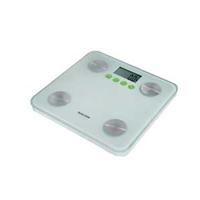
Luckily Salter is at hand to aid on this journey with the convenient and innovative #9106 Glass Body Analyser Scale. Beneath the sleek exterior the scale features five smart analyser functions which measure weight, body fat %, body water %, muscle mass and bone mass. There is also an athlete mode and a ten user memory which will help all members of the household to understand what they are made of, as well as keeping track of weight or slimming goals whilst simultaneously giving a helpful health update.

As well as being easy to use, the Salter 9106 Body Analyser Scale is certainly easy on the eye; it’s contemporary stylish design and functional easy to read 40mm LCD display with illuminated icons makes the Salter 9106 Body Analyser Scale the perfect addition to any bathroom.

The Body Analyser Scale retails at around £50 and is available in the UK online and in store from Argos and John Lewis.

Salter is offering six 9106 Body Analyser Scales to ElixirNews readers. The six lucky readers will be selected in a draw. To take part in the draw please email us at readeroffer@elixirnews.com by January 15, stating Salter in the email headline, and giving us your name and address. Please note that no money eqivalent is being offered and the Editor’s decison is final.

Test your brain fitness with Mindfit

image

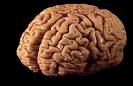
MindWeavers plc, the company behind the unique computer-based ‘brain workout’ MindFit, has set you to a memory test.

The challenge comprises 12 simple questions covering events from throughout the year, each question designed to test the memory.

• Which teams played in the final of the Rugby World Cup?

• Which famous tenor’s funeral was held in Modena?

• Which novice driver came close to winning the F1 Grand Prix
Championship?

• Who was Nicholas Sarkozy’s opponent in the French Presidential
Election?

• In which month did Tony Blair finally resign?

• Which royal couple celebrated their golden wedding anniversary in
2007?

• In which country were thousands of monks arrested after protesting
again Human Rights abuses?

• Which virus affected British cattle farmers in 2007?

• Which Government departments were chopped in Gordon Brown’s first
cabinet reshuffle? And for a bonus point, what have they now become?

• Which concert was organised to raise awareness of global warming?

• In his final budget before becoming Prime Minister, by how much did
Gordon Brown cut income tax?

• Which novel, released in June 2007 completed the adventures of
Harry Potter?

How good is your memory and could you benefit from a regular brain ‘workout’ in 2008?

There is widespread recognition that mental as well as physical fitness helps us to live longer and healthier lives, and that an active brain maintains our quality of life as we get older. So along with the traditional New Year’s resolutions to achieve physical fitness, MindFit is offering an effective way of exercising our brains as well in 2008.

Clinical trials have demonstrated that using MindFit for twenty minutes a day, three times a week can promote a healthier mind.

As the craze for brain exercise sweeps across the UK, an independent survey conducted by NOP shows that nearly two thirds of people over 50 say that they do crosswords, and one in five computer games to keep their brain active. While these forms of activity may help, MindFit has been scientifically proven to improve important skills such as memory, reaction time and spatial awareness, protecting against the effects of ageing.

MindWeavers, the team that has brought MindFit to the UK includes renowned neuroscientist Dave Moore who set up the company in 2000 whilst at Oxford University, and top brain scientist Baroness Professor Susan Greenfield, Director of the Royal Institute.

MindWeavers Chief Executive Officer, Bruce Robinson concluded, ‘’ ’MindFit raises the seriousness of brain exercise while still being fun to use.
During the season when many consider turning over a new leaf for the new year ahead, MindFit provides the ideal opportunity to keep your brain healthy in 2008.’’

MindFit can be purchased through the MindWeavers’ website: www.mindweavers.co.uk or by telephoning 0845 643 2742 within the UK.

* The independent NOP Omnibus including questions commissioned by MindWeavers interviewed 473 adults aged 50+ was conducted by telephone during 24th-26th August 2007. The results were weighted in order to be nationally representative.

MindFit retails in the UK at £89.99 and can be purchased through the MindWeavers’ website: < a href="http://www.mindweavers.co.uk">www.mindweavers.co.uk

MindWeavers plc is a University of Oxford spin-out company which creates and sells software products that apply World-leading neuronal science to harness the dynamism of the human brain. The Company’s innovative software products can maintain brain health in older people, protecting against age-related mental decline and dramatically improve children’s language learning abilities.

MindWeavers moved into the ‘brain exercise’ and brain health market with the acquisition of BrainBoost and is currently launching a series of innovative brain exercise products for the baby boomer market, as well as trialling brain health products that aim to protect people who have been diagnosed with early cognitive decline.

Answers to the Quiz – how did you score?

• Which teams played in the final of the Rugby World Cup?
England and South Africa

• Which famous tenor’s funeral was held in Modena?

Pavarotti

• Which novice driver came close to winning the F1 Grand Prix
Championship?

Lewis Hamilton

• Who was Nicholas Sarkozy’s opponent in the French Presidential
Election?

Segolene Royal

• In which month did Tony Blair finally resign?

June
• Which royal couple celebrated their golden wedding anniversary in
2007?

HRH Queen Elizabeth and Prince Philip

• In which country were thousands of monks arrested after protesting
again Human Rights abuses?

Burma

• Which virus affected British cattle farmers in 2007?

Blue Tongue

• Which Government departments were chopped in Gordon Brown’s first
cabinet reshuffle? And for a bonus point, what have they now become?

DTi and Department of Education

DTi now Department of Business, Enterprise and Regulatory Reform (BERR)

DfE now split into Department for Children, Schools and Families and Department of Innovation, Universities and Skills

• Which concert was organised to raise awareness of global warming?

Live Earth

• In his final budget before becoming Prime Minister, by how much did
Gordon Brown cut income tax?

2%

• Which novel, released in June 2007 completed the adventures of
Harry Potter?

Harry Potter and the Deathly Hallows

Cosmetic surgery advice misleading says Which?

image

London: Non-medical staff giving advice, misleading claims, remote prescribing and pressure selling are just some of the findings from a new Which? investigation* into the UK cosmetic treatments industry.

With nearly 1 in 5 UK adults saying they would consider having cosmetic surgery**, more needs to be done to protect consumers and put an end to the current ‘sales before safety’ cosmetic treatment climate.

Which? undercover researchers visited 19 clinics in England and Wales posing as prospective patients for breast surgery, liposuction and Botox®*** to test whether the clinics were giving patients sound advice. Transcripts of the consultations were analysed by independent experts**** and provided an unimpressive snapshot of the cosmetic treatments industry.

Experts were concerned to discover some clinic staff describing invasive surgery as ‘scarless’ or a ‘minor procedure’, with one sales assistant showing her breasts to a Which? researcher in order to make a sale. Even more worrying was literature which offered liposuction in an ‘office setting’ to avoid hospital costs.

Which? has identified three major areas of concern from the research:

Use of aggressive marketing puts undue pressure on consumers.
Poor information makes it hard for consumers to make informed decisions about their treatment or where to have it.
Rule breaking is going unchecked because of weak and patchy regulation*****.
Which? health campaigner, Jenny Driscoll, says:

“There are risks with all cosmetic treatments, so when people go for a consultation they should get accurate and in-depth advice from a medical professional, not a pitch from an unqualified salesperson.

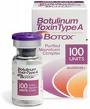
“Our investigations in recent months have revealed a relaxed attitude to non-surgical treatments such as Botox and it is worrying to find that it is being prescribed by doctors without them having seen or even spoken to the patient.

“The Health and Social Care Bill is currently going through Parliament and Which? will be calling for the Government to make sure that regulation of this industry is more robust.”

More information on this campaign:
*For its report The good, the bad and the ugly – the cosmetic treatments industry, Which? visited 19 clinics in England and Wales in summer 2007. The consultations took place at well-known chains and local clinics in London, Birmingham, Manchester, Leeds, Nottingham, Bristol, Leicester and Cardiff. Which? researchers had one pre-surgery or pre-treatment consultations at each clinic. Each consultation was recorded using hidden audio equipment. The visits focussed on two types of cosmetic surgery: liposuction (7 visits) and breast augmentation (6 visits). Six clinics were also visited for initial consultations on Botox®.

**Which? face-to-face omnibus survey of 2089 adults 16+, August 2007.

*** Botox® is a prescription-only drug and must be prescribed by a health professional (usually a doctor) with prescribing rights. Which? found examples where Botox® would be provided without the direct involvement of a doctor or other health professional with independent prescribing rights.

****Each visit was assessed by an independent expert for aspects of the consultation, the practitioner and the verbal information given to the prospective patient. Which? also assessed any written information provided at the visit. The overall ratings for the clinic visits were mixed – with no clinics rated as excellent and just 5 clinics rated as good.

***** To see a copy of the Independent Healthcare Advisory Services (IHAS) Good Medical Practice in Cosmetic Surgery, please visit www.independenthealthcare.org.uk. For more information on the Medical and Healthcare products Regulatory Agency’s (MHRA) position on Botox®, please visit www.mhra.gov.uk

The findings follow a recent Which? investigation at the Body Beautiful show in London (2nd -4th November) where 20 examples of breaches of industry rules were found.

On 5 December the Advertising Standards Authority (ASA) censured the Harley Medical Group for a poster advert that said “Gorgeous breasts just got easy with cosmetic surgery … ” as it implied that breast augmentation was risk free.
Anyone considering a cosmetic treatment can visit www.which.co.uk/cosmetic for a comprehensive guide and the opportunity to feedback.

Dr Nick Delgado – California

10% discount on Gold Rejuvenation Programme

Dr Nick Delgado PhD, CHT is a leading authority on anti-ageing and sexual medicine. He also specialises in hormone replacement therapy and nutraceuticals to aid rejuvenation.

To find out more:

www.ultimatemedresearch.com

OxygenZone – Serbia

10% discount on Hyperbaric Oxygen treatments and also SmartLipo

OxygeneZone

Oxygen Zone specialises in Thermal and Health Spas in Serbia, offering packages that can benefit a wide range of people. People suffering from arthritis, rheumatism, circulation problems, dysfunctions of cardiovascular system; gastrointestinal system, gynaecological problems; locomotive apparatus; metabolic system; neurological; psychological; respiratory system; skin disorders and geriatric conditions would particularly benefit from curative water treatments which have long lasting effects, plus wellness retreat for mind and body bliss – just nature healing the way it is meant to.

Give yourself a chance to naturally heal and rebalance through the deeply relaxing and revitalizing experience that a spa holiday can provide.

About Hyperbaric Oxygen Treatment

HBOT has been shown to be particularly effective in the cosmetic and spa treatments such as rejuvenation, anti-aging, weight loss, skin toner, cellulite, wrinkles reduction, fast nail grow, stress, and stimulation of the immune system among other number of benefits.

Also, there are patient reports of increased clarity of thoughts, more vivid dreams,
renewed energy and reduce fatigue following the HBOT treatments.

Hyperbaric Oxygen Therapy helps to create the optimal terrain within your body so that your body can perform essential cell processes efficiently. It is also used to help promote healing in cosmetic surgery.

Hyperbaric oxygen facials are reviving faces in Hollywood and beyond. Breath for Health; Breath for Beauty! Boost Drive and Libido! Spice up your life with Hyperbaric Oxygen Holiday.

The company also provides cosmetic dentistry, non-surgical and other cosmetic procedures.
OxygeneZone

Common nut’s success in appetite control

image

London: Pinolenic Acid, a natural plant extract, from the Korean pine nut (Pinus Koraiensis), has been shown to suppress appetite dramatically without causing harmful stimulatory side effects.

A form of polyunsaturated fatty acid it attacks the underlying mechanisms involved in hunger so effectively that the 18 participants in a recent study reduced their food intake by 36% and experienced a reduction in the desire to eat of 29%. The experiment also produced a significant increase in two hormonal appetite suppressors that send signals of “satiety” or fullness to the brain – cholecystokinin (CCK) which increased by 60% and glucagons-like peptide 1 (GLP1) of 25% that remained for up to four hoursafter eating.

[The experiment which was presented in a paper, “Korean pine nut fattyacids affect appetite sensations, plasma CCK and GLPI in overweight subjects” to the American Physiological Society in April 2006, by Alexandra Einerhand, director, nutrition and toxicology-Europe at Lipid Nutrition, a division of Loders Croklaan, Wormerveer, the Netherlands.] In another recent study published in the Journal of the American Medical Association (5 April 2006), the effects of calorie restriction on health biomarkers were measured in a group of overweight adults over a six month period.

In response to reduced food intake, fasting insulin levels plummeted –
excess insulin acts as a death hormone that devastates virtually every cell and organ system in the body. Insulin overload increases the risk of heart disease, cancer, blindness, stroke, Alzheimer’s, and other age-related diseases. The amount of weight lost in the groups that restricted their calorie intake – the moderate calorie restriction experienced a 24% reduction in body fat mass, while the very low-calorie group achieved a 32% reduction in fat mass.

This process of calorie restriction, at the same time as maintaining optimal nutrition, has been shown to radically extend life span in lower animals and primates. It is thought that this may also apply to humans. Unfortunately, the greatest obstacle faced by anyone undertaking calorie restriction and trying to achieve sustained weight reduction in the nagging sensation of feeling hungry. Most people give into this craving and thus forgo the opportunity to reduce their risks for life-threatening diseases.

In the UK one in four adults is obese and the treatment of obesity-related illnesses, including type 2 diabetes, knee and hip operations cost the HNS £1bn last year. Satiety is the sense of food satisfaction and fullness experienced after eating. Hunger and satiety both depend on a complex feed back loop involving many hormones and other substances secreted by the gut that interact with control centres in the brain.

The gut participates in the hunger satiety circuit by secreting two important hormones, cholescystokinin (CCK) and glucagon-like peptide-1 (GLP-1), among others. Cholecystokinin is recognised to suppress appetite in humans. When a partially digested meal rich in fats or proteins leaves the stomach to enter the duodenum (the first portion of the small intestine), the duodenal mucosa cells secrete CCK. In turn CCK stimulates the pancreas to secrete numerous enzymes to help digest food. CCK also acts on the gallbladder to stimulate the release of bile into the small intestine, which helps emulsify and break down fats.

Most important to appetite control, CCK acts to slow gastric emptying and to promote a feeling of fullness, thus suppressing further food intake. Glucagon-like peptide-1 is another hormone that is intimately connected with fullness and satiety. Produced in the small intestine in response to fat and carbohydrates, GLP-1 works in part by activating what is known as the “ileal break” mechanism.

This slows down the absorption of food in the gut, promoting feelings of fullness and satiety, and therefore limits the further desire for food intake. GLP-1 also helps to control the health of pancreatic beta cells, which serve the crucial function of manufacturing insulin in the body. Abnormal beta cell function plays a key role in insulin resistance and scientists believe that therapies that boost GLP-1 levels could help alter the course of diabetes.

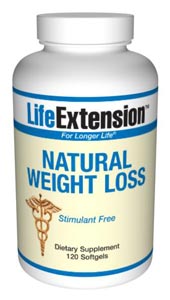
Pinolenic acid has been developed into a new supplement, Natural Appetite Control, available for the first time in the UK for adults seeking to lower their calorie intake and maintain a successful long-term weight management programme. Each softgel of new Natural Appetite Control provides 1000mg of a standardised extract of Korean pine nuts containing the highest concentration of pinolenic acid found in any pine nut species.

Pine nuts are used extensively in Mediterranean cookery, such as in Italian pesto, but the nuts of the Korean pine have a far greater concentration of pinolenic acid than those of European pine nuts. The recommended daily dose of this all-natural vegetable-based (suitablefor vegetarians) formula is three softgels taken 30-60 minutes before a meal with the highest calorie content.

To reduce snacking, three softgels may be taken between meals. The best time to take this supplement may be in the evening, to reduce food intake before bedtime. Natural Appetite Control should be used in conjunction with a healthy diet and exercise programme. Results may vary. Natural Appetite Control costs £15.30 for 90 softgels and is available from www.thevitalityshopuk.com Telephone enquiries: 0800 011 2496

How to walk your way to fitness in 2008

image

London: One of the most popular new year resolutions made each year is to get fit, but how many see it through? Not many, according to research* released in December 2007 which stated that 71% of people failed in their attempt,probably preferring the comfort of their sofa.

Joanna Hall, (pictured above right) one of the UK’s leading fitness and walking experts and co-founder of Walkactive, has five top tips that get results. The good bit is that there isn’t a gym in sight.

Joanna Hall says: “Walking is simple, easy, and just about anyone can do it. Some people are sceptical about many of its benefits, but there is no disputing the research. Walking at the right pace and with the right technique can reduce the risk of many diseases and painful conditions (see Note 3 below). Whether someone is completely new to fitness, wants to firm up, lose excess Christmas pounds, or just get fitter and healthier, walking is perfect.”

Walking has few side effects and can be done by almost anyone, anywhere.

Try Walkactive’s top five tips and start stepping into shape:

1. Invest in a good pedometer – studies show that individuals who wear a pedometer are significantly more physically active than those who don’t.

2. Establish your average daily baseline – use your pedometer to record the number of steps you take per day for four days and work out your average steps per day (ideally you should include a weekend and work day to get a truer reflection of your weekly activity). During the first week you must match your baseline number of steps every day, then for the next 4 weeks, depending on how fit you are, add 500 or 1,000 steps to your baseline and match that new baseline each day. This approach gets you fitter gradually and helps you feel in control.

3. Establish your Optimum Walking Pace™ – this is the pace at which you feel slightly out of breath, feel you need to take off a layer of clothing and is most probably the pace you may walk at if you are late for a meeting but don’t want to break into a run!

4. Fine Footwear – your footwear is the most important asset. Specialist shoes and boots are available for leisure, fitness, hill and mountain pursuits. Look for good support in your ankle and forefoot – comfort and support do matter.

5. Spread your steps – split your days into zones and aim for a certain number of steps in each three or four time zones. This stops you having to achieve a huge step target all in one go at the end of the day, plus challenges you to use walking as a form of travel and reduces your carbon footprint.

Alissa Twisk, (pictured above left) leading charity walking expert and co–founder of Walkactive, says: “Whether it’s walking to get fit, train for a charity walk, firm up, or lose weight, we have trained thousands of people to get the results they deserve. Our courses began in Central London locations but as of January 2008 we have grown to include venues spread around the South East. We also launched our online club in January so we can motivate and encourage in-between training sessions through weekly e-mail support, monthly online chats with Joanna and myself, and exclusive discounts on our courses and events. Anyone wishing to benefit from the power of walking can join our next courses which start from Sunday 20th January.”

Further details of course dates, venues and how to book a place can be
found at www.walkactive.co.uk

*Professor Wiseman, University of Hertfordshire

1. WalkActive courses:

• WalkFit is for those who want to get fit, firm and healthy and includes one one-hour session per week for six weeks – with courses held on Sundays or weekday mornings.

• Walk Firm makes lunchtimes count with a 45 minute cardio walking blast class. A dynamic class that will leaves you feeling toned, refreshed and full of energy for the afternoon. Held in Green Park on Thursdays.

• Baby Buggy and Me helps mums regain their body through one 50 minute session a week for six weeks.

• Walk Off Weight, is a 28 day course that gets weight and inches off through twice-weekly one-hour sessions and weekly 30 minute motivational talks.

2. WalkActive is run by two fitness and walking experts – Joanna Hall and Alissa Twisk.

• Joanna Hall is one of the UK’s leading fitness experts and is passionate about walking. A regular on TV and radio, she is creator and presenter of four exercise DVD’s and author of nine books, including three top ten best sellers. Joanna is committed to delivering programmes that work.

• Alissa Twisk has for the past eight years trained and encouraged hundreds of people as they prepare to complete charity walking events. Her knowledge and hands on experience is widely sought.

3. The health benefits of walking.

• Walking can help prevent heart disease, stroke, colon cancer, constipation, osteoporosis, impotence, high blood pressure and depression

• Walking can help improve metabolism, breathing, circulation, concentration, memory, sleep, sense of well being, overall mood and stress levels

• Walking can take inches off hips, thighs, bottoms and waistlines, manage weight, and strengthen muscles, bones and joints

Real Food Festival, London 24-27 April

London: We’ve hand-picked the very best produce and ingredients that we could find to bring you the biggest Farmers Market in the country and you, being as passionate about produce as we are, should come and meet some of the best producers, taste their delectable produce, learn from them and challenge your tastebuds.

Over 500 producers will gather at Earls Court 24-7 April 2008 to celebrate food that is good, clean and fair. With all the talk about the integrity, quality, provenance & sustainability of food in the UK and around the world, we thought it would be a great idea to show you the choices that are out there.

The big difference with the Real Food Festival is that the producers that are hand picked to attend are also heavily subsidised to exhibit. This means that you will get the opportunity to meet some of the best and smallest producers in the world and eat some of the most fabulous food that will leave your mouth watering and your toes tingling!

As well as the amazing producers, you will also be able to learn how to bake bread with food guru Barny Haughton of Bristol’s renowned Bordeaux Quay, taste wines with the maker, challenge yourself in a food debate, tantalise your tastebuds in a taste workshops, meet some pigs, follow a produce trail or just chill on a hay bale and listen to a farmers story. Real Food is passionate not preachy, the integrity of the festival will challenge the way most of us think about food on a day to day basis and will inspire a wide audience to change their eating habits in favour of a more sustainable way of eating and enjoying produce.

The Festival’s Taste workshops will teach you all sorts of things from the differences between cows and goats milk to wheat and malt beers. The workshops provide the ultimate test for your taste buds, created by eco-gastronomes Clodagh McKenna and Sebastiano Sardo of Foodiscovery.

The Real Food Festival is not just a London event. We have just returned from a gastronomic road trip around the country where we have been meeting local producers, from Jersey to Orkney. You will be able to meet the people who reared the pigs, planted the carrots, milked the cows and crushed the grapes: you can taste their produce, learn about it and take it home.

Eco Icons such as Zac Goldsmith, fully support our festival, ‘The way we eat, what we eat, where our food comes from, these are central issues. The Real Food Festival will change the way we think about food and give producers and consumers an opportunity to meet and share their passion for authentic quality produce’.

We promise to celebrate the diversity of modern artisan food, from producer to plate. Visitors will be able to meet and speak to 500 hand-picked producers from Britain and the world.

Visit our website The Real Food Festival to get updates of our journey. Tickets which can be bought online cost £15.

Wellcome Collection London – 2008 programme

London: An analysis of 26 skeletons selected from the Museum of London’s collection of 17,000; textile designs based on patterns found in x-ray crystallography, not seen since the 1951 Festival of Britain; a newly commissioned film by Marion Coutts and an exhibition about the thoughts and wishes of the dying – are some of the forthcoming special exhibitions at Wellcome Collection during 2008. [full listings below].

2008 will end with a major exhibition exploring the complex relationship between War & Medicine and the ways in which mankind’s desire to repair and heal has tried to keep pace with its capacity to wound and kill. The exhibition will look back as far as the Crimean War and will be brought up to date by specially commissioned artwork addressing the problems of military medicine in the conflict in Afghanistan. This will be the second part of a two-phase collaboration with the Deutsches Hygiene-Museum in Dresden, the first of which, Sleeping & Dreaming, opened on 28 November and closes on 9 March 2008.

Wellcome Collection www.wellcomecollection.orgthe new £30m public venue from the Wellcome Trust opened in June 2007. The building’s three galleries combine medicine, life and art to provide insight into the human condition. Exhibitions, both temporary and permanent, are supported through a public events programme that brings together experts from the arts, science and humanities to further explore human wellbeing. Wellcome Collection has been visited by over 100,000 people during its first five months of opening.

WELLCOME COLLECTION SPECIAL EXHIBITIONS 2008:
Full information on each temporary exhibition will be posted at www.wellcomecollection.orgthroughout 2008. Entry to all exhibitions is free.

Sleeping & Dreaming (28 November 2007 – 10 March 2008)

Sleeping & Dreaming, the second major temporary exhibition at Wellcome Collection, explores sleep – the mysterious state we inhabit for a third of our lives. 250 objects across five major themes enable visitors to explore the biomedical and neurological processes that take place in the sleeping body and the social and cultural areas of our lives to which sleep and dreams are linked. The exhibition is the first of a two-part collaboration with the Deutsches Hygiene-Museum in Dresden. Exhibits range from artworks by Goya, Catherine Yass, Jane Gifford and Laura Ford, to an interview with a victim of sleep-deprivation interrogation; from a vehicle designed to provide homeless people with a mobile place to sleep to an extraordinary range of alarm clocks and a collection of traditional lullabies from around the world. Sleeping & Dreaming public events are detailed below.

Life Before Death (8 April – 18 May 2008)

The German photographer Walther Schels and journalist Beate Lakotta spent a year talking with terminally ill patients in hospices across Germany. They photographed 24 consenting patients shortly before and just after they died. The resultant portraits are shown side-by-side, accompanied by a short text which describes the patient’s experience of the situation in which they find themselves – having to come to terms with the imminent end to their lives.

Atoms to Patterns (24 April – 10 August 2008)

This exhibition brings to light an extraordinary collection of vibrant textile designs from the early 1950s, most of which have been lying unseen in the collections of the Victoria and Albert Museum and the Science Museum for over 50 years. For the 1951 Festival of Britain a group of designers collaborated with some of the most distinguished scientists of the period to devise a range of fabrics and furnishings based on patterns revealed by x-ray crystallography – a means of visualizing the crystal structure of both organic and inorganic materials.

Marion Coutts (30 May – 29 June 2008)

The artist Marion Coutts will present a new film, commissioned by Wellcome Collection, which will use objects from the collections of Henry Wellcome and
from the Science Museum playfully to explore the workings of memory.

Skeletons (22 July – 28 September 2008)

The Museum of London has approximately 17,000 skeletons in its care, all removed for their preservation, from building sites under different parts of London. This exhibition will present 26 of these skeletons along with all the information about their health and likely social circumstances that can be gleaned from the location in which they were found and from a detailed analysis of their bones. The skeletons featured include some dating back to Roman times and many which reveal a great deal about the health and social conditions of the period in which they lived..

War & Medicine (November 2008 – March 2009)

The third major special exhibition at Wellcome Collection and, following Sleeping & Dreaming, the second of two exhibitions devised in collaboration with the Deutsches Hygiene-Museum, Dresden. War & Medicine will assess the impact and influence that warfare and medicine have had on one another. It looks at the way mankind’s desire to repair and heal has tried to keep pace with its capacity to maim and kill, meeting sometimes with success and sometimes with failure. As with Sleeping & Dreaming, this exhibition will include the perspectives of artists, writers and filmmakers as well as those of medical scientists and social historians.

WELLCOME COLLECTION PERMANENT GALLERIES

Two of Wellcome Collection’s three galleries are permanent. These are:

Medicine Man (350 m2): This exhibition contains more than 500 strange and beautiful artefacts from Sir Henry Wellcome’s original collection, presented in a rich American walnut-panelled gallery, centred on a large ‘Wunderkammer’ cabinet.

Medicine Now (350 m2): The Medicine Now exhibition explores contemporary medical topics through the eyes of scientists, artists and popular culture in a bright contemporary environment.

SLEEPING & DREAMING PUBLIC EVENTS
All temporary exhibitions are supported by a series of public events that enable people to discover more about the subjects they cover. Below are the remaining public events for Sleeping & Dreaming that bring together experts from science, the arts and humanities to explore this twilight world. Events are free unless otherwise stated. All tickets must be booked in advance from < a href="http://www.wellcomecollection.org">www.wellcomecollection.org

Late-night Film Festival
Friday 25 January 2008, 19.00–23.00
Explore Wellcome Collection by night and see rare footage from the Wellcome Library collection screened alongside classic feature films and quirky shorts exploring sleeping and dreaming. Galleries, café and bookshop will be open throughout. A full screening programme will be available in December at www.wellcomecollection.org

Catherine Yass: Artist in Conversation and premiere of new film work
Thursday 7 February 2008, 19.00–20.30

The first opportunity of seeing a new work by leading British artist Catherine Yass that documents her waking moments and dream recall. Catherine will be joined in conversation by Lux Gallery Curator, Lucy Reynolds, and will discuss her interests in sleeping and dreaming.

Speaker: Catherine Yass, artist featured in exhibition

Facilitator: Lucy Reynolds, Curator, Lux

Sleep Talk

A unique symposium exploring insomnia and sleeplessness
Friday 22 February 2008, 19.00–21.00
Saturday 23 February 2008, 10.30–17.00
Tickets: £30 / £20 concessions

This symposium will explore insomnia and sleeplessness through science, psychology, history, sociology and art. The event will begin with a special performance of Bach’s Goldberg Variations by innovative classical music group, Manning Cammerata. When Johann Sebastian Bach first composed this music, it was used as a curative for Count von Kaiserling’s insomnia.

Speakers Include
Ann Coxon, Assistant Curator, Tate Modern,
Kenton Kroker, Science and Technology Studies, York University, Toronto
Eluned Sumners Bremner, Department of Women’s Studies, University of Auckland
Kevin Morgan, Director of Clinical Sleep Research Unit, Loughborough University
Chris Idzikowski, Director, Edinburgh Sleep Centre
Russell Foster, Professor of Circadian Neuroscience, University of Oxford

An End To Feeling Shattered? If you could live without sleep, would you?
Friday 28 February 2008, 19.00–20.30
Drugs that enable you to stay awake 24 hours a day have been produced but would you want them? Should they be made available? What would be the impact on your body, your relationships and your life? Join a panel of outspoken speakers to debate whether drugs are the answer to 21st-centruy life.

Speakers
Simon Williams, Lecturer in Sociology, University of Warwick
Danielle Turner, Neuroscience coordinator, University of Cambridge
John Harris, Professor of Bioethics, University of Manchester

Facilitator
Toby Murcott, Science writer and presenter

What is the Wellcome Collection?

Wellcome Collection is a new £30 million visitor attraction from the Wellcome Trust that opened on 21 June 2007. Wellcome Collection is a world first. It combines three contemporary galleries together with the world-famous Wellcome Library, public events forum, café, bookshop, conference centre and members’ club, to provide visitors with radical insight into the human condition.

Wellcome Collection builds on the vision, legacy and personal collection of Wellcome Trust founder Sir Henry Wellcome and is part of the Wellcome Trust’s mission to foster understanding and promote research to improve human and animal health. The building is centred around three substantial galleries totalling 1350m2 and the world famous Wellcome Library.

About the Wellcome Trust: www.wellcometrust.ac.uk

The Wellcome Trust is the largest charity in the UK and the second largest medical research charity in the world. It funds innovative biomedical research, in the UK and internationally, spending around £500 million each year to support the brightest scientists with the best ideas. The Wellcome Trust supports public debate about biomedical research and its impact on health and wellbeing. Wellcome Trust funding has supported a number of major successes, including:

*sequencing the human genome
*establishing the UK Biobank
*development of the antimalarial drug artemisinin
*pioneering cognitive behavioural therapies for psychological disorders
*building the Wellcome Wing at the Science Museum
* the Wellcome Trust Case Control Consortium, the largest ever genetic study of common diseases such as diabetes, coronary heart disease and bipolar disorder

The Wellcome Trust is a charity registered in England, no. 210183

The Vitality Show – Olympia London 27-30 March 2008

London: Experience the latest health, beauty & well-being innovations all under one roof!

For the latest trends in health, beauty and well-being in 2008, why not book yourself and your best friend tickets for the ultimate girl’s day out, The Vitality Show with Muller ®? Jam-packed with lots of great brands, experiential show features and experts all under one roof, The Vitality Show is the ‘must go’ event for women in the UK.

Brands such as Dermalogica, Benefit Cosmetics and Aveda will be showcasing the very latest innovations, products and ideas enabling women to get a sneak preview of what’s hot and what’s not for 2008. Not only a great shopping event, with loads of great brands all together the show’s new experiential features include: The Happiness Theatre where visitors can attend happiness and friendship workshops; The Fitness Arena complete with trampolines for visitors to try out, free hair consultations and styling courtesy of the award winning Hobs Salon and the Luxury Beauty Hall; as well as the ever popular fabulous Fashion Catwalk.

World class experts will also be on hand to offer advice and insights across the world of health, beauty and well-being ensuring visitors to the show can pick up hot tips to take home and share with their friends.

The Vitality Show with Muller®, is Europe’s largest health, beauty and well-being show is back bigger and better than ever.

For a day packed with the latest and best in beauty, health and well-being, as well as inspirational advice, secrets, hints and tips from the experts, make The Vitality Show 2008 top of yours and your best friend’s diary!

Tickets to the show cost £17 on the door or £14 in advance. For further information visit the website www.thevitalityshow.co.uk or book your tickets by calling 0844 415 4416 (within the UK).

Dr Jeff Golub Evans at the New York Center for Cosmetic Dentistry in Manhattan

image

Seasonal discount on various whitening treatments

New York Center for Cosmetic Dentistry
128 East 71st Street . New York, New York 10021 . 212.288.4455 .
Web: www.nyccd.com

Seasonal Discounts:

* Zoom! In-office Whitening: Usually $600, NOW $475

* QuickWhite: as featured in NY Times: Usually $225, NOW $175

* DayWhite at Home Whitening Trays: Usually $400, NOW $250

* Touch-up Whitening Gel: Usually $50, NOW $37

* Crest Professional Strength White Strips: Usually $75, NOW $47

The New York Center for Cosmetic Dentistry was a 2006 Beauty Pick in New York Magazine and Dr. Jeff Golub-Evans has been featured in The New York Times and Vogue. He has also appeared on The Today Show, Good Morning America, FOX News and much more. Dr. Golub-Evans has an impressive roster of celebrity patients including Hugh Jackman, Mary Louise-Parker, Usher and Kim Cattrall.

Dr. Jeff Golub-Evans is considered one of the country’s premier smile designers. Using bonding, bleaching, porcelain laminates, crowns and his pioneering work in smile design, Dr. Golub-Evans has created smiles that have appeared on the covers of over 300 fashion and beauty magazines including: COSMOPOLITAN, SHAPE, GLAMOUR, VOGUE, GQ, BAZAAR, SELF, HEALTH, ALLURE, FAMILY CIRCLE, SEVENTEEN and many more. He has appeared on Live with Regis and Kathie Lee, The Today Show, CBS Morning News, Inside Edition, American Journal, Good Morning America, Fox News, The Home Show and numerous other news and talk shows.

His Manhattan based practice, the New York Center for Cosmetic Dentistry (www.nyccd.com) is a full service cosmetic and general dental office specializing in creating beautiful smiles and providing smile rejuvenation procedures through the SmileOasis™ Spa, which offers unique, therapeutic ways to improve your smile with services like Zoom! Bleaching, Hydro-Gum™ Massage and Floss & Gloss™.

An artist both in and outside the dentist office, Dr. Golub-Evans is also a recognized watercolorist and collagist whose works have appeared on New York gallery walls as well as in Bali, Athens, Paris, Arizona, Massachusetts, California, Illinois, Florida, Connecticut, and at the Museum of Modern Art in New York City.

Dr. Golub-Evans’ credits include dental costuming for numerous theatrical and cinematic productions, including more than a dozen films and the dental special effects for the New York Shakespeare Festival and Broadway’s Tony Award winners, LES MISERABLES and BIG RIVER. Dr. Golub-Evans is considered one of the top smile designers in the country. His smile creations can be seen on numerous leading actors, models and rock stars including Kim Cattrall, Bridget Moynahan, Hugh Jackman, Usher, Tom Brady, Mary Louise-Parker and Regis Philbin. Dr. Golub-Evans’ smiles have adorned over 300 covers of beauty and fashion magazines.

Dr. Golub-Evans is an Accredited Member, a Fellow and Past President of the American Academy of Cosmetic Dentistry. He is the Founding President of the American Academy of Cosmetic Dentistry’s New York Chapter and founder of the Smile Design Council. He is a member of the Editorial Board of Esthetic Dentistry for the GP, and has written for Dentistry Today, Dental Products Report, Oral Health, Compendium and Dentist Magazine.

He was the Editor-In-Chief of Current Opinion in Cosmetic Dentistry, Clinical Editor of Dentist Magazine and Associate Editor of the Journal of the American Academy of Cosmetic Dentistry. Dr Jeff Golub-Evans was an Associate Clinical Professor at New York University, Department of Dental Materials Science and Restorative Dentistry and is the Director of Cosmetic and Esthetic Programs at New York University’s Center for Continuing Dental Education.

Dr. Golub-Evans has published scores of journal articles and has delivered hundreds of presentations in cosmetic dentistry extensively across the U.S. and Canada as well as in Europe, South America and Asia. He holds visiting faculty appointments to the postgraduate programs in esthetic dentistry at the State University of New York at Buffalo, Baylor University, Harvard University, Boston University and Northwestern University.

On a personal note, Dr. Golub-Evans attended Hamilton College and New York University College of Dentistry.

Moderate exercise relieves arthritis symptoms

image

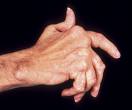
Adults with arthritis tend to be less fit than their peers, but a new study from the University of Carolina has found that moderate exercise increases fitness.

Lead researcher Leigh F. Callahan of the University of North Carolina at Chapel Hill, N.C., said the study examined 346 patients with an average age of 70 who had self-reported arthritis.

The participants were divided into an intervention group that took part in the Arthritis Foundation Exercise Program – exercise classes at basic and advanced levels that met for one hour twice a week for eight weeks – and a control group that was offered the program after eight weeks.

The intervention group completed self-report assessments at three months and six months after completing the program.

The study, published in Arthritis Care & Research, showed that the intervention group had significant improvements in pain, fatigue and managing arthritis at eight weeks, and maintained improvements in pain and fatigue at six months.

Briton’s oldest woman celebrates being 110 today

image

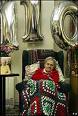
London: Congratultions to Minnie Smith who celebrates her 110th birthday today.

Miss Smith who never married or had children has been alive during three centuries, seen six monarchs and twenty-one prime ministers, and was a teenager when the Titanic sank.

Miss Smith, who is now blind and almost deaf, attributes her longevity to regular consumption of whisky and boiled onions.

She is still not the oldest living Briton. Henry Allingham, of Eastbourne, aged 111, is the oldest man in Europe and one of two known survivors in Britain of the Battle of the Somme. The oldest living woman was Eva Morris, who died in 2000 six days before her 115th birthday.

Miss Smith who worked in domestic service from the age of 14 is now living in a Salvation Army nursing home in South London.

Dr Raj Chopra MD

Discount to be advised

Dr Rajesh Chopra is a renowned Harvard-trained facial plastic surgeon pracitising in Beverly Hills, California. Aesthetic, facial plastic surgery are a passion for Dr Chopra. This includes all aspects of facial and neck rejuvenation including the most modern minimally invasive techniques.

Visit www.rajchopramd.com

Elizabeth Roche MD MedSpa, New Jersey

image

15% discount on all treatments including:

Comprehensive Skin Analysis
Botox
Dermal Fillers
Laser Hair Removal
Laser Resurfacing
IPL Photofacials
Laser Spider Veins
Sclerotherapy
Microdermabrasion
Chemical Peels
Facials
Mesotherapy

Elizabeth Roche M.D. MedSpa is located in Perillo Plaza at 577 Chestnut Ridge Road, Woodcliff Lake, New Jersey.
T: +1 201 505 1020

For more information, please visit www.elizabethrochemedspa.com

Today’s clientele want more than just quality work when they visit a medical spa. They want a full experience that is relaxing but professional; spa-like, but also provides them with the latest medical treatments. Welcome to MedSpa 2008 – a blend of design, professionalism and cutting edge equipment – it’s a new standard in what a medical spa should look like.

When Dr. Elizabeth Roche opened her new medical spa, she did more than install the latest equipment. She hired a designer to create an atmosphere for her to practice in. The result is a business that is thriving. She is an example of a medical spa owner who raised the bar in the spa industry and is seeing the results. At Dr. Roche’s medspa, clients enjoy the benefits of a well-designed and modern facility with state-of-the-art equipment, a board-certified physician, and experienced skin care professionals that offer the latest esthetic treatments.

“We have designed our modern medspa to create a soothing environment to de-stress the mind the moment they step into the medspa,” says Dr. Roche. “The lighting and design of the medical esthetic center creates a soothing environment where my clients feel comfortable knowing they are being treated by a board-certified physician and certified estheticians.”

Hiring certified skin care professionals is not enough to make a world class medspa. Medspa owners need to take a step further and focus on the design elements of the space to reflect the outstanding quality of care and service.

“Working with an interior designer to create a cost-effective plan is important when creating a medspa,” says Dr. Roche. “My designer used lighting to highlight the various treatment rooms and made the facility look elegant and spacious.”

There will be more medspa owners like Dr. Roche who are influencing the direction that medspas should take to become noteworthy and distinct. Dr. Roche is available for interviews on the medical esthetic business and the latest developments in the spa industry.

About Dr Elizabeth Roche

Dr. Elizabeth Roche is the founder of Elizabeth Roche M.D. MedSpa. Dr. Roche is a board-certified physician certified in the use of Botox, dermal fillers, and other medical aesthetic procedures. She was one of the first doctors to use Botox, and began administering it for aesthetic use on family and friends. After years of experience, her practice has grown to a full service medical spa, providing clients with non-invasive, non-surgical, up-to-date, safe and effective skin care treatments and procedures that restore youth, while preserving beauty and functional health of the skin. A former Elite model, she is a well-rounded beauty expert who provides the safest and most effective aesthetic beautification treatments available today.

How to get healthier gums and teeth – The Orbit Complete Guide

image
image

The temptations of the festive season usually leave many of us in need of some New Year revitalisation. All the excesses of the party season often means starting a diet and exercise plan to help us look and feel slimmer, fitter and healthier.

But it’s not just a fitter and healthier body we should be concerned with – our teeth may also need some TLC. A month of consuming seasonal specialities means they may spend more time exposed to the consequences of sugar and carbohydrates, which is worsened by occasionally falling into bed after many a Christmas party without cleaning our teeth.

The good news is, by following our guide; both your mouth and midriff can get into great shape.

Top Tips for a healthy body and smile

A healthy mouth means a healthy body – doctors have already established link between gum disease and other medical problems. So a clean and healthy mouth can therefore improve your overall health.

When eating for a healthy mouth, there are important considerations – like eating nutritious meals, being aware of the amount and timing of consuming sugars and carbohydrates, and maintaining good oral hygiene after meals and snacks.

The key to a healthy, balanced diet and lifestyle are eating the right amounts of a variety of foods, and being physically active. To help us eat well, the Food Standards Agency recommends that we choose foods from each of the five major food groups: breads, cereals, and other grains; fruits; vegetables; meat, poultry and fish; and milk, cheese and yogurt. An adequate supply of nutrients from all five food groups promotes healthy teeth and gums as well as a healthy body.

Eating foods that contain sugars and carbohydrates of any kind can contribute to tooth decay, if left unchecked. And foods you least expect contain sugar, however, they shouldn’t be removed from our diets because many of them contain key nutrients and these foods also add pleasure to eating.

Healthy foods for teeth

Get some juicy gossip – drinking fruit juices and smoothies as part of a New Year ‘renewal” can help to boost vitamins, and are okay for your teeth if you pay attention to your oral care – check out our mouth and teeth MOT tips below.

Protective foods – some foods help protect against tooth decay. For example, hard cheese increases the flow of saliva. Cheese also contains calcium, phosphate and casein, a milk protein, which protects against demineralization. Finishing a meal with a piece of cheese helps counteract acids produced from carbohydrate foods eaten at the same meal. Milk also contains calcium, phosphate and casein, and the milk sugar, lactose, is less cariogenic than other sugars.

Know your carbs – most nutrition panels on food labels give values for carbohydrates, including a breakdown of sugars and starches. Read the labels and choose wisely to meet your energy and nutrient needs.

Chew on it

After a meal or snack, one of the easiest ways to help prevent the build up of plaque and eventual tooth decay is to chew sugarfree gum such as Orbit Complete™ after eating and drinking. That’s because the action of chewing stimulates saliva production – nature’s very own ingredient for getting rid of harmful acids in the mouth.

Saliva works its magic in three ways. First, it helps to dilute and wash away food and other debris left in the teeth and mouth after eating. Then it helps to neutralise the acids in the mouth. And as if that wasn’t enough, the calcium, phosphate fluoride, and hydroxyl ions in saliva helps to protect against early damage of tooth enamel.

Plus, chewing sugarfree gum is a great way to freshen your breath after eating, and as an added bonus, chewing also keeps your mouth busy so you won’t be tempted to go back for seconds, or snack on your favourite nibble after your main meal – all good news if you’re trying to manage your weight and keep teeth healthy.

Mouth and teeth MOT

§ Choose your toothpaste wisely – Always make sure your toothpaste contains fluoride to help to strengthen and help protect the teeth

§ Use a new toothbrush – Replace your toothbrush every three months or sooner if the tufts have become worn or splayed

§ Make a dentist appointment – If you do not visit your dentist regularly, make an appointment -the dentist can tell you how often you should have a check-up.

§ Chew sugarfree gum– Chewing sugarfree gum such as Orbit Complete™ as recommended by the British Dental Health Foundation has been clinically proven to help prevent the build up of plaque on teeth and to help to keep your teeth healthy, clean and fresh after meals and snacks

§ Floss and use mouthwash – To clean the areas that your brush may not be able to reach, dental floss and special brushes clean in-between your teeth. Using mouthwash can also help to freshen breath and kill bacteria.

For further information British Dental Association www.bdasmile.org; British Dental Health Foundation www.dentalhealth.org.uk; British Dental Hygientists’ Associationwww.bdha.org.uk; Wrigley’s Orbit Complete™ www.betteroralhealth.info; Wrigley www.wrigley.com/Wrigley

image
image

You must enable javascript to play audio files


Rujuvenation at the Fortina Spa Hotel Malta

image
image

Valletta: Overlooking Valletta’s bastion walls across the harbour, Fortina Spa resort is a temple to self-indulgence and luxury so it’s little wonder that it has earned itself the accolade of grandest spa in the Mediterranean.

The number of spa, health and wellbeing treatments total over 300 which can make the decision making process of which treatments to opt for dizzy-making for even the most experienced of beauty junkies. New for 2008 they are hosting Botox breaks administered by their resident Cosmetic Dermatologist, Angèle Farrugia.

The choice of mid-week or long weekend breaks will be held once a month from January until June and then in October and December. The Fortina Spa Resort has teamed up with Operations Abroad, a specialist medical tourism provider in overseas healthcare, who will accompany the groups going out to Malta.

Emphasis is placed upon having fun in a relaxed and pampering environment where groups of friends can stay on an all inclusive basis in the 5 star Fortina Spa Resort whilst being administered a total of 50 units of Botox per person. The areas treated with Botox will be the upper face, eyes, forehead and the area between the eyes. For guests seeking further Botox treatments there is the potential to have more whilst staying at Fortina up to a maximum of 100ml.

There will also be plenty of time to explore and enjoy one of Europe’s most comprehensive spas which is divided into four sections: Thalasso Therapy Spa, Spa Sante, Belle Epoque and Hypogeum. At this super-sized, supersonic spa, guests are simply spoilt for choice. You can take a dip in the vast pool, stretch at a pilates or yoga class, or if chilling is your thing book time in for some serious spa relaxation. The treatment menu is vast with therapies inspired from the Caribbean, Far East and Europe.

So if you’re looking for rejuvenation and a short spa break why not let Operations Abroad take the hassle out of booking a trip by doing it all for you – there’s step one to looking younger sorted!

For further information about Botox treatments at The Fortina Spa Resort call Operations Abroad who can talk through any requirements on freephone from the UK only 0800 081 0018 or

visit www.operations-abroad.com

image

Support Prostate Cancer Awareness Week

image

Prostate cancer is now the most common cancer diagnosed in men in the UK – every hour at least one man dies from this disease.

It is a cause that has suffered from years of neglect, so plan NOW for Prostate Cancer Awareness Week, 10-16 March 2008 – it’s your chance to make a difference.

Prostate Cancer Awareness Week 2008 aims to raise the profile of prostate cancer among the public and in the media. Hundreds of individuals and groups across the UK will join forces to help raise awareness of prostate cancer and raise vital funds to improve research, information and support services for men and their families who are affected by this disease

An early diagnosis of prostate cancer could improve a man’s chances of finding a successful treatment, yet 90% of adults in the UK do not know what the prostate gland does and the crucial role it plays in a man’s sexual function.

About Prostate Cancer Awareness Week

Prostate Cancer Awareness Week is an annual health awareness campaign organised by The Prostate Cancer Charity.

Every year nearly 35,000 men are diagnosed with prostate cancer in the United Kingdom and 10,000 men die from it.

African Caribbean men are three times more likely to be diagnosed with prostate cancer than their white counterparts.

The Prostate Cancer Charity is striving for a world where lives are no longer limited by prostate cancer. The Charity is fighting prostate cancer on every front – through research, support, information and campaigning.

If you have any queries about prostate cancer call The Prostate Cancer Charity’s confidential helpline 0800 074 8383 which is staffed by specialist nurses and open from 10am to 4pm Monday to Friday and Wednesdays from 7 – 9pm.

If you want to make a donation to The Prostate Cancer Charity call 0208 222 7622 or visit www.prostate-cancer.org.uk

For further information contact: Lilas Allen or Nikki Nagler on 020 8222 7653/7670. Out of hours contact: 0798 432 5001. Email: or Email Nicola.Nagler@prostate-cancer.org.uk

Londoners spend most on cosmetic dentistry

image

Londoners spend more on cosmetic dentistry than those living in other parts of the UK, according to a survey of 2000 people by Mintel for the British Academy of Cosmetic Dentistry.

The country was split into five regions- Scotland, Midland and Wales, North, South and London- and the survey examines the difference between each region’s attitude towards smiles and oral health.

Regional Highlights:

Scots Show Off Their Smile, Shun Cosmetic Treatment

Only 14% of Scottish respondents conceal their smile in photographs, compared to the national average of18% of people hiding their teeth in photos.
Two-fifths (40%) of the Scottish population claim to always smile in photographs, compared to only one-third (32%) of the nation doing so.
Only a quarter (27%) of Scottish people are concerned with the look of their teeth, lower than the national average and the lowest among all regions
Only 29% of Scots feel people are ‘judged by their smile’, compared to 44% of Londoners
With Scots being the most likely to show off their smile, it’s not surprising they are the least likely to invest in aesthetic dental treatments: only 1/3 (35%), the lowest among all regions, believe cosmetic dentistry can improve their smiles.

The North Follows London Trends

Over a quarter (26%) of those in the North have had cosmetic dentistry, not far behind the 28% of Londoners who splurged on cosmetic dentistry procedures.
Almost half (47%) of Northerners feel that cosmetic dentistry can improve their smile, compared to only 35% of Scots (how does it compare with the national average?).

Midlands and Wales Want Better Smiles

Those from Midlands and Wales are most likely to conceal their teeth in photographs, with 20% of the population hiding their gnashers from the camera – compared to Scotland where only 14% conceal their teeth in photos and the rest of the country, which averages around 18%.
Therefore, it’s not surprising that only 27% of people living in Midlands and Wales will always smile in photographs, compare to the considerably higher national average of32%. Also the lowest percentage of people among all regions.
Those living in Midlands and Wales were the region most likely to believe a better smile begets more success in their life and career, with 28% claiming so.
Perhaps because of these concerns, people from the Midlands and the Welsh are most likely to visit the dentist regularly, with 55% of them doing so.

Londoners Love Cosmetic Dentistry

Londoners were the most likely to have cosmetic dentistry done, with a higher than average (28% vs. the average around the country, 24%) of them claiming to have done so.

Londoners were also more likely than average to request white fillings:17% of people in the area have chosen this form of treatment, which is much higher than the national average of12%. Veneers was the second most popular treatment among Londoners with 11% having the treatment done, also much more than the national average of only 8% of people having the treatment.
Coincidentally, Londoners were the most likely to believe that ‘people are judged by their smile’, with over two-fifths (44%) of London believing so.

The South Stick To The Natural Smile

Only one-fifth (20%) of southerners believe that people with an ‘attractive’ smile are more confident, which is much less than Londoners (27%) and lowest among the entire country.
This can explain why less than one-fifth (18%) of those in the South have had cosmetic dentistry, much less than the national average (24%) and the least among all other regions

Dr David Bloom, Dentist and President of the BACD says:

“The public’s attitude towards smiles and oral health differs tremendously depending on the region. Those in London and the North are more open to the possibilities of cosmetic dentistry, while those in the South are happy with their natural smile. The most positive fact is that every region has at least 50% of people visiting the dentist regularly, which proves that the nation as a whole is aware of the benefits of improved oral health.”

National highlights:

A third of the population (32%) say they are ‘concerned by the look of their teeth’
Approximately one fifth of people (18%) ‘usually conceal their teeth in photos’, including 19% of men and nearly a quarter of both 18-24 and 25-34 year-olds
Only one in four people agree with the statement ‘I like my smile and would not change it’, and in fact, less claim to ‘always smile in photos’ than last year – down to 20% from 27%

Over half of the representative sample now claims to visit their dentist regularly, a rise of 5% on last year(53% up from 48%)

Nearly 60% of women visit the dentist regularly, above average and significantly more than men do – only 46% of males visit the dentist regularly
Women are more inclined to believe a nice smile indicates a warm personality, whilst men consider it begets more success in life
Over a quarter (27%) continues to believes that cosmetic dentistry can improve quality of life

About the BACD
The British Academy of Cosmetic Dentistry is a not-for-profit, inclusive organisation for the advancement and ethical delivery of cosmetic dentistry, open to all dental professionals including dental technicians and hygienists. Their aim is to create a dynamic, active group of members from all areas of the dental team. The BACD, which has over 800 members, is affiliated with the American Academy of Cosmetic Dentistry, the world’s largest organisation for cosmetic dental professionals. For more information please visit www.bacd.com

Jennifer McGarrigle

Account Executive

Will the first immortal be born in 2008?

image

London: Some scientists believe that therapies to extend lifespans will be available to those born in 2008.

One such scientist is the UK’s Aubrey de Grey, a Cambridge researcher and expert in anti-ageing therapies, who believes that there is a 50% chance that rejuvenation therapies — that can delay ageing — would be developed by 2040.

This would mean that those born in 2008, who would be in their early 30s by then, would be able to use the latest therapies to defy ageing.

Eventually there would come a time, says de Grey, when ageing would become a dispensable act and finally, it would be possible to eliminate ageing from the human system altogether.

Although researchers are working to make that day a reality, immortality, as and when it happens, won’t be an overnight process. Instead, it will be a step-by-step process. For instance, initially there will be treatments that repair molecular and cellular damage so that we can continue to live another decade or two, following which we get the treatment again to remove the new damage, and so on. With new advances, these treatments will become more effective and lifespans will continually get elongated. However, immortality would not necessarily denote invulnerability.

Disease, accidents and natural disasters would all take their toll. Also, a future where death is indefinitely delayed would bring its own set of problems, like over-population, for instance. In spite of all this, the promise of beating death is one that is greatly alluring, and one that is propelling anti-ageing researchers towards their goal.

If scientists are able to manage a breakthrough, even a few decades from now, it would clearly mean that children of the future would be born with a definite advantage — of being in a position to delay death as long as they want to. And be almost immortal.

The winter flu season – no better time to quit smoking?

image

London: The smoking ban, which came into effect earlier this year, leaves the UK’s 12 million smokers facing a very bleak winter… So if hanging outside in the bitter cold to indulge in a cigarette doesn’t seem like such a good idea any more, there really is no better time to finally kick the habit.

The good news for those determined to stop smoking this season is that from the moment you have your last cigarette, your body begins to heal. It only takes 20 minutes for your blood pressure to return to normal. Within 24 hours the carbon monoxide levels in your blood will drop. After 48 hours nicotine is eliminated from the body and there’s an improvement in taste and smell. If giving up for just two days can have this kind of effect, just imagine how good you’ll feel if you give up for good.

But trying to go it alone in your quit attempt is not the route to success, only 3% of smokers who attempt to quit using willpower alone are smokefree a year later. But, it seems even brief advice from a healthcare professional can increase the likelihood of a smoker staying off cigarettes by up to 30%. As support is fundamental to quitting, a campaign called SERIOUSQUITTERS has launched to offer just that, a support system for those aiming to stub it out for good.

TV presenter Kate Thornton was herself a former smoker, explains why she is supporting the new Serious Quitters campaign: “Giving up smoking was one of the hardest but also one of the most rewarding things I’ve ever done. I would urge any smoker to stop and really think about what they are doing to themselves every time they light up. I never ever thought I could do it. That is why I am urging smokers who want to quit to access the information and support available from SERIOUSQUITTERS and hopefully taking the first step in stopping for good.”

For more information visit www.seriousquitters.co.uk

Scientists closer to growing tiny blood vessels

image

Boston: Scientists in the US are a closer to creating artificial blood vessels after growing tiny tubes out of stem cells.

The Massachusetts Institute of Technology team were able to create cells that formed tubes along a grooved template.

Now they plan to produce capillaries which could be tested in animals, according to a report in the magazine Advanced Materials.

Researchers have already managed to make larger blood vessels , but the creation of tiny capillaries is far more difficult.

The US scientists claim to have made progress towards this, using a “nanoscale” template into which stem cells called endothelial progenitor cells are placed.

The cells detected the grooves and elongated themselves along them, aligning themselves in the same direction.

Adding a gel made of growth factors allowed the cells to grow outwards, forming a series of tiny tubes running parallel to each other.

While these tubes are not yet ready to be put inside a human body, the researchers say they are “very excited” by their potential.

The research was led by Professor Robert Langer, who said: “It provides a new way to create nano-based systems which we hope will provide a novel way to some day engineer tissues in the human body.”

The team now plan to develop capillary tubes which can be inserted into animals to see if they work properly.

The technology may also have other uses such as preventing unwanted growth in cancer and tumours.

Too much turkey – try tummy tuck jeans

image

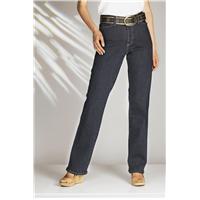
London: The party season is a test of everyone’s resolve…but even those with the strongest wills…will start to bulge at the seams a little. So why not enjoy yourself feeling absolutely comfortable..

These jeans from www.greyandosbourn.co.uk shrink your tummy in seconds and yet look and feel fantastic. They take pounds off in second pushing your tummy flat and getting rid of that little bulge.

Tried and tested by Elixir and award 10/10 for fit, comfort – and the style and colour are great too.

Telephone order within the UK 0871 987 1166

Sizes 10 – 22 (Remember to order one size smaller than your normal dress size)
Cost £99

UK demand for cosmetic surgery continues to soar – latest figures

image

London:The demand for cosmetic surgery continues to grow in the UK, according to new figures from market analyst Mintel.

The business analyst predicts that in 2008 Britons will spend more than £1bn on cosmetic surgery.

In the last year 577,000 cosmetic treatments were carried out in the UK, compared to 300,000 in 2005.

The number of non-surgical treatments increased from 230,000 to 472,000, with a particular surge in demand for botox and wrinkle fillers. Non-invasive procedures are becoming more popular because they are seen as less risky. Other non-surgical procedures included laser hair removal, chemical peels and teeth whitening.

The market analyst warned that since industry is self-regulated and procedures can be carried out by non-medical personal is a cause for concern.

Mintel senior cosmetics analyst Alexandra Richmond said: “Today, the British perception of beauty is based on airbrushed images of models and photos of surgically enhanced celebrities, both young and old. She said many were left feeling inadequate.

Surgical procedures still make up the bulk of spending on cosmetic treatments and the most popular are facelifts, and breast surgery.

One in five facial surgery operations carried out in the past year were nose operations.

Nose surgery is the most popular surgical procedure with men, with breast enlargement the most popular with women.

Breast uplifts are increasingly carried out to redress the effects of breast-feeding and pregnancy on women’s shape, the report says.

Botox is used to smooth forehead lines, eliminate crows’ feet and other facial lines. It is the most popular type of non-surgical cosmetic procedure.

Experience the latest advances in anti-ageing at the THE VITALITY SHOW 2008

image

London: Experience the latest health, beauty & well-being innovations all under one roof! Olympia March 27-30 2008.

For the latest trends in health, beauty and well-being in 2008, why not book yourself and your best friend tickets for the ultimate girl’s day out, The Vitality Show with Muller ®? Jam-packed with lots of great brands, experiential show features and experts all under one roof, The Vitality Show is the ‘must go’ event for women in the UK.

Brands such as Dermalogica, Benefit Cosmetics and Aveda will be showcasing the very latest innovations, products and ideas enabling women to get a sneak preview of what’s hot and what’s not for 2008. Not only a great shopping event, with loads of great brands all together the show’s new experiential features include: The Happiness Theatre where visitors can attend happiness and friendship workshops; The Fitness Arena complete with trampolines for visitors to try out, free hair consultations and styling courtesy of the award winning Hobs Salon and the Luxury Beauty Hall; as well as the ever popular fabulous Fashion Catwalk.

World class experts will also be on hand to offer advice and insights across the world of health, beauty and well-being ensuring visitors to the show can pick up hot tips to take home and share with their friends.

The Vitality Show with Muller®, is Europe’s largest health, beauty and well-being show is back bigger and better than ever.

For a day packed with the latest and best in beauty, health and well-being, as well as inspirational advice, secrets, hints and tips from the experts, make The Vitality Show 2008 top of yours and your best friend’s diary!

Tickets to the show cost £17 on the door or £14 in advance. For further information visit the website www.thevitalityshow.co.uk or book your tickets by calling 0844 415 4416 (within the UK).