Green is the new black – first totally organic makeup brand launches in UK

image

London: After years of expansion internationally, NVEY Make-up (pronounced na-vay) from Down Under launches the latest in true organic make-up but without sacrificing the ultimate in colour technology.

NVEY ECO has been created through six years of stringent research, testing and access to the expertise that comes with 46 years of experience in the beauty industry, and with the launch of the new ECO Organic Make-up line, NVEY is now positioned at the cutting edge of the colour cosmetics sector.

NVEY ECO explodes the myth that going green reduces the performance and application of make-up, with the development of unique production methods that retain the organic profile, while delivering the high performance colour and long lasting characteristics that NVEY Make-up is known for internationally.

The high performance characteristics are achieved without the use of chemical ingredients such as parabens, petrochemicals or synthetic fragrances, and ECO comes with a guarantee that the brand is not tested on animals. Manufactured in Australia, Nvey Eco is made with the most natural organic ingredients with high colour value pigments to make the application of a professional look easy to achieve.

To buy online to go www.nveyeco.co.uk

Sleeping problems? – get free expert advice from the Sleep Clinic in today’s web chat

image

London: Are you one of those people who find it difficult to switch off before bedtime? How many nights have you lain in bed awake with your mind racing? Or gone to bed later than you should have and ended up with very little sleep? If this sounds familiar, you’re not alone.

A new report, commissioned by Horlicks and set to be released at the end of October, is expected to reveal that millions of Brits are suffering from ‘semisomnia’, a new term coined in the report to describe daytime tiredness or low-grade exhaustion, thought to be caused by our inability to wind down before bedtime.

While the subject of sleep is often written about, past studies have tended to focus on the minority of people who suffer from chronic sleep problems like insomnia or sleep apnoea. Sleep research has traditionally failed to provide advice for the average person, but this report seeks to redress the balance.

Dr Neil Stanley, the report’s author and former chairman of the British Sleep Society, has reviewed more than 30 years of bedtime behaviour and will be joining us online to reveal his concerns on the impact that the nation’s poor sleep habits are having on our health and wellbeing. He’ll also be sharing key hints and tips on how to wind down more effectively at the end of the day and unlock the key to a better night’s sleep.

You can put your problems to the experts in our exclusive webchat Chat date: Tuesday 30th October 2007 Chat time: 14.00 (GMT). Your concerns will be answered by Dr Neil Stanley, who will be live online at Speak with Dr Neil Stanley about your concerns o

For more information on healthy sleep visit http://www.horlicks.co.uk

If you can’t wait until the chat – here are some pointers to get you started:

Resolve – what is on your mind and how can you put it aside until tomorrow?

Relax – what helps you stop, sit down and take time out from your day?

Release – what helps your mind switch off from your day-to-day pressures and allows you to drift and think about nothing in particular?

Get free back health information from the experts

image

London: How Healthy Is Your Back After National BackCare Awareness Week?

At the end of National BackCare Awareness Week, the Osteopaths at Posture Dynamics have reiterated the importance of keeping your back in tip-top shape the whole year through and highlighted how easy it is to keep your back healthy with just a few changes to your daily routine.

If you missed out on attending any of the nationwide seminars and events held as part of National BackCare Week, Daren Fletcher, the founder of Posture Dynamics recommends a quick refresher course in some of the basics of modern health. “It’s all too easy to get caught up in busy daily lives and forget that we need to make time to ensure our joints and muscles remain supple and active.”

“National BackCare Week was a timely reminder that staying active and exercising regularly plays a significant part in the prevention and management of back pain.”

Integrating the services of Osteopathy, Cranial Osteopathy, Physiotherapy, Acupuncture, Sports Massage and Pilates, Posture Dynamics have been keeping London’s backs healthy for over a decade.

In order to prevent back pain and manage any existing pains, National BackCare Week drew attention to the huge range of exercise classes and disciplines now widely accessible in the UK.

“Lessons in arts such as Pilates and Yoga may have age-old roots but they can help to treat a very modern problem,” adds Fletcher. “These disciplines of stretching and strengthening exercises help to condition the body’s “core” and are particularly recommended for those who do have problems with sore and aching backs.”

The BackCare Charity for healthier backs also recommended making small changes to the daily office routine. At Posture Dynamics, the osteopaths regularly treat office workers in Kensington, Ealing and Victoria who experience pain and soreness due to the many hours spent at a desk or computer. Embracing the BackCare principle of making small changes, Posture Dynamics advise that even a small non-disruptive action such as standing up while talking on the phone or taking a short walk around the office every hour can relieve tension and make a noticeable difference to overall wellbeing.

For more information about keeping your back healthy, visit www.posturedynamics.co.uk

World’s oldest creature may hold key to longevity

image

Bangor: British scientists have found a 400 year-old clam, believed to be the world’s longest-living animal, off the coast of Iceland.

The scientists, from Bangor University in Wales, say that the discovery of the quahog clam, aged between 405 and 410 years old, might allow them to get a better understanding of the ageing process, as well as revealing the secrets of long life.

The creature was nicknamed Ming, after the dynasty which ruled China at the beginning of its life.

“When this animal was a juvenile, King James I replaced Queen Elizabeth I as English monarch, Shakespeare was writing his greatest plays – Hamlet, Othello, King Lear and Macbeth – and Giordano Bruno was burnt at the stake for espousing the view that the Sun rather than the Earth was the centre of the universe,” they say in a press release.

The scientists calculated the age of the animal by counting annual growth rings on the shell, a technology similar to that used when estimating a tree’s age.

According to the Guinness Book of Records, before Ming, the longest-lived animal was a clam found in 1982, aged 220.

Stroke the silent killer – new guide for victims and carers

image

Are you at risk from the the third leading killer of young and old alike?

Discover a life transforming view of life after stroke, and discover new and beautiful ways to improve the quality of your life, even in the face of adversity…

Have you already suffered a stroke, or witnessed the struggles of a family member that has suffered, and want supportive, helpful and encouraging information that will allow you to lead an improved quality of life?

Every year for thousands of people stroke becomes a silent killer. For those lucky enough to survive, life following a stroke can be filled with pain, sorrow and feelings of loss and abandonment.

Fortunately, there are ways to overcome those feelings and limitations, and discover a new independence; one that you will discover is rich and rewarding.

Each year thousands of people become victims of stroke but can fail to recognize the early warning signs…

• Sudden weakness in your arm, leg or hands.
• The impression that you are not able to feel one side of your face or body.
• Difficulty seeing or experienced temporarily blurriness from one eye.
• Difficulty walking or experiencing balancing problems.
• The worst headache of your life…

If you have experienced one or more of the symptoms above, your life may be at risk. Stroke is increasingly prevalent in modern times. Call your doctor immediately or visit the nearest ER!

The impacts of stroke can be devastating for the more than
700,000 people that suffer from stroke each year.

The good news is when armed with knowledge and information; you can learn to lead an extraordinary life even following a devastating stroke. One of the most important desires stroke survivors have is the ability to regain an independent lifestyle.

How is this achieved? It is often achieved through rehabilitation, support and counselling, as well as caring for one’s individual health related problems following a stroke.

“The only work that will ultimately bring any good to any of us is the work of contributing to the healing of others…“
Adapted from M. Williamson

Friends and loved ones can also find they are confused about how to cope with a loved one’s loss. Fortunately, there is help and guidance just a moment away. Everyone can learn to heal others and heal their own sense of loss by learning more about life following a stroke.

“Life After A Stroke” is a moving, tell-all guide that teaches survivors, caregivers and close family how to cope with the after effects of a stroke. Using this guide you can learn how to regain some of your independence and improve the quality of your life to the greatest extent possible. It is available in standard and mp3 format for your convenience.

Imagine what your life would be like if you could learn to communicate with others in a sensible, logical and non-frustrating manner after a stroke…

While you may not return to the state of health you were in before, there is much evidence suggesting with proper knowledge and information, you can lead a rich and rewarding life after a stroke.

Are you ready to take back your life, or help another to do so?

Perhaps you are a caregiver looking for guidance and support while caring for a family member or loved one suffering from stroke. No matter the case, you’ve landed in just the right place to find the information you need.

Introducing a Revolutionary New Approach To Healing…Find out how to
improve the quality of YOUR life and that of your loved ones,
by adopting a few simple, common-sense strategies.

In this unique and gentle approach to Stroke, learn everything there is to know about stroke whether a survivor, friend, family member or caregiver.

This important guide contains information that will:

• Educate you about the immediate after – effects of stroke, so you know what to expect and how to overcome setbacks in the early weeks following a stroke.
• Teach you how to set goals following a stroke that will speed the progression of your healing.
• Help you understand what rehabilitation is all about, including what forms of rehabilitation are available and how they can improve your quality of life and standard of living.
• Help you discover and learn new and innovative tools for treating the physical symptoms of stroke, including spasticity and muscle pain.
• Tell you about new ways of treating old problems, including use of a popular cosmetic procedure that may reduce muscle tightness and help improve coordination and balance.
• Teach you what ITB therapy is and how it can improve delivery of targeted medications to your system, so you feel better faster, longer.
• Show you how to set up an individual approach to rehabilitation that aligns with your personal needs, goals and interests.

Learn how to avoid future strokes

Someone who has had a stroke is almost twice as likely to experience another. Learn the 2 most important steps you can take to prevent future strokes and enhance your odds for an improved quality of life following stroke.

Friends, Family and Caregivers

Friends, family and caregivers also need support and guidance during the period of time following a stroke. The good news is in Life After Stroke, you can learn how to communicate and reevaluate each member of a household’s roles, so everyone enjoys an improved quality of life when caring for a loved one.

Most importantly, Life After Stroke offers hope for the future. When you have nowhere else to turn, you always have hope.

You can find more information here: www.intrepreuner.ws

Intelligent hide mental decline, US survey reveals

image

New York: Highly educated people are better at hiding the signs of dementia which means they go downhill faster in the later stages of Alzheimer’s, says a new report from the Albert Einstein College of Medicine of Yeshiva University.

Alzheimer’s is caused by an accumulation of ‘plaques and tangles’ or protein deposits in the brain which may first lead to difficulty finding words. This progresses to typical symptoms of dementia, loss of memory, confusion and agitation.

Researchers in New York at looked at 117 people who developed dementia out of an original group of 488 from the 1980s onwards.

The study looked at people born between 1894 and 1908, had formal education levels ranging from less than three years’ schooling to postgraduate level. For six years, they were given annual cognitive tests which assessed memory, speech and ability to think.

The results, published in the journal Neurology, found that for each additional year of formal education, the accelerated memory decline associated with oncoming dementia was delayed by approximately two and a half months.

However, once that rapid decline commenced, those with more education saw their rate of decline accelerate 4 per cent faster for each additional year of education.

They found that, for example, a college graduate with 16 years of education, whose dementia is diagnosed at age 85, would have begun to experience accelerated memory decline 3.8 years earlier, at age 81.

A person with just four years of education, who is diagnosed at the same age, would have begun to experience a less rapid rate of decline around age 79, more than six years before diagnosis.

Researcher Charles Hall, an associate professor at Albert Einstein College, said it was well recognised that intelligent dementia victims get symptoms at a later stage than less clever sufferers.

‘Our study showed that a person with 16 years of formal education would experience a rate of memory decline that is 50 per cent faster than someone with just four years education,’ he said.

‘This rapid decline may be explained by how people with more education have a greater cognitive reserve, or the brain’s ability to maintain function in spite of damage.

‘So, while they’re often diagnosed with dementia at a later date – which we believe may be because of their ability to hide the symptoms – there’s still damage to their brain.’

Dr Hall said the better educated did not make a ‘conscious’ effort to hide their failing memory, but were benefiting from greater mental reserves which allowed them to compensate for it in the short-term.

He added that the fact that highly- educated dementia victims experience a period of rapid mental decline will have implications for the families and for the success of new treatments.

Drinking culture leads to increase in alcohol deaths

image

London: The growing drinking culture is leading to the number of women dying from alcohol abuse.

Drink-related deaths among women aged between 35 and 54 have soared to almost twice the level they were in the early 1990s, according to new research.

Around 14 women per 100,000 in this age group now die from alcohol-induced conditions, such as liver failure according to figures from the Office of National Statistics.

Alcohol is to blame for the deaths of more than 8,000 men and women a year, compared with just over 4,000 in 1991.

Thirty years ago, the death rate for men and women of any age from alcohol abuse stood as just two per 100,000, the lowest in Europe.

The drinking culture also appears to have children in its grip.

A recent Government- commissioned study found that one in five 15-year-olds drinks the equivalent of almost a bottle of wine a week. In some parts of the country, one in eight 12-year-olds is drinking as much. Binge drinking plays a part in more than 4,300 teenage pregnancies and 5.5million lost days of schooling each year.

The nation’s addiction to alcohol takes an average of seven months off the life of every man and woman and is responsible for more than half a million hospital admissions a year, the report by the Centre of Public Health at Liverpool John Moores University found.

Drunkenness is to also blame for more than half a million crimes each year, from violent brawls to robberies and sexual assaults. More than a million men down more than 50 units of alcohol a week.

Previous studies have shown that every day, 15 boys and girls under 16 drink themselves into hospital accident and emergency departments.

Doctors have said that 12-year-olds are being diagnosed as alcoholics and that cirrhosis of the liver – an alcohol-induced problem – is being found in teenagers.

Youngsters in UK getting fatter

image

London: UK youngsters are getting fatter than ever. According to a new report the number of overweight 11-15-year-olds has doubled in ten years and they are so fat that it may soon damage their health.

Sitting around watching TV, playing video and computer games and overeatting rubbish food are all to blame

Recent research predicts that by 2050 about 60 per cent of men, 50 per cent of women and 25 per cent of children in the UK will be clinically obese.

The Foresight report calculated that the health time-bomb will cost the country an extra £45 billion a year by 2050 if the loss of productivity from people who suffer obesity-related healthcare problems is added to the cost of treating them.

New luxury Spa for Marbella’s Sentidos en Rio Real

image

Marbella: The glamorous Sentidos en Rio Real hotel, Marbella’s first and only five-star boutique hotel and member of Small Luxury Hotels of the World, has opened a stunning spa called Petite Sérénité to bring a high calibre, intimate, authentic and personalised wellness experience to its guests and to complement its golf experience, arguably one of the best in Marbella.

Petite Sérénité has a glorious roof top location, adjacent to the hotel’s pool and terrace. Combining warm hues, natural materials such as wood and stone and contemporary design, Petite Sérénité is a tranquil sanctuary, with two treatment rooms, a wet treatment suite, a relaxation area, and male and female changing areas. Taking great care to avoid a formulaic and impersonal approach to hotel spa, great attention is paid to providing high levels of personal service and in developing innovative treatments including exfoliations, massage and rituals.

At Petite Sérénité, treatments take inspiration from the rich local flora and are based on natural, indigenous ingredients such as jasmine flowers, honey, Muscatel and Mediterranean herbs to evoke the Andalucían culture and to deliver a unique experience that reflects the location.

Treatments include Essence of the South body exfoliations such as the Salt and Fire Ritual,which combines a hot stone skin preparation with an exfoliation using nourishing sea salts, flower extracts and aromatic herbs; and the Malaga Flower Exfoliation, incorporating aromatic jasmine and geranium flowers. Both of these treatments conclude with a soft moisturising massage.

Massages and rituals include the Rosemary Ritual, an invigorating treatment combining the tonic strength of rosemary with a firm massage.

As a 29-room golf hotel, a number of treatments have also been developed with specific therapeutic focus on the needs of golfers, such as the Mint and Camomile Massage, a refreshing and soothing treatment that reduces tension in the feet and legs.

With a serene location nestled between the Sierra Blanca and the Mediterranean Sea, just three kilometres from the bustling centre of Marbella, Sentidos en Rio Real also offers creative fine dining at the elegant Sentidos Restaurant, with legendary local dishes such as black pasta with fresh red prawns, complimented by wines from the hotel’s extensive wine cellar.

In addition to the hotel’s beautiful par 72, Javier Arena-designed golf course, known to be one of the best in Marbella with spectacular views, other facilities include new floodlit tennis and padel tennis courts and a luxury motor yacht Rio Real III, moored in the glamorous Puerto Banús marina, and available for guests. Sentidos en Rio features 29 deluxe rooms and suites blending modern décor with traditional influences courtesy of renowned interior designer Pascua Ortega.

For further information and reservations contact Sentidos en Rio Real on tel: +34 952 765 732, by e-mail at hotel@rioreal.com, or simply by visiting www.rioreal.com

Sentidos en Rio Real is 30 minutes by car from Malaga International Airport, which is well served by a number of airlines operating direct flights from 16 UK airports including British Airways, bmi, easyJet, Flybe, Globespan, and Monarch Airlines.

Diabetes and obesity continue to rise in UK

image

London: Rates of obesity and diabetes continue to rise across England, although people are living longer than ever, the UK Government has revealed.

Obesity rates in England were by 2005 the highest among the 15 member states who then formed the European Union. Also life expectancy continues to increase.

A girl can expect to live to 81, more than a year and a half longer than a decade before. But life expectancy in the north of the country is shorter than in the south.

Women in the North East and North West live over two years less than those in the South East and South West, while men live over two and a half years less than their southern contemporaries.

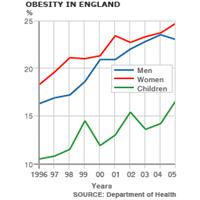
In the decade ending in 2005 covered by the report, the proportion of obese men rose by over 40%, although the figures did start to fall slightly in the final year.

The proportion of obese women however rose by almost 35% and shows no signs of slowing. Among children, it was up by over 50%.

The figures for children are seen as much more precise than those for adults, as they are based on hard data provided by almost every school in the country, while the adult figures are extrapolated from sample surveys.

This latest report comes on the back of a major study into obesity sponsored by the government, which forecast that the majority of us would be obese by 2050.

Obesity is known to contribute to some health conditions, including type 2 diabetes. Overall rates for diabetes increased from 5.8% of the population to 8.4% between 1998 and 2004.

Other conditions on the increase include chronic liver disease and cirrhosis. This latest data shows that among females, rates for these diseases have increased above the average of Western Europe.

Mortality rates from cancer are on the decline, although the outcome still varies according to the specific type of the disease.

And life expectancy is improving for everyone. While a baby girl can now expect to live to 81.2, a baby boy can expect to live to 76.9, nearly 2.5 years longer than ten years previous, according to the 2005 statistics.

Cystitis – get help from the experts in a live webchat

image

London: Don’t Let Cystitis Ruin Your Life – Join Dr Jonathan Wright and Dr Dawn Harper for help and advice on beating the condition Chat date: Tuesday 30th October Chat time: 14:30 – 15:00 – GMT.

Cystitis is a common infection which can be caused by bacteria from the nearby skin that can travel up the urethra and grow in your bladder, causing infection and inflammation. For many, living with cystitis can be uncomfortable, embarrassing and at times, extremely painful.

It is a common condition where the lining of the bladder becomes inflamed and makes going to the loo quite painful. Common symptoms include a stinging or burning feeling when passing urine, an urgent and frequent need to go to the loo, and passing small amounts of urine often.

Cystitis usually occurs as the result of an infection and other possible symptoms include blood in the urine, backache, lower abdominal aches and generally feeling unwell. It can ruin sleep and make working uncomfortable.

Although men can suffer with cystitis, it is adult women who are most commonly affected. For some women, cystitis is a rare event, for others it can happen four or five times a year. It affects women of all ages, being more common during pregnancy, post menopause and in those who are sexually active.

There are a number of ways of relieving the pain of cystitis. Drinking several glasses of water a day can help and cranberry juice can also help relieve symptoms. Although antibiotics have traditionally been prescribed to treat the condition, there are now natural products such as D-Mannose available on the market which may be just as effective with none of the side effects.

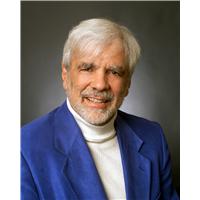
To find out how these products work and how they can help you, email your question to Dr Wright (pictured right) and Dr Harper and join us live online at www.webchats.tv on Tuesday 30th October at 14:30 – GMT

For more information on D-Mannose call 0800 169 1231 or visit www.aoreurope.co.uk

For further information and support contact Cystitis & Overactive Bladder Foundation at www.cobfoundation.org

Rejuvenate and relax at the Body Beautiful Show London – free tickets from Restylane

image

When was the last time that you did something just for you? When was the last time you were really pampered? Well, the time is now as The Body Beautiful Show is back on 2nd – 4th November 2007 and will give you the perfect opportunity for some you time. A luxurious, pampering day out, and a show, which demystifies the world of cosmetic treatments, Body Beautiful is a one stop authoritative, responsible guide to age defying and beautifying.

One exhibitor at this year’s Body Beautiful Show at the Business Design Centre Islington, London, is Restylane.

Restylane offers the complete solution for holding back the years and revitalising your looks naturally by smoothing away tell tale ageing lines. Restylane has the additional advantage of improving skin elasticity. Restylane treatment is quick, taking less than half an hour. The effects can be seen immediately and last from around six to nine months. Discover more about new Restylane Vital a new treatment development in skin rejuvenation, introducing the concept of moisturising from within to improve skin tone and elasticity to reverse the skin ageing process. It is great for treating veiny backs of hands, plumping the skin to reduce their appearance and smoothing the skin to make it appear less crêpey and sun damaged.

Prize:
Restylane is giving you the chance to win a pair of tickets to this year’s Body Beautiful Show at London’s Business Design Centre.

To win, all you need to do is answer the following question:

How long does Restylane last?
a) 6 – 9 weeks
b) 6 – 9 months
c) 6 – 9 years

Email your answer to us at readeroffer@elixirnews.com by 29 October 2007

For further information visit the website on www.bodybeautifulshow.co.uk

For more information on Restylane visit www.restylane.co.uk or call 0800 015 5548 to find a Restylane clinic in your area.

Men failing to seek medical treatment, says new survey

image

London: A new survey1 reveals this week that the majority of UK men over 30 years old only visit their GPs only if they feel ill for more than a week.

The survey, conducted for pharma Pfizer, also suggested that visits to their doctor are infrequent for many, with 38 per cent saying they went to their doctor less frequently than once a year.

Men over the age of 55 are much more likely to visit their GP, with over a half attending at least once every six months. However, over 50 per cent of all men would go if their illness did not disappear in seven days, the survey reports.

1307 men in the UK aged over 30 were asked questions in the survey on habits surrounding health.

When asked to define what they would describe as embarrassing conditions, sexually transmitted diseases ranked first place, as defined by 73 per cent of men surveyed. Impotence, or erectile dysfunction, came a close second with 62 per cent reporting it an embarrassing condition, followed by 44 per cent who referenced piles (haemorrhoids).

Wives and partners appear to play an influential role in their loved ones’ health: around three quarters of men would talk to their partner if they had an embarrassing condition, according to the survey. Almost a quarter would go to their GP more often if their wife or partner told them to.

These findings were confirmed by Professor Ian Banks, President of the European Men’s Health Forum.

“It is well known that men attend their GP half as often as women, and that they probably delay seeing their doctor, particularly when they have an embarrassing medical condition,” he said. ”Men in particular should be reminded that buying medicines via the Internet without considering consultation is no substitute for an accurate diagnosis by a health care professional of what may be a serious, underlying medical condition.”

Some 30 per cent of men have consulted the Internet for help with an embarrassing condition, with 83 per cent still preferring to see their GP. Sixty four per cent have consulted the Internet for medical information; of those 77 per cent said they were likely to use the Internet to look for symptoms of illness; 66 per cent to search for advice; 44 per cent to look for medical research; and 43 per cent to search for drugs and medications.

According to Hitwise, the online intelligence service, the most searched for medical term on the internet during September 2007 was on erectile dysfunction medicine2.

Men over the age of 45 consider erectile dysfunction to be much less of an embarrassing condition than men in their thirties or early forties, with an average 56 per cent of older men believing so, compared with 69 per cent of under 45s.

Experts estimate that there are as many as 4 million men in the UK who suffer from erectile dysfunction (ED)3, and 2.3 million say they are ‘bothered’ by the condition4.

For those seeking help for erectile dysfunction problems, information and advice is available online at www.erectionadvice.co.uk. The website offers confidential and tailored advice on ED. More general health information for men is available from the Men’s Health Forum at www.malehealth.co.uk

UK fat consumption continues to grow

image

London: Research released by low-fat spread Flora has revealed that the UK’s saturated fat consumption is a third (33.5%) higher than the average Guideline Daily Amount (GDA) for a typical UK adult*

Fat forecast: Based on the current rates of decline, it will take until the year 2048, another 41 years, for average saturated fat intake to fall to the recommended level in the UK. In the meantime, these fats can raise cholesterol levels, which can increase the risk of developing heart disease – the UK’s biggest killer.

Better in the eighties: The rate at which levels of saturated fat intake are falling has slowed to almost a standstill in the 2000s (-0.7%): our diets are now only improving at just over half the rate at which they did in the 1990s (-1.3%), and only a quarter of the rate of improvement seen in the 1980s (-2.7%).

Fooling ourselves: Although 79 per cent of the population claim to be concerned about staying fit and healthy, the proportion of those concerned about saturated fat has in fact fallen between 2003 and 2006 (from 53 to 46 per cent).

Saturated society: The total annual saturated fat consumption of UK adults stands at a colossal 489,000 tonnes, which is enough fat to fill the Big Ben clock tower 157 times, or 1,220 Boeing 747s. The average UK adult eats 9.86 kilograms of saturated fat a year – that’s the same amount as in 146 packs of butter!

Fat facts: When asked to identify the best and worst fats, 72 per cent of UK adults were either wildly wrong or simply did not know that it is important to eat good polyunsaturated and monounsaturated fats, while cutting down on bad saturated and trans fat to help maintain a healthy heart.

Good vs. bad: The South West eats more saturated fat than any other region, with an average daily consumption of 28.3g, 3g more than people living in London who consume the least. The report also found that cheese and chocolate top Britain’s ‘guilty foods’ league with (36%) and (34%) respectively of UK adults saying they definitely eat too much of both. Surprisingly, the fourth biggest contributor to sat fat in the UK diet is butter and this wasn’t even listed.

Ethical living: A quarter of UK adults (25%) have recently been more concerned with making sure they buy organic and fair trade food than checking the nutritional value of food. Additionally, 49% of adults stated that eating more locally grown and fair trade food was a motivation for recent dietary change.

Sugar rush: People are three times more likely to be aware of the levels of sugar in their diet than the levels of saturated fat.

Dr Chris Steele says: “This report goes some way to highlighting the high levels of saturated fat in the diets of the UK population, which needs a prompt response if any reversal of the situation is to be expected. We need to make the necessary dietary changes to bring down the incidences of problems including high cholesterol and heart disease.”

The increasing frequency and complexity of nutritional messages, along with ethical and environmental concerns, appears to have created a ‘fatigue’ with health messages during the 2000s. Although 68 per cent of UK adults believe they should be eating less fatty foods, disappointingly few appear to be making the necessary changes to their diet.

It is important to replace ‘bad’ saturated fat (found in fatty meats, butter, cheese and whole milk) and trans fats (found in processed foods, such as cakes, pastries and also present in butter) with ‘good’ fats, which include monounsaturates and polyunsaturates, (such as Omega 3 and 6) found in vegetable seed oils and spreads, nuts and oily fish. A good way to do this is to make a small change like switching from butter to a healthier alternative like Flora spreads, which can help lower cholesterol and maintain a healthy heart.

The research programme was designed and carried out by the Future Foundation, a think-tank specialising in the analysis of consumer trends. Original survey research was carried out with a nationally representative online sample of 1012 UK adults aged 16+ by Research Now between the 14th and 18th of June 2007. Other sources of data drawn on in the report included The National Diet and Nutrition Survey, the Expenditure and Food survey, Food Standards Agency research, and Future Foundation proprietary ‘Changing Lives’ research data

*GDA reference for an average adult is 20g (based on the female GDA): Source IGD

The injection that cures wet macular eye degeneration

image

London: A new treatment for the “wet” version of age related macular degeneration (AMD) in the form of a painless injection into the eye is available for the first time in the UK.

AMD which attacks the macula, located at the back of the eye at the centre of the retina. The macula enables us to see directly what is in front of us and pick out fine detail. It helps us with everything from reading and driving to recognising faces and seeing colour.

In the early stages of AMD central vision may be blurred or distorted, with objects looking an unusual size or shape and straight lines appearing wavy or fuzzy. Those suffering from the condition may see lights, shapes and colours that are not actually there.

Laurence Whitefield, Consultant Ophthalmic Surgeon at Capio Eye in London’s Harley Street explains: “AMD is the most common cause of poor sight among people over the age of 60 in the UK. It is unclear what causes AMD, but it becomes more likely as a person ages as, with time, the delicate cells of the macula become damaged and worn out.”

There are two forms of AMD – a less severe ‘dry’ form, and the rapidly degenerating ‘wet’ AMD which develops quickly as fragile blood vessels grow behind the retina often leak fluid and blood. This results in scarring and rapid sight loss.

There two breakthrough treatments for wet AMD are known by the brand names Avastin or Lucentis and have been shown to stabilise sight in 95% patients suffering from wet AMD and improve sight in one third. Neither of these treatments are generally available through the UK’s state health service, the NHS.

Mr Whitefield says: “In the US ophthalmologists who specialise in retinal disease have been using Avastin(r) for some months to treat patients with wet or neovascular form AMD. Results have shown that the treatment controls the abnormal blood vessels in AMD, increasing vision. Lucentis is a very exciting development because it can be used to treat all types of AMD.

“Thousands of people a year in the UK get wet AMD leading to rapidly sight loss. This treatment provides patients with a way of recovering their sight. Even patients well below the threshold for registration as blind have been shown to benefit from the treatment”.

Both Avastin and Lucentis treatments consist of three injections into the eye that stop the development of leaky blood vessels that trigger AMD.
Further injections are sometimes necessary, depending on a patient’s progress. The procedure is painless and patients do not need to wear eye pads. The treatment works on patients suffering recent deterioration of vision and is not suitable for those who are already blind or who have established scarring of the retina.

The new drugs are known as anti-VEGF drugs and work by targeting VEGF (Vascular endothelial growth factor), a protein that helps the formation of new blood vessels. In the case of AMD these new blood vessels are unstable and tend to leak fluid and blood under the retina. The resulting scarring then causes irreversible sight loss. The anti-VEGF drugs inhibit the growth of new blood vessels, thereby minimising the risk of scarring.

The costs of the procedure are £500 for the initial consultation with the surgeon and the diagnostic tests to determine whether the treatment is appropriate, then £650 for the first treatment injection and £550 for subsequent treatments. Patients will need the first treatment and then usually at least two more. The speed of results vary by patient.

Contact information: Capio Eye is a private hospital based in London’s Harley Street which offers the very best in eye care, refractive and cataract surgery. www.capioeye.co.uk”>

Please contact us for more information or to make an appointment.

Free phone : 0800 – 169 20 20
Telephone : + 44 (0)20 703 410 30
Fax : + 44 (0) 20 703 410 32
E-mail :
capio-eye-enquiries”>

Address : Capio Eye London
114a Harley Street
London W1G 7EL

Humans prefer creature comfort

image

London: A study carried out amongst 6,800 UK pet owners, reveals that 95% of people preferred to confide in their pets over family or friends.

Results showed that 58% of pet-owners would talk to their pets about their general day and while the adage about never talking to friends and family about politics may be true, some even admitted to confiding their political views in their pets.

Confirmation of the special bond between pet and pet –owners was that 75% of those surveyed in the UK wish they could better understand what their pets are trying to tell them.

The new study was carried out by the PURINA PetCare Team with the aim of finding out how much pet owners understand the behaviour of their dog or cat and what the meaning is behind their reactions. The PetCare team, Purina’s dedicated team of advice specialists are on hand to help pet-owners glean a better understanding into any aspect of pet-care including their pet’s behaviour.

So integral is the relationship between pet and owner that both dogs and cats were found to emulate the owners’ routine with over 62% of pets preferring to follow “mum’s” routine over the rest of the family. The survey also found some cats enjoyed watching TV with their owners “especially if Snooker or the Daleks were on”. 29% of the UK’s pets chose to wake-up at the same time as their owners and amusingly, some owners chose to follow their pet’s routine instead and will cook dinner when their dog is hungry or wake-up ”when the cats do at 3:30am”.

Claire Robinson-Davies from PURINA comments; “As much as owners choose to confide in their pets, it’s equally important for them to understand how their pets feel in return and developing this understanding could prove beneficial to both pet and owner. The Purina PetCare team is ready to help pet-owners looking for advice on any aspect of pet-care, including understanding behaviour on freephone 0800 212 161.

The survey of over 6800 pet owners also revealed:

An astonishing 26% of cats in the South East wait by the gate for their owners to return.

Whilst 56% of the UK’s dog owners talk to their dog about general life, only 10% chose to trouble them with their problems.
When asked what routines pet-owners pursued together, some of the more unusual responses included, ‘using the keyboard at the same time’.

The PURINA Petcare Team is a service staffed by a dedicated group of PetCare professionals, vet nurses and customer service experts – available Monday to Friday 8 am – 6 pm for advice free on 0800 212 161(within UK).

Antioxidants do not prevent degenerative eye disease

image

Melbourne: A diet rich in antioxidant vitamins and minerals does not seem to prevent the degenerative eye disease known as age related macular published on www.bmj.com today.

Age related macular degeneration is the leading cause of visual loss in older people. It is caused by the progressive break down of light sensitive cells in the macula, located in the centre of the retina at the back of the eye. Sufferers do not go blind, but find it virtually impossible to read, drive, or do tasks requiring fine, sharp, central vision.

Risk increases with age and smokers are thought to be more susceptible.

Antioxidants (such as vitamin C, vitamin E, various types of carotenoids, and zinc) are thought to reduce oxidative damage to the retina. But the evidence to support the role of dietary antioxidants in preventing macular degeneration remains unclear.

So researchers at the Centre for Eye Research Australia, the University of Melbourne analysed the evidence to examine the role of dietary antioxidants or dietary supplements in the primary prevention of age related macular degeneration.

They identified 11 studies (seven prospective studies and three randomised controlled trials) involving 149,203 people. A range of common dietary antioxidants were investigated and all the studies were carried out amongst well nourished Western populations with an average follow-up period of nine years.

Importantly, all the studies adjusted for age and smoking in their analyses.

The antioxidants investigated differed across studies, but when results were pooled they showed that vitamin A, vitamin C, vitamin E, zinc, lutein, zeaxanthin, α- carotene, β-carotene, β-cryptoxanthin and lycopene have little or no effect in the primary prevention of early age-related macular degeneration.

None of the three trials found antioxidant supplements to be protective in the primary prevention of early age related macular degeneration.

Despite some study limitations, the authors conclude that there is insufficient evidence to support the role of dietary antioxidants, including the use of dietary antioxidant supplements, for the primary prevention of early age-related macular degeneration.

Currently, cigarette smoking remains the only widely accepted modifiable risk factor for the primary prevention of early age-related macular degeneration, and patients seeking advice on this condition should be encouraged to quit, they add.

An accompanying editorial by Jennifer Evans at the International Centre for Eye Health supports these findings and says that reducing the prevalence of smoking is probably the most effective method of reducing the population burden of this common cause of visual loss in older people.

How hyperbaric oxygen helps speed up healing for cosmetic surgery patients

image

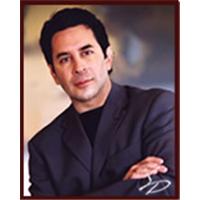
Beverly Hills: Along with new surgical techniques, Dr Paul Nassif (pictured right) of Spalding Drive Plastic Surgery is using hperbaric oxygen to reduce pain and swellling and speed up the healing process after cosmetic surgery.

Hyperbaric oxygen is a medical treatment which uses 100% oxygen which is given to the whole body in a pressure chamber. Oxygen which is the most important element necessary for the health of all cells in the body, is raised hundreds of times more than normal. This high level of oxygen has dramatic effects on the cells and speeds up the body’s natural healing process.

Under normal circumstances, oxygen is transported through the entire body only by the red blood cells, which already carry 98% of their capacity for oxygen. With hyperbaric oxygen therapy, oxygen is dissolved into all the body’s fluids and tissues, and can even be carried to areas where the circulation is compromised or even blocked.

This allows extra oxygen to reach all of the damaged tissues so that the body can carry on its own healing process. This increased oxygen gretly enhances the ability of the white blood cells to kill bacteria, reduce local swelling, and promote collagen formation.

Hyperbaric oxygen treatments are painless and pleasant even after recent surgery. Each treatment lasts for about one hour in the hyperbaric oxygen chamber. You will be impressed by how comfortable and relaxing the treatment is.

An additional benefit of this tretament is the reduction of stress and anxiety over the recent surgery. Many patients sleep during the procedure and find it similar to meditation.

Dr Paul Nassif is a rhinoplasty specialist and facial plastic surgeon. He developed the “anti-gravity” facelift which leaves no visible scars and is noted for achieving natural-looking results in the shortest recovery time. He has authored numerous peer-reviewed articles on facial plastic surgery and has given medical conference presentations and lectures about the latest surgical techniques. For more information about Dr Nassif visit www.spaldingplasticsurgery.com
Listen to our ELIXIR podcast interview with Dr Nassif on hyperbaric oxygen treatment and also on the anti-gravity facelift ELIXIR PODCASTS

Free sample of Pure-Col skin supplement for 10 readers

image

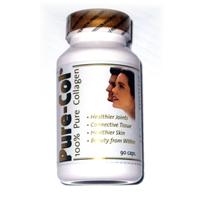
Imagine if you were able to take a magical pill every day that would boost your looks, reverse the signs of ageing and reduce cellulite…. Pure-Col, a 100% pure collagen formula in tablet form, does exactly this, from reducing lines and wrinkles to boosting the complexion, achieving lustrous hair, strengthening nails and firming cellulite-prone skin.

With extensive documented research and clinical trials by doctors and specialists across the world to prove the efficacy of collagen and its beauty benefits, Pure-Col is the ideal supplement to take to achieve top-to-toe perfection!

So how does it work?

Collagen is the body’s natural protein and, as the essential structural component of all connective tissue, is regularly described as the building blocks of skin. It therefore has a key role to play in creating and maintaining healthy skin all over the body. It has, however, been scientifically shown that it diminishes at a rate of approximately 1.5% per annum from the age of 25 years onwards. This is why it is essential to supplement this reduction to ensure long-lasting smooth, firm and supple skin.

The benefits of Pure-Col include:

• Plumps up skin and smoothes fine lines and wrinkles
• Replaces lost elasticity and suppleness
• Radiant complexion
• Firmer, more even toned skin on the face and body
• Strengthens nails
• Improves condition of the hair
• Reduces cellulite and encourages inch loss
• Improves body’s joint mobility
• 100% natural with no known side-effects
So what is the difference between Pure-Col and other collagen supplements?

With over 20 years of research and development, Pure-Col goes through a special and complicated production process to ensure maximum absorption. Unlike other collagen supplements which the body finds difficult to absorb effectively, this patented formula ensures that the objectives of optimum bioactivity and as close to 100% absorption by the body are achieved.

Pure-Col is priced $60, £29.95, €44 ) for one months’ supply. For stockist details or to order T: 44(0)191 291 3385 or visit www.collagen4u.co.uk

To win one months’ supply please send an email to readeroffer@elixirnews.com stating “Pure-Col offer” with your contact details by 31 October 2007. Your name will be put into a draw. Please note that the Editor’s decision is final and no cash equivalent is being offered.

Herbal medicines do work, expert hits back

image

London: Complementary health expert Jayney Goddard today defended the reputation of herbal medical remedies following a recent study labelling them as “hocus pocus”.

In a new book published by Collins, Goddard, founder and president of The Complementary Medicines Association examined 10,000 scientific trials to reveal that a wide range of herbal medicines are effective.

The evidence in the book Complementary and Alternative Health: The Scientific Verdict on What Really Works, she says, is proof that herbal medicine cannot be ignored by the medical establishment.

“This book is, essentially, a vast encyclopaedia which encompasses virtually every aspect of complementary medicine and draws from data accrued from over 10,000 scientific trials,” says Jayney.

It is a book which will be absolutely invaluable to everyone involved in complementary medicine and alternative therapies. It is also essential reading for anyone who is interested in using complementary therapies and wants to know just what the scientific evidence is, so far, for a particular approach.

One such supplement is St John’s Wort with Passion Flower that has recently been proven in a clinical trial to dramatically reduce depression and anxiety quickly.

The trial shows without a doubt that this herbal supplement comprising 450mg St John’s Wort (Hypericum perforatum) and 350mg Passionflower (Passiflora incarnata) per daily dose can ease mild to moderate depression.

Significantly it shows a considerable reduction in depression and anxiety. The results were felt quickly – within two weeks of taking the supplement (St John’s Wort alone is recognised as achieving this reduction within four
to six weeks).

St John’s Wort is renowned for its effectiveness in treating mild depression but patients are advised it can take up to six weeks to take full effect. Passionflower is known to ease anxiety quickly. It is concluded that the combination of these two herbs in this synergistic supplement brings about a reduction in BOTH depression and anxiety.

The trial was double-blind, placebo controlled and randomised and 162 people took part. They were classified as either mildly depressed (14-17 on the Hamilton Scale of Depression – HAMD) or moderately depressed (18-24 on the HAMD).

The Hamilton scale runs from 0-30: In light depression HAMD-17 total scores sum 8-13.

• A score between 14-18 is mild depression
• Between 18-24 is moderate severe depression
• And 25 or more is severe depression

The patients took either the St John’s Wort and Passionflower combination or a placebo for eight weeks during which time their HAMD and HAMA (Hamilton Scale for Anxiety) were measured

– Those on the supplement showed significant improvement

– Those mildly depressed went from around 15 on the scale to 8

– At the same time the placebo group worsened from around 15 to 17

– Those moderately depressed went from around 20 to 8 (within the
time scale)

– At the same time the placebo group worsened from around 20 to 21

– After 56 days the placebo groups were crossed over, so the placebo
group took the supplement.

– When the placebo group switched to taking the supplement they saw a
drop of 39.6% and 31.6% in their HAMD and HAMA ratings respectively with
a major drop in both showing within four weeks

SO WITH FINDINGS LIKE THIS HOW CAN IT BE SAID THAT HERBS DON’T WORK?

Many herbs, quite clearly, DO work and there are trials to prove it, says Jayney Goddard. “Across Europe and in Germany in particular, we see alternative medicine taken very seriously indeed. It’s about time that sort of attitude was given air time and breathing space in the UK where we have some first class products that can be trusted to work effectively and safely when taken in the recommended way for the specified conditions.

NOTE TO EDITORS:

Complementary and Alternative Health: The Scientific Verdict on What Really Works is available at the www.the-cma.org.uk and good book shops priced £19.99.

Laugh your way through back pain, say experts

image

London: More than eight out of ten Brits have back problems, according to a new survey from the British Osteopathic Association.

The survey, released to coincide with BackCare Awareness Week (8-12 October) and the Back Show (London Olympia 6-7 October) reveals that 83% of all British adults suffer from some form of backache intheir lifetimes, yet despite our underlying fears about its seriousness, we often choose to ignore it.

The causes of these largely debilitating pains are simpler than we may realise. Surprisingly, in 85% of cases, the trigger for the discomfort is everyday, regular activity such as sitting down, driving or shopping. Other causes identified include: carrying children, sex and period pains but in some cases, the catalyst is often unknown.

It also appears to be a common misconception that the rougher and heavier
the activity, the more pain-prone our backs become. Whilst care should be taken to protect the back at all times, the results of the BOA’s investigation suggests that you are eight times more likely to put your back out when walking or running than playing rugby.

Most suffer in silence, with over 61% of all questioned adults either taking a
painkiller to ease the ache, or ignoring it or taking no action at all. Worryingly, only 8.7% of sufferers seek professional help and this, according to Danny Williams, Osteopath and BOA Council member, can be catastrophic.

“If nothing is done, problem areas could lead to osteoarthritis or a weakened area being more prone to future pain. This, in turn, will inevitably be more intense and require longer periods ofrehabilitation,” he says.

However, there are things that we can do in order to help prevent back
ache:

• Laughing is one of the best preventative forms of action that we can take. Stress fostered by a modern working environment can lead to the clenching of muscles and tension in the back area. Laughing provides a fantastic antidote to this as it is a great relaxant that promotes apositive, pain free attitude.

• Drinking water also helps as it keeps muscles supple and hydrated.

• Bedtime habits are also something to consider. According to Danny, mattresses should ideally be changed every 5-10 years, depending on their quality. When you lie on your bed and roll into the middle, you know it’s
all over!

Danny warns that popping a pill or turning a blind eye is not only counter-productive, but means that the individual experiences unnecessary suffering: ‘If people try to soldier on, the pain won’t go away. More often than not, with simple mechanical movements, an osteopath can relieve compression and pain with a few treatments, if that.’

He also spoke of a patient whose life had been marred for a five year period due to chronic back pain which was significantly reduced within a matter of visits. ‘In many cases, one treatment can be enough, but if the pain is more serious, such as disc problems, then rehabilitation may take longer.’ Danny adds that whatever the problem an osteopath will prescribe an appropriate course of treatment. ‘An osteopath will tailor exercises and stretches to each patient: what may work for one person might not for another. We can also help manage pain and not just provide a quick fix.’

But the main way our backs stay healthy is through movement. Muscles need oxygen to retain their flexibility. As Danny points out, ‘These days, the pressure of work has become one of the main causes of back pain due to the increased hours that people stay sat at their desk. When muscles stay in the same position for a length of time, they become fatigued, start to lack oxygen and ultimately cause ischemic muscle pain.’ The best thing to do in the office environment is to take ‘movement breaks’ – just getting up to go to the toilet or flicking the kettle on can help. As Danny adds: “Movement is life – why be a stagnant pond when you can be a flowing river?”

Osteopaths will be on hand at The Back Show (Stands 6), London Olympia, from 6-7 October to answer your back pain or osteopathic related questions.

The research was carried out amongst a nationally representative sample of 2,246 UK adults aged 16+between 14 August and 5 September this year.

About the British Osteopathic Association

The British Osteopathic Association is the professional association for osteopaths in the UK, acting as an independent representative body whilst promoting the highest standards of osteopathic education and research. Established in 1998 the BOA is committed to supporting, protecting and caring for its members and promoting opportunities for individual and professional development in osteopathic practice. For more information andto search for an osteopath, visit the website: www.osteopathy.org

Scientists develop nasal spray for Alzheimer’s

image

Tel Aviv: Israeli scientists have developed a nasal spray that zaps the brain plaque doctors believe is the cause of Alzheimer’s disease.

The spray which contains bacteriophages, a virus which scientists call “phages” has only been used to treat mice with a disease similar to Alzheimer’s. But it is hoped a version for humans will go on sale within seven years.

The spray attacks beta amyloid, a sticky protein that destroying connections between brain cells in Alzheimer’s sufferers.

In tests on mice, regular treatment for a year with the spray reduced the amount of amyloid in their brains by 80 per cent. The drug also improved the mice’s memory and learning, and restored their sense of smell, which is often lost early in the onset of Alzheimer’s.

Experts are predicting an Alzheimer’s epidemic by 2050 as life expectancies increase.

Stress increases breast cancer risk

image

Stockholm: Stress at work can increase the risk of women developing breast cancer by upto a third, a new study of Swedish women suggests.

It is thought the increased risk is a result of poor lifestyle choices which lead to obesity, increased alcohol consumption, leading to a weakened immune system.

The study published in the journal of Epidemology found that women in demanding jobs are 30 per cent more likely to develop the disease than those who feel on top of their work.

The results of the study, which involved 36,000 women, appear to contradict previous research which has not found a link between stress and breast cancer.

Thousands of women die each year from the disease and although survival rates are improving, the number contracting it is on the increase.

The study looked at information on 36,000 Swedish women aged 30 to 50 who were in work when the study started in 1990. The study followed the women until 2004, by which time 767 of them had been diagnosed-with breast cancer. The risk of breast cancer increased by around 30 per cent for women with stressful jobs after other factors, such as alcohol consumption, number of children, weight, and age, were taken into account.

The Swedish researchers found no link between stress and cancer among women in part-time work.

The reason why stress might increase the risk is unclear, although studies show it may raise levels of the hormone oestrogen which can heighten the risk of cancer. Another theory is that stress changes women’s behaviour, making them adopt unhealthy habits such as smoking and not exercising.

Recent research has found that long working hours and stress from work can bring on the menopause early and, in pregnant women, increase the risk of a miscarriage.

However, a Danish study of 7,000 women over 18 years found those with high levels of stress were less likely to develop breast cancer than women with low stress levels. Leading-cancer scientists yesterday said more research is needed before stress can join other well-known risk factors.

More 100 year olds than ever before

image

London: The number of people living past 100 in England and Wales reached almost 9,000 last year for the first time, figures show.

The Office for National Statistics (ONS) said the number of centenarians had increased ninety-fold since 1911 when there were only 100 in the country, according to estimates.

The rise is being attributed to dramatic improvements in healthcare and housing conditions over the past century which have have led to people living longer.

While the number of women surviving past the landmark birthday still far outnumber men, the gap has narrowed slightly in recent years, the figures show.

The ONS calculates that there were seven women over 100 for every man in the same age group last year, compared with a ratio of eight to one four years before.

The figures, calculated from mortality rates and other factors, estimate that there were 8,970 people over the age of 100 in England and Wales last year – up from 8,340 in 2005.

The rate at which the number of people in the 100-plus age group has grown has quickened in recent years.

The 7.5% rise last year compares with an average rate of 5.8% for most of the current decade.

The ONS said that before 1940, the average annual increase was 1.9%.

While that rate picked up to 6.4% after the Second World War, it later slowed between 1981 and 2001 – partly as a result of the effects of the First World War and the 1918 flu pandemic on the population.

UK beauty clinics carrying out illegal teeth whitening, warns WHICH

image

London: Some beauty salons are breaking the law by having untrained staff carry out potentially dangerous teeth-whitening procedures, the UK consumer group WHICH has warned.

The chemicals used can damage gums and cause chemical burns if applied incorrectly, says a new report.

A reporter for the magazine posing as a client at six London beauty salons was told in every case that their teeth-whitening was not done by a dentist. The procedure is illegal if carried out by non-dentists, according to the regulator General Dental Council (GDC).

Three of the clinics admitted using chlorine dioxide – a very acidic chemical usually used to purify water, and which can wreck tooth enamel – while the other three used hydrogen peroxide at strengths above the legal limit. Some of them also advertised laser whitening, which has “no proven effect”, Which? said.
Research shows there has been a 12% increase in teeth-whitening treatments since the smoking ban came in. Beauty salons often undercut dentists’ prices, but many employ beauty therapists who undertake only a few days’ training before being allowed to apply chemicals which could harm customers’ gums.

The six London clinics – which are not named – are among 70 in England being investigated by the GDC. It is keen to prosecute under the Dentists’ Act, which could lead to hefty fines. Last year, Ben Nahab pleaded guilty at Norwich magistrates court to illegal dental practice after he burned the gums of a dental nurse while demonstrating a whitening product. He had falsely claimed to be a dentist registered to work in the UK.

Most of the clinics in the Which? survey reassured customers that side-effects such as white spots on gums or lips where bleaching agent leaked from a shield were “perfectly normal”.