Fat causes eye bags, say scientists

Los Angeles: Scientists have come up with the cause of bags underneath the eyes. And the answer is fat.

All is revealed in the September issue of the Journal of Plastic and Reconstructive Surgery.

Reserachers at the University of California Los Angeles used high-resolution magnetic resonance imaging (MRI) to discover that the amount of fat under the eye increases with age.

Lead author Dr Sean Darcy said that cosmetic surgeons commonly believed that it was a stretching of the skin under the eye which caused the problem.

“However, our study showed there is actually an increase in fat with age, and it is more likely that the fat increase causes the baggy eyelids rather than a weakened ligament,” Darcy said. “There have been no studies to show that the orbital septum weakens.”

The study examined 40 subjects (17 males and 23 females) between the ages of 12 and 80. The findings showed that the lower eyelid tissue increased with age and that the largest contributor to this size increase was fat increase.

According to a recent report by the American Society of Plastic Surgeons, nearly 241,000 Americans underwent eyelid surgery in 2007, making it one of the top four surgical cosmetic procedures performed.

Currently, many plastic surgeons performing procedures to treat baggy eyelids do not remove any fat at all. They reposition the fat or conduct more invasive tightening of the muscle that surrounds the eye, or they tighten the actual ligament that holds the eyeball in place. These procedures are performed despite there being no data indicating that these structures change with age.

“Our findings may change the way some plastic surgeons treat baggy eyes,” said study co-author Dr. Timothy Miller, professor and chief of plastic surgery at the Geffen School. “Our study showed that a component of a patient’s blepharoplasty procedure should almost routinely involve fat excision rather than these procedures.”

Blepharoplasty refers to surgical rejuvenation of the upper or lower eyelids, or both, depending on the extent of aging or disease. The procedure is usually performed on the lower eyelid because the most common complaint patients have is that their eyes appear tired, puffy or baggy. The surgeon makes external incisions along the natural skin lines of the eyelid to remove the excess fat and improve the contour of the lower eyelid.

“Although baggy lower eyelids are a significant result of aging and fat expansion, there are other factors that can contribute too,” Miller said. “We recommend that surgeons evaluate each component and address them accordingly in an individualized approach to blepharoplasty.”

The next phase of research will be to perform MRIs of people with baggy eyelids.

The study was supported in part by a UCLA research-enabling grant and a U.S. Public Health Service grant.

MRI scans give early arthritis alert

image

New York: MRI-like scanners can detect the debilitating disease, osteoarthritis, at a stage when it can be treated with nutraceuticals, a conference has been told.

The test, a form of the MRI scan used in hospitals every day, could catch osteoarthritis when it is still in the early stages, preventing or reducing damage to the joints.

Treatment usually consists of a powerful drugs with horrible side-effects, physiotherapy and, in some cases, replacement of the affected knee, hip or other joint.

Normally doctors relying on physical examinations and X-rays for diagnosis, which means the disease it not caught early enough.

Osteoarthritis damages the cushioning material between the bones including cartilage.

Researcher Dr Alexej Jerschow, of New York University, used the MRI scanner to measure levels of glycosaminoglycan, the compound that makes the cartilage tough and elastic.

Leftover spaghetti bolognese cuts cancer risk

image
image

New York: Scientists have discovered that multiple rounds of heating left-over spaghetti bolognese with extra oil has extra health benefits.

The technique alters the structure of the main antioxidant in tomotoes – lycopene so that it is more easily absorbed into the body.Previous studies have already shown that making raw tomatoes into purees or sauces increased the benefits.

Study leader Dr Steven Schwartz, from Ohio State University in Columbus, told fellow scientists at the American Chemical Society in Philadelphia.’What we have found is we can take the red tomato molecular form of lycopene and by processing it and heating it in combination with added oil, we can change the shape of the molecule so it is configured in this bent form.’

Heat is vital to the process, but so is the addition of some fat, which helps carry the lycopene through the gut walls.

The scientists processed red tomatoes into two kinds of sauce. One was rich in cislycopene – the ‘bent’ variety – while the other mostly contained all-trans-lycopene, the linear form.

A small study was then conducted on 12 volunteers who were given both types of sauce to eat. After each meal, blood samples-were taken and analysed over nine and a half hours. Lycopene blood levels were 55 per cent higher after consumption of the new sauce, the scientists found.

Boots opens UK’s first drive-through pharmacy

image

London: The UK’s first drive-through pharmacy has opened for business in the Essex town of Colchesher.

The pharmacy, operated by Boots, says it will fill prescriptions in two minutes while customers wait in their cars.

Boots says it is aiming the service, from a converted MacDonald’s fast-food outlet, at mothers and commuters.

The move is a copy of what happens in the US where drive-through pharmacies are common – there are about 3,000 there.

The drive-through section is attached to a conventional walk-in Boots store selling the usual range of toiletries, cosmetics and snacks.

The drive-through service provides prescription items only throughout the store’s opening hours, 8am-8pm Monday to Saturday. Between 8pm and midnight it also sells over-thecounter medicines.

Ageing eyes may get protection from antioxidants

image

London: Eating foods rich in antioxidants may protect ageing eyes from degeneration, according to new research.

Scientists have found a link between two processes in the retina that, in combination, contribute to a disease called macular degeneration.

They found antioxidants disrupt the link and extend the lifetime of irreplaceable photoreceptors and other retinal cells.

“The implication is that people at risk of macular degeneration could help prevent the disease by consuming antioxidants,” said Heidi Vollmer-Snarr, a Brigham Young University chemist who earned a doctorate from Oxford and began work on this disease as a postdoctoral researcher at Columbia.

People struck with the disease first lose central vision and temporarily adjust by relying more on peripheral vision. Some eventually lose their vision entirely.

The study found a destructive synergy between the build-up of a compound called A2E and damage to cellular ‘power plants’ called mitochondria. A2E is a natural byproduct of cellular activity that, unlike other compounds, won’t break down or be disposed by the body.

A problem occurs when A2E encounters oxidative stress created by light exposure. In these circumstances, A2E disrupts energy production in mitochondria.

The resulting energy shortage pulls the plug on daily cleaning and maintenance of photoreceptors and another type of retinal cell.

The result is more A2E buildup, and the cycle of destruction hastens the death of these vital visual cells, which are not replaced when they die.

The experiments performed with visual cells from rats, cows and humans showed that antioxidants could completely counter the damage.

Seeing this process play out in the retina has given Vollmer-Snarr a novel idea for attacking harmful growths in the body.

The strategy would involve delivering potentially disruptive compounds like A2E to the target and then using light to trigger the damage.

The study appears online and is published in an issue of the Journal of Biological Chemistry.

UK pharmas call for debate on drug access

image

London: The pharmaceutical industry today called for a public debate on access to modern medicines, and how society determines the value of new treatments.

The Association of the British Pharmaceutical Industry (ABPI) is inviting NICE, patient groups, medical professionals, the NHS and leading healthcare charities to debate the issues amid continuing controversy on the availability and cost of innovative medicines to NHS patients.

“A frank, open and honest debate is clearly in the interests of patients,” said Chris Brinsmead, President of the Association of the British Pharmaceutical Industry (ABPI).

“We are calling for the patient groups, healthcare charities, doctors, Government, NICE and the NHS to join with the pharmaceutical industry to debate these crucial issues to hammer out a lasting solution. The time has come to discuss how we best resolve the issue, and where better than on a public platform?”

The pharmaceutical industry spends approximately £3.9billion a year in the UK researching and developing new medicines for patients. This investment has delivered over 90 per cent of the medicines available today and has led to new treatments for rheumatoid arthritis, cancer, heart disease and HIV to name but a few, Mr Brinsmead added.

He said: “The UK pharmaceutical industry – along with other healthcare professionals and NICE – is committed to developing innovative approaches to pricing, ensuring that patients receive the medicines that they need. Taking the recent example of the four kidney cancer medicines, all these medicines are widely available to patients throughout Europe – where the prices are higher than in the UK.”

Mr Brinsmead said: “We are looking forward to hearing NICE’s response and welcome their contribution to what will be one of the most important debates in the history of modern healthcare.”

Image – Boy and Medicine: courtesy of MedicImage

Can nutraceuticals prevent diabetes?

Lexington: People at high risk for developing type 2 diabetes might be able to delay or prevent the disease by taking certain food supplements and making lifestyle changes, according to a new book.

Diabetes is a worldwide epidemic, and it is growing at an alarming rate. In 2006, the United Nations declared it an international health threat comparable to HIV/AIDS. However, emerging evidence suggests that risk of diabetes can be reduced by a combination of weight loss, exercise, dietary changes and the use of supplements called “nutraceuticals,” extracts of certain foods purported to have a physiological benefit or provide protection from disease.

The book, “Nutraceuticals, Glycemic Health and Type 2 Diabetes,” by Dr James Anderson, an international authority on metabolic diseases, and professor emeritus of medicine and clinical nutrition, provides an overview of glycemic health and highlights the use of nutraceuticals in the prevention and management of type 2 diabetes. Anderson identifies dietary fiber from whole grains as one of the strongest preventive measures for type 2 diabetes. The book also offers an in-depth discussion on certain minerals and herbs that assist in achieving tighter glycemic control.

Anderson collaborated with Vijai K.Pasupuleti, founder of SAI International — a firm engaged in research, consulting and marketing for nutraceutical, pharmaceutical and biotechnolgy companies — to summarize cutting-edge research from all over the world and assemble the outcomes. Thirty-five scientists from nine countries contributed 18 chapters presenting the latest findings on the role of nutrition in diabetes.

This emerging evidence will allow health care providers to offer the latest in nutrition guidance to patients with diabetes. It will encourage producers of foods and supplements to make active ingredients more widely available to consumers, and will enable self-directed individuals to make intelligent choices about nutrition supplements to prevent diabetes.

In the closing chapter Anderson provides practical guidelines based on his clinical experience, his research and the research presented in the book. He gives recommendations for specific amounts of minerals to slow progression of diabetes or reverse diabetes in its early stages. Over 100 herbal supplements are evaluated and 11 are assessed to be of potential value for treatment of early diabetes.

Anderson and his colleagues have been doing research on nutrition and diabetes for 35 years at UK and he has published over 100 research papers on this topic.

Tea Tree Oil Family Healing Kit giveaway

image
image

The new Australian Tea Tree range is the first to harness the multi-functional healing powers of Tea Tree Oil, which can be used to tackle everything from sunburn to ear infections.

Grown from sustainable crop in New South Wales, every drop of Australian Tea Tree Oil is batch tested to ensure that it exceeds worldwide industry standards. The company’s strong environmental policies demand the natural environment from which the oil originates is maintained to keep the impact on the plantation to a minimum

we have five family healing kits to give away. Each one is worth £30. If you would like one of these kits please email us with your name and address and “Tea Tree” in the email header to readeroffer@elixirnews.com. This offer closes on the 30 August 2008. Please note that no money substitute is offered and the Editor’s decision is final.

About the Family Holiday Healing Kits

Kits come in a colourful, striped wash bag that is fully lined and made from ethical Indian Fairtrade Cotton, £15 (38cm high x 28cm wide)

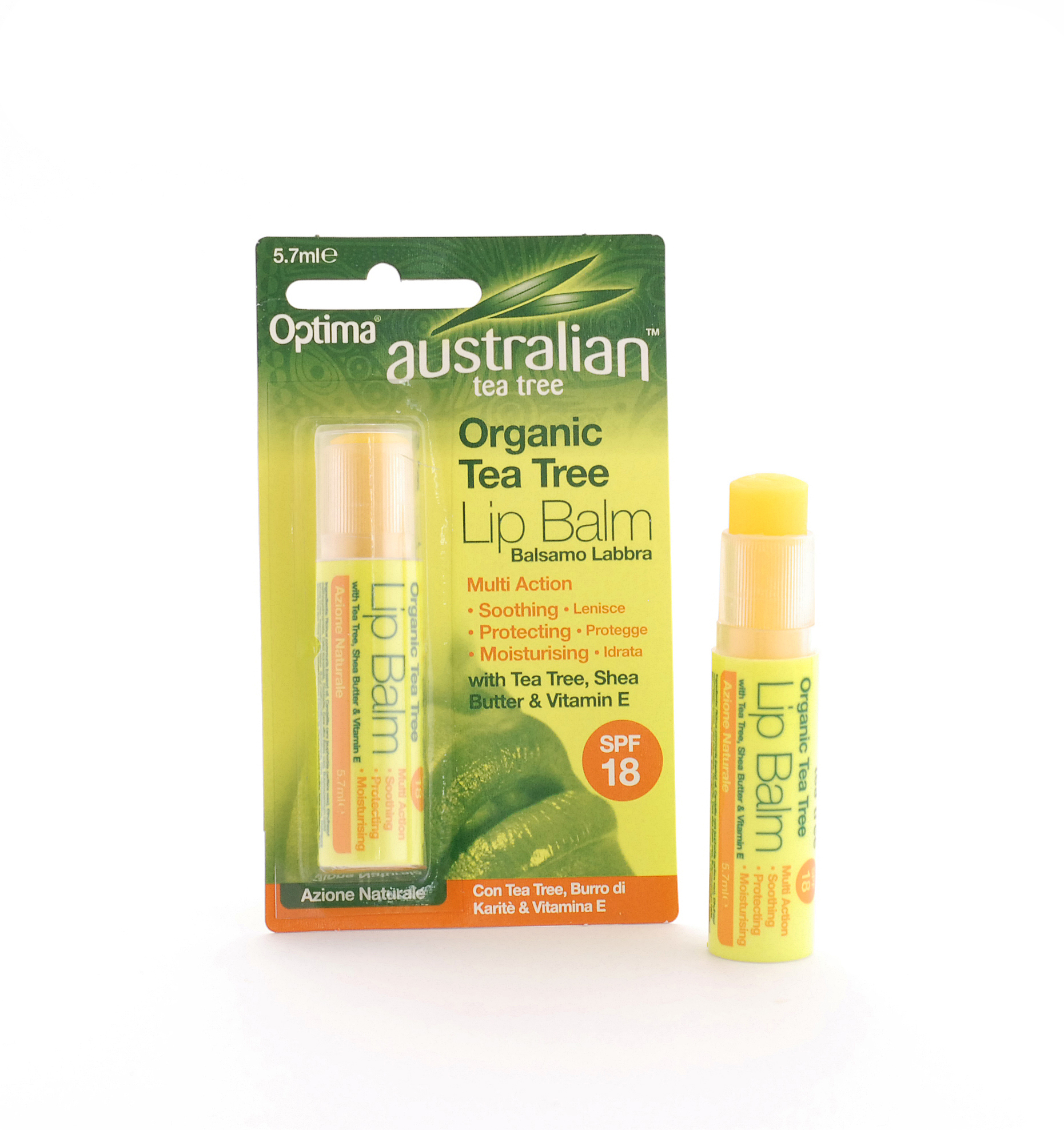
Organic Tea Tree Soothing Lip Balm – SPF 18, £2.49 for 5.7ml

Australian Tea Tree Lip Balm combines the healing antiseptic properties of Tea Tree Oil with the moisturising benefits of Shea Butter and Vitamin E to promote soft kissable lips. A built-in SPF 18 sunscreen also provides effective protection from the sun’s UVA and UVB rays.

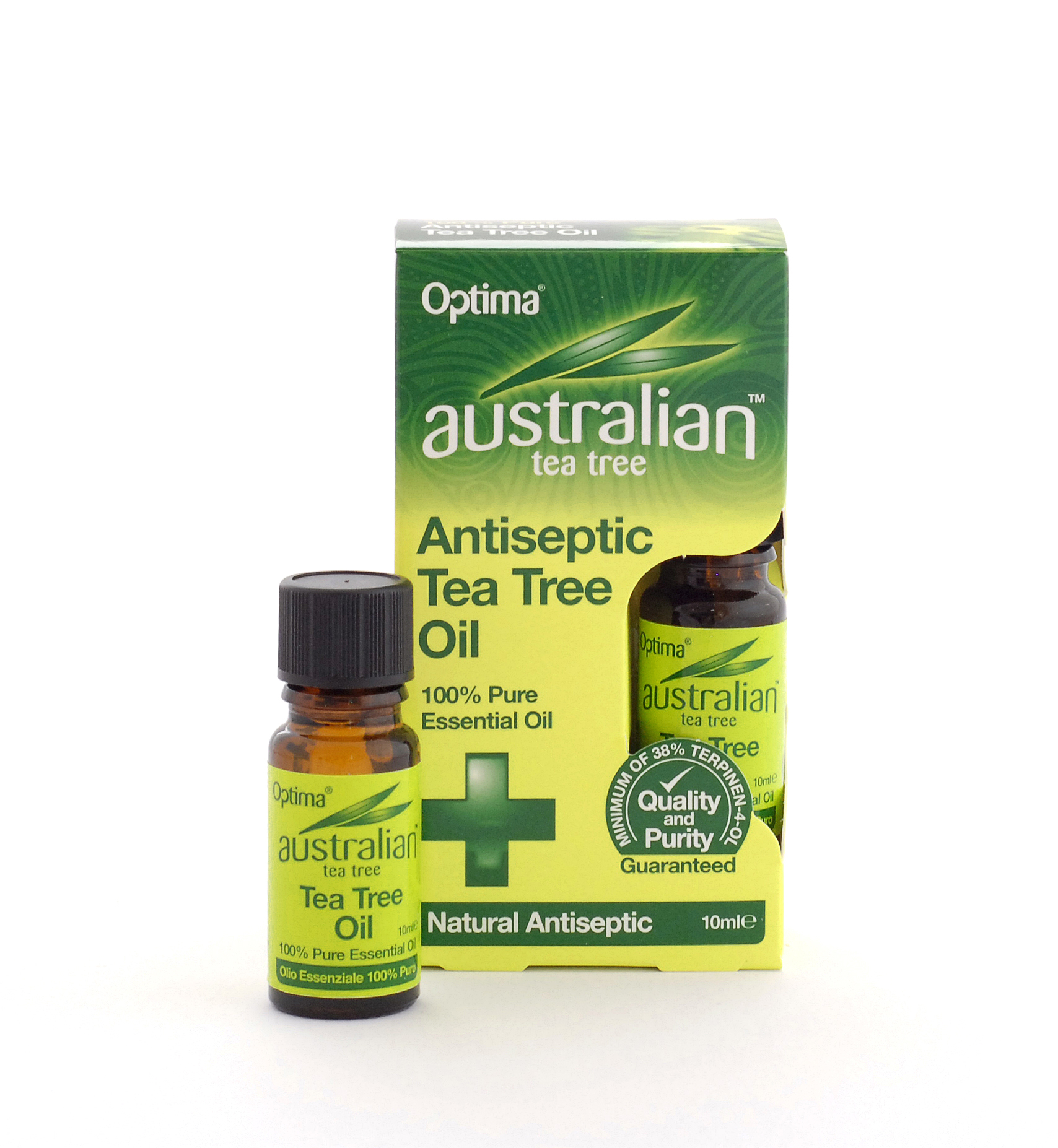
Tea Tree Pure Essential Oil, £3.99 for 10ml or £7.39 for 25ml

Australian Tea Tree Pure Essential Oil is guaranteed to be of the highest quality, over and above industry standards. It is batch tested to ensure that it conforms to their strict guidelines and is the perfect addition to the modern medicine cabinet. It can be used for general first aid to treat cuts, burns, insect bites, rashes etc.

Organic Tea Tree Antiseptic Cream, £3.99 for 50ml

Australian Tea Tree Antiseptic Cream provides soothing protection for the skin without causing irritation. The non-greasy formulation is easily absorbed by the skin and has a wide variety of applications – perfect for gentle relief from cuts and grazes.

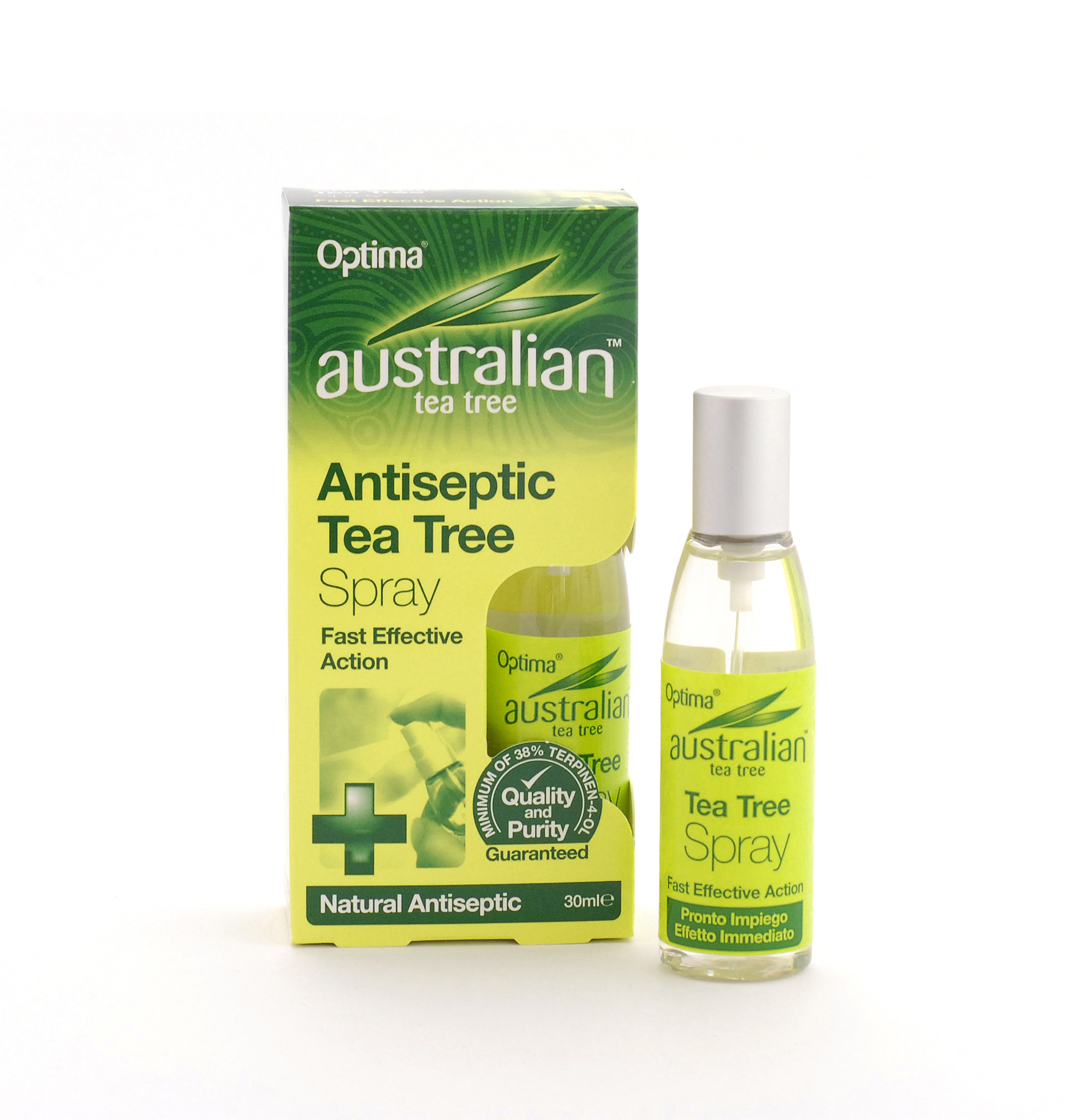
Tea Tree Antiseptic Spray, £4.49 for 30ml

Australian Tea Tree Antiseptic Spray is a non-greasy formula that combines the antibacterial properties of Tea Tree with soothing Aloe Vera, moisturising Coconut Oil and healing Vitamin E. It comes in a pump-action spray – perfect for gentle first-aid application on the go.

How to use the Australian Tea Tree products

For several hundred years, the Aborigines have used the natural antiseptic, germicidal and anti-fungal properties of tea tree oil to treat common ailments on the move. Word soon spread to the Western world and in 1920s tea tree was proved to be at least ten times stronger than the traditionally used antiseptic of the time – carbolic.

A trusted healing aid for many years, now its multi-functional healing powers can be found in the new Australian Tea Tree range providing the ideal holiday treatment

Sunburn
Bathe in a lukewarm bath with five drops of neat Australian Tea Tree Pure Essential Oil which has mild anesthetic properties that help to reduce pain and inflammation. Apply Australian Tea Tree Antiseptic Spray or soothing Australian Organic Tea Tree Antiseptic Cream directly onto the skin to provide further relief and to help reduce infection.

Protect your lips from the affects of the sun with Australian Organic Tea Tree Lip Balm which combines the healing antiseptic properties of tea tree oil with the moisturising benefits of Shea Butter and Vitamin E with a built-in SPF 18 sunscreen.

Insect bites and stings
Apply Australian Organic Tea Tree Antiseptic Cream or Australian Tea Tree Antiseptic Spray liberally to the affected areas to relieve itching and reduce inflammation. Australian Tea Tree Pure Essential Oil can also be used as an insect repellent – a few drops added to water to clean table tops, floors etc can help keep mozzies at bay.

Over traveled ‘trainer’ feet
Benefit from the anti-fungal properties of tea tree which will help banish the bugs that lead to athletes’ foot and smelly feet by bathing your feet in warm water with a few drops of Australian Tea Tree Pure Essential Oil. A few drops sprinkled into trainers or a spritz of Australian Tea Tree Antiseptic Spray will freshen them up and help kill bacteria on inner soles.

Ear infection
Ear infections are commonly caused by bacteria in hotel swimming pools. Benefit from the antiseptic properties of tea tree by adding three drops of Australian Tea Tree Pure Essential Oil to warmed (not hot) olive or almond oil and apply into the ear with a stopper of cotton wool to stop it running out.

Minor cuts and grazes
Use five to ten drops of Australian Tea Tree Pure Essential Oil as a natural antiseptic in a small bowl of warm water to clean the affected area and apply Australian Organic Tea Tree Antiseptic Cream to soothe and provide a natural barrier to germs. Use Australian Tea Tree Antiseptic Spray for the on-the-go cleansing and protection against infection.

Nappy rash
Heat can make nappy rash worse. Add two drops of Australian Tea Tree Pure Essential Oil to half a pint of warm water and use as a skin wash to soothe nappy rash while allowing the skin to breathe as much as possible without a nappy.

The Australian Tea Tree range is available from Holland & Barrett, selected health food stores and all good pharmacies. For nearest stockist details please call 0870 850 7114.

image
image

Red Bull stroke and heart attack risk

image

Sydney: Australian scientis have found that just one can of the energy drink Red Bull, can raise the risk of stroke or heart attack.

In a study of university students it was found that drinking one can of the sugar-free version of the energy drink made blood “sticky” – similar to that of a patient with cardiovascular disease.

Researcher Dr Scott Willoughby, of the Cardiovascular Research Centre at the Royal Adelaide Hospital,said the the blood become abnormal about one hour of drinking Red Bull.

He warned that for people at risk of cardiovascular disease – stress or high blood pressure – this could be potentially deadly.’

Dr Willoughby, said he was ‘alarmed’ at the results and would not drink Red Bull himself.

Those with underlying heart or circulatory problems should think twice before buying the caffeine-loaded drink, he said.

Red Bull is already banned in Norway, Uruguay and Denmark because of health fears, but the company last year sold 3.5 billion cans and bottles in 143 countries.

Dr Willoughby said drinking Red Bull caused the blood ‘to become sticky’
The Australian researchers said that two of the drink’s ingredients – caffeine and the amino acid taurine – may have dangerous consequences for the heart when taken together.

Dr Willoughby said: ‘Caffeine and taurine – both of these individually point towards being beneficial but maybe there’s something quirky about the effect of the combination of the two that is causing this reaction, that is what we need to look at next.’

Formulated by the marketing director of an Austrian toothpaste company in the 1980s, one can contains 80 mg of caffeine, around the same as a cup of filter coffee, or two cups of instant.

The warning on the cans advises people not to drink more than two a day.

Red Bull Australia spokeswoman Linda Rychter said: ‘The study does not show effects which would go beyond drinking a normal cup of coffee.”

Brittle bone risk with stomach drugs

image

Manitoba: Long-term use of medication for indigestion and heartburn may increase the risk of the bone disease osteoporosis, new research has found.

The drugs, prescribed by doctors or bought over-the-counter, are used by millions around the world.

The research, carried out by experts at the University of Manitoba looked at a class of drugs known as proton pump inhibitors, or PPIs. They found that using them regularly for five years increased a person’s change of a hip fracture by 44 per cent.

The brands includelansoprazole and omeprazole, also known as Zanprol, which is used to treat indigestion, heartburn and peptic ulcers. These drugs are only meant to be used for short periods.

Patients with gastro-oesophageal reflux disorder, a more serious condition involving chronic heartburn that affects one in three Britons at some point in their lives, have to take them daily for up to two months. But many end up staying on the drugs permanently to keep heartburn symptoms at bay.

The researchers used statistics from more than 60,000 adults aged over 50, including nearly 16,000 who had suffered a fractured hip, spine or wrist due to osteoporosis.

When they analysed prescription records, they found those with hip fractures were 62 per cent more likely to have used PPIs for five years or more than those with healthy hips.

Among those on the drugs for seven years or more, the risk of a fracture soared by more than 400 per cent, according to the study published in the Canadian Medical Association Journal.

Scientists believe that by blocking acid production, the drugs stop the body from absorbing calcium needed to build strong bones.

Doctors advise patients with severe stomach problems, such as bleeding ulcers, the benefits of the drugs will still outweigh the risks. But those using the drugs routinely to control mild indigestion should seek medical advice.

Manchester Royal Infirmary published research earlier this year showing PPIs may also increase the risk of acquiring the superbug Clostridium difficile. Other studies have also linked the drugs with an increased risk of pneumonia.

Running slows ageing

image

New York: Scientists at the Stanford University Medical Center have found that jogging can slow down the ageing process.

In a study that lasted two decades they found that elderly joggers were half as likely to die prematurely from conditions like cancer than non-runners.

They also enjoyed a healthier life with fewer disabilities, according to the study which is published in the Archives of Internal Medicine.

The work tracked 500 older runners for more than 20 years, comparing them to a similar group of non-runners. All were in their 50s at the start of the study.

Nineteen years into the study, 34% of the non-runners had died compared to only 15% of the runners.

Both groups became more disabled with age, but for the runners the onset of disability started later – an average of 16 years later.

The health gap between the runners and non-runners continued to widen even as the subjects entered their ninth decade of life.

Running not only appeared to slow the rate of heart and artery related deaths, but was also associated with fewer early deaths from cancer, neurological disease, infections and other causes.

And there was no evidence that runners were more likely to suffer osteoarthritis or need total knee replacements than non-runners – something scientists have feared.

At the beginning of the study, the runners ran for about four hours a week on average. After 21 years, their weekly running time had reduced to around 76 minutes, but they were still seeing health benefits from taking regular exercise.

Lead author Professor James Fries, emeritus professor of medicine at Stanford, said: “The study has a very pro-exercise message. If you had to pick one thing to make people healthier as they age, it would be aerobic exercise.

“The health benefits of exercise are greater than we thought.”

Dental treatment abroad – General Dental Council advice

Going abroad for your dental care? Check out the facts before you check in.

With more and more people considering dental treatment abroad, the UK dental regulator, the General Dental Council (GDC) has issued guidance and advice to dental patients with a checklist of questions to ask before travelling abroad for treatment.

The aim of the checklist, produced in association with the British Dental Health Foundation (BDHF), the UK’s leading oral health charity, is to help dental patients make informed decisions about their dental care, wherever they receive treatment.

Duncan Rudkin, Chief Executive and Registrar of the GDC, said: “Our job is to protect UK dental patients by making sure all dental professionals practising in the UK are trained appropriately and registered with us. We think it’s important for dental patients – wherever they receive their treatment – to know the questions to ask to ensure they receive the best possible treatment and care, and where they can go if something goes wrong.

“That’s why we want to encourage people considering travelling abroad for dental care to ask questions before making a decision about their treatment. Qualifications and standards are likely to differ from country to country, so it’s important that you collect as much information as you can before committing to anything.”

Dr Nigel Carter, Chief Executive of the BDHF, said: “The National Dental Survey 2008 found that 16% of people would be willing to travel abroad for dental treatment and the figure was even higher among the 18 to 30 age group – suggesting the trend will continue.

“This document provides members of the public with a very useful starting point on the questions to ask before getting dental treatment abroad.

“Styles and standards of dentistry can vary a great deal from one country to another and, if things do go wrong, patients could still be left facing some difficult and potentially expensive decisions.

“However by researching their chosen practitioner and asking the right questions they can reduce the chances of encountering potentially avoidable problems further down the line.”

A copy of the dental tourism checklist is available on our website, www.gdc-uk.org

About the General Dental Council

As the UK regulatory body of the dental profession, the GDC has a duty to protect the public. By law, the following groups of dental professionals have to be registered with us to work in the UK:

• dentists
• clinical dental technicians
• dental hygienists
• dental nurses
• dental technicians
• dental therapists
• orthodontic therapists

By registering with the GDC, dental professionals make a commitment to behave ethically and professionally, to meet and uphold the standards of the profession and to keep their knowledge and skills up to date.

When a dental professional falls seriously short of the high standards expected, we have the power to take action by either removing or restricting their registration.

You can check a dental professional’s registration with the GDC by logging on to our website, www.gdc-uk.org or by contacting us on this UK telephone number: 0845 222 4141.

The British Dental Health Foundation is an independent charity that along with its global arm, the International Dental Health Foundation, is dedicated to improving the oral health of the public by providing free and impartial dental advice, by running educational campaigns like National Smile Month and by informing and influencing the public, profession and government on issues such as mouth cancer awareness and water fluoridation.

Members of the public can contact the Dental Helpline for free and impartial expert advice on 0845 063 1188 Monday to Friday.

Helpful advice on hearing problems from Deafness Research

image
image

London: Help is at hand for the many people who suffer painful and debilitating ear complaints, many of which are avoidable with better ear hygiene and prompt medical attention, according to Deafness Research UK who have recently published a handy leaflet called ‘Trouble With Your Ears?’

One in ten UK people who are registered with a surgery will visit their GP each year with an ear problem and it is this group initially being targeted through the wide distribution of the leaflet to surgeries throughout the UK.

Extra copies are available from Deafness Research UK. To receive free samples, call the freephone helpline on 0808 808 2222, or e-mail < ahref="mailto:"info@deafnessresearch.org.uk">info@deafnessresearch.org.uk You can also access a wide range of information about deafness, ear problems and tinnitus from their website www.deafnessresearch.org.uk

Vivienne Michael, Chief Executive of Deafness Research UK, pictured, said: ” ‘Trouble With Your Ears?’ offers practical help and advice to patients to ensure they get the best possible treatment for ear infections, earwax or other ear problems that can cause pain and discomfort. The leaflet includes ‘top 10 tips’ for better ear health.

“There is evidence to suggest that ear problems are not always recognised by general practitioners and can be left untreated. In these cases, or where treatment is unsuitable, such as the inappropriate prescribing of antibiotics, a mild condition can become more serious.

“It is also common for elderly people attending hospital for a hearing aid, to be found to have factors other than old age contributing to their hearing loss. The fitting of a hearing aid can often be delayed while a patient is referred back to their GP for earwax removal.

“The more aware patients are of the treatments they should expect, the better the prospects for their recovery,” adds Vivienne Michael. “There is also plenty of self help information in ‘Trouble With Your Ears?’ and tips to avoid ear problems in the first place.

“The Department of Health is committed to helping patients to help themselves, yet few primary care trusts have yet adopted a ‘self care’ strategy. Applied to the treatment of ear complaints, the burden on GPs could be greatly reduced and absence from work because of an ear problem could be halved. However, without good quality information, more harm than good can be done as is evident from the number of patients who present with problems caused by trying to clean out their ears with a cotton bud!

“Through the ‘Trouble With your Ears?’ leaflet, we aim to raise awareness of ear problems and give them more prominence on the public health agenda”, concludes Vivienne Michael.

Deafness Research UK is the country’s only charity dedicated to finding new cures, treatments and technologies for the deaf, hard of hearing and other hearing impaired people including tinnitus sufferers.

image
image

Women start to worry about ageing from 28

London: Women begin worrying about looking old from the age of 28, according to a new survey by wrinkle cream maker Olay Regenerist.

The teenage years when girls usually try to look older, are followed by a few years in their 20s when they are happy about their looks.

But by he time they hit 28 they want to look younger as the first wrinkles start to appear.

Worries over broken veins and age spots also emerged as starting to trouble women around this time.

The survey asked 4000 women of all ages to pinpoint the stage when they started – or thought they would start – worrying about the ageing process.

Sarah Clarke, from Olay Regenerist, who carried out the survey, said: “This study goes to show that women are seriously worried about their looks and want to make sure they stay looking young from an early age.

“While 28 might not seem that old, for many women, just the fact that the dreaded 30s are approaching can be enough to get them worrying about their skin showing signs of ageing.”

Women listed wrinkles as their biggest fear, followed by losing their hair, going grey and getting crow’s feet.

Other fears included getting broken or thread veins and losing their hair.

It also emerged 84 per cent of women are so concerned about showing the signs of ageing they would spend as much money as necessary to keep their skin looking young.

But that does not come cheap, with the average woman spending £483 a year – or £40 a month – on anti-ageing creams, beauty treatments and gym membership.

A total of £216 a year is spent on anti-ageing creams and beauty treatments such as facials and wraps.

Exercising and going to the gym costs another £113 while colouring hair accounts for a further £43.32.

Even vitamin supplements and mineral water account for £110 spent each year.

However, the poll also found many women will struggle to keep up with the massive cost.

The average 28-year-old has just £214 a month – around £50 a week – to live on after paying the mortgage or rent and household bills.

Life begins at 60 for Madonna & Co

London: A new report released today reveals a significant shift in the way 50 to 65 year-olds are viewing retirement, showing how role models such as Harrison Ford and Madonna are giving rise to a generation of ‘grandad-olescents’.

The study, by leading pensions’ company AEGON, shows retirement in the ‘noughties’ is becoming a second adolescence, and more likely to include a world trip or a new career, than a carriage clock and a pair of slippers. A clear indication this generation of ‘baby boomers’ has more in common with their teenage grandchildren than their own parents.

Over 2,000 people between the ages of 50 and 65 were surveyed to gauge their attitudes towards retirement and to see what sort of financial provision they have in place.

The survey reveals that 56% expect to carry on working in some capacity after they reach retirement age and, for most, not because they have to. More than one in ten (11%) said ‘love of the job’ made them want to stay in the work force while 14% argued that they were simply ‘too young’ to retire. Interestingly, 12% said they would like to try out a completely different career in their retirement.

For those who don’t plan to keep working, the lure of far flung destinations beckons. The report shows that more than a fifth (21%) plans to use their ‘grandad-olescence’ for a holiday of a lifetime. Taking inspiration from teenagers heading off on GAP years, 14% of all those surveyed said they wanted to take a long-haul touring trip, 15% fancied travelling around Europe and 7% were after an adventure or action holiday.

Improved health and increasing life expectancy mean that many reaching retirement age do not regard themselves as ‘old’, and therefore seek more active interests in their ‘golden years’. Nearly a third of respondents (30%) saw retirement as the chance to do all the things they’ve wanted to do ‘but never had the time’, and a quarter (26%) plan to use their free time to take up new hobbies and leisure activities.

If their role models are anything to go by, these hobbies are going to be anything but sedate. According to the report, young-at-heart celebrities like Sir David Attenborough, Dame Judi Dench and the Queen of Pop, Madonna, are setting the standard for those at retirement age.

So while attitudes to retirement have clearly shifted with a greater emphasis on work, travel and leisure, are people approaching retirement better financially prepared?

Thanks to exceptional social and economic factors, ‘baby boomers’ should be in a better position financially to enjoy retirement than any previous generation. In fact, 42% think they will be better off than their parents in retirement and 32% think they will be better off than their children. Understandably, securing a guaranteed income during retirement is at the top of the wish list, with 87% of respondents saying this is most important to them.

With all these adventurous ambitions, a secure income is going to be essential. Yet the report highlights a significant knowledge gap when it comes to planning, as 42% of respondents have no clear idea about how much income they will have in retirement. Of the remainder, 44% expected to get an income less than £15,000 a year and only 14% thought their pension savings would produce over £15,000 a year.

Interestingly, 33% are relying on their pension alone, with no other savings or investments and more than half (51%) admit that they could have been better prepared had they thought about planning sooner.

Rachel Vahey, Head of Pensions Development at AEGON, comments: “Retirement isn’t the abrupt cliff edge it once was and, for many of today’s “baby boomers”, retirement age marks a new and exciting chapter of their lives. But if you want to make adventurous life choices and have a more flexible approach to retirement, it requires careful planning. Younger generations should take note and make sure that they have enough income to enjoy their second adolescence.”

Other research findings at a glance:

· 67% of people surveyed have some savings and investments, other than in a pension. 33% say they have no savings or investments outside their pensions.

· 47% of respondents don’t expect to have any outstanding mortgage or other debts at retirement. However 13% expect to have debts greater than £20,000 at retirement.

· 86% say they would at least “get by” financially if they were to stop working at retirement age. However, 14% say they would struggle to cope financially

· 21% of respondents say they will use the tax-free cash sum from their pensions to pay for the holiday of a lifetime. 15% say they will use the money to pay off their mortgage and 14% will use it to support their children financially.

· Over a quarter (27%) of respondents state their biggest fear in retirement is not being able to take care of themselves, while 22% fear running out of money in retirement

· 79% of respondents expect to need access to additional money in retirement for things such as long-term care, health emergencies, their children and home improvements

About AEGON

· AEGON commissioned Onepoll in to carry out research in May 2008, surveying 2,140 people aged between 50 and 65 who have not yet retired.

· In 2010 the number of pensioners will have exceeded the number of children in the population for the first time. Currently there are 11.3m people over state retirement age, projected to reach 12.2m by 2010 (Source: Office of National Statistics, October 2007).

· The proportion of people over the state pension age has grown from 16% in 1971 to 19% in 2004. By 2031, this figure is projected to have increased to 23%. (Source: Office for National Statistics).

· One hundred years after their introduction, British pensions are now the lowest in the European Union. A recent survey found that the basic state pension of £90.70 a week is equivalent to 17 per cent of the average earnings, compared with the EU average of 57 per cent.

· Current legislation dictates that between 2024 and 2026 the retirement age will rise to 68 for both men and women.

· AEGON UK is one of the top 5 life and pension providers in the UK, employing around 4,500 staff and with assets under administration of £53.2 billion. AEGON UK is part of the AEGON group, which is one of the world’s largest insurers and has assets under management of £245 billion.

Seaweed gel helps ailing hearts

image

Tel Aviv: Iraeli scientists have made a gel from brown seaweed that can help heart attack sufferers survive.

The liquid gel is injected onto the area damaged by an attack. Then it solidifies, allowing a thick laywer of scar tissue to grow.This helps the heart to continue working normally.

Usually the repair scar tissue is too thin and can lead to more attacks and heart failure.

So far tests have only validated the gel on animals. In trials, 90 per cent of animals injected with the gel survived a heart attack compared to just 40 per cent who received no treatment at all.

Human trials have started in Germany, Belgium and Israel. Experts hope the substance could become available by 2011.

The gel, which is made from ordinary brown seaweed, is injected into the heart using a catheter fed through a vein in the groin.

Vision & Hearing Loss

Age-related eye diseases — macular degeneration, cataract, diabetic retinopathy, and glaucoma — affect millions of people aged over 40. But the numbers are shooting up as we live longer.

Foods containing high levels of antioxidants are thought to be helpful in reducing vision loss, and these should be taken before the age of 40.

Deterioration accelerates in smokers.Regular eye exams should include screening for glaucoma.

The incidence of hearing loss increases with age. Twenty-nine percent of those with hearing loss are 45-65; 43% of those with hearing loss are 65 or older.

Hearing loss takes a toll on the quality of life and can lead to depression and withdrawal from social activities. Although hearing aids can help, only one out of four people use them.

High-frequency hearing loss is common in old age and made worse by a lifestyle that includes exposure to loud sounds whether its a concert or from Walkmans, iPods etc.

Cancer

The risk of developing most types of cancer increases with age.

In women, the rate of cervical cancer decreases, and endometrial cancer increases so it’s important for women to get regular exams.

The risk of prostate cancer increases with age, and black men have a higher rate than white men. Screening should start in your 40s, and at the very least should involve a digital rectal examination.

Lung cancer accounts for more deaths than breast cancer, prostate cancer, and colon cancer combined. So stop smoking.

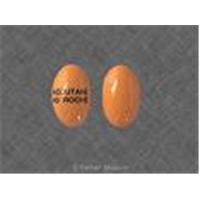
Accutane

image

A powerful drug used to treat Acne.

Adding Volume to Thinning Hair

People lose hair for various reasons. Illness and medication (like chemotherapy to treat cancer) can cause hair loss. Hair loss can also be inherited from a parent. Often, hair thins because it is fine-textured — or because too many harsh chemicals have been used on it — so it breaks easily.

These are hair-care tips to help protect hair, prevent further hair loss, and add volume to your existing hair.

1. Work with your hairdresser to find a style that suits fine or thinning hair.

2. Blow dry hair from the roots to give it volume

3. Buy volumising products – there are lots of new ones on the market.

4. Don’t use harsh chemcials as they cause more damage and also irritate the scalp

5. Colour hair with vegetable dyes – these are less harmful.

6. Shampoo and condition regularly – dirty hair always looks unattractive and flat.

Watchdog slams “Skinny Water” claims

London: UK health watchdogs have criticised the claims for a bottle of water which claims to help weightloss.

Skinny Water, a flavoured spring water, sold in Tesco, WH Smith and Superdrug, contains a cocktail of nutrients which the manufacturer claims to suppress hunger and fight fat.

Makers Bio Synergy admit their claims are not based on clinical studies and the name is on a par with jeans called “skinny jeans” and coffee called “skinny latte.”

UK Food Standards Agency say that the claims for the drink are groundless and that steps are being the results of proven medical trials.

iSkinny Water, which costs 99p, contains hunger-suppressing nutrients such as L-Carnitine and Chromium, which the labelling says reduces sugar cravings and improves the body’s ability to burn fat. The eye-catching label says the drink is a “slimming aid”, words printed suggestively under a measuring tape.

It states Skinny Water “has been enhanced with a unique combination of ingredients to help you lose weight… suppress appetite, block carbohydrates from converting into fat and increase fat burning”.

Ragdale Hall launches Brain Circuit

image

Health spa, Ragdale Hall, is leading the way in alternative fitness programmes with the addition of its unique BRAIN CIRCUIT class to the already varied, actvity titmetable.

In recognising the importance of exercising the grey matter to overall health and well-being, Health and Fitness consultant, Dean Hodgkin, decided to take this discipline to a whole new level with hand held computers, space-age toys, physical puzzles and a library of books to test your logic, challenge your problem solving skills and elevate your brain to greater efficiency.

The class follows a traditional circuit-training format whereby you move around the room, from station to station, to face a different challenge at each. At one station there’s even a state-of-the-art game-table that allows you to move a ball by simply controlling your thoughts.

Comments Dean, “Beyond the minor hassles of forgetting names, pin numbers or where we left our keys, the current wave of brain training can seriously slow the ageing process, significantly reducing the risk of dementia, including Alzheimer’s, that sadly affects around half a million people in the UK.”

To ensure you get the most from the class, Dean has created a dedicated space, the incredible MIND GYM with its eclectic design incorporating quirky furniture in vibrant colours, promising to stimulate your senses the moment you enter. It truly is the perfect environment to unleash the power of your mind!

For more information: www.ragdalehall.co.uk

Breast milk reduces heart attack risk

London: Scientists have discovered another reason why breast is best – it can lower your blood cholesterol in later life, according to research from St George’s, University of London funded by the British Heart Foundation.

The study discovered that exposure to breast milk in the first months of life may reduce blood cholesterol levels and the risk of developing heart disease in adult life.

The findings are based on a review of data from over 17,000 participants (4,608 were formula-fed and 12,890 were breast-fed) showing adults who had been breastfed had a lower mean total blood cholesterol than those who had been fed formula. It concludes that early exposure to the high cholesterol content of human milk affects long-term cholesterol metabolism, which may modify risk of cardiovascular disease in later life.

The meta-analysis is to be published in the American Journal of Clinical Nutrition’s (ACJN) August edition.

Study author Dr Chris Owen, Epidemiologist at St George’s, University of London, is an expert in cardiovascular risk factors in childhood, and works in the Division of Community Health Sciences.

He says: “The paper concludes that initial breastfeeding, particularly when exclusive, is associated with lower blood cholesterol concentrations in later life, compared to initial formula feeding.”

Dr Owen said there is substantial evidence to suggest that human milk does provide long-term, protective health benefits, breastfeeding should be advocated, when possible, as the preferred method of feeding in early life.

“This study provides further evidence that breast feeding has long-term health benefits. Apart from all its other effects, it appears to lower blood cholesterol in later life. The results also suggest that formula feeds should match the context of breast milk as closely as possible – any attempt to reduce the fat content of formula feeds could be counter-productive” said Dr Owen.

Primary Article Reference

Owen CG, Whincup PH, Kaye SJ et al. Does initial breastfeeding lead to lower blood cholesterol in adult life? A quantitative review of the evidence. American Journal of Clinical Nutrition. 2008; 88:305-314.

About St George’s
St George’s, University of London is the only institution to provide training to a full range of more than 2,600 healthcare and sciences students on one site. As well as providing courses in medicine and biomedical sciences, the college also offers courses in midwifery, nursing, physiotherapy, radiography and social work in conjunction with Kingston University. The school is dedicated to promoting by excellence in teaching, clinical practice and research, the prevention, treatment and understanding of disease. It is extremely active in research and has a high reputation in areas such as infection, diseases of the heart and circulation, cell signalling and epidemiology. Other areas of expertise include genetics, health and social care sciences and mental health.

Can alpha lipoic acid help weightloss and longevity?

image

London: The antioxidant Alpha Lipoic Acid can help prevent weightgain, according to a UK company which is planning to turn it into a new “diet pill”.

Dr Malcolm Goyns, director of Immorgene Concepts, a scientific research company in Stockton-on-Tees, who led the initital successful research on rats, said he had tried out AHA himself.

He said that evidence from the tropical Okinawan islands in Japan’s extreme south-west, which has the highest proportion of centenarians in the world, demonstrated the life-prolonging effects of calorie restriction.

Their traditional diet is high in vegetables and fish and low in fat, but they also have a cultural habit known as hara hachi bu – or “eat until you are 80 per cent full”.

This is because it takes the human stomach at least 20 minutes to tell the brain how full it really is, which is how the people of Okinawa preventing overeating – and are among the leanest and fittest people in Japan as a result.

Dr Goyns said: “While calorie restriction diets are followed as a matter of course in communities like Okinawa, the diet can be difficult to follow for most people. Our discovery indicates that by following a calorie restriction diet for six months and then taking alpha-lipoic acid while eating normally, the same life extension effects will be experienced.”

He added: “Simply adding the supplement to the diet has no effect. It seems that alpha-lipoic acid fools the body into behaving as if it was still on whatever diet it was following before the supplement was added. We found there was an anti-obesity effect as well. Although weight does rise when you come off the restricted diet, if you take alpha-lipoic acid, even though you are eating normally again you still have a reduced weight.”

The study, published in Mechanisms of Ageing and Development, was carried out by Dr Goyns with colleagues from the University of Liverpool. The researchers investigated the effect of alpha-lipoic acid when given to rats on normal and low calorie diets.

Experiments have shown that curbing the amount of food rats eat can extend their lives by 25 to 40 per cent. However, anti-ageing benefits are lost when the rats return to a normal diet. In the study, researchers found the benefits of the low calorie diet were extended by giving the rats the supplement when they returned to normal eating.

Brian Merry of the School of Biological Sciences at the University of Liverpool, who carried out the study, said: “If you put the animals on to a restricted diet they would normally go on to an extended survival trajectory. When they were switched to a normal diet, this compound seemed to lock them into the benefits of their pre-existing diet.”

“It is an unusual and interesting finding and it needs repeating in further research. That was as far as I was prepared to go, but Malcolm [Goyns] wanted to apply it to humans. I said I didn’t agree with his interpretation and we had to wait for further studies.”

He added: “People have been buying this stuff and taking it for years as a dietary supplement. I don’t think anyone knows what its effect is. There have only been two studies in rats and mice [before our study].

“It is also sometimes used in stroke patients to treat re-perfusion injury. What happens as the blood supply is restored after a stroke is oxidative damage to the cells. Alpha-lipoic acid is an antioxidant and can help reduce the damage. It is also used to treat diabetics and oxidative damage to the liver in people who have eaten poisoned mushrooms.”

Alpha-lipoic acid is sold as an anti-oxidant supplement and is also used in the treatment of certain conditions including stroke and liver damage.

Monica Black – Master Clinical Hypnotherapist London

Leading Master Clinical Hypnotherapist, Monica Black has
helped many individuals regain control of their health and rebuild their
confidence through hypnotherapy and move forward in their lives.

Hypno-Pyschotherapy can help people lose weight, stop smoking, deal with
panic attacks, anxiety, nervous tension and burnout.
Hypnosis is similar to daydreaming or meditation, in essence an altered
state of awareness thereby creating a relaxed subconscious state of mind.
In this relaxed state, the subconscious is open to receiving helpful and
beneficial suggestions thus enabling an individual reach their desired goal.
Sessions start from £90.Contact Monica on + 44 (0)20 7419 2211 or visit www.hampsteadhypnotherapy.com