
Pollen extract cuts menoapause symptoms – new study

image
image

Pollen extract could be used to help ease menopausal symptoms for women during the time of the menopause, new research has revealed*.

The 10 month trial, published in a recent issue of Genesis: The Journal of Genetics and Development, studied 417 menopausal women taking two tablets a day of Femal – a specialised formulation of nutritional flower pollen extracts – at Bordeaux University in France.

The results indicated:

A significant reduction in the frequency of hot flushes by 65%
A reduction in the frequency of night sweats by 64%
The intensity of hot flushes was reduced amongst participants by 64%
The discomfort of night sweats was also reduced by 67%
A clear improvement in irritability and fatigue was noted and quality of sleep improved by 47%
93.5% of the participants felt the supplementation was effective in improving discomfort of symptoms associated with the menopause

Christian Lebreton from Hirapharm which manufactures Femal, commented: “Adding to an already impressive body of evidence supporting the benefits of pollen extract for women experiencing PMS or the menopause, this study confirms the extremely positive indications of supplementation for the 75% of Western women who suffer with menopausal sysmptoms”.

Femal contains two special extracts of standardised pollen combined with vitamin E, formulated to support women’s health throughout the life stages from the start of womanhood to maturity. Femal is available from Boots and independent pharmacies priced around £16.00. For further information about Femal, contact UK telephone number + 44 (0)1372 379828.

References:

* Assessment of the tolerance and effectiveness of a food supplement Serelys (Femal) for menopausal women. Elia, D., and Mares, P., 2008. Genesis, 135, November 2008

Femal

Femal, Scandinavia’s number one selling formula, is the result of 10 years of research and development that began with the biochemical analysis of more than 400 plants. Clinical research and development has consistently established the health benefits of seven specific nutritional flower extracts and their role in supporting women’s health.

Flowers are glorious manifestations of nature’s healing and balancing power, offering us health and vitality. Pollen is nutrient-dense and guarantees the proliferation of the plant world and our healthy existence. Femal gives you the essence of pollen in 100% bioavailable form.

Vitamins, carotenoids, flavonoids, minerals, amino acids, fatty acids, enzymes phytosterols and prostaglandins all form a part of pollen, making it the perfect building material for our cells. Femal helps safeguard the intake of these nutrients on a daily basis.

Frequently Asked Questions

Will pollen cause an allergic reaction?

The pollen extracts in Femal have been specially treated to ensure minimal risk of allergic reaction. Most allergic reactions to pollen are caused through airborne particles that then cause irritation of the airways. Since food supplements are digested, this reaction would be unlikely.

How many do I take?

It is recommended that two tablets per day would be the best intake, particularly when taking Femal for the first time. This intake can be adjusted to one tablet per day to suit individual requirements. This may be most comfortable with a glass of water or fruit juice in the morning.

Can I reduce the intake?

Everyone is different and therefore will have different requirements. However, some women find that they can reduce their long term usage down to one tablet a day once they have been taking Femal for a time. If at some point you feel that your requirements have changed and you feel reverting to a higher dose would be appropriate than it is perfectly acceptable to take two tablets for a three month period. It is not advised to exceed the recommended intake.

How long can I take Femal for?

As with many food supplements Femal is intended for use regularly over time and on a daily basis. Most women find that after three months the two tablets per day dose can be adjusted to one tablet per day. Femal is designed to be taken throughout a woman’s adult life and may therefore be used during the monthly cycle and during and after menopause. As a food supplement, it should be taken in addition to a varied and balanced diet and healthy lifestyle and should not be a substitute for either of these important aspects of healthy living.

Can I take Femal alongside medications?

It should be OK to take Femal alongside any medicines. However, should you have any concerns do consult your doctor.

Can I use Femal whilst pregnant and or when breastfeeding?

It is recommended that pregnant women and those breastfeeding should stop taking the product during this time. Whilst this is precautionary, if in doubt you should consult your doctor.

What other measures can I take?

You have already taken some steps in reading this. Supplementing your diet may provide your body with additional nutrients during its natural changes.

This may also be the time to look at your lifestyle and how this may affect your dietary needs, such as eating at least five fruit and vegetable servings per day and maybe reducing caffeine and alcohol consumption. Exercise is another important aspect in helping to keep your body in optimum health and you may want to consider how this may be incorporated in your daily routines. Keeping a diary may help to monitor your success.

Win a spa weekend for two in beautiful Budapest

image
image

London: Win a weekend away in Budapest, the beautiful Hungarian city known for its wonderful spas and thermal baths! Enjoy the ultimate in pampering and luxury courtesy of Malév Hungarian Airlines.

The lucky winner of this trip will receive a luxury weekend for two in Budapest including flights with Malév Hungarian Airlinesand 2 nights at the Danubius Health Spa Resort Helia Conference Hotel including buffet breakfast.
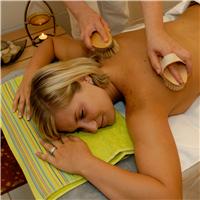
This fantastic prize also includes one dry brush massage and one Cleopatra bath per person! In addition, the winner and friend will have unlimited use of the hotel’s spa facilities which include swimming pool, sauna, thermal baths, steam bath, whirlpool, and use of the Danubius Premier Fitness Club with classes of aqua jogging, yoga, spinning and other aerobics.

If you would like the opportunity to win this prize please email us at readeroffer@elixirnews.com, with your name and address, putting Spa Weekend in the email header and giving the correct answer to the following question: What is the name of the hilly area outside the city of Budapest:

a. Himalyas
b. Buda
c. Pennines

Please note that no cash equivalent is being offered and that the Editor’s decision is final.

The beautiful Danubius Health Spa Resort Helia Conference Hotel is located on the embankment of the River Danube, with stunning views of the Buda Hills and Margaret Island.

Malév Hungarian Airlines provides an “all-frills” service at “no-frills” prices, including allocated seats and a full meal service. Offering 5 daily direct services from London to Budapest, Malév operates 2 daily flights from Gatwick as well as 3 daily code-share flights operated by British Airways from Heathrow with fares from £110pp return inclusive of all taxes and charges. For flight reservations or further information visit www.malev.com Alternatively call 0870 909 0577.

TERMS AND CONDITIONS:
1. The winner will be the first correct entry drawn after the closing date (31 March 2009)
2. The winner must be aged 18 years or over
3. The prize is non-transferrable and there is no cash alternative
4. Flight reservations must be made as soon as you’re ready to book and are subject to availability. Note that the prize may not be available at peak times.
5. The prize is valid for travel before 31 December 2009
6. There will be one prize winner and the prize is two Malev Hungarian Airlines return air tickets from London Gatwick to Budapest and 2 nights in a double room at the Danubius Health Spa Resort Helia Conference Hotel including buffet breakfast and one dry brush massage and one Cleopatra bath per person. Prize also includes unlimited use of the hotel’s spa facilities including swimming pool, sauna, thermal baths, steam bath, whirlpool and use of the Danubius Premier Fitness Club including joining ongoing classes of aqua jogging, yoga, spinning and other aerobics classes
7. Airport taxes are not included in the prize
8. All information correct at time of going to print

image
image

Get younger eyes with Swiss o Par – reader offer

image
image

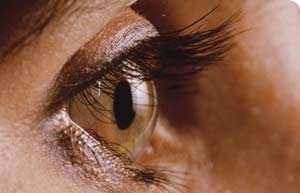
Get rid of the grey and emphasis your beautiful brows and eyelashes with Swiss o Par…

This is the only totally peroxide free eyelash and and brow tinting product approved for home use.

Guaranteed waterproof, non-smudge and semi-permanent – it lasts several weeks, and grows out with your natural lashes/brows growth cycle.

A pack for £8.95 does around 10-12 applications which means it lasts for a whole year. You can’t get better value than that.

Well you can with Elixir – take advantage of the special Elixir offer of £6.95

Very very easy to use – it only takes about a minute to do the brows and all the lashes of both eyes. Just two actions and its done

All the details are on www.eyestodyefor.co.uk/elixir or call + 44 (0)117 968 1414 and quote ‘elixir’

Wassen Selenium-Ace antioxidant giveaway

image
image

Experience the health-boosting power of Wassen’s New Selenium-ACE Plus Vitaberry – for immune support and vitality.

Wassen is giving way 15 Packs of New Selenium-ACE Plus Vitaberry to ELIXIR readers. So if you would like to receive one of these packs, worth £5.95, then email us your name and address to readeroffer@elixirnews.com with Vitaberry in the header. This offer closes on 31 March 2009. Please note that no cash equivalent is being offered and the Editor’s decision is final.

We all start the day with the best of intentions, but too often our busy schedule gets in the way of healthy eating. In fact, with almost 90% of Britons failing to eat their five-a-day , it’s no wonder we sometimes feel as though our energy levels and immune system are in need of an extra boost.

With this in mind, NEW Selenium-ACE plus Vitaberry has been designed to deliver the equivalent natural antioxidants of three portions of fruit in a single one-a-day tablet, safeguarding vitamin and mineral intake and so easing the way to a more balanced daily diet.

The one-a-day tablets provide a quick and convenient way to boost vitality and continually safeguard everyday intake with antioxidants obtained from Grape seed extract Blueberries, Bilberries, Cranberries, Cherries, Raspberry seed extract and Strawberries.

TRY IT FOR FREE! You can experience the benefits of Selenium- ACE plus Vitaberry for free. Just email us at readeroffer@elixirnews.com . The packs will given away on a first come first served basis.

Priced £5.95, Selenium-ACE Plus Vitaberry is available from Boots, Tesco, Waitrose and Morrisons. For more information and further stockist details please call 01372 379828 or visit www.wassen.com.

image

Scientists to clone blood from stem cells

image

London: UK scientists plan a major research project to see if its possible to replicate human blood from embryonic stem cells.

Led by the Scottish National Blood Transfusion Service, the three year trial could provide an unlimited supply of blood for emergency transfusions.

The blood should be free of infections like the human form of mad cow disease or HIV.

Teams will test human embryos left over from IVF treatment to find those destined to develop into the universal “O-negative” blood donor group.

O-negative blood can be transfused into anyone without fear of tissue rejection and is the only safe option when a patient’s blood group is unknown or not immediately available.

This precious blood is in limited supply because only 7% of the population belongs to this blood group.

The Wellcome Trust is understood to have promised £3 million towards the cost of the multimillion-pound project, with further funding coming from the blood transfusion services of Scotland, and England and Wales.

The Irish government is also believed to be involved.

The project will be led by Professor Marc Turner of Edinburgh University who is the director of the Scottish National Blood Transfusion Service.

He said the work would begin in the next few weeks after final approval had been gained from the relevant research bodies.

Stem cells are the body’s master cells, with the ability to transform into any type of tissue.

Scientists have already shown it is possible to take a single stem cell from an early human embryo and encourage it to develop into mature blood cells in the laboratory.

And a US firm called Advanced Cell Technology has managed to produce billions of red blood cells from embryonic blood cells in this way.

The challenge now is to scale up the production and move the science from the lab to the bedside, which will take years.

Professor Turner said: “We should have proof of principle in the next few years, but a realistic treatment is probably five to 10 years away.

“In principle, we could provide an unlimited supply of blood in this way.”

However, many groups object to the use of embryonic stem cells on the grounds that it is unethical to destroy embryos in the name of science.

Josephine Quintavalle of the public interest group Comment on Reproductive Ethics said: “Like so many of the claims associated with embryonic stem cells, this is first steps research rather than a cure around the corner, and just as hypothetical as the rest of the claims which try to justify destroying the human embryo for the benefit of mankind.

“Associating this controversial research with a National Blood Transfusion service may even end up contaminating the feel-good image of blood banks.

“Those who donate blood but who defend the right to life of the human embryo may be reluctant to continue giving their blood.”

Music helps stroke victims – new study

image

London: Patients who have lost part of their visual awareness following a stroke can show an improved ability to see when they are listening to music they like, according to a new study published today in the journal Proceedings of the National Academy of Sciences.

Every year, an estimated 150,000 people in the UK have a stroke. Up to 60% of stroke patients have impaired visual awareness of the outside world as a result, where they have trouble interacting with certain objects in the visual world.

This impaired visual awareness, known as ‘visual neglect’, is due to the damage that a stroke causes in brain areas that are critical for the integration of vision, attention and action. Visual neglect causes the patient to lose awareness of objects in the opposite side of space compared to the site of their brain injury.

If the stroke occurs in the right hemisphere of the brain, these patients tend to lose awareness of visual information in the left side of space. This occurs even though the area of the brain associated with sight is not damaged.

The researchers behind the study, from Imperial College London, the University of Birmingham and other institutions, suggest that listening to their favourite music may help stroke patients with impaired visual awareness to regain their ability to see.

The new study looked at three patients who had lost awareness of half of their field of vision as a result of a stroke. The patients completed tasks under three conditions: while listening to their preferred music, while listening to music they did not like and in silence. All three patients could identify coloured shapes and red lights in their depleted side of vision much more accurately while they were listening to their preferred music, compared with listening to music they did not like or silence.

For example, in one task, patients were asked to press a button when they could see a red light appear. One patient could point out the light in 65% of cases while he was listening to music he liked, but could only recognise the light in 15% of cases when there was no music or music he did not like being played.

The researchers believe that the improvement in visual awareness seen in these patients could be as a result of patients experiencing positive emotions when listening to music that they like. The team suggest that when a patient experiences positive emotions this may result in more efficient signalling in the brain. This may then improve the patient’s awareness by giving the brain more resources to process stimuli.

The team also used functional MRI scans to look at the way the brain functioned while the patients performed different tasks. They found that listening to pleasant music as the patients performed the visual tasks activated the brain in areas linked to positive emotional responses to stimuli. When the brain was activated in this way, the activation in emotion brain regions was coupled with the improvement of the patients’ awareness of the visual world.

Dr David Soto, the lead author of the study from the Division of Neurosciences and Mental Health at Imperial College London, said: “Visual neglect can be a very distressing condition for stroke patients. It has a big effect on their day-to-day lives. For example, in extreme cases, patients with visual neglect may eat only the food on the right side of their plate, or shave only half of their face, thus failing to react to certain objects in the environment”.

“We wanted to see if music would improve visual awareness in these patients by influencing the individual’s emotional state. Our results are very promising, although we would like to look at a much larger group of patients with visual neglect and with other neuropsychological impairments. Our findings suggest that we should think more carefully about the individual emotional factors in patients with visual neglect and in other neurological patients following a stroke. Music appears to improve awareness because of its positive emotional effect on the patient, so similar beneficial effects may also be gained by making the patient happy in other ways. This is something we are keen to investigate further,” added Dr Soto.

This research was funded by the British Academy, Biotechnology and Biological Sciences Research Council, Economic and Social Research Council, Medical Research Council and Stroke Association.

1. About Imperial College London

Consistently rated amongst the world’s best universities, Imperial College London is a science-based institution with a reputation for excellence in teaching and research that attracts 13,000 students and 6,000 staff of the highest international quality.

Innovative research at the College explores the interface between science, medicine, engineering and business, delivering practical solutions that improve quality of life and the environment – underpinned by a dynamic enterprise culture.

Since its foundation in 1907, Imperial’s contributions to society have included the discovery of penicillin, the development of holography and the foundations of fibre optics. This commitment to the application of research for the benefit of all continues today, with current focuses including interdisciplinary collaborations to improve health in the UK and globally, tackle climate change and develop clean and sustainable sources of energy.

Website: www.imperial.ac.uk

Tone up your pelvic area – reader offer

image
image

The PelvicToner guarantees to make your pelvic floor exercises much more effective to help rapidly alleviate stress incontinence and improve your sex life.

A third of new mums, and half of all women, suffer embarrassing leaks when exercising, coughing or sneezing because the vaginal muscles are stretched or lack strength due to childbirth, menopause or a lack of exercise.

But Arnold Kegel, the creator of true pelvic floor exercises, also demonstrated that a strong pelvic floor muscle is essential for better sex and great orgasms.

You will notice rapid improvements in muscle strength because the PelvicToner helps you identify and isolate the correct muscle and then exercise effectively by squeezing against resistance – exactly as Arnold Kegel recommended.

In a recent survey, over 80% of users reported an improved sex life and better bladder control within a few weeks.

For more information and ordering visit www.mypelvicfitness.com/elixir or call + 44 (0) 117 968 1414 and quote ‘elixir’

The PelvicToner normally costs £29.99 +£2.00 p&p. With Elixir you pay only £24.99 + £2.00 p&p

Aspirin does reduce heart and stroke attack risks, say US experts

image
image

New York: Aspirin should be recommended to reduce the risk of heart attack in men aged 45 – 79 and to reduce the risk of stroke in women aged 55 – 79 who do not have heart disease, the US Preventive Services Task Force (USPSTF) has recommended.(1)

The USPSTF(2) states that men aged 45 – 79 should be encouraged to take aspirin when the potential benefit of a reduction in the risk of a heart attack outweighs the potential harm of an increase in gastrointestinal bleeding; women aged 55 – 79 should be encouraged to take aspirin when the potential benefit of a reduction in the risk of ischaemic stroke outweighs the potential harm of an increase in gastrointestinal bleeding.

The recommendations are based on the latest evidence of the benefits of aspirin. If implemented in Europe, they would greatly increase the number of people taking aspirin to prevent heart attack or stroke.

Taking aspirin to prevent heart attack or stroke by people who are not known to have heart disease is known as primary prevention. An individual’s risk is estimated from their sex, age, smoking status, blood pressure and cholesterol level. European guidelines recommend primary prevention with aspirin when the risk of a heart attack exceeds 10% per year;(3) in the UK, primary prevention is recommended for people over 50 years old when the 10-year risk exceeds 20%.(4) Aspirin is universally recommended for people who have already had a heart attack or stroke (secondary prevention).

The USPSTF provides estimates of the numbers of cardiovascular events avoided by primary prevention with aspirin and the risk of gastrointestinal bleeding and stroke. Assuming aspirin reduces heart attacks by 32%, its benefits for men aged 45 – 79 outweigh the risks when the 10-year risk of a heart attack is 4%. For women aged 55 – 59, the benefit:risk ratio becomes favourable when the 10-year risk of stroke is 3%. The USPSFT says the benefits of aspirin are not proven for men or women in younger age groups, among people aged 80 or over, or for reducing the risk of heart attack among women.(1)

The decision to take aspirin should be made jointly between doctors and patients, the USPSFT emphasises, but the recommendation should be stronger as the potential benefit increases.

Win free tickets to the Vitality Show London

image
image

London: Want to find the key to looking and feeling great this year? Then make a date with your girlfriends and head down to The Vitality Show 2009.

Europe’s largest health, beauty and wellbeing show, that takes place from 26-29 March, is celebrating its 10th Birthday this year – which means even more premium names, fabulous experiences and experts. The ultimate girls’ day out, The Vitality Show is the best place to find all your favourite brands, such as Benefit Cosmetics and nails inc. to up-and-coming cult collections like Jo Wood Organics – all showcasing their latest products and innovations.

There are five pairs of tickets – each set worth £35 – up for grabs. Please email us at readeroffer@elixirnews.com with your name and address and Vitality Show in the header. Your name will be put into a draw. This offer closes on the 18th March 2009. Please note that no cash equivalent is being offered and the Editor’s decision is final.

And for those after a more hands-on approach, this year’s show offers even more experiential opportunities than ever before. The Healing Herb Garden and the Health and Nutrition Stage are the perfect stop offs for girls in need of a nutritional boost, while the Zest Fitness Park provides an excuse to put on those trainers and get stuck into a workout session or dance class.

If seeking relaxation rather than perspiration, the luxurious surroundings of the Vitality Day Spa with its massages, reflexology and facials will be calling. And after a few treatments, visitors will be able to take advantage of the nails inc. bar and hair makeovers and styling tips from the hair salon. Other must-visit experiences include: The Oasis, a calming zone where guests can try out alternative therapies at a fraction of the cost; The Top Sante Anti-Ageing Clinic full of talks from experts on how to look 10 years younger; the Organic Pavilion in association with LoveLula.com, a zone dedicated to certified organic, natural products and the fashionista’s favourite Style Theatre.

To celebrate the fact that The Vitality Show has been looking after ladies for 10 years, the organisers will also be unveiling the Good, Bad and the Ugly – an exhibition exploring a decade of health and beauty innovations and revelations for visitors to look at, touch and have a giggle about.

As always, the show wouldn’t be complete without a range of well known and world class experts offering talks and insider tips to women on issues from hair and beauty to fitness and nutrition and well-being, leaving them not only pampered but full of industry secrets to spill to their girlfriends after the show.

This looks set to be the biggest and best year yet for the show – so in order not to miss out on all the pampering, top-class advice and fabulous experiences on offer, mark The Vitality Show 2009 in bold on your calendar and invite all your favourites girls along – from your best friends to your sister and your mum.

Tickets for The Vitality Show 2009 cost £14.50 in advance or £17.50 on the door. For all the latest news and information on the show, visit The Vitality Showor call 0871 230 5569 to book your tickets.

Where: Earls Court 2
Earls Court
Warwick Road
London
SW5 9TA

When: 26th March – 29th March 2009

Opening Times: Thursday 26th March, 1pm – 9pm
Friday 27th March, 10am – 6pm
Saturday 28th March, 10am – 6pm
Sunday 29th March, 10am – 6pm

image

Smart people live longer

image

Edinburgh: People with higher intelligence test scores in childhood and early adulthood tend to live longer. This result has been found among every population that has been studied, says expert Ian Deary, Professor of Psychology, Centre for Cognitive Ageing and Cognitive Epidemiology, Department of Psychology, University of Edinburgh.

Indeed, the impact of intelligence on mortality rivals well-known risk factors for illness and death, such as high blood pressure, being overweight, high blood glucose, and high cholesterol. Its effect is almost as important as that of smoking.

Differences in human intelligence have environmental and genetic causes. An intelligence test score in early life is partly a record of what the environment has wrought on the brain and the rest of the body up to that time.

Babies who have lower birth weights, for example, are more prone to chronic illnesses later in life. They also have, on average, slightly lower intelligence. But tests of whether birth weight might explain some of the link between intelligence and mortality have found no connection.

Parents’ occupations are also related to their child’s intelligence and later risk of illness: children from more privileged backgrounds tend to have higher intelligence and better health, and to live longer. However, there is no convincing evidence that parental background explains the link between higher intelligence and longer life.

Other researchers have viewed intelligence test scores as possibly more than just an indicator of an efficient brain. After all, the brain is just one organ of the body, so people whose brains work well in early life may also have other organs and systems that are more efficient than others’.

But this “system integrity” idea is somewhat vague and difficult to test. The best we have done to date has been to examine whether people’s reaction speeds are related to intelligence and to mortality. They are.

Reaction-time tests involve little thinking, and merely ask people to respond as fast as they can to simple stimuli. People who react faster have, on average, higher intelligence scores and live longer.

A third potential explanation is that intelligence is about good decision-making. Every day, as we live our lives, we make decisions about our health: what, when, and how much to eat; how much exercise to take; how to look after ourselves if we have an illness; and so forth.

Therefore, the reason that intelligence and death are linked might be that people with higher intelligence in childhood make better decisions about health, and have healthier behaviours. As adults, they tend to have better diets, exercise more, gain less weight, have fewer hangovers, and so on.

So far, so good. But we do not yet have the full story. There have not been any studies with data on childhood intelligence, lots of subsequent data on adult health behaviours, and then a long-term follow-up for deaths. And only such a study could tell us whether it is these healthy behaviours that explain the link between intelligence and death.

A fourth type of explanation is that people with higher intelligence in childhood tend to attain better educational qualifications, work in more professional jobs, have higher incomes, and live in more affluent areas.

These variables are related to living longer, too. So, perhaps that’s it: higher intelligence buys people into safer and more health-friendly environments.

Certainly, in some studies, social class in adulthood seems to explain a lot of the link between intelligence and death.

The problem is that this “explanation” is statistical. We are still not sure whether, say, education and occupation “explain” the effect of intelligence on health, or whether they are, in effect, merely surrogate measures of intelligence.

Researchers have also searched for clues about the intelligence-mortality link in specific types of death. This has been revealing. Lower intelligence in early life is associated with a greater likelihood of dying from, for example, cardiovascular disease, accidents, suicide, and homicide. The evidence for cancer is less certain. As we have come across these specific findings, we have realised that each link might need a different explanation.

Finally, we know that how intelligent we are and how long we shall live are caused by both environmental and genetic influences. There are experimental designs, using twins, that can find out the extent to which intelligence and mortality are linked because they share environmental and genetic influences.

Among the most informative exercises we can undertake in cognitive epidemiology is to obtain a large group of twins on whom there is data on early-life intelligence and who were tracked for a long time to find out who had died.

The ultimate aim of this research is to find out what intelligent people have and do that enables them to live longer. Once we know that, we will be able to share and apply that knowledge with the aim of achieving optimal health for all.

Can a protein eliminate wrinkles?

New York: Controlling concentrations of a protein known as RHAMM could potentially eliminate wrinkles and rejuvenate the skin without surgery or neurotoxin injections.

Research at Berkeley Lab suggests that a protein linked to the spread of several major human cancers may also hold great potential for the elimination of wrinkles and the rejuvenation of the skin.

If this promise bears fruit, controlling concentration of RHAMM (receptor for hyaluronan mediated motility) a protein, could one day replace surgical procedures or injections with neurotoxins that carry such unpleasant side-effects as muscle paralysis and loss of facial expressions.

As we age, fat cells in the subcutaneous layer of the skin become smaller and fewer in number so that they are not longer able to “fill in” damage to the epidermal and dermal skin layers. The results are wrinkles and sagging.

Mina Bissell, cell biologist with Berkeley Lab and authority on breast cancer, collaborated with Eva Turley, oncology professor, University of Western Ontario on a study of the role that RHAMM plays in regulating the signalling of adipocytes (fat cells) during the repairing of tissue wounds from injuries such as skin cuts, heart attacks and stroke.

Earlier research by Turley, who discovered RHAMM, had shown that over-expression of this protein points to a poor patient outcome for such human cancers as breast, colon, rectal and stomach.

Bissell and Turley, working with mice, discovered that blocking the expression of the RHAMM protein – either by deleting its gene, or through the introduction of a blocking reagent – can be used to selectively induce the generation of fat cells to replace those lost in the aging process, said a Berkeley release.

“This technique could be developed as a means of providing a non-surgical approach for normalising skin appearance after reconstructive surgery, for wrinkle reduction, and for face lifts and figure enhancement,” said Bissell.

Passive smoking likely to cause impaired thinking, depression: Don’t take passive smoking lightly or you could end up with impared thinking, sleeplessness, depression and clouded consciousness, according to the latest research.

This is the first large-scale study to conclude that exposure to passive smoking could also lead to dementia and other neurological problems in adults. The research was led by David Llewellyn of University of Cambridge and his associates, which used saliva samples from nearly 5,000 non-smoking adults aged over 50 years.

By measuring levels of cotinine (a by-product of nicotine) in their saliva and taking a detailed smoking history, the researchers were able to assess levels of exposure to passive smoke.

Depression increases heart attack risk in women

image

New York: Women who suffer from clinical depression are more than twice as likely to die of a heart attack

A US study of more than 63,000 women suggested this could be because unhappy women are more likely to smoke, have high blood pressure and eat unhealthily.

The more depressed a woman is, the higher her risk of death from a sudden heart attack or chronic heart disease.

The most severe type of depression, clinical depression, is associated with a more than 100 per cent increased risk of a sudden cardiac death. The risk was even higher among women on antidepressant drugs – but this may be because these medicines are prescribed to the most depressed women.

Study leader Dr William Whang, of Columbia University, said: “It’s important for women with depression to be aware of the possible association with heart disease, and work with their healthcare providers to manage their risk for coronary heart disease.

“A significant part of the heightened risk for cardiac events seems to be explained by the fact that coronary heart disease risk factors such as high blood pressure, diabetes, elevated cholesterol, and smoking were more common among women with more severe depressive symptoms.’

In the Journal of the American College of Cardiology, Dr Sanjiv Narayan commented: “These data indicate the link between depression and serious heart rhythm problems may be more complex than previously thought. It raises the question of whether this association may have something to do with the antidepressant drugs used to treat depression.’

Beer raises prostate cancer risk

image

Sydney: Just one pint of beer daily raises prostate cancer risk, according to Australian researchers.

They found two or more drinks a day increased the likelihood of developing the disease by 20 per cent – well below most healthy drinking guidelines.

Scientists at Curtin University in Australia say their review of 35 studies looking at the relationship between drinking levels and the risk of prostate cancer, was large enough to confirm a link.

At the same time moderate drinking in older men is thought to offer protection from heart disease.

The review, published in the journal of Molecular Nutrition and Food Research, included all studies published in or before 2006.

It reveals that heavier drinkers, which is judged at 14 or more drinks weekly, are about 20 per cent more likely to develop prostate cancer.

Vitamin C deficiency linked to gout in men

image

London: Men with a higher vitamin C intake seem to be less likely to develop gout, according to a report in the March 9 issue of Archives of Internal Medicine.

Researchers working in British Columbia, Vancouver, examined the relationship between vitamin C intake and gout between 1986 and 2006 in 46,994 men. Every two years, participants reported whether they had been diagnosed with gout, or had developed symptoms of the condition.

During 20 years of follow-up, 1,317 men developed gout. Compared with men who had a vitamin C intake of less than 250 milligrams per day, the relative risk of gout was 17 percent lower for those with a daily intake of 500 to 999 milligrams, 34 percent lower for those with an intake of 1,000 to 1,499 milligrams per day and 45 percent lower for those with an intake of 1,500 milligrams per day or higher. For every 500-milligram increase in their vitamin C intake, the men’s risk for gout appeared to decrease by 17 percent. Compared with men who did not take vitamin C supplements, those who took 1,000 to 1,499 supplemental milligrams per day had a 34 percent lower risk of gout and those who took 1,500 supplemental milligrams per day had a 45 percent lower risk.

Commenting on the study, Dr Ruxton, scientific advisor to the Health Supplements Information Service notes: “Gout is caused by a build-up of uric acid in the blood and vitamin C appears to reduce the levels of uric acid in the blood. When uric acid builds up, it can form crystal deposits in and around the joints, which is what causes the pain and inflammation typical of the condition. In their paper, the researchers suggest that vitamin C might affect the reabsorption of uric acid by the kidneys, increase the speed at which the kidneys work, or protect against inflammation; all of which can reduce the risk of gout.

“Given the general safety profile associated with vitamin C, a high intake of vitamin C may provide one useful option in helping to prevent gout.”

The Health Supplements Information Service: The Health Supplements Information Service is supported by a restricted educational grant from the Proprietary Association of Great Britain (PAGB). HSIS has been created to provide media with impartial information regarding the health benefits of vitamins and minerals. Experts advising the service include nutritionists; dieticians and doctors. For further information please call 020 7052 8955.

FACT: Gout, a condition that results in acute attacks of arthritis in the joints, is becoming more common. A recent report suggested that, in the UK, it had increased by about 17 percent between 2007 and 2008. Traditionally, gout has most commonly developed in middle aged and older people – mostly men – but the condition is now being seen in younger people and also more frequently in women. The reasons for this increase are unclear but it may be linked with dietary change and obesity seems to increase the risk of gout.

-ends-

Note: The reference nutrient intake for vitamin C is 40mg/d for men

image

Why hair turns grey – will science find a cure?

image

This week Cosmetics Compact explores why hair turns grey and look at possible mechanisms to fight against the culprit hydrogen peroxide…

You must enable javascript to play audio files


Thousands have glaucoma without knowing, say experts

image

London: Glaucoma affects up to half a million people in the UK and is the second largest cause of unnecessary sight loss.[1]

Around a quarter of a million people don’t know they have the condition as glaucoma often doesn’t have any symptoms in its early stages.[1] Boots Opticians urges you to have regular sight tests, which are crucial to help detect early signs of the disease.

Don’t wait until it’s too late. To book an eye test at Boots Opticians, call 0845 120 4343 or visit www.bootsopticians.com

Carolyn Zweig, Boots Opticians says: ‘Regular eye tests are a vital health check, which not only test your sight, but they can also detect eye conditions such as glaucoma and age-related macular degeneration, before you notice the effect on your sight. How often you have an eye test depends on your age and the recommendation of your optometrist, but as a general rule, children should be taken for an eye examination by the age of five and eye tests should be taken every two years after that until the age of 70. At 70 and beyond, you should have an eye test every year.’

Facts about glaucoma

The first World Glaucoma Day was March 6th 2008
There are four types of glaucoma – the most common is open angle or chronic glaucoma

Chronic glaucoma causes gradual blockage of the eye’s drainage tubes leading to a build-up of pressure which damages the optic nerves
50 per cent of glaucoma sufferers go undiagnosed in developed countries[2]
Up to 95 per cent of glaucoma sufferers go undiagnosed in the developing world [2]
Around two in every 100 people over 40 in the UK have glaucoma [3] which equates to approximately 600,000 people

[1] RNIB.org.uk

[2] World Glaucoma Association

3 NHS
4 Based on figures from The Office of National Statistics
5 The College Of Optometrists

Lunch time naps increase diabetes risk

Glasgow: Taking regular lunchtime siestas could increase the risk of developing Type 2 diabetes, according to the findings of a research study being presented this week at leading health charity Diabetes UK’s Annual Professional Conference in Glasgow.

Researchers¹ looked at the napping habits of 16,480 people and found that diabetes prevalence increased with napping frequency. The study found that those who napped had a 26 per cent greater risk of developing Type 2 diabetes compared to those who never napped.

The researchers believe several factors may be behind the link, including an association between napping and reduced physical activity. In addition, napping during the day may disrupt night-time sleep which could have an impact as short night-time sleep duration has been shown to be associated with increased Type 2 diabetes risk7, 8,9.

Waking up from napping activates hormones and mechanisms in the body that stop insulin working effectively. This could also predispose people to Type 2 diabetes which can develop when the insulin the body makes does not work properly.

Dr Iain Frame, Director of Research at Diabetes UK, said: “We know from previous studies that looked at the link between disturbed night sleep patterns and the risk of developing Type 2 diabetes that interrupted sleep at night could increase the risk of developing Type 2 diabetes. We already know that people who are overweight or obese, and therefore more at risk of developing Type 2 diabetes, can have problems sleeping. This new research could be another step towards explaining the possible link between disturbed sleep patterns and Type 2 diabetes.

“However, in terms of being major risk factors for developing Type 2 diabetes, disturbed sleep or napping are likely to remain less significant than already established risk factors such as being overweight, being over the age of 40 or having a history of diabetes in the family.”

Researcher Dr Shahrad Taheri, from the University of Birmingham, said: “Our research provides us with an additional insight on the risk factors behind Type 2 diabetes. As the number of people with Type 2 diabetes keeps increasing, it is crucial that we do everything we can to help prevent people from developing the condition.”

Diabetes is a serious condition that can lead to long-term complications such as heart disease, stroke, blindness, kidney failure and amputation. Short-term complications include hypoglycaemic episodes, known as ‘hypos’, which can lead to unconsciousness and hospitalisation if left untreated, and persistent high blood glucose levels can lead to diabetic ketoacidosis (DKA) which if untreated can be fatal.

For more on diabetes go to www.diabetes.org.uk

More information about the research:
Research conducted by scientists from the University of Birmingham and from Guangzhou Hospital, China. S taheri, CQ Jiang, KH Lam, T Arora, WS Zang, KK Cheng, NG Thomas and TH Lam. P16. Napping is associated with increased risk of diabetes: the Guangzhou Biobank Cohort Study.

The Diabetes UK Annual Professional Conference (APC) is taking place from 11 to 13 March 2009 at the Scottish Exhibition and Conference Centre (SECC), Glasgow. It is the UK’s largest diabetes conference with over 3,000 healthcare professionals attending.

Diabetes UK is the leading charity for the three million people in the UK with diabetes. It is our 75th Anniversary in 2009 and events to mark this special occasion will be taking place around the country. We aim to spend more than £8 million on research in 2009 as well as campaigning and providing information and support.

Up to half a million people in the UK have diabetes but do not know it. During our 75th Anniversary year, we hope you will be able to join in and support us so that we can carry on improving the lives of people with diabetes into the future. For more information visit www.diabetes.org.uk

In the UK, there are currently 2.5 million people diagnosed with diabetes and it is estimated that up to half a million people have the condition but do not know it.

The Diabetes UK Careline (0845 120 2960) offers information and support on any aspect of managing diabetes. The line is a low cost number and opens Monday to Friday between 9am and 5pm (operates a translation service). Recorded information on a number of diabetes-related topics is also available on this number 24 hours a day.

Membership of Diabetes UK is from £23 a year with special rates available. In addition to our bi-monthly magazine Balance, members receive support and the latest information on diabetes care and treatments to help them live a healthy life.

Authors: Spiegel K. Knutson K. Leproult R. Tasali E. Van Cauter E. Title: Sleep loss: a novel risk factor for insulin resistance and Type 2 diabetes. [Review] [98 refs] Source: Journal of Applied Physiology. 99(5):2008-19, 2005 Nov.
Authors: Vigg A. Vigg A. Vigg A. Title: Sleep in Type 2 diabetes.[see comment][retraction in Joshi SR. J Assoc Physicians India. 2004 Jul;52:530; PMID: 16189926].
Title: Sleep duration is associated with an increased risk for the prevalence of type 2 diabetes in middle-aged women – The FIN-D2D survey. [see comment] Sleep Med. 2008 Mar;9(3):219-20; PMID: 17681882

Excercise key to staying younger

New York: Fitness, strength and flexibility do not inevitably fade away with age, and are more often a matter of lifestyle choices, according to a new report.

Often, the discomforts of middle-age, like lower back pain or stiff joints, are blamed on aging alone. However, a well-rounded exercise routine that includes aerobic activity, strength training and stretching can help people offset the effects of ageing, according to a report from the Mayo Clinic.

Studies show that regular exercise can lower the risks of chronic ills like diabetes and heart disease, boost immune function, alleviate fatigue and cut the risk of disability in older adults.

People of any age can start exercising, even if they’ve never been active, the report says. However, sedentary people should always talk with their doctors first, particularly if they have any chronic medical conditions.

To get the most benefits, exercisers should try to fit in five types of activity, according to the Mayo report. One is aerobic exercise — any type of movement, like walking or riding a bike, that raises the heart rate and gets you breathing harder. A good beginning, the report says, is to exercise aerobically for 30 to 60 minutes three times per week, working toward a five-day-per-week goal.

Strengthening exercises, such as lifting hand weights or doing push-ups, are important to maintaining muscle mass and strength. Most people will quickly notice improvements after strength training just two or three times per week, for about 20 minutes per session, according to the report.

It’s also important to fit in stretching to boost flexibility, balance exercises to improve coordination and lower injury risk, and “core stability” training — exercises that focus on the muscles of the trunk.

All of these activities do require proper technique, the report notes, so it is a good idea to begin by taking an exercise class or getting advice from a professional, such as a doctor, exercise trainer or physical therapist.

Stem cells used to repair breast post cancer ops

image

London: British surgeons are using stem-cell-enriched fat from women’s bodies to repair the damage of surgery following breast cancer operations and radiotherapy.

The procedure, which is being trialled at Leeds General Infirmary, so far appears to restore the softness and suppleness of breast tissues, as well as the painful aftermath of treatments.

Each year around 31,000 British women undergo operations to remove cancerous tissue which normally leaves an unsightly cavity in the breast. Some surgeons have already used fat transfer to repair the damage as well as reducing the size of the other breast to match the damaged one.

Scientists believe that fat enriched with stem cells reduces inflammation and helps maintain a healthy blood supply so that the body’s repair system works more efficiently.

Fears that the stem-cells might encourage more cancer cell proliferation have also proved groundless.

The cancer patient’s own fat cells are harvested and made into a concentrate which is reinjected. More than 90% of the fat survives the process.

Lead investigator and consultant plastic surgeon Eva Weiler-Mithoff says she is impressed with the results so far. “What is striking is the softness and suppleness the technique gives the skin and tissues. When I see these stem-cell-enhanced patients after three months, their skin is significantly softer.”

Metoclopramide – FDA packet warning – February 2009

image

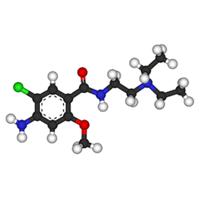
February 26, 2009 — The US Food and Drug Administration (FDA) has announced today that manufacturers of metoclopramide must add a boxed warning to their drug labels about the risk of its long-term or high-dose use.

Chronic use of metoclopramide, used to treat gastric disorders and migraine, has been linked to tardive dyskinesia, which may include involuntary and repetitive movements of the body, even after the drugs are no longer taken.

Manufacturers will be required to implement a risk evaluation and mitigation strategy (REMS) to ensure patients are provided with a medication guide that discusses this risk.

“The FDA wants patients and healthcare professionals to know about this risk so they can make informed decisions about treatment,” said Janet Woodcock, MD, FDA’s Center for Drug Evaluation and Research, Rockville, Maryland.

“The chronic use of metoclopramide therapy should be avoided in all but rare cases where the benefit is believed to outweigh the risk.”

Current product labeling warns of the risk of tardive dyskinesia with chronic metoclopramide treatment. The development of this condition is directly related to the length of time a patient is taking metoclopramide and the number of doses taken. Those at greatest risk include the elderly, especially older women, and people who have been on the drug for a long time.

Symptoms of tardive dyskinesia (involuntary, repetitive movements of the extremities, grimacing, tongue protrusion, rapid eye movements or blinking, puckering and pursing of the lips, or impaired movement of the fingers) are rarely reversible and there is no known treatment. However, in some patients, symptoms may lessen or resolve after metoclopramide treatment is stopped.

Recently published analyses suggest that metoclopramide is the most common cause of drug-induced movement disorders. Another analysis of study data by the FDA showed that about 20% of patients in that study who used metoclopramide took it for longer than the recommended 3 months.

The FDA has also become aware of continued spontaneous reports of tardive dyskinesia in patients who used metoclopramide, the majority of whom had taken the drug for more than 3 months.

Consumers and healthcare professionals are encouraged to report adverse events to the FDA’s MedWatch program at 800-FDA-1088, by mail at MedWatch, HF-2, FDA, 5600 Fishers Lane, Rockville, Md. 20852-9787, or online at: www.fda.gov/medwatch/report.htm

Win a FREE day of pampering at five-star spa Champneys

image
image

London: Healthcare provider Beneden is offering a package of treats for one lucky Elixir reader to help you kickstart your New Year health regime.

The programme for this luxury pampering day is:

Arrival 9am
Welcome, Introduction and fresh juice,
Champneys massage
Relaxing facial
Thalassotheraphy Pool Session
Hot and cold Lunch
Unlimited use of facilities; Swimming Pool, Steam room, Sauna,Laconium and Gym
A choice of 20 relaxation and fitness classes
Depart 6pm

For your chance to win a rejuvenating spa day just answer the question below…

To get your hands on this fantastic prize just answer the question below…

Q1: What % of the human body is made up of water?
Send your answer to readeroffer@elixirnews.com with Champneys in the header. This promotion closes on 31 March 2009. Please note that no cash equivalent is offered and the Editor’s decision is final.

We’re only a few weeks into the new year and yet many of us are already feeling the strain of our well-meaning resolutions. Every year it’s the same story of good intentions and broken promises. We start off with great hope of detoxing and kicking bad habits, but few of us manage to make the two-week mark before falling off the wagon! It’s a hard time to lean on friends for support as everyone has their own battles to overcome, so who can you turn to when times get tough?

Benenden Healthcare Society has launched the dedicated website www.benuk.com with tips to help you reach your goals and maintain a healthy lifestyle all year long. It aims to help identify the signs of un-healthiness and provide practical solutions to dealing with them. Benenden knows that sticking to New Years resolutions and staying healthy is achievable, and with all the information you need to stay on track, you’re sure to reach your goals in no time…

As if that wasn’t enough they are also giving you a fighting chance to achieve your aims and aspirations this year by offering you the chance to kick off the New Year by winning a relaxing spa day at Champney’s.

image

Red Reishi – the magic mushroom of immortality?

image
image

Red Reishi, was once so rare that its use was reserved solely for Chinese emperors who revered it as the secret to youth, health and beauty.

Today though reishi is available around the world, but it appears the Emperors were onto something as research, just published, shows the unusual mushroom has real anti-aging properties and deserves its name as the ‘Mushroom of Immortality’.

Two new studies just published have further re-enforced the research that red reishi (Ganoderma lucidum) can be hugely beneficial for helping to protect our bodies from the ravages of old age.

The first new paper, published this month 1, shows that in aging cells an extract of G. lucidum (reishi) has a significant effect on reducing the processes that cause cells to age and improves their energy production systems.

The second paper 2 also used an extract of G. lucidum and showed that it may be effective at improving the function of mitochondria, the ‘factories’ that produce energy in our cells, and whose function is reduced with age. The researchers go onto suggest that there could be a therapeutic application for red reishi against ageing associated neurodegenerative diseases.

These new studies add further weight to the anti-aging research that has gone before – papers have shown that these mushrooms can have potent immuno-modulating action so could potentially have a real complementary effect for people with, or who are recovering from, cancer 3, 4, 5, so much so that Cancer Research UK commissioned a paper on them. The mushrooms have also been seen to contain active molecules which could help reduce the effects of arthritis 6, 7.

It is easy to see then why the Emperors were so keen to keep this secret to themselves and it appears nature could have provided the anti-aging remedy we have all been looking for.

Making it harder to argue against the benefits of Reishi is the fact that its effects can be felt so quickly and there are no side-effects from its use. It is however important to bear in mind that the key to Reishi mushrooms’ effectiveness are their adaptogenic qualities; that is to say that they help to normalise the body and aid its natural processes via active substances found in the mushrooms such as water-soluble polysaccharides and triterpenes. The efficacy of the mushrooms can vary dramatically depending on how they are grown. The mushrooms draw nutrients up through their stalks from the medium on which they are grown and this determines the quantity of active substances within the mushrooms themselves. Mikei Red Reishi Essence mushrooms are grown in aged Japanese Oak logs in the most natural conditions possible and take a full year to reach maturity, resulting in one of the highest quality and most effective extracts available.

Mikei Red Reishi Essence is a Reishi extract that couldn’t be easier to use and comes in ready to swallow vegetable based capsules; for general health and well-being only one capsule needs to be taken daily. Extracted from mushrooms grown in Japan, Mikei Red Reishi Essence is the most concentrated Reishi extract on the market and is now available in the UK from Haeon Limited. Buy online at www.haeon.com or from leading health stores.

Editor notes and example studies

1. Ganoderma lucidum (Fr.) P. Karst enhances activities of heart mitochondrial enzymes and respiratory chain complexes in the aged rat.

2. Effect of Ganoderma lucidum on the activities of mitochondrial dehydrogenases and complex I and II of electron transport chain in the brain of aged rats.

3. Medicinal mushrooms: their therapeutic properties and current medical usage with special emphasis on cancer treatments.
John E Smith. Emeritus Professor of Applied Microbiology, University of Strathclyde. Chief Scientific Officer, MycoBiotech Ltd, Singapore. Neil J Rowan. Lecturer, Department of Bioscience, University of Strathclyde. Richard Sullivan. Head of Clinical Programmes, Cancer Research UK
Cancer Research UK – 2003

4. Anti-inflammatory and anti-tumor-promoting effects of triterpene acids and sterols from the fungus Ganoderma lucidum. Akihisa T, Nakamura Y, Tagata M, Tokuda H, Yasukawa K, Uchiyama E, Suzuki T, Kimura Y. Chem Biodivers. 2007 Feb;4(2):224-31.

5. Ganoderma lucidum inhibits proliferation of human breast cancer cells by down-regulation of estrogen receptor and NF-kappaB signaling. Jiang J, Slivova V, Sliva D. Int J Oncol. 2006 Sep;29(3):695-703.

6. Ganoderma lucidum polysaccharide peptide reduced the production of proinflammatory cytokines in activated rheumatoid synovial fibroblast. Ho YW, Yeung JS, Chiu PK, Tang WM, Lin ZB, Man RY, Lau CS. Mol Cell Biochem. 2007 Jul;301(1-2):173-9. Epub 2007 Jan 12

7. Anti-inflammatory and anti-tumor-promoting effects of triterpene acids and sterols from the fungus Ganoderma lucidum. Akihisa T, Nakamura Y, Tagata M, Tokuda H, Yasukawa K, Uchiyama E, Suzuki T, Kimura Y. Chem Biodivers. 2007 Feb;4(2):224-31.

image
image

How diet and exercise cut cancer risk – new statistics

Positive changes to diet, physical activity and body weight can substantially decrease your risk for most types of cancer, according to the latest information from the World Cancer Research Fund.

Commenting on the research the British Nutrition Foundation says:
“This research shows the value of focussing on cancer prevention – over a third of cancers can be prevented by improving diet, physical activity and weight management.

“As so many of us are affected by cancer, we hope that these statistics will motivate people to make changes to their lifestyle to allow them to live free from the burden of cancer. It is notoriously difficult to change people’s diets and activity levels, but these figures show that lifestyle really can make a measurable difference, so improving diet and physical activity habits is certainly worth the effort.”
Lisa Miles, Senior Nutrition Scientist

Press release from World Cancer Research Fund:

Landmark report: many cancers could be prevented across the globe

Over 40 per cent of bowel and breast cancer cases in the UK are preventable through healthy patterns of diet, physical activity and weight maintenance, according to estimates in a landmark report that has set out recommendations for policies and actions to reduce the global number of cancer cases.

The report, Policy and Action for Cancer Prevention, published today by World Cancer Research Fund (WCRF), has estimated that about 43 per cent of bowel cancer cases and 42 per cent of breast cancer cases in the UK could be prevented in this way.

The overall message of the report is that all sections of society from governments to households should make public health, and cancer prevention in particular, a higher priority. And it includes estimates on the proportion of cancer cases that could be prevented through diet, physical activity and weight that demonstrate how important the issue is.

The estimates for the US are that 45 per cent of bowel cancer cases and 38 per cent of breast cancer cases are preventable by these means. The report has also estimated the preventability of cancer in China and Brazil, which represent low and middle-income countries, respectively.

The overall estimate is that about a third of the most common cancers in high-income countries and a quarter in lower-income countries could be prevented. These figures do not include smoking, which alone accounts for about a third of cancers.

As well as breast and colon cancers, across the world many cases of other cancers, such as those of the kidney and stomach, are preventable (see table below).

As part of the evidence-based report, thought to be the most comprehensive ever published on the subject, two independent teams of scientists systematically looked at the evidence for how policy changes and interventions influence the behaviours that affect cancer risk.

Following this, a panel of 23 world-renowned experts made 48 recommendations spread across different groups in society to follow. These groups are: multinational bodies; civil society organisations; government; industry; media; schools; workplaces and institutions; health and other professionals; and people. The recommendations include:

* Schools should actively encourage physical activity and provide healthy food for children.
* Schools, workplaces and institutions should not have unhealthy foods available in vending machines.
* Governments should require widespread walking and cycling routes to encourage physical activity.
* Governments should incorporate UN recommendations on breastfeeding into law.
* The food and drinks industry should make public health an explicit priority at all stages of production.
* Industry should give a higher priority for goods and services that encourage people to be active, particularly young people.
* Health professionals should take a lead in giving the public information about public health, including cancer prevention.
* People should use independent nutrition guides and food labels to make sure the food they buy for their family is healthy.

Professor Sir Michael Marmot, Chair of the WCRF Panel, said: “This report shows that by making relatively straightforward changes, we could significantly reduce the number of cancer cases around the world.

“When people think of policy reports, they often think they are only relevant to governments. But while governments are important in this, the evidence shows that when it comes to cancer prevention, all groups in society have a role to play. This report is relevant to everyone from heads of government to the people who do the weekly food shopping for their family.

“We have been fairly specific about what different groups need to do. But the Report’s overall message is that everyone needs to make public health in general, and cancer prevention in particular, more of a priority.”

Professor Martin Wiseman, Project Director of the Report, said: “Making estimates on the proportion of cancer cases that are preventable is complex and challenging.

“The figures in this report have been agreed by the most eminent of scientists and they are as accurate as they can be with the available data.

“On a global level every year, there are millions of cancer cases that could have been prevented and this is why we need to act now before the situation gets even worse.

“We are expecting a substantial increase in cancer rates with the ageing population, obesity rates soaring, and with people becoming less active and increasingly consuming highly processed and energy dense foods and drinks. The good news is that this is not inevitable and we still have the chance to avert a crisis before it is too late.”

Professor Mike Richards, National Clinical Director for Cancer, has welcomed the report. He said: “The evidence linking diet, physical activity, obesity and cancer has become stronger over the last decade and this report can play a part in people adopting healthier lifestyles.

“I welcome this report, which has been produced by leading scientists in the field. After not smoking, it is clear that diet, physical activity and weight are the most important things people can do to reduce their cancer risk.”

ESTIMATED PERCENTAGE OF CANCERS THAT COULD BE PREVENTED

US UK Brazil China

Mouth, pharynx & larynx 63 67 63 44
Oesophagus 69 75 60 44
Lung 36 33 36 38
Stomach 47 45 41 33
Pancreas 39 41 34 14
Gallbladder 21 16 10 6
Bowel 45 43 37 17
Liver 15 17 6 6
Breast 38 42 28 20
Endometrium (womb) 70 56 52 34
Prostate 11 20 n/a n/a
Kidney 24 19 13 8
12 cancers combined 34 39 30 27

The report is available for download at www.dietandcancerreport.org
More Information

The preventability estimates are about a third of the most common cancers in high-income countries and about a quarter in lower income countries.
Because of the way that different lifestyle factors are inter-linked, it is not possible to simply add the preventability estimates from smoking and other lifestyle factors together to get a total.

The British Nutrition Foundation is a registered charity. It promotes the wellbeing of society through the impartial interpretation and effective dissemination of scientifically based knowledge and advice on the relationship between diet, physical activity and health. Web: www.nutrition.org.uk

National Vegetarian Week (UK) – 18-24 May 2009

London This May it’s time to dust off your recipe books and make a fresh start for summer. Grab your shopping list, freshen up your table and try out a few new ingredients as you brush up on a healthy, cheap and delicious way of eating. From 18-24 May it’s National Vegetarian Week 2009 and the Vegetarian Society has some great tasting meat free recipes for you to try. Call + 44 (0)161 925 2000 to get hold of our new veggie pack or visit www.vegsoc.org

National Vegetarian Week 2009 18-24 May 2009 is sponsored by Cauldron Foods. Cauldron Foods together with the Vegetarian Society are encouraging more people to discover the possibilities and benefits of vegetarian cooking.

From tasty morsels for sharing at barbecues and picnics, through to everyday meals for friends and families or cheap meals for under £5 – vegetarian food has something for everyone. The Week is also a great time to brush up on your foodie know how. The often asked questions of where do you get your vitamins and minerals from? Won’t I be short of iron?

National Vegetarian Week (NVW) is the annual awareness-raising campaign promoting inspirational vegetarian food and the benefits of a meat-free lifestyle. Last year over 1400 businesses, schools, pubs, caterers, libraries and retailers all got involved with finding out the benefits of a meat-free lifestyle.
More information:
· The Vegetarian Society of the UK (founded in 1847) was the first organisation worldwide to adopt the term “vegetarian”. A vegetarian does not eat any meat, poultry, game, fish, shellfish or crustacea, or slaughter by-products.

Beautiful hair – the latest products from Wella

image

How to get beautiful hair with the latest products from Wella – the experts show you how the right treatments can make you look stunning.