US patients will be first to try new Alzheimer’s patch

Stockholm: Drug company Novartis is to launch a skin patch treatment for Alzheimer’s disease. US patients will be the first to try the new patch when it goes on the market.

The patch, containing the drug Exelon is absorbed into the skin, helping patients get regular doses rather than having to take tablets.

Research into the treatment has been carried out by Sweden’s Karolinska Institute, which led research into the patch which can be placed almost anywhere on the body to ensure a constant supply direct into the bloodstream.

Novartis Exelon works by preventing the breakdown of the brain neurotransmitter, acetylcholine. The once-day-patch was unveiled at the international Alzheimer’s conference and has been tested in a Swedish study of around 1,200 patients.

It compared taking 12mg pills to a lowdose patch – equivalent to 9.5 mg of Exelon daily – and a high- dose patch, equivalent to 17.4 mg.

The low-dose patch was just as effective as the high-dose pills but pill users suffered three times more nausea and vomiting than patch users.

Overweight teenagers may face early death

Boston: Overweight teeenagers have a greater risk of early death, a new US study from the Harvard School of Public Health has found.

Teenagers who are obesity threatens their health are three times more likely to die early than peers of a normal weight. Obesity also raises the risk of heart disease, diabetes and several types of cancer – including bowel, kidney, oesophageal and stomach cancers – as well as womb and breast cancer in post-menopausal women.

Women who are overweight at 18 are 66 per cent more likely to die prematurely than those who are thin.

Obesity at 18, however, nearly triples the risk of dying by middleage, according to the US study, published in the Annals of Internal Medicine, and are likely contributed to long-terms effects on the cardiovascular system that led to early death.

Researchers looked at the medical records of 100,000 women. But the doctors conclude that the results may well apply to men.

Their findings revealed that those who were overweight or obese at 18 faced a higher risk of early death from heart disease, cancer, suicide and other causes just 12 years later.

The definition of being overweight or obese was measured according to the body mass index. BMI is an individual’s weight in kilos divided by the square of their height in metres.

Under 18.5 is classed as underweight, 18.5 to 25 is healthy, 25 to 30 is overweight, 30 to 35 is obese and over 35 very obese.

The medical records come from the long-running Nurses’ Health Study II, which began following 116,671 female nurses in 1989, when the women were aged between 24 and 44. Over the next 12 years 710 women died, with an increase in risk climbing in tandem with their weight at 18.

Weight-loss in older women may be early warning of dementia

New York: Loss of appetite in older women may be an early-warning of dementia, according to research from the Mayo Clinic in the US.

They have found that ten years before dementia, sometimes a precursor to the more serious Alzheimer’s disease sets, women may experience weight loss. Sufferers of dementia are also likely to weigh a stone less than they did 30 years earlier.

The doctors concluded that the weightloss was a direct result of the disease’s impact on the brain. They looked at 560 men and women diagnosed with dementia and noted their weight over a 30-year period. These were compared with another group free of the disease. A clear trend of weightloss amongst women with dementia emerged.

The researchers concluded that weight-loss could advance understanding of the mechanisms involved in the condition.

It’s never to late to start exercise

Heidelberg: People who first start exercising late in life still cut the risk of heart disease, according to new research from the German University of Heidelberg.

Beginning exercise in the 40s results in a 55 per cent less likelihood of being diagnosed with heart disease. But people who have been active all their lives are the least likely to suffer problems at around 60 per cent.

The research team looked at 312 adults aged between 40 and 68 with heart disease and compared them with 479 healthy people. Those with heart disease were also far more likely to smoke, have diabetes and high blood pressure.

One in ten with heart disease said they took no exercise compared to one in teenty who did not. The results of the research are published in the medical journal Heart.

Lead researcher Dr Dietrich Rothenbacher said the results also suggested that changing from a sedentary to a more active lifestyle also strongly decreased the risk of coronary heart disease.

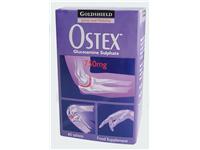
Joint pain relief with new Ostex

image

London: With all the sporting action this summer many of us might feel the urge to get on our feet and have a go ourselves. But whether it’s kicking a football around the garden, improving our racquet skills or even jogging round the block – the aches and pains we feel afterwards come home to roost as the joints in our poor old arms, legs and backs suffer from weeks or even months of underuse.

But achy joints are no excuse, because Ostex, a natural supplement is all you need to help flex your joints and keep them soft and supple after exercise. Derived entirely from natural sources, Ostex is a premium glucosamine sulphate supplement designed specifically to promote joint health and reduce pain. Glucosamine is naturally produced in the body from a sugar (glucose) and an amino acid (glutamine) to form an integral constituent in the structure of cartilage, tendons and ligaments, which are consistently being regenerated in the body.

Glucosamine is essential for the production of new cartilage and synthesis of the joint’s oil (synovial fluid), helping to make it thicker and more cushioning. It strengthens the jelly-like centre of intervertebral discs and is also needed for healthy formation of nails, tendons, skin, eyes, bone, ligaments and mucous membranes. Supplementing with glucosamine is considered to be highly beneficial in helping to protect the joints and give pain relief because larger quantities are needed by the body when damaged joints are healing and, as production of glucosamine is normally a slow process, it is often in short supply.

Glucosamine works in a very different way to other pain relievers typically taken by sufferers of aching joints. While the usual anti-inflammatory drugs such as aspirin or ibuprofen mask the pain, Ostex works on overall joint health, helping to improve the flexibility of joints thereby reducing the initial inflammation and associated joint pain. Ostex glucosamine also rebuilds lost cartilage to help reverse some of the damage suffered as a result of general wear and tear on the body.

In addition to its healing properties, Ostex offers the most effective dosage in two tablets – 1500mg, the same amount used in all of the clinical trials 2. So for people who wish to care for their joints, supplement with Ostex, a convenient and readily absorbed form of Glucosamine Sulphate.

Ostex Glucosamine Sulphate is available at all good pharmacies, competitively priced at £8.49 for 60 x 750mg tablets and is the only branded glucosamine available on prescription from your doctor.

For those people who want something extra with their glucosamine supplement, try Flexeze – glucosamine plus chondroitin.

Chondroitin sulphate is closely related to glucosamine. While glucosamine supplies the basics for making structural substances known as glycosaminoglycans in joints, lubricating them and acting as a shock absorber and nutrient transport system, chondroitin sulphate inhibits enzymes that break down cartilage, while stimulating those involved in the production of structural substances such as proteoglycans, glycosaminoglycans and collagen. Chondroitin sulphate helps to raise blood levels of hyaluronan, a sticky gel that cements joint tissues together.

Flexeze is also available from pharmacies at £8.68 for 60 tablets (820mg glucosamine and 200mg chondroitin plus vitamin C and calcium) or on prescription from your doctor.

Weight gain in older women increases cancer risk

Boston: Weight gain after the menopause may mean an increased risk of breast cancer, according to a new US study.

Researchers at the Brigham Women’s Hospital and Harvard Medical School, Boston, examined the links between weight gain and the risk of breast cancer among post-menopausal women. They discovered that weightloss after the menopause lowers levels of circulating oestrogen, the hormone that elevates cancer risk, in women. It has already been proven that weight gain in earlier life also raises cancer risk.

The researchers examined changes in weight in two different life periods – after the age of 18 and after menopause over a follow up period of 24 years. The study involved a total of 87, 143 postmenopausal women, aged 30 to 55 years, who were followed up for up to 26 years to analyse weight change since age 18. Weight change since menopause was assessed among 49,514 women. The study is published in the Journal of the American Medical Association.

Women who gained about 55 pounds or more since age 18 were at a 45 percent increased risk of breast cancer, compared with those who maintained their weight, with a stronger association among women who have never taken postmenopausal hormones.
Women who gained about 22 pounds or more since menopause were at an 18 percent increased risk of breast cancer. Those who lost about 22 pounds or more since menopause (and kept the weight off) and had never used postmenopausal hormones were at a 57 percent lower risk of breast cancer than those who simply maintained their weight. The researchers concluded that 15 percent of the study’s breast cancer cases may be attributable to weight gain of 4.4 pounds or more since age 18 and 4.4 percent of the cases may be attributable to weight gain of 4.4 pounds or more since menopause.

Dental rejuvenation – guide to who and where

By Avril O’Connor

London: Every body knows that a beautiful smile can win friends and influence people. That is why film stars, models and media personalities use cosmetic dentistry to enhance their image. But despite our teeth being one of the first things that people naturally focus on they are surprisingly neglected. According to industry statistics:

• 19 out of 20 people suffer from gum disease at some point in their life, making it the most common disease in the world
• One in four adults suffer from bad breath on a regular basis
• Nearly two thirds of people (64%) are nervous about some kinds of dental treatment.
• Two-thirds of people who brush their teeth twice a day still have visible plaque deposits. Even those who brush their teeth immediately before examination have plaque on one-third of their teeth
• Ninety-six percent of people see a smile as very important to someone’s overall appearance.
Neglect of the gums and teeth is not only bad for our image and our relationships but also for our general health. Gum disease is caused by a build up bacteria-infested plaque, which, in its severest form, results in loss of teeth as the gums shrink. It can also shorten life expectancy as the bacteria is recycled through our bloodstream. So looking after our teeth is not simply a question of vanity. Brushing, flossing and regular dental and hygenist check ups are vital. Giving up smoking is also important.

The good news is that it is now easier than ever before to look after our teeth and a far more pleasant experience that it used to be, particular with the increasing numbers of dental spas opening up in the capital. These tend to offer a whole range of aesthetic treatments, including non-surgical procedures to enhance the effect of a beautiful set of sparkling teeth. Patients lay back in the spa like ambience listening to their favourite music on an iPod or a film CD while the experts work at their teeth. It is possible to get a foot or hand massage to take your mind off that buzzing drill.

Cosmetic dentists work to correct aesthetic problems rather than serious dental diseases – although some are qualified to do both – and can improve a person’s smile and overall appearance through a variety of techniques, including veneers (usually thin porcelain bonded to the original tooth), crowns and bridges (teeth replacements) and tooth whitening.

It is possible to have a whole smile makeover transforming the face and there is even a dental facelift which works by restoring and rejuvenating the teeth, uplifting sagging jawlines and taking years of a person’s age. An increasing number of older people are now having orthodontics to straighten unattractive teeth with new high tech invisible braces.

The cost of cosmetic dentistry varies, not least because it is bespoke and also because of different techniques and the quality of materials. Veneers, for example can cost between £250 and £900 each, depending whether they are composite or porcelain; crowns from £750 and whitening from £500. A full smile makeover can cost from a few to several thousands of pounds. For healthy teeth that simply need whitening there are now many safe and relatively inexpensive home treatments now on the market.

These are some of the top cosmetic dentists and treatments:

DENTAL REJUVENATION – by Dr George Druttman at CAP 600

One of the latest and most popular treatments is improving the appearance of ageing teeth and one of the leading specialists of this treatment in London is Dr George Druttman of Cap600 in the City.

He says: “Teeth are one of the first features that people look at. Our teeth deteriorate over the years, gradually taking on more and more imperfections that betray our age, or maybe make us look even older than we really are. In Western society, where one in six people will soon be over 65, everybody wants to stay as young looking as possible.”

The solution to ageing teeth is to use a combination of techniques to return them to youth including recontouring (whitening and shaping), replacing fillings to blend in, bonding using a synthetic material to shape and alter the size of teeth and veneers.

The lips can also be treated by using natural fillers, such as Restylane, which contains hyaluronic acid, to accentuate lipline, fill out lips and plump out lines.

Dr Druttman adds: “Most people do not realise what can be done by cosmetic dentists. It may well be that a few short dental treatments take years off so that other surgery a patient might have been considering…

Signs of ageing teeth

Colour – older teeth loose brightness and luminosity and become darker. Wear makes them shor and stubby. Years of food, smoking and coffee may stain teeth permanently.

Shape – young teeth are convex but wear makes the shape of older teetch straight or even concave. Tooth grinding, accelerates this dental erosion. Chipped edges are another sign

Surface – The fine ridges of the teeth are smoothed away and cracks in the enamel may appear

Fillings – a mouth with silver-mercury(amalgam) fillings with give teeth an overall appearance of dullness

Lips – The lips thin and sag, there may be vertical lines, all of which are hastened by smoking
Contact: Dr George Druttman at Cap 600, 123 Cannon Street, London, EC4N 5AX. T: 020 7621 0600; dental@cap600; www.cap600.com

FOUR STEPS TO A NEW SMILE – by Dr JUSTIN GLAISTER AT UMBRELLA

Dr Justin Glaister is the clinical director of Umbrella and one of the leading cosmetic dentists in the UK. The “four steps to a new smile” is one of his signature treatments and aims to transform the whole appearance of your face.

After an initital assessment in made during which the appearance of your smile, the health of your gums and surrounding bone, jaw joints and the stability of your bite are evaluated. You may need radiographs. A detailed model is made which you can study in detail and change. Any remodeling work will be carried out on your teeth. All your new teeth are made in several different tones to give a natural look. Celebrity clients include hairdresser Nicky Clarke.

Contact: Dr Justin Glasiter, Umbrella, 11 Harley Street, London W1G 9PF . T: 020 7612 9802. www.umbrellasmiles.com

THE DENTAL FACELIFT – by Dr Phil Stemmer

An authority in aesthetic dentistry, celebrity dentist to the stars, Dr Stemmer treats people who want to enhance their looks to advance their careers or improve their self esteem. At one end of the spectrum this involves complete non-surgical face lifts to those with disfigured, crooked or unevenly spaced teeth. As well as fine porcelain veneers one of the most popular treatments is tooth whitening which can lift the colour of the teeth by several shades to produce a gleaming result on the patients’ own teeth. Dr Stemmer has treated and enhanced the smiles of many of our most glamorous celebrities, a myriad of pop and film stars. He is also one of Europe’s most experienced authorities in the treatment of oral malodour.

Contact: Dr Phil Stemmer, Conan Doyle House, 2 Devonshire Place, W1. T: + 44 (0)20 7935 0406 < ahref="http://www.drphilstemmer.co.uk">www.drphilstemmer.co.uk or a href=”http://www.freshbreak.co.uk”>www.freshbreath.co.uk

RECONSTRUCTIVE AND AESTHETIC DENTISTRY – by Dr Stanley Kay

Dr Stanley Kay is a leading pioneer of reconstructive dentistry as well as cosmetic dentistry. These include very detailed and sometimes invasive procedures for those who need far more expertise and work than simple aesthetics, such as root canal work and problems with the temporo-mandibular joint (TMJ) which can be out of alignment. Problems with the TMJ, can cause head, neck and shoulder pains, clicking sounds, pain around the ear and wear and tear of the teeth through clenching and grinding. Treatment includes the replacement of missing teeth and other correction procedures to realign the joints.
Contact: Dr Stanley Kay at the Harley Street Dental Clinic, 103 Harley Street, London W1. T: 020 7486 1059. (a href=”mailto:info@hsdc.co.uk”>info@hsdc.co.uk
www.harleystreetdentalclinic.co.uk/default.htm

HARLEY STREET SMILE – by Dr Anthony Zybutz

Dr Anthony Zybutz’s signature treatment is the Harley Street Smile, a version of the Hollywood Smile, for people who prefer a more subtle look. He uses a combination of procedures from cosmetic contouring, whitening and veneers to restore the original beauty of teeth in a minimally invasive way with minimum discomfort. In most cases the transformation can be completed in less than two hours and patients leave with a new self image and confidence.

Contact: Dr Anthony Zybutz, 39 Harley Street, London on 020 7580 9541. www.39harleystreet.co.uk

CELEBRITY SMILE MAKEOVER – by Dr Joe Oliver

This clinic focuses on cosmetic and reconstructive dentistry uses state of the art technology from the US and the atmosphere of a boutique hotel and a sumptuous spa. He has a celebrity client list including Tamzin Outhwaite, Sophie Ellis Bextor and Jordan. Treatments include veneers, whitening, invisible braces, white fillings, implants and bridgework. Other treatments on offer include Botox and aesthetic fillers, aromatherapy and reki treatments. Dr Oliver pioneered the use of “photo imaging” in the initial consultation stage so that the client can see what their new smile could look like with the aid of digital imaging technology.
Contact: Dr Joe Oliver at The Welbeck Clinic, 20 Welbeck Street, London, W1. T: 0870 2416903 or visit www.thewelbeckclinic.co.uk

PERFECT SMILE WITH with Three-D dimensional modeling – by Dr Mark Hughes

The Harley Street Dental Studio is one of the first cosmetic dentist practices to use a variety of techniques imported from the US including the finest ‘micro-thin’ veneers and the use of Cerec 3D Cad-Cam to laser scan teeth producing a 3-dimensional model on the computer. Dr Hughes is then able to cut an actual porcelain filling, ready to be fitted, in less than 10 minutes.

The Studio also offers the ultimate lifestyle experience: a plasma screen showing a DVD of your choice, complete with Bang and Olufsen surround sound, a limousine service to and from the Studio and, for those who want the ultimate pampering experience, procedures such as a manicures or pedicures can be carried out while in the dentists chair.

Contact: Dr Mark Hughes at the Harley Street Dental Studio 42 Harley Street, London W1G 9PR. T: 020 7636 5981 www.harleystreetdentalstudio.com

THE BESPOKE SMILE – by Dr Victor Hillman

Dr Victor Hillman specialises preventative, periodontal and cosmetic dentistry and celebrity smiles for the likes of Barbra Streisand and Zoe Ball right through to Jonathan Ross. His clientele come from the UK and the US for his expertise. He specialises in ‘Whole Mouth Rejuvenation’ and uses the latest techniques and advances in technology to transform clients smiles, including whitening, veneers, implants or a combination of these. The practice is particularly good for those with dental phobias as Dr Hillman will spend time with patients reassuring them on procedures so that they are at ease with what is happening.

Contact, Dr Victor Hillman at The Cosmetic Dental Practice, Golders Green, NW11
Tel: 020 8731 9020 info@thecosmeticdentalpractice.co.uk www.thecosmeticdentalpractice.co.uk

CLEARSTEP – by Dr Andrew McCance

Clearstep is a revoluntionary new brace created by Dr Andrew McCance, a specialist orthodontist and dentist. It is not only virtually invisible, but can be removed for eating, cleaning and business meetings and it is ideal for older people who want to improve the appearance of crooked teeth. It is also popular with celebrities who don’t want to be spotted wearing a brace. Unlike conventional braces it does not need teeth to be acid-etched to attach it and does not affect speech. It is also far cheaper than conventional orthodontic treatment which can cost up to £4,000 at about £1,000. The device has been successfully trialed in more than 300 patients and takes 24-30 weeks to get results.

Contact: Dr Andrew McCance at the Clearstep Centre, 47 Montague Mansions, Baker Street, W1; T: 020 7486 6917. www.clearstep.co.uk

Whitening at home
The Super Smile Accelerator Kit

Brush your teeth for two minutes twice a day for dramtically whiter teeth without the hassle of trays. The dual whitening system contains a tube of accelerator and another of toothpaste. The products work together with a gentle bleach and clean the teeth at the same time. The manufacturers say that it is safe to the tooth enamel. Price £22.50 from www.HQhair.com

Rapid White Starter Kit

Rapid White whitens teeth by up to three shades in just a week and six shades in two weeks, using a non-peroxide formula. It uses an accelerator and a whitening gel and a rubber mouth tray. The full kit costs £19.95 but a starter kit is £7.95, available from Boots.

CleverWhite Day & Night

CleverWhite Day & Night is a clever new, convenient lipstick sized, teeth whitening product is clinically proven to whiten your teeth in just 14 days. It combines a minty whitening gel which gets to work whilst you sleep with an instant whitening wax to top up your smile as often as you like throughout the day. It can whiten teeth by up to 3.5 shades in just 14 days. On sale at Boots for £12.95RRP

Hollywood Smile by Collagenics

This is a 14-day home treatment which begins with an initial consultation at a clinic. Impressions of the client’s teeth are taken by the practitioner at one of clinics nationwide to allow for custom made trays to be made that fit your teeth perfectly. These are used at home with a gel, a small amount of gel is squeezed into the trays and then worn for a minimum of four hours, normally at night. For further information and clinics contact Collagenics on 0845 330 3077 or visit www.collagenics.com

Beverly Hills Formula

This is a special whitening toothpaste which is gentle and works with regular daily brushing. It is available from Superdrug, Tesco, Sainsbury’s, Harrods, Selfridges and Asda. Priced £3.99 . Stockist enquiries are at www.beverlyhillsformula.com

New cream that boosts sex drive

New York: US gynaecologists have developed a libido-boosting cream for women which is made of a natural amino-acid.

Branded Vibrance and costing £24.99 for ten treatments, the cream contains L-Arginine, which has been used in these creams before. But this claims to have a superior outcome because its molecular structure allows it to cross the skin barrier.

A recent study of 18 women patients showed that nine reported improvements in their libido within five minutes. The effects last between 30 and 45 minutes.

The gynaecologists have come up with a way of reformulating L-Arginine so it can be absorbed easily by the skin.

For more information on Vibrance: 0871 871 8192; www.indigohealth.co.uk

Scientists discover link between sleep and Parkinson’s

Washington: People who sleep longer are more at risk of developing Parkinson’s disease, according to a new US study.

Scientists at the National Institute of Health tracked the health of 80,000 fe,a;e nurses over a a 24 year period and discovered that those who sleep at least nine hours a night are almost twice as likely to develop Parkinson’s disease as those who get by on six hours or less. The study also showed that working night shifts may help prevent the disease.

All those tracked were free of Parkinson’s at the start of the study. They were asked about their sleep, smoking and dietary habits and weighed. By the end of the study, 181 had developed Parkinson’s.

The results which revealed a link between the length of sleep and a heightened risk of Parkinson’s are published in the American Journal of Epidemiology.

People who slept more than nine hours were more at risk and 80% more likely to have the condition than those who slept six hours or less. Sleeping eight hours equated to a 60 per cent chance of Parkinson’s and seven hours 10 per cent.
Sleeping longer and working night shifts reduced the risk.

Previous studies have shown that night-shift workers have lower levels of the hormones melatonin and oestradiol. At higher levels, they may contribute towards the development of Parkinson’s.

Lead researcher Dr Honglei Chen, admitted that the results were puzzling and that further research was required to examine the results.

A younger brain – fertilise it with nutrition, exercise and the mind gym

Lawyers, scientists, doctors, investment bankers and those of us with challenging jobs are 22 per cent less likely to suffer age-related brain diseases such as Alzheimer’s or dementia in later life, according to a recent study.

Whilst this is good news, doctors now believe the onset of brain diseases such as Alzheimer’s are the result of a combination of factors that can begin in our 30s – decades before the symptoms manifest themselves. Like heart and cardio-vascular disease many of us will already silently be developing symptoms. Stress and binge-drinking can accelerate the onset of memory loss and cognitive impairment leading to more serious problems later in life.

So what can we do now to prevent or reverse this process and help our brains function better for longer? According to international nutritionist Patrick Holford, author of “The Alzheimer’s Prevention Plan” (Piatkus Books) cognitive impairment and Alzheimer’s are mostly preventable and we can reverse our risk by making simple changes to our lifestyle and diet.

According to Holford only 1 per cent of Alzheimer’s is caused by genetic factors. Roughly three in ten people over the age of 70 experience poor memory, concentration and confusion, with a further one in ten being diagnosed with dementia, the majority of which go on to develop Alzheimer’s disease. So we have a 50:50 chance of entering the last quarter of our lives with our mental faculties intact.

Scientists already know that there is a correlation between the build-up of “amyloid plaques”, a protein that clogs up the brain, killing the cells and Alzheimer’s but this can only be detected after death through examination of the brain.

One of the key factors in determining whether a person is at risk is to test levels of an amino-acid called homocysteine in the blood. High levels – a healthy score is 7 – such as 15 or above are likely to indicate worsening mental alertness and the prospect of Alzheimer’s disease in later life. High homocysteine levels are also implicated in heart and cardio-vascular disease.

Holford’s recommendation’s to lower your “H” score by: eating less fatty meat, more fish and vegetables; even more green vegetables, a clove of garlic daily, don’t add salt to food, cut back on tea and coffee, limit alcohol, reduce stress, stop smoking and supplementing with homocysteine reducing nuritients each day (see Brain Boosters).

At the Brain Bio Centre in London (www.brainbiocentre.com) Holford has been pioneering this nutrition-based method for reversing the risk of both age-related memory decline and Alzheimer’s with some success.
At the recent London Anti-Ageing Conference he told medical experts that he had arrested the development of mental deterioration in men and women by changing their diet and some had also had the bonus of having their libido restored.

Since the brain is 60% fat, Holford argues, we should be eating a diet rich in oil soluble vitamins such as Vitamin E (liver and eggs), oily fish (sardines and salmon) and seeds (pumpkin and flax) which contain Omega 3 and 6 essential fatty acids. One of the signs that you may not be getting enough of these vital brain nutrients is a dry skin.

His findings are confirmed by doctors at the Rush Institute for Healthy Ageing in Chicago who discovered that eating oily fish, containing DHA, a form of omega three fat, just once a week, reduces the risk of developing Alzheimer’s by 60 per cent.

We must also not forget the role of hormones in memory loss. One, pregnenolone, is known as the mother hormone because it converts to a variety of others – oestrogen, progesterone, testosterone and DHEA – is also important in brain function. But blood testing is essential and anyone with cancer should not take pregnenolone.

Professor Ian Robertson, of the Institute of Neuroscience at Trinity College, Dublin, in his book, Stay Young with the Mind Doctor, (published by Vermillion) has conducted experiments with exercise and mental workouts which he says make it possible to make the brain younger by up to 14 years.

He prescribes a cardiovascular workout three times a week to raise the heart rate and improve mental function by increasing blood flow to the brain. It also produces a chemical fertiliser for new brain connections and cells (brain-derived neurotrophic factor) and serotonin the enhancing mood chemical. Taking up new mental challenges such as learning new skills such as learning to play a musical instrument or learning a new language work the frontal lobes – the brain’s mind manager – which otherwise shrink with age; extreme stress decreases the hippocampus, the brain’s memory centre, so reduce it and finally keep your mind happy with an active social life and positive personal relationships. Next week: Staying Young – super anti-ageing supplements and foods

Avril O’Connor is Editor of www.elixirnews.com an independent source of anti-ageing health information. Email: editor@elixirnews.com

HOW SHARP IS YOUR MIND AND MEMORY?
TRY PATRICK HOLFORD’S TEST NOW
Yes No

Is your memory deteriorating?

Do you find it hard to concentrate and often get confused?
Do you sometimes meet someone you know quite well but can’t remember their name?

Do you often find you can remember things from the past but forget what you did yesterday?
Do you ever forget what day of the week it is?
Do you ever go looking for something and forget what you are looking for?
Do your friends and family think you’re getting more forgetful now than you used to be?
Do you find it hard to add up numbers without writing them down?
Do you often experience mental tiredness?
Do you find it heard to concentrate for more than an hour?
Do you often misplace your keys?
Do you frequently repeat yourself?
Do you sometimes forget the point you’re trying to make?
Does it take you longer to learn things than it used to?

Score 1 for each “yes” answer
If your score is:
Below 5: You don’t have a major problem with your memory – but you may find that simple diet changes and supplementing natural mind and memory boosters will sharpen you up even more.

5 to 10: Your memory definitely needs a boost. Certain diet changes and supplements can make a big difference.

More than 10: You are experiencing significant memory decline and need to do something about it. As well as following these diet and supplement recommendations we recommend you see a nutritionist.

TOP MEMORY BOOSTING SUPPLEMENTS

Ashwagandha – a medicinal plant used in India that has been shown to repair damaged brain cells
Acetyl-L-Carnitine Arginate –stimulates the growth of neurites in the brain as well as stimulating production of acetylcholine, an important neurotransmitter
Alpa-Lipoic Acid
Choline – a substance needed by the brain to produce acetylcholine
Co Enyme Q10 – produced by the body but declines with age and energises the cells. Low levels are also associated with heart disease
DMAE – a natural substance also found in oily fish such as salmon and converts to choline and acetylcholine to build and repair brain cells.
Gingo Bilboa – a potent antioxidant supplement that strengthens capillaries, promoting healthy blood flow to the brain
Gluthione – a natural antioxidant that fights free radicals that damage cells in the body
Lecithin – a natural substance found in the body that helps maintain cell structure
N-acetyl cysteine – an amino acid that helps remove homocysteine from the blood
Omega 3 fats – found in fish (salmon, sardines, mackerel) and seeds (pumpkin and flax)
Phosphatidylserine – a natural part of the healthy cell membrane but declines with age. Helps concentration and is available as a dietary supplement in the US but only available in the UK on prescription.
Pregnenolone – mother hormone that declines with age and vital to brain function

Dental disease revealed to be factor in stroke

Los Angeles: Dental disease is a risk factor in stroke, according to new research from the the University of California Los Angeles.

Researchers have discovered that the disease is more prevelant in people with blockages of the main blood vessels leading to the brain (carotid artery). These blockages, or atheromas, contain calcium and can be detected on dental panoramic radiographs.

The results came from a study to see if dental disease shown on a panoramic radiograph is greater among people with atheromas seen on their dental radiograph than among people without atheromas but matched for stroke risk factors (body mass, smoking history, need for medications to control hypertension, hypercholesterolemia, and diabetes).

The group with carotid atheromas seen on dental panoramic radiographs was found to have more dental disease, as determined by the number of teeth with decay, missing teeth, and the amount of bone loss around teeth, than the group without any radiographically detectable atheromas.

The results of this study, Does Dental Disease Influence Prevalence of Panographically Imaged Carotid Atheromas?, indicate that dental disease may play a role in the formation of carotid atheromas in patients already at risk for stroke. It was conducted by E. Chung, A.F. Friedlander, E.C. Sung, and N.R. Garrett, of the University of California-Los Angeles, USA, presented on July 1, 2006, at the Brisbane Convention & Exhibition Centre, during the 84th General Session of the International Association for Dental Research.

Coffee boosts memory and alertness

London: Coffee is good for the memory and may help ageing brains stay more alert, says researchers from the UK’s University of Birmingham.

Dr Martin Vreugdenhill said that research into drinking cofee, the most widely used psychoactive drug, has shown that it increases alertness and speeds up the mental processing of information.

It works by altering the brain’s electrical activity by boosting gamma rhythms associated with learning and memory. Coffee lessens the levels of a chemical, called adenosine, that blocks gamma rhythms in older brains.

According to Dr Vreugdenhill drinking coffee regularly can triple gamma rhythm activity. At the same time he highlighted that drinking too much coffee could have adverse effects on health.

Herbal tea helps cut breast cancer risk

Paris: Herbal tea rich in antioxidants may halve the risk of breast cancer, according to research based on 4,400 women.

The women were all cancer-free at the start of the study, but by the end nearly 100 breast cancers had been diagnosed in the study by the French institute, Supplèmentation en Vitamines et Minèraux Antioxydants.

Analysis of the women’s diets found that those who had been drinking herbal teas, , had a 57 per cent lower risk than non-drinkers.

The study also showed that drinking ordinary tea, coffee, fruit juice or wine is not linked with risk for developing breast cancer. Breast cancer is the most common cancer among women in developed countries with around one in nine women developing the disease.

US surgeons pioneer breast enlargement using body’s own fat

New York: Cosmetic surgeons in the US are using excess body fat to sculpt breasts rather than using implants.

The procedure has been successfully carried out by New York surgeon Sydney Coleman and could make silicon implants, which need to be replaced every ten years redundant. Mr Coleman has carried out about 30 of the procedures which also lesson the possibility of infection and scarring.

Similarly Thomas Baker, a professor of plastic surgery at Miami University’s medical school, has performed 28 augmentations using women’s own fat over the past two years.

Baker says thetechnique is ideal for women wanting a modest breast enlargement of about one to one and a half cup sizes because a smaller volume of fat is needed.

London’s The Harley Medical Group says is planning to offer the operation once scientific clinical trials have taken place and are peer-reviewed in established medical publications.

Hands are real givaway of age, says new study

New York: Hands reveal a person’s real age, says a study in the June issue of Plastic and Reconstructive Surgery, the official medical journal of the American Society of Plastic Surgeons (ASPS).

Roxanne Guy, MD, President elect of ASPS says: “A primary motivation to have plastic surgery is to look and feel better, often by seeking a younger looking appearance. However, looking younger after your facelift or eyelid surgery can conflict with aged hands that simply do not match the face.

“After the face, hands are the second most visible, tell-tale sign of one’s age. If your goal is to look more youthful or you are bothered by the appearance of your hands, you may seriously want to consider hand rejuvenation.”

In the study, people examined photographs of female hands and were asked to estimate the women’s ages. In the majority of cases, participants were able to accurately estimate the age of each woman in the photographs.

Participants were also asked to compare digitally altered photographs of female hands – blemishes and hand veins were removed or jewelery and nail polish were added – to unaltered photographs to assess which hands looked younger. The majority of participants felt that the altered photos of women’s hands appeared younger. However, alterations to photos of very elderly hands – characterized by thin skin, age spots, wrinkles, deformity, veins and prominent joints – did not change the participants’ ability to distinguish the person’s age.

Overall, the physical characteristic which most commonly gave away age was prominent hand veins.

In altered images where hand veins were removed, participants significantly felt hands looked younger. Fullness and a lack of wrinkles and veins characterized the youngest looking hands. Nail polish and jewelry were also found to make hands appear younger looking.

“The good news is, although your hands may reveal more about your age than you desire, there are remedies out there,” said Dr. Guy. “A good medical skincare regimen that focuses on the hands can be highly effective in maintaining skin thickness and fullness. Non-surgical procedures like laser treatments and chemical peels can reduce age spots. Fat injections can be used to plump up hands and reduce the visibility of veins and laser ablation of unwanted hand veins can reduce veins.”

American Society of Plastic Surgeons
www.plasticsurgery.org

Scientists use new ultrasound device to regrow human teeth

Edmonton: Scientists at the Universityof Alberta have used a new ultrasound device to regrow teeth and a market-ready model may be ready for the public within next two years.

Dr Tarak El-Bialy from the Faculty of Medicine and Dentistry and Dr Jie Chen and Dr Ying Tsui from the Faculty of Engineering used low-intensity pulsed ultrasound (LIPUS), to stimulate jaw growth and dental tissue healing. The new device can treat patients with broken roots

The device is aimed at those experiencing dental root resorption, a common effect of mechanical or chemical injury to dental tissue caused by diseases and endocrine disturbances. Orthodontic braces can also cause progressive root resorption, limiting the duration that braces can be worn. This new device will work to counteract the destructive resorptive process while allowing for the continued wearing of corrective braces.

With approximately five million people in North America presently wearing orthodontic braces, the market size for the device would be 1.4 million users.

Dr El-Bialy first discovered new dental tissue was being formed after using ultrasound on rabbits. In one study, published in the American Journal of Orthodontics and Dentofacial Orthopedics, El Bialy used ultrasound on one rabbit incisor and left the other incisor alone. After seeing the surprising positive results, he moved onto humans and found similar results.

He has also shown that LIPUS can improve jaw growth in cases with hemifacial microsomia, a congenital syndrome where one side of the child’s jaw or face is underdeveloped compared to the other, normal, side. These patients usually undergo many surgeries to improve their facial appearance. This work on human patients was presented at the World Federation of Orthodontics in Paris in September last year.

###

For more information, please contact:

Dr. Tarek El-Bialy, Faculty of Medicine and Dentistry
University of Alberta,
Dr. Jie Chen, Faculty of Engineering
University of Alberta,
Dr. Ying Tsui, Faculty of Engineering
University of Alberta
Phoebe Dey, Public Affairs
University of Alberta

Contact: Phoebe Dey
University of Alberta

The latest grooming treatments for men

By Avril O’Connor

London: Botox, skin polishing and laser hair removal are the three most popular treatments for ‘metrosexual’ City man – the heterosexual male who shamelessly takes pride in his appearance. And according to experts there are an increasing number of them.

“There is a huge demand for competent aesthetic treatments for men of all descriptions. We’re fantastically vain,” says Dr Dr Séan Cummings of the Freedom Health clinic in Wimpole Street.

Since it was set up in 2003, Freedom Health has seen a shift from a mainly gay clientele wanting aesthetics, to increasing numbers of heterosexual men who like to bring the girlfriend along for a treatment too.

Dr Cummings says men tend to choose corrective treatments in preference to indulgent pampering. The number one treatment for men is Botox and increasingly facial fillers such as Restylane in which a natural substance called hyualuronic acid is injected into lines and is gradually reabsorbed into the body.

“Men like fillers because they’re not “poofy” but a rather technical processes which just fills the line there and then with no creams involved. The unexpected trend with Restylane is the number of men who want their lips enhancing – yep, straight guys,” says Cummings.

The increase in men seeking dermatological care is also being driven by stressful lifestyles and City pollution. Dermatologists have identified a specific London skin condition called “City Skin Sydrome” in which previously unblemished individuals suffer a sudden outbreak of acne, or acne and rosacea. Skin may also develop uneven pigmentation as well as a general decline in condition with blackheads open pores and congestion which manifests itself as bumps.

Explains Dr Cummings: “It’s a common skin problem in London caused by one or all of the following – pollution, dirt, and wild living with excess alcohol and fags which leaves your skin damaged, dehydrated and dull looking. This can be corrected with either a sequence of chemical peels or microdermabrasion.”

Dr Cummings says has also identified another male skin phenomenon in the capital – “Visor Face”.

“These are usually motorcyclists who leave their visor up and get bombarded by wind and dirt as they ride which damages their exposed skin leaving a bright red collection of broken capillaries on their cheeks. This is easy to correct using lasers. Treatment is easy, fast and with quite astonishing results.”

Sarah Payne, General Manager, City SkinKlinic says: “Men are seeing more and more in the media about these procedures and are becoming increasingly more confident about it themselves. They also want to look younger and healthier in the workplace. This can be due to an increasingly competitive work environment where perhaps they may be up against women of the same age who look younger.”

The most popular treatments are:

Botox

Botox works by paralysing the muscle into which it is injected and ironing out the wrinkle. The most popular areas for men to be treated are the Glabella, frown lines. Men do have stronger facial muscles and may require a larger solution than a woman would. Sometimes Botox alone may not be enough to soften the lines and a dermal filler may be required. It can take up to two weeks to take effect. Botox is also used as an effective treatment in the armpits to control sweating. Costs: from £190. Available at Freedom Health, 19 Wimpole Street, W1, T: 020 7323 9007 www.freedomhealth.co.uk and City SkinKlinic, 12 Brushfield Street, London E1 6AN www.cityskinklinic.co.uk T: 0207 655 6920

Facial fillers

Restylane and other fillers are extremely popular – at least as popular with males as females. The most usual lines to fill are the naso-labial (nose to mouth line) and glabellar grooves (forehead frown) and lips. Restylane is a nice safe treatment because it uses a natural substance, hyualuronic acid, which is injected into the skin which has the effect of immedicately plumping out the line so giving an instant effect but also “feeding” skin with moisture over a prolonged period. Restylane treatments will last anywhere between 6 and 12 months. Treatment takes about 40 minutes. Prices from £ 200. Available at Freedom Health and City SkinKlinic as above.

Hair Removal
PERMANENT
Intense Pulsed Light (IPL) is used to kill the hair follicle root and most parts of the face and body can be treated as well as in-growing hairs that cause shaving bumps and irritation. Great for backs, chests, tidying up the hairline on the back of the neck and ingrown hairs from shaving and from irritation from shirt collars. A consultation is required to determine the number of treatments required and the intervals between each session. A course of at least 6 treatments is generally recommended to achieve the best results. Treatment prices are determined by the time taken. The table below is intended as a guide to indicate the likely cost of an area. The factors which will be considered at consultation are the density of hair growth and size of treatment area.
A consultation and patch test is required 7 days prior to beginning treatment as not all skin and hair types are suitable. The removal of hair from the back for example would cost from £360 a session and several sessions may be required. Available at Freedom Health and City SkinKlinic.

WAXING

The traditional hair removal treatment in which hot wax is applied to the area and stripped taking away the hair. The usual areas for men to be treated are shoulders, chest, full leg, back, back and shoulders and arms. Costs from £30. Available at Freedom Health and City SkinKlinic. Also using Aveda products at the Gina Conway Aveda Lifestyle Salon & Spa, 62 Westbourne Grove, W2.

Microdermabrasion

This treatment usually uses aluminium oxide crystals which are fired at the skin to remove all the dead and dull skin cells leaving a bright and refreshed face. It will leave the face pink but this subsides in a few hours. It is also good for open pores, blackheads and some acne related conditions as an option to glycolic peels. The exfoliation will increase the penetration and so the effectiveness of homecare products for up to two weeks after the treatment. Can be used in combination with facials and takes about 40 minutes. Costs from £110 Available at Freedom Health and City SkinKlinic. Freedom Health which is offering a trial session of 20 minutes for £50.

SKIN PEELS

Glycolic Peels
Using natural fruit acids, these peels are a quick and effective method of improving the skin on the face or body through removal of dead skin cells. Glycolic acid helps to reduce fine lines, close pores and may also improve sun damage, scarring and hyper-pigmentation. Good for fragile skins, congestion, acne and open pores. Glycolic peels are light with no ‘down time’. Make up can be applied after treatment. Time: 45 mins first session, the rest only 30mins. Single session from £90

TCA (Trichloracetic acid)

Medical strength Trichloracetic acid (TCA) peels are used to correct deeper skin damage, improving pigmentation, acne scarring, freckling, sun damage, and melasma/chloasma (hormonal pigmentation). These peels are collagen boosting so good for fine lines and ageing skin. A consultation is required to assess existing skin damage and create a treatment programme. Time: First appointment 1 hour, rest of sessions 30 mins each. Cost: £175 per treatment.

Obagi Blue Chemical Peel

This is a very controlled but very deep peel yielding excellent results. Clients need one week off work because the very marked peeling effect but excellent treatment which reduces lines; sun damage, cancerous cells and revives underlying collagen. Pre-preparation using a sequence of products is needed. The products themselves have a super effect. As well as having an anti-ageing effect they are also terrific for acne treatments giving a good control without antibiotics and a nice smooth finish with scar reduction. Prep takes 6 weeks of using the Obagi products and the peel will take an hour to complete. Then there is the week downtime. Cost: from £400. Available at Freedom Health and City SkinKlinic.
VEIN TREATMENTS
Thread, broken or spider veins, Campbell de Morgan spots (small flat red “spots” caused by broken capillaries) and rosacea on the face and body can be treated by Intensed Pulsed Light (IPL) or ND Yag laser which destroys the broken capillary or by scelerotherapy in which a microinjection removes the vein. Time: 20-30 minutes. A medical consultation may be required to determine suitability for treatment including a patch test, the most appropriate method and the number of sessions required. Cost: from £150. Available at Freedom Health and City SkinKlinic.

Advanced Electrolysis

Electrolysis, which uses an electric current, is an excellent method for removing hair, especially for smaller areas such as cheekbones or ears, for light or colourless hair and on darker skin types. Advanced electrolysis can quickly remove skin tags, whiteheads and warts. Consultation is required prior to treatment. Prices from £25 for 15 minutes (hair) and £50 for 15 minutes (skin tags, warts and whiteheads). Available at Freedom Health and City SkinKlinic.

Lipotherapy
Lipotherapy tightens and firms and is also a dramatic fat reducing treatment. A fat dissolving herbal concentrates is infused into the skin through an electrically charged roller. This herbal concentrate breaks down the stored fat (cellulite) and converts it into liquid which is dissolved in the body. As Lipotherapy is completely computerised, the depth of penetration can be tailored, from 0.1 cm to 10cm depending of the therapist’s assessment. Results are visible after one treatment but a course of ten is recommended. Exercising in combination with the programme also improves results. Costs: £80. Available at The Janet Ginnings Hair & Beauty Salon, 45 Curzon Street, W1. T: 020 7499 1904/2767

The Ultimate Body Treatment

A powerful hi-tech body lifting treatment that uses a combination of faradic (intermittent) and galvanic (constant) micro currents to stimulate with deeply-penetrating skin care. Combined with intensive fat-burning formulations, muscles are toned and the skin texture smoothed. The skin is prepared with firming and anti-water retention creams before two and four pads are placed on each buttock from the lower back to the upper leg.
You will see an immediate improvement after one treatment but a course of 10 is recommended for lasting results. This treatment lifts the abdomen, thighs, butt, bust and upper arms. One treatment equates to going to the gym for about four hours and doing a strong work out aerobic and resistance workout. Cost: from £55Get 10% discount when booking a course of 10. Available at The Janet Ginnings Hair & Beauty Salon, 45 Curzon Street, W1. T: 020 7499 1904/2767

Ultratone Sports Programme.

Ultratone has a biostimulation sports programme that is used by the French National football team and endorsed by leading physiotherapists. Pads direct electrical impulses to stimulate and work the muscles. The lymphatic drainage treatment is particularly good for active men as this helps the body to repair itself far more efficiently and much faster. Using the Ultratone sports programme, the therapists can also build and strengthen muscles – measurable results are achieved within 6 weeks. The Sports programmes are from £30 per session. Ultratone salon is based on George Street, W1, T:020 7935 0631 The treatment is also available as a home kit – The Ultratone Athletic retails at £349 – stockists on Ultratone’s booking number as above

Facials

Ayurvedic massage

Customised treatments which use ancient Eastern Ayurvedic healing philosophies and natural oils. Each treatment is specially designed using blended oils and balancing techniques to revive, restore and revitalise the mind and body

The Elemental Nature Facial for Self Renewal – allow 1 hour and 30 minutes. Includes custom blended oils and products from Aveda, refinement, customised massaged techniques and a personalised masque with a custom blended foot exfoliation, hand and arm massage, foot massage, warm oil scalp massage and energy balancing movements. Cost: £90.

Caribbean Indulgence Wrap – allow 1 hour and 30 minutes. Using refreshing mango and lime form the Caribbean to restore and renew the body. The treatments begins with a dry exfoliation and you are then enveloped in a detoxifying rum, ginger and Seaweed Masque whilst your face and scalp are massaged with calming floral water. Your treatment is followed with a refreshing shower and a nurturing body massage using a Caribbean Cream to complete this island inspired luxury treat. Cost: £120. Available at Gina Conway Aveda Lifestyle salon & Spa, 62 Westbourne Grove, W2

City Decongestion Masque
For congested, tired, dull skin. Also treats active acne and for those with “City Skin Syndrome” where city life, traffic pollution and working conditions have unbalanced the skin resulting in imperfections such as congestion, uneven tone and texture and acne outbreaks.

This facial uses microdermabrasion to exfoliate the skin, removing dead skin cells which increases the penetration of the vitamin serum applied before the masque. The benefits of the exfoliation will continue for up to two weeks increasing the penetration of home care products.
Good for all skintypes and particularly good for male skins. Not for dehydrated or sensitive skins or those with vascular or rosacea conditions. Takes1 hour and 15 minutes. Cost: £145. City SkinKlinic

Crystal Clear Skin Treatment
Crystal Clear is a range of rejuvenating skin treatments including oxygen therapy and microdermabrasion. Its signature Clear Skin treatment is designed to replenish the skin’s natural oils which can be stripped by daily shaving. It soothes and nourishes the skin, leaving a smoother and suppler texture and a back massage is included to relieve aching muscles. The skin is first cleansed and exfoliated, then gently massages to improve circulation. This is followed by a lifting and firming mask containing a range of natural ingredients including Algae Gel and Wheat Amino Acids to stimulate the skin, plumping up collagen and removing impurities. A little self-tan is mixed with moisturiser to complete the treatment which takes an hour, resulting in a natural healthy glow. Cost £50. Amara Spa, 18-20 Fulham High St, SW6; T: 0207 384 9111; Belgravia Health & Beauty, 39 Lower Belgrave Street, SW1, T: 0207 730 1009; Emporium, 90 York St, W1, T: 0207 723 6650; Glitz Advanced Beauty, 29 Elystan St, SW3 3NT, T: 0207 052 0900 ; Hurlingham Clinic & Spa; 67 Studdridge St, SW8, T: 0207 348 6380; Kensington Close Health Club, Kensington Close Hotel, W8, T: 0207 368 4005; Qetesh Spa, Cannons Health Club, SW11, T: 0207 228 4400; Tranquil Beauty 406 Edgeware Rd,W2. T: 0207 224 9757For other salons 08705 934 934 or visit www.crystalclear.co.uk.

O2 Gold Rush Facial for Gents

A rich, glorious facial from skincare specialists, P8N8, is a concentrated moisture and mineral rush in a golden peptide mineral mask that leaves the skin smooth, soft, supple and luminous. The treatment lasts 25-30 minutes. Costs £25. At the Temple Beauty Spa & Holistic Escape, 30 Filmer Road, SW6, T: 0207 386 7813
Sothys Whisky a go-go Facial

The Sothys Whisky a go-go treatment hydrates dry skin and is particularly beneficial for skin sensitised by both wet and dry shaving. Phytomalt, one of the main active ingredients is an extract is obtained from the residues of the distillation of Scottish malt whisky and is rich in proteins, vitamin B and minerals. The treatment begins with a relaxing deep shoulder; neck and upper chest massage which then concentrates on the hair and scalp. The entire face and neck area is cleansed with a detoxifying active cleanser to remove any excess oil, dirt and dead skin cells and steamed towels are placed over the skin to ensure maximum benefit of the products applied to the skin. A rejuvenation cream mask is massaged into the skin. It is followed by the application of a peel off mask with Vitamin C and ginseng removed after 10 minutes. Finally the skin is moisturized and a hydra-tonic mist is lightly sprayed over the face and chest to end the treatment. Cost £50. Available at Martyn Gayle Hairdressers, 102 Westbourne Grove, W11. T: 020 7243 6047.

Anti-Ageing ingredient found in cereals

Madrid: Polyphenols from cereal, such as wheatgerm and buckwheat, could restore the immune system function and could potentially extend lifespan, says a new animal study from a joint French and Spanish team.

The supplementation used in the present study seems to decrease the biological age of prematurely aging mice and probably can increase the longevity of these animals say the researchers from the Complutense University of Madrid and Danone Vitapole.

Polyphenol-rich fruits such as blueberries and grapes have branded by some as anti-aging foods, and, if the new research can be reproduced in humans, the could see cereals joining this group.

The cereals used in this study including wheat germ and buckwheat are rich sources of polyphenols, specifically gallic acid, catechin, p-hydroxybenzoic acid, vanillic acid, p-coumaric acid, sinapic acid, ferulic acid, quercetin, and rutin.

Lead researcher Pedro Alvarez, writing in the journal nutrition said: “The present work is the first in which polyphenolic dietary supplementation was studied as a nutritional intervention targeted at age-related immune system dysfunction.”

The researchers used prematurely aging mice (PAM) and supplemented their diet with 20 per cent of one of two different cereals – wheat germ (16 mice, 518 mg/d polyphenols) or buckwheat flour (16 mice, 14 mg/d polyphenols). The cereals were provided by Danone Vitapole.

A further 26 PAM were fed a standard diet, while 30 non-PAM mice were used as a further control to compare the effects of the supplements on immune function.

Immune function was measured as innate (such as chemotaxis, phagocytosis, and natural killer activity) and acquired (such as lymphoproliferation and interleukin-2 release).

After five weeks of supplementation comparison of the two control groups (PAM and non-PAM) showed that the aged mice had significantly worse immune function than non-PAM.

When comparing the PAM control group and the two PAM supplemented groups, the researchers found that addition of the cereal polyphenols to the diet of the mice was associated with significantly improved activity of the immune system.

Increases in phagocytosis, natural killer activity, lymphoproliferation, and interleukin-2 release for both groups.

No significant differences were observed between the two cereals.

“The present work has demonstrated that dietary supplementation with cereals naturally rich in polyphenols is a nutritional strategy targeted at restoring immune function in PAM, thus leading to better health and increasing the probability of aging successfully,” concluded the researchers.

The mechanism behind the apparent benefits of the cereal polyphenols is said to involve the antioxidant activity of the cereal extracts in response to the oxidative stress associated with aging.

“The close relation between oxidative stress and the immune system implies that the balance between oxidants and antioxidants in immune cells is critical, because they need to produce reactive oxygen species (ROS) to carry out their functions,” said the researchers.

“Thus, the age-related increase in oxidative stress has been found to have a profound effect on immune system competence and that antioxidants exert a favorable effect on immune system function in adults and especially in aged subjects.”

The findings are in-line with other anti-aging reports usnig polyphenols. Only recently, an animal study with Concord grape juice reported that the polyphenols in the juice were ‘reversing’ the effects of aging in the brain.

Previous research has linked polyphenols, such as catechins, epicatechins, and anthocyanins to protecting against various cancers and heart disease.

Diet is not effective in stress control

London: New research shows that some dietary interventions may not prove effective in helping tackle stress and poor health.

Research published online in the Journal of Proteome Research, shows how improving the diet of rats placed in stressful environments did not normalise their metabolic profile, an indicator of their health.

The team from Imperial College London and the Nestle Research Centre divided 36 rats into groups of six. Groups A to D were fed a standard diet, while groups E and F were fed a diet enriched with long chain polyunsaturated acids (LC-PUFA) which are normally found in milk and dairy products.

The rats were subjected to different types of stress, one where they were separated from their mothers periodically during the first few weeks of life and a second stress at a later stage where they were placed on a platform suspended above water. Following the tests, samples of blood plasma were taken from the rats and analysed using NMR spectroscopy.

Group A was used as a control group and not subjected to any stress, while groups B, C, and D were subjected to either one or both stresses.
Groups E and F were subjected to water avoidance or both maternal separation and water avoidance, as well as being fed the enriched diet.

They found the stress caused by maternal separation led to a decrease in lipoproteins and an increase in amino acids, glucose, lactate, creatine and citrate. The stress caused by the water avoidance resulted in increased levels of O-acetyl glycoproteins.

Giving the rats the LC-PUFA enriched diet did help to improve their metabolic profiles, an indicator of health, although the diet failed to totally normalise them.

Dr Elaine Holmes, from Imperial College London, who led the research
said: “Although the study shows this particular dietary intervention did not work to significantly improve health, the importance of a good diet in remaining healthy should not be underestimated.”

“However this work could have important implications for the development of other dietary interventions. The research shows it is possible to accurately measure and quantify how changing diet impacts health. This could ultimately lead to the development of more targeted and more effective products.”

Stem cell hope for stroke victims

New York: scientists may have discovered a new way to use stem cells to make the brain repair itself after a stroke, which brings much hope for stroke victims.

The research, by the National Institute of Neurological Disorders and Stroke in Maryland, was published on Sunday in Nature magazine.

Rats, whose brains had been starved of oxygen to simulate having a stroke, were studied by scientists. By stimulating a brain receptor known as “notch,” researchers were able to promote new stem cell growth in the brains of the rats, thus partially reversing the effect of the stroke simulation.

The discovery will raise hopes for new treatments for stroke, using the body’s own stem cells to aid healing.

Other treatments using embryonic stem cells have been restricted because implanted cells come under attack from the body’s immune system.

The researchers wrote: “New cell therapies based on embryonic stem (ES) cells are supported by work in animal models of human disease.

They are difficult to implement, however, because it is hard to grow tissue-specific precursors in the laboratory and it is difficult to deliver them to diffuse disease sites in the body without stimulating an immune response.”

Elderly poor of Europe more at risk of illness

London: Elderly poor in Europe at greater risk of ill-health, according to a new report that highlights the inequalities in health care.

Called, “The State of Ageing and Health in Europe” which was compiled by the International Longevity Centre in the UK and the Merck Company Foundation, found that although most Europeans are living longer, ethnic minorities and the poor are at greater risk of ill-health.

The report, found that elderly Europeans who are poor have a 30% to 65% higher risk of almost all chronic diseases, including stroke, cardiovascular disease and cancer, the report said.

It also found older women have a greater risk of depression and disability than their male counterparts.

Demographic trends have brought a major shift toward chronic illness in the region, particularly stroke, heart disease, cancer, cataracts, risk of falls and incontinence.

In those over 65, cancer and cardiovascular diseases account for around three-quarters of all deaths in Europe.

However, the report noted that disease and disability do not have to be synonymous with growing old.

It urged European societies to address the issues of ageing in a positive and constructive manner.

Sally Greengross, executive director of the International Longevity Centre-UK, said: “The ageing of the population in Europe is to be celebrated. But if we want this trend to continue, policy makers must factor the needs of an ageing society into the planning, organisation and delivery of services. Equity of access to services is critical.

“From a policy perspective age needs to be considered as part of the health inequalities debate. The impact of socio-economic factors, gender and age must be viewed together as they affect individuals’ chances of achieving the best possible health outcomes into advanced age.”

The report made a number of recommendations to governments including further investment in community services and working closely with voluntary and private sectors.

It argues for better information to be given to the elderly and their families so they are able to negotiate the complexities of health care systems.

The charities also want to see a move away from the “catastrophic and short-sighted view” that older people are a drain on health care resources.

A younger brain – fertilise it with nutrition, exercise and the mind gym

image

Lawyers, scientists, doctors, investment bankers and those of us with challenging jobs are 22 per cent less likely to suffer age-related brain diseases such as Alzheimer’s or dementia in later life, according to a recent study.

Whilst this is good news, doctors now believe the onset of brain diseases such as Alzheimer’s are the result of a combination of factors that can begin in our 30s – decades before the symptoms manifest themselves. Like heart and cardio-vascular disease many of us will already silently be developing symptoms. Stress and binge-drinking can accelerate the onset of memory loss and cognitive impairment leading to more serious problems later in life.

So what can we do now to prevent or reverse this process and help our brains function better for longer? According to international nutritionist Patrick Holford, author of “The Alzheimer’s Prevention Plan” (Piatkus Books) cognitive impairment and Alzheimer’s are mostly preventable and we can reverse our risk by making simple changes to our lifestyle and diet.

Cognitex (right) is a multi-supplement for the brain and is available at www.thevitalityshopuk.com

According to Holford only 1 per cent of Alzheimer’s is caused by genetic factors. Roughly three in ten people over the age of 70 experience poor memory, concentration and confusion, with a further one in ten being diagnosed with dementia, the majority of which go on to develop Alzheimer’s disease. So we have a 50:50 chance of entering the last quarter of our lives with our mental faculties intact.

Scientists already know that there is a correlation between the build-up of “amyloid plaques”, a protein that clogs up the brain, killing the cells and Alzheimer’s but this can only be detected after death through examination of the brain.

One of the key factors in determining whether a person is at risk is to test levels of an amino-acid called homocysteine in the blood. High levels – a healthy score is 7 – such as 15 or above are likely to indicate worsening mental alertness and the prospect of Alzheimer’s disease in later life. High homocysteine levels are also implicated in heart and cardio-vascular disease.

Holford’s recommendation’s to lower your “H” score by: eating less fatty meat, more fish and vegetables; even more green vegetables, a clove of garlic daily, don’t add salt to food, cut back on tea and coffee, limit alcohol, reduce stress, stop smoking and supplementing with homocysteine reducing nuritients each day (see Brain Boosters). One of the best, pictured, is Cognitex, which contains the essential nutrients to protect the brain. For more information telephone freefone 0800 011 2496.

At the Brain Bio Centre in London www.brainbiocentre.com Holford has been pioneering this nutrition-based method for reversing the risk of both age-related memory decline and Alzheimer’s with some success.

At the recent London Anti-Ageing Conference he told medical experts that he had arrested the development of mental deterioration in men and women by changing their diet and some had also had the bonus of having their libido restored.

Since the brain is 60% fat, Holford argues, we should be eating a diet rich in oil soluble vitamins such as Vitamin E (liver and eggs), oily fish (sardines and salmon) and seeds (pumpkin and flax) which contain Omega 3 and 6 essential fatty acids. One of the signs that you may not be getting enough of these vital brain nutrients is a dry skin.

His findings are confirmed by doctors at the Rush Institute for Healthy Ageing in Chicago who discovered that eating oily fish, containing DHA, a form of omega three fat, just once a week, reduces the risk of developing Alzheimer’s by 60 per cent.

We must also not forget the role of hormones in memory loss. One, pregnenolone, is known as the mother hormone because it converts to a variety of others – oestrogen, progesterone, testosterone and DHEA – is also important in brain function. But blood testing is essential and anyone with cancer should not take pregnenolone.

Professor Ian Robertson, of the Institute of Neuroscience at Trinity College, Dublin, in his book, Stay Young with the Mind Doctor, (published by Vermillion) has conducted experiments with exercise and mental workouts which he says make it possible to make the brain younger by up to 14 years.

He prescribes a cardiovascular workout three times a week to raise the heart rate and improve mental function by increasing blood flow to the brain. It also produces a chemical fertiliser for new brain connections and cells (brain-derived neurotrophic factor) and serotonin the enhancing mood chemical. Taking up new mental challenges such as learning new skills such as learning to play a musical instrument or learning a new language work the frontal lobes – the brain’s mind manager – which otherwise shrink with age; extreme stress decreases the hippocampus, the brain’s memory centre, so reduce it and finally keep your mind happy with an active social life and positive personal relationships.

HOW SHARP IS YOUR MIND AND MEMORY?
TRY PATRICK HOLFORD’S TEST NOW
Yes No

Is your memory deteriorating?

Do you find it hard to concentrate and often get confused?
Do you sometimes meet someone you know quite well but can’t remember their name?

Do you often find you can remember things from the past but forget what you did yesterday?
Do you ever forget what day of the week it is?
Do you ever go looking for something and forget what you are looking for?
Do your friends and family think you’re getting more forgetful now than you used to be?
Do you find it hard to add up numbers without writing them down?
Do you often experience mental tiredness?
Do you find it heard to concentrate for more than an hour?
Do you often misplace your keys?
Do you frequently repeat yourself?
Do you sometimes forget the point you’re trying to make?
Does it take you longer to learn things than it used to?

Score 1 for each “yes” answer
If your score is:
Below 5: You don’t have a major problem with your memory – but you may find that simple diet changes and supplementing natural mind and memory boosters will sharpen you up even more.

5 to 10: Your memory definitely needs a boost. Certain diet changes and supplements can make a big difference.

More than 10: You are experiencing significant memory decline and need to do something about it. As well as following these diet and supplement recommendations we recommend you see a nutritionist.

TOP MEMORY BOOSTING SUPPLEMENTS

Ashwagandha – a medicinal plant used in India that has been shown to repair damaged brain cells
Acetyl-L-Carnitine Arginate –stimulates the growth of neurites in the brain as well as stimulating production of acetylcholine, an important neurotransmitter
Alpa-Lipoic Acid
Choline – a substance needed by the brain to produce acetylcholine
Co Enyme Q10 – produced by the body but declines with age and energises the cells. Low levels are also associated with heart disease
DMAE – a natural substance also found in oily fish such as salmon and converts to choline and acetylcholine to build and repair brain cells.
Gingo Bilboa – a potent antioxidant supplement that strengthens capillaries, promoting healthy blood flow to the brain
Gluthione – a natural antioxidant that fights free radicals that damage cells in the body
Lecithin – a natural substance found in the body that helps maintain cell structure
N-acetyl cysteine – an amino acid that helps remove homocysteine from the blood
Omega 3 fats – found in fish (salmon, sardines, mackerel) and seeds (pumpkin and flax)
Phosphatidylserine – a natural part of the healthy cell membrane but declines with age. Helps concentration and is available as a dietary supplement in the US but only available in the UK on prescription.
Pregnenolone – mother hormone that declines with age and vital to brain function

Antioxidant laden rosehips are natural wrinkle-cure

London: A skin cream made from 100% organic rose-hip oil, which has been flying off the shelves in Australia, has now launched in the UK.

Kosmea’s Skin Clinic™ Certified 100% Organic Rose Hip Oil, which is a cult product in Australia where celebrities, beauty editors and women of all ages who discovered its ability to smooth wrinkles and reduce the signs of ageing. Rich in essential fatty acids, Vitamin A, lycopene and carotenoids. This power-packed combination from nature works in synergy to bring the skin back to balance, improving collagen and elastin condition, resulting in firmer, younger-looking skin.

Kosmea’s Skin Clinic™ Certified 100% Organic Rose Hip Oil provides maximum anti-ageing benefits due to:
•minimal intervention during the manufacturing of the Rose Hip Oil in order to preserve the highest possible level of vital skin vitamins and nutrients.
•a unique process used to extract the oil from the Rose Hips which does not require heat or light, and uses the entire fruit, including the shell, where the vital anti-ageing wonder ingredient, lycopene, is found.
•certification by ECOCERT as 100% Organic. It is grown in the purest conditions,
11, 000 feet above sea level, where rainfall is high and no fertilisers or pesticides are needed.

Kosmea’s Skin Clinic™ 100% Organic Rose Hip Oil is naturally very similar to our own skin lipids. Nourishing, protecting, building and repairing, this vitamin-packed oil gives the skin an instant radiance whilst offering amazing skin properties.

In addition to its bountiful beauty benefits, Kosmea Skin Clinic™ 100% Organic Rose Hip Oil can also assist in the healing of acne and scarring, help treat dry and sensitive skin, and may reduce the appearance of stretchmarks. Just a few drops massaged into the skin day and night will provide this multitude of benefits and leave skin feeling nourished and glowing.

Hip Facts
•Kosmea’s Skin Clinic™ Certified 100% Organic Rose Hip Oil is certified 100% organic (ECOCERT). It grows wild on certified organic soil without the use of fertilisers or pesticides. It is extracted using the whole fruit in such a way that none of the essential vitamins or minerals are compromised.
•The best way to determine the quality of any rosehip oil is the colour. Rose Hip Oil that is high in the vital lycopene, carotenoid, Vitamin A and betacarotene ingredients will be a rich reddish/orange colour, reflective of the rich red colour of the original fruit. Oil that is low in these essential vitamins and minerals is a very light or pale colour, which means that it has a low concentration of the essential anti-aging ingredients.
•Essential fatty acids play a key role in the maintenance and regeneration of the collagen and elastin fibres that keep skin firm and youthful. The essential fatty acids and vitamins in Kosmea’s Skin Clinic™ Certified 100% Organic Rose Hip Oil are rapidly absorbed by the skin and help to slow the breakdown of these fibres. Rose Hip Oil keeps skin balanced and healthy, helping to protect against cell degeneration caused by bacteria and oxidants.

Price: £17.95 Available exclusively online at www.beauty-republic.com

Regular medicine takers have lower death risk, says new research

Edmonton: People who take their medicine regularly, even dummy (placebo) medicine, have a lower risk of death than those who don’t, finds a study in this week’s British Medical Journal.

This intriguing finding supports the concept of the “healthy adherer” effect, whereby adherence to drug treatment may be a marker for overall healthy behaviour, say the authors.

They analysed 21 studies involving over 46,000 participants. For those with good adherence to drug therapy or placebo, the risk of mortality was about half that of participants with poor adherence.

Possible reasons for this effect are that participants with good adherence to study drugs (even placebo) may also have good adherence to other healthy behaviours, which could independently affect the risk of mortality, explain the authors. Conversely, participants with poor adherence may have consciously chosen to use a lower dosage or have other conditions, such as depression, that affect adherence.

“Our findings support the tenet that good adherence to drug therapy is associated with positive health outcomes,” they write.

“Moreover, the observed association between good adherence to placebo and lower mortality also supports the existence of the healthy adherer effect, whereby adherence to drug therapy may be a surrogate marker for overall healthy behaviour.”

In an accompanying commentary, US researcher Betty Chewning suggests that it is quite possible that people who adhere to healthy lifestyles also tend to take care of themselves by greater adherence to prescribed treatments.

She points to research showing that healing may lie not in the treatment but rather in patients’ emotional and cognitive processes of “feeling cared for” and “caring for oneself.” And she suggests that practice based on these hypotheses “could yield extra value in treatment regimens that patients agree to, believe in, and will sustain over time.”

New pill to tackle obesity in UK

London: A new drug, which fights obesity by preventing food cravings, is to be made available to British patients through the country’s National Health Service.

The drug called Acomplia, is made by a French company and can cut bodyweight by up to 10 per cent in a year and significantly reduce the risk of heart disease and diabetes.

The pill, which costs £2 a day, acts on the brain and reduces appetite and assists in loss of abdominal fat. It is licenses for those who are medically obese but will be prescribed to those who are overweight with type 2 diabetes. It will also only be given to failed dieters and exercisers.

Tests of the drug showed that 40 per cent of users lost 10 per cent of their body weight, incuding from around the waist.

In trials when overweight people took a daily 20 mg pill, up to 40 per cent of them lost 10 per cent of their body weight, much of it from around their waist, which cuts the risk of diabetes and heart problems.

The pill works by interfering with a system in the body that controls energy levels, regulates body weight plus breaks down sugars and fats.

Britain is the first country to have the drug, but manufacturer Sanofi-Aventis hopes to sell it in the USA once it wins approval from American FDA