DHEA does not help lean body mass in ageing

New york: The popular anti-aging supplement DHEA is of little value in preventing age-related bone and muscle changes, according to new research.

In the study published in the New England Journal of Medicine (NEJM), taking supplements of dehydroepiandrosterone (DHEA) has no demonstrable benefit on muscle strength, peak endurance, bone mass, muscle mass, glucose tolerance or quality of life. The study was conducted by Mayo Clinic.

To arrive at its data and conclusions, the study evaluated a group of 87 men older than 60 and 57 women older than 60 over a two-year period. The people chosen in the study all had low DHEA levels prior to the study.

Taking DHEA did raise the study participants’ DHEA to high normal levels. However, those higher levels did not result in significant body-composition measurements, peak volume of oxygen consumed per minute, muscle strength or glucose tolerance. The study reported no improvement for quality of life. No major adverse effects were observed from taking DHEA.

Men in the study also were given low doses of testosterone; that appeared to result in a small increase in bone density.

Your body converts DHEA into the sex hormones estrogen and testosterone. Proponents of DHEA say it also slows aging, increases muscle and bone strength, burns fats, improves cognition, bolsters immunity and protects against chronic diseases.

In an editorial accompanying the study results, NEJM recommended that because DHEA does show some benefit in people who have problems with their adrenal glands, it should be regulated as a drug and no longer considered a food supplement.

Prior research hasn’t supported taking DHEA for anti-aging benefits. In fact, prior research has shown that DHEA carries risks and may cause side effects. This latest research confirms that taking DHEA does not provide benefits for body composition, physical performance or quality of life.

Beauty for hands and feet

Veiny feet and wrinkly hands have always been the ultimate giveaway of a person’s age. Hands in particular are more vulnerable to ageing and sun damage than other parts of the body because they are almost always exposed and have little subcutaneous fat.

The cumulative effects of ageing, sun and exposure to other pollutants are brown spots, uneven pigmentation, skin cancers, thinning skin, and prominent veins.

The best way to keep hands and feet healthy and beautiful is to protect them from environmental damage in the first place. But if your hands are already showing signs of ageing or looking a bit worse for wear after some DIY, then there are several new treatments which can restore them to an earlier time.

There is a huge range of preventative and curative products and treatments on the market, containing the latest anti-ageing ingredients including cell-protecting anti-oxidants such as Co Enzyme Q10, vitamins A, C and E and essential oils.

One of the most effective anti-ageing treatments, which can be used for hands and feet, and has no harmful side effects is Restylane Vital from Swedish company Q Med. This treatment uses hyaluronic acid, a natural substance which is a precursor to natural collagen and is used to bulk out the hand or foot making it plumper and younger looking. It is delivered in a multi-injection and makes a difference from the very first treatment. The downside is that it is expensive at £400 and top up treatments will be as it is slowly reabsorbed by the body. (Fiona & Marie Aesthetics, 30 Devonshire Street, LONDON W1. T: = 44 (0)20 7908 3773)

Dr Georges Roman (Devonshire Medical Chambers, LONDON W1 + 44 (0) 20 7323 2123), is London’s leading expert on the mesolift which is a vitamin- based injection popular with French women and normally used to rejuvenate the face. He has adapted his technique for use on the hands, with a special “gun” that delivers 200 tiny injections at a time. The combination of vitamins improves the quality of new skin and plumps it out . Although an improvement is noticed after the first treatment, best results are obtained after two to four (at £350 each)treatments.

Sun damage such as age spots are best treated with Intense Pulsed Light (IPL) lasers which “vaporise” the thin layer of dark coloured skin by breaking down the melanin. Removal is permanent, although new spots may appear. Again hands can also be plumped out with IPL which gives a kick-start to collagen growth. Prices vary but start from £100 (Xfolia Skin Rejuvenation Clinic, Unit 1 Horizon Building, Hertsmere Road, Canary Wharf, LONDON E1. T: + 44 (0) 20 7538 1001 and 52 Lambs Conduit Street, LONDON WC1 T: = 44 (0)20 7242 5749 email info@exfolia.co.uk

Structural fat grafting is another option. This is best carried out by a cosmetic surgeon since it involves the removal of fat from the leg or abdomen. The fat cells are treated and reinjected into the hand or other part of the body that needs plumping up. (BUPA Hospitals. www.bupahospitals.co.uk T: 0800 6644 434. Prices on application).

Microdermabrasion is another option which helps improve appearance by removing fine lines and also texture by removing dead skin cells.(Xfolia, Unit 1 Horizon Building, Hertsmere Road, Canary Wharf, LONDON E1 T:+ 44(0)20 7538 1001 and 52 Lambs Conduit Street, LONDON WC1 T: 020 7242 5749 email info@xfolia.co.uk

As with hands, feet need regularly attention to keep them looking good so you should exfoliate, moisturise and protect. And a good manicure or pedicure gives an instant feel good factor.

These are some of the latest products to try at home and salon treatments

Proto-Col’s Beauty In An Instant

A range of spa-inspired scrubs for body, hands and feet that work in just 60 seconds. The Instant Manicure costs£24.95 for 250g and is a revitalising blend of eight essential oils plus dead sea salts. Jojoba softens, rosemary invigorates, orange oil is uplifting and grapeseed essential oil is a powerful anti-oxidant, perfect as hands can show signs of ageing more than other parts of the body. The Instant Pedicure £24.95 for 250g is an exfoliating and soothing Swiss lavender and energising, stimulating capsicum, easing aches and revitalising tired feet. Tea tree oil helps keep feet fresh, whilst lemongrass works as a natural antiperspirant. Available along with the complete range from Urban Retreat at Harrods, LONDON, from www.on-beauty.co.ukand at selected salons nationwide. For other stockist info call 0870 770 3860

Marks & Spencer’s new Spa Retreat at home

This is a lovely range of products for use at home that don’t cost the earth but smell and feel wonderful. Walking on Air is a buttery balm for exhausted feet to be used at night. It contains tamanu oil , sweet almond, cooling peppermint, beeswax, shea butter and vitamin B5.Costs £4.00 The Spa Midnight Moisture for thirsty hands is designed to work while you sleep. Made of cocoa butter and palm oil it is slighter richer than a daytime formulation and also contains keratin. Costs £4.50 The range also contains some sachet treats including the foot soak and the hands exfoliating scrub. Cost £1.00 each. From Marks & Spencers stores nationwide.

Airplus – high-heel hell prevention

The foot cushion favourite of the Hollywood A-list, these non-visible insoles take the pressure and pain out of the sexiest of stilettos and skimpiest of sandals. They are made from medical grade silicone, which has a silky-smooth surface, is cool and breathable and won’t loose its shape. They are available in a variety of different shapes. £5.99 for a pack of two at www.airplusfootcare.com

Scholl Luxury feet and nail range

Rough Skin Remover, £3.55; Dual Action Foot File,£4.69; Deep Moisturising Cream £4.25; Intensive Night Treatment with Socks£8.99; Cracked Heel Cream, £2.99 for 25ml or £7.99 for 100ml; Party Feet Invisible Gel Cushions £4.99 and Busy Feet Insers £8.99. Available at Boots and other pharmacies. For more information phone the Consumer Care Line tel: 0800 074 2040 www.scholl.co.uk

Supersalve Therapeutic Skin-care balm

New to the UK market this product from South Africa contains a nourishing blend of honey and essential oils and is so versatile is can be used to moisturise the face and body, hands and feet and can be applied to sunburn, insect bites, stings, minor allergies and irritations as well as eczema, dermatitis and psoriasis. It also a very green product as it does not contain parabens, petrochemicals, solium lauryl sulphate, artificial fragrances and lanolin. A 175ml tube costs £14.95. A complementary product is the Recovery-Rub, developed for arthritis and rheumatism and helpful for aching joints and muscles costs £13.95 for a 150ml tube. Online purchase at www.supersalve.co.uk or at selected health-food stores. Contact 0845 095 6505 for stockists.

Tisserand Essential Oil Rich Hand & Nail Cream

One of Tisserand’s hero products and celebrity favourite; this classic Essential Oil Rich Hand & Nail Cream moisturises and conditions hands and nails, leaving them delicately fragranced with the aroma of pure essential oils. It contains lavender, rose, geranium and sandalwood essential oils in a base of jojoba and kukui with chamomile extract to soften, protect and add fragrance. The Hand & Nail Cream costs £4.50 and is available from shops, by mail order 01273 325666 and online at www.tisserandshop.com

Lamisil Once

A new product from the specialists in treating that nasty fungal infection “athletes foot.” Lamisil Once is a gel-like solution that is a breakthrough in that sufficient active ingredient is delivered in a single application. Costs £9.99 from Boots and other pharmacies.

Salon

Padabhyanga Foot Massage and Karabhyanga Hand Massage at the Shymala Ayurveda Spa, Holland Park, LONDON, W11

A soothing foot massage with organic ayurbedic oils, combined with a full pedicure for the ultimate pampering experience. The hand treatment uses herbs and treats the whole forearm. Green tea and a selection of dried fruits, dates, apricots and ginger to accompany these treatments which are both 40 minutes and costs £70 and with a pedicure/manicure £100. Shymala Ayurbeda Spa, 152 Holland Park Avenue, LONDON, W11. T: = 44(0)20 7348 0018

Clarins Manicures and Pedicures at Beauty Essence Bow Lane, LONDON, EC4

Perfect for a foot or hand makeover at lunchtime or after work. Beauty Essence offers a 45 minute full manicure for £25 or the luxury 1 hour treatment for £37. A 45-minute full pedicure costs £40 and the luxury version £48. All use luxury Clarins products. Beauty Essence, 7 Well Court, Bow Lane, LONDON, EC4. www.beautyessence.co.uk T: + 44 (0)20 7248 0127

Crème de la Mer Ultimate Hand Treatment at Harrods

This ultimate luxury treatment uses sea quartz and diamond dust to buff and exfoliate and the luxury range of creams to hydrate. This costs £50 for 60 minutes and takes place in a room with flowing water. Available at the Urban Retreat, Harrods, knightsbridge, LONDON, SW1. T:+ 44(0)20 7893 8333

Refined cereals linked to kidney cancer

Milan: Refined foods such as bread increase the risk of kidney cancer, according to new reaserach from Milan’s Institute of Pharmacological Research.

People who eat five slices of bread each day, for example, are nearly twice as likely to develop the disease compared to those who eat 1.5 slices.

The elevated risk is caused by an increase in blood sugar and insulin as a result of eating refined cereals which result in the growth of cancer cells. The researchers, whose work is reported in the International Journal of Cancer, recommend replacing refined cereals with whole cereals.

The researchers studied more than 2,300 Italians – 767 who had the disease and 1,534 who did not – and asked them detailed information about their diet over the previous two years.

The scientists found a clear link between eating lots of bread and the risk of getting the cancer.

Overall those in the group that ate the most bread – equivalent to 35 slices weekly or five a day – were almost twice as likely to develop the cancer as those who had just 11 slices a week – around one and a half a day.

In contrast, those who ate a high proportion of poultry, meat and vegetables had a lower risk of getting the kidney cancer.

The study did not establish exactly what in bread may be to blame, however the researchers believe it may be linked to the high Glycaemic Index of many types.

Foods with a high GI cause a draondmatic rise in blood sugar levels which leads to the release of insulin and in turn chemicals that can fuel cell growth.

The theory is that cancer cells use these chemicals and the glucose to fuel their own unchecked, and therefore dangerous, growth.

Past studies have also found women who follow a low GI diet after the menopause have a lower risk of breast cancer than those who have lots of high GI foods.

The diet is also advised for people with diabetes to help prevent peaks and troughs in blood sugar levels.

Lead researcher Dr Francesca Bravi said her study suggested a diet with fewer cereals and more vegetables may help reduce the risk of renal cell carcinoma.

‘On the basis of the study we can also suggest reducing the consumption of refined cereals and increase that of wholegrain ones’ she added.

Nutrients from common tree combat diabetes

London: Nutrients in the bark of a common tree which grows in France may help combat the serious affects of diabetes.

A study published in the September edition of Angiology shows that Pycnogenol® (pronounced pic-noj-en-all), an antioxidant plant extract from the bark of the French maritime pine tree, significantly reduced diabetic microangiopathy (DM) in patients after supplementing with Pycnogenol®.

Dr Gianni Belcaro, lead researcher of a recent study into the the properties of the tree said: “Diabetic microangiopathy is not a rare phenomenon and essentially affectsevery diabetic person. The condition may result in vision loss in diabetic retinopathy, kidney problems and ischemic tissue necrosis causing leg ulcers which may lead to amputation.”

He continued: “With DM, the walls of very small blood vessels become so weak, bleeding and protein leaks occur, which ultimately slows down blood flow, resulting in blood clots and swelling of the limbs (edema).”

The study sampled 60 diabetic patients suffering from DM being treated with insulin for at least three years at the Chieti-Pescara University in Italy.

In addition to their insulin treatment, patients received 150 mg of Pycnogenol® orally daily for one month. The control group, 50 percent of the sample, received a placebo. Measurements of blood flow were measured by laser Doppler.

Measurements were taken when patients were lying down and standing up. The capillary adaptation to increased pressure from lying down to standing is generally impaired, due to vessel failure and increase of pressure in capillaries for individuals who suffer from DM. Results showed that when patients were lying down,

Pycnogenol® treatment improved capillary blood flow by 34 percent, compared to 4.7 percent in the placebo group. When patient’s blood flow was measured in a standing position, Pycnogenol® treatment improved capillary blood flow by 68
percent, compared to 8 percent in the placebo group. Capillary leakage was recorded by measuring ankle swelling, which develops ten minutes after passing from lying down to standing up. After Pycnogenol® treatment, swelling was 17 percent lower, compared to 2.6 percent in the placebo group.

“The rapid improvement of microvessel complication with Pycnogenol® in
just four weeks is clinically remarkable,” said Dr. Belcaro, who has been a large part of previous Pycnogenol® and diabetes related studies.

In July, a study was published supporting diabetic foot ulcer treatment with Pycnogenol®. Results revealed almost 75 percent decrease is ulcer size in patients who supplemented with both oral and local Pycnogenol®. Previous research supports Pycnogenol® treatment to be highly effective for prevention of diabetic retinopathy and to be effective in lowering glucose levels and increasing the health of blood vessels in patients with type II diabetes. Previous research may be found at www.pycnogenol.com

Pycnogenol® is a natural plant extract originating from the bark of the Maritime pine that grows along the coast of southwest France and is found to contain a unique combination of procyanidins, bioflavonoids and organic acids, which offer extensive natural health benefits. The extract has been widely studied for the past 35 years and has more than 220 published studies and review articles ensuring safety and efficacy as an ingredient.

Protecting your immune system against the cold & flu season

Autumn is nearly upon as and with it comes the dreaded flu and cold season. An estimated three in 20 people will have flu by the New Year. Most at risk are the elderly and those with weak or depressed immune systems.

Whilst a flu jab is an advisable preventative measure there is a lot more we can do to protect and boost our body’s immune systems. For example, by eating superfoods and taking supplements known as antioxidants, that help protect our body from infections. These supernutrients not only have the potential to help you be healthier and look younger for longer but will give you the best possible chance of fighting off viral infections such as colds and flu this winter.

In Japan, for example, doctors are combating heart disease by prescribing CoEnzyme Q10 (CoQ10), a fat-soluble vitamin-like substance produced by our own bodies. This substance is an essential component of the mitochondria, the energy producing unit of our cells, where it helps produce the body’s fuel. The role of CoQ10 is similar to that of the sparkplug in a car engine.

Low levels of CoQ10 have been linked to several diseases, in particular congestive heart failure. Ageing humans have been found to have 57% less on average compared to young adults. But there is increasing evidence that it can help prevent and even reverse several diseases of ageing – heart failure, gum disease, muscular dystrophy, diabetes and chronic fatigue. In healthy individuals its effectiveness can be experienced in the gym where it can assist in cardio-vascular endurance.

Antioxidants help the body defend itself against attack from free radicals, the unstable molecular structures, caused by pollution, stress, smoking and drinking to excess, that damage cells and which scientists believe are the trigger for cell mutations that cause cancer and other ageing diseases.

Nutritionist Sally Beare, author of The Live-Longer Diet (www.piatkus.co.uk) says: “In order to stave off degenerative diseases and enjoy optimum health, we have to get the full range of nutrients. These include at lest seven to twenty minerals, thirteen vitamins, eleven essential amino acids and two essential fatty acids (essential meaning that they are essential for health and cannot be made by the body). At the absolute minimum, we should eat at least five portions of fresh fruits and vegetables every day, and preferably ten. Yet most Western diets include far less than this, and the UK Food Standards Agency found that only 36 per cent of people in the UK are even aware of the recommendation.”

Ideally, antioxidants should be consumed as part of a well-balanced diet, but since many processed foods are deficient, dietary supplements should be considered. Anyone who is pregnant or taking pharmaceutical drugs for a serious illness should consult their doctor before taking supplements as some can interact with medication.

Included in the list of supernutrients are foods that release energy slowly into the blood stream, those with a low Glycemic Index, that keep energy levels constant and prevent tiredness and the onset of diabetes. Oats are one of the best sources and it also lowers cholesterol and blood pressure. Other superfoods to include in your diet are eggs, one of the best sources of protein; green tea to protect against heart disease and cancer; nuts such as brazils that contain selenium which protects against cancer and improves thyroid function and walnuts for a healthy heart and olive oil and soya to reduce cholesterol.

Eating oily fish regularly helps protect the brain and has the added bonus of giving us beautiful skin. Mackerel, herrings, tuna, salmon, sardines and anchovies all contain omega-3 essential fatty acids (EFAs) as do flax seeds (linseed) and flaxseed oil.

New York dermatologist, Dr Nicholas Perricone (www.www.nvperriconemd.co.uk) describes DMAE, a substance found in abundance in wild Alaskan salmon, as “the magic bullet” for skin. In his book, The Perricone Promise, he explains how you can look 10 years younger in 28 days by eating supernutrients, including salmon and DMAE and have a healthier brain and slimmer body at the same time. DMAE is also a building-block of the brain neuro-transmitter acetylcholine which declines with age and causes a deterioration in muscle-tone as well as brain function leading to Alzheimer’s.

He says: “Looking good and having a positive body image is not vanity; it’s your road to a long, healthy and happy life.”

The most important dietary antioxidants are found in the more colourful varieties of fruits and vegetables such as:

Red/Orange: Tomatoes, strawberries, oranges, carrots, sweet potato, pumpkin, red and orange peppers, and salmon are rich in vitamins A, C and E.

Green: Cabbage, spinach, avocado, kiwi fruit and peas are rich in vitamin A.

Yelow: Lemons, melons, mangoes, yellow peppers and grapefruit are all rich sources of Vitamins A and C.

Purple: Blueberries, blackcurrants, red cabbage and beetroot are excellent sources of vitamins A, C and E.

White: Garlic, onions, cauliflower and walnuts are rich in vitamins A, C and E.

Light technology does help winter depression, says new report

London: A three year trial trial has confirmed the effectiveness of a revolutionary new LED technology that emits an intensely bright uv-free light at exactly the right wavelength to achieve the maximum and most rapid suppression of the sleep hormone melatonin.

The conclusion of the study at five centres in Canada and Holland was titled “Treatment with The Litebook is an effective treatment for SAD as assessed by both clinicians (SIGH-SAD, CGI) and patients (BDI).”

The short treatment time (30 minutes) and portability of the device may increase patient appeal and adherence over other treatment options, including chemical antidepressants and other light therapy devices.

This study comes hot on the heels of clinical trials, published in the American Journal of Psychiatry, that demonstrated that light therapy is more effective than fluoxetine (Prozac) in the treatment of Seasonal Affective Disorder (SAD). Light therapy is a drug free and non-addictive.

Compared to fluoxetine it was shown to have a more rapid onset of improvement and a lack of side effects. It is estimated that only 3 -5% of people suffer from SAD but the incidence of ‘Winter Blues’ is as high as 40%.

Dr. Jan Wise, London-based consultant psychiatrist and expert in seasonal depression and light therapy, comments, “Two in five people will suffer from depression at some point in their lives. If you notice symptoms such as lack of energy, trouble sleeping and a general low feeling for prolonged periods, then this is a very real sign of SAD. Light therapy is an important and clinically proven treatment for seasonal depression. It is non-invasive, non-chemical and enables anyone with SAD to control their symptoms as naturally and effectively as possible.”

Typical SAD symptoms of lethargy, low energy, carbohydrate and nicotine craving, poor sleep patterns and depressed mood are not restricted to winter months. The effects of light and lack of sleep on body rhythms can cause year-long social jetlag. The Litebook also offers an effective drug-free treatment for shift workers, teenagers, over 50s and anyone living out of kilter with their body clock. Typical usage time is just 15-30 minutes compared to up to 2 hours using large and unwieldy legacy systems.

Obesity slows the brain

Toulouse: Obesity may damage the brain, say scientists at Toulouse University Hospital in France.

A study of 2,300 adults demonstrated that those with a higher body mass index (the ratio of weight and height) had poorer mental performance than slimmer people.

The researchers concluded that arteries in the brain could harden in the same way as fat affects the cardiovascular system or may affect hormones.

The findings were published in the US journal Neurology.

Weekly exercise sufficient for health

Oslo: It only takes one bout of exercise each week to reduce the risk of heart disease and stroke, according to new research from Norway.

One intense bout of exercise a week lowered the risk of death by 51 per cent in women and 39 per cent in men, in the study carried out by the Norwegian University of Science and Technology and St Olav’s Hospital in Trondheim.

The scientists also discovered that increasing the amount of exercise did not improve results.

The findings are the result of a 16-year study in which cardiologists investigated how the amount and intensity of exercise was linked to death in 27,143 men and 28,929 women.

At the end of the study period 10.8 per cent of the men, and 8.6 per cent of the women had died from heart disease or stroke. When the researchers looked at the subjects’ exercise history, they found that a single weekly bout of exercise of high intensity reduced the risk of cardiovascular death compared with those who reported no activity.

The researchers condluded that the results challenge the current recommendation that expenditure of at least 1,000 kcal per week is required to achieve exercise-induced protection.

Hair analysis identifies eating disorders

New York: Experts can predict with 80 per cent accuracy if someone has anorexia or bulimia by studying five strands.

Boffins at Brigham Young University in Utah say the pattern of carbon and nitrogen molecules in hair changes with diet. Hair is a “chemical diary” of what we eat, and when.

Dr Kent Hatch, who carried out the research, said the test was “objective” and removed a doctor’s reliance on his patient’s “honesty”

New pill may help MS sufferers get mobile

New York: A new drug that helps sufferers of multiple sclerosis to walk may soon be on the market.

The drug, known as Fampridine-SR, helps damaged nerves communicate with each other and may also be helpful in treating spinal injuries.

Although there are drugs that help relieve some MS symptoms there is nothing available that helps with the problems of mobility caused by the disease. The crippling disease is usually diagnosed between the ages of 20 and 40 and affects three times as many women as men.

The cause is unknown and doctors are not certain whether it is caused by a virus or the immune system. The early symptoms include tingling and extreme tiredness. In later stages patients are usually wheelchair bound and have problems with mobility and speech and sufferers have good and bad periods.

As well as drugs some patients have been able to use a cannabis-based drug called Sativex. The drug is a spray that is squirted into the mouth and contains two of the active ingredients in cannabis, tetrahydrocannabinol and cannabidiol. Stem cell treatment may also be a possibility.

The new twice a day mobility pill which is made by Acorda Therapeutics, is a slow-release tablet that lets tiny quantities of the active drug seep into the central nervous system over several hours. The latest trial results suggest it can have a dramatic impact.

More than 300 patients with walking disabilities were given either the active pill or a dummy one and then asked to complete a timed 25ft walk to test their speed and agility. The test was repeated over the course of the 14-week trial.

Results showed 35 per cent of those on Fampridine-SR showed improvements in walking, compared with just eight per cent in the placebo group.

Tests also revealed improvements in leg strength. However, patients on the drug reported more side-effects such as seizures, nausea and dizziness.

The drug works by stopping potassium leaking from cells. When myelin gets damaged, potassium can escape, weakening the electric current that helps to carry messages. The drug stops these leaks and helps electrical signals pass through areas of damage.

Baby cord stem cells should be banked for all, says leading doctor

Manchester: UK hospital maternity units should not encourage commercial banking of umbilical cord blood, argues a senior doctor Instead, women should be encouraged to donate altruistically to public blood banks.

Umbilical cord blood is rich in stem cells that can be used to treat diseases such as childhood leukaemia. Bone marrow is used for this purpose, but cord blood is cheaper and easier to obtain and less likely to trigger a harmful immune response or rejection in the recipient.

For these reasons interest has been growing in banking cord blood as insurance against future disease, but this has worrying implications for UK’s National Health Service and little chance of benefit, says Dr Leroy Edozien, a Consultant Obstetrician and Gynaecologist at St Mary’s Hospital, Manchester in the current issue of the British Medical Journal

Cord blood banks generally fall into two groups. Public banks collect cord blood which has been altruistically donated. The blood is used to treat unrelated recipients or is collected from families with a known genetic disease that is treatable by blood stem cell transplantation.

Since 1996, the NHS has been banking donated cord blood through designated public banks run by the National Blood Service and there is universal approval of the storage of this blood.

In contrast, commercial (private) banks operate collection and storage of a baby’s cord blood for later use by that person or their siblings should they develop an illness. This ‘just-in-case’ collection has been criticised by numerous medical bodies and is not recommended.

Scientific arguments against commercial cord blood banking include the chances of the blood being used are very small, the alternatives such as bone marrow, and the speculative claims about how cord blood could be used to treat disease.

But, whatever the scientific merits or demerits, commercial blood banking also raises serious resource, legal, and ethical issues for NHS maternity units, warns the author. He says the collection of cord blood compromises the care of mothers at a critical time

Taking the arguments for and against into consideration, the balance is tilted strongly against NHS trusts collecting cord blood for commercial banking. It should therefore be NHS policy not to facilitate umbilical cord blood collection by its staff, he concludes.

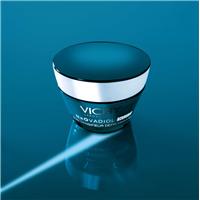
Vichy launches new solution for menopausal skin

image

Vichy Laboratories has created a new generation of skin care products that specifically targets women over 50 experiencing hormonal changes, such as those associated with menopause.

NeOVADIOL has been designed to increase skin density and re-enforce underlying skin structure with a new anti-ageing active ingredient, Pro-Xylane.™ that helps improve the appearance of sagging skin.

NeOVADIOL day and night creams are the first skin care products to combine two major discoveries which recreate skin densityand restore its natural framework:

• Pro-XylaneTM, the new Vichy anti-ageing molecule, and
• Isobioline TM, the 1st cosmetic lipo-restructuring active ingredient.

Pro-XylaneTM, is an innovation in the treatment of hormone related skin ageing stemming from seven years of research. Pro-Xylane’s™ primary action is to stimulate the production of collagen (the structural building block for all connective tissue in the human body) and glycosaminoglycans (GAG’s – water retaining molecules that give the dermis its substance & resistance to compression).

During the menopause there is a decrease in the levels of collagen and GAG’s. This leads to a change in the skin’s matrix component, which in turn affects the structure of the skin.

Why do women need it?

When a woman enters her fifties, she is likely to experience the onset of the menopause. There are three distinct clinical signs that accompany this decrease in hormonal activity, resulting in a loss of skin density:

• Skin dryness: deprived of lipids, the skin’s surface gets dry, loses suppleness and the complexion becomes dull

• Thinning skin: epidermal renewal slows down. Epidermal cells populate less frequently and reduce in number. The epidermis becomes thinner. Skin becomes slacker and creases appear.

• Sagging facial contours: the dermis is less resistant and its supporting capacity is reduced. Fibres (collagen and elastin) and GAGs fall in both number and volume.

Dr Paul Jenkins, a consultant endocrinologist at Harley Street’s Genetic Health said: “When we are young our skin has firmness and elasticity that is in part due to an abundance of glycosaminoglycans that absorb water easily thus maintaining skin density. We know that as women undergo hormonal
change at around the age of 50 they start to lose these all important components in connective tissue leading to a noticeable loss of skin density”

Application: Use every day for optimum results

Tolerance: Hypoallergenic and tested on sensitive skin

RRP: NeOVADIOL Day Cream – (RRP £18.95)
NeOVADIOL Night Cream -(RRP £19.25)
NeOVADIOL Dry – (RRP £18.95)

JUDGING THE RIGHT PRODUCT FOR YOUR SKIN

Vichy has trained a team of skin specialists based at 700 independent pharmacies throughout the UK. These experts are able to accurately diagnose your skin type and dispense the appropriate product for your needs.

To find your nearest Vichy skin expert visit www.vichy.co.uk Vichy Stockist Number in the UK 0800 169 6193

Non invasive surgical procedure for heavy periods

London: For years, women suffering from really heavy periods (menorrhagia) have either had to put up with the embarrassment and discomfort of the condition, or undergo either dilation and curettage, or a full hysterectomy. Both are invasive surgical procedures.

But there is an effective option. 350,000 women around the world have had their heavy bleeding treated by GYNECARE THERMACHOICE™, a highly successful minimally invasive procedure normally undertaken as day case surgery.

Known as balloon therapy, the procedure takes eight minutes and it can be done under general or local anaesthetic. Even if done under a general anaesthetic the woman can go home the same day.

This procedure has helped reduce the number of hysterectomies performed in the UK. This means that an increasing number of women are avoiding the risks of major surgery.

The company responsible for GYNECARE THERMACHOICE™, Ethicon Women’s Health and Urology, have set up a dedicated Women’s Health Careline – a telephone helpline staffed by trained health professionals which deals with many aspects of women’s health, including menorrhagia. Women can call in complete confidence on 0845 850 0305, Monday to Friday between 9am and 5pm. In addition, further information on menorrhagia and other gynaecological conditions can be found at www.womenshealthsolutions.co.uk

Notes:

It is estimated that 1 in twenty women between the ages of 30 and 49 visits her GP each year complaining of heavy menstrual bleeding which equates to approximately 1.5 million women.

More than 40,000 hysterectomies were carried out in England in 2003 – 2004. It is believed that heavy periods was the presenting complaint in about half of these cases. Furthermore, about half of all women who have a hysterectomy for heavy periods have a healthy uterus removed.

The aim of the procedure is to remove the lining of the womb, thus reducing heavy periods or stopping bleeding altogether. GYNECARE THERMACHOICE™ involves passing a thin catheter inside the womb through the cervix. There is a balloon on the end of the catheter. Hot fluid is circulated inside the balloon and the heat treats the lining of the womb. The procedure takes eight minutes and it can be done under general or local anaesthetic.

Ethicon Women’s Health and Urology is a division of Johnson & Johnson Medical Ltd.

US class action over cataract eye operations

London: A group of elderly people left fighting for their sight following failed cataract surgery is taking leading American lens companies to court in a bid to win millions in compensation.

OAPS from across the UK suffered years of misery after major problems with the lenses used in operations to clear their cataracts.

Within months of their original surgery victims like Joan Steel, 78, from Morecambe, Lancashire, and Thomas Allcott, 70, of Tamworth in the West Midlands were struggling to see again.

And many of the elderly men and women were forced to go through second operations in a desperate bid to improve their vision.

Some even suffered further eye conditions caused by the trauma of trying to rectify their sight.

More than 300,000 cataract operations are carried out in the UK every year.

Bad packaging is thought to have contaminated lenses used in their surgery

Legal firm Birchall Blackburn represent 179 people worldwide who are taking on the American lens manufacturers in a bid to win compensation.

Eight elderly people in Britain – including Mrs Steel and Mr Allcott – face a court showdown with one specific Florida-based company, Medical Development Research, who supplied lens type SC60B-OUV which was used in their failed surgery.

But the numbers both globally and in the UK are rising all the time as more people become aware what has caused the problems with their sight.

Up to 50,000 people could have been affected by the alleged contaminated lenses worldwide. In Britain the figure could be as high as 2,400 people.

Mr Allcott, a jeweller for 50 years in Birmingham’s jewellery quarter said: “Trying to sort out my sight has taken four years of my life – but even now my vision is not the same.

“The operation on my left eye was simple enough but within months of the lens going in my vision was cloudy.

“Initially I was told my vision wouldn’t get any worse, but that was no good to me. As a jeweller I need my sight.

“I had a second operation to improve my sight which involved making an incision and replacing the lens and there was always the chance it could go wrong.

“Fortunately it went well – but I still had to spend the next two years with stitches in my eyes which was frustrating.

“I have also developed another condition which I believe is down to the surgery I have had on my eye and as a result the vision in my left eye is slightly bent.”

Mrs Steel underwent her first eye operation in 1998 and was soon suffering from cloudy vision.

Despite under going corrective laser surgery and a second operation the grandmother of two has been left with poor vision. One eye is still too painful to touch.

“I expected my vision to be improved,” she said. “Instead I have been through years of problems.

“I need help getting around now and I have hurt my legs from falling over repeatedly.”

Mr Allcott added: “I decided to fight for compensation because the last few years have been very tough.”

Duncan Stackhouse of Birchall Blackburn, said: “We still really don’t have any idea how many people have been affected by these defective lenses – the clients we are representing could just be the tip of the iceberg.

“Taking on the manufacturer through the American courts is a brave step for them to take.

“All our clients are at the stage in their lives when they should be relaxing and enjoying themselves – unfortunately, because of what has happened, they have not been able to do that.

“They should not have to sweep their suffering under the carpet and struggle on – they have every right to fight for some recompense.”

Green veggie compound kills cancer cells

Natural compounds found in cabbages and brussel spouts have been used to kill cancer cells.

Researchers at the UK’s University of Lancaster fed cancer cells with doses of around 350mg of the natural compound 13C, roughly the same amount found in a trolley-full of cabbages.

When the compound was used together with common chemotherapy drugs, the tumour cells died.

Professor Margaret Manson said the trials were in the early stages but could eventually benefit cancer patients.

Speaking at the National Cancer Research Institute Conference in Birmingham, she said: ‘Obviously, in humans you would want to reverse the cancer, but if you could even halt it so it does not progress further, that would be beneficial.

‘Usually what kills patients is metastatic cancer, where it spreads around the body.

‘Although we need to carry out further studies on tumours removed from patients, the potential benefits are clear.’

The study, funded by the Medical Research Council, involved using I3C on four different types of breast cancer cells. The findings were published in the journal Carcinogenesis.

Professor Manson said the compound appeared to alter the molecules in three of the cell types, making them more vulnerable to anticancer drugs.

Combining the compound with chemotherapy drugs therefore enhanced the drugs’ effectiveness.

It is thought that I3C, which is also found in broccoli, cauliflower, kale and watercress, may have a similar impact on colon cancer cells.

Professor Manson added: ‘We will repeat the studies on cells derived directly from patient tumours which have been surgically removed.”

UK health body bans Alzheimer’s drugs on NHS

London: Alzheimer’s sufferers in the UK are being refused drugs that could help them until their symptoms get worse.

The Government’s National Institute for Health and Clinical Excellence has turned down appeals to allow the drugs, Aricept, Exelon and REminyl, which cost about £2.50 a day for all sufferers. Only patients with moderate symptoms of the disease will be offered treatment Ebixa not allowed at all

The ban on their use for new patients within the state’s NHS is set to take effect from November 22 with existing patients with mild Alzheimer’s allowed to continue.

Neil Hunt, chief executive of the Alzheimer’s Society, was critical of the decision which he said risked the health of thousands to save just £2.50 a day.

He added: ‘This blatant cost-cutting will rob people of priceless time early in the disease and later clinicians will have no choice but to use dangerous sedatives that increase the risk of heart disease and stroke. This is victimisation of the most vulnerable in society.’

He claimed there had been ‘ fundamental flaws’ in the appraisal process which never took account of the savings the drugs make to a carer’s time. He called for the Government to intervene, although campaigners and the drug companies may apply for judicial review of the decision.

Scientists develop new test for early detection of Alzheimer’s

Lancaster: Scientists at Lancaster University have developed a new technique, utilising one of the latest advances in sub-atomic technology, which could potentially allow the early diagnosis of diseases such as Alzheimer’s disease and Parkinson’s disease through a simple test for certain proteins in body fluids.

At present, by the time these diseases are diagnosed, using clinical criteria, much damage to the brain has already occurred. Future, more advanced drug treatments are likely to be most effective if given as early as possible during the course of these diseases.

The breakthrough technique also allows scientists to monitor the effectiveness of drugs and other inhibitors on the aggregation of key proteins that accumulate in the brain in Alzheimer’s disease and related disorders.

The process involves monitoring protein aggregation in the blood and so is non-invasive. It can generate results rapidly, so potentially speeding up the drug discovery process. The research was partly funded by the Alzheimer’s Society.

Central to the success of the breakthrough was the latest protein measurement equipment from Farfield Scientific, Crewe, UK. This equipment utilises a laser-based technology known as dual polarisation interferometry to detect and study both the structure and aggregation of disease-related proteins.

The new technique, based on the use of Farfield equipment, allows the precise measurement in vitro of the protein interactions that lead to aggregation, in real time. The technique can detect these interactions at a very early stage, and it is at this early stage of aggregation that these proteins are thought to be toxic to brain cells, so leading to the onset of disease.

It also possible that the detection of early-stage protein aggregates in body fluids could lead to advances in the diagnosis of Alzheimer’s and other diseases. The Farfield equipment is capable of recording changes smaller than 0.1 angstroms (one hundredth of a nanometre) – considerably smaller than the size of the molecule’s constituent atoms.

Studying changes in the structure of biologically important molecules in real time delivers revealing insights into mechanisms involved in diseases such as Alzheimer’s disease, breast cancer and heart disease. Proteins are very large complex molecules that can fold into a variety of different shapes or conformations. This 3D shape is extremely important and can radically affect the protein’s properties. Misfolded proteins are also the source of prion-based diseases – the suspected infective agent for diseases such as BSE in cows and Creutzfeldt-Jakob disease (CJD) in humans. How these ‘rogue’ proteins behave at a molecular level is a key to understanding the mechanisms of these diseases. This dual polarisation interferometry technique behind the breakthrough
uses the principle of optical interference, where two light sources are made to interact (or interfere) with each other to produce a ‘fringe’ pattern demonstrating the wave-like nature of light. The Farfield system employs two waveguides with a laser light source.

A waveguide is an optical structure that guides light. The changes in the behaviour of light passing through the device enable parameters such as the size, density and mass of molecules attached to the sample surface to be determined extremely accurately.

“The technique can be used to gain a better understanding of many diseases
at a molecular level”, says Professor David Allsop of Lancaster University.
‘This is done by measuring protein structures as they interact with each other, with other proteins or with candidate drug molecules.

The Farfield technology does offer a real advantage over other techniques because of its ability to measure protein changes and molecular interactions very precisely and accurately, in real time. This could lead to some major advances in the diagnosis and treatment of human disease’.

Dr Simon Carrington, Marketing Director of Farfield Group sees even greater potential for the technology adding, “There is a real chance that this technology will quickly lead to major advances in our ability to diagnoseand treat Alzheimer’s disease.

Additionally, there is now no reason why this technology should not play a significant role in scientific research into many other medical areas, such as CJD, where the prospects of early diagnosis have been elusive.

About Farfield Group Farfield Group Limited is an innovator and global supplier of newanalytical technologies and instruments that address the emerging and evolving measurement demands of the Biophysics, Nanotechnology and Telecommunications communities, which combined represent the most demanding measurement challenges facing research over the next decade.

New solution for Dry Eye Syndrome

London: Clarymist is the first product of its kind to offer fast, effective relief from Dry Eye Syndrome, a rapidly increasing problem. Current options are messy and inconvenient – but now with this great new treatment – one quick spray with Clarymist gives instant relief.

Dry Eye Syndrome is one of the most commonly treated eye conditions in the world and is now one of the most frequent patient complaints to UK ophthalmic opticians. Many factors contribute to dry eyes (wearing contact lenses, central heating, drinking alcohol, watching TV or working at your computer). Put simply, the main cause of Dry Eye Syndrome is a disturbance of the lipid layer in the eye which covers the actual tear film. This oily layer stops the tears evaporating. One of the main reasons the oily layer gets disturbed is because we don’t blink frequently enough. Also as we get older the problem affects more and more of us.

Blinking usually occurs about 20 times a minute but studies show that when working at a computer, for instance, blinking drops to about 5 times a minute… and those playing computer games sometimes only blink once or twice in 3 minutes!

But now relief is at hand and dry, gritty, sore eyes can be a thing of the past with new, revolutionary Clarymist – a single spray on to your closed eyelid – much easier and more pleasant to apply than traditional and messy eye drops or gels – which will result in an immediate cooling and soothing sensation. After a few minutes the phospholipid liposomes get to work and the dryness is eased away. Having no direct contact with the eye, there is no blurring or impairing of vision, so it is safe to use before driving or operating machinery.

Clarymist eye spray is the ideal product for anyone who suffers from Dry Eye Syndrome and contact lens wearers can safely apply the product while wearing all types of lenses. What’s more, the handily sized small bottle is highly cost-effective, providing over 100-metered doses. Just keep a bottle in your pocket, handbag or desk drawer for instant relief any time you feel your eyes getting sore and gritty. Also Clarymist has an amazing 3-year use-up date which means no more wasted bottles of drops.

Clarymist is available in the UK from larger Tesco stores, high street opticians, pharmacies and independent health stores or online from www.clarymist.com

Eye facts – did you know that?

• About 10 % of thepopulation experience varying degrees of Dry Eye Syndrome
• Dry Eye Syndrome affects one in five people over the age of 55**
• Dry Eye Syndrome affects 75% of people over the age of 65
• The use of Clarymist improves the discomfort of 85% of patients***
• A third of the population regularly puts up with dry, irritated and watery eyes*
• 75% of soft contact lens users get Dry Eye Syndrome
• Dry Eye Syndrome can be caused by a variety of lifestyle factors including central heating, air conditioning, air pollution, dry climates, wind, saunas, spicy foods, alcohol, contact lenses and activities such as driving, watching TV, computers and reading**
• Dry eye is a confirmed side effect of laser eye surgery**
• The typical symptoms include dryness, grittiness, irritation, difficulty reading for long periods, burning and even tearing or watering
• Computer users tend to blink much less frequently (about 5 times a minute as opposed to the normal rate of 20 times a minute) making dry eyes a major problem for them
• British people spend 128,780 hours per working lifetime sitting in front of a TV or computer screen*
• The average person spends 30.5 hours a week sitting in front of the TV*
• The typical working person spends 35 hours a week sitting in front of their computer screen*
• If the average individual works between the ages of 18 and 65, 2740 hours or three and a half months a year will be spent in front of a screen*
• If left untreated, Dry Eye Syndrome can damage the outer protective tissue of the cornea which can lead to permanent scarring and sight loss**

* National Eye Week, 2005
** The Eyecare Trust
*** A new therapy concept with a liposome eye spray for the treatment of “dry eye”; Klin Monatsbl Augenheilkd, 2004; 221:1-12

WHAT IS DRY EYE SYNDROME?

Symptoms

Most of us experience dry eye at some time. Dry eye makes itself felt as a sensation of burning or dryness. Your eyes feel tired, sometimes you get a gritty feeling, and often you are over-sensitive to bright light. Most of you will recognise the symptoms.

What causes dry eye syndrome?

Dry eye syndrome has become increasingly common in everyday life, due to environmental factors and increased use of computers. It also becomes common as we get older, especially for women. Other causes are through disease (diabetes, blepharitis) and also certain drugs can induce its onset. It is particularly frequent if you wear contact lenses or work in an air conditioned office building. The pollution that occurs in towns, long car and plane journeys, caffeine consumption and smoking all contribute too, and you’ll also be susceptible if you have undergone laser eye surgery.

Its effect on the eye

Your eye is protected and lubricated by a thin film of tears. Also there are glands on your eyelids that put an oily layer over the top of the tear film to stop it evaporating. In about 80% of dry eye cases, this oily film is deficient, allowing the protective tear layer to evaporate and irritation to occur

How Clarymist Works

1) Clarymist eye spray is sprayed onto the outside of the eyelids, resulting in a soothing, cooling effect right across the eye
2) Some of the Clarymist eye spray liquid penetrates around the eyelids and onto the tear film that coats the eye
3) The lipid (oily) component from Clarymist eye spray spreads across the outer surface of the tear film, reinforcing the natural oils that are already present
4) The rate of evaporation of the tear film is now significantly reduced, allowing it to provide proper lubrication to the eye
5) The symptoms of dry eye quickly diminish

Ingredients

Soy lecithin 1.0% A phospholipid, a polar molecule consisting of a fatty acid component that is lipid-soluble, along with a charged phosphate group that is water-soluble. Phosphatidylcholine is the main lipid component of soy lecithin (94%), and also the most common phospholipid in natural tears. It is present in Clarymist eye spray in the form of liposomes. Sodium chloride 0.8% Present in natural tears. Renders the aqueous content of Clarymist eye spray compatible with the user’s tears. Ethanol 0.8% A solvent to maintain the less water-soluble ingredients in the aqueous carrier. Vitamin A palmitate 0.025% A lipid-soluble antioxidant component that is also closely associated with eye health Vitamin E (tocopherol) 0.002% A powerful antioxidant vitamin which is lipid-soluble and can therefore aid protection and stabilisation of lipids. Phenoxyethanol 0.5% A preservative commonly selected for use in pharmaceuticals and cosmetics due to its effectiveness in very low concentrations and its low allergic reaction. Being volatile it evaporates from the aerosol state and does not impact on the user, so it can be safely used with contact lenses

Instant mole screening with MoleMate

London: MoleMate, a non-invasive and pain-free melanoma screening device, will enable General Practitioners and skin specialists to scan and evaluate suspicious lesions within seconds and make instant clinical decisions ‘on the spot’.

The handheld device which has been developed by Cambridge, UK-based Astron Clinica, utilises the clinically proven Hunter Scoring System, along with an easy-to-use decision support system, to provide clear guidelines on how to assess a suspect mole against a database of examples.

MoleMate will make it possible for doctors to identify the best course of action for an unusual mole – whether it be to refer, excise or provide reassurance – during the first consultation with a patient.

MoleMate features a magnified dermoscopic view for those medical professionals familiar with dermoscopy and also the complete SIAscopy imaging suite: haemoglobin, melanin, dermal melanin and collagen up to 2mm beneath the surface of the skin.

‘Working with dermatologists in the UK for years, it became very clear that many innocent moles were being referred, causing a great deal of stress and worry to the patient, increased spending costs for the NHS through unnecessary excisions, and a reduction in the amount of time dermatologists had available for treating confirmed melanoma patients. We decided to develop a new system specifically for GP practices that would give them access to the same technology that many dermatologists were using to scan suspicious moles so that they can offer a screening service in situ.

MoleMate is the answer,’ says Annie Brooking, CEO, Astron Clinica. Melanoma, one of the most treatable of cancers if caught in time, kills over 1,700 people in the UK needlessly every year. Increasing awareness among the general public, driven by Cancer Research’s annual SunSmart campaign, has led to a significant increase in referrals of suspect moles to dermatologists. MoleMate scans could significantly increase the number of melanomas referred early, providing Primary Care Trusts and GP practices with greater budget flexibility for the treatment of positive melanoma lesions.

At the same time, MoleMate could provide an invaluable role in reassuring and advising patients on the best course of action following an instant scan, rather than having to wait for an appointment with a dermatology consultant or for the results of an excision.

“MoleMate is clear and simple to use”, said Dr. Rob Howlett, a General Practitioner in Thaxted, Cambridge. “It produces high quality images to aid in clinical diagnosis and also provides great reassurance to patients. My patients loved it!”

MoleMate consists of a hand held scanner and software that uses SIAscopy, Astron Clinica’s patented skin imaging technology that scans and visualises haemoglobin, melanin, dermal melanin and collagen up to 2mm beneath the surface of the skin.

The Hunter Scoring System, developed by Miss Jude Hunter in conjunction with GP practices and Cambridge University Teaching hospital, aids the detection of many types of suspicious lesions during the early stages of their development. MoleMate produces a patient report that includes the patient’s SIAscans together with data required for referral, or for the patient to take home. SIAscopy, developed by Astron Clinica, is used by skin specialists and medical professionals including GPs. Astron Clinica’s products quantify and manage skin health and skin conditions and assist specialists to identify a variety of skin cancers.

Astron Clinica, based in Cambridge UK, designs, develops and brings to market its skin imaging products that incorporates its proprietary skin imaging technology SIAscopy, further information available at www.astronclinica.com

SIAscopy uniquely enables medical, pharmaceutical and cosmetics industry professionals to visualise up to 2mm beneath the surface of the skin using both a proprietary hand held scanner and an off-the-shelf digital camera. Astron Clinica’s customers include dermatologists, plastic surgeons, GPs and aesthetic medicine practitioners.

Free special report on prostate cancer – detection and treatment

Johns Hopkins Health Alerts, the consumer health information website published by University Health Publishing in conjunction with Johns Hopkins Medicine, today released an important new Special Report on treating and preventing prostate cancer.

The special report stresses that early detection and treatment are keys to defeat prostate cancer, and also outlines strategies for prostate cancer prevention, and dealing with prostate cancer’s most common side effects, including erectile dysfunction.

Who is at risk for prostate cancer? Every man. The risk increases with age. Men over 50, African-American men, and men with family medical histories of prostate cancer face the greatest threat. Regular testing is crucial.

Even if a person does not fall into any of these risk categories, education is their best weapon. The special arms people with clear, practical advice on what they can do to prevent prostate cancer.

The free special report 7 Keys to Treating Prostate Cancer explains the process of screening and detection, and discusses the treatment options available should the diagnosis prove to be prostate cancer.

The seven keys include:

1-Understand Your Prostate Biopsy

2-Get a Second (and Third or Fourth) Opinion

3-Choose the Right Treatment

4-Dealing with Erectile Dysfunction

5-Seek Extra Help-If Needed

6-Understand the Role of Diet

7-Consider Complementary Techniques

The author, Dr. Jacek L. Mostwin, is one of the leading surgeons at Johns Hopkins’ James Buchanan Brady Urological Institute, ranked #1 in America for 16 consecutive years.

Dr. Mostwin clearly guides the reader through the diagnostic tools and innovative treatments for prostate cancer so that anyone concerned about it or suffering from it can make the best decisions about their medical care, to try to insure the best outcome.

The progress Dr. Mostwin and his fellow specialists have made in the battle against prostate cancer is remarkable, yet much more can be done to prevent this disease.

Anyone wishing to receive this free information can download this invaluable special report for free at www.hopkinsreports.com/prostate

The Johns Hopkins Special Reports website is produced by University Health Publishing, which has been publishing health-related information for people over 50 since 1988 through the monthly newsletter *Johns Hopkins Medical Letter: /Health After 50/* and the Johns Hopkins White Papers.

Diet doctors call for a ban on super-skinny models

London: A leading group of doctors has called for a ban on super-skinny models after an upsurge in eating disorders.

In a letter to the British Fashion Council doctors and specialists from the Eating Disorders Service and Research Unit at King’s College London said that the models were ‘clearly anorexic’.

A Member of Parliament has also tabled a Commons motion asking the British Fashion Council to ban ultra-thin models.

The outcry against skinny models comes in the wake of the increasing popularity of dieting to fit into the latest size 0 and even 00 clothes, worn by celebrities such as actress Nicole Richie.

The letter said: ‘The fashion industry, from designers to magazine editors, should not be making icons out of anorexically thin girls. Magazines should stop printing these pictures and designers should stop designing for these models.

‘People may say that clothes look better on skinny models but don’t forget there was a time when we thought smoking looked good too.’

Janet Treasure, who wrote the letter and is head of the Eating Disorders Service and Research Unit at King’s College said that ‘thinspiration’ has led to an increase in bulimia and anorexia sufferers.

Professor Treasure said: ‘We know that this fashion for thin models prompts concern about weight and concern about shape in young women.

This year, models with a body mass index (BMI) of less than 18 – classified as underweight by the World Health Organisation – were banned from the Madrid fashion week by local government officials following the death of a model in South America.

British fattest people in Europe

The British are the fattest people in Europe, according to a new UK Government report.

One in four adults and teenage girls are overweight. And within the next four years the figures will increase to one in three adults and a fifth of all children.

The means Britain has the worst obesity rate in Europe and will likely have more people at risk from the diseases of ageing such as cancer, heart disease and diabetes.

The report also reveals that people living in the poorer north are likely to be fatter and die earlier than those living in the south of the country.

The highest life expectancy rates are in the South-West, where women can expect to live to 82 years, while men reach 77.8 years.

In contrast, the average woman in the North-East lives to 79.6 years – and the average man to 75.

The report also shows a steep rise in binge drinking. One in three men aged under 44 drinks twice the recommended levels of alcohol on at least one day a week – as do one in four women under 25.

Those living in the North-East are most likely to drink excessively, with a quarter of adults there binge drinking, compared with the national average of 18 per cent.

Walnuts preserve arterial health

Barcelona: Walnuts are rich in a nutrient that protects the health of arteries, scientists have discovered.

It is the damage caused by fatty foods which causes hardening of the arteries, the main cause of heart attacks and stroke.

In a study at Spain’s Hospital Clinico new research published in the Journal of the American Cardiology reveals that just of an ounce of walnuts a day (28g) – seven or eight nuts – is enough for optimal health.

The research is the latest to reveal the health benefits of eating seeds and nuts such as almonds, pumpkin and sunflower which contain vital protective oils and other nutrients.

In the study, Dr Emilio Ros, an expert in heart health, examined how walnuts countered the effects of eating fatty foods in a group of healthy adults. The results showed that even amongst those who ate fatty foods such as cheese and salami, the walnuts helped preserved elasticity and flexibility.

Mediterrean diet protects against diseases of ageing, says new research

New York: The consumption of a “Mediterranean” style diet rich in fruits, vegetables, olive oil, pulses, cereals and fish decreases the risk of developing Alzheimer’s disease, according to new US research.

Dr Nikolaos Scarmeas, assistant professor of neurology at Columbia University Medical Center in New York says that the diet helps prevent the disease by protecting the brain from degeneration caused by inflammation.

Another study, pulbished in the Archives of Neurology, also concludes that that taking omega-3 fatty acid supplements slows cognitive decline in some patients with very mild Alzheimer’s disease. But do not appear to help those with advanced Alzheimer’s.

The Scarmeas’s team collected data on almost 2,000 people averaging 76 years of age, 194 had developed Alzheimer’s. The researchers analyzed their diet during the previous year and scored the diet based on how closely it followed the Mediterranean diet, which included moderate alcohol intake and some red meat.

Scores ranged from zero to 9. Higher scores were given for closely following a Mediterranean diet.

People who closely followed that regimen had a significantly lower risk for Alzheimer’s disease, the researchers found. For each additional point on the diet score, risk for Alzheimer’s was reduced by 19 to 24 percent.

In fact, people in the top one-third of diet scores had 68 percent lower risk of developing Alzheimer’s disease, compared with people in the bottom third. In addition, people in the middle third had a 53 percent lower risk of developing the disease.

Professor Scarmeas said it appeared that the diet provided protection for a number of conditions including coronary heart disease, heart attack, high blood pressure, obesity and a series of cancers. He said it therefore appeared to make sense to follow this diet anyway, and the diet may also protect from Alzheimer’s disease.

In the second report, a team led by Dr. Yvonne Freund-Levi from the Karolinska Institutet in Stockholm, looked at the effects of omega-3 fatty acids supplements on 204 patients with Alzheimer’s disease.

After six months, among the 174 people who completed the trial, the researchers found no difference in cognitive decline among people taking omega-3 fatty acids supplements at different doses or placebo.

However, for a subgroup of 32 patients with very mild cognitive impairment at the beginning of the study, those taking the supplements experienced less cognitive decline compared with those who took placebo, the researchers found.

And when patients who took placebo during the first six months were given omega-3 fatty acids supplements, their cognitive decline decreased during the second six months of the trial.

“The mechanisms by which omega-3 fatty acids could interfere in Alzheimer’s disease pathophysiologic features are not clear, but since anti-inflammatory effects are an important part of the profile of fish oils, they are conceivable also for Alzheimer’s disease,” the researchers write. “It is possible that when the disease is clinically apparent, the neuropathologic involvement is too advanced to be substantially attenuated by anti-inflammatory treatment.”

One expert said that, given the other health benefits of fish oil, it certainly can’t hurt patients to take supplements.

“I am happy to tell people that if they want to reduce their risk for Alzheimer’s, they should reduce their cardiovascular disease risk factors and take fish oil,” said Greg M. Cole, a neuroscientist at the Greater Los Angeles VA Healthcare System, and the associate director of the Alzheimer’s Disease Research Center at UCLA’s David Geffen School of Medicine.

A second expert agreed that diet probably does influence the disease.

“The papers share a focus on the idea that diet plays a role in Alzheimer’s, a consensus that has been building for the past five or six years,” said Dr. Sam Gandy, the chair of the Medical and Scientific Advisory Council at the Alzheimer’s Association and director of the Farber Institute for Neurosciences at Thomas Jefferson University.

“The common thread is that both papers point toward intervention at the earliest moment having a greater effect and the suggestion that prevention may have the greatest effect of all,” Gandy said.

“Once the gooey amyloid material has accumulated and poisoned nerve cells and the cells have died, it is very hard to think seriously about repairing damage that severe,” he added.

New gene link to breast cancer

London: A gene that puts women at an increased risk of developing breast cancer has been discovered by scientists.

They have identified that a faulty version of the BRIP1 gene means that those with it are twice as likely to develop the disease.

Other faulty genes such as BRCA1 and BRCA2 have already been linked with an increased risk. Those who carry these faulty genes have an 85 per cent risk of developing breast cancer and a 40 per cent risk of developing ovarian cancer.

Researchers from The Institute of Cancer Research in London decided to look at faults in the BRIP1 gene because it interacts with the known cancer-causing gene BRCA1.

According to the scientists, carrying a faulty version of BRIP1 doubles a woman’s risk of the disease – taking it from one in 12 to around one in six by the age of 70.