Fitness and Health – Jon Trevor

JonT2_Small.jpg

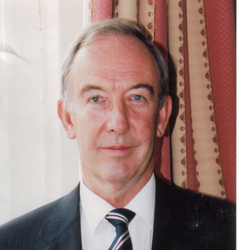
Jon Trevor is a broadcast commentator on health and fitness. He has over two decades experience as a training expert and is director of the company “Fit4 the Part” which specialises in fitness management for celebrities who need to get in shape to prepare their body for stage and screen performances.

A vocologist Jon also works with celebrities to physically train and prepare their voices for roles. Jon was founder of one of the first professional training organisations for personal trainers. Find out more about Jon at www.jontrevor.com Email your exercise concerns at Jon Trevor

Pet Longevity – Carol Osborne DVM

0977895009_Small.jpg

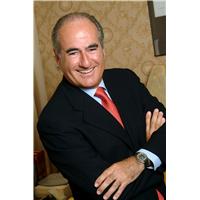
Dr Carol Osborne DVM is a leading authority on alternative veterinary medicine and age-related pet diseases. She is the world’s only veterinarian to be a board certified Diplomat of the Academy of Anti-Ageing Medicine and is the author of the international best-sellers Naturally Healthy Dogs and Naturally Healthy Cats.

She is also a popular lecturer and broadcaster on the subject of pet longevity and wellness and has her own line of nutritional products for pets. Web site www.drcarol.com Email your pet health concerns to her at Dr Carol Osborne

Dermatology and Aesthetics – Dr Tamara Griffiths MD

Tamara_Small.JPG

Dr Tamara Griffiths MD trained in dermatology at the University of Michigan in the US and the University of Manchester in the UK. She is an American Board Certified dermatologist and is on the UK Specialist Register.

She is also a fellow of the American Academy of Dermatology and a member of the British Association of Dermatologists. Currently she is a consultant dermatologist in the UK, where she has a successful private practice.

She is a founder member and Treasurer of the British Cosmetic Dermatology Group and a spokesperson on aesthetic issues for the research charity, The British Skin Foundation. Email Dr Griffiths you skin concerns at Dr Tamara Griffiths

Cosmetic Dentistry – Dr Nikhil Sisodia

Nikhil.jpg

Dr Nikhil Sisoda qualified at the University of Bristol. He is an expert in all aspects of cosmetic dentistry, including implants and is a director and active member of the British Academy of Cosmetic Dentistry which is devoted to the pursuit of clinical excellence in dentistry. He practices in London at Ten The Pavement. You can email him your questions on dentistry at Nik Sisodia
Web site: www.tendental.com

Hormones, Menopause, Andropause, sexual dysfunction – Dr John Moran

 
Moran-thumb-239x250-195.jpg

Dr John Moran RD, MBBS LDSRCS, DPsSc, DFFP, MSc Nutri.Med is an expert in anti-ageing and rejuvenation therapies including the use of advanced hormone replacement.

He adopts a holistic and caring approach to therapy including detailed analysis of blood and diet. He also specialises in sexual dysfunction disorders and practices at the Holistic Medical Clinic in London’s Wimpole Street. Ask Dr Moran your questions by emailing him at Dr John Moran

Cosmetic Surgeon – Dr Javier de Benito

Benito_Photo_Small.JPG

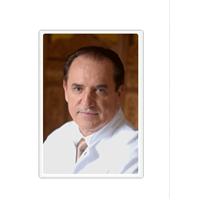
Dr Javier de Benito is one of the world’s most respected cosmetic surgeons and his client list includes Royalty and international celebrities. He is General Director of the Instituto de Benito Plastic and Aesthetic Surgery in Barcelona and President Elect of the International Society of Aesthetic Plastic Surgery. He has pioneered the development of facial surgery, rejuvenation, breast surgery, endoscopic surgery and anti-ageing medicine. Email your questions on cosmetic surgery to Dr Jose Benito

Web site: www.institutodebenito.com

Cosmetic Surgeon – Raj Chopra MD

RajChopra2_Small.jpg

Dr Rajesh Chopra is a renowned Harvard–trained Facial Plastic Surgeon practicing in Beverly Hills, California. Aesthetic facial plastic surgery is Dr Chopra’s passion and due to his meticulous artistic surgical skills, he has become Hollywood’s celebrity plastic surgeon. He is the man the stars call on for all facial aesthetic concerns. Dr Chopra specializes exclusively in Facial Plastic Surgery, and his surgical interests and expertise include all aspects of facial/neck rejuvenation including the most modern minimally invasive techniques. Website: www.rajchopramd.com

Email your questions to Raj Chopra

Transdermal to float on London AIM – March 2007

image

London: The UK company, Transdermal Cosmetics Ltd, a wholly owned subsidiary of Transdermal Sciences PLC, is to float on the UK’s AIM stockmarket later this year.

It has plans to bring several anti-ageing products to the consumer market, based on the parent company’s patented “somazone” technology. Somazone is a technology that effectively shrinks the large molecules in active ingredients, such as collagen, so that they can be more easily absorbed beneath the skin’s surface.

The company also plans to make the technology available to cosmetic and pharmas in the same way as fabric manufacturers are able to incorporate Lycra into their products.

Transdermal’s first product “Entrederm”; a collagen-based face cream, has been independently tested in the US, where it is currently being sold through TV infomercials.

Transdermal intends to launch a number of cosmetic products based around the Somozone technology both in the US and Europe. It is envisaged that products will initially be launched through direct sales via an infomercial campaign and Tansdermal’s internet site and through sales in doctors’ offices in the US with retail store distribution to follow.

Allergen – facing increasing competition – March 2007

image

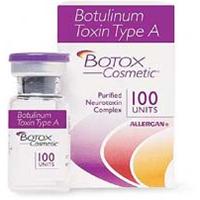
US wrinkle market turns ugly in battle to save faces In only five years Botox, has literally changed the face of wrinkles and the fortunes of its US manufacturer Allergan Inc. But its stranglehold on the neurotoxin market may be coming to an end.

Arizona based Medicis Pharmaceutical Corp., which sells the No 1 filler Restylane in the US, recently bought its own neurontoxin, Reloxin, which is undergoing patient trials and says it will bring it to the market in 2008

Likewise Allergan is also in the process of rolling out its own dermal filler, Juvederm which it recently acquired as part of the recent $3.4m purchase of Inamed. This also included a line of silicon breast implants and the LapBand, an obesity treatment.. The FDA recently lifted a 14-year ban on silicon implants which opens up the market and also recently approved the filler Radiesse made by private US company Bioform Inc.

And there is a growing band of competitors: The FDA recently granted approval of Radiesse, made by private company Bioform and two new entrants in the European market, FzioMed, a California recently launched into the UK with synthetic filler called Laresse and Germany’s Merz Pharma with another hyalauronic treatment. Both will likely use this as a stepping-stone to the bigger US market.

The market for non-surgical treatments in the US including drugs, dermal fillers and other devices used in cosmetic medicine is growing and now totals about $15 billion, says Medical Insight Inc., a California market-research firm. While the demand for traditional face lifts and liposuction has fallen by 5% between 2000 and 2005.

The bigger drug companies are also showing interest in the aesthetic filler market – last year Johnson & Johnson bought a small Israeli company with a wrinkle-fighting collagen product called Evolence that is already available in the UK but may launch on the US market later this year.
In 2003, Arizona-based Medicis acquired the US rights for the dermal filler Restylane from Sweden’s Q-Med AB, and introduced it to the market in 2004, and it has grown rapidly since. The company began life in 1988 with “under a few million dollars” but it now has revenue of $360 million in 2005.

Allergan, based in Irvine, Calif., has been around for more than 50 years and first made its name name in eye-care medicines. In 2005 it reported sales of $2.32 billion of which Botox accounted for $1m of sales. Despite its popularity Botox is as expensive as ever with phial costing $505 – 50% more than nine years ago.
So while new entrants may mean more affordable treatments for the consumer, how will shareholders fare in 2007? Well, the market is huge and still growing so it may be able to sustain more competition, particularly if pricing makes it more widely available growing revenues. Allergan’s shares have increased steadily in value putting on 11% during 2006 to reach a high of $123. Medicis has also gained in value and its shares hit a year high of $40.31. Even so Allergan’s share’s a like gold dust.Buy

Growing elderly population will result in care shortage, warn Swiss researchers

London: The growing ageing population means that there will be a shortage of people to care for them, according to new research published in the British Medical Journal.

Many people fear that population ageing will generate a demand for long term care that will outpace the supply of formal care. So to anticipate the future long term care needs of the oldest people, researchers in Switzerland suggest introducing the “oldest old support ratio.”

Their ratio is based on four age groups – the young, those of working age, younger retired people (aged 50-74), and the oldest people (aged 85 and over) – and provides information on the number of people potentially available to care for one person aged 85 or over.

Based on current trends, they estimate that the young retired generation will have to play a greater caring role in the future.

They illustrate this by using trends in Switzerland and the United States. For example in Switzerland, the oldest old support ratio has fallen from 139.7 in 1890 to 13.4 in 2003 and the same trend applies in the US. These ratios are expected to decrease to 3.5 in Switzerland and 4.1 in the United States by 2050.

These forecasts highlight the large fall in the potential pool of informal carers, say the authors. And they warn that failure to anticipate the consequences of these expected trends today will be a mistake that will be heavily paid for tomorrow.

The use of this new ratio should help make governments realise the implications of the substantial intergenerational changes that are occurring and aid policy makers to formulate adequate policies, they conclude.

“We need to face up to the huge cost of care in both the formal and informal sector,” add experts in an accompanying editorial.

In England it is estimated that 8.5 million people provided informal care in 2000, 3.4 million of whom cared for people over 65 years. Informal care is often unseen and unmeasured and usually falls to families, but as the retirement age increases and families become increasingly fragmented, we do not know if they will be around to help, or indeed, will be willing to help. And with the crisis in pensions, there will be less money for people to buy additional care.

“First world countries have swapped infant mortality and childhood illness for the burden of care of the elderly,” they write. “Caring for the oldest old is the price of affluence.”

New Book: Trends Beyond Life – in search of immortality

image

London-based trend forecaster Susan Muncey’s book Trends Beyond Life – In Search of Immortality is an extremely opportune and relevant book. The beginning of a new year is always a time to reflect on the past and, more pertinently, consider the future.

However, in this rapidly changing world where technology and science are opening new and challenging doors, where does that leave us morally and culturally? Susan Muncey assesses recent social trends affecting our daily lives, including our quest for eternal youth and immortality, which she sees as a key trend of our times. Muncey then expands on this theme and explores the ways that death and remembrance have been handled historically and analyses current developments and thinking.

‘The quest for longevity by reversing the signs of ageing and increasing life expectancy seems to have become the Holy Grail. I wanted to explore what drives us towards this desire and taking it further, what immortality actually means. Why do we wish to be remembered? How do we wish to be remembered?’ says Susan Muncey.

The book also includes in-depth research into experiences of death and bereavement in both the developed and the developing world. Muncey travelled to Zambia where she saw how the country is coping with a huge increase in mortality rates and the initiatives being made to implement changes within the burial system. Back in the UK, Muncey details how our views on death are evolving and highlights new trends in funerals – such as green burials and freeze dried cremation – and remembrance including the use of the internet as a vital tool in helping to create immortality.

‘What started as a study of trends in death turned out to be a contemplation on immortality and the many ways that we can achieve it these days,’ says Muncey.

Susan Muncey is the founder of the digital time capsule Diary of Mankind www.diaryofmankind.com where users can record their life, their wishes and their desires for future generations. Muncey also runs Visuology www.visuology.com, a trend forecasting and lifestyle coaching company. Her clients include the cutting-edge designer uniform company, nouniform. A Cambridge graduate, Susan Muncey has had a broad career ranging from working in investment management in the City to opening the late 90s cult boutique Fashion Gallery in London’s Little Venice. Costs $15.44 (£7.95, €11.70) Buy www.amazon.co.uk and at leading booksellers

The Phyto Soya range by Arkopharma

image

Phyto Soya is the only natural range of soya isoflavones, which is clinically proven to work. The range is specially formulated to help women cope with the menopause years. The core elements of the range are capsules, both for pre-menopausal and menopausal women.

Phyto Soya Capsules
o Phyto Soya is clinically proven to reduce hot flushes by 61%
o 90% of women tolerated it with no side effects
o 20% of the study’s respondents reported that they had less vaginal dryness – vaginal dryness is a common side-effect of the menopause
o 73% of women rated Phyto Soya as good or excellent.

Phyto Soya is perfect for women who do not want to take HRT (Hormone Replacement Therapy), have had to stop using HRT because of side-effects or would like to complement the effects of their prescribed medication.

In addition, to the range of capsules, Phyto Soya now offers a range of other products for women at this key life-stage.

• Phyto Soya Vaginal Gel
Contains 10% soya isoflavones to enable hydration and protection of this sensitive area of the body.
– 36% of women say it helped with intimate hydration
– 54% say it boosted natural lubrication
– 38% said the skin became more elastic

• Phyto Soya Feminine Wash (500ml)
Contains soya isoflavones, calendula and coconut oil. This unique combination helps to combat the effects of oestrogen deficiency, soothes, softens and creates a protective film.

• Phyto Soya Body Firming Lotion (200ml)
Contains soya isoflavones, tea phytosterols, shea butter, glycerine, mannitol and vitamin E. Helps to firm and tone areas of the body that are prone to dryness.

• Phyto Soya Age-Minimising Cream
Clinically proven to improve skin smoothness right from the first month of use. A trial shows a 20% decrease in the depth of wrinkles and a 44% in collagen production.

Phyto Medicines Fact Sheet

image

Medicinal plants and their preparations belong to the oldest known health-care products that have been used by human beings all over the world. The World Health Organization (WHO) estimates that up to 80% of the population of most developing countries use plant-based medicines. Between 25 and 50% of all modern drugs are derived from plants.

According to IMS research in 1995, the European Market for herbal medicinal products was estimated to be worth US $ 5,600 million. The leading countries are Germany (44 %) and France (28 %), followed by Italy, United Kingdom, Spain, Netherlands, Belgium and others.

According to the Allensbach study natural medicines helped people to alleviate various disorders such as cold, flu, digestive troubles, headache, insomnia, stomach trouble, nervousness, circulatory disorders, bronchitis, skin disease and exhaustion.

People are turning to natural and alternative treatments more and more as they become more health-intelligent and aware about what they put into their bodies. The medical profession in the UK is also becoming more accepting of these kinds of treatment as clinical evidence and patient experience is recognised. Alternative therapies are now available on the NHS in many parts of the country.

The Menopause – the facts

image

The menopause occurs in all women. It can occur when the ovaries spontaneously fail to produce the hormones oestrogen and progesterone, when the ovaries fail due to specific treatment such as chemotherapy or radiotherapy, or when the ovaries are removed, often at the time of a hysterectomy.

For most women, the menopause occurs when the ovaries naturally fail to produce oestrogen and progesterone when they have few remaining egg cells. At that stage, the ovaries become less able to respond to the pituitary hormones: follicle stimulating hormone (FSH) and luteinising hormone (LH) and less oestrogen is produced. Levels of FSH and LH subsequently rise. The resulting low, and changing levels of ovarian hormones, particularly oestrogen, are thought to be the cause of menopausal symptoms in many women.

The average age of the natural menopause is 51 years, but can occur much earlier or later. Menopause occurring before the age of 45 is called early menopause and before the age of 40 is premature menopause.

Menopausal symptoms affect about 70% of women, are believed to be due to the changing hormone levels, particularly oestrogen. For some people, life-style factors such as reducing/stopping smoking, reducing alcohol intake, reducing caffeine intake, reducing stress, eating healthily and taking regular exercise can considerably help the symptoms of menopause.

When do menopausal symptoms begin?

Many women notice early symptoms while still having periods, when the hormone production is declining very gradually. This stage of gradually falling and fluctuating hormone levels is often called the “climacteric”, the “change” or the pre-menopause and often begins when a woman is in her 40s and can last for several years. Because ovarian function fluctuates, women may experience menopause symptoms intermittently.

What are the symptoms of menopause?

There are many potential symptoms of the menopause and no two women’s experiences are the same. Common symptoms are:

• hot flushes
• night sweats
• dizzy spells
• headaches
• swollen breasts and tummy
• weight gain
• fatigue
• insomnia
• nervousness
• anxiety
• irritability
• depression
• a decrease in sex-drive
• vaginal dryness
• urinary disorders
• increase in the risk of heart disease
• osteoporosis

The hot flush, or flash, is well known as the classic menopausal symptom and affects 60–85% of menopausal women. Hot flushes and sweats are called vasomotor symptoms and vary immensely in both their severity and duration.

For about one in five women, these can be very severe and cause significant interference with work, sleep and quality of life. Women are affected by vasomotor symptoms on average for about two years but, for about one in ten, symptoms can continue for more than 15 years. Each hot flush usually lasts 3–5 minutes and is thought to be caused by a change in the temperature-controlling part of the brain. A menopausal woman may flush with every temperature rise – for example, moving between areas of different temperature or having a hot drink – because of a change in the setting of the temperature control centre in your brain; your body thinks that it is overheating even when it isn’t.

Other factors that can also cause flushes include being overweight, alcohol, excess caffeine, spicy foods, monosodium glutamate and some medications. Eating a healthy diet and losing weight if necessary can be helpful. Other simple measures that can help include:

• wearing cotton clothing, rather than man-made fibres
• wearing loose thin layers of clothing rather than thick tight-fitting clothes
• keeping your bedroom temperature fairly cool at night – either leave a door or window open or consider a fan (partner permitting of course!).

Even before the menopause is reached, the first changes in the body begin to make themselves felt. This transitional phase, known as the pre-menopause, gradually sets into a woman’s life at around the age of 45. Symptoms can be similar to those felt during the menopause itself, but are usually not as frequent or severe.

For every woman, there is help available if she needs it – diet, exercise, alternative therapies or even HRT can help to ease the symptoms and make this key life-stage more bearable.

Sly Stallone on Human Growth Hormone charge

Sydney: Hollywood star Sylvester Stallone denied having restricted drugs shortly before 48 vials of human growth hormone were found in his luggage, a Sydney court has been told.

The vials of Jintropin were allegedly found in five boxes during a routine x-ray of the 60-year-old’s personal luggage when he arrived at Sydney airport on a Qantas flight from the US on February 16.

Jintropin is the brand name for a drug whose active ingredient, Somatropin, is a human growth hormone that can assist body builders.

Human growth hormone has also been linked to anti-ageing therapies.

Australian laws prohibit the import of natural and manufactured growth hormones without a permit.

Stallone, who left Australia on February 19 after promoting his new film Rocky Balboa, chose not to appear in Downing Centre Local Court on Tuesday where he was charged over the alleged importation.

Magistrate David Heilpern granted Stallone’s solicitor Robert Todd a six-week adjournment after being told the defence needed to gather more material.

Court documents allege Stallone circled the “no” box when asked on his incoming passenger card if he was bringing into Australia restricted or prohibited goods “such as medicines, steroids, firearms, weapons, or any kind of illicit drugs”.

Three days later, Stallone was handed a court attendance notice for the alleged offence of importing a prohibited import by Douglas Nicholl, the Australian Customs Service (ACS) director of investigations NSW.

That same day, customs officials reportedly raided Stallone’s room at the Park Hyatt Hotel in Sydney.

Court documents say the US drug regulator, the US Food and Drug Administration, has not approved Jintropin, and that the drug is not a recognised treatment for any medical condition.

“You have not been validly prescribed the goods by a medical practitioner for any medical condition suffered by you and for which the goods are recognised medical treatment,” the documents allege.

The maximum fine for the offence is $110,000, but if found guilty, Stallone would face a maximum financial penalty of $22,000 because the charge is being dealt with in a local court.

Stallone is required to enter a plea on the next scheduled date, April 24, but he is excused from attending court if legally represented.

Stallone has based much of his movie success on his physical appearance and prowess, and over the years has pursued bodybuilding, exercise and nutrition regimes, as well as marketing nutritional supplements.

His official website dedicates a section to exercise and nutrition but also includes a 1991 interview in which he is quoted as saying steroids merely make you “a cumbersome, ape-like goon”.

UK pharmacy Boots launches new test for bone disease

London: UK pharmacy Boots is to launch a new service to detect the risk of the bone disease osteoporosis.

This disease which makes more susceptible to breaks fand fractures affects three times more women than breast cancer (1).

Boots is trialing a new in-store osteoporosis screening service that will be in selected stores in Bournemouth and Birmingham for two months during March and April. This new service will offer Boots customers a painless, 10 minute bone density x-ray scan of the hip and spine whilst fully clothed, to identify their risk of osteoporosis

The Boots Osteoporosis Screening Service could be the latest addition to the current portfolio of Boots Pharmacy services available in-store. This new initiative sees Boots partner with New Medical Ltd the medical screening company that specialises in scanning for osteoporosis. The in-store scan will be performed by a qualified radiographer or nurse specially trained to use the specialist Dual Energy X-ray Absortiometry (DEXA) scanning system that uses less than one tenth of the x-rays used in a routine chest x-ray. Customers will receive their results straight after the scan and will be given advice about diet, exercise and other lifestyle changes as well as treatment options. They will also be advised to visit their GP to discuss the results if necessary.

Alex Gourlay, Boots Healthcare Director comments:” This screening trial is an exciting project and the first of its kind. It demonstrates Boots’ commitment to providing relevant healthcare services to its customers and tackling the health issues that affect people’s everyday lives. It is estimated that osteoporosis affects 3 million people in the UK alone. The success of this trial could mean that osteoporosis screening could become an in-store service available at more Boots stores nationwide in the future.”

Dr David Berger from New Medical Ltd, says: “It is exciting for us to be teaming up with Boots on this project to make advanced diagnostic technology more accessible. Early detection is vital if people are to prevent osteoporosis from developing and reduce their chance of debilitating fractures. A simple bone density scan is a sensible precaution for anyone who may be at risk.”

Who is at risk?

Women who have been through the menopause are at greatest risk of developing osteoporosis and osteoporosis-related fractures. The Boots Osteoporosis Screening Service will be available to the following ‘at risk’ groups of people:

All post-menopausal women

Females over the age of 40 that display at least one of the ‘at risk’ symptoms including excessive weight loss, infrequent menstruation or who are menopausal before the age of 45

Men over the age of 60

Any individual following referral by their GP
As a precaution pregnant women and anyone under the age of 18 will be excluded from screening.

The Top 100 Foods for a Younger You! – ELIXIR reader discount

image

There are many women out there who want to keep their youth and vitality but shy away from the doctor’s needle and scalpel.

Naturopath Sarah Merson has written a fantastic handbag-sized book that is about to be published. It is called THE TOP 100 FOODS FOR A YOUNGER YOU and costs £4.99 and is available at online at www.dbp.co.uk

This book will help you discover that the right foods can slow down many of the ageing processes and keep you looking good and feeling great whatever your age.
Foods can be powerful weapons in the battle against many of the visible effects of ageing, such as wrinkles, and also those you can’t see, such as damage to the heart and eyes, osteoporosis, arthritis, diabetes and high blood pressure.
Choosing the right foods will help to protect against such conditions as well as strengthening your immune system, increasing your resistance to colds and other infections, and also boosting your energy levels and improving physical and mental performance.

Ageing is inevitable but ageing well is an art. If you want to stay fitter, live longer, feel better and look younger in later life, now is the time to invest in your future good health. With recipes for each, Sarah Merson reveals 100 tried- and-tested foods which will keep you looking and feeling fabulous.

Sarah Merson is a freelance writer who specializes in alternative health and nutrition and is the author of The Top 100 Traditional Remedies (DBP 2006). She also works for the Natural College of Naturopathic Medicine in the U

ELIXIR reader offers

‘To receive your copy of�The Top 100 Foods For a Younger You by Sarah Merson at the special price of �3.99 (including postage and packing) please call Duncan Baird Publishers on 01962 841417 or email books@dbp.co.uk quoting ELIXIR special offer. Normal price of �4.99.�All major credit and debit cards accepted. This offer applies to UK residents only.� �

‘To receive your copy of The Top 100 Diet Secrets by Anna Selby at the special price of �3.99 (including postage and packing) please call Duncan Baird Publishers on 01962 841417 or email books@dbp.co.ukquoting ELIXIR special offer. Normal price of �4.99.�All major credit and debit cards accepted. This offer applies to UK residents only.� �

La Clinique de Paris offers anti-ageing therapies to City fatcats

image

London: La Clinique de Paris which offers the ultimate in rejuvenation therapies has opened its first clinic in London. It currently has clinics in Paris, Spain, Italy, Hong Kong, Japan, Korea, Taiwan, Thailand and Geneva.

Based on the principle of preventative medicine and well established scientific cellular science, this luxurious and aspirational London clinic has opened at the City Medical Centre in the heart of the City of London at St Helen’s Place, Bishopgate.

It will provide clients with a total anti-ageing and repairing programme individually catered through a series of tests and exemplary medical analysis.

La Clinique de Paris’ clients benefit from looking better and younger; feeling healthier and fitter; with more energy and a significant reduction in stress levels – all with the assurance that they are being treated by the most qualified doctors and endocrinologists in the world with exclusivity, privacy and security.

Many of the changes and weaknesses experienced through ageing are simply due bad nutrition, a multi-deficiency of antioxidants, vitamins, hormones and minerals and poor intestinal permeability and immune system activity.

The clinic’s medical director Dr Claude Chauchard explains: “Man, as indicated in the genetic code found in the cell’s nucleus, is capable of living healthily and robustly for up to more than 120 years. Ageing is a multiple-deficiency disease and is caused in general by hormonal imbalance.”

Dr Chauchard has dedicated his professional life promoting the concept of ‘total ageing management’.

His original concept has proven to radically slow down the main effects of ageing which include tiredness, weakening of the metabolism, loss of skin elasticity; a decrease in heart strength; a demise in memory; weight gain; irregular menstruation; weakening of hair and nail re-growth, bone density and muscle mass.

Through a combination of physical check up and specific blood testing, La Clinique de Paris’ program includes the replacement theory of all hormones; the rebalance of free radical activity; the stimulation of the immune system; a decrease in cardiovascular risk factors; the rebalance of food intake; a complete detoxification of the body and organs;
maintenance and protection of healthy conditions as well as providing a recommended stress control, controlled exercise and optimum diet programmes. This approach ensures that inflammation markers are down and monitored
Regularly.

Clients have the flexibility of a three month, six month or one year programmes depending upon their needs and schedule. The protocols are aimed at promoting:

• Immediate improvement after 1 – 3 months involves the client feeling healthier and energized; a greater ability to cope with stress; sleeping improved; a noticeable reshaping of the body and a correction in primary biochemistry disorders.
• Immediate improvement after 3-6 months involves the client seeing a fully reshaped body; stronger bones; an increase in energy; the rebalance of major body functions such as the urinary tract, hormone level and blood pressure level and biochemistry fully under control.
• Permanent results after 6 months to a year include looking noticeably younger; the re-growth of hair; artery and blood vessels are softer; a stronger immune system and a vitally healthier body. In addition, due to the nature of the treatment, which requires regular appointments to monitor progress and the often changeable
travel schedule of their VIP clients, La Clinique de Paris offers a convenient worldwide network of clinics across Europe and Asia-Pacific.

About Dr Chauchard

Dr Claude Chauchard obtained his doctorate in Endocrinology, Biology and Sports Medicine from the University of Montpelier, France – the oldest medical faculty in the world. He is the founder of the International Institute for Anti-Ageing Medicine and was an Assistant Professor at the University of Montpellier and Assistant Professor atthe University of Seoul.
He is also one of the world’s top specialists in preventative medicine for ageing, and the first to introduce the concept to Asia and the Middle East. He conducts lectures and seminars in Paris, Milan, Brussels, Monte Carlo and other major cities around the world. Dr Chauchard is also an acclaimed author having written 12 books, with one million copies sold worldwide. His client list also boasts a number of celebrities and eminent names.
Contact: www.lcdpi.net Email: info@lcdpi

Special offers – golf and spa at Sandy Lane Barbados

Barbados: Sandy Lane, on the Caribbean island of Barbados, is a luxurious and beautiful retreat which has recently been voted IAGTO Golf Resort of the Year 2007.

With the assurance of attentive service, luxurious accommodation, an exceptional Spa, world-class cuisine and three championship golf courses, guests are guaranteed a very special and memorable holiday. Summer is an ideal time to visit. Not only is the weather at a very pleasant 30 degrees during the day, but Sandy Lane is offering exceptional savings.

Sandy Lane ‘Golf & Spa Package’

Stay 7 nights for the price of 5 nights from £1,875 per person, based on 2 adults sharing an Orchid Room on bed and breakfast basis. Price includes 4 rounds of golf at the Country Club course per person on a 7 night stay, including golf cart and one lunch for two at the Country Club or Spa Cafe. Saving £715 per person.

One Country Club golf round per stay can be substituted for a round on the famous Green Monkey course at a supplement of US$150 per person including golf cart.

Each golf round can be substituted for a spa voucher worth US$50.

Spa Vouchers are redeemable on treatments booked from 10.00am – 3.00pm daily.

Vouchers are non-transferable or combinable and one spa voucher redeemable per treatment.

Valid 1 – 30 June 2007 & 1 – 30 September 2007. The price includes return flights from London, full daily breakfast, return Executive transfers and unlimited non-motorised water sports.

Reservations: Elegant Resorts on 01244 897516 or < ahref="http://www.elegantresorts.co.uk">www.elegantresorts.co.uk

About Sandy Lane

Sandy Lane is located on the western coast of the island of Barbados. Originally built in 1961, Dermot Desmond, J.P. McManus and partners purchased the property and golf course in 1996 and completely rebuilt and expanded, opening in March 2001.

This exclusive 112-room resort has stylish lodging in rooms that average 900 square feet, a five-bedroom villa, luxury Bentley airport transfers, four restaurants including the signature restaurant L’Acajou, five bars, a 47,000-square-foot spa and three distinct golf courses offering guests the best golf in the Caribbean. Two of the courses are Tom Fazio-designed 18-hole courses including the Green Monkey Course.

Rates for 2007 at Sandy Lane range from £460 to £1,895 for rooms, £820 to £2,815 for suites, and £1,840 to £4,710 for penthouses, and £4100 to £12,800 for the Villa at Sandy Lane. For more information and reservations, visit the resort’s website, www.sandylane.com or call Sandy Lane at (246) 444-2001 or toll free at 866-444-4080. Sandy Lane is a partner of Virtuoso and a Member of Preferred Hotels and Resorts.

Cut the calories and live longer, say scientists

Baton Rouge: Scientists are nearer to creating an anti-ageing pill after discovering why eating less can help mankind live longer.

Studies in a number of animals, from worms to mice and monkeys, have oncluded that if you eat enough nutrients to be healthy but cut calories to the minimum, perhaps to half the normal daily amount – that lifespan could be extended by up to half, pushing well over a century, while cutting the risk of cancer, heart disease, and strokes.

Now a study published in PLoS Medicine, gives more information into how calorie restriction translates into a longer life is published by a team that has studied what happens in the body during these extreme diets. It is thought the effects could be mimicked with a ”long life” pill.

The reserachers at the Pennington Biomedical Research Centre in Baton Rouge, Lousiana, studied a key factor in the age-related decline of bodily functions – the accumulation of “oxidative damage” in the body’s proteins, fats, and DNA.

Oxidants – in particular, damaging chemical intermediates called “free radicals” – are produced when food is converted to energy by cellular structures called mitochondria.

One theory on how calorie restriction slows ageing is that it lowers free-radical production by inducing the formation of efficient mitochondria.

As oxidative damage has been linked to ageing, this could explain how limiting calorie intake without malnutrition extends life span, say the researchers

The team studied 36 healthy overweight but non-obese young people. A third of them received 100 per cent of their energy requirements in their diet; the calorie restriction group had their calorie intake reduced by 25 per cent; and the calorie restriction plus exercise group had their calorie intake reduced by 12.5 per cent and their energy expenditure increased by 12.5 per cent.

The researchers found that a 25 per cent calorie deficit for six months decreased the overall calories burned by the body, which suggests improved function of mitochondria, the “batteries” in cells.

The researchers also examined the way genes winked on and off in the participants. In yeast, worms, and flies the activation of one particular gene, called Sir2, increases life span and regulates cellular metabolism. An important question is whether caloric restriction can regulate affect the human equivalent, called SIRT1.

Civitarese and colleagues found that fewer calories did indeed increase the use of SIRT1 in muscle, suggesting SIRT1 may contribute to more efficient metabolism, less oxidative stress, and increase longevity in humans too.

Intriguingly, the protein is activated by a compound found in red wine, called resveratrol, which has been linked by earlier research with extended life span in yeast and in tiny worms called nematodes. Sirtuins are the subject of research around the world, said Dr Civitarese, because they offer the hope of extending lifespan and possibly suggesting treatments for metabolic diseases such as diabetes and neurological disorders such Alzheimer’s and Huntington’s diseases.

Exercise and dieting to improve the function of mitochondria remain the first action that doctors recommend to diabetics but it now seems that resveratrol, acting via SIRT1, can also boost mitochondrial function too.

Prof Johan Auwerx at the University Louis Pasteur in Strasbourg, with Sirtris Pharmaceuticals in Cambridge, Massachusetts, has shown in a study of 120 Finnish volunteers that a variant of SIRT1 is linked to accelerated metabolism.

Sirtris has finished two phase 1 human safety studies with SRT501, an improved formulation of resveratrol that is capable of producing levels in human volunteers comparable to those used in the animal studies – native resveratrol can not reach therapeutic levels- to do this, you would need to drink 100s of glasses of red wine or take 100s of pills of nutraceutical products — per day. Sirtris has now started a phase 1b study in 90 patients with diabetes with STT501.

Vitamin supplements are safe, says leading nutritionist

Contrary to opinion published by JAMA (Mortality In Randomised Trials of Antioxidant Supplements For Primary and Secondary Prevention, 28th February 2007), vitamins and minerals pose no health risks and are essential to the daily wellbeing of many people, who fail to consume enough of the vital nutrients on a daily basis from diet alone.

In the following short article, from the Health Supplements Information Service, independent nutritionist Pamela Mason comments on the JAMA report of the 28th February.

“When I saw this latest meta-analysis, I was immediately concerned about the confusion it would cause about vitamins and minerals. Vitamins and minerals are important to health and it is unfortunate that the public could get the impression from this meta-analysis that they are harmful.

“For a start, this was not a well-conducted meta-analysis. What do I mean by that? Well, a fundamental aspect of a proper meta-analysis is that the studies pooled together for analysis should be comparable. However, there is no way that the subjects in the studies chosen for this latest meta-analysis were comparable. Apart from the diversity in their health, it included people of all ages, with both smokers and non-smokers. There were also huge sources of variability in the antioxidants themselves, their combinations and the doses in the studies selected. Even the duration of the intervention varied enormously, from a 1-day trial to a 12-year study.

“But it is important to note that when all the studies were put together, the authors found no effect on mortality. It was only when they used their own criteria for judging a ‘good’ or a ‘bad’ trial and threw out those that they considered ‘bad’, that any effect on mortality was seen. This kind of data manipulation is regrettable – with so many imponderables, any results are worthless and only serve to confuse the public.

“Though the meta-analysis raises issues for debate, it does not advance knowledge of the role of antioxidants in maintaining health. There are plenty of good quality antioxidant trials that have shown substantial benefits and reduced mortality rates with antioxidant supplements. In short, it ignored the totality of the evidence, not only from randomised controlled clinical trials, but also from epidemiological evidence, such as observational studies.

“In a nutshell, this meta-analysis did not compare like with like and the disparity among the studies was enormous. The hallmark of a good meta-analysis is one which includes similar types of studies with similar design, similar types of subjects or patients and similar interventions. The trials included in this meta-analysis used different combinations of antioxidants, different doses and were conducted over different periods of time. Though large numbers of people are included in this meta-analysis and a huge amount of data, its conclusions are not transferable to the overall population, many of whom could benefit from vitamin supplements. This is because vitamin and mineral intakes in some groups of the UK population are very poor.”

DAILY NUTRIENT MUST-HAVES….

“The most recent National Diet and Nutrition Survey (2003) in British adults showed that significant numbers of adults fail to achieve the daily Reference Nutrient Intake (RNI) for several vitamins and minerals. For example, 20% of men and 28% of women failed to achieve the RNI for riboflavin, while 50% of men and 74% of women failed to achieve the RNI for magnesium. Ninety-one per cent of women did not achieve the RNI for iron.

“The mineral and trace element intakes of women in the 19-24 age group were a particular cause for concern, with high percentages of these women failing to achieve these RNIs:

· 96% for iron
· 76% for magnesium
· 57% for zinc
· 62% for copper.

“Significant numbers of young women did not even achieve the Lower Reference Nutrient Intake (LRNI), with 42% and 22% failing to achieve the LRNIs for iron and magnesium respectively.

“As a nutritionist I would advocate the importance of a healthy diet in achieving adequate amounts of vitamins and minerals. However, it is clear that the diets of many people in Britain are far from ideal and are lacking in vitamins and minerals. A multivitamin and mineral supplement helps to close this nutritional gap and offers a beneficial addition to the daily diet.”

LAST WORD.
“This meta-analysis has done nothing to clarify antioxidant science. It has muddied the waters still further and created more confusion for the public.”

CLINICAL EVIDENCE

Here is an at-a-glance guide to some of the clinical evidence supporting the use of antioxidant vitamins.

Heart disease and strokes

· The Cambridge Heart Antioxidant Study published in the Lancet concluded that vitamin E doses of 400 to 800 IU per day, in people with atherosclerosis, reduced the risk of heart attack by 77 per cent.¹

· Another report – titled “Multivitamin Use and Mortality in a Large Prospective Study” – showed that out of over 1 million participants, those adults who used vitamin E, or other antioxidant vitamins, in combination with a daily multivitamin had a 15 per cent lower risk of dying from heart disease or stroke than those who did not take vitamins2.

· Blood levels of the antioxidant nutrients vitamins A, C, and E and beta-carotene are reported to be lower in people with a history of heart attack, compared with healthy individuals3.

· The results from the Physicians Health Study 2 (PHS2) indicated apparent benefits of beta-carotene supplementation on subsequent vascular events among 333 men with prior angina or revascularisation.

· With regards to the safety of beta-carotene for long-term use, the PHS2 results indicated that beta-carotene supplementation (50mg on alternate days) had no significant detrimental effects on cardio-vascular disease during more than 12 years of treatment and follow-up4. NOTE: Smokers are NOT advised to use beta-carotene supplements.5

· The results of a report titled “Multivitamin Use and Mortality in a Large Prospective Study” showed those adults who used vitamin E, or other antioxidant vitamins, in combination with their multivitamin had a 15 percent lower risk of dying from heart disease or stroke than those who did not take vitamins. In the report, which was published in the American Journal of Epidemiology, five researchers from the Atlanta centre reported on their research into causes of death among more than one million adults.

· Inositol hexaphosphate acid (IP-6), also known as phytic acid, is a powerful antioxidant that’s naturally present in whole grains and high-fibre foods. A University of Maryland study found that IP-6 reduces platelet activity (blood clotting, which can lead to heart disease or stroke by inhibiting blood flow) by 45 percent. A study published in The New England Journal of Medicine found that 8.8 grams of IP-6 a day reduced urinary calcium levels in men at high risk of kidney stones, preventing further stone growth in 80 percent of test subjects during two years of treatment. A 1995 Japanese study found that IP-6 reduced fatty deposits in the liver, a major risk factor for liver disease.

Antioxidant supplementation

· At the Second International Symposium on Antioxidants, in Berlin, Germany in 1994, conclusive evidence, in the form of 134 research studies presented at the event, showed that antioxidants are essential in the role of maintaining human health.

Parkinson’s disease

· Research has shown that patients with Parkinson’s disease have decreased levels of antioxidant enzyme activity.6

Cancer

· A study of 30,000 residents of linxian County, Henan Province in north-central China, where cancer death rates are among the highest in the world, showed that antioxidants could reduce the risk of dying from cancer. The residents aged 40 to 69, who received antioxidants over a five-year period saw their overall cancer death rate drop by 13%.

Immune functions

· A study of 30 older women (average age of 72 years) in Spain assessed the effect of antioxidants (1,000 mg vitamin C and 200 mg vitamin E/day for 16 weeks) on immune function. The results showed that antioxidant supplementation resulted in a significant improvement in parameters of immune function and a significant decrease in lipid peroxide levels in healthy older women. The same was also true in older women with coronary heart disease or major depression disorders.7

References
Cambridge University scientists conducted the research and published their findings in the March 23, 1996 issue of the Lancet.

2 Published in the Jul 15 2000 issue if the American Journal of Epidemiology, five researchers from the Atlanta centre reported on their research into causes of death among more than one million adults.

3 Singh RB, Niaz MA, Sharma JP, et al. Plasma levels of antioxidant vitamins and oxidative stress in patients with acute myocardial infarction. Acta Cardiol 1994;49:441-52

4 Christen WG; Gaziano JM; Hennekens CH. Design of Physicians’ Health Study II–a randomized trial of beta-carotene, vitamins E and C, and multivitamins, in prevention of cancer, cardiovascular disease, and eye disease, and review of results of completed trials. Ann Epidemiol 2000 Feb;10(2):125-34

5 There is some evidence to suggest that beta-carotene supplementation may exacerbate the detrimental effects of smoking (Chem Res Toxicol 1999 Jun; 12(6): 535-43)

6. Fahn, S. and Cohen, G. (1992) The oxidant stress hypothesis in Parkinson’s disease: evidence supporting it. Ann. Neurol., 32(6):804-812).

7. De la Fuente, M., Ferrandez, M.D., Burgos, M.S., Soler, A., Prieto, A. and Miquel, J. Immune Function in Aged Women is Improved by Ingestion of Vitamins C and E. Can. J. Physiol. Pharmacol. 76:373-380, 1998)


Secondhand smoke – the invisable killer – new government ad campaign launches

London: Secondhand smoke is an “invisible killer”, according to a shocking new advertising campaign, launched by Public Health Minister Caroline Flint today. Nearly 85 per cent of tobacco smoke is invisible and odourless, but it causes just as much harm to people’s health as the smoke that is visible(i).

In the TV advert, which will be broadcast on UK TV from Monday 5 March, pervasive, dark smoke curls around guests at a wedding reception revealing the actual amount of smoke emitted by a single cigarette. And the smoker’s well intentioned attempts to blow or waft smoke away from non-smokers does not reduce the potential risk of secondhand smoke to health. The ads make this “invisible killer” visible in this family celebration. The TV commercial will be supported by press, online and outdoor advertising from 5 March.

Whilst most smokers and non-smokers believe secondhand smoke can cause harm, a new survey released today to support the campaign shows over half of smokers continue to smoke in a room with adult non-smokers, and a further quarter will still smoke when they’re near children(ii).

Secondhand smoke contains around 4,000 different chemicals. It can increase your chance of developing lung cancer and heart disease and can also cause a variety of serious health conditions including respiratory disease and cot death in children(iii). It’s made up of both side stream smoke from the burning tip of the cigarette, and mainstream smoke exhaled by the smoker. Side stream smoke accounts for nearly 85 per cent of the smoke in a smoky environment and contains a much higher concentration of toxins, such as hydrogen cyanide, ammonia and carbon monoxide.

Launching the new campaign Public Health Minister Caroline Flint said:

“Smoking is harmful not just to smokers but to the people around them. What this new campaign brings home very clearly is the full impact of secondhand smoke. 85 per cent of smoke may be invisible and odourless but it is still damaging people’s health. Wafting and blowing away smoke may seem like the right thing to do but in reality, it makes little difference to the amount of secondhand smoke inhaled by people around you.

“With England going Smokefree on 1st July, there has never been a better time to stop smoking. We have already exceeded our three-year target to help 800,000 people quit by 2005/6, and still more and more people are successfully kicking the habit.”

Professor Jarvis, University College London commented: “Children are particularly affected by breathing the poisons in secondhand tobacco smoke, because their bodies are still developing. Their bronchial tubes and lungs are smaller and immune systems less developed, making them more vulnerable to the toxins in smoke. Despite smokers’ efforts to blow their smoke away, or to not sit near children, they are still causing harm. People need to see secondhand smoke for the invisible killer that it is.”

Mikis Euripides, Asthma UK’s Assistant Director of Policy & Public Affairs said: ‘For people with asthma the effects of smoking can be deadly. 82% of people with this serious condition tell us that other people’s cigarette smoke triggers their asthma and many cannot go out to bars and clubs without the fear of a fatal asthma attack. About 800,000 people with asthma in England are also smokers themselves(iv), increasing their risk of asthma symptoms, asthma attacks and permanent damage to the airways.”

The ads will run until 8th April coinciding with National No Smoking Day on Wednesday 14th March: nosmokingday.org.uk

The best way to protect your family and other adults from secondhand smoke is to stop smoking. For further information phone the NHS Smoking Helpline free on 0800 169 0 169. Smokers who want to quit can also find details of their local NHS Stop Smoking Service by visiting gosmokefree.co.uk texting ‘GIVE UP’ and their full postcode to 88088 or asking at their local GP practice, pharmacy or hospital.

The NHS Smoking Helpline (0800 169 0 169) provides expert, free, and friendly advice to smokers and those close to them. Since its launch it has received over one million calls and a year after first calling the helpline, nearly a quarter of callers said they had successfully stopped and were still not smoking. Advisors can also refer callers to a local NHS Stop Smoking Service offering ongoing free face-to-face support and advice near their own home. There are over 170 throughout the country, offering a range of services including one-to-one meetings and group discussions with trained cessation advisors. Government research shows that smokers are up to four times more likely to stop successfully if they use their local NHS Stop Smoking Service together with NRT than they are if they use willpower alone.

Quitters can also sign up to a new website: justgiving.com/smokefree and quit smoking whilst raising money for a charity of their choice. The NHS also offers an interactive cessation support programme, Together, which helps smokers to quit by providing advice at key stages of the giving up process through a range of communication methods including email, text messages, mailings and phone calls.

Sources for statistics
(i) Chief Medical Office Annual Report 2003/US Surgeon General. The Health Consequences of Smoking: Chronic Obstructive Lung Disease, 1984.

(ii) 90% of UK population believes secondhand smoke can cause harm. However 56% smokers will still smoke in a room with adult non-smokers and 24% smokers will still smoke in a room with children. Research conducted amongst 1,600 adults aged 16-74 in England by BMRB’s Access Omnibus survey, Feb 2007.

(iii) Secondhand smoke increases the risk of lung cancer by 24% and heart disease

by 25%. Scientific Committee on Tobacco and Health (SCOTH) report, 2004.

(iv) 23% of adults with asthma in England are smokers (National Asthma Panel 2006) based on England adult population of 3.49 million with asthma

Restylane boosts skin collagen, says new report

London: The popular aesthetic filler, Restylane, used for lines and wrinkles, has been found to promote new collagen growth, says a new report.

Restylane, made from hyaluronic acid a natural sugar found in skin works by its ability to hydrate and firm. Now a study by a leading expert published in the February 2007 Archives of Dermatology has found that it stretches skin cells causing the skin got produce new collagen.

Fillers are becoming increasingly popular to counter the effects of skin ageing. A recent study commission by BioForm Medical which makes Radiesse showed that 50% of women aged over 35 were using them.

The company said the survey showed that over 22 million women aged 35 and over would be more willing to use “an injectable filler for facial wrinkles if it were more affordable, longer-lasting and stimulated the body’s growth of collagen”.

Alzheimer’s charity to fight UK government drug ban in court

London: Alzheimer’s suffers in the UK are being denied drugs that can slow the progress of this terrible disease because the Government drug rationing body says that they are not cost effective at £2.50 a day per patient.

As a result, many patients and their families are left struggling to cope with the dreadful erosion of memory and everyday skills caused by the disease. The Alzheimer’s Society has now mounted a legal challenge to try to reverse the decision.

Around 750,000 Britons are affected by dementia – more than half of them with Alzheimer’s – at an estimated cost to the nation of £17billion a year. And as the ageing population grows the number suffering from the disease is forecast to grow to a million.

The charity The Alzheimer’s Society is mounting a legal challenge to the decision by the National Institute for Health & Clinical Excellence (NICE) in the High Court. Two of the drug companies who make the drugs, Eisai and Pfizer are leading a separate legal action on the ban.

Britons with dementia already have less access to diagnosis and treatment that those in other EU countries and the Government has no remedy for the increase in sufferers of the disease. diagnostic services and treatment options than patients in other EU countries.

Three drugs, Aricept, Exelon and Reminyl, which could slow the disease’s progress, are no longer available for patients with ‘mild’ Alzheimer’s in England and Wales although they are licensed in Scotland.

These drugs help boost low levels of a chemical within the brain which helps nerve cells to communicate, temporarily improving or stabilising symptoms in about half of patients who try them.

Only patients with ‘moderate’ symptoms are eligible for these medicines, while a new drug called Ebixa which improves severe behavioural problems can be used only as part of a clinical trial.

The scale of the problem is revealed in a Dementia UK report prepared by the London School of Economics and King’s College, London. It says the cost of £17billion each year includes NHS and social services, lost income and taxes from carers, and the estimated contribution from unpaid carers.

Delaying the onset of dementia by five years would halve the number of related deaths, saving nearly 30,000 lives annually.

Growth hormone can cause diabetes, warns new report

London:Use of growth hormone to boost athletic performance can lead to diabetes, warns a study published ahead of print in the British Journal of Sports Medicine.

The study reports the case of a 36 year old professional body-builder who required emergency care for chest pain.

He had lost 40 kg in 12 months, during which he had also experienced excessive urination, thirst, and appetite.

He admitted to using anabolic steroids for 15 years and artificial growth hormone for the past three. He had also taken insulin, a year after starting on the growth hormone.

This was done to counter the effects of high blood sugar, but he had stopped taking it after a couple of episodes of acute low blood sugar (hypoglycaemia) while at the gym.

Tests revealed that his liver was inflamed, his kidneys were enlarged and that he had very high blood sugar. He was also dehydrated, and diagnosed with diabetes.

He was given intravenous fluids and gradually increasing amounts of insulin over five days, after which he was discharged. His symptoms completely cleared up, and he was no longer diabetic.

The use of growth hormone has steadily risen among amateur athletes and bodybuilders all round the world, say the authors, because it is easy to buy online and difficult to detect in screening tests—unlike anabolic steroids.

The authors believe that this is the first reported case of diabetes associated with the use of high dose growth hormone, and urge anyone taking high doses to regularly check their blood sugar levels.