Top Tips for quitting smoking – watch the video

image
image

Listen to an expert on why you should quite smoking to save your health and beauty.

As the number of people quitting smoking last year falls by 24% in the UK, No Smoking Day, on March 11, challenges 12 million people to kick the habit

It’s national No Smoking Day again, a day when a quarter of the UK population – that’s 12 million smokers – are encouraged to kick their habit. In fact, every year more than a million people quit smoking on No Smoking Day. The campaign will also highlight the benefits of stopping smoking and how to get help.

Research* shows that that 24% fewer people quit smoking (April 2008 to September 2008), compared to the same period in 2007 – the months straddling the introduction of the smoking ban in July 2007 – when the number of quitters was exceptionally high. Worryingly, the number of smokers who managed to stay off cigarettes four weeks after quitting fell to 133,704 2008, a 24% fall compared to the same period in 2007 when 176,277 successfully quit. So how can you quit for good?

Visiting a local pharmacy should be the first step for smokers who want to quit for good on No Smoking Day. Pharmacists are at the front line of helping people to stop smoking, and can provide expert advice and support. They are also among the most accessible of healthcare professionals, with branches open in the high street at convenient times, often when GP surgeries are closed. 99% of people can reach a pharmacy within 20 minutes of their home and many offer private consultation rooms.

*NHS Information Centre for Health and Social Care

Web: www.rpsgb.org.uk

image

Just three cups of tea daily reduces stroke risk

image

London: Daily consumption of three cups of tea a day reduces the risk of stroke and death from stroke, according to the findings of a recent meta-analysis.[1]

The meta-analysis included 10 studies from 6 different countries: China, Japan, Finland, the Netherlands, Australia and the United States. Three of the studies included only women and three only men. Three studies combined the effects in men and women and one study presented its results for men and women separately. These 10 studies included seven populations that drank mainly or exclusively black tea and three that drank mainly green tea.

Commenting on the study from the Tea Advisory Panel, Dr Catherine Hood notes: “These latest health findings are really exciting for all of us tea drinkers. Despite different countries studied and the different tea drinking customs represented across the studies, the meta-analysis showed that tea consumption was associated with reduced risk for stroke and reduced risk of death from stroke. The risk of a fatal or non-fatal stroke in people drinking 3 or more cups of tea a day was reduced by 21 per cent compared to those who did not drink tea.

“Mechanisms by which the tea may protect against stroke could possibly be down to three mechanisms. Firstly, tea has been shown to reduce blood pressure in stroke-prone rats and blood pressure control is the key strategy to reduce risk of stroke in humans. Secondly, tea and the catechins it contains can improve blood vessel function. Thirdly, through the effects of theanine, tea has a protective effect on brain function and may reduce blood vessel damage in the brain.

“In this research, the beneficial effect was not specific to green or black tea, or to the Asian or non-Asian populations in the studies. Moreover, black tea was as effective as green tea in reducing stroke. The authors suggest that their findings may be one of the easiest lifestyle changes to make to significantly reduce the risk of stroke.”

The Tea Advisory Panel: The Tea Advisory Panel is supported by an unrestricted educational grant from the UK TEA COUNCIL, the trade association for the UK tea industry. For further information please call + 44 (0)207 7058989.

Mature women with great skin are happier & heathier, reveals new Astral survey

image
image

Report on mature skincare from the makers of Astral

Foreword by Elixir Editor, Avril O Connor

The UK is an ageing society. The Office of National Statistics (ONS) says that although the population grew by 8 per cent in the last thirty-five years, the population aged over 65 grew by 31 per cent. Official ONS figures from 2006 estimated more than seven and a half million women aged 45 to 64 living in the UK.

Looking after our skin is vital for all women, whatever age, but it is especially important for older women because, after the menopause, levels of oestrogen decline and low oestrogen can result in weakening of the collagen and elastin fibres within the skin. The skin becomes thinner and more fragile, with an increase in facial hair, spots and reduced water content in the cells. Using an effective moisturiser becomes vital to looking good and dealing with ageing skin.

All women should regularly cleanse and moisturise their skin, but for women in their late 40s, 50s or 60s, this becomes even more important. This report looks at skincare for more mature women and details new research from the makers of Astral on women’s attitudes and user trial results of how they fared when using Astral.

The importance of skin care

The skin is the largest organ of our body. It not only signals touch, it subtly changes in our environment, such as temperature, and communicates that to the brain. Harvard University researchers have dubbed this connection the nuero-immuno-cutaneous-endocrine network, or N.I.C.E. What this means is that everything that affects the skin, affects the body, and vice versa. The skin is connected to our brain, our nervous system, our hormones and our immune system. In broader terms, it’s a mind-skin link that reflects health as well as disease.

Many women who are in their 50s, may notice differences in their skin, such as increased roughness, wrinkling, irregular pigmentation (coloration) or reduced elasticity. These are all normal changes in our skin as we age, but they may not be pleasant and can be minimised.
We all need different skin care as we age. As we grow older, our skin doesn’t produce new cells at the same pace. Environmental and biological factors take their toll. Often we develop enlarged pores and the effects of the sun become evident in sunspots and wrinkles.

Here are five tips to help women enhance their natural skin care, as they grow older:

1. Make sure you moisturise your face and body regularly. The face, neck and hands are the biggest give-away of ageing, so you should pay special attention to these areas and moisturise them morning and night every day.

2. Continue to use sunscreen when outdoors. Professor Chris Griffiths from Manchester University says that anyone who is worried about the visible effects of ageing should slap on the sun cream. You should try to use a protection cream of at least SPF 15 and UVA 4* every day, not just when the sun is shining brightly or the temperature is hot. When it is very sunny or if you are out in the sun for a long period, you should bump this up to SPF 30 and UVA 4*.

3. If you smoke, you really need to try and stop. Smoking has been shown to accelerate ageing of skin, so quitting now is important for good skin health.

4. Eating a well-balanced diet with or without a multivitamin can help the skin get the nutrition it needs to help repair ongoing damage from the sun and other environmental elements.

5. Drink at least two litres of fluid a day to hydrate your skin from the inside out. All non-alcoholic drinks count, so if you struggle to drink two litres of water, vary your drinks to include other drinks, such as tea, coffee and fruit juice.

A woman’s view – survey reveals snapshot of a generation

There’s no doubt that skincare is especially important to women in the years shortly before, during and after menopause and it is hard to overestimate just how important it is to women in these groups to feel good about their skin.
Astral conducted a survey of 1,031 women aged 45 to 60 from across the UK and questioned them about their attitudes and experience of skincare, their family’s behaviour, ageing and romance. The results paint a picture of a generation at ease with ageing but more than willing to do whatever they can to retain their looks and enjoy life to the fullest into the bargain.

Attitudes to skincare

Aware of the effects of ageing, more than half (54 per cent) of respondents thought it was more important to have a regular skincare regime in their 50s than it was in their 20s. Nearly three quarters (73 per cent) of those quizzed thought there was a perception that women in their 50s are expected to look good. Most of the women (70 per cent) were realistic in their skincare goals, aiming to look good for their actual age rather than to defy ageing and look young per se.

More than two thirds (67 per cent) said their skincare regime had altered, as they got older – reflecting women’s changing needs to combat the signs of ageing. The most common complaints were tired-looking skin (29 per cent), dry skin (26 per cent), under-nourished skin (22 per cent), oily skin (12 per cent) and patchy skin (10.3 per cent).

Women were more likely to have oily or tired-looking skin in the 45 to 50 age bracket; more likely to have dry or patchy skin in the 50 to 55 age bracket; and more likely to have skin in need of nourishment in the 56 to 60 age bracket. Nearly a third (29 per cent) said that the menopause had made their skin drier, and the same number said their skin had become more sensitive.

When it comes to skincare, nearly three quarters (72 per cent) said they preferred simple but effective products. Furthermore, 70 per cent thought traditional skincare products could be just as effective as far more expensive ‘high tech’ brands.

When choosing skincare products, women rated the following, in order, as most important:

1) Value for money
2) Information on a product label
3) Recommendations by friends
4) Articles in magazines
5) Recommendations by mum
6) Packaging
7) Claims of being the latest ‘miracle cream’

Dating, sex and skincare

Getting older also brings with it different lifestyle priorities and changes in libido. Two-thirds of the women said they have less sex now than in their 20s and 30s – although this still left an impressive one third who felt they had more sex now than ever.

The respondents on average had sex 4.5 times a month – the equivalent of just over once a week – which was nearly half of the 10.4 times a month they had sex in their 20s and 30s. However, quality can be just as important as quantity, and just over half – 56 per cent – reckoned they enjoyed sex more now than they did in their 20s and 30s. When asked at what age in their lives the women had felt most sexy, the average was about 34.

Despite growing older, the respondents appeared confident of their attractiveness and looks, with nearly four out of 10 (39 per cent) admitting to having had a toy boy and dating a man much younger than them. The average age of a younger partner was 10.7 years, although nearly a quarter (23 per cent) of the women who had dated younger men had been out with a partner more than 15 years younger.

About one in 20 women (4.5 per cent) had dated men more than 25 years younger than them.

Partners of younger men said they preferred youth because of the following factors, in order of popularity:

1) More fun (34 per cent)
2) Make me feel good (29 per cent)
3) Greater stamina (29 per cent)
4) Fewer hang-ups than older men (23 per cent)
5) Better sex (23 per cent)
6) Better physiques (22 per cent)
7) Make me look good (7 per cent)

Skin and the sex facto

Confidence about skin quality played a significant part in how the women felt about sex – just over half (53 per cent) said they had good skin which made them feel more sexy and just under half (47 per cent) thought they had poor skin which made them feel less sexy.
Nearly two thirds (61 per cent) of respondents said skin quality was a factor in the enjoyment of sex.

Astral – on trial

Methodology

In-home trials were undertaken by 20 women aged 50-59 who were each given a large tub of Astral to use for three weeks. A pre-trial interview investigated attitudes towards skincare in general, skincare concerns, products currently used, and perceived differences between the older and younger generations regarding skin habits. After three weeks respondents were re-interviewed to find out how they had used Astral and whether they had found it to be effective.

The survey was carried out in five locations in England: London/South; South/West (Worcestershire); Nottingham; Manchester; West Yorkshire, during August 2008.

The views of a 50+ women

So what do women say?…

Attitudes to skincare

Appearance of the face and hair were considered to be the most important when creating a good first impression

The visual condition of the skin was most worrying to those who took part in the research, with lines and wrinkles and lack of elasticity cited as the biggest concerns. These issues were considered to be more important than thread veins, uneven pigmentation, spots or blemishes, open pores or greasy skin.

All respondents said that they want ‘simple yet effective’ skincare products, with 90 per cent saying this is very important to them. Eight out of 10 women believe that traditional skincare products can be as effective as more expensive, high-tech brands.

All respondents want to look good for their age, with 80 per cent agreeing strongly with the statement. Most also believe that women in their 50s are expected to look good, implying that pressure from external sources, such as media and peers is a factor. For most women it is more important to look good for their age than to look young.

Skincare habits

Three quarters of the women in the study say that they have changed their skincare regime over the years to keep them looking good.

Nearly all the women in the study (95 per cent) say that they use make-up or colour cosmetics and daytime moisturiser. More use daytime moisturiser, cream cleanser, body moisturiser facial washes, night cream or eye cream now than in their 20s.

The above increase in the use of beauty products reflects both a wider availability of products and a choice by the women to change their skincare regime in order to reflect the altered needs of their mature skin. Nearly half of the women (45 per cent) say that their skin needs more nourishment now and nearly one in three of the women (30 per cent) say that the menopause made their skin drier.

Choosing a moisturiser

Thirty five per cent of the women stick with a moisturiser for at least five years, once they find one that they like. The most common reasons for trying a new moisturiser are recommendations from friends and relatives, editorial endorsements and value for money.

Wise words from mums

The women were all asked what skincare advice they could remember from their own mothers. Good cleansing was the key point that came through but, quite interestingly, adequate moisturising was not a skincare tip that had been handed down to them.

From one generation to another

When asked whether they thought that young women today take greater care of their skin than they did when they were young, a considerable majority agreed it was the case (85 per cent). Some forty per cent think that this is due to women knowing more about what they should do and why it is important for good skin care. More than one third (35 per cent) think it is due to increased media pressure and some thirty per cent think it can be attributed to a wider choice of products being available today than they had decades ago

When asked what advice they would like to pass to young women about skincare, caring for the skin from the inside as well as the outside came through. One quarter (25 per cent) advised on a simple but daily skincare regime and more than half (55 per cent) say that eating healthily is important.

Managing ageing skin

For long-term benefit to the skin, several factors were cited by the women. All the women think that a simple daily skincare regime including moisturising is of benefit – 90 per cent of women said that it is of considerable benefit. All the women also think that eating healthily is important; 70 per cent think cutting stress or getting more sleep is a key and water is vital. Just 20 per cent thought that professional skincare, such as facials, is important.

Most of the women (80 per cent) say that they would not consider having cosmetic surgery, botox or laser treatments. A further seventy per cent would not have microdermabrasion. Fifty per cent have had professional facials, however. Twenty per cent had tried dermatological anti-ageing treatments or creams.

Where did you use it?
Base 20
On arms/legs 85%
On face 65%
On hands 65%
On neck 55%
On knees or elbows 40%
On feet 40%
On body 35%

Results – USING ASTRAL

A considerable majority (85 per cent) found Astral:

• effective in soothing and hydrating the skin in general
• effective at preventing dry skin
• effective in maintaining moisture balance of skin

In addition, 80 per cent noted that Astral was adept at treating patches of very dry skin.

Sixty per cent of the trial participants said that immediately after using Astral, their skin felt soft; 40 per cent said that it was smooth and more than one in three (35 per cent) said that it felt hydrated. After using Astral regularly throughout the 3-week trial, 60 per cent of women said their skin felt softer, half described their skin as smoother and 40 per cent referred to their skin as hydrated.

Overall, respondents felt that Astral is good for mature skin and a tried and tested product.

Finally, the study looked at whether the women would continue to use Astral and 70 per cent said a categorical ‘yes’.

Summary

Appearance is important to women whatever the age. Most of us want to look the best we can. Beautiful skin is a vital part of that because it is always on show.

As we get older, it can be more difficult to keep our skin looking good because its needs change and we do not always adapt our skincare regime to reflect the changes in our skin’s requirements. Optimum hydration and nutrition of our skin from both the inside and the outside is the key. Finding an effective moisturiser, which is easy-to-use and gentle on the pocket is not always easy to achieve, but this trial shows that Astral is proven to offer exactly that.

About Astral

Astral was first launched in 1950. Millions of women have been using this all-over moisturiser over the last 50-plus years and generations of ladies have experienced smooth, soft skin thanks to Astral’s, rich, intense formulation.
The cream is the same today as it was when it launched. Why change a perfect recipe? We don’t change the formula, as the loyal Astral consumers wouldn’t stand for it.

Astral is full of delicately balanced and nourishing ingredients which make it a perfect all-over moisturiser. It can be used every day to keep skin soft, hydrated and supple. It can even tackle the driest skin on elbows and feet. Versatile Astral can also be used as an after-sun
lotion and make-up remover.

Skincare expert and GP, Dr Trisha MacNair, says “Your skin is your largest organ. It covers your entire body and has a surface area of around two square metres. In total, your skin accounts for around 16 per cent of your body weight. Because our skin is such an important organ, taking care of it is vital and that means starting with a cream that you can trust and can really help keep your skin well nourished and moisturised.”

Elixir editor, Avril O’Connor notes: “Astral you can really rely on. It is a great, all-over body moisturiser, suitable for all skin types and needs. As a cream it is clever. It actually locks in the skin’s natural moisture, while still allowing it to breathe. As a result, because the cream can actually lock in moisture, it can ‘feed’ the skin well; keeping it really well hydrated, which is vital to our skin health needs. This working action also means that Astral leaves your skin fresh and soft.”

She continues, “The other great news about Astral is its versatility. Not only is it extremely effective on ‘traditional’ dry areas of the skin, such as elbows, knees, heels of the feet, skin around the hand nail area, but it is also a cream that is multi-functional in other ways. For instance, it can be used as an after-sun lotion; make-up remover and cleanser to name a few of the ‘jobs’. How many creams do you know that can be trusted to do all those skincare needs well? None as far as I am concerned.”

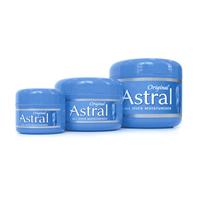
Astral is available in Boots, Morrisons, Sainsbury’s, Superdrug, Tesco and all good chemists. It comes in three pot sizes: 50ml – the ‘the handbag pot’, which is perfect for on-the-go indulgence (£1.49); 200ml – with all the different uses of Astral, many women get a few 200ml pots and keep one by the bed, one in the bathroom, one by the kitchen sink or any place where Astral might come in handy (£4.19); 500ml – Astral prides itself on being a premium quality product with a great value price (£7.99). With the 500ml pot women get even more for their money.

Common questions about Astral

Q. Has Astral been dermatologically tested?
A. Yes
Q. Is Astral suitable for use by Muslims?
A. Yes, Lanolin and Lanolin alcohol are extracted from sheep’s wool. However, Lanolin Alcohol is produced by a chemical reaction with lanolin, i.e. it is man-made rather than the type of alcohol that you drink.
Q. Is Astral tested on animals?
A. No.
Q. Does Astral contain any animal products?
A. Astral contains Glycerin, which is purely synthetic, Lanolin, which is extracted from sheep’s wool and Lanolin, which is produced by a chemical reaction with Lanolin.
Q. Where can I buy Astral from?
A. Boots, Superdrug, Sainsbury’s, Safeway, Asda, Morrisons, Lloyds and all good chemists.
Q. What sizes does Astral come in?
A. A 50ml pot, 200ml pot and 500ml pot.
Q. The new pots of Astral have a different ingredients list, has the formula changed?
A. No, the formula is identical, but new EU regulations mean that all toiletries and cosmetics need to list more ingredients on the label.
Q. Does Astral contain perfume?
A. Yes, the perfume in Astral is unique to the brand and has remained unchanged over the years.

One independent web site has received 23 reviews of Astral and it found that 96 per cent of women recommended it.

Average Ratings
Value for Money 9.3/10
Reviewer Rating 9.7/10
Overall Rating 9.4/10

Bike Week – 13-21 June 2009 UK

image

Bike Week (13-21 June), the UK’s biggest mass participation cycling event, is this year challenging families to get more out of life by swapping their four wheels for two and exploring new places in their local community. Towns, villages and cities across the UK will host free cycling events with the theme of ‘Get more out of life: live local, get cycling’.

Thousands of events will inspire people to hop on their bikes and discover the benefits and pleasures of cycling locally. Over half of all car journeys are less than five miles long, so by switching them to an easy thirty minute bike ride, you’ll save money, find new places you didn’t know existed, shrink your carbon footprint and get fit too!

There’s something for everyone during Bike Week, with events ranging from cycle training and Dr Bike sessions for novices, to commuter challenges and group rides around local cycling routes – all for free! Many are open to the entire family meaning it’s a great way to spend time together and meet other locals whilst rediscovering the fun of riding a bike in a safe and friendly environment.

Phillip Darnton, Chairman of Cycling England, said: “Many families are looking for easy ways to get more out of life, particularly during these difficult financial times. Cycling brings families together and is a fantastic, free way to explore new places and rides and have a lot of fun. We hope that people will use Bike Week as the perfect opportunity to get back on their bikes and re-connect with their communities.”

Bike Week has teamed up with Change4Life, the movement that provides families with helpful hints and tips about how to be more active and less sedentary and promotes cycling as a great way for children to achieve 60 minutes of their recommended daily activity.

To find out what is taking place in your local area, visit and enter your postcode. If you’d like to take part but don’t have a bike, this shouldn’t stop you – you can find your nearest bike rental outlet on the website. All participants get the chance to win a Center Parcs family holiday or one of twenty-four bike carriers in the lead up to Bike Week – another reason to get on your bike!

For further information, or if you’d like to organise your own event, log on to www.bikeweek.org.uk or phone 0845 612 0661(UK number).

Five reasons to get on your bike:

1. Over half of our car journeys are less than 5 miles – swapping them for an easy 30 minute bike ride can save you a small fortune in fuel costs

2. Cyclists live on average at least two years longer than non-cyclists and their fitness levels are equivalent to being ten years younger – so forget nip and tuck, think pedal and push!

3. Cycling is the ultimate family activity; it’s free, healthy, fun and encourages children to be independent

4. Cycling gets you out and about and you’re more likely to find that cute little delicatessen or beautiful park you never knew existed than when you’re cooped up in a car

5. In a hurry? During rush-hour, a bicycle is twice as fast as a car – good if you hate traffic jams! Even better, you won’t spend a penny on parking

More information
1. This year’s Bike Week will run from 13-21 June 2009.

2. Bike Week is one of the UK’s biggest annual promotions of cycling and provides a national umbrella for locally organised events and activities up and down the UK

3. Bike Week began as a grass-roots organisation in 1923 and receives funding from the Department for Transport via Cycling England, Transport for London, Northern Ireland Executive, The Welsh Assembly Government and Cycling Scotland with support from the Scottish Government. Bike Week also receives funding from the cycle industry via Bike Hub.

4. The partners that run Bike Week are drawn from the whole cycling community including the cycle industry, Cycling England and Cycling Scotland, Sustrans, CTC and Cyclenation. More information can be found at www.bikeweek.org.uk

5. BikeWeek supports the Change4Life movement. In order to maintain a healthy weight we need to eat well and move more. Many families are making changes that will help them live healthier and longer. Visit www.nhs.uk/change4life or call 0300 1234567 for more information

6. To find out more about Change4Life, visit www.change4life.co.uk

Mexican detox smoothie giveaway from Crussh

image
image

CRUSSH the UK’s oasis of healthy food and wellbeing has launched the UK’s first ever Cactus detox smoothie.

Cactus has been used for thousands of years by Mexican natives to enhance health and vitality. Celebrated for its wealth of health-promoting benefits including cleansing the liver and colon; the Cactus offers a great variety and high levels of antioxidants such as Vitamins A, C and Bs, as well as providing a rich source of fibre and hydration due to its high water levels.

Research has also linked the use of Cactus in slowing down the ageing process, treating intestinal illnesses such as ulcers, reducing blood sugar levels in diabetes, burning fat and lowering cholesterol.

The Cactus smoothie contains a delicious blend of 98% fat free yoghurt, lime, pineapple and banana and is available at all Crussh stores from January until March.

To try the Cactus smoothie for yourself, Crussh has given Elixir five free smoothie vouchers for you to win. To grab your free smoothie, all you have to do is to email us your name and address at readeroffer@elixirnews.com with the word Smoothie in the header. The first five emailers who send in their details by 28 February 2009 will receive a voucher. Please note that no cash equivalent is being offered.

So get back to nature this New Year and cleanse your body with the time-old Mexican Cactus detox available at all Crussh stores now.

image

Scientists develop early-warning plaque detector

image
image

Liverpool: Scientists at the University of Liverpool have developed a new dental product to identify plaque build-up in the mouth before it is visible to the human eye.

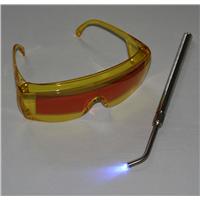
The toothbrush-sized product has a blue light at its tip, which, when shone around the mouth and viewed through yellow glasses with a red filter, allows plaque to be seen easily as a red glow. The device, produced in collaboration with dental and healthcare developers, Inspektor Research Systems BV, has been designed for everyday use in the home.

Dentists currently use disclosing agents in tablet form to uncover tooth decay and plaque but these often stain the mouth and taste unpleasant. The new product, known as Inspektor TC, will be particularly useful for those who are vulnerable to dental diseases such as children and the elderly.

Children in the UK have had an average of 2.5 teeth filled or removed by the age of 15 because of tooth decay. In young people alone £45 million is currently being spent every year on the problem.

Professor Sue Higham, from the University’s School of Dental Sciences, said: “It is extremely difficult to get rid of all plaque in the mouth. Left undisturbed it becomes what we call ‘mature’ plaque and gets thicker. This is what leads to gingivitis, or bleeding gums, and decay.

“Early stage plaque is invisible, and so this device will show people the parts of the mouth that they are neglecting when they brush their teeth, enabling them to remove plaque before it becomes a problem.

“Inspektor TC is designed so that people can easily incorporate it into their daily dental hygiene routine at home. We now hope to work with industry partners to develop this prototype so that people can use it in the home to identify plaque before any serious dental work is needed.”

The team has now received a Medical Futures Innovation Award for the product – a commendation which acknowledges significant innovation in science.

More information

1. Inspektor Research Systems BV is an industrial collaborator based in Norway which focuses on research and analysis to develop innovative dental and healthcare products.

2. Medical Futures Innovation Awards recognise groundbreaking ideas and products within the healthcare and business world that have the potential to transform people’s lives. Past winners of the award have secured over £80 million of funding from industry specialists for the manufacture of their product.

3. The University of Liverpool is a member of the Russell Group of leading research-intensive institutions in the UK. It attracts collaborative and contract research commissions from a wide range of national and international organisations valued at more than £93 million annually.

image

Omega 3 – How to find the best by the experts at Croda

NOT ALL OMEGA 3 IS EQUAL
SO HOW CAN WE TELL THE DIFFERENCE?

Recent media reports have shown that omega 3 supplements on the UK high street vary significantly in terms of the amount of essential fatty acids they contain. Trying to cut through the confusion for consumers is becoming increasingly paramount, because omega 3 fatty acids have clear benefits for many areas of our health and lifestyle, such as heart, circulation and brain health. But we need to seek the best possible quality – and the question remains, how can we tell what’s best?

Pure concentration

An exciting new development area at the top end of the omega 3 spectrum is in high potency, high purity omega 3 marine-based supplement concentrates, which are creating new opportunities and bringing additional health benefits to consumers. They are enriched in EPA, (Eicosapentaenoic Acid), DHA (Docosahexaenoic Acid), and in some, the newly emerging DPA (Docosapentaenoic Acid), seen by experts as the next generation in omega 3 for heart health. Concentrates are distilled and refined during several processes, which also reduces the level of saturates and contaminants which may remain in more unrefined 18/12 grades.

But there’s a catch…

There is currently no globally accepted standard for the omega 3 levels required to define a fish oil product as a ‘concentrate’. Most fish oils currently on the market are based on cod liver or ‘18/12’ oils. 18/12 oils are sourced from blended fish body oils and are known as ‘18/12’ because they give an EPA/DHA ratio of 18% and 12% respectively per 1g of oil. In low-cost health supplements, they form the basis of many so-called ‘concentrates’.

What am I looking for?

Check the ingredient list on the pack to find out the content and dosage of each fatty acid. Look for more of EPA and DPA if you are taking omega 3 for heart health and DHA for brain health.

In true concentrates, fewer and smaller capsules are needed per omega 3 dose, which means that compliance is enhanced and therefore the therapeutic benefits boosted.

Typical fish oil concentrate label information shows:
Nutritional Information Amount per Softgel % RDA
Fish Oil 1200mg *
Providing Omega 3 fatty acids 720mg *
EPA (eicosapentaenoic acid) 396mg *
DHA (docosahexaenoic acid) 264mg *
Other fatty acids 60mg *

There is no official RDA, but two world-renowned and respected scientific committees have offered advice on this subject:

• The UK’s JCHI (Joint Health Claims Initiative) recommends that 0.45g of long chain omega 3 fatty acids daily to help maintain a healthy heart
• The AHA (American Heart Association) recommends:
o 1-2g per day to help maintain a healthy heart
o 4g EPA + DHA per day for people with coronary heart disease

Stamp of approval
Croda has developed the PureMax sign of quality. Products displaying the PureMax logo have gone through a unique purification and concentration technology process. The process removes heavy metals, environmental pollutants and oxidative impurities to ensure the highest quality oils. The end products have minimal impurities and contain the selectively concentrated fatty acids. Higher concentration offers greater consumer convenience, improved palatability, better dose compliance and greater cost-efficiency.

So look out for the PureMax stamp of approval to ensure you are taking the best omega 3.

Visit www.puremax.info to discover more.

For further information and to receive a comprehensive omega 3 information pack, please contact Claire or Stephen at Fuel PR on 020 7498 8211. Experts available for interview.

• References:
o Arterburn LM, Bailey E, Oken H; Distribution, interconversion, and dose response of n-3 fatty acids in human, Am J Clin Nutr, 2006, 83, 1467S-76S
o Barton CL, Next-Generation Nutraceuticals . Food and pharma convergence in disease prevention and personalized nutrition, Business Insights Ltd, 2006
o Calder PC, Grimble RF; Polyunsaturated fatty acids, inflammation and immunity, European Journal of Clinical Nutrition, 2002, 26 Suppl 3, S14-S19.

Omega 3 – What is it – a briefing from the experts at Croda

WHAT IS OMEGA 3?
ALL YOU NEED TO KNOW AND MORE!
Getting the balance right!

There are three types of fat: saturated, monosaturated and polyunsaturated which divide into two groups of essential fatty acids (EFA’s): omega 3 and omega 6 – essential because the body cannot make them on its own – between which there needs to be a strict balance. Today’s Western diet has resulted in an imbalance between the essential fats which holds potentially detrimental effects to long-term health.

Before trans fats and processed foods were added to our diets, the ratio of omega 6 to omega 3 fats was about 4:1 – a ratio associated with a 70% decrease in total mortality rate in the secondary prevention of heart disease. One recent study found that the ratio of omega 6 to omega 3 fats consumed today was closer to 16:1.

Other researchers say that the typical Western diet contains 11-30 times more omega 6 than omega 3 fats. And in a study of asthmatic patients, a 10:1 ratio was associated with adverse conditions.

Why does this matter? When the ratio between them becomes imbalanced, that is, when omega 6s overwhelm the omega 3s, the body experiences inflammation, which can result in serious chronic inflammatory conditions, such as heart disease, cancer, diabetes, hypertension, arthritis, asthma and some auto-immune disorders.

The basics

Your daily intake of omega 3 can come from oily fish such as salmon, herring, mackerel, sardines and fresh tuna plus certain plant oils, such as olive and flax. As a guideline, the Department of Health recommends 2-3 portions of oily fish per week for adults.

On average, people in the UK eat only a third of a portion of oily fish a week. Over seven out of 10 do not eat any at all. The table below indicates mean % UK population consumption of fish per week:

Consumption/week Males Females Total
Total Fish 28.5% 22.5% 25.2%
White Fish 31.2% 21.3% 25.7%
Oily Fish (excl. canned tuna) 26.4% 23.6% 24.8%
Shellfish 17.6% 15.8% 16.6%

For those who find it difficult to consume the advised weekly fish allowance, especially for those who are not keen on eating fish, or as an additional fish source for those who do, omega 3 supplements are an ideal option. The best choices come in a concentrated liquid or capsule format and adults should take at least the Joint Health Claims Initiative (JCHI), recommendation of 450mg per day to gain the maximum benefit.

Not all omega 3 is equal
Omega 3 supplements are made up of three main long chain fatty acids, EPA, DPA and DHA which come in different concentrations and at different price points. To ensure that you get the best out of your supplement you should take one with the highest concentration of the fatty acid that meets your needs:

Signs of best quality
Check the ingredient list on the pack to find out the content and dosage of each fatty acid. Look for more of EPA and DPA if you are taking omega 3 for heart health and DHA for brain health. Remember you are looking for a minimum omega 3 content of 450mg for the supplement to be beneficial.

Croda has developed the PureMax sign of quality. Products displaying the PureMax logo have gone through a unique purification and concentration technology process. The process removes heavy metals, environmental pollutants and oxidative impurities to ensure the highest quality oils. The end products have minimal impurities and contain the selectively concentrated fatty acids. Higher concentration offers greater consumer convenience, improved palatability, better dose compliance and greater cost-efficiency.

Benefits of the key fatty acids

EPA (Eicosapentaenoic Acid)
• Helps improve blood flow, reducing the risk of heart attack or stroke
• EPA has been shown to impart an antithrombotic effect by reducing blood clotting
• Proven to have preventative effects on atherosclerosis (hardening of the arteries)
• Dietary intake of EPA can improve the balance of LDL and HDL cholesterol
• Dietary intervention with EPA may reduce vascular inflammation which can alleviate rheumatoid arthritis and reduce joint inflammation
• EPA contains mood balancing properties and can enhance brain function

DHA (Docosahexaenoic Acid)
• Improving brain function – DHA has been shown to improve mood disorders such as depression and positively affect mental function and curb aggression
• DHA supports eye health, helping to improve overall eye function
• Pregnant and nursing mothers can improve the intelligence and happiness of their babies with DHA
• Like EPA, DHA can improve cardiovascular health help lower blood pressure
• Can improve the health of skin, nails and hair
• Can help prevent the development of allergies and protect against the symptoms of hay fever, sinus infections, asthma, food allergies and eczema

DPA (Docosapentaenoic Acid)
• DPA stimulates endothelial cell migration with an effect up to 10 times greater than EPA, which may enhance the reduction of atherosclerosis

• DPA helps prevent the formation of blood clots which can block arteries and cause heart attacks or strokes
• The levels of DPA in serum phospholipids can help prevent coronary heart disease
• DPA has been positively linked with a reduction in the risk of peripheral arterial disease in smokers

Sources of omega 3
There are two main sources of omega 3. Marine fish oil and a vegetarian source of omega 3 containing Stearidonic Acid (SDA, C18:4 n-3) derived from echium oil.

Omega 3 is increasingly becoming a part of other food sources, largely by fortification. Fortified foods include margarine spreads, milk, yogurts, bread and certain eggs. However, to receive the JHCI recommendation of 450mg daily to help maintain a healthy heart, the amount you would need to eat of each of these is substantial. The following table illustrates how fortified foods contribute to an omega 3 enriched diet: –

Source: Croda Healthcare

It is unlikely that anyone would wish to swallow 164g of low fat spread or drink nearly two litres of milk per day. However, low levels of omega 3 can be gained from these sources; a balanced diet with a healthy awareness and intake of omega 3 fatty acids is beneficial.

• Visit www.puremax.info for up-to-the-minute information about fish oil supplements

• References:
o Arterburn LM, Bailey E, Oken H; Distribution, interconversion, and dose response of n-3 fatty acids in human, Am J Clin Nutr, 2006, 83, 1467S-76S
o Barton CL, Next-Generation Nutraceuticals . Food and pharma convergence in disease prevention and personalized nutrition, Business Insights Ltd, 2006
o Calder PC, Grimble RF; Polyunsaturated fatty acids, inflammation and immunity, European Journal of Clinical Nutrition, 2002, 26 Suppl 3, S14-S19.
o Gorman C, Park A, The Secret Killer. The surprising link between inflammation and heart attacks, cancer, alzheimer’s and other diseases, TIME, 2004, Feb
o Government Articles

Non-smokers live longer

image

London: Smoking matters more than money and class in determining how long you will live, researchers said.

Smokers from the highest social class are more likely to die early than non-smokers in the lowest class. And smoking also wipes out the longevity advantage that woman normally have over men.

The findings came from a massive study involving more than 15,000 men and women in Paisley and Renfrew. Carried out over the course of 28 years, the findings are reported today in the online edition of the British Medical Journal.

The researchers found that a well-off professional who smokes has a far lower survival rate than a non-smoking low-paid worker of the same sex. Among both men and women, smokers of all social classes ran a much higher risk of dying early than non-smokers from the lowest social classes.

“In essence, neither affluence nor being female offers a defence against the toxicity of tobacco,” said the researchers, led by Dr Laurence Gruer, director of public health science with NHS Health Scotland.

The findings also suggest there is little scope for reducing class-related health inequalities unless smoking rates in the lower social classes can be reduced.

The study began with 8,353 women and 7,049 men aged 45-64 in the early 1970s. These were then divided into 24 groups – male or female, smokers, ex-smokers or never-smokers – and all categorised in one of four social class headings.

After 28 years, 56% of non-smoking women and 36% of non-smoking men in the bottom two social classes were still alive – compared with only 41% of women smokers in the top two classes and 24% of men.

The researchers also found that most deaths from lung cancer were among smokers. There were 842 deaths from lung cancer – 5% of them among those who had never smoked, 9% amongst former smokers, and 86% among current smokers.

The researchers also found that the death rate for ex-smokers was similar to those who had never smoked, suggesting that quitting can make a significant difference regardless of status.

British men ignore eye health, reveals new survey

London: British men are seriously neglecting their eyes, according to a national study for Vision Express, the UK national chain of optometrists.

A poll of more than 2,000 men and women found that more than two-thirds of men (67%) have spent nothing on eye care in the last 12 months in contrast to 53% of women.

Men said that hair care was a higher priority, with investment in hair care dwarfing investment in eye care over a twelve month period. 80% have spent money on hair care and 34% have spent £50 or more in the last 12 months.

The study also found that women are twice as likely to invest in hair care as they are in eye care, which attracts similar levels of investment to amounts spent on nail care or foot care.

“It seems crazy that we spend more on our appearance than we do on preserving our ability to see,” said Bryan Magrath, CEO of Vision Express. “Our eye sight is vital and is under all sorts of pressures in the workplace and in our leisure time. An eye exam should be part of our annual health regime.”

Recent trials of new digital retinal cameras at Vision Express found that in one in 20 examinations, patients were referred to the NHS for specialist examination due to the detection of anomalies. Vision Express has just completed the £multi-million roll-out of the new digital retinal cameras, capable of taking images of the interior of the eye.

The study also found that across the adult population, the 18-24 year old age group are most neglectful of their eye sight. Nearly one in 10 (8%) in this age bracket claim to have never had their eyes tested.

Vision Express is partnering with the Institute of Ophthalmology this year to explore further improvements in eye examination techniques across its national network of more than 300 High Street locations. The partnership forms part of Vision Express’s commitment to being the leading High Street specialist in eye care and eye health.
 Ends 

About Vision Express

Vision Express is one of Britain’s leading chains of opticians, with a national network of more than 300 stores. Built on a passion for the optical profession and a drive for unparalleled customer service, Vision Express opened the first ‘one hour’ Opticians in 1988 and remains the pioneer of a genuine one-hour service today. Vision Express is part of Europe’s largest optical retailing network that includes eye care brands Grand Optical, Solaris and Generale D’Optique.

Healthy lifestyle delays ageing

image

London: Chromosomes of people who lead a healthy lifestyle do not age as rapidly as those who have a poor diet and take little exercise.

A healthy lifestyle may also slow the process of ageing, according to a study conducted by researcher from the Preventive Medicine Research Institute and published in The Lancet Oncology.

“This might be a powerful motivator for many people to beneficially change their diet and lifestyle,” the researchers said.

The diseases of ageing have been linked to a shortening of chromosome components known as telomeres, which protect the ends of chromosomes and keep the DNA in the middle from being damaged.

Over time, telomeres shorten and both cells and DNA become more vulnerable to various forms of damage. Researchers have speculated that this may be one of the primary mechanisms connected to age-related decline. Shorter telomeres have been correlated with an increased risk of both cancer and cardiovascular disease.

Prior studies have discovered that the telomeres of smokers, the obese and those with sedentary lifestyles tend to be shorter than average. This spurred the researchers to investigate if an improvement in lifestyle could be directly connected to telomere protection.

The researchers recruited 24 men and measured their blood levels of telomerase, an enzyme responsible for repairing and adding to telomeres. They then prescribed a variety of healthy lifestyle and measured telomerase activity again after three months.

The lifestyle changes included a moderate aerobic exercise routine, classes in stress management and relaxation techniques, breathing exercises, a diet high in fruits and vegetables, and supplements of vitamins and fish oil.

By the end of the study, telomerase activity had increased among the participants by an average of 29 percent. The level of telomerase increase was also correlated with a decrease in levels of LDL (“bad”) cholesterol and the frequency of intrusive thoughts (a marker of stress).

Get beauty from the inside out with free diet booklet from the experts at Yakult

image
image

London: A survey conducted by probiotic experts Yakult reveals that 15.5 million Brits are struggling to keep to their New Year resolutions at the start of the year with 5 million admitting to failing altogether.

The research by Yakult showed 52% of people ate and drunk substantially more over the Christmas period with 30% likely to have experienced some form of digestive complaint.

Dr Simon Gabe says: “Digestive problems over Christmas are very common and can occur for a variety of reasons such as dietary changes, stress and gastroenteritis. Infections such as salmonella can and do occur from undercooked turkey, but it is more likely that symptoms suffered are due to a combination of dietary changes and stress.

Irritable bowel symptoms have a seasonal variation and this may relate to the diet and stress during this time of the year.”

Making changes to your diet during this period before you’ve recovered could increase the likelihood of breaking your resolution. Starting a few weeks later will not only be better for you physically but also ease the mental struggle of trying to keep to your resolution.

This is a view of psychologist Donna Dawson who says: “Two weeks into the New Year is the best time to start your New Year resolution. The reason for this is two-fold: firstly people forget that Christmas can be a very stressful period in many ways; secondly, combining the after-effects of the holiday period with returning to work puts people under a great deal of emotional and physical strain. As a result, the majority of people are not mentally ready to begin their resolutions on New Year’s Day.”

Keeping to a successful resolution is a physical and mental battle. However, going back to work after the festive period also adds to the strain. 46% of those surveyed said going back to work after the festive period was a physical and mental shock to the system. When it comes to citing reasons for failure, 18% of people blamed the stress of going back to work, whilst 17% said it was a case of January blues which led them to fail. 38% would delay starting their resolutions if they thought it would mean keeping them longer.

Donna Dawson continues: “By January 14th you should be recovered from Christmas and adjusted to being back at work making it the perfect time to focus on improvements to your life. You have had time to think clearly about what you really want for yourself, and you are physically and mentally more able to work towards achieving it. If you have already broken your resolution, don’t despair as now is the time to start afresh to increase your chance of success.”

The Inside Out Diet is a lifestyle plan, devised by independent experts Dr Tony Leeds, nutritionist Fiona Hunter and also fitness expert Nicki Waterman. As well as providing tips, recipes and exercises, the website has recently launched a new blog in which users can share tips and advice and offer motivation for those looking to lead a health lifestyle and get in to shape. Users can also register for their own free copy of the Inside Out Diet book on the website, www.insideoutdiet.co.uk

Five Tips for Successful New Year’s Resolutions from Psychologist Donna Dawson:

1) Choose a Realistic Resolution and a Realistic Target Date: First, choose a resolution that can be achieved realistically within your present life-style. Then choose a date for reaching your goal that is neither so soon that you will fail (for example, a month), or so far away that you will give up before you reach it (say, six months). Any New Year’s resolution should be considered an ‘ongoing process’, so give yourself a target date that reflects that.

2) Brainstorm: Write down every idea and activity that will help you to meet your goal – this may mean “adding” or “subtracting” something from your present lifestyle. Also, consider ‘what’ or ‘whom’ may be holding you back? You may have to avoid doing certain things, or even stop doing certain things for others

3) Prioritise: A big goal can always be broken down into smaller steps to make it more manageable. Find the smaller steps that make up the whole, and then work out a time-span for working out each smaller step into your life (for example, “immediately”, “ a few days”, “a week”, “a month”).

4) Reinforcement; Human beings are creatures of habit; the trick is to unlearn “bad” habits and to replace them with “good” habits. If you are dieting, then reward any success with non-food rewards. If you are getting fit, plan at least two exercise sessions a week within your present routine (write them into your diary as firm dates, and then keep them). By reward and persistence, the “good” habits will soon become automatic, thereby ousting the “bad” habits.

5) Forgive Yourself: If you lapse from your goal, don’t berate yourself and give up in disgust. “To err is human”, and you must take the longer view. Cultivate the difference between ‘willpower’ (an “all-or-nothing” approach which brooks no failure), and ‘self-control’ (which can be ‘learned’, and which allows for some compromise). Pick yourself up, dust yourself off, and start again, always accentuating the positive!

2,025 people were surveyed by YouGov

Yakult

Yakult is the original probiotic. It was developed in 1935 by Dr Shirota, at Kyoto University in Japan.

Dr Shirota was a powerful advocate of preventative medicine. He believed healthy intestines helped give good health and a long life. His philosophy – Working on a healthy society – aims to improve physical, mental and social health.

Yakult has nearly 75 years in bacteriological research and has achieved global recognition in the use of friendly bacteria in foods, cosmetics and pharmaceuticals. Research continues at the Yakult Central Institute in Japan and the company also works closely with scientific and medical communities to increase understanding of the role of friendly bacteria in health.

Today Yakult is consumed by 25 million people in 31 countries world-wide.

image

Look great at the wheel with TV make-up guru Ruby Hammer

image

London: How often have you stopped at a red light and seen a hot looking guy sitting in their car at the other side of the junction?

It’s true that you never know when you’re going to meet Mr. Right so looking your best at all times is vitally important. The problem with driving is that it presents a car load of drive-time beauty dilemmas. Our once stylish clothes get crumpled and creased and if it’s a long drive we end up looking and feeling a little bit less than fresh.

To celebrate their ravishing new ride; the Kia Picanto top car company Kia have produced this must-see video starring internationally acclaimed make-up artist Ruby Hammer. Ruby knows how important it is for a girl to look glam wherever she goes and will be offering up some exclusive advice for behind the wheel beauty. She’ll be telling you how to give your skin a fresh, dewy glow even after a long journey and how to avoid any high-speed hair/lip-gloss disasters!

Ruby will be spilling all her trade mark secrets, so make sure you watch this video to get all the insider info on looking radiant on the road.

For more information visit www.kia.co.uk

Vitamin D – the hot anti-ageing nutrient for 2009

image
image

Vitamin D, one of the cheapest supplements on the market, is effective against most of the diseases of ageing, say experts.

But most men and women, do not have adequate levels to protect their immune system, according to several studies.

Vitamin D is a fat-soluable vitamin, which is sythesized by the skin from sunlight and also from dietary sources including diary foods such as milk, cheese and butter, oily fish and offal.

But 90% of the amount required by humans is synthesized from the sun – so if you live in the Northern Hemisphere you will likely be Vitamin D deficient, especially in winter.

Low levels of Vitamin D cause the serious bone disease rickets, which was prevalent in the 19th century.

According to the UK’s Health Supplements Information Service 71% of men and 78% of women are below the recommended daily average.

Today various studies have shown that men with low levels of Vitamin D suffer 2.42 times more heart attacks. There is good reason to believe that vitamin D protects the arterial system from fat and plaque build up which leads to ablocked arteries and atherosclerosis (narrowing of the arteries).

It also helps preven common forms of cancer – again, according to various studies, vitamin D deficient women have a 253% increased risk of colon cancer; women with the lowest levels were at at 222% increased risk of breast cancer and men with higher levels have a 52% reduced incidence of prostate cancer; low levels of vitamin D are predictive of fatal strokes. It also regulates blood pressure and immune function and cancer.

Dr John Jacob Cannel MD founder of the non-profit Vitamin D Counsel in the US says:”Current research indicates vitamin D deficiency plays a role in causing seventeen varieties of cancer as well as heart disease, stroke, hypertension, autoimmune disease, diabetes, depression, chronic pain, osteoarthritis, osteoporosis, muscle weakness, muscle wasting, birth defects and peridontal disease.

“This does not mean that vitamin D deficiency is the only cause of these diseases, or that you will not get them if you take vitamin D. What it does mean is that Vitamin D, and the many ways ia affects a person’s health, can no longer be overlooked by the health care industry nor by individuals striving to achieve and maintain a greater state of health.”

Vitamin D seems to reduce the risk of almost every killer disease of ageing. In fact, a recent study shows that humans with low Vitamin D status are twice as likely to die over a seven year period.

Doctors are not trained to recognise vitamin D deficiency until rickets develop in children or osteomalacia (softening of the bones) developes in adults. Clinical vitamin D deficiency is diagnosed when blood levels of a vitamin D metabolite (25-hydroxyvitamin D) drop below 12ng.ml.

According to the world’s foremost experts, however, optimal levels of vitamin D are between 30 and 50 ng.ml and higher. Those with blood levels below 30ng/ml are considered to have insufficient vitamin D.

image
image

Plums – the cheap & cheerful superfood!

image

Houston: Plums have had their status as a ‘super-food’ by scientists confirmed yet again, by scientists.

They found the purple fruit matched or exceeded blueberries in antioxidants and phytonutrients, which help prevent disease.

Researcher Dr David Byrne, of AgriLife Research, said tests revealed one plum contains about the same amount of antioxidants as a handful of blueberries.

Antioxidants are molecules that sweep through a body looking for free radicals to knock out.

Free radicals are atoms or molecules that lurk where diseases like cancer and heart disease are found.

Scientist Dr Luis Cisneros, who helped with the Texas-based research, said: ‘Blueberries have some stiff competition.

‘People tend to eat just a few blueberries at a time – a few on their cereal or maybe as an ingredient mixed with other fruit in a fruit salad.
‘But people will eat a whole plum at once and get the full benefit.’

The US team examined the full content of plums then tested the effect of the compounds they found on breast cancer cells and cholesterol in the lab.
The scientist carried further research which threw up information which they hope can be used for breeding efforts to produce better fruit.

Dr Byrne noted that one benefit the team found was that the phytonutrients in plums inhibited breast cancer growth without adversely affecting normal cell growth.
He said this type of research needs further study.

Dr Cisneros added blueberries, peaches and nectarines have similar benefits to plums.

Stem cell hope for MS sufferers

image

Chicago: Stem cell injections may be able to help reverse the crippling effects of multiple sclerosis, a study published today says.

Four out of five adults in the early stages of MS who were injected with stem cells taken from their bone marrow saw an improvement in symptoms after three years, while the condition of the remainer stabalised.

MS is one of the most common disabling neurological conditions,and caused by damage to the myelin – a protective sheath surrounding nerve fibres and results in problems with sensation and muscle control.

The study, at the Feinberg School of Medicine, was designed to see whether injections of stem cells from bone marrow would migrate to parts of the nervous system damaged by MS and repair them.

Among the 21 men and women in the trial,who were aged between 20 and 53, 17 had improved on a scale of disability after three years. None of them reported a worse score.
The report in The Lancet Neurology medical journal today says the technique suppresses cells that cause damage and effectively ‘resets’ the immune system.
Study leader Dr Richard Burt of Feinberg School of Medicine, Chicago, said: ‘It is a feasible procedure that not only seems to prevent neurological progression, but also appears to reverse neurological disability.’
And a further trial involving 100 patients is to get under way soon.

Beautiful skin by world-renowned expert Dr Des Fernandes

image

Cape Town: Beautiful Skin – exclusive guide by Dr Des Fernandes, one of the world’s leading experts on skin care

Scientists are promising us that we are going to live longer but who wants to live longer if it only means that we are going to look and feel old for longer. We have to do something to lengthen our youthful years and shorten our senile period, says leading cosmetic surgeon, Dr Des Fernandes.

The most visible change is in our skin and so we have to learn strategies to keep our skin as young and healthy as possible.:

We know that conventional cosmetics and salon treatments don’t work but fortunately we live in the age of Cosmeceutics. Cosmeceutics are cosmetics that have act like pharmaceutical products. That’s the medicine that photoaged skin needs because photoageing is a vitamin deficiency skin disease caused by exposure to light, and free radicals which destroy vitamins A, E and C and beta carotene in the skin. The medicine for photoageing should at least supply what has been lost by exposure to light:

1. Vitamin A is responsible for regulating the health of DNA in every cell of the body, but in the skin vitamin A is destroyed by exposure to light. Vitamin A is essential for activating enzyme systems and keeping keratinocytes and fibroblasts healthy. If there is insufficient Vitamin A in the skin then no matter what cosmetic you put on it, the cells cannot really be healthy. Vitamin A and Beta Carotene therefore has to be part of daily skin-care routine for everyone who is exposed to light!

2. Vitamin C and E are also destroyed by exposure to light. They are fundamental components of the antioxidant brigade that protects cellular membranes and DNA. They are essential for metabolism and maintenance of cellular health. For our skin’s health we are compelled to address their deficiency every time we go out into sunlight.

Intrinsic ageing of the skin is also not inevitable. It is really a wasting skin disease caused by:

1. free radicals;
2. deficiencies of hormones, vitamins, and micronutrients
3.and other essential factors like cellular electrical charges, that dwindle as we get older.

Topical Vitamin A and antioxidants can reverse certain aspects of photoageing. Vitamin A by itself has a great effect, as does vitamin C, but the combination with a full antioxidant brigade is the most effective. Until this basic fact of vitamin replacement is understood, the preservation of young skin will remain elusive! But remember, replenishment of vitamins has to be combined with sensible protection from the sun without impairing vitamin D production.

I believe that there are two significant rules to revolutionise skin care:

Rule 1: Every skin care regime should have Vitamins A, C, E and Beta Carotene included at least once a day.

Rule 2: vitamin replenishment should start soon after we become exposed to sunlight. That means we start replenishment soon after walking! New creams specifically for very young children need to be introduced.

To make sure that people could protect themselves adequately, I created a laboratory to make this ideal skin care range without any added preservatives or perfumes. This product supplies the skin with vitamins A, C, E , panthenol and beta carotene.

VITAMIN A. Sunlight causes not only a lower concentration of Vitamin A in the skin but prolonged exposure can also lower the blood levels of Vitamin A. We all walk around with a deficiency of Vitamin A in every part of skin that is exposed to light. We need to replenish that Vitamin A every day otherwise our Vitamin deficit is translated into skin damage – not only after being in blisteringly hot sunlight, but also on cloudy days because UV-A can penetrate through clouds!

We can’t rely on diet to replenish this Vitamin A because once Vitamin A has been depleted, it takes up to a week to restore the normal levels. We have to restore normal levels of Vitamin A through the skin itself.

Women have an added disadvantage because their vitamin A levels fall each time they menstruate and so in reality they are more susceptible to sun damage at that time.

Some people believe that retinol (vitamin A alcohol) is actually the true form of vitamin A. Retinoic acid is just the acid form of Vitamin A and we now know that all the various forms of Vitamin A are interchangeable in the skin cells. The truth is that whatever form of vitamin A you put on your skin, it is going to be changed by the skin cells into retinyl palmitate. I prefer to use retinyl palmitate for basic replenishment of cutaneous vitamin A because it is the least irritant form of vitamin A, and under normal conditions constitutes almost 90% of the vitamin A in the skin. Not only that but palmitic acid has an essential role in the maintenance of healthy cell walls and is also a source of energy that is required to create the various forms of vitamin A.

Beta Carotene is often called vitamin A but it is not true vitamin A. ,It can be converted into 2 molecules of retinaldehyde.. Beta Carotene is one of the most powerful antioxidants found in nature whereas Vitamin A is not. In other words Beta Carotene counteracts the effects of the sun whereas Vitamin A is actually destroyed by the sun. So we really need both Vitamin A and beta Carotene in our skins
Vitamin A makes the skin thicker. And normalizes the skin cells. It potentiates the immune cells to keep the skin healthy and reduces pigmentation. The waterproofing barrier of the skin is enhanced and the very surface horny layer of the skin is compacted and appears smoother.

The collagen making cells of the ski (Fibroblasts) are stimulated to make healthy collagen and natural moisturising factors. This also plumps out the skin. Sebum secretion is normalised and so the incidence of acne is reduced. Oily skin becomes normal. However, if one has dry skin to start with, then Vitamin A initially makes it worse before it boosts the natural moisturisation.

The skin takes on a healthier hue because of the better blood supply. This is usually noticed in older sallow skins.If the skin is sun damaged then Vitamin A helps to restore normal soft skin and reduces the keratoses. Old wrinkled skin gets smoother.

People with skin conditions like atopy (where the natural waterproofing barrier has been impaired) can also use a cream like this. Topical vitamin A may help to re-establish a healthy horny layer. A product without perfumes or preservatives and proper doses of vitamin A and the other antioxidants can give stunning improvement of skin.

In order to protect the skin each day, yet allow for the formation of natural vitamin D, a low SPF should be used for simple “round the town” sun exposure. The low SPF can be augmented in effect if the day cream has been fortified by the addition of natural vitamin A and antioxidants. These antioxidants will reduce the damage from UV light.

Vitamin C is essential for the production of collagen and also for reducing pigmentation blemishes. Unfortunately vitamin C (ascorbic acid)is unstable in cosmetic formulations, despite the various claims made by different companies about the stability of their products. If you are going to use ascorbic acid then make sure that the product is less than three weeks old when you buy it otherwise you are buying a much weaker product than you expect. A more stable, and more effective form of vitamin C is magnesium (or sodium) ascorbyl phosphate that will give you its strongest effects for about five months. I prefer to use a product that is specially made for the client to ensure the greatest efficacy.

Vitamin E is an oil phase antioxidant and is essential for the preservation of cell walls. Vitamin E depends on adequate amounts of vitamin C to regain activity after it has dealt with a free radical.

Summary

The skin ages because we lose essential light sensitive vitamins every time we go out into light. The scientific method to counteract this damage is to replace the lost vitamins every single day and preferable both morning and evening. Vitamin A is the key molecule that maintains safe, healthy skin and it should be used by every single person on this planet every day in order to neutralize the accelerating damage from a thinner ozone layer.

For more information: www.environ.co.za and www.renaissancebsi.co.za

UK stockists of Environ skin creams: T: + 44 (0)20 8450 2020.

Get a bikini body at Wimpole Aesthetics with Makeover Miles

London: The Wimpole Aesthetic Centre in offering 10% off Thermage – an amazing fat shrinking radio wave treatment that will get rid of double chins, bingo wings and floppy tummies.

It is also offering 15% off a course of five photo-rejuvenation treatments.

Now all you need is your Makeover Miles card to open a world of value-for-money any ageing treatments.

To see what this great clinic has on offer to go www.wimpoleaesthetics.com

Another bad night’s sleep – free tips from the experts at TEMPUR

image
image

London: Getting a good night’s sleep helps keep the immune system operating at optimum, according to new research from Carnegie Mellon University.

The research discovered the risk of catching a cold was trebled amongst those who didn’t get enough sleep. Those who spent less than 92% of their time in bed asleep were five-and-a-half times more likely to become ill than those who were asleep for at least 98% of their time in bed. It is thought that lack of quality sleep impairs the immune system and the body’s ability to fight off the viruses that cause colds and flu.

More than a third of people in the UK regularly have trouble sleeping and millions wake up every morning feeling worse than when they went to bed.

UK bed manufacturer, TEMPUR, has come up with a helpful guide on how to get a good night night’s sleep.

Written in association with sleep expert, Dr Chris Idzikowski, ‘The Good Sleep Guide’ is an easy-to-follow educational consumer sleep guide with lots of practical tips and tricks to get the best night’s sleep possible, including the perfect bedtime routine and advice on choosing the right mattress.

According to TEMPUR, 80% of shoppers spend less than two minutes trying mattresses on which they are likely to sleep around 3,000 hours a year**, yet the right mattress can make a world of difference to our night’s rest. For example, TEMPUR pressure-relieving mattresses have been shown in clinical trials to improve quality of sleep by reducing tossing and turning by 83%.

The ‘Good Sleep Guide’ is available free to consumers by calling 08000 111081 or emailing: sleepadvice@tempur.co.uk Further information is to follow, which I hope will be of interest for any relevant features you may be planning, however please do let me know if you need any additional information, images or copies of the guide.

he part of the brain which controls our emotions, moods, social interactions and decision making recovers from the strains of waking life during sleep. If allowed to, most young adults will sleep between seven and eight hours a night, but an unfortunate result of juggling work and family time, means that one in three of us get just five hours sleep a night.

Poor quality sleep is known to lead to problems with learning, memory, concentration and low mood. There are, however, a number of ways to help ensure you achieve the best night’s sleep possible. ‘The Good Sleep Guide’ is full of simple tips and tricks to help you get the perfect night’s rest, from ways to develop the right bedtime routine – including which foods will trigger sleep and which you should avoid – to creating the ideal sleeping environment.

Did you know that you will sleep better if the temperature of your bedroom is between 17 and 18 degrees and that you should avoid dim lighting in the bedroom as a quick transition between bright light and complete darkness triggers sleep? The guide also addresses common sleep problems and helps you get to grips with them by providing practical advice, including visualisation techniques which re-focus your mind away from day-to-day stresses and prepare your mind for sleep.

TEMPUR Information

TEMPUR Mattresses are made from unique TEMPUR Material, a proprietary, open celled, temperature sensitive material that conforms to and supports the individual user by evenly distributing body weight. The basis for the TEMPUR pressure relieving material was originally developed by NASA to protect astronauts against G Forces during lift off and re-entry to the earth’s atmosphere. Today TEMPUR is the only producer of mattresses and pillows worldwide to be endorsed by NASA and certified by the Space Foundation.

On conventional mattresses the body needs to adjust during the night. This is due to unrelieved pressure, which restricts blood flow and results in the build up of pressure, causing pain and forcing the body to reposition. TEMPUR Mattresses, on the other hand, mould to the exact shape and position of the body giving the neck, back, shoulders and feet the comfort and support they need. Pressure is evenly distributed thus reducing pressure points and practically eliminating the need for tossing and turning.

TEMPUR Products are recommended by over 30,000 medical professionals worldwide, and their beneficial properties are supported by clinical research. A trial at the Institution for Clinical & Physiological Research at the Lillhagen Hospital, Gothenburg, Sweden tested 23,000 patients over an eight year period of home and clinical use of the TEMPUR Mattress and Pillow. Patients suffered less pain, experienced enhanced deep sleep, and an 83% reduction in tossing and turning when using TEMPUR Products.

A whole host of celebrities are now claiming they have found the perfect sleeping partner – their TEMPUR Mattress including George Michael, Jane Seymour, Paris Hilton, The England Rugby Team, Paul McCartney, David Blaine, The Ozbournes, Kyran Bracken, Claire Sweeney, Charlie Dimmock Susan Hampshire and Noel Gallagher.

TEMPUR Mattress prices start from £675, and TEMPUR Pillows are priced from £69.95. For more information about TEMPUR Products, call 08000 111081 or visit www.tempur.co.uk

Wimpole Aesthetic Centre – London

Wimpole Aesthetic Centre
48 Wimpole Street
London W1G 8SF
T: + 44 (0)20 7224 2247
www.wimpoleaesthetics.co.uk
This clinic offers all kinds of fillers and anti-ageing facial treatments such as Botox, skin peels, mesotherapy as well as treatments for skin conditions such as acne, hair removal, thread veins etc.

Dr Josh Berkowitz is also an expert in non-invasive forms of fat removal such as SmartLipo.

Does calorie restriction boost brain power?

image

Berlin: Cutting calories may boost memory as well as increasing lifespan, according to a new study from Germany.

Older adults who cut down on the amount of calories they consume get a two-for-one special: weight loss and better memory, say scientists from the University of Munster, in a study published in the journal Proceedings of the National Academy of Sciences.

They found that healthy women ranging in age from 50 to 80 who reduced their calorie intake by 30 percent for three months not only lost weight, but their scores on verbal memory tests also increased by 20 percent,

The study included 50 women, all of whom were either normal weight or slightly overweight. (The average body mass index was 28, which is about 175 pounds for a woman who is 5’6″.)

Twenty went on a calorie-cutting diet, another 20 upped their intake of unsaturated fatty acids (which some studies suggest may help ageing brains), and the remaining 10 kept to a normal diet.

Unlike the women who cut down on calories, the women who ate more unsaturated fatty acids showed no improvement in their memories, nor did those in the control group.

The researchers showed that women who cut calories became more sensitive to the blood sugar– regulating hormone insulin and had a drop in the inflammation-associated molecule C-reactive protein. Both factors have been linked to an improvement in brain function.

The findings add to growing evidence that calorie restriction can benefit health and longevity, but this shouldn’t prompt already skinny seniors to start dieting. Older people who lose too much weight increase their risk of falls and fractures.

And eating less isn’t the only way to get this effect. Exercise appears to exert similar effects on brain function by boosting insulin sensitivity and fighting inflammation.

Participants in the study who reduced their calorie intake met several times with dietitians for advice and were instructed not to eat less than 1,200 calories.

Experts believe that, increased inflammation and a drop in insulin sensitivity (which is known as insulin resistance) may help explain why obesity and type 2 diabetes have been linked to worse mental performance and a greater risk of Alzheimer’s disease.

Meanwhile, studies in animals dating back to the 1980s show caloric restriction can extend lifespan and slow aging. The current findings is another piece of evidence that what we see in laboratory rodents on caloric restriction translates to humans

Most studies in humans have looked at people who choose to sharply reduce their calorie intake long-term, he noted. This research has found clear signs of reduced cardiovascular disease risk, and perhaps slower ageing, in these individuals. But this kind of lifestyle change isn’t easy and is best done with professional help, Weindruch said. Health.com: 6 diet trends you should never try

Researchers who study caloric restriction have two main theories on how it might slow aging. One argument is that eating less slows down metabolism, so that the body produces fewer free radicals, which are byproducts of oxygen metabolism that can harm body tissues.

Another is that reducing calorie intake keeps cells under a constant low level of stress, which makes them better able to cope with higher levels of stress when it comes along similar to how the moderate stress induced by exercise can improve people’s health.

The German study will continue with larger studies of calorie restriction and mental function and will perform MRI brain scans on participants before and after they reduce their food intake in order to better understand what’s happening in the brain’s gray matter.

In the meantime, the findings offer yet another reason for people to try eating a little less.

Collagen anti-ageing turns back your skin clock

image

London: Imagine a pill that would tackle signs of ageing as well as kill joint pain, increase your agility, improve your stamina and help your overall fitness…

Pure-Col is a 100% pure collagen formula in tablet form that does exactly this, providing the ideal solution for those seeking physiological protection, maintenance and repair from exercise and a skin boost that reduces the appearance of lines on the face. With extensive documented research and clinical trials by doctors and specialists across the world to prove the efficacy of collagen and its combined grooming and fitness benefits, Pure-Col is the ideal skin and performance boost!

So how does it work?

Collagen is the most abundant structural protein found in cartilage, muscle, tendons, ligaments and bones. It has, however, been scientifically shown that collagen diminishes at a rate of approximately 1.5% per annum from the age of 25 years onwards – which is why it is essential to supplement this reduction to ensure long-lasting smooth, firm and supple skin as well as optimum maintenance.

Following extensive documented research and clinical trials to prove its efficacy, Pure-Col is an ideal supplement for those suffering from sustained injury or experience joint pain due to its ability to protect cartilage and synovial fluid against deterioration. It is the raw material used for cartilage synthesis and repair and can also reduce oxidative damage to joints, thus stimulating significant reductions in joint pain, tenderness and swelling.
The benefits of Pure-Col include:
• Smoothed lines and wrinkles
• Smoother, tighter skin, thicker hair and strengthened nails
• Increased stamina, agility, speed and performance
• Reduces aches and pains
• Overall physiological protection, maintenance and repair
• Radiant complexion
• Improves body’s joint mobility
• 100% natural with no known side-effects
So what is the difference between Pure-Col and other collagen supplements?

With over 20 years of research and development, Pure-Col goes through a special and complicated production process to ensure maximum absorption. Unlike other collagen supplements, which the body finds difficult to absorb effectively, this patented formula ensures that the objectives of optimum bioactivity and as close to 100% absorption by the body are achieved.

Pure-Col is priced £29.95 for one months’ supply. For stockist details or to order, please contact 100% Collagen Ltd on 0191 291 3385 or visit www.collagen4u.co.uk

Dr Josh Berkowitz joins Elixir experts

image
image

London: Dr Joshua Berkowitz of London’s Wimpole Aesthetic Centre has joined the panel of top experts who work with Elixir.

His practice in the centre of London offers a comphrensive range of treatments for the face and body, including fillers, Botox, chemical peels, dermabrasion, laser hair removal and the latest technology to zap fat including SmartLipo.

Dr Berkowitz graduated with a medical degree(MB ChB) from Birmingham University (UK) in 1980 and, after specialist training, obtained Membership and subsequent Fellowship of the Royal College of Obstetricians & Gynaecologists (FRCOG). As an experienced Medical Doctor and a very skilled surgeon, he owns and manages Wimpole Aesthetic Centre. To book a consultation with Dr Joshua Berkowitz, please contact us.

Before coming to England,he lived in Johannesburg (South Africa) and had a successful and prestigious private female-focused practice. He has always had a special interest in Women’s Health and Wellbeing, Endocrinology, Aesthetic Medicine and Anti-ageing Medicine.

He has a particular interest in aesthetic treatments that can be used as alternatives to cosmetic surgery and has attended many international congresses and workshops related to this genre of medicine. Before opening the Wimpole Aesthetic Centre in London, he spent time in Paris, Israel and in South Africa as well as in the UK at clinics specifically devoted to the practice of Aesthetic Medicine and Anti-aging Medicine.

Dr Joshua Berkowitz is fully registeredwith the General Medical Council (GMC) in the UK and with the South African Health Professionals Council. He is a member of several prestigious medical societies including the BMA and the SAMA. He is also a member of the Royal Society of Medicine (RSM) as well as the Royal College of Obstetricians and Gynaecologists (RCOG) and its South African equivalent, the SASOG. He is a member of the Independent Doctors Forum (IDF) and is, of course, a member of the British Association of Cosmetic Doctors (BACD).

As a recognised medical educator,Dr Berkowitz was on the academic staff of the Witswatersrand Medical School (Johannesburg) and on the part-time staff of the famous Chris Hani Baragwanath Teaching Hospital. Whilst in South Africa he had a live phone-in medical radio talk show specifically devoted to women’s health and other women’s issues.

Dr Joshua Berkowitz is one of the UK’s leading doctors for Smart Lipo and is a specialist in many other non-surgical aesthetic rejuvenation procedures and alternatives to cosmetic surgery, including Velasmooth, Microdermabrasion, Laser Hair Removal, Sculptra, Mesotherapy, Chemical Peels, Botox and much more! Please contact Wimpole Aesthetic Centre, London, to discuss your concerns and requirements or to book a free private consultation with a member of our highly experienced practitioners.

image

Thalasso Corallium Villa del Conde, Gran Canaria

image
image

Thalasso Corallium Villa del Conde
T: +34.928.56.32.32
Thalasso Corallium
E-mails: thalasso.ghvc@lopesangroup.com
(Ms. Cristina Lorenzo –Thalasso Manager)

THALASSOTHERAPY PACKAGES FOR ELIXIR MAKEOVER MILES – available until April 2009.

This magnificent Thalassotherapy centre ia situated directly on the coastline and offering exclusive interior and exterior facilities and an excellent selection of Wellness treatments.

THALASSOTHERAPY PACKAGES

The Thalasso Corallium Villa del Conde centre offers its clients, a variety of packages especially designed to respond to their personal needs and preferences considering different factors, such as grade of satisfaction and time.

Our thalassotherapy packages include:

• Oasis of Serenity
• Perfect Silhouette
• Ocean View

Our “Thalasso Experience”includes:

• Vitality Pool: Central pool with water jets
• Indoor Pavilion: Containing:
• Herbal:Steam bath with aromatic herbs
• Crystal: Steam bath with chromo therapy
• Sauna
• Adventure: Multi sensorial showers
• Ice Fountain
• Gravity Pool: Floatation pool
• Mineral Pavilion: Saline inhalation room
• Aroma Pavilion: Shower room with essential oils
• Kneipp Pool: Reflexology pool

The Thalassotherapy Centre also offers the following facilities (with extra charge):

• “The Nature Corner” Thalasso Bar with a select assortment of natural products to satisfy any gastronomic wish. The drink & food list includes: assorted teas, different types of mineral waters, natural shakes, salads, sandwiches and appetizers.

• Ocean View Suites: Four private treatment suites with direct ocean views and vitality pools. Especially designed for 1 or 2 people.

• Beauty and Wellness Centre offering a large variety of treatments for men and women, such as facial treatments, body treatments, manicure, pedicure, relaxing massages and hydrotherapy treatments.

• Rhassoul: Two Rhassoul bath rooms, for one person or two people.

• Thalasso Boutique: Shop for natural cosmetics.

“Ocean View” PACKAGE (1 day)
• “Thalasso Experience” during 1 day for 2 hours and 30 minutes
• 1 Swedish Suite massage with an invitation to an herbal tea or 10 minutes in a private Vitality Pool

Official rate: €87($112,£81) per person
Rate for Elixir Makeover Miles: €74($95,£69) per person

“Ocean View” PACKAGE (3 days)

• “Thalasso Experience” during 3 days for 2 hours and 30 minutes each day
• 1 Swedish Suite massage with an invitation to an herbal tea or 10 minutes in a private Vitality Pool
• 1 Reflexology Suite massage with an invitation to an herbal tea or 10 minutes in a private Vitality Pool
• 1 Aromatherapy Suite massage with an invitation to an herbal tea or 10 minutes in a private Vitality Pool

Official rate: €261 ($338,£244) per person
Rate for Elixir Makeover Miles: €222 ($287,£207) per person

“Oasis of Serenity” PACKAGE (3 days)

• “Thalasso Experience” during 3 days for 2 hours and 30 minutes each day
• 1 Aromatherapy massage
• 1 Reflexology massage
• 1 Mer & Sens Face

Official rate: €243($314,£227) per person
Rate for Elixir Makeover Miles: €207 ($268,£193) per person

“Perfect Silhouette” PACKAGE (5 days)

• “Thalasso Experience” during 5 days for 2 hours and 30 minutes each day
• 1 Algae wrap
• 1 Marine drainage
• 1 Swedish massage
• 1 Slim & Sculpt
• 1 Facial treatment 50 min

Official rate: €502 ($650,£469) per person
ELIXIR MAKEOVER MILES : €427 ($427,£399) per person

Terms & Conditions for the above

The access to the thalassotherapy centre is not permitted to people under 18 years of age.

Pregnant women may not use the circuit facilities, but there is a selection of treatments especially designed for them.

The thalassotherapy facilities and treatments may not be used by persons with heart problems, high or low blood pressure, circulatory problems or epilepsy, diabetes, certain allergies or those who have recently undergone surgery.

To avoid problems it is recommended to ask your doctor or the responsible staff at the thalassotherapy centre to get informed about facilities and treatments that can be used without risk.

Please note that the clients may not change any facilities or treatments not included in the packages. If they decide not to use certain facilities or treatments they cannot be refunded for them.

All facilities and treatments have to be booked in advance.

image
image

Thalassotherapy – Gloria Palace Amadores and San Agustin, Gran Canaria

image
image

TALASOTERAPIA CANARIAS AMADORES – Gloria Palace Amadores Thalasso & Hotel and TALASOTERAPIA CANARIAS SAN AGUSTÍN Gloria Palace San Agustín Thalasso & Hotel
T: +34 928 128 507
Gloria Palace Hotels
Email: direccioncomercial@gloriapalaceth.com & promocion@gloriapalaceth.com
10% discount on all thalasso treatments

Located in two of the most popular areas in the south of Gran Canaria(San Agustín and Amadores) – the 4-star Gloria Palace San Agustín and Gloria Palace Amadores hotels are noted for their outstanding locations and fantastic views, spaciousness, family-style welcome, their cuisine and their involvement with health through the seawater treatments provided at their renowned thalassotherapy centres.

Pioneers in health tourism in the Canary Islands, the Gloria Palace Thalasso & Hotels are among the best-equipped thalassotherapy centres in Europe. They offer a wide range of treatments based on therapeutic use of the benefits of seawater and sea products such as algae, mud, etc. Your relaxation, beauty and wellbeing are the goals of the professional therapists, who are led by a specialist doctor.

Gloria Palace San Agustín

Health and wellbeing at Talasoterapia Canarias at the Gloria Palace San Agustín : Large “Get in Shape Pool”: sea water circuit with 33 hydromassage points and a relaxation area with sea views. 45 personalised treatment cubicles: massage, hydrotherapy bathtub, bubbling baths and algae therapy. Special cures from 3 to 12 days. On-site medical check-up.

Aqua-gym. Therapy pool. Sauna, Turkish bath, thermal bath and Kneipp shower. Beauty centre specialising in Ayurveda, chocolate therapy, vinotherapy and more.

Gloria Palace Amadores Thalasso & Hotel

The Talasoterapia Canarias centre at Gloria Palace Amadores Thalasso & Hotel was opened in 2003. The health centre here includes a dynamic pool, gym pool and the “Get in Shape” pool, which consists of a relaxing circuit in seawater heated to different temperatures (33ºC/37ºC), with 29 hydromassage points. The centre is located in the main building of the hotel and has spectacular sea views from the Get in Shape pool and the relaxation area.

The treatments provided at the centre include many for rheumatic conditions, post-traumatic disorders, stress-related problems such as nervous fatigue, anxiety and weight loss, as well as cellulite. In addition to the large “Get in Shape” pool – one of the centre’s main attractions – Talasoterapia Canarias San Agustín is equipped with a sauna, a large gym with modern therapeutic and sports facilitiesAll of this area is in an outstanding location with views directly over the sea.

image