
Also known as Beta hydroxy acid this is a mild exfoliant that helps peel off dead layers of the skin. Beware if you have an aspirin allergy as it may cause a serious swelling reaction.
Author Archives: Editor
Beta Hydroxy Acid
Also known as Salicylic acid this is a mild exfoliant that helps peel off dead layers of the skin. Beware if you have an aspirin allergy.
Antibiotic
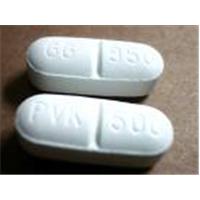
Antibiotics are medicine that kill bacteria or slow the growth of bacteria. They are used to cure diseases. Penicillin, pictured, is a popular antibiotic. Antibiotics can not stop a virus.
Alpha hydroxy acid (AHA)
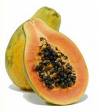
These are a group of acids found in foods such as milk and fruit, and can be applied to the skin to remove dead cells and improve skin texture. The tropical fruit papaya is very rich in AHA.
Alopecia
A particular hairloss condition which usually results in total hairloss
Allergen

Substance that causes an allergic reaction, such as pollen pictured right.
Acne

Acne is a skin condition which usually affects the face but can also break out on other parts of the body. It usually occurs in adolescence as a result of changes in hormonal balance. Treatment may include drugs.
Ablation
A technique in which a laser is used to “vaporise” superficial layers of the skin to reveal younger and newer skin.
See the latest laser skincare

Clinique unveils the latest anti-ageing wrinklebuster

London: Clinique has unveiled its new weapon in the war against anti-ageing, Superdefense SPF25 Age Defense Moisturizer.
This latest version of Superdefense aims to help combat the internal, psychological stress that ages skin in a similar way as external stresses such as sun and pollution.
A key component in the formula to address psychological stress is Red Microalgae Extract, harvested off the coast of Israel in the Mediterranean Sea.
As its name suggests, the revamped Superdefense SPF25 also contains a powerful sunscreen, and other materials that boost the skins natural protective function. These include Cats Claw, a South American herb that boosts the immune system and the skins ability to repair DNA; RNA Fragments, which also boost and protect repair capacity; and four powerful anti-oxidants: vitamin C, vitamin E, ferulic acid and rosemary extract.
Aiding this process are ingredients such as marine plant peacocks tail, murumuru butter and trehalose.
Clinique Superdefense SPF25 Age Defense Moisturizer will go on sale from October. It will be available in three skin-typed formulas: Very Dry to Dry, Dry Combination, and Combination Oily to Oily. The recommended domestic price points are 38 for 50ml and 52 for 50ml.
Obese don’t see themselves as fat

Increasing numbers of people are failing to recognise they have a weight problem, according to new research published in the British Medical Journal online.
It is well known that women often view themselves as too fat while men typically underestimate their weight. But how far has peoples perception of their weight changed with the growing obesity epidemic?
Researchers from the Health Behaviour Research Centre at University College London, compared data taken from two household surveys carried out in 1999 and 2007. In each survey participants were asked to give their height and weight (from which their Body Mass Index (BMI) and clinical weight category could be determined) and also categorise themselves as either: very underweight, underweight, about right, overweight or very overweight. The 2007 survey also included obese as a category.
Professor Jane Wardle and colleagues found the proportion of respondents whose weight placed them in the clinically obese category had nearly doubled in eight years from 11% in 1999 to 19% in 2007. Yet, those whose weight put them in the overweight category were less likely to think that they were overweight in 2007 than in 1999.
In 1999, 43% of the population had a BMI that put them in the overweight or obese range, of whom 81% correctly identified themselves as overweight. But in 2007, 53% of the population had a BMI in the overweight or obese range, but only 75% of these correctly classed themselves as overweight.
The researchers suggest that the growing division between actual and perceived weight may be due to overweight becoming more widespread in the population and the appearance of mild overweight being increasingly accepted as normal. These changes may have increased the level at which people perceive themselves to be overweight.
According to the authors, these perceptions are reinforced by media images of people who are morbidly obese, which add to the misconception that extremely high weights are required to meet the medical criteria for overweight. This can also increase the stigma attached to the labels overweight and obese.
The authors warn that despite media and health campaigns aimed at raising awareness of healthy weight, increasing numbers of overweight people are failing to recognise that their weight is a cause for concern, or that messages about healthy eating and exercise are aimed at them.
Overweight people, who underestimate their body weight, may be ignoring important messages about modifying their lifestyles, claims Professor Sara Bleich from John Hopkins Bloomberg School of Health in an accompanying editorial.
According to Bleich, the key to correcting misconceptions about weight is to treat obesity as a multilevel problemfocusing on broader society as well as the individual. Educating the entire population on the importance of a healthy lifestyle, rather than focusing on overweight individuals, may also reduce weight related stigma.
Does TV violence make you eat more?

Rotterdam: TV violence triggers an increase in hunger, according to new research.
According to Dirk Smeesters, Associate Professor of Marketing at the Rotterdam School of Management, Erasmus University, people who are thinking about their own deaths want to consume more.
In a paper published in the Journal of Consumer Research, The Sweet Escape: Effects of Mortality Salience on Consumption Quantities for High- and Low-Self-Esteem Consumers, Dirk Smeesters and co-author Naomi Mandel (Arizona State University) reveal that consumers, especially those with a faced with images of death during the news or their favorite crime-scene investigation shows.
Smeesters and Mandel conducted experiments in Europe and the United States on 746 subjects who wrote either about their own death or a visit to the dentist (the control group). The findings revealed that consumers with low self-esteem writing about their death ate more cookies and listed more items on a hypothetical shopping list compared to those who wrote about the dentist. Similar effects were obtained by subliminally presenting the word death to consumers and exposing them to death-related news.
Smeesters and Mandel explain this effect using a theory called escape from self-awareness. When people are reminded of their inevitable mortality, they may start to feel uncomfortable about what they have done with their lives and whether they have made a significant mark on the universe. This is a state called heightened self-awareness. One way to deal with such an uncomfortable state is to escape from it, by either overeating or overspending.
Follow-up research found that death-related news can not only increase consumers consumption behavior, but can also affect their preferences for domestic and foreign brands. More specifically, consumers who were exposed to death-related news (e.g. a news report about a fatal car crash) had more positive preferences for domestic brands, but more negative preferences for foreign brands compared to consumers not exposed to such news.
These effects were obtained because thinking about death made consumers more patriotic. These studies clearly demonstrated the potential negative effects of advertising foreign brands shortly after the broadcast of death-related programs on television.
About Rotterdam School of Management, Erasmus University
RSM is an internationally top-ranked business school renowned for its ground-breaking research in sustainable business practice and for the development of leaders in global business. Offering an array of bachelor, master, doctoral, MBA and executive education programmes, RSM is consistently ranked amongst the top 10 business schools in Europe. < a href="http://www.rsm.nl">www.rsm.nl
Fish oil taken during pregnancy reduces child asthma
The risk of developing asthma has been reduced by 63% in children whose mothers were given fish oil supplements during the last trimester of their pregnancy as part of a European research project on nutrition.
The research is part of a broader project on early nutritional programming which involves experts from 16 countries and is financed by the European Commission’s research programme.
The Danish researchers originally carried out a trial with 500 pregnant women in the last 10 weeks of their pregnancy in 1990 to examine the effect of fish oils on pre-term birth and low birth weight. One group was given fish oil supplements, another olive oil supplements and the third no supplements.
When the babies born in that trial were later traced, it was found that by the age of 16, 19 children had developed such severe asthma at some point that they had had to go to hospital. However, fewer of these children were in the fish oil group than the other two. The risk of developing asthma was reduced by 63% in those whose mothers had been given fish oil supplements.
There is strong biochemical evidence that the omega-3 fatty acids in fish oil may have effects on the immune system. The reason fish oil might protect a foetus from developing asthma in later life could possibly also be related to its effect on increasing pregnancy duration.
Pre-term children have a higher risk of developing asthma and it is possible that the omega 3 fatty acids found in fish oils could both reduce the risk of pre-term birth and the likelihood of a baby later becoming asthmatic. It may be that the period shortly before delivery is the critical window for these effects of omega 3 fatty acids. However, further trials are necessary before dietary recommendations for pregnant women should be changed.
The research is published today in the American Journal of Clinical Nutrition.
Essential minerals may cut heart attack risk

A diet rich in minerals such as potassium, magnesium and calcium may cut the risk of developing coronary heart diseases and stroke, suggests a new study.
The findings, published in the Journal of Clinical Hypertension, suggest that an increased consumption of these minerals through fruits, vegetables and low-fat dairy products might reduce high blood pressure and decrease blood pressure in people with hypertension, which is one of the main causes of cardiovascular disease.
According to the paper, Americans consume double the sodium and about half the potassium that is recommended by current guidelines. If they are able to increase their potassium intake, the number of adults with blood pressure levels higher than 140/90 mm Hg might decrease by more than 10 per cent and increase life expectancy.
Some studies have also shown that diets high in magnesium at least 500 to 1,000 mg/d and calcium more than 800 mg/d may lead to both a decrease in blood pressure and risk of developing hypertension. Data regarding these minerals, however, are not definitive.
If we were to achieve the correct potassium/sodium ratio through dietary means, there would be less hypertension and cardiovascular disease in the population as a whole, said Dr Mark C Houston, author of the study.
Can tomatoes fight Alzheimer’s?

Seol: Korean scientists have genetically modified tomatoes to produce a prototype vacinne against Alzheimer’s Disease.
The disease, kills brain cells when a sticky plaque known as beta-amyloid protein clogs up nerve connections.
And the disease, which starts with short-term memory loss and leads to death, is on the increase as people live longer.Current drugs do not prevent or cure it but only slow its progress.
The researchers from the Korea Research Institute of Bioscience and Biotechnology say they have genetically modified the fruit to create an edible vaccine that fires up the immune system to fight the disease.
To create the vaccine, the scientists combined the gene behind the beta-amyloid protein with the tomato’s genetic code.They then used mice to experiment with the designer tomatoes.
Blood samples taken from the mice revealed the tomatoes triggered their immune systems to release disease-fighting antibodies, although the levels of plaques in the brain were not reduced.
They said the tomato was a good way of getting a vaccine into the body because it was enjoyable to eat and could be eaten raw.The vaccine could be destroyed if the tomatoes were cooked, they added.
Tomatoes are already known as a natural antioxidant. They cut cholesterol and may help prevent some cancers (prostate, rectal and colon), protect against sunburn and are packed with vitamin C. The active ingredient is called lycopene which is responsible for the red colour.
70-year-olds can’t get enough sex!

Gothenburg: Older people are having more sex than ever, according to a new survey from Sweden.
At a time when the health of many older people is in decline, it seems that an active sex life is on the rise.
Not only are they more likely to have sex at least once a week, they are also much more likely to report high rates of satisfaction, says research carried out among the 70+ age group of the Swedish city of Gothenburg.
The research was carried out in four different time periods – 1971-72, 1976-77, 1992-93 and 2000-01 – for the study which is published in the British Medical Journal.
Men in their eighth decade are less likely to have erectile dysfunction than men the same age 30 years ago, while women aged 70 are much more likely to report having orgasms.
The responses from the four groups, totalling more than 1500 people, showed that over the 30-year period, the proportion of married 70-year-old men reporting sexual intercourse in the past year increased from 52 to 68 per cent, while for married women, the figure increased from 38 to 56 per cent.
Among unmarried men and women, the proportion rose from 30 to 54 per cent for men, and from 0.8 to 12 per cent among women.
Those reporting sex at least weekly rose from 10 to 31 per cent among both married and unmarried men, and from 9 to 26per cent among all women.
The proportion of men reporting high satisfaction with their sex lives rose from 58 per cent in 1976-77 to 71 per cent in 2000-01. Among women, the satisfaction rating rose from 41 to 62 per cent.
Men were much less likely to report being impotent (down from 18 to 8 per cent), while women were more likely to say they “always or usually” had an orgasm (up from 59 to 83 per cent).
75% of Brits pop vitamin pills for health
London: Britain is a nation of supplement junkies, with three quarters of us regularly adding extras to our diet to keep healthy, spending more than £350m a year on shortcut solutions to health.
New research from milk company, Cravendale exposes that over half of those Brits (59%)are investing in pills and potions with very little or no knowledge of their benefits. Even fewer people realise that milk contains crucial nutrients such as vitamins B2 [Riboflavin] and B12, protein, and phosphorus as well as contributing towards daily vitamin A, B1 [Thiamin], zinc, magnesium and potassium.
A quarter of supplement fans (27%) blame their busy lifestyles, and one in four cite pressure to get in their five a day: with no time for fruit and veg, theyre stocking up on supplements instead. One in ten men are taking pills to get gym fit; and 15% of women take supplements specifically to help prepare them for pregnancy.
Leading the trend are youngsters: 86% of under-25s take supplements on a
regular basis. This habit is being established at an increasingly young age – 44% of mums admit to adding supplements to their childrens diet on a
regular basis.
Sue Malcolm, consultant nutritionist for Cravendale milk says: Supplements do have their place, but for many of us a healthy diet should be the first choice. A simple glass of milk contains important nutrients including vitamins and minerals that help you on your way towards achieving a healthy diet, no matter what age.
A glass of Cravendale naturally contains more than 20 crucial nutrients, including a third of your recommended daily requirement for calcium for strong bones and teeth.
A glimpse of unhealthy Britain reveals:
Bad diets
Nearly a quarter of the UK (24%) takes supplements to combat the negative effects of a bad diet. This is most prevalent in Northern Ireland, where
nearly a third of people (31%) choose to supplement their diet with pills compared to the hearty North (16%)
Milk ignorance is rife
Milk is a natural source of many of the nutrients were taking as pills, but only a quarter of us know that milk contains vitamins, only 5% know that it contains zinc and only 10% know that it contains any magnesium. Two in ten think milk contains added sugar and salt!
Dont ditch the milk!
The survey reveals a male misconception that milk is fattening one in ten
men (14%) said they dont drink milk because it is fattening. However strong evidence shows that people who drink milk as part of their diet are actually slimmer than people who cut it out[2] <#_ftn2> . In fact, a glass of semi skimmed milk contains about the same number of calories as a banana
not a lot!
The UKs supplements of choice Vitamin C and calcium
Vitamin C is taken by 25% of the population to stave off colds. Calcium is also high on the list, with almost one in ten taking calcium supplements. But both of these nutrients can be found in a glass of milk – a 250ml glass of semi-skimmed milk contains around 8% of an adults daily requirement for vitamin C and a massive 38% of an adults daily requirement for calcium.
Londoners are too busy to be healthy
43% take supplements to counteract their busy lifestyles, compared to a national average of 27%
About Cravendale
At Cravendale milk matters. Thats why its finely filtered to make it purer for a fresher taste. Filtering removes more of the bacteria that causes milk to sour, so Cravendale lasts longer too.
For more information visit www.milkmatters.co.uk
The survey was conducted with 1001 consumers through FlyResearch in June
2008.
[1] Heart Protection Study, 2002
[2] Zemel MB (2005) J Am Coll Nutr 24; 537S-5346S, Zemel MB (2005) J Am
Coll Nutr 24; 537S-5346S, Zemel MB (2005) Obes Res 13; 192-193, Zemel MB et
al (2005) Obes Res 13; 1218-1225, Zemel MB et al (2005) Int J Obes (Lond)
29; 391-397, Zemel MB et al (2004) Obes Res 12; 582-590, Moore LL et al
(2006) Obesity 14; 1010-1018, Jacobsen R et al (2005) Int J Obes 29;
292-301
Beat the monthly blues – new FREE guide
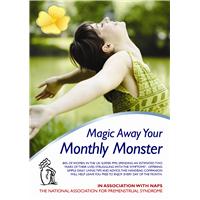
Efamol with The National Association for Pre-Menstrual Syndrome support the nations women with a new FREE handbag companion to managing PMS.
84% of women in the UK experience PMS, with sufferers spending an estimated two years of their lives struggling with the symptoms*. But help is now at hand in the form of a new free handbag companion, offering simple daily living tips and advice to help women manage their PMS.
Magic Away Your Monthly Monster has been launched by Efamol Pure Evening Primrose Oil in association with the PMS charity, The National Association for Pre-Menstrual Syndrome (NAPS).
Packed full of information, the booklet includes a PMS diary to help women take control of their symptoms, expert advice and useful contacts for extra support. From diet commandments including how supplementation with Evening Primrose Oil has been shown to benefit womens hormonal health – to exercise such as yoga and relaxation, it also provides practical tips and tricks to make living with PMS more bearable.
Nick Panay, Consultant Obstetrician and Gynaecologist and Chairman of NAPS, commented: PMS is a condition which affects vast numbers of women, many of whom battle on month after month without support. While the physical symptoms are unpleasant, PMS can also affect womens mental health, making it even more important that help and advice is widely available.
“It is essential to have well balanced evidence based information regarding PMS – as such, this publication will be a welcome resource for PMS sufferers”
Claudine Domoney, Consultant Obstetrician and Gynaecologist and Trustee of NAPS, added: The booklet aims to cover symptoms and management of PMS in a supportive style. The sensible advice and symptom diary will both be valuable for all women suffering with this common but poorly recognised condition.
For FREEcopies of Magic Away Your Monthly Monster or for more information about Efamol contact 01372 379828, email info@efamol.com or visit www.efamol.com
* Onepoll, 2007
About Efamol
Efamol has been the global leader in essential fatty acid supplements for almost 30 years, with a range of products that have been scientifically formulated to target particular health concerns.
About Efamol Pure Evening Primrose Oil
Research has shown that supplementation with Evening Primrose Oil can benefit womens hormonal health. Women suffering from PMS are lacking in GLA (gamma-linolenic acid) making supplementation particularly beneficial. Efamol Pure Evening Primrose Oil contains up to 33% more GLA than other evening primrose oils.
Available from Boots, Waitrose, independent pharmacies and health food stores, Efamol Pure Evening Primrose Oil comes in both capsule and liquid format. For further information visit Efamol.com or call the telephone helpline 01372 379828.
About NAPS
The National Association for Pre-Menstrual Syndrome is a national charity which supports women suffering from PMS with information, medical contacts, networking events, new product evaluation and online advice. www.pms.org.uk
Desk bound men more likely to get prostate cancer

Athens:Desk bound men are far more likely to get prostate cancer than manual workers, new research has found.
The study carried out by scientists at the University of Athens looked at the exercise habits of two groups of me: one group had prostate cancer and the other did not. The participants were questioned about the jobs and it was found that those with office jobs were 30 per cent more likely to have the disease than those who didn’t. It was also found that they were 40 per cent more likely to have benign prostatic hyperplasia (BHP), a non-cancerous disease in which the prostate becomes enlarged. Although it is not life threatening, the prostate becomes enlarged and surgery may be needed.
In the report on their findings, published in the European Journal of Cancer Prevention, lead researcher Dr Areti Lagiou said: “In 1997, physical activtity was not even listed as a possible protective factor against prostate cancer.
“During the last decade, however, evidence has accumulated that it may convey protection.”
Prostate disease increases with age, particularly in men over the age of 50. There is also a genetic connection.
Recent evidence also shows that a diet rich in cruceriferous vegetables such as broccoli may also help control tumour growth by changing gene activity.
Drinking more water helps prevent arthritis

London: Drink more water, it helps prevent arthritis and other conditions, according to new research from the UK’s Arthritis Association.
In addition, Baroness Greengross, founder of the charity Action on Elder Abuse, has this week called for a set of minimum standards on hydration across the UK. However, its not just the elderly who should drink more water.
According to arthritis pioneer Charles de Coti-Marsh, we could all stay a lot healthier for longer if we looked after our gut, and staying hydrated is the first step.
Nutritional therapist Elizabeth Hartland explains: Many people will have heard about the benefits of healthy bacteria and the pro-biotic drinks you can now buy, but symptoms of an unhealthy digestive system, such as constipation, are less talked about. Charles de Coti-Marsh believed that a constipated state creates toxins which stay in the bowel, enter the blood stream and poison the body, the long term effects of which can be diseases such as arthritis. Drinking plenty of water can help avoid constipation.
About The Arthritic Association
Founded in 1942, The Arthritic Association www.thearthriticassociation.org.ukis a registered charity dedicated to helping relieve people from the pain of arthritis through natural methods.
Join the obesity debate at Nottingham University

London: Can we have our cake and eat it then go to the gym? That is the subject of a debate with experts taking place at Nottingham University. You are invited to attend and put your questions to the scientists.
There is compelling evidence that both obesity and a sedentary lifestyle are strong independent risk factors for premature death but is it healthier to be obese and physically active or a healthy weight and sedentary? In other words can we have our cake and eat it if we then hit the gym?
A public debate is being staged at The University of Nottingham on behalf of the Nutrition Society to discuss whether we can be fit and fat.
Speakers from the fields of metabolism, obesity, exercise and nutrition will open the event these talks will be followed by a public debate. All members of the public are welcome to join in.
The theme of the debate centres on the fat and fit hypothesis which states that:
Regular physical activity reduces many of the health risks associated with being overweight or obese.
Physical activity appears not only to reduce the health risks of being overweight and obese but active obese individuals actually have lower morbidity and mortality than normal weight individuals who are sedentary.
Inactivity and low cardio-respiratory fitness are as important as overweight and obesity as mortality predictors.
Questions from the floor will be taken by Ian MacDonald, Professor of Metabolic Physiology in the Faculty of Medicine & Health Sciences at The University of Nottingham. Also speaking will be Nicky Gilbert, a freelance sports nutritionist who has worked with world class athletes and Dr David Stensel an expert in exercise and metabolism in the School of Sport and Exercise Sciences at Loughborough University.
Professor MacDonald said: It is clear that being overweight and being sedentary are associated with an increased risk of ill health. It is not clear whether one of these is more unhealthy than the other, or just how many overweight people really are physically fit and whether this protects them against the problems caused by overweight.
The public engagement event is part of the Nutrition Society Summer meeting which is being held at The University of Nottingham between 30 June and 3rd July 2008. The debate has been organised by Dr Alison Mostyn, a lecturer in Biological Sciences in the School of Nursing. Pupils from local secondary schools and members of the general public are invited to attend.
Dr Moystn said: Its great that the University of Nottingham and the Nutrition Society can open this debate up to the public. Obesity is in the news almost daily at the moment; this event will give people from the East Midlands the opportunity to hear some expert speakers discuss exercise and obesity a topic which affects many of us
The event, which has been funded by the Nottingham branch of the British Association for the Advancement of Science and the West Midlands branch of the Institute of Biology, will take place in the Maths and Physics Building on University Park at 6pm on Monday 30 June 2008.
About the University of Nottingham: The University of Nottingham is ranked in the UK’s Top 10 and the World’s Top 70 universities by the Shanghai Jiao Tong (SJTU) and Times Higher (THES) World University Rankings.
It provides innovative and top quality teaching, undertakes world-changing research, and attracts talented staff and students from 150 nations. Described by The Times as Britain’s “only truly global university”, it has invested continuously in award-winning campuses in the United Kingdom, China and Malaysia.
Twice since 2003 its research and teaching academics have won Nobel Prizes. The University has won the Queen’s Award for Enterprise in both 2006 (International Trade) and 2007 (Innovation School of Pharmacy).
Its students are much in demand from ‘blue-chip’ employers. Winners of Students in Free Enterprise for four years in succession, and current holder of UK Graduate of the Year, they are accomplished artists, scientists, engineers, entrepreneurs, innovators and fundraisers. Nottingham graduates consistently excel in business, the media, the arts and sport. Undergraduate and postgraduate degree completion rates are amongst the highest in the United Kingdom.
Additional information: The Nutrition Society was set up to advance the scientific study of nutrition and its applications to the maintenance of human and animal health.
Banned slim pill gets UK go-ahead

London: Acomplia, a weightloss pill banned in the US over concerns that it may increase the risk of suicide has been given approval for patients in the UK.
The once-a-day pill which is also available in Germany and France can now be prescribed by the public health authority, the National Health Service, to patients who have failed to loose weight on other pills such as Xenical and Reductil.
It has failed to get US authorisation because it it thought to increase suicidal thoughts in people already suffering from depression.
The European Medicines Agency has already issued a warning highlighting the fact that it may ber unsafe for anyone suffering from depression or taking anti-depressant drugs.
It has demonstrated success is helping two out of five patients shed 10 per cent of their weight.
Dog lovers greener than non-pet owners

London: Dog-owning families have a lower carbon footprint than equivalent families without a dog. Thats the conclusion of a new nationwide survey and in-depth study commissioned by Butchers Pet Care.
It found that dog-owning families on average, use 5.4% (760kg per year) less carbon per person than the equivalent non-dog owning families the yearly equivalent of a round trip to Cairo or Marrakesh. They are also happier in their local community and twice as likely to socialise with neighbours (16% as opposed to 8%).
The study polled over 1500 dog and non-dog owning families and questioned them about lifestyle choices, energy consumption, travel and transport habits. The respondents primary and secondary carbon footprints were then calculated. Results revealed that dog owning families fly, consume and waste less and are also more likely to buy local and recycle.
In fact owning a dog is six times greener than fitting a family home entirely with energy saving light bulbs which reduces a households carbon footprint by only 115kg/year compared to 760kg/year when owning a dog.
As two in ten homes own a dog[1] the entire population of mans best friend reduces the nations carbon footprint by 3.4 million tonnes of CO2 every year, which is one and a half times the entire yearly output of Iceland!
Alison Cockcroft, from family owned Butchers Pet Care As a nation we are always looking at ways to reduce our carbon footprint and it is great to see that dog ownership can really make a difference and help boost green credentials. Not only do our four legged friends keep us as Fit as a Butchers Dog but they also give us a great excuse to explore our neighbourhood and get to know and support our local community. At Butchers Pet Care we believe in natural nutrition so not only can your dog lead a healthy life but hell ensure the planet stays healthy too!
An overview of findings from the survey:
Air flights
Dog owning families are 20% less likely to fly than non-dog owning families. Preferring to holiday in the UK or drive to Europe instead.
Consumption and recycling
The consumption and recycling habits of dog owners is 7.5% more carbon friendly than the equivalent non-dog owning family. This equates to a reduction of 150kg a year, the same as driving 568 miles in a 1.6L Ford Focus.
· Dog owners are 1.4 times more likely to recycle everything (21% vs 15%) than non dog owners. 23% recycle or compost everything they use as opposed to 19% of families without a dog.
· Dog owners are more likely to buy locally produced food, fair-trade produce and in-season fruit and vegetables.
· 19% of dog owners only buy things with little or no packaging as opposed to 14% of non dog owners.
Not only will dog-owners spend less on their gas bills (£403.71 as opposed to £414.26 for non-dog owners) but they also seem happier in their local community too – 24% of dog owners are very happy compared to 19% of non dog owners. Dog owners are also twice as likely to socialise with their neighbours compared to non dog owners.
For more top tips on leading a green life and responsible dog ownership visit < ahref="http://www.butcherspetcare.com">www.butcherspetcare.com
About Butchers Pet Care
Established and family-owned for over 25 years and developed in conjunction with leading nutritionists, Butchers recipes are made with Fresh Meat and Nothing Artificial to ensure that your dog receives all the natural nutrition he needs. Butchers Pet Care has a strong family heritage and farming roots and believe in simple, honest, good food; thats why what is left out of food is just as important as what goes in. So it is guaranteed that there are no artificial colourings, flavourings, preservatives, or added cereal or soya in any of Butchers delicious recipes!
Exercise does not suppress appetite in obese women
New York: Researchers at the University of Michigan have found that exercise does not suppress appetite in obese women, as it does in lean women.
Katarina Borer, PhD, a University of Michigan researcher and lead author of the study said that this lack of appetite suppression may promote greater food intake after exercise in obese women.
“This information will help therapists and physicians understand the limitations of exercise in appetite control for weight loss in obese people, she added.
Borer and her co-workers sought to better understand how changes in body fat level influence appetite and a hormone called leptin, which in animals curbs appetite when body fat increases.
When leptin levels rise, it supposedly shuts off appetite and motivates physical activity to burn calories. However, as obese people become fatter, their leptin levels rise, but they become resistant to the actions of this hormone.
“The hormone doesn’t do the job it’s supposed to do in lean people,” Borer said.
In research funded by the National Institutes of Health, Borer’s group studied 20 postmenopausal women: 10 lean and 10 obese women. The women ate three weight-maintenance meals a day while participating in three experiments on three separate days. During one experiment they did not exercise.
In the other two experiments the women exercised on a treadmill in the morning and the afternoon. They burned 500 calories each time, for a total of 1,000 calories a day.
These two experiments differed by exercise intensity. One involved walking at high intensity, or 80 percent of maximal effort, for 7.5 minutes, with 10-minute rest periods between 10 walking sessions. The other experiment was half as intense (40 percent of peak effort) and involved walking for 15 minutes and resting for 5 minutes.
Every hour and before each meal, subjects recorded their appetite level on a 10-point scale ranging from not at all hungry to extremely hungry. Blood samples were collected every 15 to 60 minutes for hormone measurements.
Obese women claimed they were less hungry than lean women before meals and reported no appetite suppression during exercise, Borer said.
As expected, obese women had much higher leptin levels than in lean women, study data showed.
But during intense exercise, obese women did not have reduced production of leptin, as lean women did. Only moderate-intensity exercise lowered leptin in obese women.
“Obesity interferes with leptin’s detection of exercise energy expenditure and with appetite suppression,” Borer said.
“Obese women perhaps need to consciously watch their calories because some of the hormonal satiety [fullness] signals don’t seem to work as well.”
Most men want Brad Pitt’s body

London: More than 90% of males aged 15-40 wish they had better, more muscular bodies, with the majority of men aiming for the physique of Brad Pitt, according to a survey of more than 2000 males.
According to research, more than 90% of males wish they had a better body, with nearly half of the 2027 men polled stating that Brad Pitt’s physique was their desired appearance.
In a study carried out by www.myprotein.co.ukaimed at understanding male perception and ideals, it emerged that only 8% of all males between the ages of 15-40 are content with their bodies, with 92% wishing they were more muscular, and 84% saying they would like to trim body fat. Only 19% said that they were happy withtheir diet.
When asked which celebrity physique they most admire, 49% chose Brad Pitt. The other notables were Will Smith 17%, David Beckham with 12%, Daniel Craig with 7% and Vin Diesel with 5%.
Only 2% stated that they would like the super muscle bodybuilding physique Arnold
Schwarzenegger once had.
When asked which female celebrity body they most admire or find attractive, men were more undecided. Jessica Alba topped the polls with a 21% majority. Here is the top 5:
Jessica Alba 21%
Angelina Jolie 16%
Eva Longoria 11%
Jessica Biel 9%
Jennifer Lopez 8%
Myleene Klass was sixth, with 6% of the votes, thanks to her recent Marks & Spencer advertising campaign, followed by Victoria Beckham and Jordan, with 6% and 3% respectively.
At the bottom end of the scale was Madonna with 0.3% and Britney Spears with just 14 of the 2027 votes, due in likelihood to her constantly changing image.
Oliver Cookson, Managing Director of www.myprotein.co.uk said:
“Given that body image is such a huge issue, we wanted to discover the true extent to which it affects men, whose opinion on body image is often in the shadow of that of the women.
“This research shows that men prefer a healthier, less extreme physique than many would have otherwise imagined. The fact that Brad Pitt and Jessica Alba topped the polls proves that celebrities do not have to be stick thin or hugely muscular to be admired. I think the results of this urvey promote a very healthy body image message.”
Is 100 the new 80?

Centenarians have become the fastest-growing demographic in Australia, creating a new boom generation of sprightly golden oldies.
At last count, 3154 Australians are currently aged 100 or older, with one-third of them from New South Wales.
But the latest forecasts estimate this will spiral to 12,000 by 2020 and 50,000 by 2050, according to new research published in the Medical Journal of Australia.
This will also mean more “super-centenarians” aged 110 or older, as well as more “semi-super-centenarians”, from 105 to 109.
Shattering the stereotype of immobile elderly people, more than half of the centenarians live in their own homes rather than in care homes.
Women are far more likely to reach 100, accounting for 75 per cent of the total, but male centenarians tend to be healthier, more independent and are far less likely to suffer from Alzehimer’s or dementia.
The study, by Professor Robyn Richmond, a NSW University public health expert, found Australia has one of the highest proportion of centenarians.
Japan, with more than 30,000 centenarians, has traditionally been associated with longevity but, according to Prof Richmond’s study, only Norway, Sardinia (Italy) and the US have a similar rate of over-100s to Australia.
Professor Richmond attributed the rising longevity to improved survival from diseases and improving health and lifestyles for the elderly.
“Many Australians are unaware of how many centenarians there are and how little we know about them,” she said. “It is amazing that these extremely enduring old people, whose lives carry a wealth of history, are living among us – and yet we appear to have largely ignored their effect on our society.”
She called for targeted government policies to address the social, medical and financial impact of living to 100 years and beyond.
“The consequences of the demographic transition need investigation by health policy-makers and economists,” she said.
“We need a better understanding of changes in disability prevalence, in order to make estimates of the likely short- and long-term cost implications.”
Declining fertility rates, with low population growth in younger age groups, also helped make centenarians the fastest-growing group.
Over 25 years, centenarian numbers have grown by 8.5 per cent a year.
In comparison, the number of children has grown by a meagre 0.3 per cent. Even the elderly population, aged between 80 and 99, has risen by only 4.9 per cent over the same period, the report showed.