Married women have hairier legs

image

London: Hairy legs are a top priority for British women – except if they are married, according to a new survey.

Four out of five of those surveyed admitted that having hairy legs made them feel uncomfortable, unfeminine and unsexy; while 43% revealed that their relationship status affected how much care and attention they showed their pins. And for all those singletons out there, a quarter of you wouldn’t consider bringing anyone home if you didn’t have gorgeously smooth skin.

But it seems hair removal isn’t a priority once you’re married, with 21% of you admitting that you’re not concerned with having smooth pins after you’ve tied the knot.

Hair removal experts Nair surveyed almost 1,300 people across the UK in a bid to find out about the nation’s attitude to hair removal[1].

The survey also revealed that almost half of 16-24 year olds would like some star treatment with a beauty therapist on speed dial. Unfortunately, for the vast majority of us we can’t afford this extravagance.

So Nair has come to the rescue with the Nair Leg Technicians Consultation, a free online service giving you all the information you need to get your legs in tip-top shape. This simple-to-use free online questionnaire supplies you with professional advice tailored to meet your needs, recommending the ideal product for you. And if your query can’t be answered on the site, you can email an expert Leg Technician and they’ll get back to you within seven working days. This free service is available at www.naircare.co.uk It’s a great way to handle any hairy nightmares!

Expert beauty therapist and Nair’s Chief Leg Technician Heidi Edwards says:
“To get sexy, smooth legs this summer get yourself into a routine of moisturising and exfoliating. A spot of exercise helps too! And to remove leg hair, use a wax or a cream-based product that is designed to care for your skin. Nair has a great range of hair removal products, featuring both waxes and creams, to comfortably remove the hair, while moisturising and protecting.”

Whatever your needs, Nair has a hair removal product to suit you and your lifestyle. This summer, Nair has launched four great new products:

Soothing Wax Kit (rrp £5.99 for 32 strips) for waxing without the “ouch:

Shower Power (rrp £5.69, Boots only) great for morning-time speedy hair removal

Tahitian Gardenia Easy Wax Microwave (rrp £7.99) brilliant for long lasting results

Pretty Peach Cream (rrp £4.49) perfect for your first foray into home hair removal:

All Nair products are specially formulated by the experts and are dermatologically tested to ensure that they respect your skin.

NB: with all hair removal products, make sure you do a patch test 24 hours before use and follow the instructions, and with any microwave heated product make sure you follow the on-pack instructions correctly.

——————————————————————————–

[1] Total Survey Sample Base: 1282. Survey conducted by Opinion Matters: 23.06.2008 – 27.06.2008

Exercise may protect brain from Alzheimer’s

image

New York: Men and women with early-stage Alzheimer’s disease who were more physically fit also had larger brains compared to those who failed to keep fit.

Alzheimer’s and Memory Program at the Univesity of Kansas School of Medicine, are at an early stage but scientists believe they indicate that physical fitness may slow shrinkage of the brain, one of the symptoms of Alzheimer’s Disease.

In older adults without dementia, staying in good physical shape may help offset the changes in the brain, such as cognitive decline, associated with normal aging.

But experts have not yet clearly defined whether or not physical activity has an effect on those with Alzheimer’s.

For this study, 57 people with early-stage Alzheimer’s and 64 people without dementia, all aged 60 and over, underwent standard fitness tests and MRI brain scans.

“We used an objective, gold-standard measure of fitness which hadn’t been assessed in Alzheimer’s patients yet, cardiorespiratory fitness, or VO2 peak, where we basically measure how much work someone is capable of doing,” Burns explained.

Participants walked on a treadmill while their oxygen consumption was measured. “At their peak, how much oxygen they’re consuming is a measure of how physically fit they are,” Burns said.

MRI scans measured brain atrophy.

The VO2 peak was slightly lower in people with Alzheimer’s compared to controls. And individuals with Alzheimer’s who were less physically fit had quadruple the amount of brain shrinkage compared to normal older adults.

The study pointed to three possible explanations for the relationship: cardiorespiratory fitness affects brain atrophy related to Alzheimer’s disease; the Alzheimer’s disease process affects fitness; or some other, as-yet-unknown factor underlies both Alzheimer’s-related brain atrophy and physical fitness.

“We’re designing a study where we try to establish the cause and effect,” Burns said. “Can we use exercise to enhance fitness in Alzheimer’s disease and, by doing that, will it affect disease progression?”

For more information on how to keep your brain in shape try the Alzheimier’s Association’s Maintain your Brain Programm

Anti-ageing haircare

image
image

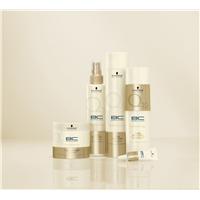
SCHWARZKOPF BC TIME RESTORE WITH CO-Q10 (pictured above)
www.schwarzkopft.co.uk
Shampoo $16.30 (€12.68, £8.30); Conditioner $18 (€13.50, £9.20)

Packed with anti-ageing antioxidants this is a complet range of products with everything you need to iron out the wrinkles in your hair. 7/10

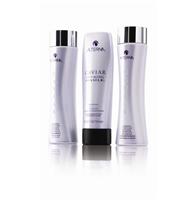
ALTERNA CAVIAR ANTI-AGEING SEASILK (pictured above right)
For stockists 1-888-4-ALTERNA or visit www.4alterna.com
Shampoo $57 (€35.75, £28.50); Conditioner $61.20 (€38.27, £30.50)

Blonde shampoo, conditioner and leave-in conditioner. The products in this range give amazing results. The hair looks younger because it has a beautiful shine and bounce taking years off ageing hair. Hair is also beautifully soft and moisturised. 9/10

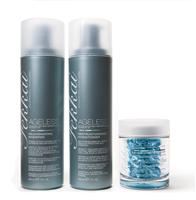
FRÉDÉRIC FEKKAI AGLESS (pictured below left)
www.frederickfekkai.com
Shampoo and Condition each cost $54 (€60, £28)

Frédéric Fekkai Agless from the New York VIP crimper contains a shampoo, conditioner and vitamin serum capsules. The exotic ingredients include moisturising amino acids, orchid extract, pearl protein and keratin. Protects hair from environmental damage. Not so good for coloured hair. Buy at Space NK in the UK. 5/10

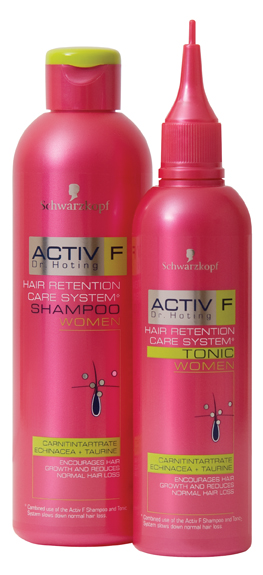
ACTIV DR HOTING HAIR RETENTION CARE SYSTEM BY Schwarzkopf (pictured below right)
www.schwarzkopft.co.uk
Shampoo costs $20 (€12.54,£9.99) and tonic $26 (€16.30,£12.99)

This is a new range with a shampoo and tonic for men and women designed to maintain the condition of the hair follicle and encourages hair growth, helping to maintain a healthy scalp and, subsequently, full and strong hair. It contains Carnitintartrate, Echinacea and Taurine, By massaging the product onto the head, the blood flow to the scalp is increased and the ingredients work to stabilise the inner structure of the hair. The resulting healthy scalp helps to maintain full and strong hair and, with pro-longed use, will encourage new growth. Best results are obtained with regular use. Fantastic smell and leaves hair soft and glossy. Consumer advice advisory@uk.henkel.com Buy this product here AMAZON HAIR PRODUCTS 8/10

image
image

Andrew Jacono MD, FACS – Cosmetic Surgeon

image

Andrew Jacono MD FACS is a Dual Board Certified, Facial Plastic and Reconstructive Surgeon and Assistant Clinical Professor, Division of Facial Plastic and Reconstructive Surgery at the New York Eye & Ear Infirmary. He is also Director of the New York Center for Facial Plastic and Laser Surgery at Great Neck, New York. www.newyorkplasticsurgery.com

Co Q10 helps exercise fatigue, says new study

image

Tokyo: Supplements of coenzyme Q10 may boost physical performance and reduce feelings of tiredness associated with exercise, Japanese researchers have reported.

Both fatigue and recovery time were decreased as a result of 300 milligrams of CoQ10 for eight days, according to the double-blinded, placebo-controlled study with 17 healthy volunteers published in the journal Nutrition.

Lead researcher Kei Mizuno said: “We found that oral administration of 300 mg of coenzyme Q10 over one week improved physical performance during fatigue-inducing workload trials on a bicycle ergometer.

“However, this positive result was not seen in the group administered 100 mg of coenzyme Q10.”

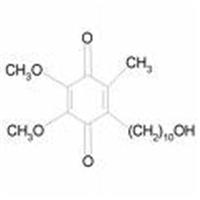
CoQ10 has properties similar to vitamins, but since it is naturally synthesized in the body it is not classed as such. With chemical structure 2,3-dimethoxy-5-methyl-6-decaprenyl-1,4-benzoquinone, it is also known as ubiquinone because of its ‘ubiquitous’ distribution throughout the human body.

The level of CoQ10 produced by the body begins to drop after the age of about 20, and the coenzyme is concentrated in the mitochondria – the ‘power plants’ of the cell. It plays a vital role in the production of chemical energy by participating in the production of adenosince triphosphate (ATP), the body’s co-called ‘energy currency’.

A role beyond the mitochondria is also acknowledged, with CoQ10 acting as a potent antioxidant. The coenzyme plays an important role in preserving levels of vitamin E and vitamin C.

Researchers from Osaka City University Graduate School of Medicine, Soiken Incorporation, Kansai University of Welfare Sciences, and Osaka University of Foreign Study, recruited the 17 volunteers (average age 37.5) and randomly assigned them to receive daily coenzyme Q10 supplements (100 or 300 mg, Kaneka Corporation) or placebo for eight days. All subjects underwent the three interventions, with washout periods separating the eight-day long studies.

Physical performance, tested using a bicycle ergometer at fixed workloads, was found to increase when the subjects received the 300 mg CoQ10 dose, compared to the lower dose CoQ10 group and the placebo group.

Furthermore, subjective fatigue sensation in the high dose CoQ10 group was “alleviated when compared with that in the placebo group,” wrote the researchers.

According to background information in the article, fatigue, which can occur in both healthy and ill people, is “best defined as difficulty in initiating or sustaining voluntary activity and can be classified into mental and physical fatigue.”

Commenting on the potential mechanism, the Japanese researchers wrote: “Exercise-induced reductions in energy substrates, reactive oxygen species, and protein oxidation are thought to be associated with physical fatigue. Coenzyme Q10 is a vitamin-like, lipid-soluble compound existing in all cells. It is an indispensable compound in the respiratory chain of the inner mitochondrial membrane and acts as an essential antioxidant assisting in the regeneration of other antioxidants

“Therefore, administration of coenzyme Q10 may attenuate physical fatigue through its functions as an antioxidant or in assisting oxidative phosphorylation.”

Public demand for products containing CoQ10 has seen the market grow. In the United States most new CoQ10 products have been supplements, with fewer skin care products hitting the market.

In Europe, CoQ10 has proved more popular in skin care formulations than in supplements, thanks to its anti-aging antioxidant properties.Conservative estimates put worldwide sales of CoQ10 at around $350 million in 2004.

You can buy the highest grade of CoQ10 at www.thevitalityshopuk.com

Dr Tamara Griffiths MD – dermatology and aesthetics

image

Dr Tamara Griffiths MD trained in dermatology at the University of Michigan in the US and University of Manchester in the UK. She is an American Board Certified dermatologist and also on the UK medical register. She is also a fellow of the American Academy of Dermatology and a member of the British Association of Dermatologists. Currently she is a successful consultant dermatologist in the UK, where she is in private practice. She is a founder member and Treasurer of the British Cosmetic Dermatology Group and spokesperson for the research charity the British Skin Foundation

Monica Reinagel – nutrionist and best-selling author

image

Monica Reinagel is author of The Inflammation Free Diet Plan. You can write to her at monica@inflammationfreediet.com

Dr Henri P Gaboriau – Facial Plastic and Constructive Surgery

image

Dr Henri P Gaboriau is Director of the Sammanish Center for Facial Plastic and Reconstructive Surgery, Seattle. T: ++1 425 898 1228. Email: practicemanager@sammamishfacial.com

Fatal fangs – is your mouth making you ill?

image

Cosmetic dentist Nik Sisodia on the increasing evidence to link poor oral hygiene with heart disease, stroke and premature births

Gum disease affects 70% of the population in varying degrees. In its mildest form, gingivitis, the tissues of the gum surrounding the teeth become inflamed and bleed.

Left untreated this may progress to more advanced forms of the disease known as peridonitis where the gums shrink and teeth may fall out. But increasingly gum health is now seen as a marker for more serious health problems including cardiovascular disease and diabetes. It is also increasingly implicated in problems in pregnancy such as premature births and underweight babies.

So the extent of gum disease in the general population is a real and growing health concern. US statistics reveal that by the age of 17 60% of the population have early signs of the disease and by the age of 50 this translates to periodontal disease for 70-80% of the population, with half suffering the severest form.

In the past research attempted to investigate the cause of gum disease but more recently the emphasis has switched its affect general health and its links to several serious illnesses. The evidence points to an assault on the body’s immune system from the bacterial infection in the mouth as a result of gum disease which leads to a degeneration in general health.

If we look at the total surface area of the roots of a full complement of adult teeth, the area is approximately equivalent to the size the forearm. If you then imagine this whole area is teaming with a cocktail of millions of bacteria which the body is fighting off on a 24-hour basis, you can imagine how this might undermine the immune system.

Cardiovascular Disease

In the US research indicates that gum disease is a risk factor for atherosclerosis (furring of the arteries) and thromboembolic (blood clotting) incidences. In other words gum disease increases the risk of stroke and coronary heart disease.

Again the theory is that the bacterial load placed on the body together with the fact that some individuals have a greater predisposition to a heightened inflammatory response leads to both gum and cardiovascular problems.

So it is prudent for all of us to take preventative oral hygiene measures, as well as sophisticated diagnostic tests that screen for levels of certain substances associated with heightened health risk, such as that for the protein homeocysteine, which is implicated in both cardiovascular disease and Alzheimer’s. Bacterial analyses can also be carried out.

It is now accepted that treatment of gum disease can lead to an improvement in cardiovascular health and that the health of a patient’s gums is now seen as a risk marker for heart disease. Smoking is another modifiable risk factor for both gum and cardiovascular diseases. Scientists at the University of Helskinki recently concluded that gum disease can no longer be considered just a local problem but one for the health of the whole body.

Premature births and foetal development

Gum disease is increasingly implicated in adverse pregnancy outcomes such as premature births. The University of North Carolina identified it as a significant risk factor for preterm labour, premature rupture of membranes, small-for-gestational-age (babies who are smaller than expected even for premature babies) and low birth weight babies. Additional research at Tulane University in New Orleans in three clinical trial studies determined that the treatment of the gum condition led to a 57% reduction of preterm low birth weight and more significantly a 50% reduction in preterm births.

Diabetes

Evidence now suggests that severe untreated gum disease increases the risk of diabetic complications, and that these symptoms can be alleviated by treatment. It is thought that uncontrolled severe periodontal disease has an adverse effect on sugar levels and that anyone with a family history of diabetes is advised to take a blood test.

General medical physicians do not usually examine or screen their patients for signs of gum disease, but given the mounting evidence implicating it in many of the diseases of ageing they should.

Dr Sisodia is in private practice in London and serves as Congress Director for the British Academy of Cosmetic Dentistry. Contact info: nik@tendental.com or specialist@tendental.com alternatively visit the practice website www.tendental.com

KNOW YOUR BACTERIA!

Types of Oral Bacteria
• Bacteria in the human mouth fall into two categories – (a) ‘planktonic’ or free-floating bacteria, which can be found in the saliva in the mouth, and (b) ‘biofilm’, the bacteria that colonise on the hard surfaces of the mouth, such as teeth, to form plaque
• Bacteria in the mouth feed on leftover food particles and some, such as the cavity-causing Streptococcus mutans, produce acid that attacks teeth, causing decay
• Anaerobic bacteria produce enzymes and toxins as by-products, which damage and irritate the gums causing inflammation and bleeding. If left untreated gum disease can lead to tooth loss
• Bad breath is also caused by anaerobic bacteria, which live predominantly on the tongue and produce sulphurous odours

Shocking Facts
• The human mouth harbours up to 300 different types of bacteria (see image right) and the amount of total bacteria in the average mouth is estimated to be around the ten billion mark
• There are more bacteria in your mouth than there are people on Earth
• The average toilet seat harbours fewer bacteria per square centimetre than the human mouth!
• Right now there are more bacteria in your mouth than on a standard banknote

Oral Hygiene Facts
• Brushing only reaches 60% of the surfaces of your teeth, leaving plaque in hard to reach areas such as in-between teeth
• Teeth represent only 25% of the surface of your mouth and bacteria live throughout the whole mouth. When you stop brushing, bacteria left behind re-settle on your teeth and gums
• Due to its liquid action, a mouthwash reaches virtually 100% of the mouth, thereby attacking and killing bacteria across the whole mouth

Bacteria facts provided by Listerine Bacterial Mouthwash. For more information www.listerine.com

Dr Javier de Bentio – cosmetic surgery London & Barcelona

image

Dr Javier de Benito is one of the world’s most respected cosmetic surgeons and his patients include Royalty and celebrities. He is General Director of the Instituto de Benito Plastic and Aesthetic Surgery in Barcelona and President Elect of the International Society of Aesthetic Plastic Surgery. He has pioneered the development of facial surgery. www.institutodebenito.com

Alan J Bauman MD – advanced hair restoration

image

Alan J Bauman MD is founder and medical director of the Bauman Medical Group, based at Boca Raton, Florida. He is a leading expert in hair restoration for both men and women. He also works on pioneering methods of micrografting. T: ++1 877-BAUMAN-9 (toll free within the US) or ++1 561 394 0024 www.baumanmedical.com

Glycolic Acid

Glycolic, Hyaluronic Acids Aid Skin Texture, Appearance

As people grow older, they often notice that their skin becomes dry and discolored. Glycolic acid and hyaluronic acid may help to alleviate these signs of skin aging.

Derived from sugar cane, glycolic acid is considered the most powerful of the skin-rejuvenating fruit acids called alpha-hydroxy acids. Glycolic acids helps trap moisture in the skin, promote collagen formation, and release the buildup of dead skin cells to reveal brighter, younger-looking skin. Widely used as an anti-aging agent for the skin, glycolic acid has demonstrated its efficacy in numerous studies.

Continue reading

Ceramides

image

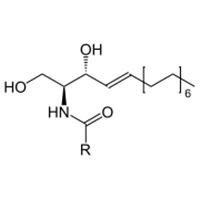
These are another innovative ingredient for restoring youthful skin is a high concentration of ceramides, or lipids similar to those found in cell membranes and brain tissues. These oily lipids are essential in maintaining the protective functions of the skin’s outermost layer, known as the stratum corneum.

Ceramides play an important role in generating and sustaining the water permeability barrier in the skin.As such, they are important for improving skin hydration, reducing susceptibility to irritation, and restoring skin integrity.

Youthful skin is noticeably bright and glowing largely because it is well hydrated. Unfortunately, ceramide concentrations in the skin decline with age, leading to dry, rough skin.6 Topical application of ceramides has been shown to capture and bind water, which is required for the skin to remain supple, smooth, and hydrated.

Matrixyl 3000

Matrixyl™ 3000 is a unique ingredient that consists of peptides, or short amino acid chains. It helps to lift the skin, thus minimizing the appearance of wrinkles. Matrixyl™ 3000 contains two different peptides, known as matrikines, that act as cellular messengers to promote skin restructuring and repair. These biochemicals interact with specific receptors to activate genes that are involved in cell proliferation and renewal of the collagen-rich extracellular matrix (the connective tissue between cells that provides crucial support to the skin). Both healthy cells and the extracellular matrix are essential to firm, healthy skin.1 The components of Matrixyl™ 3000 work synergistically to help restore and maintain the skin’s youthful appearance.

When cells that produce collagen and elastin were incubated for 72 hours with Matrixyl™ 3000, they synthesized significantly greater amounts of extracellular matrix, the protein-rich skeleton that provides structural support to skin. Enhancing the extracellular matrix helps “plump up” the skin, minimizing the appearance of wrinkles and creases. A clinical trial with 46 volunteers, aged 39-74, demonstrated the visible effects of Matrixyl™ 3000. After eight weeks of two daily applications of Matrixyl™ 3000, the participants had average reductions of 14% in skin roughness and 15% in wrinkle depth, while the surface occupied by deep wrinkles declined by 45%. An assessment of skin tone showed a 20% improvement during the same time frame.

Idebenone

image

Idebenone is a man-made antioxidant, similar to Co Q10, which was originally used to preserve transplant organs. It is widely used in topical anti-wrinkle creams.

Idebenone Fights Photoaging, Improves Skin Health

As adults age, their skin is more likely to exhibit the effects of photoaging, which produces negative changes in skin color, texture, and health caused by cumulative exposure to ultraviolet light. New findings suggest that antioxidant-rich, high-energy compounds may help defend against the effects of photoaging.

Free radicals damage not only proteins and DNA, but also the skin’s surface lipids. Made up of a complex mixture of sebum (an oily substance produced by the sebaceous glands) and small amounts of epidermal lipids, these surface lipids provide the body’s outermost protection against oxidative damage.

Coenzyme Q10 (CoQ10) is a fat-soluble antioxidant that helps prevent free-radical damage to the skin’s surface lipids. However, CoQ10 concentrations in skin decline significantly in older people.9 The loss of this protective nutrient is a likely cause of the increased incidences of skin diseases and photoaging seen in aging adults.

In fact, an eight-year Italian study found a direct link between CoQ10 levels and the progression of melanoma, the deadliest of skin cancers.Not only were CoQ10 concentrations in people with melanoma lower than in healthy subjects, but patients whose cancer spread (metastasized) to other tissues had CoQ10 levels below those of the metastasis-free subgroup. Clearly, CoQ10 is an important protective nutrient for aging skin.

Recognizing the importance of CoQ10 in skin health, scientists searched for related compounds that can confer even greater benefits to the skin. This search led to idebenone, a nutritional cousin, or analogue, of CoQ10. Since idebenone is a smaller molecule than CoQ10, it is better suited to penetrating the skin, where it can confer important protective effects.

Idebenone has been shown to produce clinically visible improvements in photodamaged skin. In a study of 41 female subjects aged 30-65, applying idebenone to the face in the morning and evening for six weeks reduced skin roughness and dryness by 26%, and decreased fine lines and wrinkles by 29%.The subjects also exhibited a 37% increase in skin hydration and a 33% overall improvement in assessment for photodamaged skin. These improvements were primarily seen in the epidermis, though there was some increase in dermal collagen as well. Skin biopsies revealed decreased levels of an inflammatory protein, a change associated with the stimulation of collagen production. Topically applied idebenone thus improves numerous markers of skin health while reducing the visible signs of aging.

Idebenone may protect the skin through its potent antioxidant effects.One research team studied various antioxidants to gauge their protective effects against oxidative stress. They found that idebenone was the most effective antioxidant studied, providing more protection than CoQ10, vitamin E, kinetin, vitamin C, or lipoic acid.This antioxidant quality allows idebenone to inhibit lipid peroxidation, thus protecting skin cell lipids and membranes.

Topical use of idebenone represents an important step forward in scientifically based skin care. Through its antioxidant effects, idebenone helps protect skin from the effects of oxidative stress and photoaging, restoring moisture, refining texture, reducing fine lines and wrinkles, and promoting a more youthful appearance.

Liposomes

A liposome is a tiny bubble made out of the same material as a cell membrane. Liposomes can be filled with drugs, and used to deliver drugs for cancer and other diseases. They are used in the cosmetic industry to deliver wrinkle creams onto the skin.

Free radicals

A destructive molecule which because it has a missing atom seeks to scavenge healthy cells to find a replacement. See Antioxidants

Steroid

A steriod is a hormone, such as cortisone used to reduce inflammation and swelling.

Silicone

Nowadays used in breast implants in a gel-like form and as a liquid injection for the face and other medical conditions.

Sebaceous glands

These are the glands at the bottom of a hair follicle which are responsible for producing oils.

Sclerotherapy

The removal of thread/spider veins by injecting them with a substance that causes them to shrink and collapse.

Rosacea

A skin condition in which the face becomes flushed/red and pores are enlarged.

Photo ageing

The ageing of the skin caused by the environment, particularly the sun and pollution.

Poly-L-lactic acid

A natural substance, that is biodegradable, that is used as a dermal filler.

Radio frequency treatment

A method of stimulating the skin’s natural collagen production. Radio waves penetrate beneath the dermis causing damage to the collagen which responds by growing new, younger and firmer layers.