
Interesting information and articles on living to be 100: www.thecentenarian.co.uk
Author Archives: Editor
Family & friends key to longevity – Evercare survey
New York: Key to living a long and happy life are close relationships with family and friends, according to the third annual Evercare 100@100 survey.
The US poll of 100 centenarians also reveals, that contrary to conventional stereotypes, some of the oldest Americans are using the latest technologies to keep close to friends and loved ones – talking on cell phones, sending emails, “Googling” lost acquaintances, surfing Wikipedia and even online dating.
“We serve Centenarians and other older Americans every day who inspire and educate us about the keys to longevity – they are teaching us what it means to live longer, healthier, happier lives,” said Dr. John Mach, a geriatrician and chairman of Evercare, a part of UnitedHealth Group.
“We conduct the Evercare 100@100 Survey to understand the secrets to successful aging and to put those findings into action to better serve our members – helping them maintain their independence and achieve better health outcomes.”
Created to be a cultural snapshot of 100 Americans turning 100 or older in 2008, this year’s Evercare 100@100 Survey also polled 900 of those in other generations to compare and contrast the generational findings on topics of maintaining relationships and staying independent. The other generations surveyed included G.I. (ages 84-98), Silent (ages 63-83), Baby Boomers (ages 44-62), Gen X (ages 30-43) and Millennials (ages 20-29). According to the 2007 U.S. Census Bureau data, there are more than 84,000 Centenarians in the United States, and that number is projected to increase seven-fold, to 580,000, by 2040.
Among the key findings of the 2008 Evercare 100@100 Survey:
– An apple a day may keep the doctor away: . . .but these Centenarians say staying close to friends and family is most important to healthy aging (90 percent). Keeping the mind active (90 percent) and laughing and having a sense of humor (88 percent) also ranked high for living longer.
– Surveyed Centenarians are no technophobes: 19 percent say they use cell phones to keep in touch with friends and family. Other technology used to stay in touch includes: e-mail (7 percent), sending or receiving digital photos by email (4 percent), and text messaging (1 percent).
– Love 2.0: As many Centenarians as Baby Boomers (3 percent) say they have dated someone they met on an online dating site. Twelve percent of Centenarians surveyed say they have used the Internet and some have “Googled” someone they have lost contact with (2 percent) or have visited someone’s personal Web site (2 percent).
– Centenarians have seen a slew of historical presidential match-ups: FDR defeat Hoover, Kennedy defeat Nixon, Reagan defeat Carter and Clinton defeat Bush I. But majorities (54 percent) of surveyed 100-year-olds say that the 2008 election is more important than previous presidential elections.
– Heading to the polls: In keeping with typical voting habits in which older voters regularly turn out at the polls, 70 percent of Centenarians surveyed say they are very likely to vote in this year’s presidential election, as compared to only 60 percent of Millennials surveyed.
— Little white lies can spell big trouble: Centenarians surveyed say that being honest with each other, even if the truth sometimes hurts, is the most important factor in a lasting relationship (91 percent). They also say it is very important to have fun and laugh together (88 percent) and to respect each other’s independence (83 percent).
Evercareis a national care coordination program for people who have long-term or advanced illness, are older or have disabilities.
Fear of false teeth is Britons’ No 1 ageing horror
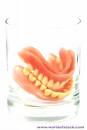
London: Britons’ No 1 ageing fear is have to wear false teeth, according to a new survey.
Nearly half of Brits are in grave danger of having teeth that are ‘older’ than they are, due to poor diets and shameful dental habits according to new research* from Orbit CompleteTM. And yet, the nation’s biggest ageing fear is the prospect of having to wear dentures – proving that Brits really need to brush up on their ‘dental know how’ if they want to avoid their worst nightmare coming true!
Top Ageing Anxieties
Wearing dentures
41%
Dying grey hair
17%
Trimming excessive facial hair
13%
Taking supplements
7%
Using anti-wrinkle cream
7%
Wearing glasses
3%
From Thursday, you can take the test and work out your personal dental risk factor by visiting Orbit Mouth Makeover
Dent You Believe It
When we think of someone looking ‘old’, one of the first things we think of is stained, crooked and rotting teeth. As a nation, despite being scared of ending up having to ‘glue’ our teeth in each day, we’re not helping ourselves with over half of us confessing to not knowing how to clean our teeth correctly and a third never bothering to floss.
Drink your way to dental decay
Orbit Complete worked with the British Dental Health Foundation to discover other dental villains harming our teeth. Fruit smoothies and juices might be a great way to help you get your 5-a-day, but whether the 61% of Brits that drink them regularly are aware that they have a high acid content that is harmful to their teeth, is doubtful. Coffee, white wine and red wine, also guzzled by Brits on a regular basis, are also adding on the years by eroding and discolouring their teeth.
Welsh Have Oldest Teeth in U
It’s the Welsh who are in danger of being ‘long in the tooth’ before their time, with one in five coming out worst in the dental test due to lifestyle factors such as smoking and drinking fizzy drinks, but it’s the Scots who seem to be the least bothered about their dental health routine. The Southerners are ‘young gums’ with the most youthful teeth. The Northern Irish spend the most time preening their pearly whites – almost one in ten have bleached their own teeth at home with over-the-counter whitening kits.
*Study of 1100 adults aged 18+ conducted by ICM Research between 7-9th July 2008
About the Wrigley Company
The Wrigley Company is the worlds leading manufacturer of chewing and bubblegum and a major player in the confectionery industry worldwide. Some of Wrigleys most famous brands include Wrigleys Extra®, Airwaves®, Orbit Complete®, Juicy Fruit®, Wrigleys Spearmint®, Doublemint® and Hubba www.wrigley.co.uk
About the British Dental Health Foundation
The British Dental Health Foundation is an independent charity that along with its global arm, the International Dental Health Foundation, is dedicated to improving the oral health of the public by providing free and impartial dental advice, by running educational campaigns like National Smile Month and by informing and influencing the public, profession and government on issues such as mouth cancer awareness and water fluoridation. It has a 37-year track record of providing objective and unbiased advice, information and recommendations. The Foundation’s independent Dental Helpline is staffed by a team of qualified dental experts and offers free and impartial expert advice. The service is available Monday to Friday between 9am and 5pm on 0845 063 1188. For more information visit < a href="http://www.dentalhealth.org">www.dentalhealth.org
Scientists invent exercise pill
La Jolla, Ca: Trying to reap the health benefits of exercise? Forget treadmills and spin classes, researchers at the Salk Institute for Biological Studies may have found a way around the sweat and pain. They identified two signaling pathways that are activated in response to exercise and converge to dramatically increase endurance.
The team of scientists, led by Howard Hughes Medical Investigator Ronald M. Evans, Ph.D., a professor in the Salk Institute’s Gene Expression Laboratory report in the July 31 advance online edition of the journal Cell that simultaneously triggering both pathways with oral drugs turned laboratory mice into long-distance runners and conferred many of exercise’s other benefits.
In addition to their allure for endurance athletes, drugs that mimic the effects of exercise have therapeutic potential in treating certain muscle diseases, such as wasting and frailty, as well as obesity and a slew of associated metabolic disorders where exercise is known to be beneficial.
Previous work with genetically engineered mice in the Evans lab had revealed that permanently activating a genetic switch known as PPAR delta turned mice into indefatigable marathon runners. In addition to their super-endurance, the altered mice were resistant to weight gain, even when fed a high-fat diet that caused obesity in ordinary mice. On top of their lean and mean physique, their response to insulin improved, lowering levels of circulating glucose.
“We wanted to know whether a drug specific for PPAR delta would have the same beneficial effects,” says Evans. “Genetic engineering in humans, commonly known as gene doping when mentioned in connection with athletic performance, is certainly feasible but very impractical.”
An investigational drug, identified only as GW1516 (and not commercially available), fit the bill. When postdoctoral researcher and lead author Vihang A. Narkar, Ph.D., fed the substance to laboratory mice over a period of four weeks, the researchers were in for a surprise.
“We got the expected benefits in lowering fatty acids and blood glucose levels but no effect, absolutely none, on exercise performance,” says Narkar. Undeterred, he put mice treated with GW1516 on a regular exercise regimen and every day had them run up to 50 minutes on a treadmill.
Now the exact same drug that had shown no effect in sedentary animals improved endurance by 77 percent over exercise alone and increased the portion of “non-fatiguing” or “slow twitch” muscle fibers by 38 percent. The result, while very dramatic, gave rise to a vexing question: Why is exercise so important?
First and foremost, exercise depletes muscles’ energy store, a chemical known as ATP. In times of high demand, ATP releases all its energy and forms AMP. Rising AMP levels alert AMPK, a metabolic master regulator, which acts like a gas gauge that the cell is running on empty and revs up the production of ATP. “That led us to consider whether AMPK activation was the critical trigger that allowed PPAR delta to work,” recalls Narkar.
Usually, AMPK can be found in the cytoplasm, the compartment that surrounds the nucleus, but the Salk researchers’ experiment revealed that some exercise-activated AMPK molecules slip into the nucleus. There they physically interact with PPAR delta and increase its ability to turn on the genetic network that increases endurance.
“It essentially puts a turbo charge on PPAR delta, which explains why exercise is so important,” says Evans.
Then came the ultimate couch potato experiment. The researchers fed untrained mice AICAR, a synthetic AMP analog that directly activates AMPK. After only four weeks and without any prior training, these mice got up and ran 44 percent longer than untreated, untrained mice. “That’s as much improvement as we get with regular exercise,” says Narkar.
“Exercise in a pill” might sound tempting to couch potatoes and Olympic contenders alike, but the dreams of the latter might be cut short. Evans developed a test that can readily detect GW1516 and its metabolites as well as AICAR in blood and urine and is already working with officials at the World Anti-Doping Association, who are racing to have a test in place in time for this year’s Summer Olympics.
The study was supported by the Howard Hughes Medical Institute, the Hillblom Foundation and the National Institute of Health.
Researchers who contributed to the work include postdoctoral researchers Michael Downes, Ph.D., Ruth T. Yu, Ph.D., doctoral candidate Emi Embler, B.S., research associates Michael C. Nelson, B.S., Yuhua Zou, M.S., Ester Banayo, and Henry Juguilon, in the Gene Expression Laboratory, doctoral candidate M. Mihaylova, and assistant professor Reuben Shaw, Ph.D., in the Molecular and Cell Biology Laboratory, assistant professor Yong-Xu Wang, Ph.D., at the University of Massachusetts Medical School, Massachusetts, and professor Heonjoon Kang, Ph.D., at the School of Earth and Environmental Sciences, Seoul National University, South Korea.
The Salk Institute for Biological Studies in La Jolla, California, is an independent nonprofit organization dedicated to fundamental discoveries in the life sciences, the improvement of human health and the training of future generations of researchers. Jonas Salk, M.D., whose polio vaccine all but eradicated the crippling disease poliomyelitis in 1955, opened the Institute in 1965 with a gift of land from the City of San Diego and the financial support of the March of Dimes.
Frankincense found to ease arthritis pain
Los Angeles: Francincense contains an extract that may ease the symptoms of oesteoarthritis.
Results of a human trial published in the Journal of Arthritis Research and Therapy compared the extract to a dummy drug in patients with mild to moderate arthritis. Those taking the treatment reported less pain and better mobility after just seven days.
Indian frankincense is the resin which leaks out of the Boswellia Serrata tree and has been used in ancient Hindu medicine for centuries. It comes from a slightly different tree to the biblical frankinsence but this also has been found to have anti-inflammatory properties.
The research involved randomly giving 70 people a high dose, low dose, or dummy drug each day for 90 days. Their pain and physical function was evaluated before the trial began and at intervals using standard and accepted methods.
The treatment was well tolerated and the authors concluded it was safe.
Lead author Siba Raychaudhuri, a faculty member of the University of California, Davis, in America. According to Raychaudhuri, said: “The high incidence of adverse affects associated with currently available medications has created great interest in the search for an effective and safe alternative treatment.”
The study was funded by Laila Impex Research and Development Centre in India which is connected to Lalia Nutraceuticals which have created the drug and the study authors are consultants for the company.
New drug attacks Alzheimer’s
London: British scientists have trialed a new drug that stops the worst effects of Alzheimer’s Disease.
A daily capsule of Rember, is Isaid to be more than twice as effective as current treatments and can prevent the desease from progressing, in effect stablising it.
In trials patients who tried the drug had no further significant decline in their mental function over 19 months.
Rember attacks the plaque tangles that destroy nerve cells and memory allowing the brain to recover.
The bad news is the that drug will not be available for at least four years. There are also doubts as to whether it will be available on the UK’s National Health Service following the decision not to fund another drug, Aricept, which only costs £2.50 a day.
The one-a-day pill also has the potential to be used to prevent the disease progressing at even earlier stages ie when there are no symptoms.
The Rember trial was carried out by a team at the University of Aberdeen and the new research was presented at the International Conference on Alzheimers disease in Chicago, involved 321 people with mild and moderate Alzheimers disease in the UK and Singapore.
They were divided into four groups, three taking different doses of rember and a fourth group taking a placebo or dummy capsule.
After 50 weeks, those with both mild and moderate Alzheimers who were taking rember experienced 81 per cent less mental decline compared with those on the placebo.
Those taking rember did not experience any significant decline in their mental function over 19 months, while those on the placebo got worse.
The results suggest the drug is about two-and-a-half times more effective than existing drugs called cholinesterase inhibitors.
Images of the brain showed rember had its biggest effect in the parts linked to memory, where the density of tau tangles is greatest, with better blood flow to these areas.
The drug works by dissolving the tangle of tau fibres which releases waste products that kill nerve cells, and by preventing the fibres from becoming tangled.
Consultant psychiatrist Dr Donald Mowat, who monitored the progress of patients, said they were more confident, better able to cope with daily life and not experiencing the level of mental decline they had expected.
The trial was a Phase 2 study, which checks the safety and efficacy of the drug, but if a large-scale Phase 3 trial due next year repeats the findings, the drug could be available for prescribing by 2012. At the same time, the research team is investigating a way of diagnosing Alzheimers at its earliest stages when tau tangles are first being formed in the brain.
People may have these tangles in their 50s, long before symptoms develop, and the researchers hope the drug could be used as a preventive treatment.
Professor Wischik co-founded TauRx Therapeutics, which is developing the treatment.
Professor Stephen Logan, professor of neuroscience and TauRx board member, said: This is a fantastic breakthrough and very exciting.
Patients have been doing well for 18 or 19 months. They are continuing to take the drug and will probably do so until there is no benefit or they start to decline.
Sculptra
Sculptra a deep facial filler, used for holllows, folds and creases. It comes in a powder form and is reconstituted before treatment.
Evolence
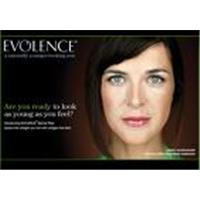
Evolence is a facial filler made from porcine collagen and is injected into shallow lines and wrinkles. More information at www.evolenence.com
Radiesse
Radiesse is a facial filler made from tiny microspheres of calcium hydroxylapatite, which has a consistency similar to bone and has been used safely for a number of years. It is used mainly for deeper folds, marionette lines – nose to mouth, and to fill out cheek contours and jawline.
Restylane
Restylane is a family of fillers based on hyaluronic acid, a natural polysaccharide found in the body’s connective tissues. It is a non-animal bio-engineered. There are several products in the family: for fine lines and wrinkles, lips, cheeks & contours.
Robot performs hair transplant
Los Angeles: A robot that performs hair transplants more naturally than humans has been developed by a Californian company.
Restoration Robotics, says its robot can also pluck and move individual hair follicles twice as fast as humans, with less pain and scarring for the patient.
At the moment a surgeon must carry out a very time consuming and repetitive procedure of removing a strip of hairy scalp, separating it into individual hair follicle “bulbs”, and painstakingly implanting them in one millimeter wide incisions across bald parts of the head, according to an article in New Scientists magazine.
The robot plucks healthy follicles individually, at a rate up to 1000 an hour. He revealed that a one millimeter hollow needle removes the follicles using suction. Guided by cameras and 3D imaging software, the device is mounted on an arm normally used to place microchips on circuit boards
Officials at Restoration Robotics claimed that, while manual transplants might take around eight to 10 hours, their robot could complete the process in about five hours. The robot also had the ability to design a patient’s hairline on a computer, which could be important for giving the transplanted hair a more natural look.
The robot, which is currently honing its skills on volunteers, is expected to be used in full clinical trials later this year.
Blood pressure drugs help cut Alzheimer’s risk
Chicago: Drugs used to cut blood pressure has been shown to improve the risk of Alzheimer’s.
According to a new US study of angiotensin receptor blockers, or ARBs, which are normally prescribed as a second choice treatment to patients unable to tolerate ACE inhibitors, another class of blood pressure drug, the results are dramatic.
Both drugs work by allowing the blood vessels to the vessels to relax and widen so more blood can flow through them, which cuts blood pressure.
Alzheimer’s is associated with high blood pressure, damaged arteries and amaloid plaques, a type of protein which attaches itself to the neurotransmitters in the brain.
In the new study, an Alzheimer’s conference in Chicago was told, six million patients treated for high blood pressure between 2001 and 2006 were examined by scientists.
Those taking ARBs were 35 to 40 per cent less likely to develop Alzheimer’s or other forms of dementia than patients on other medications.
Patients already suffering from Alzheimer’s when they started taking ARBs had a 45 per cent reduced chance of developing delirium, being admitted to a nursing home, or dying prematurely during the period of the study.
Those who had experienced strokes before or during the course of their illness appeared to benefit most from the drugs.
Study leader Professor Benjamin Wolozin, of Boston university medical school, said: ‘For those who already have dementia, use of ARBs might delay deterioration of brain function and help keep patients out of nursing homes. The study is particularly interesting because we compared the effects of ARBs to other medications used for treating blood pressure or cardiovascular disease.’
Alzheimer’s Disease is affecting more and more older adults as people live longer.
Don’t be a hot sleeping beauty

London: Beat summer insomnia with top tips plus advice from the free consumer ‘Good Sleep Guide’, in association with Dr Chris Idzikowski.
The Great British Summer is well and truly upon us, to the delight of many, but the warmer weather can be extremely detrimental to our sleep patterns.
Fewer hours of darkness and a rise in temperature mean that getting a good night’s sleep becomes far more difficult than it would usually be.Poor quality sleep is known to lead to problems with learning, memory, concentration and low mood.
Keeping cool at night and blocking out early morning sunshine is essential for a good night’s sleep according to the experts. With this is mind, TEMPUR offers some top tips on how to beat summer insomnia, including some advice from sleep expert and director of the Edinburgh Sleep Center Dr Chris Idzikowski, taken from ‘The Good Sleep Guide’, a free consumer advice guide to the perfect night’s sleep*:
Control room temperature
Scientists have discovered that a slight dip in body temperature is a trigger for sleep – Dr Chris Idzikowski suggests the ideal sleeping temperature is between 17 and 18°C. According to The Sleep Council**, our deepest sleep occurs when our biological clock temperature is at its lowest – usually around 4am, making a cool bedroom key to a good night’s sleep.
TIP: In hot weather that’s not always easy to achieve, so close curtains and open windows during the day to help prevent heat building up inside and leave your bedroom window open at night to let the cool air in Save the sunshine for your waking hours.
Exposing your eyes to light during sleeping hours affects the brain’s production of the hormone melatonin which promotes sleep.
TIP: Minimise early morning sunshine with blackout blinds and distance light sources at night such as alarm clocks with strong LED displays Make time for sleep Warm, summer nights might provide the perfect excuse to stay up late, but findings in the UK*** over the last 40 years show the average daily sleep for adults is about 7¼ hours – the same it was a hundred ago. Mortality seems to be lowest in those sleeping around 7 hours a night so getting a good night’s sleep can literally be a life-saver.
A good mattress matters
Adults spend up to a third of their lives in bed**** and while there is no perfect bed, pillow or position that is right for everyone, a quality mattress is vital for a good night’s sleep. Experts recommend mattresses be changed every eight to ten years.
On conventional mattresses the body needs to adjust during the night due to unrelieved pressure, which restricts blood flow, with warm summer bedrooms leading to more tossing and turning than in the winter months.
TIP: Invest in a mattress made of pressure-relieving material which moulds to the exact shape and position of the body. TEMPUR Mattresses support the spine in the correct position, easing back pain, arthritis and sciatica and providing optimum support throughout the night. TEMPUR Mattresses have been shown to reduce tossing and turning by 83%. Some mattresses retain heat which can make them very warm, whereas TEMPUR Mattresses have been specially designed to allow air to pass through the material freely- ensuring a cooler, more comfortable night’s sleep.
Eat to sleep
Avoid summer food favourites containing tyramine (cheese, ham, aubergines, pepperoni, raspberries, avocado and red wine) which can keep you awake at night as they release norepinephrine, a brain stimulant.
TIP: If you get the munchies close to bedtime, eat something that triggers the hormone serotonin, which helps to promote sleep. Carbohydrates such as bread or cereal will do the trick.
TEMPUR, the manufacturer of pressure relieving pillows and mattresses, has got together with respected sleep expert Dr Chris Idzikowski – Director of the Edinburgh Sleep Centre with more than 20 years experience in sleep research and medicine – to create ‘The Good Sleep Guide’, an easy-to-follow leaflet to help you get the perfect night’s sleep.
For FREE copies of ‘The Good Sleep Guide’ for you, your friends or family, or for more information about TEMPUR Products, please contact TEMPUR on 08000 111081 or email sleepadvice@tempur.co.uk
Other useful sites for sleep issues:
** Sleep Council
*** Loughborough Sleep Research Centre
**** Edinburgh Sleep Centre
About TEMPUR TEMPUR®
Mattresses are made from unique TEMPUR Material, a proprietary, open celled, temperature sensitive material that conforms to and supports the individual user by evenly distributing body weight. The basis for the TEMPUR pressure relieving material was originally developed by NASA to protect astronauts against G Forces during lift off and re-entry to the earth’s atmosphere. Today TEMPUR is the only producer of mattresses and pillows worldwide to be endorsed by NASA and certified by the Space Foundation.
TEMPUR Products are recommended by over 30,000 medical professionals worldwide, and their beneficial properties are supported by clinical research. A trial at the Institution for Clinical & Physiological Research at the Lillhagen Hospital, Gothenburg, Sweden tested 23,000 patients over an eight year period of home and clinical use of the TEMPUR Mattress and Pillow. Patients suffered less pain, experienced enhanced deep sleep, and an 83% reduction in tossing and turning when using TEMPUR Products.
A whole host of celebrities are now claiming they have found the perfect sleeping partner – their TEMPUR Mattress including George Michael, Jane Seymour, Paris Hilton, The England Rugby Team, Paul McCartney, David Blaine, The Ozbournes, Kyran Bracken, Claire Sweeney, Charlie Dimmock, Susan Hampshire and Noel Gallagher.
TEMPUR Mattress prices start from £675, and TEMPUR Pillows are priced from £69.95. For more information about TEMPUR Products, call 08000 111081 or visit Tempur
Is your bra damaging your breasts?
London: Women could be damaging their breasts without realising it, according to scientists at the University of Portsmouth.
As well as discovering that some women’s breasts could be damaged and fragile ligaments irreparably stretched by wearing the wrong bras, scientists in the Department of Sports Science have also found that women could be damaging their breasts through ignorance or embarrassment.
The University’s research team has tested about 50 bra designs on hundreds of women over the past three years under the leadership of Dr Joanna Scurr, a breast biomechanics expert. Her research proves that breasts move up to 21cm during exercise and they move up and down, in and out and from side to side. Most bras are designed to limit just vertical movement.
Wendy Hedger, a researcher on Dr Scurr’s team, said: “Many women have strong preferences for certain styles of bra and won’t buy anything else. They won’t even look at anything that doesn’t look like the sort of bra they are used to wearing. In sports bras, for example, many women won’t buy a bra that resembles their everyday bra and does up at the back — they think if it can’t be pulled over their heads like a crop top then it’s not a real sports bra. But this is not true and many sports bras do up at the back in the same way as a traditional bra and do a very good job of supporting women.
“And some women cause breast pain or discomfort by not buying the right sized bra. There’s a social stigma about certain sizes; many women don’t want to be seen as too small or too big and buy a bra that doesn’t fit well in order to be what they consider to be a normal size.
“Many other women are unaware that they are wearing a badly fitting bra or unknowingly wear the wrong bra size because they are routinely being sold ill-fitting bras.
“Some women forget that their shape and size change and they might have to go through several changes in bra size over their lifetime especially after breastfeeding and the menopause.”
The breast biomechanics research team started testing bras and the movement of women’s breasts more than three years ago. They have also helped design a new sports bar for women who play high-impact sports. Dr Scurr agreed to help a New Zealand bra manufacturer give their existing high-impact bra a major overhaul and the new bra goes on sale in Europe this summer.
Miss Hedger said: “They came to us because they knew their bra protected women in high-impact sports but they weren’t sure it supported women well enough. The tests incIuded measuring precisely how much breasts moved in all three directions, as well as more subjective tests about how women felt about the fit, the shape, the strap design and the underband and so on.
“We are really excited about seeing it. It’s the first chance we have had to be involved in the design process of a new bra, though we have tested many over the past few years. We started breast biomechanics research just testing bras but we want to do more research that benefits women.”
Free Manuka honey
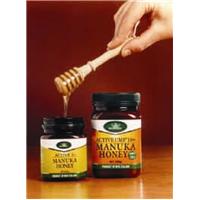
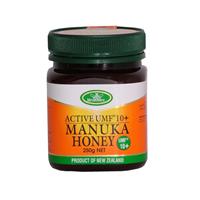
Win a pot of MediBee Active UMF® Manuka Honey and give your body a boost of health!
Honeys role as a functional food is finally gaining momentum following the successful First International Symposium of Honey and Human Health*. Scientists and researchers from around the world presented exciting research and new discoveries on the health benefits of one of lifes natural sweeteners, including restorative sleep, cough suppression and cognitive function.
Honey has been used for thousands of years to treat wounds but scientists have only recently begun to explain honeys antiseptic and antibacterial qualities on everyday human health. Whilst most honeys commonly carry the anti-bacterial property hydrogen peroxide, active manuka honey has both hydrogen peroxide and its own natural anti-bacterial property. This makes it doubly effective for building up immunity and treating a number of ailments including sore throats, hayfever, energy loss, stomach complaints, oral infections and even MRSA, killing bacteria at source**.
Whilst we all know that honey is good for us, many people do not understand how a daily dose of Manuka honey has a wide range of health benefits for people of all ages. It is with this in mind that Medibee Active UMF® Manuka Honey has launched a consumer guide, entitled Honey Bee Healthy, written in conjunction with leading nutritionist Dr Chris Fenn. The guide shows how Manuka Honey can treat a number of everyday ailments and includes a selection of delicious recipes, interesting facts, celebrity fans and a special section for kids.
Dr Fenn says: In our modern, complex world where food is often over-processed, or a synthetic version of the real thing, manuka honey is a natural food that not only tastes great but is an important health booster, particularly effective for building up immunity and warding off infection. The new guide reveals how active manuka honey is very different from other types of honey and will help consumers to treat common symptoms by building manuka honey into their daily eating habits.
Manuka honey is made from the wild flowers of the native manuka bush found only in New Zealand. Its one of the most highly prized types of honey in the world due to its powerful antibacterial properties. These are measured under laboratory conditions to detect the honeys active unique manuka factor, or UMF. The higher the active UMF, the stronger its healing power. Manuka honey with an active UMF of 10+ is regarded by scientists to be of sufficient quality to be used medicinally**, with the UMF® registered trademark on jars proof of its content.
For free copies of the consumer guide please call 02920 388422 or e-mail honeybeehealthy@optimah.com
MediBee Active UMF® 10+ Manuka Honey is priced from £8.45, and available from Holland & Barrett health food stores in the UK and all good health food stores. For nearest stockist details call (from the UK)0870 850 7114 or visit www.williamransom.com for further information.
If you would like to win a pot of this lovely honey please email us at readeroffer@elixirnews.com with your name and address and “honey” in the email header by July 30 2008. We will put your name into a draw for the prize. Please note that no cash equivalent is being offered and the Editor’s decision is final.
References
* For further information on the First International Symposium on Honey and Human Health visit www.prohoneyandhealth.com
**How manuka honey treats common ailments
Immunity
Manuka honey helps to stimulate the immune system and assist the body in fighting infections www.manukahoney.com
Sore throats
A natural soother for sore throats, manuka honey also destroys the streptococcus bacteria commonly responsible for causing the sore throat itself. http://bio.waikato.ac.nz/honey
Hayfever
Manuka honey contains plant pollen which when ingested works like a vaccine against outbreaks of hayfever by helping the body to make antibodies against it. Source: www.cyberspacehealthclinic.co.uk/ailments/hay_fever
Stomach complaints, including heartburn and stomach ulcers
In laboratory tests the UMF antibacterial properties present in manuka honey were found to inhibit the growth of the bacteria helicobacter pylori believed to cause most stomach ulcers and indigestion. www.manukahoney.com
Oral infections
Manuka honey is known to possess high levels of antioxidants and antibacterial substances that help to prevent the growth of bacteria and fungi. These antimicrobial properties make it beneficial in the treatment of various oral ailments including gum disease and mouth ulcers.
Select Honeys Demonstrate Antimicrobial Activity Against Oral Pathogens, Journal of Dental Research, 2002; 80:349
Energy
Studies show that manuka honey is an effective energy replacement and energy booster and is particularly useful for sports recovery. www.manukahoney.com/resources/research
MRSA
So powerful are manuka honeys antibacterial properties that they have even been found to be effective against MRSA strains of bacteria which are notoriously resistant to antibiotics and sometimes responsible for closing entire hospital wards. www.manukahoney.com/resources/research/mrsa.html
Scientists in prostate cancer breakthrough
London: British scientists have created a new drug that can shrink prostate tumours in 80 per cent of cases, it was revealed today.
The drug, called abiraterone, was discovered by doctors at London’s Royal Marsden Hospita.
Prostate cancer,is a disease that is more prevelant over the age of 50,and as people live longer, the incidence is expected to increase.
There are two types of prostate cancer: aggressive and non-aggressive. In the latter, which accounts for about a third of all prostate cases, the disease is usually fatal within 18 months.
The disease can be treated using hormone therapy which blocks testosterone but in many cases the cancer becomes resistant and the only other alternative is chemotherapy which has many unpleasant side effects.These include nausea, pain and hairloss.
Royal Marsden lead researcher Dr Johann de Bono said the new drug required the patient to take just four pills a day.
It is hoped that the drug will be on sale for general use by 2011.
Scientists believe the technique could also be effective on other tumours, such as breast and bowel cancers.
Abiraterone works by blocking a key enzyme in the body which help in the production of the male hormones.
Patient trials at the Royal Marsden, home to Britain’s Institute of Cancer Research and Europe’s largest cancer research centre, which eventually came up with abiraterone revealed that it shrank the tumour in three quarters of patients.
Abiraterone is now being used in a 1,200-patient international study, including at ten sites across the UK. If it is licensed as expected in 2011.
Elixir London +44 (0)20 7569 8676

Men are blind to beauty when it comes to mating

Amsterdam: Men are blind to beauty when it comes to mating opportunities, new research confirms.
Human testosterone triggers an automatic reaction which has evolved in man when faced with a woman, to look for mating opportunities, and it does not matter if the woman is not attractive, the research reveals.
Research involving a group of male students found that their levels of the hormone testosterone increased to the same extent whether they were talking to a young woman they found attractive – or to one they didn’t fancy much at all.
After 300 seconds alone in the same room as a woman they had never met before, and in some cases did not find particularly attractive, the men’s testosterone levels of the hormone had shot up by an average of around eight percent.
The rising levels may then fuel more visible changes in male behaviour that occur in the presence of a woman, including a squaring of shoulders, an upright posture, and greater use of hands – and even, it is suggested, a flaring of the nostrils.
The rise in the male hormone may also be the reason why men are more likely to tell women exaggerated stories about their job, career, education and earnings, the researchers believe.
The study, published in the journal Hormones and Behaviour, involved 63 male students aged 21 to 25 who were not aware of the purpose of the study.
Men who were rated as more aggressive or dominant types had registered even higher testosterone levels. The results also show that testosterone levels did not change when they were in the room with another man.
Leander van der Meij, who led the study at the University of Groningen in Holland, said: “We found a testosterone increase after only five minutes of exposure to a woman. Our results suggest that the increase in testosterone levels that we found, may be an automatic male response that activates receptors in organs and the nervous system to prepare the human body for mate attraction.”
The Telegraph quotes him as saying: “Once levels have risen, they can display more dominant behaviour. They talk more with their hands, there is more eye contact, their posture is more upright, and they are more likely to tell stories designed to impress the woman. We know that women can be attracted by these kinds of things. All this, we believe, may be fuelled by the rise in testosterone that we have found.”
Dry Eye Syndrome – 20 Bausch & Lomb moisturisers to give away!
Theres no disputing the fact that modern lifestyles are wreaking havoc on our eyes with eight-hour days spent staring at a computer screen, and intense air-conditioning, cigarette smoke and pollution adding to the issue, associated health problems such as Dry Eye syndrome are becoming increasingly prevalent.
In fact, Dry Eye syndrome (also referred to as keratonconjunctivitis sicca) has now become one of the most common problems treated by eye specialists in the UK1. Characterised by a feeling of grittiness or soreness (but not necessarily a feeling of dryness), the condition is often accompanied by a reddening of the eye area and watery eyes, particularly when exposed to the wind.
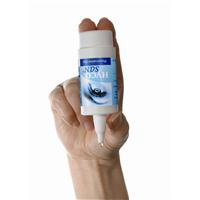
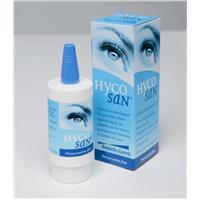
But now help is at hand in the form of Bausch & Lombs Hycosan – a preservative-free formula designed to soothe and moisturise dry eyes. Hycosan incorporates the active ingredient sodium hyaluronate, a naturally occurring polysaccharide found to relieve symptoms of ocular discomfort through water binding properties that reduce evaporation, mimicking the natural tear film and increasing tear break-up time.
Each one-click, one-drop bottle contains 300 doses in a patented one-way delivery system which allows for safe and effective multiple use, and ensures that the product remains contamination-free for up to 12 weeks after first opening. The soothing formulation is ideal for those with sensitive eyes and for use with both soft and hard contact lenses.
Consultant Ophthalmologist at the Hillingdon Hospital, Mr Nick Lee said: A combination of environmental factors and medical conditions make dry eyes increasingly common for people in the UK. Keeping the eyes well lubricated is essential not only for comfort but also to protect the eyes from developing other complaints which can be far more serious.
Hycosan is available from Dollond and Aitchison, plus independent pharmacies and opticians, priced £12.99 (RRP) for three months supply.
We have 20 of these to give away. Please email us at readeroffer@elixirnews.com with your name and address and Eye in the email header by July 30. Please note that no cash equivalent is being offered and the Editor’s decision is final.
1 International Glaucoma Association
Dry Eye Syndrome
In addition to our lifestyles, factors such as hot, dry or windy climates, high altitudes, common medication and allergies such as hay fever can trigger symptoms. Thyroid disorders, vitamin A deficiency, Parkinsons disease and hormonal changes as women enter the menopause may also cause dryness.
While an irritating and uncomfortable condition in its own right, particularly dry eyes can cause complications, damage eye tissue, scar the cornea (the front covering of the eyes) and causing infections such as conjunctivitis and even impair vision.
Bausch & Lombs Hycosan
Bausch & Lombs Hycosan is a preservative-free formula designed to soothe and moisturise tired, dry-feeling eyes.
Hycosan incorporates the active ingredient sodium hyaluronate, a naturally occurring polysaccharide found to relieve symptoms of ocular discomfort through water binding properties that reduce evaporation, mimicking the natural tear film and increasing tear break-up time.
Each one-click, one-drop bottle contains 300 doses in a patented one-way delivery system which allows for safe and effective multiple use, and ensures that the product remains contamination-free for up to 12 weeks after first opening.
The soothing formulation is ideal for those with sensitive eyes and for use with both soft and hard contact lenses.
Hycosan is available from independent pharmacies and opticians, priced £12.99 (RRP) for three months supply. For further information, please visit www.bausch.com
Bausch & Lomb
Bausch & Lomb is the eye health company, dedicated to perfecting vision and enhancing life for consumers worldwide. Its core businesses include soft and rigid gas permeable contact lenses and lens care products, and ophthalmic surgical and pharmaceutical products.
The Bausch & Lomb name is one of the best known and most respected healthcare brands in the world. Founded in 1853, the company is headquartered in Rochester, New York, and employs approximately 13,000 people throughout its international office network. Its products are available in more than 100 countries.
DRY EYE SYNDROME
Frequently Asked Questions
What is dry eye syndrome?
Our eyes are always covered by a thin layer of liquid, most commonly known as a tear film, which is made from of a mixture of water, proteins, fats, mucus, and infection-fighting cells. As well as lubricating the eye, the tear film also keeps the area clean, stabilises vision and protects the eye against infection.
Dry eye syndrome (also known as keratoconjunctivitis sicca) refers to a spectrum of ocular surface diseases which are caused when the eyes do not make enough tears, or those tears evaporate too quickly.
What are the symptoms?
Symptoms of dry eye syndrome include:
Feelings of dryness, grittiness, or soreness, in one or both eyes which get worse throughout the day
Redness
Watery eyes, particularly when exposed to wind
Eyelids stuck together on waking
What causes dry eye syndrome?
Many factors, such as hot, dry or windy climates, high altitudes, air-conditioning, prolonged use of contact lenses and cigarette smoke can contribute to dry eye syndrome. Some people also find their eyes become irritated when reading or working at a computer.
Dryness can also be caused by medication such as antihistamines, nasal decongestants, birth control pills, some treatments for high blood pressure, antidepressants and isotretinoin tablets for acne.
Thyroid disorders, vitamin A deficiency and Parkinsons disease may cause further dryness. Women also frequently experience problems with dry eyes due to hormonal changes as they enter the menopause.
How common is it?
According to the International Glaucoma Association, dry eye syndrome is one of the most common problems treated by eye specialists in the UK. Studies have suggested that between 17% and 30% of people experience dry eye syndrome at some point during their life.
Who is affected by dry eye syndrome?
Dry eye syndrome is more likely to affect people who are over the age of 50, and the condition is more common among women than men.
Complications of dry eye syndrome
If left untreated, dry eye syndrome can cause complications, such as scarring of the cornea (the transparent layer at the front of the eye) and conjunctivitis (inflammation or infection of the eye), making it important to consult a GP or eye health specialist as soon as possible.
Such complications produce symptoms such as:
Sensitivity to light
Redness
Pain in the eyes
Deterioration in vision
Diagnosis
A GP should be able to diagnose dry eye syndrome after discussing the symptoms and your medical history. An examination may be carried out to check for other conditions and complications.
The GP will also want to know about any medicines that you are taking, as well as your personal circumstances, in case a possible cause of dry eye syndrome can be identified.
Ø Referral to an optometrist
Your GP may refer you to an optometrist for a check up, who will use specialist equipment to examine your eye. The optometrist will also be able to give you advice about treatment. Optometrists are private practitioners and charge for their services.
Ø Referral to an ophthalmologist
If the diagnosis is uncertain, or specialist tests and treatment are required, your GP may refer you to an ophthalmologist – a surgeon who specialises in eye diseases.
If you have an underlying medical condition which is causing dry eye syndrome, your GP will prescribe treatment for it.
Most people with dry eye syndrome also have blepharitis, which is a common (and usually mild) chronic inflammation of the rims of the eyelids. The basis of treatment of blepharitis is eyelid hygiene. In other words, keeping the eyelids clean, and massaging any trapped material out of the glands in the rim of the eyelid.
If your underlying condition is a complex one, such as HIV, or lupus, you will need to be referred to a specialist for treatment, if you are not already receiving treatment for the condition.
Treatment
Although no cure exists for dry eye syndrome, there are a range of treatments which can control your symptoms.
Ø Artificial tears
Mild to moderate cases of dry eye syndrome can often be treated with eye drops that contain ‘artificial tears’ – a liquid that is designed to mimic the properties of the tear film. These eye drops are available from a pharmacy over-the-counter (OTC) without prescription.
Bausch & Lombs Hycosan is a preservative-free formula designed to soothe and moisturise dry, tired-feeling eyes. Hycosan incorporates the active ingredient sodium hyaluronate, a naturally occurring polysaccharide found to relieve symptoms of ocular discomfort by reducing evaporation, mimicking the natural tear film and increasing tear break-up time.
Hycosan is available from Dollond & Aitchison, plus independent pharmacies and opticians, priced £12.99 (RRP) for three months supply.
Ø Anti-inflammatory medicine
Anti-inflammatory medicines work by blocking the functions of your immune system that are involved in triggering inflammation, and are usually prescribed by a GP in the form of a cream, or ointment.
Ø Specialised eyewear
Some cases of dry eye syndrome can be treated using specialist eyewear. These include specially made glasses, known as moisture chamber spectacles, which wrap around your eyes like goggles, helping to retain moisture, and protecting eyes from irritants.
Progress in contact lens manufacture has meant that many are designed specifically for people with dry eyes and lock in moisture. Talk to your optometrist for details.
Ø Surgery
If dry eyes fail to respond to other forms of treatment, surgery may be an option.
Punctual occlusion, involves using small ‘plugs’ to seal the tear ducts, which help keep the eye protected by tears. Temporary plugs made of silicone are usually used in the first instance to see if the operation has a positive effect. If it has, more permanent plugs can be used to replace the silicone ones.
Self-care
There are several self-care techniques that can help prevent, or reduce, the symptoms, of dry eye syndrome:
Ø Keeping your eyes clean will help prevent dry eye syndrome
Ø Massaging the eyes by gently rolling your first finger over the upper lid in a circular motion will help to push out any of the mucus-like fluid from the tiny eyelid glands.
Ø Protecting your eyes from wind and hot air by wearing a pair of wraparound glasses will help prevent them drying out
Ø Positioning your computer workstation correctly will minimise eye strain. Your monitor should be at, or just below eye level and you should ensure you take regular breaks away from it during the day
Ø Stopping or avoiding smoking can help to reduce irritation to your eyes
Ø Using a humidifier at work and at home will help moisten the surrounding air. Opening windows for a few minutes on cold days, and longer in the spring, and summer will also help to keep the air moist
Ø Eating a diet that is high in omega-3 fats, can help prevent dry eye syndrome because the fats are used in the production of tears. The best source of omega-3 fats are oily fish, such as mackerel, salmon, sardines, tuna, and herring
Bausch & Lomb
Bausch & Lomb is the eye health company, dedicated to perfecting vision and enhancing life for consumers worldwide. Its core businesses include soft and rigid gas permeable contact lenses and lens care products, and ophthalmic surgical and pharmaceutical products.
The Bausch & Lomb name is one of the best known and most respected healthcare brands in the world. Founded in 1853, the company is headquartered in Rochester, New York, and employs approximately 13,000 people throughout its international office network. Its products are available in more than 100 countries.
More information about the Company can be found on the Bausch & Lomb Web site at www.bausch.com
Watermelon – the new viagra?
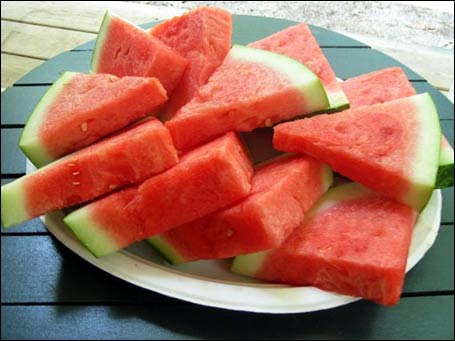
Houston: Watermelon produces an effect similar to that of Viagra, researchers say.
A slice of the juicy red fruit contains citrulline, a substance that triggers a chemical reaction which relaxes the bodys blood vessels. Exactly the same reaction when a man takes Viagra.
Citrulline reacts with enzymes of the human body when consumed in large quantities. Afterwards, the substance changes into arginine an amino acid that benefits the circulatory and the immune system.
Researchers of Texas A&M’s Fruit and Vegetable Improvement Center say that watermelon can be a great way to relax blood vessels without any drug side effects. However, the vegetable is not so organ-specific as Viagra. In addition, the scientists said that anyone who takes Viagra should not be expecting the same results from watermelon.
The organic compound citrulline is an amino acid. Its name is derived from citrullus, the Latin word for watermelon, from which it was first isolated in 1930. It is a key intermediate in the urea cycle, the pathway by which mammals excrete ammonia.
Citrulline is made from ornithine and carbamoyl phosphate in one of the central reactions in the urea cycle. It is also produced from arginine as a by-product of the reaction catalyzed by NOS family (NOS; EC 1.14.13.39). Arginine is first oxidized into N-hydroxyl-arginine, which is then further oxidized to citrulline concomitant with release of nitric oxide.
Although citrulline is not coded for by DNA directly, several proteins are known to contain citrulline as a result of a posttranslational modification. These citrulline residues are generated by a family of enzymes called peptidylarginine deiminases (PADs), which convert arginine into citrulline in a process called citrullination or deimination. Proteins that normally contain citrulline residues include myelin basic protein (MBP), filaggrin, and several histone proteins, whereas other proteins, such as fibrin and vimentin are susceptible to citrullination during cell death and tissue inflammation.
Patients with rheumatoid arthritis often have detectable antibodies against proteins containing citrulline. Although the origin of this immune response is not known, detection of antibodies reactive with citrulline (anti-citrullinated protein antibodies) containing proteins or peptides is now becoming an important help in the diagnosis of rheumatoid arthritis.
Citrulline in the form of citrulline malate is sold as a performance-enhancing athletic dietary supplement which is said to reduce muscle fatigue.
Most women ignorant of risk of body lotions & potions – new survey
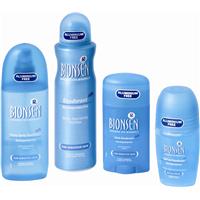
London: A UK health investigation has revealed that 60% of women still dont examine the contents of their personal care products despite continued warnings about the health risks associated with the ingredients.
Over three thousand women were quizzed by Bionsen about their knowledge of the potential dangers linked with common ingredients such as parabens and aluminium. The results showed that a massive 70% of women are unaware of the risks and dont fully understand the links that have been made with breast cancer.
As a result, the deodorant brand has been instrumental in launch of a new web site to explain the scientific research behind both sides of the debate: www.bodyhealthdebate.co.uk
Brand manager Lisa Cattell said: We funded the site to help women achieve a better understanding of what the experts say and then make their own decision about whether they want to continue using products containing aluminium and parabens.
Rather than sifting through endless newspaper cuttings and confusing research results, we have drilled down to the facts in an attempt to make things clearer and feedback so far has been great.
Weve had lots of women sharing their own personal experiences and a poll of the first 100 visitors to the site revealed that the majority of women do believe that parabens and aluminium and linked to cancer.
The www.bodyhealthdebate.co.uksite looks at why the links have been established, what the experts say and recommend as well as a blog in which new pieces of information will be added as they come to light.
The site also contains a white paper on the subject, which can be downloaded and kept for reference alongside an area where viewers can leave their own thoughts, experiences and feedback.
High protein diet more effective than calorie counting
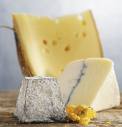

Tel Aviv: The Atkins Diet, high in protein and fat, is safer than a low-fat diet, a new study reveals.
In a two-year trial dieters lost more on the low-carbohydrate regime than they did on a low-calorie diet.
The Mediterranean diet, with lots of vegetables and olive oil was also more successful than calorie cutting.
The Israeli study, conducted by the Gen-Gurion University of the Negev, put 322 volunteers on either a low-calorie diet; a Mediterranean calorie-restricted diet, high in fibre and low in red meat; or a low-carbohydrate diet with no calorie limit.
Those on the low-fat diet lost 6.5lbs in two years; the Mediterranean diet 10lbs and 10.3lbs on the low-carbohydrate diet.
The Atkins Diet was devised by US heart doctor Robert Atkins, and involves eating lots of protein, while eleminating carbohydrates such as rice, potatoes and pasta.
Although successful in weightloss it has fallen out of favour because of concerns over the high fat content which could lead to heart disease and kidney problems.
Older women are happier than men


London: UK scientists who questioned nearly 9,800 people over the age of 50 about their lives and found women were more optimistic than men.
Wealth also helps you live longer with the poorest people more than twice as likely to die at any given age than the richest, researchers at University College London discovered.
Report co-author Dr Elizabeth Breeze said that women could become happier as they get older as they no longer have to worry about looking after their families.
She said: “There is a difference between the way men and women view their quality of life and they are influenced by slightly different things.”
“Women are affected negatively by caring for someone else or if they are not in employment but if they see their children and family more they are positively affected.”
Examples might be actresses Meryl Streep, 59, Helen Mirren, 62, and Judi Dench, 72.
Last year, Mirren said: “A weird thing happens to male actors, especially movie stars, in my experience.
“They become grumpy old men. A young male actor feels that all the girls want him – he’s a star. As actors get older that sense of not being in control of their destiny grates on them and they get grumpy.”
Researchers interviewed people born before 1952 at two year intervals.
They found that the poorest fifth of the population were over twice as likely to have died by 2008 as those in the wealthiest fifth.
In some age groups, the difference was even greater with the poorest women between 60 and 74 six times more likely to have died than the richest women of the same age.
According to the study, you have more chance of living longer if you are married, educated to degree level and a professional.
Single people are twice as likely to die early as those who are married or living with a partner.
The study found that exercise increases life expectancy with the physically inactive twice as likely to die before those keeping fit.

Slim Shakes
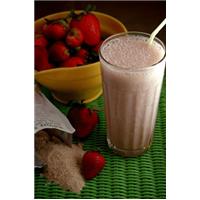
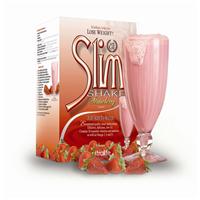
ULTRALIFE SLIMSHAKE low GI meal replacement – pictured right
www.ultralife.uk.com
Costs $20, 12.64, £9.99 for six sachets or $67, 43, £33.95 for a tub containing six servings.
SlimShake is a great tasting meal low GI replacement meal slimming shake which contains protein and iodine and chromium all combined is designed to normalize blood sugar so that you dont feel hungry it has been formulated by scientists, doctors and nutritionists. As well as 24 key vitamins and minerals it also contains good omega fats which as well as being good for your skin and hair are a natural appetite suppressant. Each shake is 200 calories. It is diabetic and vegetarian compliant and dairy, lactose, wheat, gluten and egg free. Available in Belgian chocolate, Organic strawberry and Madagascan vanilla. Costs $20, 12.64, £9.99 for six sachets or $67, 43, £33.95 for a tub containing six servings. Available to buy online at www.ultralife.uk.com and at the larger branches of Waitrose, Tesco, Superdrug in the UK.9/10
DAVID KIRSCH WELLNESS PROTEIN PLUS//Meal Replacement Powder Box
www.davidkirschwellness.co.uk
Costs $90, 57,£45 for 20 sachets in either vanilla or chocolate
Not all diet shakes are the same. This one, which is also low GI, contains virtually every vitamin and mineral that you need on a low-calorie regime. It also contains fibre and several ingredients that are specifically aimed at keeping blood sugar stable so that you do not get hunger pangs, such as chromium and omega oils in a base made from whey protein. David Kirsch is an internationally accalimed Wellness Trainer and is founder of the Madison Square Club in Manhattan. His celebrity clients include Heidi Klum and Liv Tyler. David is famous for his cardio-sculpting body transformations as featured in his books The Ultimate New York Diet and The Ultimate New York Body Plan. Great taste and you can even add a few strawberries.190 calories. 9/10
Love your gut – the key to good health!
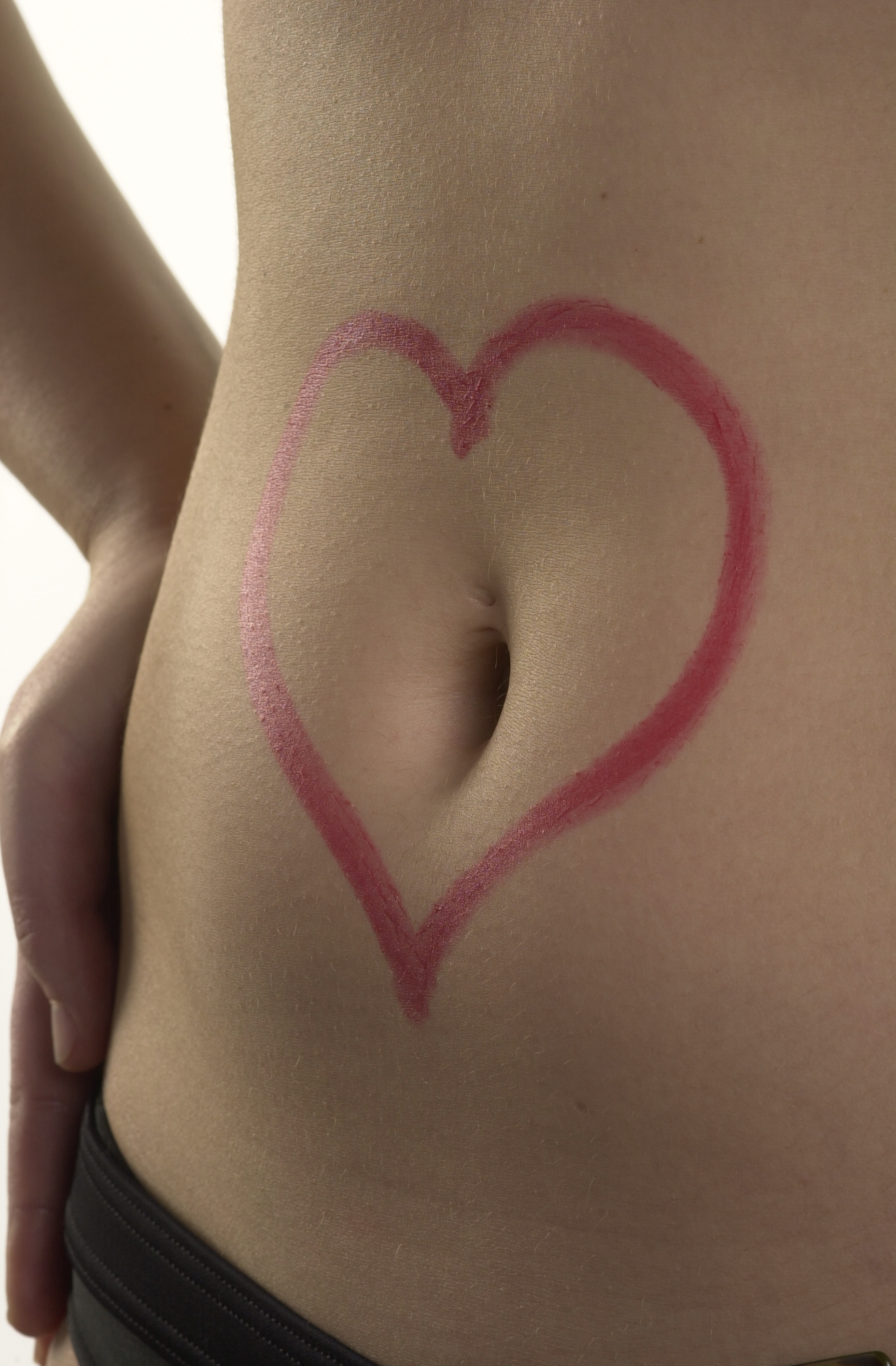
London: To mark the 10th anniversary of Gut Week, which is taking place now until the 20th July, a new website has been launched urging people to get in touch with their digestive systems and look after their gut health.
www.loveyourgut.com aims to get people thinking and talking about digestive health. Around a third of people in the UK regularly suffer from digestive symptoms[1] yet the subject remains taboo, with a widespread reluctance to recognise and confront gut health problems.
Gut Week is a joint campaign, run by digestive health charities Core, The Gut Trust and St Marks Hospital, Harrow in association with Yakult.
Campaign supporter, This Mornings Dr Chris Steele believes < ahref="http://www.loveyourgut.com">www.loveyourgut.com will help get people thinking more about digestive health. It can be hard for many people to seek medical advice over bowel problems as they feel embarrassed or dont know what to say, said Dr Steele.
There is no substitute for seeing your GP or practice nurse, but if people need to check their symptoms, learn what terminology to use or just use it to learn more about their bodies, then this new site could be the first step they take on the path to better digestive health.
The need for a comprehensive site for digestive problems has become vital. Recent research has shown that just 11% of people would willingly discuss bowel habits with workmates, whilst 40% would not seek medical advice even if they detected a change in bowel function[2]. However, over a third of us say we do use the internet to gain health advice[3] .
www.loveyourgut.com offers simple, accessible, practical help and advice on digestive health, including:
· A wide range of tips for achieving and maintaining good digestive health, from experts such as Nicki Waterman and Dr. Nick Read;
· Advice on potentially serious digestive symptoms to watch out for and what to do if any warning signs are detected;
· A practical guide on communicating gut problems to your GP
· A monthly Ask the Doctor column, where experts will answer your digestive queries online;
· A complete guide to each of the components of the digestive system (there are more than you think!), with details on the vital role played by each one;
· Fascinating digestive facts (did you know if all the bacteria in your intestines were all lined up side by side, they would stretch twice round the equator?);
· A comprehensive overview of many of the most common digestive complaints, with information on causes and symptoms as well as prevention and treatment;
· Gut-friendly recipes from Love Your Gut supporters such as Antony Worrall Thompson;
· Profiles of the many celebrities and experts who support the Gut Week campaign, including amongst others Gaby Roslin, Denise Welch, former Olympic swimmer James Hickman, Antony Worrall Thompson, Ian Marber (The Food Doctor) and This Mornings Dr. Chris Steele.
· Fun educational activities including the exclusive Gut Game where you will find yourself in charge of a sandwich as it makes its way through the gut!