Cosmetic surgery tourists health risk

London: Women who have cosmetic surgery abroad may be risking their health, experts have warned.

The British Association of Aesthetic Plastic Surgeons estimate that around 10,000 Britons have operations in countries such as South Africa, Brazil, Malaysia and India each year. Most know little about their surgeons medical qualifications and have little redress should complications occur post-surgery.

The attraction of surgery abroad is that it is usually cheaper than in the UK but many patients have to pay for expensive corrective surgery back home which is not covered by medical insurance.

A tummy-tuck which might cost $10,000 in the UK may cost as little as $3,000 abroad.

Norman Waterhouse of BAAPS said that women needed to be careful when taking up these cheap cosmetic surgery offers, many of which seemed dubious.

Despite the trend to have surgery abroad, the British market continues to grow. In 2004 16,000 operations were carried out – 52 per cent up on the previous year.

New holistic dental spa opens in London

London: Renowned cosmetic dental surgeon, Dr Mark Hughes has recently launched the new Harley Street Dental Studio in London.

The studio has state of the art equipment and the latest techniques are performed in a stylish and fashionably holistic spa environment.

The range of treatments available at the Harley Street Dental Studio is vast and covers all aspects of reconstructive and cosmetic dental work. Mark and his team use the latest practices to give you the smile you want.

As one of the only dental surgeons in the UK using da Vinci Veneers, Mark and his experienced team can ensure teeth are corrected and aligned to give the most beautiful smile. These ultra-thin shells of ceramic material are bonded to the front of teeth with little or no anaesthetic to mask discolorations, brighten teeth, and to improve your smile.

When fitting veneers, the Studio offers a bespoke service; patients can choose the shade and size of teeth that suits them and their face the best.
Mark personally works with a patient to ensure that they get the most attractive and natural smile.

Facial rejuvenation is also offered at the Studio and is the dental equivalent of a facelift. The procedure replaces worn or missing teeth, improving bone structure and having a dramatic anti-ageing effect on facial appearance.

In addition to using the latest dental techniques, the Studio also offers the ultimate lifestyle experience: a plasma screen showing a DVD of your choice, complete with Bang and Olufsen surround sound, ensures your time in
the Studio is as comfortable and soothing as possible. For those who are
short of time, or simply want the ultimate pampering experience, a manicure or pedicure can be carried out whilst you have your teeth whitened – all within your lunch hour. The Harley Street Dental Studio uses Zoom 2 whitening products from California, which achieve results in just 40 minutes.

Dr Hughes is dedicated to clinical excellence and has built a reputation as one of the finest aesthetic dentists in London. He is well known in the industry for his impeccable standards and for working closely with patients to provide outstanding quality in dental and aesthetic treatments to create the most natural looking teeth and the best results.

Escaping the busy street and stepping into a Zen-like zone with crisp, sleek interiors and exotic flowers gracing every table, the Harley Street Dental Studio removes any fears you may have about visiting a dentist. All of the finer details have been carefully thought out – from the carefully positioned Buddha’s that provide serenity, to the many bowls of crisp green apples that remind you of where you are.

About Harley Street Dental Studio:
www.harleystreetdentalstudio.com

New protein discover may aid longevity

Texas: Researchers at the University of Texas (UT) Southwestern Medical Center have discovered that a protein prolonging life in mice works by controlling insulin.

The protein, Klotho, is found in several species. In mice, the researchers discovered, it acts as a hormone, circulating through the blood and binding to cells.

Therapies based on this hormone could prove to be a way to extend life or slow its effects, said Dr. Makoto Kuro-o, assistant professor of pathology and senior author of the study published in Science Express and appearing in an upcoming issue of Science. “It could be one of the significant steps for developing anti-aging therapy.”

UT Southwestern researchers, led by Dr. Makoto Kuro-o, assistant professor of pathology, have discovered that a protein prolonging life in mice works by controlling insulin. The protein, Klotho, is found in several species. Therapies based on Klotho could eventually prove to be a way to extend life or slow its effects.

Kuro-o and his colleagues originally discovered the Klotho gene in 1997, naming it after one of the mythical Greek fates who controlled the length of human life. Their previous studies have shown that mutant mice lacking the Klotho gene appear normal until about 3-4 weeks old, and then begin showing signs of age, such as skin atrophy, osteoporosis, arteriosclerosis and emphysema. The mice died prematurely at about 2 months.

For the current study, they created a second strain of mutant mice in which the Klotho gene generated more of the protein than in normal mice. Those mice lived between 19%-31% longer than normal mice.

The researchers were especially interested in how the hormone affected insulin, because making an animal resistant to insulin increases its lifespan – a phenomenon found in animals ranging from worms to fruit flies to mice.

The mice with higher levels of Klotho had more insulin in their system than the normal mice, suggesting that the Klotho mice were resistant to insulin; they had to make more of it to make up for the resistance. The opposite was true with the mice deficient in Klotho. They were more sensitive to insulin and had reduced levels of it.

The influence on insulin creates a problem for Klotho should it be used as a therapy against aging: It may extend life, but it could also make an animal diabetic.

Mice with the excessive Klotho also had fewer offspring than normal mice, said Kuro-o, a Southwestern Medical Foundation Scholar in Biomedical Research.

Stress may help fight breast cancer: new research in Denmark

Copenhagen: High levels of daily stress appear to result in a lower risk of developing breast cancer for the first time, says a study in this week’s British Medical Journal.

But high stress may put women at risk of other serious illnesses warn the researchers, a team from Denmark.

The findings follow an eighteen year study of over 6,500 women in Copenhagen. At the start of the study researchers asked the women what levels of stress they experienced routinely in their lives, and classified the results into low, medium and high levels. Stress was defined as tension, nervousness, impatience, anxiety, or sleeplessness. (Stress levels were not measured throughout the study.)

In calculating the effects of stress, researchers also adjusted the results for other factors, such as whether they had children or whether they were menopausal, which would have an influence on developing breast cancer. They did not account for risk factors such as family history of the disease however.

Of the 251 women diagnosed with first-time breast cancer over the study period, researchers found that women reporting high levels of stress were 40% less likely to develop breast cancer than women reporting low levels of stress.

The study further found that, for every increased level of stress on a six-level scale, women were 8% less likely to develop breast cancer.

One explanation for the findings may be that sustained levels of high stress may affect oestrogen levels – which, over time, may have an influence on developing breast cancer. But this theory has not been tested, and research in this area so far has mainly been restricted to animals, caution the authors.

Despite the findings, the authors warn that stress-induced changes in hormonal balances are not a healthy response, and continued stress may play a damaging part in other illnesses – particularly heart disease.

Smokers twice as likely to loose sight in old age

image

London: 13 million smokers in the UK are doubling their chances of sight loss later life according to definitive new research published on RNIB Eye Test Action Day – September 7.

The link between smoking and age-related macular degeneration (AMD) is now as strong as the link between smoking and lung cancer, yet few people are aware of the link or even of AMD.

AMD is the UK’s leading cause of sight loss. Around 500,000 people in the UK have AMD and an estimated 54,000 people have the condition as a result of smoking.

A new report published by AMD Alliance UK, reveals that only seven per cent of people know that AMD affects the eyes but that seven out of ten smokers would either stop smoking permanently or cut down if they thought it could harm their eyesight.

The benefits of quitting smoking are very real. Studies have shown that people who stopped smoking 20 years ago have a similar risk of developing AMD as non-smokers, and that the risk starts to decrease after ten years of not smoking.

A call for action
Steve Winyard, RNIB’s Head of Campaigns and Chairman of AMD Alliance UK, said: “Smoking is the only proven cause of AMD that people can do anything about, yet people are not aware of the link and most people have not even heard of the condition. The message is simple: do not take up smoking and if you do – stop!”

“RNIB is calling on the Government to introduce specific warnings on cigarette packets and to fund a major public awareness campaign on the dangers of smoking to your eyesight. RNIB is also joining the British Medical Association (BMA) and the Royal College of Ophthalmologists in calling for a ban on smoking in all enclosed public places and workplaces across the UK.”

Simon Kelly, Consultant Ophthalmic Surgeon at the Bolton Eye Unit and co-author of the research published today, would also like to see warnings on cigarette packets. He said: “Knowledge of the link between smoking and AMD is very low but evidence from Australia and New Zealand shows that raising awareness of this link creates a powerful message for the general public. A survey amongst patients in Bolton also published today suggests that fear of blindness is as compelling as fear of lung cancer and heart disease as a motivator to quit. In my clinical experience when people are diagnosed with AMD and learn of the link with smoking they are often sufficiently shocked and motivated to want to stop smoking straight away.”

Pauline Edwards was diagnosed with AMD and told about the link with smoking. As she had smoked most of her adult life, she was very shocked. “If I had been told that I could lose my sight because of smoking I am sure I would have given up. I stopped the day I found out.” Pauline’s full story

Stop smoking today
Smokers wanting friendly help and advice on how to quit can ring Quitline on 0800 00 22 00 and speak to a trained QUIT counsellor. Alternatively email stopsmoking@quit.org.uk for a same day personal reply. A free QUIT pack is also available to all smokers wanting to stop.

Download our smoking and sight loss factsheet for further information about the links between AMD and smoking:

PDF version of smoking and sight loss factsheet
Word version of smoking and sight loss factsheet.
Get an eye test
Getting a regular eye test will check your eyes are healthy – a simple eye test can save your sight. NHS sight tests are available free to people under 16 or under 19 in full time education and to people over 60. People who are on benefits and low incomes are also eligible. Glaucoma sufferers and their close relatives over 40, diabetics and people who are registered blind or partially sighted also qualify. Vouchers are available to assist with the cost of glasses.

RNIB recommends full eye tests for children under the age of 16 and adults over 60 every year, other adults should have a test once every two years unless advised otherwise by their optician.

Get involved
Help us spread the word. Download and print copies of our campaign poster:

PDF version of “Double your chances of sight loss” poster
Word version describing the “Double your chances of sight loss” poster
Research and further information
The full report containing the research findings is written by the AMD Alliance. It raises awareness of AMD and associated risk factors.

Dr Kelly’s research about smoking and sight loss is published in ‘The Eye’, the journal of the Royal College of Ophthalmologists.

www.rnib.org.uk

Over 49s ostracised by wider society: UK study

London: Forty-nine is the age that people are labeled old and may be ostracised by wider society, according to a new UK study on ageism.

Experts said they were surprised and shocked by the results, which could point to major social problems in the future.

‘On average people stated that youth ends at 49, which is a lot lower than we’d expected,’ said Professor Dominic Abrams of the University of Kent, who led the study of 1,900 people. ‘This goes to show that ageism is a big problem in Britain. We found that people’s attitudes to the older generation are extremely harmful.’

Researchers found that ageism was the most common prejudice in Britain, and Professor Abrams believes it is leading to the over-49s being ostracised by wider society. ‘I think the older generation are suffering badly, in terms of employment and their status. They are seen as being incompetent but nice, rather like children, and that has to change.’

However, the researchers did find that age is in the eye of the beholder. ‘It became apparent that people’s perception depended a lot on what task was being done – for instance 70 per cent of people were happy to have a boss over 70, whereas 45 per cent of people said they thought ‘old’ people were not suited to menial jobs – nobody wanted to see a 70-year-old teaboy.’

Psychologists today claimed the new research was extremely worrying for the older generation.

‘People are going to be left with a feeling they are written off at 49, and that is not good when they have so much of their life left,’ said psychologist Dr Linda Papadopoulos.

‘The problem is that we are bombarded with images of youth all the time. Plastic surgery has also led to the ideal being a young body, and the break-up of the traditional family also means we no longer think of the distinguished old aunt doling out her wisdom.

‘These days we share flats with friends who become our extended family instead, so we lose that older role model. I think this could cause society major problems in the future – the British population is getting older, so there could be a lot of people alienated by these attitudes.’

l A revolutionary new weight- loss drug based on cannabis has been unveiled by British researchers. They say it can drastically reduce waist size with no adverse side-effects and it could be tested on humans within a year.

Professor Roger Pertwee of the University of Aberdeen said the drug, THCV, reverses cannabis’s ability to cause the ‘munchies’ – a craving for food. ‘We found we can reverse the ‘munchie’ effect to cause appetite to be suppressed, and to halt the process that lays down abdominal fat.’

Diabetes cases spiral to more than 2m in UK

London: UK doctors have warned that if people don’t control their weight by taking more exercise and eating less, there will be an explosion in the number of cases of diabetes.

Already the number of Britons suffering from the disease is more than two million. It is estimated to reach three million by 2010 unless people take control of their lifestyles. As well as adults many children are also being diagnosed with adult type 2 diabetes which usually requires insulin injections.

The cost of treating diabetes and associated illness costs the UK’s Health Service £10million a day, or £3.5billion a year – around 5 per cent of the NHS budget.

Simon O’Neill, director of care and policy at Diabetes UK, said it was a very worrying situation particularly because diabetes can lead to other serious conditions such as heart disease, strokes, kidney disease, amputations and blindness.

Obesity is blamed for growing numbers of people being diagnosed with Type 2 diabetes. It is estimated that 65 per cent of men and 55 per cent of women in the UK are overweight or obese, which is a leading cause of type 2 diabetes.

Diabetes occurs when the body gradually loses the ability to process blood sugar, leading to high levels which can damage body organs.

Green tea helps get rid of wrinkles says top doctor

New York: Green tea which is packed with powerful antioxidants and can protect the body from cancer and heart disease can also help get rid of wrinkles.

This week, world famous anti-ageing expert Dr Nicholas Perricone became the latest ambassador for the powerful health benefits of green tea.

The controversial dermatologist and pioneer of the face rejuvenating “Perricone” diet, favoured by celebrities including Kim Cattrall and Jennifer Lopez, says we should substitute coffee with green tea after meals.

He said: “Green tea contains healthy acids and protein, which help to improve your complexion.”

Green tea is the choice of a number of celebrities such as Jennifer Lopez because of its health properties.

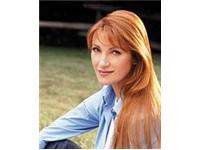
Jane Seymour criticises failure of drug companies for failing to educate on unhealthy lifestyles

image

Beverly Hills: Actress Jane Seymour has accused drug companies of failing to help educate the public about healthy lifestyles because of their pursuit of profit.

In an exclusive interview to publicise her work with the US woman’s heart disease awareness charity, Hearttruth, Jane says: “Let’s face it: the drug companies controls so much of what is going on, and they do it for their own profit. But when people are educated and are proactive, they won’t need to the doctors as often and take expensive drugs.”

Jane adds: “We don’t need more laws, we just have to educate people so they know what to do. Kids need to be taught that some foods are poison. An occasional splurg is okay, but once people realise that other options are healthier, their tastes often change for the better.

“Education is the most important thing. Everyone needs to address hypertension and the root causes of heart disease. You should check the condition of your arteries and your blood pressure on a regular basis. Also you have to be proactive. Lifestyle choices are important.”

Jane, 54, and a mother of four says she is a firm believer in complementary medicine.

“I do alternative things as well, but you need to go to yor doctor on a regular basis to monitor your health. Sometimes drugs are necessary, but you also need to live healthy,” said the actress.

Jane whose own mother is aged 90 says she hopes to live to be 100.

“I’m definately ready to live to be 100. I’d like to die healthy, of course, and die happy, knowing that I did the things I wanted to do with the time I had.”

Jane believes that if more people exercised it would put a dent in the heart disease epidemic. Jane takes moderate and regular exercise following back surgery which includes walking, Pilates, stretching, weights and isometric movements.

“You don’t need fancy machines – just make exercise part of your life. I’m constantly moving and it keeps my heart healthy.”

Dogs

image

Animals have unique physiological structures, and therefore need specific food and nutrients to keep them in optimal health. No longer considered just animals, household pets require special attention. Filling the need, the pet food industry has grown tremendously over the years. But are you getting the best for your dog or cat?

Dogs
Thought to be derived from several wild species of mammals, dogs are domesticated carnivorous animals that now enjoy a place of pride in American homes. “Man’s best friend” is a perfect companion who can live a long active life if properly cared for. Just like human beings, dogs need carbohydrates, fats, proteins, vitamins, minerals, and water in a balanced diet to stay healthy. Unfortunately, most dog foods on the market are not necessarily the best choice. In fact there have been claims that some pet foods contain meat that is unfit for animal consumption.

Dogs can tolerate plant-based food, but since they are essentially meat eaters, they need a good amount of meat protein in their diets for their unique systems. Like people, dogs (and cats) suffer from the same conditions related to the aging process and thus may benefit from certain nutrients.

Carnitine is an essential nutrient. An amino acid found in meat, it is especially important for the heart and vascular system. Antioxidants, such as vitamins E and C are also vital for your dog’s health, as are vitamins B1, B2, B6, B12, biotin, folic acid, and carotenoids.

An excellent source
So how can you be assured that you are giving your pet the best in nutrition? Besides high quality commercial foods that are nutrient-enriched, feed supplements are the best option to make sure your pets are getting all the vitamins and minerals they need to live long healthy lives.

Life Extension Dog Mix and Life Extension Cat Mix are among the best products for protecting your animal’s health. Just two scoops per day provide the vitamin insurance your pet needs to stay healthy and strong. Life Extension Dog Mix contains significant amounts of high grade nutrients usually reserved for the most expensive human supplements. It contains flavonoids, amino acids, antioxidants, probiotics, essential fatty acids, methylation enhancers and more.

In fact, many commercial pet foods do not contain the vitamins, amino acids, phytonutrients, and advanced antioxidants found in Life Extension Dog Mix and Life Extension Cat Mix. The Life Extension pet supplements contain the same pharmaceutical-grade nutrients used in the products consumed by Life Extension Foundation members. Warning: Do not give pets supplements meant for humans as they may not be compatible.

They are available at www.thevitalityshopuk.com

Prostate Cancer

image

This is the second most common male cancer and has a survival rate of 50%. It mostly affects men aged over 60 – half the sufferers are over 75. Risk factors include family history and a diet low in vegetables and high in animal fats. Treatment includes surgery or radiation. Hormone therapy may be used but side-effects include risk of impotence.

Symptoms include frequent trips to the toilet (especially at night), difficulty in urinating and blood in the urine. However, some men may not show any symptoms of prostate cancer and so the cancer can be found only through routine tests. A test which shows whether there is an elevated level of the protein PSA (prostate specific antigen) in the blood is recommended. Normal PSA concentration in blood is between 0.1-2.6ng/ml. PSA levels of 4 ng/ml or greater should prompt a further consultation with a urologist as they may be a indication of prostate cancer. This test can be carried out by a GP. Although there are home proper diagnosis can only be made through biopsy, which would be carried out by a urologist and usually involve a TRUS (transrectal ultra sound) biopsy and/or a CT scan, MRI scan or a bone scan.

Other Prostate problems

There are a number of other prostate disorders that could account for the symptoms. BPH (benign prostatic hyperplasia) is an abnormal enlargement of the prostate.

As the prostate enlarges, it can squeeze the urethra making it difficult to urinate and can also stop the bladder from emptying fully. It is difficult to tell the difference between BPH and prostate cancer, so a PSA test should be done.

Prostatitis is an inflammation of the prostate caused by infection with bacteria and can also produce similar symptoms to cancer, so a PSA test should be carried out.

Treatments for prostate cancer include – external beam radiotherapy 40 uses
high-energy X-ray beams directed at the prostate. These beams prevent cancer cells from dividing and the tumour growing. This avoids the need for surgery but it may cause damage to the bladder and rectum. Diarrhoea, cystitis and nausea are common short-term side effects, there is a risk of impotence and incontinence and it requires daily hospital visits for six weeks.

Surgery in which the entire gland is removed eradicates the disease in 70% of men. But there is a high risk of impotence and a small risk of incontinence. Patients will also need to stay in hospital for at least one week, and then take six weeks off work to recover.

Brachytherapy is a new form of radiation treatment for localised prostate cancer. Radioactive seeds are implanted directly into the prostate gland, meaning a higher dose of radiation can be given than is possible with external beam radiotherapy. The advantages are similar to radiotherapy, with the added plus that damage to surrounding tissues, such as the bladder, is limited. The downside is that it can cause a burning sensation while urinating which may last for some time, one or two anaesthetics are required and its long-term effectiveness has still to be evaluated.

Diet may help prevent prostate cancer. Again antioxidents (vitamins and amino-acids) that occur naturally in many fruits and vegetables. Vitamins C and E and selenium are all antioxidants. There has been evidence showing a reduction in the number of prostate cancer deaths when vitamin E (50mg) was supplemented in smokers. Selenium supplementation (200mg) was also found to reduce prostate cancer in a small group of men, but more research is needed before routine supplementation can be recommended. Keeping weight down, avoiding fatty foods and eating red and processed meat in moderation. Eat five fruit and vegetable portions per day, including a regular intake of tomatoes, and perhaps include some soya products in your diet. Drink alcohol in moderation (a maximum of 3 units per day) and don’t smoke.

A useful web site is Prostate Cancer Now – www.prostatecancernow.org

Biolite Skin Clinic – Harrow, Middlesex, UK

image

Biolite Skin Clinic
Harrow Exchange,
2 Gayton Road
Harrow, Middlesex HA1 2XU
T: +44(0)20 8901 4088 0870 351 7164
info@biolite.co.uk
www.biolite.co.uk
Qualified technicians offering the latest skin treatments at non-Harley Street prices. Only 20 minutes from central London by underground.

Exercise cuts male risk of dying from heart disease

Dallas: A study, published in the Circulation: Journal of the American Heart Association, shows that, regardless of cholesterol levels, men can cut by half their risk of dying from cardiovascular disease if they are physically fit.

The study has been carried out by researchers from Queen’s University School of Physical in Kingston and Health Education and Cooper Institute Centres for Integrated Health Research in Dallas.

The primary aim of the study was to analyze the effectiveness of last year’s modifications to the guidelines from the U.S. National Cholesterol Education Program Adult Treatment Panel III ( NCEP ATP III ) for lowering LDL cholesterol to predict death from cardiovascular diseases.

“ We wanted to find out if the new guidelines could identify men at risk for cardiovascular disease,” says Katzmarzyk at Queen’s. “ We confirmed that the guidelines do accurately identify men at risk not only of disease, but also at risk of cardiovascular death. We also discovered that fitness is important across the board – at every level of cholesterol.”

Results also suggest that within a given risk category, physical fitness is associated with a greater than 50-per-cent lower risk of mortality. In this study, physical fitness was four to five, 30-minute segments of activity per week: equivalent to walking 130 to 138 minutes per week.

Researchers analyzed the cardiovascular risk factors and cardio-respiratory fitness of 19,125 men ages 20 to 79, who were treated at a preventive medicine clinic from 1979 -1995, prior to the revised treatment guidelines.

Using the new ATP III classifications:

· 58 per cent of the men would have met the criteria for being “at or below LDL cholesterol goal”;

· 18 per cent would have met the criteria for “ therapeutic lifestyle change ” – meaning diet, physical activity and weight management could lower LDL; and

· 24 per cent would have met the criteria for “drug consideration” for lowering LDL.

There were 179 deaths from cardiovascular disease over more than 10 years of follow-up.

Overall, compared to men who met the acceptable LDL level under the revised guidelines:

· Men who met the criteria for therapeutic lifestyle intervention had twice the risk of cardiovascular disease death; and

· Men eligible for aggressive cholesterol-lowering therapy had almost seven-times the risk.

The research was partly funded by the U.S. National Institutes of Health ( NIH ).

Dr John Moran, anti-ageing, menopause & andropause – Wimpole Street, London

image

Dr John Moran, RD, MBBS, DPsSC, DFFP, P.G.Dip Nutr.MED
Holistic Medical Clinic
19 Wimpole Street
London W1G 8GE
T: +44 (0)20 7631 1111 F: + 44(0)20 7631 1112
doctor@hmc-holistic.demon.co.uk W: www.holisticmedical.co.uk

Happy relationships mean healthier people

London: People in good relationships and marriages suffer less from the diseases of ageing, such as heart attacks and stress, a joint US-UK study has found.

The research which was carried out by Rosalind Barnett of Brandeis University in the U.S. and Professor Andrew Steptoe of University College London found unhappily married people suffer more physical signs of stress, such as higher blood pressure, than those who are in good relationships.

Stress is a known trigger for heart attacks, and those who are constantly stressed are also more likely to overeat, smoke and drink too much alcohol.

The study looked at 105 men and women aged between 52 and 62 who were married or in long-term relationships and examined their home lives and relationships.

The researchers measured blood pressure and used saliva tests to show levels of the stress hormone cortisol. They also asked the participants how stressed they felt at regular points over the course of a day.

The participants answered relationship questions such as whether their partner was critical of them and listened to them. Feelings of irritability and distress were also gauged.

The study, published in the journal Annals of Behavioural Medicine, found clear signs that those in unhappy marriages were more stressed throughout the day than those in good relationships.

The unhappy people had higher levels of cortisol and worse blood pressure than those in good marriages. They also reported feeling stressed many more times.

Painkiller link to stroke, say US researchers

Boston: Paracetamol, the world’s most popular painkiller, can make some women vulnerable to strokes, US doctors have discovered.

Those who take paracetamol regular double the risk of developing high blood pressure, making them vulnerable to strokes, according to research carried out by
the Harvard Medical School and Brigham and Women’s Hospital in Boston, Massachusetts. They also discovered that ibuprofen, another over-the- counter painkiller, also carried higher risks of hypertension.

The study, published in the journal Hypertension, shows that women of all ages are at risk. But older women who may be using the over-the-counter medicine to help relieve arthritic pain are most susceptible.

The findings pose a dilemma for arthritis sufferers, many of whom have been told to switch to over-the-counter medicines because of fears of heart problems linked to some prescription drugs. Most patients using it regularly take two 500mg tablets daily.

Although the study only involved women, experts believe the findings may also apply to men.

But Dr Geoffrey Brandon, of the Paracetamol Information Centre, warned that there was no reason for women to stop taking paracetamol based on the findings because the study did not demonstrate cause and effect.

New face-lift gives subtle results

London: For the increasing number of women contemplating a face-lift there is a new technique called the MACS Lift (minimal access cranial suspension lift) which is now being adopted in the UK. It is less invasive than a conventional face-lift and therefore recovery is as quick as 14 days and scarring is less visible. The procedure is particularly suited to those women with a sagging mid face who would like it refreshing and a subtle tightening of the skin.

The procedure was first developed in Belgium and has been pioneered in the UK over the last two years by Adrian Richards MSc FRCS (Plas), Consultant Plastic and Cosmetic Surgeon, who is a member of BAAPS – The British Association of Aesthetic Plastic Surgeons. He has a holistic approach to face-lift surgery and uses the MACS extensively with great success.

The MACS Lift limits the incision to the skin hairline junction above the ear and anterior ear but no extension behind the ear. The area of undermining, unlike a conventional face-lift, is much smaller and only involves a portion of the cheek which means there is far less risk of skin damage (necrosis). Permanent internal stitches (suspension sutures) are used to reposition the deep layers of the face in a more youthful position.

Due to the less invasive nature of the MACS face-lift, recuperation is normally just 14 days and there are less associated risks of surgery compared to a conventional face-lift. Adrian Richards reports that the results are as good as a conventional lift, if not better, as a more subtle and natural look is achieved and there is less scarring. He finds that women in their 40’s and 50’s are particularly attracted to the MACS.

The positive effects of a MACS face-lift lasts for about 10 years but are dependent upon the elasticity of the skin and other considerations such as diet, UV exposure and smoking.

Full details of the MACS facelift can be found on www.arandassociates.co.uk/macslift.html

About Adrian Richards

Adrian Richards qualified in medicine in 1988 and became a Fellow in Plastic Surgery at The Melbourne Institute of Plastic Surgery in 2000 and has specialised in it since 1999. He is listed on the General Medical Council’s (GMC) Specialist Register for Plastic Surgery and he has published a number of books and papers on plastic surgery including Key Notes in Plastic Surgery published by Blackwell Publishing. He was a Consultant Plastic Surgeon at Stoke Mandeville NHS Trust for four years.

Adrian carries out over 100 cosmetic face-lifts per year and has an impeccable success record and runs courses on face-lift surgery for other qualified surgeons.

Secret of olive oil is anti-ageing

Rome: New research has pinned down why extra-virgin olive oil, a staple of Italian cuisine, helps the nation’s inhabitants avoid tumours and other diseases in their later years.

The results of a nine-year study of Italians living in the olive-rich southern region of Puglia showed recently that they were statistically less prone to cancer and other ailments because they consumed the oil all their lives .

Now researchers at the Monell Chemical Senses Center in Philadelphia have discovered precisely why this is the case .

They have identified in extra-virgin olive oil a molecule which is similar to ibuprofen, an anti-inflammatory agent contained in several over-the-counter painkillers .

They believe that the molecule, which they have called ‘oleocantale’, is the key element which gives olive oil its legendary properties .

If assimilated over a long period of time, it can mean a person is protected from tumours and other problems that regularly crop up when a person becomes old, they say .

The research, which finally offers scientific support for what doctors and nutritionists have said for years, appears in the September edition of the journal Nature .

The discovery comes just five months after scientists at Bari University’s Geriatrics Department offered convincing statistical evidence that olive oil is a real ‘elixir of life’ .

Unveiling a nine-year study of over 700 people in Puglia aged 65-84, they said extra-virgin olive oil clearly has a string of health benefits such as its ability to combat chronic diseases and, above all, guard against tumours .

The survey aimed to assess the role of diet, and in particular intake of monosaturated and polysaturated fatty acids, on ageing and death .

The 704 Puglians ate a typical Mediterranean diet in which fat (17.6% monosaturated fatty acids, 3% polysaturated and 8.4% saturated) accounted for 29% of total energy intake .

Extra-virgin olive oil provided 85% of the monosaturated fatty acids .

The latter were associated with reduced mortality, for all causes, the study said. In particular, 15 grammes a day of monosaturated fatty acids cut deaths among over-65s by a fifth .

“This is proof that not only is olive oil a healthy food product but a splash of it a day helps prevent tumours,” said Professor Giorgio Calabrese of the National Authority for Food Safety .

An Athens University study also showed recently that the mortality rate among the elderly was significantly lower in Mediterranean countries like Greece, Spain and Italy .

Nutritionist Antonio Migliaccio commented: “Extra-virgin olive oil has great anti-oxidant powers and is therefore recommended in low-calory diets. It also increases so-called good cholesterol and lowers bad cholesterol.”

Cats

image

Animals have unique physiological structures, and therefore need specific food and nutrients to keep them in optimal health. No longer considered just animals, household pets require special attention. Filling the need, the pet food industry has grown tremendously over the years. But are you getting the best nutrients for your dog or cat?

Cats
Cats have been domesticated since early times, essentially to catch rats and mice. Today, they are mainly household pets that, like dogs, require special attention when it comes to their nutrition and care.

Cats are carnivorous. But, unlike dogs that can eat some plant-based foods, cats need animal protein to survive. Amino acids like taurine and arginine are important to a cat’s health; without them cats could die. Taurine, for one, is a must for heart, kidney, and eye health.Arginine detoxifies ammonia in cats’ kidneys and is also important for heart and pancreatic function and keeping the gut healthy.The essential fatty acid, arachidonic acid, is another must for cats—it is used in every cell in the body.And, just like humans, they need B vitamins to support their cardiovascular system. Cats also have problems metabolizing certain amino acids from other nutrients, like the conversion of niacin to tryptophan, or vitamin A from beta-carotene, along with limitation in enzyme systems. For that reason cats have a more stringent need for specific nutritional requirements than for omnivores such as the rat, dog, and man.

So how can you be assured that you are giving your pet the best nutrition? Besides high quality commercial foods that are nutrient-enriched, feed supplements are the best option to make sure your pets are getting all the vitamins and minerals they need to live long healthy lives.

Life Extension Dog Mix and Life Extension Cat Mix are among the best products for protecting your animal’s health.Just two scoops per day provide the vitamin insurance your pet needs to stay healthy and strong.Life Extension Dog Mix contains significant amounts of high-grade nutrients usually reserved for the most expensive human supplements. It contains flavonoids, amino acids, antioxidants, probiotics, essential fatty acids, methylation enhancers, and more.

Resveratrol, a powerful antioxidant, has been added to both mixes. Resveratrol is an extract from red grapes and other plants. A tremendous number of studies indicate that resveratrol provides multi-faceted health benefits. Among resveratrol’s many benefits is its ability to help treat pain, regulate bacterial growth,20 support immune system, protect DNA,and many other conditions.

In fact, many commercial pet foods do not contain the vitamins, amino acids, phytonutrients, and advanced antioxidants found in Life Extension Dog Mix and Life Extension Cat Mix. Life Extension pet supplements contain the same pharmaceutical-grade nutrients used in the products consumed by Life Extension Foundation members. Note: Do not give pets supplements meant for humans as they may not be compatible.

They are available at www.thevitalityshopuk.com

Fish diet helps fight skin cancer

Manchester: A diet high in oily fish helps protect the skin from the sun, researchers at Manchester University have discovered.

In a test 42 people were given supplements equivalent to eating fish three times a week, and after just one month their skin was less likely to burn. Another group who suffered from allergies doubled their skin protection after six months.

Lead researcher, Dr Lesley Rhodes said eating oily fish which contains omega 3 fatty acids helped protect skin DNA from damage and the discovery would have a significant effect on preventing skin cancer.

Dr Andrew Holton – UK – 23 June 2005

A DOCTOR who turned hundreds of young patients into drugged ‘ zombies’ could be struck off after 100 new alleged victims came forward.

The children’s families queued outside the offices of the General Medical Council yesterday to hand in letters of complaint against Dr Andrew Holton.

They want him to be charged with misconduct and struck off the medical register so he can never practise on children again.

Dr Holton, 52, wrongly prescribed huge doses of mindnumbing epilepsy drugs to about 700 children with symptoms including headaches, bad behaviour, clumsiness and falling behind at school. Most had lesser problems, or were not ill at all.

Hospital chiefs in Leicester last week offered a ‘heartfelt’ apology and face a £10million compensation bill, but the GMC – the medical profession’s watchdog – has cleared Dr Holton to continue practising.

Parents paraded placards outside its offices in London reading: ‘GMC – Gross Medical Cover-up’ and ‘GMC – the NHS apologised for Dr Holton’s mistakes, where’s yours? Strike him off now!’

They handed in 100 letters, each one a formal complaint from an alleged child victim of Dr Holton, to the GMC’s Director of Fitness to Practise, Paul Philip, who has a duty to investigate them.

Yesterday, the GMC finally agreed that it would charge Dr Holton with misconduct if it decides there is a case to answer once the new complaints-have been considered. If found guilty, he could be struck off. Until now the GMC has considered only retraining and ‘rehabilitating’ him.

The charge would also mean his case being heard in public, whereas his present ‘performance’ hearings have been behind closed doors.

Trevor Parr, 55, a Leicester solicitor whose son was treated by Dr Holton, said: ‘He turned Peter into a zombie. He misdiagnosed him with epilepsy and prescribed him ever-increasing doses of powerful drugs to the point where he was simply asleep all the time.

‘It is absolutely incredible and scandalous that the GMC allow this man to continue practising.

‘I have been to hell and back, and my son has now been offered compensation, but it is other families I am worried for – they’ve let this doctor loose to work with kids.

‘He has to be stopped. There can be no public confidence in the GMC unless they act. It’s ridiculous – they say they are there to protect patients, yet even while the hospital where he worked is paying out money to his victims, the GMC haven’t even considered striking him off.’ Dr Holton, who is married with two sons, joined Leicester Royal Infirmary in 1990 and was allowed to continue working for 11 years despite a series of warnings about his conduct and performance.

He was eventually suspended in 2001 – six years after the first complaint was raised. An investigation discovered 618 of nearly 2,000 patients had wrongly been diagnosed with epilepsy.

It found the consultant paediatrician had ‘assumed’ the role of paediatric neurologist, despite lacking the additional four years of specialist training.

Yet the GMC later cleared him to continue practising and he is now retraining as a junior doctor at New Cross Hospital in Wolverhampton.

Last week, the University Hospitals of Leicester NHS Trust apologised to the families in court as a judge approved awards for the first 12 victims in what is expected to be a £10million compensation payout.

The Medical Protection Society, representing the doctor, said: ‘Dr Holton is fully co-operating with the private GMC hearing.

As it is a private hearing, it would be inappropriate to comment any further

Sir Roy Meadow – UK – 16 July 2005

PROFESSOR Sir Roy Meadow, whose evidence led to three mothers being wrongly convicted of murdering their babies, was struck off the medical register yesterday.

The 72-year- old doctor was found guilty of serious professional misconduct after he was found to have given ‘erroneous’ and ‘misleading’ evidence in court which led to long jail terms for the women, Sally Clark, Angela Cannings and Donna Anthony.

The decision by the General Medical Council destroys his reputation. He was knighted for his work as a paediatrician, and even after he was accused of making mistakes he was still in demand as a lecturer in child health around the world.

The verdict was greeted with relief by the families torn apart by Meadow’s evidence.

Mrs Clark’s father, 75-year-old retired police superintendent Frank Lockyer – who brought the case against Meadow – was in tears.

His daughter, from Wilmslow, Cheshire, was jailed in 1999 for smothering her two sons, 12-week- old Christopher and eight-week-old Harry, but was freed on appeal in 2003.

Mr Lockyer said: ‘Now perhaps we as a family can put the last seven years of hell behind us and move on.

‘I remember the words of my daughter on the steps of the Royal Courts of Justice when she said there are no winners here, only tragedy.

‘Clearly the system of expert witnesses has got to be looked at.’

Mr Lockyer added: ‘The Royal College of Paediatrics has a lot to answer for because the hierarchy have persistently refused to accept that there was something wrong. They buried their heads in the sand.’

George Hawks, solicitor for Donna Anthony, who was jailed for life in 1998 after being convicted of the murder of her 11-month old daughter Jordan and four-month-old son Michael, said she took no pleasure in Meadow’s downfall.

He said: ‘He was being paid to give expert evidence and he got it horribly wrong. It’s never nice for anyone to have their career ruined in this way.’ The three women were all convicted of murdering their babies and jailed for life after Meadow, a world-renowned expert in child abuse, testified against them.

In the case of Sally Clark, Meadow said the probability of two cot deaths in the same family was 73million to one.

However, studies suggest the figure is probably closer to 64 to one, and experts say that the statistics presented by Meadow did not take into account the genetic link between siblings which could result in both dying through natural causes.

Meadow also likened the deaths of Mrs Clark’s two children as being equivalent to the chances of picking four different horses to win the Grand National in consecutive years at odds of 80-1.

In the case of Donna Anthony, who was accused of of killing her daughter Jordan, aged 11 months, and her son Michael, aged four months, in 1998, Meadow said the chances of two cot deaths in a case such as hers were one in a million, another statistic later discredited.

Mary Clark-Glass, head of the GMC’s disciplinary panel, said Meadows had to be struck off the medical register to safeguard the public interest. She told him: ‘You are an eminent paediatrician whose reputation was renowned throughout the world and so your eminence and authority carried with it a unique responsibility to take meticulous care in a case of this grave nature.

‘You should not have strayed into areas that were not within your remit of expertise. Your misguided belief in the truth of your arguments is both disturbing and serious.’

Meadow, of Weeton, North Yorkshire, who was knighted for services to child health upon his retirement from the post of Professor of Paediatrics at St James’ University Hospital, Leeds, in 1998, left the hearing without comment.

His supporters have claimed he has been made a ‘scapegoat’ for the failures of others. Last night Sir Alan Craft, president of the Royal College of Paediatrics and Child Health, said he was saddened by the case and said Meadow, a former head of the College, had saved the lives of many children during his 40-year career.

Tom Magner, of the Society of Expert Witnesses, said: ‘The severity of the penalty will cause many expert witnesses, particularly doctors, to reconsider whether to offer their services to the courts.’


Roland Istria – UK – 8 August 2005

A FRENCH surgeon hired by a private hospital to treat Health Service patients botched nearly two-thirds of the operations, according to a leaked Government report.

Roland Istria, 59, was brought in by the Nuffield Hospital in Cambridge to perform joint replacement operations.

But he was so unfamiliar with the procedures that he was spotted reading a textbook while operating on at least one occasion.

Several of his victims have needed corrective surgery to their artificial joints and one has been left barely able to walk.

The case will reignite controversy over the quality of foreign doctors used by the private sector to carry out lucrative NHS operations, a move intended to cut waiting lists.

Mr Istria, head of orthopaedic surgery at the Melun hospital near Paris, worked in Cambridge for two weeks from October last year.

A Department of Health report, leaked to the Sunday Times, revealed nine of his 15 patients suffered problems afterwards.

Knee joints were fixed at the wrong angle, one victim was left with a dislocated hip, one had a tendon severed and another risked breaking their leg because of a poorly fitted metal joint.

Janet Norris, 64, a retired shop assistant manageress from Cambridge, is suing the hospital after she was left in agony following a knee replacement operation.

She said: ‘My blood ran cold when I heard the doctor had looked at a textbook during my operation.

‘Apparently he had difficulty forcing the prosthesis into place. The nurses said if he’d had a hammer he would have hammered it in.

‘I was in terrible pain and couldn’t leave hospital for two weeks. I was put on morphine.

‘Another surgeon operated on me but my knee still feels loose and I feel I’m going to fall over when I walk.’

Phyllis Brown, 68, from Cambridge, is also taking legal action after her knee joint was set so badly she risked breaking her leg. She said: ‘Even after a second operation I can’t walk without crutches.’

Mr Istria was suspended by Nuffield Hospitals, which has 44 hospitals in England and Scotland-after theatre nurses brought his failings to light. He returned to Paris and was banned in his absence by the General Medical Council from performing hip and knee replacements in Britain.

He defended his record, claiming ‘only three operations were redone’. He added: ‘These types of problems can happen. Everyone has recovered. I did not kill anyone or put them in a wheelchair.’

The leaked report blamed ‘a failure of the selection and recruitment’ process, although Nuffield Hospitals said it had met all the Government’s current guidelines.

The Health Department said it was up to hospitals to check doctors’ credentials.

Dr Kazi Huq – UK – 23 August 2005

A WOMAN died from cancer four years after her GP failed to act on test results showing she had the disease.

Xenoulla Poxilaris should have been referred for surgery in 2001 after a biopsy revealed a mole removed from her back had been malignant.

But GP Dr Kazi Huq failed to pass the results to Mrs Poxilaris or refer her back to hospital despite her family repeatedly calling to ask about the situation.

She was eventually diagnosed with cancer two years later. But by then the disease had spread and she died aged 53 in May this year.

Now her husband Andreas is suing Dr Huq, who saw his wife seven times in two years after the mole was removed without revealing it had been a malignant melanoma – the deadliest type of skin cancer.

Mr Poxilaris, a 59-year-old barber, said: ‘Dr Huq has ruined our lives and taken away my wife and my daughter’s mother. I know she would still be here if the doctor had done her job.

‘We kept calling the surgery to get the results but we just kept being told they did not have them. Then they said if we didn’t hear anything it meant my wife was in the clear and there was nothing for us to worry about and you trust your doctor implicitly.

‘She was my wife, my best friend, my partner, everything, but now that is finished and I have nothing.’

Mrs Poxilaris, a dressmaker, had the mole removed by Dr Huq at the Riley House Surgery in Enfield, North London, in April 2001 and the tissue was sent away for a biopsy.

A letter dated April 14, 2001, addressed to Dr Huq and marked ‘urgent’ states that malignant melanoma had been found. But for some reason it was filed away without being acted upon.

In January 2003, Mrs Poxilaris went back to her GP’s surgery after noticing a lump in her groin but her husband says she was told she had an infection and given antibiotics.

Her condition deteriorated and eventually she underwent blood tests and was referred to Chase Farm Hospital in North London.

Specialists found the growth in her groin was cancerous and that she also had a large inoperable tumour in her stomach. She was given a 20 per cent chance of survival and despite undergoing chemotherapy at the Royal Free Hospital in North London, she died on May 3.

Mr Poxilaris and his wife were both born in Cyprus but met in the UK and married 36 years ago.

‘Mum was the heart and soul of our family and it feels like a light has gone out,’ said their daughter Maria, 23, a student who lives with her father in Enfield.

Mr Poxilaris added: ‘My wife died a death you wouldn’t wish on a dog. She was in excruciating pain and despite trying as hard as she could to fight the disease it was too late for her to beat it.

‘I would warn anyone with a worry over cancer to always get a second opinion so that mistakes like this can be spotted early on.’

The Poxilaris’ solicitor, John Kyriacou, said: ‘At the time the mole was removed, if everything around it was excised it would have given her a 95 per cent chance of normal life expectancy.

‘It was completely treatable at that stage.

‘The GP should have called her in straightaway and said, “you are going back to hospital”. Neither of the hospitals involved have done anything wrong and the family have nothing but praise for them.’

A spokesman for the Medical Defence Union, which is representing Dr Huq, said it could not comment on the case. Dr Huq no longer works at Riley House.

Trypan Blue withdrawal in US

Custom-Rx Compounding Pharmacy Issues Nationwide Recall of Trypan Blue 0.06% Ophthalmic Solution
Contact:
Verne Betlach
612-866-2211
Richfield, MN — August 26, 2005 — Custom RX Compounding Pharmacy of Richfield, Minnesota, is initiating a nationwide recall of Trypan Blue 0.06% Ophthalmic Solution because it may be contaminated with Pseudomonas aeruginosa, a bacteria that, if applied to the eyes, might lead to serious injury, including possible blindness. Use of Trypan Blue which is being recalled should stop immediately.

Trypan Blue was distributed to hospitals and clinics in MD, MN, IL, NE, ND, MI, DC, and PA. This product is intended for ophthalmic use (in the eyes) during cataract surgery. FDA requires that all ophthalmic products be sterile.

The solution is dark blue in appearance and is packaged in one cc sterile tuberculin syringes. Custom Rx Pharmacy is asking that all unexpired syringes be collected and returned to the pharmacy. The recall includes, but may not be limited to the following lot numbers: 05042005:86@17, 05252005:36@13, 06282005:91@27, 08012005:63@24, and 08182005:43@17.

The pharmacy has voluntarily recalled the products based on 2 reports of loss of vision possibly associated with use of the product as reported by CDC and a positive bacterial culture obtained at an outside hospital. Custom RX has verified the processes and technicians involved in the preparation of this medication. The pharmacy has been apprising the Food & Drug Administration (FDA) of the recall efforts and is working them on its investigation into the cause of the contamination.

The pharmacy immediately began notifying customers and/or distributors and working with the Centers for Disease Control (CDC) has called each individual hospital and clinic to arrange for the return, destruction and reimbursement of all recalled product.

For more information on the recall, please contact Verne Betlach with Custom RX Pharmacy at 612-866-2211 , 612-810-1363 (mobile) for information.