Scientists discover new prostate cancer biomarkers

image

London: Uk scientists have identified seven pieces of “rogue DNA” which could put men at increased risk of prostate cancer.

Theese genetic flaws are so common that it is thought every man has at least one.

Currently men are screened for higher than normal levels of a protein known as Prostate Specific Androgen (PSA) but the results are not always accurate.

The British researchers, whose work was funded by Cancer Research UK, are developing a genetic test , which will look for 12 flaws, but it may be more than three years before it is publically available. Lead researcher Dr Ros Eeles, of the Institute of Cancer Research in London,said the team’s discovery of the seven pieces of rogue DNA – the most prostate cancer ‘hotspots’ identified in a single study – could lead to the development of new drugs.

‘These exciting results will help us to more accurately calculate the of developing prostate cancer and may lead to the development of better targeted screening and treatment,’ she said.

FDA investigates anti-spasm toxin in cerebal palsy child deaths

image

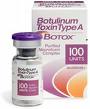
The US’s Food and Drug Administration said yesterday that it has opened a safety review on reported side effects of Botulinum Toxin for the treatment of a number of non-cosmetic conditions.

Under review are Allergan brands Botox, Botox Cosmetic, and Myobloc, by another manufacturer, privately held Solstice Neurosciences.

All these products are injections of botulism toxins that block nerve transmissions and paralyse muscle. Such treatments can be used in small amounts to relax facial muscles to smooth wrinkles or calm severe spasms, such as those in patients with cerebral palsy.

The FDA said it was re-view-ing deaths and severe side-effects in children, in-cluding respiratory problems requiring ventilators and feeding tubes. The most common side-effects were in children with cerebral palsy.

In addition, the FDA said it had had reports of adult botulism cases, with symptoms such as difficulty holding up the head, weakness and numbness of the lower extremities. No adults had died and none required ventilators or tubes as a result.

The agency said that it was looking into whether these were reactions to “overdosing” and that no evidence linked the cases to “any defects in the products.”

Allergan said the most severe cases were often “severely compromised” children receiving high doses for spastic symptoms.

“We are continuing to work closely with the FDA to ensure they have all the necessary information to formulate their conclusion on the adverse event reports. We fully support the agency’s evaluation of the safety information they receive on our product,” Allergan said.

The company’s shares fell 6 per cent to $63.30 yesterday in New York trading.

Scrutiny over the safety of Botox has re-emerged in the past few weeks. Public Citizen, a US safety watchdog, recently asked the FDA to strengthen warnings on botulism products, citing deaths and fluid in the lungs and other side-effects.

Allergan has said Botox has a long safety record.

Allergan sees additional potential uses for Botox, including injections for severe headaches. It is a blockbuster product with at least $1.36bn in sales expected this year.

Cyclists live longer – so get on your bike!

image

London: Bike Week, the UK’s biggest mass participation cycling event, is this year challenging families to get out of their cars, step away from the TV and get on their bikes. The call to action is ‘Free the Family’ and rediscover how much fun you can have together on a bike.

From Bristol to Belfast and Edinburgh to Eastbourne, thousands of free cycling events will provide the opportunity for everyone from total novices to passionate cyclists to get on their bikes. This year’s focus on the family means there will be children’s rides, free bike safety checks and advice on getting started.

Andre Curtis, Manager at Bike Week said; “Plenty of parents have forgotten how much fun cycling was as a child. This year’s Bike Week will help to revive those memories and encourage families to spend quality family time together, have fun and get fit at the same time. We hope that taking part in a Bike Week event will act as a catalyst for people to cycle more regularly and enjoy the long term benefits of a healthier lifestyle.”

Why not join the 500,000 people who came along last year? To find out what is taking place in your local area, visit www.bikeweek.org.ukand enter your postcode. If you’d like to take part but don’t have a bike – this shouldn’t stop you – you can simply search for your nearest bike rental outlet on the website. All participants get the chance to win a Center Parcs family holiday – giving another reason to get on your bike!

For further information, or if you’d like to organise your own event, log on to www.bikeweek.org.uk or phone 0845 612 0661 (within UK)

Five reasons to get on your bike:

1. Cyclists live on average at least two years longer than non-cyclists and their fitness levels are equivalent to being ten years younger – so forget nip and tuck, think pedal and push!

2. Cycling is the ultimate family activity; it’s healthy, fun and encourages children to be independent.

3.Twenty minutes of gentle cycling burns up to 100 calories, so if you cycle to work, you’ll be able to have that afternoon treat without feeling an inch of guilt!

4. Studies show that car drivers are exposed to five times as much polluted air than cyclists, making cycling good for the environment, as well as your health

5. In a rush? Cycling is often much quicker than public transport or taking the car – even better, you won’t spend a penny on public transport, road tax, parking, MOT or fuel.

Bike Week will run from 14-22 June 2008
Bike Week is one of the UK’s biggest annual promotions of cycling and provides a national umbrella for locally organised events and activities up and down the country.

Bike Week began as a grass-roots organisation in 1923 and receives funding from the Department for Transport, Cycling England, Transport for London, Northern Ireland Executive, The Welsh Assembly Government and The Scottish Government. Bike Week also receives funding from the cycle industry via Bike Hub.

The partners that run Bike Week are drawn from the whole cycling community including the cycle industry, Cycling England and Cycling Scotland, Sustrans, CTC and Cycle Campaign Network. More information can be found at www.bikeweek.org.uk

Alzheimer’s – join the campaign to fight against mental decline

image

London: Research conducted by Help the Aged has revealed that the UK public rank mental decline higher than any other worry about ageing, including big issues like the pensions crisis and the fear of isolation (1).

In response to this concern, the Charity is today launching a new website www.disconnectedmind.org.uk to help mobilise public support for one of the world’s most promising scientific projects to combat the condition.

Help the Aged has committed to fund this historic project, called The Disconnected Mind, through to its conclusion in 2015. Donations are needed now to maximise the possibility of a breakthrough in the fight against early mental decline that usually leads to dementia (2).

The project is unique because the scientists leading the study at the University of Edinburgh will revisit 1,000 volunteers, who are now aged 71, who took part in the Scottish Mental Survey in 1947 – a survey that has not been repeated since. The project will compare the participants’ childhood mental ability, current ability, biological health and 60 years of life experience.

www.disconnectedmind.org.uk uniquely divides the project into tangible pieces so that the public can see how any donation from them, however small, can make a big difference. For example, just £45 would fund the in-depth examination of one participant’s test results, which could hold the secret to the prevention or treatment of mental decline.

Early mental decline often leads to dementia that affects 700,000 people in the UK. Tragically, this is expected to rise to over a million by 2025 unless new ways are found to combat it.

More on the Survey

(1) Survey by GfK NOP for Help the Aged. A sample of 1000 adults aged 16+ in the UK were interviewed during the weekend of 4th – 6th May 2007. This survey was designed to be nationally representative of the telephone owning population of the UK. It revealed that mental decline ranks higher (41% of responses) than any other concern about ageing, including big issues like the pensions crisis/lack of savings and fear of isolation. Initial mental decline often leads to full dementia which the survey revealed is the age-related health condition of greatest concern, with 53% of respondents ranking it above strokes, incontinence and osteoporosis.

(2) Four out of five people who experience mild mental impairment go on to develop dementia within six years.

The team of experts at the University of Edinburgh performing The Disconnected Mind project are Professor Ian Deary, Doctor John Starr, Professor Jim McCulloch, Professor Joanna Wardlaw, Professor Richard Morris and Doctor Karen Horsburgh.
Help the Aged is the charity fighting to free disadvantaged older people in the UK and overseas from poverty, isolation, neglect and ageism. It campaigns to raise public awareness of the issues affecting older people and to bring about policy change. The Charity delivers a range of services: information and advice, home support and community living, including international development work. These are supported by its paid-for services and fundraising activities – which aim to increase funding in the future to respond to the growing unmet needs of disadvantaged older people. Help the Aged also funds vital research into the health issues and experiences of older people to improve the quality of later life.

National Bike Week – 14-22 June

London: Bike Week, the UK’s biggest mass participation cycling event, is this year challenging families to get out of their cars, step away from the TV and get on their bikes. The call to action is ‘Free the Family’ and rediscover how much fun you can have together on a bike.

From Bristol to Belfast and Edinburgh to Eastbourne, thousands of free cycling events will provide the opportunity for everyone from total novices to passionate cyclists to get on their bikes. This year’s focus on the family means there will be children’s rides, free bike safety checks and advice on getting started.

Andre Curtis, Manager at Bike Week said; “Plenty of parents have forgotten how much fun cycling was as a child. This year’s Bike Week will help to revive those memories and encourage families to spend quality family time together, have fun and get fit at the same time. We hope that taking part in a Bike Week event will act as a catalyst for people to cycle more regularly and enjoy the long term benefits of a healthier lifestyle.”

Why not join the 500,000 people who came along last year? To find out what is taking place in your local area, visit www.bikeweek.org.ukand enter your postcode. If you’d like to take part but don’t have a bike – this shouldn’t stop you – you can simply search for your nearest bike rental outlet on the website. All participants get the chance to win a Center Parcs family holiday – giving another reason to get on your bike!

For further information, or if you’d like to organise your own event, log on to www.bikeweek.org.uk or phone 0845 612 0661 (within UK)

Five reasons to get on your bike:

1. Cyclists live on average at least two years longer than non-cyclists and their fitness levels are equivalent to being ten years younger – so forget nip and tuck, think pedal and push!

2. Cycling is the ultimate family activity; it’s healthy, fun and encourages children to be independent.

3.Twenty minutes of gentle cycling burns up to 100 calories, so if you cycle to work, you’ll be able to have that afternoon treat without feeling an inch of guilt!

4. Studies show that car drivers are exposed to five times as much polluted air than cyclists, making cycling good for the environment, as well as your health

5. In a rush? Cycling is often much quicker than public transport or taking the car – even better, you won’t spend a penny on public transport, road tax, parking, MOT or fuel.

Bike Week will run from 14-22 June 2008
Bike Week is one of the UK’s biggest annual promotions of cycling and provides a national umbrella for locally organised events and activities up and down the country.

Bike Week began as a grass-roots organisation in 1923 and receives funding from the Department for Transport, Cycling England, Transport for London, Northern Ireland Executive, The Welsh Assembly Government and The Scottish Government. Bike Week also receives funding from the cycle industry via Bike Hub.

The partners that run Bike Week are drawn from the whole cycling community including the cycle industry, Cycling England and Cycling Scotland, Sustrans, CTC and Cycle Campaign Network. More information can be found at www.bikeweek.org.uk

Win tickets to the Country Living Spring Fair London

image
image

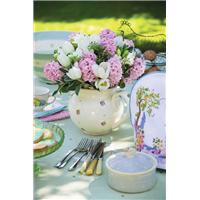
London: Green fingered garden lovers, shopping enthusiasts, fashionistas and foodies are being encouraged to get into the swing of spring as the Country Living Magazine Spring Fair returns to the Business Design Centre in London. Held on the 12-16th March 2008 in Islington, this annual springtime event captures the very essence of this vibrant season all under one roof.

There are five pairs of tickets worth £14.50 each. Email us with your name and address at readeroffer@elixirnews.com with Country Fair in the email header by 4 March 2008. No cash equivalent is being offered and the Editor’s decision is final.

Now in its 17th year, the Fair sees hundreds of exclusive designers, craftspeople and small producers showcasing the finest in British crafts, home furnishings, specialist beauty products, unique jewellery and fashions as well as the best in homemade food and drink. A visit to the Fair is the perfect opportunity to banish those winter blues and embrace spring by stocking up on gorgeous, one of a kind items for yourself, your home and your garden.

Explore the craft demonstration area and watch various craftsmen at work. Using a range of traditional techniques a wood turner, furniture maker and stonemason will be demonstrating their fascinating crafts.

In the Lifestyle Theatre, a diverse range of talks and demonstrations will be taking place over the duration of the Fair, where visitors can learn more about topics such as flower arranging and holistic remedies. Pick up some springtime interior inspirations from colour consultant Joa Studholme of renowned decorative paint and wallpaper company Farrow and Ball. Learn more about mushrooms and cultivating a climate change garden from River Cottage.

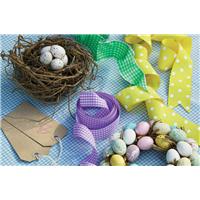
Foodies and self pronounced connoisseurs of British produce should not miss the Fair’s fabulous Food Hall. Sample fresh flavours from many of the country’s finest producers and indulge yourself in the endless selection of fine wines, traditional pies, artisan breads, delicious preserves and sweet Easter treats.

Shoppers can enjoy a complimentary glass of wine as they indulge in some late-night shopping at the Gala Evening, held on Wednesday 12th of March. £4 from every Gala Evening ticket sold will be donated to The Field Studies Council (FSC), this year’s Country Living Magazine Spring Fair charity affiliate. The FSC is an environmental education organisation committed to helping young people understand and appreciate the natural world through field trips and cross-curricular courses.

Here’s a sneak preview at some of this year’s Spring Fair exhibitors:

Giddy Kipper

Using their fascination for the seaside as inspiration, Heidi Bowmen and Steve Clawson create a range of original and quirky products for the home. From boat bookends and polka dot peg boards to rustic hanging mirrors, each item is crafted from new or reclaimed timber and then personally hand painted by the duo in an array of vibrant colours. Products from Giddy Kipper are sure to bring the colourful charm of Spring into your home.

Bradleys the Tannery

This independent leather tannery, based in heart of Shropshire, brings the traditional methods of leather making to whole new heights. Bradleys the Tannery create handcrafted leather and suede gardening tools and accessories in a lively selection of colours. As well as aprons, gloves, bags and hats, Bradleys the Tannery also have an assortment of tools in beautiful coloured pouches to choose from.

Katherine Hooker

Much like the designer herself, each of Katherine Hooker’s designs are entirely individual and a gorgeous fusion of vintage East Coast America and contemporary England. Classic elegance meets modern chic define the essence of each piece, from beautifully sculpted coats and jackets to skirts, dresses and accessories. Choose from Katherine’s gorgeous new ready to wear Spring collection or liaise with the designer herself to create your own unique garment from over 150 different fabrics including tweeds, silks, linens and cashmeres.

Cornish Cheese Company

Artisan cheesemaking is the Cornish Cheese Company’s speciality, producing a delicious young blue cheese to rival other British blue cheeses. The distinctive handmaking process used to make each round, paired with the unique texture, flavour and character of the cheese, have earned this farm based business many prestigious and well deserved awards.

Ticket Prices: Advance Door

Adult £11.00 £14.50

Adult Country Living Subscriber £10.00 £14.50

Gala Evening £11.00 £12.50

Gala & Sunday Shop £15.00 £17.50

OAP £N/A £11.00

Children 5-16 £6.50 £8.00

Under 5’s Free Free

For further information and to book tickets, please visit www.countrylivingfair.com or call 08701 261 800

UK women clear Aldi supermarket of new wrinkle cream

image

London: A UK supermarket has had it shelves cleared of a new anti-wrinkle cream costing less than £2 ($1).

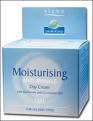
Aldi supermarket’s own label Siana Moisturising Anti-Wrinkle Day Cream at £1.89. Aldi’s own label anti-wrinkle cream is flying off the cut-price supermarket’s shelves after winning a host of awards.

The cream contains cell renewal vitamin Co Enzyme Q10 and beat the far more pricey products from top names such as Helena Rubenstein, Olay and Elemis, to be named one of the best anti-ageing products on the market.

UK magazine, Woman’s Own, which said it was ‘as good as the pricier products from well-known names’ and added: ‘Beauty industry tongues are wagging because it is so cheap and really works’.

Two thousand volunteers blind-tested the day cream for another magazine and voted it one of the most effective complexion smoothers. ‘I was asked if I’d had a facial,’ one enthused. ‘I think it must be expensive.’

At the beginning of the year, 890 jars a week were being sold nationwide at Aldi. Now more than 20,000 a week are being packed into trolleys, with dozens of branches selling out.

Manufacturers say the cream includes all the same ingredients as more expensive potions, including the enzyme Q10, which mimics the body’s ability to protect against premature aging.

Aldi’s cream follows the success of the £17 Boots No 7 Protect and Perfect Beauty Serum which was a sell-out last year.

Win Kim Wilde’s new book for first-time gardners

image

For those who are eager to tackle the gardening this year but don’t know where to begin, First-Time Gardener is the answer. Packed full of practical tips and detailed step-by-step instructions, this book is the beginner’s guide to gardening. Kim Wilde turned to gardening as a form of therapy to escape from her hectic show biz schedule. Now she is a recognised expert in the field.

Beautifully illustrated throughout this one-stop guide will teach you the very basics of what gardening is about.

Introduction:
• Why gardening can be so rewarding
• Why it’s important not to expect too much too soon
• Why planning is the key

Details of each essential garden technique:
• Main soil types and the benefits/drawbacks of each
• Fundamental tools
• Guide to plant terms – demystifying words such as perennial, biennial, bulbs, rhizomes and many more

This book assumes no prior knowledge and takes the reader through the basics of planning a garden, choosing plants and turning ideas into reality – including how to make the most of climbers, containers and hanging baskets. But it will also help you assess what you’ve already got in your garden. Not all gardens should be created from scratch, as per the TV makeovers. In fact, if you can wait a while to see what happens in your new garden, then you may find you’ve inherited some weird and wonderful plants.

Kim Wilde studied horticulture and planting design at Capel Manor before becoming a resident designer on BBC’s ‘Garden Invaders’. She has since presented daytime coverage of ‘The Chelsea Flower Show’ and ‘The Great Garden Guide’ as well as gardening slots for GMTV and ‘This Morning’. Kim has written regular gardening columns for The Guardian and for Prima and Bella magazines. Kim also continues to enjoy a busy pop career, her family and her garden.

Publisher Harper Collins is giving away six copies of this beautiful and very useful gardening book worth £12.99 – simply email us at readeroffer@elixirnews.com with your name and address, stating Kim Wilde Book in the email header. This promotion closes 24 February 2008. No cash equivalent is being offered. The Editor’s decision is final.

Cigarette poison kills anti-ageing gene, new research reveals

image

New York: Scientists have discovered one of the ways in which smoking cigarettes makes you age faster and puts you at risk of diseases such as chronic obstructive pulmonary disease (COPD) and lung cancer.

Researchers at the University of Rochester in the US found that the toxins in cigarette smoke wipe out a gene that protects the body against premature ageing.

Dr Irfan Rahman, associate professor of environmental medicine and an investigator in the University of Rochester’s Lung Biology and Disease Programme, noted: “You can be 45 years old and look great on the outside, but if you are a smoker or former smoker, your lungs can easily be 60 years old because of the chemical assault.”

Cigarettes contain around 4,700 toxic chemical compounds which decrease the lungs’ production of SIRT1, a protein that helps to regulate chronic inflammation, cancer and ageing.

The University of Rochester team, in collaboration with Finland’s Helsinki University Hospital, confirmed that levels of SIRT1 are significantly lower in smokers than in non-smokers.

This in turn affects genes that help to detoxify the airways, speeding up the ageing process of the lungs.

The findings are published in the American Journal of Respiratory Critical Care Medicine and in the American Journal of Physiology.

UK demand for cosmetic surgery continues to grow

image

London: The number of people choosing cosmetic surgery continues to increase in the UK, with 32, 453 procedures carried out by members of the British Association of Aesthetic Plastic Surgeons in 2007.

This figure is an increase of 12.2% from 2006, when 28,921 were performed.

Facelifts had the largest increase among all procedures, rising by 36% (4,468 procedures carried out) from 2006, keeping its place as the 4th most popular procedure.

Women had 29,572 procedures in 2007, up from 26,469 the previous year. The majority of cosmetic surgery was carried out on women (91%), while male surgery increased by 17.5% with 2,881 surgical procedures carried out (2,452 procedures in 2006).

* The top procedure for women continues to be breast augmentation, with 6,497 carried out

* Rhinoplasty continued to be the top procedure for men, with 716 undertaken by BAAPS members, a 36% increase from last year – but by far the most impressive percentage rise was in the number of male abdominoplasty procedures (or ‘tummy tucks), which went up by 61%

* Liposuction for men increased by 18% and is now the 2nd most popular procedure for males, taking over the spot from eyelid surgery (now 3rd most popular)

* Male breast reduction has risen by 27% with 224procedures achieved in 2007 (177 procedures in 2006)

* The number of women having facelifts increased by 37%, making it now the 3rd most popular procedure for females (pushing Liposuction down to 4th most popular)

* Other Anti-ageing procedures (eyelid surgery and brow lifts) continued to show a steady rise in popularity for both men and women, increasing by 13% and 11% overall

Mr Douglas McGeorge, consultant plastic surgeon and President of the BAAPS said: “This year’s audit clearly reflects the UK’s continued acceptance of aesthetic surgery, particularly in the area of anti-aging. Wide media coverage has helped to educate the public about the latest advances and choices available, but it is crucial that people do their research carefully when choosing a provider. At the BAAPS we are committed to continue educating those considering cosmetic plastic surgery by providing independent advice that promotes sensible decision-making.”

The figures in full:

A total of 32,453 procedures were carried out in 2007 by BAAPS members in their private practices, compared to 28,921 in 2006. The 2007 results indicate that surgical numbers continue to grow, with a 12.2% rise over the previous year.

The top surgical procedures for men & women in 2007 were, in order of popularity:

Breastaugmentation: 6,497 – up 6% from last year
Blepharoplasty(eyelid surgery): 5,706 – up 13%
Liposuction: 4,572 – up 15%
Face/NeckLift: 4,468 – up 36%
Breast Reduction: 3,402 – up 6%
Rhinoplasty: 3,021 – up 13%
Abdominoplasty: 2,799 – up 2%
Otoplasty(ear correction): 1,024 – up 9%
Browlifts 964– up 11%

Women had 91% of all cosmetic procedures in 2007 (29,572, up from 26,469 in 2006). The top five surgical procedures for women in 2006 were: breast augmentation (6,487), blepharoplasty or eyelid surgery (5,148 – up 13% on last year), face/neck lift (4,238, an impressive rise of 37%), liposuction (3,990 – up 15%), and breast reduction (3,178).

Men had 2,881 cosmetic procedures in 2007. The top five surgical procedures for men in 2007 were: rhinoplasty (716), liposuction (582), eyelid surgery or blepharoplasty (558), ear correction or otoplasty (418), and face/neck lift (230 – rise of 21%).

Rajiv Grover, consultant plastic surgeon and BAAPS Secretary responsible for the UK national audit of cosmetic surgery says: “This year we have recorded a dramatic rise in facial plastic surgery. 10 years ago, there may not have been much choice between a face cream and a facelift, but more recently non-surgical procedures such as botox and fillers have introduced a large number of patients to gradual facial rejuvenation, and the effects of these less invasive treatments can sometimes be limited once jowling or loose skin has developed, so this could explain why more patients now feel ready for the surgical option.”

Nigel Mercer, consultant plastic surgeon and BAAPS President-Elect adds: “When considering aesthetic surgery it is essential to be selective in choosing the right surgeon as the results of good surgery may be long lasting, but no procedure is without some risk. When performed under the right circumstances, aesthetic surgery can have a very positive psychological impact and improve quality of life.”

The BAAPS based at the Royal College of Surgeons, is a not-for-profit organisation, established for the advancement of education and practice of Aesthetic Plastic Surgery for public benefit. Members undergo thorough background screening before they can join. Information about specific procedures and surgeons’ contact details can be found on the web site, or by contacting their advice line at 020 7405 2234.

Cryo-surgery that removes breast tumours in minutes

image

London: Breakthrough ice technology developed by a British company means that many thousands of women with non-cancerous breast tumours can now be successfully treated in their doctors surgery rather than having to endure a hospital operation.

The treatment, developed by technology and product development company, Cambridge Design Partnership (CDP) and its client Sanarus Medical Inc based in California involves inserting a thin probe into the breast tumour which is then frozen at temperatures of -20 to -40 degrees centigrade.

The frozen tumour dies and over time is reabsorbed by the body.

Ultra sound is used to ‘image’ the growth of the ice ball during the freezing process making sure that only the affected tissues are frozen.

The treatment is quick, painless and takes less than 30 minutes to treat a large tumour of perhaps 4cm, while most take less than 15 minutes.

Prior to the development, GPs were reluctant to become involved in cryo-surgery because the equipment needed was bulky, cumbersome, difficult to use and intimidating for the patient. Also the main gas involved, argon, is difficult to obtain and is contained in large torpedo like tubes which weigh around 75 kilos each and need securing to a wall.

The main alternative for GPs was to recommend surgery with all its associated emotional trauma. Plus, the surgery would leave scarring and the ‘void’ left by removing the tumour could disfigure the shape of the breast. Additionally, there are always risks attached to a general anaesthetic as well as the possibility of infection, and patients can also expect a 2-3 day recovery period.

The technique developed by CDP and Sanarus, replaces argon with liquid nitrogen which is stored in 1 litre flasks. This breakthrough opened up the possibility to create a small, portable unit, called Visica 2, which is much easier to use, is not intimidating and more ‘user friendly’ for both the GP and the patient.

The procedure requires a tiny 3mm incision in the breast which is then covered by a normal plaster and no stitches are necessary.

Dr Keith Turner from Cambridge Design Partnership who led the UK team
commented: “This breakthrough means that a woman diagnosed with a non-cancerous breast tumour can pop into her doctor’s surgery, receive treatment and then get on with her day – in less time than it takes to do the weekly shop.”

The most common cause of benign breast lumps is the over development of fibrous tissue called fibro adenoma which, if it continues to grow, can become uncomfortable. Many women opt for surgical removal because they find the tumours emotionally and physically unacceptable.

Rather than an operating theatre, surgeons, anaesthetist, recovery nurses, physical scarring and emotional trauma, the new procedure is reduced to a doctor’s surgery, excellent cosmetic results and a dramatically reduced treatment time.

Fizzy drinks linked to increase in gout in men

image

Vancouver: Just two cans of a carbonated drink can increase a man’s chance of getting the painful joint disease gout by a staggering 85 per cent, according to new research from Canada.

The study, published online by the British Medical Journal, looked at more than 46,000 men and found those who had two or more cans a day were 85 per cent more likely to get gout compared to those who had one a month or less.

The risk also significantly increased among those who drank five to six a week.
Gout is characterised by severe attacks of joint pain followed by long periods of remission and is caused by the formation of urate crystals, within the joints.

It is thought that fructose, a naturally occurring sugar found in tree fruits that triggers gout by increasing the levels of uric acid in the blood. Other sugars also increase levels of the acid.

In the United States, a doubling of the number of people with gout over the past few decades has coincided with a substantial increase in the consumption of soft drinks.

Over 50s taking sex risks, says Saga survey

image

London: The over-50s may be retiring from the boardroom, but they are not giving up on the bedroom, reveals a new Saga survey today.

According to the Saga/Populus survey of nearly 8000 people over 50, two thirds of those surveyed said they were sexually active (65 per cent), with almost half of those (46 per cent) saying they got between the sheets at least once a week.

Sex is less pressurised after 50 according to a large majority (85 per cent), and seven out of ten find sex a more fulfilling experience than in younger years.

The survey also dispelled a widely touted myth, with three quarters (76 per cent) saying that sex does not become more boring as you get older.
However, respondents said they had sex less often than in younger years, with 84 per cent having sex less often in their 50s than in their 20s or 30s. A minority (16 per cent) also admitted using performance enhancing drugs such as Viagra to help things along.

Worryingly, over one in ten (12 per cent) sexually active over-50s do not use contraception with their current partner to avoid sexually transmitted infections (STIs), while also not knowing about their partner’s sexual history. Recent research has shown increasing cases of STIs in older age groups*.

These findings came as part of a wider survey into the health of the nation’s over-50s, with other notable findings below:

· 38 per cent of those 65 and over exercise every day, compared to just 29 per cent of 50-54 year olds

· 76 per cent try to eat their ‘five a day’ of fruit and vegetables’

· Problems at work were likely to be the greatest cause of stress followed by relationships, but

· a quarter (24 per cent) would keep any feelings of stress, anxiety or depression to themselves rather than tell their family or seek medical advice

Emma Soames, Saga Magazine editor, said: “These findings shatter the myth that once you hit fifty your sex life is over – there is less pressure than when people were younger and it is likely that you feel more comfortable about your body.

“Forget about the ‘dirty thirties’ or the ‘naughty forties’. The frisky 50s are having the most fun by swapping the boardroom for the bedroom.

“However, while a healthy sex life is a good thing, the over-50s must be wise to their sexual health, as well as their overall health.”

Over 50s are able to contribute to this issue on the social networking site Saga Zone, and receive sexual health advice from Saga’s health webpages at www.saga.co.uk/health

Exercisers are biologically younger, reveals new research

image

London: People who exercise regularly appear to be biologically younger than those who lead sedentary lifestyles, scientists have found.

Inactivity not only leads to a greater risk of ageing-related diseases, but it may also influence the ageing process itself, researchers believe.

A study of twins found there was a difference of about nine years of ageing between those who exercised regularly and those who did not, even after considering other influences including body mass index (BMI), smoking and socio-economic status (SES).

Researchers at King’s College London and in the US studied ageing in 2,401 twins by analysing telomeres, which cap the end of chromosomes in cells and protect them from damage.

Telomeres shorten with age, leaving people increasingly susceptible to cell damage which causes disease.

However there is considerable variation between individuals, and recent research has also linked lifestyle factors such as smoking and obesity with shorter than average telomeres.

Those who exercise regularly are already known to be at lower risk of cardiovascular disease, type 2 diabetes, cancer, high blood pressure, obesity and osteoporosis.

Comparing twins who were raised together but did different amounts of exercise, the researchers found that on average the telomeres were significantly longer in the more active twin.

The study concluded: “The US guidelines recommend that 30 minutes of moderate-intensity physical activity at least five days a week can have significant health benefits.

“Our results underscore the vital importance of these guidelines. They show that adults who partake in regular physical activity are biologically younger than sedentary individuals.”

Chocolate may increase bone health risk

image

Sydney: Scientists have discovered that chocolate may increase the likelihood of osteoporosis and bone fractures in women.

In a new study published in the American Journal of Clinical Nutrition women who ate chocolate every day were found to have less dense bones than those who ate it less than once a week. according to scientists at the University of Western Australia.

Chocolate containing high levels of flavanols has recently been found to have beneficial health effects, particularly on the cardivascular system. But most chocolates do not contain high levels of this substance and manufacturers rarely label their products with health information.

In the Australian study, scientists monitored the amount of chocolate eaten over several weeks by 1,001 women aged 70 to 85. They then measured the bone density and strength of each woman using X-rays. The researchers found the women who ate chocolate less than once a week had significantly stronger bones than those who consumed the treat on a daily basis. Low bone density was found in the hips, neck, tibia and heel bones of the women surveyed.

The researchers believe the findings may be because chocolate contains oxalate, which can reduce calcium absorption, and sugar, which is linked to calcium excretion. Calcium is vital for maintaining healthy bones.

Help the Aged Spring Walk Fundraiser 25-27 April UK

image

A host of celebrities including, Kirsty Gallacher, Penny Smith and Amanda Lamb are calling on everyone to join the Help the Aged annual fundraising event, The Big Spring Walk, which takes place from Friday 25th April to Sunday 27th April 2008. Now in its second year, the national event will see people across the UK walking anytime over The Big Spring Walk weekend to raise vital funds for the Charity.

There are a number of ways that individuals can put their best foot forward and take part in The Big Spring Walk whether it is walking to work, school or the shops whilst making a donation or fundraising to make a difference.

Alternatively, there is the option to organise a walk over The Big Spring Walk weekend which could involve anything from a 5 mile hike to a mile long ramble in the countryside – a great way to bring friends and family together!

Help the Aged is also organising 6 walking events which are taking place across the country this spring, including the flagship event in London’s Hyde Park on Saturday 26th April.

Walking is one of the best ways to stay fit and healthy and The Big Spring Walk offers people a fun day out whilst raising money for a worthwhile cause – perfect reasons to lace up those walking boots!

All money raised from this year’s event, sponsored by Abbey, will go towards funding the work of Help the Aged, including helping the Charity in its fight to combat poverty among disadvantaged older people.

For further information and a FREE fundraising pack, please contact The Big Spring Walk hotline on 020 7239 1922 or visit www.helptheaged.org.uk/walk

More information:
1. This is the second Big Spring Walk which is being repeated in April 2008 after a successful inaugural year in 2007, and is the annual national fundraising event from Help the Aged.

2. The event will see individuals walking for the Charity on 25th, 26th and 27th April. To find out more, call The Big Spring Walk hotline on 0207 239 1922 or visit www.helptheaged.org.uk/walk

3. Help the Aged is organising a series of flagship events in London and the North-West, including Hyde Park, London on Saturday 26th April, Lyme Park, Cheshire on Saturday 26th April, Carsington Water, Derbyshire on Sunday 27th April, Downham, Lancashire on Saturday 3rd May, Troutbeck, Cumbria on Monday 5th May and The Wirral Way, Merseyside on Saturday 10th May. For more information, call The Big Spring Walk hotline.

4. Abbey’s community programme covers a broad range of activity including employee fundraising, corporate donations and social sponsorship. Staff are involved in fundraising for hundreds of local and national charities, and Abbey supports a small number of these causes every year by sponsoring key events. The Abbey Charitable Trust provides donations to projects that support disadvantaged people through: education and training; local regeneration projects; and financial advice. In 2007, Abbey’s total contribution to the community was valued at £3.2 million.

Abbey is a wholly owned subsidiary of Banco Santander Central Hispano, S.A. (“Santander”) (SAN.MC, STD.N).

Chantix anti-smoking drug gets mental health warning

image

New York: Pfizer, the manufacturer of anti-smoking drug Chantix, has updated its label to include a warning on mental health symptoms.

CHANTIX® was approved in the US in May of 2006 as an aid to smoking cessation. Since then there have been a number of cases of suicide and suicidal behaviour by those taking Chantix. A causal relationship between the drug and these symptoms has not been established.

But the manufacturer has now included a warning on the CHANTIX label in the US that patients who are attempting to quit smoking with CHANTIX should be observed for serious neuropsychiatric symptoms, including changes in behavior, agitation, depressed mood, suicidal ideation and suicidal behavior.

The current update, based on Pfizer and FDA’s ongoing safety review of post-marketing reports, is provided to better ensure that healthcare providers and patients will appropriately consider this information in their discussions about CHANTIX.

A causal relationship between CHANTIX and these reported symptoms has not been established. In some reports, however, an association could not be excluded. More specifically, some reports may have been complicated by the symptoms of nicotine withdrawal in patients who stopped smoking, but not all patients with these symptoms had quit smoking. Some patients with pre-existing psychiatric illness experienced a worsening of their conditions. By heightening awareness of these post-marketing events and facilitating this discussion, patients and doctors can play an important role in mitigating potential risk and ensuring the full benefits of CHANTIX can be realized.

In the controlled clinical trial program of more than 5,000 patients treated with CHANTIX, changes in behavior, agitation, depressed mood, suicidal ideation, and suicidal behavior occurred at a rate comparable to placebo-treated patients. There were no suicides attributed to CHANTIX in clinical trials. Patients with serious psychiatric illness such as schizophrenia, bipolar disorder, and major depressive disorder did not participate in the controlled clinical trial program.

CHANTIX, a selective nicotinic acetylcholine receptor partial agonist, is the first non-nicotine prescription treatment for smoking cessation in almost a decade. It has been prescribed to more than 4 million patients in the United States since approval.

Couples who row live longer

image

Michigan: Couples who row over their differences are more likely to live longer than those who bottle up stress.

This is the conclusion of reserach at the University of Michigan School of Public Health where scientists studied 192 couples over 17 years, placing them into four categories.

The first consisted of couples where both partners communicated their anger and the second of couples where the husband showed anger while the wife suppressed it.

The third comprised couples where only the wife showed anger; and the fourth relationships where both parties suppressed it. The researchers found that death during the period of the study was twice as likely in the final group than in all other types.

The trend was evident even when other factors such as age, smoking, weight, blood pressure, bronchial problems and cardiovascular risk were taken into account.

Longevity experts have long said that stress is one of the biggest killers and leads to inflammation and diseases of ageing such as heart disease.

Within the 26 couples where both suppressed their anger, there were 13 deaths.

However, in the remaining three groups, 166 couples in total, there were only 41 deaths combined, half the rate.

Ernest Harburg, professor emeritus at the University said: ‘When couples get together, one of their main jobs is reconciliation about conflict.

Professor Harburg stressed that the preliminary figures are small, and that researchers are now collecting follow-up data spread over 30 years.

Can infra red light grow new brain cells to reverse Alzheimer’s?

image

London: A scientist has claimed that an experimental helmet whch bathes the brain in infra-red light is capable of stimulating the growth of new brain cells in patients with Alzheimer’s disease.

The creators of the helmet, a County Durham, UK-based medical research company called Virulite, say that ten minutes use daily over a period of four weeks can reverse the symtoms of dementia.

Dr Gordon Dougal, a director of Virulite, bases the claims on a study at the University of Sunderland which found infra-red light can reverse memory loss in mice.

Dr Dougal says that the treatment not only stops brain decay but partially reverses it.

The study at Sunderland found that exposing middle-aged mice to infrared light for six minutes a day for ten days improved their performance in a three-dimensional maze. In the human trials, due to start this summer, the scientists will use levels of infra-red that occur naturally in sunlight.

Worrying increase in alcohol-related deaths in older women – new UK figures reveal

image

London: Insreasing numbers of females are dying of alcohol-related diseases, official UK Government statistics have revealed.

The number of deaths from both men and women have also doubled in the last 15 years, with a huge rise in middle-aged women.

The figures come as Britain faces and epidemic of binge-drinking among youngsters who they warn are likely to carry on damaging their bodies for the rest of their lives.

The UK’s office for National Statistics, figures show that there were 12.9 deaths per 100,000 people in 2005 but this increased to 13.4 in 2006.

In 1991 there were 6.9 deaths per 100,000. The figures also show a rise in the number of alcohol-related deaths mainly as a result of liver disease from 4,144 in 1991 to 8,758 in 2006.

There has also been a huge increase s in deaths among middle-aged women. The death rate for women aged 35 to 54 doubled between 1991 and 2006, from 7.2 to 14.8 per 100,000 population.

Although the figures for women are increasingly worrying, men are still more likely to die from drink than women.

Two thirds of all alcohol-related deaths are among men, and there were 18.3 deaths per 100,000 population among men and 8.8 among women.

For men, the death rates in all age groups increased between 1991 and 2006. The biggest increase in deaths from alcohol consumption was seen among the 35 to 54 age group, with rates doubling since 1991 to 31.1 per 100,000.

Help the Aged Spring Fundraising Walk April UK

image

A host of celebrities including, Kirsty Gallacher, Penny Smith and Amanda Lamb are calling on everyone to join the Help the Aged annual fundraising event, The Big Spring Walk, which takes place from Friday 25th April to Sunday 27th April 2008. Now in its second year, the national event will see people across the UK walking anytime over The Big Spring Walk weekend to raise vital funds for the Charity.

There are a number of ways that individuals can put their best foot forward and take part in The Big Spring Walk whether it is walking to work, school or the shops whilst making a donation or fundraising to make a difference.

Alternatively, there is the option to organise a walk over The Big Spring Walk weekend which could involve anything from a 5 mile hike to a mile long ramble in the countryside – a great way to bring friends and family together!

Help the Aged is also organising 6 walking events which are taking place across the country this spring, including the flagship event in London’s Hyde Park on Saturday 26th April.

Walking is one of the best ways to stay fit and healthy and The Big Spring Walk offers people a fun day out whilst raising money for a worthwhile cause – perfect reasons to lace up those walking boots!

All money raised from this year’s event, sponsored by Abbey, will go towards funding the work of Help the Aged, including helping the Charity in its fight to combat poverty among disadvantaged older people.

For further information and a FREE fundraising pack, please contact The Big Spring Walk hotline on 020 7239 1922 or visit www.helptheaged.org.uk/walk

More information:
1. This is the second Big Spring Walk which is being repeated in April 2008 after a successful inaugural year in 2007, and is the annual national fundraising event from Help the Aged.

2. The event will see individuals walking for the Charity on 25th, 26th and 27th April. To find out more, call The Big Spring Walk hotline on 0207 239 1922 or visit www.helptheaged.org.uk/walk

3. Help the Aged is organising a series of flagship events in London and the North-West, including Hyde Park, London on Saturday 26th April, Lyme Park, Cheshire on Saturday 26th April, Carsington Water, Derbyshire on Sunday 27th April, Downham, Lancashire on Saturday 3rd May, Troutbeck, Cumbria on Monday 5th May and The Wirral Way, Merseyside on Saturday 10th May. For more information, call The Big Spring Walk hotline.

4. Abbey’s community programme covers a broad range of activity including employee fundraising, corporate donations and social sponsorship. Staff are involved in fundraising for hundreds of local and national charities, and Abbey supports a small number of these causes every year by sponsoring key events. The Abbey Charitable Trust provides donations to projects that support disadvantaged people through: education and training; local regeneration projects; and financial advice. In 2007, Abbey’s total contribution to the community was valued at £3.2 million.

Abbey is a wholly owned subsidiary of Banco Santander Central Hispano, S.A. (“Santander”) (SAN.MC, STD.N).

Move IT – dance exhibition 7-9 March London

image

MOVE IT 2008 is the UK’s biggest dance exhibition, featuring all the latest styles, dance stars and celebrity teachers. The event will take place at London’s Olympia from 7 – 9 March offering an unrivalled dance shopping arcade, performances and over 160 dance classes! Please find a press release attached or check out www.dance-london.co.uk for more details about the event.

Whether you are a seasoned dance fan or an absolute beginner trying dance for the first time, MOVE IT will introduce you to the hottest trends in dance for 2008. There will be performances from celebrity dancers including BBC’s Strictly Come Dancing stars Anton Du Beke who partnered GMTV’s Kate Garraway and Camilla Dallerup who partnered Blue Peter’s Gethin Jones. There will also performances from English National Ballet, Salsa, Jive and Ballroom champion dancers and urban dance legends Flawless, Impact Dance and Boy Blue.

MOVE IT will also host dance classes with celebrity teachers including Kylie Minogue’s Dance Captain Tim Noble, Strictly Come Dancing’s Karen Hardy and TV’s American Idol and X Factor tour choreographer Gary Lloyd. Many celebrity dancers and teachers are available for interview in the run up to the event, simple call the number below for more details.

Visitors can see and try a huge range of dance styles including Salsa, Samba, Ballet, Bollywood, Tango, Cheerleading, Ballroom, Hip Hop, Krumping, Jive, Swing, African, Bhangra, Flamenco…and many more. They can also catch 100 live performances, sample the latest dance fitness trends, visit the all new METRO Urban Dance Space and buy the latest dance shoes, dancewear and dance accessories.

Tickets can be booked at www.dance-london.co.uk. Book in advance and save £4! Ticket Prices: Adults £10, Children 5 -15 £7.50

Moderate daily exercise reduces death in men

image

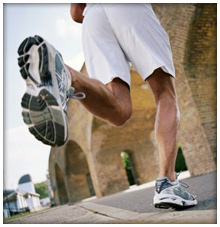
Washington: Brisk walking for just 30 minutes daily is enough to half the risk of premature death of men from all causes, according to new research.

The US-government-sponsored analysis — the largest such study ever — found that a regimen of brisk walking 30 minutes a day at least four to six days a week was enough to halve the risk of premature death from all causes.

“As you increase your ability to exercise — increase your fitness — you are decreasing in a step-wise fashion the risk of death,” said study author Peter Kokkinos, director of the exercise testing and research lab in the cardiology department of the Veterans Affairs Medical Center in Washington, D.C.

That conclusion applies more or less equally to white and black men, regardless of their prior history of cardiovascular disease. According to Kokkinos, that may be because the veterans in the study all received the same level of care, regardless of income.

This evened the playing field, he said, giving him “great confidence” in the results, which will be published in the Feb. 5 issue ofCirculationand were released online Jan. 22.

In the study, Kokkinos and his team reviewed information gathered by the VA from 15,660 black and white male patients treated either in Palo Alto, Calif., or in Washington, D.C.

The men ranged in age from 47 to 71 and had been referred to a VA medical facility for a clinically prescribed treadmill exercise test sometime between 1983 and 2006. All participants were asked to run until fatigued, at which point the researchers recorded the total amount of energy expended and oxygen consumed.

By tracking fatalities through June 2007, Kokkinos and his colleagues found that for both black and white men it was their fitness level, rather than their age, blood pressure or body-mass index, that was most strongly linked to their future risk for death.

The study proved that it takes relatively little exercise to achieve health benefits.

Millions die of cancer around the globe – latest statistics

image

New York: Cancer deaths continue to increase, with the American Cancer Society reporting 12 million new cases of malignancy diagnosed worldwide in 2007, with 7.6 million people dying from the disease.

The report, Global Cancer Facts & Figures, finds that 5.4 million of those cancers and 2.9 million deaths are in more affluent, developed nations, while 6.7 million new cancer cases and 4.7 million deaths hit people in developing countries.

“The point of the report is to promote cancer control worldwide, and increase awareness worldwide,” said report co-author Dr. Ahmedin Jemal, director of the society’s Cancer Occurrence Office.

The number of cancers and cancer deaths around the world is on the rise, Jemal said, mostly due to an aging population. “There is increasing life expectancy, and cancer occurs more frequently in older age groups,” he noted.

Lifestyle may be another reason for the rise in malignancies in developing countries, Jemal said, as people adopt Western behaviors such as smoking, high-fat diets and less physical activity.

The best way to stem the increasing number of cancer cases and deaths is prevention, especially in poorer countries, the expert said. In many developing nations, the health-care infrastructure simply isn’t there to offer cancer screening and treatment for most people, Jemal added.

In developed countries, the most common cancers among men are prostate, lung and colorectal cancer. Among women, the most common cancers are breast, colorectal and lung cancer, according to the report.

However, in developing countries the three most common cancers among men are lung, stomach and liver, and among women, breast, cervix uteri and stomach.

Worldwide, some 15 percent of all cancers are thought to be related to infections, including hepatitis (liver cancer) and human papilloma virus (cervical cancer). But the incidence of infection-related cancers remains three times higher in developing countries compared with developed countries (26 percent vs. 8 percent), according to the report.

In addition, cancer survival rates in many developing countries are far below those in developed countries. This is mostly due to the lack of early detection and treatment services. For example, in North America five-year childhood cancer survival rates are about 75 percent compared with three-year survival rates of 48 percent to 62 percent in Central America, the report notes. The report estimates that 60 percent of the world’s children who develop cancer have little or no access to treatment.

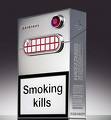
The report also includes a section on the toll tobacco use takes around the world. In 2000, some 5 million people worldwide died from tobacco use. Of these, about 30 percent (1.42 million) died from cancer — 850,000 from lung cancer alone.

Jemal believes smoking is a key culprit.

“Smoking prevalence is decreasing in developed countries. So, as tobacco companies are losing market in developed countries they are trying to expand their market in developing countries,” he said.

In China alone, more than 350 million people smoke. “That’s more than the entire population of the United States,” Jemal said. “If these current patterns continue, there will be 2 billion smokers worldwide by the year 2030, half of whom will die of smoking-related diseases if they do not quit,” he added.

In the 20th century, tobacco use caused about 100 million deaths around the world. In this century, that figure is expected to rise to over 1 billion people. Most of these will occur in developing countries.

One expert agreed that many cancer deaths can be avoided through lifestyle changes.

“What is most provocative here is not the total global burden of suffering and death cancer causes, dramatic though that may be, but the variations in cancer occurrence around the world, and the insights provided about how much of the cancer burden need not occur at all,” said Dr. David Katz, director of the Prevention Research Center at Yale University School of Medicine.

In developing countries, cancer of the uterine cervix is a leading cause of death in women, Katz noted.

“Yet this infection-related cancer is now preventable by vaccine, and long treatable when detected early using the Pap smear. As a result, death from cervical cancer in developed countries is dramatically lower. Its toll in the developing world is testimony to missed opportunities to apply our resources effectively, and equitably,” he said.

Cancer of the liver, often related to hepatitis infection, is a leading cause of death in developing countries, but not so in developed countries. “Again, an infection preventable with vaccine is causing death because of inequities in the distribution and use of existing resources,” Katz said.

Prostate and colon cancers are more common in wealthier countries, where they are likely related to poor diet and obesity, Katz said. “Unnecessary suffering and death are occurring in affluent countries due to dietary excesses,” he said.

Katz also noted that tobacco-related cancer is largely preventable. “The toll of tobacco-related disease, including lung cancer, is an appalling example of a global willingness to tolerate preventable suffering and death for the sake of profit,” he said.

These data show both developed and developing countries how to move toward the lower rates of specific cancers, Katz said.

“It will be a tragic failure for public health if instead of applying these lessons developed countries continue to export tobacco and dietary transgressions so that the developing world adds to its current cancer burden ours as well,” he said.