
xx
Author Archives: Editor
An ageing population

Facts about ageing
Ageing is a highly complex biological process resulting in the progressive loss of the ability of organs and cells to maintain biochemical function, eventually leading to age associated diseases and death.
As a result of improved nutrition and medical care we are all living longer than ever before. The socioeconomic impact on society of the growing ageing population is an area of growing research and debate.
Here are some ageing facts:
one person in five is 60 or older
The majority of older people are women 55%
Most live in urban areas
Over the last half century 20 years have been added to the average lifespan bringing the average global life expectancy to 66 years
The impact of population ageing is revealed in the old-age dependency ratio, the number of working age persons (15-64 years) per older person (65 and above) this ratio will double in developed countries and triple in the less developed by 2050.
A child born in 1997 will expect to live 29 years longer than one born in 1900
In the West men who reach 65 can expect to live an additional 16 years and women 18 years
100 years ago 1% of the world’s population was aged over 65 whereas today 13% of the world’s population is over 65
In 2005 approximately 20% of the world’s population is over 65 and by 2050 it will be 30%
The total world population is growing at 1.7% pa but the population over 65 is growing at 2.5% pa
Between 1998 and 20025 the number of people over the age of 65 will grow by 200% and those over 85 by 400%
Life expectancy in Ancient Rome was 22 and in the Middle Ages 35
Many individuals live to 115 today
In the UK were life expectancy is 80.5 (women) and 75.8 years (men) 1 in 5 people are aged over 65.
In Australia the proportion of those aged over 65 has risen from 4% to 12% in the last 100 years
Life expectancy in Japan – 85.23 years for women and 78.32 for men in 2002 – is the longest in the world. The explanation, experts say, is partly the traditional Japanese diet, which is low in fatty foods
Anti-ageing medicine
As we increase in age we become more vulnerable to disease and other illnesses. The main diseases of ageing are degenerative conditions which account for 90% of all medical treatment needed in old age. Genetic and infectious diseases and accidents account for only 10% of illnesses suffered.
As a result of the huge spurt in longevity by those of us living in the 20th century and the potential economic burden of age-related illness, anti-ageing medicine is gaining an increasing prominence and pioneering research to discover the cause/s of the degenerative diseases of ageing. Th early detection, preventation and even reversal of age-related diseases would alleviate many of the burdens of the growing ageing population not just in health care costs but in improved quality of life.
Scientists have many theories on what precisely happens in the molecular process of ageing. Among the factors being examined are: the influence of genetic programming, the function of the neuro, endocrine and immune systems, molecular instability and free radical damage. The main degenerative diseases of ageing are diseases of the heart and vascular system, diabetes and stroke. These conditions on average begin at about the age of 50 – the age of life expectancy at the turn of the century. The onset of these diseases, is acerbated or provoked by unhealthy lifestyles – poor diet, smoking cigarettes, drinking too much alcohol, taking too little exercise and stress. Which is why we can all live longer, happier and healthier lifestyles by taking action to improve our lifestyles in these areas.
Science also has its part of play. It is belived that as we age the energy producing parts of our cells, known as mitochondria, become defective and these defects increase with age. The mitochondria produce our body fuel ATP and it is the loss of this vital energy that leads DNA mutations and then to disease The supplement Coenzyme Q10 has been shown to play a positive in role in preventing some of this damage, particularly in relation to heart disease, by re-energising cells.
There are also a number of other key anti-ageing therapies/nutrients, explained in greater detail within ElixirNews (Elixirs), that can improve your chances of living a longer, healthier and happier life. These include Human Growth Hormone, DHEA, Melatonin, Acetyl-L-Carnitine, Cysteine and Procysteine, NADH, Lycopene, Vitamin E, Vitamin B5 (Pantothetnic Acid), Vitamin B6 (Pyridoxine), Synthetic Antioxidents, Selenium, DMAE, Vinpocetin, Chromium Picolinate, Pregnenolone, Testosterone and Estrogen and Progesterone. Some doctors also recommend calorie restriction as a way of extending life.
Everyday scientists are making new discoveries about how and why we age and how we can slow and treat its affects – these discoveries include developments such as stem cells and other medical technologies.
In anti-ageing medicine the use of nutrition, hormones and even some drugs have been proven to assist and even prevent the apperance of serious diseases such as as arthritis, Alzheimer’s, cataracts and diabetes. Ultimately we are all responsible for our own quality of life. Living longer, healthier and happier lives is really in our own hands.
World’s oldest people
The world’s oldest people
The oldest person ever was Jeanne Calment, from Arles in France, who died at the age of 122 in 1997.
She was then the oldest living person to be authenticated by reliable records and was entered into the Guinness Book of Records. She met Van Gogh as a girl when he visited her father’s shop in 1888. At the age 85 she took up fencing lessons and at the age of 100 she was still riding a bicyle. She credited her longevity to Port wine, a diet rich in olive oil and her sense of humour. Though blind, almost deaf and in a wheelchair, Calment remained spritely and mentally sharp until her death.
The oldest living person
As of Saturday, 10th December, 2005
Quito:A 116-year-old woman from Ecuador is now officially the world’s oldest person.
Maria Esther Capovilla took the title froman American woman after relatives sent her birth certificate details to the Guinness World Records.
Elizabeth Bolden, 115, of Memphis, Tennessee, was previously believed to be the oldest.
Mrs Capovilla was born in Guayaquil, in western Ecuador, on September 14, 1889, and still lives with her son and his wife.
She has five children, four grandchildren, nine great-grandchildren, and two great-great-grandchildren. Her husband died in 1949.
Emiliano Mercado Dei Toro, 114, of Puerto Rico, is the world’s oldest man.
Oldest ever(so far)
The oldest living woman is Hendrikje van Andel-Schipper who was born in the Netherlands on 29 June 1890. She was recorded as the oldest in the world at the age of 111 and 335 days on 29 May 2004. She took the title after the death of Ramona Trinidad Iglesias Jordan from Puerto Rico who died aged 114 and 272 days.
Aunt Hennie as she is known is the youngest eldest person since 1987 when the oldest person was the USs Mary McKinney (1873-1987). The last Dutch person to claim the title was Kiet Portier Tan (1855-1963) who was 107 and 343 days.
Although she has failing eyesight she is in good health, supports the Dutch football team Ajax and lives in a nursing home in Hoogeveen.
The oldest person in the UK lives in Stirling, Scotland. She is Lucy Victoria dAbreau who was born in India on 24 May 1892. She became the oldest person in Scotland on 30 October 2002 at the age of 111 and 339 days. Her recipe for a long life is a sundowner of brandy and ginger ale.
The oldest man
Is Emiliano Mercado Del Toro who was born in Cabo Roco who was born on 21 August 1891. He was declared the oldest man on 17 January 2005 at the age of 113 and 149 days. He joined the US army in 1819 but two months into his training the First World War ended on 11 November 1918.
Full body
AMERICAN BODY WRAP
The manufacturers say you can lose a minimum of seven inches over the entire body with one treatment and could drop a dress size after six sessions. They claim you won’t put the inches back on unless you put on weight. It works by wrapping you in bandages infused with vitamin C, coenzyme Q10 and collagen, which break down cellulite and draw out toxins.
ST TROPEZ AIR
The latest way to fake a golden tan is by being airbrushed. Once you have the base coat, a second application the next day (or later the same day) deepens the colour. Then, the therapist can define muscle tone on the inner thigh which gives the illusion that they are lean and muscular.
HORMETA INSTANT WORKOUT
This treatment is based on water loss. You are covered in a special ‘Sudation’ cream to induce sweating and then don a plastic suit to help heat up the body. The skin is stimulated to expel toxins by the active ingredients in the cream, including lavender, tea tree oil, lemon and red thyme. Claims to be a quick-fix but also good for people suffering from water retention. A course of five treatments is recommended to keep the inches off.
SLENDERTONE FIGURA 24 TESTER:
Electrochemical signals are sent through the nervous system to the muscles via pads placed on them. The muscle contracts as in exercise. There is firming and toning after one 30-minute treatment, but a course of ten is recommended.
BIO-OXYGEN
Using a highpressure injection device similar to those devised for patients with needle phobias, a therapist uses a jet spray to blast oxygen through the skin, activating tissue-firming ingredients to stimulate the metabolism in the deeper layers of the skin. It should firm the body and reduce cellulite by activating the cell metabolism and supporting the reduction of fatty tissues. Inhaling pure oxygen helps speed up the process. Ten treatments are recommended.
Thighs
Thighs
INCHWRAP
The Inchwrap treatment claims to detoxify the body, stimulating the activation of lymphatic circulation to break down cellulite, disperse fatty tissues and revitalise skin during the hour’s session, so results should be seen immediately.
Fat Busters
Ionithermie
Body is scrubbed then layers of a mineral mud are applied inbetween gauze. Pads connected to an electrical stimulant are attached to increase lymphatic draining. The whole treatment takes about an hour and a half.
Cellulite
Advanced Keymodule Endermologie
Therapists treat the area with a handheld massager with two motorised rollers that rotate in different directions and have a vacuum action. It is similar to a deep tissue massage. About 12-16 treatments are needed to make the skin firmer and less dimpled.
Ionithermie Ultimate Detox
After a massage with botanical creams a detoxifying thermal clay and algae mask are applied to flush out toxins. A mild electrical current is applied to encourage lymphatic drainage and help the muscles firm up. Five one hour treatments are recommended.
Patch Contour
Two derivatives of red algae seaweed, Rhodysterol and Bladder Wrack, work like nicotine patches by slowly releasing ingredients into the skin. Four are used to treat a thigh or buttock. You will need to drink lots of water and maintain a healthy lifestyle at the same time.
Oxygen Treatment
Pressurised oxygen pumps anti-cellulite and body firming ingredients deep into the skin. At the same time you inhale oxygen though a mask. Ten hour long treatments are recommended.
Lipo Contour
This treatment claims to speed up the bodys natural ability to eliminate fat and flush out excess water and toxins thought to be the cause of cellulite. An ingrendient called Kephaslim, which contains caffeine, ivy plant extracts and red algae stimulate the circulation. A course of ten one hour treatments is recommended.
Karin Herzogs Silhouette Cream
Infused with oxygen this cream is said to stimulate the body to eliminate toxins.
Bottom Lift
Bio-dermology uses compression and decompression to liquidise fat which is then reabsorbed via the bloodstream. An anti-cellulite gel is applied before the massage device is run up and down the leg and bottom for around 40 minutes.
Breast Lift
The Caci Quantum bust lift uses an electrical current to strengthen the support muscles. The treatment takes thirty minutes and about 10 are recommended.
A therapist moves metal applicators or cotton-tipped probes over the skin in a massaging motion to deliver tiny micro-impulses to firm underlying tissue. A firming gel is applied to chest area and roller bars pushed in an upwards direction over muscles around breasts.This claims to lift bust and help restore shape by toning the muscles. Skin texture and elasticity should be improved. It costs about £30 per half-hour. Stockists: 020 87315678.
Collagen, the tissue in the body which plumps up the skin, is taken from cows, purified and injected into the fine lines and wrinkles on the cleavage and chest area.This is the only product that is suitable for use in this area. Synthetic fillers – which are chemically formulated to emulate the plumping effect of collagen – tend to be too thick and would cause lumps and bumps under the delicate skin. A patch test must be taken beforehand in case of allergy. This costs about £200 for the first treatment, but often a second treatment is required after three weeks if the first treatment hasn’t given the desired effect, at a further £200. Details: 0800 888000.
CLARINS MODEL BUST
Based on the premise that coldwater massage has a tissue firming – and therefore
lifting – effect by stimulating blood circulation, the Model Bust is a DIY treatment you can do in your bathroom. A hose is fixed on to the cold water tap at one end and a ‘muzzle’ at the other, which fits over the breast. Use for 60 seconds a day on each breast for maximum ‘lift’and then use Clarins Beauty Bust Gel in the morning and Beauty Bust Lotion in the evening to help maintain the effect. It costs around £65 – stockists: 0800 036 3558.
BODY LIFT
Pliable silicone pads with a weak electrical current are placed on the pectorals and under the breasts to stimulate the muscles. This is meant to give them a perkier appearance. Five treatments are recommended, each a few days apart. The area was smeared with a cold gel and then a pad was placed on each pectoral muscle just above each breast and to the underside of the breasts to make a ‘circuit’.
The electrical activity starts a ‘pulsing’ action. It costs around £65 – stockists: 01225 422 695.
BOTOMASK
A rich mask containing Botulinum Toxin (as used in Botox), Elastine (a synthetic
version of the fibres in the skin which make it stretch), vitamins C and E, tropical herbal extracts from the Amazon, marine collagen and encapsulated oxygen is applied to the dcolletage and bust and left for about 20 minutes. The muscle-paralyzing Botox solution is not injected, but is said to have ‘relaxing’ properties for the muscles when used in a mask. £75 – details: 02074 487 3220.
IONITHERMIE SUPER DETOX
A light massage with botanical creams is followed by a detoxifying layer of thermal clay and algae mask. This channels a weak electrical current from a small machine that makes the muscles contract, which should firm up the breast tissue and boost cell production. The wrap hardens into a ‘cast’ and is removed after an hour. Aftercare products, including serum and a cream-gel, are provided to keep the skin in good shape. Five one hour treatments recommended. Also used for general body firming. About £40 per session – details: 01753 833900.
Arm toning
The Marine Spa Firming Treatment starts with an exfoliating treatment, then oils are applied before the arm is covered with a marine gel which contains algae and vitamins. The arms are wrapped so that the nutrients can penetrate the skin. Good for slack skin.
Non-surgical Facelifts
CACI Non-surgical Facelift
CACI works by “reminding” the facial muscles to work to tone the face. Two cotton buds attached to metal electrodes are passed over the face. Through these runs a painless electrical current which goes into the muscle and hits the golgi tendon, stimulating it and re-educating it to contract the muscle. Results can be seen after one session. Available at salons in the UK. Although it tones it does not work on wrinkles.
O Lys Light Therapy
A space-age treatment for ageing skin is based on one of the oldest and most fundamental forms of energy – light. This therapy, was pioneered by a Norwegian physio/phytotherapist 15 years ago. O-Lys works from the inside and affects the skin’s cells, the physiological functioning of the body. It is fairly gentle and safe.The non-abrasive, non-invasive system uses low-energy light beams of varying wavelengths, or intensities – which, unlike the sun or lasers, does not heat or burn the skin. It can be used to treat cellulite, acne and ageing skin.
The face is covered with collagen and massaged by the red light which penetrates three inches deep into my skin, stimulating cellular production and increasing muscle tone. O-Lys is currently available in Norway, the UK and Dubai. Sessions cost from £45. For your nearest O-Lys salon, call 0800 7313048.
Mediwave 10
Mediwave 10 – unlike plastic surgery, it requires no pain or anaesthetic and works in just a matter of minutes.
Integra Plus Facecare system
The new Integra Plus face care system refines the visible signs of ageing and offers the promise of younger, firmer skin. The Integra Plus face care system works by toning facial muscles for firmer, smoother skin. It also helps boost circulation to promote cell renewal and skin hydration and reduceslines and puffiness as well as improving complexion colour and skin texture. Regular use can refine the visible signs of ageing.
Integra Plus works on the these parts of the face and neck: The forehead – Reduces forehead lines; Relaxes the frown muscles; Reduces the appearance of lines and wrinkles around the eyebrows. The cheeks – Improves the appearance of skin; Defines cheekbone area, Reduces tension in cheek muscles.
The lips – Reduces wrinkles around lips; Improves texture of the skin around lips; Relaxes laughter lines.
The eyes – Reduces puffiness around eye area; Improves circulation around eye area; Reduces crow’s feet lines next to the eye.
The chin – Reduces wrinkles below the mouth; Improves skin texture of chin area; Defines skin around jawline.
The neck-Reduces lines and wrinkles; Tones up neck muscles; Brightens complexion of neck.
The Integra Plus face care system uses tried and trusted technology which, until now, has only been available in professional beauty salons. Integra Plus works by stimulating the face and neck muscles with tiny electrical impulses. Additionally, Integra Plus’ Moisture Infusion System helps to rehydrate the skin. Integra Comp, 14 St Thomas Road, Brentwood, CM14 4DE
The Carole Franck Rejuve Golden Facelift
An acupuncture facial without needles. The treatment in which essential oil creams are infused into the skin with the help of electrodes takes two hours. Costs £140 hours – Urban Retreat Harrods
Electroylsis
An electrical current is used to remove thread veins and also hair. variable but usually minimal, and controllable with painkillers.
Vein Therapy
With sclerotherapy, a chemical solution is injected into the vein to irritate its lining, causing it to swell, collapse and turn into scar tissue, which the body absorbs. Spider veins and large blue varicose veins on legs. It takes about 15 to 30 minutes. After several treatments, you will see a 50 to 90 percent improvement. But fading takes a few months. Results last about one year. If varicose veins have been treated, vigorous exercise is discouraged for 24 hours, and you may need to wear support hose for two days to three weeks.
Scelotherapy
A treatment for thread or spider veins just below the skin surface. An injection into the veins closes them off and they eventually shrivel. Takes about 30 minutes. There may be some discoloration afterwards but this eventually goes. Small veins can also be treated with electrolysis.
Microdermabrasion and Peeling
These two treatments are for wrinkles and blemishes but not deep lines. They work well on lines around the lips and mouth, acne, brown patches and chickenpox scars.
In dermabrasion, a small rotating wire brush or a diamond wheel (a hard round wheel) is used to strip or “sand” the top layer of skin. The skin crusts and redens, but fades to reveal fresh new skin underneath. The improved skin texture can last up to five years.
Dermabrasion, leaves the skin swollen and bleeding and very painful for up to 10 days afterthe treatment. A scab will form, falling off later and revealing red and delicate skin which must be screened from the elements, particularly skin for several months. Similarly the peeling procedure also leaves the skin red after the initial scab and takes a few months to go.There is a risk of scarring, bleaching, discolouration and pore enlargement, particularly at the edges of the treatment area. Skin may not tan normallyagain. Not recommended for women on the pill or anyone who may not heal easily.Can be Very painful and possibly a hospital stay of one night.
Microdermabrasion
Tiny aluminum-oxide crystals are swept across the face with a small, handheld vacuum, gently abrading the skin and removing dead skin cells from the surface. Best for sunspots, dull-looking skin and acne For a full face, 20 to 30 minutes. Best results are seen after three to six treatments, spaced two to four weeks apart. Sensitive skin may get slightly red if too much pressure is used.
Dermaplaning
Using short, precise movements, an aesthetician grazes a scalpel across the face, scraping away dead skin cells on the surface. Sunspots, dull skin and mild acne 20 minutes per treatment. Derms recommend one treatment per month for three months in a row. It feels as if someone is shaving your face.
Because the treatment is gentle and chemical-free, it’s a good choice for people with sensitive skin.
Chemical and fruit acid Peeling
In peeling a cream is used for a period prior to the procedure, which uses a chemical to remove layers of skin. Chemical peeling is a far more drastic treatment than fruit (alpha hydroxy acid) peels, which are more of a beauty treatment and not usually carried out under medical supervision.
Chemical peels may reduce lines and furrows and come in three strengths so the milder the chemical the saferit is. Higher strength peels will be more effective at removing lines and wrinkles but there will be a higherrisk of scarring and pigmentation problems afterwards. In addition the higher strength treatments may also bepainful and have some nasty aftereffects such as extreme redness, blistering and swelling.
The chemicals used in mild treatmentsinclude Retin-A or AHAs, low-concentration trichloracetic acid, glycolic or lacticacid, salicylic acid and resorcinol. Deep peels to remove deep wrinkling and scarring uses phenol which causes a loss of pigmentation which can cause problems for darker skinned women. Phenol is also absorbed into the blood stream which can cause severe liver, kidney and heart rhythm problems in those with pre-existing conditions. Since both these treatments expose new and sensitive layers of skin high factor sun creams must be used in the sun.
Light chemical peel
A 30 to 50 percent solution of lactic or glycolic acid is applied to the face to remove dead skin cells. In cases of acne, 20 percent salicylic acid is used. Sunspots, dull-looking skin, acne and hyperpigmentation Usually four peels are advised, three weeks apart, to see significant change. The treatment may string slightly and the skin may be slightly red and scaly for several days, depending on the strength of the peel.
Injectable fillers and implants
All of these treatments are best used for deeper lines such as deep mouth to nose and around the lips. Aimed at individuals who would prefer to avoid surgery, such as a facelift.
Autologous fat
Fat is taken from the stomach, thights or bottom and after being processed is can be injected into lips, hands, nose to mouth lines, cheeks or acne scars. The results last up to two years.
Arteplast (Artecol)
A combination of collagen and polymermethyl-methacrylate used on superficial facial lines such as the forehead.
Collagen
A connective substance found naturally in the skin and which helps it maintain elasticity. As you get older it diminishes giving way to to lines, particularly around the mouth and eyes. In these procedures the collagen is created from bovine sources, steralised and suspended in saline. It is injected, using a fine needle, into the required areas that need plumping out. The effect lasts for several months and treatments can be repeated time and time again. Anyone considering this would need to have an allergy
test beforehand. About $400 to $500 for each area.
Polymethylmethacrylate
One of the new permanent injectable skin fillers that is awaiting FDA approval is polymethylmethacrylate, made from a mixture of micronized plastic spheres and bovine collagen. When polymethylmethacrylate is injected into the skin, the collagen works by holding the synthetic spheres in place until it dissipates after injection — leaving the spheres behind to prop up the wrinkles. These spheres stimulate the body’s own production of collagen, which then forms around the spheres.
One side effect of polymethylmethacrylate include permanent or long-term lumps and temporary swelling and redness, especially when used in the lips.
Hydroxyapatite with a Methylcellulose Vehicle
For patients looking for longer-lasting results than collagen but not the permanent results of polymethylmethacrylate, a new filler known as hydroxyapatite with a methylcellulose vehicle — which is currently FDA approved for other purposes — is being studied as an injectable skin filler. The synthetic compounds used in this filler contain beads of calcium hydroxyapatite, which is a substance used to replace missing bones.
Hydroxyapatite with a methylcellulose vehicle provides a temporary correction of wrinkles that lasts about one year, but the exact duration of this filler has not been demonstrated yet. If not injected properly, the calcium beads could clump together and result in lumpiness in the treated area.
Poly-L Lactic Acid
Poly-L lactic acid is not really considered a skin filler, but a “dermal stimulator” because it stimulates the skin cells to make collagen — providing a slow correction over time. Patients are treated every month for four to five months until the correct results are achieved, results typically last one to two years.
Research studies of poly-L lactic acid for FDA approval of wrinkles are just beginning and it could be a new option for patients looking for a safe, long-lasting fix for wrinkles.
Before considering any skin filler treatment, it is recommended that patients ask the following questions:
1. Are the results permanent or temporary?
2. What are the potential side effects?
3. Is the filler approved by the FDA for this use?
4. How long has the physician used the filler? How many patients has
the physician treated? Are before and after photos available?
Isolagen
Cells are taken from behind the patient’s ear, where there is less sun damage, and cultured in a laboratory and then injected back six to eight weeks later into the face. Isolagen was launched in the UK in 2003 and although the results are not immediate it appears that top up injections are not needed as the results last.It has also proved successful in treating acne, scars and burns. It may also be used to help receding gums. It has yet to get the go-ahead of the FDA in the US. www.isolagen.com
Hyaluronic Acid Fillers
Recently approved by the FDA as a skin filler, hyaluronic acid is a naturally-occurring component of the skin that functions by holding together collagen and elastin, providing a framework for the skin. When injected into the skin in gel form, hyaluronic acid binds to water and provides volume to easily fill in larger folds of skin around the mouth and cheeks. Patients notice an immediate plumping of the skin in the treated areas.
One of the main advantages of hyaluronic acid gel is that it does not pose an allergy risk for patients and there is no risk of transmitting animal diseases by injection. Since a skin check for allergies is not required with hyaluronic acid gel, patients can be treated on their first visit to the dermatologist. The results of hyaluronic acid last approximately four to six months and require less volume to fill wrinkles and hard-to-treat skin folds compared to collagen. The main brands are Restylane and Perlane which is a stronger version.
These are used to fill out lines as a result of ageing where the skin has lost its elasticity. The target areas include eyes lines, mouth lines, smile lines and frowns between the eyebrows. Treatment takes 10-20 minutes and results last for up to nine months before a top up treatment is necessary. There may be some redness and swelling after treatment but this normally goes in a couple of days.
Newfill
Newfill is a way of resculpting the face without surgery, using an injection which consists of a saline gel with a product called Newfill, a naturally occuring polylactic acid which stimulates the body to produce its own collagen. Initially the gel fills the wrinkles and hollows, but soon disperses in the body and the patient’s own collagen is given a kick-start.
Patients usually have two sessions, at least 15 days apart, and the final result can be seen 20 days later. Results from most fillers, such as Restylane, last only three or four months, But the improvement from Newfill typically lasts for a year or longer.Th amazing thing is that Newfill has been used in surgery for the last20 years, and as a polylactic acid is found naturally in the body, and as a a result allergic reactions are rare.Unlike collagen it is not derived from animals.It can be used to treat lines on the neck as well as to rejuvenate hands, knees and ankles.
Permanent/Semi Permanent Fillers
Silicone
Banned in the US because of the risks of infection and scarring but it is still used in the UK, although increasingly less so. The liquid is injected straight into wrinkles, is permanent but there is a greater risk of hard lumps.
Gortex
This is a man-made breathable membrane, is used as a permenant wrinkle-filler and comes in several differnt forms such as, sheets, strips and tubes. Since it is porous the skingrows into it. Used to correct wide scars and deep wrinkles.
Alloderm
Made in the US from a natural deep-layer skin collected from corpses, purified and freeze-dried. Prior to use it is reconstituted using saline and implanted in sheets or strips,acting as a frame for the patient’s skin. Overtime it may be partially reabsorbed but there is little risk of rejection. A similar treatment using pig tissue is also being developed.
There is always a risk of rejection with foreign materials. The injected collagen eventually breaks down and fades away. Top-up treatments will be needed every few months, dependingon the individual. Some people develop an allergy – a test is made prior to the treatment, and a furtherone percent may show a reaction is excessive redness and swelling after treatment.
Three months and silicon and Gortex are permenant. Alloderm is semi-permanent. Recovery is immediate with perhaps some redness and swelling which will go down after a few days.Discomfort is minimal as the procedures are carried out with local anaesthetic.A hospital stay nnecesssary as it can be done in a lunch hour and is available at various clinics.
The Collagen Information Service Freefone is run by Collagen (UK) 0800 888 000.
Botox
Botox, a prescription drug, is one of the most popular treatments for worry lines on the forehead and crow’s feet around the eyes, and also the neck which can be softened by a local micro-injection of the substance, which paralyses the muscles responsible for the lines.
The effect is temporary and will need to be repeated every three months or so. Anyone thinking of having this treatment should go to a proper doctor so that they can be tested for allergies and also in the event of any allergic reacton that may occur after treatment.
Tiny amounts of this purified toxin are injected into facial muscles to paralyse them temporarily; skin stretches out, and wrinkles soften or disappear. Target areas include frown lines between brows, horizontal forehead lines and crow’s-feet. Not recommended for the lower face, as it can prevent you from smiling. A treatment takes about 30 minutes. The paralysis isn’t permanent and muscles need to be retreated every three to six months. The injection may make the area red and there may also be some bruising. It costs around $400 per site (a pair of crow’s-feet constitutes one site, worry lines another). The results last for three to six months.
Lasers
Laser Surgery
A laser generates a high-intensity light-beam which can safely pass through the skin without damaging surround tissue to treat specific areas. The laser converts to heat and causes thermal damage to the selected tissue. As well as medical uses they are also used to treat wrinkles such as fine lines and skin blemishes and stretch marks by gently burning away a top layer of skin. It is also a method of permanent hair removal.
There are several different types of laser, depending on the treatment. The deeper the penetration of wavelength and number of times it crosses the face determines how red the face will be after treatment.
Lasers are safe if the treatment is being carried out by a professional. There should be no scarring and no bleeding. Discomfort may include sightly tender skin, similar to sunburn, for a few days for small areas. A full face treatment is more painful with the skin itching and possibly weeping although there will be continued improvements over several months.
“Non-ablative” lasers work using high heat to stimulate new collagen growth and eliminate unwanted hair and/or hyperpigmentation without burning. Wrinkles, scars, unwanted hair, brown spots and broken blood vessels can all be treated with this method. The actual treatment takes 15 minutes to an hour and you may need four to six treatments. Results can last years for wrinkles, scars and blood vessels; hair removal may need as many as four touch-ups annually. These are kinder to the skin and work best on superficial lines.
Risks: Those with olive, brown or black skin are at a higher risk of pigmentation changes. As with any surgery there is a certain amount of risk. There is a risk of burning. Lasers can also activate herpes virus (cold sores). You should also not have laser surgery if you have taken accutane in the past 18 months. You will need to pre-prepare for the surgery. The final results of laser surgery may take some type to appear and you should take protection from the sun. It is also important to remember that although the effects are long-lasting they are not permanent.
Non-surgical
Non Surgical Procedures – the alternative to surgery for the face and body
Warning: As with cosmetic surgery you should only have treatment by a professionally qualified doctor or an operative, preferably a nurse, who has undergone training, has recognised professional qualifications and a successful track record in the area of expertise you require. The descriptions of services detailed here are aimed at informing you of options and choices and should not necessarily be considered as an endorsement or recommendation of individuals, organisations and treatments unless specified.
The top five nonsurgical procedures for the face are Botox, chemical peels, collagen, microdermabrasion and laser.
Diabetes
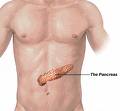
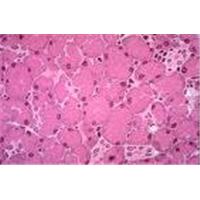
There are two main types of diabetes mellitus: type 1, known as insulin dependent diabetes, and type 2, adult onset, non-insulin dependent diabetes.
Diabetes mellitus is one of the most common chronic diseases in developed countries. It is caused by a lack of or resistance to insulin, the vital hormone that regulates blood sugar levels. Without enough insulin, the amount of sugar in your blood rises (hyperglycaemia), which can seriously damage the heart, eyes and kidneys.
Type 1, which usually affects people under 40, develops if the body can’t produce any insulin. It is treated by insulin injections and diet, plus regular exercise. Type 2, the most common, usually affects over-40s, and is treated by diet and exercise, and sometimes with tablets or injections.
The main risk factors for type 2 diabetes are being overweight or obese, having a diet high in saturated fat and low in fruit and vegetables, consuming excessive alcohol, smoking and being inactive. The warning signs are increased thirst, the need to urinate frequently, unusual tiredness, blurred vision and frequent skin and fungal infections.
Diabetics need to avoid animal fat, refined and particularly sugary foods. Eat small meals every three hours, with plenty of fibre-rich fresh fruit and vegetables, beans, lentils and whole grains (eg, oats); these contain slow-release carbohydrates to give your body glucose without sending your blood sugar levels rocketing. You can even eat a little sweet food afterwards, because the fibre slows down the sugar absorption into the blood, giving the body time to process it.
Lots of water is vital (try for ten glasses daily between meals), partly to help swell the fibre. New research suggests that eating oily fish (eg, salmon, sardines, mackerel and tuna) improves blood sugar control. Alternatively take a 500mg omega-3 oil supplement three times a day. The minerals chromium and magnesium also seem to help. The suggested daily dose is a 200 microgram chromium sulphate supplement and a 50mg magnesium supplement once a day. Chromium-rich foods include apples, eggs, nuts, mushrooms, tomatoes and broccoli.
Magnesium is found in sunflower and pumpkin seeds, peanut butter and milk. It is also known as nature’s stress reliever. Many tension headaches are linked to magnesium deficiency. You can get the recommended daily intake of 300mg from a pint of milk. But if you feel you aren’t getting sufficient magnesium from your diet, take a supplement, but don’t exceed 300mg daily.
For more information, contact the Diabetes UK careline on 0845 120 2960;
www.diabetes.org.uk or the American Diabetes Association at www.diabetes.org
Stroke
Strokes affects thousands of people each year – 16 per cent of all women are likely to die of a stroke compared with 8 per cent of men. They can occur at any age without warning and can be devastating. Although it is more like to effect men it is more likely to kill a woman because they are usually older when it occurs.
A stroke happens when the blood supply to the brain is disrupted. Although a stroke can kill and leave parts of the brain permanently dead some cells may only be damaged temporarily. Ten per cent of stroke survivors recover almost completely and 25 per cent recover with minor impairments and 50 per cent experience moderate to severe impairments and require special care in the long term. Fifteen per cent die shortly after the stroke. Most people who recover from stroke are put on a lifetime programme of aspirin-derived drugs, which thin the blood and lower the risk of clots forming.
There are two main categories: ischemic and haemorrhagic. The most common form of stroke is ischemic – 80% – and caused by lack of blood supply to part of the brain. They are most commonly caused by atherosclerosis, a build-up of plaque in the arteries. One form of ischemic strokes is thrombotic, which occurs when a blood clot blocks blood flow to the brain. A less frequent form is embolic, when a tiny blood clot breaks loose from an artery and is swept into smaller vessels in the brain, where the clot lodges. Ischemic strokes usually occur in older people because of damaging lifestyle – smoking, heavy drinking, lack of exercise, an unhealthy diet or diabetes.
Twenty per cent of strokes are known as haemorrhagic which are usually genetic or unexplained ( as in the case of actress Sharon Stone) and occur when an artery in the brain leaks or ruptures and damages surrounding tissue. The most common cause of haemorrhagic stroke is high blood pressure, which can weaken blood vessel walls. Another cause is leakage from an aneurysm, a weak spot in an artery wall. A sudden, unexplained severe headache may be a warning sign of an aneurysm.
Although they are most common in people over the age of 60, people are generally at higher risk if they have high blood pressure, diabetes, atherosclerosis, angina, abnormal heartbeats or have had heart attacks. Those who smoke, drink excessively and don’t exercise can increase their risk by up to 40 per cent. Symptoms can vary but usually include a sudden numbness or weakness of face, arm or leg, especially on one side of the body. Other indications are confusion, difficulty speaking, blurred vision, dizziness, a severe headache and nausea, fever and vomiting. In a severe stroke, the patient experiences loss of consciousness.
There are a number of treatments including drugs depending on the state of health of the individual. Thrombolytics: These help re-establish cerebral circulation by dissolving clots. Neuroprotectives: These drugs minimise the chain reaction of chemical and electrical processes which cause further cell death after a stroke and are in clinical trials. Oxygenated Flurocarbon Nutrient Emulsion (OFNE) Therapy: Oxygen and nutrients are directly to the brain through the cerebral spinal fluid. Neuroperfusion: Although still in trial stages this procedure can alter the way the circulatory system works in the area affected by the stroke. It uses the healthy veins to deliver oxygenated blood to the brain tissue.
Rehabilitation begins a day or two following the stoke. The aim is to improve function so that the stroke survivor can become as independent as possible and any basic skills that the stroke has taken away, such as eating, and walking, can be relearned. Usually a team of physiotherapists, speech and occupational therapists work with the patient to aid recovery.
More information at The Stroke Association www.stroke.org.uk
Osteoporosis
Osteoporosis is a condition in which the density of bones reduces, leaving them more prone to breaking. It affects one in three women and around one in 12 men in the West. The reduction in bone density in women occurs when levels of the female hormone oestrogen diminishes from about the age of 35, at a rate of one percent bone mass a year. Oestrogen stimulates the growth of bone cells called osteoblasts, which help to build bone. Often there are no symptoms until the disease is in its more advanced stages, which is why is has been called the ‘silent killer’.
It is the cause of thousands of fractures in women every year. Around 15-20 per cent of women will die as a result of fractures. As it has hereditary links, women whose close family members have suffered from the disease are automatically at a higher risk. Women who begin menstruating relatively late – 15 and over – are at a higher risk of osteoporosis as are women who go through the menopause early – before the age of 45 – as they will have had less oestrogen exposure. Women who are tall and slender are at additional risk as are yo-yo dieters. Eating disorders increase the risk of osteoporosis. The onset of osteoporosis can be prevented by taking bone-building food supplements.
There are a whole battery of tests for anyone who is not sure whether they have symptoms. These include: DXA (Duel X-ray Absorptiometry) tests, the most common, are available throughout the UK; X-rays can detect and assess any minute fractures or hairline cracks; Bone Turnover Tests (BTT) for testing bone density, carried out over a period of a year. Hormone tests check levels of hormones important to building bone strength. Calcium metabolism tests will show up abnormalities in blood calcium levels.
As far as drugs are concerned the most commonly prescribed drug is Didronel, which is used in combination with a programme of calcium tablets, and can restore bone, though not all that has been lost. HRT (Hormone Replacement Therapy), can also reduce the incidence by between 50-75 per cent by raising oestrogen levels.
There are a number of preventive steps that can be taken including: Diet – Calcium, essential for building strong bones is found in dairy foods, beans, nuts and fish, preferably consumed with their bones, such as salmon or sardines. The suggested daily intake for women between 20 and 45 and women over 45 on HRT is 1,000mg. Adding vitamin D, helps the body absorb the mineral/ In addition, other minerals such as phosphorus, magnesium, potassium, zinc and sodium all make up our skeleton and therefore must be included daily in our diet. You also need to eat five or more servings of fruits and vegetables a day. Vitamin C is also vital for healthy bones and can be found in citrus fruits and berries and vegetables such as broccoli and potatoes. Vitamin K is present in cauliflower, spinach and olive and soya bean oils.
As well as diet exercise also plays a crucial role in reducing the likelihood of developing osteoporosis because bones need regular load-bearing impact to stimulate the bone to grow. Swimming and cycling are not as good as jogging or step aerobics. You also need to do strengthening exercises and stretches.
Drinking excessive alcohol ie more than seven drinks a week interferes with the bone building activity of your cells because the toxins from the alcohol will prevent your bones from absorbing the maximum nutrients from food. In addition drinking more than four cups of coffee a day doubles the risk of hip fractures because it is a diuretic and removes water present in lubrication fluids for joints. Also women who smoke have significantly lower bone density because smoking reduces oestrogen levels.
Alternative treatments
The wild yam contains a compound called diosgenin, which is used to manufacture oestrogen and progesterone and may help replenish bone density on the same principle as HRT. The herb horsetale is sold as a tea or tincture and is rich in silicic acid providing silicon, which contributes to the formation of cartilage and bone.
MEN AND OSTEOPOROSIS
The risk for men is much lower as they have a 25 per cent larger bone mass than women. This is because testosterone, the male sex hormone, also stimulates bone growth. But in common with women, their oestrogen levels fall in their late 30s and they start to loose bone mass at about 0.3 per cent of bone annually. The symtoms are the same as are the tests which should also include testosterone levels, Usually, low estosterone is a natural consequence of ageing. Indicators include a reduced libido or impotence, decreased facial and body hair and enlarged ‘breasts’. Also, men with a light frame and low weight have a higher risk of osteoporosis and medications such as steroids and diuretics may put men in a higher risk category.
For more information, contact the Women’s Nutritional Advisory Service on 01273 487366; www.wnas.org.uk and the National Osteoporosis Society helpline on 01761 472721; www.nos.org.uk
Obesity
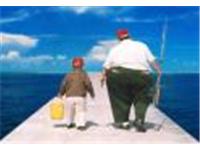
Obesity is now an epidemic in many developed countries with one in five adults seriously overweight – 17% of men and 21% of woman are obese. There is also a large rise in the number of overweight and obese youngsters. Obesity in children aged between two and four almost doubled from five to nine per cent from 1989 to 1998. It trebled from five to 16 per cent among children aged six to 15 between 1990-2001. Obesity in women trebled between 1980 and 2002 from eight to 23 per cent. Obesity in men is even worse, with the figure rising fourfold from six to 22 per cent. Obesity causes at thousands of deaths each year, from medical conditions such as heart disease, strokes and diabetes.
Obesity is measured by calculating your Body Mass Index (BMI). This is your weight in kilo-grams divided by the square of your height in metres. A BMI above 25 is categorised as overweight, and above 30 is obese.
A recent study by the Netherlands Morbidity Research Group, which studied the health and lifestyles of 3,500 men and women over more than half a century has concluded that being obese or overweight in adulthood decreases life expectancy as much as smoking.
Dr Anna Peeters, of the Netherlands Morbidity Research Group, who led the study, said: ‘We concluded that obesity in adulthood is associated with a decrease in life expectancy of about seven years, both in men and women.The condition leaves people at risk of heart disease, diabetes, high bloodpressure and osteoarthritis. Recent studies have shown obesity is leading to more than 30,000 premature deaths annually in Britain from illnesses caused or worsened by being overweight.
Studies have shown that the ten per cent of women who are heaviest are 20 per cent more likely to suffer breast cancer than the ten per cent at the other end of the weight scale.
Instead of extreme diets, surgical procedures or drugs, doctors recommend sustainable lifestyle changes such as a varied and sensible diet including fresh vegetables and fruit with moderate amounts of protein and exercise that doesn’t necesarily mean going to a gym, such as cycling or dancing. See Elixirs and Diet .
New discoveries
Chemical that could burn away obesity
A compound called KB-141, which speeds up metabolism and also reduce cholesterol has been developed by the pharmaceutical company Bristol-Myers Squibb. It works by stimulating the thyroid hormone that regulates metabolism and cholesterol. Previous treatments have not been able to discriminate between different thyroid functions, and have affected both metabolic and heart rates. While most research into obesity has focused on appetite suppression.
Stomach pacemaker
An Italian doctor has invented a ‘stomach pacemaker’, the size of tiny matchbox, which when implanted within the stomach, slows down the movement of food through the intestine, making a person feel fuller and preventing hunger pangs.
The Gastric Stimulator (TIGS), is similar in design to a pacemaker but slows down the movement of food through the intestine. It sends out pulses of electricity that trigger activity by natural neurons in the stomach whose job is to tell the brain when there is no more room for food. In other words, it fools the brain into
thinking the stomach is full.Results from early tests on ten patients show they were able to lose 90 per cent of their excess weight over two years. The device would stay in the body permanently.
Other treatments for obesity include drugs and surgery such as stomach stapling the most popular forms of surgery, shrinks the size of the stomach but this can lead to complications. Another option, a gastric bypass, restricts both food intake and the take-up of sugar and fats.
Trials on the stomach pacemaker are being carried out by an American implant company, Transneuronix, on 150 people in Europe and the U.S. If the results are positive the pacemaker could be inplanted in Britain patients.
The device delays the emptying of the stomach. The signals are thought to restrict movement by shrinking the entrance and exit. At the heart of the technology is a stimulation lead implanted in the gastric area using keyhole surgery and connected to a battery-powered electrical unit implanted under the skin around the abdomen. A third piece of equipment is a computer that works like a remote control to check how the technology is working, and which is also used to change the type of electrical signals being sent out. Once it has been put in place, the device can be left on indefinitely or switched on when the patient feels an urge to eat excessively.
Herbal hunger cure
Research shows that those taking Zotrim, the brand name for a product that contains a combination of three South American herbs – shed around five pounds in a month.
Nutritionist Dr Carrie Ruxton, who conducted the study, says the preparation could provide extra motivation for slimmers plagued by hunger pangs. ‘It promotes a physical feeling of fullness caused by a delay in the emptying of contents from the stomach,’ she said.
Taking the herbal tablets delays the rate at which the stomach empties by an average of 20 minutes. The delay is not dangerous – it merely extends the normal length of time taken to digest food. But it makes it difficult for people to eat too much as they feel uncomfortably full more quickly.
High blood pressure
High blood pressure can be a sign of other diseases such as clogged or weakened arteries. Blood pressure is a measurement of the force the heart uses to pump blood through the arteries and the capillaries around the body. The measurement of this pressure is a key determinator of health. The higher your blood pressure rate, the harder your heart has to work, forcing the blood through arteries which may have narrowed or become stiff. The strain of pumping the blood at high pressure can cause vessels to become clogged or to weaken, and this can lead to narrow blood vessels and clots which can damage the heart or brain. This is what doctors call essential hypertension. A safe level for blood pressure is 140/90mmHg (millimetres of mercury).
A small number of people have secondary hypertension, which means there is an underlying cause of their high blood pressure – problems with their kidneys or adrenal glands (which sit above the kidneys). These glands produce hormones that are important in controlling blood pressure. As well as causing heart failure and stroke, high blood pressure can also lead to kidney failure.
Those from a Black or South-East Asian background are more likely to have high blood pressure, as is anyone suffering from diabetes, kidney disease or heart disease. Blood pressure also increases with age and more for those over the age of 75. There are usually no symptoms so the only way to find out is to have a test. Doctors believe that even those with a healthy blood pressure should take steps to lower it further. There are home testing kits available.
Patients who are found to have high blood pressure will also be asked to take blood and urine tests and even an ECG, heart test. If no particular cause is evident patients will be asked to make changes to their lifestyles such as cutting down on salt intake, eating more fruit and vegetables, taking more exercise, loosing weight and cutting down on alcohol.
The two main lifestyle risk factors for high blood pressure are smoking and eating a diet high in saturated fats. Smoking causes arteries to narrow. So if you smoke and have high blood pressure, your arteries will narrow much more quickly. Saturated animal and some vegetable oils, such as palm and coconut oil, increase the amount of cholesterol in the blood, which can clog arteries. Coupled with hypertension, this puts you at a greater risk of heart disease and stroke. We should all cut down on red meat, avoid processed meat products such as sausages, pate and bacon, and eat low-fat dairy products.
Doctors usually avoid giving drugs but the medications for high blood pressure include: Diuretics – (water tablets) such as Thiazide Bendrofluazide, Chlorothiazide, Chlorthalidone, Cyclopenthiazide, Hydrochlorothiazide and Indapamide. These help rid the body of salt and water. Side-effects may include skin rashes, gout (do not take if you have gout) and impotence.
These tablets are often used with other tablets for blood pressure. Beta-blockers: such as Acebutolol, Oxprenolol, Atenolol, Pindolol, Bisoprolol, Propranolol, Sotalol, Timolol, Labetalol and Metoprolol. Beta blockers prevent stimulation of the beta adrenergic receptors at the nerve endings of the sympathetic nervous system and decrease the activityof the heart, relaxing blood vessels. Side-effects can include tiredness,sleep problems, cold hands and feet and asthma (don’t take if you have asthma).
Calcium-channel blockers: such as Amlodipine, Nisoldipine, Diltiazem, Verapamil, Felodipine, Isradipine, Lacidipine, Nicardipine and Nifedipine. These open up the blood vessels making it easier for the heart to work. Possible side-effects are swollen ankles, passing urine during the night (especially in men), swollen and bleeding gums, headaches, hot flushes and constipation. Angiotensin Converting Enzyme (ACE) inhibitors: such as Captopril, Perindopril, Cilazapril, Quinapril, Enalapril, Ramipril, Fosinopril, Trandolapril and Lisinopril. These act on hormones help to open up the blood vessels.
Side-effects can include a dry cough and allergies, with swelling around the mouth and throat. Alpha-blockers: such as Doxazosin and Terazosin. These block receptors in the blood vessels, lowering blood pressure. Side-effects can include stress, incontinence in women and dizziness. Centrally acting drugs: such as Clonidine, Methyldopa and Moxonidine. These work through the brain to lower blood pressure. Side-effects may include drowsiness and nasal stuffiness.
For information and a free booklet on hypertension call the Blood Pressure Association (BPA) on 020 8772 4994.
Heart Disease

Heart disease is the world’s biggest killer causing one in four deaths in men and one in six in women. Although surgery and drugs can slow down the disease doctors believe that lifestyle (diet and exercise) is the most important contributing factor in whether you will develop it. Other contributing factors, some of which also result from poor diet and lifestyle, include high blood pressure, diabetes, obesity, high cholestrol and a famly history of heart disease.
Heart disease is the biggest killer of woman and strikes after the menopause when protective hormone levels have diminished. Read more about woman and heart disease at www.hearttruth.gov. Also read an interview with actress Jane Seymour who is actively campaigning to increase awareness of heart disease among women.
The role of homocysteine
Doctors recently discovered that high blood cholesterol is not the only factor involved in heart disease. Homocysteine, an amino acid in the blood may be a better indicator of disease (and a whole host of other ailments such as stroke and Alzheimer’s). Although most people have heard of cholesterol – the ‘bad’ fat which clogs arteries and raises the risk of suffering a heart attack – few of us will have heard of homocysteine
Homocysteine is a building block of protein is produced by the body as it metabolises proteins from the diet. Doctors now believe that it is responsible for cell damage and inflammation which kick-starts a host of diseases. More than 100 medical conditions have been linked to high levels of homocysteine. Even moderate rises in homocysteine lead to a five-fold increase in the risk of stroke, and almost triple the risk of Alzheimer’s disease. Other studies also link high levels of homocysteine to recurring miscarriage, infertility, arthritis, cancers of the breast, colon, thyroid and skin, hardening of the arteries, heart attacks, Raynaud’s disease, spina bifida, diabetes, osteoporosis, Parkinson’s and psoriasis. Early signs of high homocysteine levels include fatigue, unexplained weight gain or weight loss, as well as aches and pains in muscles and joints.
In healthy individuals, it is converted into important chemicals which are used to power the cells of the body and help them function properly. A disruption in this process – which can be caused by vitamin deficiencies, smoking, lack of exercise, old age, menopause, drinking too much tea, coffee and alcohol, inflammatory bowel diseases, ulcers and poor kidney function – can cause homocysteine levels to rise. Eating a diet overly rich in animal proteins – meat, poultry and dairy products -can also cause levels to rise. Animal proteins contain large amounts of amino acids, leading to the production of excessive amounts of homocysteine and raising levels in the blood.
High homocysteine levels may also occur as a result of deficiencies in B vitamins. Scientists have found that B vitamin supplements comprising folic acid, B2 and B6 have helped to lower homocysteine. Eating folate and B-vitamin rich foods such as spinach, wholegrains and liver may also help. Although hospital tests for homocysteine do exist, many GPs are not aware of them.
YorkTest, based at York Nutritional Laboratories in Yorkshire, has devised a home-testing kit. The kit, which costs £59.95, involves a finger-prick test to draw a drop of blood. This is placed onto a pad which separates the red blood cells from blood plasma in five minutes. The plasma sticks to the pad, which is put in a foiled pouch and sent to the laboratory to determine homocysteine levels. Levels as high as 20 micromoles per litre of blood had been recorded in some people, but ‘safe’ levels, are about 9 micromoles per litre.
Millions living with death sentence. See the latest British Heart Foundation statistics
www.bhf.org.uk