Sandy Lane, St James

Tel: 001 444 2000
www.sandylane.com

Situated on the edge of the sea with its own 18-hole golf course, Sandy Lane has a spectacular waterfall that cascades into the pool. The spa has 14 treatment rooms and the extensive range of treatments include chakra therapy, hydrotherapy and jet blitz. Each room has a private butler to unpack luggage and serve cocktails on the verandah.

Since it opened in 1961 this hotel has been considered one of the most prestigious in the Caribbean – preferred by royalty, movie stars and business leaders. The entire property has recently been redeveloped.
A chauffeured limousine picks guests up at the airport.

THE SPA AT SANDY LANE

The spa is situated in a Romanesque building fronted by the spectacular waterfall cascading into the large freeform swimming pool. The treatments blend traditional cultural therapies from the Caribbean, the Far East and Europe with a balanced philosophy of health and well-being.
Additional treatment experiences include the Chakra therapy room with a heated marble plinth, the hydrotherapy room with an underwater massage bath, and a jet blitz room.

Oberoi – Bali

image

PO Box 3351 Denpasar 80033
Bali, Indonesia
T. + 62361730361
F. + 62361730791
E. gm@theoberoi-bali.com

The Oberoi, Bali is located on Seminyak beach, one of the most beautiful beaches on the island, on the south west coast of Bali, Indonesia. The resort is 9 kilometers north from Bali’s Ngurah Rai international Airport and 15 kilometers from Denpasar city, the capital of Bali province. The Oberoi Bali is set amidst fifteen acres of tranquil gardens, recreating a traditional village, the hotel reflects the romance, serenity and timeless beauty of the island.

The Oberoi is a private paradise village of thatched Lanais and Villas set in beautiful tropical gardens along a 500-metre stretch of golden sand. Secluded and peaceful, with charming and endlessly obliging staff, this resort really is an enchanting escape from the cares of everyday life.

Fifteen Luxury villas and sixty Lanais are all designed in traditional Balinese style, but inside guests find that every imaginable 21st century comfort has been provided. At night, subtle lighting transforms the pools and gardens into scenes worthy of a fairytale romance. The standard of Oberoi service is legendary worldwide, and here in Bali it really makes the quality of your stay come alive.

Three restaurants provide a choice of international and Balinese fare and impeccable service. The Health Club, Gym and the Oberoi Spa and Beauty Salon take good care of the rest of your body.

Although totally secluded, the resort is just 35 minutes from the bustle of shopping centres and nightlife. The nearest airport is at Ngurah Rai, 15kms away. Most major airlines fly directly to Bali.Your comfort, your privacy, your enjoyment and your peace are the aim of this resort and everyone here takes the utmost pride in ensuring that you leave happy and relaxed.

Alpenresort Hotel – Schwarz

A four star hotel in the Tirol in a former manor house with views of the surrounding mountains.As well as a spa, there is also a golf course and in winter there are numerous black ski runs. Spa treatments include thalassotherapy, facials, massages and baths. There is also a cosmetic surgeon available.

Contact

T: +43 5264 52120
www.schwarz.at

Cap Juluca, Maundays Bay

Cap-Juluca-Beach-Pano-sm.jpgThere are eighteen Moorish-style villas with private sunbathing areas and patio/balcony overlooking the sea and set in landscaped tropical gardens with palms. Insulated from the outside world, yet only minutes by air or motor launch from St. Maarten, Cap Juluca is a private self-contained resort along two miles of some of the best pristine white-sand beaches in the Caribbean.

Cap Juluca has an array of entertainment amenities, including a fully equipped fitness centre and outdoor activities such as aqua golf driving range, bunker and putting green, croquet lawn, junior Olympic-size swimming pool, a library, tennis courts with a full-time resident pro, and water sports, including snorkeling, wind surfing, water skiing, and sailing.

The spa has only two treatment rooms but you can also have these in your own room. A number of alternative therapies are also available such as reiki, shiatsu and yoga. Personal and circuit training can also be arranged.


T: +1 264 497 6666; www.capjuluca.com

Hotel Roc Blanc

Hotel Roc Blanc, Escaldes, Andorra


facil_rocblanc2.jpgThe Thermal centre at Hotel Roc Blanc Andorra features thermal waters appropriated for therapy treatments. The Thermal Centre equipment was renovated in 2001. Treatments include: beauty, health, relax, and antiageing.

Facilities at the thermal Centre includes: natural spring hot swimming pool, Jacuzzi, sauna and Turkish bath, gym, UVA rays and massage.
More information at www.andorrahotelrocblanc.com

Super anti-ageing foods

image
image

Avocado

Skin food rich in monounsturates – fattening – only contains 190 cals in an average fruit. Rich in potassium, Vitamin E, carotene, folic acid, B5, Biotin and vitamin C, plus iodine.

Blueberries

Rich in anthocyanidins – a flavonoid, which helps protect eyes from macular degeneration. Anthocyanidins are present in all berries colour purple/blue. Eat daily.

Brazil Nut

Selenium – deficiency of which is linked to cancer. Boosts immune system and helps healthy thyroid function. Other nuts almonds and hazel nuts plus seeds such as flax, sesame and sunflower.

Cruciferous vegetables

Brussel sprouts, cabbage, cauliflower, broccoli, cress horseradish, kale johlrabi, mustard greens, radish and turnip – contain substances that help liver deal with toxins and cancer protecting. Protects against colon cancer. Try to eat grated raw or juiced.

Brewers Yeast

B vitamins as well as chromium to regulate blood sugar levels

Fish

Rich in protein, minerals and oil fish such as sardines, mackerel, herring, salmon, tuna, shark and swordfish are rich in essential fatty acids.

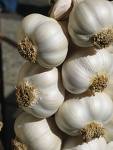
Garlic

Contains compounds that help prevent cancer and heart disease.

Olive Oil

Extra virgin olive oil contains monounsaturates which are good for the heart.

Quinoa

A grain protein that contains far richer in nutrients than wheat – calcium, iron, B vitamins and vitamin E.

Shitake Mushrooms

Contain lentinan, an immunity booster as well as Vitamin D, calcium, phosphorous and amino acids.

Seaweed

One of richest sources of calcium and minerals.

Soya

Contains beneficial plant oestrogens – phytoestrogens – help prevent breast cancer during child bearing years. In menopause can help make up deficient oestrogen levels. Go for tofu and soya milk.

Tomatoes

Contain lutein and lycopene that particularly help the health of the eyes.

Red wine

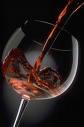
Red wine the elixir of life for human cells

Resveratrol and similar compounds, known as polyphenols and found in fruit, vegetables and olive oil as well as wine, appear to activate enzymes, called sirtuins, that have been shown to prolong life in yeast and in roundworms.

Professor David Sinclair, of Harvard Medical School, said that in experiments withhuman cells, the proportion that survived blasts of gamma
radiation rose from 10 per cent to 30 per cent when treated with resveratrol, indicating that it had improved cell repair.

Resveratrol has been famed for its antioxidant properties, which experts believe help it to prevent cancer and clear clogged arteries. But Dr Konrad Howitzer, of Biomol, a biotech company in Pennsylvania, said: “The sirtuin stimulation provided by certain polyphenols may be a more important biological effect than their antioxidant action.”

The researchers said that preliminary work with flies and worms had been encouraging, and studies involving mice were planned. They were also
investigating whether synthetic versions of the molecules had similar effects. In any case, most people would prefer red wine as a life-preserver.
The dark red skins of the grape are particularly rich in the colourings called flavonoids, which are thought to act as antioxidants, delaying the onset of certain cancers. Red wine, especially from grapes such as pinot noir, is rich in resveratrol, which lowers the bad kind of cholesterol and raises the good kind, helping to protect against heart disease.

Yoghurt

Calcium and healthy bacteria to aid digestive flora.

image

Vitamins & Minerals

Since many processed foods are deficient in essential vitamins they can be taken by way of supplements. New research has shown that Vitamin B3 in the diet can help prevent Alzheimer’s, and Vitamins D and C are being investigated for their potential role in the prevention of cancer.

Vitamins are either water or fat soluable. Vitamins A, D, E and K are fat soluable and stored in the liver by the body. Since they are used slowly overdosing on them can be more toxic. The B vitamins and vitamin C are water soluable and excess amounts are flushed out of the body.

See the advice at the beginning of this section about dosage – care should be taken not to exceed guidelines and a qualified medical doctor should be consulted for accurate information that takes into account your age, weight, health and any medical conditions for which you are taking drugs that might cause contra-indications.

VITAMIN A (and beta-carotene)

Found in Liver, cheese, eggs, oily fish, also cod, halibut, milk., brocolli, cantaloupe melon, kale, red bell peppers, watercress and spinach. Essential for growth, bones, vision, skin, growth, immune system and reproduction. It also helps protect against a range of cancers, helps acen, colds and infections Deficiencies cause mouth ulcers, poor night vision, acne, frequent colds, flaky skin and dandruff. A lack of this vitamin is common in those with Crohn’s Disease. High doses can increase the risk of bone fracture and damage unborn babies – but you’d need to take more than 5g a day.

Since it is fat-soluable it is best taken with some dietary fat and the mineral zinc. As far as the skin is concerned it penetrates into cells protecting them from free radicals and oxidative stress. Acne and ageing skin are often treated with topical Retin-A (tretinoin), an acid form of vitamin A.

The B VITAMINS

These vitamins work together to aid a large number of biological processes that affect the skin, brain and nerves. Thy aid the health of hair, skin and nails, strengthen bones and muscles, fight fatigue, aid liver health, brain function and skin disorders. A deficiency can cause a range of problems ranging from skin problems to insomnia and depression.

VITAMIN B1 (thiamin)

It is found in pork, vegetables, milk, cheese, peas and beans, dried fruit and nuts, salmon and soyabeans. . Contains Vitamin B1, or thiamine, is essential for energy production, brain function and digestion. A lack of leads to tender and weak muscles, irritability, poor concentration, poor memory, depression and tingling hands.

VITAMIN B2 (riboflavin)

Found in cereals, meat, kidneys, mushrooms, eggs, milk, watercress, cauliflower, almonds, walnuts, low-fat cottage cheese and plain yogurt. This vitaminhelps turn fat, sugar and protein into energy. It is essentialfor healthy skin, hair and nails and to regulate body acidity. Deficiencies can cause sore tongue, sensitivity to bright lights, cataracts, dull hair and skin problems. In levels found in supplements, there’s no evidence this can cause harm. Vitamin B2 is useful in treating migraine and helps reduce dependence on painkillers used to treat them.

VITAMIN B3 (niacin)

Found in oily fish, liver, poultry, eggs, nuts and seeds, mushrooms, wholegrains, vegetables. It is essential for energy production, brain function, hormones and healthy skin. Helps balance blood sugar. A lack can result in appetite loss, dementia, diarrhea, lack of energy, headaches, anxiety, skin problems. High doses can cause skin flushing so high amounts should not be taken without medical supervision.

The Institute For Healthy Ageing in Chicago recently discovered that people who eat a diet low in Vitamin B3 (12mg or less per day) are 80 per cent more likely to suffer from Alzheimer’s. Wheras those to take the vitamin were mentally fitter in general. Other studies have found that vitamin B3 is beneficial in preventing cataracts. In cases of mild depression, the vitamin is given with the amino acid tryptophan which together help to stimulate serotonin, the body’s feel good chemical.

VITAMIN B5 (pantothenic acid)

Found in almost all meat and veg. Red meat, mushrooms, rye bread, kidney, eggs, broccoli, almonds, chickpeas and lentils. Assists in the body’s energy production and endurance, controls fat metabolism and is essential for the brain and nerves. Lack causes muscle tremors or cramps, apathy, anxiety or tension and tiredness.

VITAMIN B6 (pyridoxine)

Found in liver, pork, chicken, salmon, whole cereals, oats, wheatgerm, eggs, avocado, bananas, lentils and vegetables. It is necessary Needed for protein utilisation and brain function. A natural antidepressant. A lack of can cause depression, irritability, muscle tremors, lack of energy and skin problems. Taking high levels such as 1,000mg/day have been associated with nerve damage. Carpal tunnel syndrome which causes pain and numbness in the fingers and associated with arthritis is reduced with by increasing intake of vitamin B6.

VITAMIN B8 (Biotin)

Found in kidney, liver, eggs, dried fruit, almonds, wheatbran, and oats. Helps the body use essential fats, promoting healthy skin, hair and nerves. Assists in metabolising food and utilising other B vitamins. Promotes healthy hair. A deficiency can result in anorexia, nausea, vomiting, depression, hair loss, dry skin, eczema.

VITAMIN B9 (flate, folacin, folic acid)

Found in green vegetables, asparagas, beetroot, peas, chickpeas, sprouts, almonds, brown rice and avocados, chicken, kale, melon, oranges, parsnips and spinach.. Needed for cell division and growth. Critical in the womb for brain development and nerves. Insufficient can led to anaemia, eczema, anxiety, poor memory, stomach pains, sore tongues and mouths and diarrhea.

VITAMIN B12 (cyanocobalamin)

Found in all meat products, seafood, seaweed, eggs, halibut, salmon and yogurt. Helps blood carry oxygen, so is essential for energy. Needed to make DNA, for cell division and nerve function. A lack of causes poor hair condition, irritability, lack of energy, weakness, anemia, constipation, flatulence and weight loss. Helps to lower hormocysteine levels (used with folic acid and B6). There are no known risks

VITAMIN C (Absorbic Acid)

Found in broccoli, peppers, tomatoes, watercress, cauliflower, citrus fruit, kiwi fruit, berries. There are two types of vitamin C, both of which are important antioxidents. The usual form is known as L-ascorbic acid, which is water soluable and protects the water element of skin cells. The other vitamin c, known as C ester, which is fat soluable and protects the fatty part of the cell. This is made of absorbic acid with an added fatty acid from palm oil and is retained by the skin far better than L-ascorbic acid.

Vitamin C strengthens the immune system, makes collagen and keeps bones, skin and joints healthy and strong. Detoxifies pollutants and protects against cancer. A lack can lead to infections, bleeding gums, easy bruising, slow wound healing, wrinkles and the disease scurvy. It is also thought to be a contributor to Parkinson’s Disease. High doses can cause diarrhea.

Vitamin C is best taken with bioflavinoids, the antioxident compounds found in vegetables and fruits.

Vitamin C combined with Vitamin E helps slow the progress of the age-related eye disease, macular degeneration, the leading cause of blindness in the over-65s, caused by a deterioration in the retina. It is thought that Vitamin C helps in the absorption of lutein and lypocene, bioflavinoids found in fruit and vegetables that are needed to maintain the health of the retina.

Since Vitamin C is needed for the production of collagen — the basis of healthy cartilage, ligaments and tendons, it also stimulates the bone-building cells and boosts calcium absorption. Research has found that people who suffered back pain because of damaged discs found this reduced (and, in some cases, the need for surgery was overcome) after taking Vitamin C daily.

Low levels of Vitamin C are associated with rheumatoid arthritis, which leads to swelling and stiffness in the joints of the knees, wrists and ankles. Studies at Manchester and Cambridge Universities found that people who ate plenty of dietary sources of Vitamin C, such as fruit and vegetables, substantially reduced their risk of developing the disease.

Vitamin C can also help reduce the risk of heart disease and stroke, according to recent studies. It can also help overcome fertility problems associated with a low sperm count. Studies have found that 500mg of Vitamin C twice a day can boost sperm count by a third while also reducing the numbers of abnormal sperm — which can’t fertilise an egg — by the same amount.

VITAMIN D (Calciferol)

Found in oily fish, liver, eggs and fortified cereals. Formed in the skin on exposure to the sun. Regulates calcium levels, helps maintain heart action and the nervous system. A lack of can cause joint pain or stiffness, backache, tooth decay and muscle cramps. High doses over long periods can weaken bones. Doses of 1,250mcg are potentially toxic.

Vitamin D may reduce the risk of developing Type 1 diabetes, the most serious form of the disorder, which can be controlled only with insulin injections. Finnish studies found that babies given Vitamin D supplements have an 80 per cent reduced risk of developing the condition in later life, although as yet scientists are not sure why.

Vitamin D helps those with the bone-thinning disease osteoporosis, as it plays a key part in the absorption of calcium, which is vital for bone strength. Studies have found that a Vitamin D supplement, taken with calcium, can help reduce the rate of fractures (a common side effect of the condition) by 45 per cent. Most people get enough Vitamin D through diet and exposure to the sun, but elderly people may benefit from a supplement.

American studies have found that low levels of Vitamin D increase the amount of wear and tear in the joints of the hip and knee, which can lead to osteoarthritis — a bone condition that affects half of those over the age of 60. The Arthritis Research Campaign is funding further research to see if Vitamin D could be used to combat osteoarthritis of the knee in future.

VITAMIN E (Tochopherol)

Found in unrefined plant oils, tuna, soya, olive oil, nuts and seeds, spinach. Necessary to protect fats in cell membranes from damage. May protect against cancer. Helps the body use oxygen. Improves wound healing and fertility. A lack of leads to easy bruising, slow wound healing, loss of muscle tone and infertility. No toxic effects of found at less than 2,000mg per day.

Studies have found that people with sufficient Vitamin E in their diet have a reduced risk of heart attacks. It can also reduce the risk of further attacks in people who have already suffered one. Vitamin E reduces cholesterol and inflammation, and so helps prevent blood vessels becoming furred or inflamed. However, the studies found that the benefits are gained only from dietary sources of Vitamin E, not supplements.

Vitamin E may also help a number of menopausal symptoms including hot flushes, and mood swings caused by hormonal imbalances.

Researchers at St Thomas’s Hospital in London found that pregnant women could reduce the risk of pre-Eclampsia — which causes a huge surge in blood pressure and kidney damage, and can prove fatal to mother and baby — by taking Vitamins E and C. The study found that taking 400mg of Vitamin E and 1,000mg of Vitamin C reduced the risk by almost ten per cent. It is thought the two vitamins help ‘mop up’ the toxins released into the body through the kidney damage.

VITAMIN K (Phylloquinone)

Found in green, leafy vegetables, broccoli, vegetable oils, potatoes, milk. Vitamin K is essential for the normal coagulation of blood. A lack of causes easy bleeding. Supplements aren’t needed. Our diet provides around half of our needs, and bacteria in the intestine produce the rest.

MINERALS

CALCIUM

Found in milk, cheese, green leafy vegetables, soya milk, nuts and eggs. Promotes healthy heart and nerves, clots blood, improves skin, bone and teeth, contracts muscles. Insufficient can lead to muscle cramps, insomnia, joint pain or arthritis, osteoporosis, bleeding gums, high blood pressure and even rickets.. Too much can cause diarrhoea. Found in broccoli, low fat yogurt, nuts and seeds, sardines and salmon, sea vegetables, tofu.

CHROMIUM

Found in Brewer’s yeast, calves liver,wholemeal bread, rye bread, oysters, potatoes, chicken and apples. Needed for heart function . Assists in regulating blood sugar levels, regulates insulin, lowers cholesterol and is also attributed with assisting weight loss. A deficiency may cause glucose tolerance and impaired growth, dizziness and cravings for frequent meals and sweets. It should be taken with vitamin C for maximum absorbtion levels andto reduce cravings. Although the FSA recommends no more than 10mg, many pre-diabetic people take this amount to improve blood- sugar control. The FSA have issued a caution on a form of chromium called chromium picolinate, which may increase cancer risk.

MAGNESIUM

Found in leafy vegetables, nuts, yeast, red pepper, wholemeal bread, avocado, oatmeal, tofu. Necessary to strengthen bones and teeth, promotes healthy muscles by helping them relax; important for the nervous system and energy production. A lack can cause muscle tremors, insomnia, high blood pressure, depression, kidney stones.

IRON

Found in black pudding, liver, red meat, beans, nuts, dried fruit, wholegrains, green, leafy vegetables. Necessary for blood to carry oxygen to tissues. It’s also needed in enzymes vital for energy production. Deficiency can led to anaemia, pale skin, fatigue, nausea and sensitivity to cold. Too much can cause diarrhoea – though anaemics may take more than 17mg under medical supervision.

SELENIUM

Found in tuna, oysters, wholegrains, mushrooms, cottage cheese, courgettes, chicken. Antioxidant which helps fight infection, promotes a healthy heart, reduces inflammation, helps fight cancer. A deficiency of this mineral causes premature aging, high blood pressure, frequent infections. No signs of toxicity have been found below 0.7mg.

SODIUM CHLORIDE

Found in celery and processed foods. Sodium chloride, or salt, maintains body’s water balance, prevents dehydration. Needed for nerve and muscle function. Moves nutrients into cells. Insufficient can cause dizziness, rapid pulse, apathy, muscle cramps, headache. Excess salt may contribute to high blood pressure and heart disease.

ZINC

Found in brazil nuts, chicken, halibut, oatmeal, salmon, sunflower seeds and turkey. Zinc is responsible for helping wounds to heal, collagen prod uction, cell division. A deficiency causes a worsening of skin conditions such as psoriasis.


Vitamin injections

A chelation injection is a bespoke combination of vitamins injected into the patient. It is far more potent in combating ageing than an ordinary injection. Administered weekly over say a three-month period helps the body stop damaging free radicals from attacking the joints, muscles and skin. The treatment can also assist stroke victims. The patient’s medical history is assessed by a doctor and after taking blood tests the physician will mix a cocktail of vitamins. Dr Keith Scott-Mumby, a nutritional physician based in London and Manchester uses chelation injections. . The weekly treatments, which must be administered by a doctor, last approximately two hours. Dr Scott-Mumby explained that as well as removing toxic metals such as mercury, lead and cadmium, the chelation also removes minerals from the body so a high strength multi-mineral tablet should be taken eight hours after each treatment. The number of treatments varies between ten to 15 for anti-ageing, and up to 30 for chronic heart and stroke conditions. Chelation is available on the UK’s NHS but for those who simply want rejuvenation treatments the cost is about £150 per treatment.

For a list of UK practitioners and more information, send an SAE to Chelation, The Integrated Medical Centre, 43 New Cavendish Street, London W1G 9PH, or tel: 0700 078 1744.

Bioflavonoids

A chemical found in fruits and vegetables. Found in the following foods: Apricots, plums, blackberries, strawberries, green tea, rosehips, green peppers, green beans, broccoli, red cabbage, grapes, cherries, rhubarb, red wine, lemons,oranges. Quercetin, the most active of the citrus bioflavonoids has anti-inflammatory properties and helps allergic reactions. Also beneficial in diabetes as it helps prevent damage to blood vessels by excess sugar in the body.

Grapes, particularly grapeseeds and red wine are a good source of the bioflavonoids proanthocyanidins (see below).

These prevent hardening of the artery. Butcher’s Broom can reduce inflammation and swelling associated with leg problems as it strengthens the vein and helps blood flow and even mor effective when combined with horse chustnut seed (conker) extract, vitamin C and the flavonoid rutin. The plant, milk thistle contains the bioflavonoid silymarin which promotes cell regeneration and can help repair liver damage from alcohol. This helps the skin and promotes energy.

Beta-carotene

BETA-CAROTENE

Found in carrots and other highly coloured vegetables and fruits. An antioxident that may help fight cancer.

Alpha-lipoic acid

An antioxidant that fights free radicals. A combination of acetyl-L-carnitine and alpha lipoic acid has been patented by two scientists – Juvenon – Juvenon.com. Itis not recommended during pregnancy or for diabetics who are glucose intolerant. It is also in the following foods – spinach, liver brewer’s yeast, beef, potatoes

Choosing a surgeon

Cosmetic surgery is a skilled procedure and it is recommended that you choose a surgeon who has undergone a full training programme for cosmetic surgery. Your own GP can advise but do also ask the surgeon the name of the professional body to which he or she belongs and double-check the credentials with them. Also on this page is a checklist of the questions you should ask your surgeon during the first consultation, before agreeing to surgery.

Ensure that you have read up on the procedure that you would like – you will be in a better position to judge just how professional your surgeon is. The British Association of Cosmetic Surgery has a guide for the layman – this costs £9.99 + postage and can be bought on line at www.b-a-c-s.co.uk

ElixirNew.com is an independent information source and is not paid to list surgeons or endorse them. We will however write independent editorial on good and bad experiences that come to our attention. A list of professional bodies whose aim is to promote the highest standards in the profession are detailed below:

CHOOSING A SURGEON TICKLIST

1. Ask your family doctor/friends for a recommendation – the best recommendations are usually personal ones
2. Check the surgeon’s qualifications – ask to see certificates.
3. Check that the practitioner is a member of an appropriate professional body(see the list below).
3. Make sure the surgeon has medical negligence/professional indemnity insurance – ask to see the insurance certificate
5. Ask the consultant ask for detailed information on the procedures
5. Has the surgeon had any legal cases brought against him/her – for what and what was the outcome – in the UK you can check with the General MedicalCouncil, if you are not online at home you can use a computer at your your local library.

Cosmetic surgery organisations

International

The International Association of Aesthetic Plastic Surgeons
www.isaps.org

International Plastic and Reconstructive Association
www.euraps.org

The European Association of Aesthetic Surgery
Via Monteverdi 5
20124 Milan, Italy
www.assece.com
Email:info@assece.com

UK
General Medical Council.
www.gmc-uk.org

British Cosmetic Doctors Association
T: 0800 328 3613
www.cosmeticdoctors.co.uk

British Association of Aesthetic Plastic Surgeons
Royal College of Surgeons of England
35-43 Lincoln’s Inn Fields
London WC2A 3PN UK
www.baaps.org.uk
Advice line: T: + 44(0)20 7405 2234

British Association of Plastic Surgeons
Royal College of Surgeons
Address as above
T: ++44(0)20 7831 5161
www.baps.co.uk

British Association of Cosmetic Surgeons
www.b-a-c-s.co.uk

British Association of Oral and Maxillofacial Surgeons
T: +44(0)20 7405 8074

British Dental Association
T: +44(0)20 7935 0875

British Association of Dermatologists
T: +44 (0)20 7383 0266
www.bad.org.uk

AUSTRALIA

Australian Society of Plastic Surgeons
Level 1, 33-35 Atchinson Street
St Leonards 2065 NSW Australia
T: +61 2 9437 9200
F: +61 2 9437 9210
www.plasticsurgery.org.au
Email:info@plasticsurgery.org.au

NEW ZEALAND

New Zealand Association of Plastic Reconstructive Aesthetic Surgeons
Tristram Plastic Surgery and Dermatology Group
103 Tristram Street,
Hamilton, New Zealand.
T: + 64 7 838 1035
F: + 64 7 838 2032

SOUTH AFRICA

Association of Plastic and Reconstructive Surgeons of Southern Africa (APRSSA)
PO Box 3151
Bryanston 2021
Republic of South Africa
T: +27 11463 1210
F: +27 11463 2485
www.plasticsurgeons.co.za

The above organisation has 120 members and represents 98% of the specialist surgeons in South Africa.

US
American Society of Plastic Surgeons
www.plasticsurgery.org
The above has a doctor finder and a toll free number in the US 1800 635 0635
Email: find@plasticsurgery.org

American Society for Aesthetic Plastic Surgery
11081 Winners Circle, Suite 200
Los Aamitos, California 90720
www.surgery.org

American Academy of Facial Plastic and Reconstructive Surgery
310 S. Henry Street
Alexandria, Virginia 22314
www.aafprs.org

Germany

VDPC – Vereinigung der Deutschen Plastischen Chirugen
www.vdpc.de

Italy

SICPRE – Societa Italiana di Chirugia Plastica
www.chirurgiaplastica.org
www.sicpre.it

Spain

SECPRE – Sociedad Española de Cirugia Plastica Reparadora y Estètica
www.secpre.org

Switzerland

The Swiss Society of Plastic Reconstructive and Aesthetic Surgery
www.plastic-surgery.ch

Sanpaku eyes

Sanpaku means ‘three whites’, and is a Japanese term. People with Sanpaku eyes have an iris that is turned upwards so the white is clearly visible on three sides and in the Orient it is thought to show poor diet and health. Stress also affects the optic nerves and can pulls the muscles up, moving the iris with them towards the eye socket, so white space is revealed underneath. Among the famous with this have been Julius Caesar, Abraham Lincoln, John F. Kennedy, Adolf Hitler and Princess Diana and Cherie Blair Some therapists believe that a macrobiotic diet may be able to reduce the effect.

Sore red eyes

The most common cause is usually cosmetics, mainly because of adverse reactions to ingredients are often responsible for eye irritation, allergy and infection. Bacteria can contaminate old makeup, causing eye infections.

Yellow eyes

Eyes tinged with yellow may mean a liver complaint or
infection. Check with your GP.

White spots

Little white spots on the eyelids may indicate that there is too much fat in the blood. These are also known as milia and can be removed by a doctor.

White rings

A milky-white ring around the edge of the eye’s cornea – the transparent circular part of the front of the eyeball – is usually called arcus senilis. It is probably caused by fat and means there are highlevels of fat in the blood. It is Usually found in older people,and another form arcus juvenilis, is used to describe white rings found in those under 40 and indicates high cholesterol levels. See a doctor.

Red blotches

Red blotches appearing infrequently on the whites of the eyes are not dangerous. However, more persistent ones could be an indication of high blood pressure which causes blood capillaries in the eye to expand and sometimes burst leaving red marks.

Rapidly failing eyesight

Possibly a sign of diabetes or a violent form of macular degeneration, where part of the retina begins to age prematurely and lose function. You should go to an eye specialist as soon as possible.

Pale eyelids

When the skin inside your lower lids looks pale pink rather than bright pink, this usually means you are anaemic and lacking iron, which is crucial for the healthy production of red blood cells.

Muscle fatigue

This is usually caused by poor lighting at work and over exposure to computer screens. In addition emotional stress can be damaging to the eye because stress inhibits the absorption of essential B vitamins that help keep eye muscles strong.
Try some of the Bates Method exercise and relaxation techniques – described below.

Lids turned in/out

Entropion, a condition in which the eyelid turns inwards so that the lashes rub on the eye, or ectropion, in which the eyelid droops away from the eye, exposing the inner surface of the lid.

Although these are not serious they can increase the risk of damage to the cornea and a minor operation may be recommended.

Flashing lights & floating spots

Often the first sign of a migraine. Symptoms can often be eased by self-help measures, such as taking painkillers, drinking plenty of fluids and resting in a dark, quiet room. A doctor should be consulted.

Failing Night Vision

Possibly as a result of vascular problems as a result of poor circulation. Other causes include parasites in the intestine and a lack of absorption of essential minerals and vitamins.

Dry eyes

A reduction in oestrogen post-menopause can be the cause of dry-eye syndrome. Humidifying the environment may help and you can also buy special tear drops but over-the-counter preparations should be used with caution as they are only intended for short-term use.