Acupressure

image

Acupressure is an ancient healing art eveloped in Asia over 5,000 years ago. It is a similar technique to acupuncture and uses pressure applied using the fingers (instead of needles) on 12 energy meridians, with the aim of stimulating the body’s natural self-curative abilities.

The pressure is said to release any muscular tension promoting the circulation of blood and assisting the body to self-heal. The benefits of acupressure include pain relief, balancing the body and maintaining good health. It also helps reduce tension, increases circulation, and enables deep relaxation of the body. By relieving stress, acupressure strengthens resistance to disease and promotes wellness. Varying rhythms,pressures, and techniques create different styles of acupressure. Shiatsu, for instance, tbe most well-known style of acupressure, can be quite vigorous, with firm pressure applied to each point for only three to five seconds, while the Jin Shin style of acupressure gently holds each point for a minute or more. A variety of bodywork styles is taught along with massage on tables and floor mats.

Further information can be obtained from the Acupuncture Council – see next entry.

Acupuncture

image

Useful for a wide range of conditions including pain, bowel or bladder problems such as irritable bowel syndrome, menstrual and menopausal symptoms, allergies, skin problems, sinusitus, as an aid to slimming and giving up smoking.

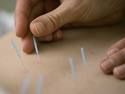
Acupuncture has been practised in the Far East for centuries and is believed to encourage the body to self heal.

It is sometimes used alongside traditional treatments by GPs and also in many hospitals. Fine needles are inserted into various meridian points in the body and left for up to 20 minutes to stimulate energy flows. The acupunturist will make a diagnosis based on the patient’s answers to questions about their health and lifestyle, as well as taking the pulse and examining the tongue. Also useful for stress, headaches, migraine, pain, allergies, smoking and alcohol addictions.

Available through British Acupuncture Society and through some health clinics and GPs. Further information can be obtained from:

British Medical Acupuncture Council
BMAS House
3 Winnington Court
Norwich, Cheshire CW8 1AQ
Tel: ++ 44(0)1606 786782
Fax: ++ 44(0)1606 786783
Email: admin@medical-acupuncture.org.uk

Note

Note: Alternative and complementary therapies are beneficial for lots of people and many are increasingly used alongside conventional medicine. Always use an alternative therapist who belongs to a bona fide professional body and always consult your GP for recommendations if you have a serious illness. As always word of mouth is usally the best recommendation. We have endeavoured to be as accurate as possible with the information on our site and appreciate assistance from visitors to this site to keep us updated.

Aikido

A form of martial art similar to wrestling where the participant is encouraged to synchronise mind and body. As well as improving general fitness and blood circulation it can also assist spiritial health. Available through specialist health centres and fitness clubs.

Further information can be obtained by visiting:
www.aikidoonline.com
or
www.aikido_world.com

Cosmetic Surgery

Cosmetic surgery is a skilled procedure and anyone contemplating surgery should check that their surgeon has undergone a professional training programme and has a successful reputation in this area. Your personal physician or doctor can advise but do also ask the surgeon the name of the professional body to which he or she belongs and double-check credentials with them. A list of professional bodies whose aim is to promote the highest standards in the profession are detailed on How to find a professional cosmetic surgeon

Make sure you know as much as possible about the procedure you are wanting -you will be in a better position to judge just how professional your surgeon is. The British Association of Cosmetic Surgery has a guide for the layman – this costs £9.99 + postage and can be bought on line at www.b-a-c-s.co.uk

ElixirNews is an independent information source and is not paid to list surgeons or endorse them. We will however write independent editorial on good and bad experiences that come to our attention. Please let us know about your experiences with cosmetic surgery.

Anyone contemplating surgery should be aware that there are various actions they can take to improve the outcome of their operation, this includes giving up smoking for several weeks beforehand – smoking interferes with blood circulation and therefore healing. Also there are a number of medications such as aspirin, Brufen and Ibuprofen, and herbal remedies/nutritional supplements (vitamin E, evening primose oil and fish oils) that may also cause problems with surgery. You should tell your doctor/surgeon which medications and supplements you are taking.

The following is guide to the main types of plastic surgery, what to expect in the way of discomfort and healing.

The UK’s Department of Health has some useful online information, including questions you should ask your surgeon and a guide to procedures for anyone considering surgery. Here are links to their guides:
Considering Cosmetic Surgery?
Considering Non-Surgical Cosmetic Procedures?
A-Z of Cosmetic Procedures
Qualifications and What They Mean

There is also more useful information about procedures on the Which? magazine web site:
www.which.co.uk

Never say die….

image

In the past physical ageing was inevitable. Now, new scientific discoveries mean we can not only live longer but healthier and more enjoyable lives. Our longevity is not purely genetic – inherited factors account for only 30% of longevity. It is our health behaviour – that is, the choice of food, environment and physical activity that most importantly accounts for 70 percent of living longer. So our longevity is really in our own hands.

Improved healthcare and standards of living also mean we are seeing the growth of an active elderly population over the age of 65, and a new group of 85 years and older. Twenty percent of the world’s elderly population or 61 million people are 85+. By 2020, this group will double to 146 million. So if we are living longer we should all take preventative measures with out diet and exercise to ensure we not only live longer but that we are as happy and healthy as we can be.

So what causes ageing? The main causes of ageing and death are ageing of the heart and blood vessels (cardiovascular system), ageing of the immune system, and ageing caused by accidents and the environment.

Clogging of the arteries from a diet of highly saturated fat causes heart attacks and strokes. A weak immune system and environmental toxins may be the trigger for many forms of cancer and accidents that lead to early death.

But there are a number of factors that accelerate ageing. These are mainly lifestyle choices that we make that cut years off our natural lives and include: overeating and poor nutrition, smoking of whatever form, excessive alcohol intake, lack of exercise, lack of mental challenge, and feeling unloved or uncared for. Which is another reason why we should nurture the older members of our community.

The key to successful ageing is how well we can control these factors. Take control – see a doctor who can determine what measures you should be taking to improve your blood pressure, cholesterol, blood sugar and diet. Whether you need medication, sugery or special supplements. There are lists of experts on our site.

Doctors are learning more about how to extend human life through new discoveries such as stem cells. There are already a number of supplements available that can subsitute for the loss of hormones and other building blocks. One is human growth hormone (HGH) and another sex steroids. In theory, since HGH and testosterone (or estrogen) are responsible for the rapid growth and maturation in adolescence, replenishing them in old age will reverse the effects of ageing.

A recent study (Journal of the American Medical Association, November 2002), stated that combined HGH and sex steroids did just that – increased lean body mass and decreased fat in both men and women subjects. So is this the elixir of youth? Current research has not come up with the answer. There are long term risks and side-effects such as the increased risk of cancer with HGH. There is no one magic pill but there are a number of elixirs – elixir supplements, elixir antioxidents and elixir foods – which we can all take so that we can live life to the optimum. Even with the most serious diseases of ageing described below these elixirs can assist quality of life but their real value is in prevention. The aim of ElixirNews is to report on these new developments to help you make informed choices in living life to the optimum.

Angina

image

There are more than two million sufferers of angina in the UK. It is the medical term for pain caused by a lack of oxygen to the heart and is the most common form of coronary heart disease.

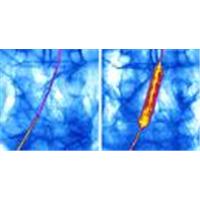
Symptoms include pains in the chest which are caused by a lack of oxygen to the heart muscle, usually as a result of arteriosclerosis – where the blood vessels that supply the heart muscles with oxygen have narrowed.

In general, angina pain is brought on when the heart has to work harder, for instance during exercise, eating a large meal or during particularly cold weather or during times of stress. Angina is not usually fatal, but it is a sign that the heart is not healthy – not enough blood is reaching the heart and there is an increased risk of a heart attack. As with many of the diseases of ageing it is more likely to happen to smokers, sufferers of high blood pressure, people with high cholesterol and diabetes, those who don’t take exercise or are overweight.

Men over 45 and women over 55 are more likely to suffer from all forms of coronary heart disease, and the chances of developing angina increase gradually as people get older. A family history of the disease also increases the likelihood. Symptoms may include the following: tightness across the chest, heaviness, dull discomfort, numbness, burning, pressure or crushing pain usually behind the breastbone. It can also spread to the arms, neck, stomach and jaw. An attack usually lasts between 30 seconds and 15 minutes. However, similar symptoms can be caused by muscular pain or indigestion and it is therefore advisable to get any chest pain checked by a doctor.

Diagnosis is usually made through an electrocardiogram ( ECG), a test which records the rhythm and electrical activity of the heart. Alternately, doctors may advise a coronary angiogram, in which a very long and thin tube is inserted through an artery in the arm or leg and guided into the heart. Dye is injected into the arteries around the heart and X-rays taken. Again the dye allows the doctor to see if any of the arteries that supply the heart muscle are blocked or narrowed.

Medication includes the following: Glyceryl trinitrate, a painkiller, which helps ease pressure on the heart by dilating the blood vessels. This allows more oxygen to reach the heart, which widens the artery and helps reduce the pain. It comes in the form of a spray, or a tablet which you place under your tongue. Aspirin is also a popular treatment because it helps prevent the blood from clotting.

Statins, cholesterol-lowering drugs, block the production of an enzyme which causes the liver to produce cholesterol and prevents excess cholesterol from entering the blood stream. If the coronary arteries are blocked and drugs fail to open them, a surgical procedure may be the alternative.

An operation, known as angioplasty, in which a tiny deflated balloon is inserted through a leg or arm, fed into the problem artery, then inflated opening and unblocking it. A stent, or small metal rod, might be put into the artery where the blockage was to hold the artery open. The number of angioplasty procedures has tripled in the past ten years, and it has proved very successful.

A coronary by-pass is a more serious form of surgery. The aim is to get around the narrow sections of the thickened coronary arteries by grafting a blood vessel between the aorta – the main artery leaving the heart – and a point in the coronary artery beyond the narrowed area. Veins may be used from the legs to bypass the narrowed area of the coronary artery.

The British Heart Foundation recommends as a preventative measure everyone should reduce their salt and saturated fat intakes which helps to reduce blood pressure and cholesterol levels and weight loss. Increasing levels of anti-oxidents is recommended by eating at least least five portions of fruit and vegetables daily as well as oily fish. Smokers double their risk of death because the action of various constituents of tobacco work to deprive the blood and therefore the heart of oxygen. The carbon monoxide in cigarettes joins onto the red protein of the blood cell (haemoglobin) making it less able to carry oxygen while the nicotine stimulates the production of adrenaline, making the heart beat faster and raising blood pressure. A minimum of half an hour of moderate exercise five times a week is also recommended.Cutting down on stress is also beneficial. Further information can be obtained from British Heart Foundation www.bhf.org.uk or contact their Heart Health Line on 0870 600 6566.

New medical devices
The US company Medtronic is working on trials of a device implanted beneath the skin to relieve the pain of angina. The device sends mild electrical signals to stimulate the spinal cord.